How much does a heat pump installation cost in the UK?
 By Tom Ellis
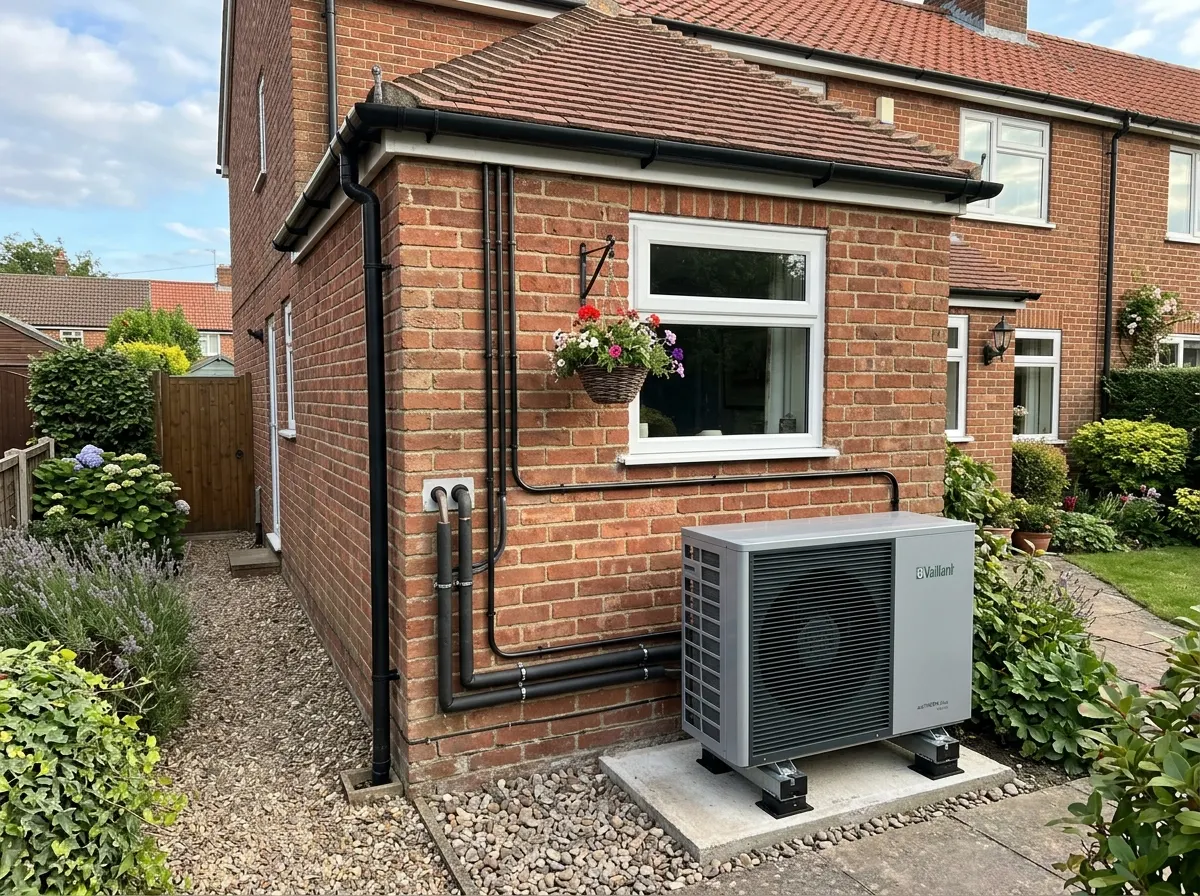
Heat pumps are the UK government's primary solution for decarbonising domestic heating. By extracting latent heat from the outside air or ground, they can operate at over 300% efficiency, delivering three units of heat into your home for every one unit of electricity consumed.
In 2026, the gross cost to install an Air Source Heat Pump (ASHP) in the UK ranges from £7,000 to £18,000, with Ground Source Heat Pumps (GSHP) reaching £25,000+. However, this upfront shock is heavily offset by the Boiler Upgrade Scheme (BUS), which currently provides an instant upfront grant of £7,500 for properties on mains gas, and a newly updated £9,000 grant for off-grid homes relying on expensive heating oil or LPG.
~£7,000
Gross cost before grants. A highly insulated 2-bed home requiring a small 5kW air source unit. Existing radiators are adequately sized, and pipework requires minimal alteration.
~£12,000
Mid-range gross cost. An 8kW–11kW air source system. Includes supplying a new unvented hot water cylinder, upgrading 3 to 4 undersized radiators, and full system commissioning.
£18,000+
Premium gross cost. A large 14kW+ air source or ground source system. Requires comprehensive pipework upgrades, widespread radiator replacement, or underfloor heating installation.
Get an instant estimate for your heat pump
The Boiler Upgrade Scheme (2026 Rules)
The UK Government heavily subsidises the upfront cost of transitioning away from fossil fuels. In 2026, the grant rules have changed significantly depending on your current heating fuel.
Mains Gas & Electric £7,500
If you are replacing an existing mains gas boiler or electric storage heaters, you are eligible for a flat £7,500 voucher towards an Air Source or Ground Source Heat Pump.
Off-Grid (Oil & LPG) £9,000
Introduced recently, the grant is increased to £9,000 if your home relies on highly volatile heating oil or LPG tanks. This is designed to rapidly decarbonise rural areas.
Crucial Grant Rules:
- ✓ Voucher Admin: You do not apply for the money yourself. Your MCS-certified installer applies for the voucher and deducts it directly from your final invoice.
- ✕ EPC Hurdles: Your property must have a valid Energy Performance Certificate (EPC). Crucially, if your EPC recommends loft or cavity wall insulation, you MUST install that insulation before the grant will be approved.
- ✕ Hybrids Excluded: Hybrid systems (a heat pump bolted alongside a new gas boiler) do not qualify for any BUS funding. You must completely remove the fossil fuel boiler.
Types of Heat Pumps
While Air Source Heat Pumps dominate the UK domestic market due to their lower installation costs, different technologies suit different properties.
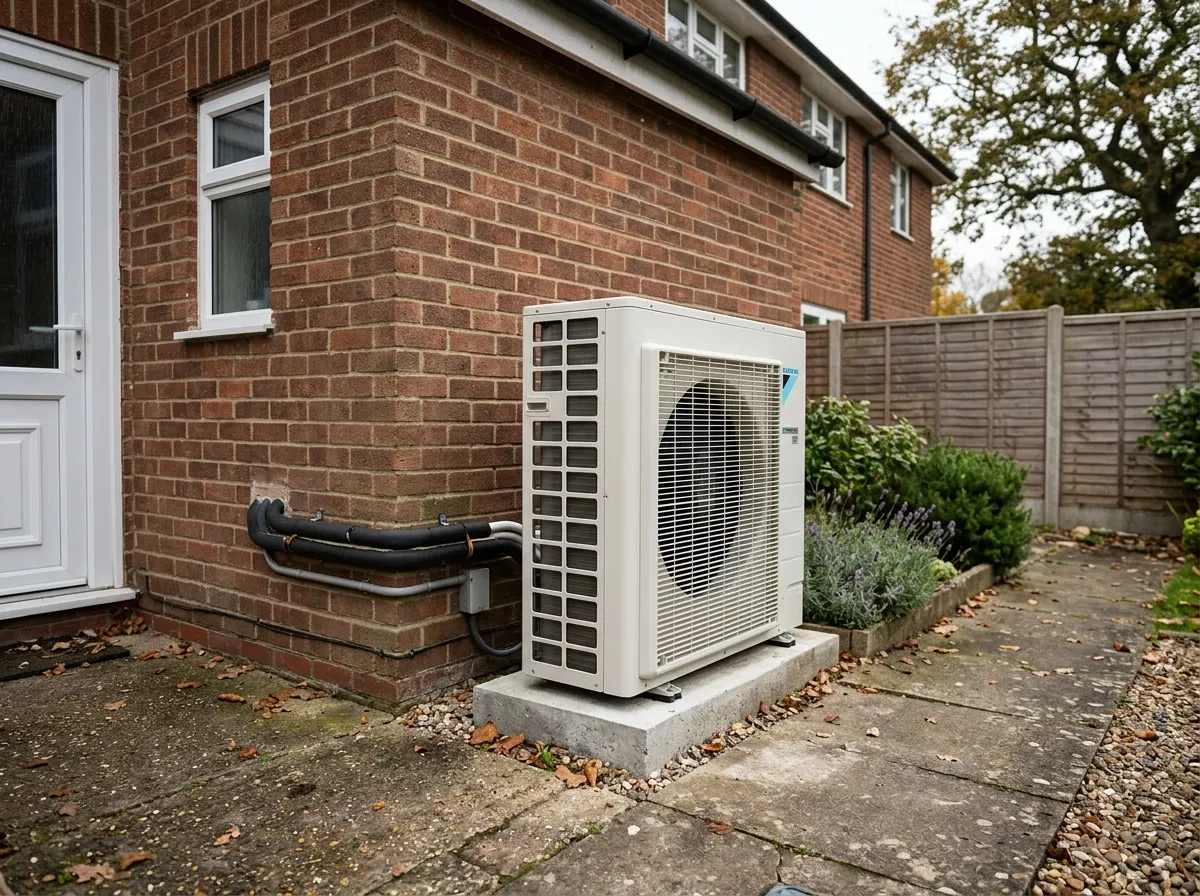
Air Source (ASHP)
StandardThe fan unit sits outside your home and extracts heat from the ambient air (even when it is below freezing outside). It is relatively quick to install, doesn't require massive gardens, and operates at roughly 300% to 350% efficiency (COP 3.0–3.5).
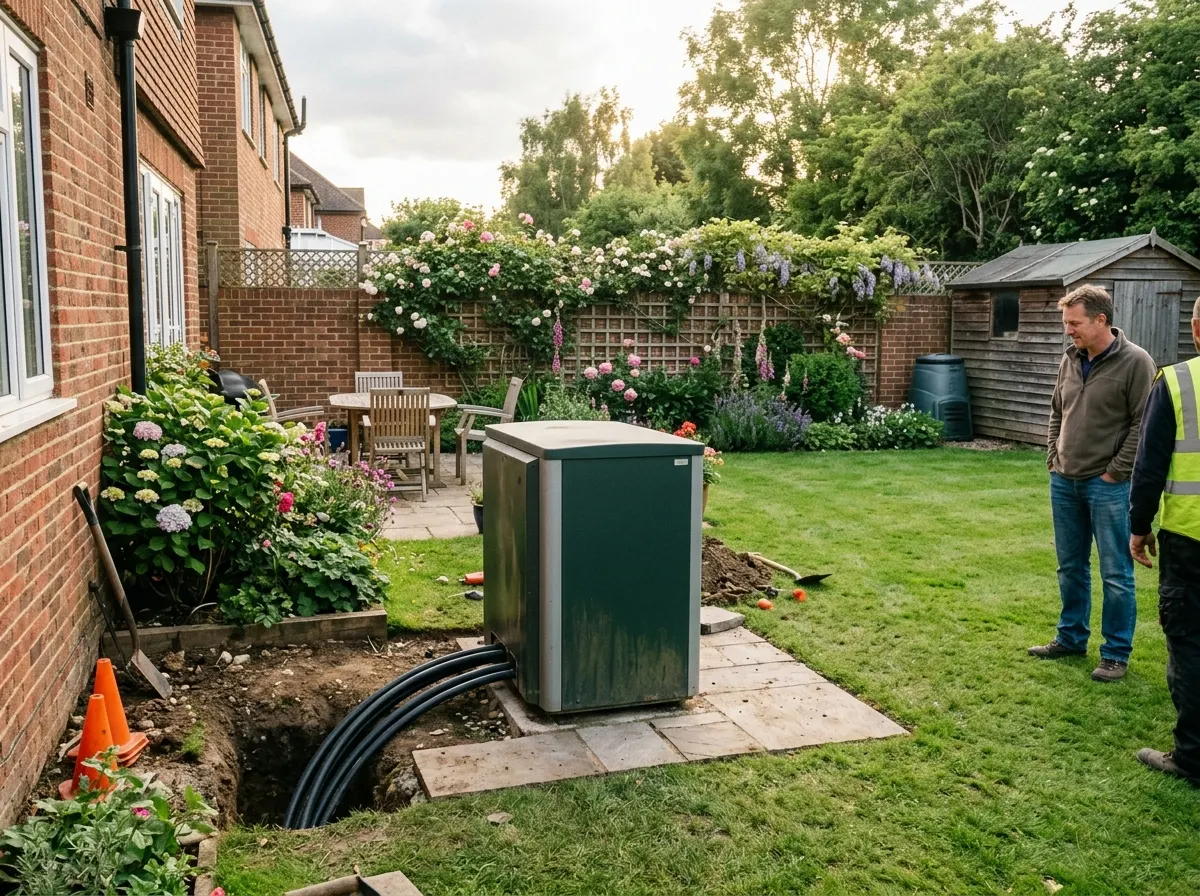
Ground Source (GSHP)
Ultra EfficientExtracts heat via long fluid-filled pipes buried in horizontal trenches or deep vertical boreholes. Because underground temperatures remain a stable 10-12°C year-round, they boast incredible efficiencies (COP 4.0–5.0). However, the intense civil groundwork pushes upfront costs drastically higher.
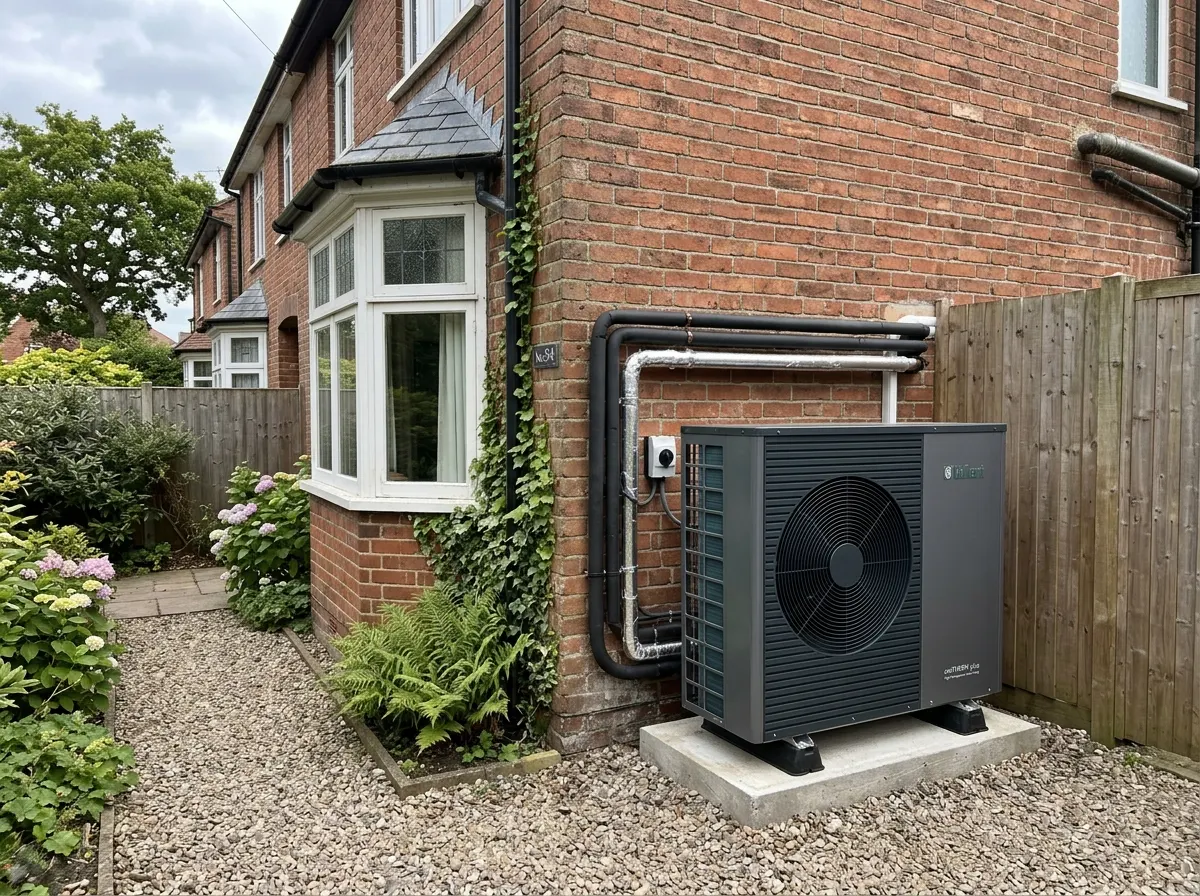
High-Temp Air Source
Retrofit SolutionTraditional heat pumps output water at low temperatures (35-45°C), requiring you to replace all your radiators with much larger ones. High-temperature heat pumps use advanced refrigerants to output water at 65-70°C (matching gas boilers), meaning you can often keep your existing radiators. They are slightly less efficient to run but save thousands on radiator upgrades.
Why is the quote so high?
The heat pump unit itself only costs roughly £3,500 to £6,000. The rest of your quote covers the extensive internal plumbing upgrades required to make low-flow-temperature heating actually warm your house.
Radiator Oversizing
Gas boilers blast out water at 70°C, meaning small radiators get incredibly hot, very quickly. Standard heat pumps output water steadily at 40-45°C. To achieve the same room temperature, the surface area emitting the heat must be much larger. Therefore, the installer will likely quote to rip out your old single-panel radiators and upgrade them to massive double or triple-panel (K3) radiators. Upgrading 10 radiators easily adds £1,500 - £2,500 to the quote.
New Hot Water Cylinders
If you currently have a combi boiler (which has no tanks), you will lose cupboard space. Heat pumps cannot provide instant hot water to taps efficiently. You must install a large, heavily insulated unvented hot water cylinder to store domestic hot water. A new 200L heat-pump-compatible cylinder adds roughly £1,200 - £1,800 to the installation.
Pipework Sizing (Microbore Removal)
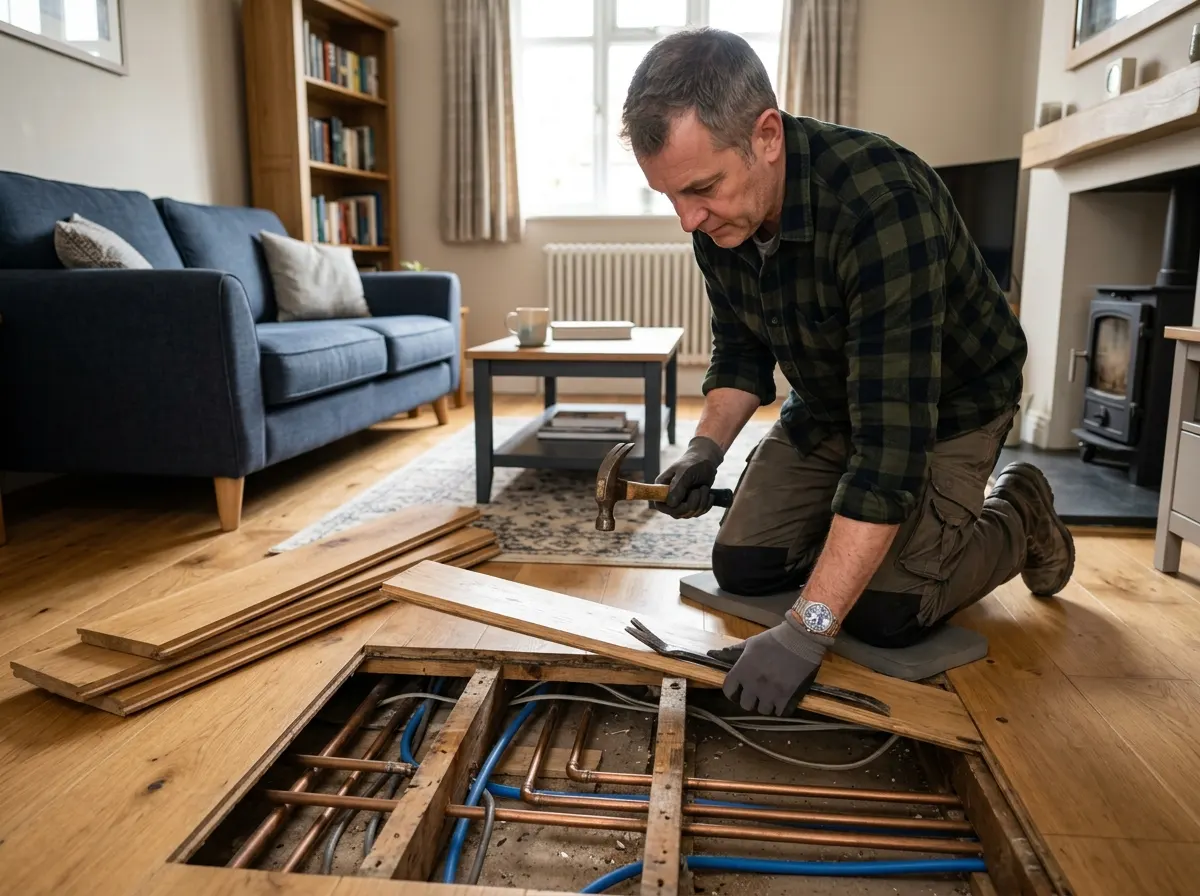
Because heat pumps operate at lower temperatures, they rely on pushing a much higher volume of water through the pipes to deliver the energy. If your house has old 10mm or 8mm "microbore" piping, it physically cannot handle the flow rate required. The installer must lift the floorboards and re-pipe the entire house in 22mm and 15mm copper or plastic, adding thousands to the labour bill.
Electrical Supply & DNO Upgrades
Heat pumps draw significant electrical current. Your installer must notify the District Network Operator (DNO) to ensure the local grid can handle the load. If your home still has an old 60-amp main fuse, it must be upgraded to 100-amps by the energy network before installation can proceed.
Air Source Installation Costs by Property
The table below outlines real-world 2026 supply-and-fit prices for Air Source Heat Pumps, demonstrating the dramatic difference the Boiler Upgrade Scheme makes to the final bill.
| Property Size | Typical ASHP Size | Gross Cost (Pre-Grant) | Net Cost (After £7.5k BUS) |
|---|---|---|---|
| 2-Bed Terrace / Small House | 5 kW | £8,000 – £10,000 | £500 – £2,500 |
| 3-Bed Semi-Detached | 7 kW – 8 kW | £10,000 – £12,000 | £2,500 – £4,500 |
| 4-Bed Detached | 11 kW – 12 kW | £12,000 – £14,000 | £4,500 – £6,500 |
| 5+ Bed Large Detached | 14 kW – 16 kW | £14,000 – £18,000+ | £6,500 – £10,500+ |
| Off-Grid Oil/LPG Homes (Any Size) | Gross costs remain the same, but the grant increases to £9,000. | Subtract £9,000 from Gross | |
How long does installation take?
An air source heat pump retrofit is significantly more disruptive than a 1-day boiler swap. Expect the installation team to be on-site for 3 to 5 days.
Strip Out & Groundwork
The old gas/oil boiler is decommissioned and removed. Outside, a solid concrete base or anti-vibration rubber feet are laid to securely mount the heavy 100kg+ external fan unit.
Cylinder & Pipework
The large unvented hot water cylinder is manoeuvred into the airing cupboard or garage. Primary flow and return pipes (thick, heavily insulated exterior pipes) are core-drilled through the exterior wall to connect the outdoor unit to the cylinder.
Radiators & Electricals
Old radiators are drained and removed. New, oversized K3 radiators are hung on the walls. The electrician wires the outdoor unit to a dedicated fuse spur and installs the smart thermostats.
Commissioning
The system is filled, pressurised, and balanced. The installer programs the weather-compensation curves (ensuring the water temperature drops automatically when it's mild outside) and hands over the MCS certificates.
Heat Pump Installation Red Flags
A badly designed heat pump will cost more to run than a gas boiler and leave you shivering in winter. Watch out for these catastrophic shortcuts:
No Room-by-Room Heat Loss Calc
A reputable installer will spend 2 hours measuring your windows, insulation, and room volumes to perform an exact MCS heat loss calculation. If a contractor just looks at your 24kW boiler and says "we'll stick a 12kW heat pump in," sack them immediately. Undersized units freeze; oversized units cycle rapidly and burn through electricity.
Not MCS Certified
The £7,500 - £9,000 Boiler Upgrade Scheme voucher is only available if your installer is strictly MCS (Microgeneration Certification Scheme) accredited. If you use an unaccredited mate to install a cheap heat pump, you will pay the full £10,000+ gross price yourself.
Ignoring Property Insulation
Heat pumps provide steady, low-level heat. If your house has single glazing, uninsulated solid walls, and a drafty loft, the heat will escape faster than the pump can generate it. A good installer will demand you upgrade your loft and cavity wall insulation before they even quote for the pump.
Can you DIY a heat pump?
No. Connecting F-Gas refrigerants, electrical feeds, and signing off the complex MCS commissioning paperwork makes the core installation strictly professional-only. More importantly, DIYing it instantly voids your access to the £7,500–£9,000 government grant.
What you CAN safely DIY to lower costs:
- ✓ Insulation Upgrades: Rolling out 270mm of mineral wool insulation in your loft over a weekend ensures you pass the EPC hurdle required to unlock the BUS grant.
- ✓ Preparation & Clearance: Emptying the airing cupboard so the installer can easily fit the new cylinder, and lifting carpets/floorboards to expose the pipe runs saves expensive labour hours.
Strictly Pro Only
Decommissioning Gas/Oil: Disconnecting the old fossil fuel boiler must be done by an OFTEC (oil) or Gas Safe registered engineer.
Frequently Asked Questions
How much does an air source heat pump installation cost in 2026?
A full air source heat pump system installation typically costs between £10,000 and £16,000 for standard domestic properties before grants. This price includes the outdoor compressor unit, indoor hydrobox, high-capacity unvented hot water cylinder, updated oversized radiators or underfloor pipework, and complete MCS certification.
How much can I save with the UK Boiler Upgrade Scheme (BUS)?
The government Boiler Upgrade Scheme (BUS) offers a standard £7,500 grant for homes replacing mains gas or electric heating with a heat pump. In 2026, this was increased to a massive £9,000 for homes replacing off-grid heating oil or LPG boilers. Your accredited MCS installer applies for this on your behalf and deducts it directly from your final invoice.
Are air source heat pumps suitable for older or period homes?
Yes, but with strict caveats. A drafty period property loses heat faster than a standard low-temperature pump can distribute it. You must upgrade your home's thermal insulation first (loft insulation, cavity wall insulation or internal wall boards, and double glazing). Alternatively, you can specify a High-Temperature Heat Pump, though running costs will be slightly higher.
Do I need planning permission to install an air source heat pump?
Usually no, as most installations fall under Permitted Development rights. However, to comply with strict MCS noise limit guidelines, the external fan unit must be installed at least 1 metre from your property boundary. If you live in a designated Conservation Area or a Listed Building, full planning permission is legally required.
Are heat pumps cheaper to run than traditional gas boilers?
Currently, electricity units are roughly 3 to 4 times more expensive than gas in the UK. However, because heat pumps operate at 300% to 400% efficiency (producing 3–4 units of heat for every 1 unit of electricity consumed), annual running costs roughly equal out compared to a modern gas boiler. Pairing your heat pump with Solar PV panels and a home battery drastically slashes electricity bills.
Why do I need a large hot water cylinder with a heat pump?
Unlike a gas combi boiler that burns fossil fuel fiercely to heat water instantly on demand as it passes through, heat pumps generate heat slowly and steadily at lower temperatures. They cannot heat tap water instantly. Instead, they gradually heat a large, heavily insulated hot water cylinder over a few hours to provide domestic hot water throughout the day.
What is the expected lifespan of an air source heat pump?
Because heat pumps do not use combustion (fire or gas ignition) like traditional boilers, there is vastly less thermal and mechanical stress on the internal components. A well-maintained air source heat pump should comfortably last 15 to 20 years, while underground ground source pipework loops can last 50+ years.
Do I need to replace all my radiators when switching to a heat pump?
Very often, yes. Traditional gas boilers pump water at high temperatures (70°C–80°C), whereas heat pumps run more efficiently at lower flow temperatures (35°C–45°C). To deliver enough warmth into your rooms at this lower temperature, your heating engineer will likely need to replace smaller radiators with larger double-panel (K2) radiators or bespoke low-temperature convector radiators.
Related Projects & Guides
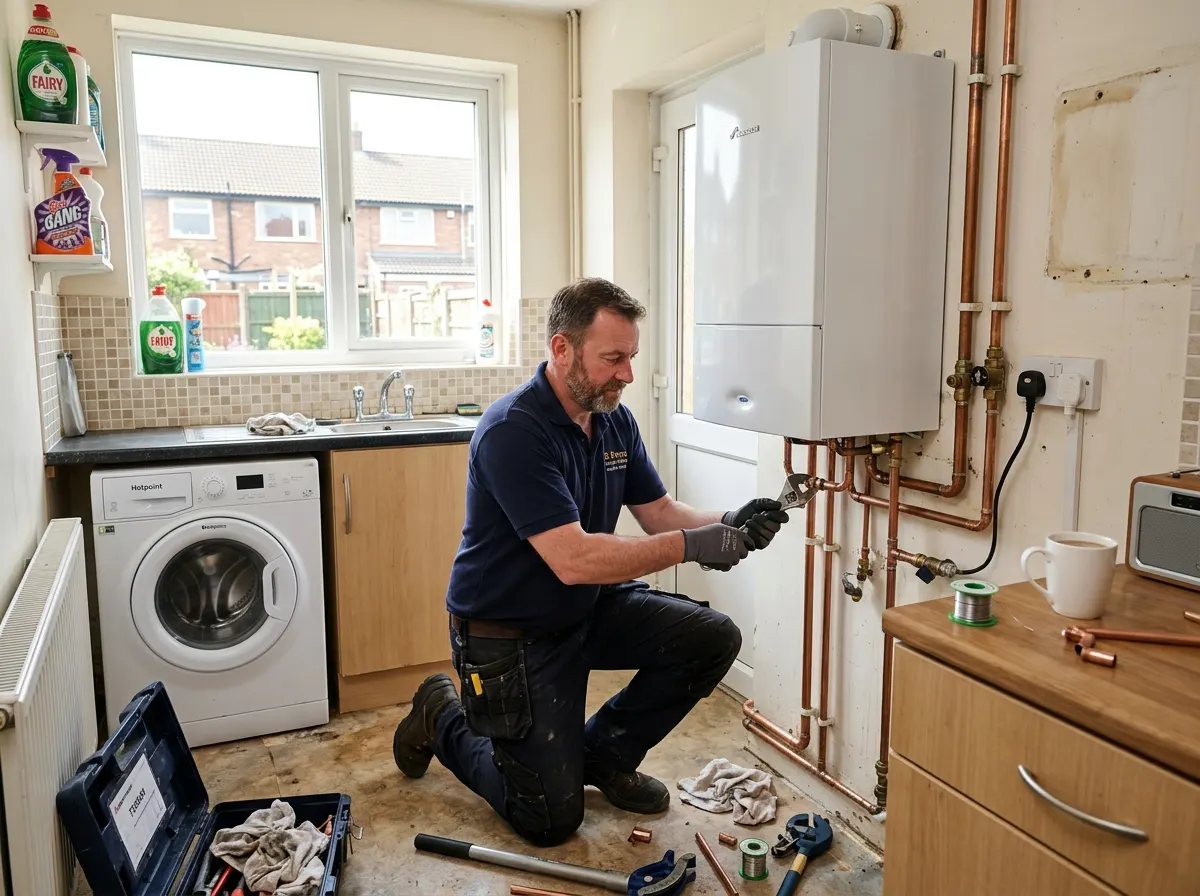
New Boiler Installation
Combi, system, and regular gas boiler swaps.
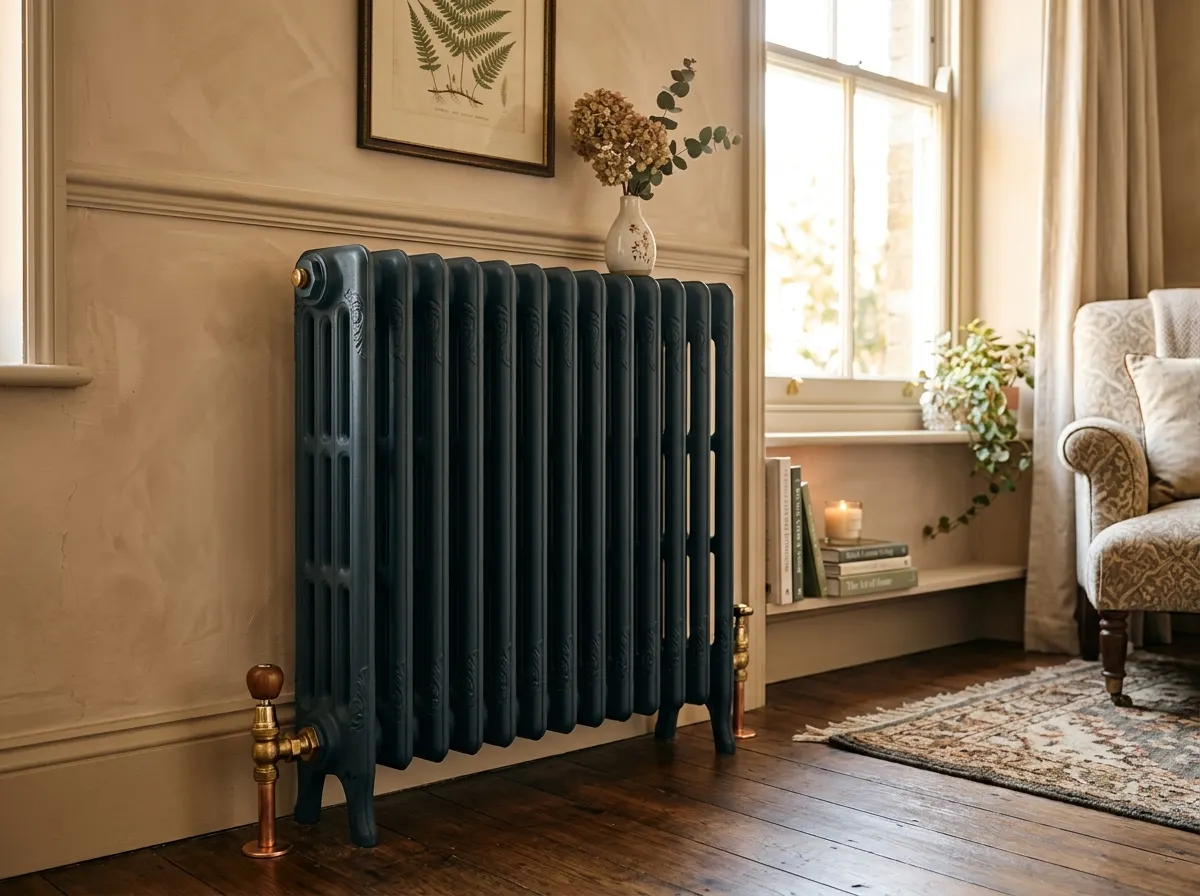
Central Heating System
Full replumbing, pipe runs, and radiators.
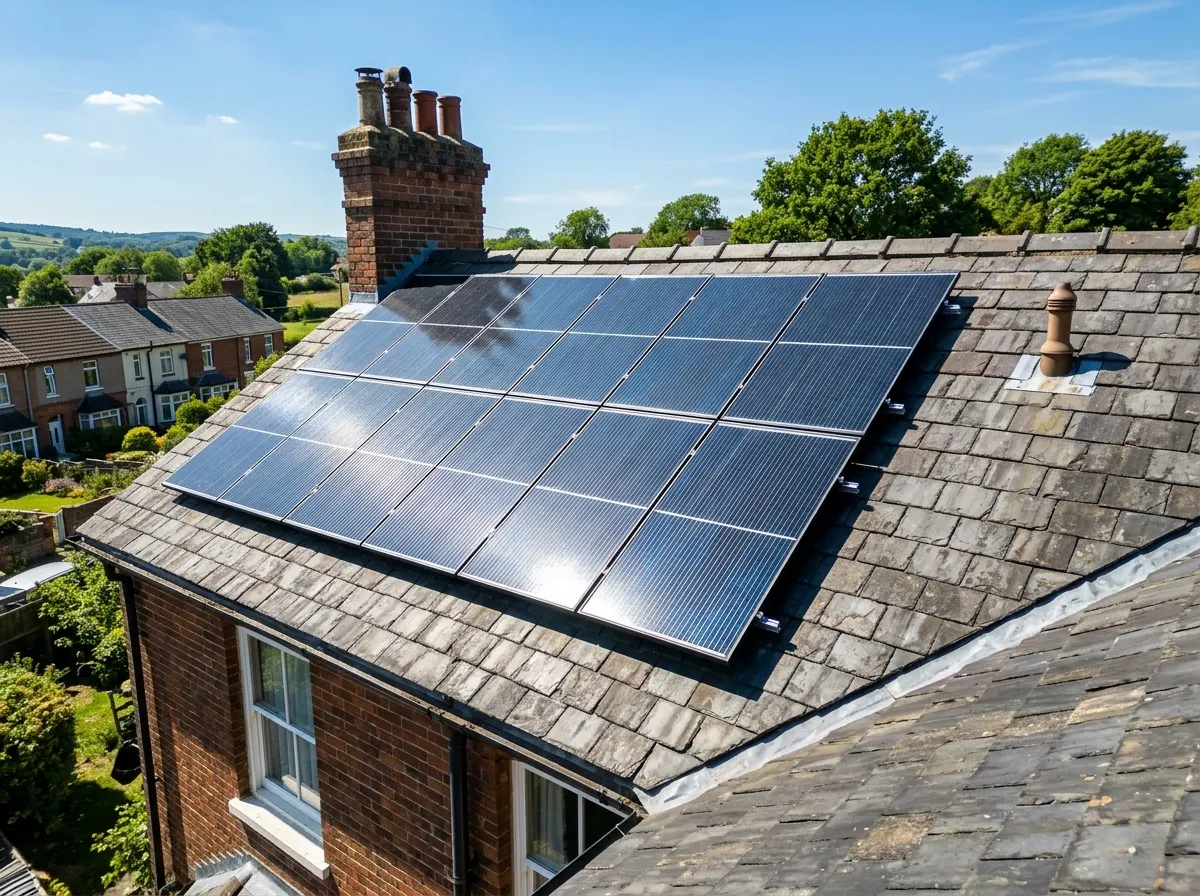
Solar Panel Installation
Generate free power to run your heat pump.
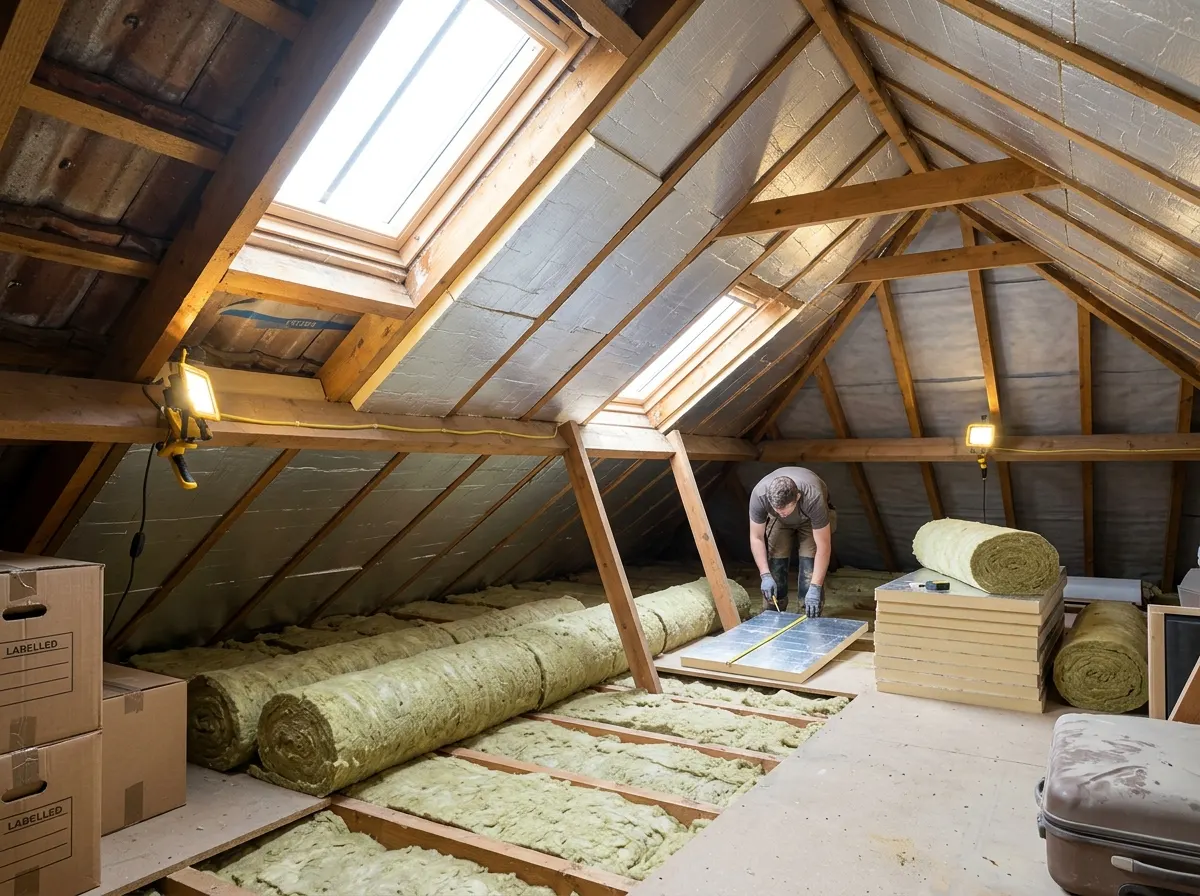
Home Insulation
Pass the EPC and unlock the BUS grant.
Ready to claim your £7,500 grant?
Use our AI to check your grant eligibility and get a precise estimate based on your home's heat loss, then connect with Pricing Penguin Accredited, MCS-certified installers near you.
Did you find this page helpful?
Let us know if this guide helped you plan your project.