How much does a bathroom renovation cost in the UK?
 By Tom Ellis
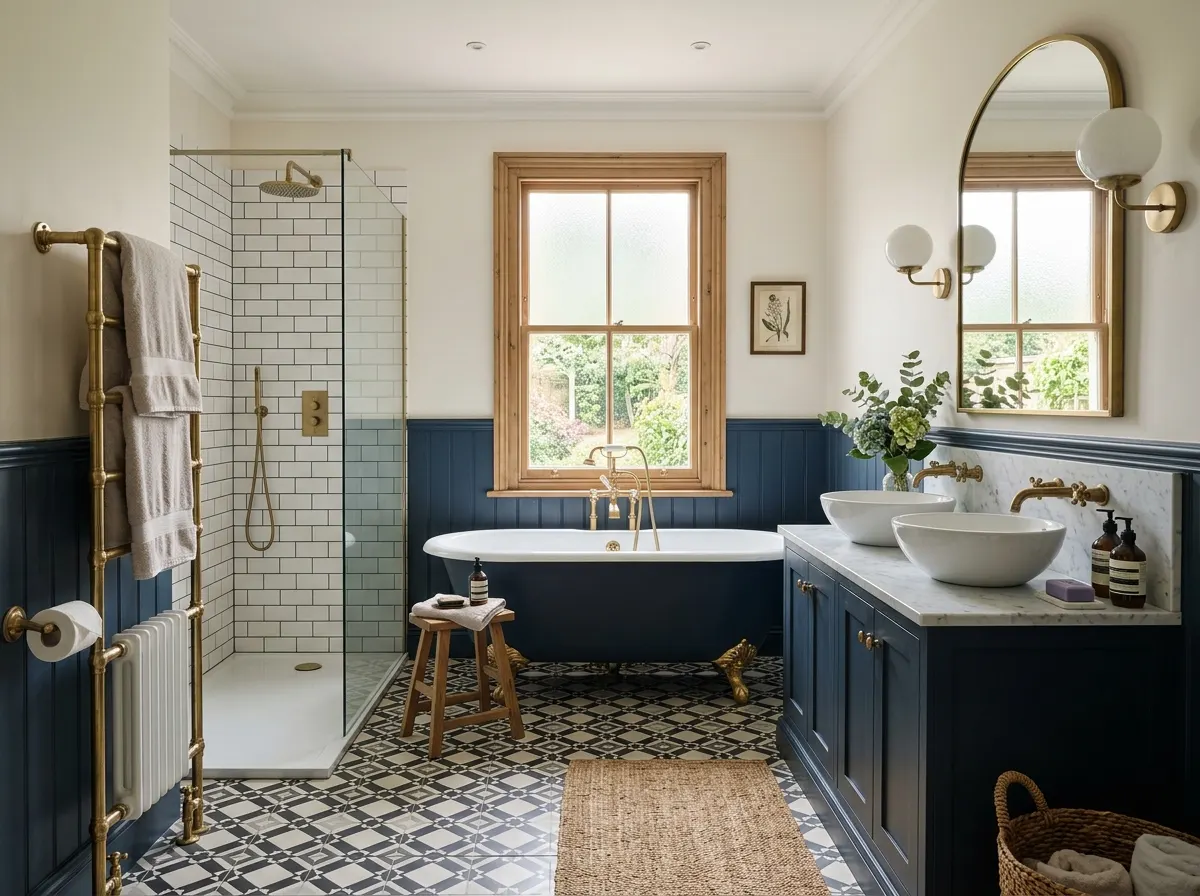
Bathroom renovations range from simple cosmetic updates to full, back-to-brick re-fits including new plumbing, extensive tiling, and premium fixtures. In 2026, the typical UK bathroom renovation costs between £4,000 and £15,000, with a standard family bathroom landing around £6,000 to £10,000.
Unlike kitchens where cabinets dictate the budget, bathroom renovations are highly labour-intensive. You are paying for a plumber, an electrician, a plasterer, and a tiler to operate in a tiny footprint. Labour costs account for 40% to 60% of the total budget, and making major layout changes will dramatically inflate the final quote.
~£3,000
Basic specification. Updating a small bathroom or cloakroom with a standard suite, basic splash-zone tiling, and keeping the existing plumbing layout exactly where it is.
~£7,500
Mid-range finish. A full 5m² family bathroom strip-out. Includes a quality suite, full wet-area tiling with porcelain, new lighting, and minor layout adjustments.
£15,000+
High-end specification. Full reconfiguration into a walk-in wet room, natural stone tiling, freestanding bath, concealed cisterns, and wet underfloor heating.
Get an instant estimate for your new bathroom
Costs by Room Size & Type
The footprint of the room drastically dictates the materials and labour required. Here is how the UK averages break down by bathroom type in 2026.
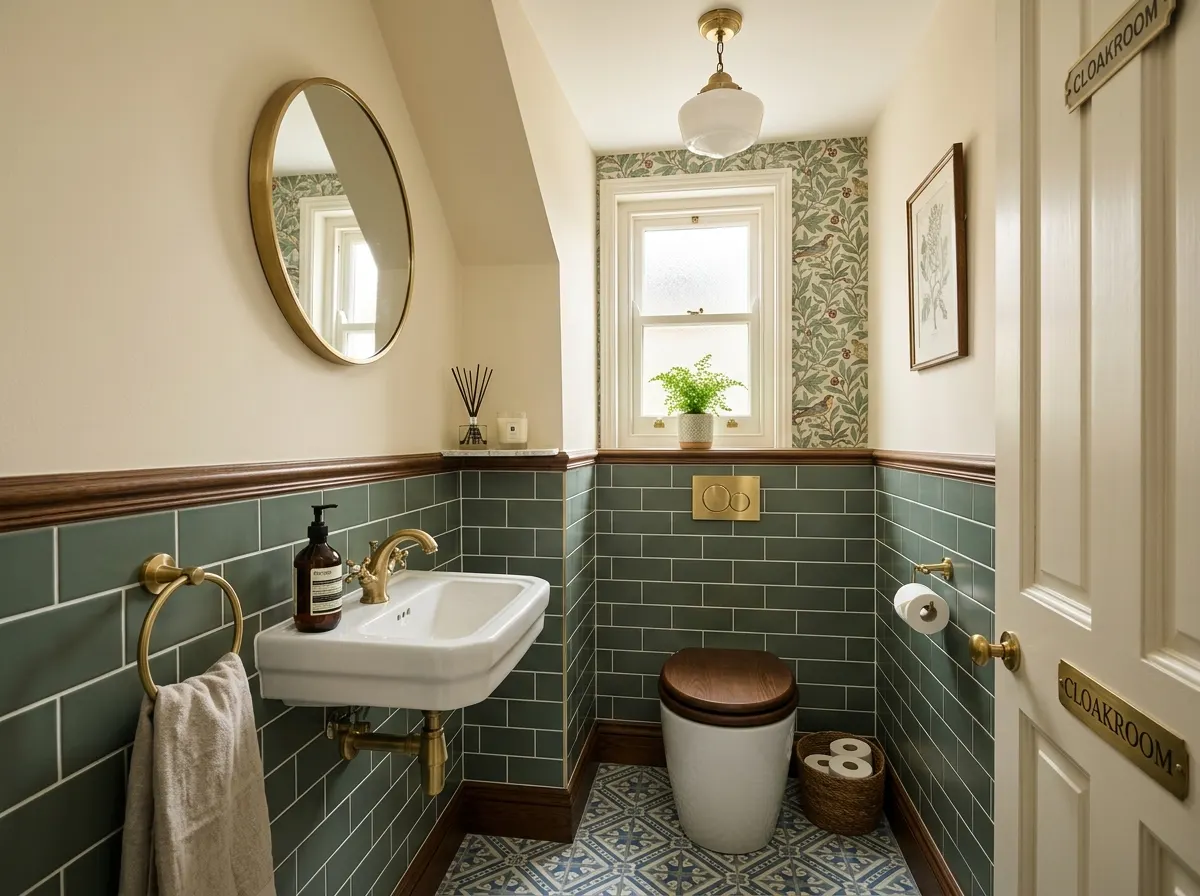
Downstairs Cloakroom / WC
Typically 1.5–2.5 m². Consists of just a toilet, a small basin, and a tiled splashback. Because there is no shower or bath, waterproofing (tanking) is not required, keeping labour costs relatively low.
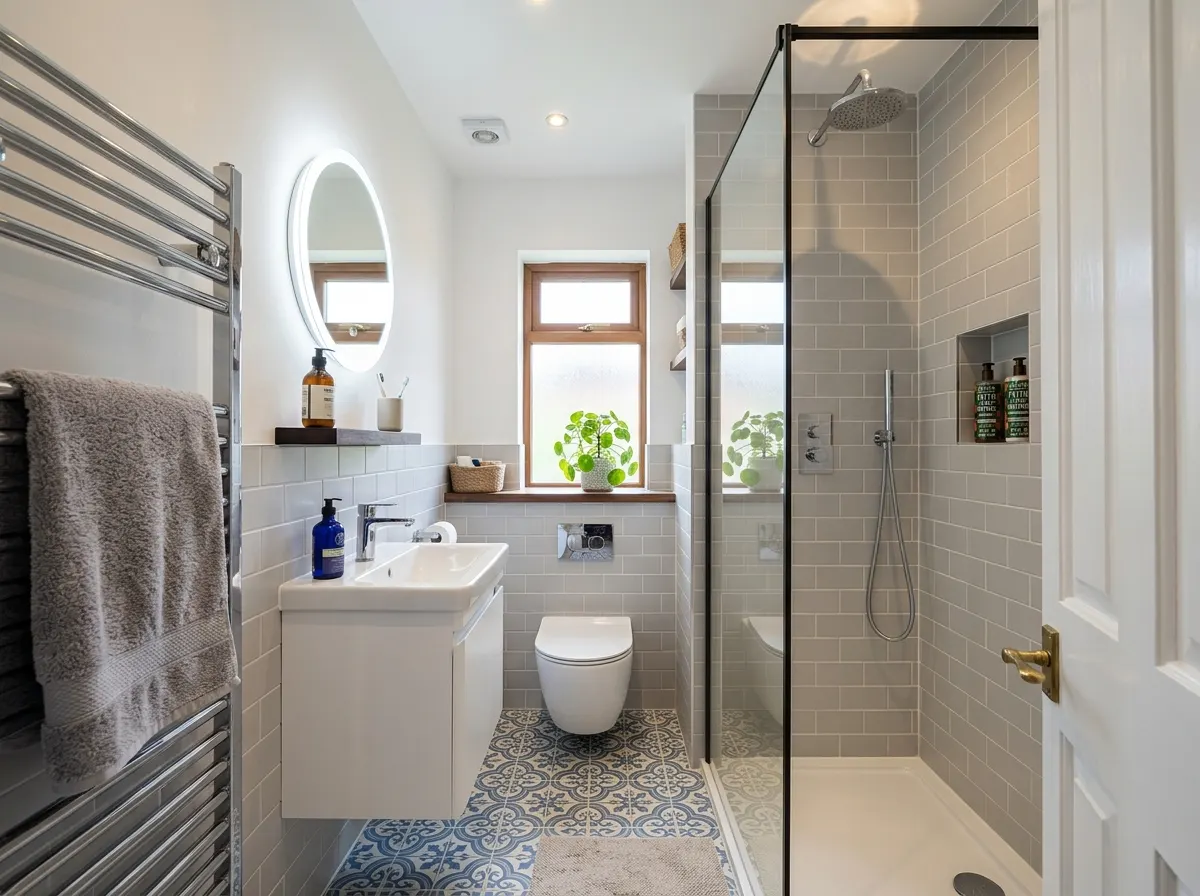
En-Suite Shower Room
Typically 3–4 m². Squeezing a toilet, basin, and shower enclosure into a tight space. Features heavily concentrated tiling and requires precise plumbing. A common upgrade is swapping a hinged door for a sliding shower door to save space.
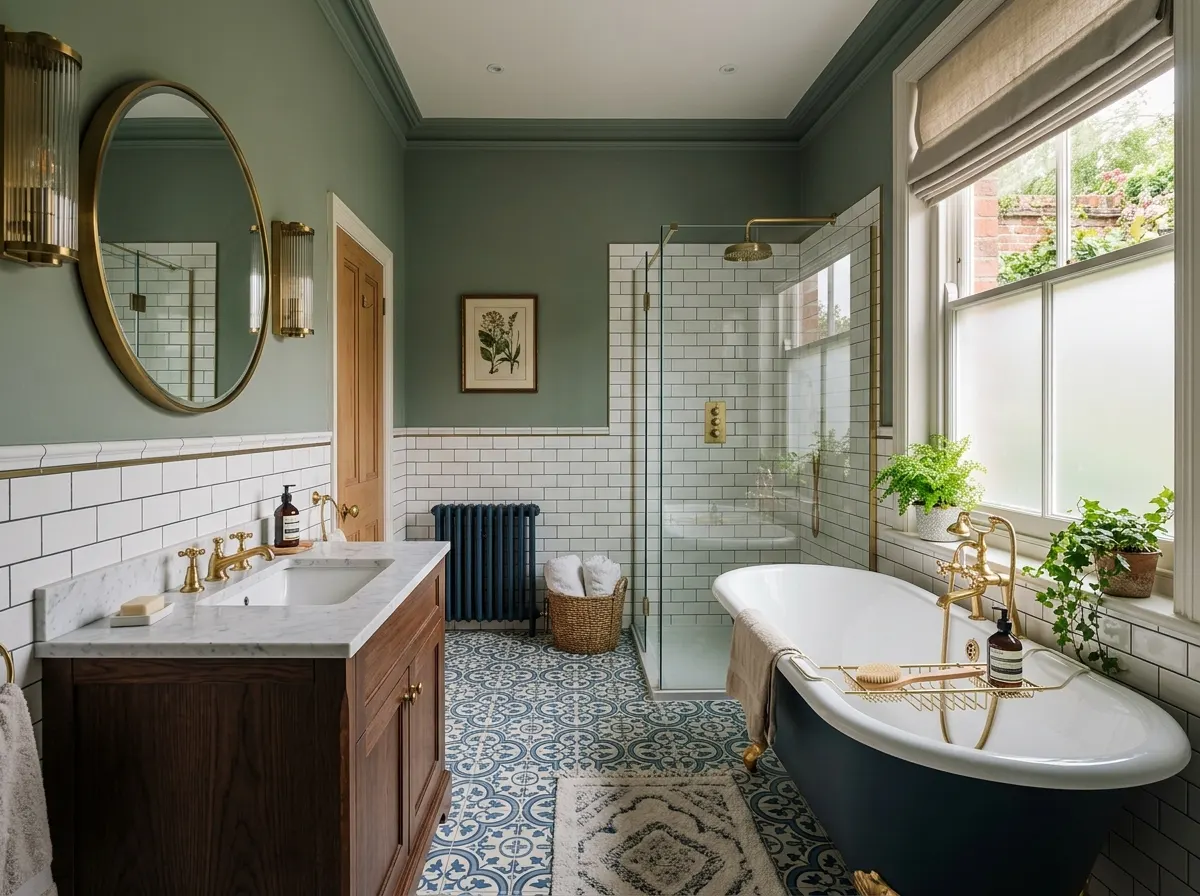
Full Family Bathroom
Typically 5–8 m². Includes a bath, an overhead or separate shower, toilet, and a large vanity unit. Plumbed appliances make up roughly 35% of the total budget here, with extensive wall preparation taking up the rest.
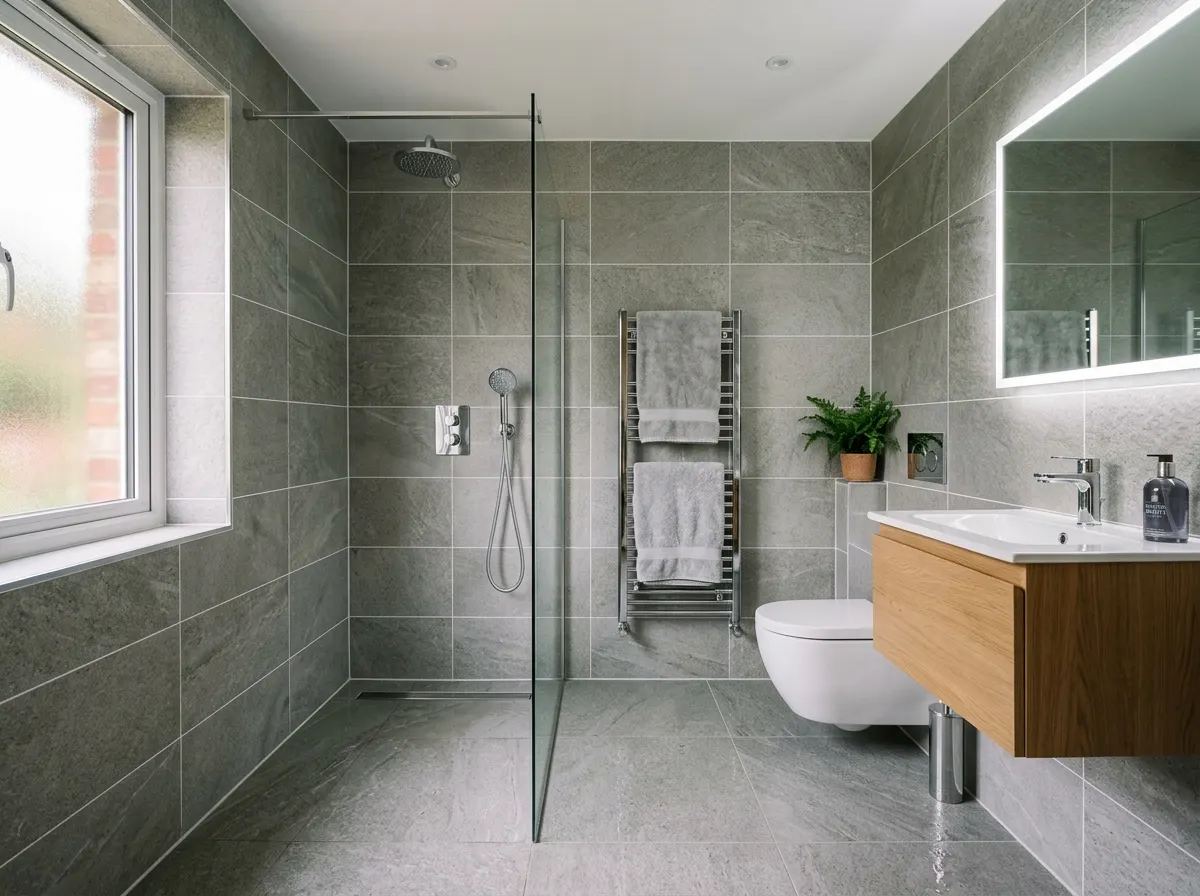
Walk-in Wet Room
Converting to a wet room adds £1,500 to £3,000 per square metre on top of a standard bathroom. The entire floor must be structurally altered to create a gradient fall towards a linear drain, and the entire room must be chemically tanked (waterproofed).
Component Breakdown
This table breaks down typical UK supply and installation costs for individual fixtures in 2026. Note that installing concealed valves or freestanding items significantly increases the fitting time.
| Component | Supply Cost Range | Typical Labour Cost | Total Fitted Cost |
|---|---|---|---|
| Standard Acrylic Bath | £200 – £400 | £200 – £400 | £400 – £800 |
| Freestanding Bath | £800 – £1,500+ | £300 – £500 | £1,100 – £2,000+ |
| Toilet (Close-Coupled) | £100 – £350 | £100 – £200 | £200 – £550 |
| Basin & Pedestal | £150 – £350 | £100 – £150 | £250 – £500 |
| Shower Enclosure & Tray | £300 – £900 | £250 – £500 | £550 – £1,400 |
| Tiling (Per m²) | £25 – £70 / m² | £40 – £70 / m² | £65 – £140 / m² |
| Heated Towel Rail | £100 – £300 | £120 – £250 | £220 – £550 |
How long does a bathroom take?
A typical bathroom installation takes 1 to 3 weeks (5 to 15 working days). A bathroom requires a delicate "dance" of tradespeople working in a tiny space. Here is the standard sequence.
Strip Out & First Fix
The water is isolated. The old suite, tiles, and flooring are ripped out and skipped. The plumber alters the copper pipework to fit the new layout. The electrician chases cables into the walls for new downlights, extractor fans, and shaver sockets.
Boarding & Tanking
The walls are repaired or re-plastered. Crucially, waterproof cement-backer boards (like HardieBacker) are fitted in the shower area, and a liquid rubber tanking membrane is painted onto the walls to create a 100% waterproof seal behind the tiles.
Tiling & Flooring
The tiler takes over the room. Underfloor heating mats are laid (if ordered) and covered with a self-levelling compound. The floor and wall tiles are laid, left to cure overnight, and then grouted. No other trades can enter the room while the tiler works.
Second Fix & Commissioning
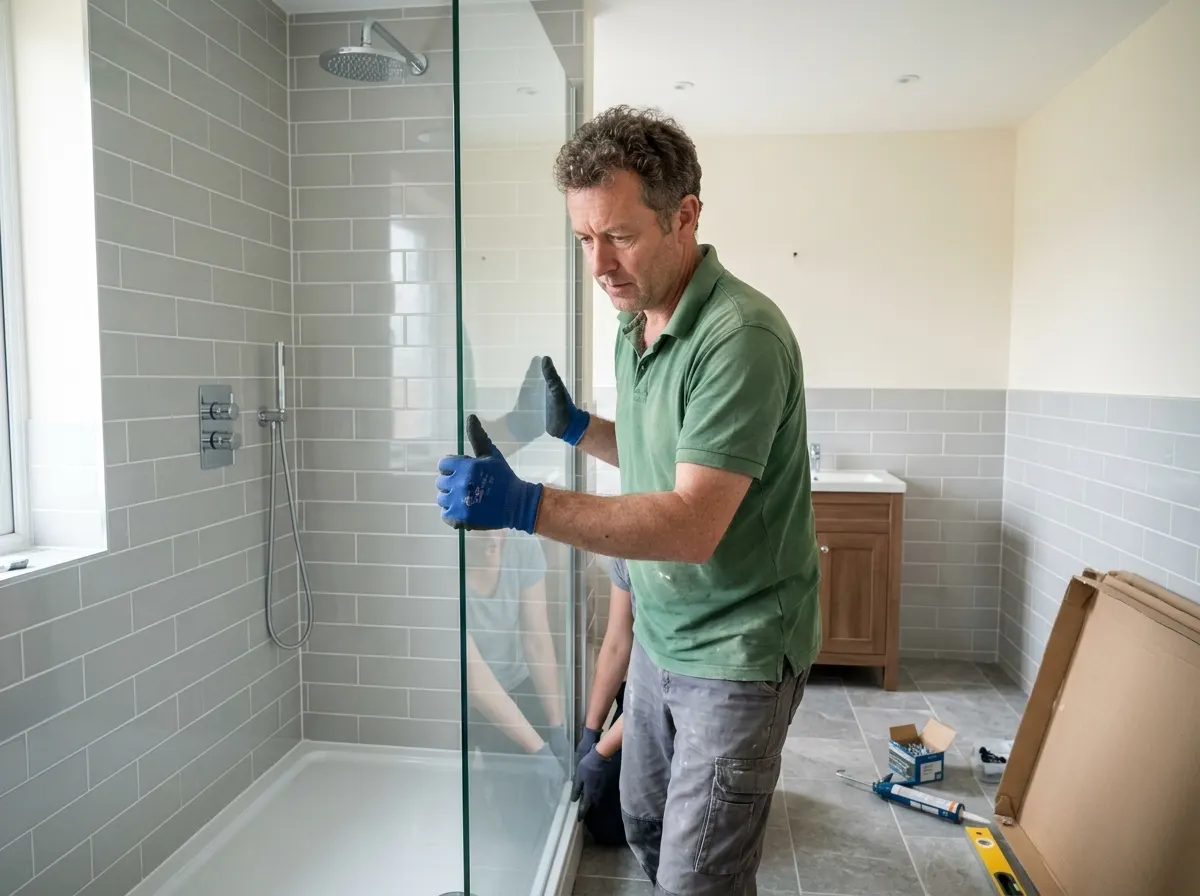
The plumber returns to fit the toilet, vanity basin, bath, and shower glass. Taps are connected. The electrician returns to wire the lights and fans. Finally, the entire room is sealed with sanitary silicone and the water is turned back on for testing.
What inflates the cost?
If you want to keep costs down, you need to understand what makes a bathroom expensive to fit.
Layout Changes
Moving the toilet by even a few feet requires taking up floorboards and altering the heavy 110mm soil pipe. This takes days of complex plumbing. Keeping your fixtures in the same location saves hundreds of pounds.
Concealed Valves
An exposed mixer shower is fast to fit (it screws onto the wall). A concealed shower valve (where just the handles and rainfall head poke through the tiles) requires the plumber to bury the mechanism inside the wall before tiling.
Wall-Hung Toilets
Wall-hung toilets look highly premium and make mopping easy. However, the plumber must build a strong timber frame inside the wall to hide the cistern and support the weight of a sitting human. This significantly increases labour.
Sustainable & Ethical Choices
Bathrooms are the heaviest consumers of water and energy in the home. Integrating ethical, eco-friendly choices during a renovation is easier than ever.
Water-Saving Aerators
Opt for taps and showers with built-in aerators. They mix air with the water flow, giving the feeling of high pressure while reducing water consumption by up to 50%. Dual-flush toilets are now a legal standard in the UK for the same reason.
Ethical Waste Disposal
A bathroom rip-out generates huge amounts of rubble and ceramic waste. Ensure your builder uses a registered, ethical waste carrier who recycles hardcore materials, rather than risking illegal fly-tipping which you can be fined for.
Labour Rates
The cost of bathroom fitters in the UK generally works out between £320 and £480 per day for a multi-trade team.
Regional Variation
Because labour makes up ~50% of a bathroom's cost, Greater London renovations consistently run 15–25% higher than the national average.
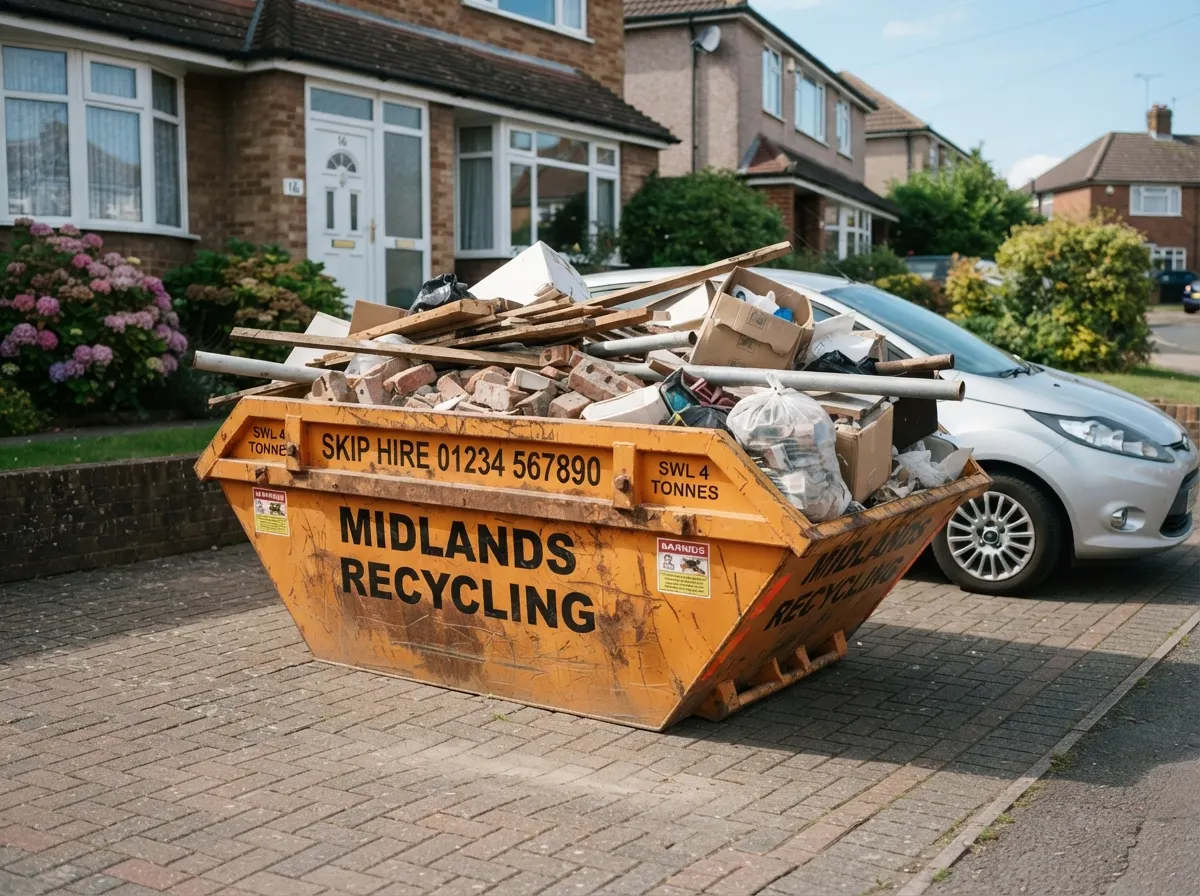
Managing your bathroom rip-out waste.
A full bathroom renovation creates a deceptive amount of awkward, heavy, and bulky waste. Stripping out an old suite, hacking off tiles, and taking down plasterboard typically generates between 2 to 3 tonnes of debris that councils will rarely take in standard household collections.
-
What gets ripped out Heavy sanitaryware (cast iron or acrylic baths, ceramic basins, toilets), chipped wall and floor tiles, water-damaged plasterboard, old copper or plastic pipework, and bulky vanity units.
-
Skip vs Caged Van Clearance A standard 4-yard "midi" or 6-yard "builders" skip handles a complete bathroom rip-out with ease. If you lack driveway space or want to avoid council road permit fees, a wait-and-load caged van service is often the cleaner, faster choice.
Make sure you know before you sign
Bathrooms are prone to catastrophic water damage if fitted poorly. Look out for these massive red flags in your quote:
Missing Tanking
Grout is not waterproof. If the builder plans to tile directly onto bare plasterboard inside a shower enclosure without painting on a rubber tanking membrane first, the walls will rot and black mould will appear within a year.
Uncertified Electricians
A bathroom is classified as a "special location" under UK Building Regulations. Any new electrical circuits (like spotlights or electric underfloor heating) must be signed off by a Part P registered electrician. A general plumber cannot do this.
"Supply Only" Exclusions
Ensure the quote specifically details who is buying the adhesive, grout, silicone, pipes, and isolation valves. Many cheap fitters quote "labour only" and then hit you with a £400 bill for building materials on day one.
Can you DIY a bathroom?
A full bathroom renovation requires complex plumbing, electrical, and tiling skills. While it is highly recommended to hire a professional multi-trade fitter, you can cut the quote down by acting as the labourer.
What you CAN DIY:
- ✓ The Rip-Out: Save £300+ in day rates by taking a sledgehammer to the old tiles, unbolting the toilet, and carrying the rubble to the skip yourself. (Just ensure the mains water is shut off first!).
- ✓ Decoration: Painting the ceiling and non-tiled walls is easily done by a DIYer over a weekend once the fitters have left.
Strictly Pro Only
Do not attempt to alter high-pressure water mains or move 110mm soil pipes yourself. A burst pipe will destroy the ceiling in the room below.
Never attempt bathroom electrical work. Water and electricity are lethal. It is illegal to add new circuits in a bathroom without proper Part P notification.
Frequently Asked Questions
How much does a full bathroom renovation cost in 2026?
A complete standard bathroom renovation in the UK typically costs between £4,500 and £7,500, including mid-range materials and professional fitting. High-end luxury finishes, structural changes, or complex wet rooms can push the total project cost beyond £10,000.
How long does a bathroom renovation typically take?
A standard full bathroom renovation takes 1 to 3 weeks (5 to 15 working days) from rip-out to final seal. Complex projects involving structural wet room floors, extensive plumbing reroutes, underfloor heating, and large-format porcelain tiling will naturally take longer.
What is the most expensive part of remodeling a bathroom?
Skilled labour is the most expensive part, typically eating up 40-60% of the total budget. In terms of materials, plumbed fixtures (the bath, toilet, and shower enclosure) make up roughly 35%, followed closely by wall preparation and tiling at around 20-25%.
Do I need to hire a plumber or a specialist bathroom fitter?
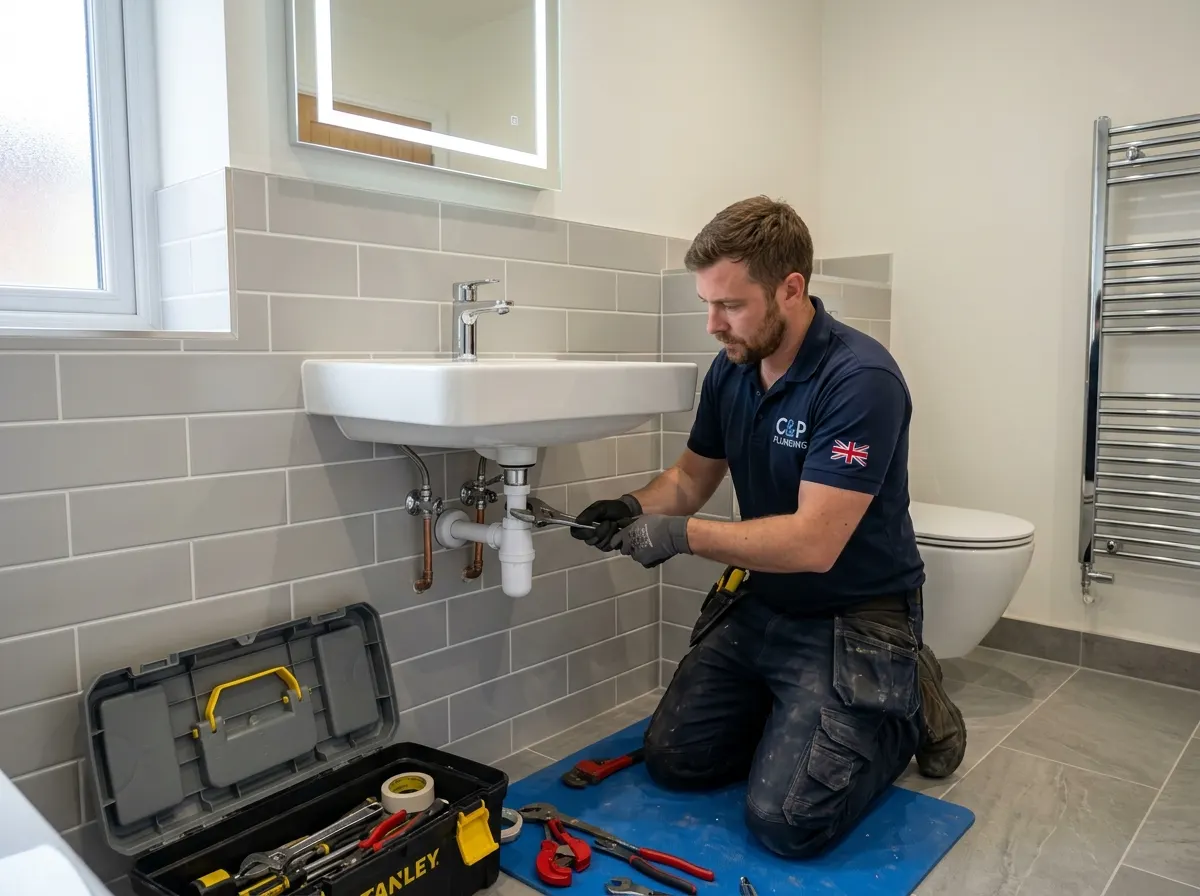
A standard plumber typically only deals with pipes and water systems. A specialist "bathroom fitter" is a multi-skilled tradesperson who handles the plumbing, carpentry, plastering, and tiling, coordinating the entire project from start to finish. For a full renovation, hiring a dedicated fitter is highly recommended.
How much extra does a walk-in shower or wet room cost?
Converting a standard bathroom to a true wet room adds an estimated £1,500 to £3,000 to the total cost. This premium covers the intensive waterproof tanking membranes, the specialised sloped floor formers for drainage, and the additional labour required to ensure a leak-proof seal.
Are waterproof bathroom wall panels cheaper than traditional tiles?
Yes. PVC or acrylic waterproof wall panels (like Multipanel) are much faster to fit than individual tiles and do not require grouting. This drastically cuts the labour bill, making them a very budget-friendly alternative, though ceramic and porcelain tiles still offer a more premium, long-lasting aesthetic.
Do I need building regulations approval for a bathroom renovation?
For a straightforward like-for-like replacement, no. However, if you are adding a completely new bathroom, relocating the main 110mm soil pipe, or carrying out new electrical work near water (such as installing a new electric shower circuit or extractor fan), you must comply with Part P (Electrical) and Part H (Drainage) building regulations.
Can I install a new en-suite or bathroom anywhere in my house?
In theory, yes, but installation costs vary dramatically based on the location of your main soil stack. If your new bathroom is far from the external soil pipe, your fitter may need to install a macerator pump (like a Saniflo) to push waste to the main drain, which adds to both the complexity and cost of the job.
Related Projects & Guides
Ready to build your dream bathroom?
Use our AI to get a precise estimate based on your exact layout and fixture choices, then connect with Pricing Penguin Accredited bathroom fitters near you.
Did you find this page helpful?
Let us know if this guide helped you plan your project.