How to get more work and high-quality customers as a tradesperson.
 By Tom Ellis
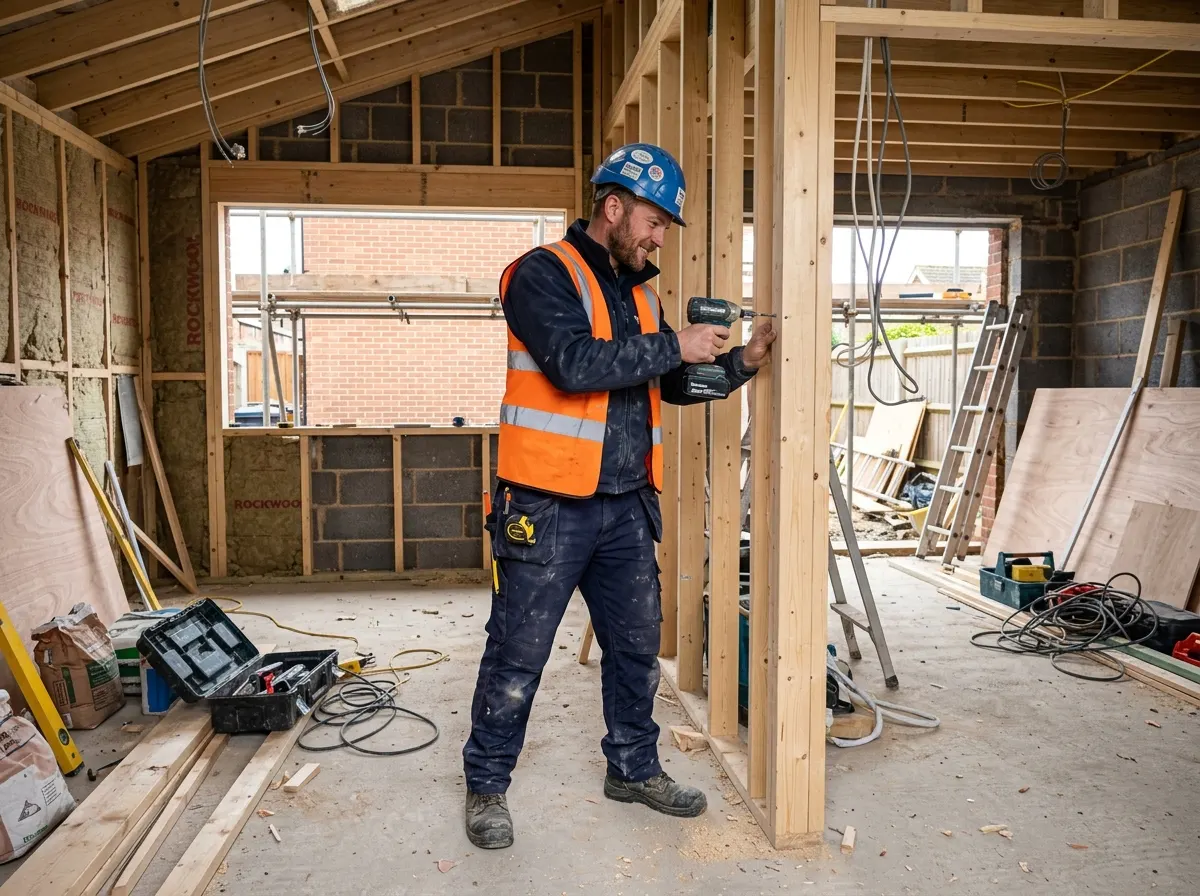
Relying purely on word-of-mouth is a dangerous game in 2026. While recommendations from previous clients are brilliant for keeping you busy during the spring and summer, they dry up fast when the economy tightens or the weather turns. To build a highly profitable, scalable trade business, you need a predictable, controllable pipeline of local leads.
The modern UK homeowner starts their search on Google, verifies your credibility in local Facebook groups or on Instagram, and expects a fast, transparent quote. Winning consistent work requires a multi-pronged approach: dominating your local SEO, leveraging community networks, and looking more professional than the cowboy builder down the road.
Local SEO
Owning the 'Google Local Pack'. If you aren't in the top 3 map results for "plumber near me", you are invisible to active buyers.
Trust & Quoting
Customers fear being ripped off. Fast, itemised quotes win jobs over slightly cheaper, vague estimates written on the back of an envelope.
Social & Digital
Using community Facebook groups and Instagram to build local familiarity, showcase your reliability, and provide visual proof of your skills.
Referral Networks
Teaming up with complementary trades (e.g., a plasterer teaming up with an electrician) to feed each other high-converting, warm leads.
10 Things You Can Do This Week to Get More Work
Stop waiting for the phone to ring. Execute these ten direct tasks over the next 7 days to immediately generate momentum and book new leads.
Ask your last five customers for reviews.
Send a direct text message with your Google Business link to the last five people you did a great job for. Don't wait; ask today.
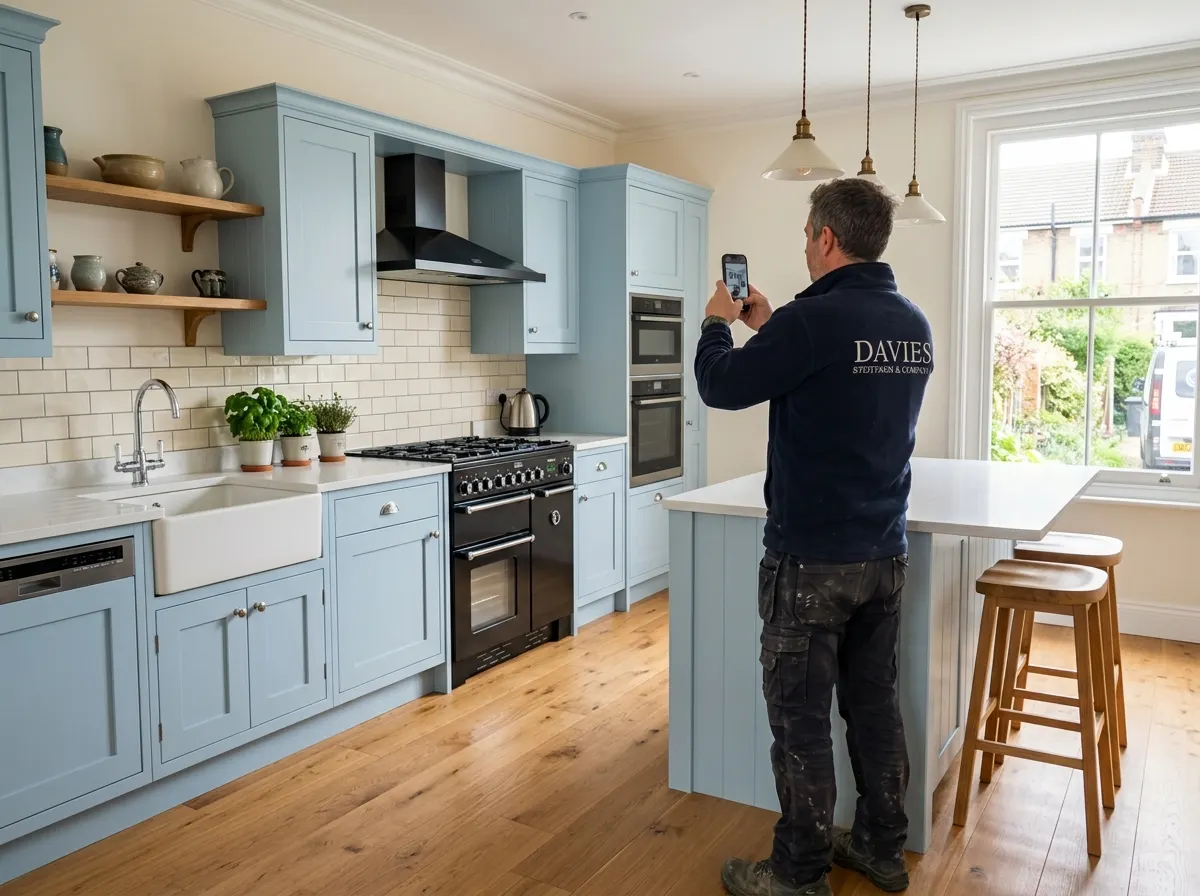
Photograph your last three jobs properly.
Stop using blurry, dusty photos. Go back through your camera roll (or revisit the sites) and ensure you have high-quality, staged shots.
Update your Google Business Profile.
Ensure your phone number is correct, your opening hours are accurate, and upload those new high-quality photos immediately.
Contact five previous customers.
Send a "12-month check-in" message to past clients. Remind them you exist, ask if everything is okay, and mention your seasonal availability.
Contact three complementary trades.
If you are a plumber, message three local electricians or builders. Introduce yourself, grab a coffee, and establish a lead-swapping relationship.
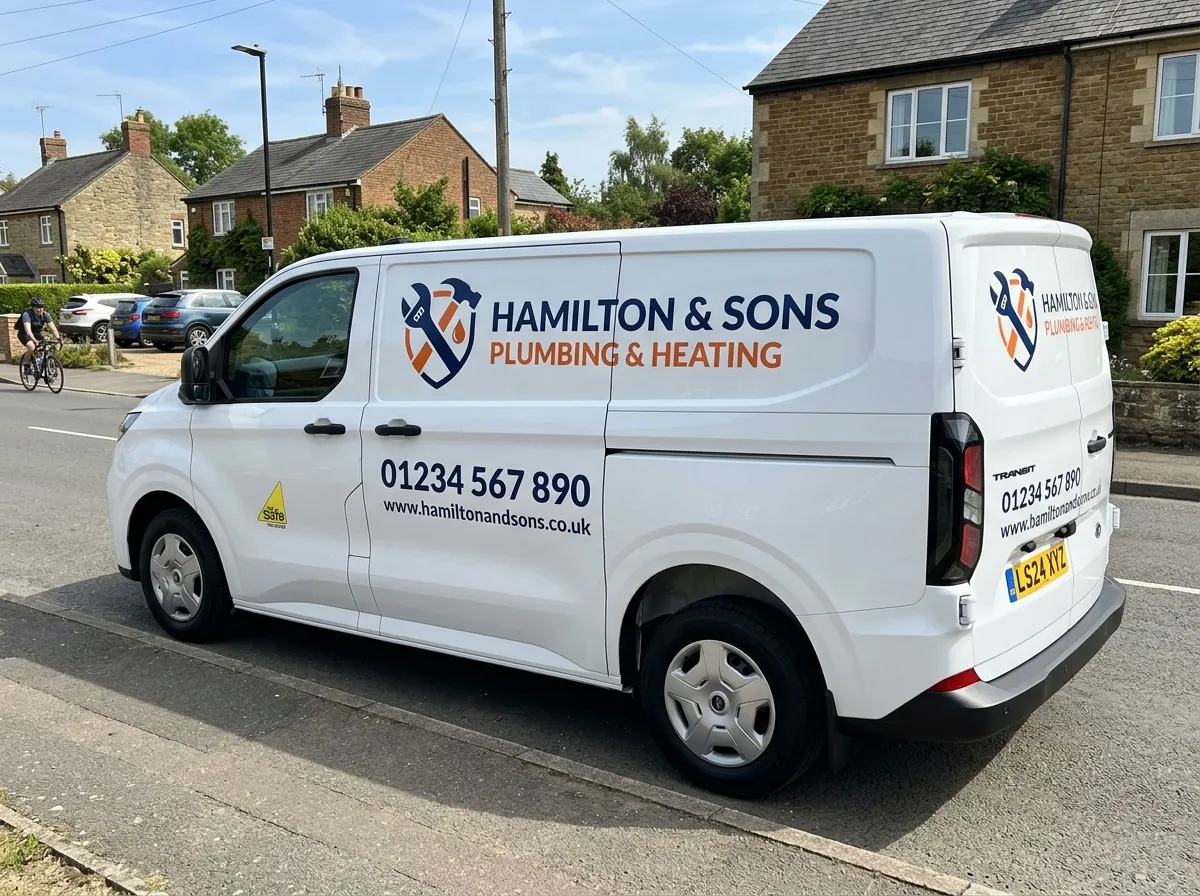
Put proper signwriting on your van.
If your van is blank, call a local vinyl wrapper this week. Keep it simple: Logo, Trade, Phone Number, Website.
Create a simple website.
You don't need a 10-page masterpiece. Secure a domain name and publish a clean, one-page site with your contact details and best services.
Follow up outstanding quotes.
Sent a quote two weeks ago and heard nothing? Send a polite follow-up text. Often, they just forgot to reply, and your nudge wins the job.
Post one before-and-after project.
Take your best recent transformation and post it to your local Facebook community groups and your business Instagram page.
Add your best work to your website.
Make sure the very first image people see when they land on your new website or social media profile is the highest-value job you have ever completed.
Mastering Your Google Business Profile
Your website is important, but your Google Business Profile (GBP) is the absolute lifeblood of local trades. It is what puts your business on the map when a homeowner searches for an emergency fix.
1. Local Geographic Targeting
Do not cast your net too wide. Google rewards relevance. If you operate an outreach campaign targeting a specific area—for example, if you are a landscaper targeting Milton Keynes—ensure your service areas perfectly reflect this.
If you state that you cover Milton Keynes but also list postcodes 40 miles away, Google's algorithm dilutes your local authority. Be ruthlessly specific about your core patch to dominate it.
2. Review Velocity (The Secret Metric)
Having fifty 5-star reviews from three years ago won't help you today. Google values Review Velocity—the consistent, steady trickle of new reviews month after month.
Actionable Tip: Do not wait a week to ask for a review via email. Hand the customer an NFC-enabled review card or send them a WhatsApp link while you are still standing in their hallway after finishing the job. Ask them to mention the specific service (e.g., "Thanks for installing my new consumer unit") to naturally inject SEO keywords into your profile.
3. NAP Consistency Across the Web
NAP stands for Name, Address, Phone Number. Google scours the internet (directories like Yell, Thomson Local, your Facebook page) to verify you are a real business. If your address on Facebook is different from your Google Business Profile, or you use a mobile number on one and a landline on the other, Google gets confused and drops your ranking. Ensure your NAP is identical down to the letter across every single directory in the UK.
Social Media: Building Local Authority
Social media for tradespeople is no longer just about posting a blurry photo of a finished radiator. It is a highly targeted tool for building a local reputation, proving your competence, and staying front-of-mind within your community.
Local Facebook Groups
This is the absolute goldmine for local leads. Do not just spam your business card on local noticeboard pages every Friday. Answer DIY questions, offer free advice, and become the trusted, helpful local expert. The community will naturally tag you when someone asks for recommendations.
The Digital Portfolio
Your Instagram grid is your modern showroom. Post high-quality 'Before and After' carousels, but more importantly, document the process. Show your clean van, the dust sheets you lay down, and how tidy you leave the site. Homeowners are terrified of mess; proving your professionalism visually builds immense trust.
Short-Form Video Hooks
While photos are great, fast-paced vertical video dominates the algorithm on TikTok and Reels. You have three seconds to hook the viewer. Start with a striking visual or a common homeowner problem. Time-lapses of complex jobs also showcase your technical skill brilliantly to potential customers.
Stop paying for dead leads.
Join the Pricing Penguin network. We provide UK tradespeople with high-intent, pre-qualified customers who already understand the true cost of quality craftsmanship.
Traditional Marketing Ideas
The digital world is crowded. Sometimes, the best way to get noticed is in the real, physical world directly outside the customer's front door.
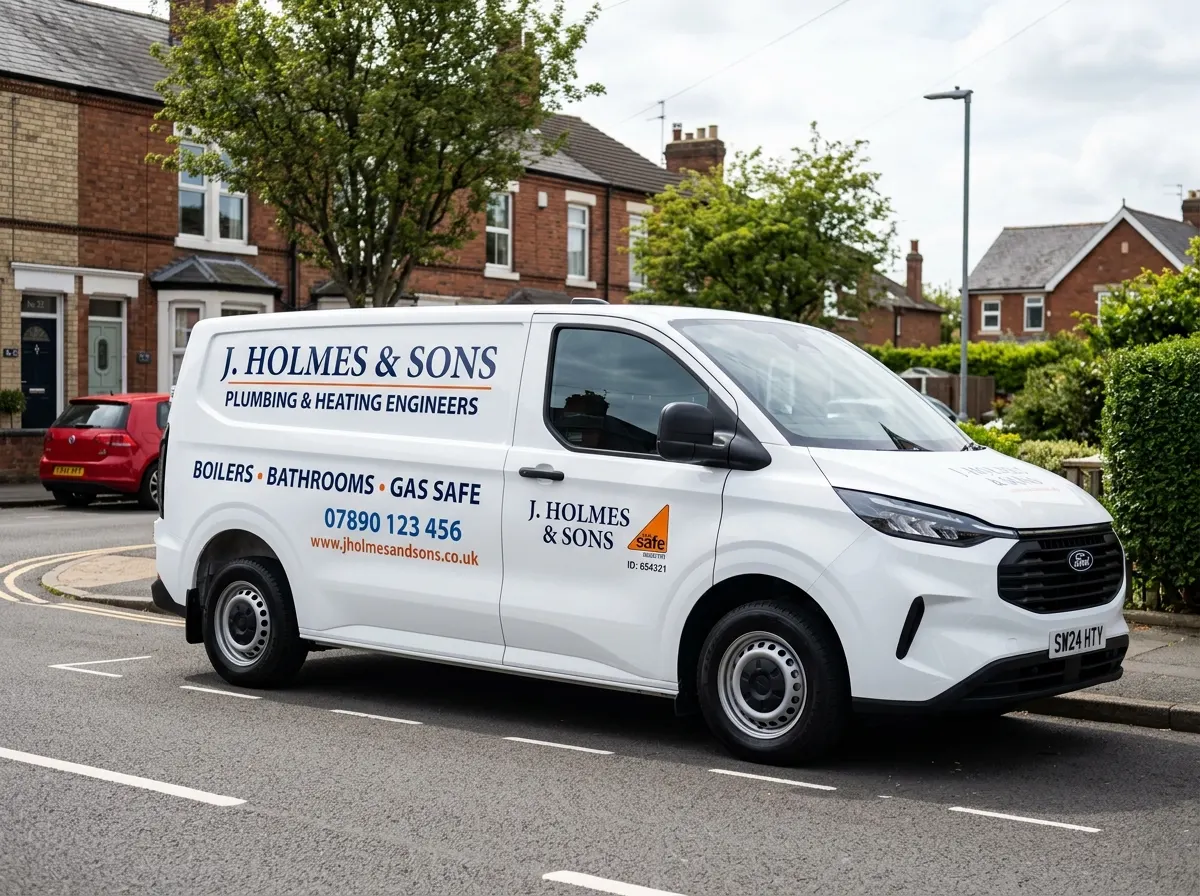
Van Sign Writing
A dirty, unmarked white van screams "unprofessional." Investing £400-£800 in clean, bold, highly legible van signwriting is the cheapest advertising you will ever buy. Ensure your trade, local area, and a clear call-to-action (phone number or website) are visible from 30 feet away.

Radius Leafleting
When you finish a job, don't just drive away. Drop 50 professionally printed leaflets through the doors of the immediate neighbours. The message should be simple: "We've just finished a new driveway for your neighbour at number 42. Apologies for any noise! If you're looking for similar work, here is our contact details.." It converts brilliantly.
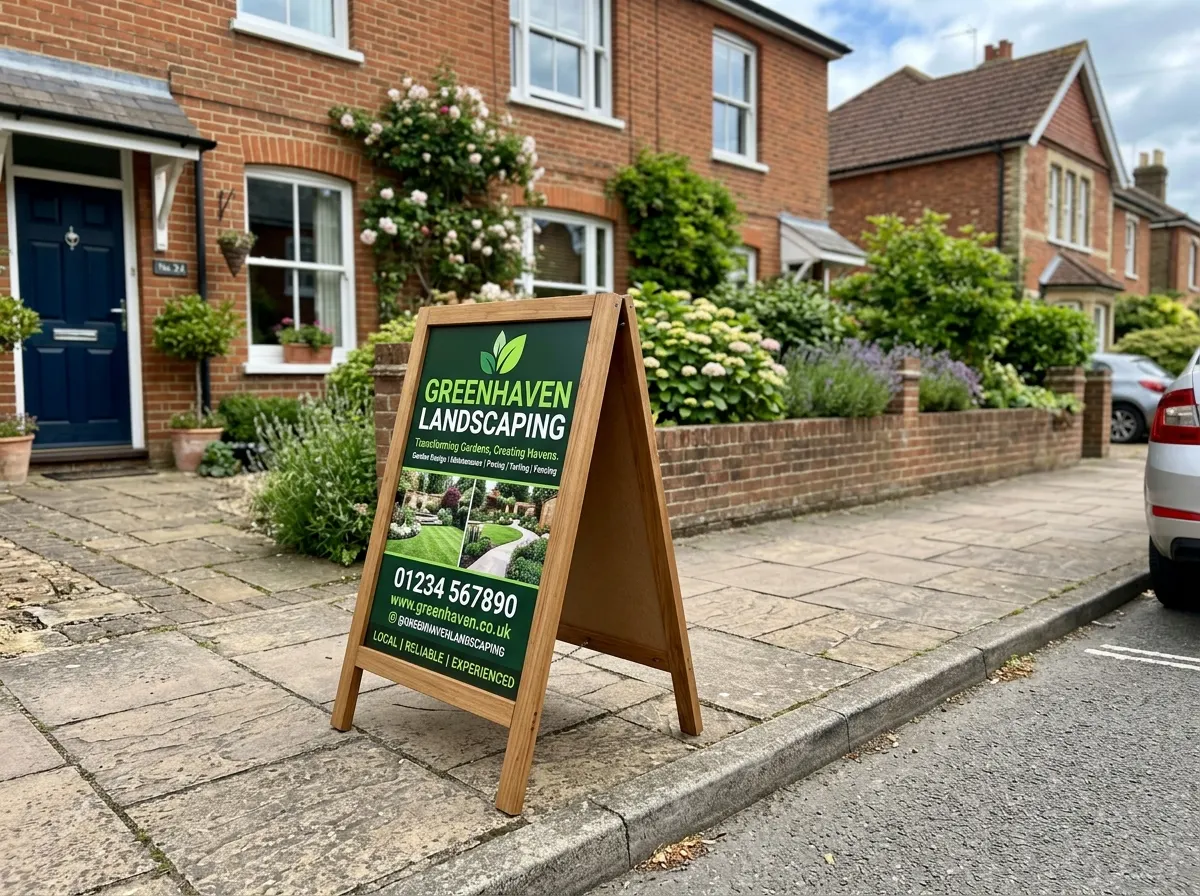
Site Boards & Scaffolding Banners
If you are on a job for more than a few days, ask the client if you can attach a branded site board to their front wall or scaffolding. Neighbours are inherently nosy. If they see a board outside a house for two weeks, and then see a stunning finished extension, they will call that number.
Capture Your Craft: Photograph Every Single Job
Homeowners buy with their eyes. You can tell a customer you are the best tradesperson in the area, but nothing proves it faster than a stunning portfolio of completed work. Every time you finish a job without taking photos, you are throwing away free marketing material.
However, blurry photos of a dusty room will actually hurt your brand. If you want to attract premium clients who pay premium rates, your photography must reflect that high standard.

1. Stage and Clean the Scene
Never take a photo with your tools, half-empty coffee cups, or dust sheets in the background. Once the job is done, spend 10 minutes completely clearing the area and wiping down surfaces. The space should look like a showroom before you press the shutter.
2. Master the Lighting
Before taking the shot, wipe your phone's camera lens on your shirt—dust ruins photo quality. Turn on all the lights in the room, open the blinds to let in natural light, and tap the screen on your phone to focus properly. Avoid shooting directly into bright windows, as it will make your work look dark and shadowed.
3. The Power of "Before and After"
A photo of a nice new driveway is good, but showing the cracked, weed-infested concrete that was there yesterday is incredibly powerful. Always remember to snap a quick "before" photo from the exact same angle on day one. It highlights the true scale of your transformation.
4. Fuel for Short-Form Video
Crisp, high-quality stills are the perfect foundation for short-form video marketing. By combining strong before-and-after images with fast-cut motion design and a solid hook, you can create highly engaging content for TikTok, Instagram Reels, and YouTube Shorts that local homeowners will actually stop scrolling to watch.
Building Trade Referral Networks
You don't always have to find the customer yourself. Building a solid network of reliable local trades means they do the selling on your behalf.
The Multi-Trade Overlap
Homeowners rarely hire just one trade. A bathroom fitter always needs a plasterer, and an extension builder always needs a sparky. Get chatting to the other trades when you are working on the same site. If a trusted builder tells a homeowner, "I use Dave for all my electrics, he's totally reliable," the trust transfers instantly. You won't even have to pitch for the job.
Pass Work to Get Work
The easiest way to get into a network is to be the one handing out the work first. If you are on a job and the client mentions they need a new patio, recommend a solid local landscaper whose work you rate. Give them a quick ring to pass the lead over. Trades remember who feeds them, and they will return the favour when their own clients need your skills.
Protect the Reputation
The golden rule of referral networks is protecting the person who stuck their neck out for you. If a local builder gets you on a job, turn up exactly when you say you will, do not cut corners, and leave the site spotless. If you make them look good to their client, you become their permanent go-to contact for that trade.
Maximising Your Existing Customers
Acquiring a brand new customer costs five times more than keeping an existing one. Most tradespeople finish a job, collect the final payment, and never speak to that homeowner again. If you do this, you are leaving thousands of pounds on the table.
A customer who has already paid you, trusts your workmanship, and feels comfortable having you in their home is the absolute easiest person to sell to. Here is how to turn one-off jobs into a recurring revenue stream and a local referral engine.
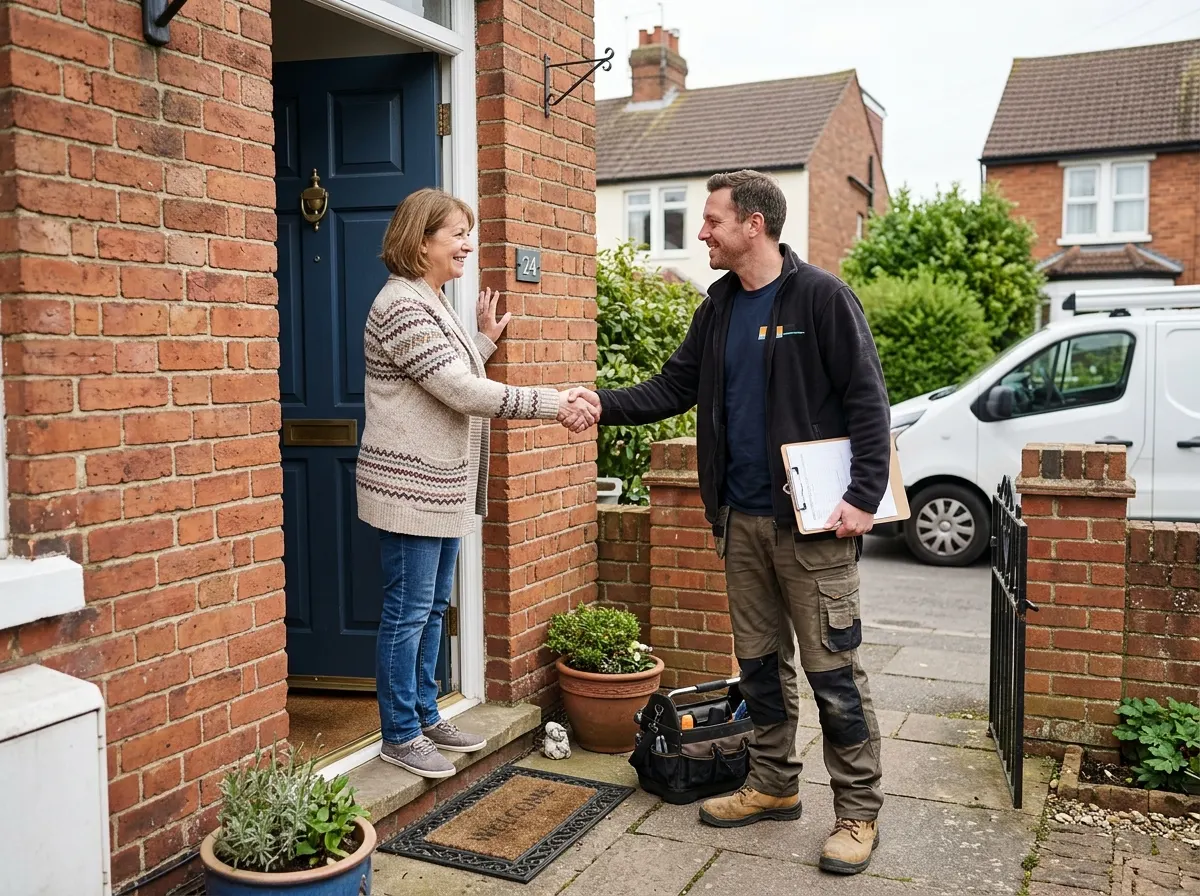
1. Annual Maintenance Plans
Never treat a job as purely "one-and-done". Build maintenance into your offering. If you are a gas engineer, book next year's boiler service before you leave the driveway. If you are a landscaper who just laid a £10k patio in Milton Keynes, offer them an annual spring jet-wash and re-seal package. It guarantees recurring income for the quieter months.
2. The 12-Month Check-In
Send a polite, automated text or email exactly one year after completing a major project. "Hi [Name], it's been a year since we finished your extension! Just checking in to make sure everything is still perfect. Let us know if you need anything else doing this year." This simple message constantly revives dead leads and reminds them to book you for their next project.
3. Incentivised Referrals
Don't just hope they recommend you—give them a reason to. Leave three high-quality referral cards with the customer upon completion. Tell them: "If any of your neighbours or friends use us for a job over £1,000 and hand in this card, we will send you a £50 Amazon voucher as a thank you." People love earning rewards, and a warm referral closes at a much higher rate.
4. Asking for the Review on Site
If you wait until you get home to email a review link, they will forget. The best time to ask for a Google Review or a local Facebook group recommendation is the moment they see the finished job and are thrilled with it. Have an NFC "tap" card or a QR code ready on your phone so they can leave a 5-star review while you are packing up your van.
Securing Commercial Contracts & Agent Work
While domestic residential jobs often yield the highest profit margins, commercial contracts provide the ultimate safety net. Building relationships with local businesses and agents guarantees a steady volume of recurring work that keeps your diary full and your cash flow stable during seasonal dips.
Commercial clients care about three things: speed, reliability, and compliance. If you can make a property manager's headache disappear with one phone call, they will use you exclusively for years.
1. Letting & Estate Agents
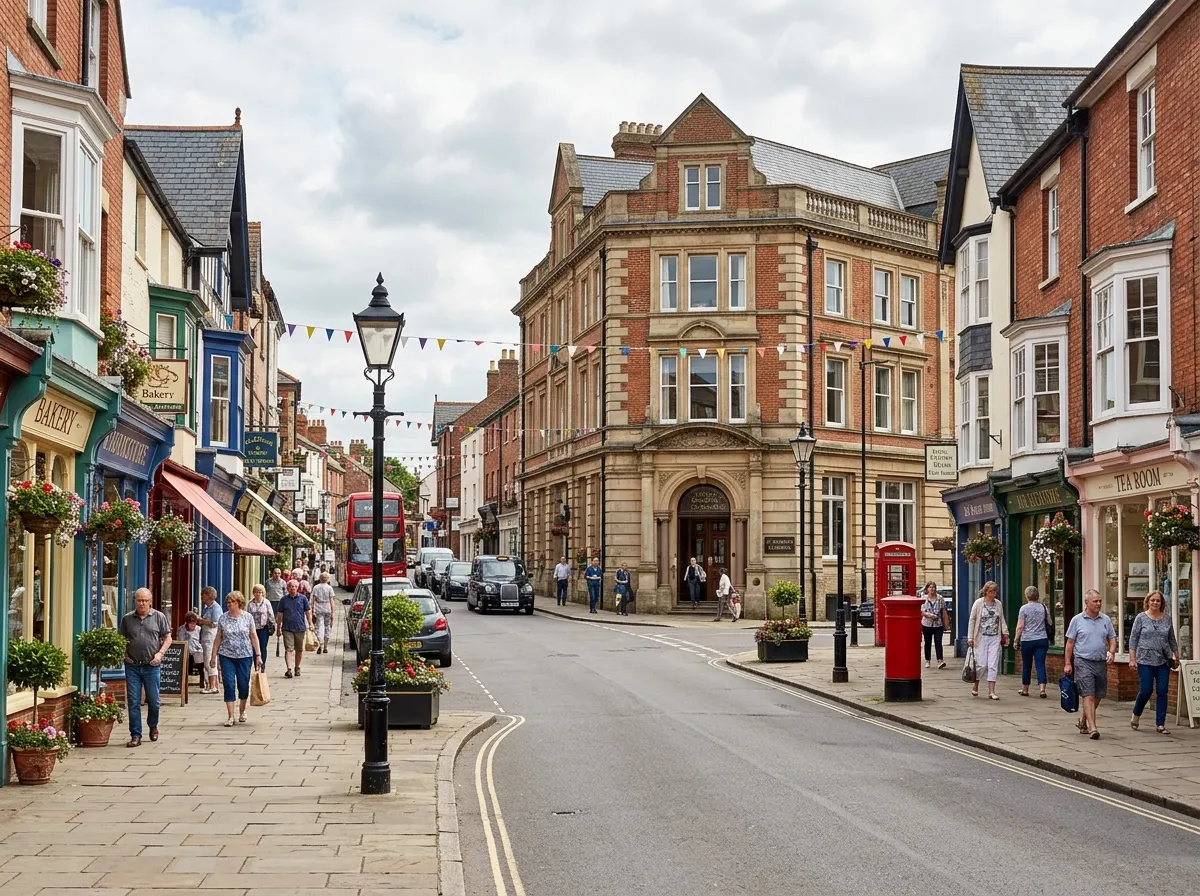
Letting agents manage hundreds of rental properties that constantly need emergency repairs, gas safety certificates (CP12s), electrical condition reports (EICRs), and end-of-tenancy redecorations. Do not just email them—walk into their high street branches on a Friday afternoon with a box of doughnuts, hand over a physical trade price list, and guarantee a 24-hour response time for emergencies.
2. Facilities & Block Management
Block management companies look after large blocks of flats and commercial estates. They desperately need reliable contractors for communal area maintenance, roof repairs, and compliance checks. To win this work, ensure your public liability insurance is up to £5 million, you have a solid health and safety policy, and you can provide clear, itemised digital invoices.
3. High Street Retail & Hospitality
A broken toilet in a restaurant or a blown fuse in a retail shop costs the business owner money for every hour they are shut. Drop business cards into local independent shops, pubs, and cafes offering an "Out of Hours Emergency Service." If you save a local pub owner's busy Friday night service, you will instantly become their contractor for life.
4. Subcontracting for Main Contractors
Large regional building firms win the massive £500k+ extensions and new-build plots, but they rarely employ enough permanent staff to execute them. They rely on trusted local subbies. Search local planning portals for approved large applications, find out who the main contractor is, and approach their site manager directly. Just ensure your CIS registration is active before quoting.
Professional Quoting & Transparency
Generating the lead is only half the battle. If you turn up in a dirty van and write a figure on the back of an envelope, you will lose the job to the tradesperson who looks like a professional business.

Speed of Response
If a customer submits an enquiry on your website, call them within 15 minutes. The modern consumer is impatient. If you wait until you get home at 7 PM to reply to an email, they have already booked a site visit with your competitor.
Itemised Transparency
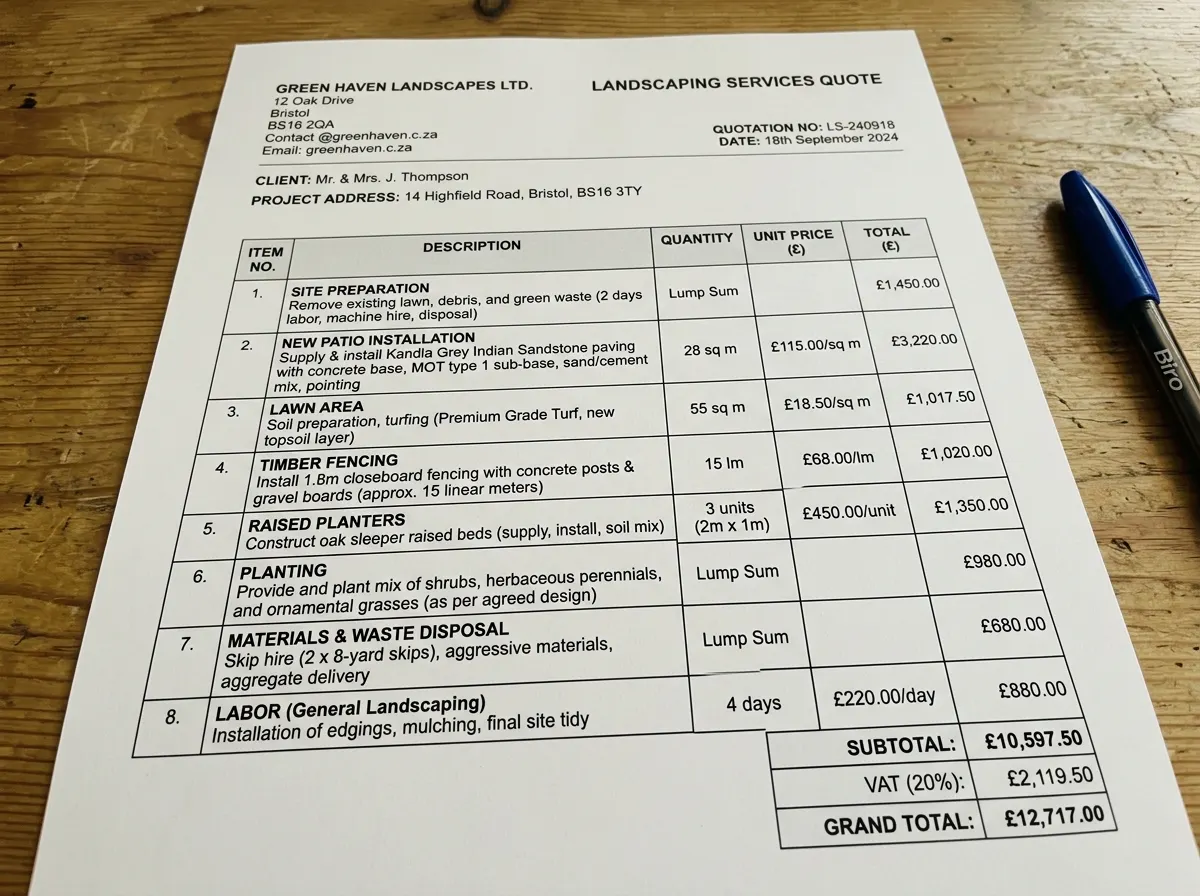
Never quote a single lump sum (e.g., "Bathroom: £4,500"). Homeowners assume you are ripping them off. Use software to provide an itemised breakdown: separating the cost of materials, your daily labour rate, waste skips, and VAT. Transparency justifies your price.
Automated Web Estimators
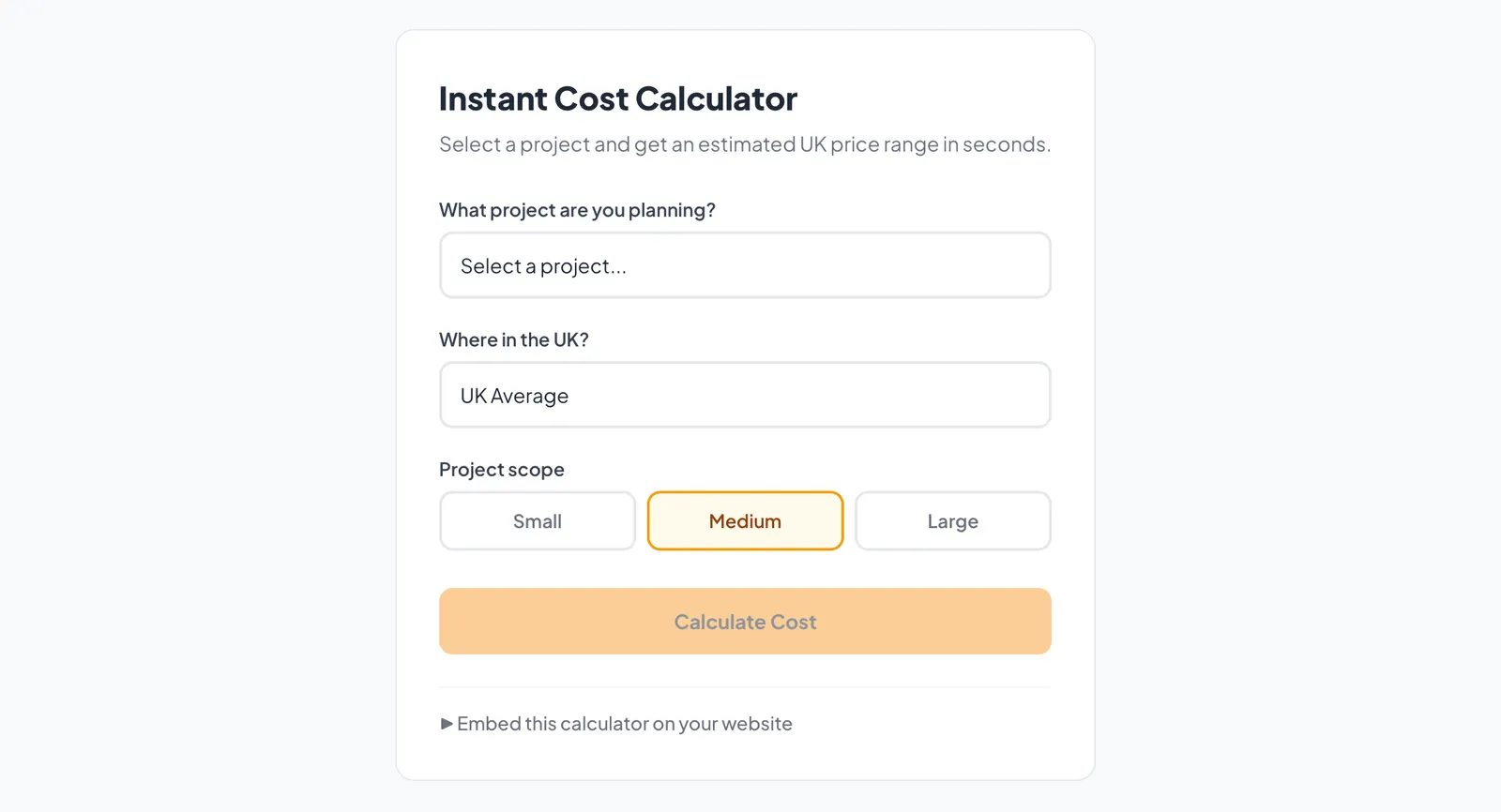
Stop wasting evenings driving to quote for time-wasters with zero budget. Embed an automated quoting widget (like the Pricing Penguin tool) on your website. Let the customer generate their own rough estimate first; if they still contact you, you know they are a highly qualified, hot lead.
Red Flags: What to Avoid
Marketing your trade business is full of pitfalls. Avoid these common traps that drain your hard-earned profits and ruin your local reputation.
Buying Social Media Followers
Having 10,000 fake Instagram followers from overseas will completely destroy your account's algorithmic reach. The algorithm will show your content to those fake accounts, they won't engage, and your videos will never be shown to real homeowners in your local UK town.
Cowboy SEO Agencies
Beware of cold-calling marketing agencies promising to get your website to "Page 1 of Google guaranteed in 30 days" for a flat fee of £199. Good local SEO takes months of high-quality content creation, local citations, and technical back-end work. There are no shortcuts.
Ignoring Negative Reviews
If you get a 1-star review on Google, never ignore it or reply angrily. A calm, professional, empathetic reply showing how you tried to rectify the situation is actually a massive green flag to future customers reading it. It proves you are accountable and won't just vanish if things go wrong.
Ghosting Customers
If you are too busy to take on a job, or you go to quote and realise you don't want the work, tell them. Ignoring calls or promising a quote and never sending it infuriates homeowners. They will talk, and they will leave bad reviews about your reliability before you even pick up a tool.
Frequently Asked Questions
Do I actually need a website, or is Facebook enough?
You absolutely need a website. A Facebook page is great for community engagement, but you do not own it. Facebook can restrict your reach overnight. A dedicated, fast-loading website with a clean domain name (e.g., yournameplumbing.co.uk) acts as your digital storefront, proves you are a legitimate registered business, and is vital for ranking on Google.
Are lead generation sites worth it?
Traditional "Pay-Per-Lead" sites often force a race to the bottom, charging you just to quote against four other trades. Instead, platforms like Pricing Penguin filter out time-wasters. By giving homeowners a realistic AI estimate upfront, the customers who contact you are pre-qualified and ready to pay for quality craftsmanship, not just the cheapest price.
How do I get jobs starting tomorrow?
If you have a sudden cancellation and need day-rate work instantly, SEO won't help you. The fastest route to immediate work is jumping into local trade Facebook groups and offering your services as a sub-contractor to other overloaded local firms who need an extra pair of hands to meet a deadline.
Should I put my prices on my website?
Yes. Homeowners crave transparency and hate the anxiety of "asking for a price". While you cannot give an exact quote without a site visit, providing "Starting from..." guides (e.g., "Boiler swaps start from £1,800") acts as a superb filter. It immediately scares off the time-wasters looking for a cheap cash-in-hand job.
How much should I spend on marketing?
A healthy, growing trade business should reinvest roughly 5% to 8% of its gross revenue back into marketing. This covers your website hosting, SEO management, van signwriting, professional workwear, and targeted local advertising. If you spend nothing, you rely entirely on luck and the weather.
Should I pay for Google Ads (PPC)?
Google Ads (Pay-Per-Click) is excellent for emergency trades (like emergency plumbers or locksmiths) because people click the very first link they see when panicking. For long-term projects like extensions or landscaping, organic SEO yields a much higher return on investment, as users take time to research and read reviews.

Ready to fill your diary with quality jobs?
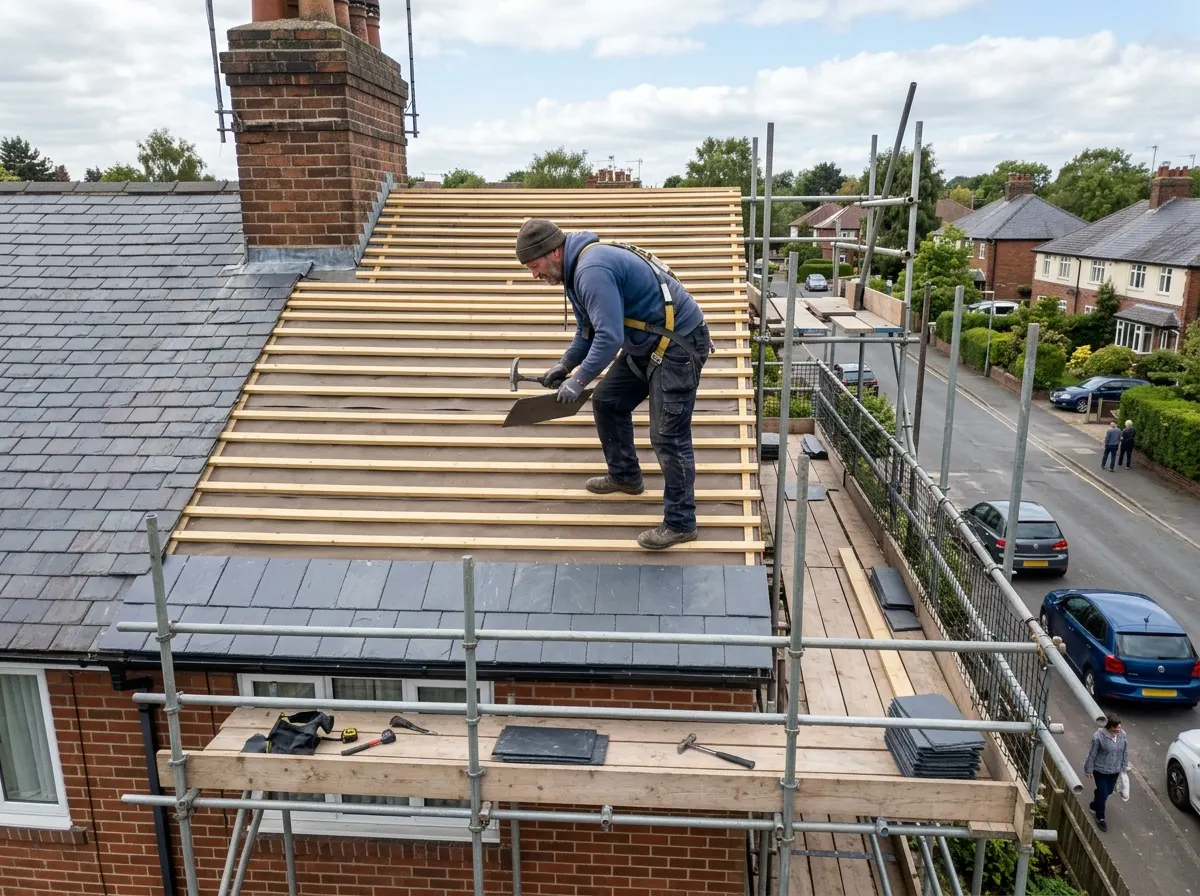
Connect with serious homeowners who value reliability over the absolute cheapest quote. Join our network of accredited UK tradespeople today and let our AI estimators filter out the time-wasters for you.
Did you find this guide helpful?
Let us know if these marketing tips will help your trade business grow.