How much does tiling cost in the UK?
 By Tom Ellis
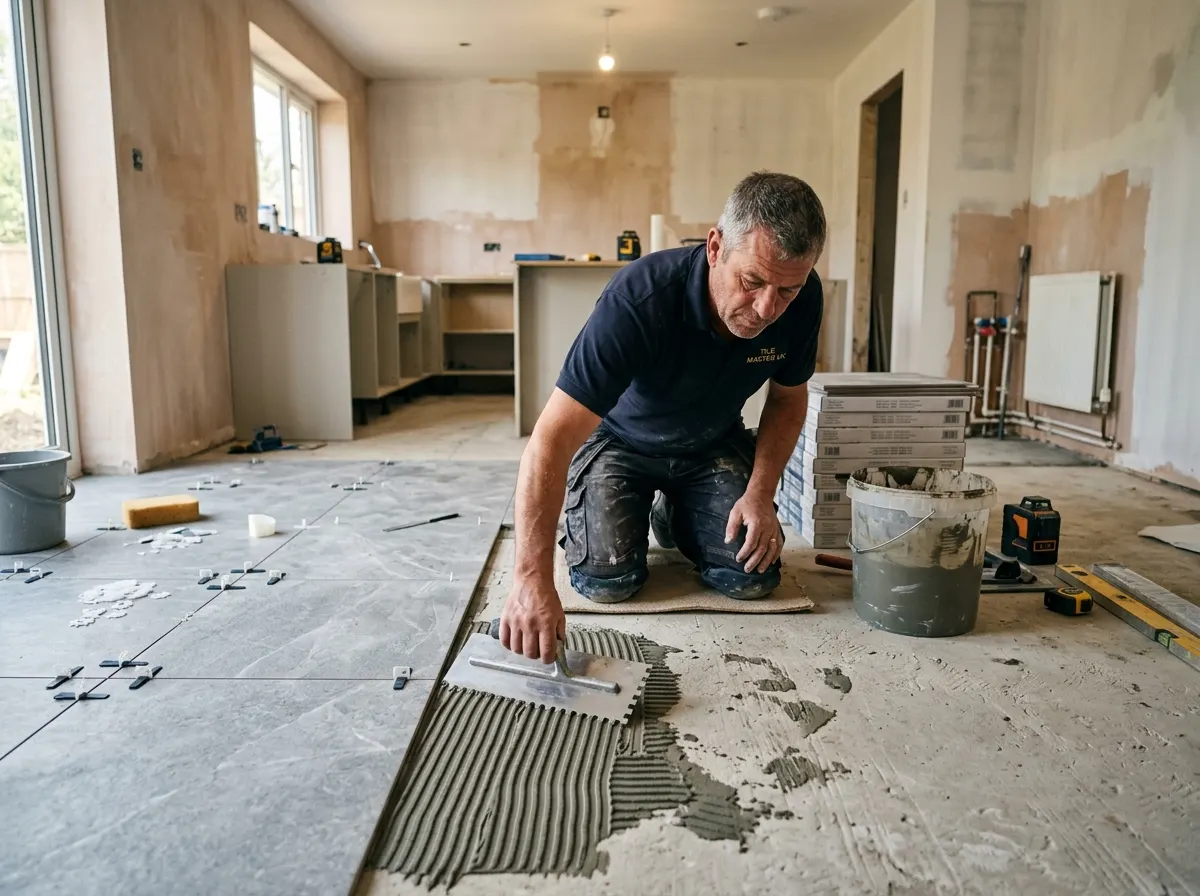
Tiling is one of the most common home improvement jobs in the UK, covering everything from a small kitchen splashback to a full bathroom retile or a large open-plan floor. Professional tiling costs £25–£90/m² for labour alone, plus £10–£200/m² for materials depending on the tile type.
Because prices are quoted per square metre, the total cost scales directly with the area. However, two other factors matter just as much: the tile format you choose and the condition of the surface underneath. Wall tiling is generally cheaper than floor tiling, while large-format porcelain and natural stone push labour rates higher due to the need for specialist tools, stronger adhesives, and careful handling.
~£400
Basic specification. Tiling a small kitchen splashback or downstairs cloakroom sink surround with standard ceramic tiles. Often charged at a decorator's day rate.
~£1,500
Mid-range finish. Tiling a standard bathroom (5m² walls, 4m² floor) with porcelain tiles, including removing old tiles, prep, waterproofing, and grouting.
£4,000+
High-end specification. Tiling a large kitchen-diner (30m²+) with large-format natural stone or marble, including liquid self-levelling screed and complex cuts.
Get an instant estimate for your tiling
Understanding Tile Types
The material you choose dictates not only the supply price, but the labour cost to lay it. Harder materials take longer to cut and require specialised adhesives.
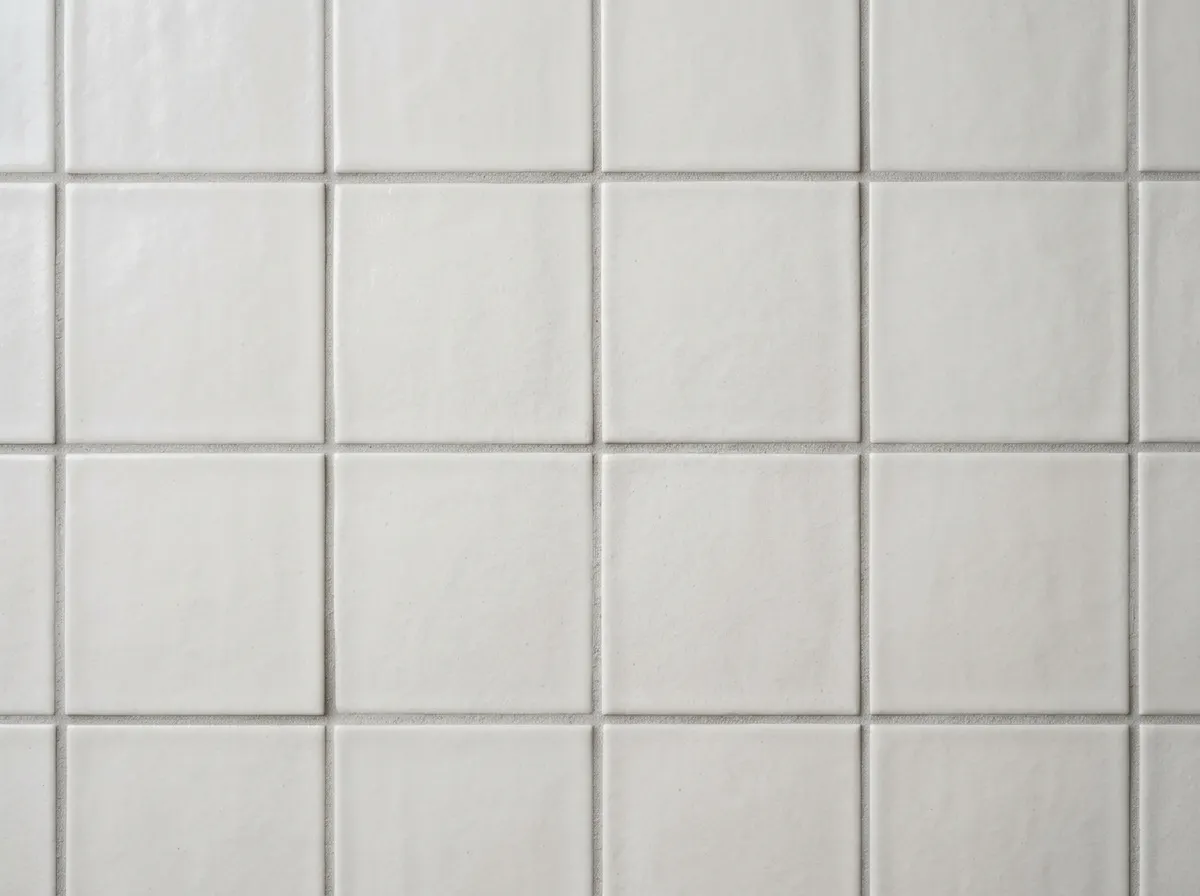
Ceramic Tiles
Made from natural clay and kiln-fired with a durable glaze. They are relatively lightweight and easy to cut, making labour cheaper. They are the standard choice for bathroom walls and kitchen splashbacks, but are usually not tough enough for high-traffic floors.
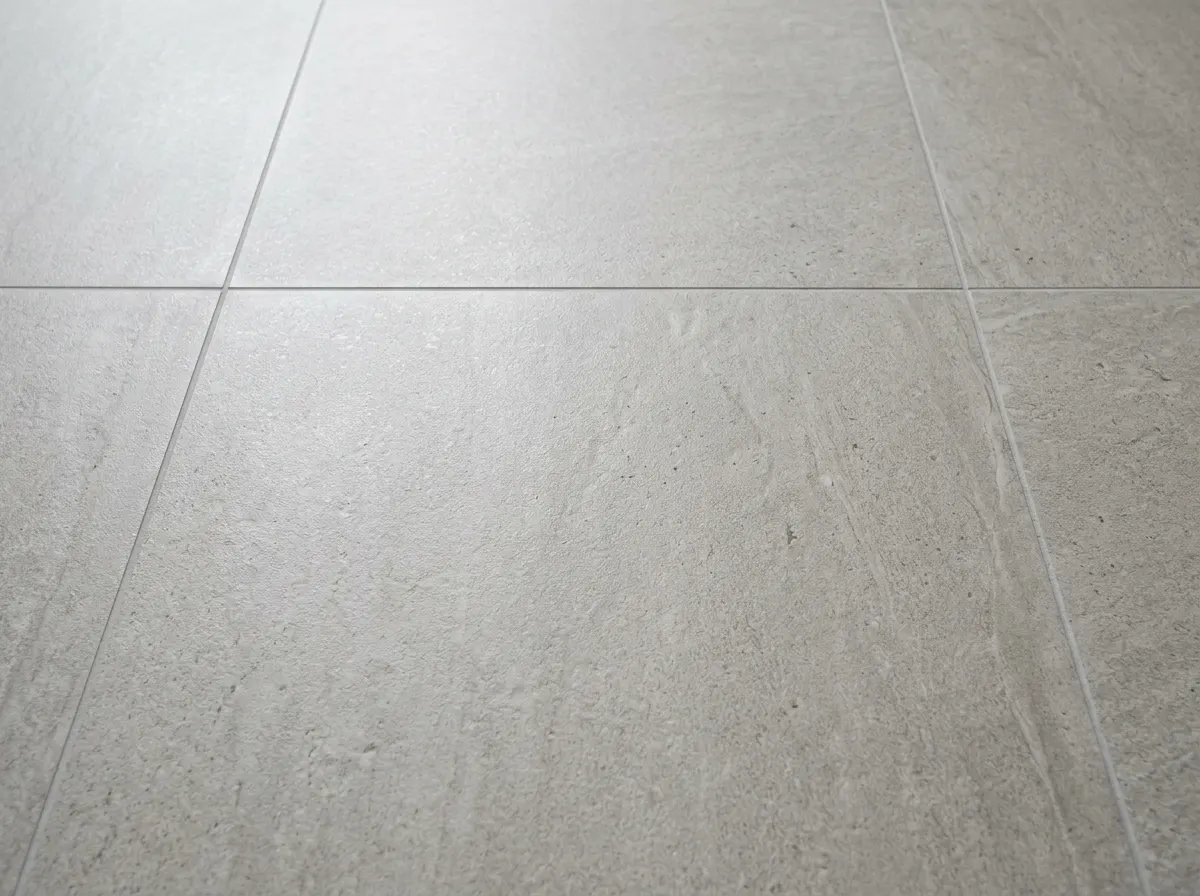
Porcelain Tiles
Fired at much higher temperatures than ceramic, making them incredibly dense, hard-wearing, and almost completely waterproof. They are the default choice for modern flooring and wet rooms. Because they are so hard, tilers must use diamond blades to cut them.
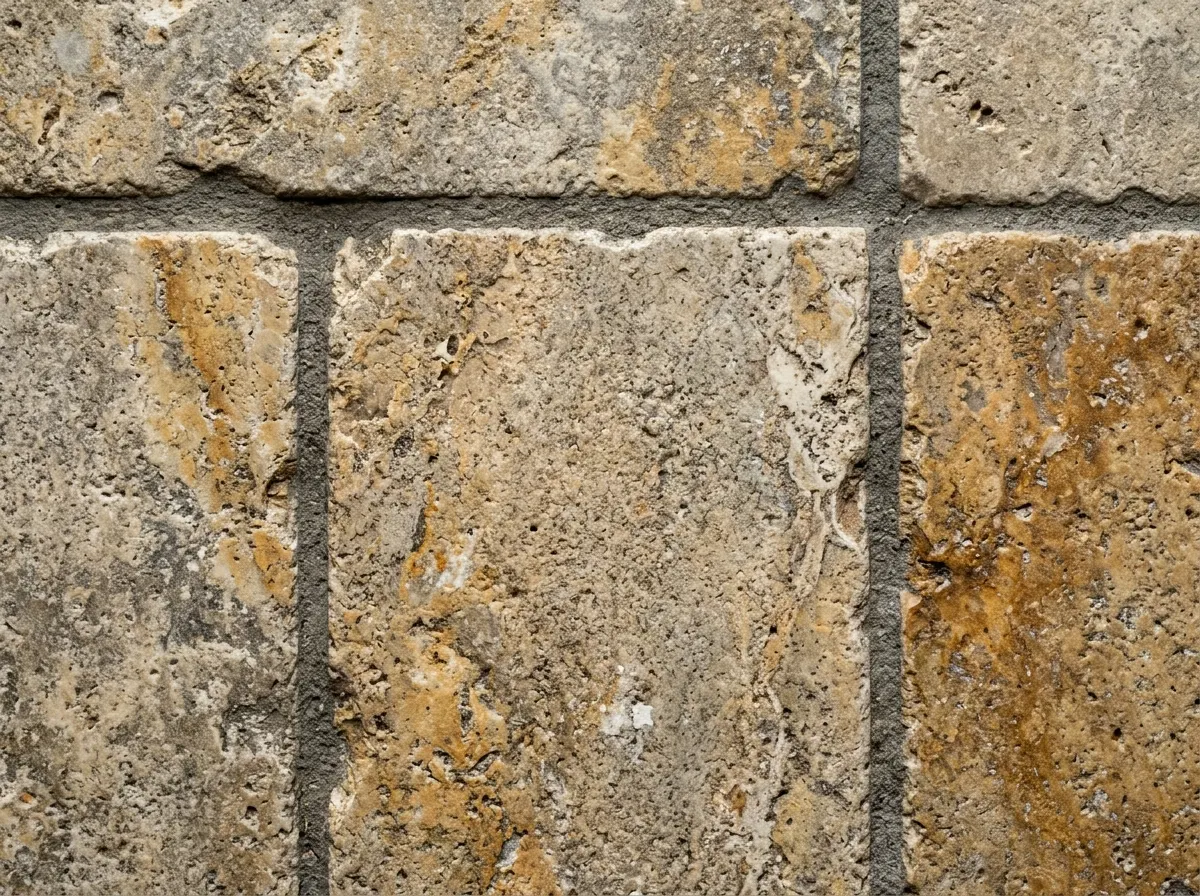
Natural Stone & Marble
Includes Slate, Travertine, Limestone, and Marble. Unbeatable for a premium, unique aesthetic. However, stone is extremely heavy (requiring a perfectly reinforced subfloor) and is naturally porous, meaning it must be chemically sealed by the tiler before and after grouting.
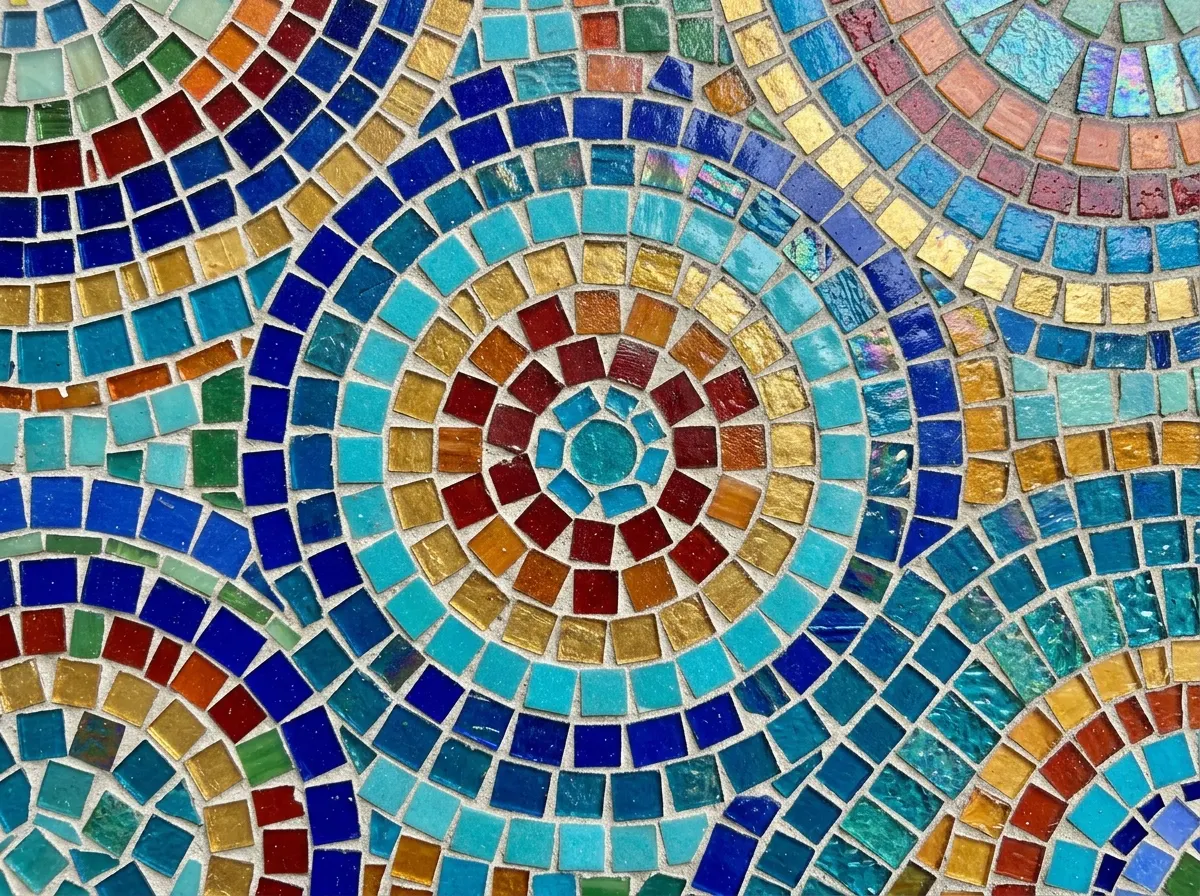
Mosaics & Glass
Tiny tiles supplied on flexible mesh backing sheets. Excellent for creating feature walls, borders, or tiling curved surfaces like shower wet-room formers. While the sheets are fast to stick to the wall, they require massive amounts of grout and time to finish perfectly.
Tile Supply Costs (Per m²)
Materials are usually bought separately from labour. Budget for an extra 10% to 15% on top of your room area to account for cuts, breakages, and waste.
| Tile Type | Budget | Mid-Range | Premium |
|---|---|---|---|
| Ceramic Wall Tiles | £10 / m² | £20 / m² | £40 / m² |
| Porcelain Floor Tiles | £15 / m² | £30 / m² | £60 / m² |
| Large-Format Porcelain (600x1200+) | £25 / m² | £50 / m² | £90 / m² |
| Natural Stone (Slate, Travertine) | £30 / m² | £60 / m² | £100 / m² |
| Marble | £50 / m² | £100 / m² | £200+ / m² |
| Mosaic Sheets | £20 / m² | £50 / m² | £80 / m² |
| Consumables (Adhesive, Grout, Spacers) | Add £5 – £10 / m² on top of tile costs | ||
Labour Rates (Per m²)
These are labour-only rates. Most tilers quote a day rate (£180–£280) for small jobs (under ~10 m²), and switch to a per-m² rate for larger areas.
Regional Considerations
Where you live heavily dictates the labour portion of the quote. The multipliers below reflect prices for a typical bathroom retile.
What inflates a tiling quote?
The raw square meterage is only a starting point. Tilers adjust their rates based on the complexity of the room and the preparation required.
Complex Laying Patterns
Laying tiles in a standard straight stack or brick-bond is fast. Opting for a diagonal layout or a complex Herringbone pattern requires significantly more measuring, vastly more cuts, and creates higher material waste. Expect to pay premium labour rates for Herringbone.
Wall & Floor Preparation
Tiles must be laid on a perfectly flat surface. If the tiler has to spend a day removing old tiles, chipping off old adhesive, plastering bumpy walls, or pouring liquid screed over a concrete floor to level it, you will pay their day rate for the prep work before a single tile is laid.
Underfloor Heating (UFH)
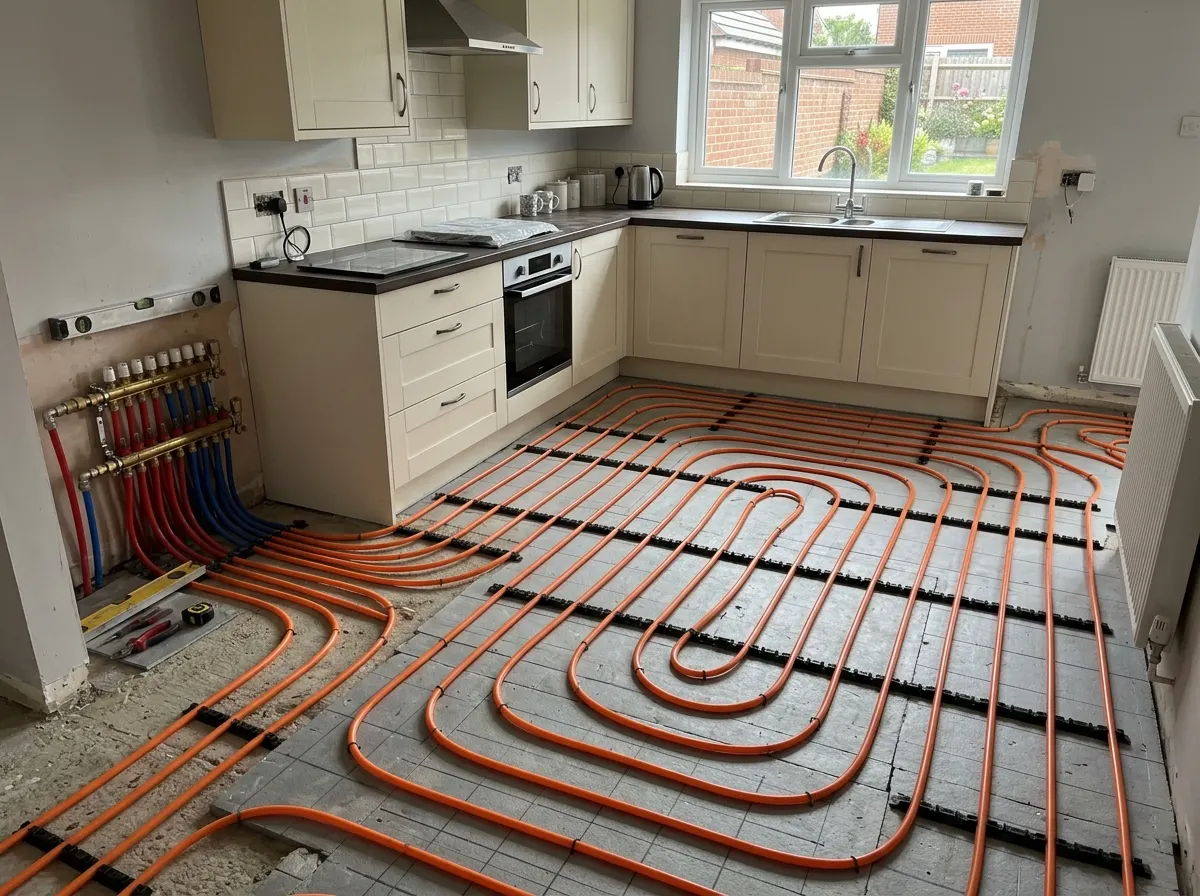
Electric underfloor heating mats are fantastic under cold tiles, but they add £50–£80/m² to the materials bill. Furthermore, the tiler must use specialised flexible adhesives and levelling compounds over the wires, taking more time and care.
Wet Room Tanking
Tiles and grout are water-resistant, not waterproof. In shower enclosures or wet rooms, a waterproof 'tanking' membrane must be painted or pasted onto the bare walls before tiling. This essential step adds roughly £200–£400 per shower enclosure.
How long does a tiling job take?
Most UK tilers work at a pace of 5–8 m²/day for straightforward wall tiling and 4–6 m²/day for floor tiling. A standard bathroom (5m² walls, 4m² floor) takes about 2 to 3 working days, plus drying time.
Prep & Tanking
Old tiles are removed (if quoted). Walls are scraped flat and primed with an acrylic primer to control suction. In wet areas like showers, the waterproof tanking membrane is applied to the bare plaster and left to dry.
Setting Out & Laying
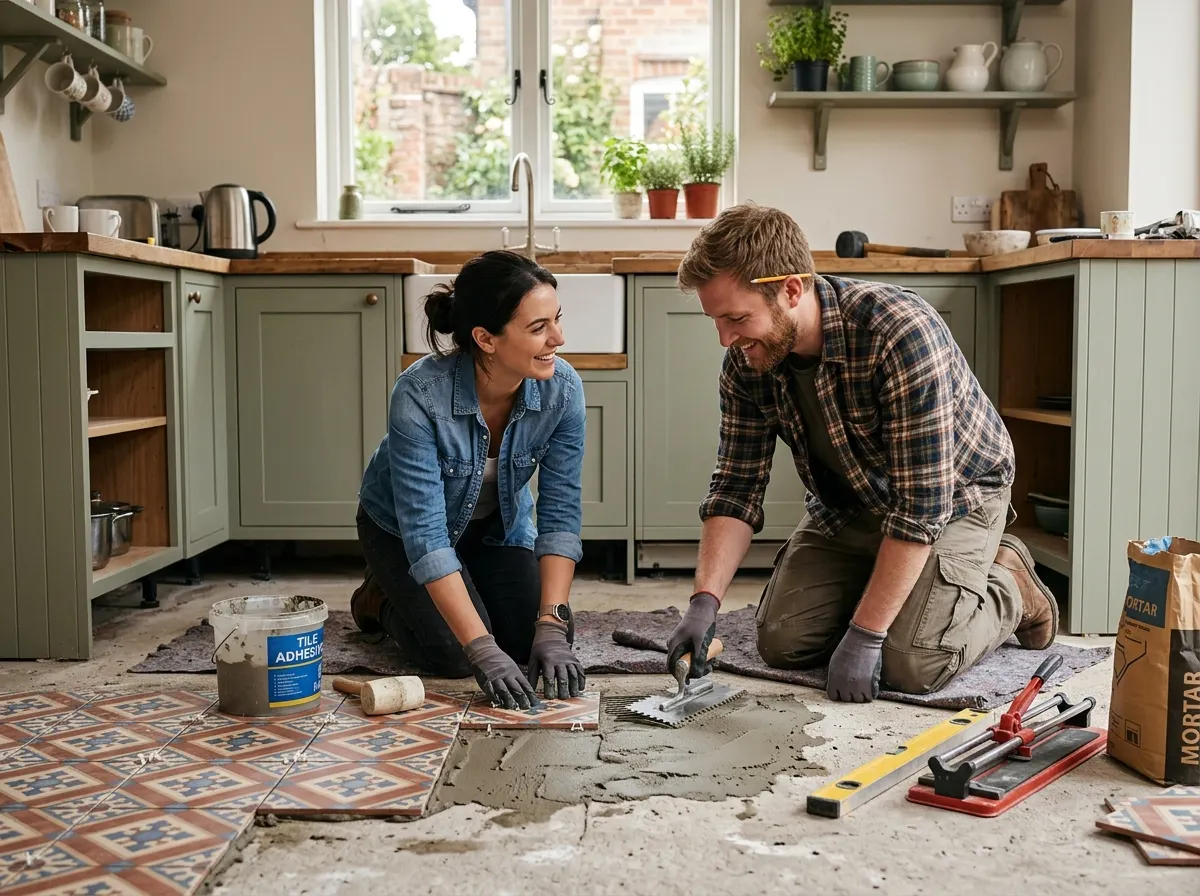
The tiler marks a datum line using a laser to ensure the tiles run perfectly level. Adhesive is combed onto the walls/floor, and tiles are placed using spacers to keep the grout lines uniform. Difficult cuts are made around pipes and windows.
The Curing Wait
Work stops. You cannot walk on floor tiles or grout wall tiles until the adhesive has fully cured. Doing so pushes the tiles out of level. If rapid-set adhesive was used, this wait might only be a few hours.
Grouting & Silicone
Grout is forced into the gaps with a rubber float, then sponged clean. Finally, sanitary-grade silicone sealant is piped along all internal corners, around the bath/shower tray, and along the floor edges to allow for expansion and waterproofing.
Red flags to watch out for
The UK tiling trade is unregulated, meaning anyone can buy a trowel and call themselves a tiler. Look out for these cowboy tactics:
"Dot and Dab" Tiling
A tiler should spread a full, ribbed bed of adhesive onto the wall or tile. If they just put five blobs of adhesive on the back of the tile (dot and dab), it leaves hollow voids. The tile will easily crack upon impact, and water will pool behind it in showers.
Grouting Internal Corners
The corners where two walls meet (or where a wall meets a bath) must be filled with flexible silicone sealant, not hard grout. Houses move slightly; hard grout in corners will inevitably crack and let water leak behind the bath.
Tiling Over Loose Tiles
While you can tile over existing tiles to save money, it is risky. If the original tiles aren't perfectly sound and glued fast to the wall, the weight of the new tiles will pull the entire lot off the wall. Most reputable tilers prefer to strip back to the plaster.
Can you DIY the tiling?
Tiling is a highly visible finish; mistakes are obvious. However, taking on smaller, flat areas is a great way to save £200+ in day rates.
What you CAN DIY:
- ✓ Kitchen Splashbacks: Tiling above a kitchen counter with standard 100x200mm metro tiles is the perfect beginner project. It's a small, flat area that requires minimal complex cuts.
- ✓ Small Cloakroom Floors: Using standard ceramic tiles on a small downstairs toilet floor is manageable with a basic manual tile cutter.
Strictly Pro Only
Do not attempt to lay large-format porcelain (e.g. 600x1200mm). They are heavy, bow slightly in the middle, and require specialised suction clamps, self-levelling clips, and wet-saws to install correctly.
Likewise, natural stone (like travertine) requires sealing before and after grouting. If left to a DIYer, the porous stone will suck up the grout, ruining the tiles permanently.
Frequently Asked Questions
How much does a professional tiler charge per square metre in 2026?
In 2026, UK tilers typically charge between £25 and £50 per square metre for standard ceramic wall tiling, and £30 to £60 per square metre for floor tiling. Large-format porcelain tiles require specialist handling and cost £40 to £70/m², while luxurious natural stone (such as marble, travertine, or slate) ranges from £45 to £90/m². Projects located in London or the South East typically add 20% to 30% to these labour rates.
How much does it cost to retile an entire bathroom in the UK?
A standard UK bathroom retile (covering approximately 5m² of walls and 4m² of floor space) typically costs between £1,300 and £1,900 for professional labour and mid-range tile materials combined. You should also budget an additional £200 to £400 separately for essential wet-area tanking membranes and tile adhesive supplies.
Is it cheaper to tile a shower or use waterproof wall panels?
Waterproof wall panels (such as Multipanel or Aquapanel) are generally cheaper upfront and significantly faster to install, costing roughly £40 to £80 per square metre for supply and fitting within a single day. However, while they offer grout-free convenience, they lack the timeless luxury, high-end aesthetic, and long-term durability of traditional porcelain or ceramic tiling.
Do I need waterproofing (tanking) behind bathroom tiles?
Yes, absolutely. Tiles and grout lines are water-resistant, not entirely waterproof. In high-moisture areas like shower enclosures and directly around bathtubs, applying a liquid tanking membrane is heavily recommended to prevent water seepage from rotting timber studs or plasterboard, avoiding the chronic structural damp damage that is common in older UK homes.
Can a tiler lay new tiles directly over existing old tiles?
Yes, provided the underlying old tiles are completely sound, securely bonded, and free from hollow spots. Tiling over old surfaces saves £200 to £500 in demolition and waste-removal fees. However, it raises the overall finished wall or floor height, which can interfere with doors, skirting boards, and kitchen appliance clearances. Most professional tilers prefer to strip back to bare plaster or cement board.
What is the cheapest way to tile a room on a tight budget?
Stick to standard, readily available ceramic tiles laid in a straightforward grid pattern. Choose targeted wall splashbacks (such as behind a basin or hob) rather than full floor-to-ceiling bathroom tiling. Avoid expensive natural stone, oversized large-format slabs, and complex herringbone or chevron layouts, as these require extensive cutting and higher labour costs.
What is tile lippage and how do professionals prevent it?
Tile lippage occurs when adjacent tiles sit at uneven heights, leaving sharp, exposed edges. This is especially common with large-format tiles due to slight natural bowing in the manufacturing process. Professional tilers prevent lippage by using a flat, properly primed sub-base, applying a full-coverage adhesive bed, and utilising specialised tile-levelling clips and wedges during installation.
How long should I wait before walking on or grouting newly laid floor tiles?
Most rapid-setting tile adhesives allow for grouting after 3 to 4 hours, whereas standard-setting flexible adhesives require a full 24 hours to cure before you should touch or grout the joints. Once grouted, you should wait at least another 24 to 48 hours before subjecting a tiled floor to heavy foot traffic or placing furniture back into the room.
Ready to transform your walls?
Use our AI to get a precise estimate based on your exact tile choice and measurements, then connect with Pricing Penguin Accredited tilers near you.
Did you find this page helpful?
Let us know if this guide helped you plan your project.