How much does a new driveway cost in the UK?
 By Tom Ellis
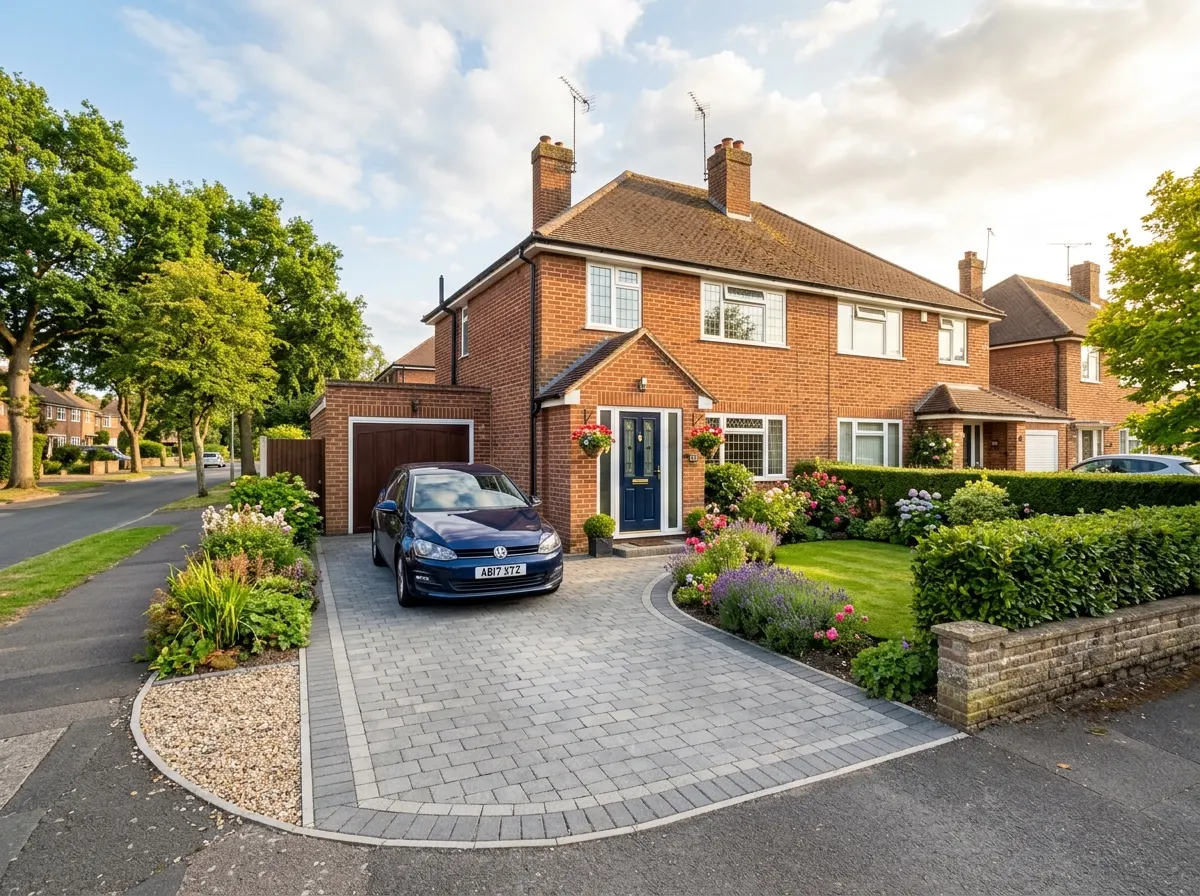
A new driveway dramatically improves kerb appeal, adds practical off-street parking, and can boost your property value by up to 10%. But knowing exactly what you should pay before contractors start quoting is essential to avoiding overpriced cowboys.
In 2026, UK driveway costs range from £2,000 for a simple gravel installation up to £12,000+ for a large, premium resin-bound surface. Prices are quoted per square metre, meaning the size of your drive dictates the base cost. However, the true expense often lies beneath the surface: excavating heavy clay, installing structural sub-bases, and ensuring compliance with strict UK drainage laws (SUDS) will heavily influence your final bill.
~£2,000
Basic specification. A standard 1-car driveway (approx 20m²) excavated and laid with a weed membrane, MOT Type 1 sub-base, and topped with loose decorative gravel.
~£5,000
Mid-range finish. A typical 2-car driveway (approx 40m²) excavated and laid with standard block paving or fresh tarmac. Includes basic Aco drainage channels and edging.
£12,000+
High-end specification. A large 3+ car driveway (60m²+) finished in seamless, SUDS-compliant resin bound gravel, or intricate natural stone block paving with custom borders.
Get an instant estimate for your driveway
Driveway Surface Types
The material you choose is the single biggest factor in your quote. It dictates the look, the lifespan, and the amount of maintenance you'll need to do.
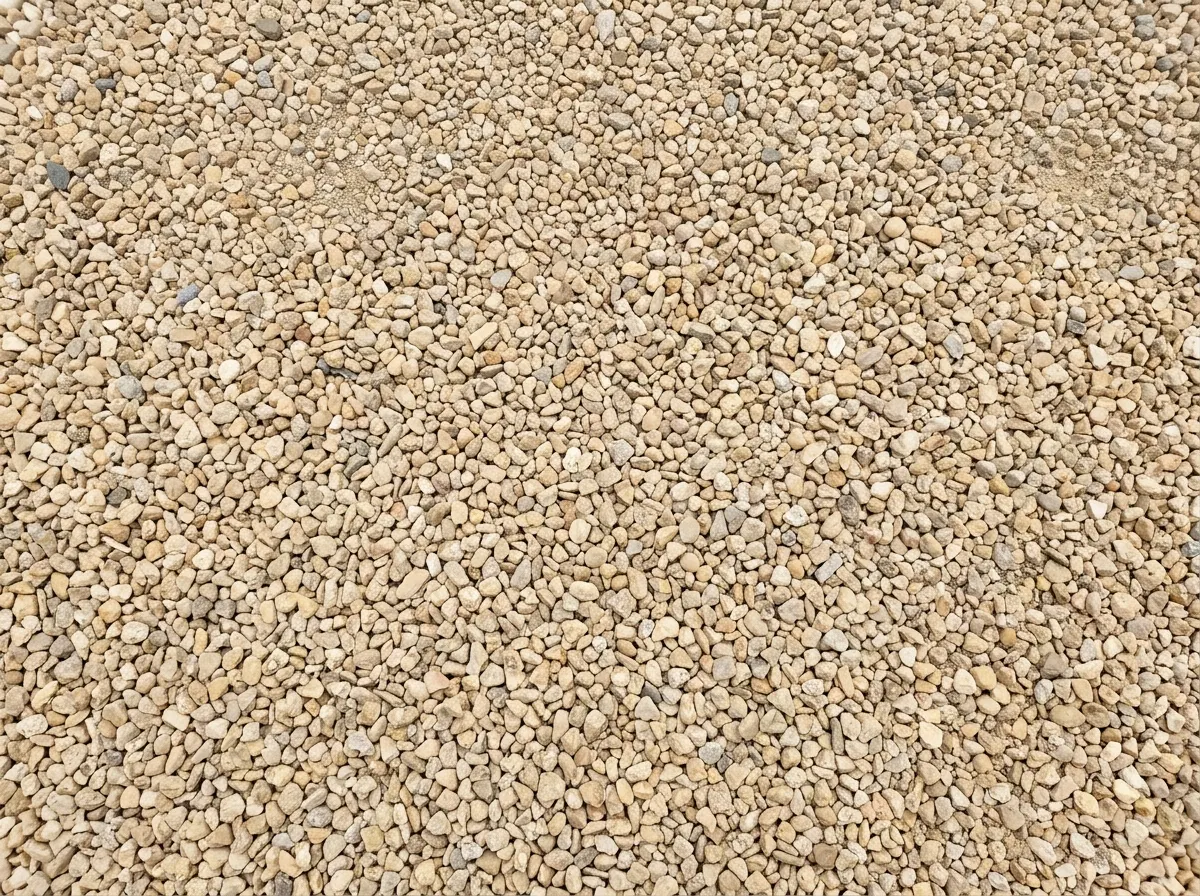
Gravel / Shingle
The most affordable option. Gravel is naturally permeable (SUDS compliant) and the "crunch" acts as a great burglar deterrent. However, it requires maintenance: stones migrate into the road, weeds can poke through, and it needs topping up every few years. Using plastic stability grids increases the cost but stops the stones sinking.

Tarmac (Asphalt)
Highly durable, very fast to lay, and provides a sleek, uniform black or red finish. It requires almost zero maintenance and is highly cost-effective for large areas. The downside? It is not naturally permeable (meaning you must install drains), and cheap tarmac can soften and scar on extremely hot summer days.
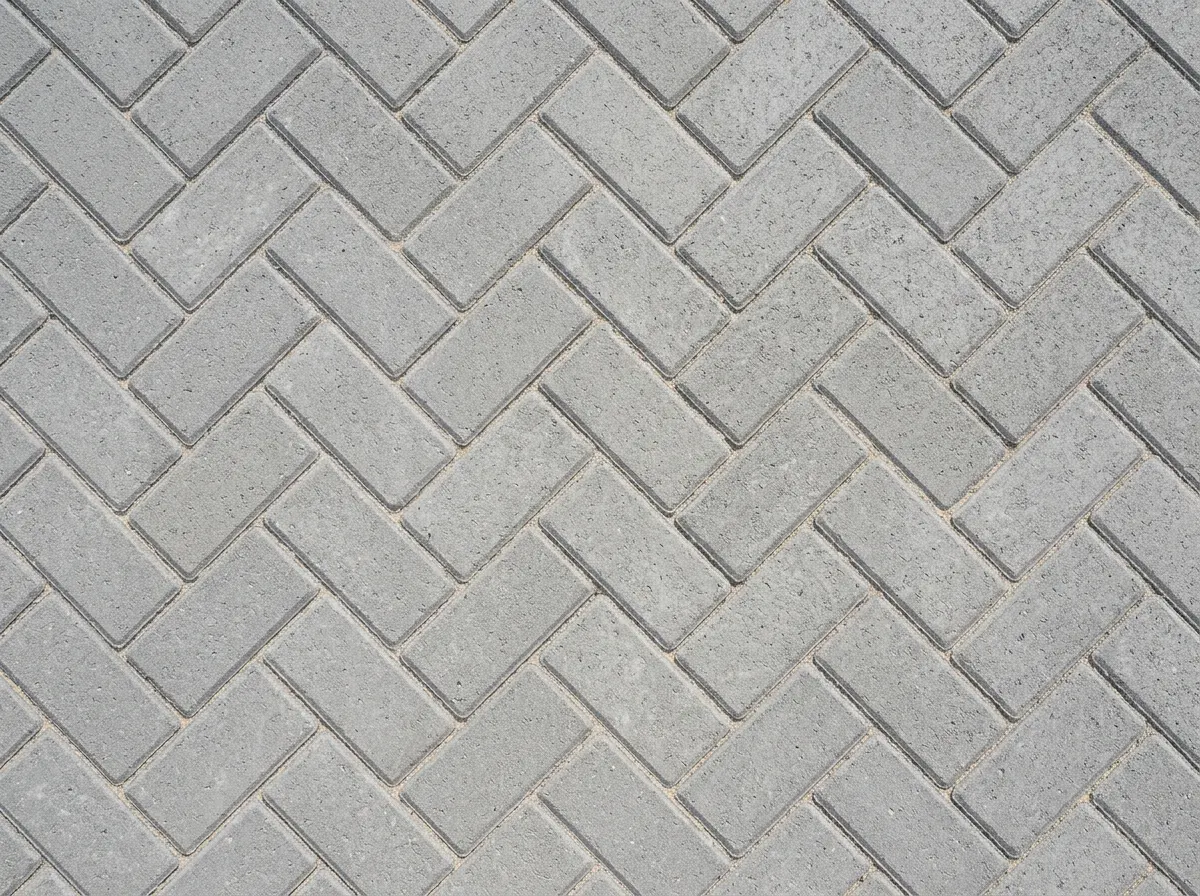
Block Paving
The classic UK driveway. Individual bricks are laid on a bed of sharp sand in patterns like Herringbone or Basketweave. It is visually appealing and easy to repair (you just pull up a broken brick). However, weeds and moss will inevitably grow in the sand joints unless you regularly pressure wash and seal it.

Resin Bound
The premium modern choice. Aggregate stones are mixed with a clear UV-stable resin and trowelled flat. It creates a stunning, seamless, weed-free surface that is entirely porous (meaning no puddles). It must be laid over a solid sub-base (like porous tarmac) to prevent cracking.
Costs by Project Size
The table below breaks down the typical fully fitted costs (including full excavation, waste removal, and sub-base) based on the size of your driveway.
| Material Choice | 1 Car Drive (~20m²) | 2 Car Drive (~40m²) | 3+ Car Drive (~60m²) |
|---|---|---|---|
| Gravel (Loose) | £1,000 – £1,500 | £2,000 – £3,000 | £3,000 – £4,500 |
| Tarmac (Asphalt) | £1,500 – £2,000 | £2,500 – £3,500 | £3,500 – £5,500 |
| Block Paving (Standard) | £1,800 – £2,500 | £3,500 – £4,800 | £5,500 – £7,500 |
| Resin Bound | £2,500 – £3,200 | £4,500 – £6,000 | £6,500 – £9,000+ |
| Indian Sandstone / Slate | £2,500 – £3,500 | £5,000 – £7,000 | £7,500 – £12,000+ |
What inflates a driveway quote?
The surface finish is only half the battle. Legal regulations and the condition of the earth beneath your property often dictate the final bill.
SUDS Compliance (Drainage)
By UK law, front gardens must comply with Sustainable Drainage Systems (SUDS). You cannot let rainwater from a new driveway run off into the public road/drains, as it causes urban flooding. If you choose an impermeable surface (like tarmac or standard block paving), you must pay for Aco drains and soakaways to be installed on your land, or pay for expensive planning permission.
Soil Type & Excavation
A driveway is only as strong as the ground beneath it. Standard topsoil requires excavating roughly 150mm–200mm deep. However, if your house is built on soft clay or peat, the contractor will have to dig significantly deeper (sometimes up to 400mm) and order far more MOT Type 1 aggregate to create a solid base that won't sink.
Dropped Kerbs
If you are converting a front lawn into a driveway for the first time, you must legally drop the kerb to drive a car over the public pavement. You cannot use a regular builder for this; you must use a council-approved contractor. A standard dropped kerb usually adds £1,500 to £2,500 to your overall project cost.
Edgings and Borders
Driveways need solid edging to prevent the blocks, tarmac, or gravel from spreading outward under the weight of a car. Installing contrasting brick borders or high concrete kerb edgings set in deep concrete haunching adds significant time and material costs.
How long does a driveway take?
A standard 2-car driveway (40m²) usually takes a team of three roughly 4 to 6 days to complete. Groundworks make up 70% of the timeline.
Excavation
A mini-digger is brought in to excavate the existing soil or concrete to a depth of roughly 200mm. Grab lorries arrive to haul away the heavy waste (often 10+ tonnes of earth for a standard drive).
Sub-base & Edging
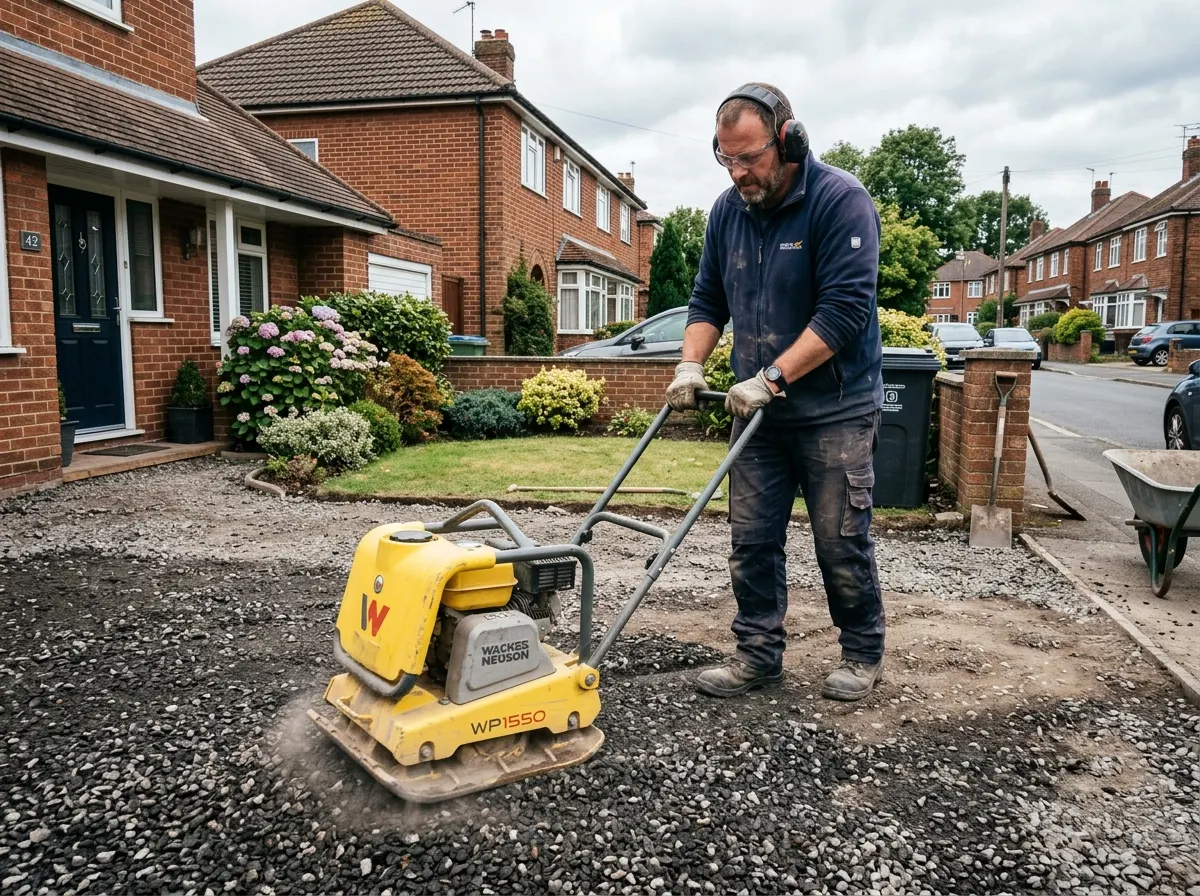
A heavy-duty weed membrane is laid. Tonnes of MOT Type 1 aggregate are tipped in and heavily compacted with a wacker plate to form a rock-solid foundation. Edge restraints and drainage channels are set in concrete.
Laying the Surface
The final surface is laid. For block paving, a layer of sharp sand is screeded flat before laying the bricks. For tarmac, hot asphalt is poured and steam-rollered flat. For resin, the two-part mix is trowelled seamlessly across the drive.
The Curing Wait
You cannot immediately park a 2-tonne car on a fresh driveway. Tarmac needs at least 3-5 days to properly harden in summer. Resin needs 24-48 hours. Block paving can usually handle weight almost immediately once kiln-dried sand is brushed into the joints.
Labour Rates
Driveways are rarely a solo job. You are usually hiring a "gang" of three: one skilled paver/groundworker and two labourers. Expect to pay between £450 and £600+ per day for the team.
Regional Variation
Because waste removal (grab lorries and skip hire) and labour are so expensive in the capital, London prices significantly outstrip the rest of the UK.
Driveway Scams & Red Flags
Driveways are the number one target for rogue traders in the UK. A badly built driveway will look fine on day one, but will be ruined by weeds and potholes within 6 months. Watch out for:
Missing the Sub-Base
The most common scam. A cowboy will scrape away the grass, put down a thin layer of sand, and lay the blocks. Without 100mm-150mm of compacted MOT Type 1 hardcore beneath the sand, the weight of a car will instantly crush the driveway into tyre ruts.
Door-to-Door Sales
Never, ever accept a quote from a contractor who knocks on your door claiming they "have some leftover tarmac from a job down the road." This is a classic, documented scam. They will lay a paper-thin layer of poor-quality asphalt that crumbles away in weeks.
Ignoring DPC Levels
By law, a driveway must sit at least 150mm below your house's Damp Proof Course (DPC - usually the black line in the mortar near the ground). If a builder lays a driveway too high, rainwater will bridge the DPC and cause severe rising damp inside your home.
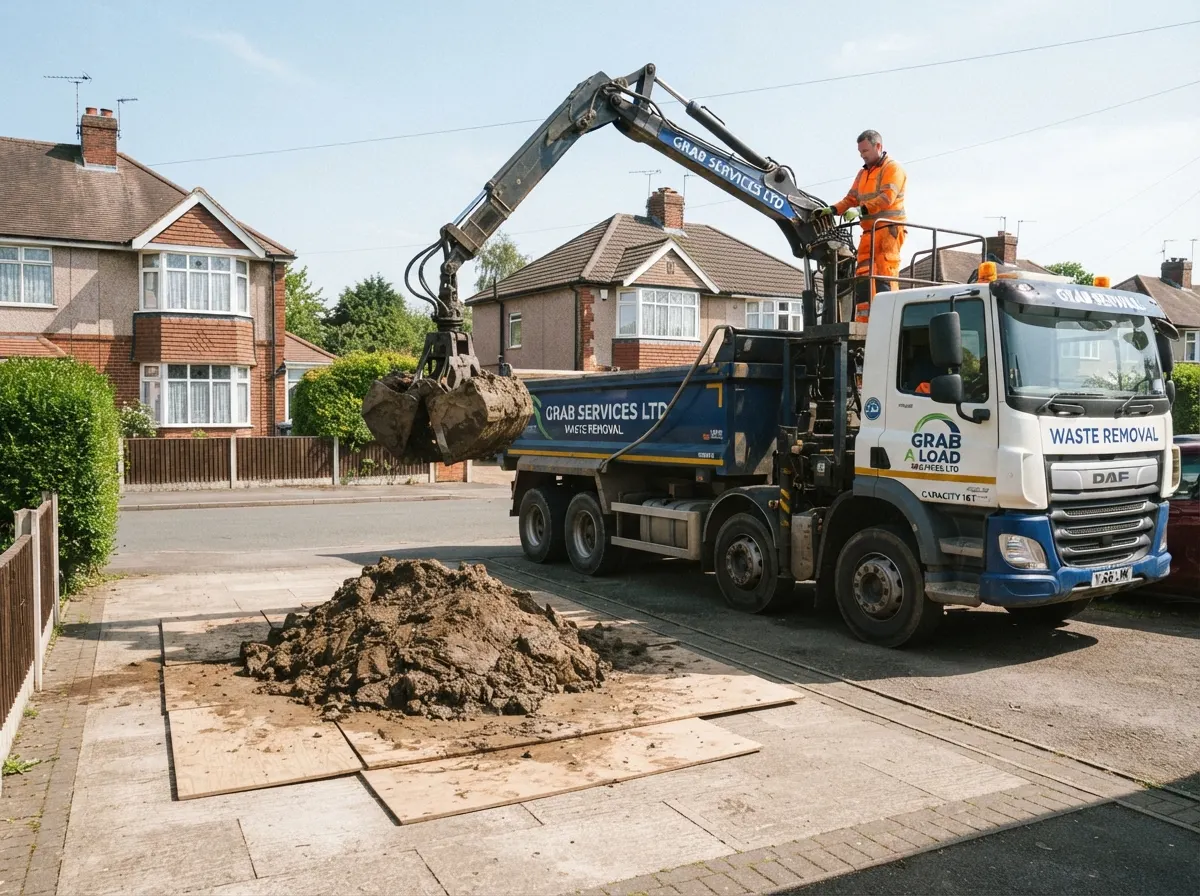
Managing your driveway excavation waste.
Driveways require deep excavation (typically 150–250mm) to lay a load-bearing sub-base capable of supporting vehicles. Digging out a standard 50m² driveway generates a massive 10 to 15 tonnes of heavy waste before the new surface is even laid.
-
What you'll be clearing Heavy clay, subsoil, old cracked concrete slabs, broken block paving, and chunks of old tarmac.
-
The Grab Lorry Rule A Grab Lorry is the fastest and most cost-effective way to move this sheer volume of weight. However, they strictly only collect "muck" (soil/earth) and "hardcore" (rubble/concrete/bricks). They will not accept general mixed waste like timber or plastic packaging. If you have mixed waste, you will need a skip alongside it.
Can you DIY a driveway?
A driveway requires moving 10 to 20 tonnes of heavy earth and rock. It is backbreaking work. However, if you are physically fit and hire the right equipment, laying a gravel driveway is very achievable.
What you CAN DIY:
- ✓ Gravel Driveways: Hiring a mini-digger and a wacker plate allows you to dig the base, lay the membrane, compact the MOT Type 1, and spread the decorative gravel yourself. This can save you £1,000+ in labour.
- ✓ Block Paving (For advanced DIYers): Laying bricks on a screeded sand bed is entirely possible for a patient DIYer, though it requires hiring a block splitter and careful attention to levels.
Strictly Pro Only
Tarmac & Resin: These materials require specialist, expensive equipment (like hot asphalt rollers and forced action resin mixers) and highly trained gangs to lay them before they cure. Do not attempt these yourself.
Dropped Kerbs: It is illegal to alter the public pavement yourself. You must apply to the council and use one of their approved street-works contractors.
Frequently Asked Questions
How much does a new driveway cost in 2026?
For a standard 2-car driveway (approx. 30m²), expect to pay between £2,500 and £5,000 fully installed. The final price depends heavily on the chosen material, the amount of excavation required, and the cost of waste disposal (skip hire and grab lorries).
Which driveway material is the most cost-effective?
Gravel is the cheapest option at £20-£60 per m². Tarmac (asphalt) is a durable mid-range choice at £40-£80 per m², followed by block paving at £60-£120. Premium resin-bound driveways and natural stone sett paving are the most expensive, typically ranging from £80 to £150+ per m².
Do I need planning permission to pave my front garden?
Generally, no, provided you comply with SUDS (Sustainable Drainage Systems) regulations. If you use a permeable material (like gravel, porous asphalt, or resin-bound) or direct rainwater to a lawn or border to drain naturally, you do not need planning permission. Non-permeable surfaces over 5m² require approval.
Do I need council permission for a dropped kerb?
Yes. Even if your driveway falls under Permitted Development, you must apply to your local council highways department for a Section 184 licence to drop the kerb. This must be carried out by a council-approved street works contractor and typically costs an additional £1,000 to £2,000.
Can a contractor lay a new driveway directly over my old one?
While tarmac overlaying is sometimes possible on a completely sound existing surface, it is rarely recommended. A driveway is only as strong as its foundation. A reputable contractor will excavate to a depth of 200-250mm and lay a fresh, compacted MOT Type 1 aggregate sub-base to prevent future sinking.
What is the exact difference between Resin Bound and Resin Bonded?
Resin bound mixes the stones and UV-stable resin together before trowelling, creating a smooth, permeable, premium surface that complies with SUDS. Resin bonded involves spreading glue on a solid base and scattering loose stones on top. It is cheaper, rougher, non-permeable, and stones frequently come loose over time.
How can I prevent weeds from growing through block paving?
A properly installed driveway features a heavy-duty weed membrane beneath the sub-base, meaning weeds almost never grow up from the soil. Weeds in block paving grow from airborne seeds settling in the sand-filled joints. You can prevent this by applying a specialist polyurethane block paving sealer after installation.
How long does a new driveway last?
If installed on a solid, correctly compacted sub-base, a new tarmac or block paving driveway should comfortably last 15 to 20 years before needing major repairs. Premium resin-bound driveways can last 25+ years if maintained correctly, kept free of moss, and regularly swept.
Related Projects & Guides
Ready to upgrade your driveway?
Use our AI to get a precise estimate based on your exact driveway size and material choice, then connect with Pricing Penguin Accredited groundworkers near you.
Did you find this page helpful?
Let us know if this guide helped you plan your project.