How much does damp proofing cost in the UK?
 By Tom Ellis
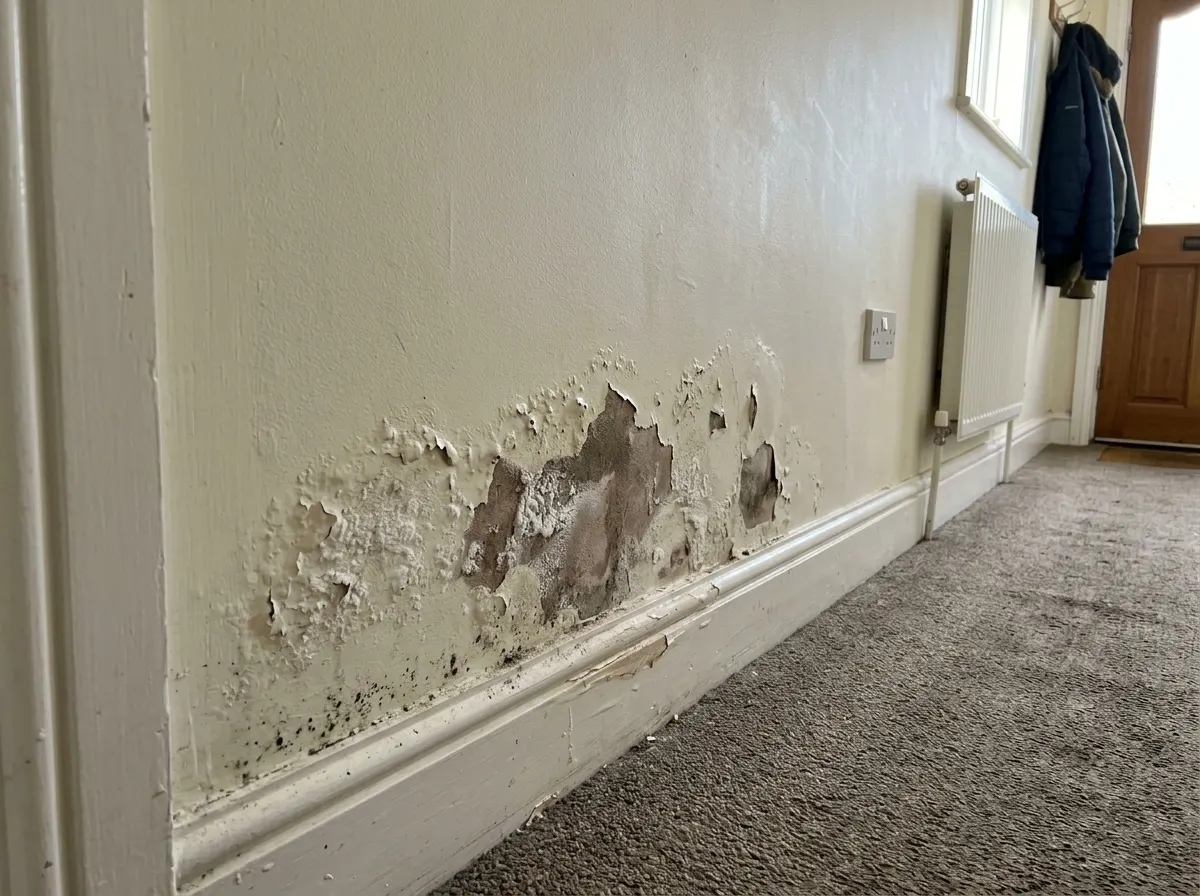
Damp is a homeowner's worst nightmare. It ruins plaster, rots skirting boards, and causes respiratory issues through toxic black mould. However, "damp" is a catch-all term covering three entirely different problems—Rising Damp, Penetrating Damp, and Condensation—each requiring completely different treatments.
In 2026, UK damp proofing costs range wildly from £500 to £8,000+. A single-wall chemical DPC injection will usually sit around £900 to £1,500 (including replastering), while a full basement tanking system can easily exceed £8,000. Because misdiagnosis is rampant in the damp-proofing industry, paying for an independent RICS damp survey (£200–£400) before hiring a contractor is the most crucial money-saving step you can take.
~£500
Condensation fix. Supplying and fitting a high-quality Positive Input Ventilation (PIV) unit in the loft, or a humidistat extractor fan in a bathroom to cure surface black mould.
~£1,500
Mid-range project. Treating a 5m run of rising damp. Includes hacking off the salt-contaminated plaster, injecting a chemical silane cream DPC into the mortar, and replastering the wall with a salt-inhibiting render.
£8,000+
High-end specification. Fully waterproofing an underground cellar. Involves installing a cavity drain membrane system with an automated sump pump to safely manage severe groundwater pressure.
Get an instant estimate for your damp proofing
The Three Types of Damp
Do not pay for a £3,000 DPC injection until you have properly identified which of the three damp varieties is actually attacking your house.
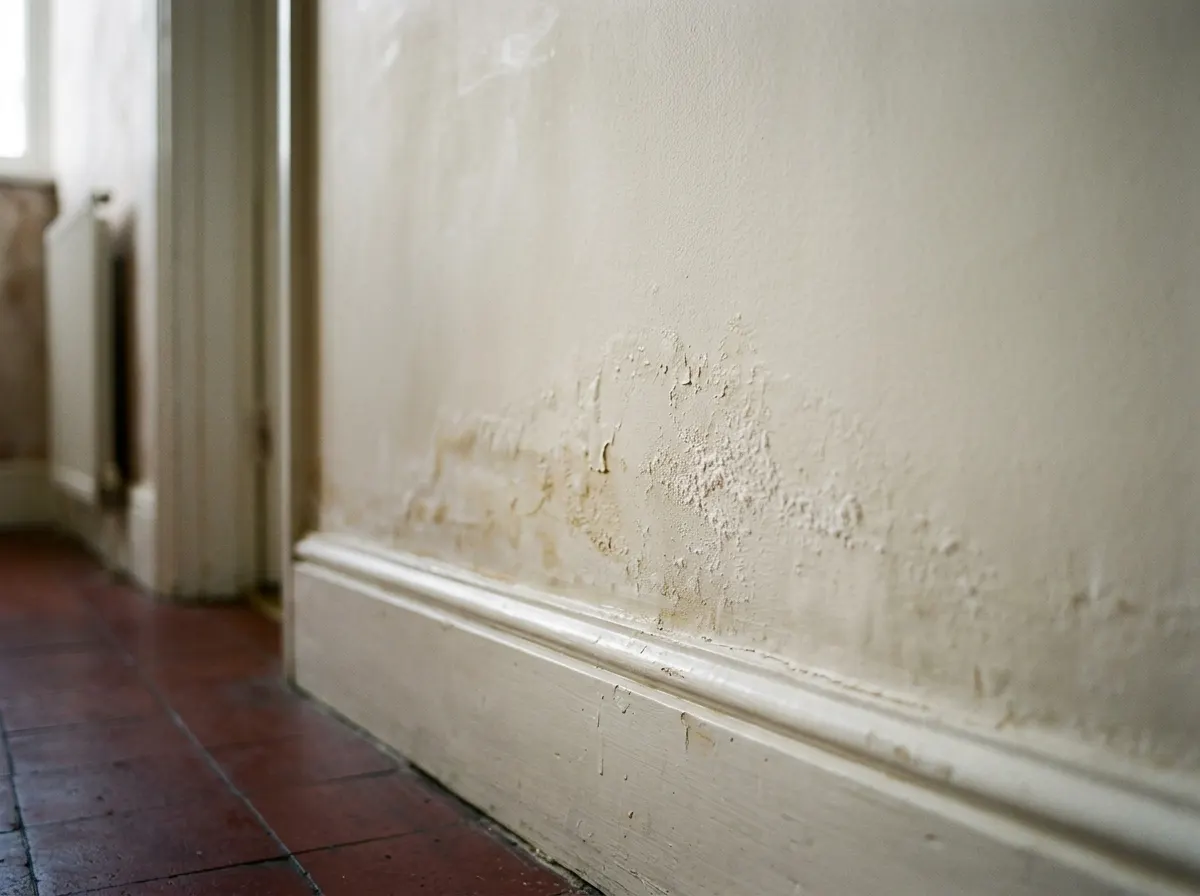
1. Rising Damp
Requires Injection
The Cause: The physical Damp Proof Course (DPC) in the mortar has failed, allowing groundwater to wick upwards through the brickwork via capillary action.
The Signs: A distinct "tide mark" on the wall that rarely rises above 1–1.2 metres. Crucially, it leaves a white, fluffy powder (hygroscopic ground salts) on the plaster, and rots wooden skirting boards.
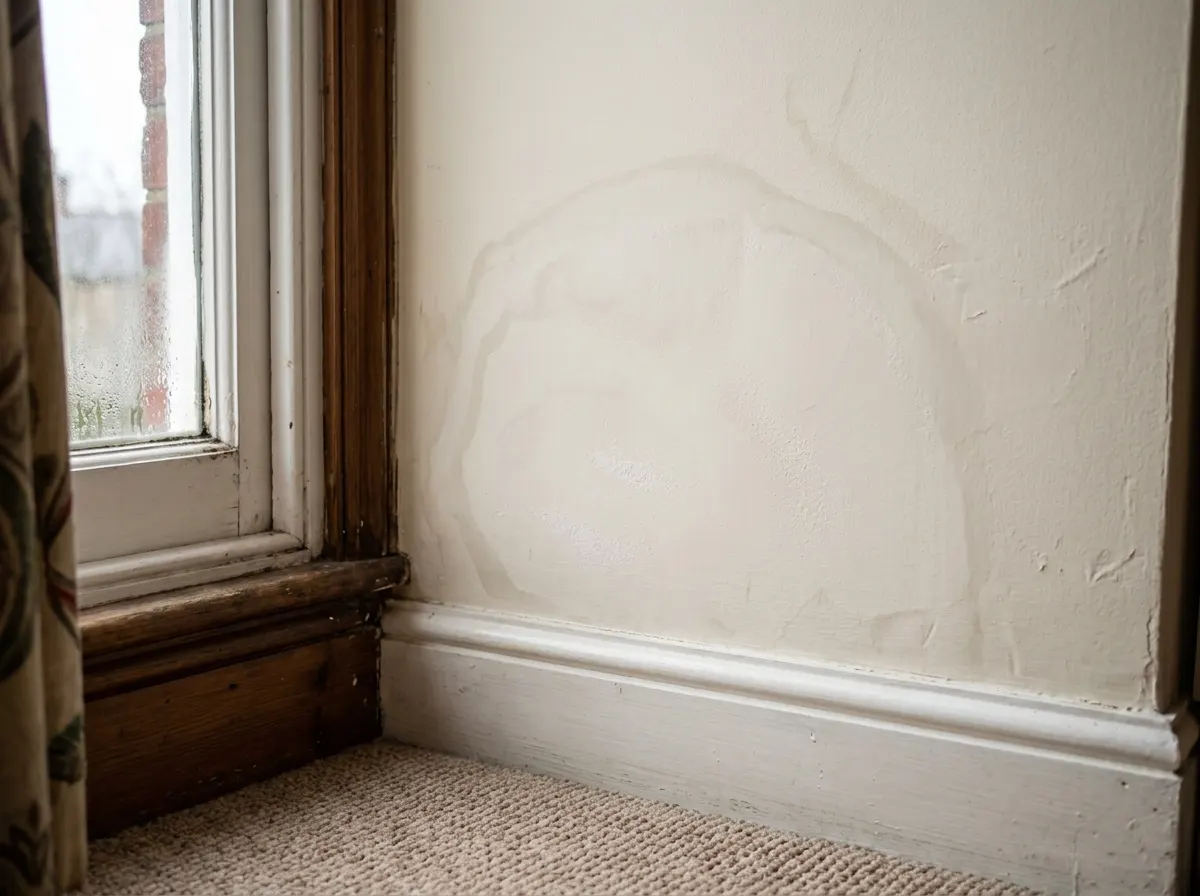
2. Penetrating Damp
Requires External Repair
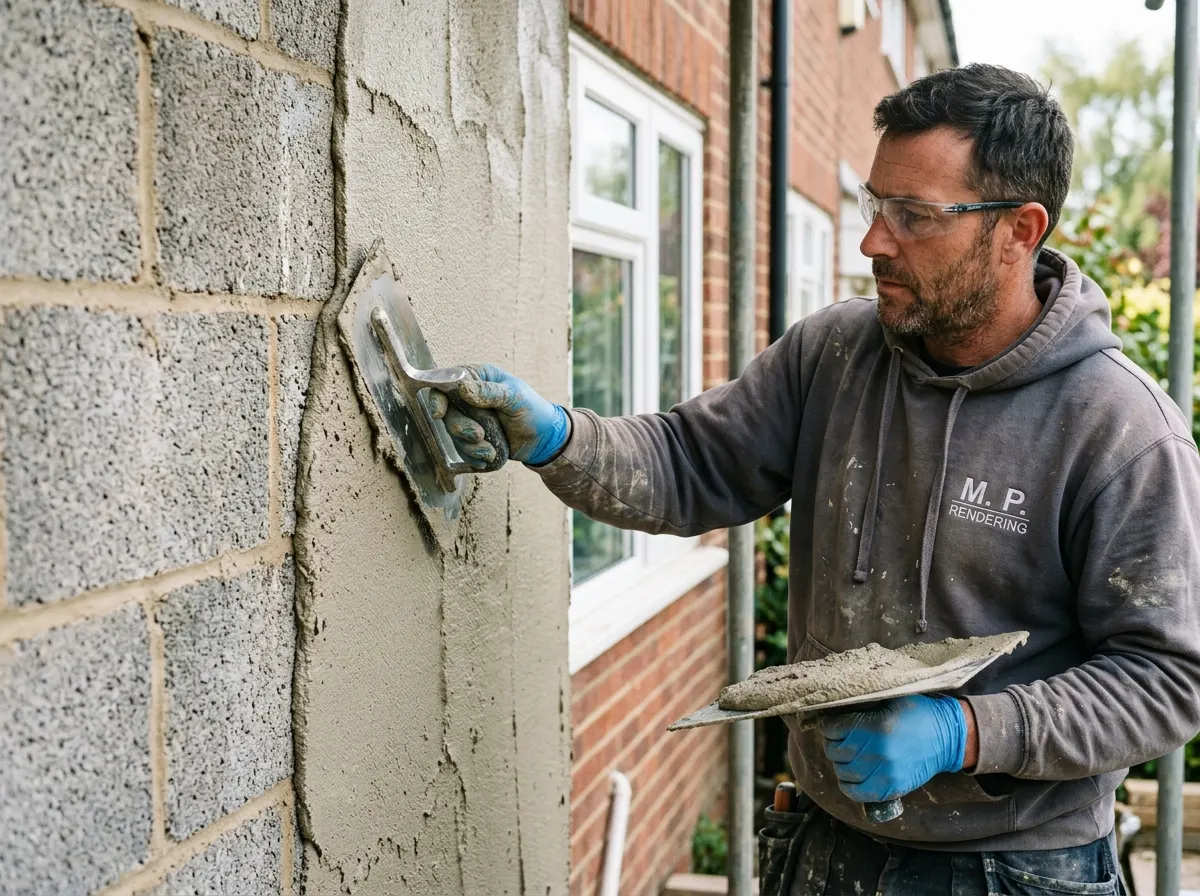
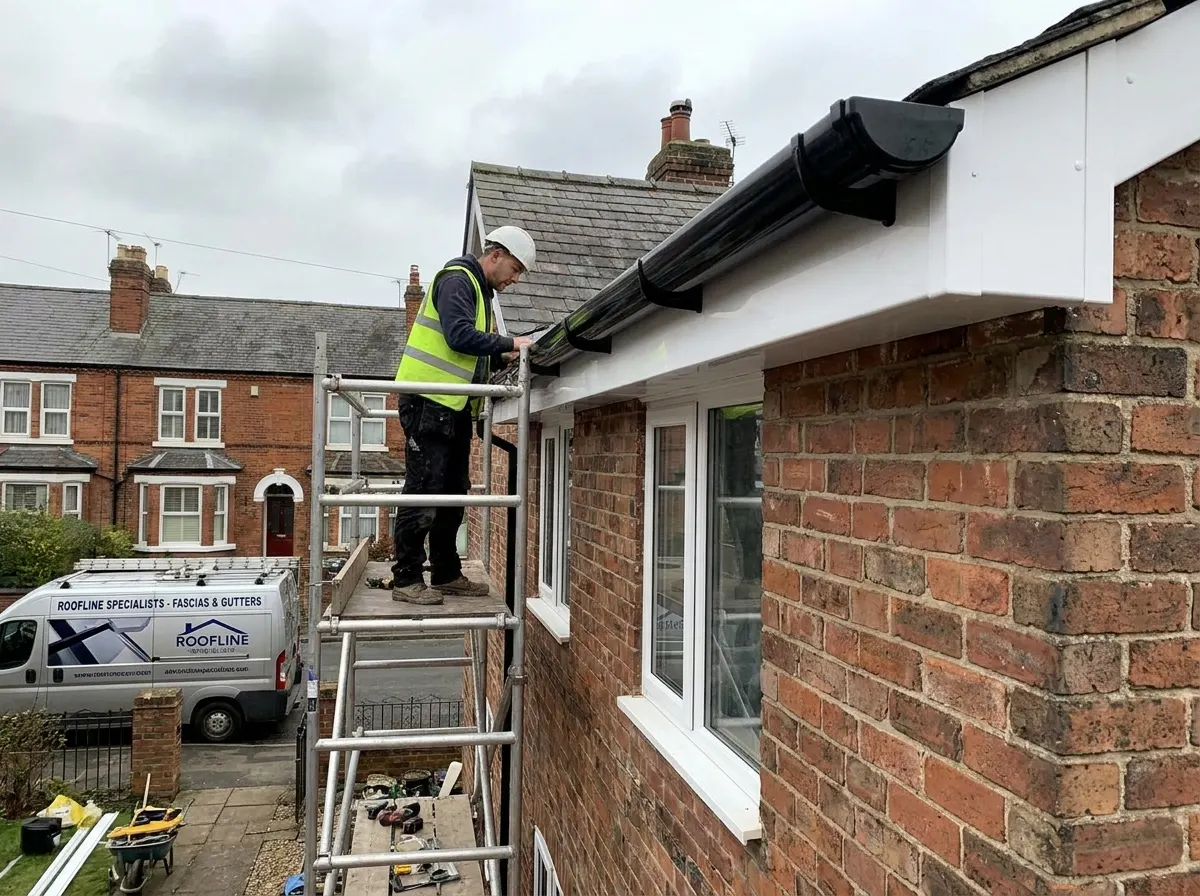
The Cause: Water is physically entering the house from the outside due to a building defect. Usually blocked/leaking gutters, cracked exterior rendering, or missing roof tiles.
The Signs: Isolated wet patches that can appear anywhere on a wall or ceiling (not just at the bottom). The patches will darken and expand noticeably during heavy rainstorms.
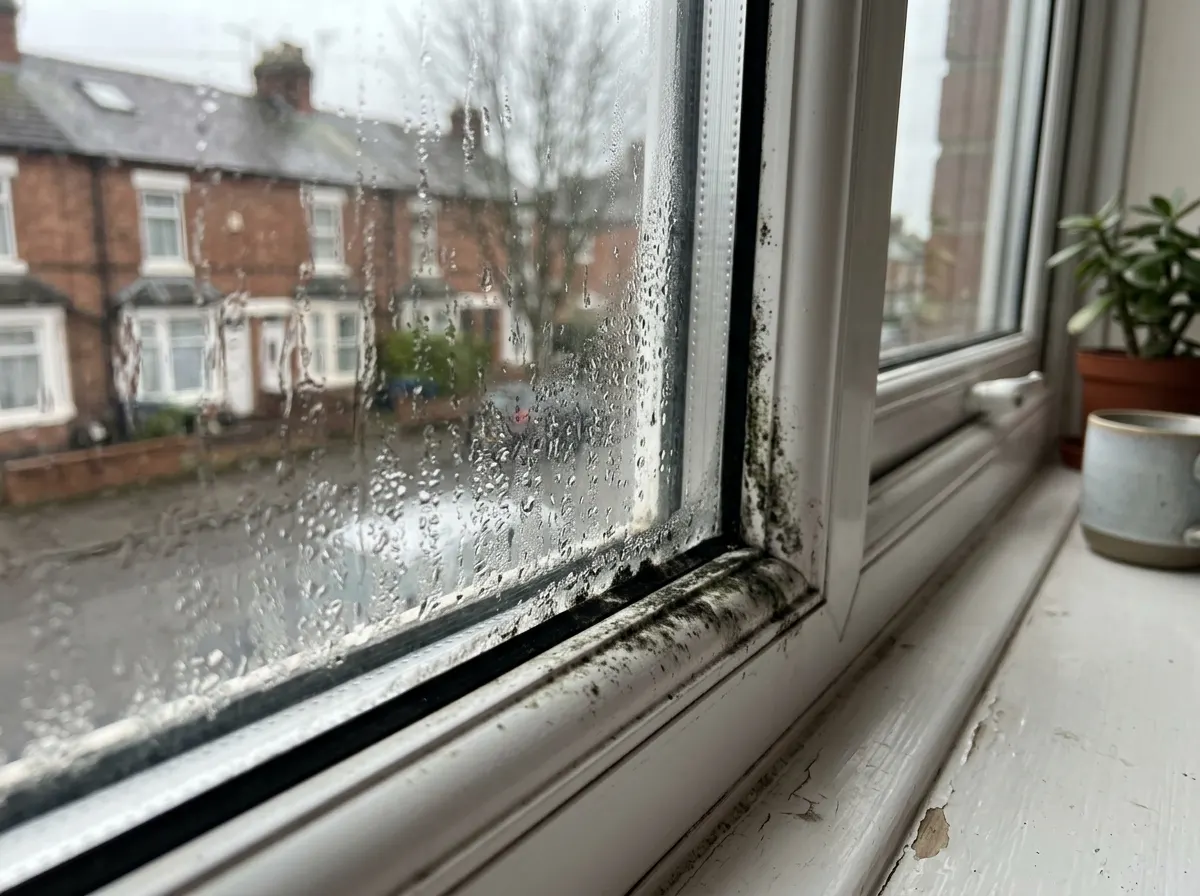
3. Condensation
Requires Ventilation
The Cause: The cause of 60%+ of all UK damp. Warm, moist air from cooking/showering hits a cold external wall or window and turns back into water droplets.
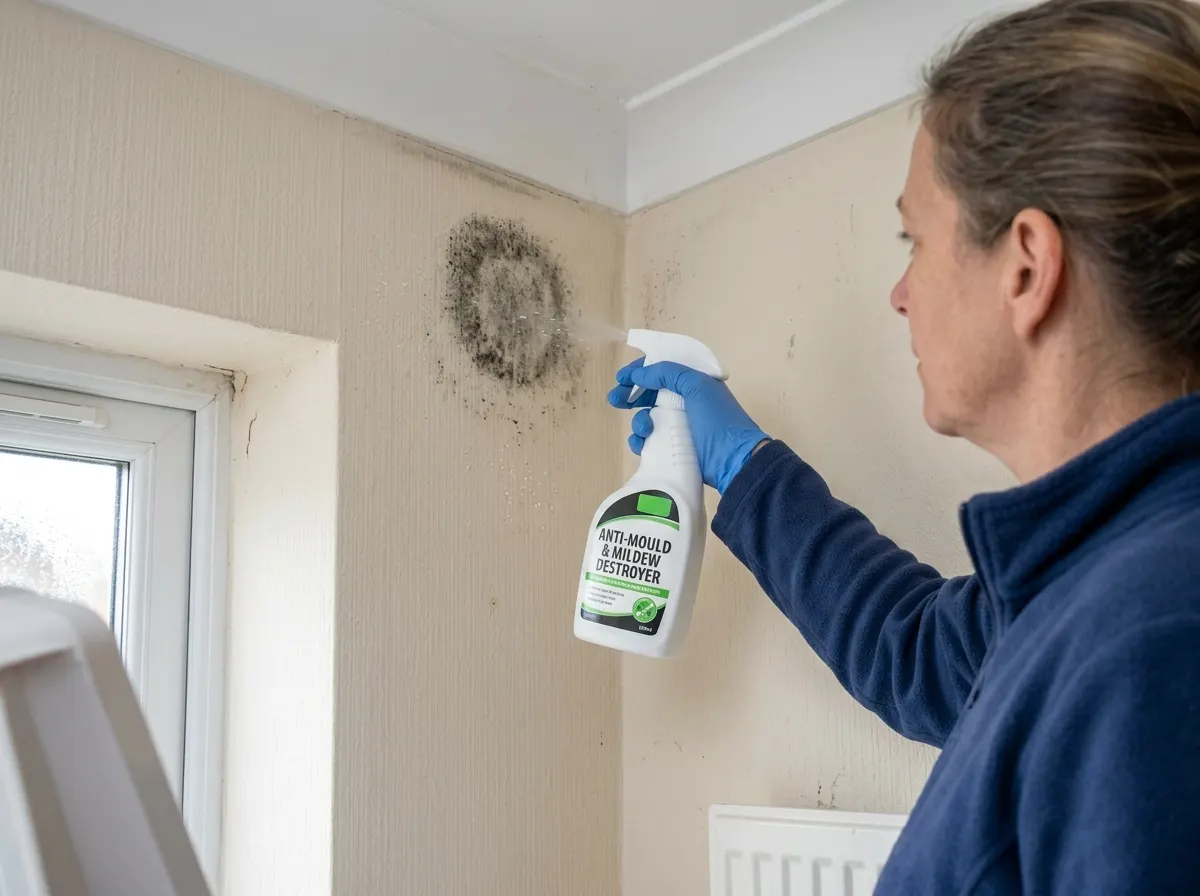
The Signs: Toxic black mould (Stachybotrys) growing in the corners of rooms, behind wardrobes, or around window frames. Always worst during winter when windows are kept shut.
Treatment Costs by Project Type
The table below outlines real-world 2026 supply-and-fit prices for the most common damp proofing scenarios from PCA-accredited specialists.
| Treatment Scope | Description of Works | Typical Fitted Cost |
|---|---|---|
| Diagnostics & Surveys | ||
| Independent Damp Survey (RICS/PCA) | A full un-biased property survey using calcium carbide moisture tests to prove the source. | £200 – £400 |
| Rising Damp Treatments | ||
| Chemical DPC Injection (Per Metre) | Drilling and injecting silane cream into the mortar bed. (Labour & chemicals only). | £50 – £120 / linear m |
| Typical Single Wall (DPC + Replaster) | Injecting a 6m wall, hacking off old plaster up to 1.2m, and re-rendering with salt retardant. | £900 – £1,800 |
| Full House Treatment (DPC + Replaster) | Treating all ground-floor external walls (approx 30 linear metres) and making good. | £3,500 – £7,000 |
| Below Ground Waterproofing | ||
| Cementitious Tanking System | Painting wet slurry physically onto cellar walls to hold back ground water. | £70 – £120 / m² |
| Cavity Drain Membrane System | Modern approach. Dimpled plastic membrane + channels diverting water to a sump pump. | £150 – £250 / m² |
| Condensation Management | ||
| PIV Unit (Positive Input Ventilation) | Loft-mounted fan that pushes dry air down into the house, displacing damp air. | £400 – £900 installed |
The "Free Survey" Scam
Damp misdiagnosis costs UK homeowners millions of pounds every year. Do not fall into the free survey trap.
The Setup
Many damp proofing contractors offer a "Free Damp Survey." A salesperson arrives, stabs the wall with an electronic moisture meter, and immediately declares you have rising damp requiring a £3,000 DPC injection.
The Truth
Electronic moisture meters are designed for timber, not brick. If stabbed into brick or plaster, they will almost always read artificially high due to naturally occurring salts. The salesman is incentivised to sell chemical treatments.
The Solution: Pay for an Independent Survey
Always hire a completely independent, RICS or CSRT qualified damp surveyor who does not undertake the repair work themselves. You pay them £200–£400 for a completely un-biased report. They frequently discover that the "rising damp" is actually just a £50 blocked gutter splashing onto the brickwork, or condensation caused by lack of heating, saving the homeowner thousands in unnecessary injections.
How is Rising Damp Fixed?
If rising damp is confirmed, a chemical DPC (Damp Proof Course) injection is required. A typical single living room wall takes a specialist 2 to 3 days to treat.
Hacking Off
The skirting boards and radiators are removed. The plasterer uses an SDS drill to aggressively hack off the salt-contaminated plaster back to the bare brickwork, usually reaching a height of 1 to 1.2 metres above the floor.
DPC Injection
Holes are drilled into the mortar bed joint at the base of the wall (approx 150mm above outside ground level). A hydrophobic silane/siloxane chemical cream is pumped into the holes, which spreads and creates a waterproof horizontal barrier.
Salt-Retardant Render
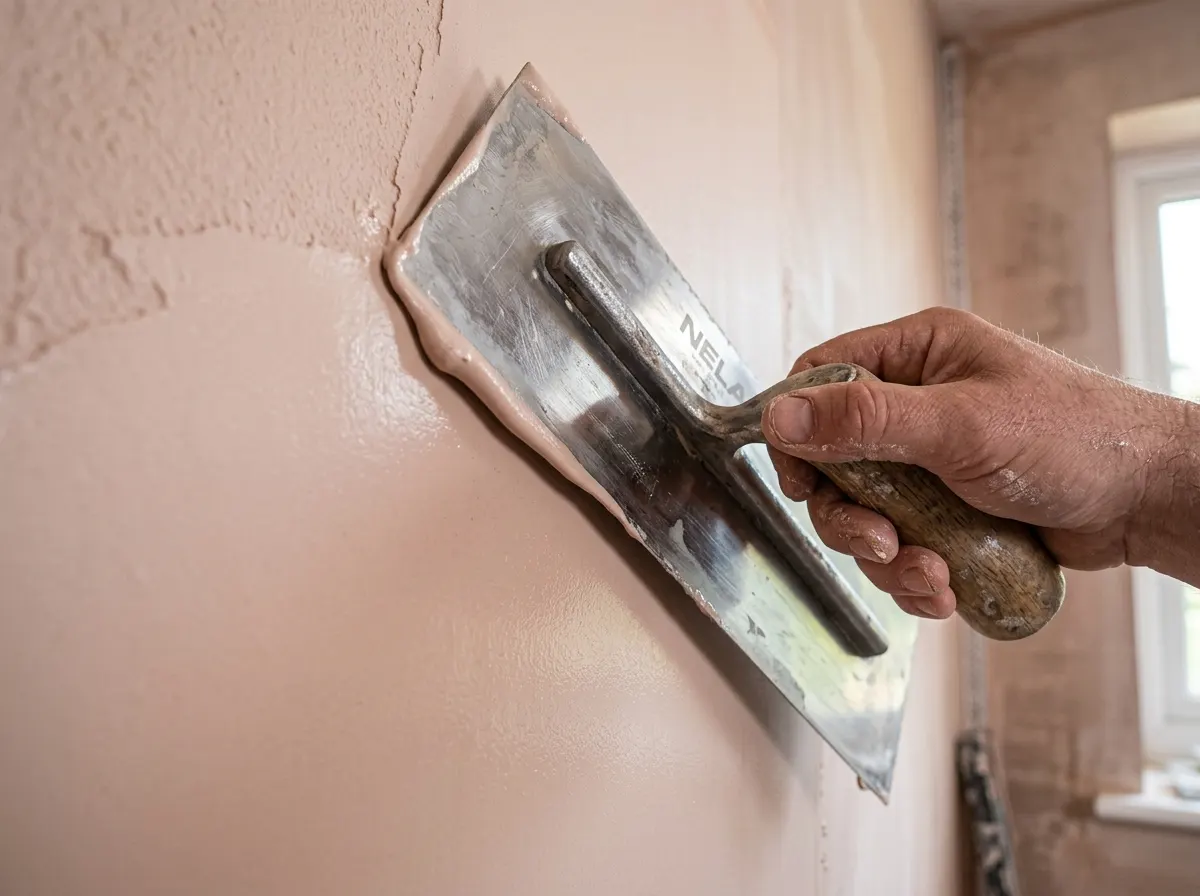
The wall cannot be plastered normally (with standard Gypsum). It must be rendered using a specific mix of washed sand, cement, and a chemical salt-inhibitor additive to stop residual salts migrating through.
Skim & Dry
A final smooth multi-finish plaster skim is applied. Crucially: You cannot paint or wallpaper the wall immediately. The wall must dry naturally for roughly 4 to 6 weeks, and must only be painted with breathable, non-vinyl matt emulsion initially.
Can you DIY damp proofing?
Chemical injection kits are widely available online for DIYers, but taking the DIY route is heavily advised against—not because it's technically difficult, but because it destroys the value of the paperwork.
What you CAN DIY:
- ✓ Curing Condensation: If you have black mould, wipe it down with a fungicidal wash, stop drying clothes on radiators, open trickle vents, and invest in a quality desiccant dehumidifier. This fixes the majority of UK damp problems for under £200.
- ✓ Fixing Penetrating Damp: Clearing blocked gutters, replacing broken roof tiles, or sealing cracks around window frames are easy DIY tasks that immediately stop penetrating damp.
Why DIY Injection Fails
If you inject a DPC yourself, you do not receive an insurance-backed 20-year guarantee certificate. When you attempt to sell your house, the buyer's surveyor will spot the drilled holes, demand the certificate, and when you can't produce one, the buyer will knock £3,000 off the house price to have it done again professionally.
Frequently Asked Questions
How much does damp proofing cost in the UK in 2026?
Treating a single wall for rising damp (including injection and specialist replastering) averages £900–£1,800. A full ground-floor treatment runs £3,500–£7,000. Condensation ventilation cures (like PIV units) cost £400–£900. Structural basement tanking often exceeds £8,000 depending on the size.
How do I know if I have rising damp instead of condensation?
Rising damp leaves a distinct "tide mark" stain up to 1 metre high on ground-floor walls, causes wallpaper to peel near the skirting board, leaves white powdery salts (efflorescence), and rots timber skirting. If you have black mould in the top corners of a ceiling, that is caused by condensation, not rising damp.
What is penetrating damp and how is it treated?
Penetrating damp occurs when water enters through external walls due to building defects—such as cracked render, missing roof tiles, overflowing gutters, or faulty window seals. Treatment involves fixing the external defect to stop the water ingress, then allowing the internal wall to dry out naturally.
How long does damp proofing take and when can I decorate?
A single wall takes 2 to 3 days for the contractor to strip the old plaster, inject the damp proof course (DPC), and apply new specialist render. However, you must allow 4 to 6 weeks for this new render to dry out completely before you can apply a breathable emulsion paint.
Should I pay for an independent damp survey or get a free one?
It is highly recommended to pay £200–£400 for an independent RICS or CSRT-qualified surveyor to get an unbiased diagnosis. Companies offering "free" surveys often send commission-based salespeople who rely on selling you expensive chemical injections, even if your only issue is poor ventilation.
Why does my plaster have to be removed during damp proofing?
Groundwater contains salts (chlorides and nitrates). As rising damp evaporates out of your wall, these hygroscopic salts are left behind in the plaster, continually attracting moisture from the air. The wall will always look and feel wet until this contaminated plaster is physically hacked off and replaced.
What is the difference between DPC injection and tanking?
DPC injection creates a chemical barrier inside the brickwork just above ground level to stop moisture soaking upwards through capillary action. Tanking is a physical waterproof slurry coating or studded membrane applied to underground walls (cellars/basements) to hold back heavy, lateral soil-water pressure.
Can untreated damp stop me from getting a mortgage?
Yes. Mortgage lenders frequently hold back funds (a mortgage retention) if a valuation surveyor spots signs of damp. They usually insist the issue is investigated and fully treated by a PCA-approved specialist, complete with an insurance-backed guarantee, before they will release the funds to complete the purchase.
Can I just use anti-damp paint to fix a wet wall?
No. Anti-damp paints and sealants only trap the moisture temporarily. The water will eventually build up hydrostatic pressure, push through the paint, and cause it to blister and flake off. Damp must be cured at the source, whether that means fixing a leak, improving ventilation, or injecting a new DPC.
Will rising damp come back after professional treatment?
If professionally injected and correctly replastered by a PCA-accredited firm, rising damp will not return—which is why reputable companies offer 10 to 20-year guarantees. If damp appears to "return," it usually means the original issue was actually misdiagnosed condensation or a new leak has formed.
Related Projects & Guides
Stop damp in its tracks.
Use our AI to get a precise estimate based on your specific damp symptoms and wall length, then connect with Pricing Penguin Accredited, PCA-approved damp specialists near you.
Did you find this page helpful?
Let us know if this guide helped you plan your project.