How much do carpenters & joiners cost in the UK?
 By Tom Ellis
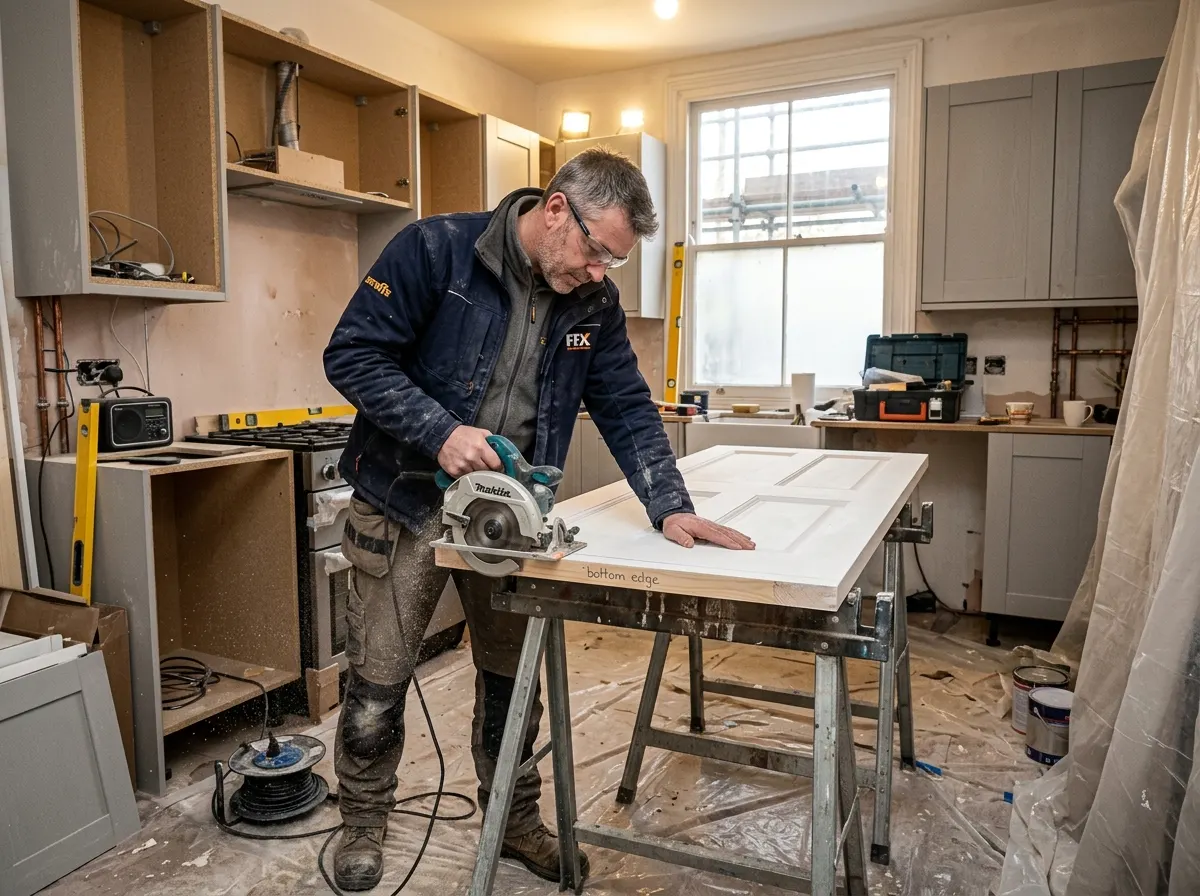
Woodwork forms the skeleton and the finishing touches of your home. UK carpenters charge between £160 and £280 per day in 2026, with London rates pushing toward £340.
The trade actually covers two distinct skill sets that are often quoted together. Site carpentry involves structural and fitting work (like stud walls, hanging doors, and laying skirting boards) and is usually priced by day rate. Bench joinery involves workshop-made items (like bespoke fitted wardrobes, alcove units, and staircases), which are priced per piece, with the timber quality heavily driving the final total.
~£300
Basic specification. Hiring a carpenter for 1-2 days to hang a few internal doors, fit new door furniture, and install skirting boards in a single room.
~£1,500
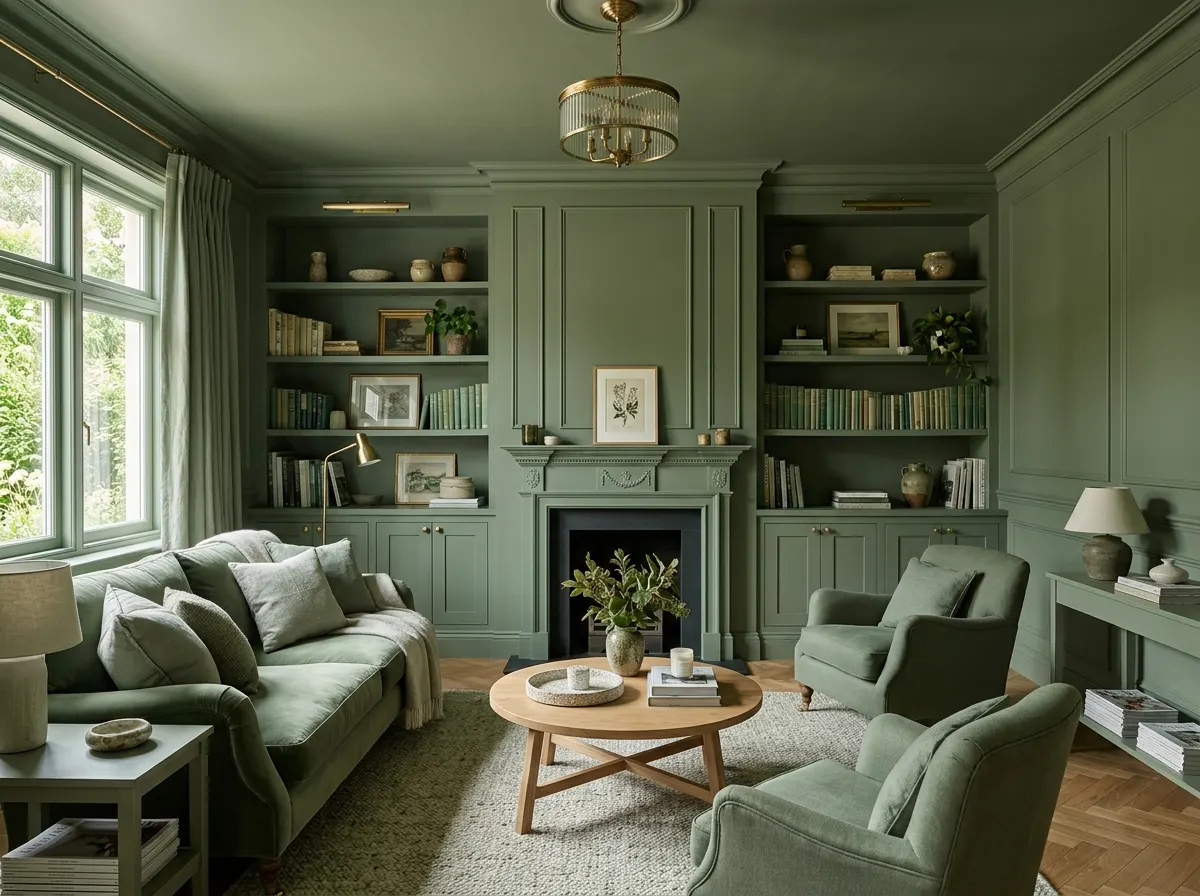
Mid-range finish. Designing, building, and fitting a pair of bespoke MDF alcove shelving units or a standard fitted wardrobe with painted finish.
£5,000+
High-end specification. Large bespoke hardwood (oak/walnut) installations, such as a custom fitted library, structural timber staircases, or premium walk-in wardrobes.
Get an instant estimate for your carpentry
The 3 Types of Woodwork
The industry is split into distinct categories. Understanding what you are asking for will help you hire the right trade and understand the quote.
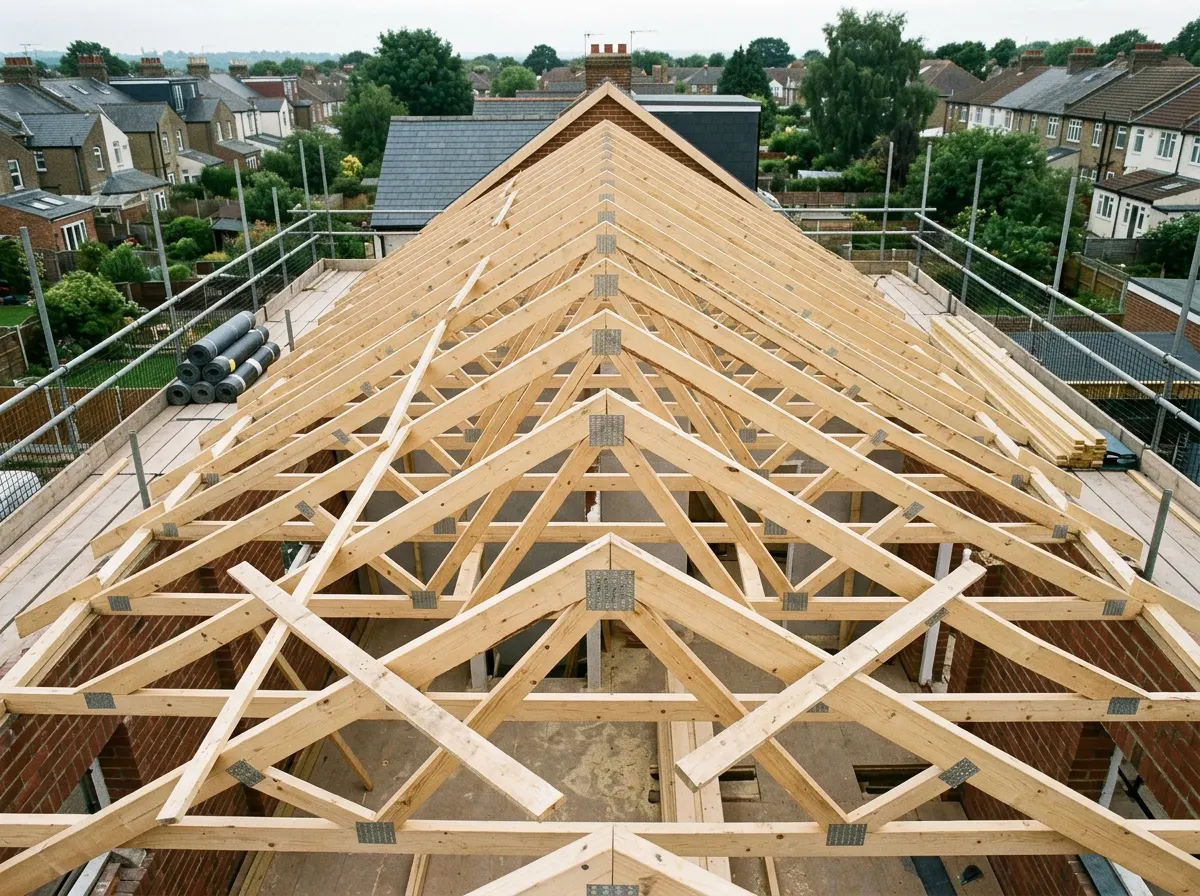
1. First Fix Carpentry
Structural work that happens before the plasterers arrive. This includes building timber stud walls, fitting floor joists, constructing roof trusses, and fitting wooden window frames. It's rough, heavy work where structural integrity matters more than a painted finish.
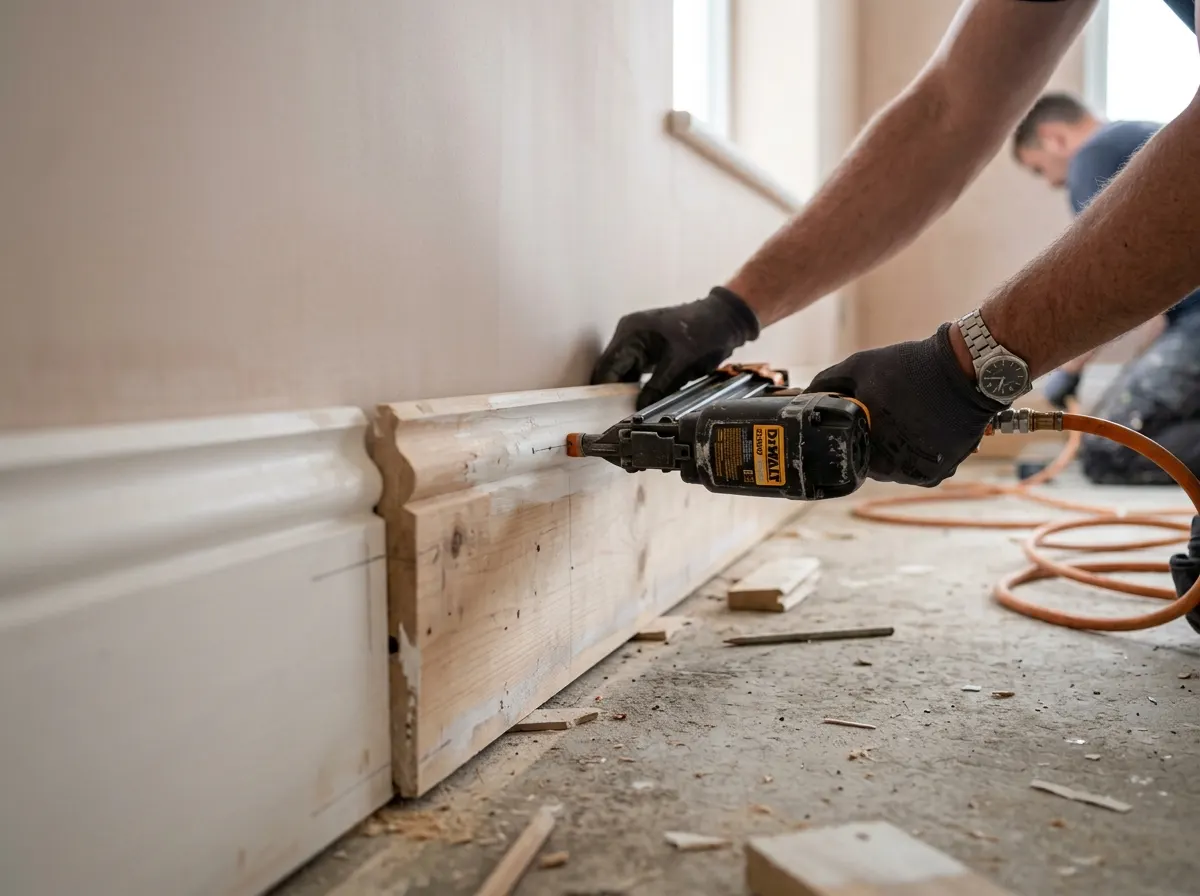
2. Second Fix Carpentry
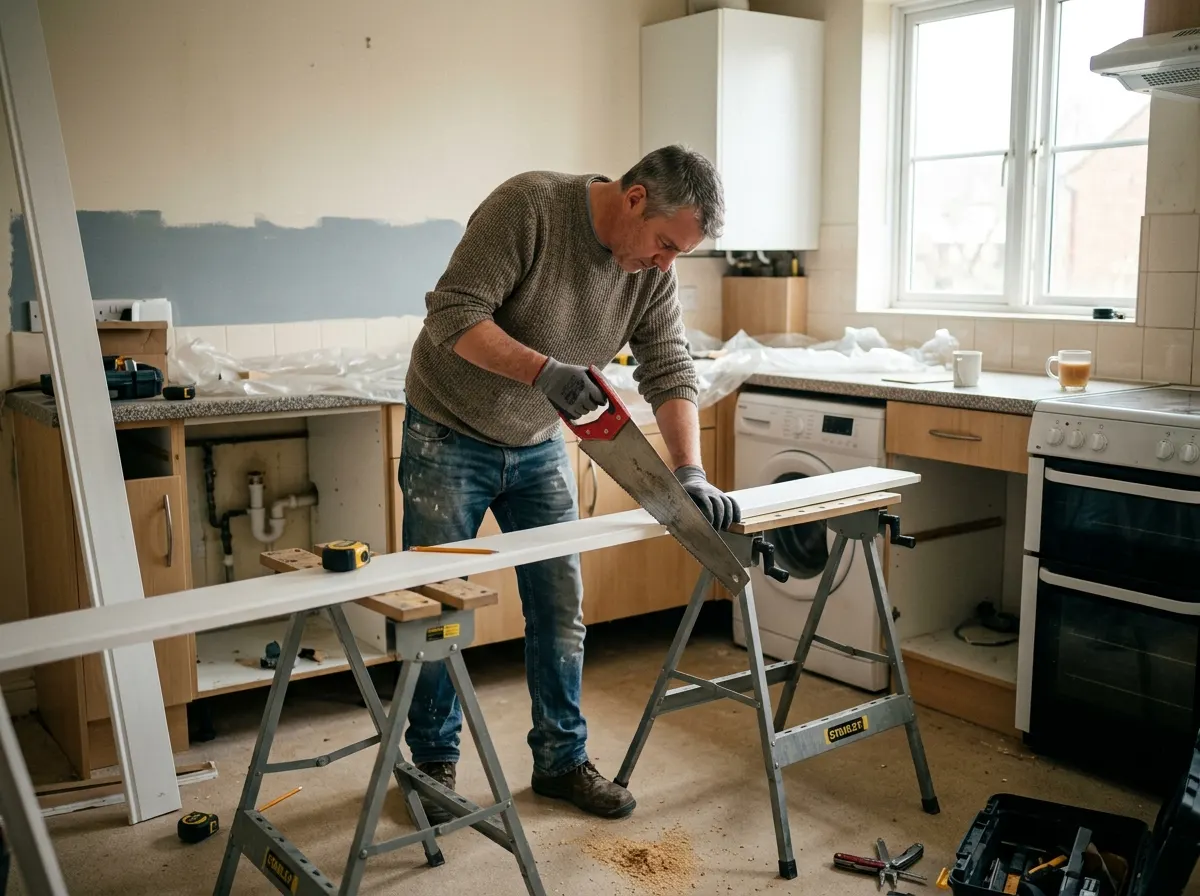
The finishing work done after the plaster has dried. This requires precision and a careful eye. It includes hanging internal doors, fitting skirting boards, architraves, laying laminate floors, and attaching door handles and locks.
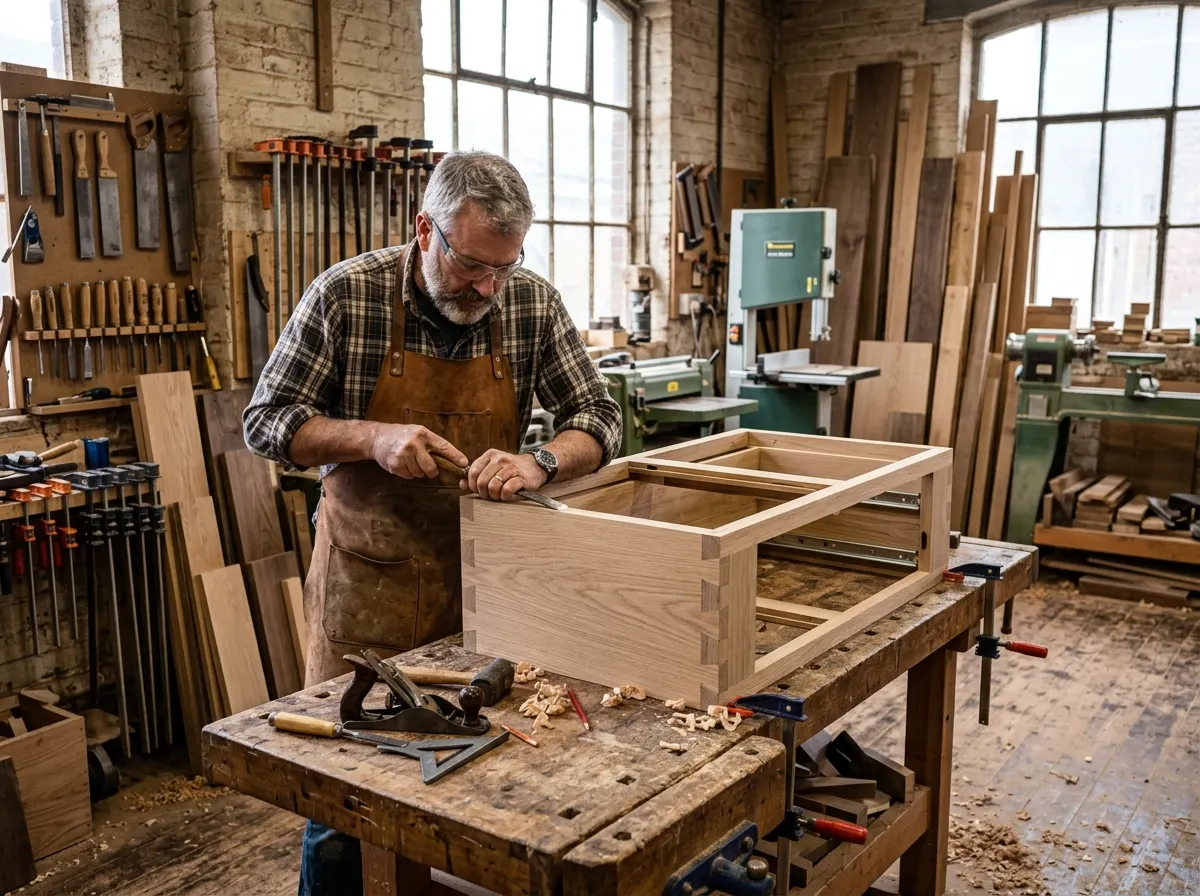
3. Bench Joinery
Work that is too complex to build in your living room. Joiners construct items in a specialist workshop (using heavy machinery like table saws and thicknessers) and then bring the finished pieces to your house to install. Includes bespoke staircases, custom wardrobes, and alcove units.
The "Invisible" Labour Time
Customers are often shocked when quoted £2,000 for a bespoke wardrobe that the joiner fits in a single afternoon. You aren't just paying for the install; you are paying for the invisible days spent in the workshop.
Survey & CAD Design
The joiner visits your home to take laser measurements of the wonky walls and unlevel floors. They return to the office to draft a 3D CAD (Computer-Aided Design) model and generate a highly precise cutting list for the timber.
Workshop Fabrication
Large sheets of MDF or hardwood are pushed through industrial table saws and edge-banders. The cabinets are built, glued, clamped, and screwed together in the workshop to ensure perfect 90-degree square angles.
Spray Finishing
If ordered fully finished, the raw wood is sanded down. It receives a coat of primer, is sanded again, and then receives two coats of hard-wearing polyurethane lacquer in a dust-free spray booth. It is left to cure hard.
On-Site Installation
This is the only part you see. The finished modules are carried into your house. The joiner levels them, bolts them to the walls, and painstakingly scribes (cuts) the filler panels to match the contours of your wonky walls so it looks totally built-in.
The Cost of Wood
The material you request your joiner to use will drastically swing the quote. Hardwoods can double or triple the material cost compared to manufactured boards.
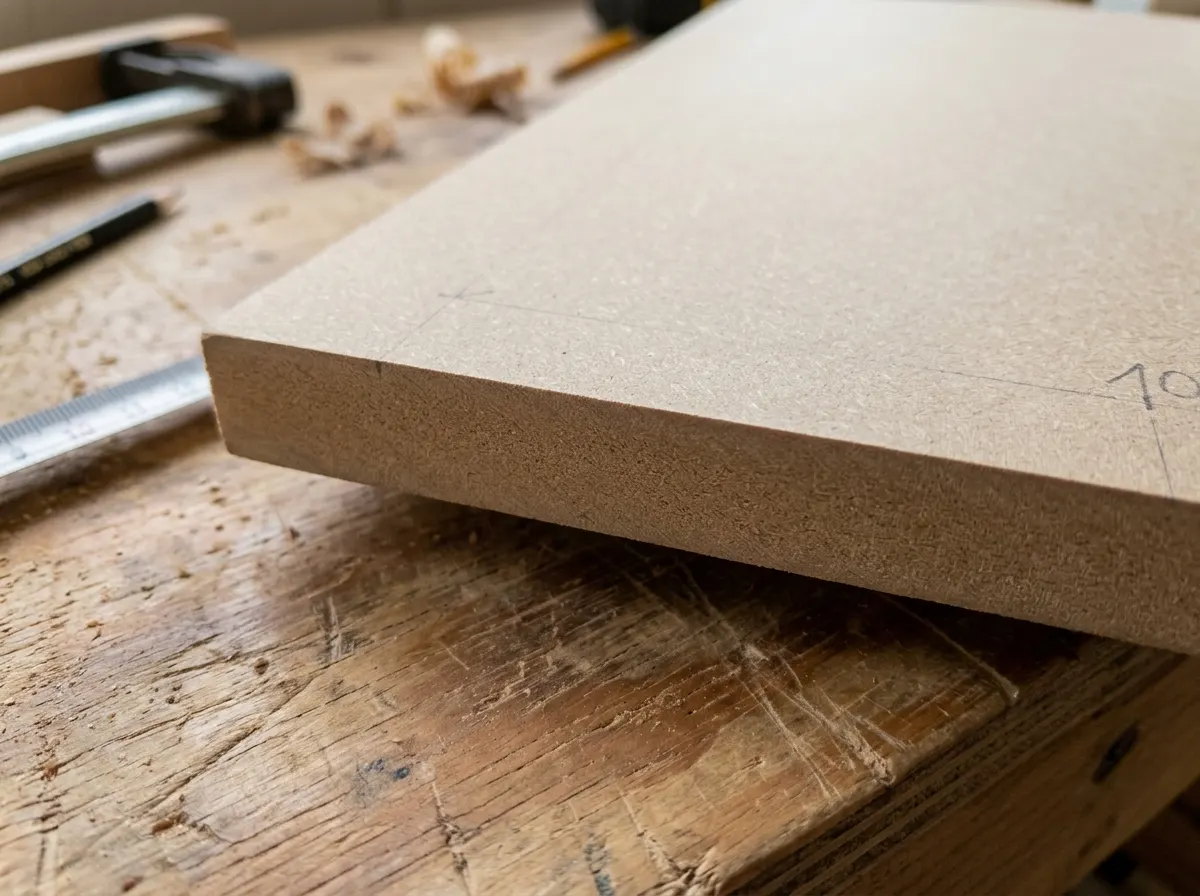
MDF (Medium Density Fibreboard)
An engineered wood product. It has no grain, meaning it cuts perfectly cleanly and will never warp or knot. It is the absolute best material for anything that will be painted (like alcove units or wardrobes). It is also the cheapest option.
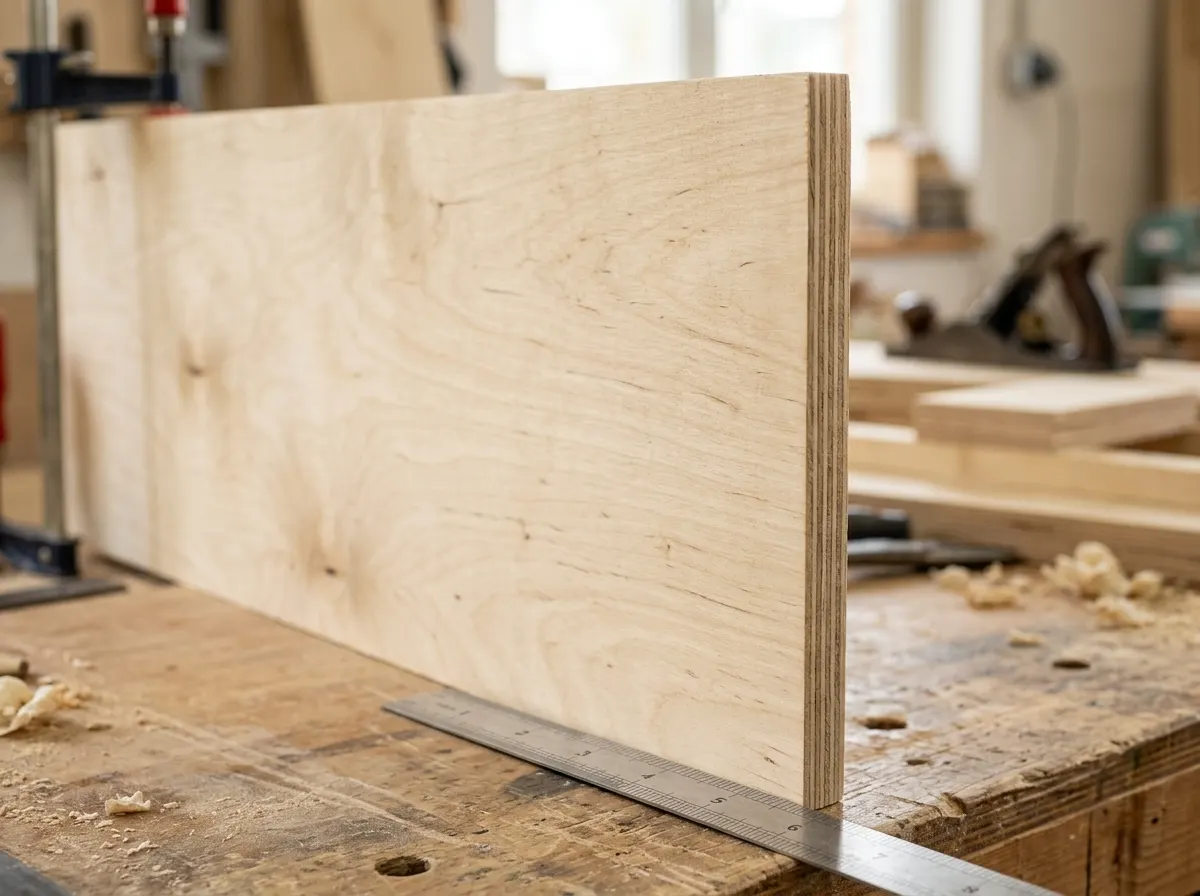
Birch Plywood
Highly trendy for modern, minimalist interiors. High-grade birch ply is structurally incredibly strong and features a beautiful layered edge that designers love to leave exposed. It is significantly more expensive than MDF but cheaper than solid hardwood.
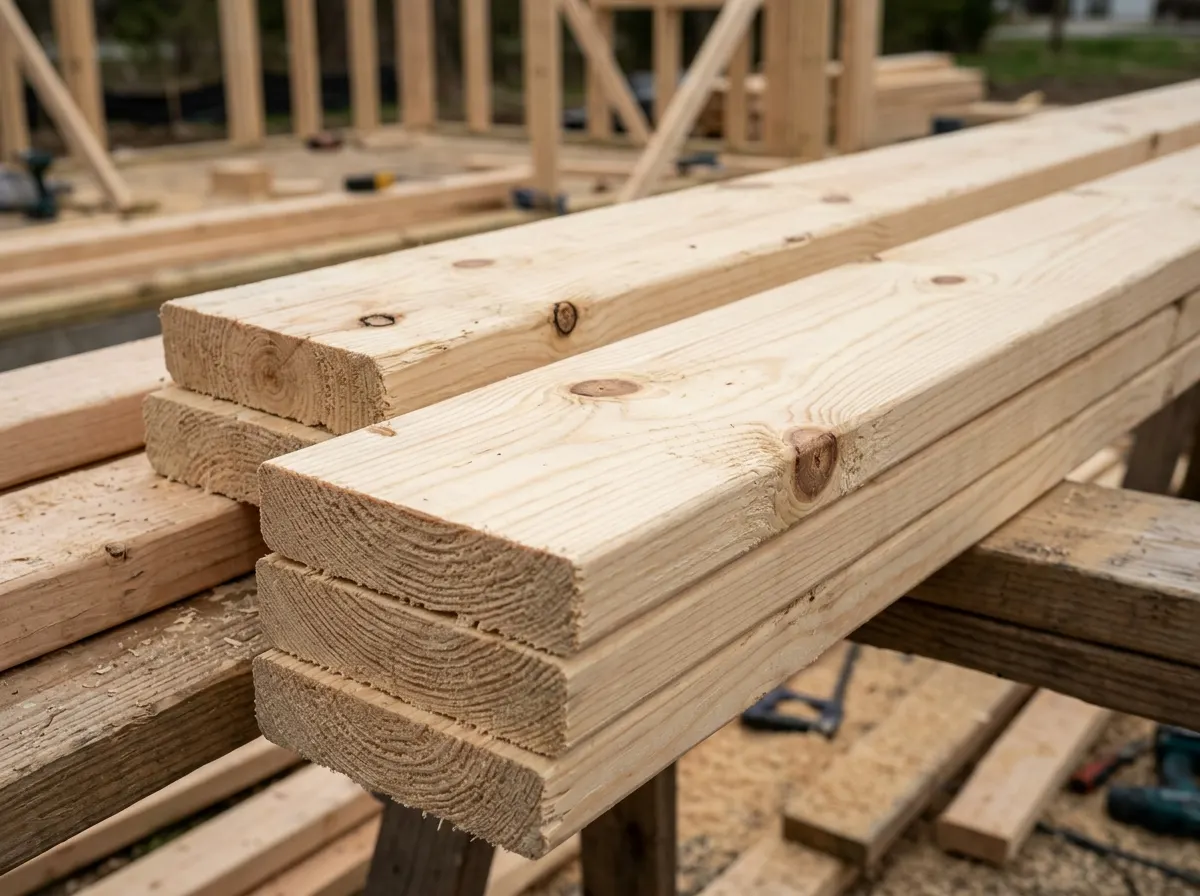
Softwood (Pine)
Fast-growing trees like Pine. It is cheap and easy to cut, but it is physically soft (it dents easily) and full of knots. If painted, the knots will eventually bleed through yellow resin unless heavily treated with knotting-solution. Good for structural framing, poor for high-end furniture.
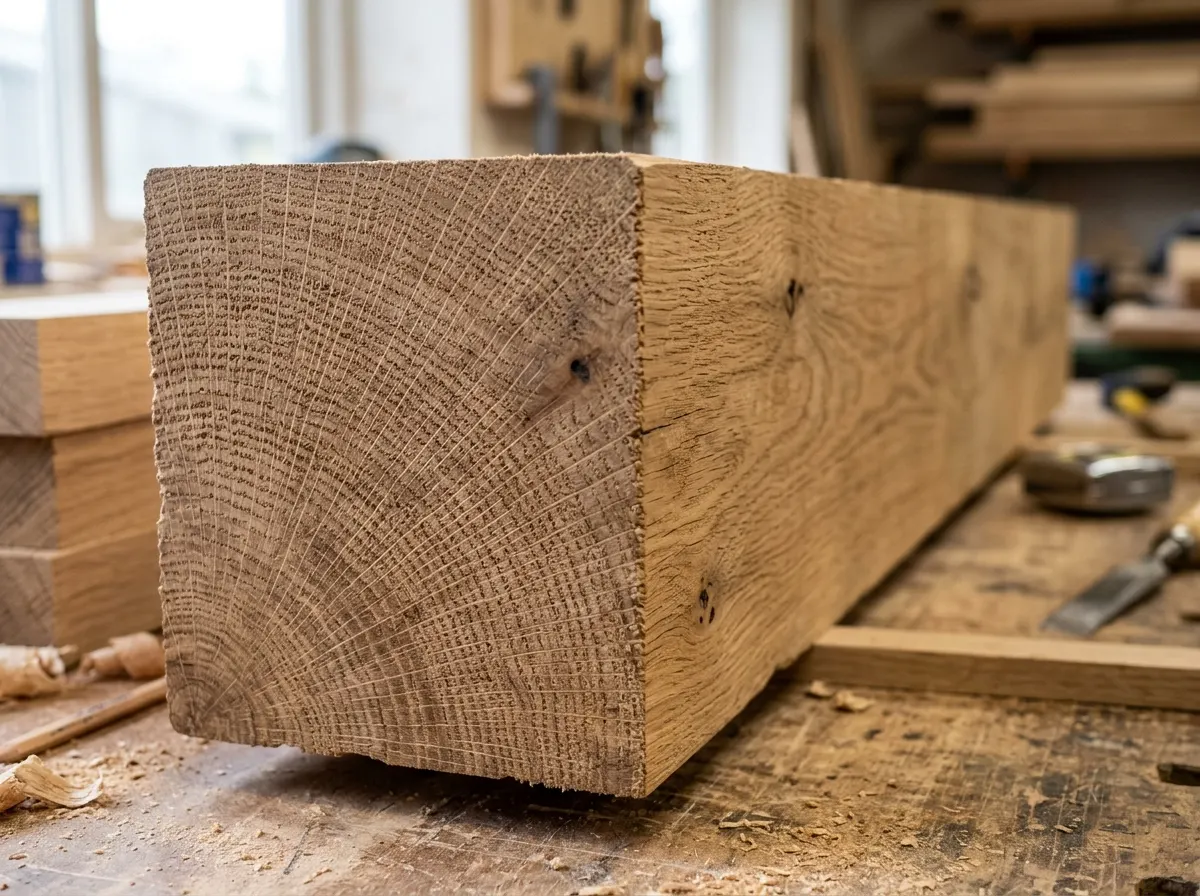
Solid Hardwood (Oak, Walnut)
Slow-growing, dense, heavy wood. It features beautiful, natural grain patterns and is incredibly durable. It is almost always oiled or varnished rather than painted to show off the wood. It is expensive to buy and ruins blades faster, increasing labour costs.
Costs by Common Jobs
The table below breaks down typical UK labour and material costs for 2026. Note that bespoke joinery prices include workshop time but usually assume an MDF or basic painted finish.
| Job Description | Low End (Basic) | Average (Trade) | High End (Premium) |
|---|---|---|---|
| Carpenter Day Rate | £160 | £220 | £280+ (London) |
| Hanging an Internal Door (each) | £80 | £110 | £150 |
| Skirting & Architrave (per room) | £180 | £300 | £450 |
| Fitted Wardrobe (per wardrobe) | £800 | £1,800 | £3,500+ |
| Alcove Shelving Unit | £600 | £1,100 | £2,000+ |
| New Staircase (Fitted) | £1,500 | £3,000 | £5,000+ |
Deep Dive: Bespoke Joinery Costs
Off-the-shelf furniture rarely fits Victorian or Edwardian alcoves perfectly. Here is what you should expect to pay for the UK's most requested custom joinery projects.
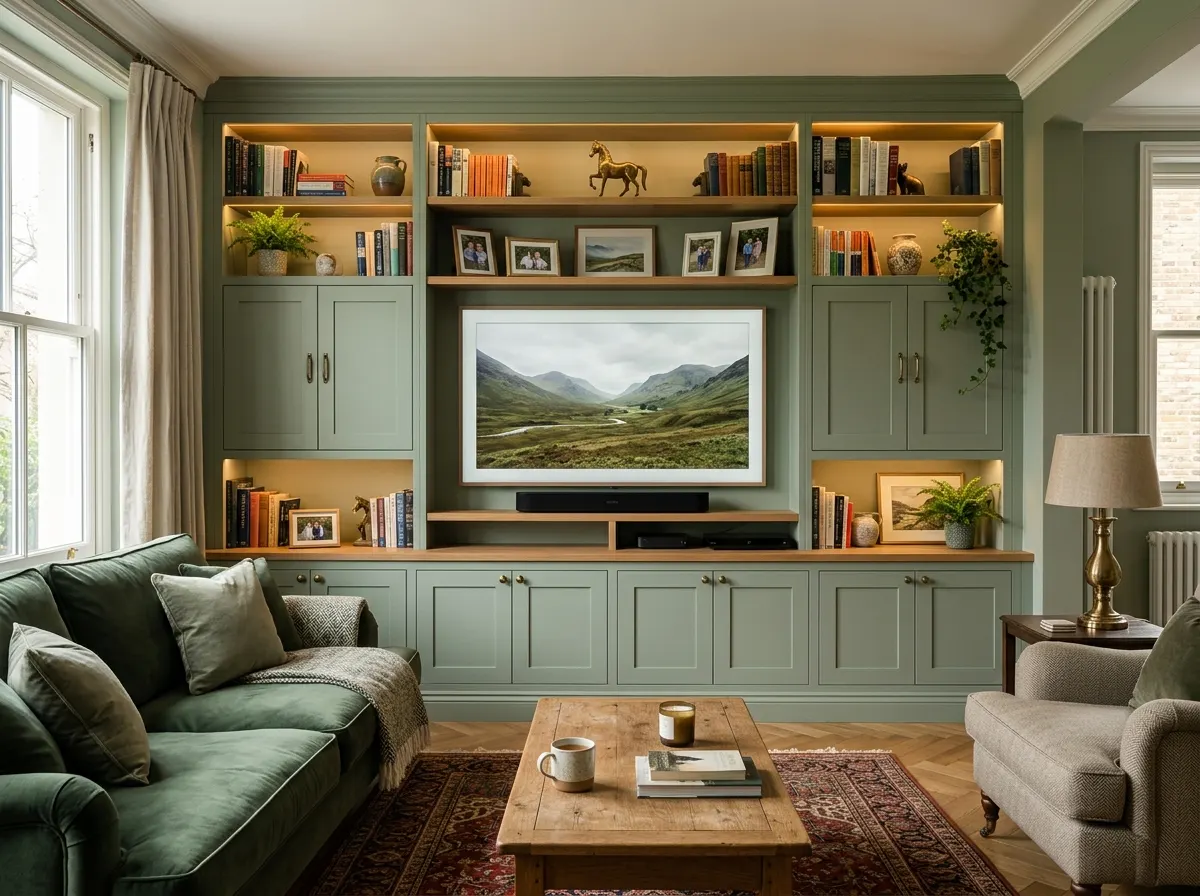
Living Room Media Walls
A custom-built false wall housing a recessed TV, soundbar, and electric fireplace, flanked by alcove shelving. Usually built using a timber stud frame clad in MDF, ready for the plasterer or decorator to finish.
- Basic Framework: £800 - £1,200
- Fully Finished & Painted: £1,800 - £3,500
- Typical Time: 3 - 5 Days
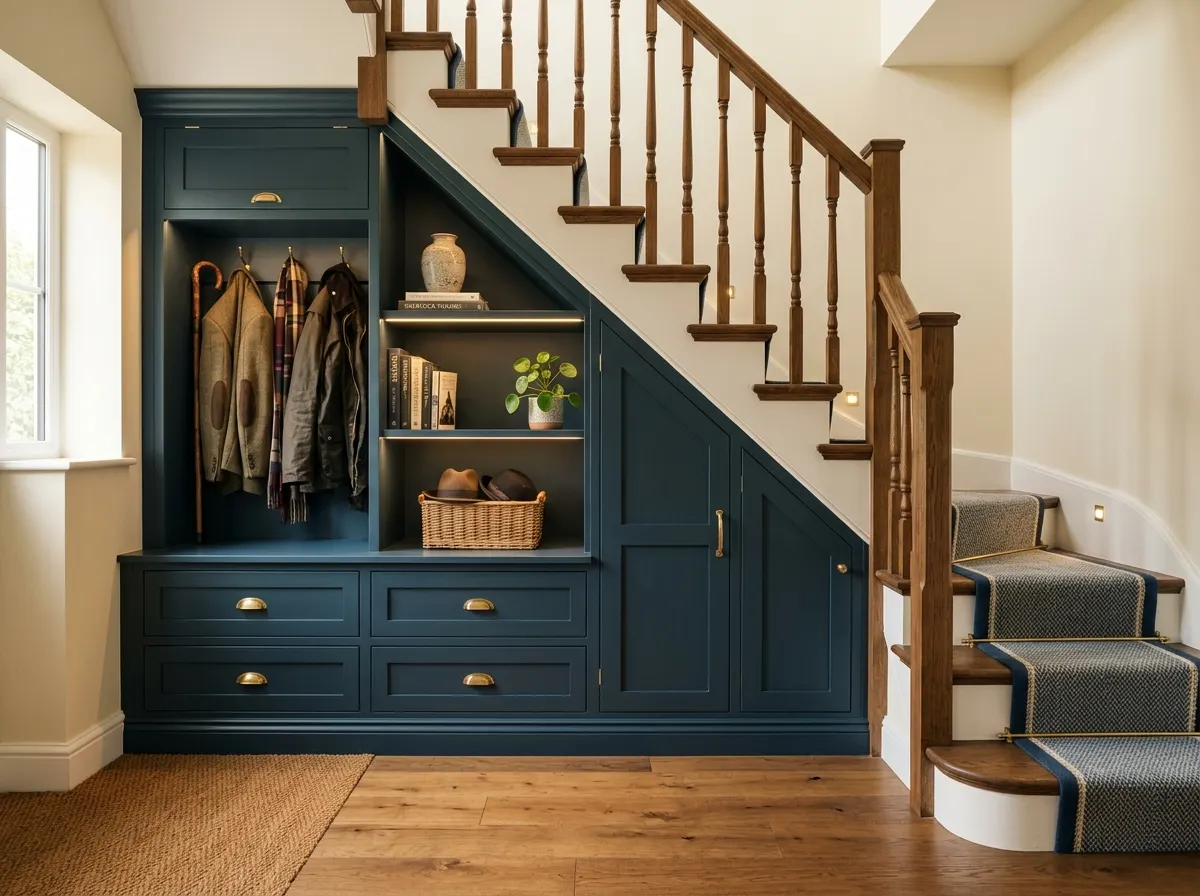
Under-Stairs Pull-Out Storage
Transforming the dead space under a staircase into flush, push-to-open drawers on heavy-duty runners (ideal for shoes and coats). Highly complex due to the precise triangular angles required.
- Simple Cupboard Doors: £400 - £700
- 3x Pull-Out Drawers: £900 - £1,600
- Typical Time: 2 - 4 Days
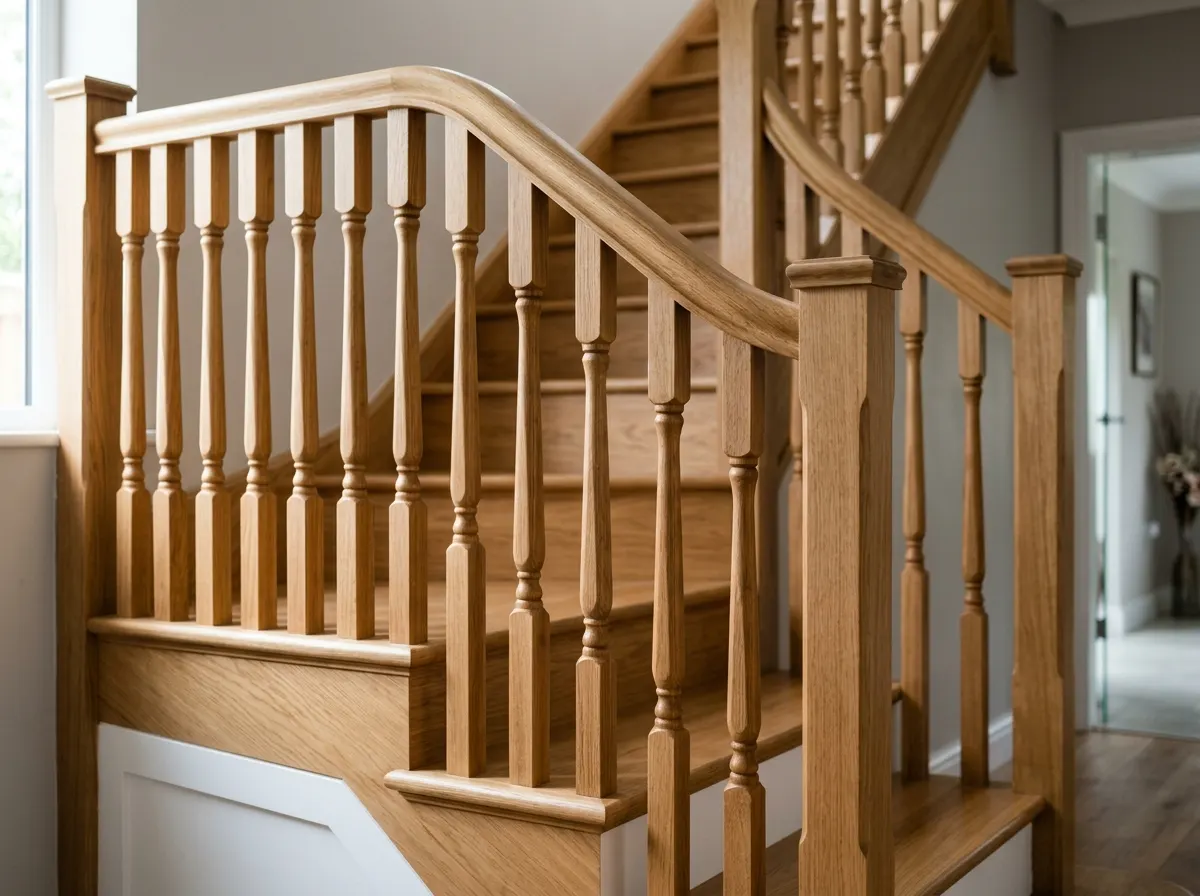
Staircase Balustrades
Replacing dated 1990s ranch-style banisters with modern solid oak handrails, newel posts, and either toughened glass panels or sleek painted spindles. Completely modernises a hallway without ripping out the structural treads.
- New Oak Handrail & Spindles: £900 - £1,500
- Oak Handrail with Glass Panels: £1,400 - £2,500+
- Typical Time: 2 - 3 Days
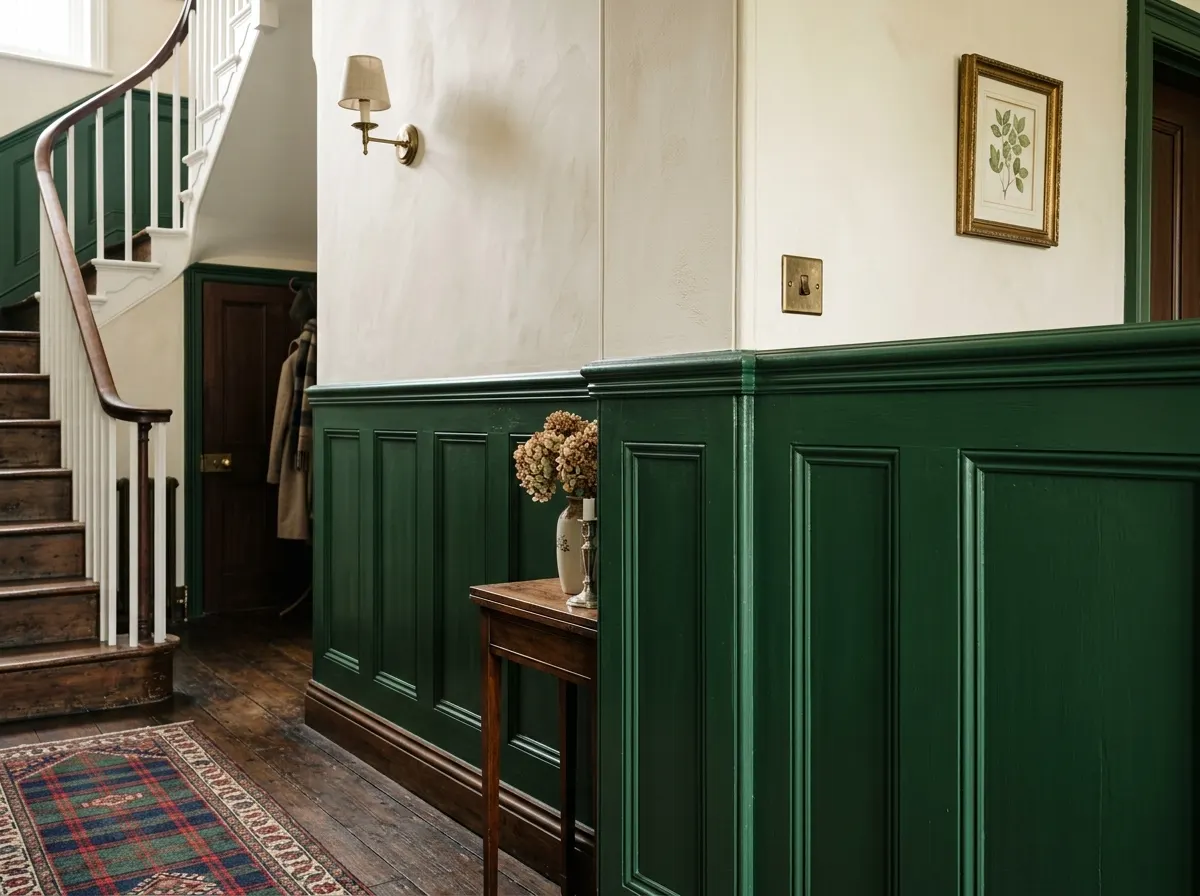
Wall Panelling (Wainscoting)
Applying MDF strips to flat walls to create a classic Shaker or Jacobean panelled look. Incredibly popular for bedrooms and hallways. The carpenter cuts, glues, and pins the strips; the decorator fills, caulks, and paints them.
- Half-Wall Panelling (Per Room): £300 - £500
- Full-Wall Feature (Per Wall): £250 - £400
- Typical Time: 1 - 2 Days
Signs of a Premium Finish
A cowboy carpenter and a master craftsman might both hang a door, but the difference is in the details. Here is what adds to the labour time but guarantees a premium result.
Scribing vs Mitring Skirting
When two pieces of skirting board meet in an internal corner, a cheap carpenter will simply cut them both at 45-degrees (a mitre). Because walls are never perfectly square, this joint will crack. A professional carpenter will "scribe" the joint—cutting the exact profile of one board into the other using a coping saw. It takes much longer, but creates a flawless, seamless joint.
Routered Hinges
When hanging a door, the metal hinges should sit perfectly flush with the wood. Cheap fitters will hack away at the door with a blunt chisel. A pro will use a precision router jig to carve out the exact shape of the hinge, resulting in millimeter-perfect depths.
Spray vs Hand Painting
If you order a bespoke wardrobe, it needs painting. Hand-painting on site takes days and can leave brush strokes. Premium joiners will take the doors to a spray-booth, seal the MDF edges, and spray them with hard-wearing lacquer for a flawless factory finish. This can add £400+ to the quote.
Scribing to Uneven Walls
No house has perfectly straight walls. When fitting an alcove unit, a good joiner will cut the wood to exactly match the bumps and curves of the plaster wall (scribing), leaving zero gaps. Cheaper quotes will just cut the wood straight and pump the massive gaps full of messy silicone caulk.
Red flags to watch out for
Protect your budget by looking out for these red flags before you hire a carpenter:
"Supply Not Included"
Always ask if the quote is labour-only or includes materials. If a carpenter quotes £150 to hang a door, ensure you know who is actually buying the £80 door, the £15 hinges, and the £30 handle.
Unsealed MDF Edges
If a joiner leaves raw MDF edges unsealed/unpainted on your fitted wardrobes, it will look furry and absorb moisture over time. They must apply edge-banding or specific MDF primer.
Quotes Without a Visit
If someone quotes to build bespoke wardrobes under a sloped ceiling or staircase without physically measuring the angles and checking the floor level, walk away. The final item will not fit.
Can you DIY the woodwork?
Carpentry requires precision tools and mathematical accuracy. A millimeter mistake on a door hinge ruins the entire door. However, basic finishing work is accessible.
What you CAN DIY:
- ✓ Flat-Pack Assembly: Building IKEA wardrobes or basic shelving units requires only a drill and patience. Save the £200+ day rate and do this yourself.
- ✓ Basic Skirting: If you have a decent mitre saw, cutting and fixing skirting boards to flat walls is a manageable weekend project.
Strictly Pro Only
Hanging Doors: Existing door frames are never perfectly square. A carpenter must plane the door to fit the wonky frame, accurately chisel out the hinges, and drill the latch mechanism. DIYers often destroy the door attempting this.
Structural Stud Walls: If you are building walls or altering joists, leave it to a professional. Improperly loaded timber can cause structural failure.
Frequently Asked Questions
How much does a carpenter charge per day in 2026?
UK carpenters typically charge £160-£280 per day, with the national average sitting around £220. Rates regularly reach £300-£350 in London and the South East. Specialist bench joiners building bespoke furniture will charge a higher premium for their workshop time.
How much do carpenters charge per hour for small jobs?
For small repairs, expect to pay £25-£45 per hour, typically with a minimum call-out charge of 2 to 3 hours to cover travel and setup. If your job takes more than half a day, the carpenter will usually switch to their more cost-effective flat day rate.
What is the difference between first fix and second fix carpentry?
First fix carpentry involves structural work before plastering, such as building stud walls, fitting floor joists, and pitching roofs. Second fix carpentry focuses on the finishing touches after plastering, including hanging doors, fitting skirting boards, architraves, and installing staircases.
What's the difference between a carpenter and a joiner?
A joiner typically makes timber items in a workshop using heavy machinery (creating staircases, bespoke wardrobes, window frames). A carpenter fits those items on-site (installing the stairs, stud walls, doors). However, many modern UK tradespeople possess both skill sets.
How much does it cost to hang an internal door?
Hanging a standard internal door usually costs £80-£150 in labour, which includes adjusting the frame, routering hinges, and fitting handles/latches. If you have a batch of 6-8 doors to hang, professionals often offer a discounted day rate equating to £60-£100 per door.
How much do bespoke fitted wardrobes cost?
Basic custom-fitted MDF wardrobes typically start at £800-£1,200. Bespoke designs featuring intricate internal drawers, soft-close hinges, and integrated lighting range from £1,500-£3,500. Premium solid hardwood or spray-lacquered finishes can easily exceed £5,000.
How much does it cost to fit skirting boards and architrave?
Carpenters generally charge by the day or linear metre for skirting. Expect to pay £15-£25 per linear metre for labour and materials. A typical medium-sized living room will cost roughly £250-£400 to fully fit with new skirting boards and door architraves.
Should I choose MDF, plywood, or solid wood for fitted furniture?
MDF is the industry standard for painted fitted wardrobes as it is incredibly stable, affordable, and leaves a smooth finish without knots. Birch plywood offers excellent structural strength and a trendy exposed edge. Solid wood is beautiful and durable but is the most expensive and can warp over time if not properly treated.
Do carpenters install kitchens?
Yes, many second fix carpenters are excellent kitchen fitters because installing cabinetry, scribing worktops, and hanging doors require precise woodwork skills. However, you will still need a qualified electrician and plumber to handle the appliance and sink connections.
Do carpenters charge for quotes?
General carpenters will quote for standard jobs (like hanging doors or fitting skirting) for free. However, for complex bespoke joinery like libraries or custom media walls, some charge a small design fee for drafting 3D CAD models, which is usually deducted from the final bill if you proceed.
Ready to upgrade your woodwork?
Use our AI to get a precise estimate based on your exact requirements and timber choices, then connect with Pricing Penguin Accredited carpenters near you.
Did you find this page helpful?
Let us know if this guide helped you plan your project.