How to start a highly profitable roofing company.
 By Tom Ellis
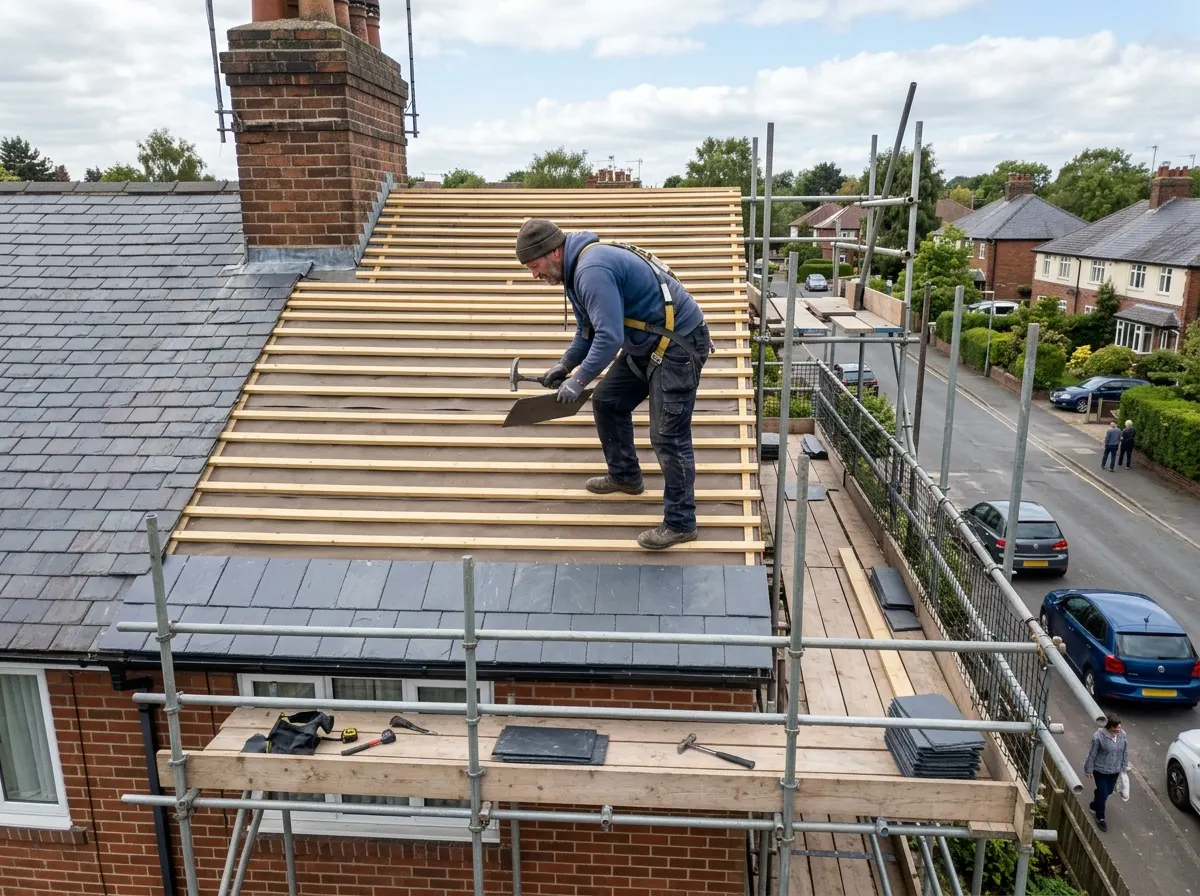
Roofing is a high-risk, high-reward sector. Because a leaking roof can destroy a home's interior within hours, homeowners are desperate for reliable, rapid, and trustworthy professionals. Unfortunately, the industry is plagued by "cowboy" reputation issues, meaning a well-branded, legally compliant business can easily dominate the local market and charge premium rates.
However, the physical and financial risks are immense. From navigating the Work at Height Regulations to securing critical "Hot Works" insurance, accurately pricing £15,000 roof replacements, and complying with Building Regulations, you must build a bulletproof foundation. This guide breaks down exactly how to start, protect, price, and scale a UK roofing business.
Is Roofing a Good Business to Start?
Roofing provides incredibly high revenue per job, but requires careful weather planning and strict safety management.
Types of Work & Seasonality
Domestic vs Commercial: Domestic roof replacements offer fantastic margins and quick payment terms. Commercial work (new builds, warehouses) provides months of steady work but usually involves 30-60 day payment terms and brutal retention clauses.
Repairs vs Replacements: Emergency repairs (slipped slates, storm damage) offer instant, high-margin cash flow. Full roof replacements offer massive revenue boosts but require complex project management (scaffolding, skips, weather windows). Autumn and Winter storms drive massive emergency demand, while Summer is peak for full replacements.
Core Roofing Services
You can generalise, but specialising often yields higher profits:
- ✓ Pitched Roofing: Slate, concrete, and clay tile installation.
- ✓ Flat Roofing: Traditional felt, EPDM (rubber), and GRP (fibreglass).
- ✓ Roofline: Fascias, soffits, and guttering replacements.
- ✓ Specialist: Leadwork (flashing/valleys), Velux window fitting, chimney repointing, and roof insulation upgrades.
Safety Regulations & Qualifications
The HSE heavily polices the roofing sector. Operating without compliance risks unlimited fines, void insurance, and fatal accidents.
Work at Height Regulations 2005
Falls from height are the number one cause of workplace fatalities. The law mandates that all work at height must be properly planned and supervised.
-
!
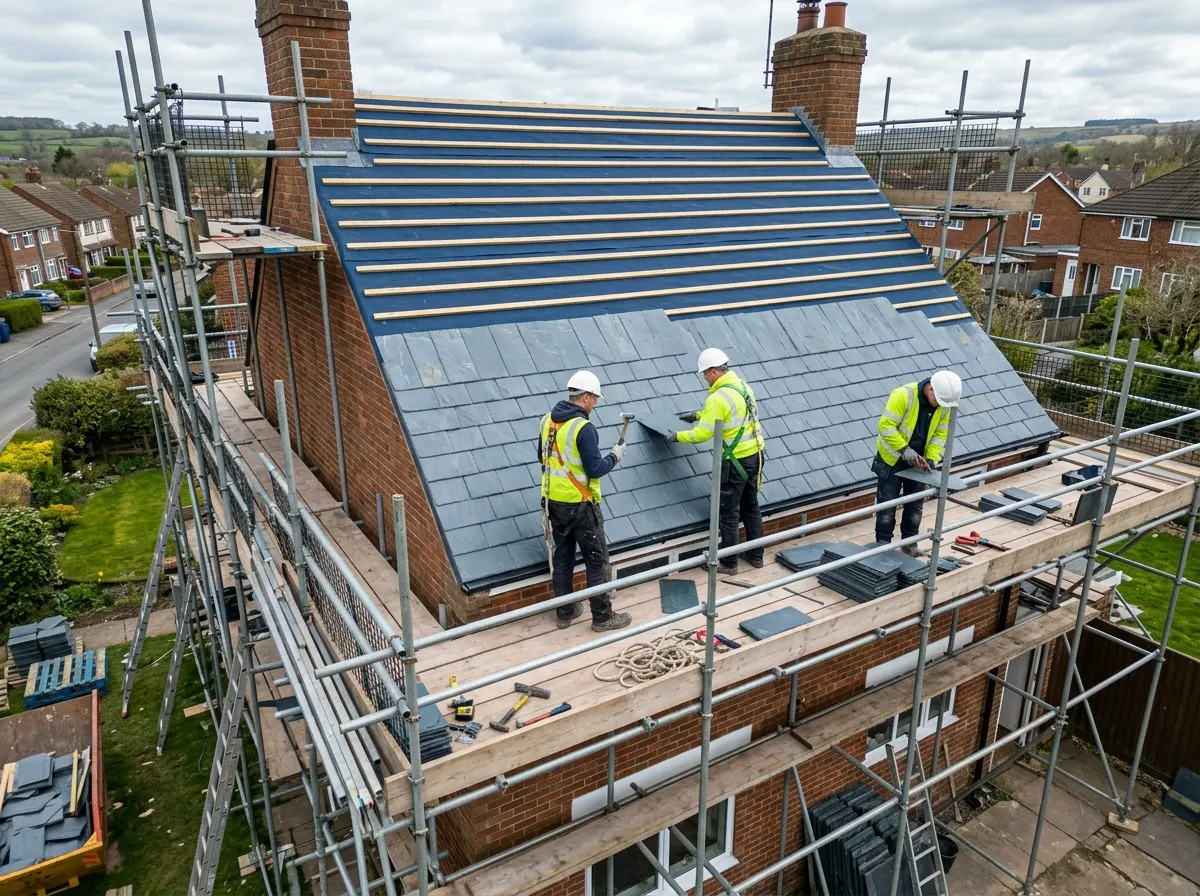
Scaffolding is Mandatory You cannot re-roof a house off a leaning ladder. You must use edge protection (scaffolding) for any significant roof work. You must factor scaffolding costs into every quote.
-
!
Fragile Roofs Working on corrugated asbestos or old cement roofs requires crawling boards. Stepping directly onto fragile sheets is a leading cause of fatal falls through the roof.
Qualifications & Accreditations
Proving your competence is the fastest way to build trust and justify high quotes.
-
✓
CSCS Cards & NVQs To work on commercial sites, you must hold a CSCS card. This requires passing the CITB Health & Safety test and holding an NVQ Level 2 or 3 in Roofing Occupations.
-
✓
CompetentRoofer & NFRC Replacing more than 25% of a roof requires Building Regulations sign-off (and often a thermal insulation upgrade under Part L). Joining the CompetentRoofer scheme lets you self-certify this work. NFRC membership proves you are heavily vetted.
-
✓
Asbestos Awareness Soffits, fascias, and old corrugated sheets often contain asbestos. You must hold valid Asbestos Awareness certificates.
Startup Costs & Transport
Roofing materials are incredibly heavy and bulky. Your vehicle setup is critical.
How much does it cost to start?
Low-Cost Startup (£3,000 - £6,000)
Used panel van with a basic roof rack. Essential hand tools, roof ladders, and a basic harness. Subcontracting all scaffolding. Focusing on high-margin, low-material repairs (lead flashing, slipped slates, guttering). Basic PLI.
Typical Professional Startup (£15,000 - £25,000)
Leased 3.5t Tipper or LWB van with heavy-duty ladder racks (£3k deposit). Cordless nail guns, professional tile cutters, gas torches (£3k). Professional branding, website, NFRC membership, and comprehensive Hot Works PLI (£2k+). Retaining £5k+ working capital for initial material deposits.
What van do you need?
A Long Wheelbase (LWB) panel van or a 3.5t Tipper is ideal.
-
✓
Roof Racks & Ladders You must have a heavy-duty, crash-tested roof rack with rear rollers to safely load heavy triple-extension ladders.
-
✓
Internal Storage Roofing requires bulky materials (rolls of lead, felt, 5-metre timber battens). If using a panel van, ensure you can fit 3m-4m lengths inside. You also need secure, lockable vaults for expensive tools like Paslode nailers.
Stop paying for dead leads.
Join the Pricing Penguin network. We provide UK tradespeople with high-intent, pre-qualified customers who already understand the true cost of quality craftsmanship.
The "Hot Works" Trap & Insurance
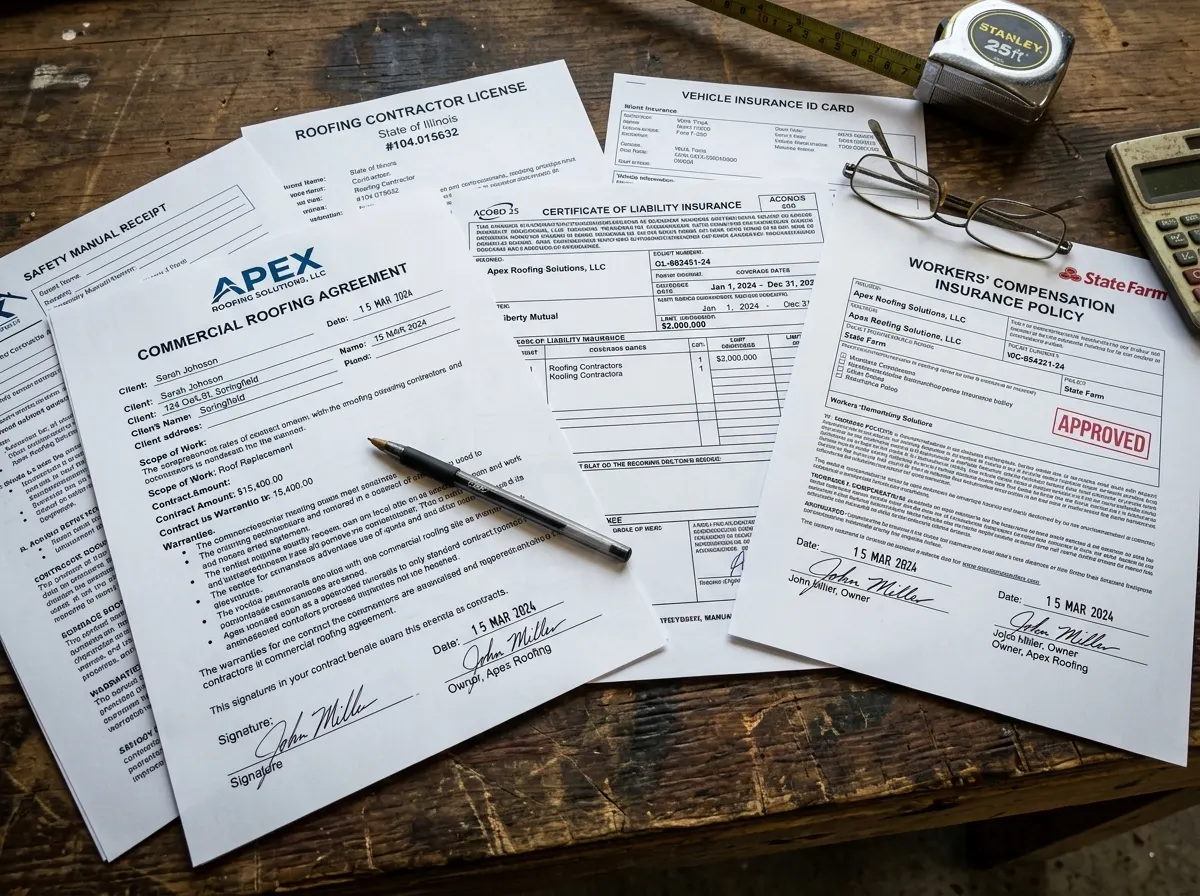
Roofing insurance is incredibly expensive because the risks are catastrophic. Dropping a tile on a car, or setting a roof on fire with a gas torch, can end your business overnight.
The Absolute Essentials
-
!
Public Liability with "Hot Works" If you do flat roofing using a gas torch (torch-on felt), standard Public Liability will NOT cover you. You must explicitly purchase a Hot Works Endorsement. If you burn a house down and don't have this, the insurer will refuse the claim, and you will be personally sued for the rebuild cost.
-
✓
Employers' Liability (£5m minimum) Roofing requires teams. If your labourer falls off a roof, you are liable. This is a strict legal requirement if you employ anyone or use labour-only subcontractors.
-
✓
Limited Company (Ltd) Structure Due to the high financial risks, operating as a Sole Trader in roofing is dangerous. Registering as a Limited Company creates a legal barrier between the business's liabilities and your personal assets (your home).
Equipping Your Business
Roofing requires highly specialised gear. Do not buy everything upfront—hire heavy equipment until you have consistent cash flow.
Pitched Roofing & Safety
The core hand tools for traditional roof replacements.
- • Slate ripper, slater's axe & guillotine
- • Heavy-duty tile cutters / Stihl saw
- • Roofing hammer (lathe hammer)
- • Cordless nail guns (Paslode IM360)
- • Safety: Roof ladders (with ridge hooks), full-body harnesses, and fall arrest lanyards.
Flat Roofing
Whether doing traditional felt, GRP (fibreglass), or EPDM (rubber).
- • Heavy-duty gas blowtorch & regulators
- • Seam rollers for EPDM
- • Paddle mixers for GRP resins
- • Industrial tarpaulins for weather protection
The Secret Weapon: A Drone
Buying a sub-250g drone (like a DJI Mini) is the best investment you can make.
- • No Ladder Needed: Survey a roof safely from the ground in 5 minutes.
- • Visual Proof: Show the homeowner the broken tiles on an iPad. It builds instant trust and stops them thinking you are making up faults to inflate the quote.
Stop paying for dead leads.
Join the Pricing Penguin network. We provide UK tradespeople with high-intent, pre-qualified customers who already understand the true cost of quality craftsmanship.
How to Price a Roofing Job
Common mistakes include forgetting scaffolding costs, underestimating material waste, and ignoring bad weather delays.
How much should a roofer charge?
Day Rates: A skilled self-employed roofer typically charges £200 to £300+ per day, plus £100-£150 for a labourer.
Per m² Pricing: Full roof replacements are often calculated per square metre (e.g., £60-£120+ per m² depending on slate vs concrete tiles). This usually covers materials and labour, but scaffolding and skips must be added separately.
Emergency Call-outs: Do not offer free quotes for emergency storm repairs. Charge a call-out fee to temporarily make the roof watertight (e.g., tarping it), then quote for the permanent repair.
The Quoting Framework
- Measure: Calculate roof area (width x length x pitch multiplier).
- Scaffolding: Always get a quote from your scaffolder first. Do not guess.
- Waste: How many skips for the old tiles/felt? (£250-£350 each).
- Materials: Tiles, battens, breathable membrane, lead, insulation. Add 10-15% for breakages/cuts.
- Labour: Days required x Day Rate. Factor in potential weather delays.
- Variations: State in writing: "Quote assumes existing timber trusses/decking are sound. Replacement of rotten timber will incur additional costs."
Branding & Winning the Work
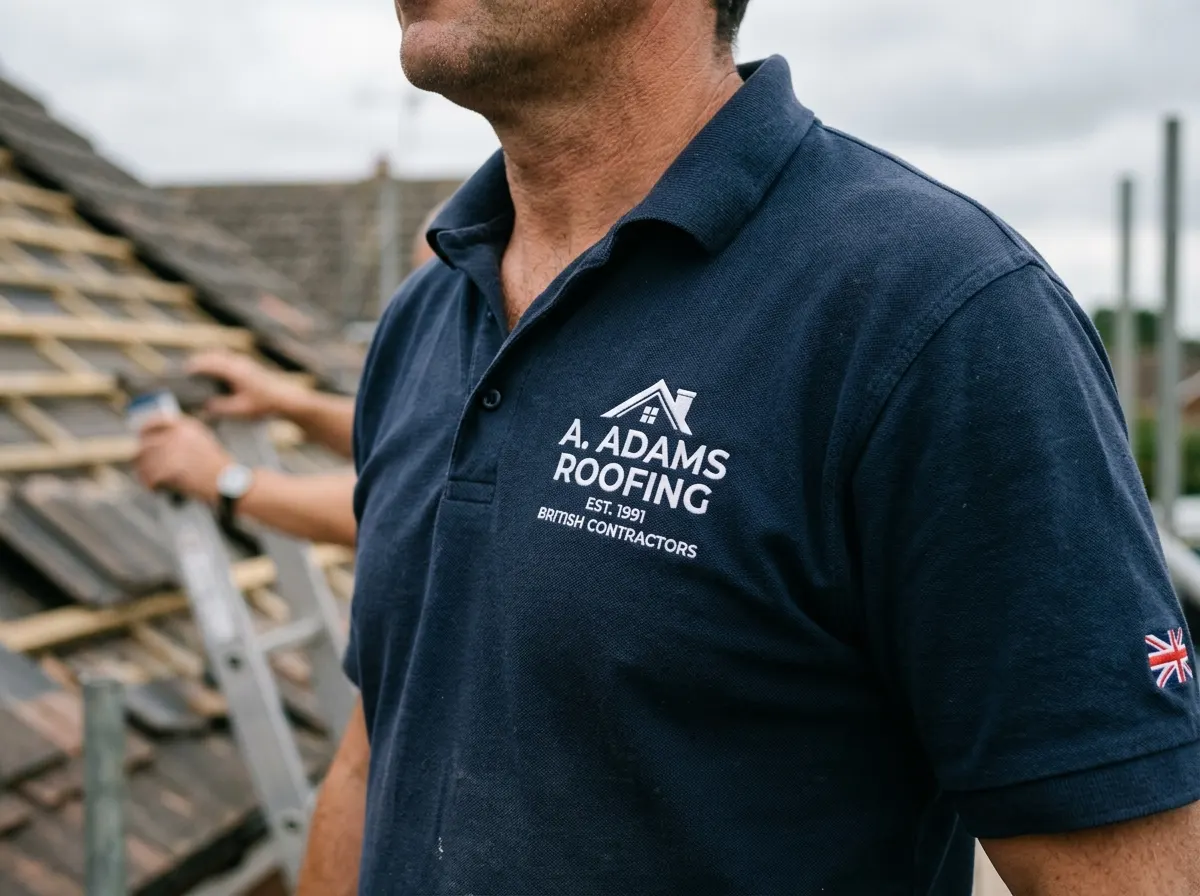
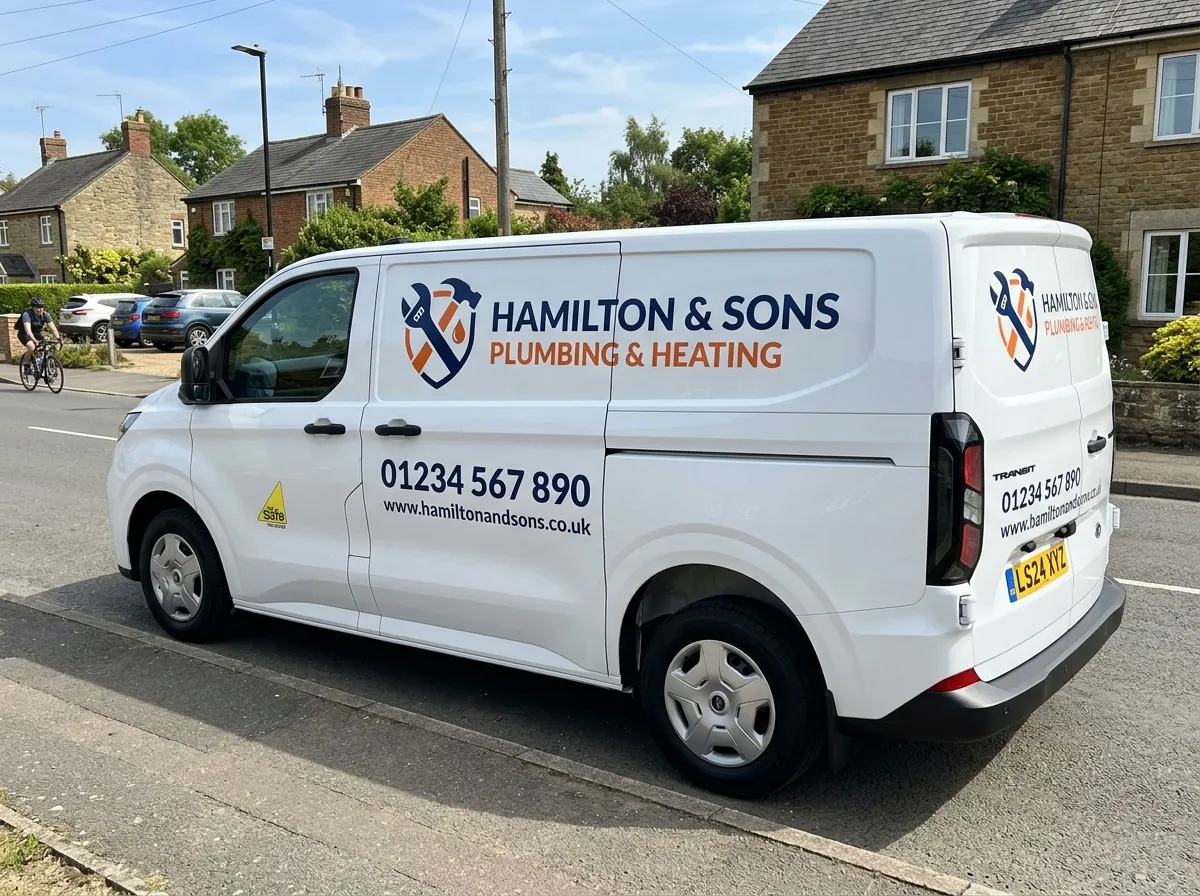
A clean, professional brand is vital. If a customer is spending £8,000 on a new roof, they want to see a sign-written van, a smart uniform, and a highly professional quote.
SEO-Optimised Naming
When roofs leak, people panic and type exactly what they need into Google. Naming your business "[Your Town] Roofing Services" or "[Your Town] Flat Roof Specialists" ensures you dominate local search results immediately.
How to build your reputation:
-
1.
Google Business & Reviews Claim your Google Business Profile. Collect 5-star reviews relentlessly. Take before-and-after photos of every job (the drone is perfect for this).
-
2.
Estate Agents & Property Managers Letting agents constantly deal with leaking gutters, missing slates, and damp patches in rental properties. Provide them with a reliable, fast service, and you will have guaranteed recurring work all year round.
The Visual Guarantee
Never hand a customer a scribbled price on the back of a business card. Use quoting software (like Xero or Tradify) to send itemised, professional PDF quotes. Include a clear "10-Year Guarantee" on new roofs—this is the ultimate closing tool for anxious homeowners.
How to Grow
Focus on higher-value full replacements, add specialist services (leadwork, solar integration), employ an apprentice, and eventually step off the tools to project manage multiple gangs.
Frequently Asked Questions
How much does it cost to start a roofing business?
A low-cost start (used van, hand tools, ladders, subbing scaffold) costs £3k-£6k. A professional setup (leased LWB/Tipper van, professional nail guns, NFRC membership, Hot Works insurance, working capital) requires £15k-£25k.
Do you need qualifications to become a roofer?
Legally, no, but practically, yes. You need an NVQ Level 2/3 to get a CSCS card for commercial sites. You need Asbestos Awareness to be safe. Joining CompetentRoofer (to self-certify Building Regs) requires proven competence.
How much do roofers charge per day?
A skilled roofer typically charges £200 to £300+ per day, plus £100-£150 for a labourer. For full replacements, jobs are usually priced per m² or as a fixed project cost, rather than an open-ended day rate.
How much does a new roof cost?
A standard 3-bed semi-detached roof replacement (tiles, battens, membrane, leadwork) typically costs between £5,000 and £8,000, depending on materials and scaffolding requirements.
Is roofing profitable?
Highly profitable. The gross revenue per job is massive. A well-managed firm running multiple gangs can easily turn over hundreds of thousands of pounds. However, weather delays and poor quoting can severely impact net profit.
Can you start a roofing business with no experience?
It is incredibly dangerous. Working at height without training is lethal. A poorly installed roof will cause tens of thousands in water damage to the property, for which you are liable. Gain experience working for an established firm first.
Do roofers need insurance?
Absolutely. Minimum £2m Public Liability. If using blowtorches (flat roofing), you MUST have a Hot Works endorsement. If employing anyone (even a mate), Employers' Liability is a strict legal requirement.
Do I need a Waste Carrier Licence for roofing?
Yes. Roofers generate massive amounts of waste. If you transport old tiles, felt, or timber in your van, you legally must hold an Upper Tier Waste Carrier Licence from the Environment Agency.
Should I ask for a deposit for a new roof?
Yes. A new roof involves ordering thousands of pounds of tiles, timber, and scaffolding. You should ask for a deposit (typically 25% to 30%) to cover the initial outlay and secure the booking.
How much can a self-employed roofer earn?
A sole trader working with a labourer can realistically earn £40,000 to £60,000+ per year. Business owners who scale to manage multiple teams can push business turnover well past £250,000.
Ready to fill your diary with quality jobs?
Connect with serious homeowners who value reliability over the absolute cheapest quote. Join our network of accredited UK tradespeople today and let our AI estimators filter out the time-wasters for you.
Did you find this guide helpful?
Let us know if these business tips will help your trade business.