How much should a plumber charge? UK Plumbing Pricing Guide 2026.
 By Tom Ellis
Underpricing is a chronic issue in the UK plumbing industry. Many plumbers calculate their rates by simply looking at what the competition charges, completely ignoring the invisible costs of running a compliant, fully stocked, and responsive plumbing business in 2026.
This definitive benchmark guide breaks down current 2026 UK rates across all 47 primary plumbing considerations—from emergency call-outs, leak detection, and toilet repairs, to full whole-house pipework, bathroom installations, and the exact mathematical formula you need to guarantee a profitable margin.
Contents
UK Plumber Hourly and Day Rates
Current 2026 market data across standard and emergency plumbing services.
Standard Plumbing
- Typical hourly rate:£40 – £70 / hour
- UK working average:around £50 / hour
- Experienced/specialist plumber:£55 – £80 / hour
- Typical day rate:£300 – £400 / day
- UK working average:around £350 / day
Market Note: Some current UK pricing data puts the standard market at £40–£60/hour and around £350/day, while broader 2026 market data extends the range up to £80/hour for specialists.
Emergency Plumbing
- Emergency hourly rate:£75 – £150 / hour
- Typical emergency first-hour/call-out:£100 – £150
- Night/weekend/bank holiday:potentially £100 – £200+ / hour
- Severe emergency/overnight:potentially £150 – £250+ / hour
Pricing Rationale: Emergency premiums reflect the loss of normal working hours, immediate travel requirements, holding emergency van stock, and the opportunity cost of abandoning scheduled work.
Regional Plumber Rates
Indicative regional pricing bands for 2026. Current market data consistently shows London and the South East towards the higher end of the spectrum.
| Region | Hourly Rate | Day Rate |
|---|---|---|
| London | £65 – £100 | £400 – £550 |
| South East | £55 – £85 | £350 – £450 |
| South West | £45 – £70 | £300 – £400 |
| East of England | £45 – £70 | £300 – £400 |
| Midlands | £40 – £65 | £280 – £380 |
| North West | £40 – £65 | £280 – £380 |
| Yorkshire / North East | £40 – £60 | £275 – £350 |
| Wales | £40 – £60 | £275 – £350 |
| Scotland | £40 – £65 | £280 – £380 |
Why Regional Rates Vary
Plumbers do not price higher in London simply for extra profit. Higher local rates are a direct mathematical response to increased business overheads, including:
- • Transport: ULEZ charges, congestion zones, and expensive commercial parking permits.
- • Overheads: Higher costs for commercial unit rentals, yard storage, and insurance premiums.
- • Logistics: Slower travel times between jobs due to dense traffic, reducing total billable hours per day.
How to Calculate a Plumber's Hourly Rate
÷ (Realistic Billable Hours)
= Required Hourly Rate
Overheads You Must Include:
Example Annual Requirement
- Target Personal Income:£45,000
- Van, Tax, Insurance & Fuel:£7,000
- Business Liability Insurance:£1,500
- Tools, Maintenance & Training:£3,000
- Marketing, Software & Accountant:£3,000
- Miscellaneous Overheads:£2,500
- Profit / Risk Contingency:£8,000
- Total Revenue Needed:£70,000
You cannot bill 40 hours a week for 52 weeks. After deducting holidays, sick days, quoting visits, merchant trips, and driving between jobs, self-employed plumbers average roughly 1,600 billable hours per year.
£70,000 ÷ 1,600 = £43.75 / hour base rate
Quoting a standard customer rate of £50–£55/hour therefore provides a vital safety net for unexpected costs and builds genuine business equity.
Stop paying for dead leads.
Join the Pricing Penguin network. We provide UK tradespeople with high-intent, pre-qualified customers who already understand the true cost of quality craftsmanship.
Plumber Call-Out Fees & Minimum Charges
A 15-minute tap washer replacement still consumes travel time, fuel, parking, loading, diagnosis, and invoicing admin. You must protect your schedule.
2026 Call-Out Benchmarks
- Typical Minimum Charge: £60 – £120
- Standard Call-Out: £70 – £120
- Emergency Call-Out: £100 – £150+
Best Practice Fee Structure
Customer disputes often arise when a plumber charges £50 for being on-site for 10 minutes, because the customer doesn't see the 45 minutes of driving and admin.
£90 call-out (includes 1st hour)
+ £50 per hour thereafter
Plumbing Material Markups
Markup is not pure profit. It recovers the cost of merchant trips, stocking the van, financing credit accounts, and assuming the warranty risk if a part fails.
| Material Category | Recommended Markup |
|---|---|
| Standard Parts & Fittings | 15% – 30% |
| Common Van-Stock Items | 20% – 40% |
| Specialist/Expensive (e.g. Boilers) | 10% – 25% |
The Sliding Scale Rule
Do not apply a blanket 20% to everything.
A £2 brass compression fitting might carry a 50% markup because it took 20 minutes to source. Conversely, applying a 40% markup to a £1,500 Worcester Bosch boiler will make your overall quote uncompetitive. Scale your markup down as the unit price increases.
Charging for Consumables
It is easy to leak thousands of pounds of profit annually by absorbing the cost of items you use on every job. These invisible costs must be billed.
The Consumables Checklist
- PTFE tape
- Jointing compound
- Flux & Solder
- Gas for torches
- Pipe clips
- Screws & Rawlplugs
- Silicone & Sealants
- Washers & O-rings
- Cleaning chemicals
- Pipe insulation
Add this standard consumable fee to all smaller domestic repairs automatically. For major installations (e.g. bathroom refits), do not use a blanket fee—itemise these costs correctly in your quoting software.
Stop paying for dead leads.
Join the Pricing Penguin network. We provide UK tradespeople with high-intent, pre-qualified customers who already understand the true cost of quality craftsmanship.
Leak Repairs & Trace and Access
From simple under-sink drips to concealed burst pipes causing structural water damage, accurate leak pricing depends entirely on accessibility.
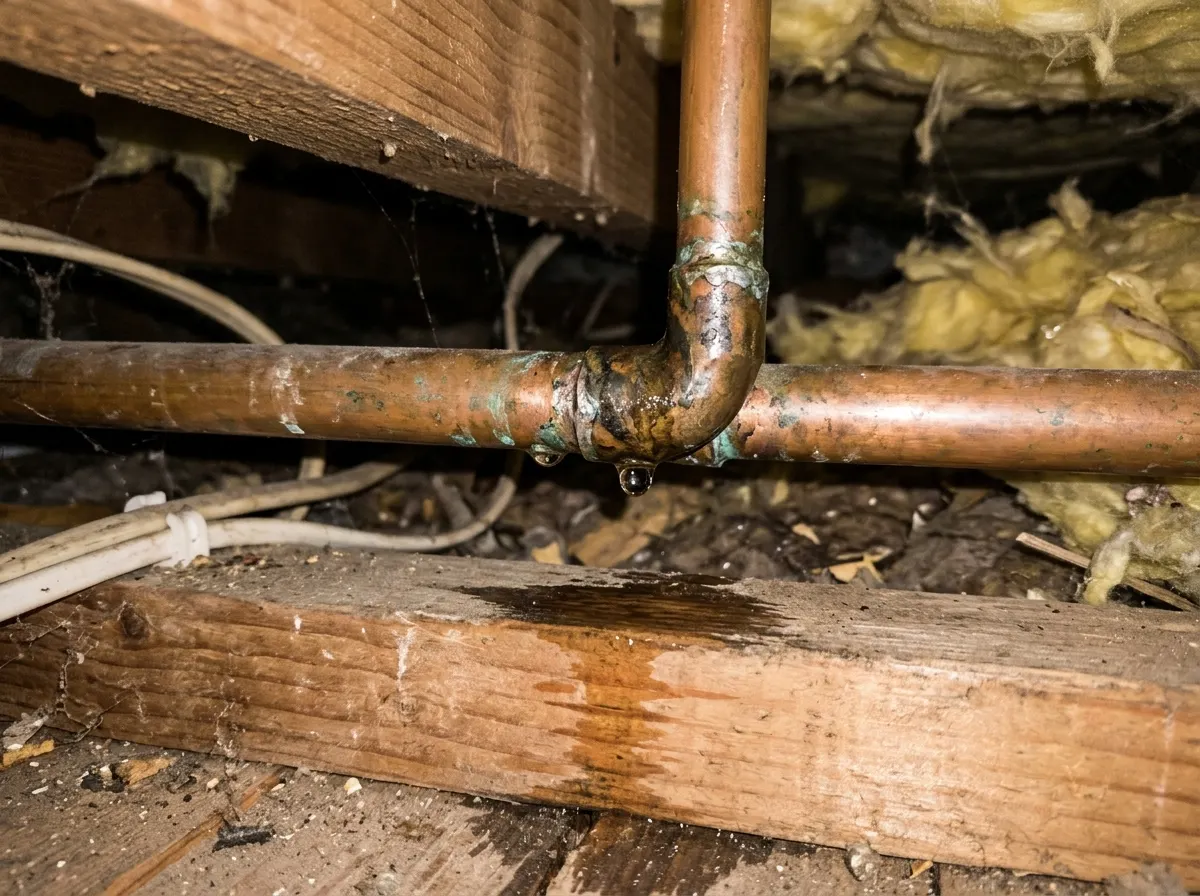
- Simple accessible leak (e.g. trap/valve):£80 – £150
- Standard leak repair (accessible pipework):£120 – £250
- Difficult/hidden leak (Trace & Access):£250 – £500+
- Burst pipe (Emergency out-of-hours):£150 – £400+
Current 2026 market data puts leaking water-pipe repairs around £220–£440 where floor-lifting or wall chasing is involved. Note that "Trace and Access" using acoustic mics or thermal imaging cameras should be invoiced separately, as many homeowners can claim this diagnostic fee back through their home insurance policies.
Tap Replacement Pricing
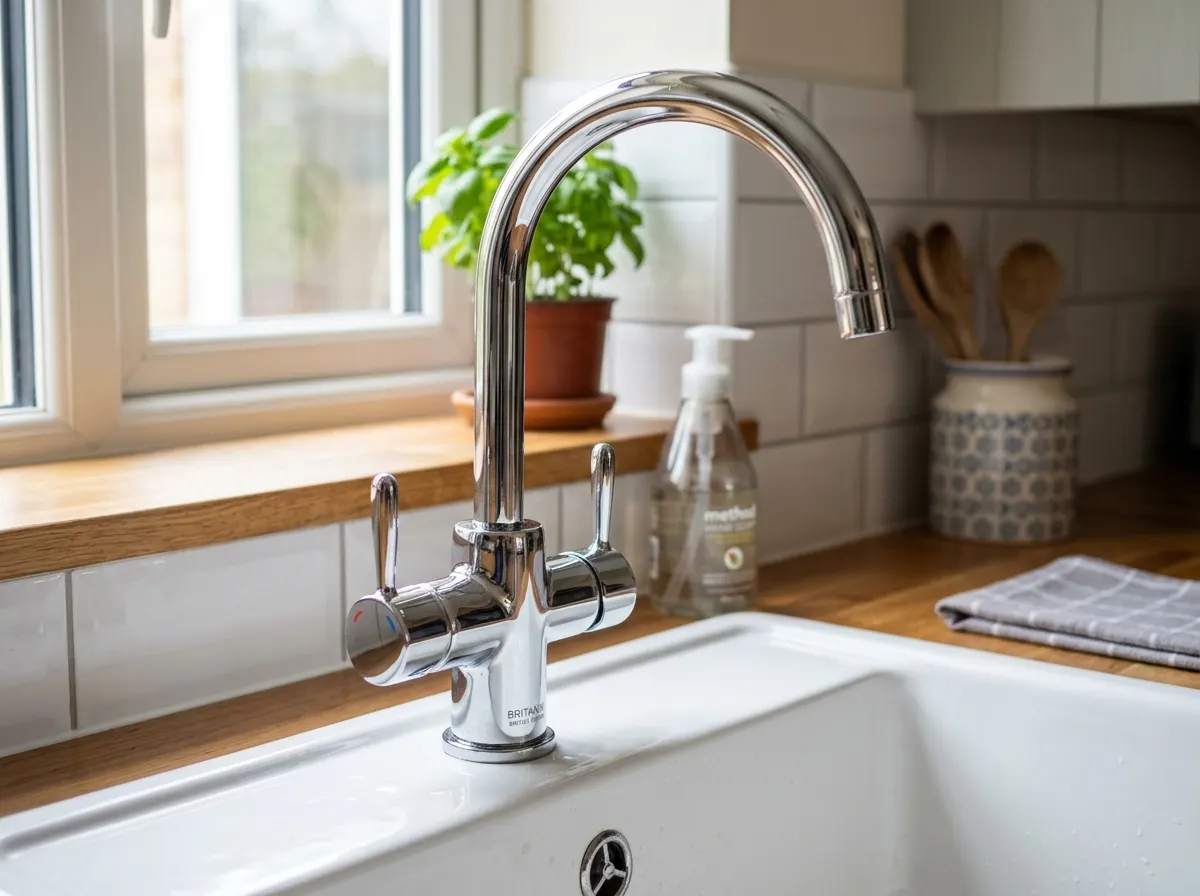
Upgrading kitchen monoblocs, bathroom basin mixers, and bath taps is one of the most frequently requested plumbing jobs.
- Labour-only (Customer supplies tap):£60 – £120
- Supply and fit (Standard Monobloc):£100 – £200
- Premium / Boiling Water Tap (e.g. Quooker):£150 – £300+
Warning: If the existing backnuts are seized (common on older baths) requiring cutting out, or if installing a boiling water tap requires an electrician to fit a new unswitched fused spur, increase the total project price accordingly.
Toilet Installation
Replacing a WC can range from a simple 2-hour bolt-on swap to complex soil pipe alterations taking a full day.
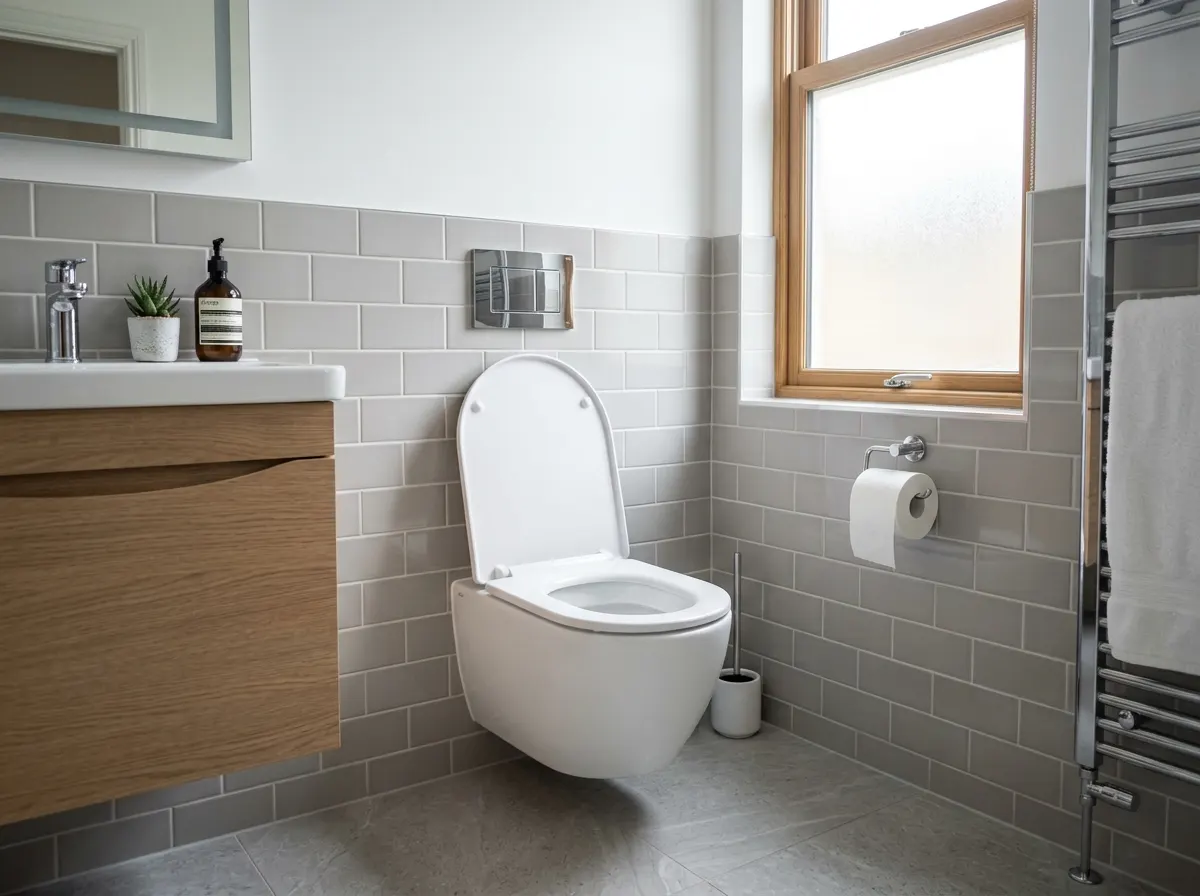
- Like-for-like replacement (Labour only):£150 – £300
- Supply and fit (Standard close-coupled):£250 – £500
- New toilet requiring pipework alteration:£400 – £800+
- Altering or extending 110mm soil pipes (e.g. using flexible pan connectors).
- Installing macerators (e.g. Saniflo units) for basement bathrooms.
- Framing out wall-hung toilets (Geberit/Grohe frames) prior to tiling.
- Repairing rotten floorboards damaged by years of subtle leaking from the old wax ring or pan connector.
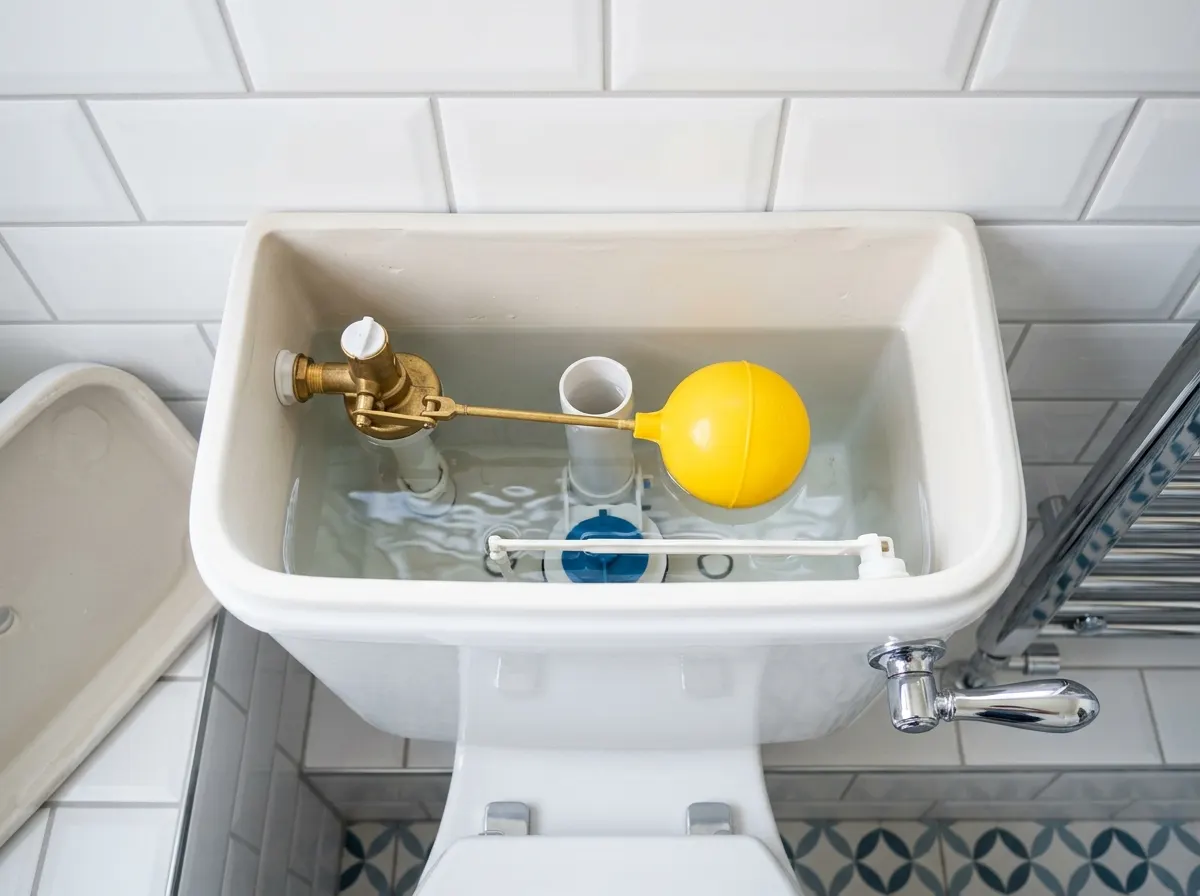
Toilet Repairs
Fixing constantly running overflows, broken syphons, failing fill valves, and faulty pneumatic flush push-buttons.
- Simple repair (e.g. replacing a flapper):£80 – £150
- Flush mechanism / fill valve replacement:£100 – £180
- Full cistern repair (internal rebuild):£100 – £200
- More complex repair (e.g. concealed cistern):£150 – £300+
Replacing standard side-entry or bottom-entry fill valves (like a Fluidmaster PRO) is a quick job. However, accessing valves inside built-in bathroom furniture or behind tiled concealed cisterns without access panels can turn a 30-minute job into a 3-hour repair requiring joinery or tiling skills.
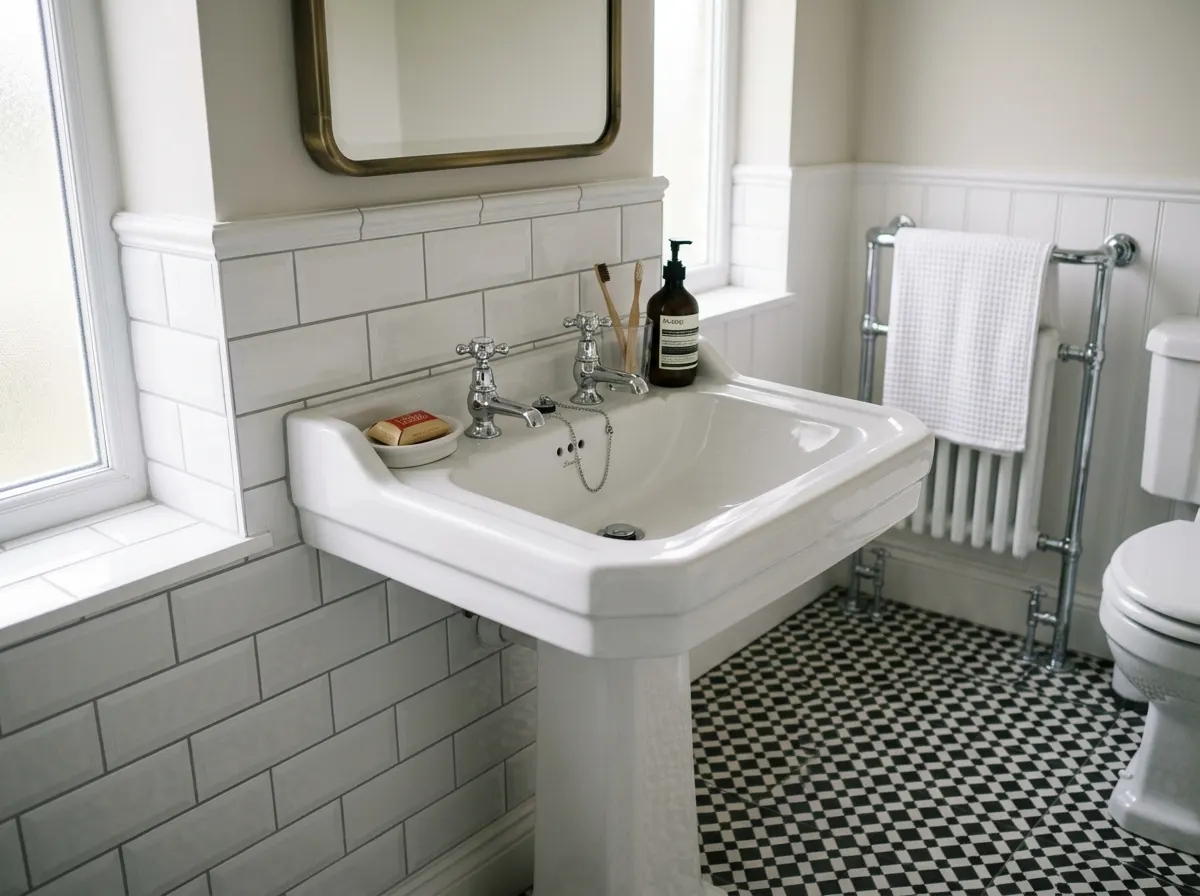
Sink & Basin Installation
Costs for installing modern wall-hung vanity units, standard pedestal basins, and inset kitchen sinks.
- Like-for-like swap (Labour only):£150 – £250
- Supply and fit (Standard basin & pedestal):£250 – £500
- New layout / repositioning pipework:£400 – £800+
Rates should include the installation of the bottle/P-trap, click-clack or pop-up waste, and a professional silicone seal against the wall or worktop to prevent water ingress behind units.
Wall-hung vanity units mounted onto plasterboard stud walls will require the wall to be opened up to install structural timber noggins to bear the weight, which increases labour hours.
Stop paying for dead leads.
Join the Pricing Penguin network. We provide UK tradespeople with high-intent, pre-qualified customers who already understand the true cost of quality craftsmanship.
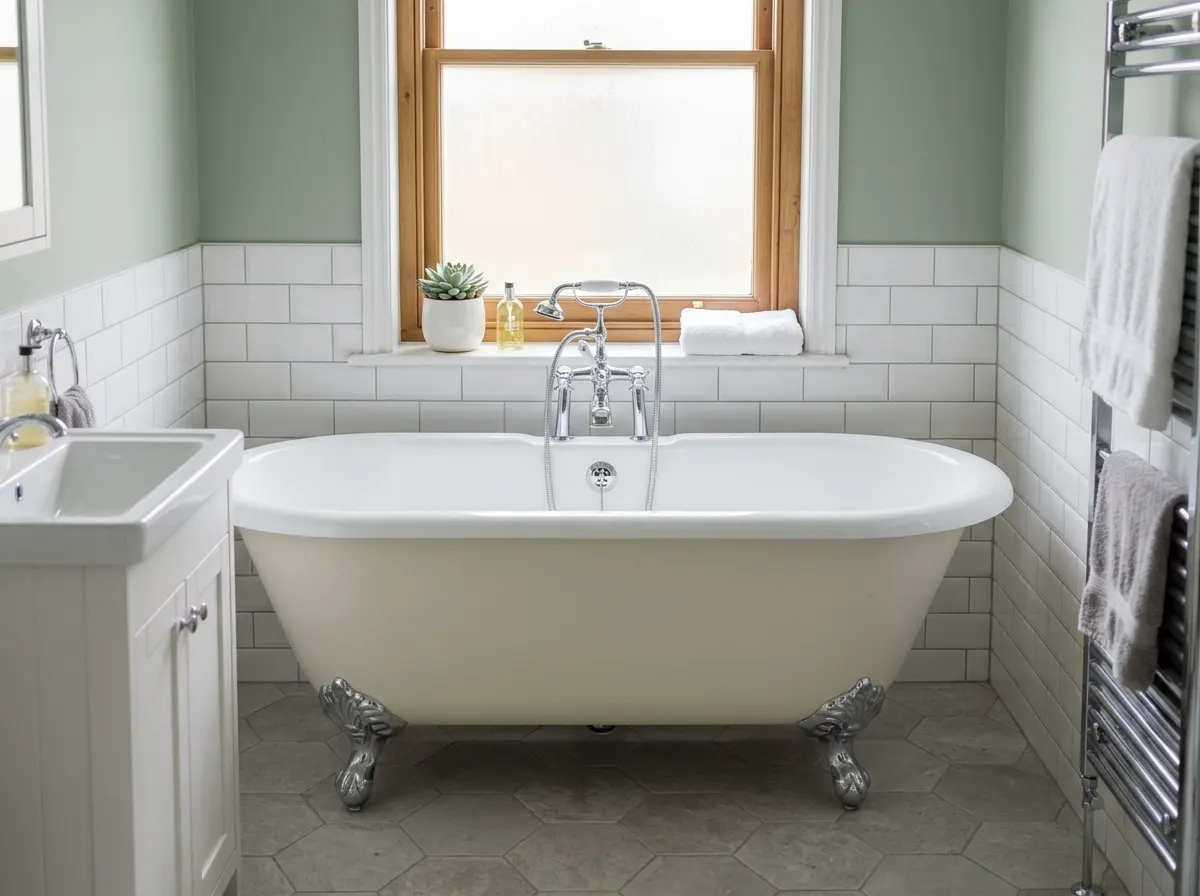
Bath Installation
Fitting acrylic, steel, and heavy freestanding stone resin baths requires structural support and perfect sealing to prevent catastrophic leaks.
- Like-for-like bath replacement (Labour):£250 – £500
- Supply and fit (Standard acrylic bath):£500 – £1,000+
- Significant plumbing alterations / Freestanding:£750 – £1,500+
A bath installation quote must cover building a sturdy timber frame/battens to secure the tub and prevent flexing (which ruins silicone seals), connecting the bath waste and overflow, and fitting the bath panel.
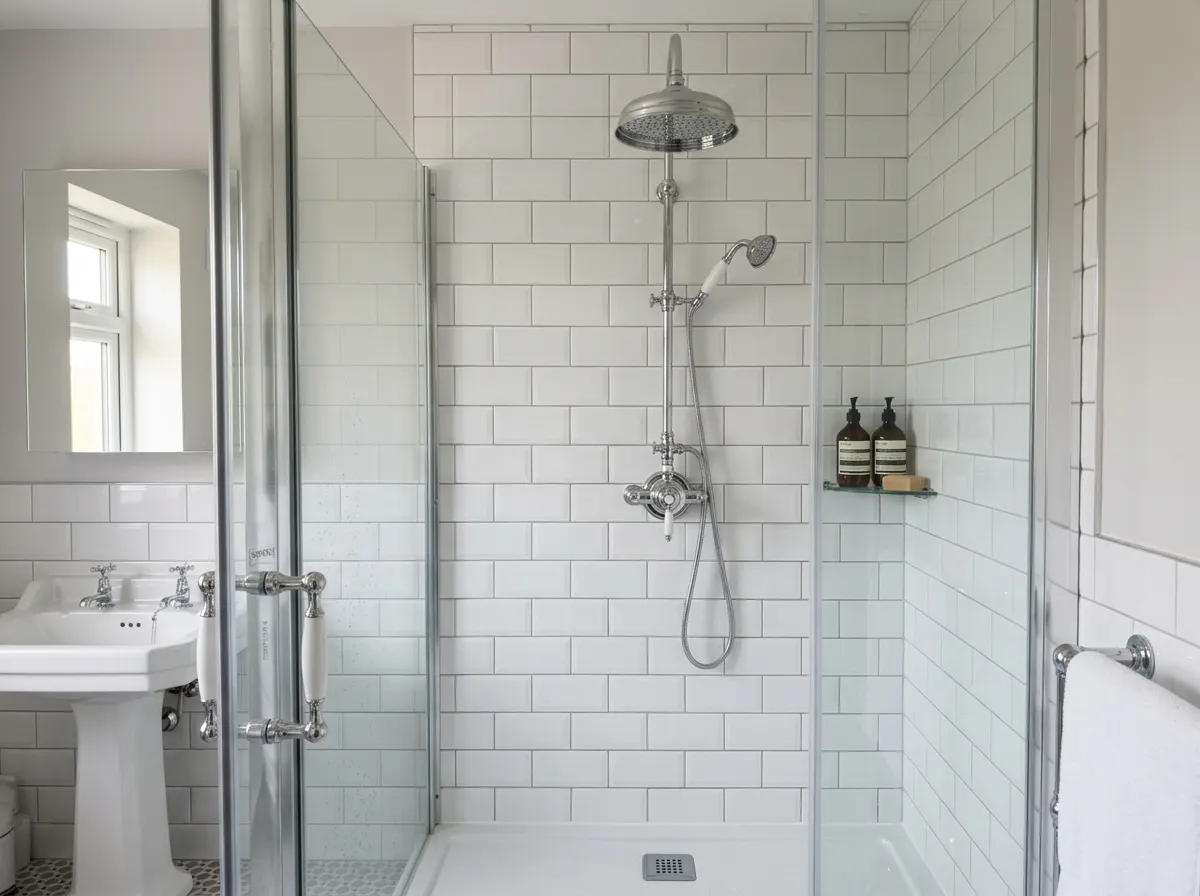
Shower Installation
Rates for installing exposed thermostatic bar mixers, electric showers, and high-end concealed digital shower valves.
- Basic replacement (Labour only):£150 – £300
- Exposed mixer shower installation:£250 – £500
- Electric shower (Plumbing element only):£250 – £500
- New shower requiring pipework alterations:£400 – £800+
- Premium digital / concealed multi-way valve:£600 – £1,200+
Radiator Installation & Relocation
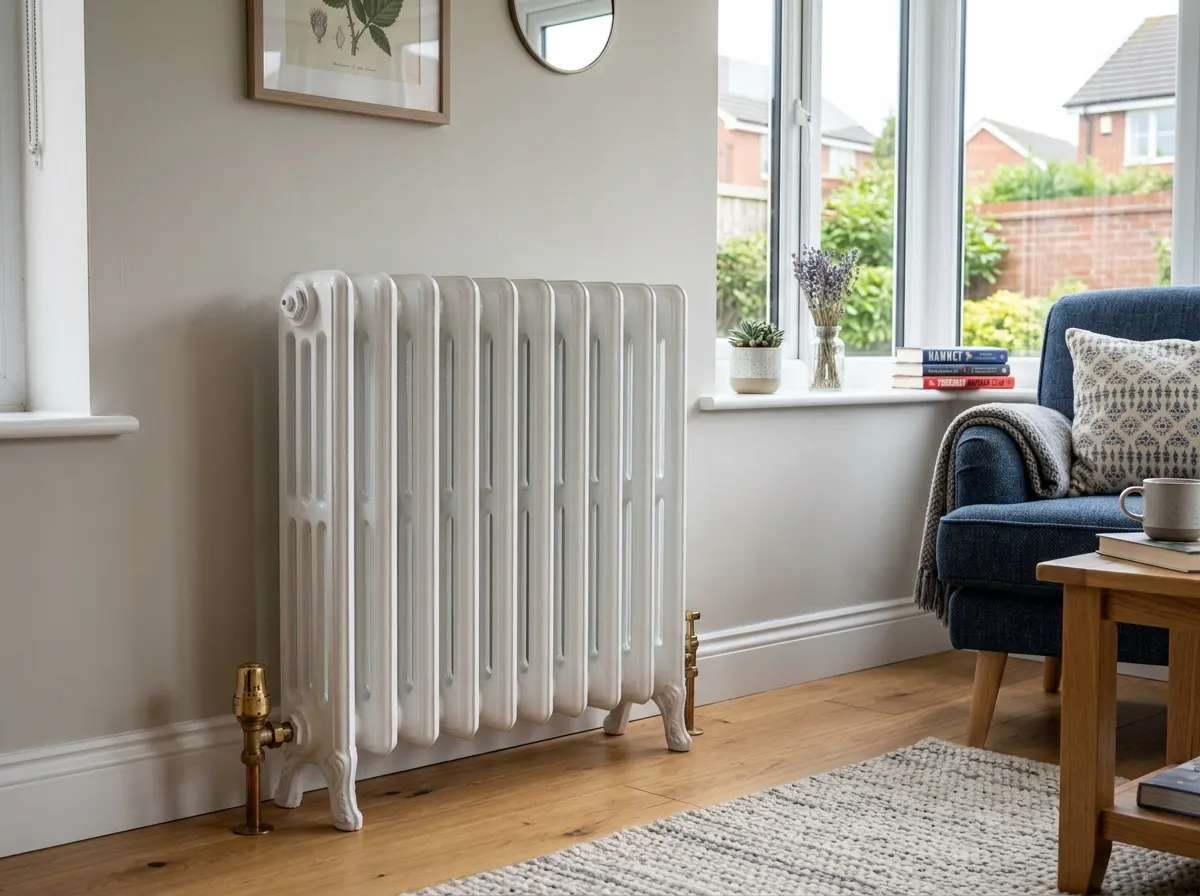
Pricing the removal, flushing, replacement, and relocation of wet central heating radiators and valves.
- Like-for-like replacement (Labour only):£150 – £300
- Supply and fit (Standard Type 22 panel):£250 – £500
- New radiator requiring pipework:£300 – £600+
- Relocating radiator across the room:£300 – £600+
Current 2026 market figures generally place straightforward radiator installation around £150–£350 (labour), with complex relocation work pushing higher.
- Thermostatic Radiator Valves (TRVs) and lockshields (£20-£50 per set).
- Draining, refilling, and balancing the central heating system.
- Adding chemical inhibitor to the system to prevent sludge build-up.
- If fitting heavy vertical designer radiators on plasterboard walls, you must price for opening the wall and installing structural timber noggins.
Central Heating Pipework Installation & Alterations
Sizing, routing, and altering wet central heating distribution pipework. Pipe sizing directly determines system efficiency: undersized circuits starve terminal radiators of flow, while oversized pipework inflates installation costs and thermal losses.
| Scope of Pipework | Typical 2026 Price |
|---|---|
| Minor Surface Alteration Extending existing 15mm tails up to 3m surface-clipped | £300 – £550 |
| Single Room Re-pipe / Extension Running new 15mm/22mm flow and return under suspended floor | £500 – £1,200 |
| Multi-Room / Full Floor Re-pipe 3–5 radiators stripped out and repiped back to 22mm headers | £1,200 – £2,400 |
| Full House Re-pipe (Standard 3-Bed) 22mm primary distribution trunks + 15mm tails to 8–10 rads | £2,800 – £5,500+ |
Pipe Material Comparison
15mm (£3–£5/m) & 22mm (£6–£9/m). Essential for boiler plant rooms and visible surface pipe runs.
Pros: Zero oxygen ingress, rigid, heat resistant. Cons: Higher material cost, slower soldering/pressing.15mm (£1.20–£2.20/m) & 22mm (£2.50–£4/m) (e.g. JG Speedfit / Hep2O). EVOH oxygen barrier layer mandatory.
Pros: Rapid snake-through under joists, fewer joints. Cons: Expansion sagging, rodent vulnerability, bulky fittings.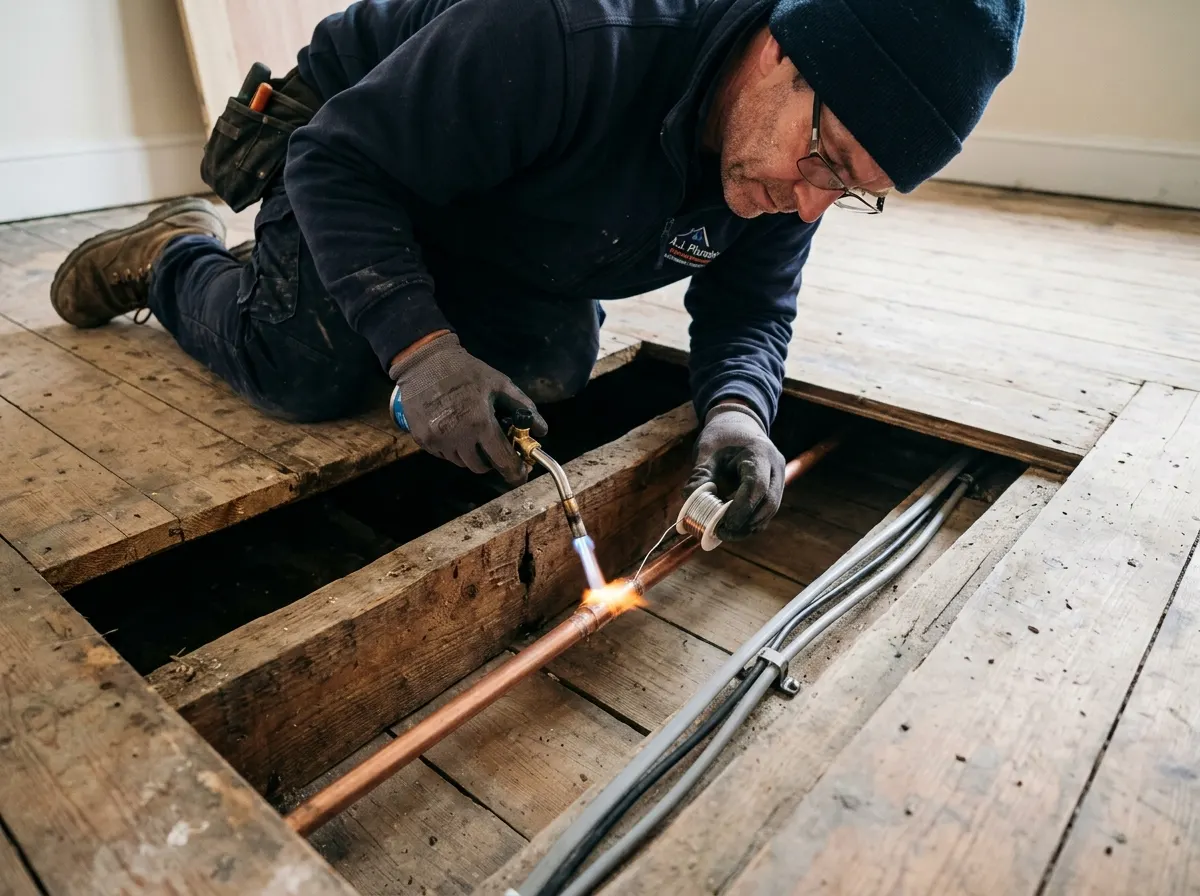
Critical Cost Drivers:
- Subfloor Construction: Suspended timber floors allow rapid under-floor pulling. Solid screed or concrete floors require diamond-disc channel chasing, ducting, and screed reinstatement, adding £40–£80/linear metre.
- Joist Regulations (Part A): Drilling through the neutral axis (0.25–0.4 of span) or notching the top edge (0.1–0.25 of span) must comply with building regulations. Re-inforcing over-notched joists adds carpentry time.
- Floor Finishes: Lifting standard tongue-and-groove chipboard is straightforward; lifting glued engineered hardwood, interlocking parquet, or luxury vinyl tiles (LVT) requires specialised lifting equipment and damage risk allowances.
- Microbore Upgrades: Converting outdated 8mm or 10mm microbore manifold loops to modern 15mm two-pipe circuits prevents frequent radiator blockages but requires full home floorboard uplifting.
Stop paying for dead leads.
Join the Pricing Penguin network. We provide UK tradespeople with high-intent, pre-qualified customers who already understand the true cost of quality craftsmanship.
Central Heating Power Flushing & Chemical Descaling
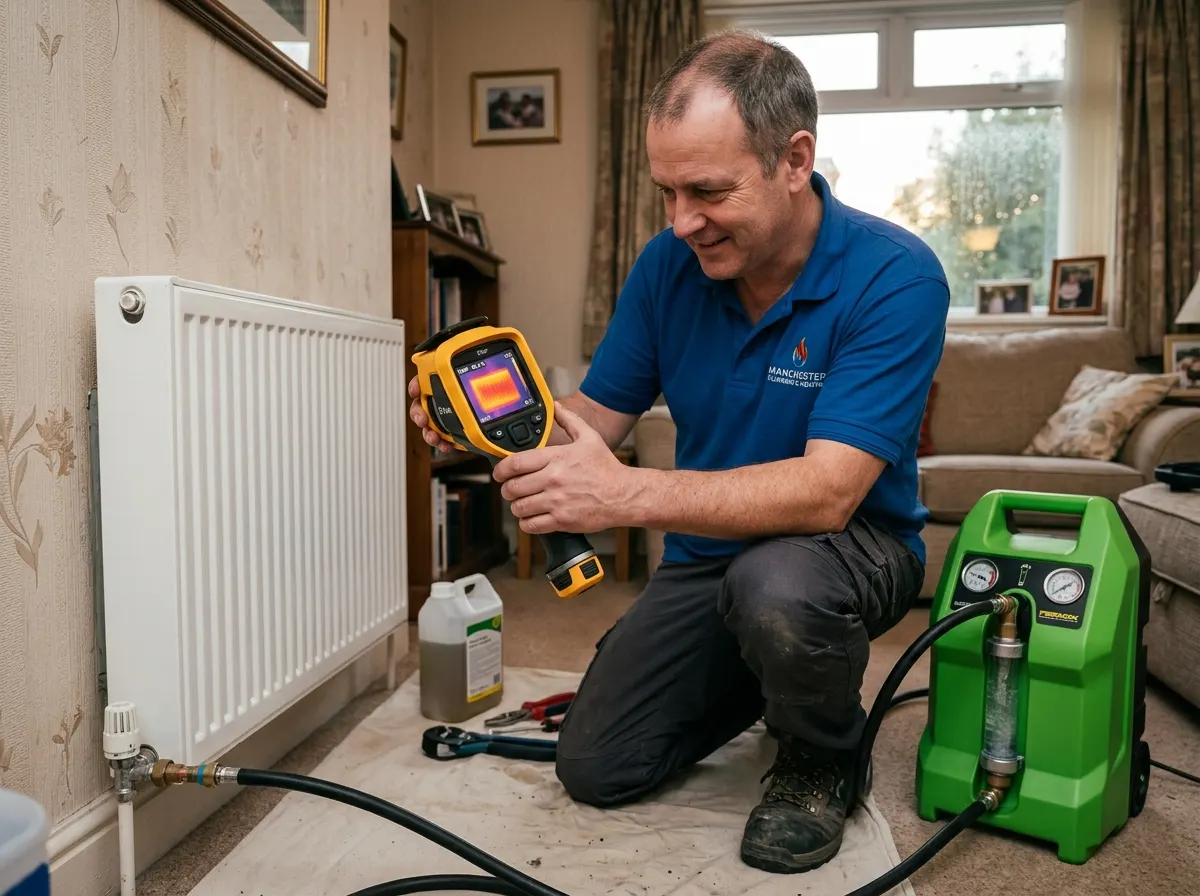
Power flushing uses high-velocity, low-pressure water circulation to dislodge and extract black iron oxide sludge (magnetite), lime scale, and corrosion debris. Modern boiler warranties almost universally require clean system water meeting BS 7593:2019 benchmarks.
| Property Size / Radiator Count | Typical Duration | 2026 Benchmark Price |
|---|---|---|
| Small Flat / Terrace (Up to 6 Radiators) | 4 – 5 Hours | £350 – £500 |
| Standard Semi-Detached (7 – 10 Radiators) | 6 – 8 Hours (Full Day) | £450 – £650 |
| Large Detached Home (11 – 15 Radiators) | 1 – 1.5 Days | £650 – £850 |
| Extensive Executive Home (16 – 22+ Radiators) | 2 Full Days | £900 – £1,400+ |
Flushing Methods & Gear
- High-Flow Machine (Kamco CF90 / Norstrom): Pumps at 90–150 L/min with reverse-flow manifold to break bi-directional sediment bridges.
- Magnetic Filtration Rack: Twin neodymium magnetic filters (e.g. MagnaCleanse) capture liberated magnetite on the first pass before it re-enters the boiler.
- Chemical Cleaners: Heavy-duty dispersants (Sentinel X400 or Fernox F3) must circulate under heat, followed by post-clean neutralisation and inhibitor dosing (X100/F1).
Technical Quoting Variables
- System Vulnerability & Pinholing: Highly corrosive sludge often plugs micro-corrosion pinholes in old steel panel radiators. Aggressive acid descaling can expose these holes, causing leaks. Quotes must explicitly state that radiator replacements are excluded if leaks appear during agitation.
- TRV Pin Seizure & Bi-directional Caps: Thermostatic valves must be opened completely or temporarily replaced with straight pass-through caps during flushing to prevent restriction.
- Microbore Resistance: 8mm and 10mm pipe systems have high hydraulic resistance; flushing velocity is drastically reduced, often doubling the time required per radiator.
Boiler Servicing, Repairs & Replacement
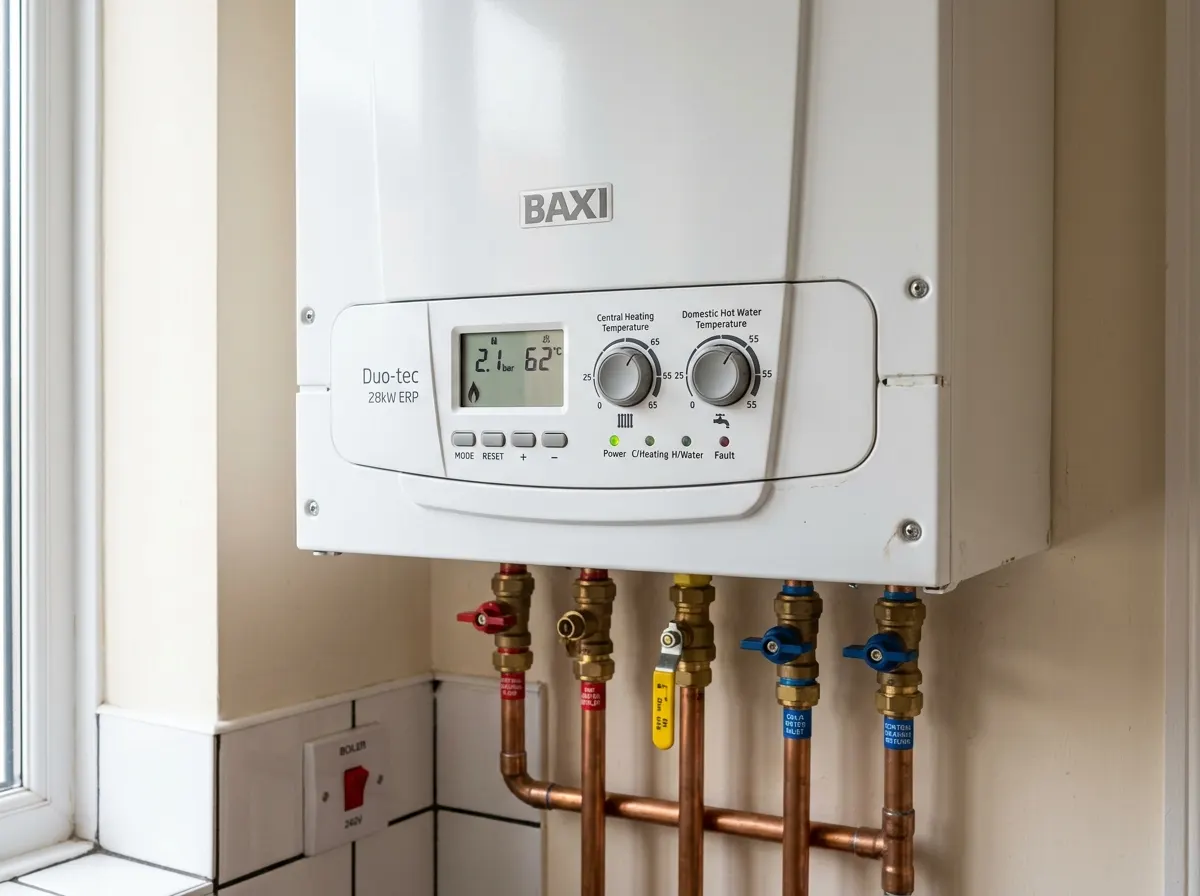
Combination (Combi)
Heats hot water directly from the cold mains on demand. Eliminates loft tanks and hot cylinders.
System Boiler
Has built-in pump and expansion vessel; directly heats an unvented cylinder for simultaneous high-pressure showers.
Regular (Heat Only)
Works with cold water storage cistern and feed & expansion tanks in the loft plus a vented cylinder in an airing cupboard.
Servicing & Repair Benchmarks
- Standard Annual Service (Flue gas analysis & seal check): £80 – £140
- Major Service (Strip-down, burner chamber, electrodes, condensate trap): £140 – £220
- Diagnostic Initial Hour (Fault codes, pressure dropping): £90 – £150
- Component Repair: Diverter Valve / Water Pressure Switch: £180 – £320
- Component Repair: Internal Modulating Pump: £220 – £380
- Major Component: Main Heat Exchanger / Main PCB: £350 – £650+
- Gas Supply Pipe Upgrading: Modern condensing boilers usually demand a continuous 22mm or 28mm copper gas feed from the meter to maintain required working pressure (20mbar at appliance). Upgrading old 15mm gas pipework adds £250–£600.
- Flue Routing: Horizontal flues through an external cavity wall are standard. Vertical flues penetrating pitched slate/tile roofs with lead flashing kits add £300–£700.
- Condensate Discharge: Running internal 21.5mm / 32mm plastic pipework to an internal soil stack or externally into an insulated soakaway with trace-heating cable.
- Boiler Relocation: Moving a boiler from a ground-floor kitchen to an upstairs airing cupboard or loft space adds £600–£1,200 in pipe extensions.
Hot Water Cylinder Installation & Conversion
Hot water cylinders store high-volume domestic hot water for homes with high peak demand. The UK market is divided between legacy vented cylinders (fed by cold tanks in the loft) and modern high-recovery unvented cylinders (operating directly at mains pressure).
Vented Copper Cylinder
Relies on head of water from the loft tank. Requires open vent and cold feed pipework. Operates at low pressure (0.2–0.5 bar) unless fitted with an auxiliary shower pump.
Unvented Stainless Steel (Megaflo)
Connected directly to incoming water main. Delivers 2.5–3.5+ bar pressure simultaneously to multiple bathrooms without power shower booster pumps.
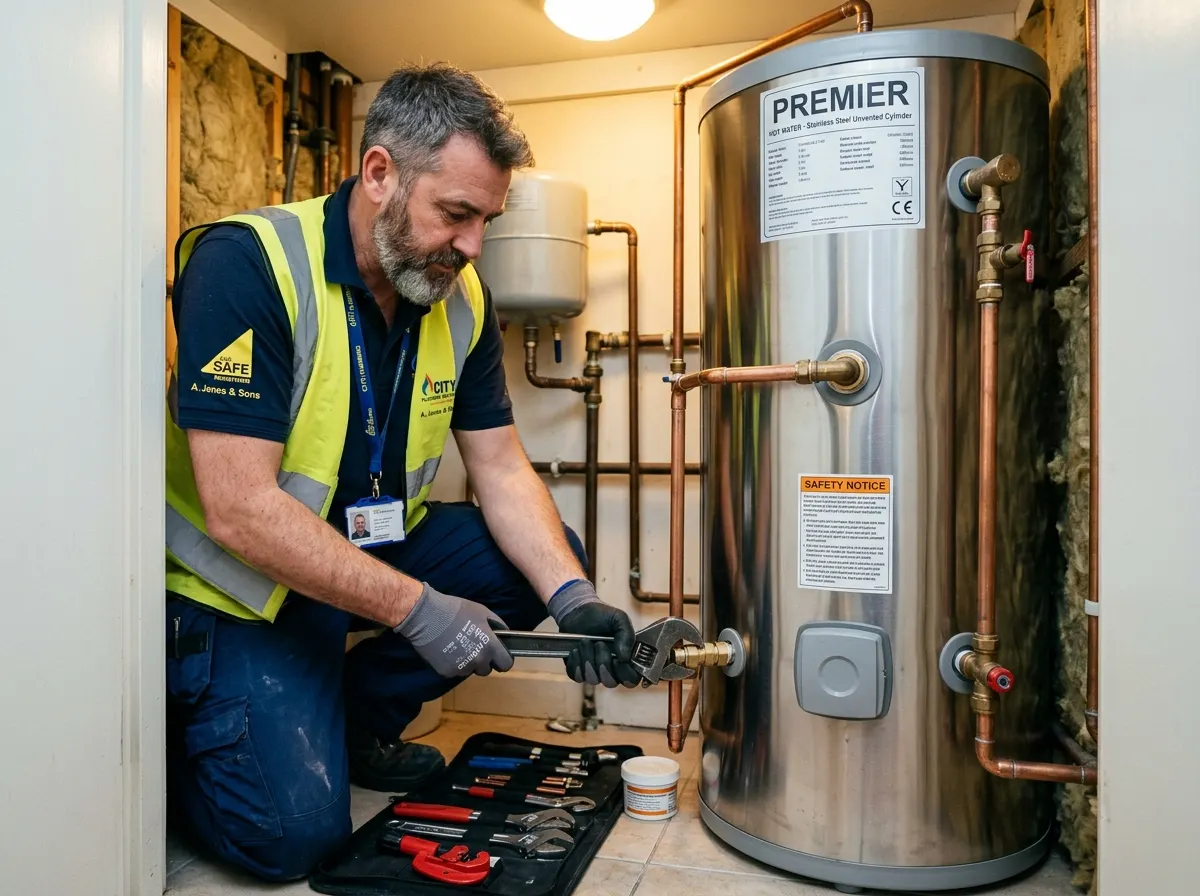
G3 Certification & Installation Factors
Unvented cylinders hold significant stored energy under pressure and are governed strictly by Building Regulation G3. Installers must hold a valid G3 competence certification and notify Building Control upon completion.
- D1 & D2 Discharge Pipework: High-temperature relief valves (TPRVs) must vent through a visible air break (tundish) via continuous falling copper pipework (minimum 22mm/28mm) safely to a low-level external discharge termination. If the cylinder is situated in a central basement, pumping or routing D2 pipework adds substantial cost.
- Mains Flow & Standing Pressure Check: An unvented cylinder will perform poorly if dynamic mains flow is below 20 L/min or static pressure is below 1.5 bar. Testing mains flow before quoting is mandatory; poor pressure requires an accumulator vessel or booster pump set.
Stop paying for dead leads.
Join the Pricing Penguin network. We provide UK tradespeople with high-intent, pre-qualified customers who already understand the true cost of quality craftsmanship.
Cold Water Storage (CWS) & Feed and Expansion (F&E) Tanks
Replacement of corroded galvanised steel cisterns or degrading black plastic cold water storage tanks situated in loft voids, along with small heating feed and expansion header tanks.
| Tank Type & Capacity | Typical 2026 Price |
|---|---|
| Heating F&E Header Tank (18L – 25L / 4–5 Gal) Includes replacement ball valve, overflow, and close-fitting lid | £250 – £400 |
| Standard Domestic CWS Tank (114L – 227L / 25–50 Gal) Standard rectangular poly-tank with insulation jacket & Byelaw 30 kit | £400 – £700 |
| Low-Profile "Coffin" Tank (227L – 300L) Long narrow tank for shallow roof trusses or restrictive loft hatches | £550 – £850 |
| Complex Galvanised Tank Removal & Double Installation Cutting out heavy rusty steel tank with reciprocating saw + dual link-tanks | £800 – £1,300+ |
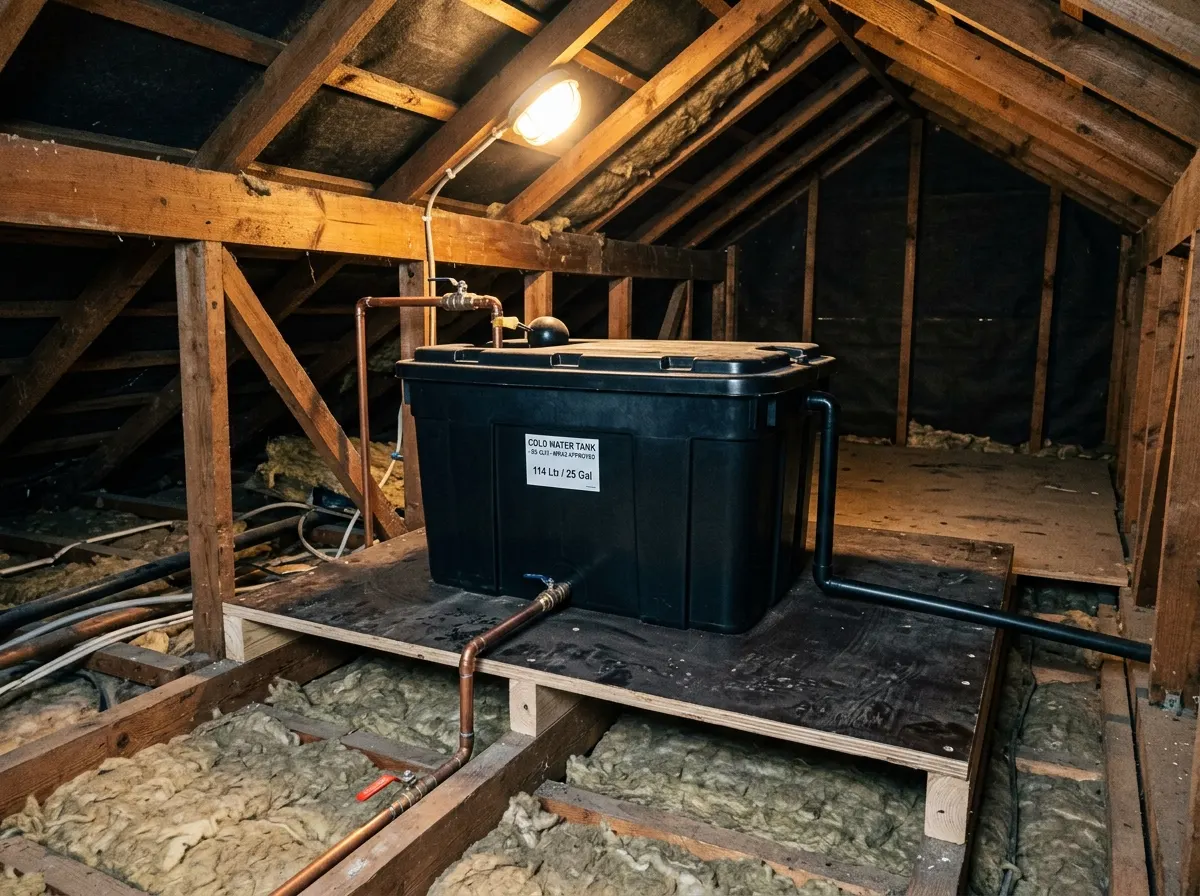
Loft Working Cost Factors
- Access Restrictions: If the loft access hatch is smaller than 500mm x 500mm, rigid square tanks will not pass through. The plumber must either enlarge the hatch opening (involving joinery) or use linkable long-form "coffin" tanks.
- Loft Boarding & Structural Base: Water weighs 1 kg per litre. A 250-litre tank weighs over a quarter of a tonne (250kg). Tanks cannot sit directly across ceiling joists; they require an engineered 18mm WBP exterior-grade plywood platform spanning across structural load-bearing walls.
- Old Galvanised Tank Decommissioning: Old metal tanks rarely fit back through loft hatches. Plumbers must slice them in half inside the loft using cold-cutting nibblers or reciprocating metal saws to prevent fire hazards from angle-grinder sparks.
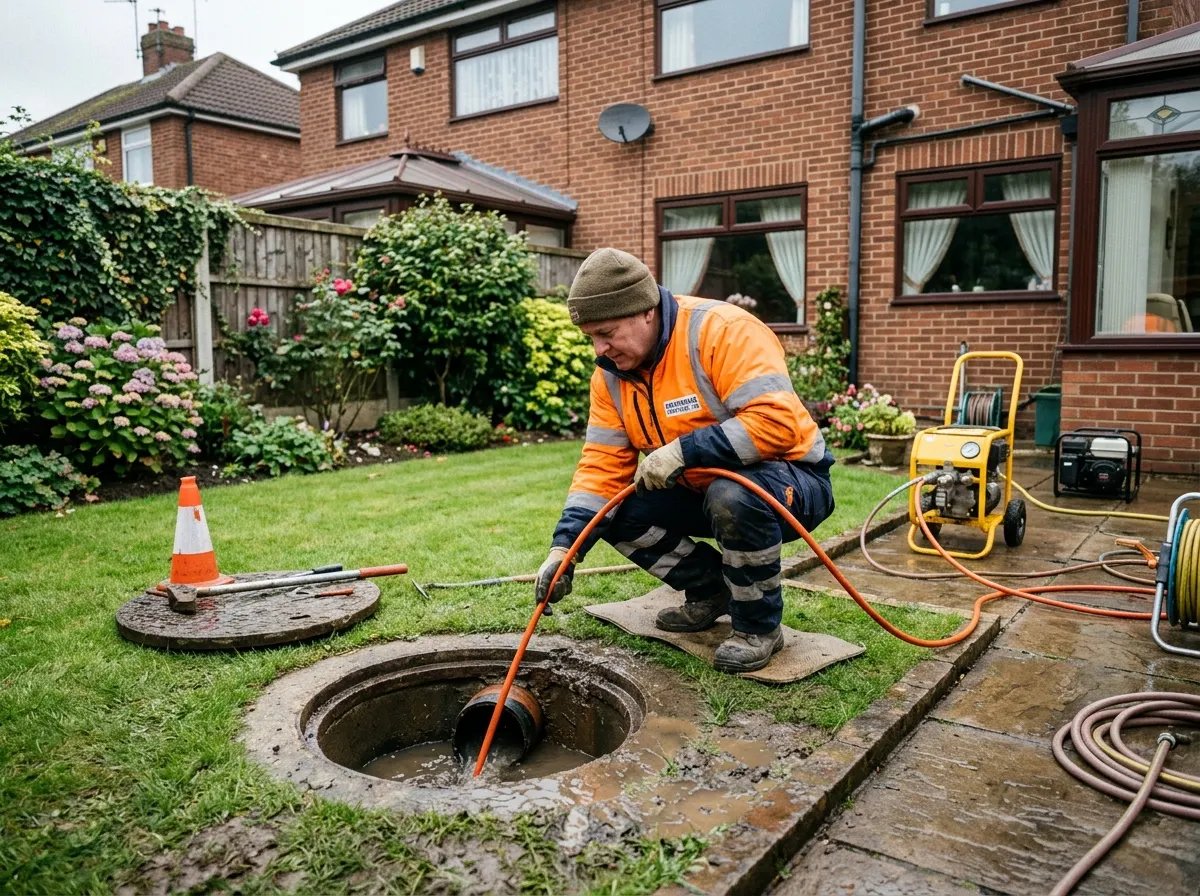
Drain Unblocking, Jetting & Repairs
Clearing blocked exterior drains, internal soil pipes, and repairing collapsed underground drainage systems. Pricing scales rapidly based on the equipment required to clear the blockage.
- Simple blockage (Manual rodding/plunging):£80 – £150
- High-Pressure Water Jetting (Van-mounted):£150 – £400+
- Emergency out-of-hours blockage clearance:£150 – £300+
- CCTV Drain Survey (with recorded report):£100 – £250
- Structural drain repair / Patch lining:£500 – £2,000+
Waste Pipes & Soil Stacks
Installing and altering 32mm/40mm domestic wastewater pipes from sinks and baths, right up to 110mm soil and vent pipes (SVP) carrying blackwater to the sewer.
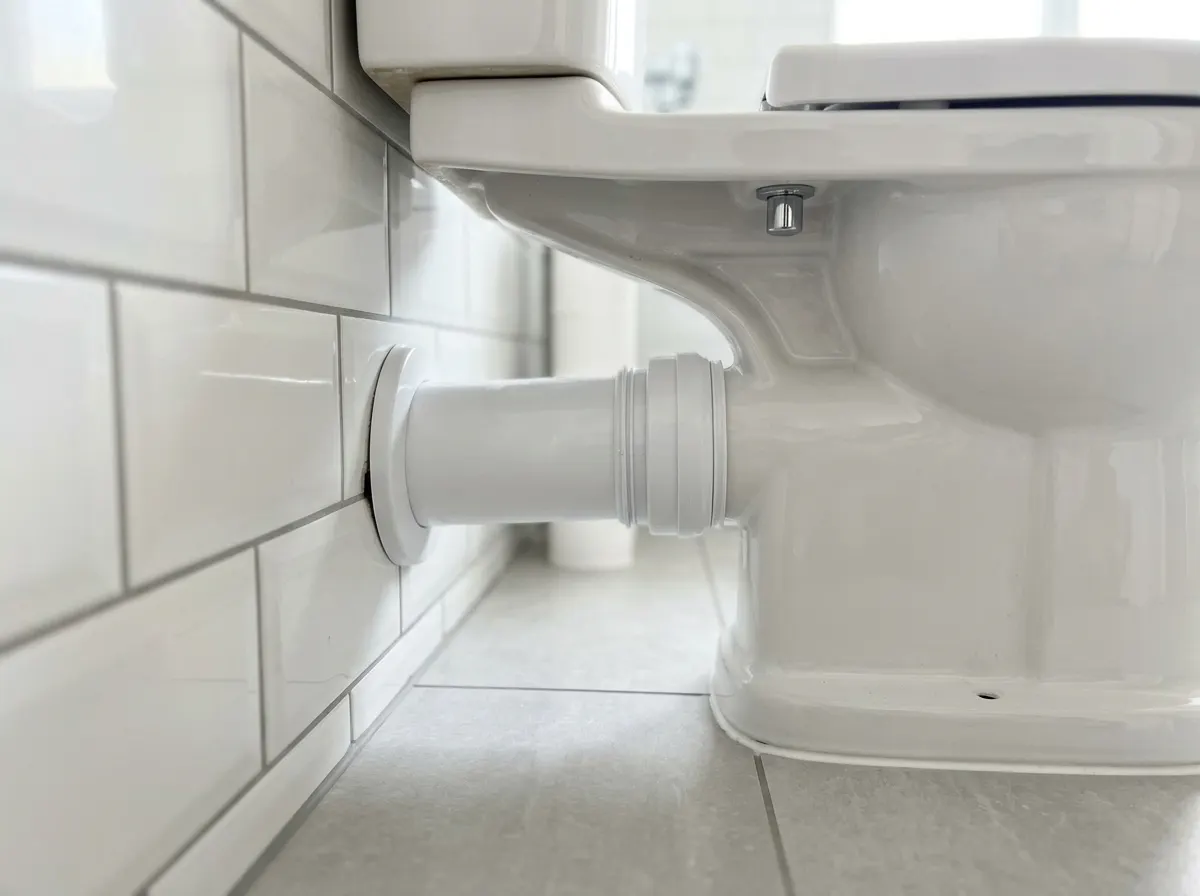
- Basic accessible waste (Surface clipped):£20 – £40 / m
- Difficult/hidden waste (Under floors/joists):£40 – £80+ / m
- Underground 110mm drainage (Excavated):£80 – £150+ / m
- Core drilling 110mm through exterior brick:£80 – £150 per hole
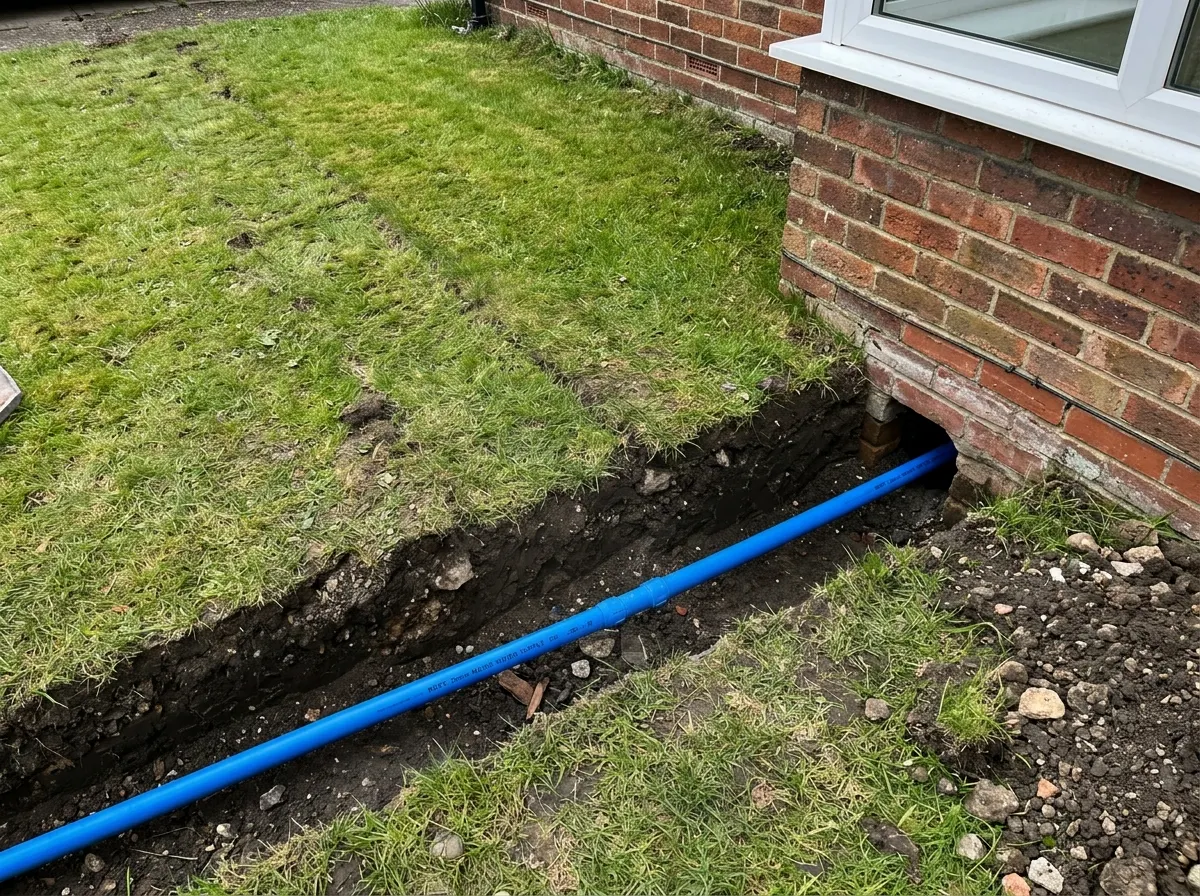
Water Supply Pipes (MDPE) & Lead Replacement
Upgrading the main incoming cold water supply from the street boundary stopcock into the property. Vital for homes suffering from poor flow rates or seeking to replace toxic lead pipework.
- Straightforward surface installation:£30 – £60 / m
- Excavation / open-trench installation:£60 – £120+ / m
- Trenchless "Moling" (per metre):£70 – £140+ / m
- Difficult installation (Concrete/Driveways):£100 – £200+ / m
* Note: Local water authorities often provide grants or free boundary connections to homeowners actively replacing old lead supply pipes. Ensure your contractor is WIAPS registered to sign off the groundwork.
Advanced Leak Detection (Trace & Access)
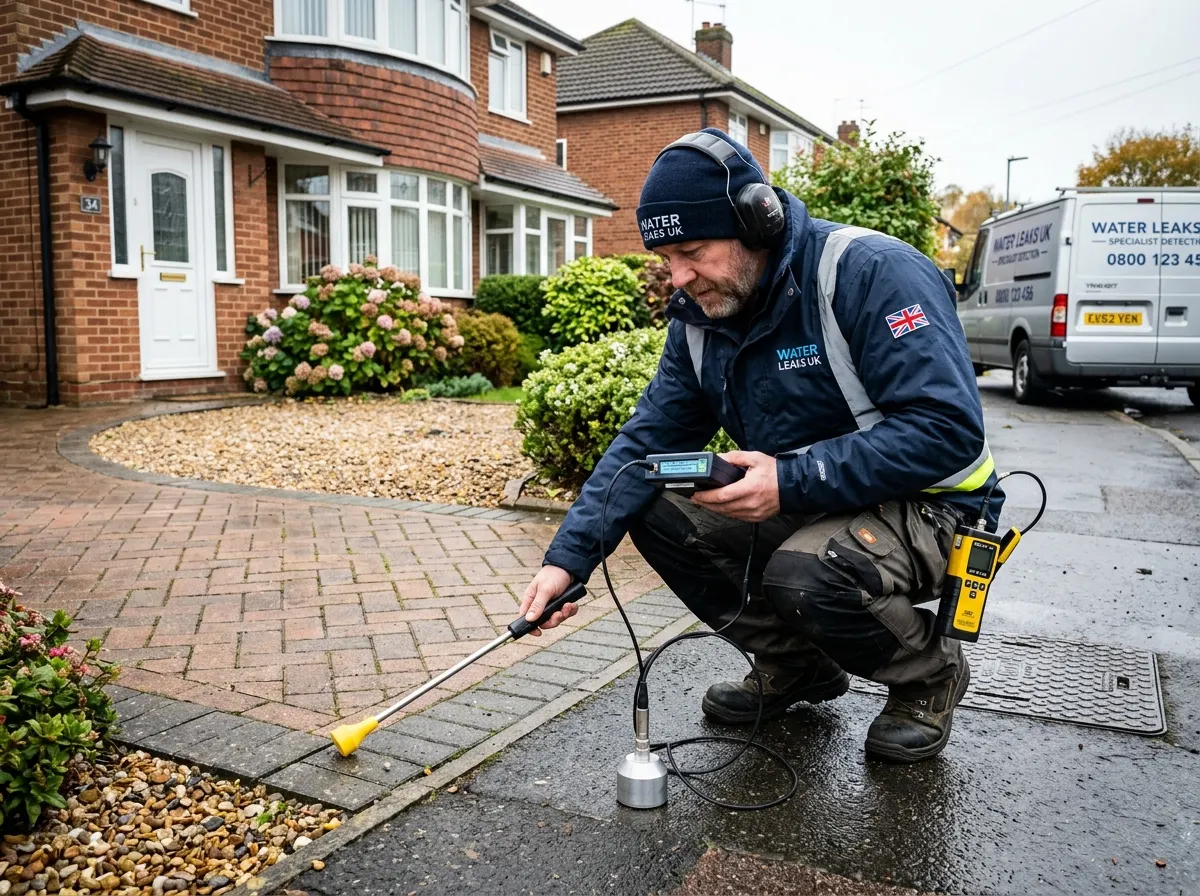
Locating invisible leaks on buried mains pipes or underfloor heating without ripping up floors blindly. Specialist leak detection uses Non-Destructive Testing (NDT) technology.
- Basic visual diagnosis & pressure test:£80 – £150
- Trace and locate (Thermal/Acoustic):£120 – £300
- Difficult/underground leak (Tracer Gas):£300 – £600+
- Thermal Imaging: Identifies hot spots from buried central heating pipes.
- Acoustic Profiling: Highly sensitive ground microphones listen for the distinct frequency of water escaping under pressure.
- Tracer Gas Testing: The system is drained and injected with a safe Hydrogen/Nitrogen mix. Because hydrogen molecules are so small, they escape through the leak and rise through concrete/tarmac, allowing the engineer to "sniff" the exact location.
Rooms, Kitchens & Whole-House Projects
Bathroom Plumbing
Prices for plumbing labour / first-fix, rather than the entire bathroom renovation (sanitaryware/other trades are additional).
- Basic / Downstairs WC:£1,200 – £1,800
- Ensuite:£2,400 – £3,000
- Standard Bathroom:£2,700 – £4,000
- Additional bathroom in difficult location:£3,500 – £6,000+
Current 2026 UK benchmarks put a bathroom's plumbing installation at around £3,250 excluding sanitaryware. The biggest variable is usually how far the new bathroom is from existing water and waste connections.
Kitchens & Appliances
- Basic sink/dishwasher/washer connection:£80–£250
- Kitchen sink replacement:£150–£300
- Washing machine (new plumbing/difficult):£150–£500+
- New kitchen plumbing:£500–£1,500+
- Major kitchen relocation:£1,000–£3,000+
Price according to: New water feeds, waste, dishwasher, washing machine, boiler alterations, gas work, drainage, distance from services.
Outside Taps & Outbuildings
- Outside tap (Basic / Long run / Frost-proof):£100–£300+
- Outbuilding basic water supply:£300–£700
- Outbuilding longer underground supply:£700–£1,500+
- Full outbuilding plumbing:£1,000–£3,000+
Outside tap price increases with distance, wall thickness, brickwork, insulation, access. Outbuildings depend on excavation, drainage, fixtures, hot water, ground conditions.
Whole-House & Major Projects
These figures relate to substantial new plumbing installations rather than simply replacing existing fixtures.
Stop paying for dead leads.
Join the Pricing Penguin network. We provide UK tradespeople with high-intent, pre-qualified customers who already understand the true cost of quality craftsmanship.
Pipework & Fittings
Measured Pipework
For measured work, price pipework by: linear metre + fittings + labour + access.
- Basic exposed pipework:£20 – £40 / m
- Installed concealed pipework:£30 – £60 / m
- Difficult access:£50 – £100+ / m
Allowing for Fittings
Always allow separately for: Copper pipe, plastic pipe, press-fit fittings, compression fittings, isolation valves, stopcocks, manifolds, flexible hoses, waste fittings, traps, connectors, clips, and insulation.
Emergencies, Travel & Access
Emergency Pricing Architecture
A plumber shouldn't simply double every price. Build it correctly:
- Standard weekday:£40–£70/hour
- Evening/weekend:£70–£120/hour
- Emergency:£100–£150/hour
- Overnight/major emergency:£150–£250+/hour
Then potentially add: Call-out + parts + labour.
Factors: Time of day, distance, severity, immediate attendance, bank holiday, availability, required equipment.
Travel and Mileage
For a job 30 miles away that takes an hour each way, charging only one hour of labour can substantially reduce profitability. Consider fuel, van depreciation, insurance, travel time, parking, tolls, and congestion charges.
The Cost of Poor Access
Access can dramatically alter plumbing prices. A £150 radiator replacement can become a £400–£600 job if pipework needs relocating and floors need lifting.
Parts Collection Time
If a plumber spends an hour collecting a part, the formula is:
1 hour labour + mileage + part
This must be recovered. Don't simply absorb the trip.
Pricing Examples & Profit Theory
Don't confuse Markup with Profit Margin
Example: Parts cost £1,000. 20% markup = £200. Customer material price = £1,200.
The £200 is not a £200 profit margin for the whole job. You still need to cover Labour, Van, Insurance, Tools, Travel, Administration, and Overheads.
Example: Radiator Replace
- Radiator:£150
- Valves/fittings:£40
- Materials subtotal:£190
- Material markup (20%):£38
- Labour (4 hrs x £50):£200
- Travel/consumables:£30
- Overhead/profit allocation:£100
- Exact Price:£558
Example: Leak Repair
- Parts:£30
- Labour (2 hrs x £50):£100
- Travel:£20
- Consumables:£10
- Direct cost:£160
If the leak is hidden under a floor and requires several hours of investigation, the price could easily become £300–£500+.
Example: Bathroom Plumb
- Pipework:£500
- Fittings:£300
- Waste:£150
- Valves/consumables:£150
- Labour (5 days x £350):£1,750
- Waste/delivery:£200
- Direct cost:£3,050
What makes a job MORE expensive?
What makes a job CHEAPER?
- Like-for-like replacement
- Existing pipework in good condition
- Easy access (ground-floor work)
- Customer supplies fixtures
- Materials readily available
- No waste
- Multiple jobs at same property
- Scheduled rather than emergency work
- Local customer
Stop paying for dead leads.
Join the Pricing Penguin network. We provide UK tradespeople with high-intent, pre-qualified customers who already understand the true cost of quality craftsmanship.
Quick Reference Tables
Labour-Only Benchmarks
| Work | Labour-only guide |
|---|---|
| Tap replacement | £60–£120 |
| Toilet replacement | £150–£300 |
| Radiator replacement | £150–£300 |
| Sink/basin | £150–£250 |
| Bath | £250–£500 |
| Shower | £150–£500 |
| Bathroom plumbing | £1,500–£3,000+ |
| Leak repair | £80–£250+ |
| Drain clearance | £80–£250 |
| New pipework | £30–£60/m |
| Difficult pipework | £50–£100+/m |
Quick UK Plumber Pricing Guide (2026)
| Job | Typical 2026 UK price |
|---|---|
| Standard plumber | £40–£70/hour |
| UK working average | ~£50/hour |
| Standard day | £300–£400 |
| Emergency | £75–£150/hour |
| Emergency call-out | £100–£150+ |
| Minimum charge | £60–£120 |
| Tap repair | £80–£150 |
| Tap replacement | £100–£200 |
| Toilet repair | £80–£200 |
| Toilet replacement | £250–£500 |
| Sink/basin | £250–£500 |
| Bath | £500–£1,000+ |
| Shower | £250–£800 |
| Radiator replacement | £150–£300 labour |
| Radiator supply & fit | £250–£500 |
| Leak repair | £120–£250 |
| Difficult leak | £250–£500+ |
| Burst pipe | £150–£400+ |
| Drain unblocking | £80–£250 |
| CCTV drain survey | £100–£250 |
| Drain jetting | £150–£400+ |
| Outside tap | £100–£300 |
| Dishwasher/washing machine | £80–£150 |
| Basic pipework | £20–£40/m |
| Concealed pipework | £30–£60/m |
| Difficult pipework | £50–£100+/m |
| Bathroom plumbing | £2,700–£4,000 |
| Ensuite plumbing | £2,400–£3,000 |
| WC plumbing | £1,200–£1,800 |
| Boiler service | £80–£150 |
| Boiler repair | £100–£500+ |
| New boiler | £2,000–£4,000+ |
| Power flush | £400–£700 |
| Water tank | £400–£700 |
| Hot water cylinder | £800–£1,500+ |
| Material markup | 15–30% |
| Mileage | ~£0.50–£0.80/mile |
The Plumber's Pricing Formula
This should be the core calculation for every job. The plumber should price the whole job, including everything required to complete it.
Frequently Asked Questions
What is the average hourly and day rate for a UK plumber in 2026?
The typical UK working average is around £50 per hour and £350 per day. Standard plumbing rates range from £40–£70 per hour, while experienced or specialist plumbers charge £55–£80 per hour.
How much is an emergency plumber call-out fee?
An emergency first-hour call-out typically costs £100–£150. For severe overnight or bank holiday emergencies, rates can increase to £150–£250+ per hour due to immediate travel and opportunity cost.
What is a standard material markup for plumbers?
Plumbers typically apply a 15–30% markup on standard parts, 20–40% on common van-stock items, and 10–25% on specialist or expensive equipment to cover buying time, storage, delivery, and warranty risks.
How much does plumbing for a new bathroom cost?
First-fix plumbing for a standard bathroom ranges from £2,700 to £4,000. For an ensuite, it is £2,400 to £3,000. Full bathroom fitting labour (including tiling, plastering, and decorating) typically adds £1,500 to £3,000+ on top.
What factors make a plumbing job more expensive?
Jobs become more expensive due to difficult access (under floors, behind walls), job complexity (relocating pipework, seized valves), premium materials, urgency (weekends/evenings), and location (London/South East).
Should I charge per linear metre for pipework?
Only as a baseline. Basic exposed pipework is £20–£40/m, but a simple per-metre figure fails if access is difficult. Concealed runs require floor lifting, drilling, and boxing, pushing costs to £50–£100+/m.
Ready to fill your diary with quality jobs?
Connect with serious homeowners who value reliability over the absolute cheapest quote. Join our network of accredited UK tradespeople today and let our AI estimators filter out the time-wasters for you.
Did you find this guide helpful?
Let us know if these estimating tips will help your plumbing business.