How much does external door installation cost in the UK?
 By Tom Ellis
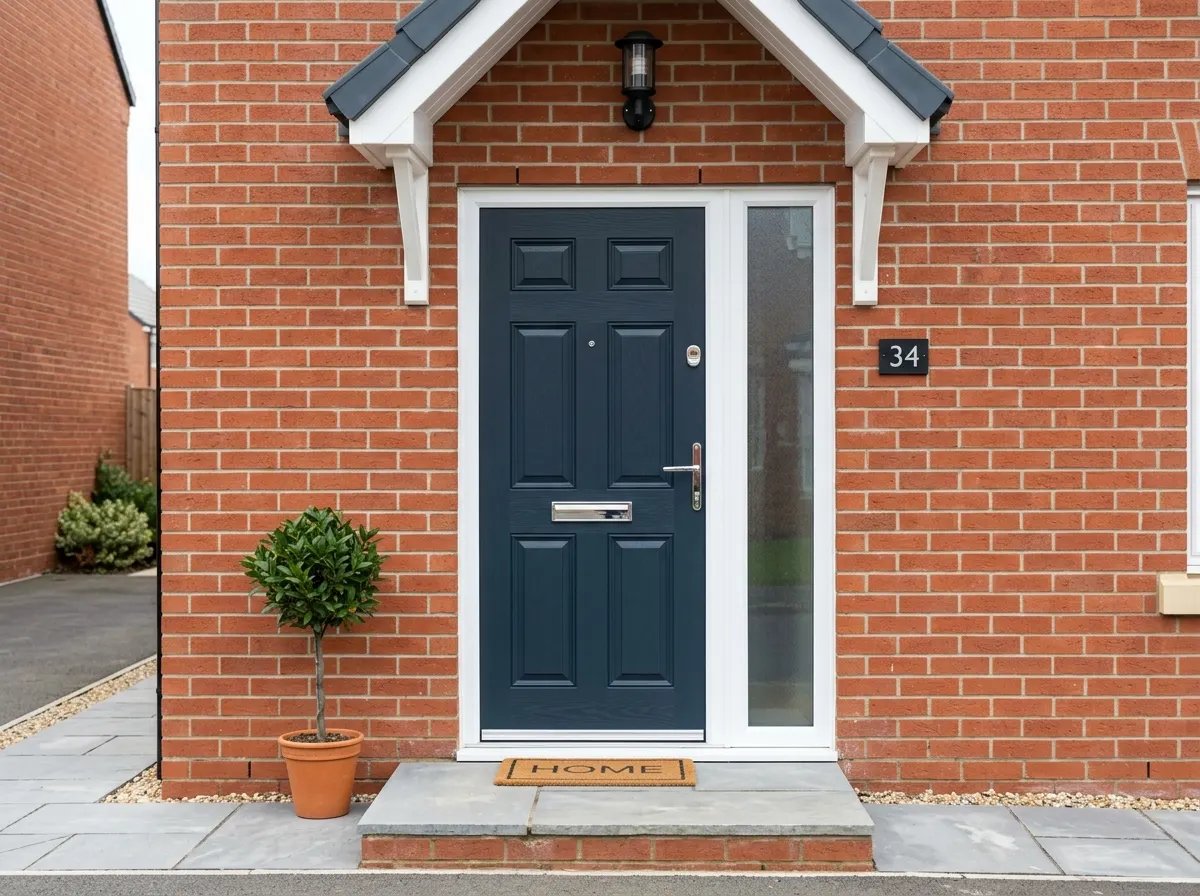
Your external doors are the primary barriers protecting your home from winter weather and intruders. Upgrading a warped timber door to a modern composite or aluminium system radically enhances both the kerb appeal and thermal efficiency of your property.
In 2026, external door installation in the UK ranges widely from £500 to £2,500+ (while simple labour-only fitting of internal doors or basic repairs starts around £150). The total cost hinges entirely on the style and material you choose. A basic uPVC back door can be fitted for under £600, a high-security composite front door averages around £1,200, and expansive aluminium bi-fold patio doors can easily exceed £2,500.
~£600
Basic specification. A standard white uPVC back door or half-glazed kitchen door. Includes removal of the old frame, basic multi-point locking, and standard FENSA installation.
~£1,200
Mid-range finish. A highly secure, thermally efficient composite front door. Includes premium hardware (letterbox, knocker), anti-snap 3-star cylinder locks, and a coloured woodgrain finish.
£2,500+
High-end specification. Wide architectural aluminium bi-fold doors (3 to 4 panels) or premium solid hardwood front doors for heritage properties. Features high-spec glass and structural lintel checks.
Get an instant estimate for your external doors
External Door Materials
The core material dictates how secure your home is, how much heat you retain, and how often you'll need to paint or clean the door.
uPVC
BudgetThe cheapest option. Formed from unplasticised PVC with a reinforced steel inner frame. Highly weatherproof and maintenance-free. While completely functional for back doors, they lack the weight, thickness, and premium aesthetic expected of modern front doors.
Composite
Top ChoiceThe ultimate front door. Made from a mixture of materials (solid timber core or high-density foam, wrapped in a glass-reinforced plastic GRP skin). They offer the traditional look of painted timber with a deep woodgrain texture, but will never rot, warp, or require painting. Exceptionally secure and thermally efficient.
Aluminium
ArchitecturalIncreasingly popular for both front doors and bi-folds. Aluminium offers immense structural strength, allowing for massive panes of glass and ultra-slim frames. The powder-coated finish resists scratching and fading for decades. Features thermal breaks to prevent heat loss.
Solid Timber
HeritageEssential for Listed Buildings and Conservation Areas. Solid hardwood (like Oak) or engineered timber provides a stunning, authentic heavyweight feel. The downside is high maintenance—they must be sanded and re-varnished or painted every few years to prevent swelling and rot.
External Door Styles & Configurations
From the main entrance to your garden connection, the mechanism and style you choose dramatically alters the function of the room and the overall price.
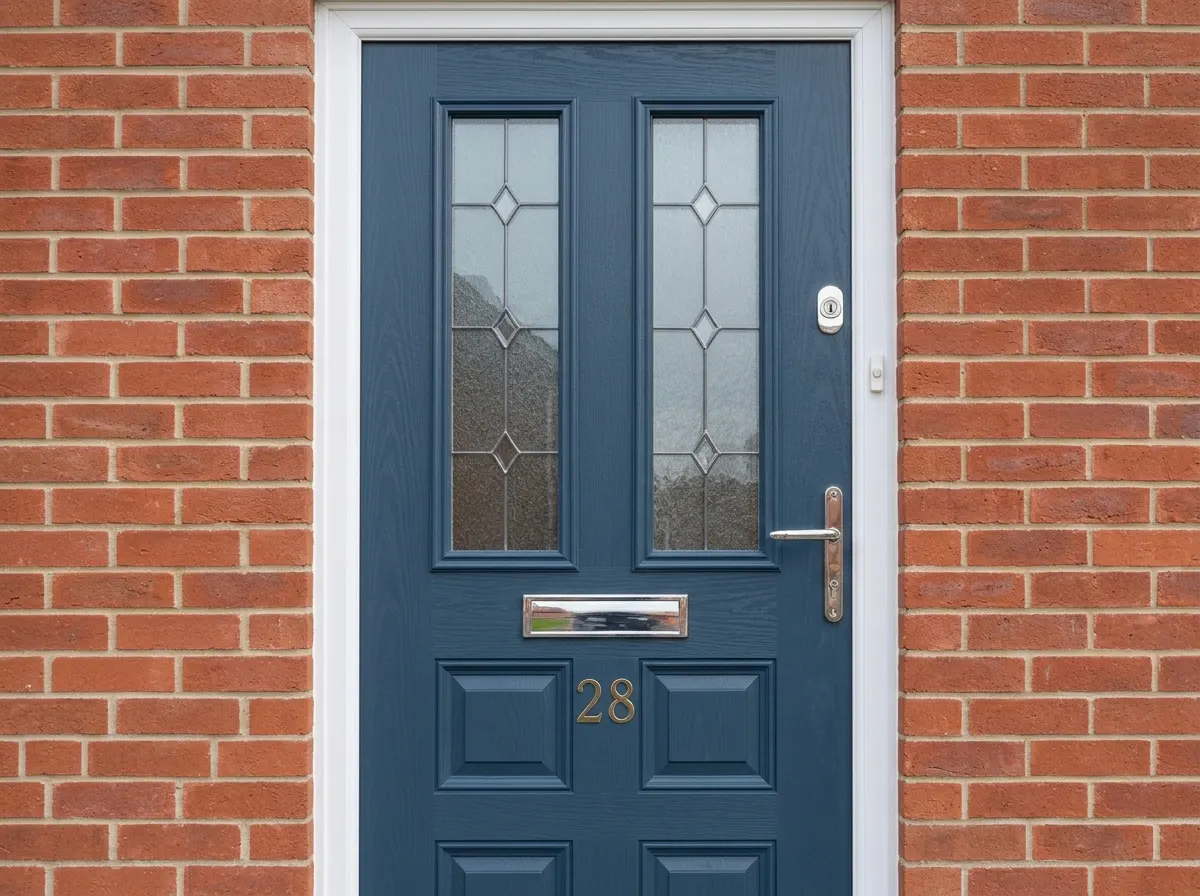
Standard Front Door
A single, solid outward or inward opening door. Usually made from composite or solid timber for maximum security and aesthetic appeal. Often features a small frosted glass panel at the top to let light into the hallway.
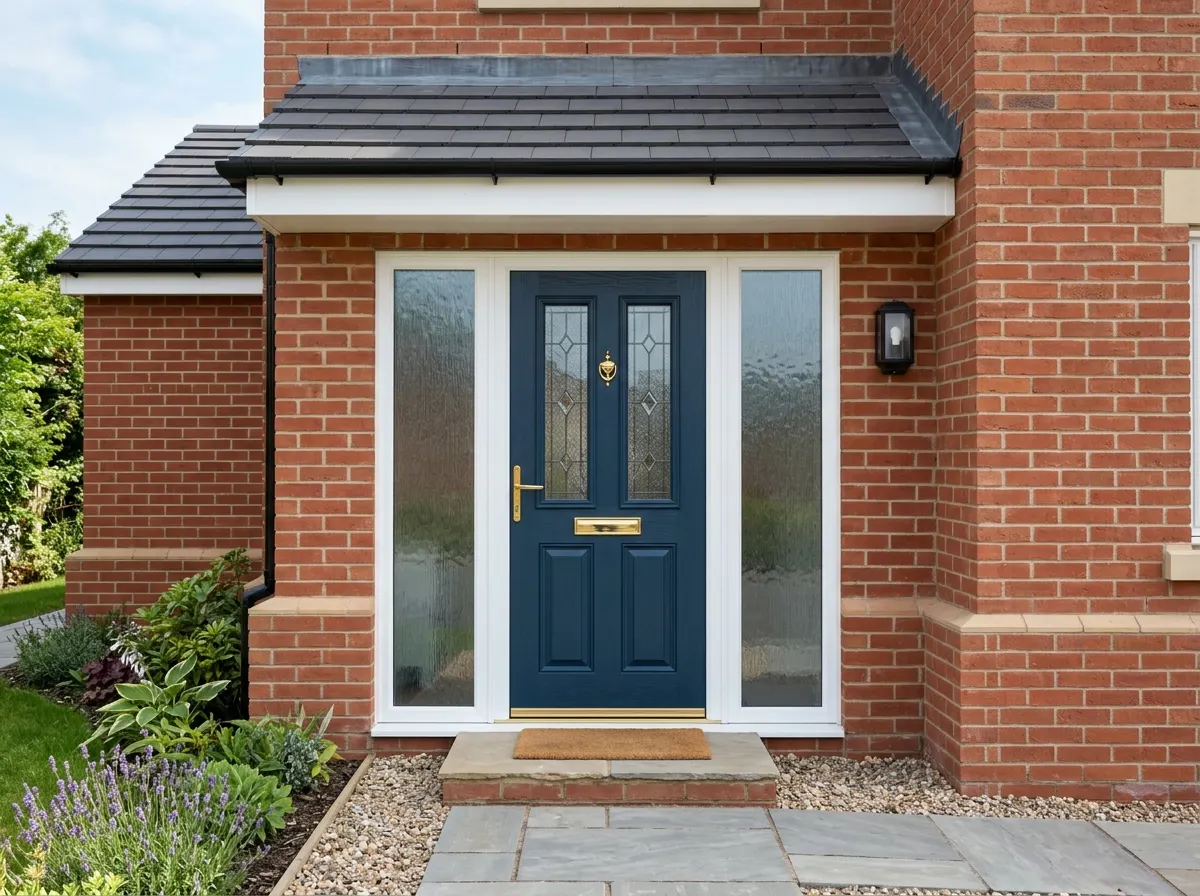
Door with Sidelights
For wider architectural openings. A central door flanked by one or two tall, narrow, fixed glass panels (sidelights) or topped with a "fanlight." Floods the entrance hall with natural light but requires a custom-built frame.
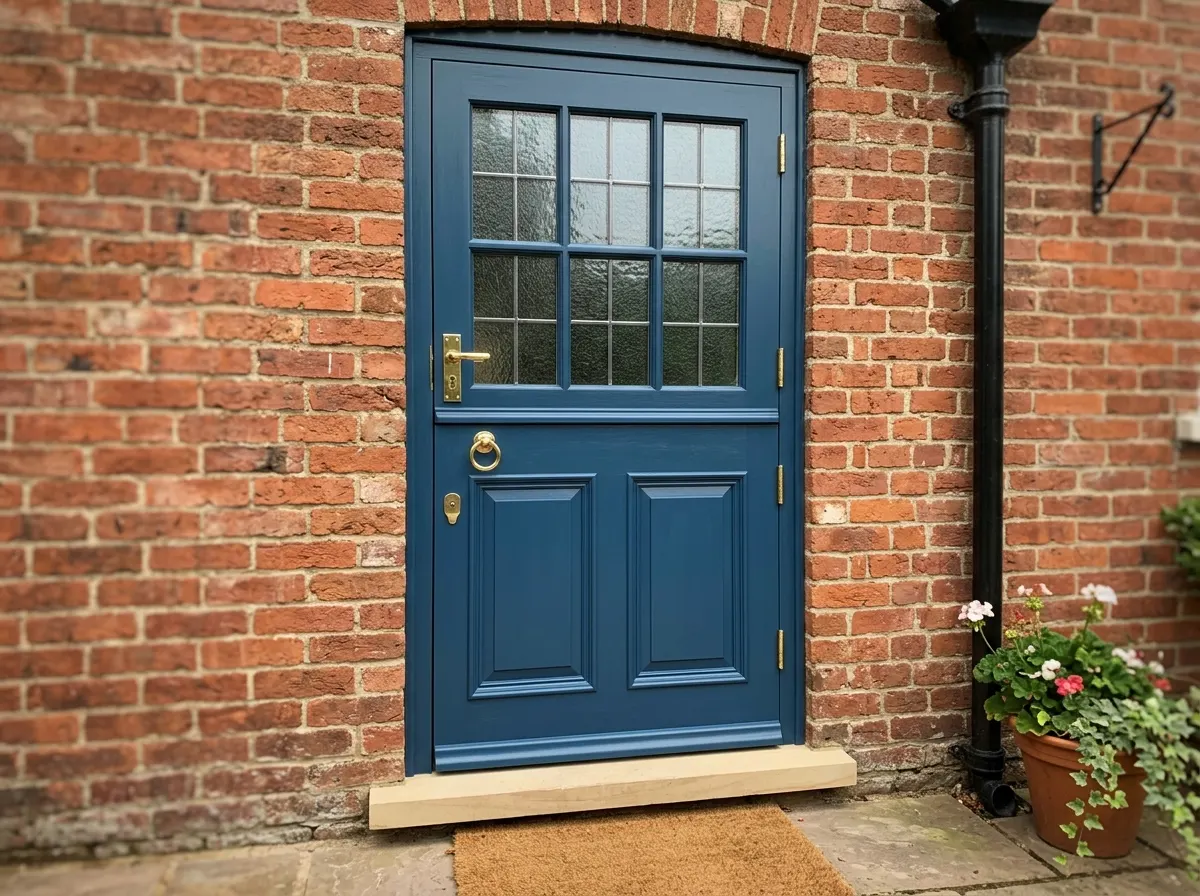
Stable / Dutch Door
A charming traditional style where the door is split horizontally. The top half can open independently for ventilation while keeping the bottom half locked to keep pets or young children safely inside. Complex locking mechanisms increase the cost.
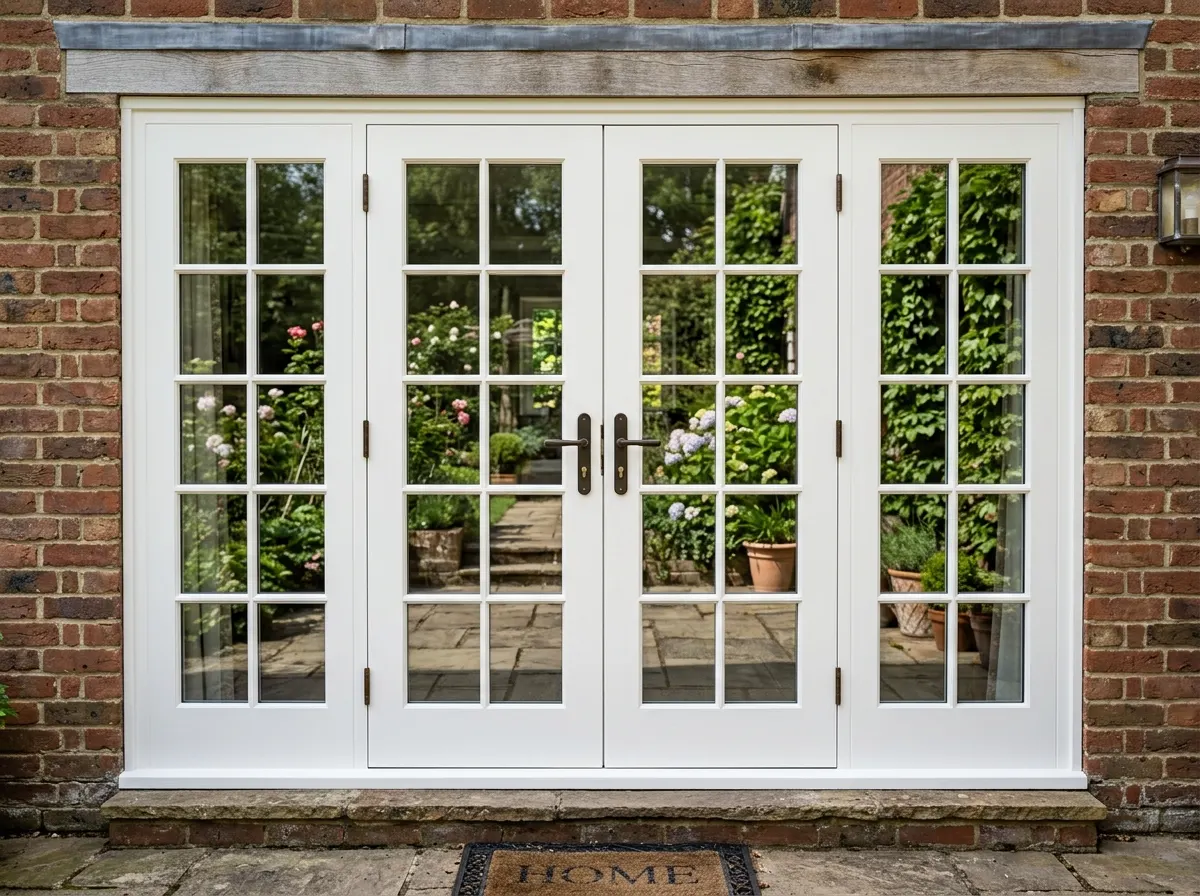
French Doors
A classic pair of swinging doors that open outwards or inwards from the centre. They offer a traditional aesthetic and provide full unobstructed access through the aperture. Often made in uPVC or timber.
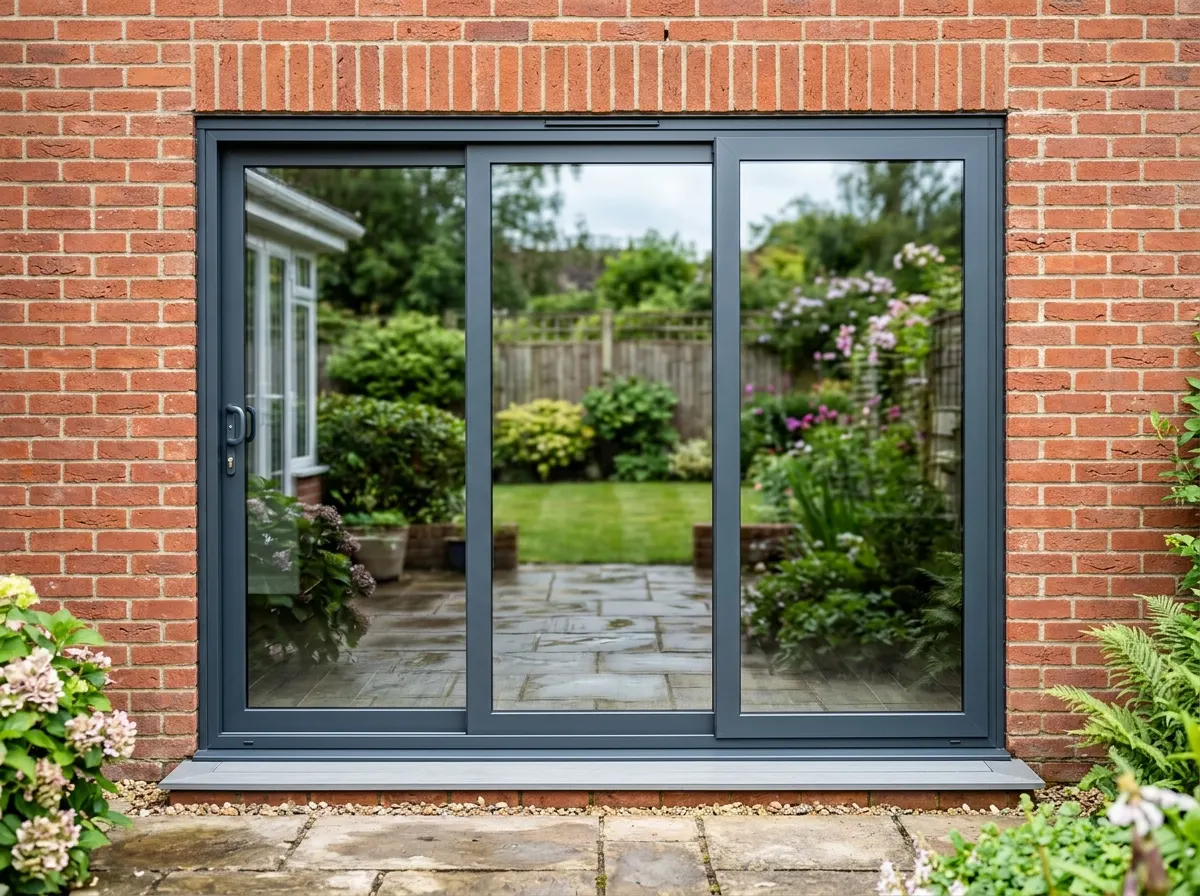
Sliding Patio Doors
Two or more large panes where one slides horizontally behind the other on tracks. Excellent for space-saving as they don't swing outwards. They allow for the largest uninterrupted panes of glass, offering the best views.
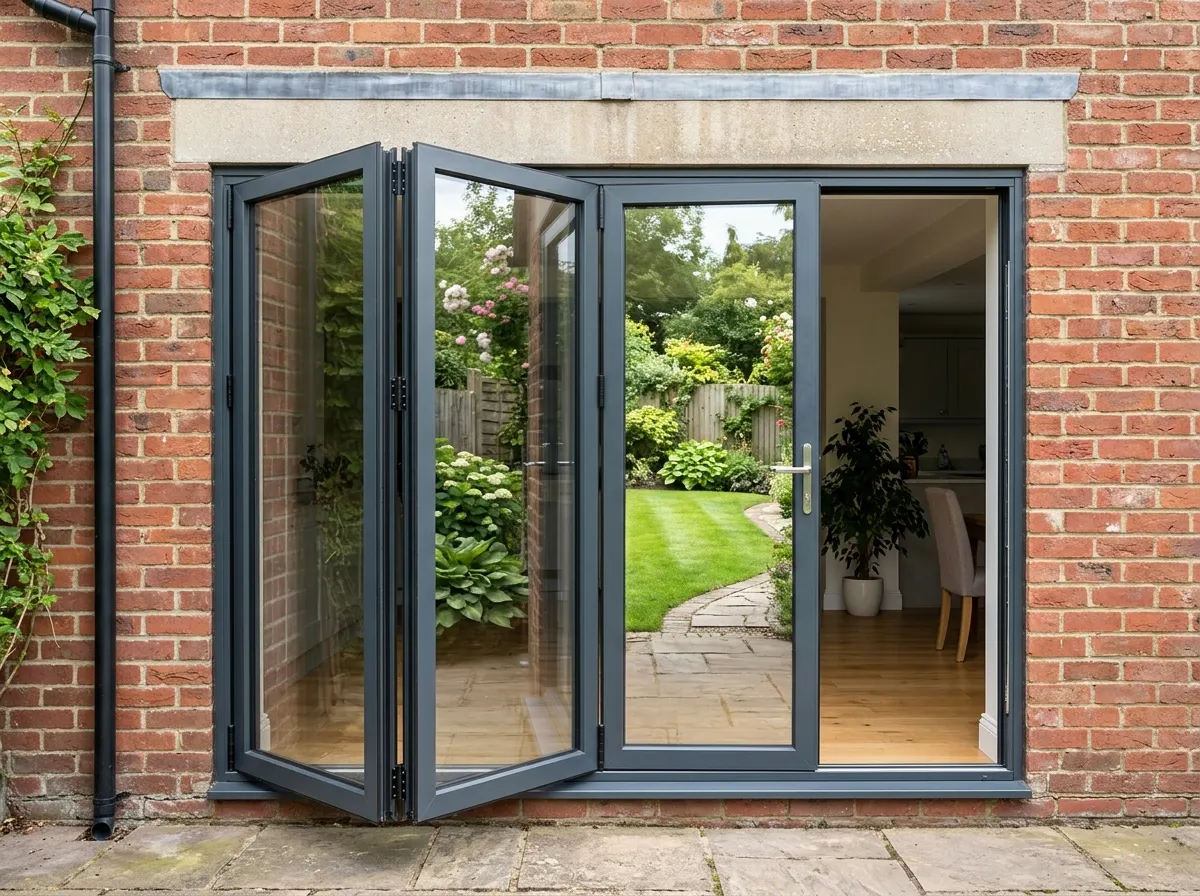
Bi-Fold Doors
Multiple panels that fold back on themselves in a concertina style. When fully open, they completely remove the wall barrier, seamlessly blending the kitchen into the patio. Aluminium is highly recommended here to prevent heavy frames from sagging.
Full Replacement Costs (2026)
The table below outlines total estimated costs for supplying and installing external doors. Prices include removing the old frame, fitting, sealing, and FENSA certification.
| Door Type & Material | Hardware Included | Fitted Cost |
|---|---|---|
| uPVC Back Door (Half Glazed) | Standard handle, multi-point lock, obscure glass. | £500 – £850 |
| Composite Front Door | Chrome letterbox, knocker, spyhole, anti-snap 3-star cylinder. | £900 – £1,600 |
| Composite Door + Glazed Side Panel | Extra wide aperture requiring custom fixed glass side-light. | £1,400 – £2,200 |
| uPVC French Doors | Double outward opening, toughened glass, restrictor stays. | £900 – £1,500 |
| Aluminium Bi-Fold (3 Panels) | Traffic door, shoot-bolt locks, flush threshold track. | £2,500 – £3,500 |
| Labour Only (Hanging a door) | If you buy the door yourself, carpenters charge a day rate to fit it into an existing frame. | £150 – £250 |
Security & Hidden Costs
A door is only as good as the locks holding it shut and the lintel holding the wall up above it.
Anti-Snap Cylinders
"Lock snapping" is the most common burglary method in the UK. Thieves snap the protruding euro-cylinder lock and bypass the multi-point locking system in seconds. Always insist your quote includes a TS007 3-Star Kitemarked cylinder (like Ultion or ABS). This is a non-negotiable security upgrade.
Lintel Failures
If you live in an older property (pre-1970s), the old heavy timber door frame might actually be holding up the brickwork above it. When the installer removes the old frame, the bricks can collapse. Installing a new steel catnic lintel requires acrow props and structural work, adding £400–£800 to the job.
Widening the Opening
If you want to swap a single back door and a window for a wide set of bi-fold doors, the builders must knock out the brickwork in between. This requires structural calculations, a massive new steel RSJ beam, making good the masonry, and Building Control sign-off. This structural work alone costs £1,500 to £3,000 before you even buy the doors.
Toughened Safety Glass
By law (Building Regulations Part K), any glass contained within a door, or within 300mm of a door edge, MUST be toughened or laminated safety glass. Ensure cheaper quotes aren't specifying illegal standard float glass to undercut reputable fitters.
The Law: FENSA & Building Regulations
Replacing more than 50% of an external door (including the frame) is "controlled work" under UK law. You must comply with several parts of the Building Regulations.
FENSA Certification
Your new door must meet Part L thermal efficiency standards (U-values of 1.4 W/m²K or better). If you use a FENSA or CERTASS registered installer, they self-certify the installation and issue you a compliance certificate. If you don't have this, you will struggle to sell your house.
Part Q (Security) & Part F
If you are building an extension or a new-build, external doors must pass PAS 24 security testing (Part Q). Furthermore, under new Part F rules, if your old door had trickle vents for ventilation, your new door MUST also have them.
Can you fit a front door yourself?
Technically yes, but practically and legally, it is highly advised against. Unlike internal doors which only require basic carpentry, external doors demand perfect weather sealing and structural compliance.
The Bureaucracy Trap:
If you DIY an external door replacement (including the frame), you cannot issue a FENSA certificate. You must pay your local council £150–£300 to send a Building Control officer to inspect your work and issue the required certificate. This wipes out a large portion of the labour savings.
What you CAN safely DIY:
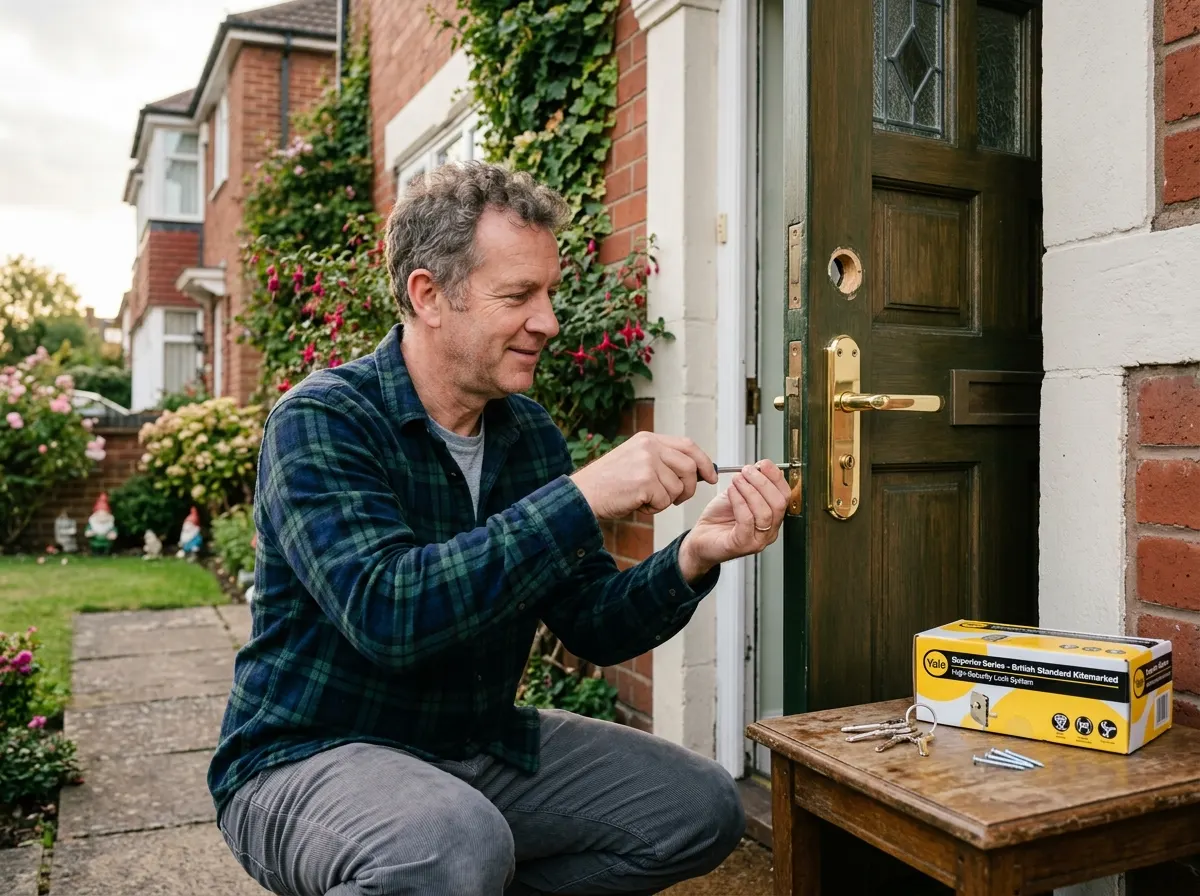
- ✓ Lock / Cylinder Swaps: Unscrewing the faceplate and swapping a vulnerable standard euro-cylinder for a high-security 3-star anti-snap lock is a 5-minute DIY job that vastly improves home security.
- ✓ Adjusting Dropped Doors: Heavy composite and uPVC doors often sag over time. Using an Allen key to adjust the flag hinges and realign the door with the locking keeps is standard homeowner maintenance.
Frequently Asked Questions
How much does a fully fitted composite front door cost in 2026?
In 2026, a standard foam-filled GRP composite door typically costs between £1,200 and £1,600 fully installed. Premium solid timber core composite doors (like Solidor or Endurance) generally cost £1,700 to £2,500. Prices increase if you add glazed side panels, premium long bar handles, or bespoke RAL colours.
What is the difference between a foam-core and solid timber core composite door?
Standard GRP composite doors feature a high-density polyurethane foam core, making them lightweight, affordable, and highly thermally efficient. Premium composite doors feature a 48mm solid timber core, which feels noticeably heavier, provides superior acoustic insulation against road noise, and offers maximum structural security.
Are composite doors more secure than uPVC?
Yes, significantly. Composite doors are thicker and much denser than standard plastic uPVC. More importantly, reputable composite doors comply with PAS 24 security standards and often come fitted as standard with Anti-Snap, TS007 3-star euro cylinders (like the Ultion lock), which prevent the most common method of forced entry: lock snapping.
What are the current Part L Building Regulations for new front doors?
Under the updated UK Building Regulations (Approved Document L), all new and replacement external doors installed must now achieve a maximum U-value of 1.4 W/m²K (or Door Set Energy Rating Band B/C). This strict standard ensures excellent thermal efficiency and prevents excessive heat loss from your home.
Do I legally need a FENSA or CERTASS certificate for a new front door?
Yes, if your new door is more than 50% glazed. However, even for solid doors, using a FENSA or CERTASS registered installer is highly recommended because they self-certify that the installation complies with Building Regulations. Without this certificate, you may have to pay for costly indemnity insurance when selling your house.
How long does it take a professional to fit a new front door?
An experienced installer will typically remove the old door and outer frame, install the new frame, hang the heavy slab, seal the exterior brickwork, and fit internal trim within 3 to 5 hours. Your home will only be fully exposed to the outside for roughly 45 to 60 minutes during the actual frame swap.
Can a broken multipoint door lock be repaired instead of replacing the door?
Yes. If your uPVC or composite door is difficult to lock or the handle is stiff, it has likely "dropped" and can simply be realigned via the adjustable hinges. If the internal multipoint locking gearbox has shattered, a locksmith or door fitter can usually replace just the centre gearbox mechanism for £120-£180, saving you the cost of a whole new door.
Do I need planning permission to change my front door style or colour?
Generally, no. Swapping a door falls under Permitted Development for standard houses. However, if your home is a Listed Building, or if you live in a designated Conservation Area or Article 4 direction area and the door faces the public highway, you must obtain permission before changing the material, style, or colour.
Related Projects & Guides
Window Installation
Complete house uPVC and aluminium replacement.
Double Glazing Cost
Triple glazing and acoustic glass upgrades.
Conservatory Costs
Lean-to, Victorian, and Edwardian styles.
Carpentry & Joinery
Bespoke internal doors and architraves.
Upgrade your security and curb appeal.
Use our AI to get a precise estimate based on your door style, material, and security preferences, then connect with Pricing Penguin Accredited, FENSA-registered installers near you.
Did you find this page helpful?
Let us know if this guide helped you plan your project.