How much does window installation cost in the UK?
 By Tom Ellis
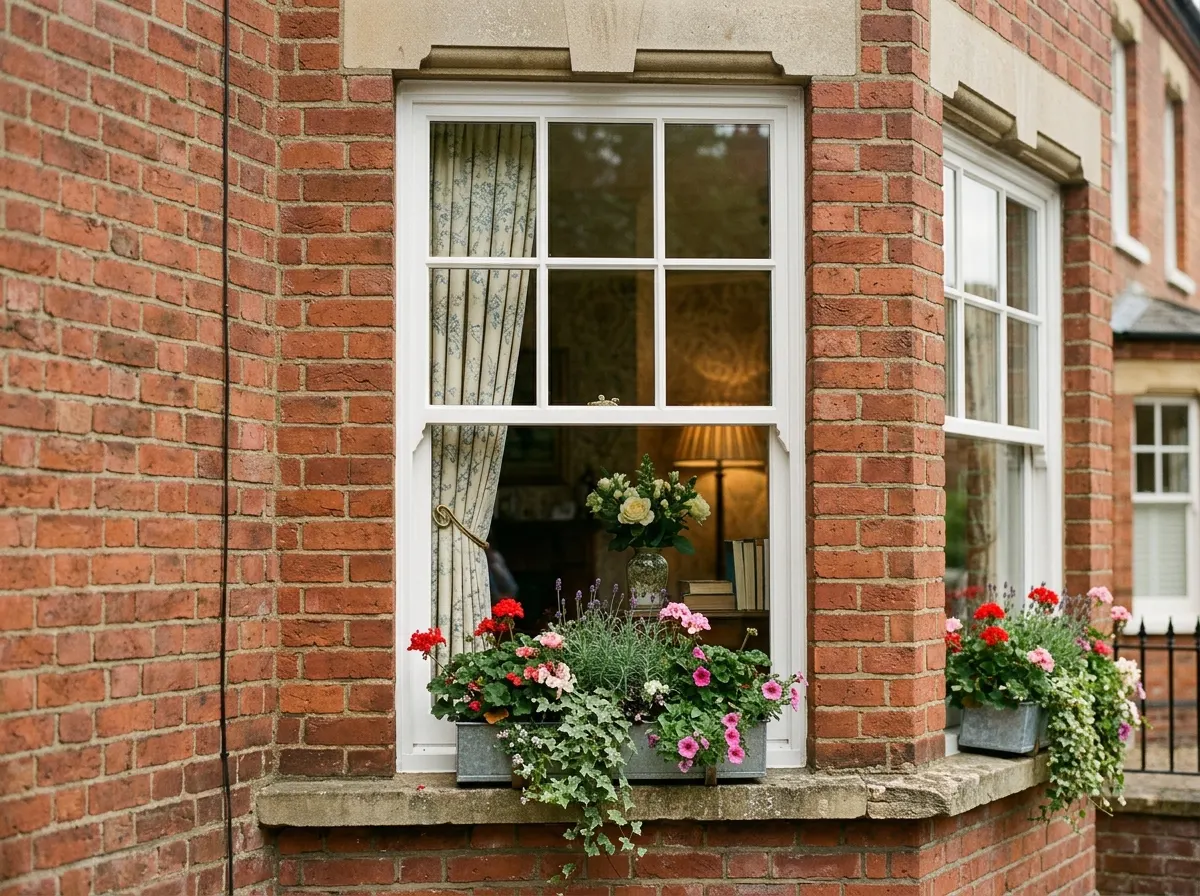
New windows drastically improve your home's energy efficiency, bolster security against intruders, and instantly refresh tired kerb appeal. However, buying windows isn't like buying a TV—every aperture is custom-measured, meaning quotes vary wildly based on the exact specifications of the glass, frame, and opening mechanism.
In 2026, the total cost for a whole-house window installation in the UK typically falls between £2,500 and £10,000+. A standard 3-bedroom home replacing 8 to 10 windows with white uPVC casements will usually pay around £5,000. Your final bill will be heavily dictated by the style of the windows (complex sash and bay windows cost significantly more than flat casements) and the location (first-floor windows over conservatories require expensive scaffolding).
~£2,500
Basic specification. Typically 4 to 5 windows in a flat or small terraced house. Standard white uPVC casement frames with A-rated double glazing. Ground floor or easy ladder access.
~£5,000
Mid-range finish. Replacing 8 to 10 windows. Features upgraded security locks, trickle vents, and coloured uPVC foils (e.g. Anthracite Grey). Includes FENSA certification and waste removal.
£10,000+
High-end specification. 12 to 15+ windows. Upgrading to ultra-slim aluminium frames or authentic timber sliding sash windows for period homes. Includes complex bay window structural work.
Get an instant estimate for your window installation
Window Styles & Shapes
The way a window opens, and the complexity of its shape, significantly impacts the manufacturing and installation cost.
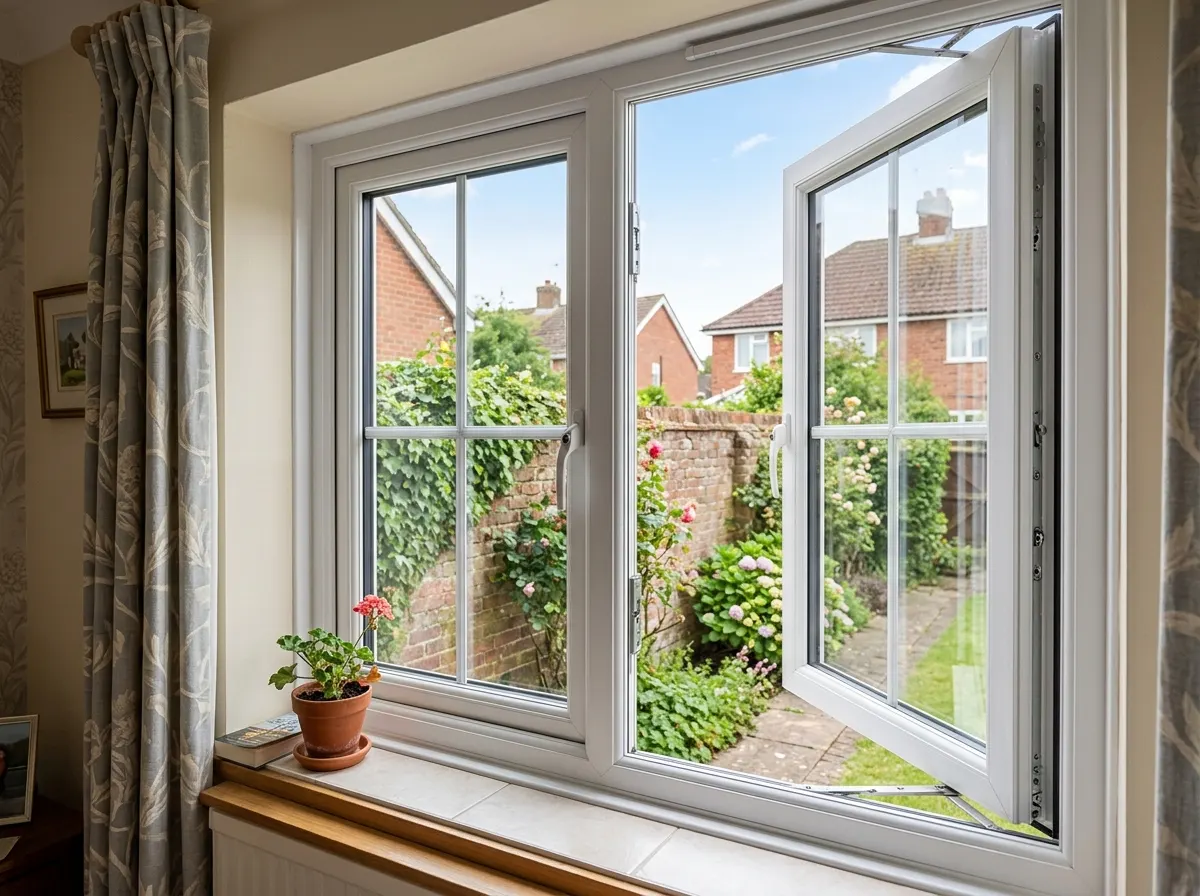
Standard Casement
Most AffordableAttached by hinges at the side or top (awning) and swings outward. This is the simplest, most secure, and most thermally efficient mechanism because the sash presses tightly against the weather seal when locked.
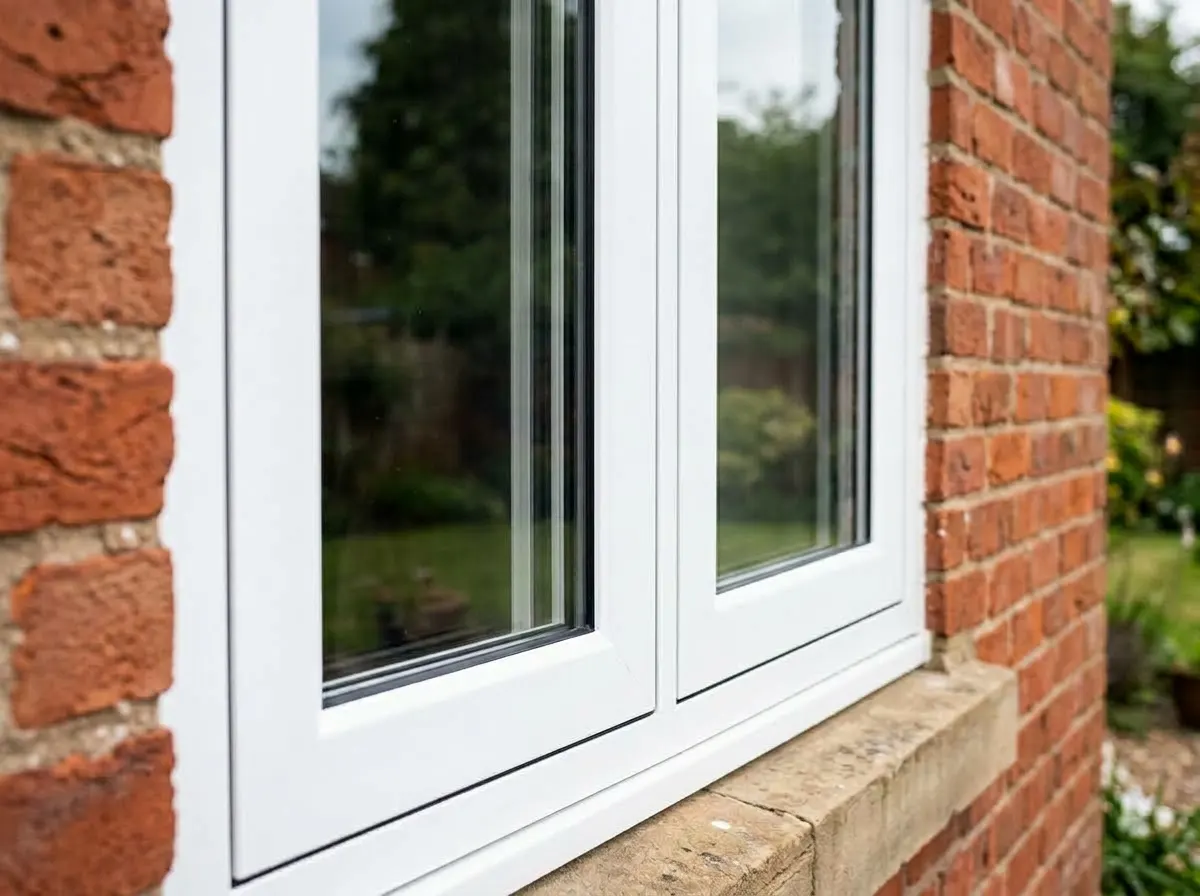
Flush Casement
Modern TrendUnlike standard casements where the opening pane protrudes from the frame, a flush casement sits perfectly level with the surrounding frame when closed. This creates a highly desirable, sleek, architectural look mimicking traditional 19th-century timber windows.
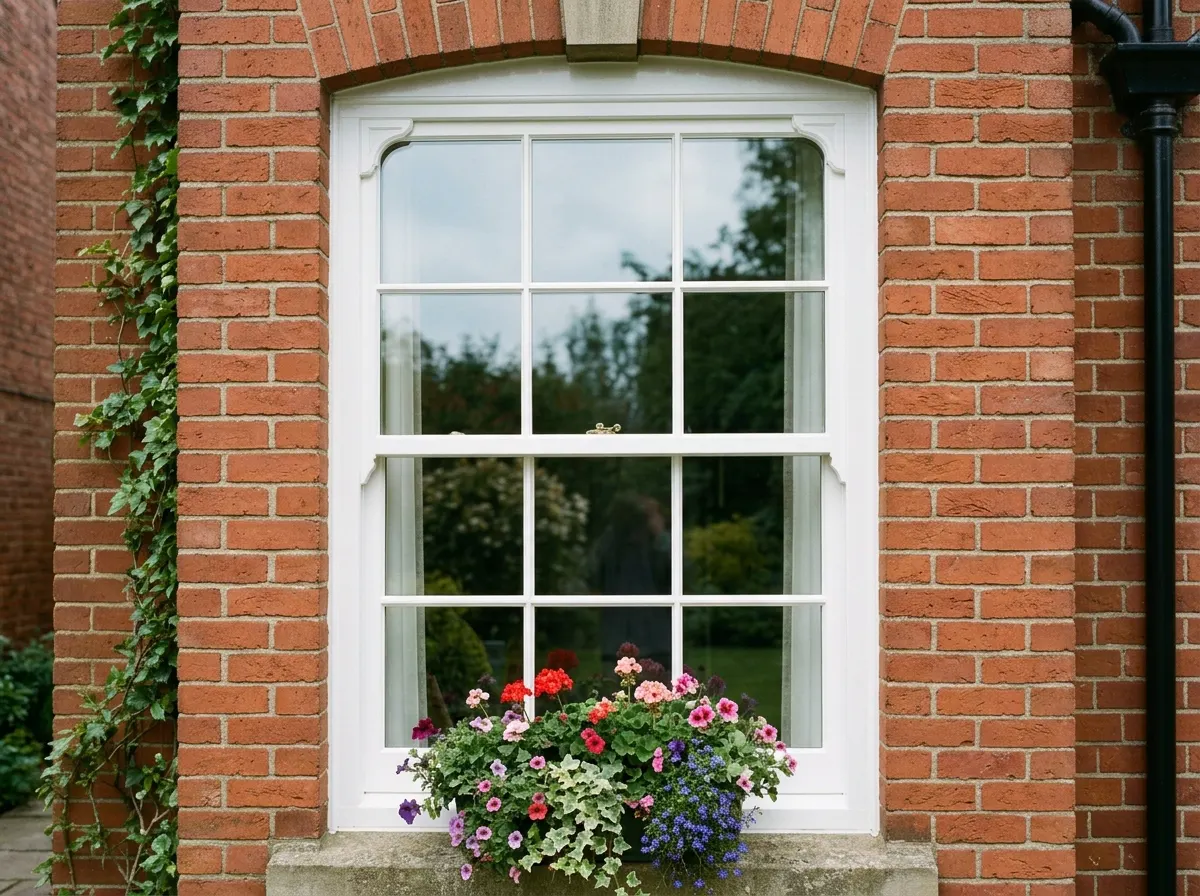
Vertical Sliding Sash
Period PropertiesClassic Victorian/Georgian style where two panels slide vertically over one another. Modern versions use hidden spiral balances instead of lead weights. They require deep profiles and complex joinery, making them significantly more expensive.
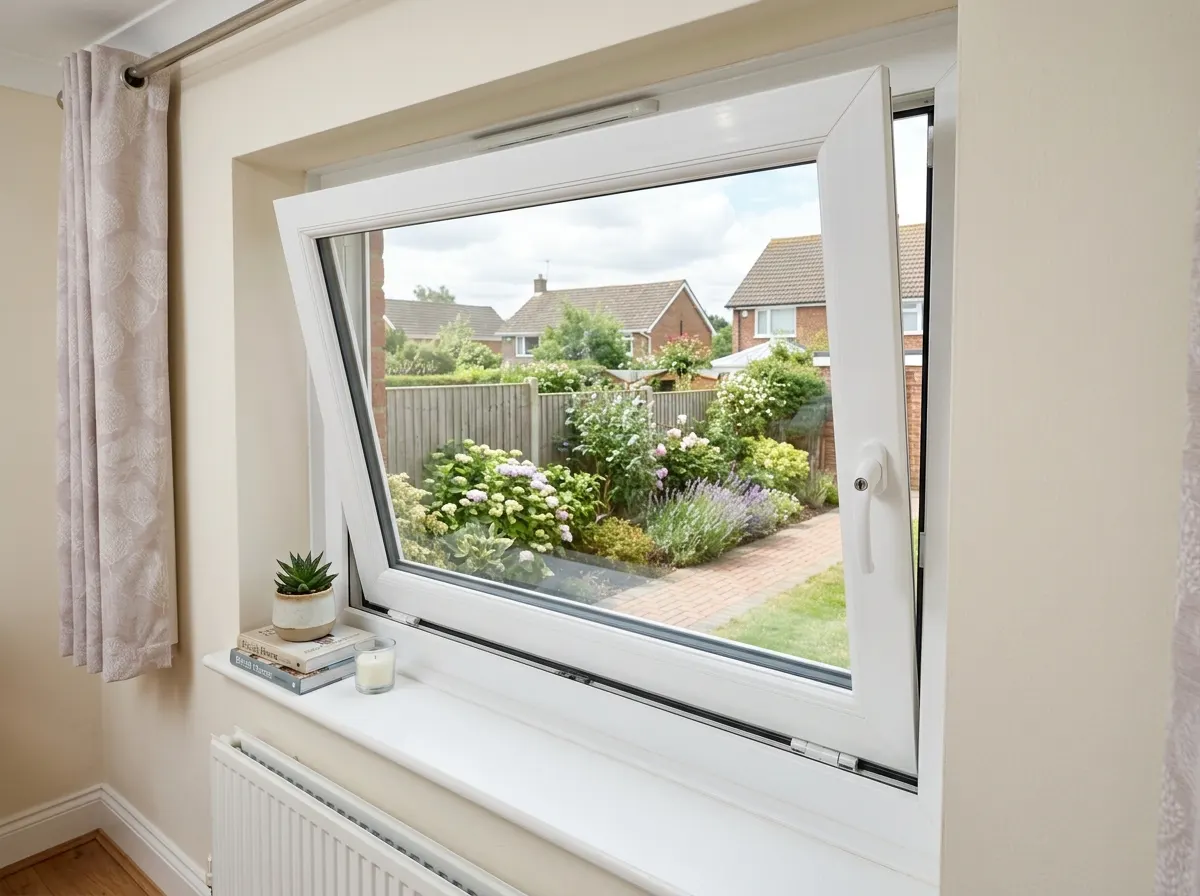
Tilt & Turn
Easy CleaningA dual-hinge system that opens inwards. Turn the handle 90 degrees to tilt the top inwards for secure ventilation. Turn it 180 degrees to swing the whole window open like a door, allowing safe cleaning of the exterior glass from inside your house.
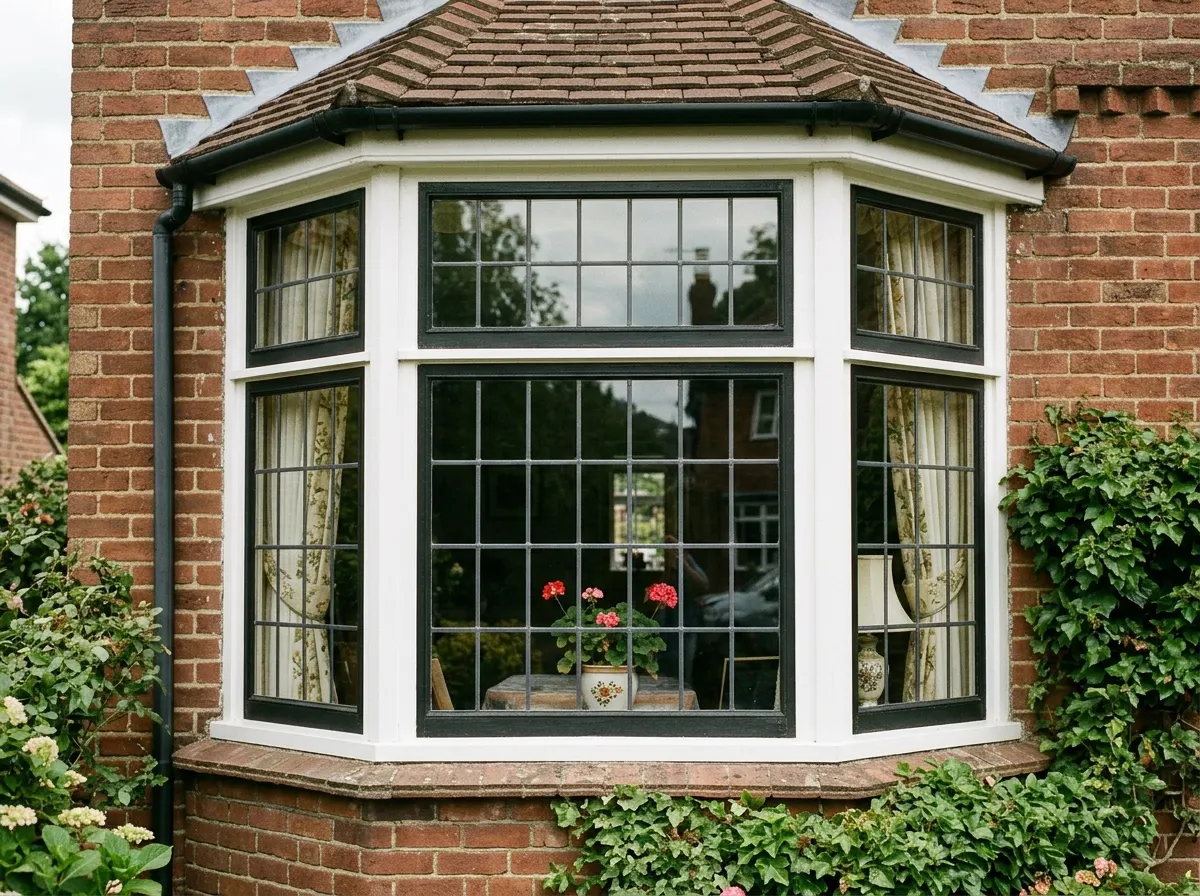
Bay & Bow Windows
StructuralA bay window isn't one window; it's a complex assembly of 3 to 5 separate windows joined with reinforced structural corner posts. Because bay windows often hold the weight of the roof above them, replacing them requires temporary acrow props and load-bearing bay poles.
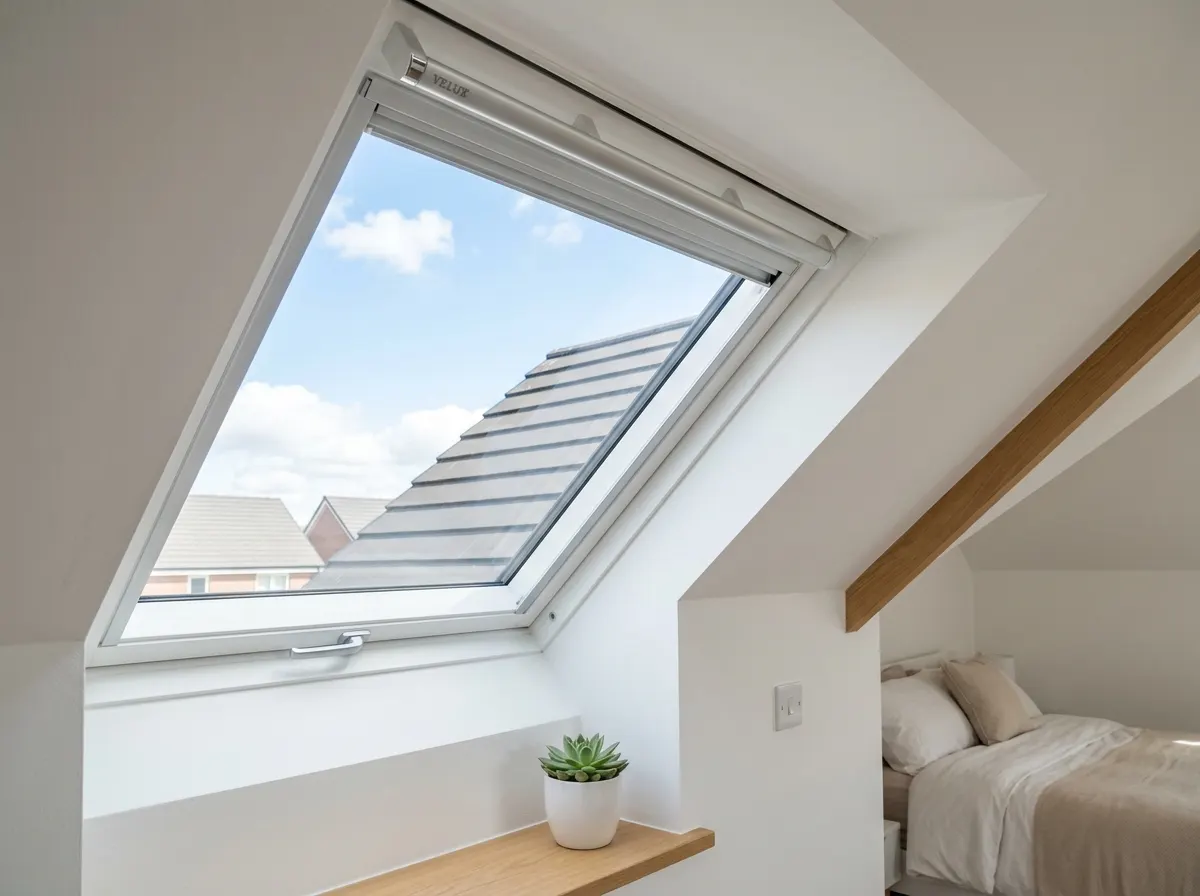
Roof Windows (Velux)
Lofts & ExtensionsPitched roof windows (like Velux) let in twice as much light as vertical windows of the same size. Installation is entirely different to standard windows, requiring the roofer to alter the roof tiles, cut rafters, and install complex waterproof lead flashings.
Window Frame Materials
The frame material dictates the lifespan, maintenance, and overall cost of the project.
uPVC (Unplasticised PVC)
The most common choice in the UK. Highly affordable, excellent thermal efficiency due to multi-chambered profiles, and completely maintenance-free. Available in standard white or premium foiled colours (like Anthracite Grey or Rosewood).
- • Lifespan: 20-30 Years
- • Maintenance: Zero (Wipe clean)
Aluminium
Incredibly strong, allowing for ultra-slim frames and maximum glass area. They feature "thermal breaks" to prevent heat loss and are powder-coated to resist fading or scratching. Ideal for modern extensions and bi-fold doors.
- • Lifespan: 40+ Years
- • Maintenance: Zero (Wipe clean)
Timber (Hardwood/Engineered)
Essential for Conservation Areas and Listed Buildings. Modern engineered timber resists warping far better than traditional wood. Offers unmatched natural beauty but requires ongoing maintenance to prevent moisture rot.
- • Lifespan: 50+ Years (if maintained)
- • Maintenance: High (Paint/Stain every 5-8 yrs)
Location-Specific Window Rules
Depending on where the window is installed in your house, strict UK Building Regulations may force you to upgrade the glass or the opening mechanism.
Fire Escape (Egress) Windows
Under Building Regs Part B, all habitable rooms on upper floors (bedrooms) MUST have an escape window. The window must have an unobstructed openable area of at least 0.33m², be at least 450mm wide/high, and the bottom of the opening must be no more than 1100mm from the floor. You cannot fit a small top-hung window in a bedroom.
Toughened Safety Glass (Critical Areas)
If a window sits lower than 800mm from the floor, or is situated within 300mm of a door, it falls into a "Critical Glazing Area." By law, it must be fitted with Toughened or Laminated safety glass that crumbles harmlessly upon impact. This glass costs roughly 20% more than standard float glass.
Bathrooms & Obscured Glass
For privacy in bathrooms and WCs, windows are fitted with textured, frosted, or patterned "obscured" glass (graded from Level 1 to Level 5 for privacy). Obscured glass carries a small premium. Additionally, bathrooms generate high humidity, meaning an extractor fan or built-in trickle vents are mandatory under Part F ventilation rules.
Dormers & High-Level Access
Most ground and first-floor windows are replaced from the inside of the house, pulling the old frame inwards. However, dormer windows set into the roof, or windows located directly above fragile glass conservatories, cannot be accessed safely. Installers will mandate scaffolding or bridging towers, adding £400 to £1,000 to the bill.
Complete House Costs (2026)
The table below outlines total estimated costs for replacing all windows in typical UK properties. These figures include removing old windows, making good, FENSA certification, and VAT.
| Property Type | Window Count | uPVC (Standard) | Aluminium / Timber |
|---|---|---|---|
| Flat / Apartment | 4 to 5 Windows | £1,800 – £2,800 | £3,000 – £5,500 |
| Small Terraced House | 5 to 7 Windows | £2,500 – £4,000 | £4,000 – £7,000 |
| 3-Bed Semi-Detached | 8 to 10 Windows | £4,500 – £7,000 | £7,000 – £11,000 |
| 4-Bed Detached | 12 to 15 Windows | £6,500 – £9,500 | £10,000 – £16,000+ |
| Add-On: Triple Glazing | Adding a 3rd pane of glass for enhanced acoustic insulation and marginal thermal gains. | +20% to +30% | |
How long does window installation take?
A professional two-person window fitting team can typically replace 4 to 6 windows per day. A full house (8-10 windows) usually takes 2 to 3 days.
Preparation
Dust sheets are laid inside your home. The fitters will work systematically, removing one old window and replacing it immediately, meaning your house is never left open to the elements overnight.
Removal
The old glass panes are removed first to reduce weight. The old frames are then cut and crow-barred out of the brickwork aperture. This is the messiest part of the process.
Fixing the Frame
The new outer frame is placed into the hole, wedged with packers to ensure it is perfectly level and plumb, and then screwed directly into the brickwork using heavy-duty masonry fixings.
Glazing & Sealing
The heavy double-glazed glass units are lifted into the frame and locked in with plastic glazing beads. Finally, expanding foam fills the gaps, and a thick bead of silicone sealant weather-proofs the exterior perimeter.

The Law: FENSA & Building Regulations
Replacing a window is considered "controlled work" under UK Building Regulations. It must meet strict thermal, ventilation, and fire safety standards.
Self-Certification (FENSA / CERTASS)
Instead of paying the local council to inspect your new windows, you should hire an installer registered with FENSA or CERTASS. These competent person schemes allow the installer to self-certify their work. Shortly after installation, you will receive a certificate in the post proving the windows comply with the law.
Selling Your Home
If you use an unregistered cowboy to fit your windows, you will not get a certificate. When you attempt to sell your house, the buyer's solicitor will demand the FENSA certificate. Without it, you will have to pay for costly retrospective building control inspections or buy expensive indemnity insurance to prevent the sale collapsing.
Can you install windows yourself?
Unless you enjoy dealing with building control bureaucracy, DIY window replacement is highly discouraged.
The DIY Certification Trap:
If you buy your own windows and fit them yourself, you cannot self-certify the installation. You must apply to your local council Building Control department, pay an inspection fee (usually £150–£300), and have an inspector physically check the thermal performance, structural lintels, and fire escape egress of your work before issuing a certificate.
What you CAN safely DIY:
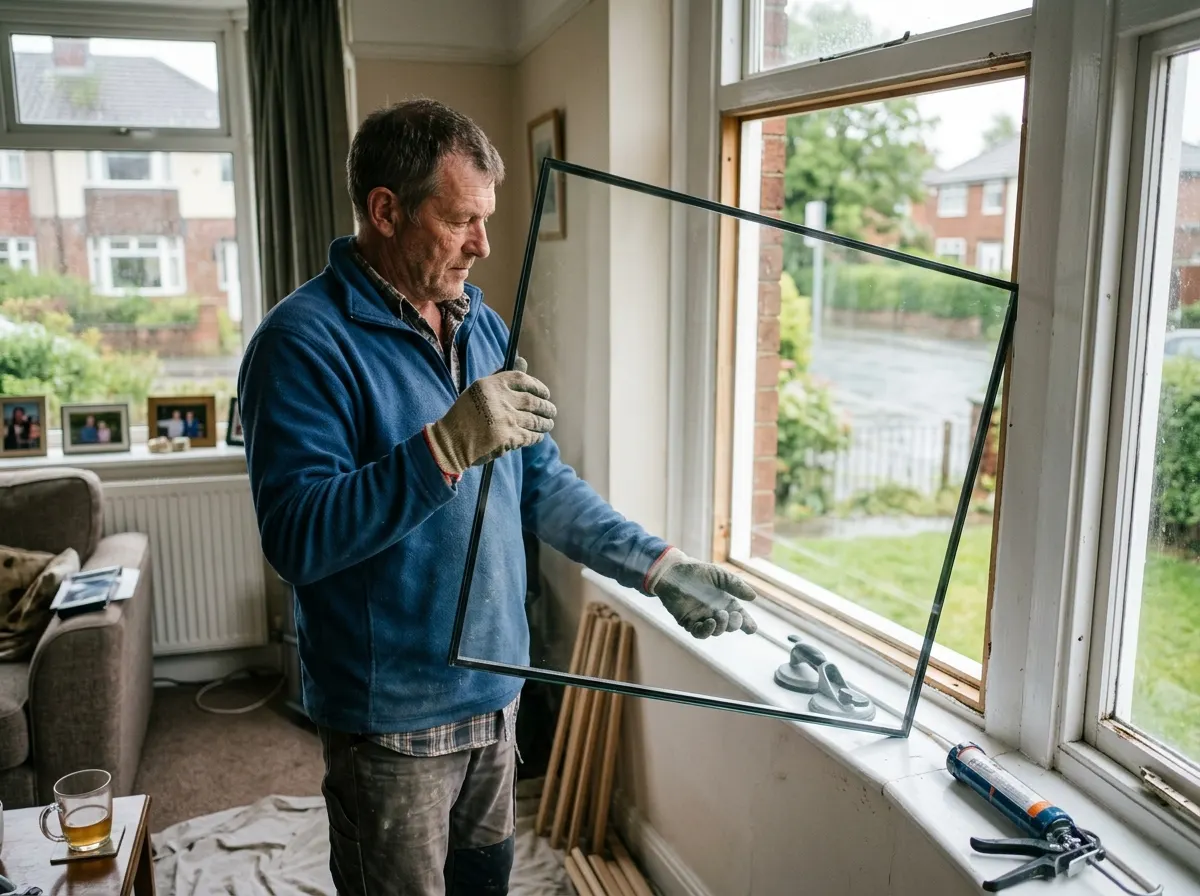
- ✓ Replacing Blown Glass Panes: If your double glazing has condensation inside the glass (it has "blown"), you do not need to replace the plastic frame. Ordering a replacement glass unit online and swapping it out by removing the plastic beading is a cheap, easy DIY fix.
- ✓ Replacing Handles & Hinges: Drooping windows or stiff locks can usually be solved by unscrewing the friction hinges or handles and replacing them with £15 parts from a hardware store.
Frequently Asked Questions
How much does a single double-glazed window cost to supply and fit in the UK in 2026?
In 2026, a standard fully fitted white uPVC casement window typically costs between £300 and £600 including professional installation. Slimline aluminium frames generally run from £500 to £900 per window, while complex timber sash windows for period properties are the most expensive option, often costing £800 to £1,500+ per window.
How long does a complete professional window installation take?
An experienced two-person window fitting team can typically remove and install 4 to 6 standard windows per day. Therefore, a complete full-house window replacement for an average 3-bedroom semi-detached property (amounting to roughly 8 to 10 windows plus external doors) is usually completed smoothly within 2 days.
Is triple glazing worth the extra money compared to double glazing?
Triple glazing typically costs 20% to 30% more than standard double glazing. For basic thermal insulation, the energy-saving improvement over modern A-rated double glazing is relatively marginal. Triple glazing is primarily recommended for north-facing rooms that receive zero solar gain, or for properties located directly adjacent to noisy main roads, train lines, or flight paths for acoustic soundproofing.
How long do modern uPVC windows realistically last?
Modern high-quality uPVC windows have an expected lifespan of roughly 20 to 30 years. Over long periods of harsh UV exposure, white frames may discolour slightly, and the internal rubber glazing gaskets and weather seals will eventually perish and require replacement. Premium powder-coated aluminium windows offer superior longevity and can easily last 40+ years.
Do new replacement windows completely stop indoor condensation?
It depends on your home's ventilation. If your old single-glazed windows were freezing cold, moist air condensed directly onto them. New double glazing eliminates cold spots on the glass. However, new windows create an airtight seal; if you do not actively ventilate the property (by utilising trickle vents or opening windows daily), trapped household moisture will simply migrate to the next coldest surface, like an external wall corner, to form black mould instead.
Do I need formal planning permission to install new windows?
Generally no. Replacing existing windows with similar-style, like-for-like units falls under standard Permitted Development rights. However, if your home is a Listed Building, or sits within a designated Conservation Area, a National Park, or an area governed by Article 4 directions, you will almost certainly need formal planning permission to alter exterior frame materials or aesthetics.
What is FENSA certification and why is it legally important?
FENSA (Fenestration Self-Assessment Scheme) is the industry standard compliance body for replacement windows and doors in England and Wales. When you replace windows, you must prove compliance with current Building Regulations for thermal efficiency and fire safety. A FENSA-registered installer will self-certify the work and issue an official certificate, which is legally mandatory when you eventually sell your house.
What is the difference between casement windows and tilt-and-turn windows?
Casement windows are the traditional UK style that hinge outward to the side or top, providing excellent ventilation and weather sealing. Tilt-and-turn windows swing inward on a bottom hinge for safe, secure ventilation or swing fully inward like a door on a side hinge, making them exceptionally easy to clean from inside multi-storey upper floors.
Related Projects & Guides
Stop the draughts and block the noise.
Use our AI to get a precise estimate based on your window count, styles, and material preferences, then connect with Pricing Penguin Accredited, FENSA-registered installers near you.
Did you find this page helpful?
Let us know if this guide helped you plan your project.