How much does it cost to install a shower?
 By Tom Ellis
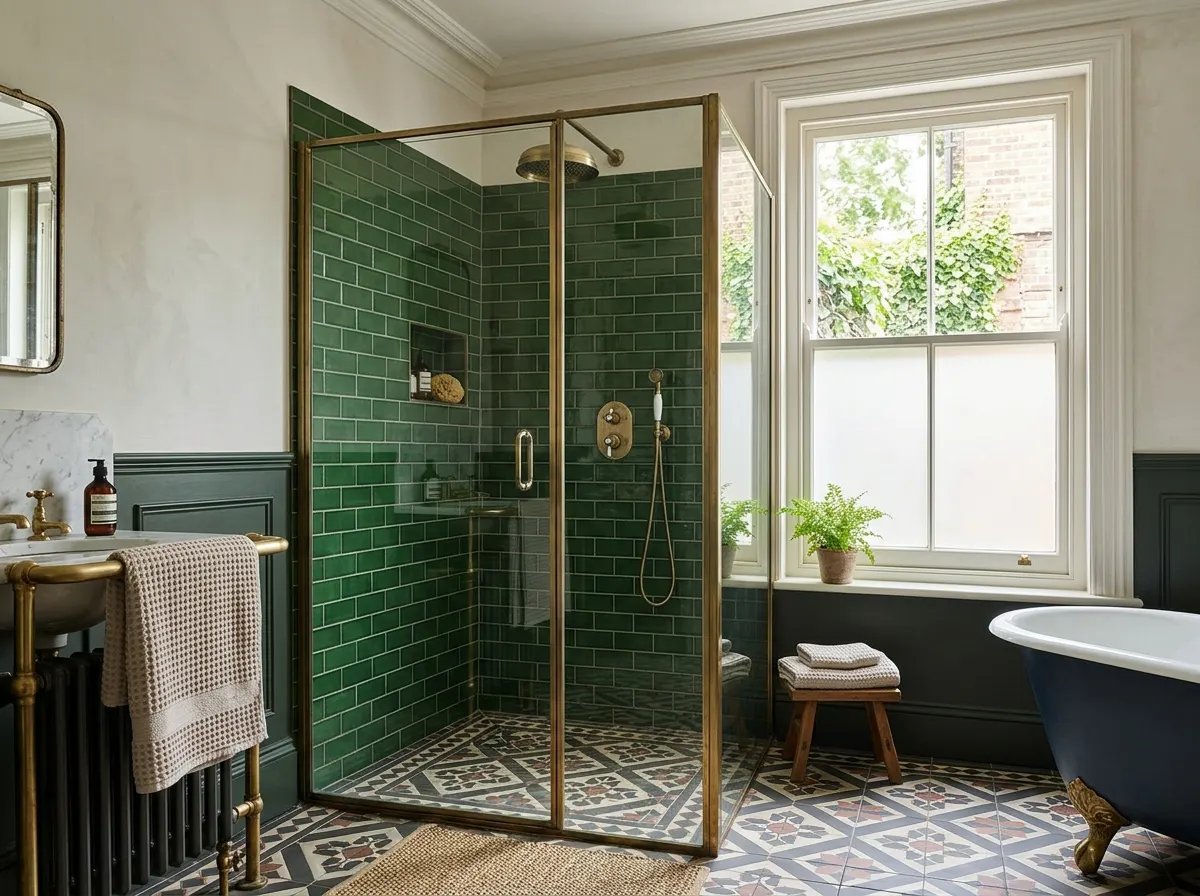
A great shower is the cornerstone of a modern bathroom. Whether you are replacing a faulty electric unit that keeps running cold, or completely modernising your space with a sleek concealed digital shower, getting the plumbing right is crucial.
The total cost of your project depends entirely on your home's water system. A combi boiler allows for powerful thermostatic mixers, while gravity-fed systems may require an electric or power shower. This 2026 guide breaks down the true cost of every shower type, including fittings, enclosures, and plumber labour.
Prices move month to month. See how they are changing in the Penguin Index, or compare common jobs across the UK in our UK Home Improvement Cost Report.
£250 - £400
Supplied and fitted cost for replacing an existing standard electric shower unit.
£350 - £600
Supplied and fitted cost for an exposed thermostatic mixer bar valve and riser rail.
£800 - £1,500+
Supplied and fitted cost for a hidden digital processor or concealed valve system.
Jump to a Section
Get an instant estimate for your shower
Types of Showers
You cannot simply choose a shower based on looks. The type you buy must match your home's water heating system (Combi Boiler vs Gravity-Fed).
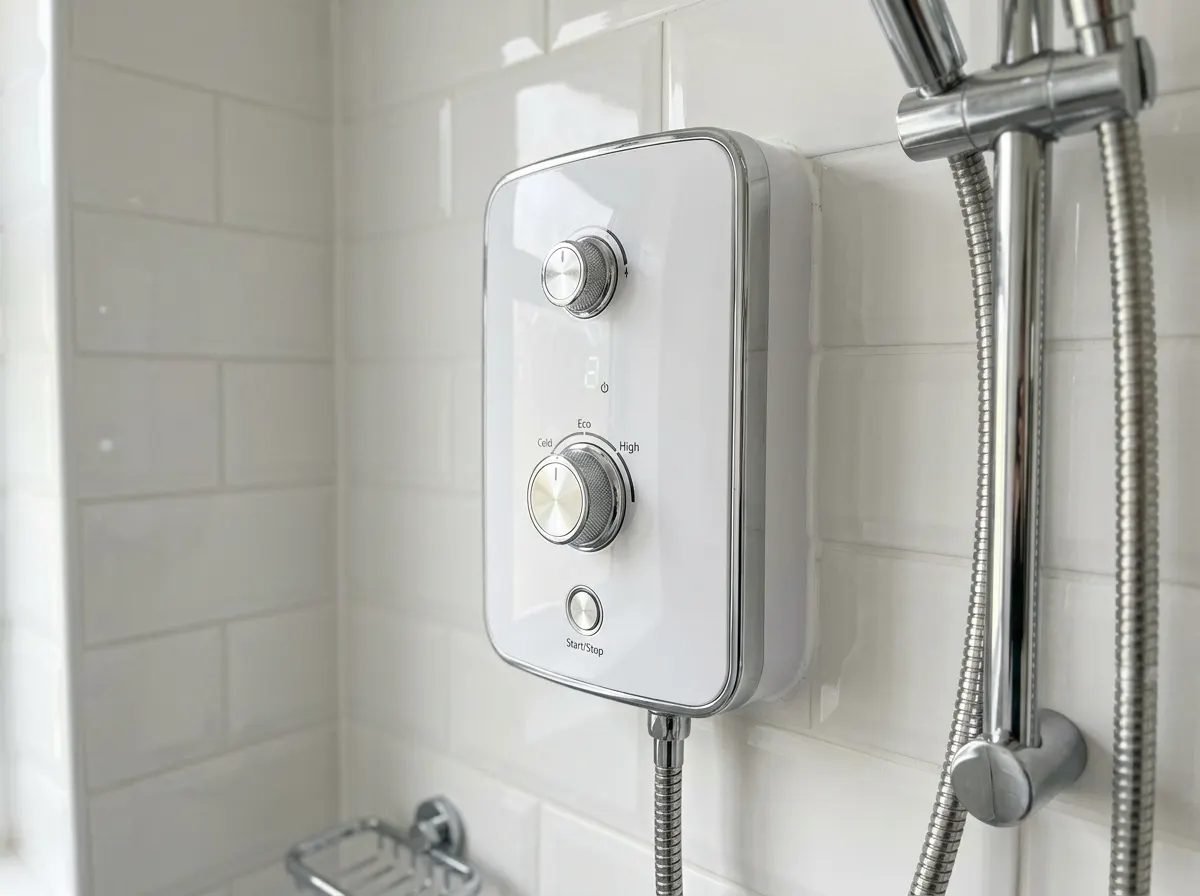
Electric Showers
Heats cold water instantly from the mains using an internal element. Pros: You never run out of hot water, and it works even if your boiler breaks. Cons: The flow rate is generally much weaker than a mixer shower, especially in winter.
Highly Reliable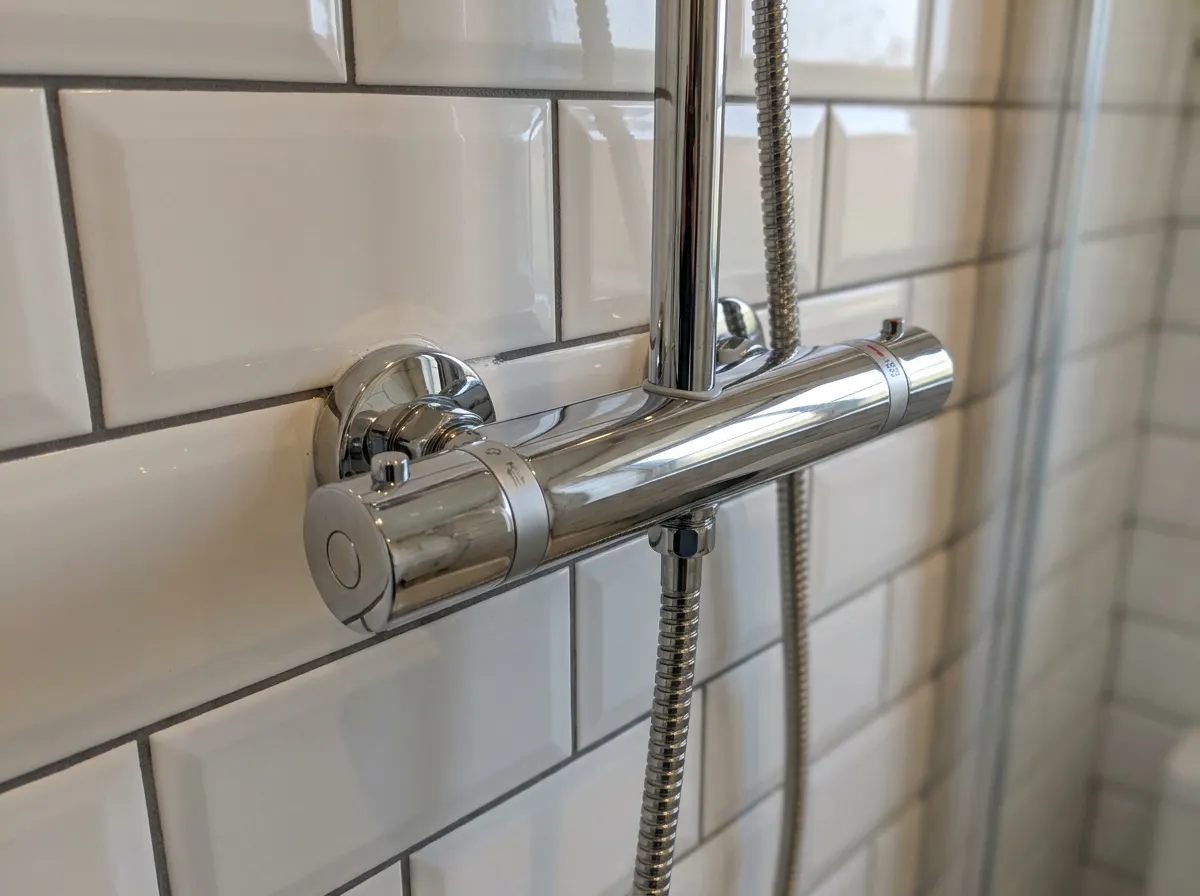
Thermostatic Mixers
Draws from both your hot and cold water supplies and blends them perfectly. Pros: Incredible water pressure (if you have a combi-boiler) and anti-scald technology. Cons: Relies entirely on your boiler. If the boiler breaks, you have cold showers.
Best Flow Rate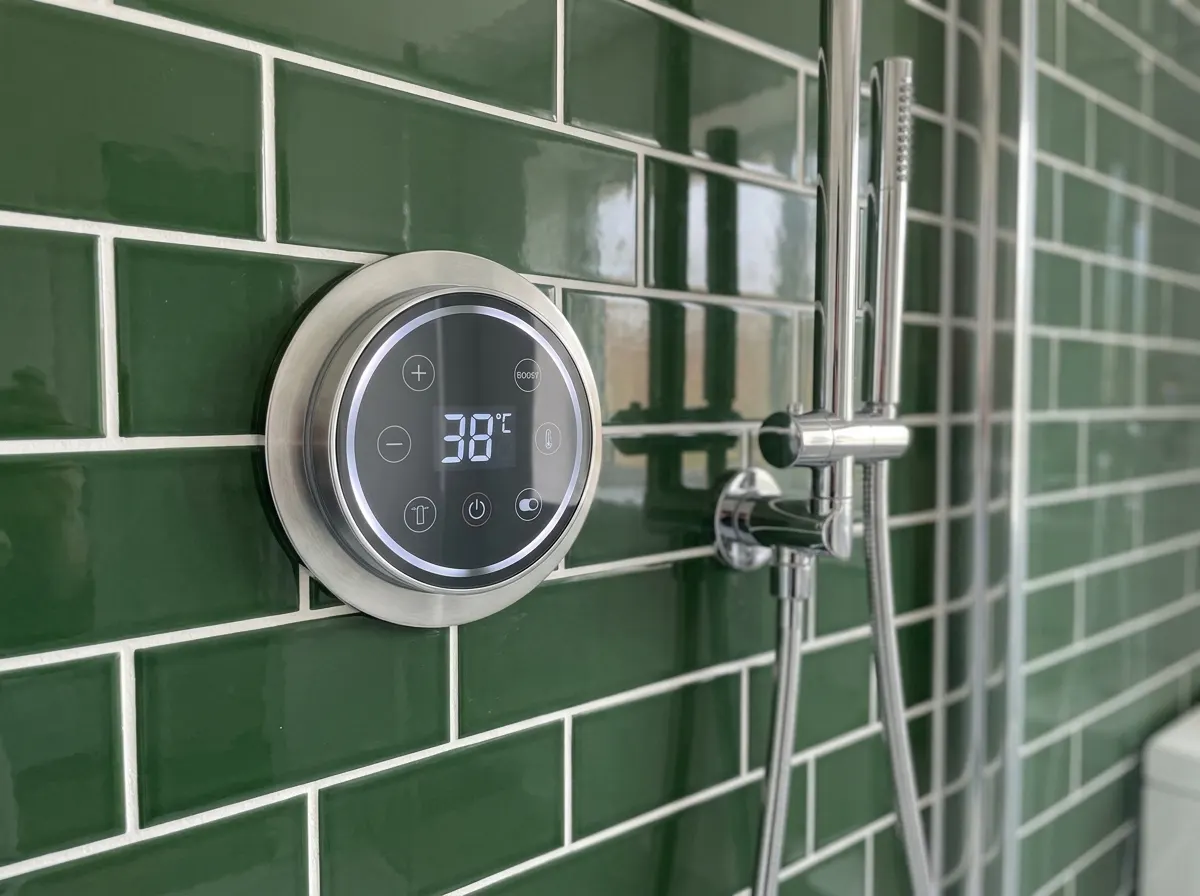
Digital / Smart Showers
A digital processor box (hidden in the loft or cupboard) perfectly blends the water. Pros: Unrivalled temperature precision, sleek minimalist controls, and you can turn it on via your smartphone. Cons: Very expensive to buy and fit.
Premium Luxury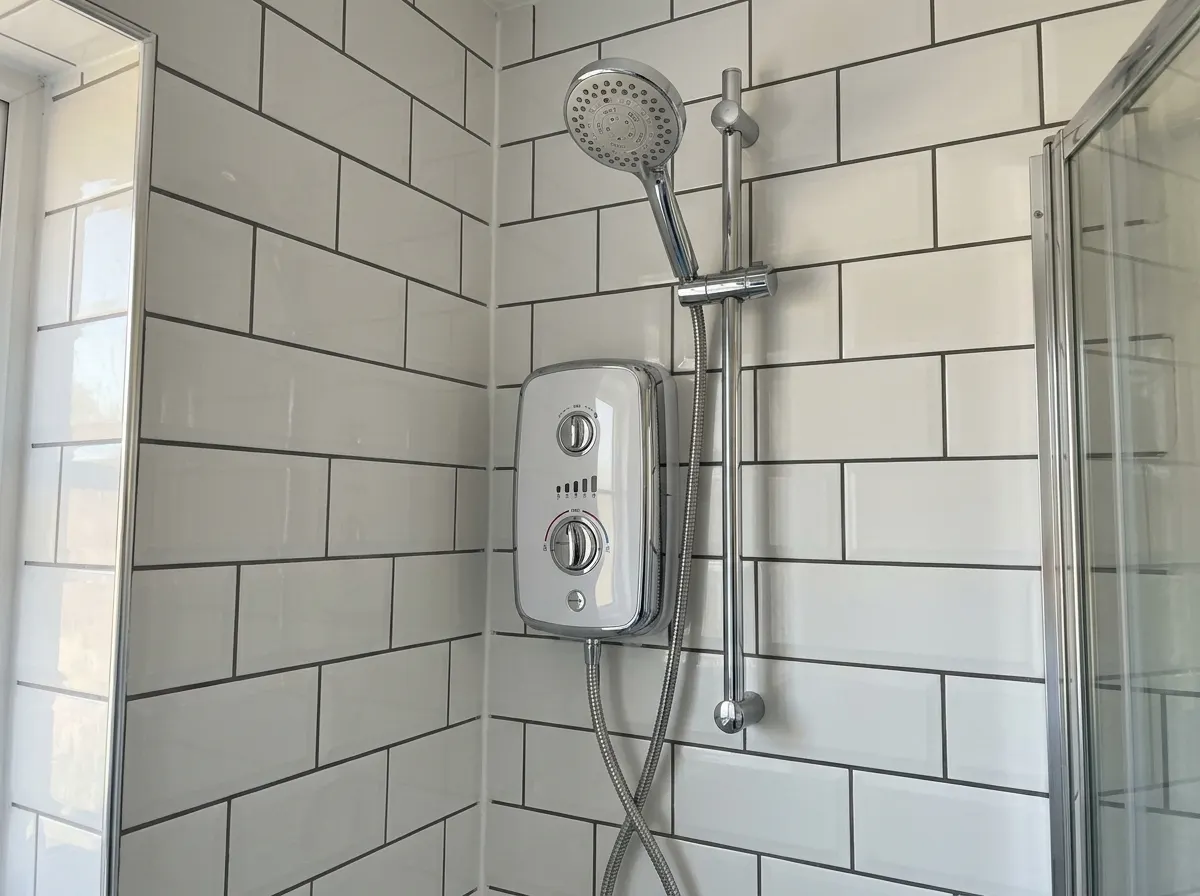
Power Showers
Contains a built-in electric pump to boost the water flow. Pros: Essential for older houses with gravity-fed systems and terrible water pressure. Cons: They cannot be used with Combi-boilers or unvented cylinders (it will break the pump).
For Gravity SystemsValve Style: Exposed vs. Concealed
If you opt for a mixer shower, how it is mounted drastically affects the installation cost:
The metal bar sits outside the tiles. They are cheap to buy and very easy to swap or fix because all the working parts are accessible. Installation labour is low.
All the ugly pipes and valves are hidden inside the wall, leaving just a sleek metal dial and showerhead. The Catch: The plumber must 'chase' deep holes into your wall before tiling, vastly increasing labour costs.
Installation & Supply Costs
We have analysed the 2026 plumbing market to create these benchmark averages. You can choose to buy your own shower unit online and pay a plumber for 'Labour Only', or ask them to 'Supply and Fit' everything.
Fitting Labour (You Supply)
Rates for a plumber to physically install the shower, assuming the water feeds are mostly in place:
- Electric Shower (Like-for-like swap) £100 – £150
- Exposed Mixer Bar Swap £120 – £180
- New Concealed Valve (Inc. chasing) £350 – £500+
- Digital Shower System Fit £300 – £450
- New Electric Install (Needs thick cables) £400 – £600+
Supply Only (The Shower)
The cost of the unit itself. Branded units (Triton, Mira, Aqualisa, Grohe) will sit at the higher end of these brackets:
- Electric Shower (8.5kW - 10.5kW) £60 – £250
- Exposed Thermostatic Mixer £80 – £300
- Concealed Thermostatic Valve Set £150 – £400+
- Power Shower (Pump included) £200 – £500
- Smart / Digital Processor Shower £400 – £1,200+
Don't forget the Enclosure!
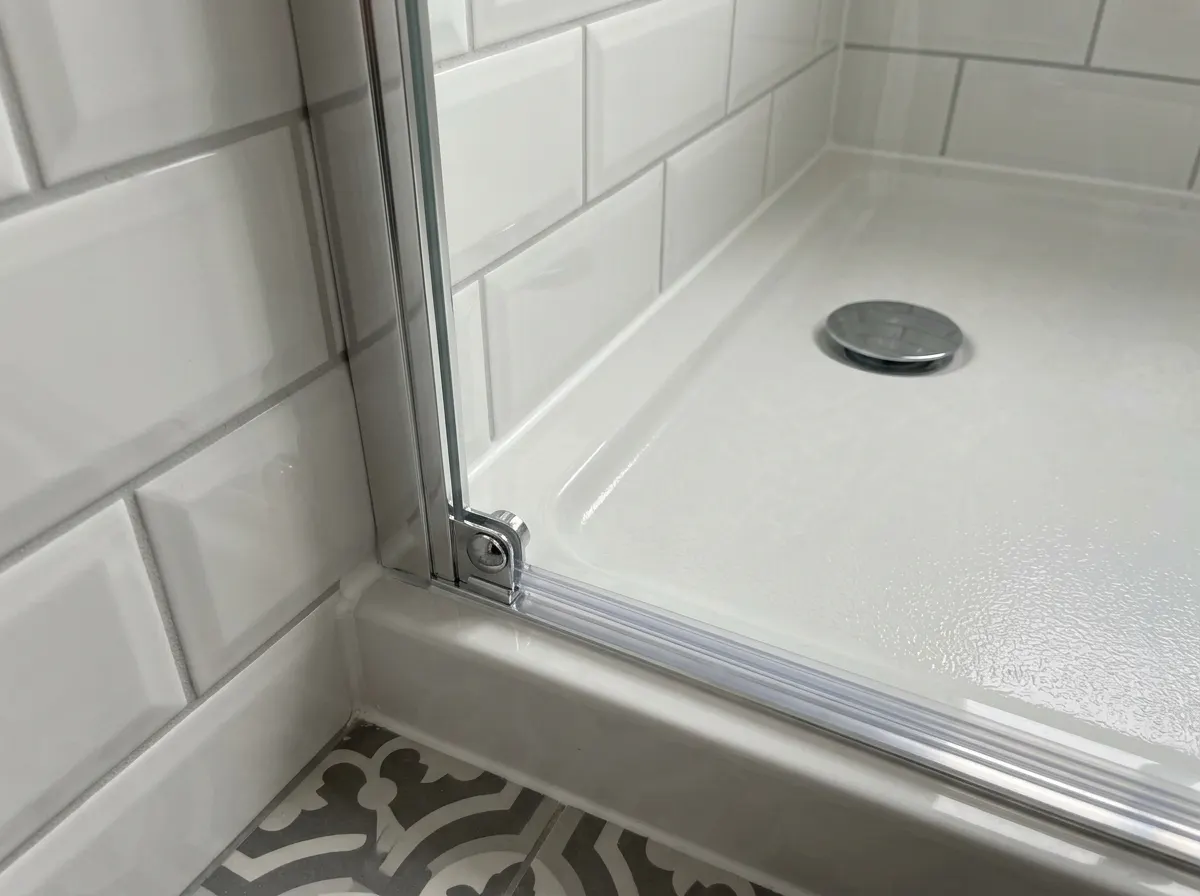
If you are building a shower from scratch, the valve is only one part of the bill. You also need a shower tray, a waste trap, and a glass screen or cubicle.
- Standard Tray & Waste: £80 - £200 (Supply)
- Glass Screen / Door: £150 - £400+ (Supply)
- Enclosure Fitting Labour: £150 - £300
Cowboy Builder Red Flags
A leaking shower can destroy your ceilings and cause thousands of pounds in rot damage. Look out for these disastrous shortcuts:
Mismatched Water Pressure
If you buy a massive, luxury rainfall shower head but have a traditional gravity-fed hot water cylinder, the water will literally drip out. Plumbers must check your bar pressure before fitting high-end mixers.
No Waterproofing (Tanking)
Plasterboard and grout are not waterproof. If a builder installs tiles directly onto plasterboard in a shower cubicle without painting on a rubber 'tanking' membrane first, water will eventually soak through and rot the wall.
Dangerous Electric Cable Upgrades
If you upgrade an old 8.5kW electric shower to a powerful 10.5kW model, the old electrical cable in the wall will likely melt and catch fire. High kW showers require incredibly thick 10mm² cables running all the way back to the fuse box.
Regional Labour Differences
The retail price of a shower is identical nationwide, but a plumber's day rate or minimum call-out charge varies heavily due to local living costs and travel times.
Plumbers in London and the South East typically charge 20% to 30% more than the national average. A simple £120 swap in Wales or the North of England will likely cost between £160 and £190 in the capital.
- London & South East + 20% to 30%
- Midlands & South West National Average
- North, Wales & Scotland - 10% to 15%
Top Cost-Saving Tips
- ✓ Buy the exact same brand: If replacing an electric shower, buying a new model from the same brand (e.g. Triton for Triton) means the water inlet and cable entry holes will perfectly line up. The plumber can swap it in 45 minutes.
- ✓ Stick to exposed valves: Concealed shower valves look incredible, but require wall chasing, replastering, and retiling. An exposed bar valve does exactly the same job for a fraction of the installation cost.
How Long Does It Take to Install a Shower?
A standard like-for-like shower replacement takes roughly half a day, while a brand-new installation takes 1 to 2 days. Below is a detailed breakdown of the installation process, shower types, and factors that can extend the timeframe.
Schedule of Works (Standard Valve & Riser Replacement)
Isolation & Strip Out
The plumber isolates the hot and cold water supplies (and safely cuts the power at the consumer unit if it's an electric shower). The old shower unit, riser rail, and showerhead are unscrewed from the wall, and old silicone is scraped away from the tiles.
Pipework & Alterations
If the pipe centres on the new bar valve are different from the old one, the plumber will need to adjust the copper pipework behind or on the surface of the tiles. Specialised diamond drill bits are used to carefully bore new mounting holes through the ceramics.
Mounting & Connecting
Wall plugs are tapped in and the new mounting brackets are secured. The new thermostatic mixer or electric heating unit is bolted to the wall. The hot and cold feeds are connected with compression nuts, and the new vertical riser rail is screwed into place.
Testing & Sealing
Water (and electricity) is restored. The shower is run on full pressure to check the thermostat calibration and inspect all joints for weeping leaks. Once dry, the edges of the unit are sealed with anti-mould sanitary silicone to prevent water getting behind the tiles.
Timeline by Shower Type
What could cause delays?
If you upgrade an old 8.5kW electric shower to a modern 10.5kW unit, the old wiring will overheat. An electrician must run a brand new, thicker (10mm) cable all the way from the fuse box to the bathroom, heavily extending the job.
If the new shower unit has a smaller footprint than the old one, ugly rawlplug holes from the old mounting will be exposed. These either need careful filling or the specific tiles must be chopped out and replaced.
Fitting a luxury rainfall shower to a gravity-fed water system (cold water tank in loft, hot cylinder in airing cupboard) often results in a pathetic trickle. A shower booster pump may need to be plumbed in simultaneously.
What Shower Repairs Can You Do Yourself?
Installing a new concealed shower valve or wiring a high-kilowatt electric shower from scratch involves complex pipework behind tiled walls and strict Part P electrical regulations. If you get it wrong, you risk severe water damage or electrical hazards. We strongly recommend leaving the "behind the wall" wet work to professional plumbers.
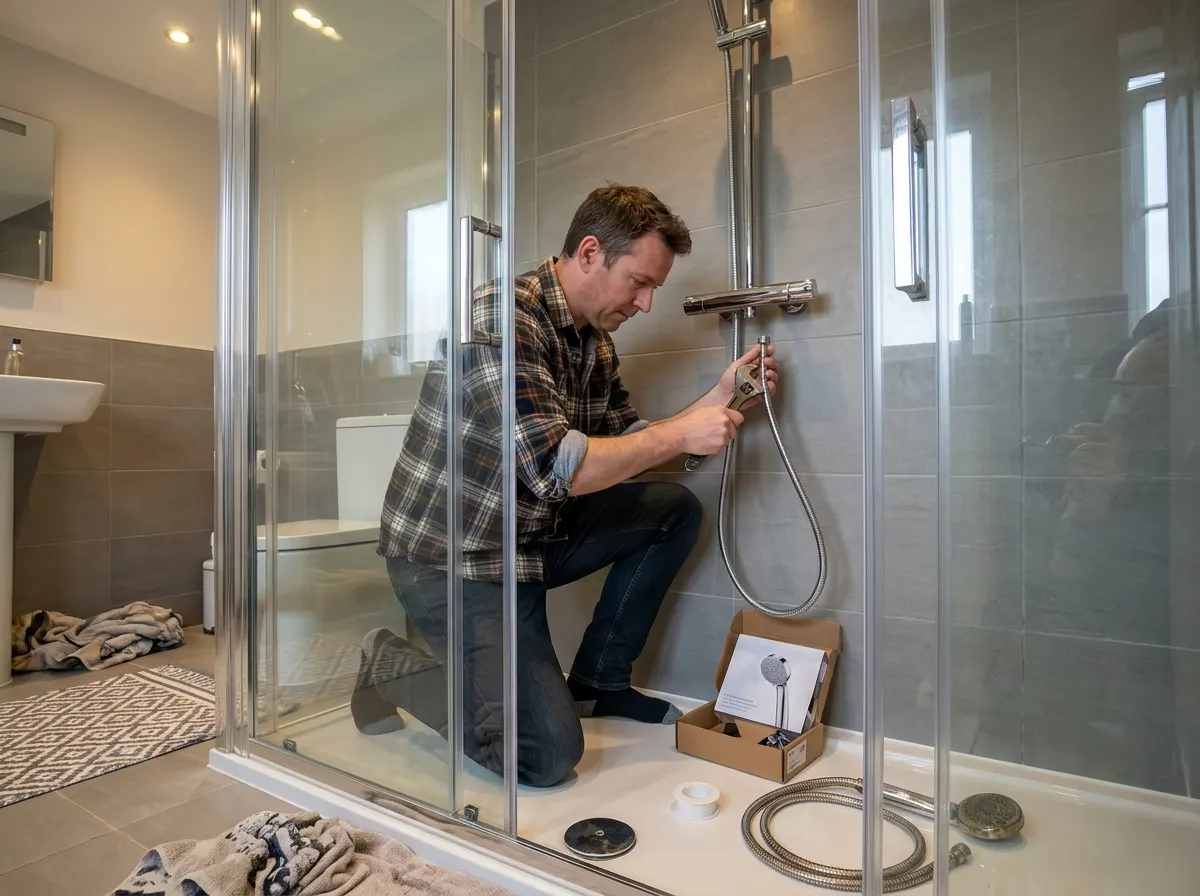
However, the exposed external components of your shower are designed for easy maintenance. Replacing a leaky or split shower hose, upgrading to a luxurious rainfall shower head, fitting a new adjustable riser rail, or stripping out mouldy silicone around the shower tray are all highly accessible DIY tasks that require zero formal plumbing experience.
| Task | Professional Cost (Labour) | DIY Cost (Parts) | Potential Saving |
|---|---|---|---|
| Replacing a Shower Head & Hose | Professional Cost £60 – £90 | DIY Cost £15 – £40 (Head & Hose) | Potential Saving Up to £75 |
| Resealing Shower Tray Silicone | Professional Cost £80 – £120 | DIY Cost £10 – £15 (Sealant tube) | Potential Saving Up to £105 |
| Fitting a New Riser Rail Kit | Professional Cost £90 – £130 | DIY Cost £30 – £60 (Rail Kit) | Potential Saving Up to £100 |
| Installing a New Electric Shower | Professional Cost £150 – £300+ | DIY Cost Leave to pros | Potential Saving N/A |
Frequently Asked Questions
The most important things you need to know before booking a plumber for your shower installation.
How much does it cost to install an electric shower in the UK?
For a standard like-for-like replacement, a new electric shower typically costs £250 to £400 fully supplied and fitted. If you are installing a brand new electric shower from scratch, requiring a new heavy-duty electrical circuit to be run from your consumer unit (fusebox), the total cost can easily reach £600 to £900+.
What is the difference between a thermostatic mixer and an electric shower?
An electric shower heats cold mains water instantly on demand using an internal heating element, meaning you never run out of hot water. A thermostatic mixer shower draws from both your existing hot and cold water supplies. Mixers generally provide far stronger water flow rates, but rely entirely on your boiler's hot water capacity.
How much does it cost to fit a smart digital shower?
Digital or smart showers use a remote processor box to mix the water flawlessly before pumping it to the shower head. Including the shower unit, the average supplied and fitted cost ranges from £800 to £1,500+. The processor is usually hidden in the loft or an airing cupboard, adding to the plumbing installation time.
Do I need a qualified electrician or a plumber to fit an electric shower?
If it is a simple like-for-like swap of an existing unit with the exact same kilowatt (kW) rating, a plumber can usually do it safely. If you are upgrading to a more powerful shower (e.g., from 8.5kW to 10.5kW), or installing one from scratch, you must use a Part P certified electrician to run the high-voltage cable.
What is a power shower and can I have one?
A power shower looks similar to an electric shower but works like a mixer with a built-in pump. It takes both hot and cold water from a traditional gravity-fed hot water cylinder system and forcibly pumps it out for a stronger spray. They cost £400 to £800 supplied and fitted. Crucially, you CANNOT legally or safely use a power shower with a high-pressure combi boiler.
How long does a professional shower installation take?
A straightforward like-for-like electric or exposed mixer shower swap usually takes a plumber 1.5 to 3 hours. Chasing out walls for a new concealed shower valve, installing a recessed shower head, or running new copper pipes under the floorboards can easily take 1 to 2 days, plus the time required for any new bathroom tiling to cure.
What kW rating should I choose for a new electric shower?
Electric showers typically come in 7.5kW, 8.5kW, 9.5kW, and 10.5kW ratings. A higher kW rating heats water faster, providing a noticeably stronger flow rate during winter when the mains water is freezing. However, a 10.5kW shower draws massive electrical current and almost always requires thick 10mm² cabling, which may necessitate an expensive electrical upgrade.
Can I install a rainfall shower head with a combi boiler?
Yes, modern combi boilers provide mains pressure hot water, which is generally excellent for large thermostatic rain shower heads (drenchers). However, you must check your boiler's hot water flow rate. A smaller combi boiler producing less than 12 litres per minute will struggle to provide a satisfying, powerful spray through a large 300mm wide rainfall head.
Disclaimer: The figures in this guide are carefully calculated averages derived from published UK plumbing industry cost data for 2026. Retailer product prices are supply-only reference estimates.
Related Bathroom Cost Guides
Ready to upgrade your shower?
Use our AI to get a precise estimate for your exact shower swap, then connect with Pricing Penguin Accredited plumbers near you.
Did you find this page helpful?
Let us know if this guide helped you plan your shower project.