How much does a new toilet installation cost in the UK?
 By Tom Ellis
Replacing a toilet is one of the most common bathroom upgrades, whether you are dealing with an old leaky unit or modernising your space. But how much should you actually expect to pay a plumber before you invite them around to quote?
Costs depend heavily on the type of toilet you choose (from a basic close-coupled model to a premium wall-hung or smart toilet), the condition of your existing pipework, and whether you are simply swapping a unit or building an entirely new downstairs WC.
Prices move month to month. See how they are changing in the Penguin Index, or compare common jobs across the UK in our UK Home Improvement Cost Report.
from £270
Standard close-coupled toilet (supply from £120) with straightforward like-for-like installation (from £150).
from £900
Concealed cistern supply (£250+), labour (£300+), plus building and tiling the frame (£350+).
~£2,450
Average cost to install a new downstairs toilet within an existing space, including materials, groundworks, and labour.
Jump to a Section
Get an instant estimate for your toilet fit
Understanding Toilet Types
The style of toilet you choose heavily impacts both the supply cost and the labour required to fit it. Here are the main options.
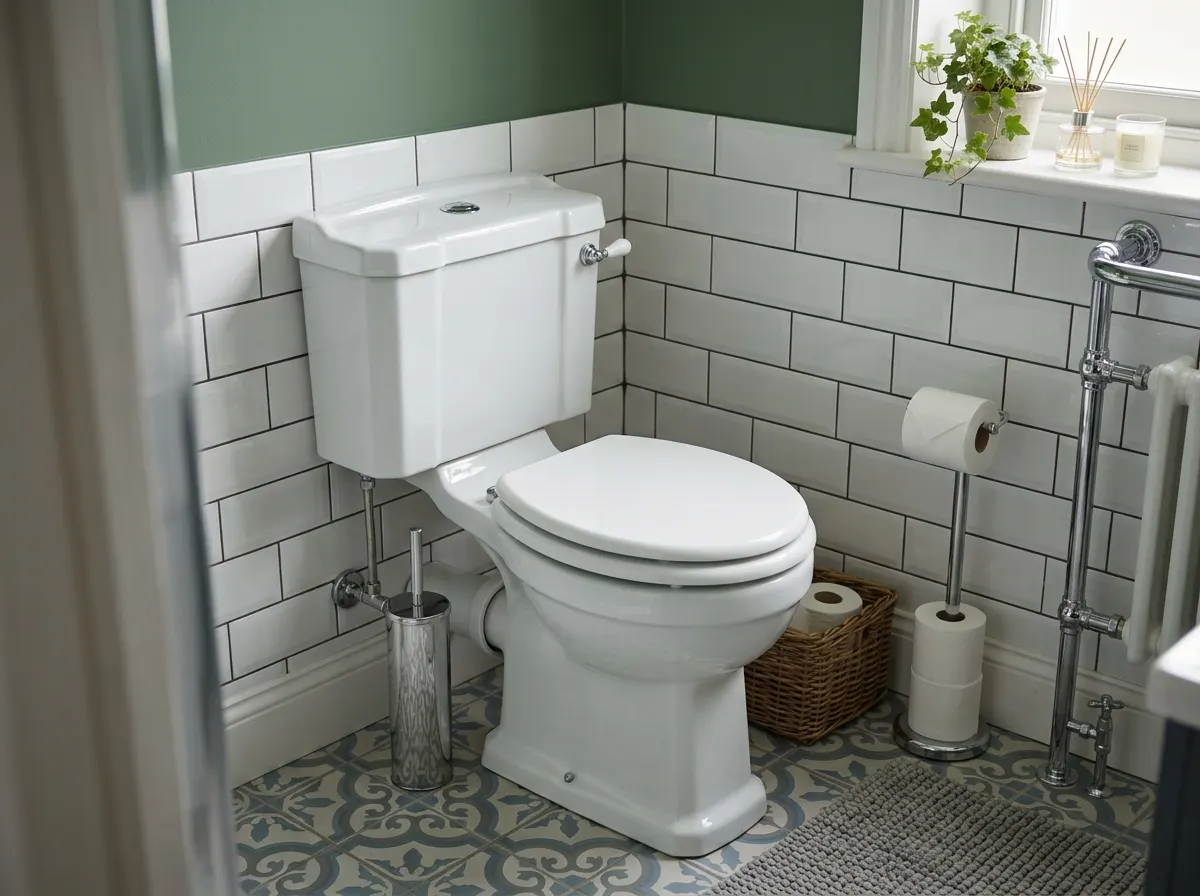
Close-Coupled Toilets
The most common UK style where the cistern sits directly on the back of the pan. Quickest to install. Supply: from £120 | Labour: from £150.
Most Affordable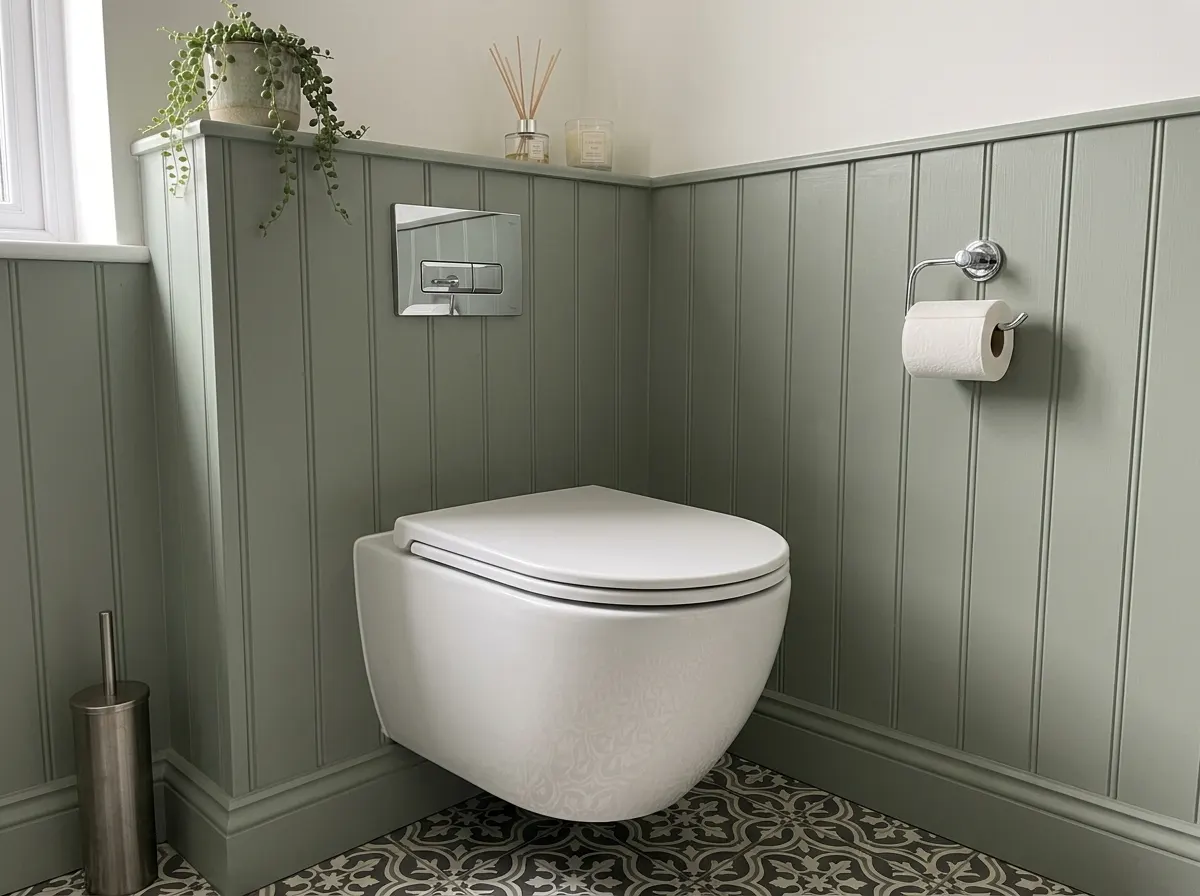
Wall-Hung & Back-to-Wall
The pan is suspended (or sits flush to the wall), hiding the cistern behind furniture or a false wall. Requires a support frame. Supply: from £250 | Labour: from £300.
Modern Look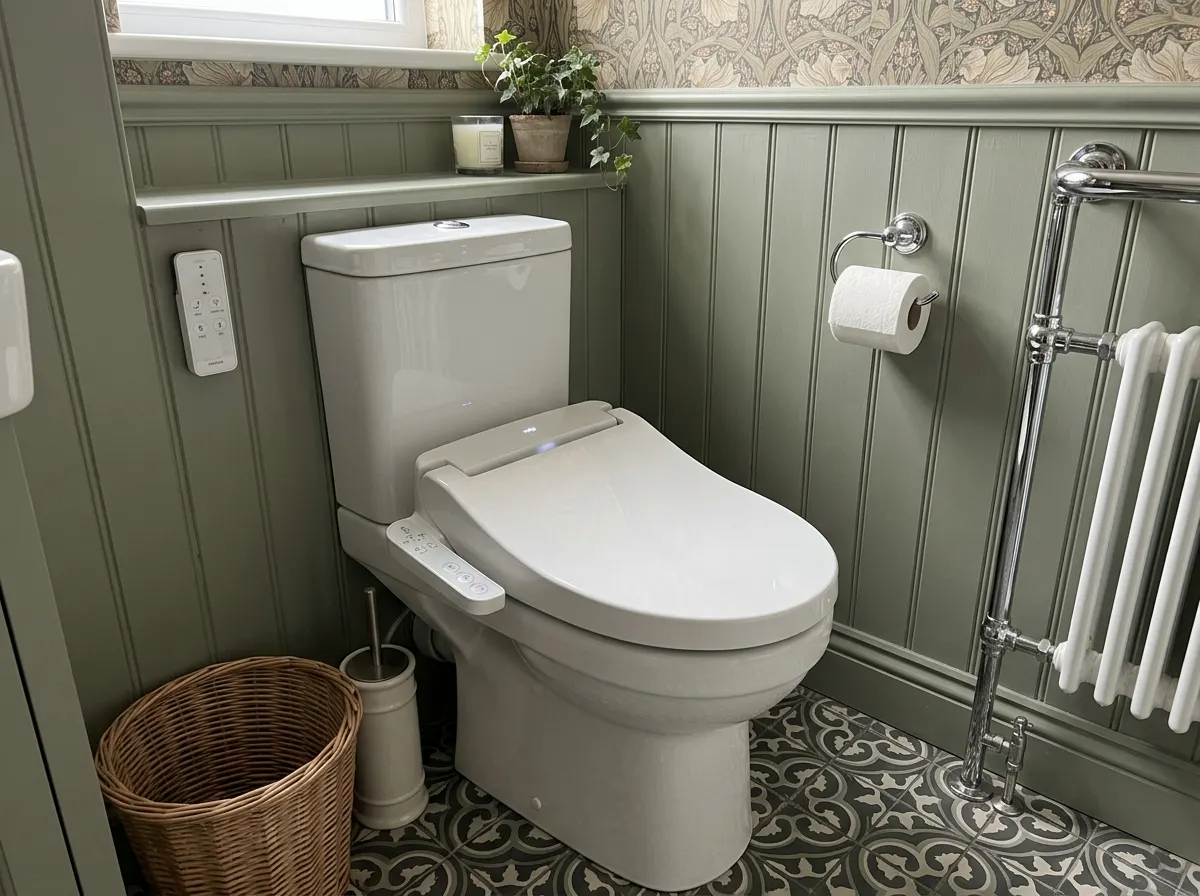
Smart / Japanese-Style
Features heated seats, bidet washing, warm-air drying, and auto-flushing. Requires an electrician (£50-£70). Supply: £320 - £6,500 | Labour: £100 - £400.
Premium Luxury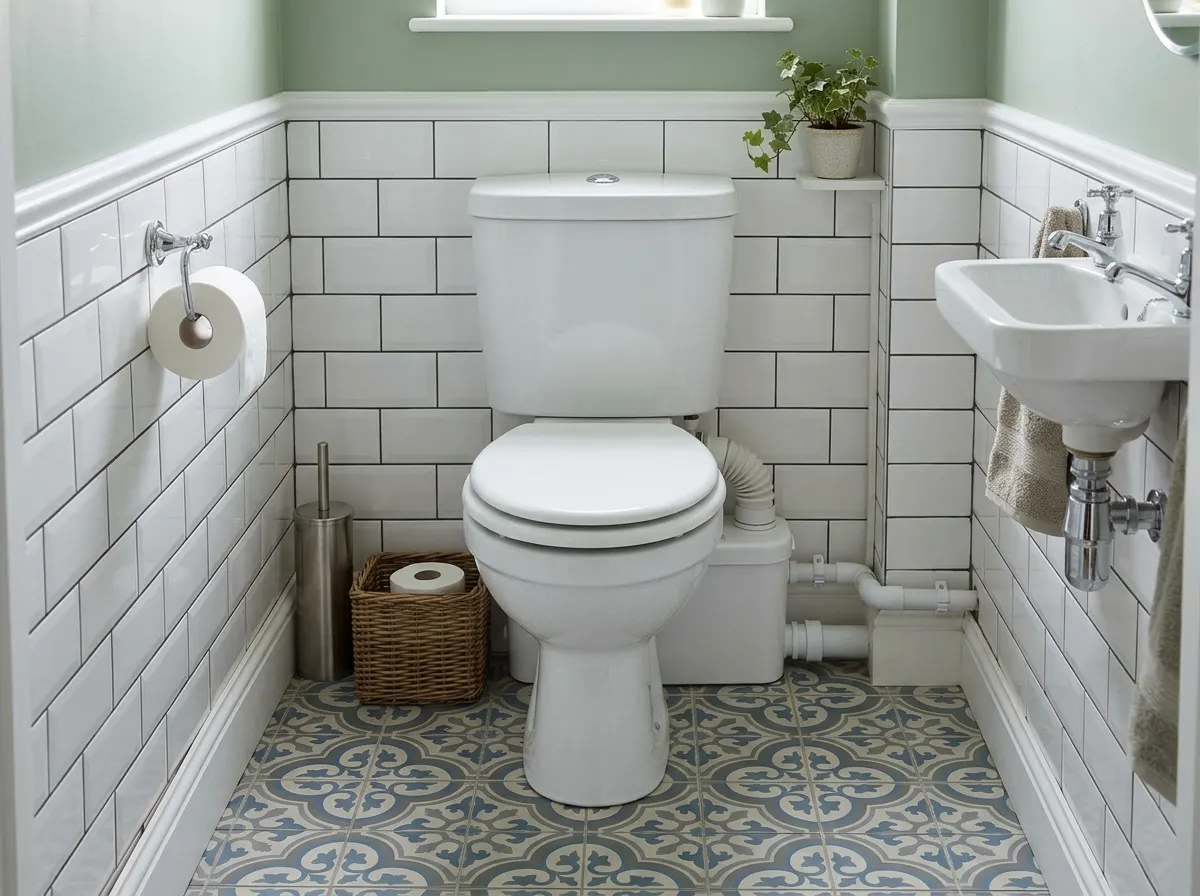
Macerating Toilets
Grinds waste and pumps it away through small pipes. Perfect for basements or lofts where standard gravity drainage is impractical. Supply: £260 - £500 | Labour: £500 - £800.
Problem SolverOther Important Variations to Consider:
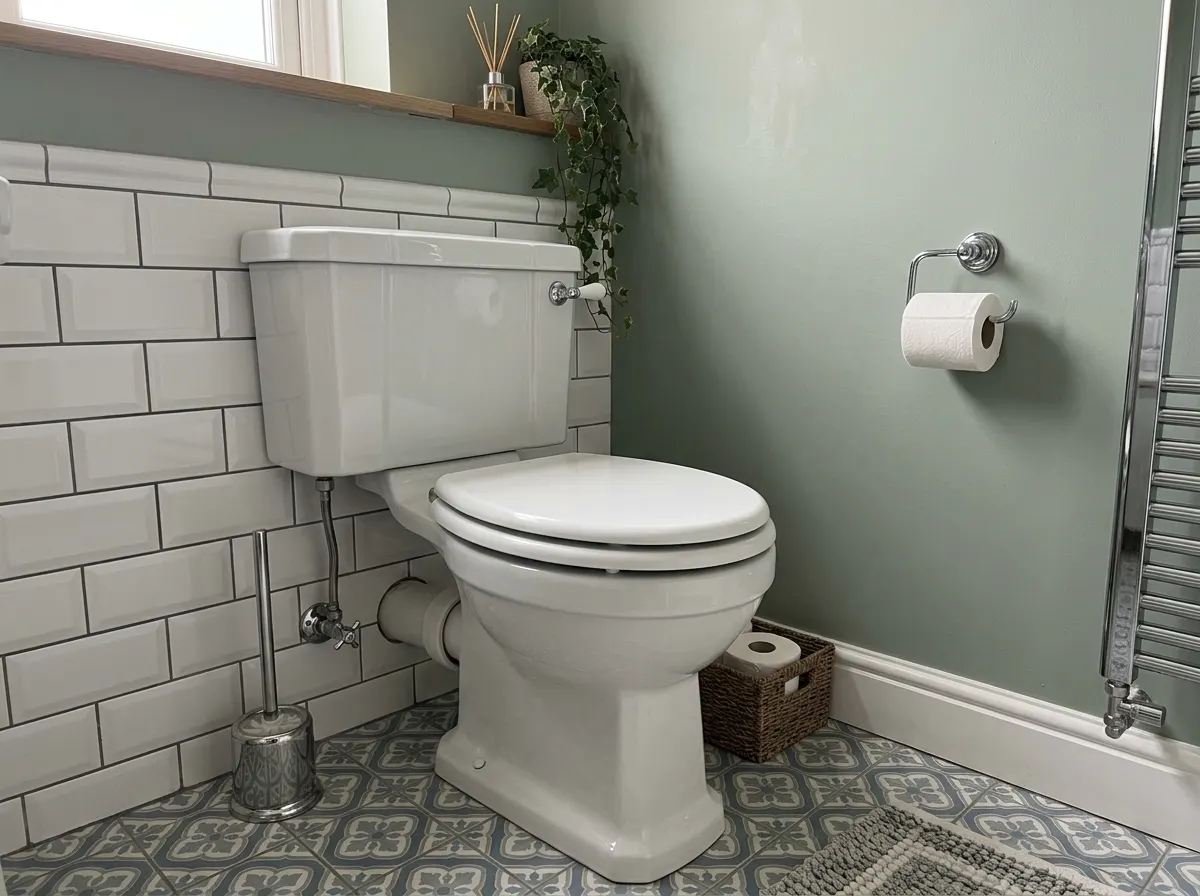
- Low/High-Level Cisterns: Traditional or Victorian-style with exposed flush pipes. Decorative cisterns and specialist fittings can increase costs. (Supply from £200-£300).
- Compact / Short-Projection: Space-saving designs for tight bathrooms. Always check dimensions and waste connections carefully.
- Comfort-Height: Taller pans designed for accessibility, making sitting and standing much easier for those with limited mobility.
- Rimless Toilets: Eliminate the hidden rim where bacteria hide, offering superior hygiene and cleaning benefits. Price depends entirely on the model.
- Corner Toilets: Triangle-shaped cisterns suitable for small bathrooms. Important to check for compatible drainage positioning.
- One-Piece vs Two-Piece: One-piece units are seamless (no dirt traps between pan and cistern) but are heavier and often more expensive than standard two-piece setups.
* Where there is no reliable separate price range listed, the cost depends on the particular model and quote requirements rather than an invented average.
Realistic Installation Examples
How is your total calculated? These examples are arithmetic based on published 2026 starting prices and ranges, not guaranteed project quotations. Additional pipework, removal, disposal, tiling, and other work must be accounted for where required.
Example A
Basic Close-Coupled- Toilet Supply: from £120
- Installation Labour: from £150
- Removal/Disposal: from £75
from £345
Example B
Wall-Hung System- Cistern Supply: from £250
- Installation Labour: from £300
- Building/Tiling Frame: from £350
from £900
Pan, seat, fittings, and tiling extent may affect this. Confirm what is included.
Example C
Smart Toilet- Toilet Supply: £320 - £6,500
- Installation Labour: £100 - £400
- Electrical Work: £50 - £70
£470 - £6,970+
Before removal or additional alterations.
Example D
Macerating System- Toilet + System: £260 - £500
- Installation Labour: £500 - £800
£760 - £1,300
Installing a Downstairs Toilet
There is a massive difference between replacing an existing toilet and creating a brand new downstairs WC. A new installation requires running new water feeds, tapping into soil stacks, and significant building work.
| Item / Work | Indicative Cost |
|---|---|
| Toilet Supply | £50 – £200 |
| Sink Supply | £50 – £250 |
| Materials (Pipes, plaster, etc.) | £800 – £1,100 (Avg £950) |
| Labour | £1,200 – £1,800 (Avg £1,500) |
| Groundworks (if needed) | Around £300 |
| Soil Removal (if needed) | Around £100 |
| Converting existing space | £800 – £1,000 per m² |
| New extension for WC | Avg £2,200 per m² (Range: £1,900–£2,500) |
Total Average Calculation
Published guides estimate an average total of around £2,450 for installing a downstairs toilet before major extension or structural work. Note that separate toilet and sink prices may already be included within a builder's "materials allowance", so they should not automatically be added twice.
The final cost depends entirely on how close your chosen space (e.g., under the stairs) is to your existing drainage, ventilation requirements, building control sign-offs, finishes, and the property's layout.
A new downstairs WC project can take several days depending on building and drainage work, whereas a standard toilet replacement only takes hours.
Plumber Labour Rates
Published 2026 reference figures for UK plumbing contractors.
- Plumber Hourly Rate £40 – £60
- Plumber Day Rate £320 – £480
- Adjusting Pipework (Water/Waste) from £150+
- Removing & Disposing Old Toilet from £75+
How long does it take?
Time on site and the full project duration can differ, especially if tiling or other trades are required.
- Standard Replacement Around 2 – 4 hours
- Macerating Toilet Fit Up to 2 days
- Wall-Hung / Concealed Cistern Extra time for framing & tiling
- New Downstairs WC Several days
Additional Cost Factors
Do not assume standard pricing if your project involves any of the following complexities:
- ● Moving the toilet: Changing the location of the soil pipe or waste outlet significantly increases groundworks and plumbing time.
- ● Altering water supply: Replacing isolation valves, seals, or moving connectors.
- ● Hidden Damage: Repairing rotten flooring, damaged pipework, or damp walls discovered after removal.
- ● Finishing work: Building concealed cistern frames, access panels, boxing-in, and wall/floor tiling repairs.
- ● Electrical work: Mandatory for smart toilets and macerators.
- ● Logistics: Difficult access, restricted working space, removing/disposing of the old unit, and VAT (where applicable).
Regional Cost Variations
London and the South East typically experience higher labour costs than some other UK areas. The final cost depends on local labour rates, travel distances, minimum call-out charges, and the complexity of the installation rather than a flat arbitrary percentage.
Make sure you know before you start
Plumbing issues can cause catastrophic damage to a property. Look out for these potential pitfalls:
Incorrect Macerator Routing
Macerators must pump waste into a proper soil stack. If routed incorrectly into surface water drains or with too many right-angle bends, the pump will burn out and block up entirely.
Hidden Leaks in Wall-Hung Units
If a concealed cistern is tiled over without a proper access panel, fixing a simple flush mechanism fault in the future will require smashing your tiles and ruining the bathroom wall.
Ignoring Soil Pipe Falls
Waste pipes require a specific gradient to ensure gravity carries waste away effectively. If you are moving a toilet across a room, the pipe must be carefully calculated so it doesn't run flat or steep.
"Cowboy" Boxing-In
Poorly constructed timber frames for wall-hung toilets can flex under weight, causing the toilet pan to crack the surrounding tiles or compromise the waterproof seals, leading to internal rot.
How Long Does It Take to Install a Toilet?
A standard like-for-like replacement of a close-coupled toilet usually takes between 2 to 3 hours. Below is a detailed breakdown of the plumbing process, toilet types, and hidden issues that can extend the timeframe.
Schedule of Works (Standard Close-Coupled Toilet)
Isolation & Strip Out
The plumber isolates the cold water feed. The toilet is flushed to empty the cistern, and the remaining water in the bowl is sponged out. The floor screws are removed, the water pipe is disconnected, and the old pan is pulled free from the soil pipe and taken outside.
Preparation & Assembly
The main 110mm soil pipe is cleaned of old putty or degraded seals. The new toilet is pre-assembled; the flush mechanism, fill valve, and rubber doughnut washer are secured inside the new cistern, which is then tightly bolted to the ceramic pan.
Fitting & Plumbing In
A new plastic pan connector is fitted to the rear outlet. The entire toilet is pushed firmly into place against the soil pipe. The plumber marks the floor, drills new pilot holes, and screws the pan down tightly. Finally, the cold water flexi-hose is reconnected to the cistern.
Testing & Sealing
The water is turned back on to fill the tank. The toilet is flushed multiple times while the plumber checks the soil pipe and water feed with dry tissue paper to ensure absolutely no weeping. Once dry, a neat bead of sanitary silicone is applied around the base.
Timeline by Toilet Type
What could cause delays?
It is incredibly common to remove an old toilet and discover that a slow, hidden leak has rotted the wooden floorboards beneath the vinyl. The plumber will have to cut out and replace the damaged timber before the new toilet can be safely screwed down.
Modern toilets often have a different outlet height or angle compared to vintage models. If the new pan doesn't line up with the existing waste pipe, the plumber will have to use offset or flexible pan connectors to bridge the gap.
If the shut-off valve on the cold water pipe is seized from decades of hard water scale, the plumber cannot isolate the toilet locally. They will have to turn off the main stopcock for the entire house before proceeding.
What Toilet Plumbing Can You Do Yourself?
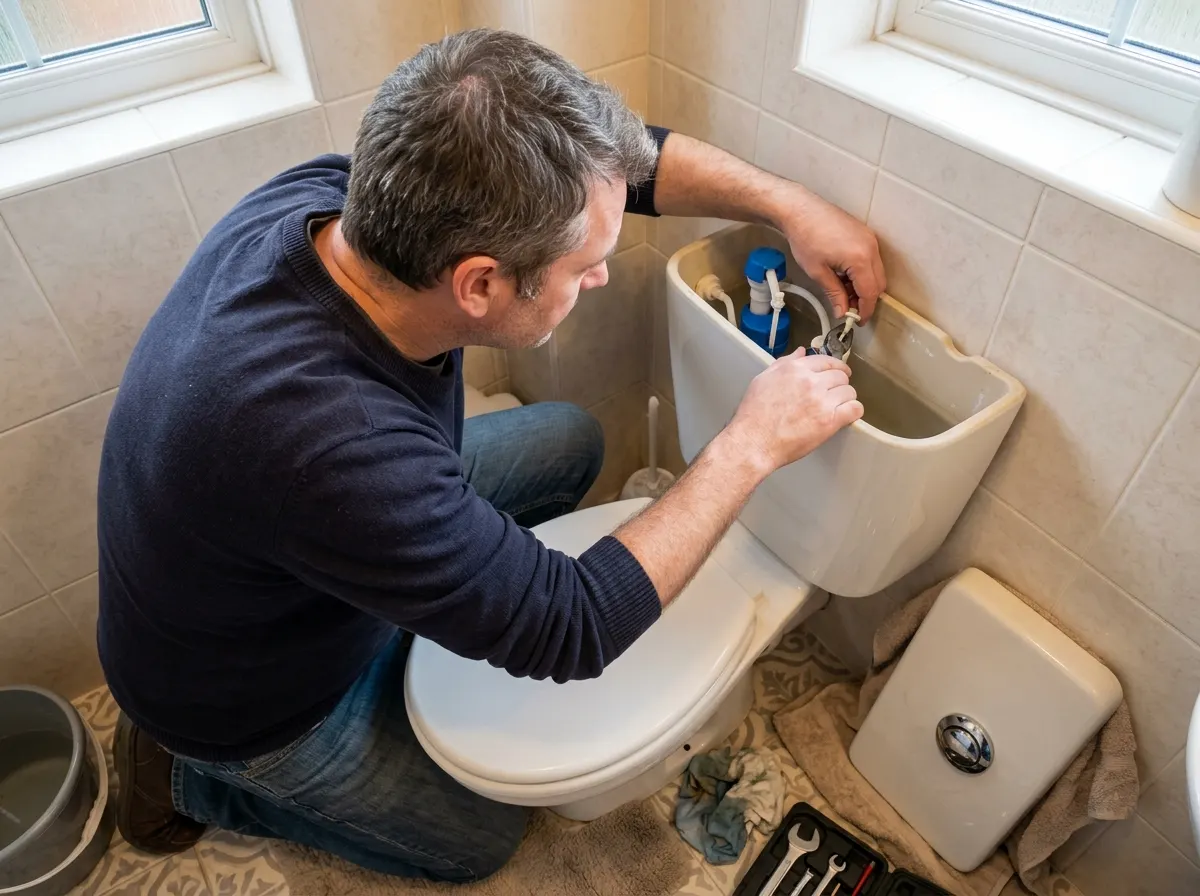
Calling a plumber to fix a wobbly toilet seat or a constantly running cistern will immediately incur an £80 to £120 call-out charge for a job that takes just 15 minutes. Toilet mechanics are surprisingly simple, and modern push-button systems are designed entirely around cheap, easily replaceable plastic cartridges.
If your toilet is trickling water into the pan, or refusing to flush, you do not need a professional. You can easily isolate the water supply, unscrew the broken inlet or flush valve, and drop in a £20 universal replacement kit from any local DIY store. Even replacing the entire ceramic toilet is a highly achievable DIY project, provided you are swapping it on a "like-for-like" basis where the new waste outlet aligns with your existing 110mm soil pipe.
| Task | Professional Cost (Labour) | DIY Cost (Parts) | Potential Saving |
|---|---|---|---|
| Replacing a Wobbly Toilet Seat | Professional Cost £60 – £90 | DIY Cost £15 – £40 (New seat) | Potential Saving Up to £90 |
| Fixing a Running Toilet (New Valves) | Professional Cost £80 – £120 | DIY Cost £15 – £25 (Universal kit) | Potential Saving Up to £105 |
| Replacing Entire Toilet (Like-for-like) | Professional Cost £150 – £250 | DIY Cost £10 (Pan connector & fixings) | Potential Saving Up to £240 |
| Relocating the 110mm Soil Pipe | Professional Cost £300 – £600+ | DIY Cost Leave to pros | Potential Saving N/A |
Frequently Asked Questions
Published 2026 reference figures.
How much does it cost to replace a toilet in the UK?
For a straightforward like-for-like replacement of a standard close-coupled toilet, expect indicative starting subtotals from £270 (toilet supply from £120, labour from £150). Disposal of the old unit usually adds £75+.
How much does a plumber charge to fit a toilet?
Labour to fit a standard close-coupled toilet starts from £150. A plumber's hourly rate is typically £40–£60, and a day rate is £320–£480. Complex jobs like wall-hung frames or macerators will cost more in labour.
How much does a wall-hung toilet cost?
The concealed cistern alone supplies from £250, installation labour starts from £300, and building/tiling the frame is from £350, creating an indicative subtotal of £900+ before the pan, seat, and other finishing works.
How much does a smart toilet cost?
A smart or Japanese-style toilet supply ranges wildly from £320 for basic models up to £6,500 for premium integrations (averaging £3,410). Installation is £100–£400, plus £50–£70 for an electrician if required.
How much does a macerating toilet cost?
Macerating units cost £260–£500 to supply. Because they require specific plumbing and electrical connections to pump waste, the labour to install them is higher, typically ranging between £500 and £800.
How much does it cost to install a downstairs toilet?
Converting an existing space (like under the stairs) averages around £2,450. This includes an average materials allowance of £950 and labour of £1,500. Full extensions or complex groundworks will raise this significantly.
How long does toilet installation take?
A standard like-for-like replacement takes around 2–4 hours. Macerating toilets can take up to two days. A new downstairs WC takes several days depending on drainage and building works.
Can I replace a toilet without changing the plumbing?
Yes, if the new toilet has the exact same water inlet position and waste outlet height (often true for identical close-coupled styles). Adjusting pipework otherwise usually costs £150+.
Does installation include removing the old toilet?
Not always. Removing and legally disposing of an existing toilet is often charged separately, typically from £75. Always check your plumber's quotation to see what is included.
Do smart toilets require an electrician?
Usually yes, unless they are battery operated. Hardwiring features like heated seats, bidets, and warm-air drying safely in a bathroom environment typically requires an electrician (£50–£70) alongside your plumber.
What makes toilet installation more expensive?
Costs rise rapidly if you move the toilet location (altering soil/water pipes), encounter rotten floorboards underneath, require new flooring/tiling, opt for a wall-hung unit requiring structural boxing-in, or face restricted access.
Related Bathroom & Plumbing Guides
Ready to update your bathroom?
Use our AI to get a precise estimate for your exact toilet style, then connect with Pricing Penguin Accredited plumbers near you who won't cut corners.
Did you find this page helpful?
Let us know if this guide helped you plan your toilets project.