How much does it cost to replace a tap in the UK?
 By Tom Ellis
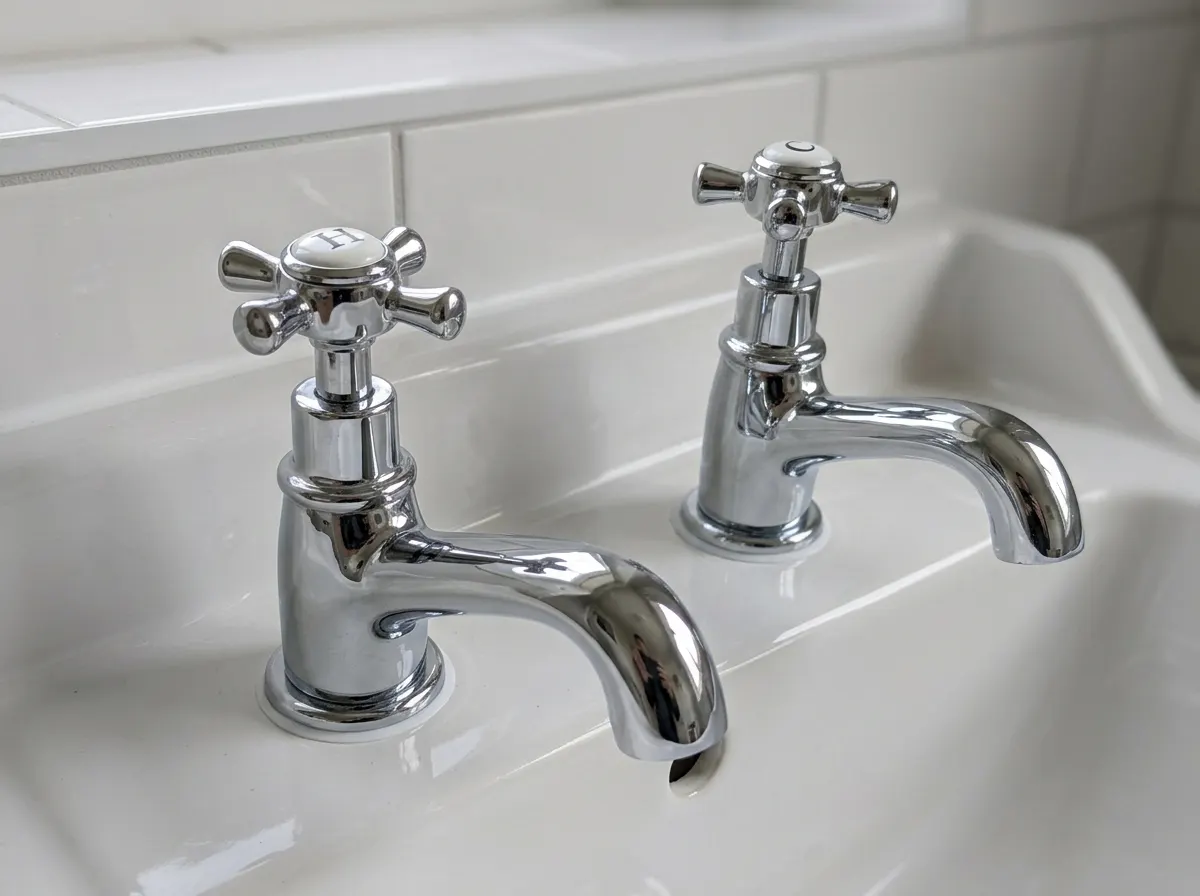
A dripping or heavily limescaled tap isn't just an eyesore—it wastes water, increases your utility bills, and can eventually damage your sink seals. Upgrading to a modern monobloc, a pull-out spray hose, or a luxury boiling water tap can instantly elevate a tired kitchen or bathroom without needing a full renovation.
But how much should you pay a plumber for what seems like a simple job? The price depends entirely on the style of the tap, the material finish, your existing water pressure, and most importantly, how difficult it is to reach the connections beneath the sink or bath. We've compiled comprehensive 2026 UK market averages to help you budget accurately.
Prices move month to month. See how they are changing in the Penguin Index, or compare common jobs across the UK in our UK Home Improvement Cost Report.
£120 - £220
Supplied and fitted cost for a standard bathroom pillar or monobloc basin tap replacement.
£150 - £280
Supplied and fitted cost for replacing a standard existing kitchen sink mixer tap.
£650 - £1,500+
Supplied and fitted cost for instant boiling water systems, which require complex under-sink tank installation.
Jump to a Section
Get an instant estimate for your tap
Understanding Tap Styles
The mounting holes pre-drilled into your sink or bath will dictate what kind of tap you can install without needing to replace the basin itself. Here are the most common styles.
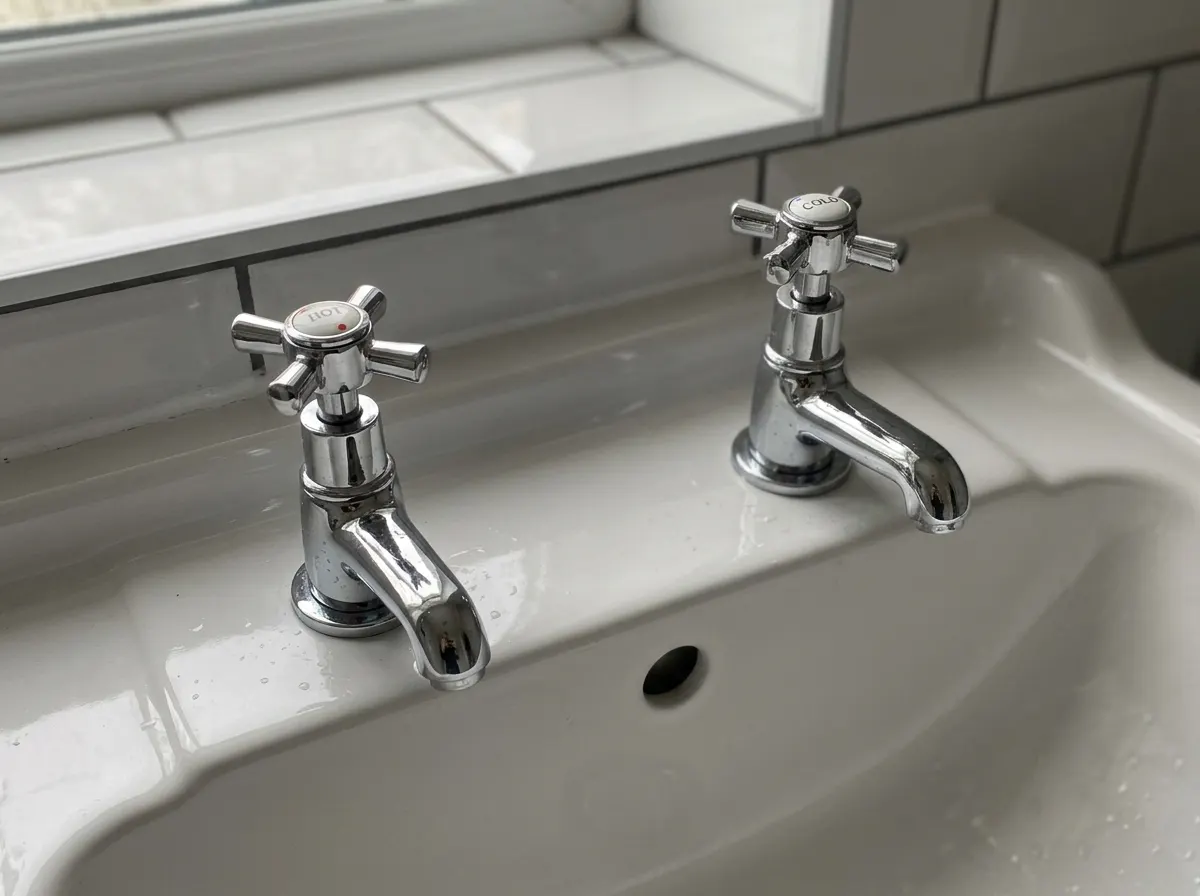
Pillar Taps
The traditional UK setup. Two separate taps—one for hot, one for cold. They require a sink or bath with two pre-drilled holes. They remain the most budget-friendly option to buy and replace, highly common in older bathrooms.
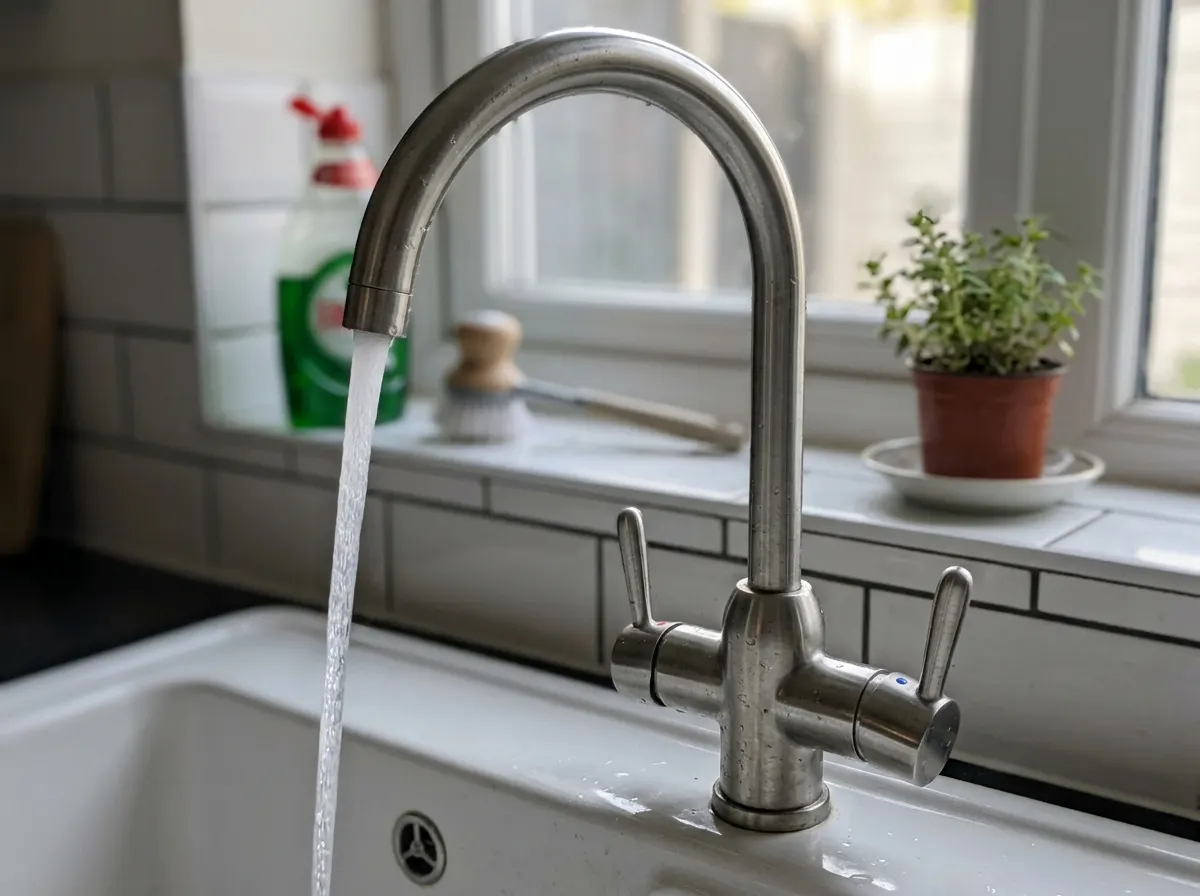
Monobloc Mixers
A single unit that mixes hot and cold water before it flows out of one spout. Controlled by one or two levers. These require a sink with a single, central tap hole. They are the absolute standard for modern kitchens.
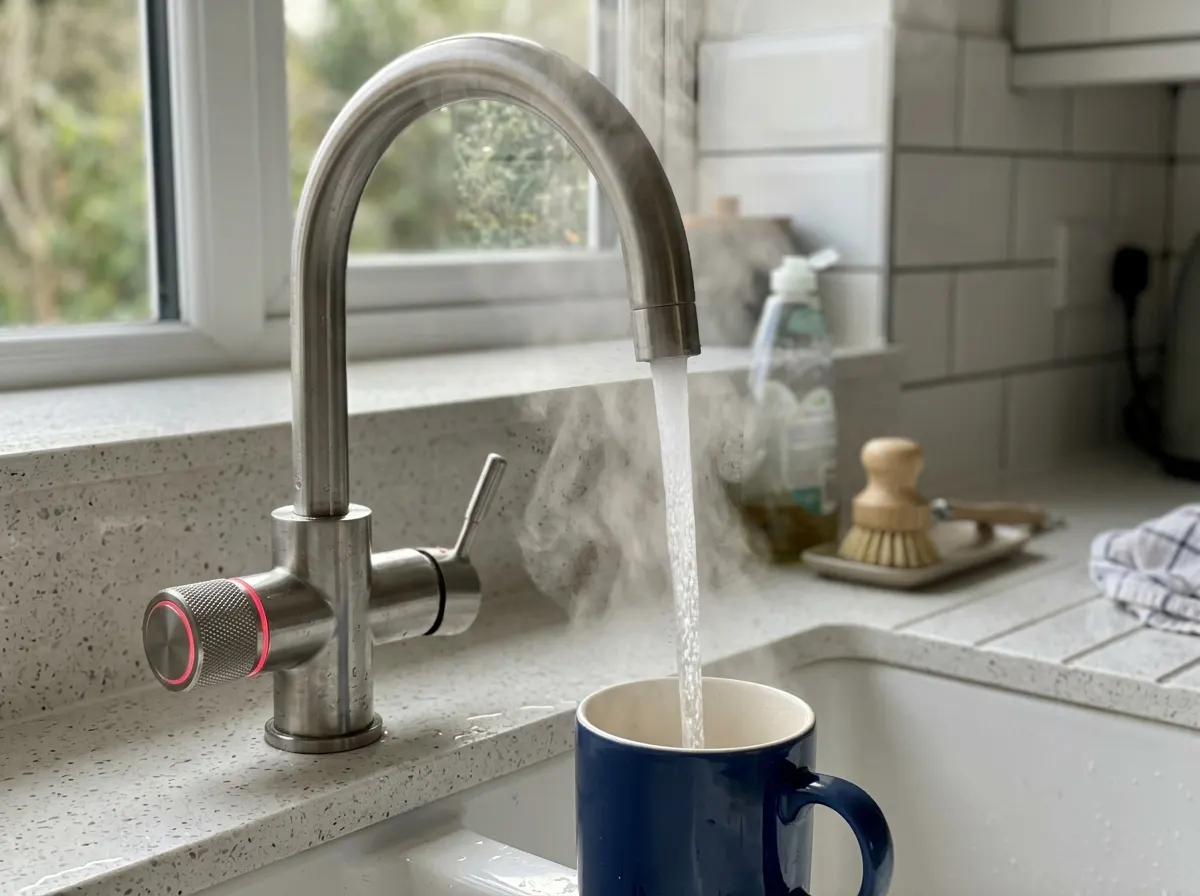
Boiling & Filter Taps
Dispense instant filtered boiling water, eliminating the need for a kettle. These require significant space under the sink for the boiler tank and filters, plus access to a safe electrical socket. Installation is complex and takes longer.
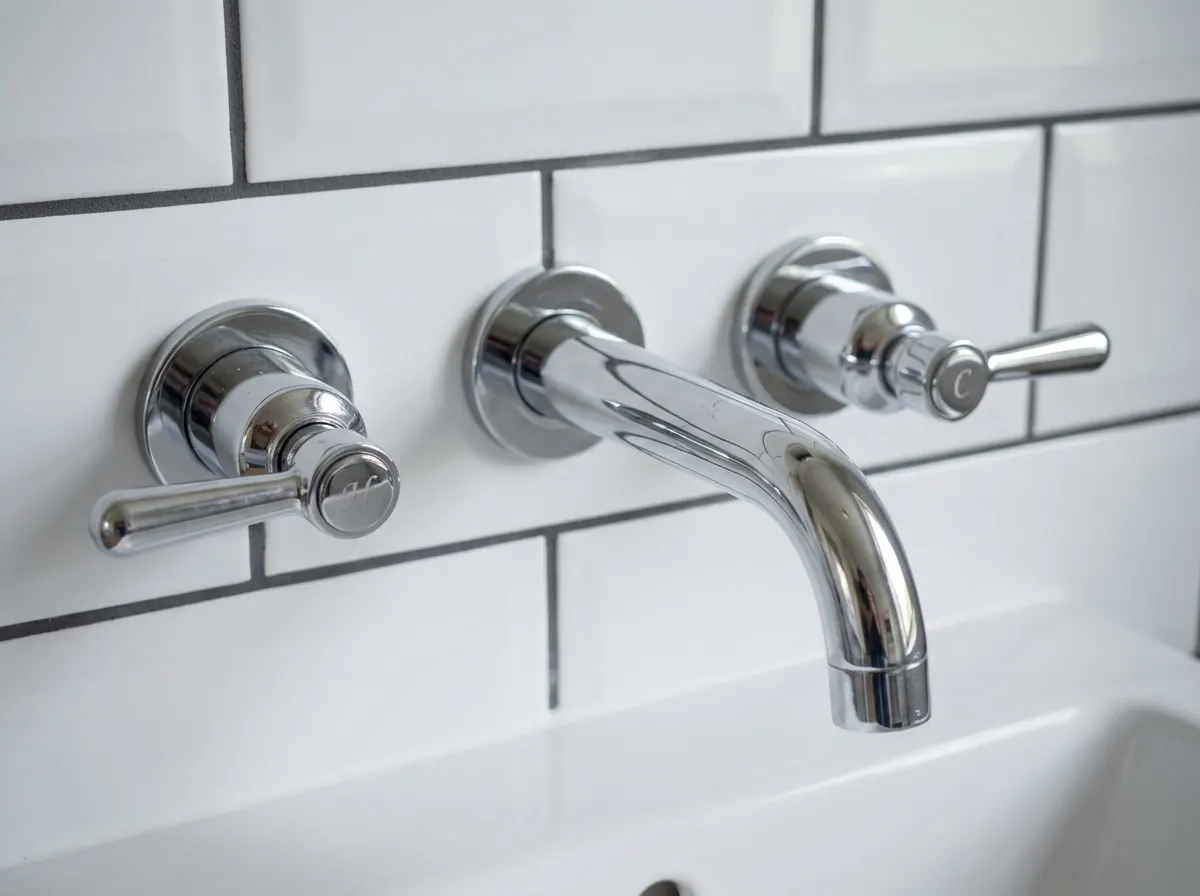
Wall-Mounted / Sensor
Provide a highly modern, minimalist look commonly seen with countertop basins. The pipework must be perfectly concealed within the wall cavity before tiling happens. Retrofitting these into an existing wall is incredibly difficult and expensive.
A note on Tap Finishes
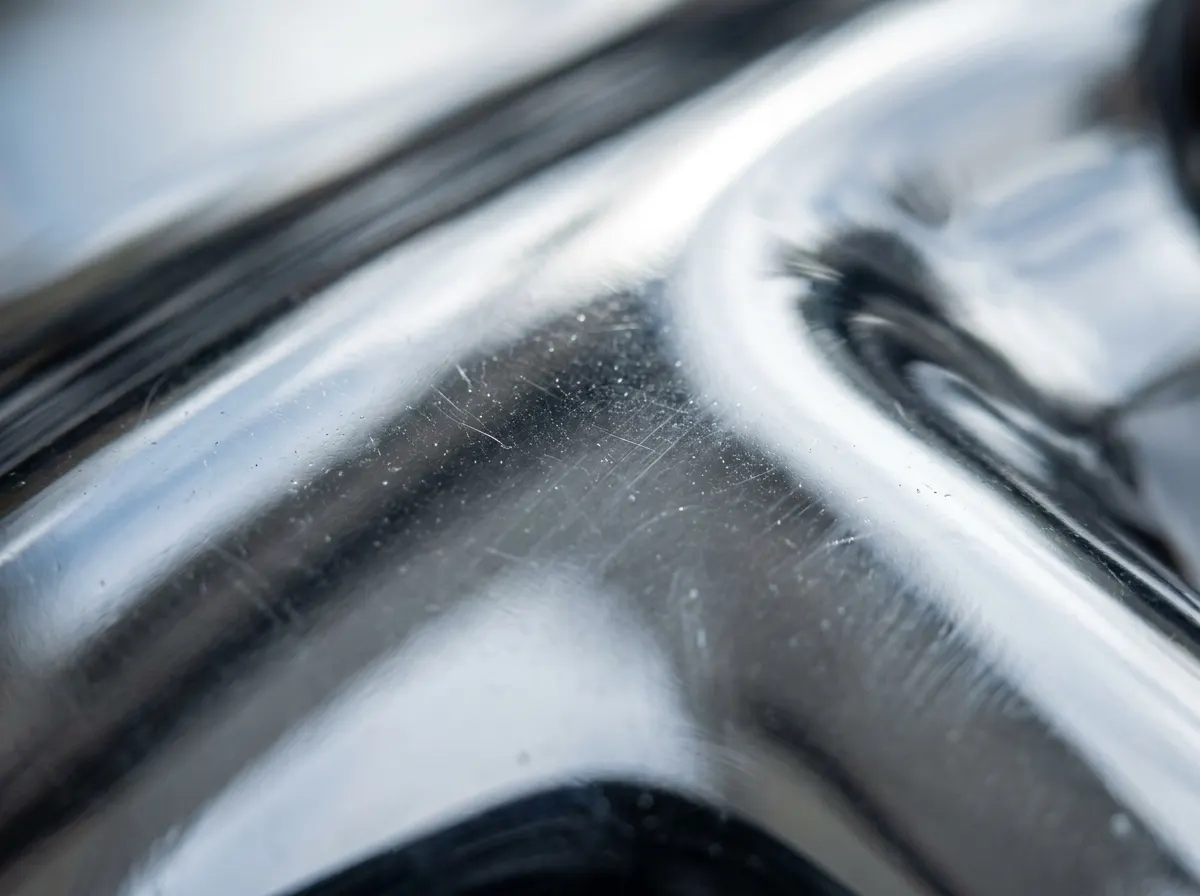
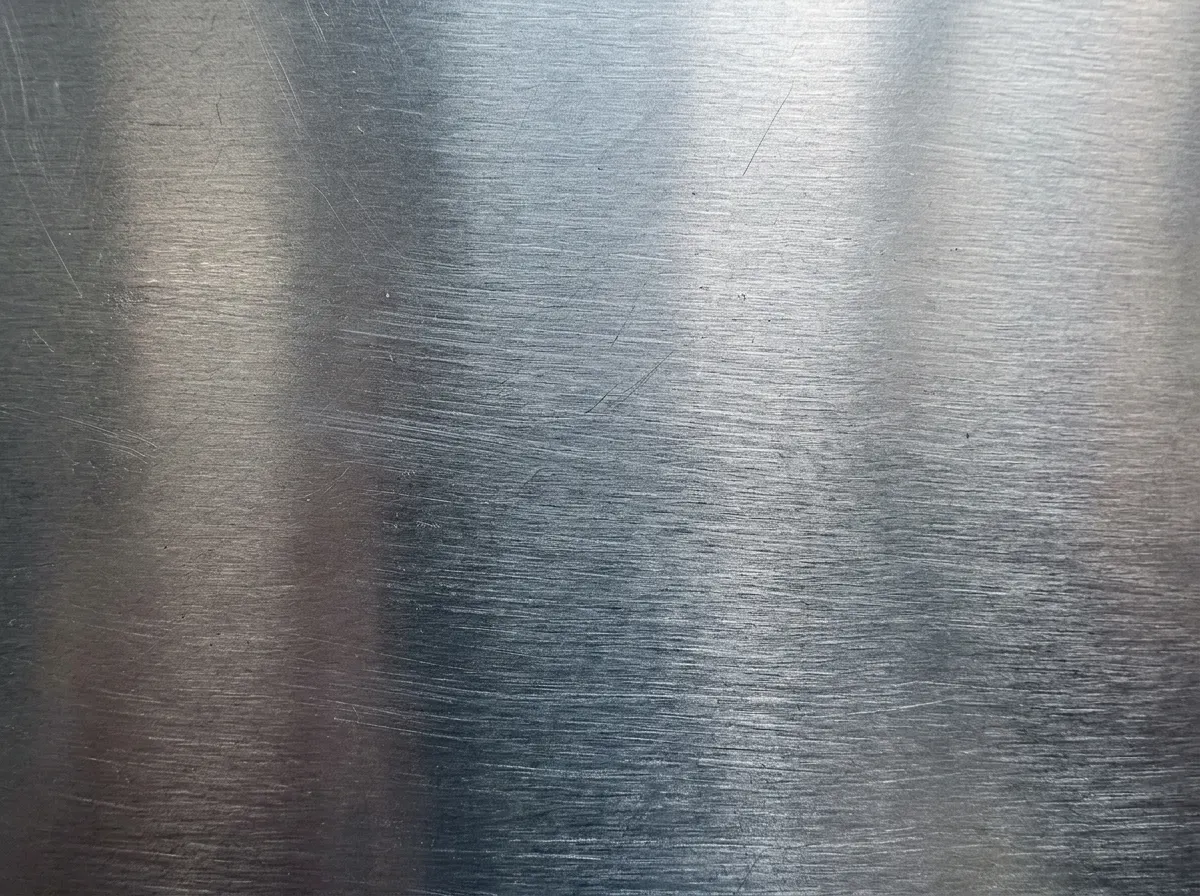
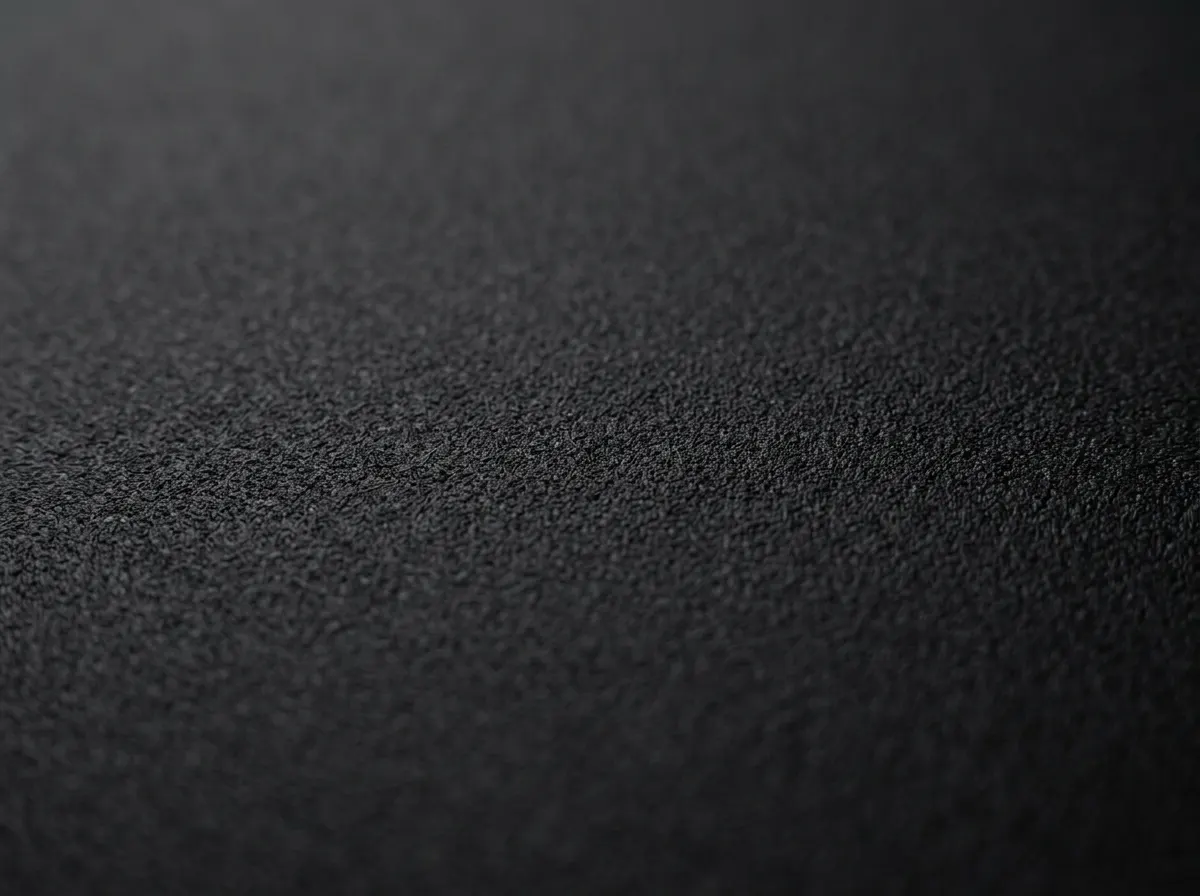
The material finish you choose dramatically affects the supply price of the tap. Chrome is mass-produced and always the cheapest option. If you want trendier finishes, expect to pay a premium:
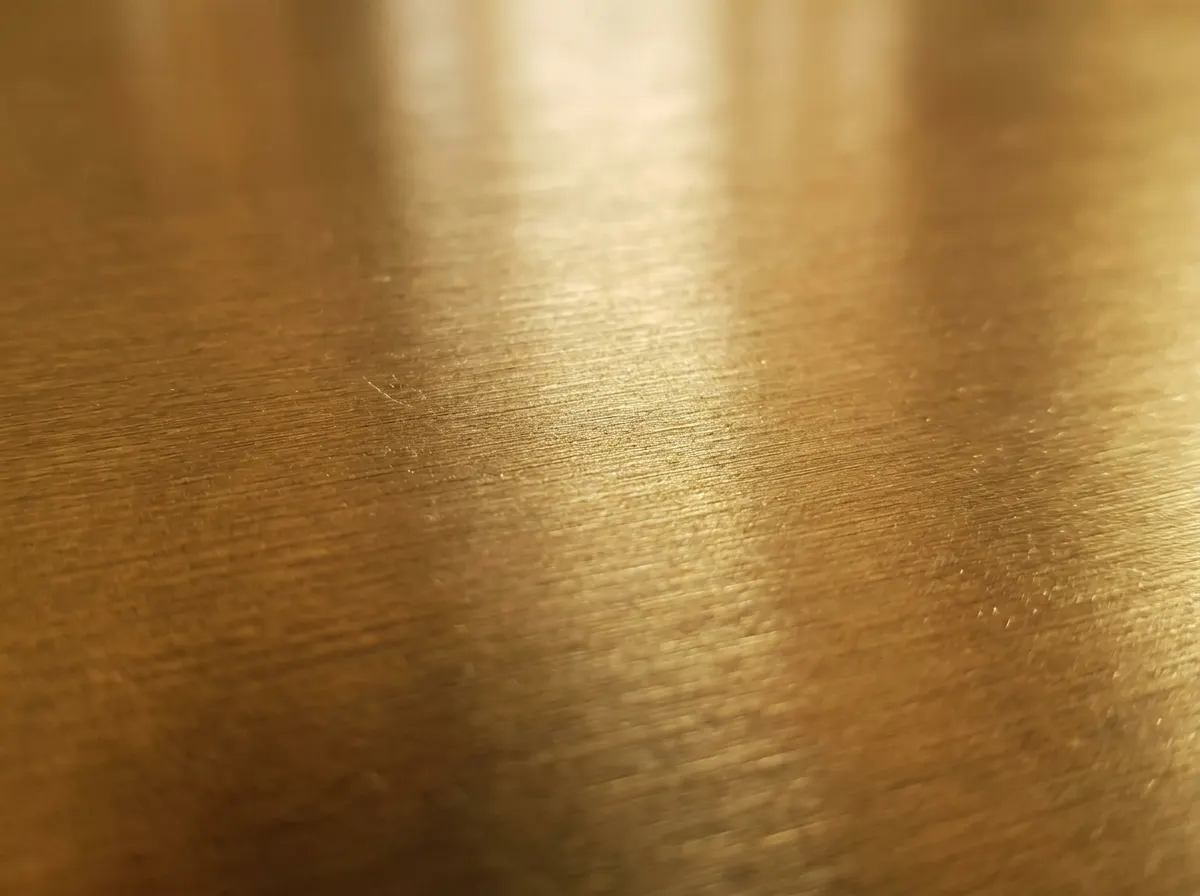
Checking Your Sink Holes: You cannot easily fit a single-hole monobloc mixer onto a basin designed with two holes for pillar taps without buying blanking plugs (which look messy). Always check your existing hole configuration before ordering a replacement tap.
Tap Installation & Supply Costs
We have analysed the 2026 plumbing market to create these benchmark averages. You can choose to buy your own tap online and pay a plumber for 'Labour Only', or ask them to 'Supply and Fit' everything.
Labour Only (Fitting)
If you buy the tap yourself, expect to pay these averages for the physical plumbing work to swap it out. Prices assume a like-for-like swap with good access.
- Basin Tap / Pillar Swap £75 – £120
- Kitchen Mixer Replacement £80 – £130
- Bath Mixer / Bath Shower Mixer £110 – £180
- Boiling Water Tap (Tank setup) £150 – £250
- New Location / Altering Pipes £200 – £400+
Supply Only (The Tap)
The cost of the tap itself varies wildly depending on the brand, build quality, finish, and features (like pull-out spray hoses):
- Standard Pillar Taps (Pair) £35 – £80
- Standard Kitchen/Basin Mixer £40 – £150
- Pull-out Spray Kitchen Mixer £80 – £250
- Bath Shower Mixer (with hose) £80 – £300
- Boiling Water System (e.g. Quooker) £450 – £1,200+
Additional Parts You Might Need
When quoting, a plumber will also factor in "sundries" and extra parts if your existing pipework is old or damaged.
Make sure you know before you start
A simple tap swap can quickly turn into a nightmare if you don't check these vital things before buying a new tap or booking a plumber.
Water Pressure (Crucial!)
If you have a traditional gravity-fed system (a hot water cylinder upstairs and cold tank in the loft), you have low water pressure. Many modern, sleek mixer taps require high pressure (from a Combi Boiler). If you buy a high-pressure tap for a low-pressure system, the water will barely trickle out.
Seized & Rusted Nuts
If your tap has been dripping underneath the sink for years, the brass securing nuts may be completely rusted and seized to the ceramic basin. Plumbers often have to spend an extra hour carefully cutting these off without cracking your expensive sink, increasing the labour cost.
Bath Panel Access
Why do plumbers charge more to change bath taps than kitchen taps? Access. Kitchen taps are open in a cupboard. Bath taps are hidden behind the tub. If your bath is fully tiled in with no access panel, the plumber may have to pull the entire bath out to reach the pipes.
Regional Labour Differences
Where you live in the UK plays a significant role in your final quotation. A plumber's minimum call-out charge varies heavily due to local living costs, fuel, parking, and travel times.
Plumbers in London and the South East typically charge 20% to 30% more than the national average. For example, a straightforward kitchen tap fitting that costs £90 in Wales or the North of England will likely cost between £120 and £150 in the capital. Use our estimator to check specific postcode rates.
- London & South East + 20% to 30%
- Midlands & South West National Average
- North, Wales & Scotland - 10% to 15%
Top Cost-Saving Tips
Keep your plumber's quotation as low as possible by following these simple rules:
- ✓ Buy your own tap: Sourcing the tap yourself online avoids tradesperson markups, leaving you to only pay for labour.
- ✓ Check isolation valves: If your pipes already have working isolation valves beneath the sink, the plumber can swap the tap in half the time without turning off the mains.
- ✓ Clear out the cupboard: Give the plumber clear, immediate access beneath the sink to prevent them charging for preparation time.
- ✓ Group jobs together: Paying one call-out fee to change a kitchen tap and a bathroom tap on the same day is much cheaper than calling a plumber twice.
How Long Does It Take to Fit New Taps?
A standard like-for-like basin or kitchen mixer tap replacement usually takes between 1 to 2 hours. Below is a detailed breakdown of the plumbing process, tap types, and the common hidden issues that can extend the timeframe.
Schedule of Works (Standard Monobloc Mixer Tap)
Isolation & Prep
The plumber clears the cupboard space under the sink. They locate the hot and cold isolation valves on the supply pipes and turn them off with a flathead screwdriver. The tap is briefly opened to drain any residual water left in the pipes.
Disconnecting the Old Tap
Using a basin wrench or adjustable spanner in the tight space behind the bowl, the plumber disconnects the flexible hoses or copper tails. The brass backnut holding the tap to the sink is unscrewed, and the old tap is lifted away. The sink hole is then cleaned of old grime and limescale.
Assembling & Securing
The new tap is pre-assembled. The new flexible tails and threaded fixing studs are screwed into the base. The tap is fed through the sink hole, making sure the O-ring seal sits flush. Underneath, a rubber washer, metal horseshoe plate, and securing nut are tightened to lock it dead centre.
Connection & Testing
The new flexi-hoses are attached to the hot and cold water mains, often using compression fittings or adapters. The isolation valves are reopened. The plumber runs the hot and cold water, thoroughly checking the connections underneath with dry tissue paper to ensure there are zero leaks.
Timeline by Tap Type
What could cause delays?
If there are no isolation valves under the sink (common in older homes) or they have seized solid, the plumber must shut off the entire house's water supply at the main stopcock to proceed.
Years of minor drips can heavily calcify or rust the large brass nut holding the old tap in place. Because space is extremely tight behind the bowl, cutting a rusted nut off can add 30-45 minutes of struggle.
Many modern taps (especially those bought online from Europe) come with 3/8" or 1/2" flexible tails. If your house has standard UK 15mm copper pipework, the plumber will need to fit specific adapters.
What Tap Plumbing Can You Do Yourself?
Calling a plumber just to fix a dripping tap or install a new kitchen mixer usually triggers their standard minimum call-out charge of £80 to £120, even if the job only takes them 20 minutes. Fortunately, tap maintenance is one of the most accessible beginner plumbing tasks you can tackle.
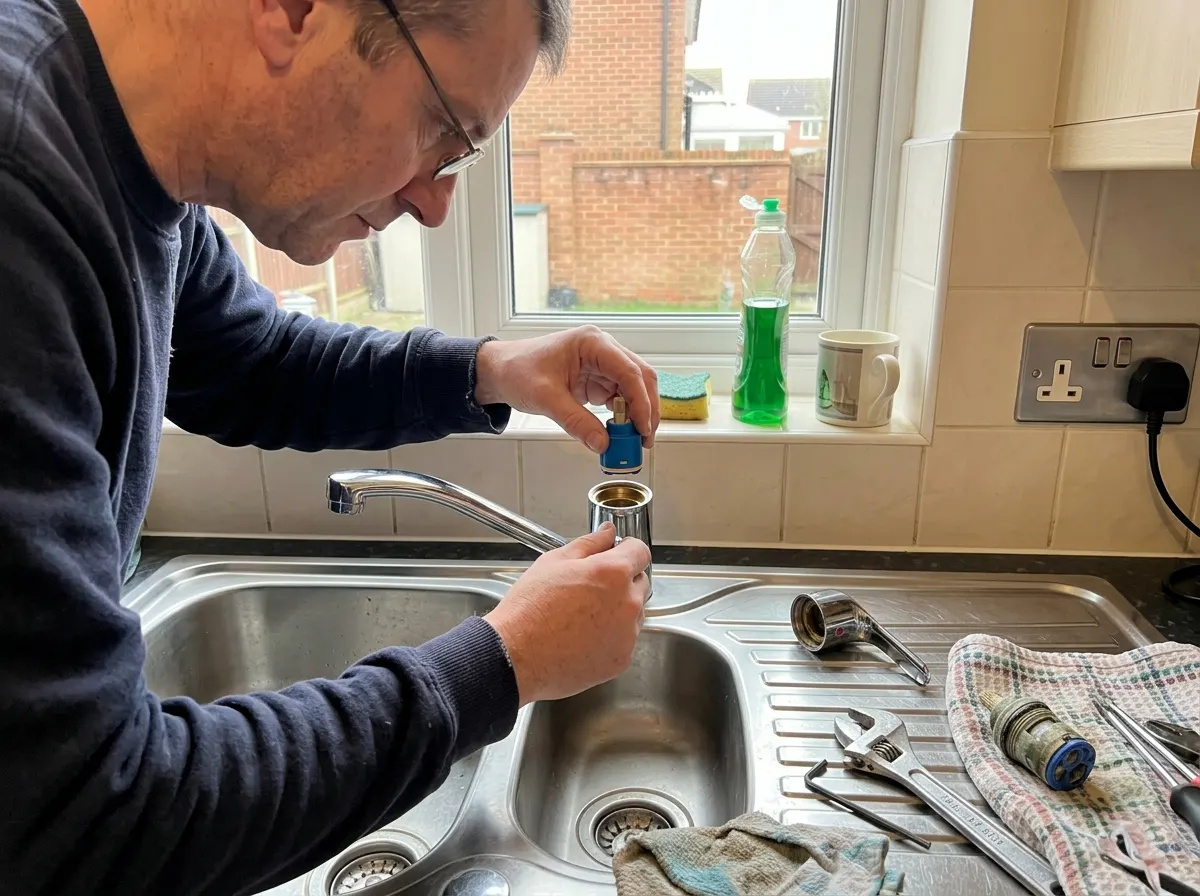
Modern taps are incredibly DIY-friendly. They almost universally connect to your water supply using flexible braided hoses (flexi-tails) with simple screw-on compression nuts. If you are swapping an old tap for a new one, or simply unscrewing the handle to drop in a replacement ceramic cartridge to cure a drip, you can easily do it yourself using basic hand tools.
| Task | Professional Cost (Labour) | DIY Cost (Parts) | Potential Saving |
|---|---|---|---|
| Replacing a Kitchen or Basin Tap | Professional Cost £100 – £150 | DIY Cost £0 (Just your time) | Potential Saving Up to £150 |
| Fixing a Dripping Tap (New Cartridge) | Professional Cost £80 – £120 | DIY Cost £10 – £25 (Cartridge) | Potential Saving Up to £95 |
| Fixing a Dripping Tap (Rubber Washer) | Professional Cost £80 – £100 | DIY Cost £2 – £5 (Washer pack) | Potential Saving Up to £95 |
| Installing an Outside Garden Tap | Professional Cost £120 – £180 | DIY Cost £25 – £40 (DIY Kit) | Potential Saving Up to £140 |
Frequently Asked Questions
The most important things you need to know before booking a plumber to replace your taps.
How much does it cost to replace a kitchen or bathroom tap in the UK?
For a standard kitchen or bathroom mixer tap replacement, expect to pay around £150 to £250 fully installed. If you prefer to supply your own tap, the plumbing labour alone typically costs £80 to £130, depending on your location and the complexity of the pipework.
How long does it take a professional plumber to replace a tap?
A straightforward tap swap by a professional plumber usually takes between 45 minutes and 1.5 hours. However, if the old tap fixing nut is heavily corroded, seized, or access behind a deep pedestal basin is heavily restricted, the job can easily take up to 2 hours to complete safely.
Can I supply my own tap for the plumber to fit?
Absolutely. Purchasing the tap yourself is a common way to save money and ensures you get the exact style you want without trade markups. Just ensure the new tap is compatible with your sink's tap-hole configuration (e.g., monobloc vs pillar) and your home's water pressure system.
Do I need to turn off the mains water supply to change a tap?
If your pipework has modern 'isolation valves' (small valves with a flathead screw slot) fitted directly beneath the sink, the plumber can simply isolate the water locally. If not, the main stopcock for the whole house will need to be temporarily shut off while the new flexi-tails are connected.
Is replacing a tap a safe DIY plumbing job?
While a competent DIYer with the correct basin wrenches can technically swap a tap, seized back-nuts, difficult-to-reach copper pipework, and the high risk of leaks causing severe hidden water damage make hiring a professional, fully insured plumber the safest and most reliable route for most homeowners.
Why are bath taps more expensive to replace than basin taps?
Bath taps are notoriously difficult for a plumber to reach. They often require the careful removal of sealed bath side-panels. In tight bathrooms, the plumber must awkwardly manoeuvre behind the tub to access the connections, which significantly increases the labour time and the overall installation cost.
Do I need to check my home water pressure before buying new taps?
Yes, this is crucial. UK homes generally have either a high-pressure system (like a Combi boiler) or a low-pressure system (gravity-fed with a loft tank). You must check your system before buying; installing a high-pressure tap on a low-pressure system will result in a frustratingly weak trickle of water.
Is it cheaper to repair a dripping tap or replace it entirely?
If a tap is simply dripping, a plumber can often replace the internal ceramic disc cartridge or rubber washer for a standard £60 to £90 call-out fee. However, if the tap body is heavily scaled, leaking from the base, or cosmetically worn, replacing the entire unit is usually more cost-effective long-term.
Disclaimer: The figures in this guide are carefully calculated averages derived from published UK plumbing industry cost data for 2026. Retailer product prices are supply-only reference estimates. Exact labour rates will fluctuate based on local availability and access.
Related Plumbing Cost Guides
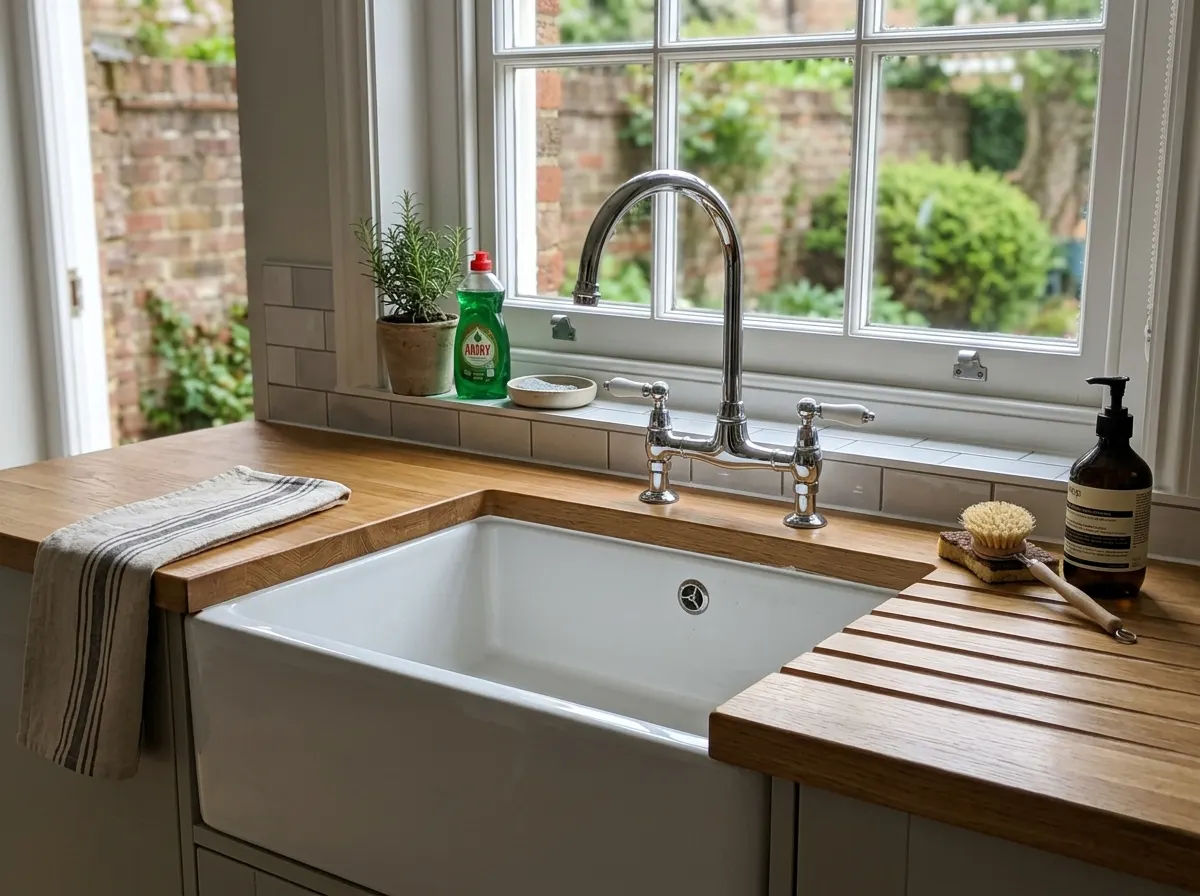
Sink Installation
Compare prices for installing new kitchen and bathroom basins.
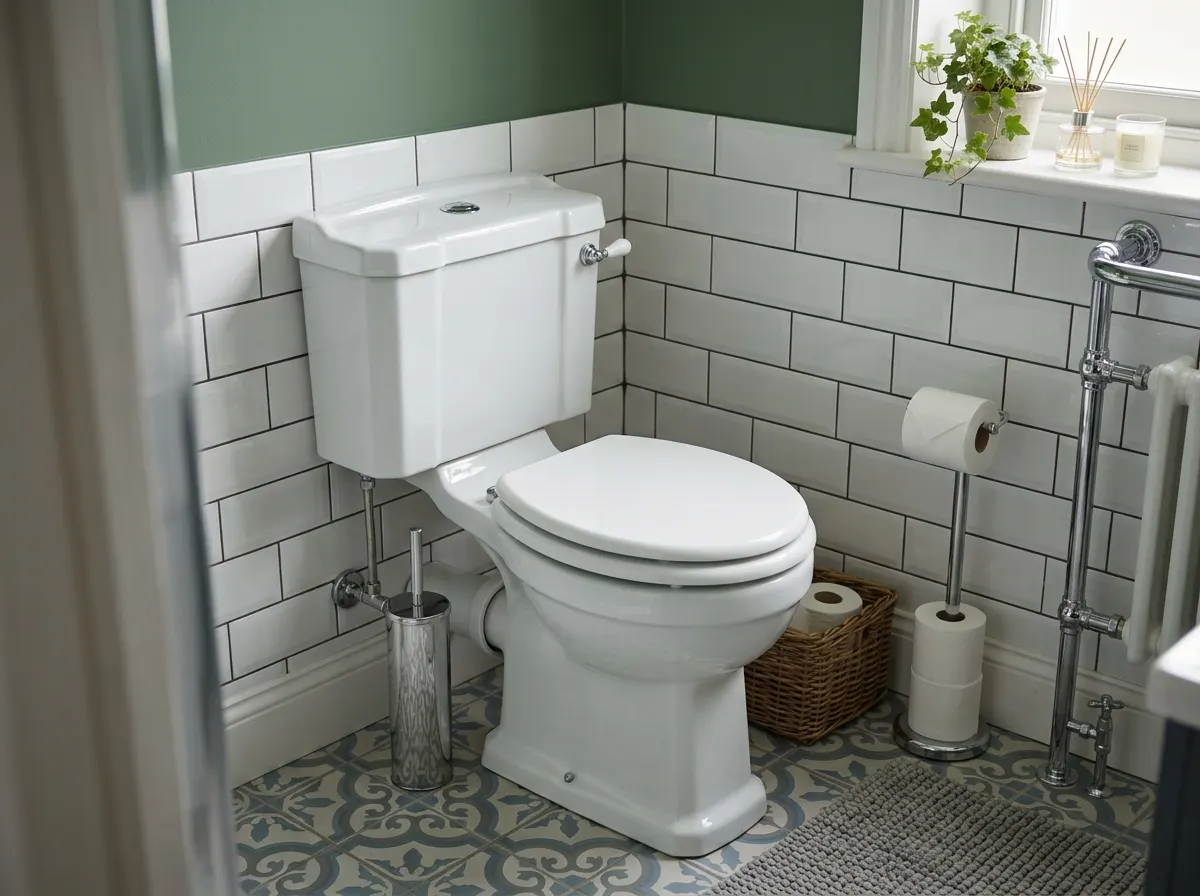
Toilet Installation
Close-coupled, wall-hung, and smart toilet installation costs.
New Bathroom Cost
Complete suite replacements and plumbing renovations.
Bath Installation
Costs for freestanding, acrylic, and shower baths.
Ready to find a plumber?
Use our AI to get a precise estimate for your exact tap swap, then connect with Pricing Penguin Accredited tradespeople near you.
Did you find this page helpful?
Let us know if this guide helped you plan your tap project.