How much does house rendering cost in the UK?
 By Tom Ellis
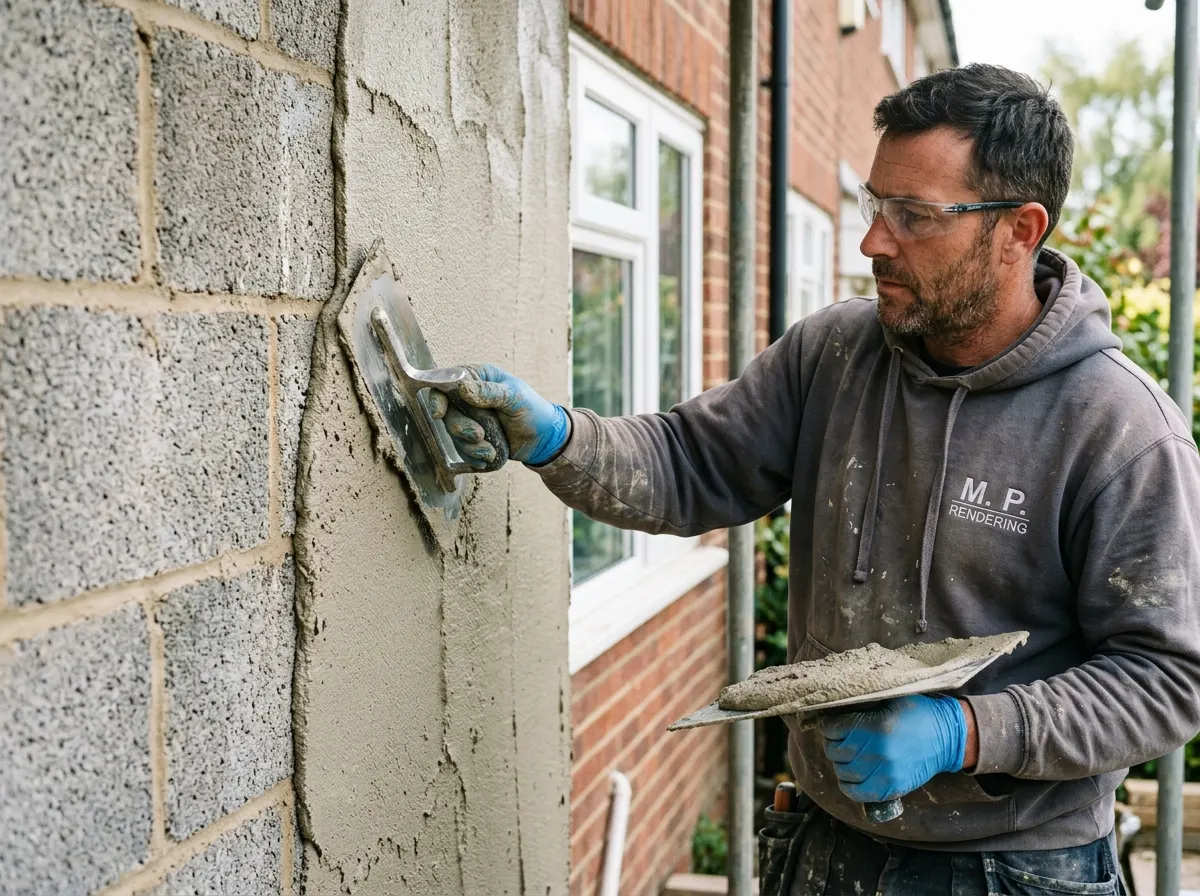
External rendering acts as your home's raincoat. It seals porous brickwork from driving rain, prevents penetrating damp, and can entirely transform the kerb appeal of a dated, ugly exterior into a sleek, modern property.
In 2026, the cost to render a house in the UK typically ranges from £3,000 to £12,000. Because renderers quote per square metre of wall space, the size of your property is the biggest factor. However, the material you choose—from cheap, crack-prone sand and cement to premium, flexible, self-cleaning silicone—will ultimately dictate both the upfront cost and how many decades it lasts.
~£3,000
Basic specification. Rendering the front elevation only of a mid-terraced house using traditional sand and cement, or repairing and painting existing pebble dash.
~£6,000
Mid-range finish. A full 3-sided wrap of a 3-bed semi-detached house. Includes scaffolding, hacking off old render, and applying a modern Monocouche (scratch) render.
£12,000+
High-end specification. Full 4-sided rendering of a large detached home using highly flexible, crack-resistant Silicone thin-coat render, or installing full External Wall Insulation (EWI).
Get an instant estimate for your house rendering
Types of Render Finishes
The render you choose dictates the upfront cost, whether it will crack in 5 years, and whether you'll have to pay a decorator to paint it every decade.
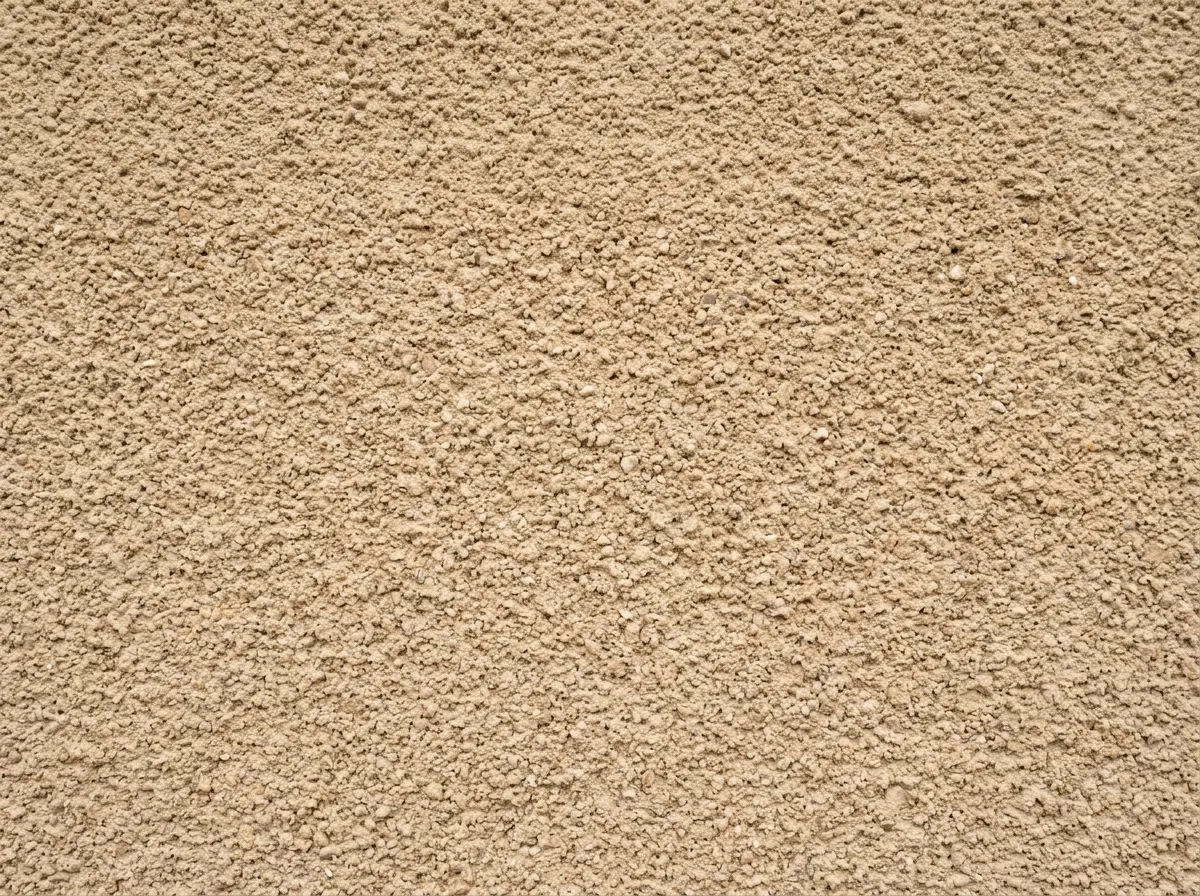
Silicone (Thin-Coat) Render
The absolute gold standard in 2026. Applied in a thin 1.5mm–2mm layer over a reinforced fibre-mesh base coat. It is highly flexible (so it won't crack when your house naturally settles), fully breathable, and water-repellent (hydrophobic), making it self-cleaning. It comes pre-coloured, so you never have to paint it.
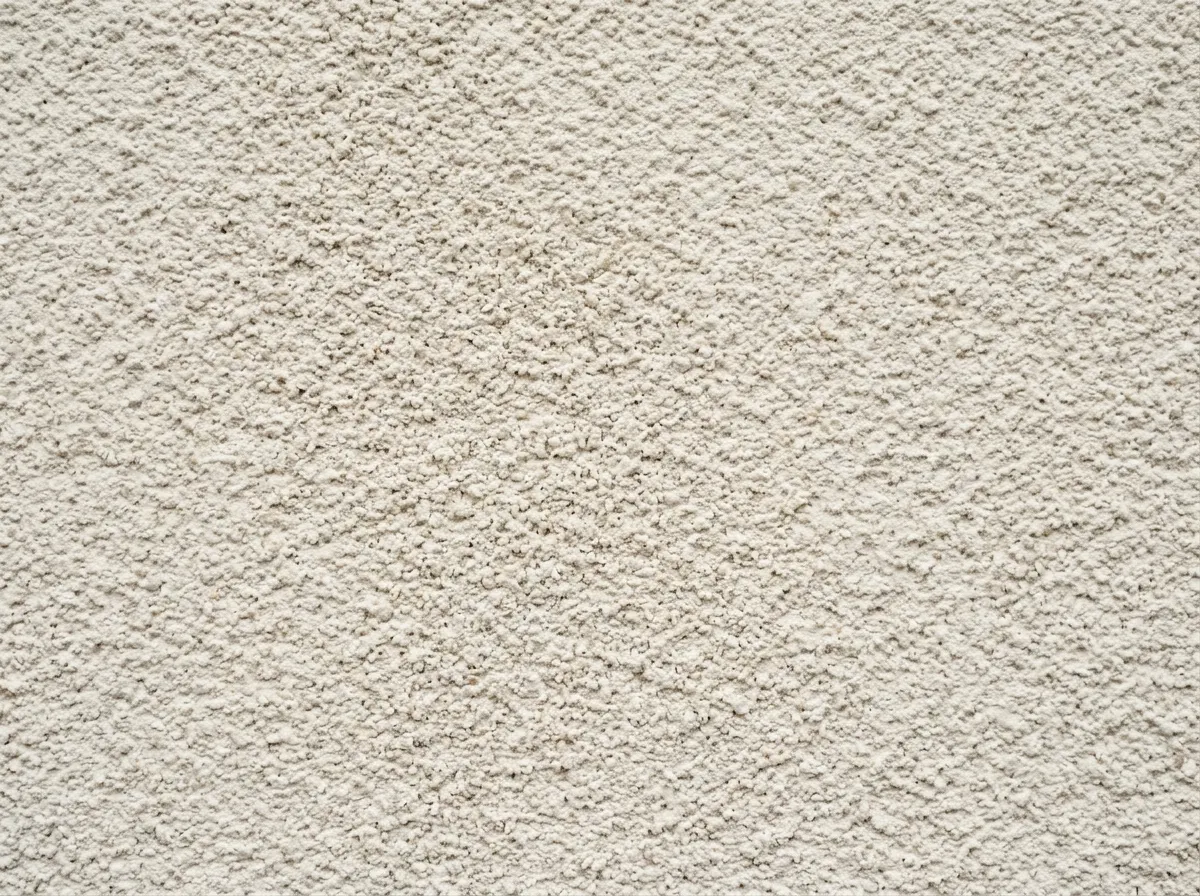
Monocouche (K-Rend)
Monocouche literally means "single coat" (though it's usually applied in two passes). Popularised by brands like K-Rend. It is a thick, cement-based render that is through-coloured. After it starts to set, the plasterer "scratches" the surface with a nail-float to expose a beautiful pitted texture. It is slightly more prone to cracking than silicone.

Traditional Sand & Cement
The old-school method. Very cheap materials, but very labour-intensive to apply perfectly flat. It dries to a dull grey and must be painted with exterior masonry paint. Because it dries rock-hard with zero flexibility, it is virtually guaranteed to develop hairline cracks over time as the building shifts.

Lime Render
Essential for period properties built before 1919 (which lack cavity walls). Lime render is highly breathable, allowing moisture absorbed by solid brick walls to evaporate back out. If you put cement render on an old house, it traps moisture and causes severe internal damp. Requires a specialist heritage plasterer.

Pebble Dash / Roughcast
A base coat of cement is applied, and then small pebbles or stones are aggressively thrown ("dashed") into the wet surface. It is incredibly hardy, hides severely damaged brickwork perfectly, and shrugs off coastal weather. However, it is widely considered dated, and most homeowners now pay to have it removed.
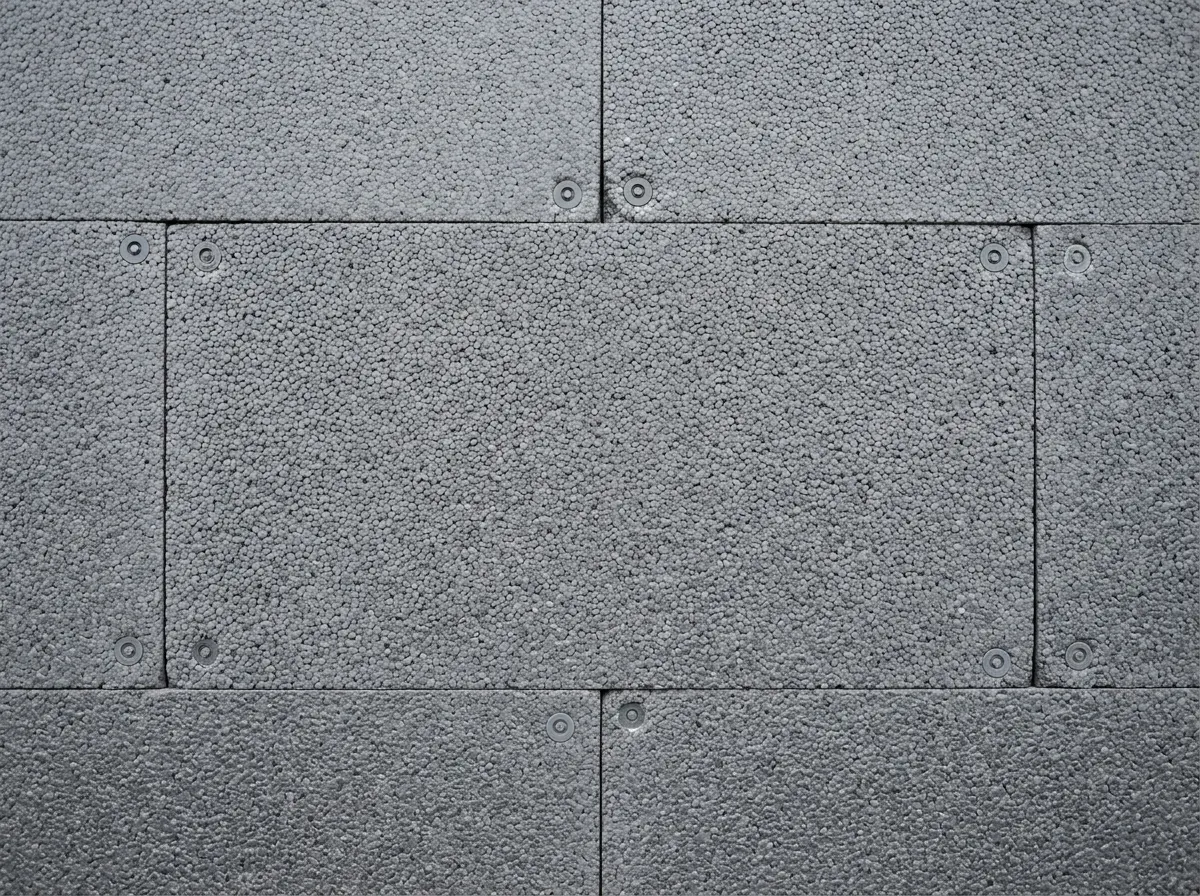
External Wall Insulation (EWI)
Not a render itself, but a system. Thick boards of EPS (Expanded Polystyrene) insulation are mechanically bolted to the outside of your house. The renderer then applies mesh, base coat, and a silicone top coat over the boards. It drastically cuts heating bills in solid-wall properties.
Costs by Property Size
The table below breaks down the typical fully fitted costs based on house size in 2026. Note: These figures assume the existing brickwork is sound. If old render needs hacking off first, add 20%.
| Property Type | Est. Wall Area | Sand & Cement | Silicone / Monocouche |
|---|---|---|---|
| Terraced House (Front & Rear) | 40 – 60 m² | £2,500 – £3,500 | £3,500 – £5,000 |
| Semi-Detached (3 Sides) | 80 – 120 m² | £4,500 – £6,500 | £6,000 – £9,000 |
| Detached (4 Sides) | 140 – 200 m² | £7,500 – £10,000 | £10,000 – £15,000+ |
| Single Garage | 20 – 30 m² | £1,200 – £1,800 | £1,800 – £2,500 |
| Add-On: Scaffolding Hire | Standard 3-side semi-detached scaffolding adds £800 - £1,500 to the overall project cost. | ||
What inflates a rendering quote?
A smooth finish relies entirely on what lies beneath. If your property needs major prep work before the wet mix touches the wall, expect the price to rise.
Scaffolding Requirements
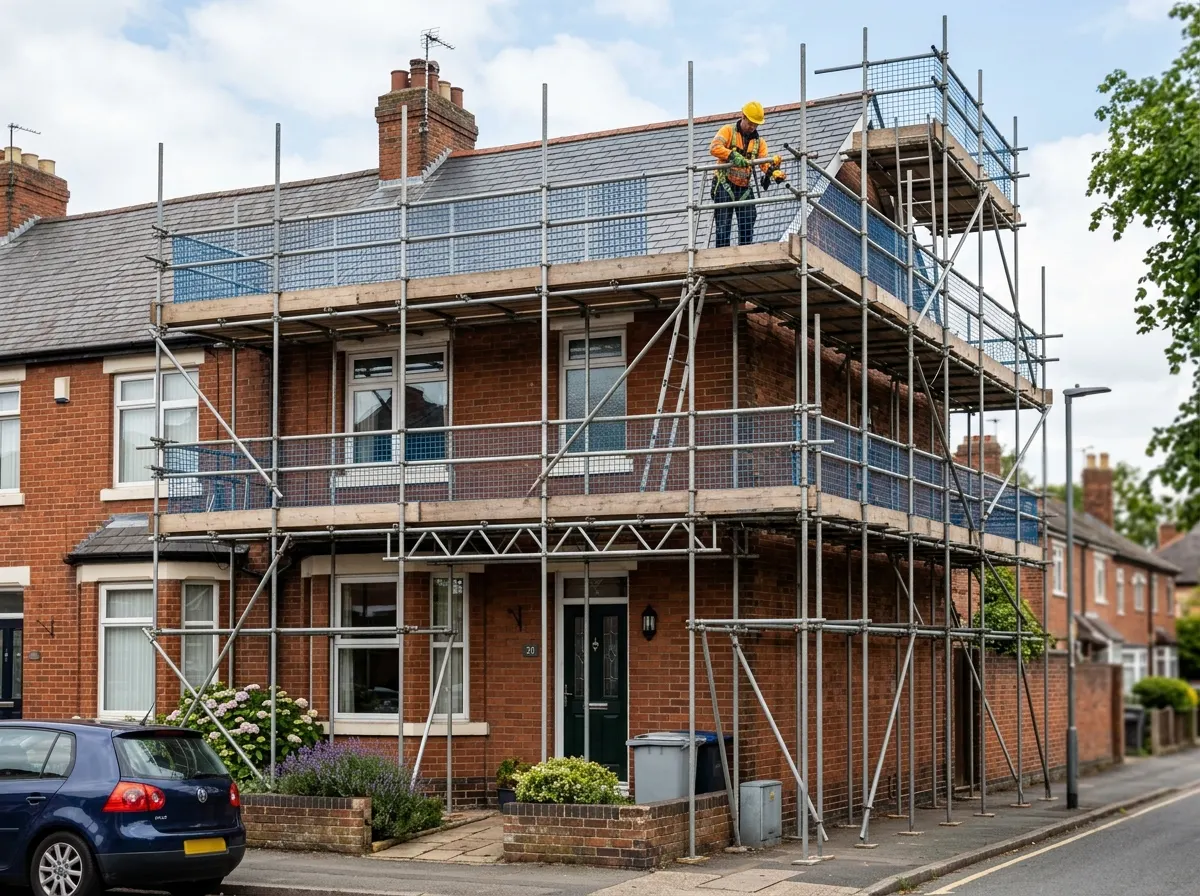
Rendering cannot be done off ladders. Plasterers need wide, stable platforms to sweep long straight-edges across the wet walls. Full perimeter scaffolding is mandatory for detached and semi-detached homes, easily adding £1,000+ to the project.
Structural Brickwork Repairs
Once old render is hacked off, contractors often discover crumbling brickwork or blown mortar joints that were hidden from view. These must be structurally repaired, repointed, or consolidated before the new base coat can adhere.
Moving Pipes & Utilities
Downpipes, soil pipes, satellite dishes, and alarm boxes must be temporarily removed from the walls so the plasterer can render smoothly behind them. Re-attaching them via extended fixings (especially if adding thick EWI insulation) takes careful time.
Window Reveals & Beads
It's fast to render a large flat wall. But every window and door requires the contractor to meticulously install corner beads (to create sharp edges) and render inside the window 'reveals'. A house with 15 complex windows will cost more than a house with 5.
How long does rendering take?
A standard 3-bed semi-detached house takes an experienced team of 2-3 plasterers roughly 7 to 10 days. Here is the modern silicone rendering process.
Prep & Hack Off
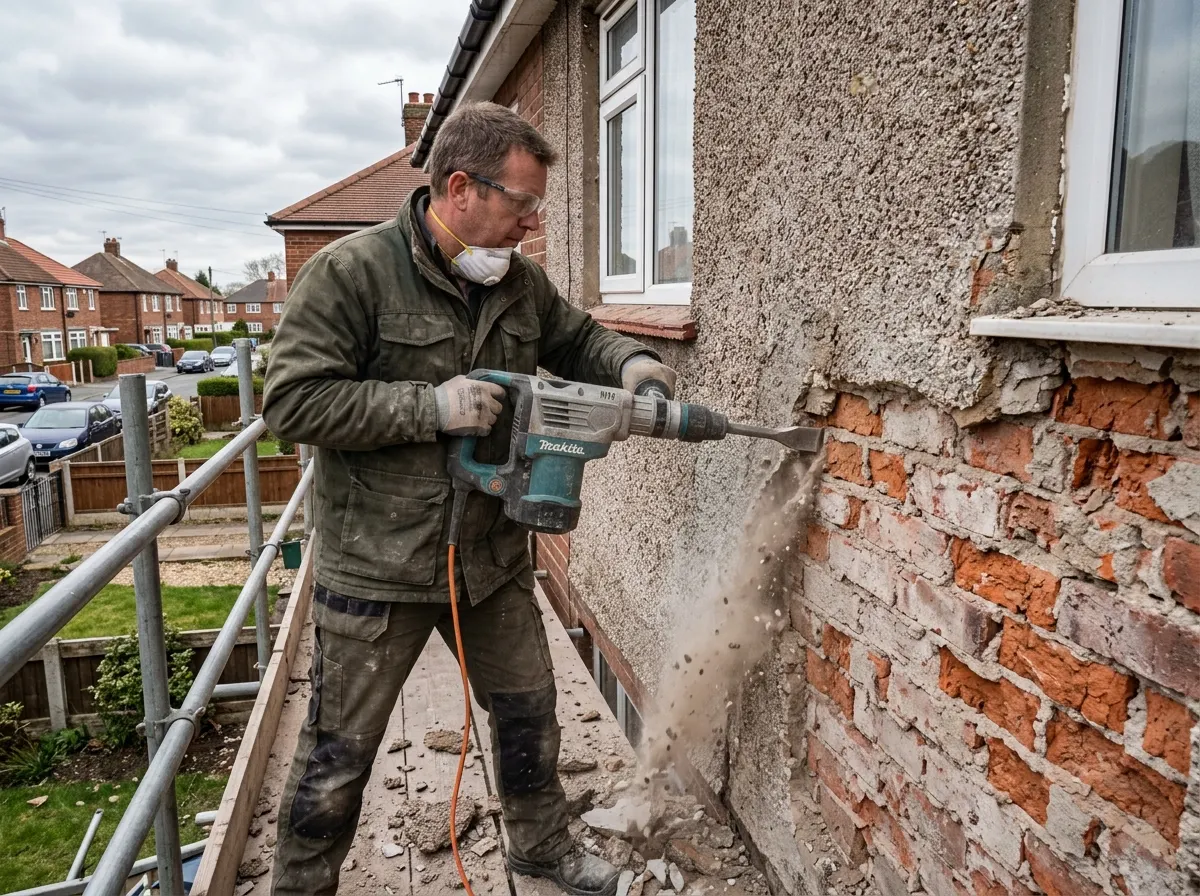
Scaffolding is erected. Pipes and gutters are removed. Windows and floors are wrapped in protective sheeting. If the old render is failing, it is forcefully chipped off back to the bare brick and removed via skips.
Base Coat & Mesh
Corner beads are fitted. A thick cement-based polymer base coat is applied. While wet, a fibreglass reinforcement mesh is pushed into the coat across the entire house to act as a skeleton, preventing future cracking.
Primer
Once the base coat is perfectly dry and flat, a liquid primer is painted or sprayed onto the walls. This primer is colour-matched to the final finish and controls the suction of the wall for the final coat.
Top Coat & Finish
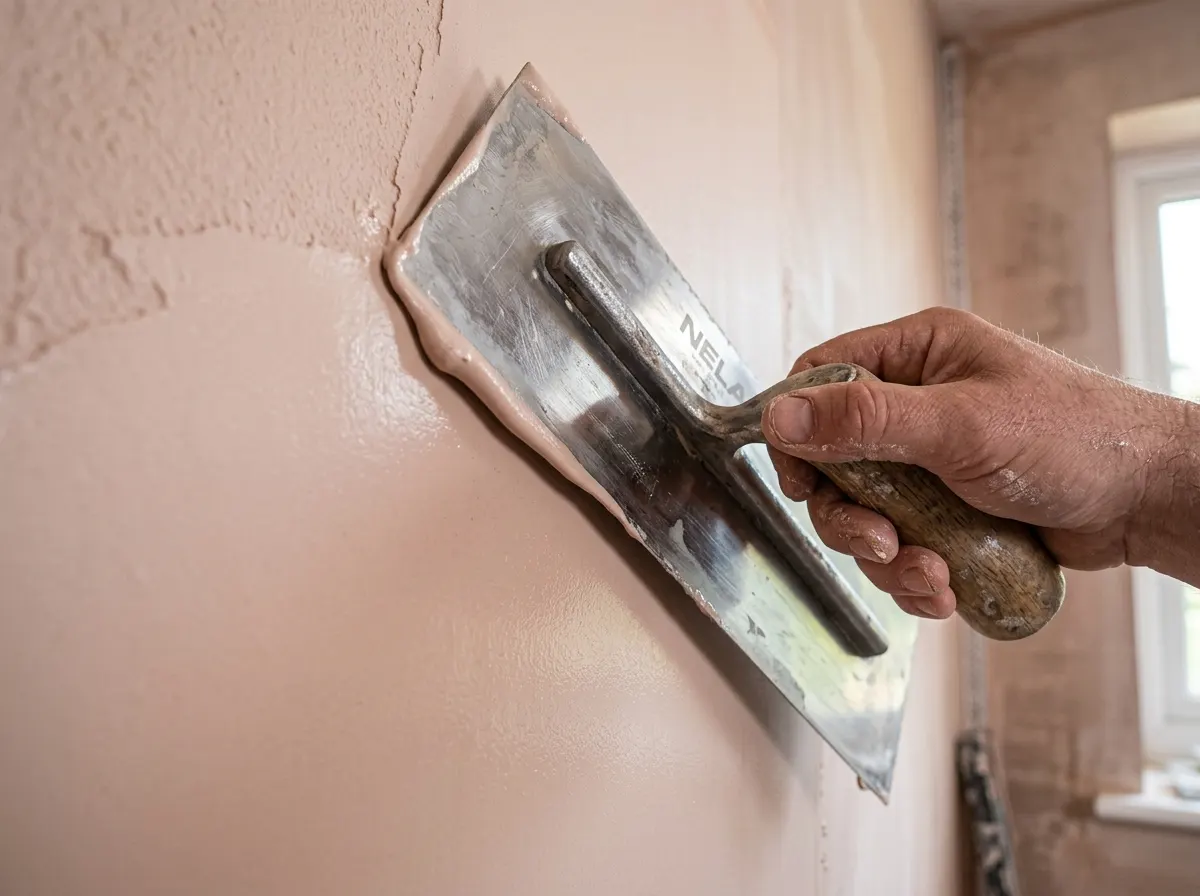
The flexible silicone top coat is trowelled on at just 1.5mm thickness, then rubbed up with a plastic float to create a seamless, uniform texture. Tape is removed, pipes re-attached, and scaffolding dropped.
Labour Rates
Rendering a house is heavy, rapid work. Plasterers must mix tonnes of material and apply it before it sets. They usually operate in "gangs" of three to ensure the wall is covered without drying lines.
Regional Pricing Variations
Because this trade is so heavily reliant on scaffolding, skip hire, and skilled labour, the total quote swings wildly depending on your UK postcode.
Red Flags & Cowboy Shortcuts
A bad render job might look pristine on day one, but will crack, blow, and peel off within a year. Watch out for these cheap quote tactics:
Rendering Over the DPC
The Damp Proof Course (DPC) stops ground moisture rising into your house. A cowboy will render straight down to the pavement, bridging the DPC. The render then acts like a wick, sucking rainwater up the wall and causing severe damp inside your living room.
Rendering in Freezing Weather
Silicone and cement contain water. If applied when temperatures drop below 5°C, the water inside the wet render freezes and expands. Once it thaws, the entire coat turns to crumbly dust and will peel off the wall. Good plasterers will halt exterior work in winter cold snaps.
Missing Fibreglass Mesh
Modern silicone systems require a base coat with a heavy-duty fibreglass mesh pressed into it to stop cracking. Rogue traders will skip the mesh layer to save £300 on materials. Without the skeleton, the thin top-coat will crack as soon as the house vibrates in the wind.
Can you DIY exterior rendering?
No. While painting is DIY-friendly, applying wet render is a highly skilled trade. It requires immense physical strength, speed, and years of muscle memory to get flat over large areas.
What you CAN DIY:
- ✓ Preparation & Hacking Off: You can save on labour by hiring a skip and using an SDS drill to aggressively hack off the old, blown render back to the bare brick before the plasterer arrives.
- ✓ Painting Existing Render: If your traditional sand and cement is structurally sound but looks tired, power-washing it and rolling on two coats of high-quality exterior masonry paint (like Sandtex or Dulux Weathershield) is an excellent DIY weekend project.
Why DIY Rendering Fails
"Day Joints": If you try to render a whole wall yourself, the mix will dry before you finish. The point where the dry render meets the new wet render creates an ugly, highly visible line called a day joint. Pros work in gangs to keep a "wet edge" across the entire house.
Frequently Asked Questions
How long does house rendering last?
Traditional sand and cement render usually lasts 20-30 years before cracking requires attention. Modern silicone and monocouche renders are highly flexible and boast life expectancies of 30+ years with minimal maintenance.
Does rendering improve insulation?
Standard 15mm rendering provides minimal thermal improvement—it just stops wind and rain. However, upgrading to an External Wall Insulation (EWI) system with rendering layered over thick EPS boards will dramatically reduce heat loss in solid-wall properties.
Do I need planning permission to render my house?
Usually no. If you live in a standard property outside designated areas, rendering falls under Permitted Development. However, if your home is Listed, or sits in a Conservation Area or National Park, you must apply for planning permission to change the exterior appearance.
Can you render over old pebbledash?
It is technically possible to render over well-adhered pebble dash to save money. However, if the old dash is "blown" (hollow behind) or crumbling, the weight of the new render will pull it all off the wall. A reputable contractor will almost always advise hacking it off back to brick.
Do you have to paint modern render?
No. Modern Silicone and Monocouche (K-Rend) systems are "through-coloured". The pigment is mixed into the material at the factory, meaning if it gets scratched, it is still the same colour underneath. Traditional sand and cement is the only type that must be painted.
What is the cheapest way to render a house?
Standard sand and cement is the cheapest material. However, it takes longer to apply, requires painting afterwards, and cracks easily. Silicone is more expensive upfront, but considering you never have to paint it, it often works out cheaper over a 10-year period.
Ready to transform your home's exterior?
Use our AI to get a precise estimate based on your wall meterage and chosen finish, then connect with Pricing Penguin Accredited rendering specialists near you.
Did you find this page helpful?
Let us know if this guide helped you plan your project.