How much does a new kitchen cost in the UK?
 By Tom Ellis
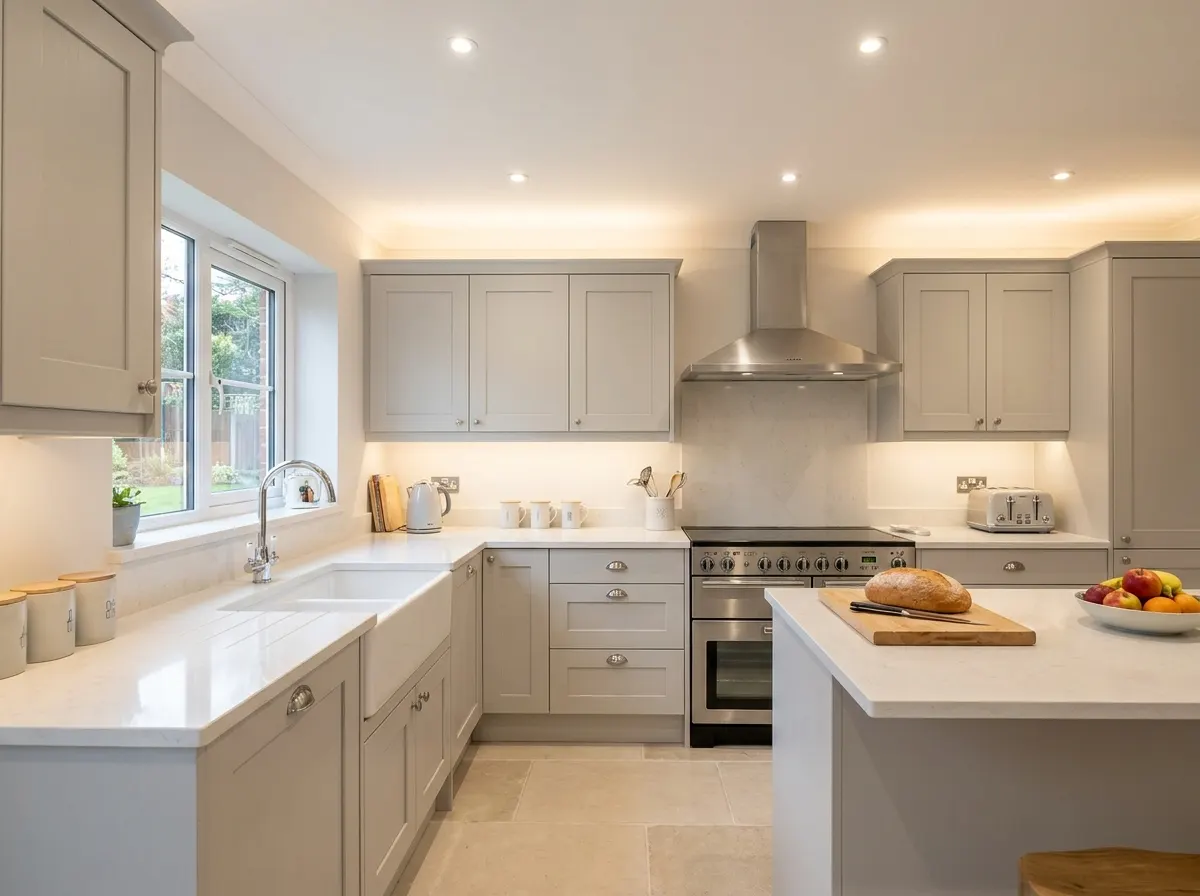
A kitchen renovation is one of the most expensive home improvements most UK homeowners ever undertake, and also one of the easiest to blow the budget on.
The 'kitchen' quote you see advertised is rarely the real number — by the time you add appliances, worktops, tiling, flooring, lighting, electrics, and plumbing relocation, the true installed cost is usually 60–100% higher than the cabinets-only figure.
~£5,000
Basic specification. Flat-pack cabinets (IKEA/Wickes), laminate worktops, freestanding appliances, keeping the existing layout.
~£12,000
Mid-range finish. Rigid cabinets (Howdens/Wren/Magnet), quartz worktops, integrated appliances, new flooring and tiling.
£25,000+
High-end specification. Bespoke or John Lewis cabinetry, Dekton/Granite worktops, premium Neff/Bosch appliances, major layout changes.
Get an instant estimate for your new kitchen
The UK Kitchen Market by Tier
Cabinet supplier choice drives most of your budget. Here is how the major UK brands stack up in terms of price and fully-fitted turnaround times.
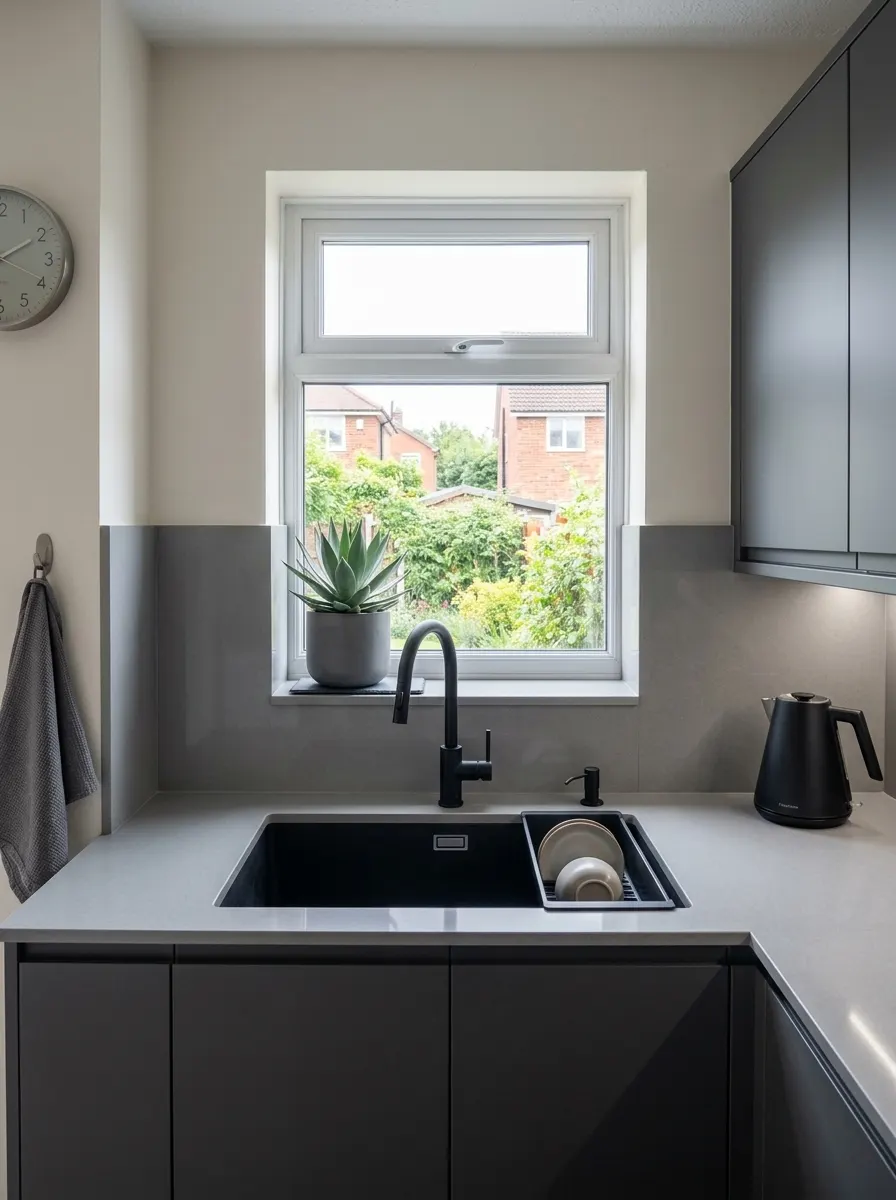
Budget / Flat-Pack
Brands like IKEA, Wickes, and B&Q. Excellent for tight budgets. Cabinets often come flat-packed, which saves on supply costs but can increase fitter labour time to assemble.
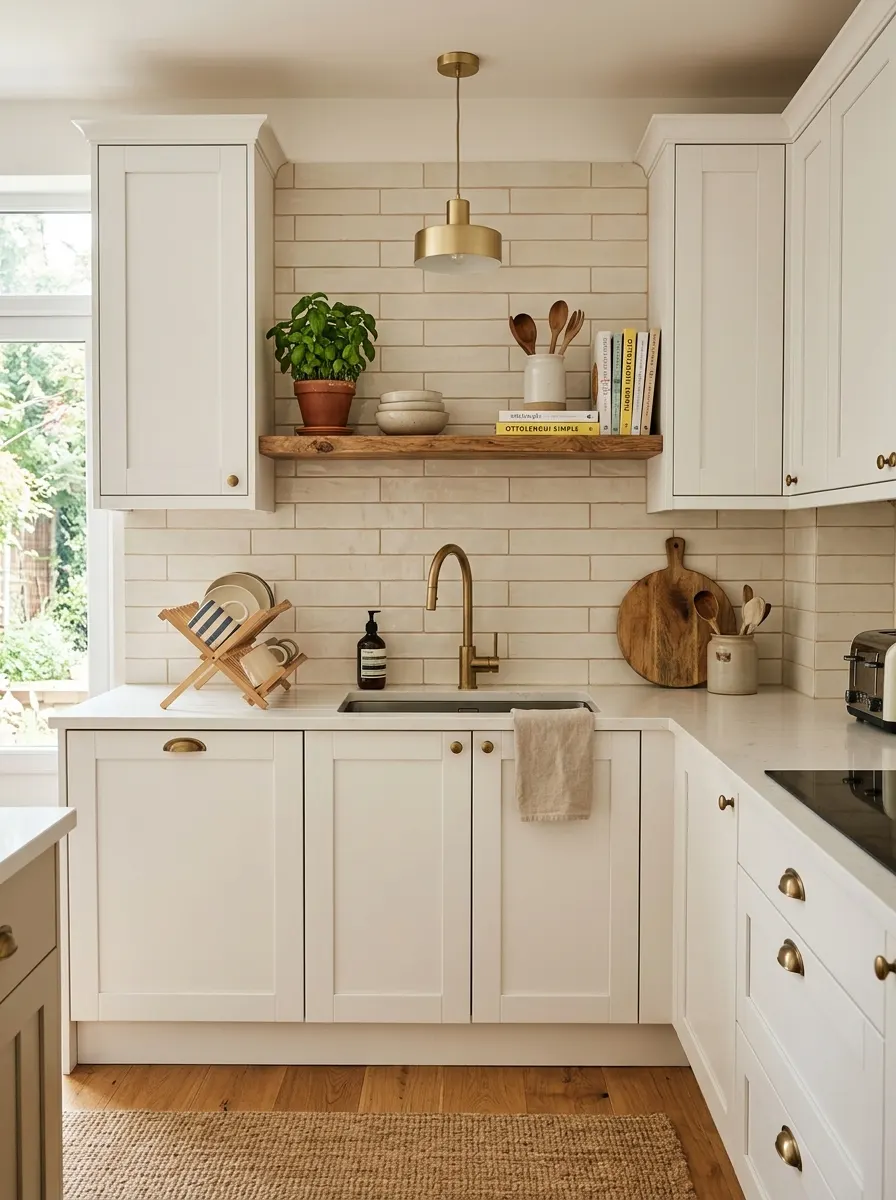
Mid-Range / Direct
Brands like Wren, Magnet, DIY Kitchens, and Benchmarx. Cabinets arrive pre-assembled (rigid). DIY Kitchens offers massive savings by operating purely online without showrooms.
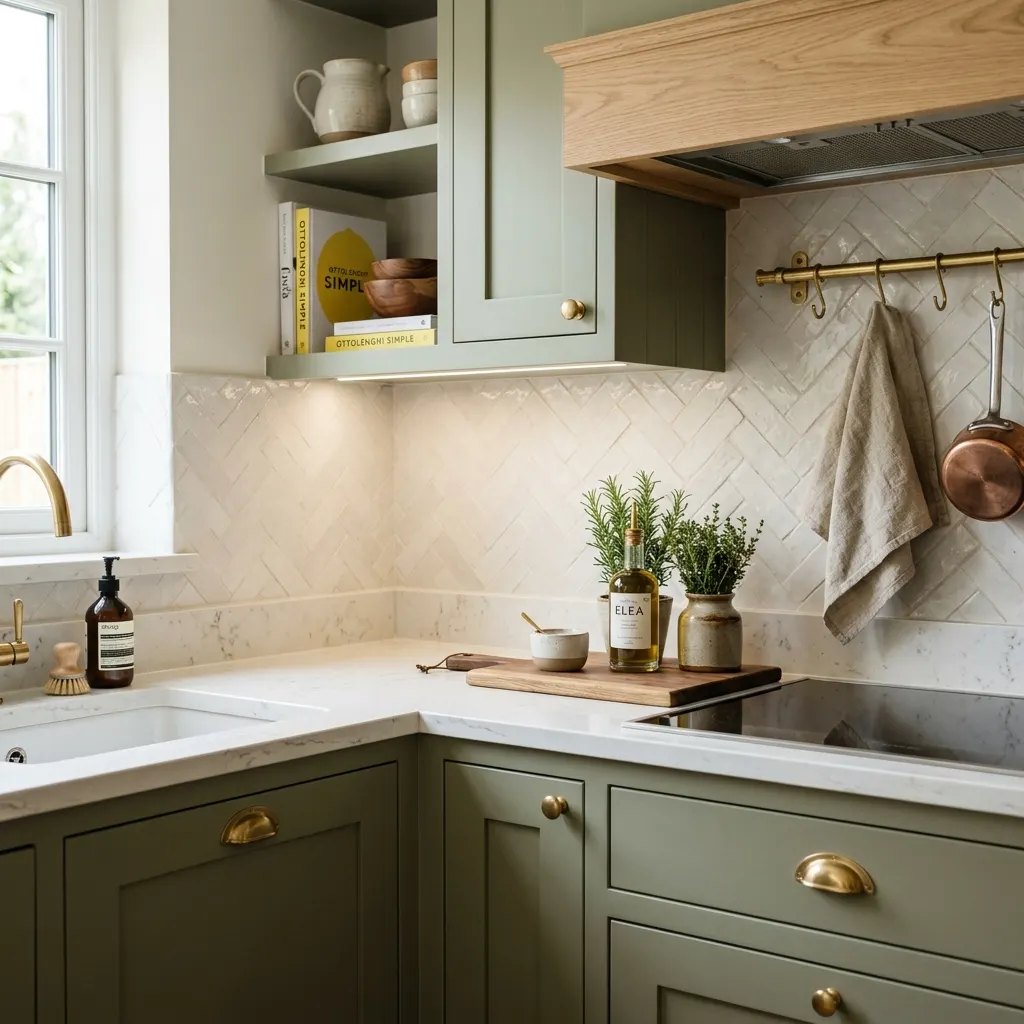
Mid-Premium / Trade Only
Brands like Howdens. You cannot buy from Howdens directly; your fitter sets up an account and passes the cost (and markup) onto you. High availability and vast local stock.
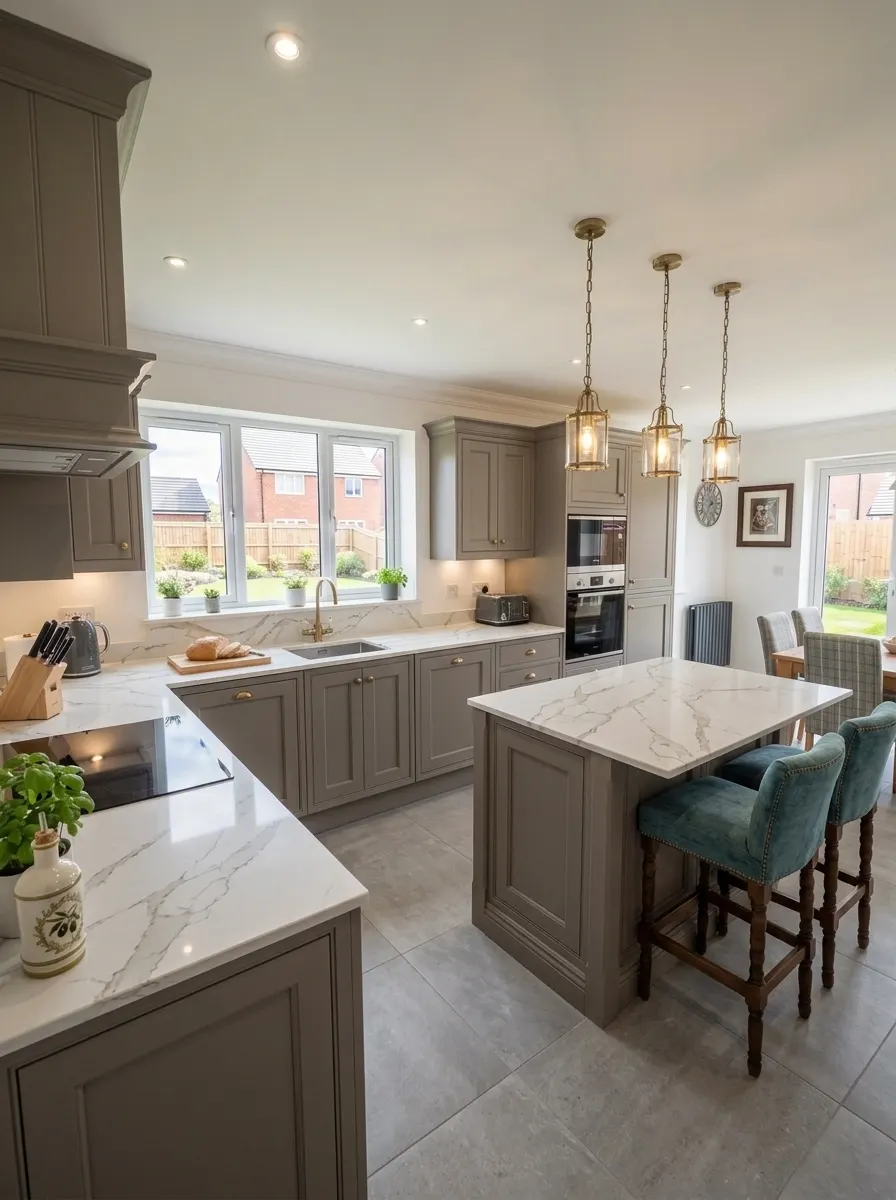
Premium / Bespoke Handmade
Brands like John Lewis, Plain English, or deVOL. Handmade solid wood cabinetry, painted in situ, built to exactly fit your walls with zero filler panels.
Component Breakdown
Useful if you're pricing up individual upgrades or deciding where to splurge vs save. Prices below reflect a typical 6 linear-metre UK kitchen.
| Component | Budget | Mid-Range | Premium |
|---|---|---|---|
| Cabinets (Supply Only) | £1,500 – £3,000 | £3,500 – £6,000 | £7,000 – £15,000 |
| Worktops (~6m, Fitted) | £400 (Laminate) | £1,200 (Quartz) | £2,500+ (Granite/Dekton) |
| Oven + Hob + Hood | £500 – £800 | £900 – £1,500 | £2,000 – £5,000 |
| Integrated Fridge-Freezer | £400 – £600 | £700 – £1,200 | £1,500 – £3,500 |
| Sink + Tap | £150 | £350 | £800 – £1,500 |
| Tiling (Splashback) | £400 – £700 | £700 – £1,200 | £1,500 – £2,500 |
| Flooring (~15m²) | £450 | £900 | £1,500 – £2,200 |
| Electrical + Plumbing | £400 – £700 | £700 – £1,200 | £1,200 – £2,000 |
| Installation Labour (2 fitters) | £2,000 – £3,000 | £3,000 – £4,500 | £4,500 – £7,000 |
Budget Overruns: The most common source of budget blowouts are worktops and appliances. Upgrading from a £300 laminate to a £2,500 Dekton worktop alone can shift a project from a "Budget" tier to a "Mid-Range" tier.
How long does fitting a kitchen take?
A standard UK kitchen renovation takes 2 to 4 weeks on site. However, you must budget an extra 6–12 weeks beforehand for showroom design consultations, ordering, and cabinet manufacturing.
Strip Out & First Fix
The old kitchen, flooring, and tiles are ripped out and skipped. Water and gas are capped off. Electricians and plumbers chase new channels into the brickwork for relocated sockets, island ring-mains, and appliance feeds. If needed, the walls are then plastered and left to dry.
Cabinets & Templating
Once the plaster is dry, the fitters assemble and install the base and wall units. Every cabinet must be laser-levelled perfectly. Plinths, end panels, and cornices are cut and fitted. Once the base units are locked in place, the stone supplier arrives to laser-template your worktops.
The Worktop Wait
If you chose laminate or timber, this skip doesn't apply. But if you chose quartz or granite, the fitters must leave the site while the stone is manufactured off-site. You will usually be given a functional sink propped up on temporary wood, but cooking is severely limited.
Second Fix & Finish
The stone worktops arrive and are glued into place. Electricians and plumbers return to finally connect the induction hob, sink, and integrated appliances. The splashback is tiled, new flooring is laid, doors are aligned, and the kitchen is sealed with silicone.
What causes delays?
Kitchen fitting is heavily reliant on sequenced trades. If one thing goes wrong, the whole timeline shifts.
Hidden Damp
When old cabinets are ripped out, fitters frequently discover hidden damp, leaking pipes, or rotten floorboards that were masked by the old kickboards. This must be structurally repaired before the new kitchen goes in.
Missing Parts
Kitchens arrive in hundreds of boxes. If a single crucial corner post, hinge, or integrated appliance is out of stock or arrives damaged, the worktop templater cannot do their job, delaying the entire second half of the fit.
Winter Plastering
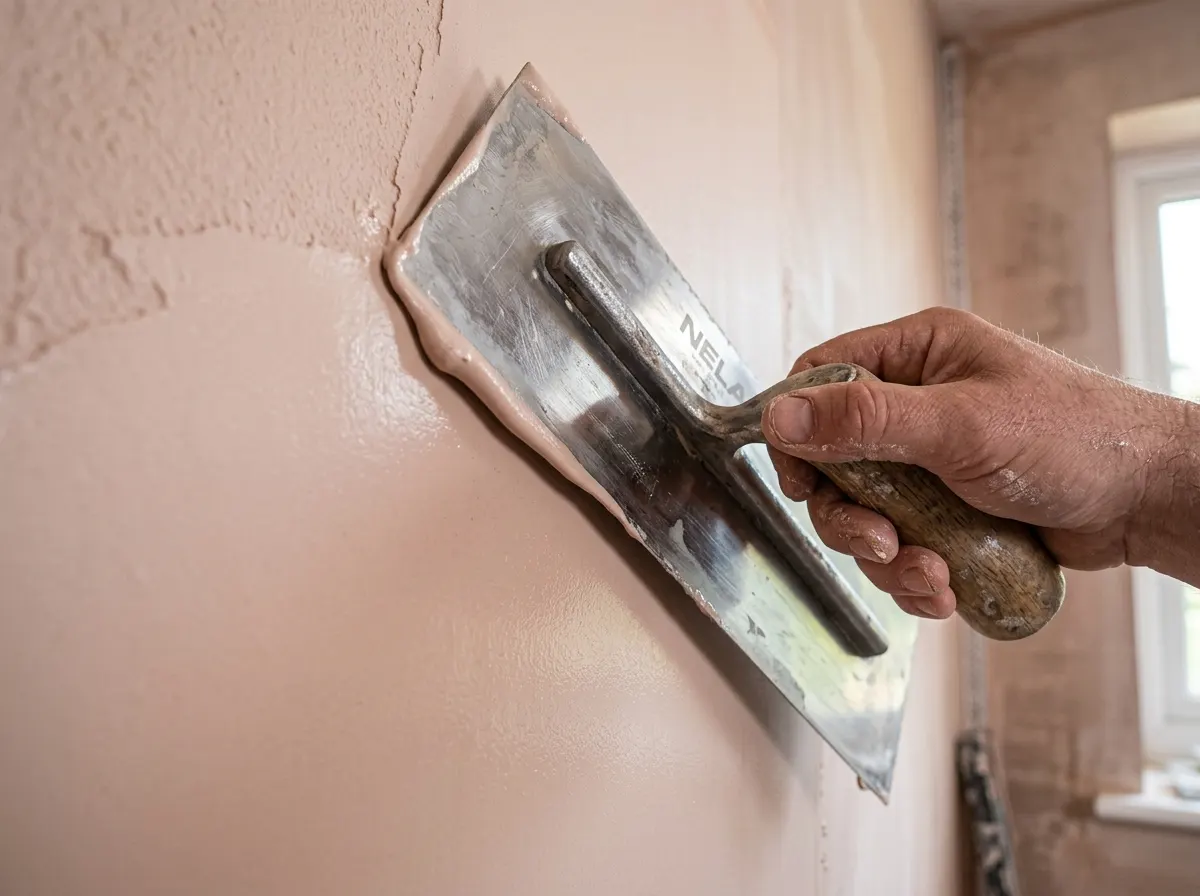
If the walls need a full wet plastering back to brick, the plaster must turn entirely pale pink before cabinets can be hung on it. In deep winter, without adequate heating, this drying process can drag on for over a week.
How to save money without cutting quality
-
Buy Trade-Direct Cabinets
Buy from DIY Kitchens or Benchmarx instead of a big showroom brand. You get the exact same rigid 18mm construction, but for around 40% less money.
-
Keep the Existing Layout
Moving the sink or hob by even 1 metre forces expensive plumbing and gas reroutes, adding £1,500–£4,000 to the job. Keeping your appliances where they are saves huge amounts of labour.
-
Be Smart with Worktops
Quartz looks identical to most natural granite but at half the price. Furthermore, modern laminate is genuinely fantastic for budget builds and easily lasts 10+ years if looked after.
Regional Considerations
While Wren and Magnet charge national prices for cabinets, your fitters will charge local labour rates. Expect a sharp premium in the South East.
How to hire a reliable kitchen fitter
In the UK, kitchen fitters are often independent tradespeople rather than full-service firms. That means you are managing multiple trades.
Check Certifications
Ensure the electrician is Part P registered (required for new circuits) and anyone touching your gas hob is Gas Safe Registered. Do not let a general carpenter do this work.
Watch for Quote Exclusions
Get 3 quotes on the exact same spec. Watch for quotes that exclude appliance connection, worktop templating, or waste removal/skip hire — these add £300–£800 mid-project.
See Past Work
Ask to see at least one completed kitchen in person, or look at a verified photo portfolio. Pay attention to how neat the silicone lines are and how level the cabinet doors sit.
Full-Service vs Independent
A full-service firm will coordinate the plumber, tiler, and electrician for you, but will charge a premium for project management. Hiring an independent fitter is cheaper, but you must coordinate the trades.
Make sure you know before you sign
Kitchen quotes can be notoriously vague. Protect your budget by looking out for these massive red flags in your fitter's quote:
"Dry Fit" Only Quotes
Many cheap quotes are for a "dry fit" only. This means they will physically screw the cabinets to the wall, but they will not connect your sink, washing machine, or oven. You'll be left to hire a separate plumber and electrician at great expense.
Missing Waste Removal
Ripping out an old kitchen, tiles, and flooring generates a massive amount of heavy waste. If the quote doesn't explicitly state "Includes skip hire and waste removal," expect to be hit with a £300+ bill on day one.
Uncertified Gas/Electric Work
If your fitter is moving a gas hob, they must be Gas Safe Registered. If they are running a new circuit for an induction hob, they need to provide a Part P electrical certificate. Without these, your home insurance could be invalidated.
Hidden Worktop Surcharges
If you are ordering quartz or granite, check who is paying for the templating and fitting. Showrooms sometimes quote the raw material cost but leave out the £500+ fee for the specialist stone-masons to actually cut and fit it.
Managing your kitchen rip-out waste.
Tearing out an old kitchen generates a deceptive amount of bulky, awkward waste. While not as heavy as soil or brick rubble, dismantled base units, tall larder cabinets, and long worktops will quickly swallow up all the available space on a standard driveway.
-
What you'll be clearing Bulky MDF or timber cabinets, heavy laminate or stone worktops, broken wall tiles from the splashback, old stainless steel sinks, ripped-up flooring, and mountains of cardboard packaging from your new units and appliances.
-
The best disposal method Because kitchen waste is bulky mixed refuse, a 6-yard or 8-yard builder's skip is the perfect choice. Grab lorries are not suitable as they strictly only take soil and rubble. If you don't have driveway space for a skip, a "Man and Van" clearance service can load everything directly from your front garden.

Thinking of fitting it yourself?
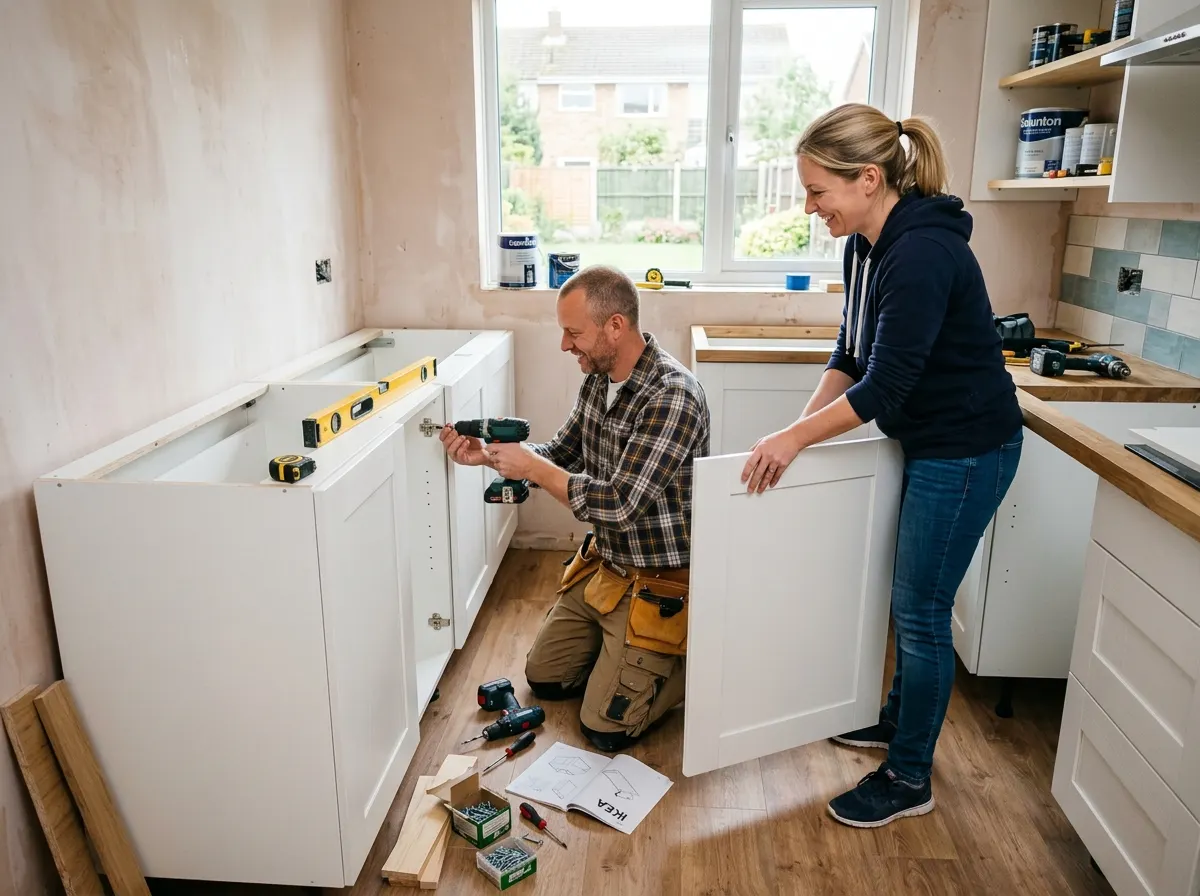
Fitting a kitchen yourself can save you £2,000 to £4,500 in labour costs. Assembling flat-pack cabinets and screwing them to the wall is well within the reach of a competent DIYer. However, there are strict legal limits on what you can do.
What you can DIY:
- ✓ The Rip Out: Save £300+ a day by removing the old cabinets, tiles, and flooring yourself (just cap off the water first!).
- ✓ Cabinet Assembly & Fitting: Building the carcasses, levelling the legs, and hanging doors.
- ✓ Laminate Worktops: If you have a good circular saw and a router jig for the corner joints, laminate is very DIY-friendly.
When you MUST call a pro
You cannot legally touch gas connections—moving or installing a gas hob requires a Gas Safe engineer. Similarly, installing new electrical circuits (like a heavy-duty ring main for a new induction hob) requires a Part P certified electrician to sign off the work for building control.
Additionally, do not attempt to fit stone, quartz, or granite worktops yourself. They are incredibly heavy, prone to cracking if unsupported, and require specialised diamond-tipped cutting tools.
Frequently Asked Questions
How much does a kitchen renovation cost in 2026?
A typical UK kitchen renovation costs between £5,000 and £25,000+ fully supplied and fitted. Entry-level flat-pack builds from IKEA or Wickes start around £5,000–£8,000; mid-range suppliers like Wren or Magnet average £10,000–£16,000; trade-supplied kitchens like Howdens run £12,000–£20,000; and bespoke handmade kitchens easily exceed £25,000. Projects located in London or the South East typically add 20% to 30% in labour premiums.
Which are the best and cheapest UK kitchen suppliers?
IKEA and Wickes offer some of the lowest upfront prices for flat-pack units. However, online specialists like DIY Kitchens and trade suppliers like Benchmarx offer exceptional quality-for-price value with rigid, pre-built 18mm cabinets. Howdens is trade-only, meaning prices are negotiated through your registered kitchen fitter or builder.
Is a quartz worktop worth the extra money vs granite or laminate?
Engineered quartz is exceptionally durable, non-porous, and requires zero sealing, making it heavily favoured over natural granite for modern homes. While quartz costs significantly more than laminate, high-pressure laminate still makes great sense for strict budget kitchen makeovers, costing 60% to 80% less while offering solid water resistance in compact profiles.
Do I need planning permission for a full kitchen renovation?
No. Internal kitchen remodeling, cabinet replacements, and room layout reconfigurations do not require planning permission. However, any new electrical installations must strictly comply with Part P of the UK Building Regulations (certified by a registered electrician), and gas cooker installations must be handled strictly by a Gas Safe registered engineer.
How much does a custom kitchen island cost to install?
Adding a custom kitchen island typically costs £1,500 to £4,000 for the base cabinets and worktop alone. If the island requires running a new electrical ring main under the floor for sockets or installing plumbing for a sink or dishwasher, expect an extra £400–£900 in trade labour. Large multi-functional islands featuring integrated venting hobs and breakfast bar seating overhangs can easily reach £5,000+.
Which kitchen appliances should I prioritise and where can I save?
It is best to allocate budget toward your main cooking appliances (the oven and induction hob) and a reliable, quiet dishwasher due to daily wear and tear. You can safely save money on secondary gadgets like built-in microwaves or wine coolers. Note that integrated fridge-freezers usually cost £300 to £500 more than freestanding alternatives while offering slightly less internal storage capacity.
How long does a complete kitchen refit take from start to finish?
An average kitchen renovation takes between 2 to 4 weeks on-site. Week one typically covers stripping out the old kitchen, first-fix plumbing/electrics, and plastering. Week two involves installing new cabinet carcasses. If you are waiting on custom-templated stone worktops like quartz, there is usually a 1 to 2-week gap before final stonework fitting, sink plumbing, and second-fix electrical testing.
Does a new kitchen installation add value to my property?
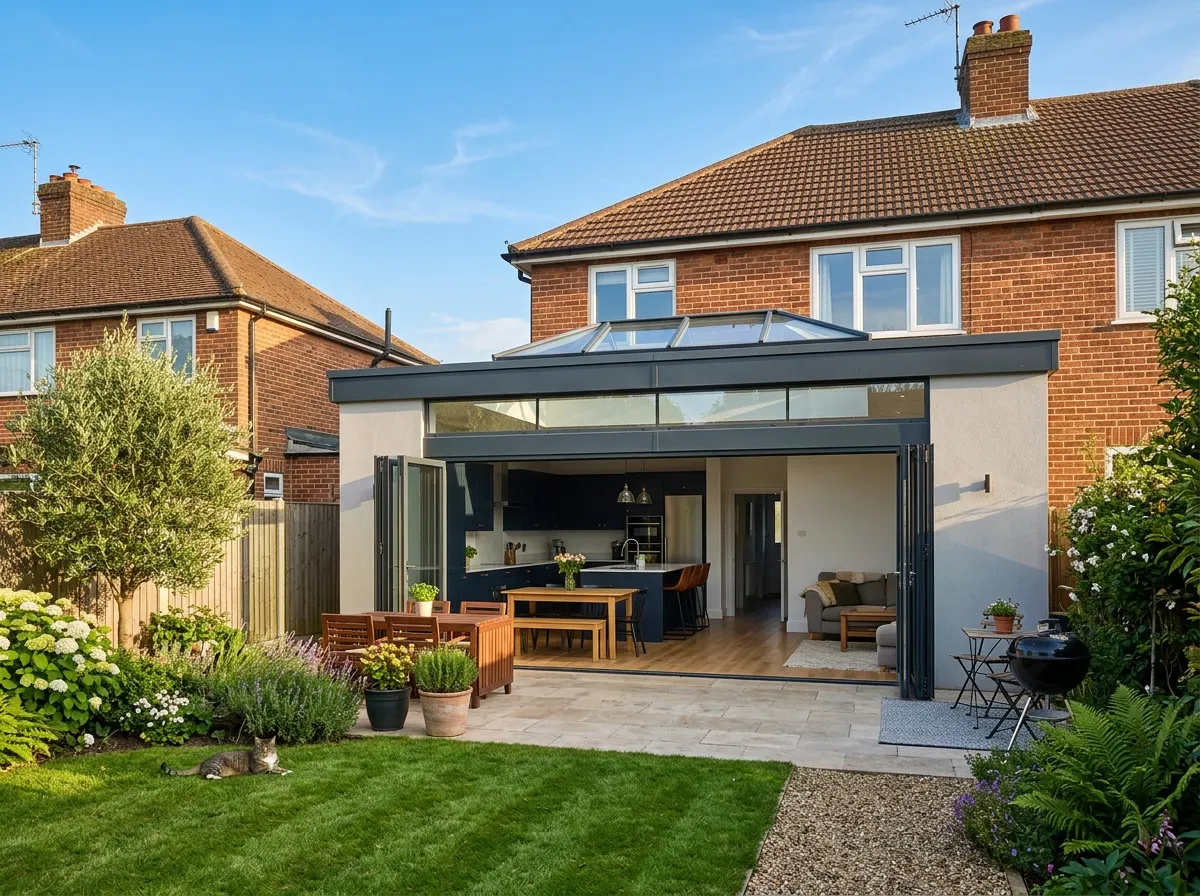
Yes, immensely. The kitchen is widely considered the heart of the home and the most influential room for prospective buyers. A modern, high-quality kitchen refit can increase a property's overall market value by 5% to 10% (and significantly more if combined with a structural kitchen-diner extension), making it one of the smartest investments for resale speed and value.


Ready to renovate your kitchen?
Use our AI to get a precise estimate for your exact kitchen measurements, then connect with Pricing Penguin Accredited fitters near you.
Did you find this page helpful?
Let us know if this guide helped you plan your project.