How much do kitchen worktops cost in the UK?
 By Tom Ellis
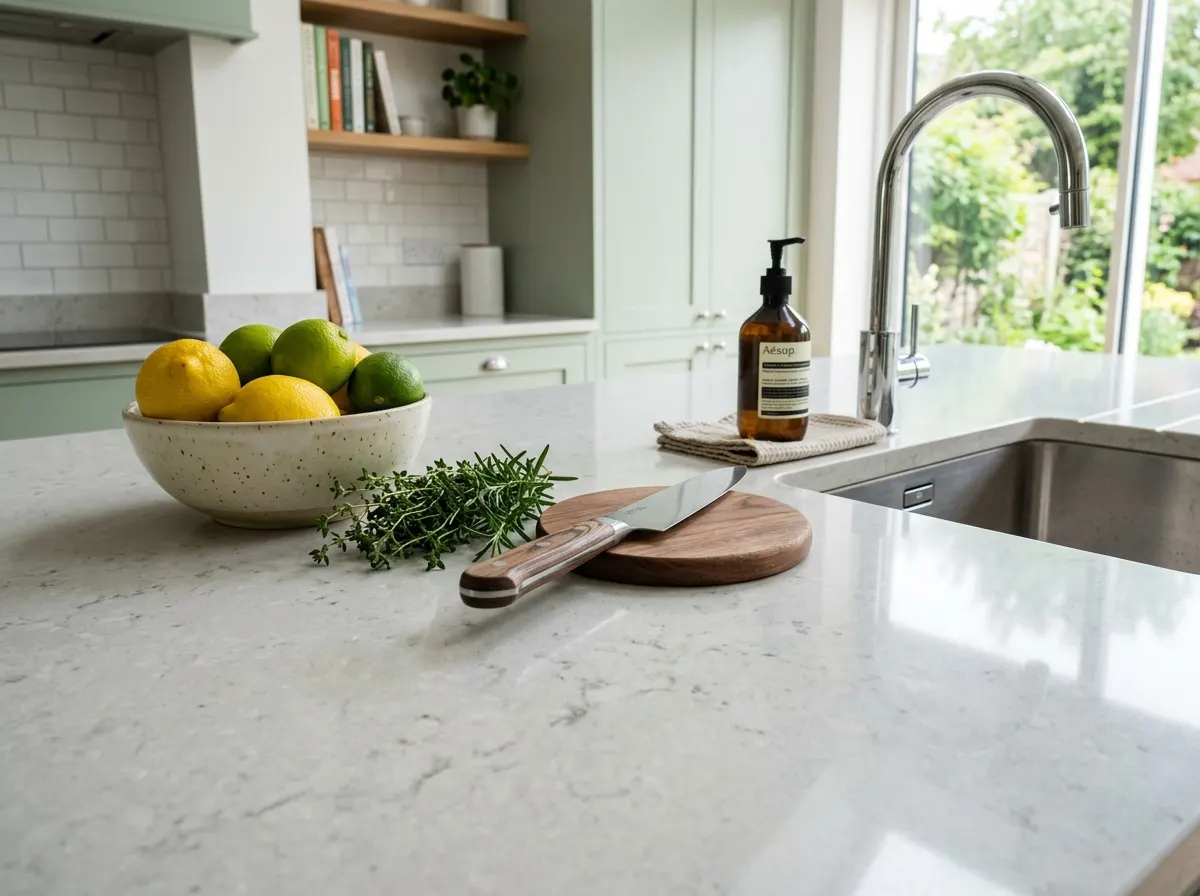
Replacing your kitchen worktops is the most impactful way to breathe new life into a tired kitchen without enduring the cost and disruption of ripping out your cabinets. However, many homeowners start with a simple idea to "freshen things up," only to realise that material choices, heavy lifting, and intricate fabrication costs can quickly multiply the budget.
In 2026, the cost to replace kitchen worktops in the UK varies massively from £300 to £4,000+ depending on the material. A straightforward laminate refresh for a standard kitchen can easily be achieved for under £700 all-in. But if you want to upgrade to premium solid Quartz or Granite—which requires laser templating, heavy diamond-saw fabrication, and an undermount sink—the total installed cost typically lands between £2,000 and £3,500.
~£600
Basic specification. Replacing roughly 5 linear metres of standard laminate worktop. Material costs are low (£40–£120 per metre), and a local carpenter can cut and fit it on-site in a single day.
~£2,500
Mid-range finish. A typical 5-metre run of stone. Includes professional laser templating, off-site factory fabrication, polished cutouts for an undermount sink, and installation by a specialist team.
£4,500+
Premium specification. Utilising ultra-compact sintered stone (like Dekton or premium bookmatched Quartz) on a large central island. Includes complex mitred "waterfall" dropping edges and draining grooves.
Get an instant estimate for your kitchen worktops
Types of Kitchen Worktops
The material you select drives 80% of the project cost. It dictates not only how the kitchen looks, but how it resists stains, heat, and scratches over its lifespan.
Laminate
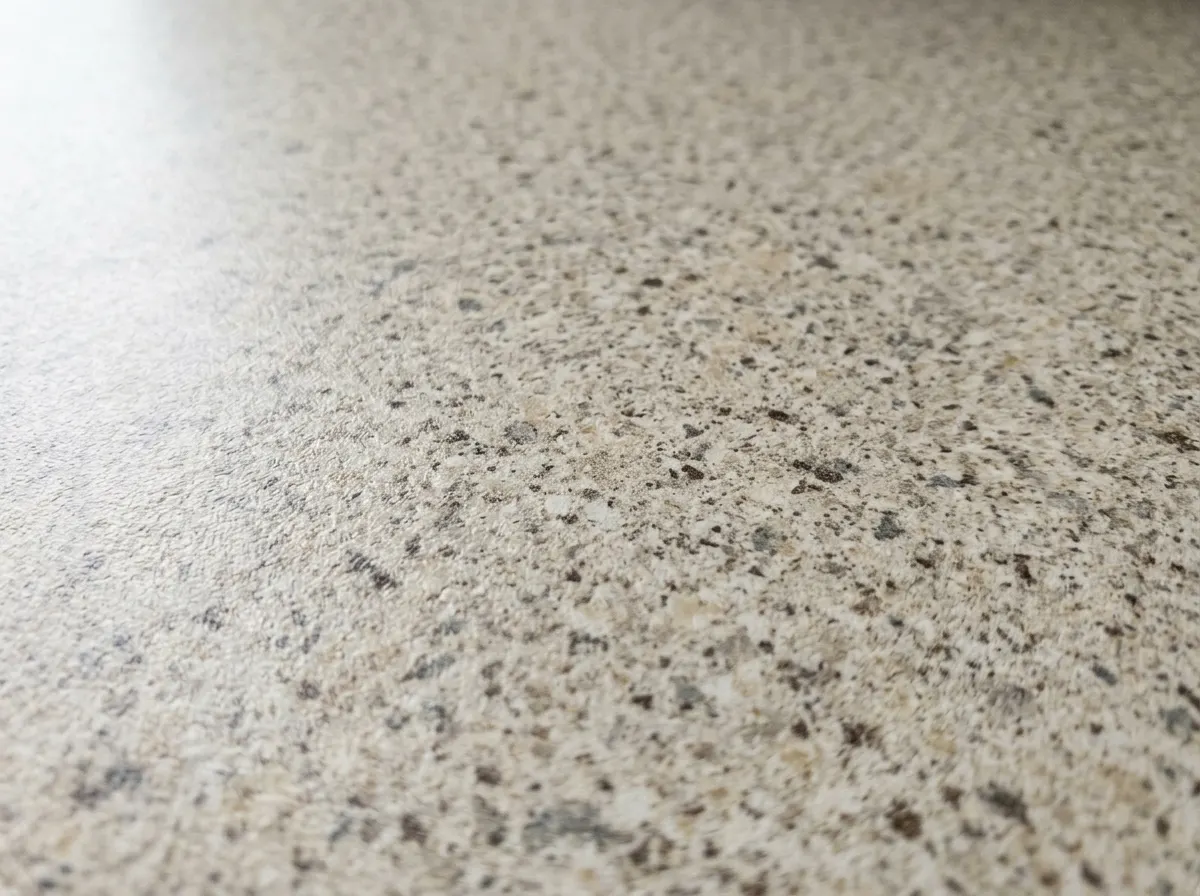
BudgetMade of high-density chipboard wrapped in a durable plastic overlay. It perfectly mimics wood or stone for a fraction of the cost. Extremely easy to cut on-site. The downside? It is prone to chipping, can swell if water breaches a joint, and you cannot install trendy undermount sinks.
Quartz (Engineered)
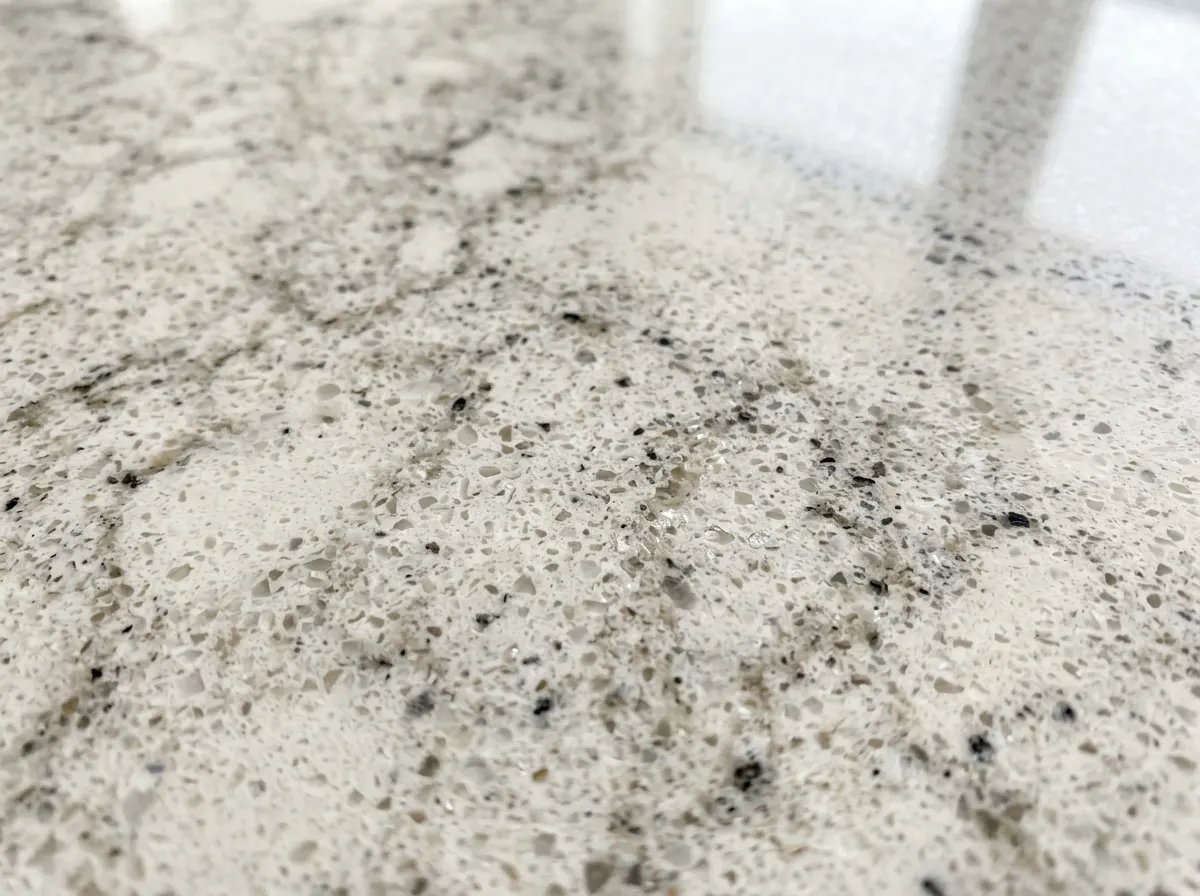
Top ChoiceThe undisputed king of modern kitchens. Quartz is an engineered stone made from 90% crushed natural quartz mixed with resin. It is totally non-porous (unlike granite, it never needs sealing), highly stain-resistant, and available in perfectly consistent marble-effect patterns.
Granite (Natural)
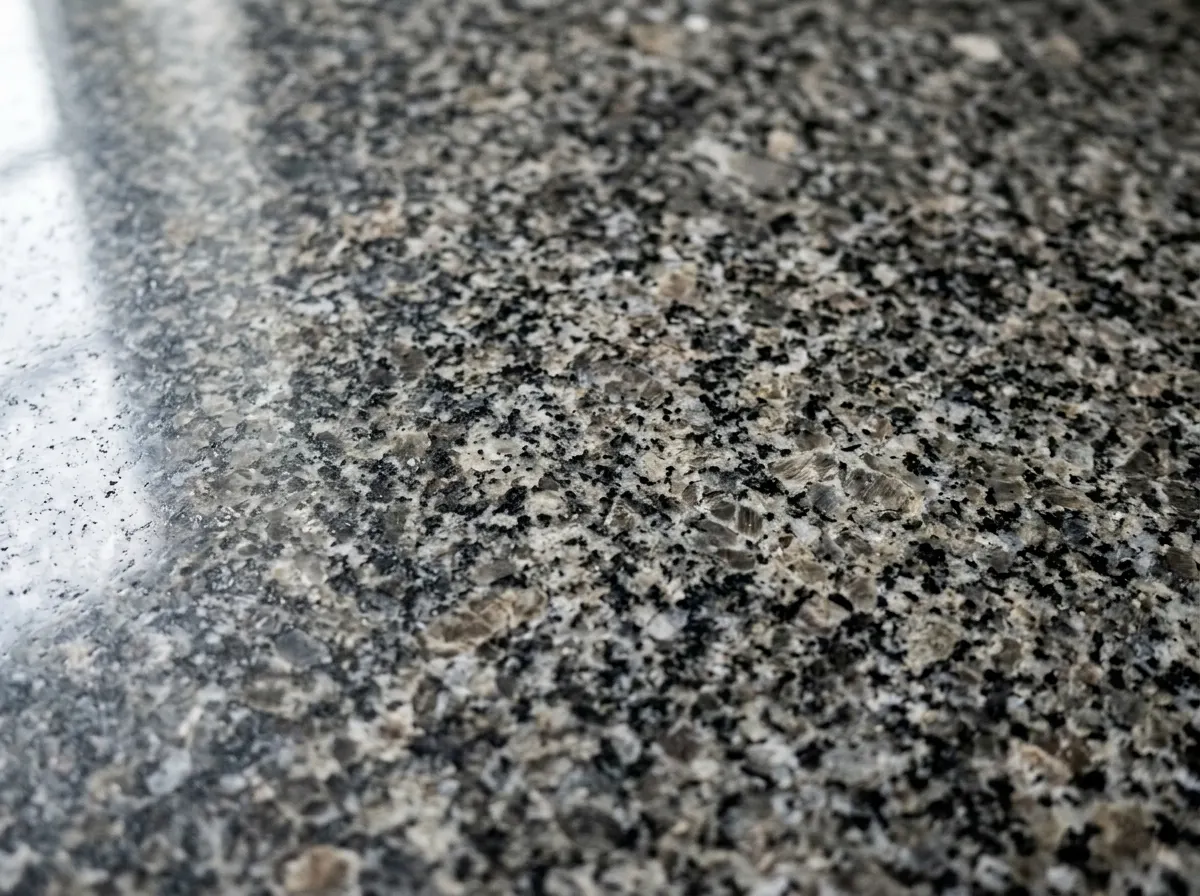
Heavy DutyA 100% natural stone cut directly from the earth. Every single slab features completely unique mineral veining. Granite is incredibly hard and highly heat resistant (you can put hot pans directly on it). However, it is slightly porous and requires re-sealing every few years to prevent oil stains.
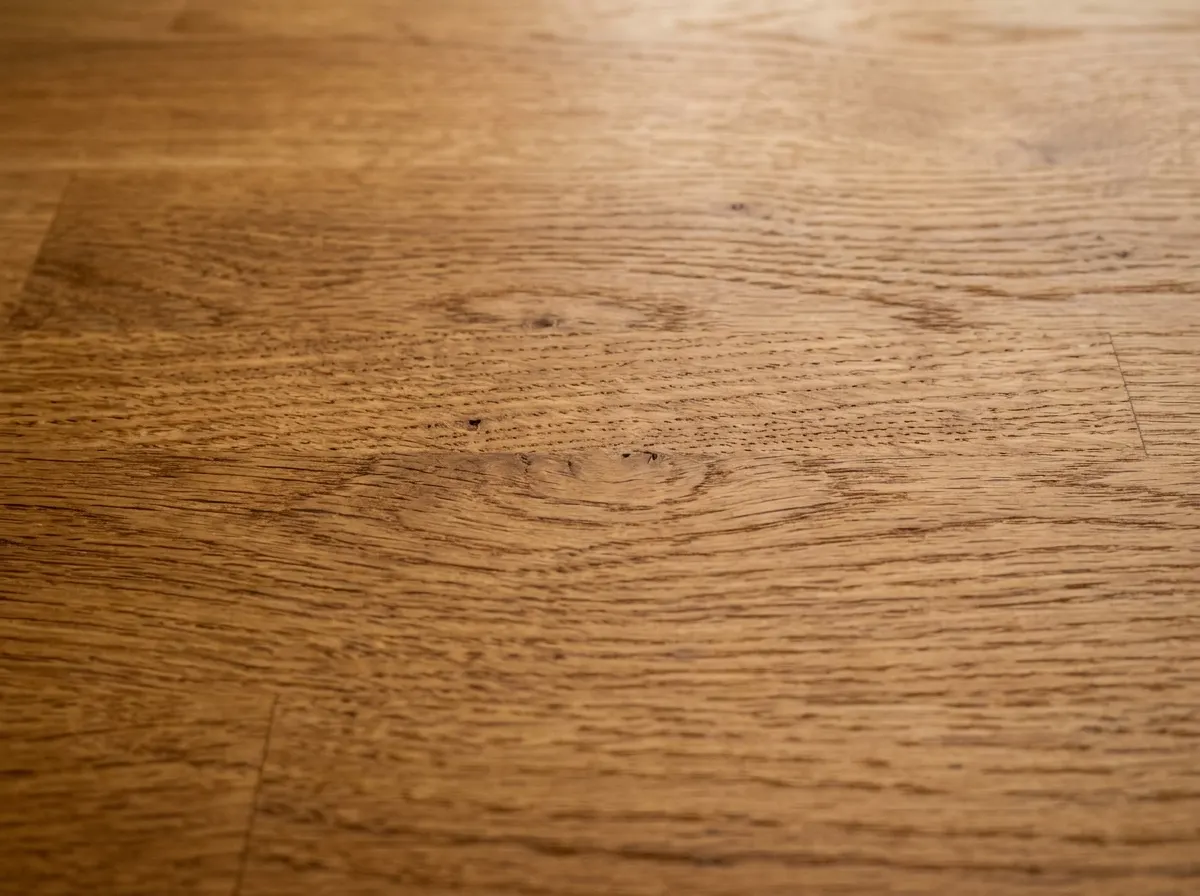
Solid Wood (Timber)
Usually Oak or Walnut staves glued together. It brings incredible natural warmth and character to traditional or shaker kitchens. However, it requires the most maintenance. Wood burns easily, scratches, and must be sanded and re-oiled annually to stop water rot around the sink area.
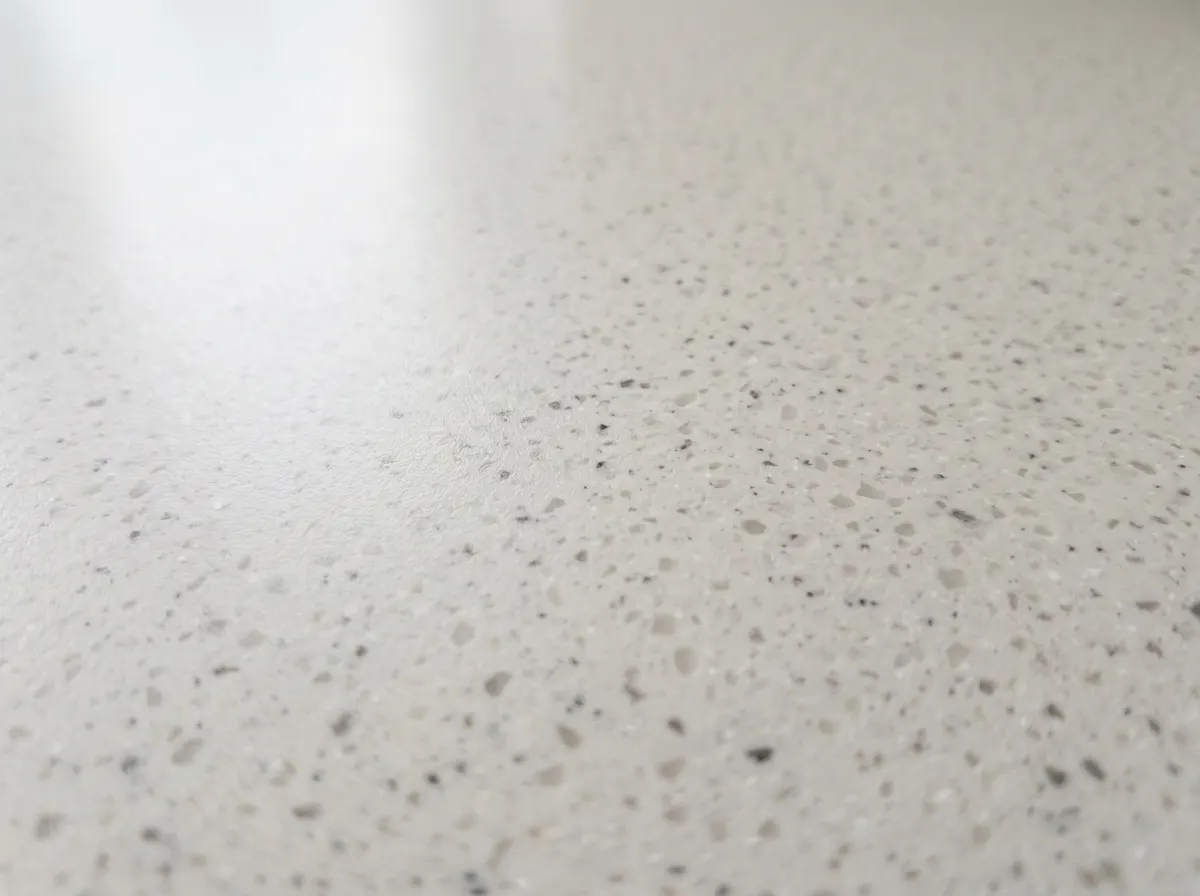
Solid Surface (Corian)
An acrylic/resin mix. The magic of Corian is that the joints are physically melted together on-site and sanded perfectly smooth, creating a 100% invisible, seamless surface. Sinks can even be moulded directly out of the worktop. It scratches easier than stone but can be sanded back to brand new.
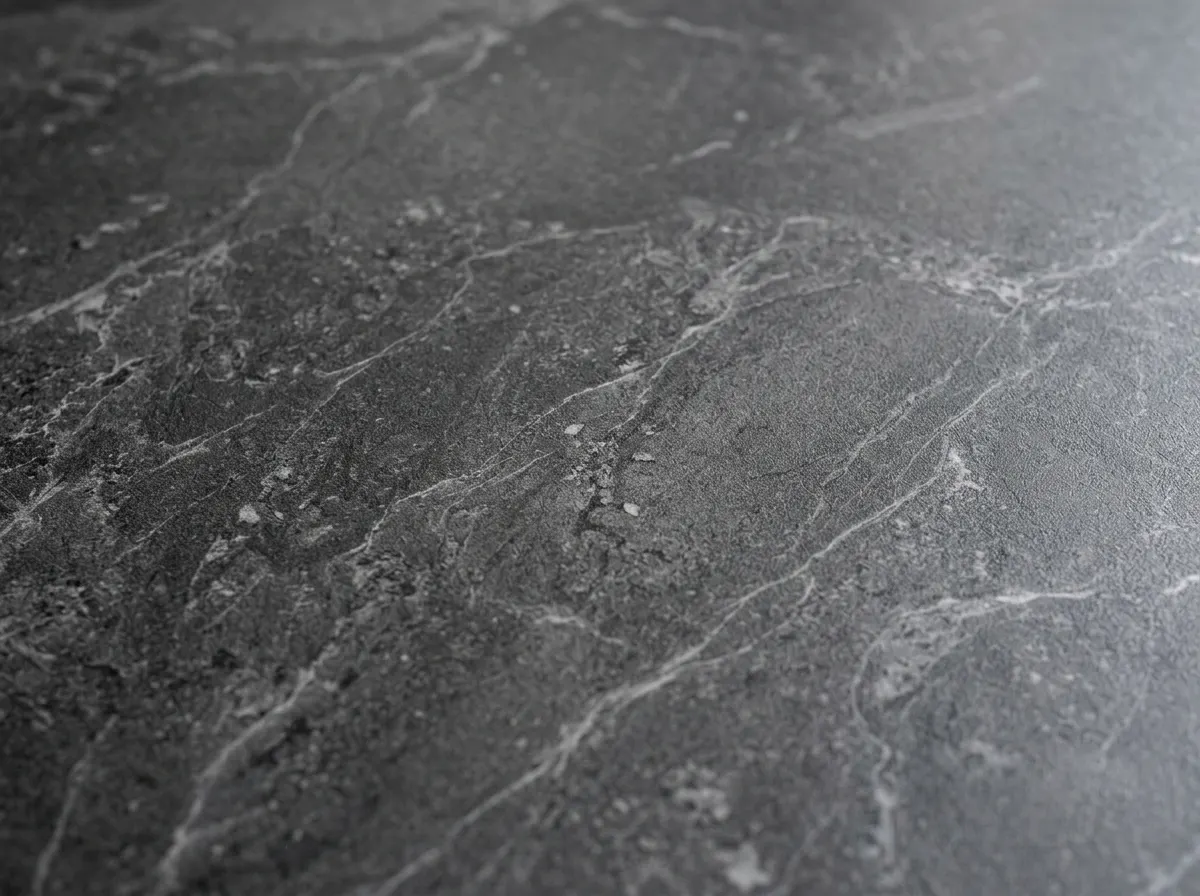
Porcelain / Dekton
Ultra PremiumSintered stone created under extreme heat and pressure. It is virtually indestructible—100% UV resistant (great for outdoor kitchens), completely heatproof, and impossible to stain. However, because it is so incredibly hard, fabricating and cutting it is intensely difficult, driving installation costs very high.
The "Hidden" Costs of Stone
The advertised "per square metre" price of Quartz or Granite is just the raw slab. Machining holes into solid rock requires diamond-tipped CNC routers. These extras catch most homeowners off-guard.
Sink & Hob Cutouts
Cutting a hole for a standard drop-in (overmount) hob leaves the rough cut edge hidden beneath the appliance lip. This "unpolished cutout" costs roughly £180. However, if you want an elegant undermount sink where the stone edge is visible, the factory must painstakingly bevel and polish the inner rim. A polished cutout costs roughly £185 to £200+.
Drainer Grooves
Because water sits flat on polished quartz, most people opt to have 5 sloping grooves milled directly into the stone next to the undermount sink to guide water away. This complex CNC machining typically adds exactly £150 to the bill.
Edge Profiles
A simple flat or "pencil round" edge is usually included in the base price. If you want a traditional carved "Ogee" edge, or a "Shark Nose" chamfer for modern handless kitchens, expect to pay an extra £15 to £30 per linear metre of visible edging.
Upstands & Splashbacks
Rather than tiling down to the worktop, many people choose a matching 100mm high "upstand" running along the back wall to seal the gap. Supplying and cutting these strips of stone adds £100 to £300 to the overall total.
The Logistics: "Template & Fit"
You cannot simply measure your kitchen with a tape measure and order stone online. House walls are never perfectly straight, and stone cannot be shaved down with a jigsaw if it doesn't fit.
1. The Templating Visit
Your base cabinets must be permanently fixed to the wall and perfectly level. The old worktops are removed (meaning your sink and hob are disconnected). A technician arrives with a 3D laser scanner to digitally map the exact contours of the walls, ensuring the final stone hugs every bump flawlessly. This visit is usually included in the price (valued at £150–£300).
2. The Disruption Gap
The laser data is sent to a CNC factory where the slabs are cut. This takes 1 to 2 weeks. During this time, you will not have a working kitchen sink or hob unless your fitters agree to temporarily place the old worktops back on the cabinets.
3. Installation & Reconnection
A team of strong lifters arrives to maneuver the 100kg slabs into place. The joints are sealed with color-matched epoxy resin. The installation team does not do plumbing. You must hire a separate plumber to reconnect the tap and waste (£80–£150), and an electrician if the hob requires hardwiring (£100–£200).
Total Installed Costs (2026)
The table below outlines total estimated costs for supplying and installing 5 linear metres of worktop in an average UK kitchen. Prices include fabrication and fitting.
| Worktop Material | Supply Rate (Per Metre) | Lifespan / Durability | Total Installed Cost (5m) |
|---|---|---|---|
| Laminate | £40 – £120 | 5 - 10 Years (Prone to chips) | £300 – £900 |
| Solid Wood (Oak/Walnut) | £120 – £250 | 10 - 20 Years (Needs oiling) | £800 – £1,800 |
| Granite (Natural Stone) | £250 – £450 | 25+ Years (Heat resistant) | £1,500 – £3,000 |
| Quartz (Engineered) | £300 – £500 | 25+ Years (Stain resistant) | £2,000 – £3,500 |
| Solid Surface (Corian) | £250 – £400 | 20+ Years (Seamless/Repairable) | £1,500 – £3,500 |
| Porcelain / Dekton | £350 – £700 | Life (Indestructible surface) | £3,000 – £5,500+ |
| Labour Only (Day Rate) | If you supply your own laminate/wood, a kitchen fitter generally charges £200 to £350 per day. Fitting a standard laminate kitchen takes 1 to 2 days. | £300 – £700 | |
Can you fit worktops yourself?
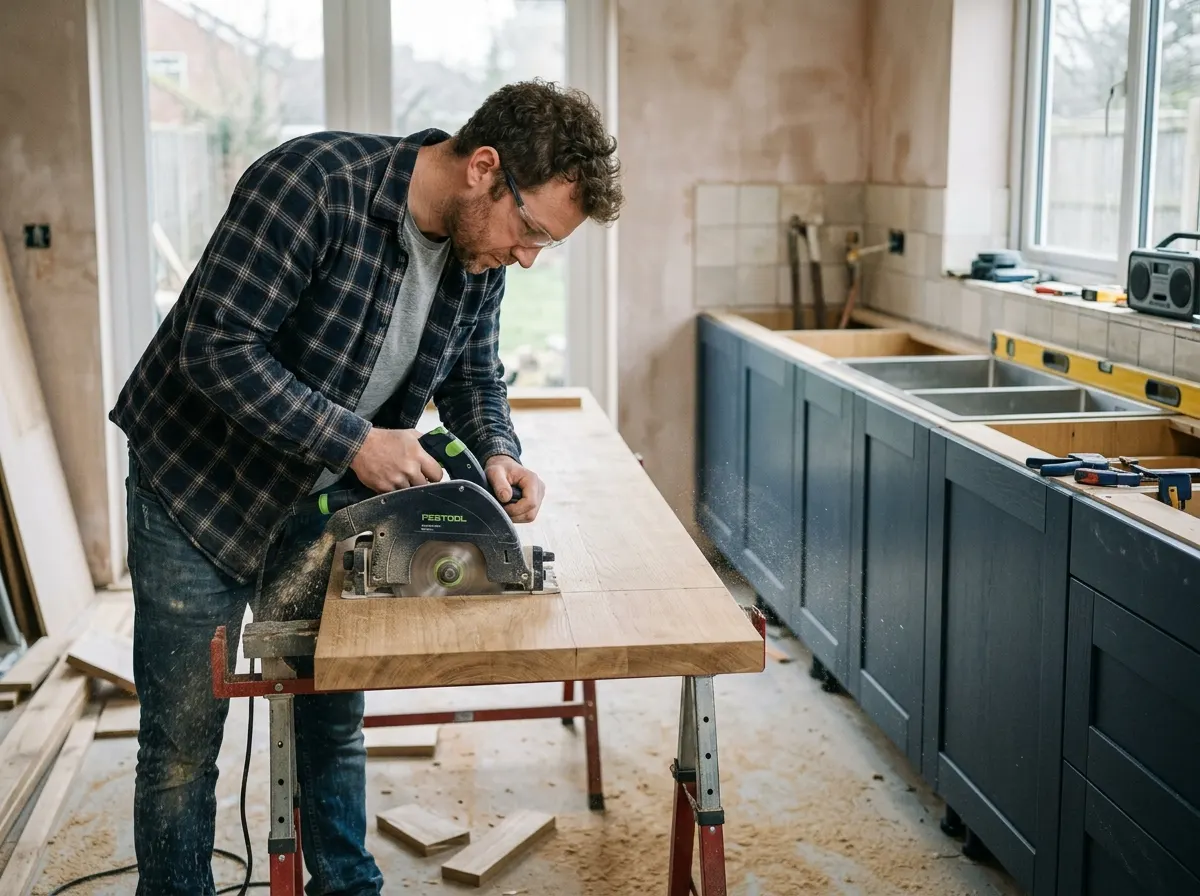
Laminate and Wood? Yes. Stone and Quartz? Absolutely not. The material dictates whether replacing the tops is a weekend DIY project or a highly skilled masonry job.
What you CAN safely DIY:
- ✓ Fitting Laminate / Wood: If you are confident with a circular plunge router and a worktop jig, you can cut the "mason's mitre" joints required to securely bolt two pieces of laminate together invisibly in a corner. Straight cuts are very achievable.
- ✓ Strip Out & Disposal: Unbolting the old worktops, ripping them out, and paying £50 to £150 to dispose of them at a local tip saves you the builder's removal fee.
Strictly Pro Only
Quartz, Granite & Porcelain: You cannot cut 30mm thick stone with standard power tools; it requires wet diamond saws in a factory. Furthermore, a 3-metre slab of granite weighs over 100kg. Attempting to lift it yourself will likely result in the £1,000 slab snapping in half, or severe injury.
Frequently Asked Questions
How much does a quartz worktop cost in the UK in 2026?
In 2026, engineered quartz typically costs between £300 and £600 per square metre for the material and fabrication. For a standard UK kitchen requiring roughly 5 to 6 linear metres of surface, expect to pay between £2,000 and £4,000 fully templated, cut, and professionally installed, depending on the complexity of cutouts and sink recesses.
Is natural granite cheaper or more expensive than quartz?
Historically, granite was noticeably cheaper, but prices are now remarkably similar. Entry-level natural granite is often slightly more affordable than premium engineered quartz, but rare exotic granites command much higher prices. On average, a standard fitted natural granite worktop ranges from £1,800 to £3,500 total, varying by slab grade and pattern rarity.
What is the difference between 20mm and 30mm thick stone worktops?
Stone worktops are commonly manufactured in 20mm or 30mm thicknesses. A sleek 20mm profile is more affordable and very fashionable for contemporary, minimalist kitchens (often paired with a mitred edge to look thicker). A traditional 30mm slab feels heavier and more robust, but typically adds 10% to 20% to the overall cost due to the higher volume of raw stone.
Can I install new kitchen worktops directly over my old ones?
Yes, "worktop overlays" are available as a budget-conscious retrofit option where a thin skin of quartz or laminate is glued directly over existing surfaces. Laminate overlays cost £150–£250/m², while quartz overlays run £400–£500/m². However, because of edge-trimming and specialist labour, overlays are often nearly as expensive as completely stripping and replacing the old worktops.
Can you have an undermount sink with laminate worktops?
Standard chipboard-core laminate cannot accommodate an undermount sink because any exposed inner core will absorb water, swell, and rot instantly. However, "Compact Laminate" is a solid 12mm resin-impregnated board that is 100% waterproof right through its core, perfectly allowing for stylish undermount sinks and drainage grooves on a modest budget.
Will replacing my kitchen worktops damage the existing cabinets?
Generally no, provided the old worktops are removed with care. However, lifting off heavily glued or siliconed stone worktops can occasionally tear or splinter the top edges of chipboard or MDF cabinet carcasses. A skilled fitter can easily patch minor top-rail damage or reinforce the frames before the new quartz or solid wood is laid down.
Are solid wood (timber) worktops high maintenance?
Yes, compared to stone or laminate. Solid wood worktops (like oak, walnut, or beech) offer a warm, natural aesthetic but require regular oiling (every 3 to 6 months) to maintain moisture resistance. Standing water left around the sink will cause black watermarks, and hot pans will scorch the surface, requiring light sanding and re-oiling to fix.
How long does it take from templating to final worktop fitting?
For stone materials like quartz or granite, the process takes two visits. First, a stonemason visits to create precise templates once your base cabinets are fully secured (taking 1–2 hours). The slabs are then custom-fabricated off-site using CNC machines, with final installation taking place roughly 7 to 14 days later.
Related Projects & Guides
Ready to refresh your kitchen?
Use our AI to get a precise estimate based on your worktop length, material preference, and cutout extras, then connect with Pricing Penguin Accredited stone fabricators near you.
Did you find this page helpful?
Let us know if this guide helped you plan your project.