How much does double glazing cost in the UK?
 By Tom Ellis
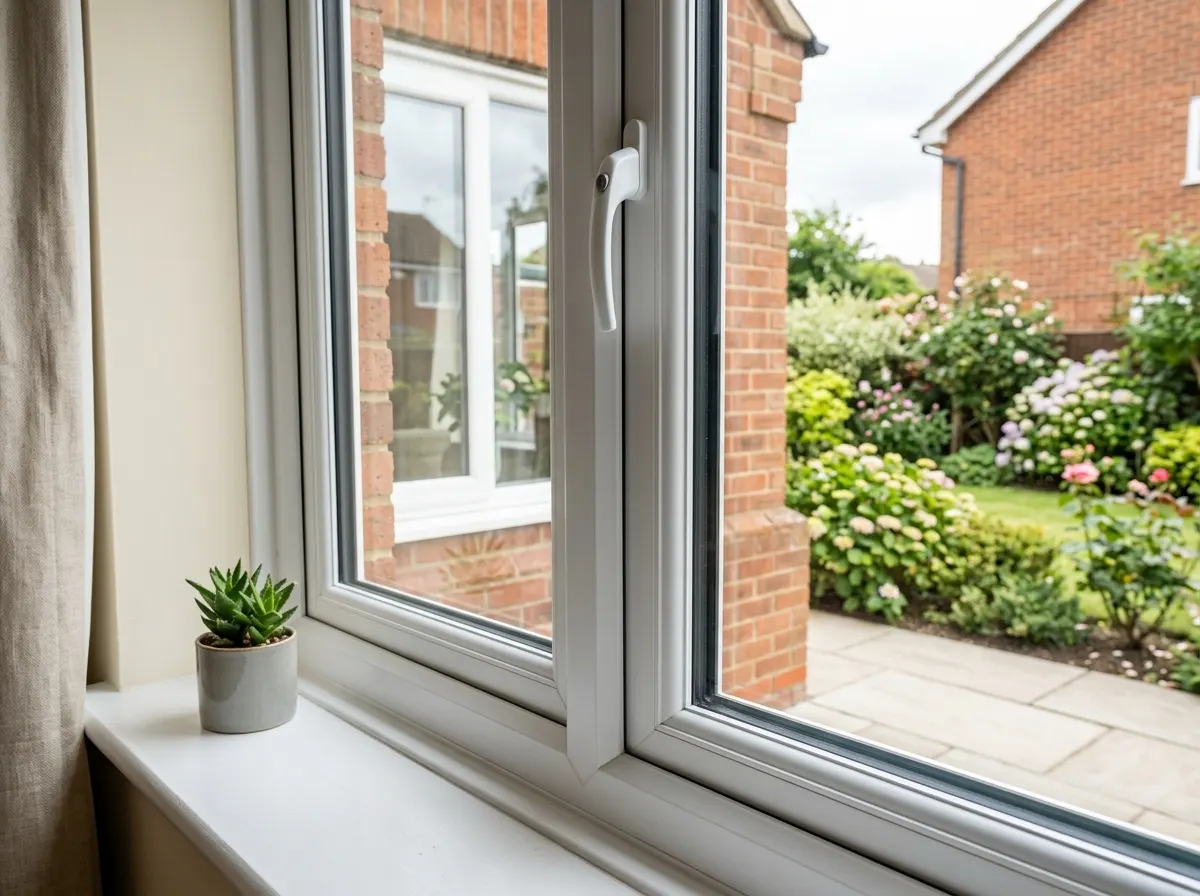
Replacing your old, draughty windows with modern double or triple glazing transforms your home’s energy efficiency, shuts out street noise, and dramatically enhances kerb appeal. However, the glazing industry is notorious for opaque pricing, aggressive salespeople, and wildly varying quotes.
In 2026, the average cost to fully double-glaze a standard UK home ranges from £3,000 to £12,000. A typical 3-bedroom semi-detached property fitted with standard white uPVC casement windows usually costs around £6,000. However, if you upgrade to sleek aluminium frames, traditional sliding timber sashes, or specify acoustic triple-glazing, your quote will climb rapidly. Understanding the per-window cost is crucial to negotiating a fair price.
~£3,000
Basic specification. Typically 4 to 6 windows in a small terraced house or flat. Standard white uPVC casement frames with A-rated double-glazed, argon-filled units.
~£6,000
Mid-range finish. Replacing 8 to 10 windows. Often includes coloured/foiled uPVC (like Anthracite Grey or Rosewood), A+ rated glass, and a new matching uPVC front or back door.
£12,000+
High-end specification. 12 to 15+ windows. Utilising premium powder-coated aluminium frames with ultra-slim sightlines, hardwood timber sashes, or high-performance triple glazing throughout.
Get an instant estimate for your double glazing
Window Frame Materials
The frame material is the primary driver of cost. Modern windows are available in three main materials, each offering different aesthetics, lifespans, and price points.
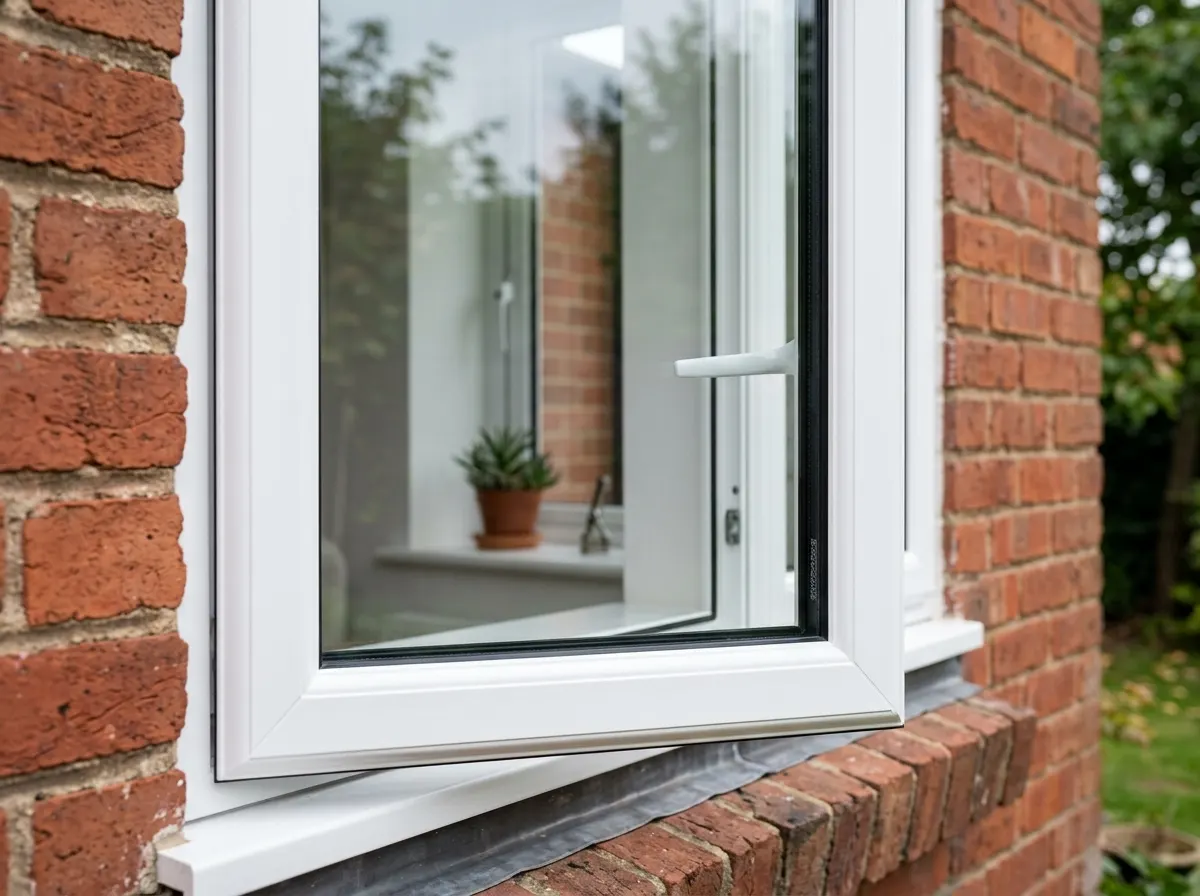
uPVC (Unplasticised PVC)
Most PopularThe go-to choice for 80% of UK homes. Highly affordable, excellent thermal efficiency (multi-chambered internal profiles), and completely maintenance-free. While white is standard, "foiled" finishes (Anthracite Grey, Chartwell Green, Oak effect) add a premium look for roughly 15-20% extra. Lifespan is around 20-30 years before UV degradation occurs.
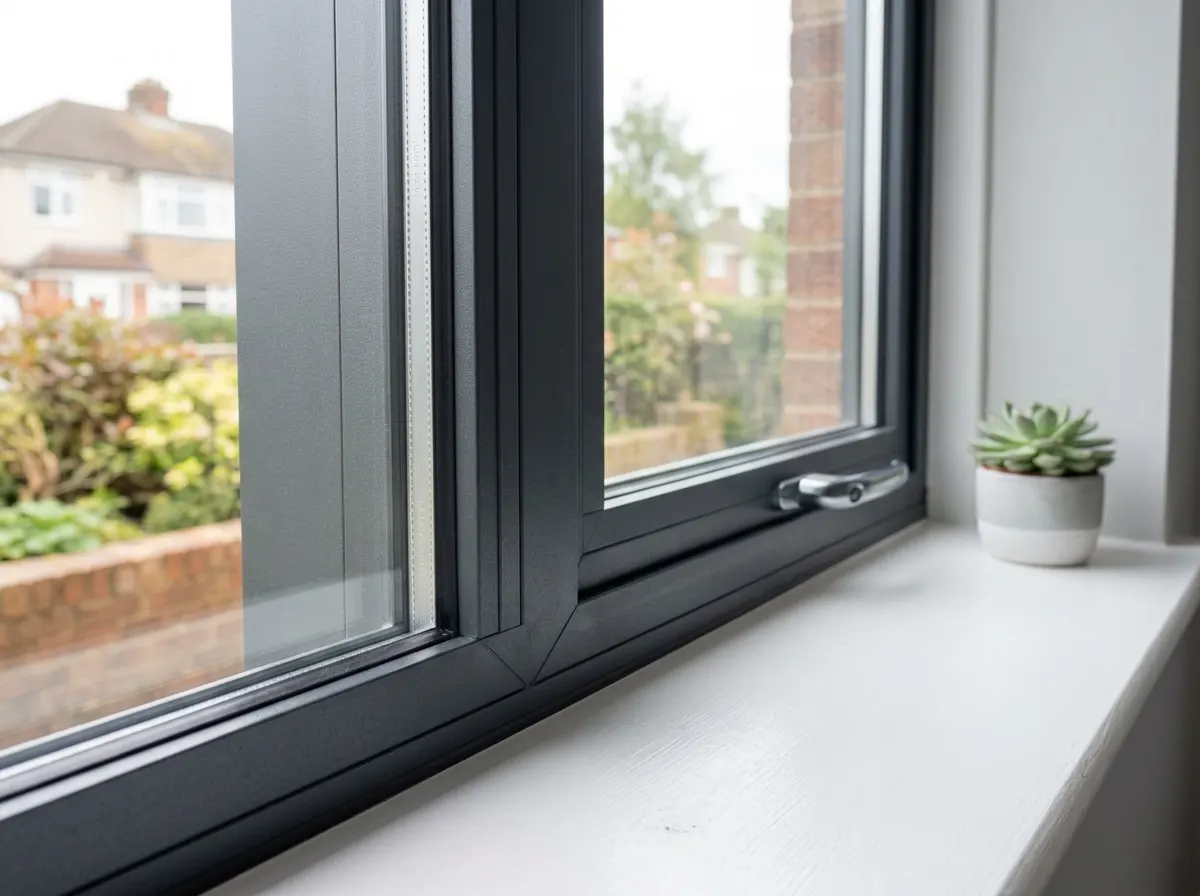
Aluminium
Modern ArchitecturalThe premium contemporary choice. Aluminium is incredibly strong, allowing for ultra-slim frames ("sightlines") and massive panes of glass without sagging. They feature thermal breaks to prevent heat loss, are highly secure, and the powder-coated finish lasts 40+ years without fading or warping.
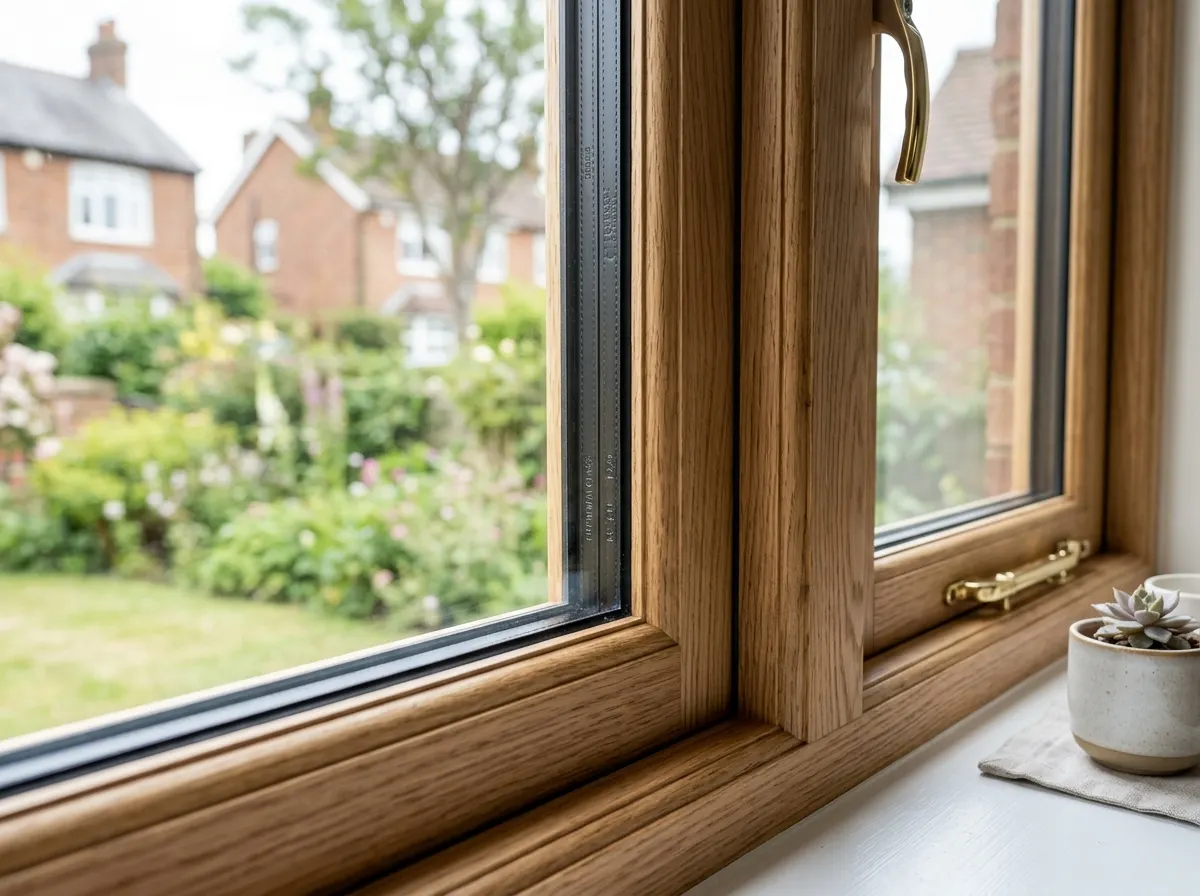
Timber (Hardwood/Softwood)
Heritage / ListedEssential for period properties, Conservation Areas, and Grade-listed buildings. Modern engineered timber (like Accoya) resists warping and rot far better than old wood. While stunning and natural, they require repainting or restaining every 5-8 years to prevent moisture ingress. Highly expensive to manufacture.
Types of Windows
The way the window opens and operates impacts the complexity of the hardware, heavily influencing the final price.
Casement
The standard UK window. Attached by hinges at the side or top and pushes outward. Simple, secure, and the most cost-effective to manufacture.
Tilt & Turn
A European style that opens inwards. Can tilt slightly at the top for secure ventilation, or swing fully open like a door for easy cleaning from the inside. Needs complex dual-hinge mechanisms.
Sliding Sash
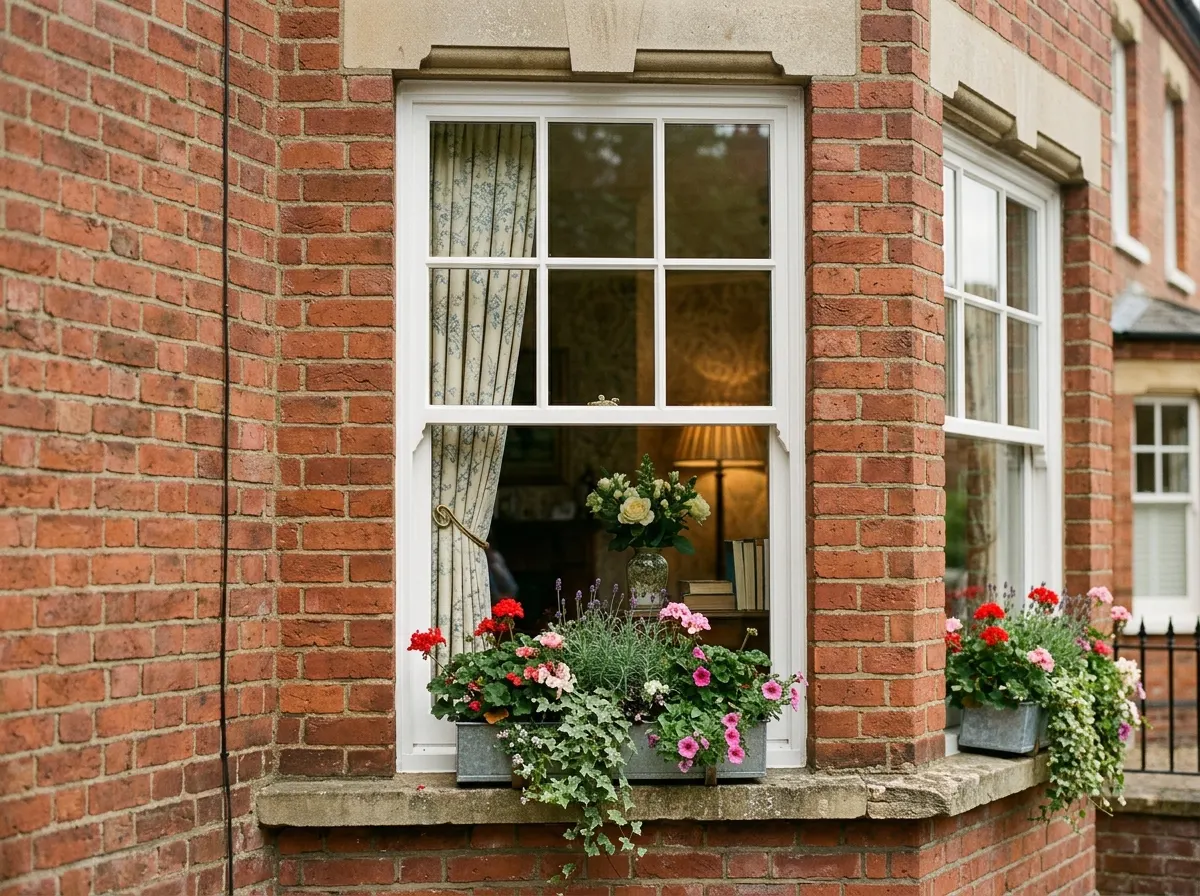
Classic Victorian style featuring two panels that slide vertically over each other using hidden weights or spiral balances. Requires much more framing material and complex joinery.
Bay & Bow Windows
Projecting outwards from the house in a curve or polygon. Actually composed of 3 to 5 separate window units joined together with reinforced structural corner posts. Highly labour intensive.
Glass Specifications & Upgrades
Building regulations demand high thermal performance (U-values), meaning "standard" glass is heavily engineered. However, you can still upgrade your panes for specific needs.
Double vs Triple Glazing
Double Glazing (two panes separated by an argon gas-filled cavity) is the UK standard, offering fantastic insulation and paying for itself in energy savings.
Triple Glazing adds a third pane of glass and a second gas cavity. It costs 20% to 30% more than double glazing. Is it worth it? For most homes, the thermal difference is marginal. It is only truly worthwhile for north-facing rooms that receive zero sunlight, or if you live next to an exceptionally busy main road and need maximum acoustic dampening.
Essential Glass Technologies
- Low-E (Low Emissivity) Glass: Mandatory in new windows. A microscopic metallic coating on the inner pane that reflects internal heat back into the room while allowing solar heat in from the sun.
- Argon Gas Fill: The gap between the panes is filled with inert Argon gas (which is denser than air), drastically slowing heat transfer across the window.
- Acoustic Laminate Glass: An optional upgrade. Features a special PVB plastic interlayer sandwiched within the glass that disrupts soundwaves, dramatically reducing traffic or aircraft noise. Adds roughly 15% to the window cost.
Complete House Costs (2026)
The table below outlines total estimated costs for replacing all windows in typical UK properties. These figures include removing old windows, making good, FENSA certification, and VAT.
| Property Type | Window Count | uPVC (Standard) | Aluminium / Timber |
|---|---|---|---|
| Flat / Apartment | 4 to 5 Windows | £1,800 – £2,800 | £3,000 – £5,500 |
| Small Terraced House | 5 to 7 Windows | £2,500 – £4,000 | £4,000 – £7,000 |
| 3-Bed Semi-Detached | 8 to 10 Windows | £4,500 – £7,000 | £7,000 – £11,000 |
| 4-Bed Detached | 12 to 15 Windows | £6,500 – £9,500 | £10,000 – £16,000+ |
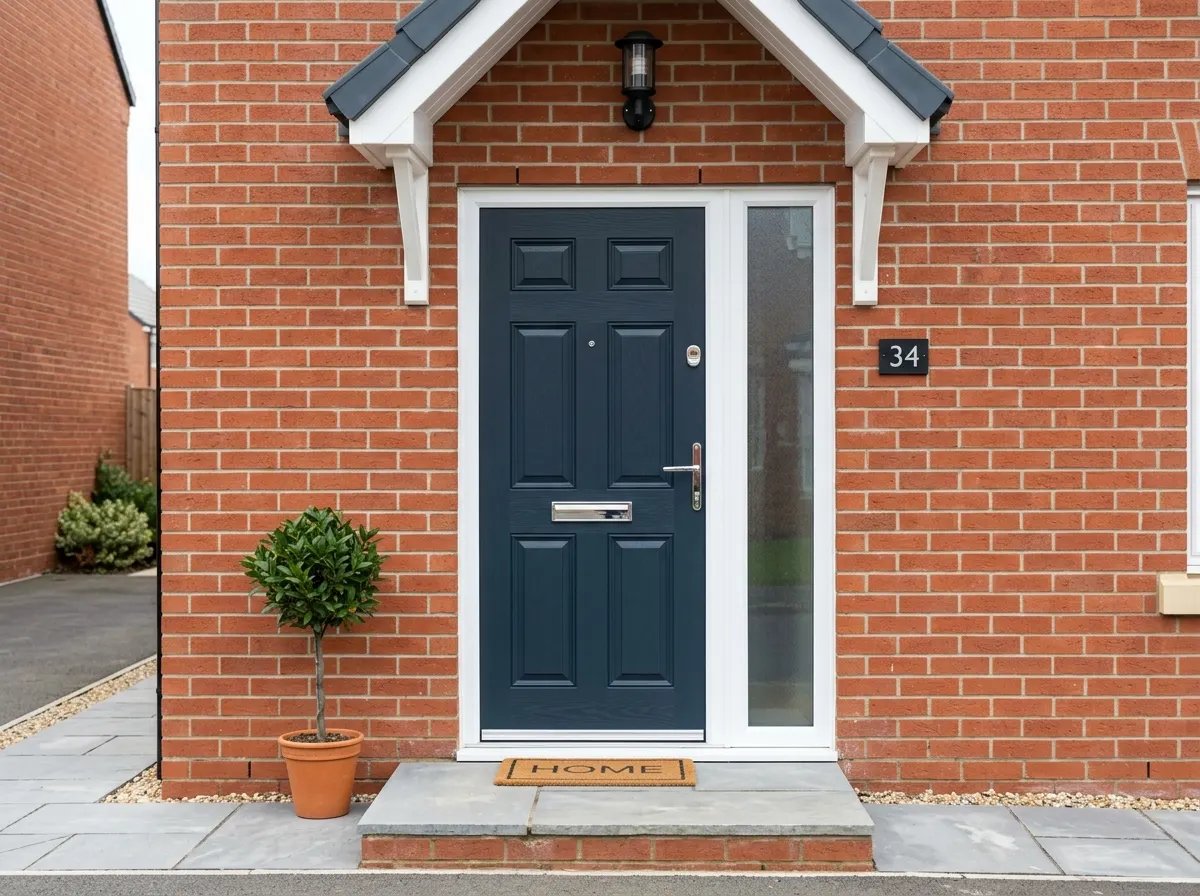
| Add-On: Matching uPVC Front Door | Standard uPVC or basic Composite front/back door. | £800 – £1,500 each | |
Hidden Costs & Quote Inflators
A smooth window replacement relies on easy access and structurally sound walls. If your house throws up hurdles, expect the price to rise.
Scaffolding Requirements
Most 2-storey windows are fitted from the inside of the house or via ladders. However, if you live in a 3-storey townhouse, or have a window positioned directly above a fragile glass conservatory, fitters cannot safely reach it without erecting complex bridging scaffolding. This can add £400 to £1,000 to the logistics budget.
Coloured & Foiled Frames
Standard white uPVC is mass-produced and cheap. If you want popular modern colours like Anthracite Grey, Black, or wood-grain effects, the plastic must undergo a specialised foiling process. Expect coloured frames to command a 15% to 25% premium over basic white.
Making Good (Plastering)
Removing old windows can be violent. If your old frames were deeply embedded in the walls, ripping them out will likely pull chunks of plaster away from the internal window reveals. While fitters use plastic trim to hide minor damage, severe plastering repair is usually excluded from quotes and requires hiring a separate plasterer.
Toughened & Safety Glass
By law, any window positioned lower than 800mm from floor level, or located near a door or staircase, MUST be fitted with Toughened Safety Glass or Laminated Glass. This glass crumbles harmlessly rather than shattering into lethal shards. It costs roughly 20% more than standard glass.
The Law: FENSA & Building Regulations
Replacing a window is considered "controlled work" under UK Building Regulations. It must meet strict thermal, ventilation, and fire safety standards.
Self-Certification (FENSA / CERTASS)
Instead of paying the local council to inspect your new windows, you should hire an installer registered with FENSA or CERTASS. These competent person schemes allow the installer to self-certify their work. Shortly after installation, you will receive a certificate in the post proving the windows comply with the law.
Selling Your Home
If you use an unregistered cowboy to fit your windows, you will not get a certificate. When you attempt to sell your house, the buyer's solicitor will demand the FENSA certificate. Without it, you will have to pay for costly retrospective building control inspections or buy expensive indemnity insurance to prevent the sale collapsing.
Conservation Areas & Listed Buildings
If you live in a Conservation Area, you cannot simply replace old timber sash windows with cheap white uPVC. You must usually install "like-for-like" materials to preserve the character of the street. If your property is Grade-Listed, altering the windows requires intense scrutiny and formal Listed Building Consent. Doing it without permission is a criminal offence.
The Notorious "Double Glazing Sales Pitch"
The double glazing industry is infamous for aggressive, multi-hour sales tactics designed to exhaust homeowners into signing overpriced contracts. Know the script before they enter your home.
The Fictional "List Price"
The salesman sits in your living room and quotes an absurdly high initial price (e.g., £25,000 for a standard semi-detached). They use this anchoring tactic so that their subsequent "discounts" seem generous, when in reality, the discounted price is still far above market value.
The "Manager's Special" Drop
After you reject the initial £25k quote, the salesman makes a theatrical phone call to their "manager" to secure a special one-off discount, suddenly dropping the price to £14,000. It is a fabricated, rehearsed script. The real price should have been £6,000.
The "Sign Today" Ultimatum
The discounted price is offered on one strict condition: you must sign the contract tonight before they leave. This pressure tactic stops you getting comparative quotes from honest local tradesmen. Always insist on 7 days to review any quote.
Can you install windows yourself?
Unless you enjoy dealing with building control bureaucracy, DIY window replacement is highly discouraged.
The DIY Certification Trap:
If you buy your own windows and fit them yourself, you cannot self-certify the installation. You must apply to your local council Building Control department, pay an inspection fee (usually £150–£300), and have an inspector physically check the thermal performance, structural lintels, and fire escape egress of your work before issuing a certificate.
What you CAN safely DIY:
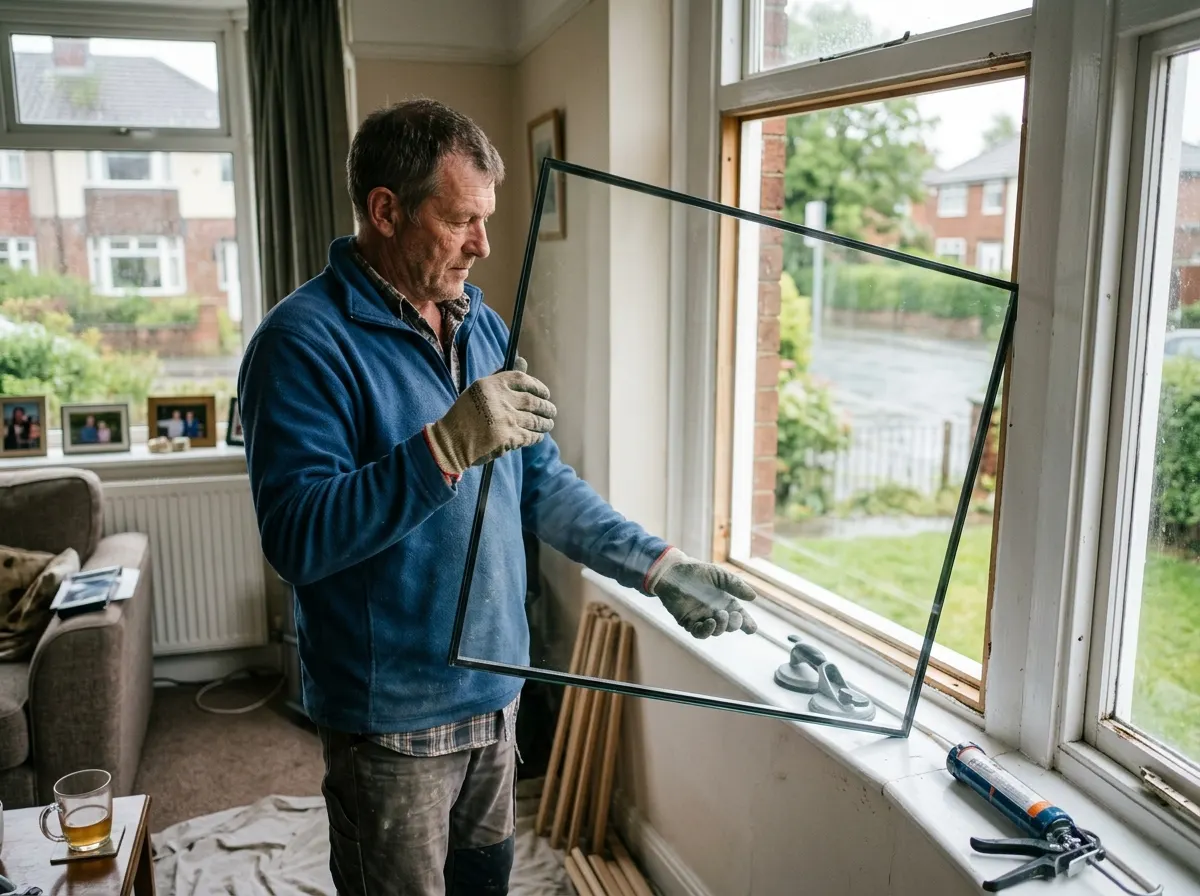
- ✓ Replacing Blown Glass Panes: If your double glazing has condensation inside the glass (it has "blown"), you do not need to replace the plastic frame. Ordering a replacement glass unit online and swapping it out by removing the plastic beading is a cheap, easy DIY fix.
- ✓ Replacing Handles & Hinges: Drooping windows or stiff locks can usually be solved by unscrewing the friction hinges or handles and replacing them with £15 parts from a hardware store.
Frequently Asked Questions
How much does a single double-glazed window cost in 2026?
Fully fitted, a standard white uPVC casement window typically costs between £300 and £600. Modern aluminium frames run £500 to £900 due to their slim thermal-break profiles. Complex timber sash windows are the most expensive option, often costing £800 to £1,500+ per window depending on the wood type and hardware.
Is triple glazing worth the extra money compared to double glazing?
Triple glazing typically costs 20% to 30% more than standard double glazing. For general thermal insulation, the improvement over modern A-rated double glazing is marginal. It is primarily recommended for north-facing rooms that receive minimal solar gain or properties situated directly adjacent to noisy main roads or flight paths.
How long do uPVC windows realistically last?
Modern uPVC windows have a durable lifespan of roughly 20 to 30 years. Over time, low-quality plastic can discolour under intense UV exposure, and the rubber weather seals will eventually perish and require replacement to prevent drafts. High-end aluminium windows can easily last 40+ years with minimal maintenance.
Do new double-glazed windows stop indoor condensation?
It depends. If your old windows were freezing cold, moist air condensed directly on them, which new windows will eliminate. However, new windows create an airtight seal; if you fail to ventilate the home using trickle vents or opening windows, that trapped indoor moisture will simply migrate to the next coldest surface, such as a cold wall corner, to form mould instead.
What are the current Part L Building Regulations for replacement windows?
Under updated UK Building Regulations (Approved Document L), all replacement windows must achieve a whole-window U-value of 1.4 W/m²K or better (or achieve a Window Energy Rating of Band B or higher). Installers must also incorporate controllable trickle vents in every habitable room to ensure adequate background ventilation.
How long does window installation take for a whole house?
An experienced two-person fitting team can usually remove and install 4 to 6 standard windows per day. Therefore, a complete house window and door replacement for a typical 3-bedroom semi-detached property (featuring roughly 8 to 10 windows) is normally completed within 2 to 3 days.
What is FENSA and do I legally need a certificate?
FENSA (Fenestration Self-Assessment Scheme) is the national body that verifies window and door installations comply with UK Building Regulations. Using a FENSA-registered installer provides you with an official compliance certificate. If you lack this certificate when selling your home, solicitors will require indemnity insurance or cause costly legal delays.
Should I choose uPVC, aluminium, or timber window frames?
uPVC is the most popular, cost-effective, and low-maintenance choice for standard homes. Aluminium is more expensive but offers ultra-slim frames, exceptional modern aesthetics, and superior structural strength. Timber provides authentic traditional charm for period and conservation properties, though it requires regular repainting and treatment to prevent rotting.
Related Projects & Guides
Stop the draughts and block the noise.
Use our AI to get a precise estimate based on your window count and material preferences, then connect with Pricing Penguin Accredited, FENSA-registered installers near you.
Did you find this page helpful?
Let us know if this guide helped you plan your project.