How much does coving and cornice installation cost in the UK?
 By Tom Ellis
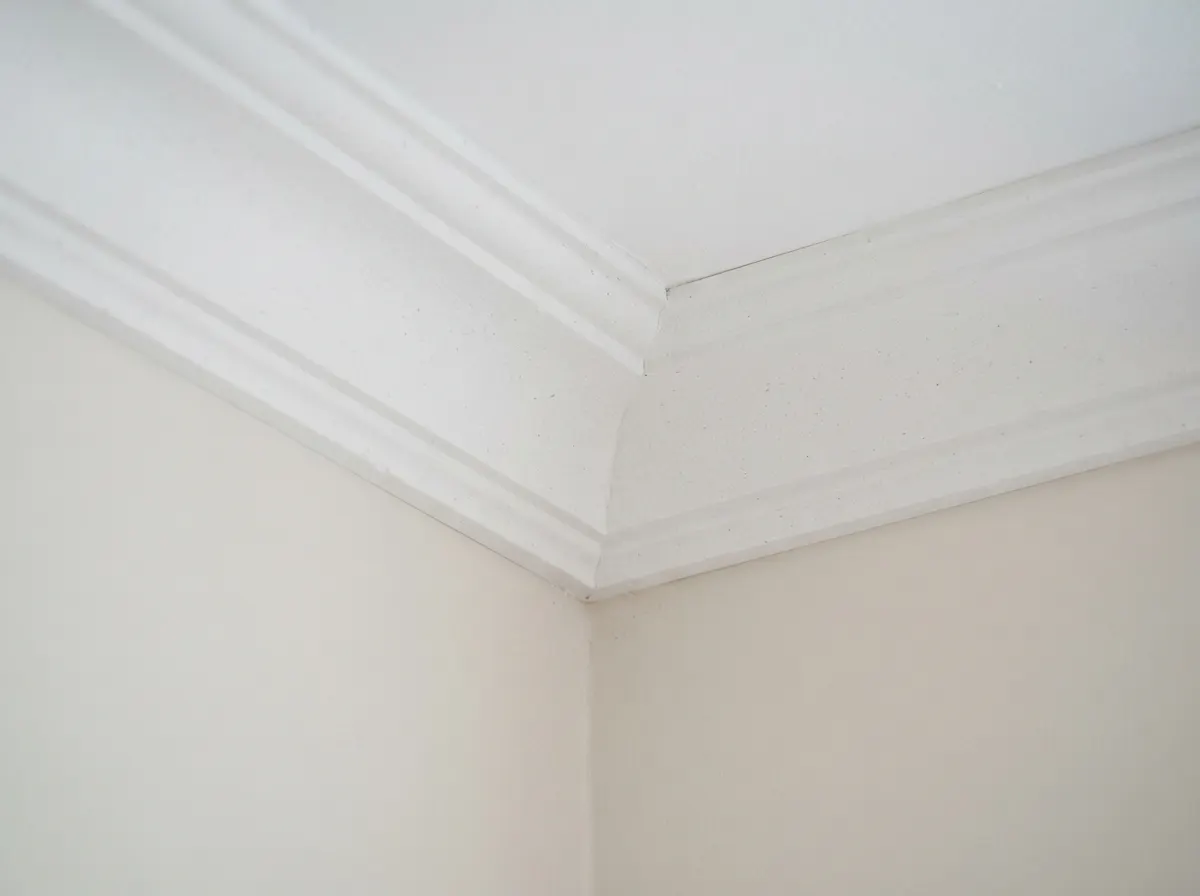
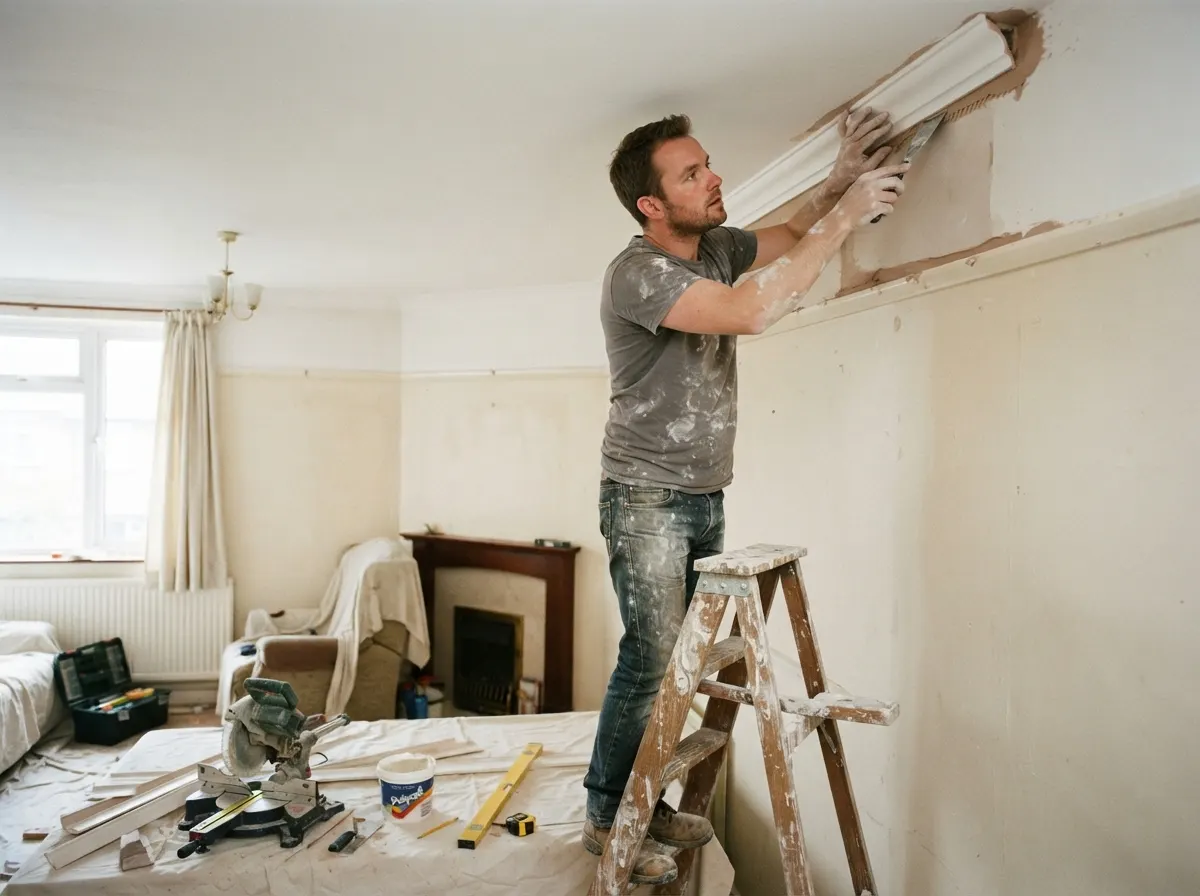
Coving is the decorative moulding that bridges the sharp 90-degree angle where your walls meet the ceiling. Not only does it add an immediate sense of architectural elegance and height to a room, but it also brilliantly masks the messy, uneven hairline cracks that frequently appear at ceiling joints as houses settle.
In 2026, the average cost to supply and fit coving in a standard UK living room (approx. 16 linear metres) ranges from £200 to £850. The price is dictated almost entirely by the material you select. Cheap paper-faced plaster or polystyrene coving can be fitted by a decorator for under £250. However, upgrading to premium, lightweight Duropolymer, heavy traditional fibrous plaster cornice, or modern troughs designed to hold hidden LED uplighting will push the room cost closer to the £600 – £900 mark due to the complex mitring and specialist labour required.
~£250
Standard room (16m). Using traditional paper-faced gypsum coving (like Gyproc Cove 120). Material costs are low, but it is heavy and requires a plasterer or skilled decorator to fit and fill seamlessly.
~£450
Standard room (16m). Modern hardened polyurethane (e.g. Orac Decor). Lightweight, incredibly sharp detailing, doesn't crack, and is much faster for a carpenter/decorator to install and paint.
£800+
Premium specification. Either installing highly ornate traditional fibrous plaster cornice in a period home, or fitting modern "floating" coving profiles designed to house hidden LED strip lighting.
Get an instant estimate for your coving
Types of Coving Materials
The profile might look identical from the floor, but the material dictates how hard it is to install, how crisp the edges remain, and whether it cracks over time.
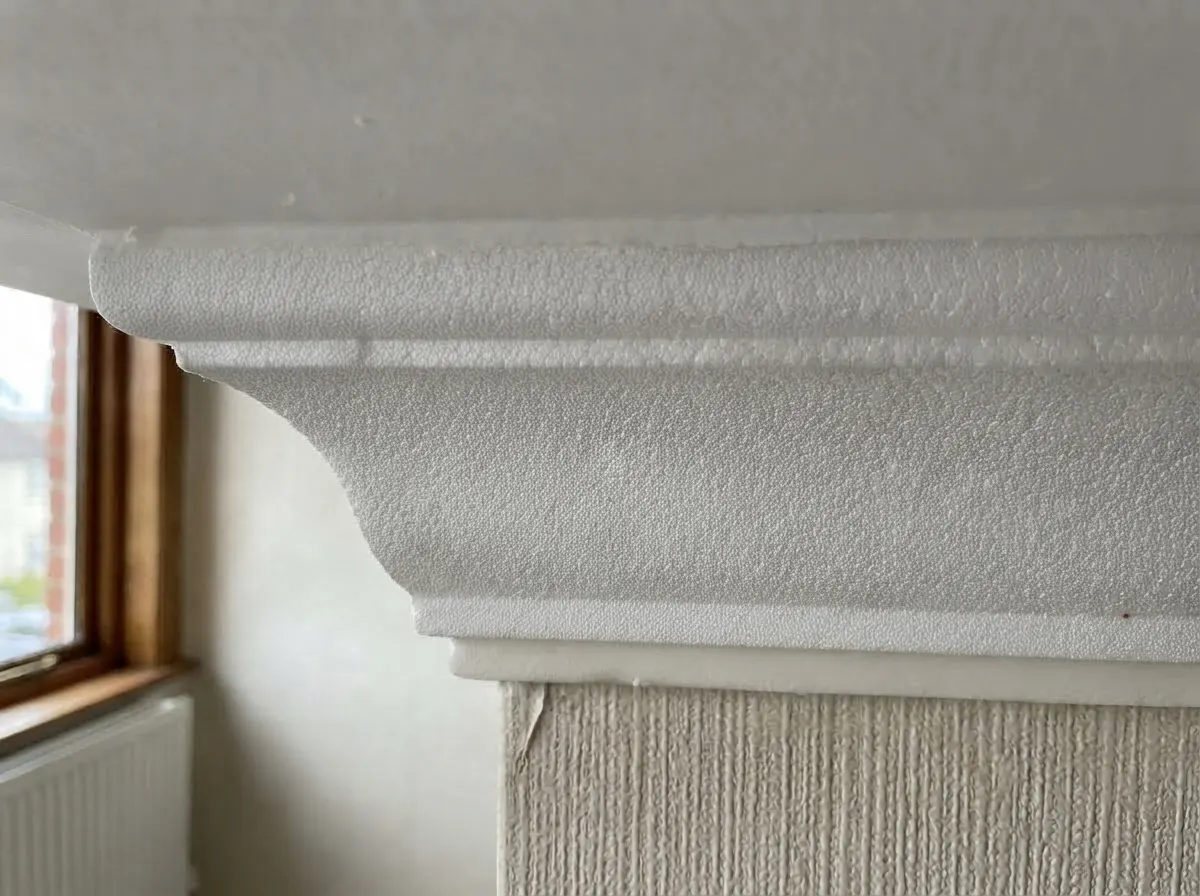
Polystyrene (EPS)
BudgetThe cheapest material available. It is incredibly light and easy to cut with a kitchen knife. However, it dents incredibly easily, the edges are usually blunt, and you can often see the "beaded" foam texture through the paint.
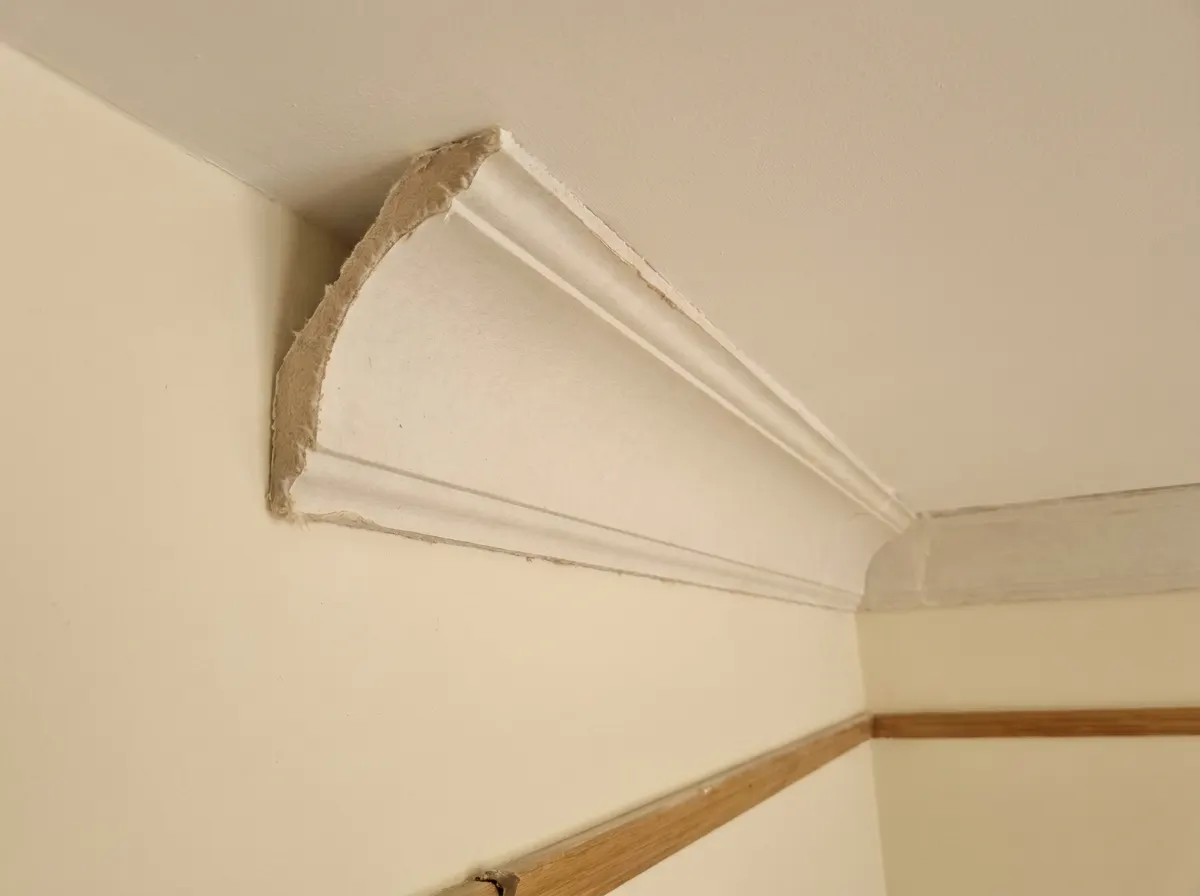
Paper-Faced Gypsum
Trade StandardThe traditional UK standard (e.g. Gyproc Cove). A heavy plaster core wrapped in heavy-duty paper. It paints brilliantly and blends into plastered walls seamlessly. However, it is heavy, brittle, and requires pins to hold it up while the adhesive sets.
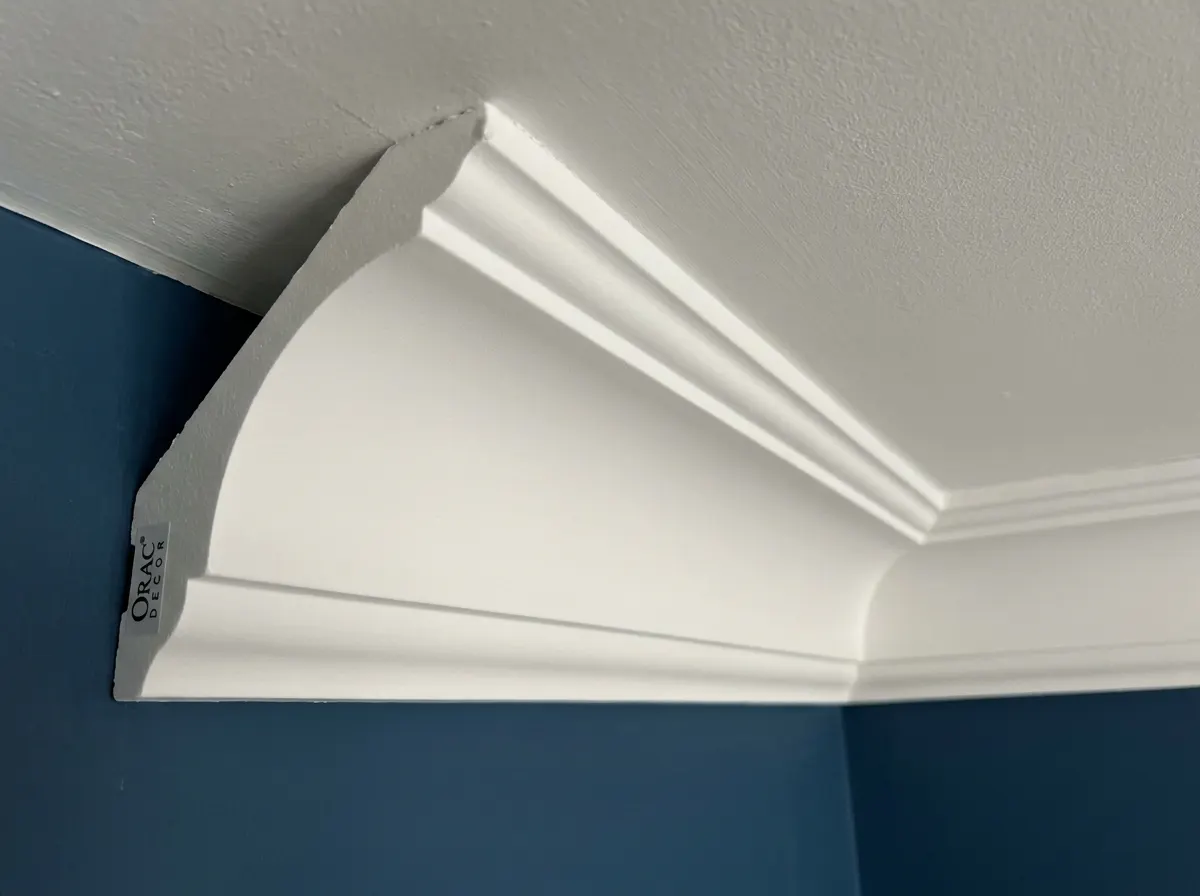
Duropolymer (PU)
Premium ModernHigh-density polyurethane. It is as light as polystyrene but as hard as wood. It boasts incredibly sharp, crisp architectural edges, won't crack if the house settles, and requires only grab adhesive to install. The preferred choice for modern fitters.
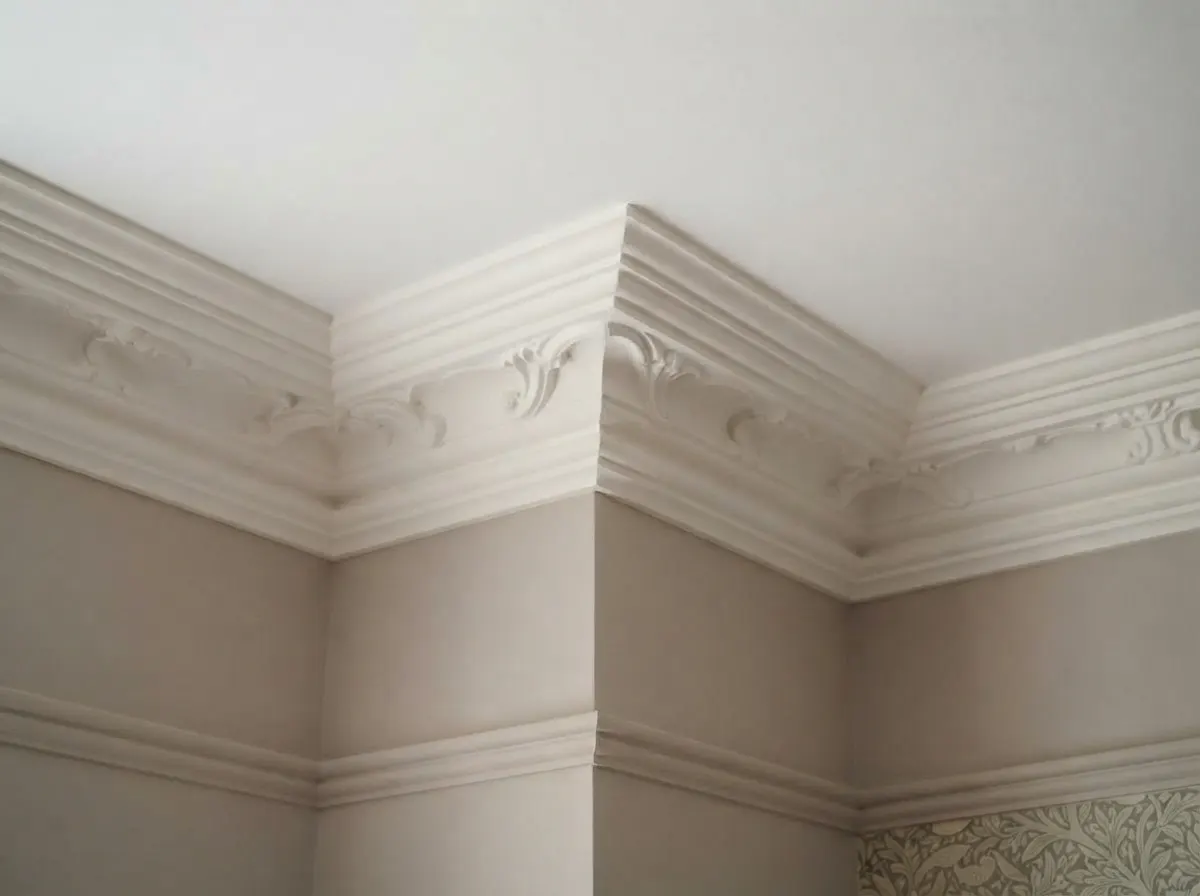
Solid Fibrous Plaster
HeritageHand-cast in moulds using plaster of Paris and fibreglass reinforcement. Used for highly ornate, grand period cornices (Victorian/Georgian). Extremely heavy, very expensive, and requires a specialist fibrous plasterer to install correctly.
Coving vs. Cornice vs. LED
While the terms are often used interchangeably, there is a distinct difference between coving and cornice.
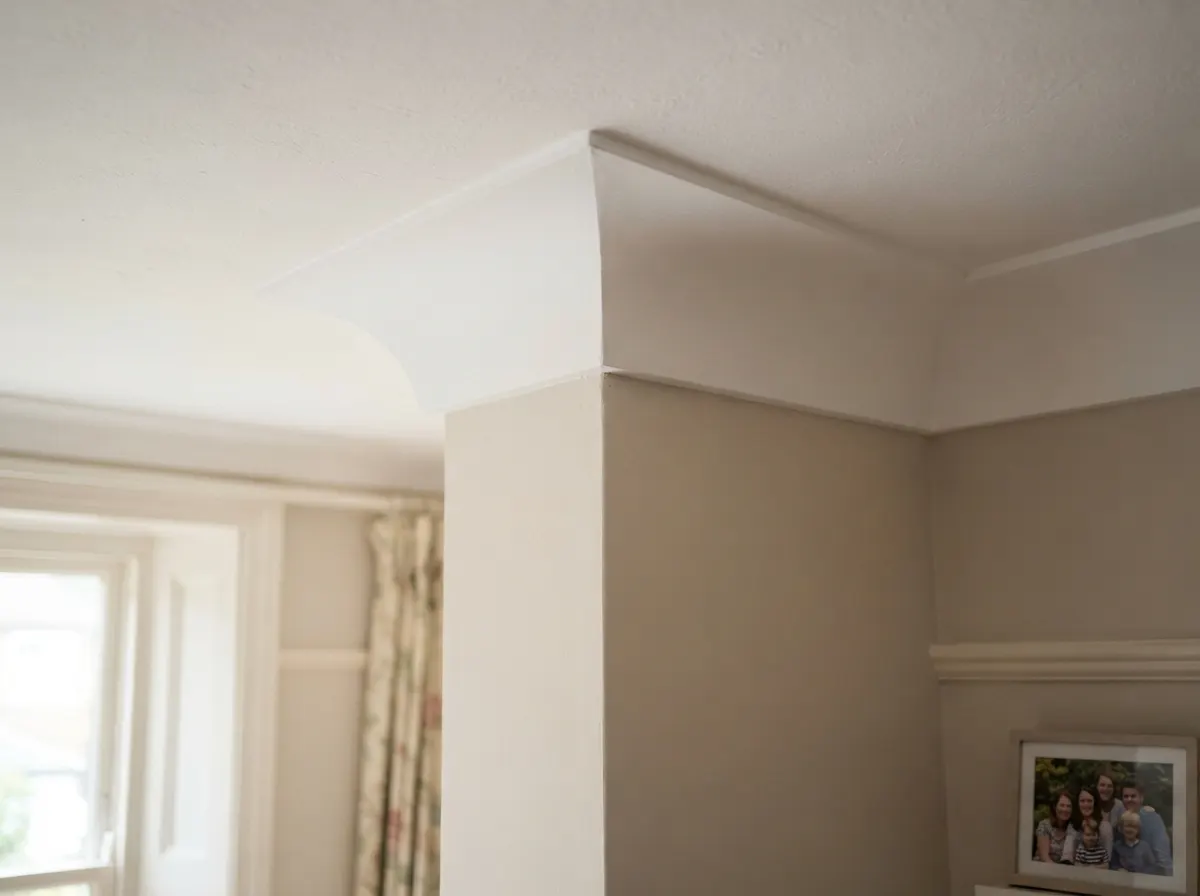
Standard Coving (C-Profile)
Coving is typically uniform in profile, usually forming a simple quarter-circle (a "C" shape) connecting the wall and ceiling. It is subtle, simple, and standard in almost all UK post-war housing. A classic 120mm profile is the undisputed go-to for a clean finish.
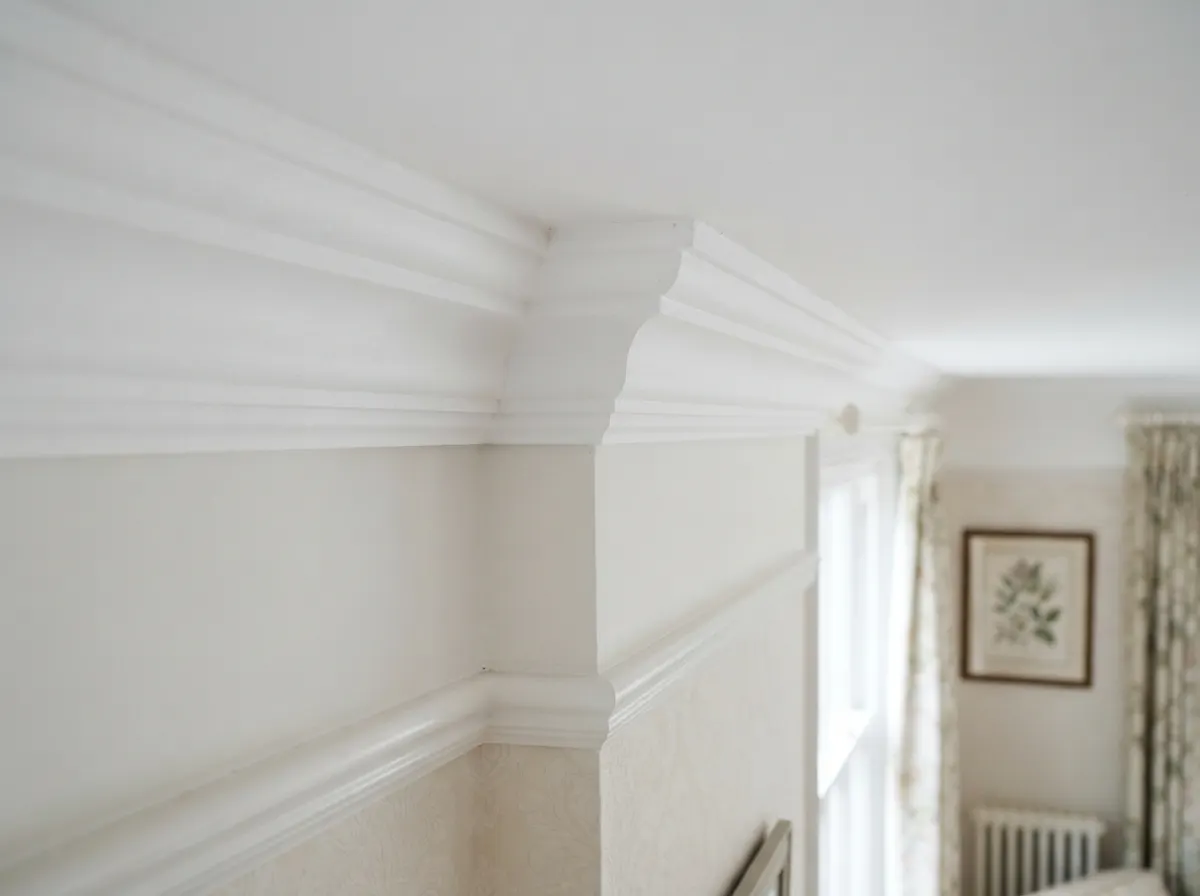
Cornice (Ornate/Stepped)
Cornice is generally more ornate, protruding further across the ceiling or further down the wall. It features intricate profiles like "Ogee" curves, "Dentil" (tooth-like) blocks, or modern Art Deco "Stepped" tiers. It acts as a grand architectural statement piece rather than just hiding a crack.
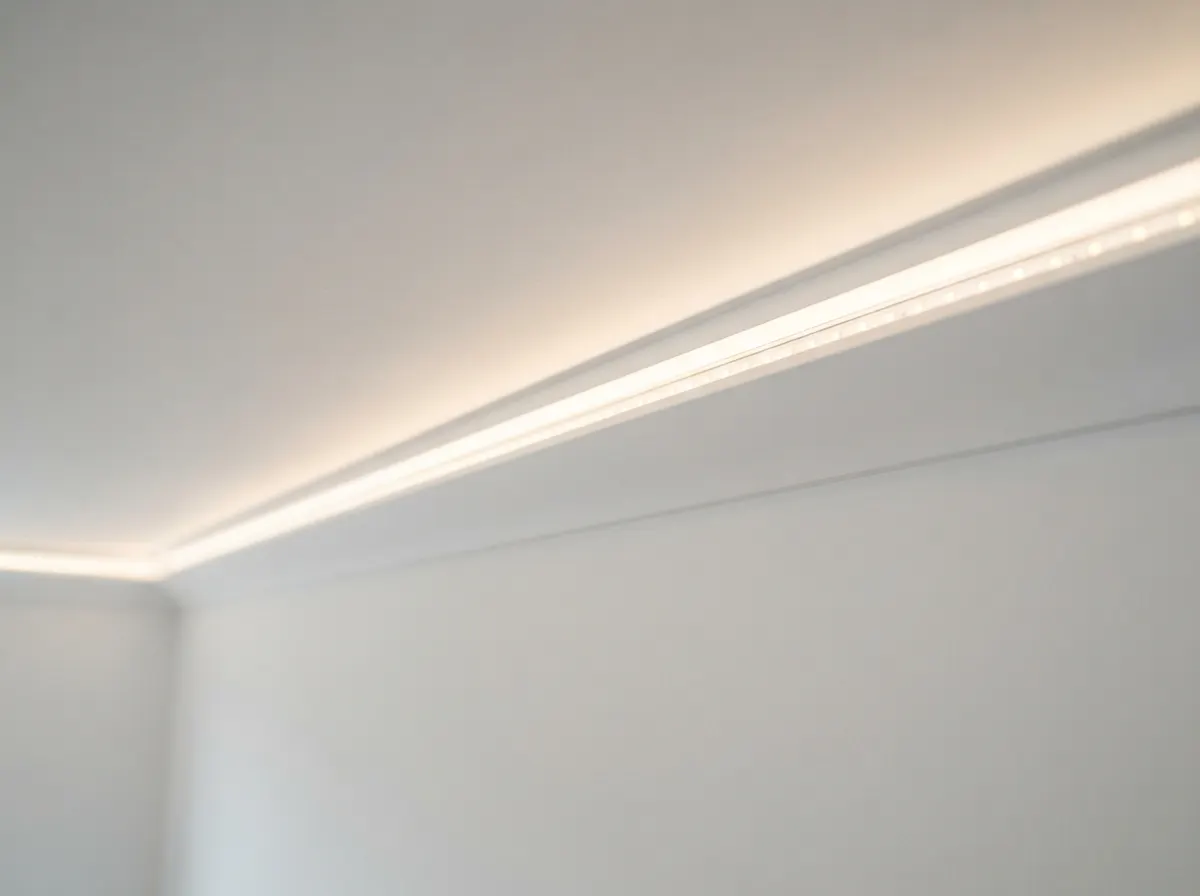
LED Uplighting Coving
A massive trend for modern lounges and cinemas. This duropolymer coving is glued only to the wall, leaving a gap before the ceiling. It features a hidden trough inside to lay an LED light strip, casting a soft, diffuse, luxurious ambient glow across the ceiling.
Complete Cost Breakdown (2026)
The table below breaks down real-world UK labour rates and material supply costs for coving installation.
| Scope of Work (Standard Room ~16m) | Material Supply Cost | Fitter Labour Cost | Total Fitted Cost |
|---|---|---|---|
| Paper-Faced Plaster Coving (120mm) | £50 – £80 | £150 – £200 | £200 – £280 |
| Duropolymer Coving (Plain Profile) | £130 – £220 | £120 – £180 | £250 – £400 |
| Duropolymer LED Uplighting Profile | £250 – £400 | £250 – £350* | £500 – £750* |
| Fibrous Plaster Cornice (Ornate) | £350 – £600 | £300 – £500 | £650 – £1,100 |
| Labour Rates (Decorator/Plasterer) | Tradespeople typically charge between £200 and £300 per day. A standard room takes a skilled fitter half a day to a full day to install, fill, and sand ready for painting. | £200 – £300 / day | |
Crucial Do's and Don'ts
Coving is notorious for cracking at the joints and falling off the wall if the wrong adhesive or technique is used.
DON'T install over wallpaper.
Coving adhesive must bond directly to the plaster. If you stick heavy coving onto wallpaper or flaky, peeling paint, the moisture in the adhesive will loosen the paper, and the entire strip of coving will crash down. Score the wall and peel the paper back first.
DO use the correct adhesive.
Do not use standard decorators caulk to hold up coving; it is a filler, not a glue, and will shrink. Use specific high-grab coving adhesive (like Gyproc Cove Adhesive or Orac DecoFix). For joining two pieces of duropolymer together, use a specialist polyurethane seam glue to prevent the joint cracking.
DON'T mix up drop and projection.
When ordering coving, you must know the "Drop" (how far down the wall it goes) and the "Projection" (how far across the ceiling it goes). If you get them mixed up and cut the mitre upside down, the corners will never meet properly. Always draw a line on the ceiling first.
DO pin heavy plaster coving.
Adhesive takes time to set. If you are using heavy plaster coving, you MUST tap small panel pins into the wall underneath the bottom edge of the coving to physically support the weight while the glue dries overnight. Remove the pins the next day and fill the tiny holes.
Can you fit coving DIY?
Yes, but the corners will test your patience. Cutting a straight line is easy. Cutting the complex compound angles required for an internal or external corner requires mental gymnastics and a large mitre box.
The DIY Challenge:
You have to place the coving into the mitre block upside down and backwards to cut the correct angle. It is notorious for confusing beginners. We highly recommend buying pre-cut corner pieces (available for most duropolymer ranges) to bypass this headache entirely.
The Best DIY Material
If you are attempting this yourself, buy Duropolymer. It is rigid enough to cut cleanly with a fine-tooth hand saw, but light enough that you can hold a 2-metre length up against the ceiling with one hand while applying pressure. Traditional plaster requires two people.
Frequently Asked Questions
How much does it cost to supply and fit coving in 2026?
For standard plaster or duropolymer coving, expect to pay a professional tradesperson between £15 and £30 per linear metre for supply and fit. For a typical 4x4m living room, the total cost usually ranges from £250 to £450, depending on the complexity of the corners and the material chosen.
Does coving make a room look bigger or smaller?
Contrary to popular belief, coving usually makes a room feel larger. By softening the harsh, shadow-heavy 90-degree angle between the wall and ceiling, it draws the eye smoothly upwards, creating an illusion of greater height. Painting it the same bright white as the ceiling significantly enhances this effect.
Which is better: plaster, duropolymer, or polystyrene coving?
Gypsum plaster is the traditional choice, offering sharp details and fire resistance, but it is heavy and requires a skilled fitter. Duropolymer (high-density polyurethane) is the modern favorite—lightweight, durable, and indistinguishable from plaster once painted. Polystyrene is very cheap but easily dented and generally avoided for premium finishes.
What is the exact difference between coving and cornice?
"Coving" typically refers to a simple, uniform C-shaped profile (often a standard 127mm concave curve). "Cornice" is the term used for more elaborate, decorative, and ornate mouldings that feature "steps," complex curves, or historical patterns like Victorian dentil or egg-and-dart designs.
Can you install LED strip lighting inside coving?
Yes. Uplighting cornice (or LED coving) is a massive interior design trend. These specialised profiles are designed with a hidden trough that houses LED light strips. They project a soft, ambient glow upwards onto the ceiling, creating a modern, luxurious floating effect without the light source being visible.
Can you put coving over wallpaper or painted walls?
You should never install coving over wallpaper, as the weight will eventually pull the paper off the wall. You must score and strip the wallpaper away behind the area where the coving will sit. For heavily painted or glossy walls, you should lightly score the surface to give the adhesive a strong key to bond directly with the bare plaster.
Why are coving corners so difficult to cut?
Cutting internal and external corners is notoriously tricky because coving sits at a 45-degree angle to the wall and ceiling, not flat. Furthermore, house walls are rarely perfectly square. Professionals use specialist mitre tools and fill any inevitable hairline gaps with flexible decorators' caulk for a seamless finish.
Do I need to hire a plasterer or a decorator to fit coving?
Both trades fit coving, but it depends on the material. Plasterers usually install heavy, paper-faced gypsum or fibrous plaster cornice, often bonding it with wet plaster. Painters and decorators typically prefer installing lightweight duropolymer or polystyrene coving as part of a complete room decorating package.
Related Projects & Guides
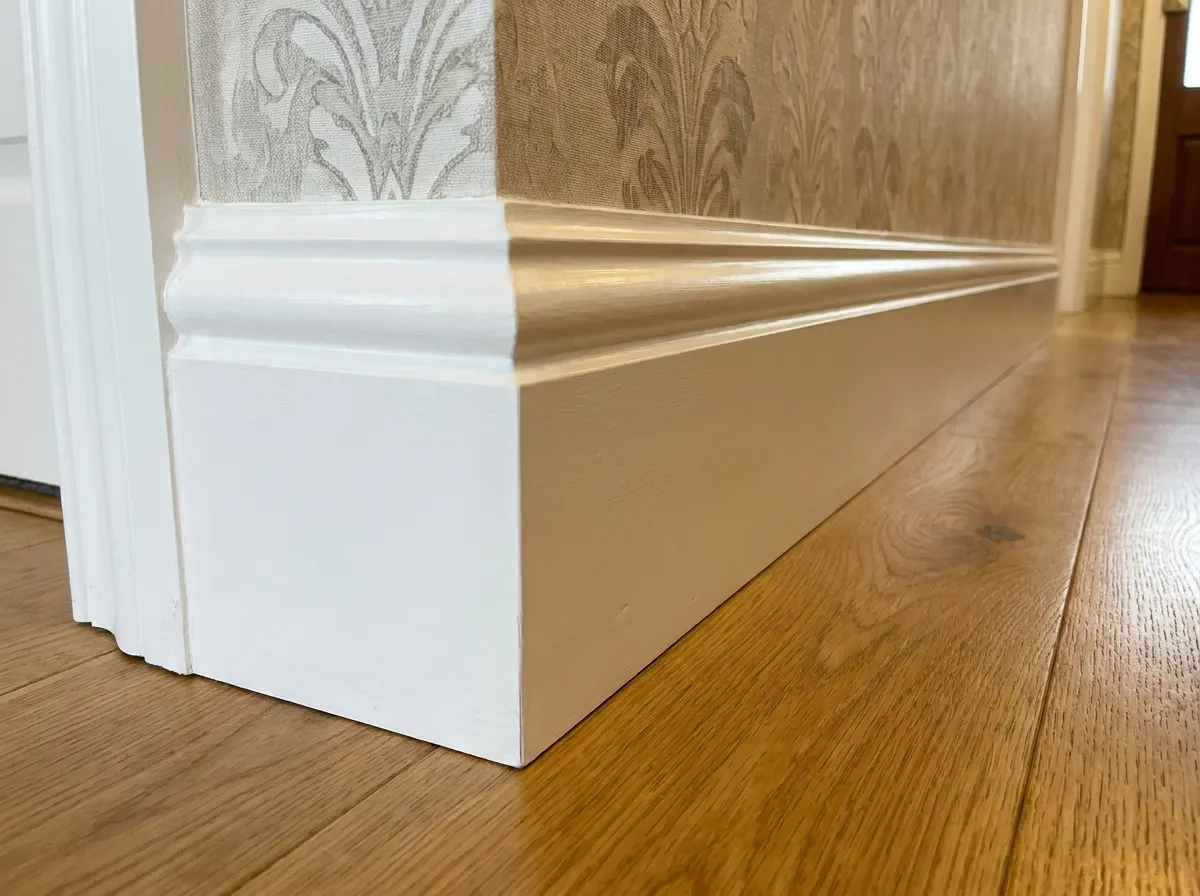
Skirting Board Cost
Matching your floor trims to your ceiling coving.
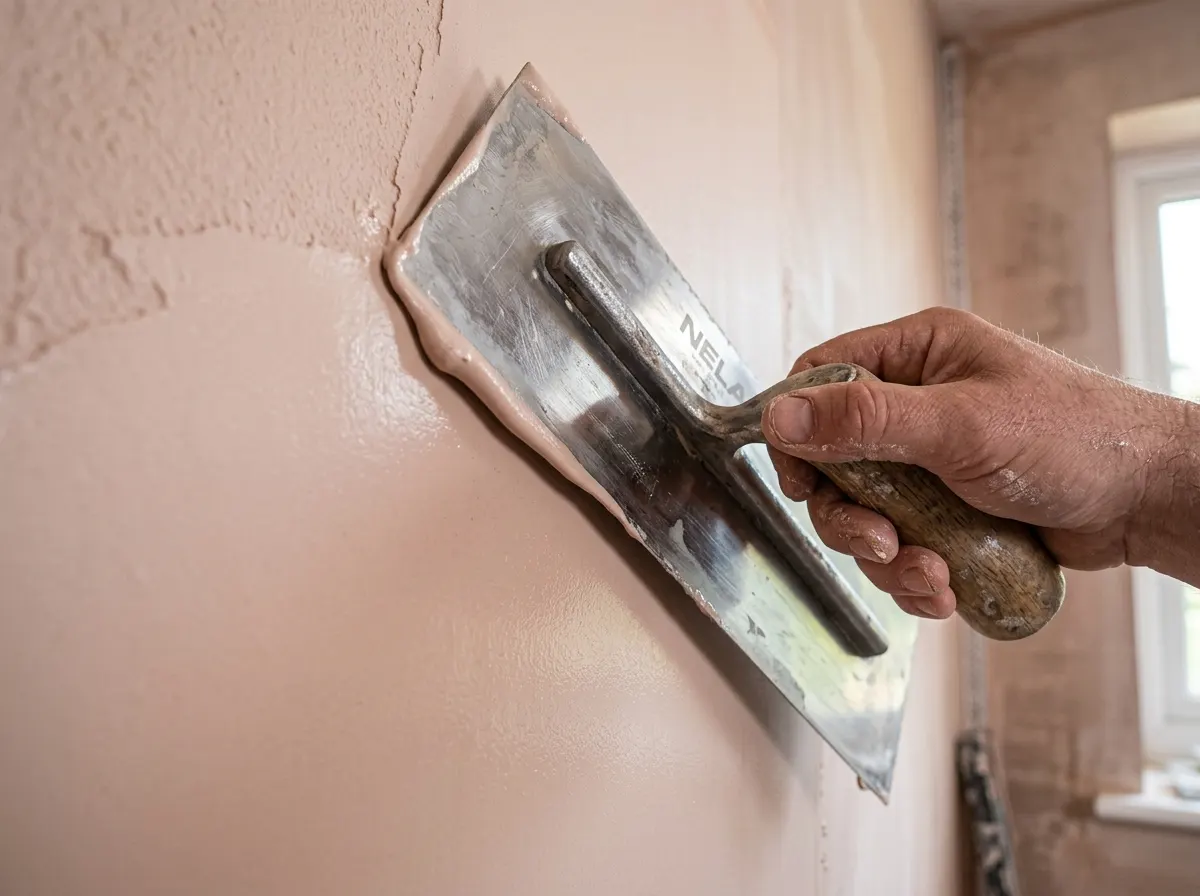
Internal Plastering
Skimming ceilings before fitting coving.
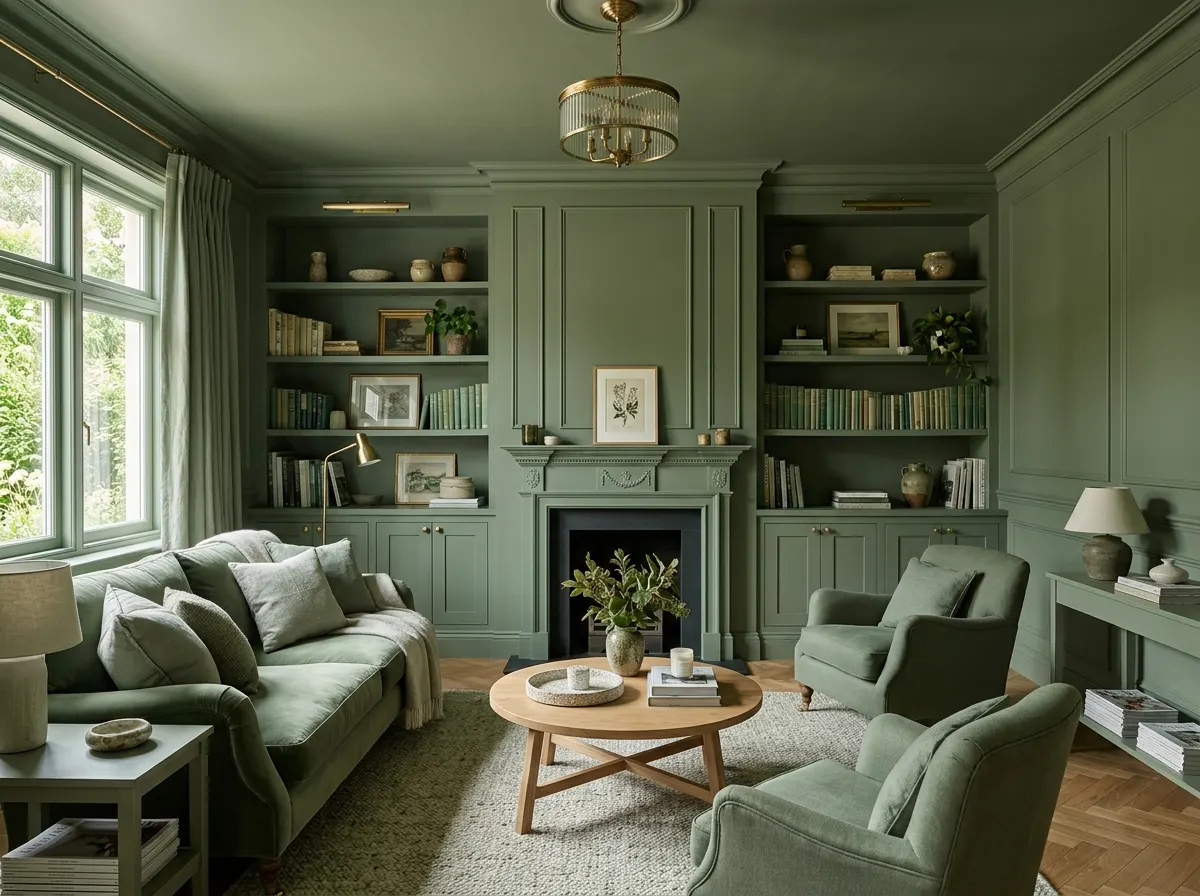
Painter & Decorator
Caulking and painting the finished room.
Internal Doors
Upgrading doors to match new trims.
Elevate your ceilings today.
Use our AI to get a precise estimate based on your room perimeter, profile style, and material choice, then connect with Pricing Penguin Accredited decorators and plasterers near you.
Did you find this page helpful?
Let us know if this guide helped you plan your project.