How much does it cost to install an EV charger at home in the UK?
 By Tom Ellis
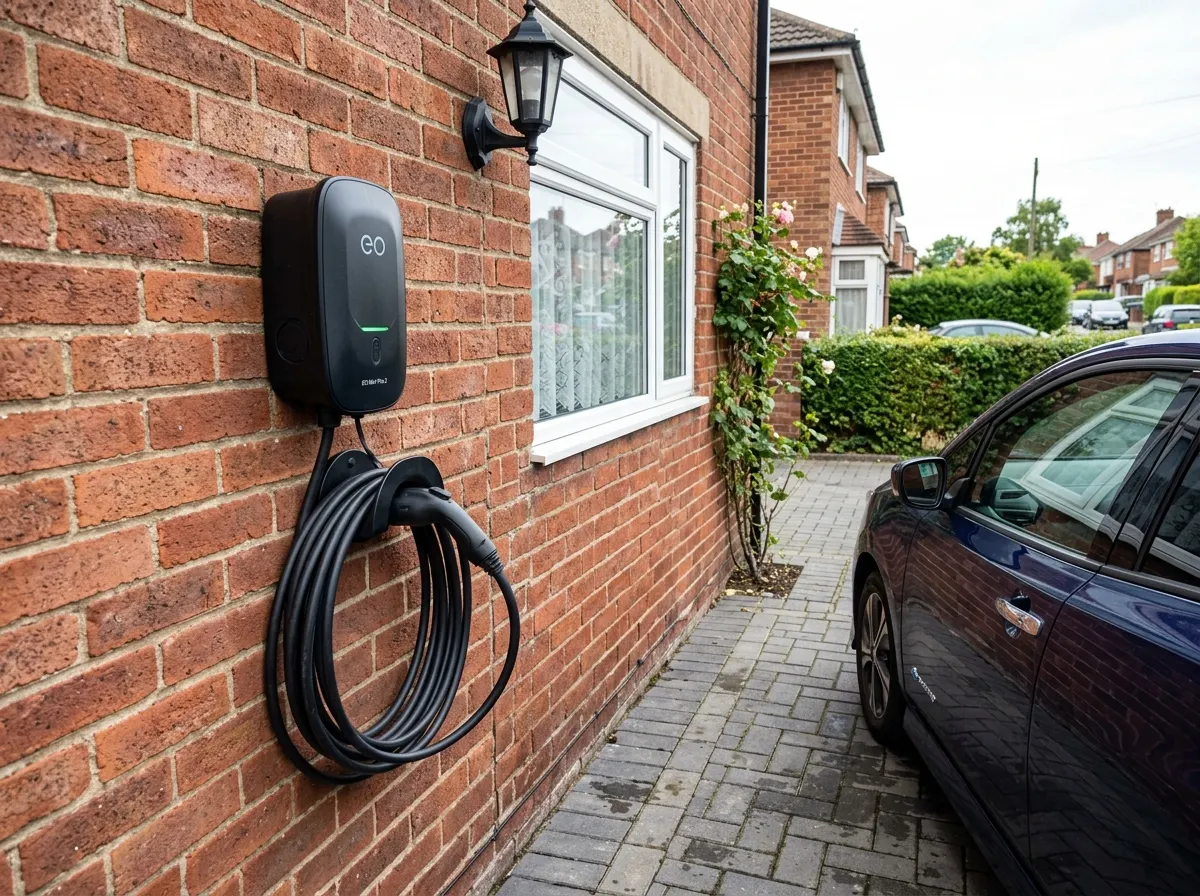
Charging an electric vehicle at home is 5 to 10 times cheaper than relying on public rapid chargers. By pairing a home wallbox with a dedicated smart EV tariff (like Octopus Intelligent Go), most UK drivers recover their entire installation costs in fuel savings within just 18 to 24 months.
Prices move month to month. See how they are changing in the Penguin Index, or compare common jobs across the UK in our UK Home Improvement Cost Report.
In 2026, a home EV charger costs between £800 and £1,500 fully fitted in the UK. A standard 7kW smart charger installation lands at an average of £1,100. Your final quote is split into the physical charger unit (£450–£900), the OZEV-approved electrician's labour (£200–£500), and any mandatory electrical upgrades your home needs (like a new consumer unit or PEN fault protection) to safely handle a continuous 32-amp draw.
~£900
Basic specification. The charger is mounted on an external wall directly behind the consumer unit (fuse box). Requires less than 5m of cabling, straightforward drilling, and the fuse box has spare capacity.
~£1,100
Mid-range finish. A premium 7kW smart charger (e.g. Ohme or Hypervolt). Involves a 5m–10m cable run routed neatly along the wall, installing a new 32A RCBO, and full Part P certification.
£1,500+
High-end specification. Long cable runs (15m+) buried in a trench to a detached garage, upgrading an old split-load consumer unit, installing an earth rod, or upgrading to a 3-phase 22kW commercial-speed charger.
Get an instant estimate for your driveway
The Best 7kW Smart Chargers
Since 2022, all UK home chargers must be "smart" by law (capable of default off-peak scheduling). The choice below comes down to aesthetics, solar integration, and specific EV tariff compatibility.
| Brand / Model | Unit Cost (Supply) | Key Features & Ecosystems | Best For... |
|---|---|---|---|
| Ohme Home Pro (7kW) | £599 | Tethered (built-in 5m cable). LCD screen. Built-in PEN fault and CT clamp. Deep API integration with energy providers. | Octopus / OVO Tariffs |
| Pod Point Solo 3S (7kW) | £649 | Untethered or tethered. Highly reliable UK classic. Now upgraded to include basic solar-matching integration. | Reliability & Simplicity |
| Easee One (7kW) | £699 | Untethered (socket). Ultra-compact, stylish Scandinavian design. Excellent load-balancing if you have two EVs. | Sleek Design / Multi-Car |
| Hypervolt Home 3 Pro (7kW) | £749 | Tethered (5m/7.5m/10m). Stunning LED ring displays. Advanced Wi-Fi tracking. Superb customer service. | Long Cable Requirements |
| Wallbox Pulsar Max (7kW) | £729 | Tethered. Extremely small footprint. Connects via Bluetooth and Wi-Fi. Bidirectional-ready for future V2H. | Tight Spaces |
| Myenergi Zappi v2.1 (7kW) | £879 | Untethered or Tethered. The undisputed king of renewable integration. Uses advanced CT clamps to perfectly match generation. | Homes with Solar Panels |
Installation Scenarios & Hidden Costs
The hardware price is fixed. It is the electrical condition of your house and the distance to the driveway that creates variations in quotes.
| Installation Component | Why it's needed | Typical Cost Added |
|---|---|---|
| Standard Labour (Up to 10m cable) | Mounting, drilling through one wall, laying thick 6mm² armoured cable, wiring into fuse box, testing, and DNO notification. | £300 – £450 |
| Consumer Unit Upgrade (Fuse Box) | If your old fuse board has no spare capacity, or lacks modern RCD protection. A new mini 2-way distribution board or full RCBO upgrade is required by law. | £150 – £400 |
| Extended Cable Runs (>10m) | If your fuse box is at the back of the house and the charger is at the front. Requires clipping heavy SWA cable around the exterior brickwork. | £10 – £20 per extra metre |
| PEN Fault Protection / Earth Rod | Mandatory safety feature to prevent electric shocks if the grid's neutral wire breaks. If the charger doesn't have it built-in, a physical copper earth rod must be driven into the ground or a Garo/matt-e device installed. | £50 – £150 |
| Groundwork / Trenching | If the cable needs to cross a lawn or driveway to reach a standalone mounting pedestal rather than a wall. | £100 – £300+ |
| 3-Phase 22kW Upgrade | Upgrading your home's incoming grid supply from single-phase to 3-phase to support ultra-fast 22kW charging costs £3,000 to £8,000 payable to the grid operator, plus the cost of the more expensive 22kW charger. Rarely worth it for domestic use. | |
The 2026 OZEV Grant Update
The "free money" era for standard homeowners ended in 2022. The government now strictly targets the grant at individuals who face the highest barriers to EV adoption.
EV Chargepoint Grant Up to £500
On 1 April 2026, the maximum grant increased from £350 to £500 (covering up to 75% of the install cost). It is strictly available until 31 March 2027.
Who is Eligible? Criteria
- ✓ Renters in any property type
- ✓ Flat owners and leaseholders
- ✓ Homes relying on approved cross-pavement solutions
- ✓ Residential Landlords (up to 200 sockets)
Who Does NOT Qualify?
Owner-occupiers of houses (with driveways) are excluded. If you own a semi-detached, detached, or terraced house with its own driveway, you must pay the full installation price. The old EVHS scheme that covered homeowners closed permanently in April 2022.
Scotland Bonus: If you live in Scotland, the Energy Saving Trust Domestic Charge Point Funding can add an additional £300 to your pot.
How long does installation take?
Unlike major home renovations, a standard EV charger installation is completed in 3 to 4 hours. The disruption is minimal, with the power only needing to be turned off for roughly 30 minutes.
Photo Submission
Before quoting, the installer will ask you to WhatsApp photos of your consumer unit (fuse box), the main incoming fuse (DNO cut-out), your gas/water bonding, and the intended charger location.
Routing & Drilling
The electrician arrives, confirms the route, and drills through the exterior brickwork. The heavy SWA or EV-Ultra cable is clipped securely along the wall from the fuse box to the driveway.
Consumer Unit Work
The main power is killed. A dedicated 32A RCBO breaker (and surge protection if required) is installed in the consumer unit. The charger unit is mounted to the exterior wall and terminated.
Testing & Handover
Power is restored. The electrician tests the earth loop impedance and RCD trip times to satisfy BS 7671 regulations. The charger is connected to your home Wi-Fi and tested with an EV simulator. Part P certificates are issued.
Regional Pricing Variations
The price of the charger unit (the box itself) is identical nationwide. However, the electrician's labour rate and travel times vary significantly by region.
DNO Notification (G98/G99)
An EV charger draws a continuous 32-amps for hours at a time. This puts immense strain on the local electrical grid. By law, your installer must notify your District Network Operator (DNO).
- Connect & Notify: Most modern homes can have the charger installed immediately, and the DNO is notified within 28 days post-install.
- Apply to Connect: If your home has an old "looped" neutral supply, or your main fuse is only 60A, the installer must apply for permission before installing. The DNO may need to dig up the road to upgrade your incoming supply (usually free, but causes a 3 to 6-week delay).
Red Flags & Cowboy Shortcuts
Pushing 7,000 watts continuously through a faulty installation will melt cables and cause electrical fires. Watch out for quotes that seem "too good to be true" (under £750 fitted).
No CT Clamp / Load Balancing
If you turn on your electric shower, oven, and EV charger at the same time, you risk blowing the main house fuse (leaving you in the dark). A professional installer will always fit a CT clamp to the mains tail. This tells the charger to automatically slow down if the house approaches its maximum electrical limit.
Missing 6mA DC Protection
Under BS 7671 regulations, EV circuits must be protected against dangerous DC current leaking back from the car battery into the house. Ensure the quote explicitly includes either a Type B RCD in the consumer unit, or confirm the charger unit itself has built-in 6mA DC sensing.
Unregistered Installers
The installer must be registered with a competent person scheme (NICEIC or NAPIT) to issue a Part P certificate, and they must be OZEV-approved to claim the £500 grant. Without Part P certification, your home insurance may be invalidated in the event of an electrical fire.
EV Charger Regulations & Standards
Installing a home EV charge point is subject to strict UK electrical regulations and smart charging laws to protect the national grid.
Smart Functionality Law
By UK law, all private home EV chargers sold and installed must be "smart". This means they feature built-in internet connectivity and scheduling capabilities.
- • Off-Peak Charging: Chargers are legally required to be capable of automatically scheduling charges away from peak hours (typically 8am–11am and 4pm–10pm) to ease strain on the grid.
- • Data Security: Devices must meet stringent cybersecurity standards and provide consumer usage transparency via an app.
Part P & Wiring Regulations
EV installations fall under BS 7671 (IET Wiring Regulations) and Part P of the Building Regulations in England and Wales.
- • Certified Installers: Work must be carried out by an OZEV-approved electrician who will self-certify and notify your local DNO (Distribution Network Operator).
- • Earth Rods & PME: Depending on your property's earthing arrangement, a dedicated earth rod or PEN fault protection device may be legally required to prevent electric shock hazards.
Can you DIY an EV charger installation?
Absolutely not. Under UK Building Regulations (Part P), adding a new circuit to a dwelling is "notifiable work" and must be carried out, tested, and certified by a registered electrician.
What you CAN safely DIY to lower costs:
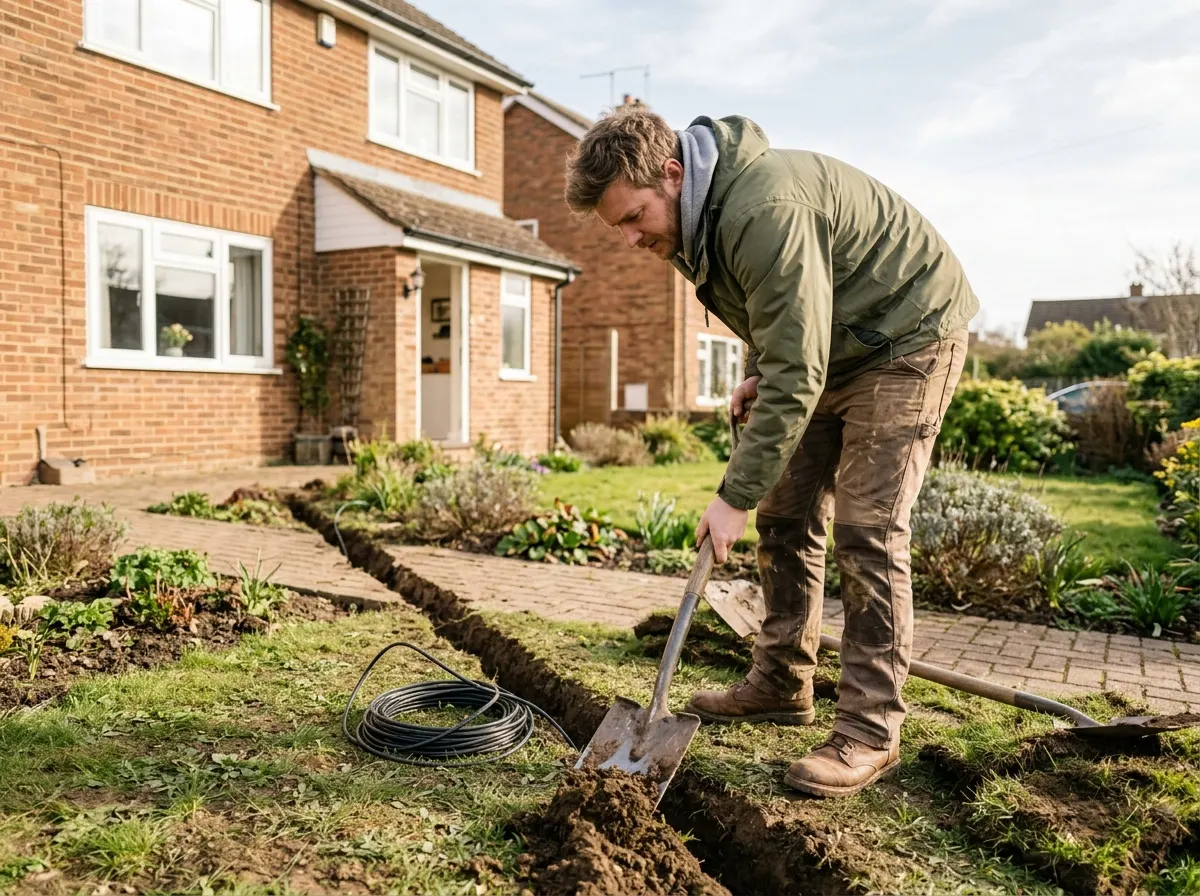
- ✓ Trenching & Groundwork: If the cable needs to run under your lawn to reach a detached garage, offering to dig the 450mm deep trench yourself saves the electrician hours of manual labour.
- ✓ Clearing Access: Emptying the cupboard under the stairs so the electrician has clear access to the consumer unit speeds up the installation process.
The Smart Charge Point Regulations
Since 2022, all chargers sold in the UK must comply with strict smart regulations (including randomised delays to protect the national grid). Only an OZEV-approved installer has the software permissions to properly commission these smart features and register the unit with the manufacturer to activate your 3-year warranty.
Frequently Asked Questions
How much does it cost to install a home EV charger in 2026?
A standard 7kW smart charger costs £800–£1,500 fully fitted, with the UK average sitting around £1,100. This includes the hardware, standard 10m cable routing, RCBO fuse installation, and mandatory Part P building regulations certification.
Should I install a 7kW or 22kW EV charger at home?
A 7kW charger is the maximum permitted on standard UK single-phase domestic supplies, fully charging most EVs overnight (in 6-8 hours). A 22kW charger is three times faster but requires a commercial-grade 3-phase grid supply. Upgrading your home to 3-phase costs £3,000–£8,000, making it uneconomical for standard residential use.
What is the difference between a tethered and untethered EV charger?
A tethered charger has a permanently attached charging cable, offering convenience since you simply park and plug in. An untethered (socketed) charger has no cable attached; you must use the cable kept in your car's boot. Untethered looks tidier and future-proofs against changing plug standards, but is slightly less convenient.
Can I still get a government grant for an EV charger?
Homeowners with driveways no longer qualify for standard grants. However, if you rent your home, own a flat, or are a residential landlord, the OZEV EV Chargepoint Grant covers 75% of the cost, up to £500 per socket. Scottish residents can often claim additional funding via the Energy Saving Trust.
How much does it actually cost to charge an EV at home?
On a standard variable grid tariff, charging a 60kWh battery from empty costs roughly £15. By switching to a dedicated smart EV tariff (like Octopus Intelligent Go), which offers ultra-low overnight rates, that exact same full charge can cost as little as £4 to £5, making it significantly cheaper than public chargers.
Can I charge my electric car using my home solar panels?
Yes. Premium smart EV chargers (like the myenergi zappi) can be integrated directly with your solar PV system. They monitor your solar generation and automatically divert excess free solar energy into your car battery rather than exporting it back to the national grid.
What happens if my fuse box (consumer unit) is too old?
An EV charger requires a dedicated 32A circuit protected by an RCBO and a surge protection device (SPD). If your old fuse box lacks spare "ways" (slots) or modern RCD protection, your electrician must upgrade it or install a separate mini consumer unit, which typically adds £150–£400 to the quote.
Do I need an earth rod installed in my garden?
Historically, yes. However, most modern smart EV chargers now feature built-in O-PEN fault protection. This technology automatically detects dangerous fluctuations in the electrical grid and safely isolates the charger, eliminating the need to drive an unsightly copper earth rod into your driveway.
Do I need planning permission for a driveway EV charger?
Generally, no. Installing a wall-mounted EV charger falls under Permitted Development. The main exceptions are if your property is a Listed Building, if the charger exceeds 1.6 metres in height (pedestal mounts), or if the installation faces a public highway within a designated Conservation Area.
Can I install an EV charger myself?
Absolutely not. EV chargers draw a massive continuous electrical load and must be installed in accordance with strict BS 7671 wiring regulations. It is a strict legal requirement under Part P of the Building Regulations that the installation is carried out, tested, and certified by a registered electrician.
Related Projects & Guides
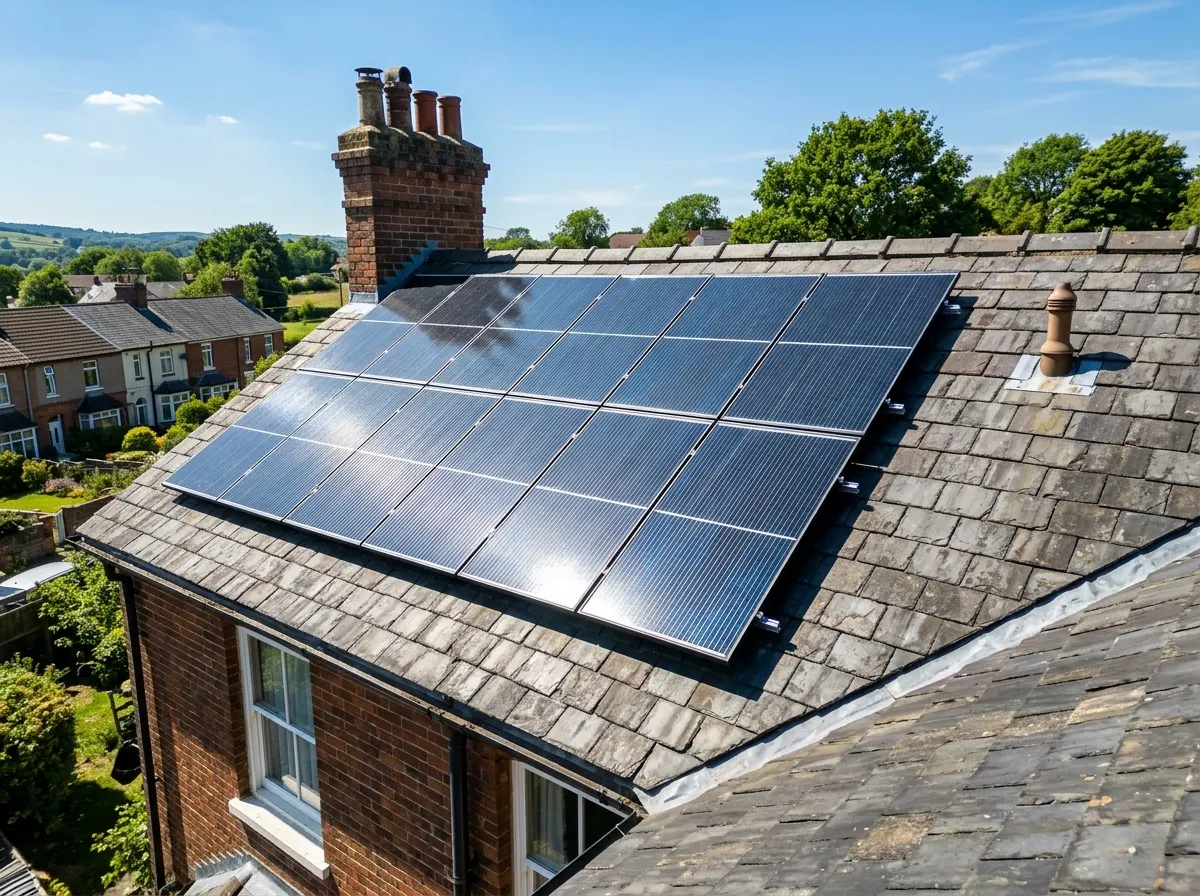
Solar Panel Installation
Charge your EV for free using solar energy.
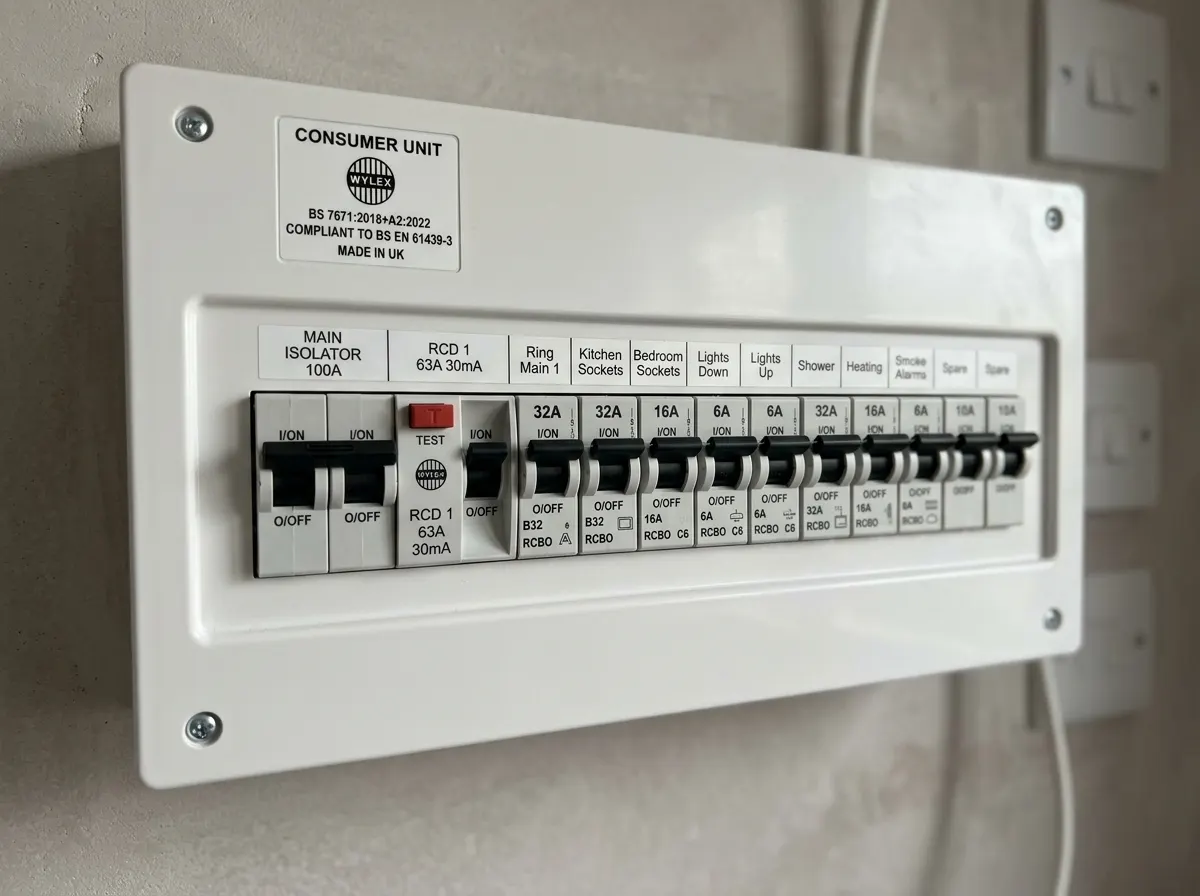
House Rewiring
Full electrical safety upgrades.
Heat Pump Installation
Air source heat pumps and £7.5k grants.
New Boiler Installation
Combi, system, and regular gas boilers.
Ready to wake up fully charged?
Use our AI to check your £500 grant eligibility and get a precise installation estimate, then connect with Pricing Penguin Accredited, OZEV-approved electricians near you.
Did you find this page helpful?
Let us know if this guide helped you plan your project.