Electrician Pricing Guide UK 2026: How Much Should Electricians Charge?
 By Tom Ellis
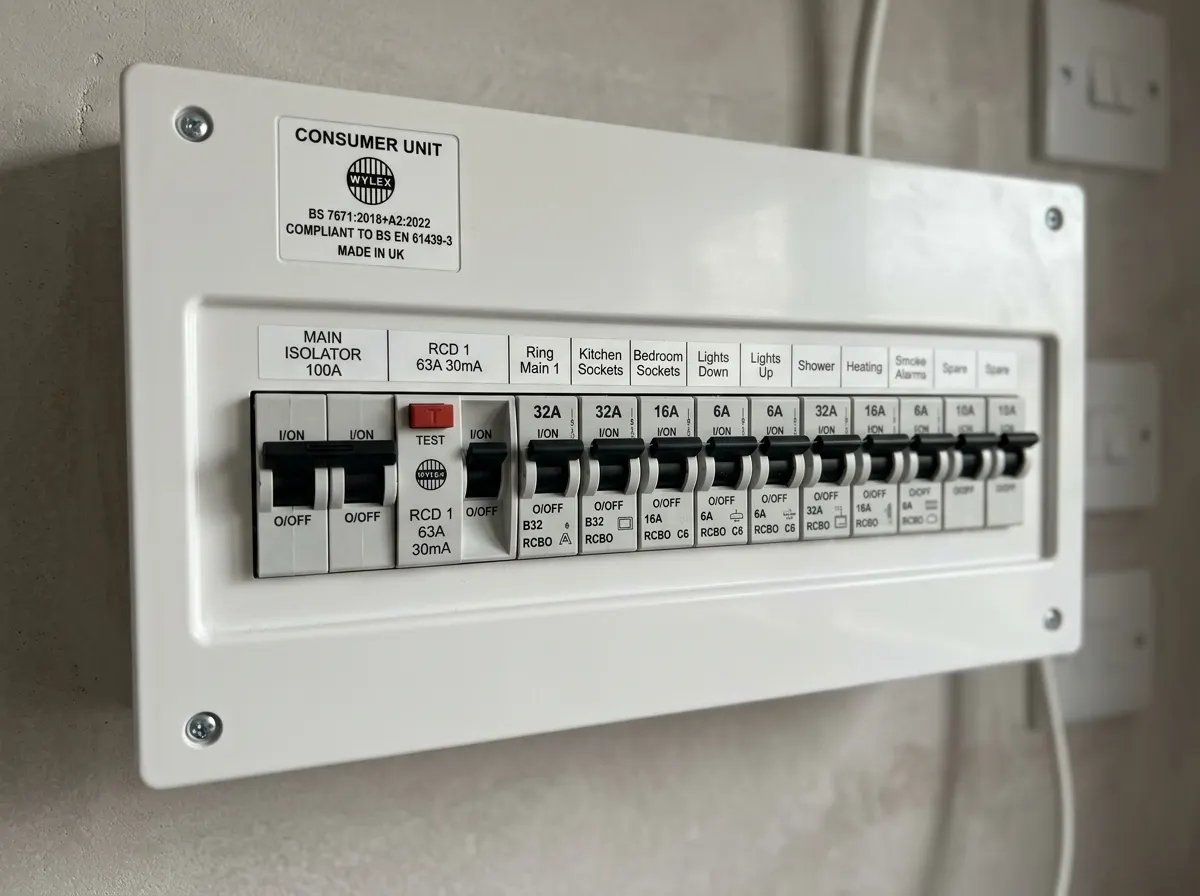
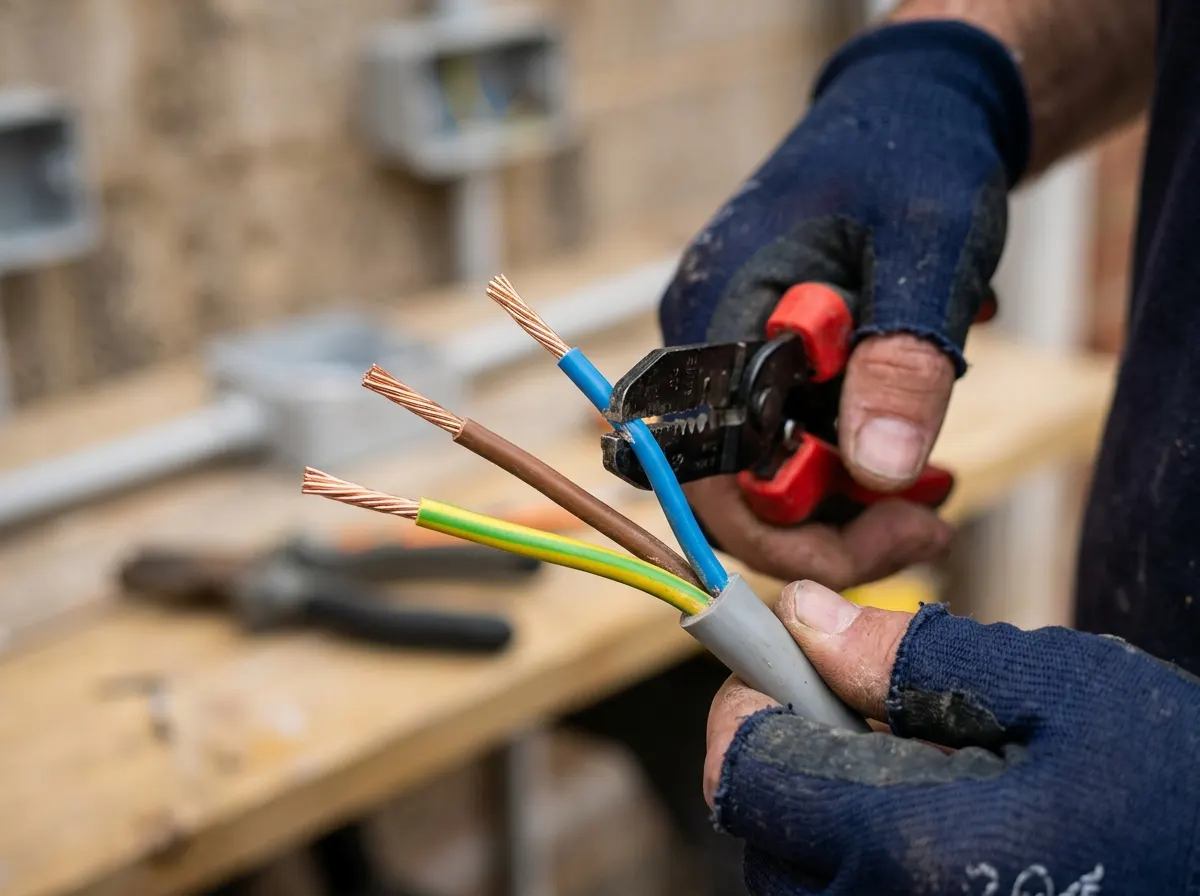
Knowing how much to charge is one of the most important parts of running a profitable electrical business. Electricians have to price far more than just their time on the tools. A professional electrical quote needs to account for labour, testing, certification, materials, cable, accessories, travel, high-end calibrated tools, insurance, van costs, waste, chasing masonry, making good, specialist Part P qualifications, and business overheads.
Electrical work varies enormously. Replacing a light fitting may take less than an hour, while rewiring a three-bedroom house can involve several electricians working for two weeks. This guide covers definitive UK pricing in 2026 for everything from sockets and EICRs to EV chargers and full rewires.
Contents
Electrician Hourly, Day & Regional Rates
Current 2026 market data across standard domestic electrical work, experienced fault finding, and commercial teams.
Hourly Rates (2026)
- Broader UK market range:£40 – £70 / hr
- Standard domestic electrical work:£45 – £60 / hr
- Experienced / Specialist work:£55 – £85 / hr
- London & South East work:£65 – £100+ / hr
- Specialist or Emergency work:£80 – £120+ / hr
Current 2026 pricing data puts the average electrician rate at approximately £50 per hour. The hourly rate is useful internally, but many electricians quote a fixed price for predictable work to avoid customer disputes over time taken.
Day Rates (2026)
- Apprentice / Assistant:£120 – £200 / day
- Electrical Labourer (Chasing/Pulling):£150 – £220 / day
- Standard Domestic Electrician:£250 – £350 / day
- Experienced/Approved Electrician:£300 – £500 / day
- Commercial Electrician:£300 – £500 / day
- Specialist EV/Solar/Testing work:£350 – £550+ / day
| Region | Hourly Rate | Day Rate |
|---|---|---|
| London | £65 – £100+ | £350 – £550+ |
| South East England | £55 – £85 | £300 – £450 |
| East of England | £45 – £70 | £280 – £400 |
| South West | £40 – £65 | £260 – £380 |
| Midlands | £40 – £65 | £250 – £370 |
| North West | £40 – £65 | £250 – £370 |
| Scotland | £40 – £65 | £250 – £370 |
| Yorkshire and North East | £38 – £60 | £240 – £350 |
| Wales | £35 – £60 | £230 – £350 |
Call-Out Charges & Emergency Pricing
A one-hour job to replace a faulty switch still requires travel, parking, loading tools, testing equipment, administration, certification, and van costs. Minimum charges are essential.
Standard Call-Outs
- Standard minimum call-out:£80 – £120
- First hour (Including travel):£100 – £150
- Additional hour thereafter:£45 – £70
- Diagnostic visit / Fault finding:£100 – £200
- Same-day urgent call-out:£150 – £250
Emergency Electrician Prices
The premium reflects immediate availability, travel, urgency, and the opportunity cost of disrupting planned daytime work.
- Daytime emergency:£100 – £180 / hour
- Evening emergency:£120 – £200 / hour
- Weekend emergency:£150 – £250 / hour
- Overnight emergency:£175 – £300+ / hour
- Bank holiday:£200 – £350+ / hour
Stop paying for dead leads.
Join the Pricing Penguin network. We provide UK tradespeople with high-intent, pre-qualified customers who already understand the true cost of quality craftsmanship.
The Pricing Formula & Material Markups
Material markup is not simply extra profit. It compensates for ordering time, collection fuel, yard storage, returns, warranty administration, supplier management, and the massive financial investment of carrying stock in the van.
Labour + Materials + Material Markup + Testing + Certification + Travel + Equipment + Waste + Overheads + Profit = Final Price
Large Project Formula (Rewires)Design + First Fix + Second Fix + Testing + Certification + Materials + Access + Making Good + Overhead + Profit = Final Price
Recommended Markups
- Standard electrical accessories:15 – 30%
- Cable (T&E, SWA, Flex):15 – 30%
- Consumer units & RCBOs:10 – 25%
- Lighting products / Downlights:15 – 30%
- Specialist equipment (EV/Solar):10 – 20%
- Small consumables (Wagos, screws):20 – 40%
- Emergency / Special-order items:20 – 40%+
| Common Electrical Materials (Supply Only) | Typical Cost Allowance |
|---|---|
| Twin and earth cable (per metre depending on mm²) | £1 – £3 / m |
| Steel Wire Armoured (SWA) cable (per metre) | £2 – £8+ / m |
| Standard double socket (White plastic) | £3 – £15 |
| Premium decorative socket (Brushed steel/screwless) | £10 – £40+ |
| USB / USB-C integrated socket | £15 – £40+ |
| Standard light switch | £2 – £10 |
| External weatherproof socket (IP66) | £15 – £50 |
| Basic populated consumer unit | £100 – £180 |
| RCBO-equipped premium consumer unit | £180 – £350+ |
| RCD / RCBO / AFDD (Each) | £20 – £60+ |
| Junction boxes (e.g. Wago/Ashley) & accessories | £2 – £15 each |
* Actual merchant pricing varies substantially according to brand (e.g., Hager vs. FuseBox), specification (BS 7671 Amendment 2), and bulk quantities.
Sockets, Switches & Lighting Prices
Adding and relocating sockets or upgrading to LED downlights are some of the most searched domestic electrical services.
Socket Installation (Supply & Fit)
- Replace existing socket faceplate:£60 – £100
- Install 1 new double socket:£80 – £160
- Install 2 additional sockets:£125 – £300
- Install 4 additional sockets:£250 – £500
- USB / USB-C integrated socket:£100 – £180
- Move socket (chasing required):£100 – £200
- Premium decorative socket:£100 – £200+
- Outdoor weatherproof socket (IP66):£150 – £350
Switch Installation
- Replace standard switch:£60 – £100
- Install new switch:£80 – £150
- Dimmer switch upgrade:£80 – £150
- Two-way switching (e.g. hallway/stairs):£100 – £200
- Three-way / multi-way switching:£150 – £300+
- Smart switch / Decorative:£100 – £250+
Internal & External Lighting
- Replace existing light fitting:£60 – £120
- Install new pendant/ceiling light:£70 – £150
- Install multiple ceiling lights:£60 – £120 each
- New light point from scratch:£100 – £200
- New light point + new switch:£150 – £300
- External wall light:£100 – £200
- Security light with PIR sensor:£150 – £300
- Loft / Garage light:£100 – £250
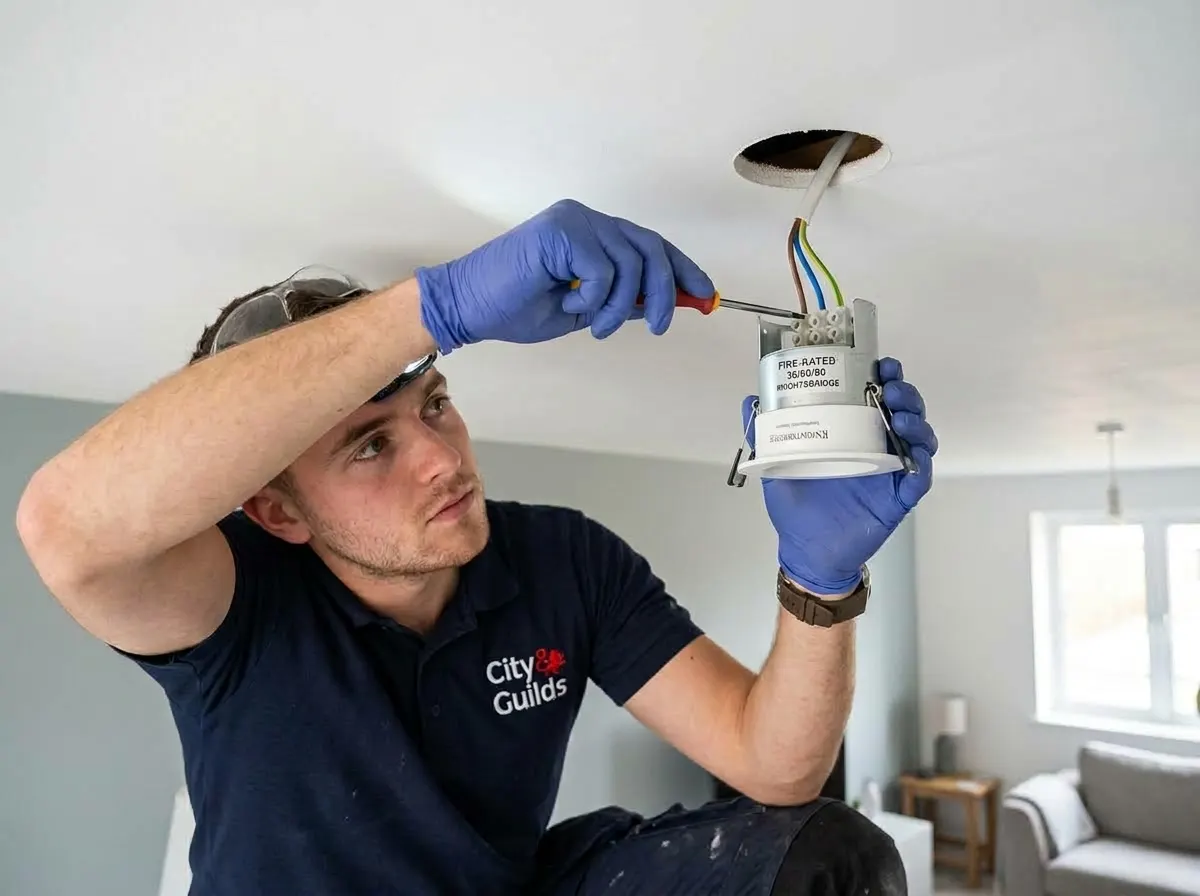
LED Downlights (Supply & Fit)
- One downlight:£50 – £100
- Four downlights:£200 – £400
- Six downlights:£300 – £600
- Eight downlights:£400 – £800
- Ten downlights:£500 – £1,000+
Whole House Upgrades
Current Which? data puts replacement LED downlights around £55–£80 per light in its 2026 survey, excluding VAT.
Showers, Cookers & Bathroom Electrics
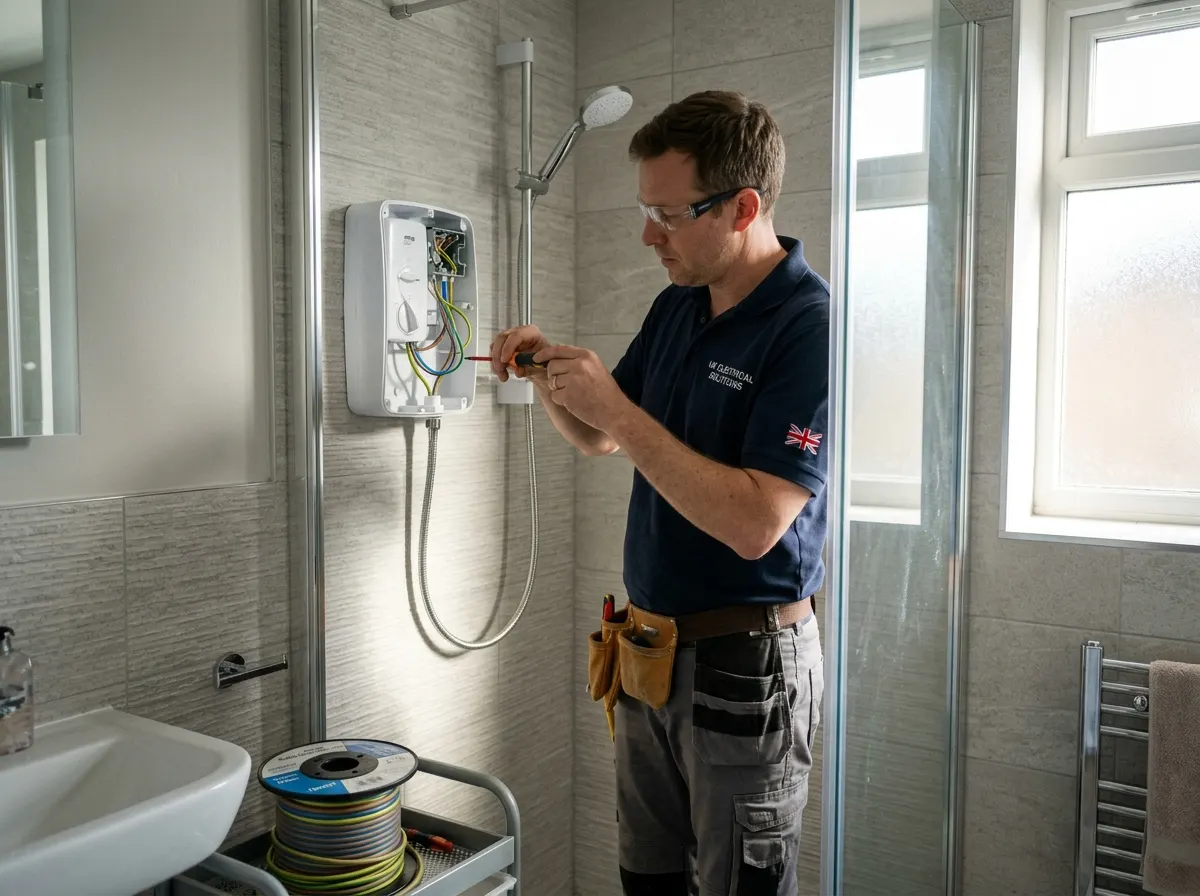
Bathrooms are highly regulated electrical environments (Zonal regulations), while electric showers and ovens draw massive loads requiring dedicated thick cable runs straight from the consumer unit.
Bathroom Electrical Work
Must comply with strict BS 7671 zone requirements regarding IP ratings.
- Shaver socket (Isolated):£100–£180
- Extractor fan (Timer/Humidistat):£100–£250
- Long ducted fan install:£250–£500+
- IP-rated downlight:£60–£120
- Full bathroom refit wiring:£500–£1,500+
Electric Showers
- Like-for-like replacement:£300–£600
- New shower installation:£500–£1,000+
- Higher-power (9.5kW - 10.5kW):£600–£1,200+
Ovens & Cookers
- Like-for-like connection:£50–£120
- Oven + Hob connection:£100–£200
- Cooker + new isolation switch:£100–£200
- New dedicated cooker circuit:£300–£700+
- Circuit + CU work:£500–£1,000+
Stop paying for dead leads.
Join the Pricing Penguin network. We provide UK tradespeople with high-intent, pre-qualified customers who already understand the true cost of quality craftsmanship.
Consumer Unit (Fuse Box) Replacement Prices
A consumer unit replacement is one of the most critical and highly-regulated domestic electrical jobs. Modern Amendment 2 boards require metal enclosures, Surge Protection Devices (SPDs), and individual RCBOs.
Consumer Unit Installation
- Basic replacement:£400 – £600
- Standard 10-way RCBO board:£450 – £700
- Larger board (e.g. 14+ ways):£600 – £1,000
- Complex upgrade (Major remedial work):£800 – £1,500+
Individual Component Upgrades:
What is Included in a Quote?
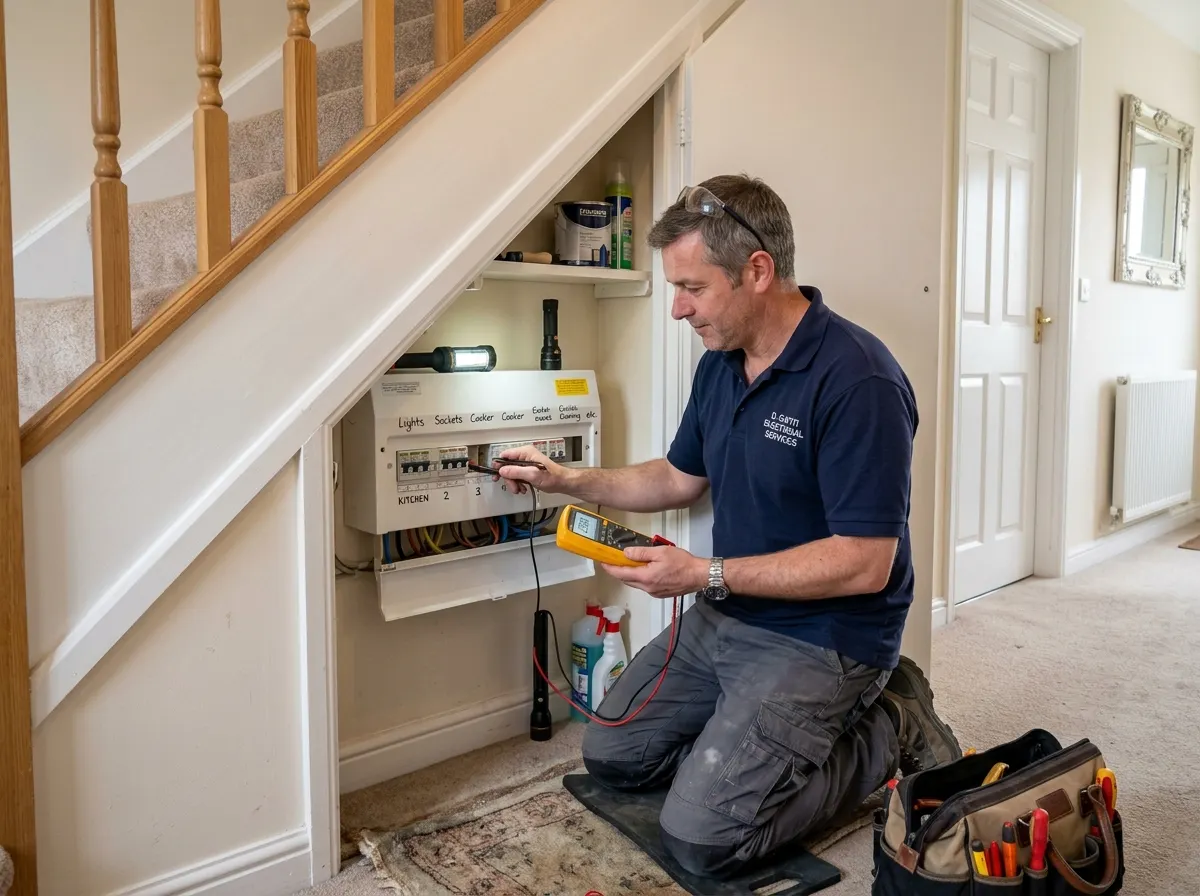
A compliant quote must include the new metal-clad consumer unit, individual RCBOs, Main switch, SPD, upgrading meter tails (to 25mm), earthing/bonding checks, removal of the old board, full installation, rigorous testing, and Building Control certification.
The Danger of Remedial Work
You cannot install a highly sensitive modern RCBO board onto a faulty house wiring system—it will simply trip instantly and constantly.
Additional costs will arise if testing discovers: Lack of main gas/water earth bonding (£150-£400), damaged cables, shared neutrals across lighting circuits, or poor DIY connections. A quote should clearly state that existing circuit remedial work is excluded and charged separately.
House Rewiring Costs UK 2026
Rewiring is the largest and most disruptive domestic electrical project. It involves tearing out 100% of the old cabling, lifting floorboards, and channeling deep into masonry walls.
Full Rewire Cost by Property Size
- Studio / 1-bedroom flat:£2,000 – £3,500
- 2-bedroom house:£3,000 – £5,000
- 3-bedroom standard house:£4,000 – £7,000
- 4-bedroom house:£5,500 – £9,000
- 5-bedroom house:£7,000 – £12,000+
- Large / complex / high-spec property:£10,000 – £20,000+
Current national average is around £6,950. The massive variance illustrates how much specification, access, and property condition affect the final invoice.
First Fix vs. Second Fix
Rewires are split into two stages, often weeks apart, separated by the plasterer.
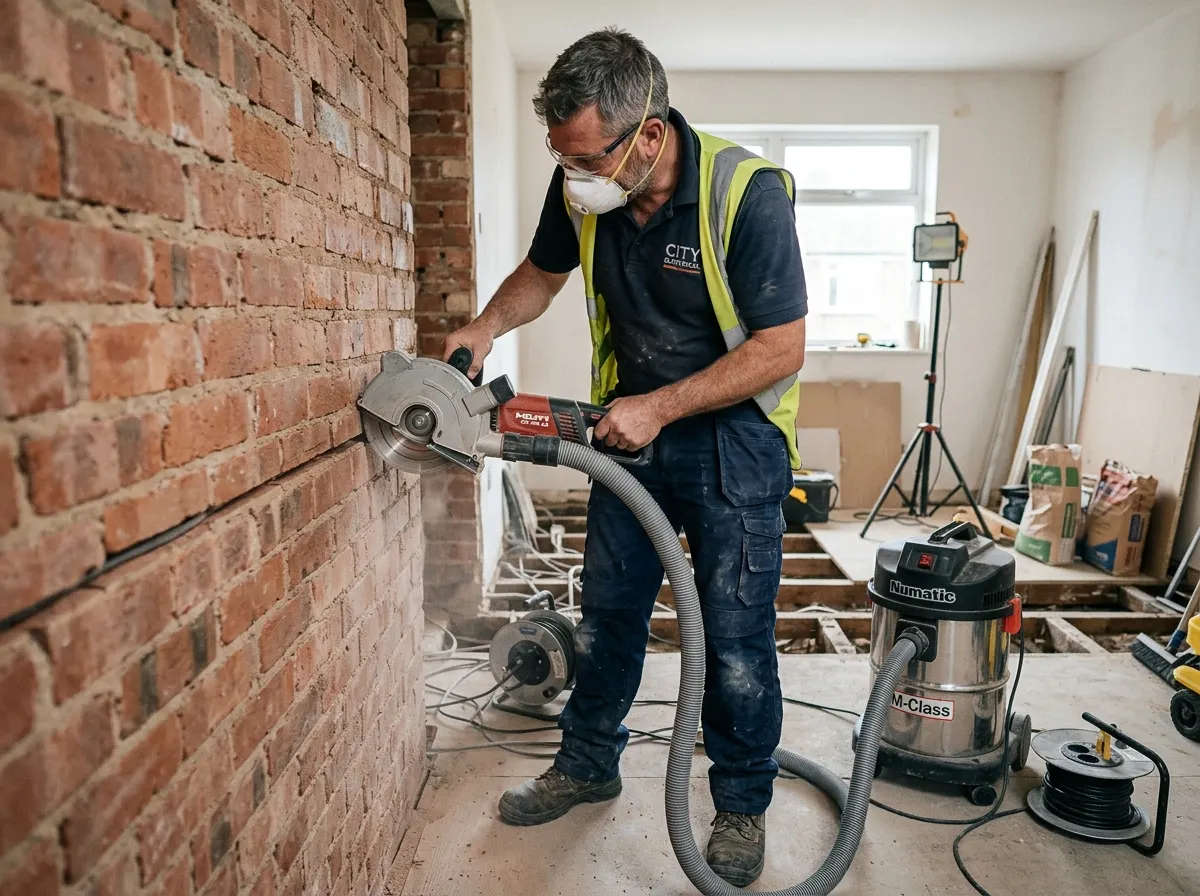
First Fix (£1,500–£3,000+): The dirty work. Chasing walls, lifting floors, drilling joists, installing metal back boxes, and pulling all the raw cables back to the consumer unit.
Second Fix (£1,000–£2,500+): The clean work. Fitting the actual sockets, switches, light fittings, consumer unit, and performing the final testing and certification.
The "Making Good" Trap
Chasing cables into solid brick walls leaves huge trenches that need filling and plastering. Electricians are not plasterers. A quote must explicitly state whether "Making Good" (plastering/decorating) is included or excluded to avoid furious customers.
EICRs, Testing & Fault Finding
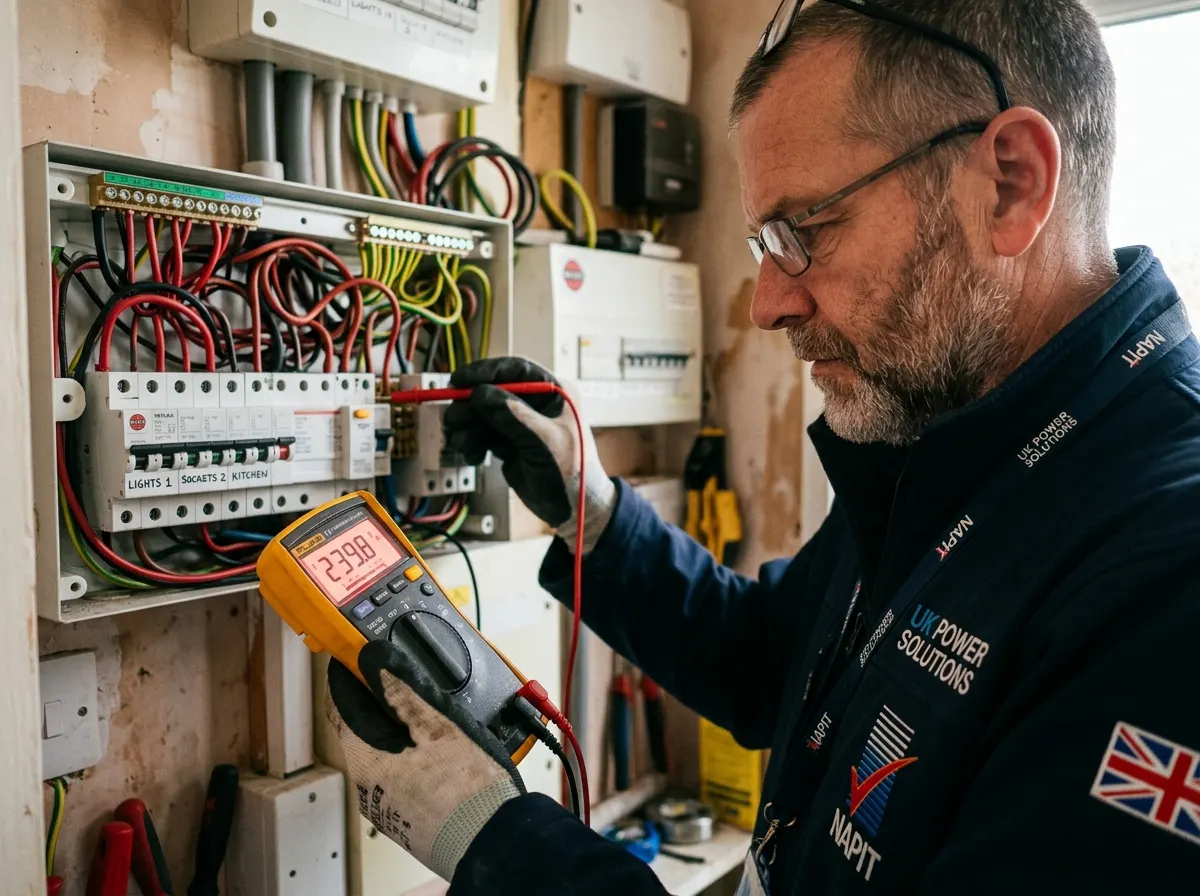
Electrical Installation Condition Reports (EICRs) are a legal requirement for landlords every 5 years in the Private Rented Sector (PRS), generating massive recurring revenue.
EICR Prices UK 2026
- Studio / 1-bedroom flat:£100 – £160
- 2-bedroom house:£120 – £200
- 3-bedroom house:£120 – £250
- 4-bedroom house:£150 – £350
- 5-bedroom house:£200 – £400+
- Large property:£300 – £600+
C2: Potentially dangerous. Urgent remedial action required.
C3: Improvement recommended (Not an automatic failure).
FI: Further investigation required.
Fault Finding Charges
Fault finding must be priced by time (hourly), because tracking down a nuisance tripping RCD or a chewed wire under a floorboard is entirely unpredictable.
Outdoor Electrics, Garden Offices & Extensions
Wiring outdoor spaces requires expensive Steel Wire Armoured (SWA) cable and deep trenching. Extensions require integration with the existing house consumer unit.
Garden & Outbuildings
- Outdoor socket:£150–£300
- Outdoor/Garden lighting:£150–£1,500+
- Garage electrics:£500–£2,000+
- Outbuilding consumer unit:£500–£1,200+
- Underground SWA cable:£30–£100+/m
Garden Office Install
Includes Sub-consumer unit, LED lighting, multiple sockets, SWA supply from main house, testing.
- Typical installation:£800–£2,500
- High specification:£2,500–£5,000+
Prices jump heavily if data networks, electric heating, or long manual trenching runs are required.
House Extensions
Includes new circuits, sockets, lighting, smoke alarms, and consumer unit alterations.
- Small extension:£1,000–£2,500
- Medium extension:£2,000–£4,000
- Large extension:£3,500–£7,000+
Stop paying for dead leads.
Join the Pricing Penguin network. We provide UK tradespeople with high-intent, pre-qualified customers who already understand the true cost of quality craftsmanship.
EV Chargers, Solar PV & Smart Homes
Specialist high-demand installations that require specific load management calculations, DNO notifications, and data networking.
EV Charger Installation (7kW)
- Simple charger (Unit supplied only):£450 – £800
- Typical home installation (Supply & Fit):£700 – £1,200
- Difficult installation:£1,000 – £1,800+
- Long underground run (Detached garage):£1,200 – £2,000+
Solar PV & Battery Storage (Electrical Element)
This covers just the electrical connection (CU connection, generation meter, AC isolator, testing) for qualified electricians working alongside panel installers.
- Solar PV Electrical Element:£500 – £1,500+
- Battery Storage Installation:£800 – £2,000+
- Complex Battery System:£2,000 – £4,000+
Smart Home Wiring
- Smart thermostat (e.g. Nest/Hive):£80 – £160
- Smart doorbell power (Ring/Nest):£100 – £250
- Smart lighting control module:£100 – £300+
- Whole-home smart lighting:£1,000 – £5,000+
Commercial Work, Data & CCTV
Commercial & PAT Testing
- Commercial Electrician:£300–£500 / day
- Specialist Commercial:£400–£600+ / day
- PAT testing (per item):£1–£3
- PAT testing minimum visit:£75–£150
- Thermal Imaging survey:£200–£500+
Data & Networking (Cat6)
Ethernet cabling, Wi-Fi access points, and network cabinets.
- Typical Cat6 installation:£80–£150 / point
- Larger installations:£500–£3,000+
CCTV & Smoke Alarms
- One CCTV camera:£150–£300
- Four-camera system:£600–£1,200
- Access control / Intercom:£500–£2,000+
- 1–3 Smoke alarms (Mains):£60–£300
- Whole-house interlinked:£300–£800+
Qualifications, Part P & Certification
Certification is part of the professional service and should not simply be treated as "free paperwork" that takes zero time.
Part P & Competent Persons
In England and Wales, fixed electrical installation work in dwellings must comply with Building Regulations, including Part P. Depending on the work (e.g., new circuits, consumer unit alterations, or work in special locations like bathrooms), it must be notified to Building Control.
Electricians registered with a Competent Person Scheme (like NICEIC, NAPIT, or Certsure) can self-certify their work and arrange the Building Regulations compliance process seamlessly.
Electrical Business Insurance
- • Public liability insurance
- • Employers' liability (Mandatory if employing staff)
- • Professional indemnity (If providing design/surveys)
- • Tools & commercial vehicle cover
Charging for Certification
A professional quote must allow time for Initial verification, Electrical Installation Certificates (EIC), Minor Works Certificates, EICRs, test results, circuit schedules, and scheme notification fees.
Stop paying for dead leads.
Join the Pricing Penguin network. We provide UK tradespeople with high-intent, pre-qualified customers who already understand the true cost of quality craftsmanship.
Tools, Vans & Business Overheads
Why copying another electrician's £40 hourly rate might bankrupt your business.
Calculating Your Minimum Rate
£72,000 ÷ 180 = £400 / day
You must generate £400/day before allowing for additional business profit or unexpected tax structures.
Electrical Testing Equipment Costs
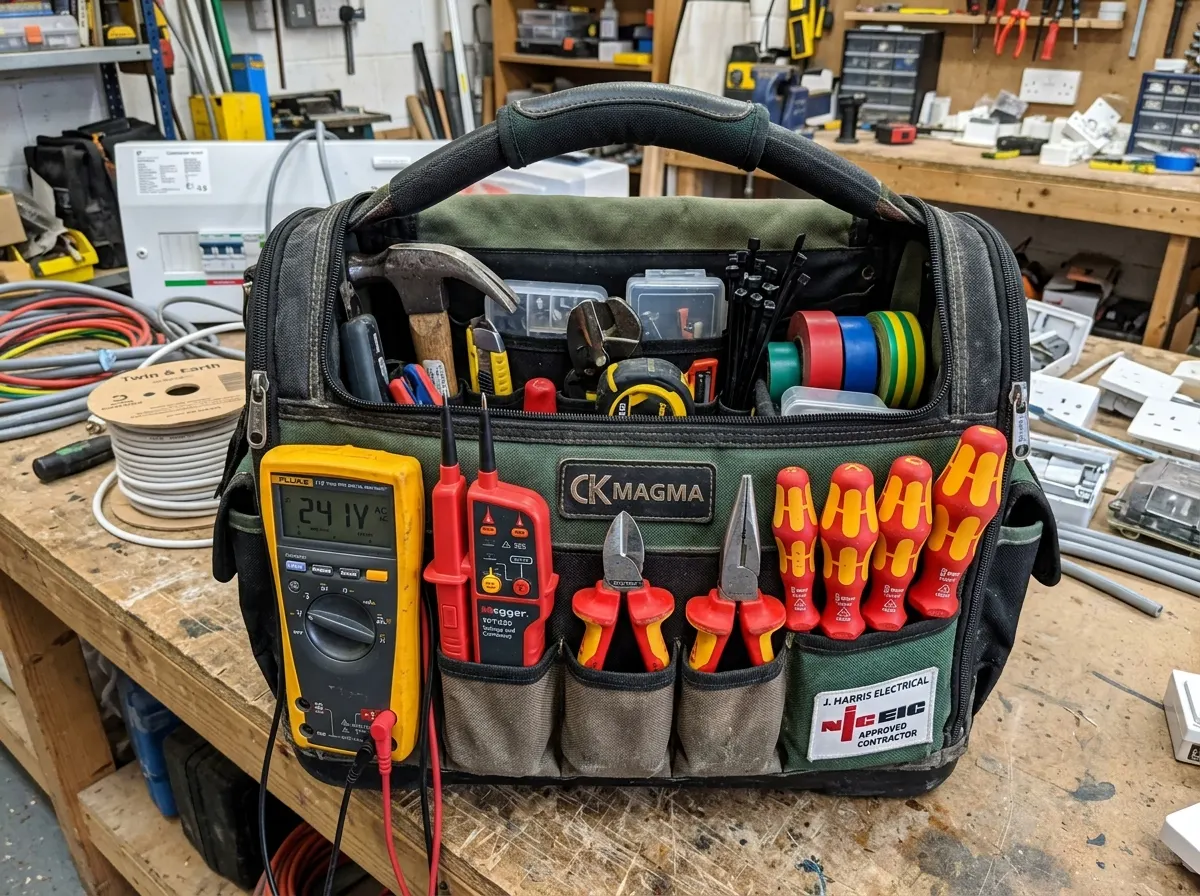
Professional testing equipment requires massive capital investment and annual calibration.
- Multifunction tester (MFT):£500–£1,500+
- EV testing equipment:£500–£2,000+
- Thermal camera:£300–£2,000+
- Insulation tester:£200–£500
- Clamp meter:£100–£400
- Voltage tester / proving unit:£50–£150
Example Electrical Quotes & Fixed Pricing
Real-world examples showing how direct costs, overheads, and profit translate into a final customer price.
New Sockets (Four Double)
- Materials:£60
- Material markup:£15
- Labour (4 hours x £50):£200
- Travel & Consumables:£35
- Overheads + Profit:£50 + £80
If chasing and making good required, price increases substantially.
Consumer Unit (10-Way RCBO)
- Unit + Materials:£300
- Labour:£200
- Testing/certification:£75
- Travel:£25
- Overheads + Profit:£75 + £150
EV Charger (7kW)
- Charger + Cable/Access:£725
- Labour:£250
- Testing:£75
- Travel:£25
- Overheads + Profit:£100 + £225
Six LED Downlights
- Lights + Cabling:£230
- Labour:£250
- Testing + Consumables:£70
- Overheads + Profit:£50 + £150
Three-Bedroom Rewire
If plastering and making good are included: £9,000–£11,000+
Pricing Strategy: Fixed vs Hourly
Electrician SEO & Social Media
An electrical website should not rely on one generic "electrician near me" page. To win premium work and stop competing purely on price, you need a combined approach across local SEO, visual social proof, and professional quoting.
Location-Based SEO Targets
Create dedicated pages combining specific services with your local towns (e.g., "EV charger installation in [Town]"). High-value targets include:
Social Media Portfolios
Homeowners want to see neat, safe work. An active social media presence builds instant trust and justifies premium pricing.
- Consumer Unit Before & Afters: Showcase the transformation from a messy old wire-fuse board to a perfectly dressed, RCBO metal-clad consumer unit.
- Process Videos (TikTok/Reels): Record the process of wall chasing, running cables, and testing. It educates the customer on the hidden labour behind a "simple" socket installation.
- Local Facebook Groups: Share helpful advice about EICR landlord requirements or EV grants rather than just posting ads. Become the recognised local authority.
How to Write a Professional Electrical Quote
A £500 quote and a £900 quote may not actually be for the same specification. Make sure your quote explicitly states:
Quick UK Electrician Pricing Reference (2026)
Use this table for rapid job estimating and sanity-checking client quotes.
| Electrical Work / Service | Typical 2026 UK Benchmark |
|---|---|
| General Electrician Hourly Rate | £45 – £75 / hour |
| Experienced Electrician Day Rate | £300 – £450 / day |
| Emergency Call-Out (Includes 1st Hour) | £100 – £200 |
| Fault Finding & Diagnostics (1–2 hours) | £90 – £150 |
| EICR / Landlord Certificate (1–2 Bed) | £150 – £250 |
| EICR / Landlord Certificate (3–4 Bed) | £200 – £350 |
| Consumer Unit (Fuse Board) Replacement + Cert | £500 – £800+ |
| Install a New Double Socket | £80 – £150 |
| Install an Outdoor Waterproof Socket | £100 – £200 |
| Change a Light Fitting (Straight Swap) | £60 – £120 |
| Install LED Downlights (Per Room/Batch) | £300 – £600 |
| Bathroom Extractor Fan Installation | £150 – £300 |
| Smart Thermostat Installation (e.g., Nest/Hive) | £100 – £200 |
| Electric Shower Install (Wiring & Unit) | £350 – £650 |
| EV Charger Installation (Standard Wall Mount) | £800 – £1,200 |
| Full Rewire: 1-2 Bed Flat / House | £3,500 – £5,500 |
| Full Rewire: 3 Bed Semi-Detached | £5,000 – £8,000 |
| Full Rewire: 4 Bed Detached | £7,000 – £12,000+ |
| PAT Testing (Min Charge / Per Appliance rate) | £60 – £100 min |
| Material Markup Allowance | 15% – 30% |
| Small-Job Minimum Charge | £90 – £150 |
Frequently Asked Questions
How much does an electrician cost per hour in the UK?
Around £45–£60 per hour is a useful 2026 benchmark for standard domestic electrical work, with broader market rates around £40–£70/hour and higher rates (£80-£120+) for specialist and emergency work.
How much does an electrician charge per day?
Around £300–£400 per day is a useful benchmark for an established domestic electrician, although specialist (EV/Solar) and commercial work can be higher (£350-£550+).
How much does it cost to rewire a house?
A typical domestic rewire ranges from around £3,000 to £10,000+, depending on property size, specification, and access. A three-bedroom property commonly falls somewhere around £4,000–£7,000.
How much does a consumer unit replacement cost?
A typical domestic consumer-unit replacement is around £400–£900. Current 2026 data puts a typical 10-way RCBO replacement around £485 as a benchmark, excluding major remedial works.
How much does an EICR cost?
A domestic EICR commonly costs around £100–£350, depending on property size and complexity. Current 2026 survey data gives approximately £100–£330 for a three-bedroom semi-detached house.
How much does an EV charger cost to install?
A typical domestic EV charger installation can be around £500–£1,200. Longer cable runs, trenching, electrical upgrades, and more complex DNO requirements can push this to £1,500–£2,000+.
Should an electrician charge for certification?
Yes. Testing, verifying the installation, and issuing the paperwork (EIC / Minor Works) takes professional time, calibration equipment, and scheme fees. It forms part of the professional service.
What is the difference between C1, C2 and C3 on an EICR?
C1 means danger is present. C2 means potentially dangerous. Both result in an unsatisfactory report requiring urgent repair. C3 means improvement is recommended but is not an automatic failure.
Ready to fill your diary with quality jobs?
Connect with serious homeowners who value reliability over the absolute cheapest quote. Join our network of accredited UK tradespeople today and let our AI estimators filter out the time-wasters for you.
Related Guides
Did you find this guide helpful?
Let us know if these estimating tips will help your electrical business.