How much do solar panels cost in the UK?
 By Tom Ellis
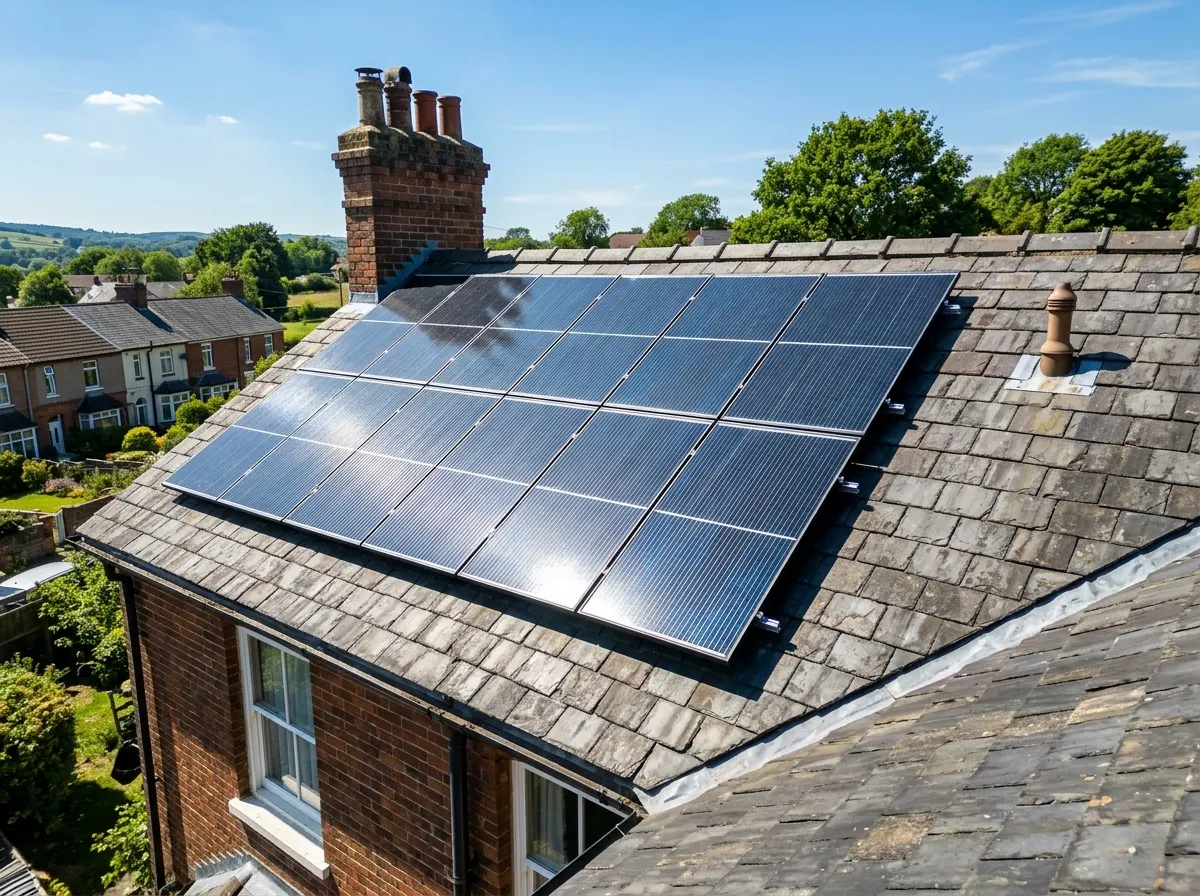
Installing solar panels is one of the most effective ways to slash your electricity bills and shield your household from volatile energy price caps. With the 0% VAT scheme active until March 2027 and lucrative new Smart Export Guarantee (SEG) tariffs, the payback period for a typical UK home has plummeted to just 6 to 10 years.
In 2026, a fully installed residential solar system in the UK ranges from £4,000 to £14,000+. A standard 4kW system (without a battery) typically costs between £5,500 and £7,000. However, over 70% of new installations now include a solar battery (costing an additional £3,000 to £5,000) to store daytime generation for evening use, pushing the average complete hybrid system closer to the £9,500 to £12,000 mark.
~£5,000
Basic specification. A 3kW–4kW system (8 to 10 panels) paired with a standard string inverter. No battery storage included. Ideal for households where occupants work from home during daylight hours.
~£9,500
Mid-range finish. A typical 4kW array (10x 400W+ Tier 1 panels) connected to a 5kW hybrid inverter, paired with a 5kWh to 9.5kWh solar battery. Includes standard scaffolding and bird mesh.
£14,000+
High-end specification. A large 6kW+ system with premium microinverters (e.g. Enphase), a high-capacity 13.5kWh+ battery (e.g. Tesla Powerwall 3), and smart EV charger integration.
Get an instant estimate for your solar panels
Types of Solar Panels
Old, inefficient blue polycrystalline panels are effectively obsolete. In 2026, the market is dominated by high-efficiency monocrystalline cell architectures.
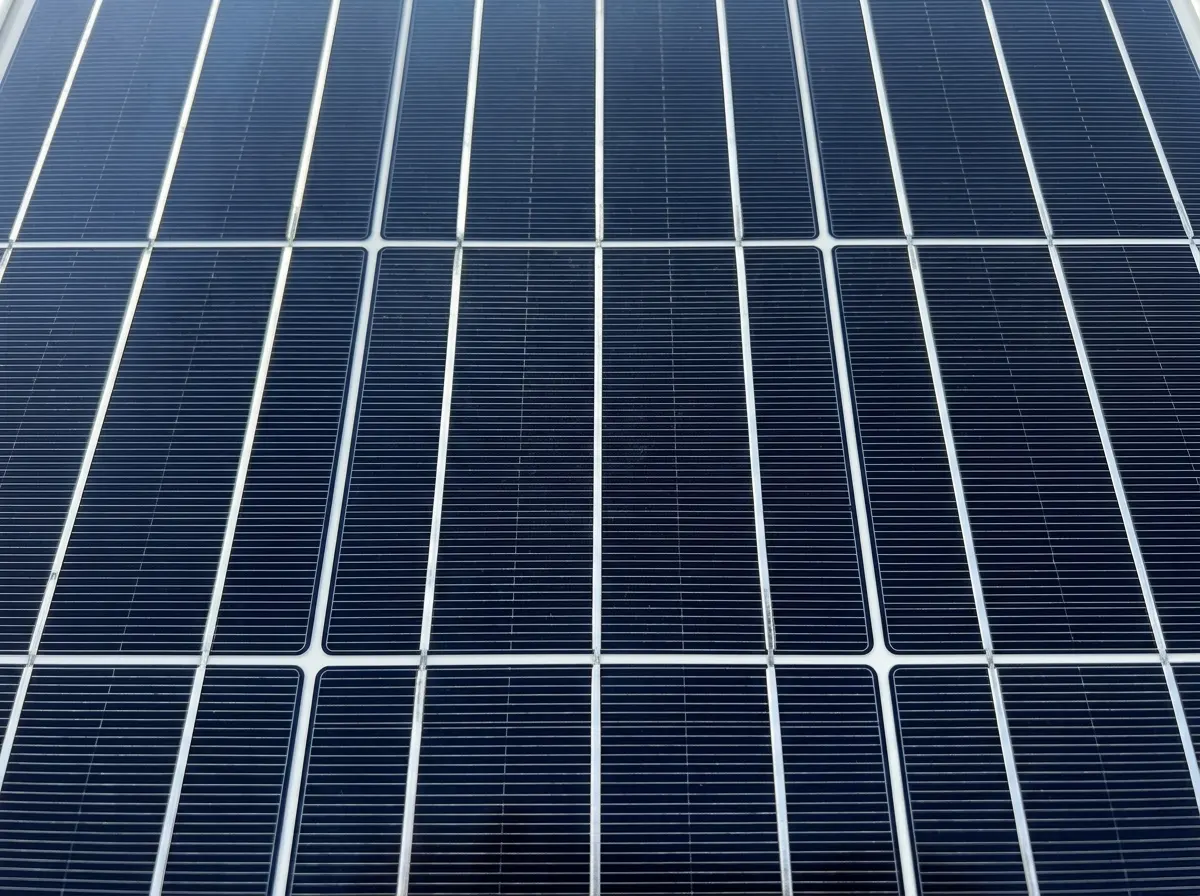
Standard Mono (Tier 1)
ValueExcellent value and reliability (Brands like Q Cells, Jinko, JA Solar). Cut from single silicon crystals, offering 20–21% efficiency. They may feature visible silver grid lines or frames. Perfect for homes with plenty of roof space where maximum aesthetic isn't the primary concern.
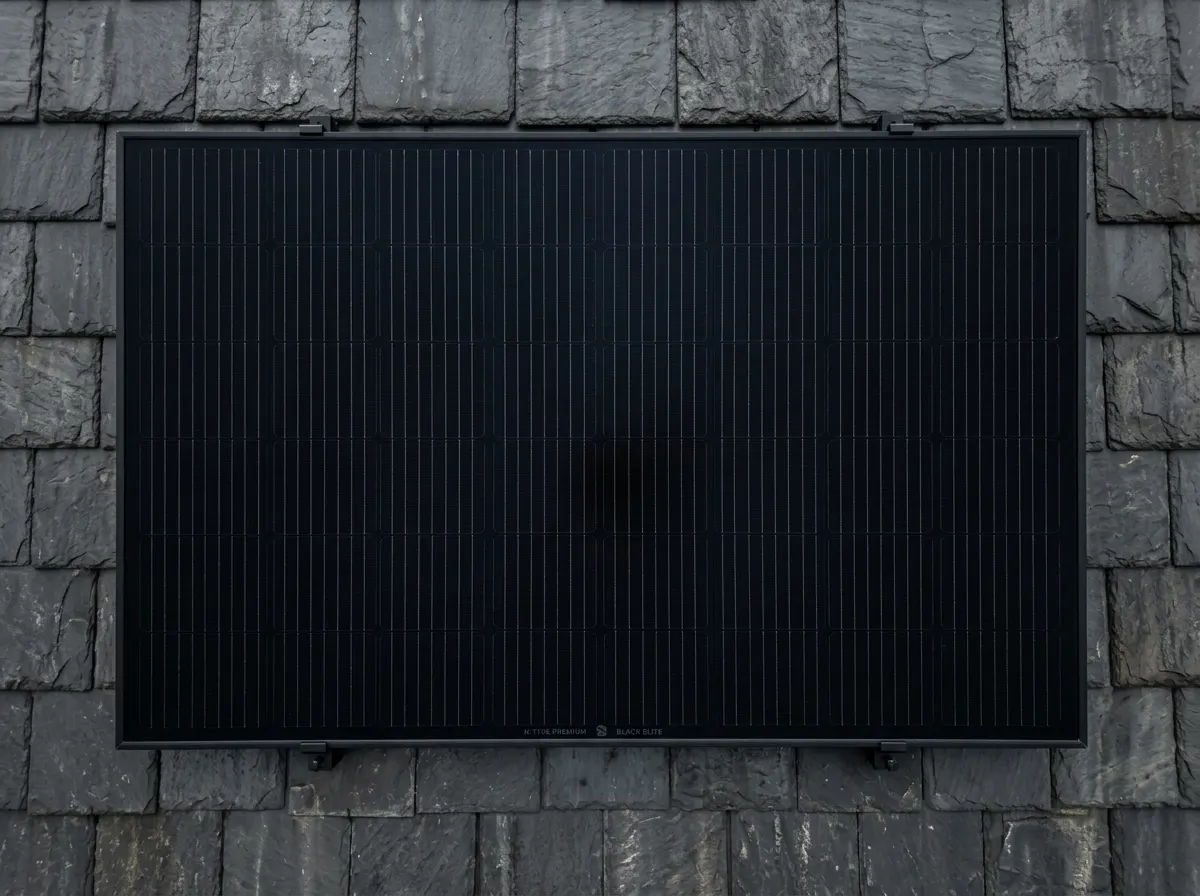
Premium All-Black (N-Type)
High EfficiencyThe current standard for high-end installs (Brands like REC, Aiko, SunPower). Featuring advanced N-Type TOPCon or IBC (Interdigitated Back Contact) technology, hitting 22–24% efficiency. They boast a stunning "deep black" uniform look and often come with massive 25 to 40-year warranties.
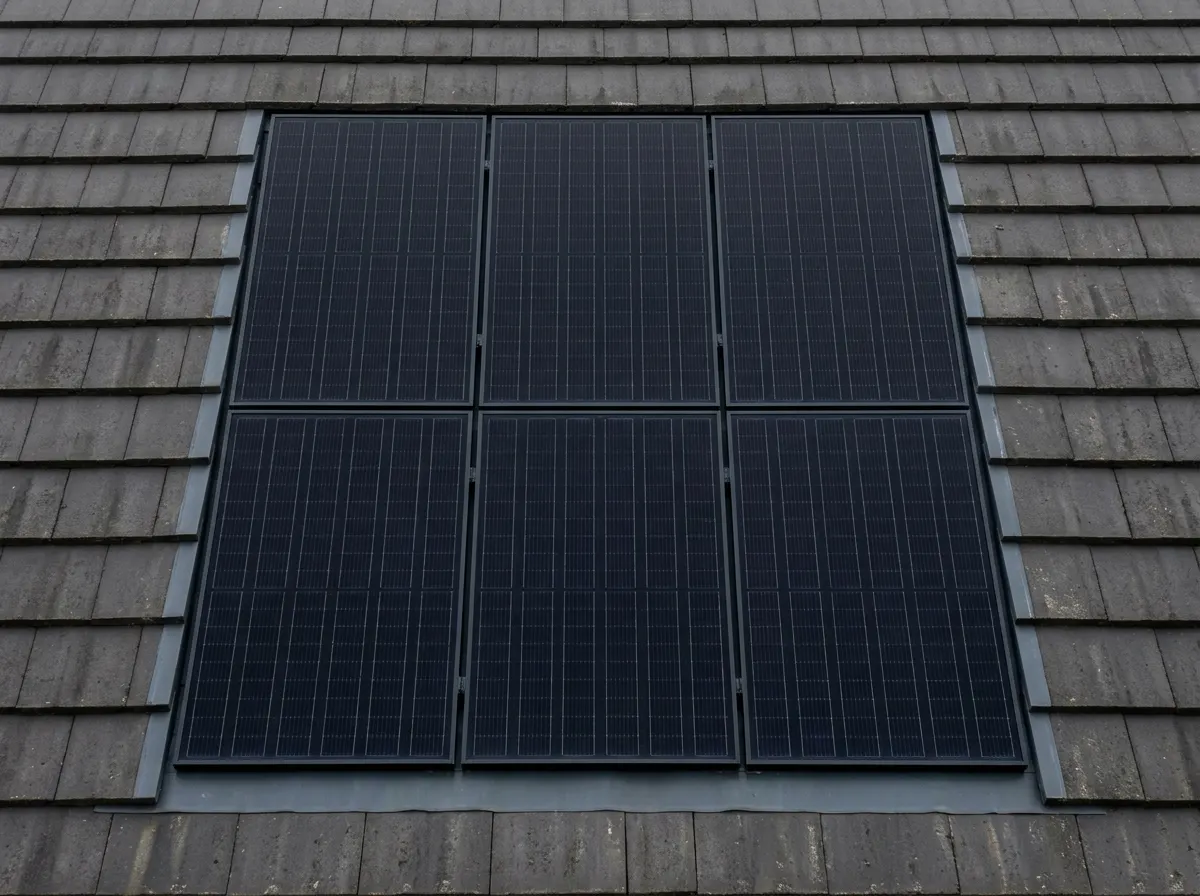
In-Roof (Integrated)
ArchitecturalInstead of bolting rails *above* the roof tiles, the roof tiles are removed and the panels sit flush inside a weatherproof plastic tray system (like GSE Integration). Highly aesthetic and often mandated for new-builds, but they run slightly hotter, reducing generation efficiency by 2–5%.
Inverters & Battery Storage
Panels only capture DC electricity. Your inverter converts it to usable AC power, and your battery stores it for when the sun goes down.
String Inverters vs Microinverters
A String Inverter wires all panels together into one central box (usually in the loft). If a chimney shades *one* panel, the output of the *entire* string drops to match it.
Microinverters (like Enphase) or Optimisers (like SolarEdge) place a small inverter under every individual panel. This means each panel works independently. If one is shaded or covered in bird droppings, the others continue at 100% power.
Adding Solar Battery Storage
Without a battery, you must use solar power *exactly* as it is generated, or export it to the grid. A lithium iron phosphate (LiFePO4) battery stores excess daytime power to run your TV and lights in the evening. In 2026, batteries are currently 0% VAT if installed concurrently or retrofitted.
- Small (3–5 kWh): £1,800 – £3,500
- Medium (9–10 kWh): £3,800 – £6,500
- Large (13.5 kWh+): £6,500 – £8,500+
Total System Costs by Size (2026)
The table below outlines real-world 2026 supply-and-fit prices. These include Tier-1 panels, a hybrid inverter, standard scaffolding, mounting rails, and MCS certified labour with 0% VAT applied.
| System Size (kWp) | Panels Only (No Battery) | With 5kWh Battery | With 10kWh Battery |
|---|---|---|---|
| 2kW (~5 Panels) | £4,000 – £5,000 | £6,000 – £7,500 | N/A (Battery too large) |
| 3kW (~8 Panels) | £4,800 – £6,000 | £6,500 – £8,500 | £8,500 – £10,500 |
| 4kW (~10–12 Panels) | £5,500 – £7,000 | £7,500 – £9,500 | £9,500 – £12,000 |
| 6kW (~14–16 Panels) | £7,500 – £9,000 | £9,500 – £11,500 | £11,500 – £14,000+ |
| All-In-One Premium | 12x Maxeon Panels + Tesla Powerwall 3 (13.5kWh) + Backup Gateway = £14,500 – £16,000+ | ||
Hidden Costs to Budget For
Always ensure your quote explicitly includes these items, otherwise you will be hit with hefty "variations" mid-way through the project.
Bird & Pigeon Mesh
Pigeons love nesting underneath the warm, sheltered gap between solar panels and roof tiles. Once established, their corrosive droppings destroy cables and block gutters. Installing a protective wire mesh skirt around the array adds £350 to £550 and is highly recommended.
Scaffolding & Access
Standard 2-storey access is usually baked into a quote. However, if you need panels on a 3-storey townhouse, or have a fragile glass conservatory blocking access to the wall, scaffolders must build complex bridge towers. This can add £800+ to the logistics budget.
Slate vs Concrete Tiles
Concrete interlocking tiles are fast and easy to mount brackets onto. Natural slate is brittle, meaning roofers must carefully extract slates, flash the brackets with lead or specialist rubber flashings, and relay the slate. This significantly increases the roofing labour hours.
Long Cable Runs
If you want your inverter and batteries installed in a detached garage at the bottom of the garden, the electrician must dig a trench and lay heavy-duty steel-wire armoured (SWA) cabling. This typically adds £10 to £20 per metre of cable run.
0% VAT & The Smart Export Guarantee (SEG)
In 2026, the financial payback of solar is driven by two major government policies.
0% VAT Scheme Saves 20%
Currently, all domestic solar panel and battery installations in Great Britain qualify for 0% VAT until 31st March 2027. This saves you up to £2,000 on a standard hybrid system. If you retrofit a battery to an existing system, it also qualifies for 0% VAT.
Selling Electricity The SEG
Under the Smart Export Guarantee (SEG), energy companies must pay you for excess solar power you send back to the grid. To qualify, your system must be installed by an MCS-certified contractor.
Top Paying 2026 SEG Tariffs:
Standard flat-rate export tariffs pay roughly 4p to 5p per kWh. However, if you install a battery, you can access highly lucrative "Time of Use" tariffs, charging your battery at cheap off-peak rates and selling it back at peak demand.
- Octopus Energy (Intelligent Octopus Flux) ~29.4p / kWh (Peak)
- OVO Energy (SEG Install Exclusive) ~20p / kWh
- British Gas (Export & Earn Plus) 15.1p / kWh
- Standard Open Tariff (Various) 3p - 4.5p / kWh
How long does installation take?
A standard residential solar array is surprisingly fast to install. Unlike plumbing or rendering, there is minimal internal mess. Most 10-panel systems take 1 to 2 days.
Scaffolding
Independent scaffolders arrive a few days prior to erect safe access up to the eaves level of the roof.
Rails & Panels
The roofing team slips heavy-duty stainless steel roof hooks under your existing tiles and bolts them to the wooden rafters. Aluminium rails are attached, and the panels are hoisted up and clamped down.
Electricals & Inverter
Concurrently, the electrician mounts the inverter and heavy batteries in the loft or garage. DC cables are run from the roof panels down to the inverter, and AC cables are connected to your main fuse board.
Commissioning
The system is switched on and tested. The installer sets up your smartphone monitoring app and hands over your MCS certificate and DNO notification paperwork so you can apply for your SEG tariff.
Red Flags & Solar Sales Scams
Solar PV attracts aggressive sales tactics. Be highly cautious of national call-centres offering "free" surveys that end in high-pressure hard-sells.
"Sign Today for 20% Off"
If a salesman sits in your living room and offers a massive discount if you sign the contract immediately, ask them to leave. Reputable local MCS installers will email you a quote and give you 14 to 30 days to decide without pressure.
Fake "Free Solar" Grants
Social media is flooded with ads claiming "Check if you qualify for government-funded free solar." Unless you meet strict low-income criteria under the ECO4 scheme, these are lead-generation scams. The government does not currently pay for middle-class solar installations.
Unrealistic Payback Periods
Salesmen often calculate payback periods assuming energy prices will rise by 15% every year forever, or assuming you will use 100% of the solar energy you generate (most homes without batteries only use 30-40%). Real payback is 6 to 10 years, not 3 years.
Can you install solar panels DIY?
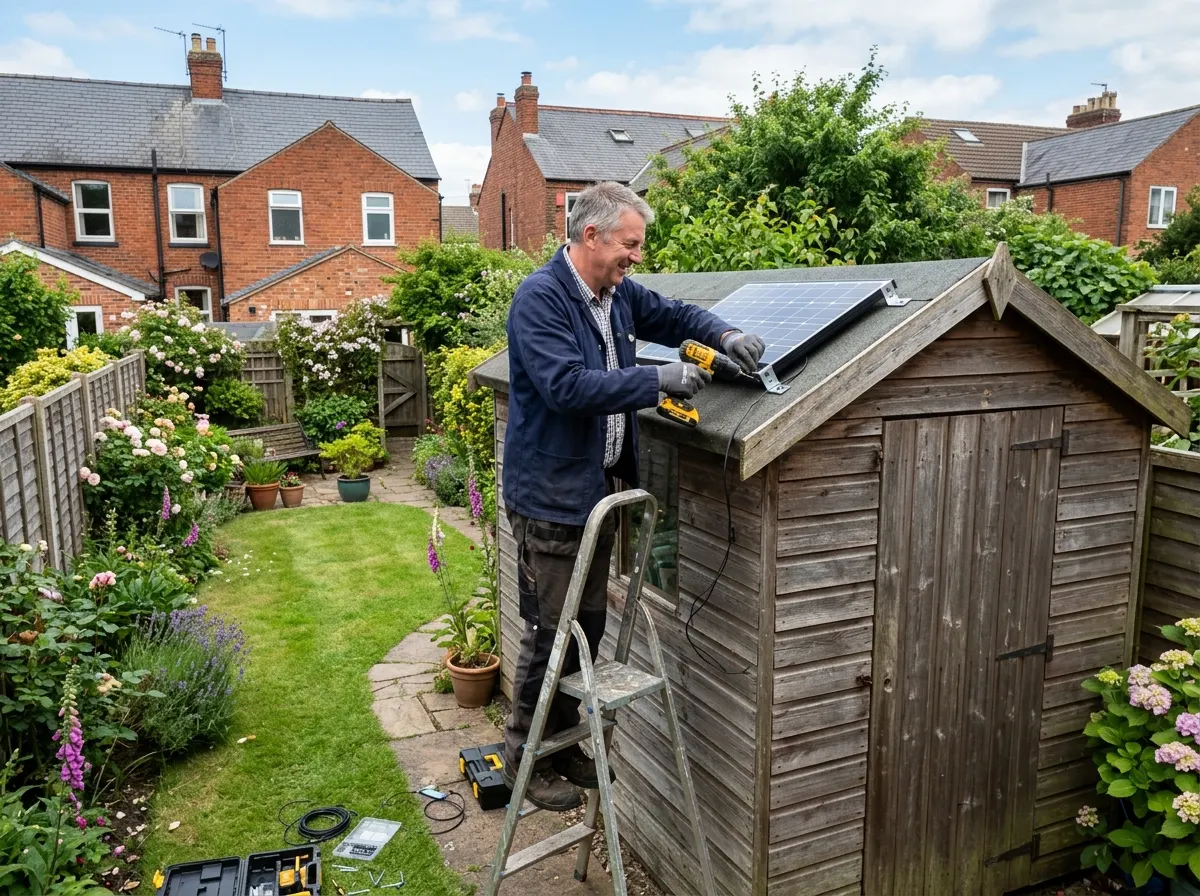
Mounting panels to a shed roof for off-grid battery charging is a fun DIY project. However, connecting solar panels to the grid in a residential home is strictly professional-only.
The MCS & SEG Barrier
To get paid for the electricity you export to the grid (SEG tariff), energy companies mandate that your system is signed off with an MCS Certificate. Only accredited MCS installers can issue this. If you install the system yourself, you cannot sell your power back, ruining the financial return. You also legally need an electrician to notify Building Control and the DNO.
Frequently Asked Questions
How many solar panels do I need to power a UK home in 2026?
A typical UK household consumes roughly 3,500kWh to 4,000kWh of electricity per year. To meet this demand, most homes require a standard 4kW to 5kW system, which translates to 10 to 12 modern high-efficiency solar panels (rated between 400W and 430W each), requiring roughly 20 to 25 square metres of unshaded roof space.
Should I add a home battery storage system to my solar panels?
Yes, highly recommended. Unless you work from home and run heavy appliances exclusively at midday, you will end up exporting your excess daytime solar energy back to the grid for a low tariff rate (~4p/kWh), only to buy it back at night for ~25p/kWh. A home battery stores cheap daytime energy for evening use. A 10kWh battery system costs £4,500 to £6,500 installed but saves £600 to £800+ annually on energy bills.
Does my roof need to face directly South to generate solar power?
South-facing roofs generate the absolute maximum peak power output. However, East/West split arrays are increasingly popular across the UK because they generate electricity smoothly throughout the early morning and late afternoon—matching precisely when modern households wake up and return home from work demanding energy.
Do I need planning permission to install solar panels in the UK?
In most standard residential cases, roof-mounted solar panels fall under Permitted Development rights and do not require formal planning permission. However, exceptions apply if your home is a Listed Building, sits within a designated Conservation Area (and the panels face a public highway), or if you are installing a large commercial-scale ground-mounted array in your garden.
How long do solar panels take to pay for themselves?
Without assuming major grid electricity price inflation, the simple financial payback period for a standard £8,000 to £11,000 hybrid system (solar panels plus a storage battery) in 2026 sits between 6 and 8 years. If you pair your system with intelligent time-of-use energy tariffs (like Octopus Agile or Intelligent Octopus), that payback period can drop even further.
Do solar panels work effectively in winter or cloudy UK weather?
Yes. Solar photovoltaic panels rely on daylight ambient light (photons), not direct outdoor heat. They continue generating electrical energy on overcast UK winter days, though output drops significantly (typically to 10% to 20% of summer peaks). During winter months, battery owners typically top up their storage systems cheaply from the national grid overnight using low-cost off-peak tariffs to cover daytime usage.
What is the Smart Export Guarantee (SEG) and how do I get paid?
The Smart Export Guarantee (SEG) is a UK government obligation requiring licensed energy suppliers to pay small-scale renewable generators for any surplus electricity exported back to the national grid. To qualify, you must have an MCS-certified solar installation and a smart meter installed, allowing you to choose an energy supplier offering the highest export tariff rates.
How long do solar panels last and do they require maintenance?
Modern premium solar panels are exceptionally durable, usually backed by a 25-year performance warranty guaranteeing at least 80% original power output after a quarter-century. They have no moving parts and require virtually zero mechanical maintenance; rainfall naturally washes away most accumulated dust, though an occasional professional clean every few years in heavy pollution areas optimises output.
Related Projects & Guides
Heat Pump Installation
Air source heat pumps and £7.5k grants.
EV Charger Installation
Charge your car with surplus solar energy.
Home Insulation
Loft and cavity wall heat retention.
New Boiler Installation
Combi, system, and regular gas boilers.
Ready to slash your energy bills?
Use our AI to get a precise estimate based on your roof size and electricity usage, then connect with Pricing Penguin Accredited, MCS-certified solar installers near you to lock in the 0% VAT rate.
Did you find this page helpful?
Let us know if this guide helped you plan your project.