How much does a house rewire cost in the UK?
 By Tom Ellis
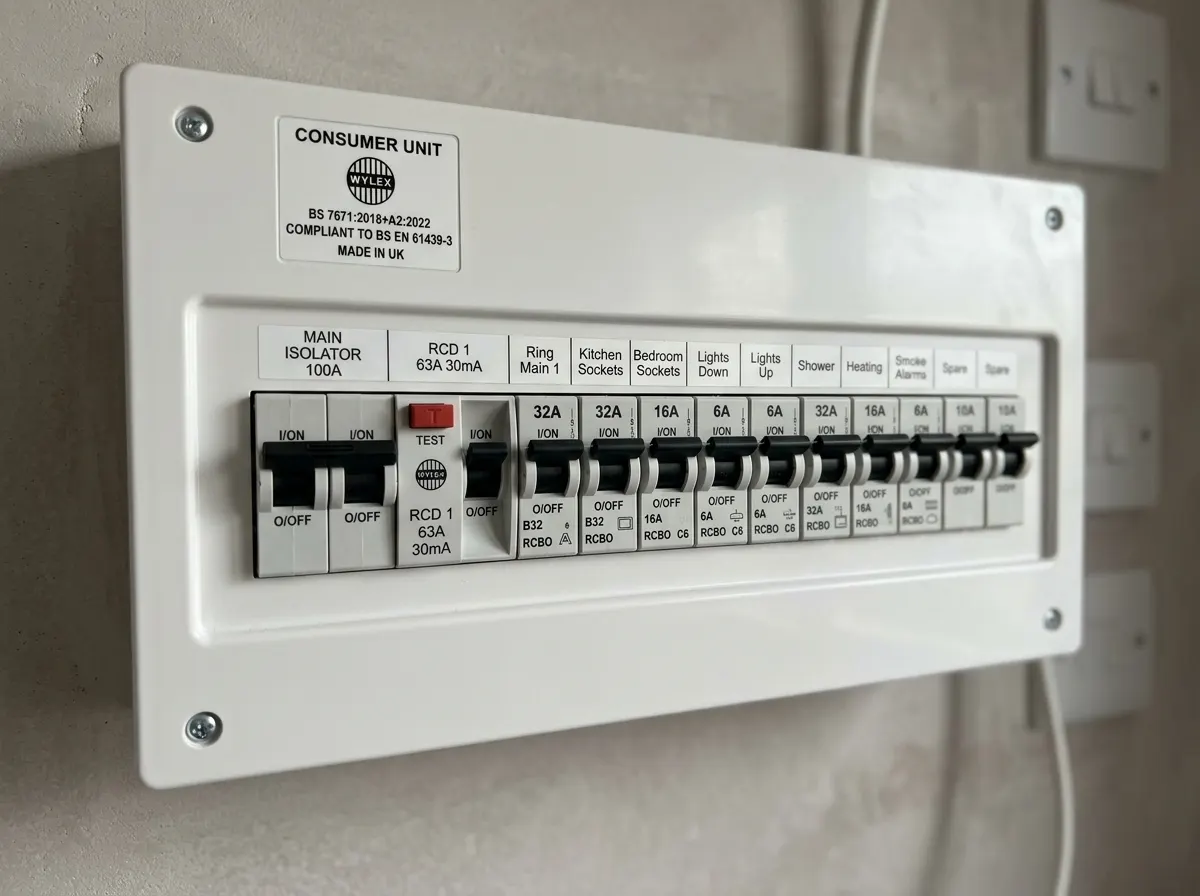
A full house rewire is one of the most intrusive but essential maintenance projects a homeowner will face. If your property hasn't been rewired in the last 25 to 30 years, the rubber or fabric insulation on the hidden cables has likely degraded, posing a severe risk of electrical fire or lethal shock. Furthermore, modern homes demand vastly more power for smart TVs, heat pumps, and EV chargers than 1980s wiring can safely deliver.
In 2026, the cost of a full house rewire in the UK typically falls between £3,000 and £10,000. A standard 3-bedroom semi-detached home currently averages around £5,500. This price includes ripping out the old wiring, laying new twin-and-earth cables under the floorboards, chasing channels into the brick walls for new sockets, installing a modern metal consumer unit (fuse box) with RCBO protection, and issuing the vital Part P Building Regulations certificate.
~£3,500
Basic specification. A full rewire of a small 1 or 2-bedroom flat. Includes a basic white plastic socket finish, standard pendant lighting, a new consumer unit, and essential testing. Minimal chasing if cables run through stud walls.
~£5,500
Mid-range finish. A typical 3-bed semi-detached home. Includes full chasing of solid walls, upgrading to brushed steel sockets with USB-C ports, installing fire-rated LED downlights in the kitchen/bathroom, and a new RCBO consumer unit.
£10,000+
Premium specification. A large 4 to 5-bedroom property. Features extensive smart home integrations, complex two-way lighting circuits, outdoor security lighting, EV charger prep, and premium screwless metal faceplates.
Get an instant estimate for your house rewire
Do you really need a rewire?
Unlike a failing roof, degrading electrical wiring is hidden behind plaster. Here are the visible red flags that your home's nervous system is dangerously obsolete.
Old Fuse Boxes
If your fuse box has wooden backing boards, cast iron switches, or requires you to physically re-wire "fuse wire" when it trips, it is dangerously outdated and lacks life-saving RCD trip protection.
Rubber or Fabric Cables
Look near your fuse box or in the loft. Modern cables are insulated in grey or white PVC. If your cables are wrapped in black rubber, fabric, or lead, they date from the 1960s or earlier and are an extreme fire hazard.
Round Pin Sockets & Switches
If you find old round-pin sockets, sockets mounted in the skirting boards, or light switches mounted directly on the wooden door architraves, the wiring behind them has not been upgraded for at least 50 years.
Lack of Earthing
Before 1966, lighting circuits did not require an earth wire. If you fit a modern metal light switch or metal chandelier to an unearthed circuit, any fault will pass the 230v current directly into your hand.
The EICR: Prove it before you rip it out.
Do not commission a £6,000 rewire based on a hunch. Always pay a certified electrician to conduct an Electrical Installation Condition Report (EICR) first. This costs roughly £150 to £250. The electrician will rigorously test every circuit with specialist meters to check the cable degradation. An EICR provides definitive, legal proof of whether you need a full rewire, a partial upgrade, or just a new consumer unit.
First Fix vs Second Fix
Rewiring is a two-part process. The first is brutally destructive; the second is clean and precise.
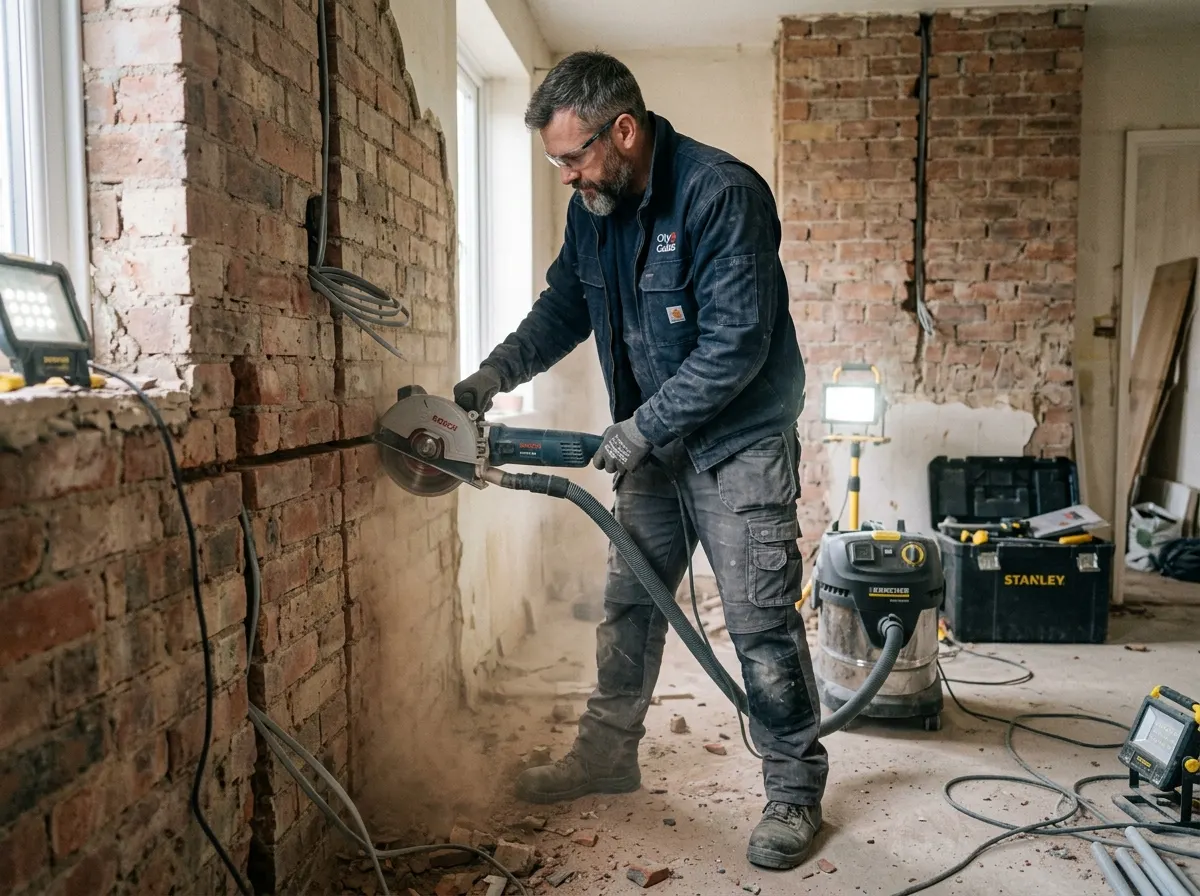
First Fix (The Destructive Phase)
Dust & Noise
This is when the hidden skeleton of the system is installed. The electrician will lift carpets and floorboards to run hundreds of metres of new twin-and-earth PVC cables between the joists.
If you have solid brick walls, they will use an angle grinder and wall chaser to cut deep vertical channels ("chases") into the plaster and brickwork to bury the cables down to the socket locations, creating massive amounts of fine dust. Metal back boxes are cemented into the walls.
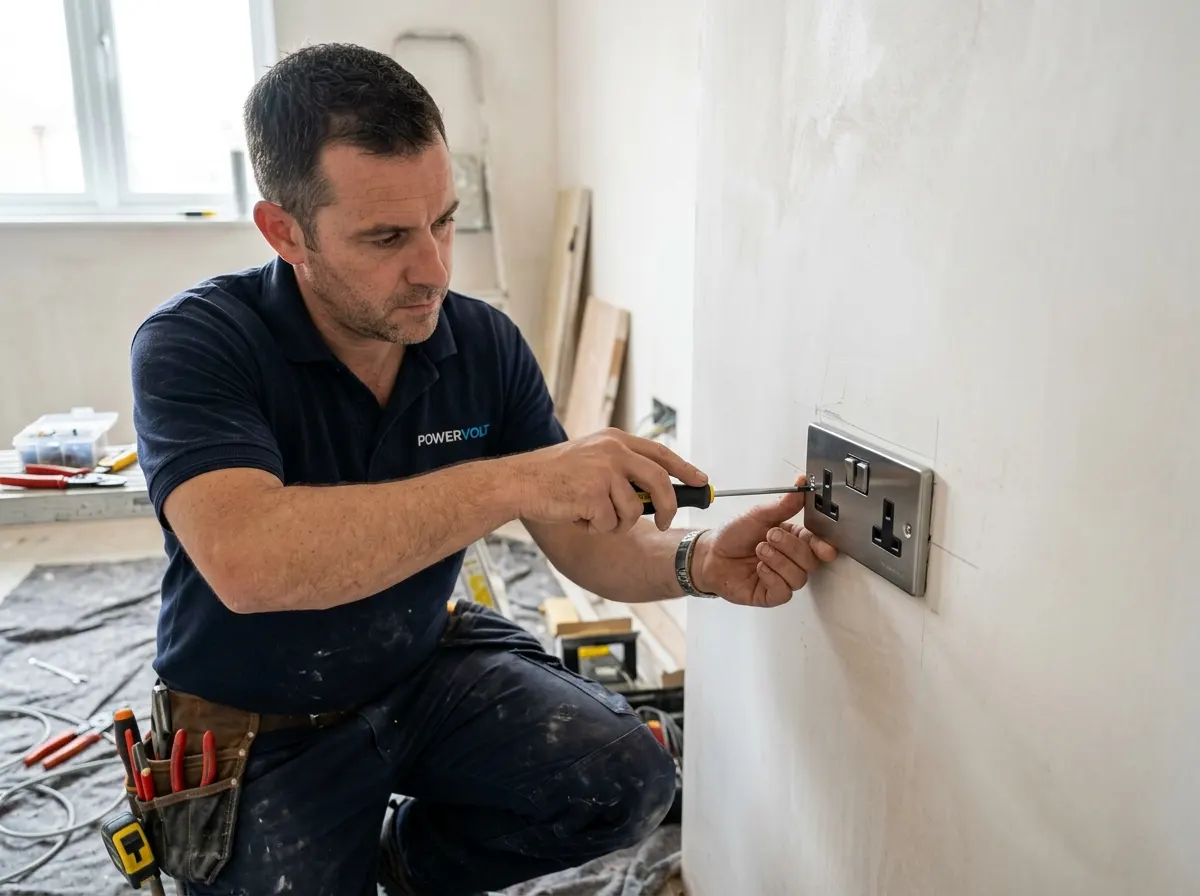
Second Fix (The Finishing Phase)
Clean & Fast
This phase occurs after the plasterer has visited to fill in all the chases and skim the walls. The electrician returns to a clean house to fit the visible hardware.
They strip the cable ends protruding from the walls and wire in the socket faceplates, light switches, pendant lights, and appliances. Finally, they terminate all the circuits into the new consumer unit, test the entire system with an MFT (Multi-Function Tester), and issue the Part P safety certificate.
Full Rewire Costs by Property Size
The table below outlines real-world 2026 supply-and-fit prices for complete rewires. These figures assume standard white plastic fittings and an unoccupied property.
| Property Type | Estimated Duration | Average Sockets/Lights | Typical Fitted Cost |
|---|---|---|---|
| 1-Bed Flat | 3 to 5 Days | 15 Sockets / 6 Lights | £2,800 – £3,800 |
| 2-Bed Terraced House | 5 to 6 Days | 20 Sockets / 8 Lights | £3,500 – £4,800 |
| 3-Bed Semi-Detached | 6 to 8 Days | 25 Sockets / 12 Lights | £4,500 – £6,500 |
| 4-Bed Detached House | 8 to 12 Days | 35+ Sockets / 16+ Lights | £6,500 – £9,000+ |
| 5+ Bed Premium Property | 12 to 18 Days | 50+ Sockets / Multi-zone | £10,000 – £15,000+ |
| Add-On: "Making Good" (Plastering) | Electricians do not plaster. Hiring a plasterer to fill the wall chases and skim over the damage typically adds: | £500 – £1,200 | |
What inflates a rewiring quote?
The basic cable and consumer unit are cheap. The final bill skyrockets based on the luxury finishes and smart technology you choose to add.
Faceplate Upgrades
Standard white plastic double sockets cost roughly £3 each. If you specify premium screwless brushed steel, matte black, or polished brass sockets with built-in USB-A and USB-C fast-charging ports, you are looking at £25+ per socket. Across a 30-socket house, this hardware upgrade alone adds £600+.
LED Downlights (Spotlights)
Swapping a single dangling pendant light for 6 flush LED downlights in a kitchen looks highly premium. However, the electrician must perfectly measure, drill 6 holes in the ceiling, wire them in series, and supply fire-rated LED fittings. This typically adds £35-£50 per individual downlight.
Two-Way & Three-Way Lighting
Being able to turn the hallway light on from the bottom of the stairs, and turn it off from the landing, is called two-way switching. It requires complex extra 'strapper' cabling to be routed between the switches, increasing both cable costs and intricate wiring time.
Future Proofing (EV & Heat Pumps)
If you are completely rebuilding your consumer unit, now is the time to prepare for the future. Asking the electrician to run a dedicated heavy-duty 6mm² or 10mm² cable to the driveway for a future EV charger, or out to the garden for a future Heat Pump, is vastly cheaper to do during a rewire than retrofitting later.
Electrician Labour Rates
Electrical work requires 5 years of strict trade college and constant re-certification (e.g., 18th Edition Amendment 2). You are paying for safety expertise as much as manual labour.
Regional Pricing Variations
Because labour makes up roughly 60% of a rewiring quote, quotes in the capital are significantly higher than in northern regions.
The Law: Part P Building Regulations
You cannot simply hire a handyman to rewire your house. It is strictly controlled by UK law to prevent electrical fires and electrocution.
What is Part P?
Introduced in 2005, Part P of the Building Regulations ensures all electrical work in homes is safe. A full rewire, replacing a consumer unit, or altering circuits in a "special location" (like a bathroom) is classed as Notifiable Work.
The Certificate
If you use an electrician registered with a Competent Person Scheme (e.g., NICEIC, NAPIT, ELECSA), they can self-certify the work. They will issue you an Electrical Installation Certificate (EIC) and notify Building Control on your behalf.
The Consequence of Cowboys
If you use an unregistered builder to do your rewire and they cannot issue a Part P certificate, your local council can force you to rip the wiring out. Furthermore, if you attempt to sell your house, the buyer's solicitor will demand the certificate; without it, the sale will collapse. Finally, your home insurance is completely invalidated if an uncertified wire causes a house fire.
Can you DIY a house rewire?
No. Connecting cables to a consumer unit and testing ring mains is strictly for qualified professionals. However, the most expensive part of a rewire is often the manual labour required to prepare the house.
What you CAN DIY to lower costs:
- ✓ Lifting Floorboards & Carpets: Rolling back carpets and carefully lifting runs of timber floorboards before the electrician arrives saves them hours of £40/hr labour time.
- ✓ Chasing Walls: If agreed with your electrician beforehand, you can hire a wall chaser and cut the deep channels into the brickwork yourself following their exact marked lines. This is brutal, dusty work, but saves massive labour fees.
Strictly Pro Only
Never attempt to wire the consumer unit (fuse box) yourself. If you incorrectly wire a ring main or fail to properly earth a circuit, the house will become a lethal trap, and the resulting fire will not be covered by your insurance.

Frequently Asked Questions
How do I know if my house needs rewiring?
Visible signs include old round-pin sockets, fabric-insulated cables, wooden-backed fuse boxes with cast-iron switches, and sockets mounted directly on skirting boards. If you experience frequent blown fuses or flickering lights, pay £150 for an EICR test immediately.
How much does it cost to rewire a 3-bed house in 2026?
A full rewire of a standard 3-bed semi-detached house costs between £4,500 and £6,500 in 2026. This includes a new modern RCBO consumer unit, replacing all cables, and installing new sockets and switches. Plastering over the chased walls usually adds another £800.
How long does rewiring take?
If the house is empty of furniture, a 3-bed semi typically takes a team of two electricians 5 to 7 days to fully rewire. If the house is fully furnished and occupied, the process is much slower (as power must be restored every night) and can take 8 to 12 days.
Can I rewire room by room?
Yes, partial rewires are possible (e.g. just rewiring the kitchen during a renovation). However, doing it room by room over several years is vastly more expensive due to repeated call-out charges and continuous disruption. It is always cheaper to do the whole house at once.
Do I have to move out during a rewire?
It is highly recommended. First Fix chasing creates an unbelievable amount of fine brick dust that covers everything. Floorboards will be up everywhere, creating trip hazards, and you will be without power or lights for long stretches of the day. If possible, stay with family or in an Airbnb for the first 5 days.
What is the difference between an MCB and RCBO?
In your consumer unit, an MCB (Miniature Circuit Breaker) only trips if there is an overload. An RCBO combines an MCB with an RCD (Residual Current Device), which instantly trips if it detects a tiny earth leakage (saving your life if you touch a live wire). Modern 18th Edition rewires use RCBOs.
What is an EICR certificate and when do I need one?
An Electrical Installation Condition Report (EICR) is an in-depth safety inspection performed by a registered electrician to check for wear and tear, damage, or non-compliance with current wiring regulations. It is legally mandatory for landlords in the UK every 5 years, and highly recommended when buying or selling a home older than 25 years.
Does a house rewire include making good and plastering the walls?
Usually no, unless explicitly agreed upon in your contract. Electricians must chase channels into walls to bury new cables and cut holes for back-boxes, leaving bare brick and plaster edges exposed. You will typically need to budget for a separate plasterer or decorator to patch, skim, and paint the walls once the first-fix electrical work is finished.
Related Projects & Guides
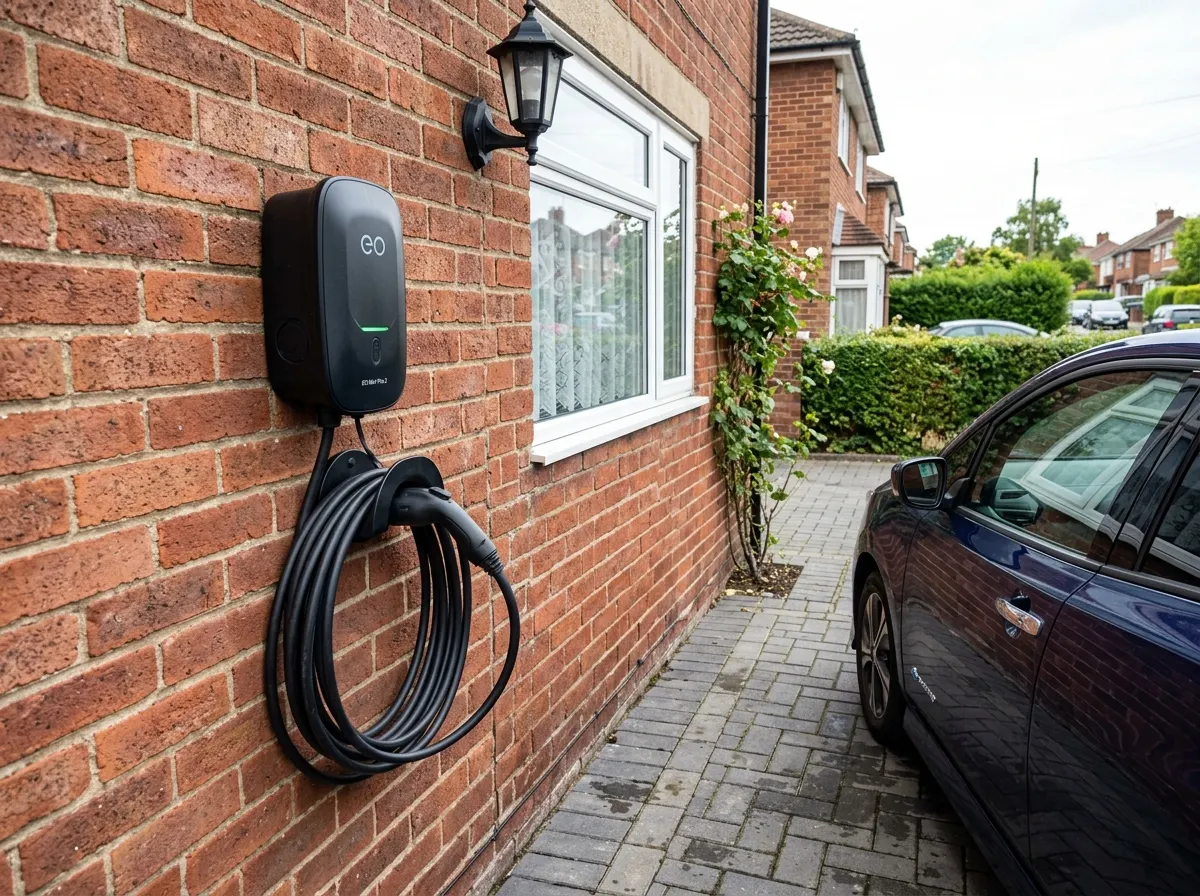
EV Charger Installation
Add a dedicated 32A car charging circuit.
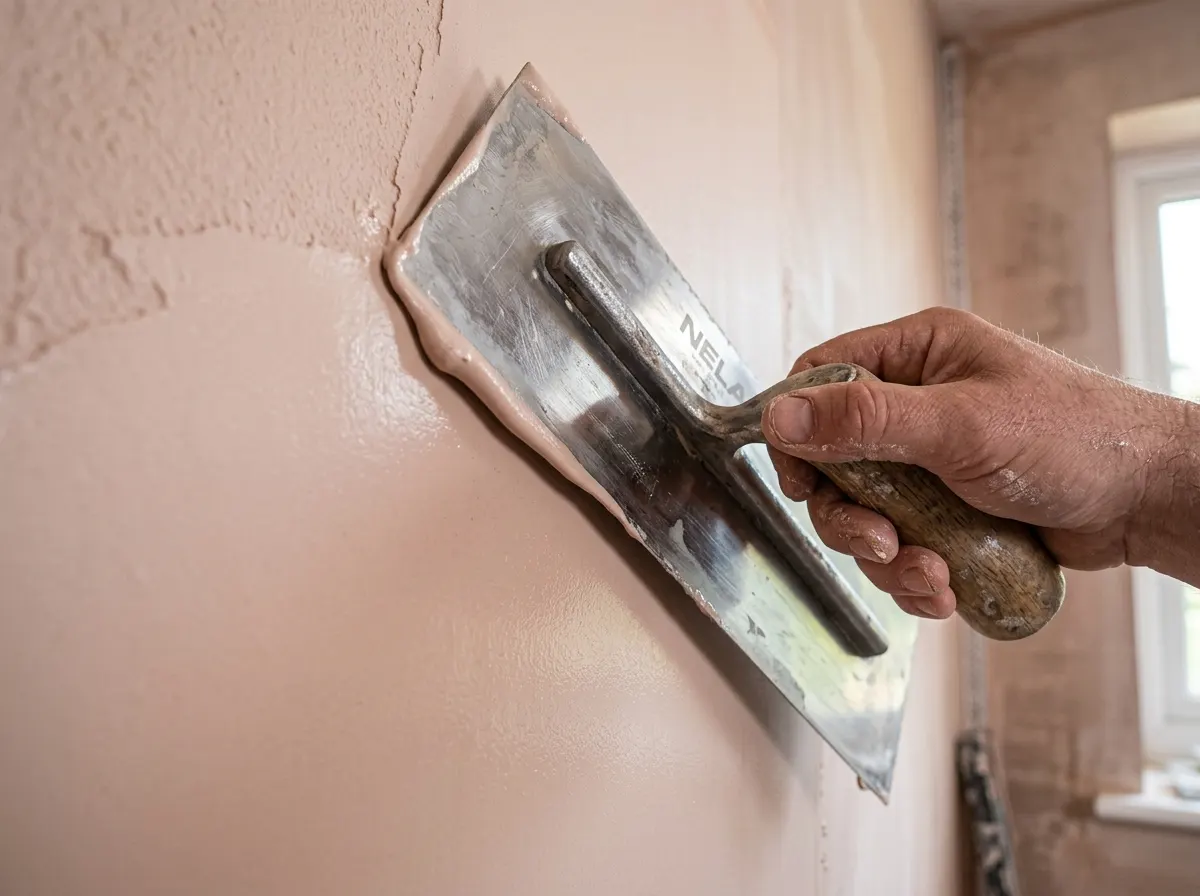
Internal Plastering
Making good wall chases after rewiring.

Central Heating System
Lift floorboards once for pipes and wires.
Solar Panel Installation
Integrate hybrid inverters and batteries.
Ready to make your home safe?
Use our AI to get a precise estimate based on your exact house size, socket counts, and hardware choices, then connect with Pricing Penguin Accredited, NICEIC-certified electricians near you.
Did you find this page helpful?
Let us know if this guide helped you plan your project.