How much does home insulation cost in the UK?
 By Tom Ellis
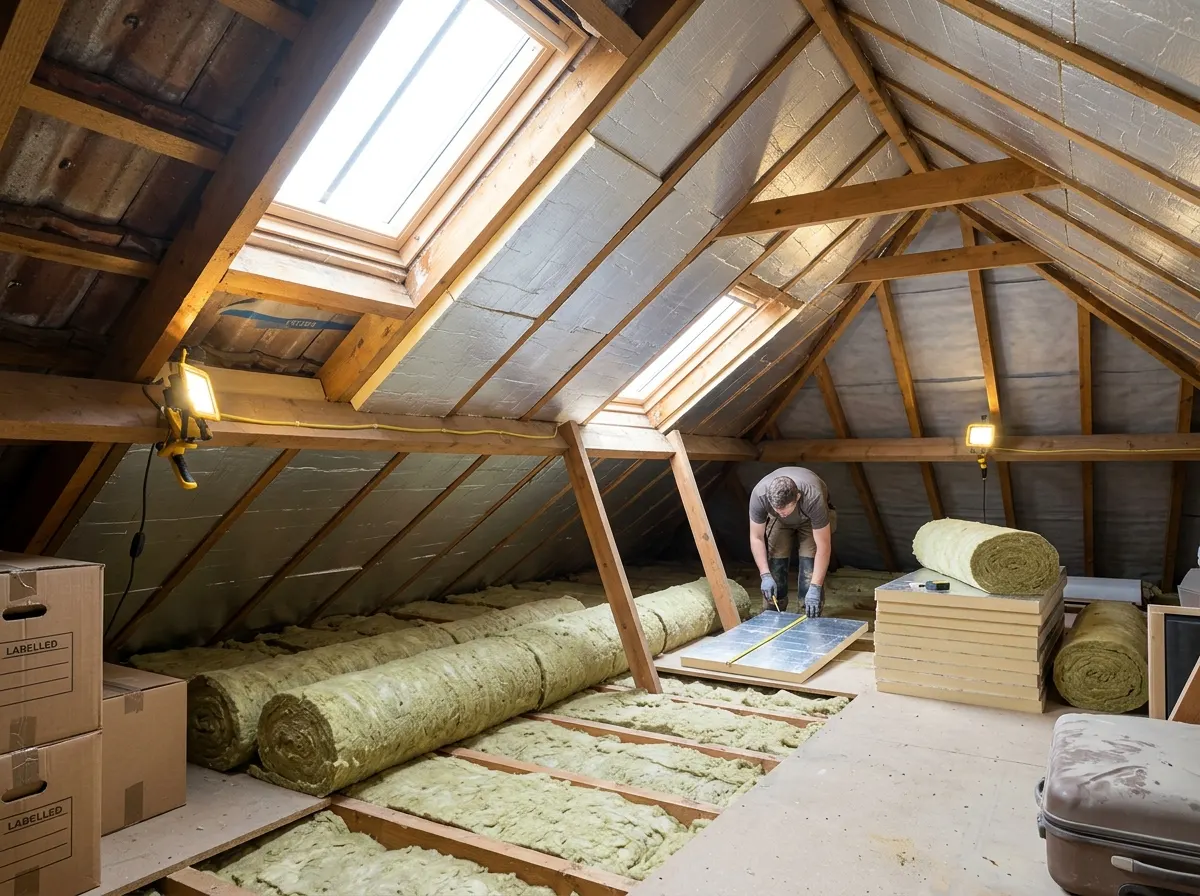
Proper insulation is the single most cost-effective home improvement you can make. Before investing £10,000 in a heat pump or solar panels, you must ensure your home isn't leaking heat through an uninsulated roof or empty cavity walls. Without insulation, 25% of your heating vanishes through the roof, and 35% through the walls.
In 2026, the cost of installing insulation in the UK typically ranges from £500 to £8,000. Simple loft top-ups or cavity wall injections sit at the lower end (£400–£1,500) and pay for themselves in just a few winters. Extensive solid wall insulation (internal or external) requires major construction and pushes costs past the £8,000 mark. Crucially, the government’s updated Warm Homes Plan means many households can now get this work fully funded, while a 0% VAT rate applies to all private insulation installations until March 2027.
~£500
Basic specification. Topping up existing loft insulation from 100mm to the recommended 270mm with mineral wool, or injecting standard EPS beads into a clear cavity wall on a terraced house.
~£2,500
Mid-range finish. Insulating a 3-bed semi-detached home by filling the cavity walls, topping up the loft to 300mm with raised boarding for storage, and adding suspended underfloor insulation on the ground floor.
£8,000+
High-end specification. Insulating a solid-brick Victorian/Edwardian property. Requires either Internal Wall Insulation (IWI) with insulated plasterboard, or External Wall Insulation (EWI) covered in a silicone render.
Get an instant estimate for your home insulation
Where should you put insulation?
Different parts of your home leak heat at different rates. Prioritising the areas with the highest heat loss offers the fastest return on investment.
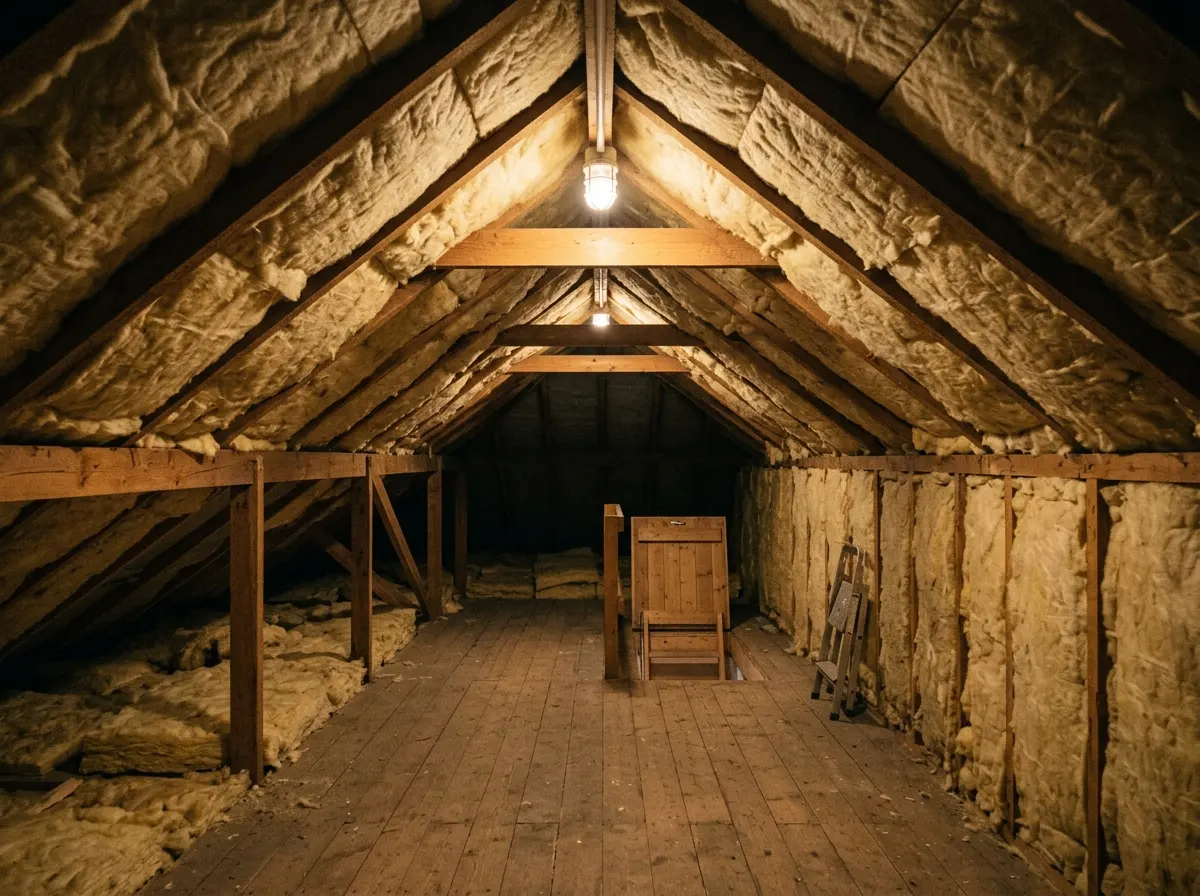
Loft & Roof (25% Heat Loss)
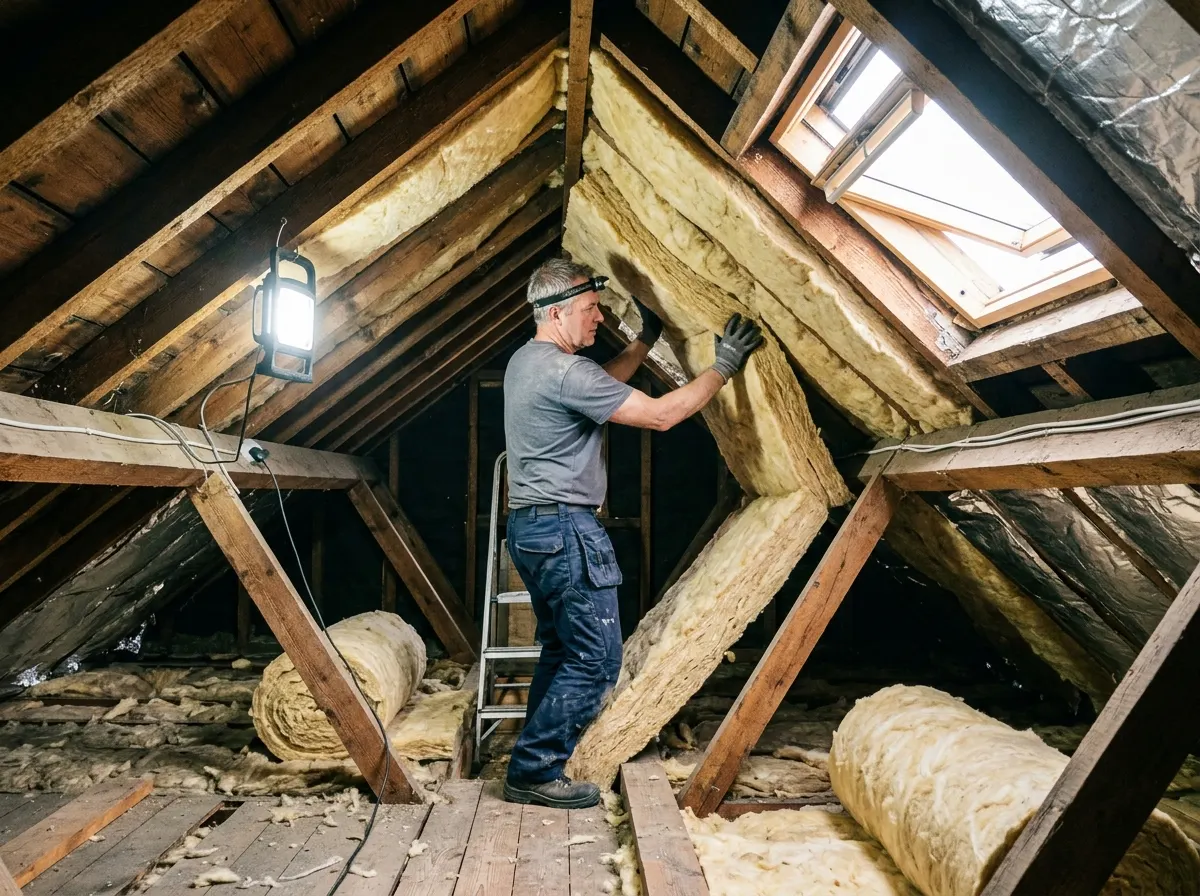
Highest ROIHeat rises. Insulating your loft is the cheapest and most effective upgrade. You have two options: a Cold Roof (laying wool between and over the floor joists to keep the living space warm but leaving the loft cold) or a Warm Roof (fixing rigid PIR boards directly under the roof tiles so the attic itself stays warm). Modern standards demand 270mm–300mm of depth.
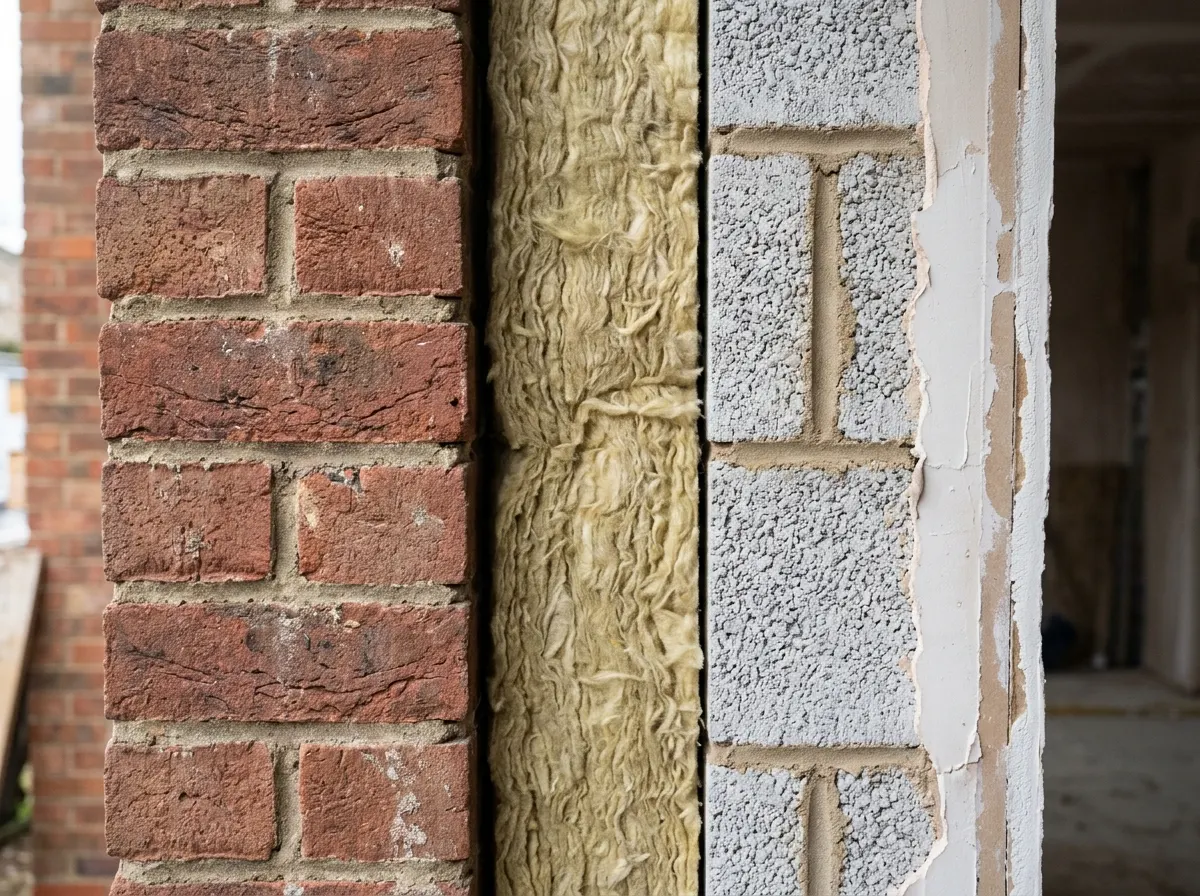
Cavity Walls (35% Heat Loss)
Fast InstallHomes built between 1920 and 1990 typically have cavity walls (two layers of brick with an air gap). A professional drills small holes in the outer mortar and injects expanding EPS beads or mineral wool into the gap, effectively putting a blanket around your home. It takes under a day and saves ~£300 a year.
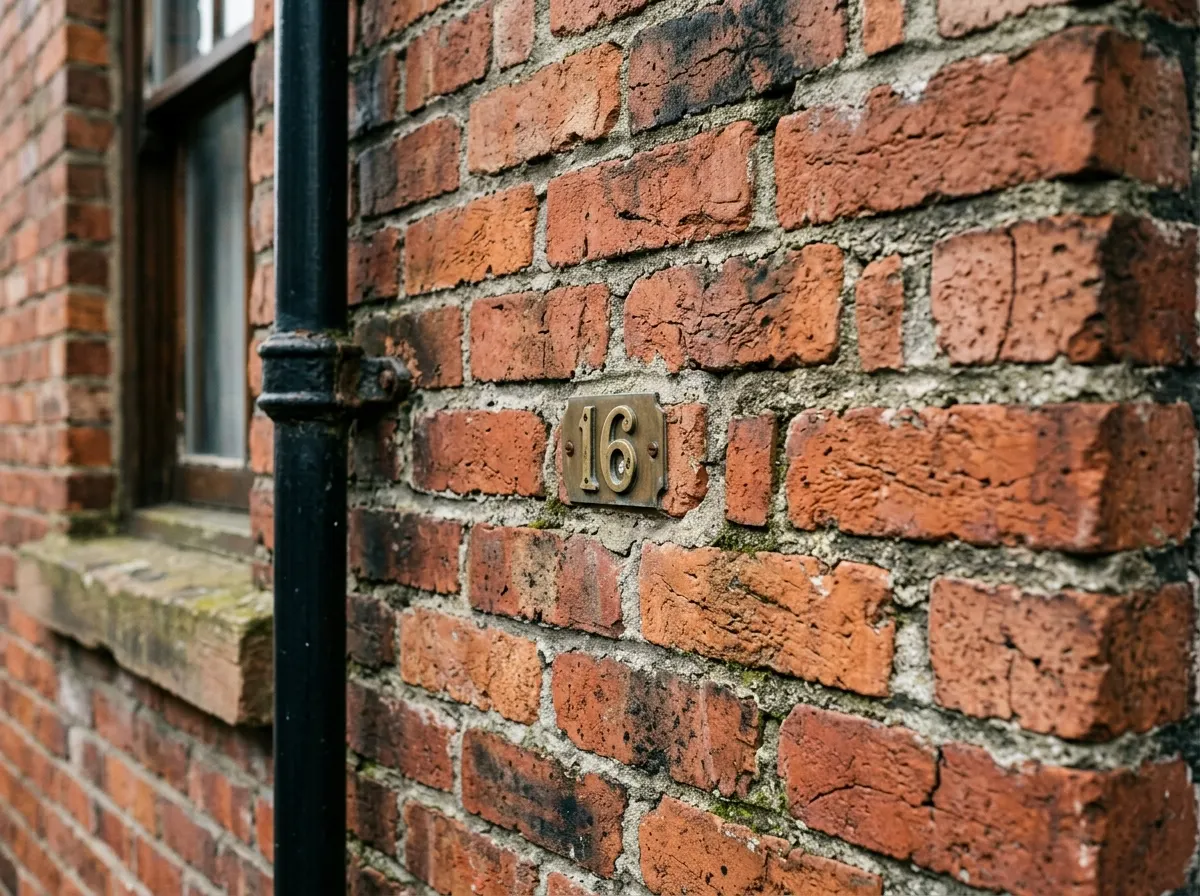
Solid Walls (45% Heat Loss)
Major ProjectPre-1920s houses usually have solid brick walls with no gap to fill. They leak heat aggressively. You must either install Internal Wall Insulation (IWI) (building insulated stud walls inside, which shrinks room size) or External Wall Insulation (EWI) (bolting thick EPS boards to the outside and covering them with silicone render). Both are expensive but transformative.
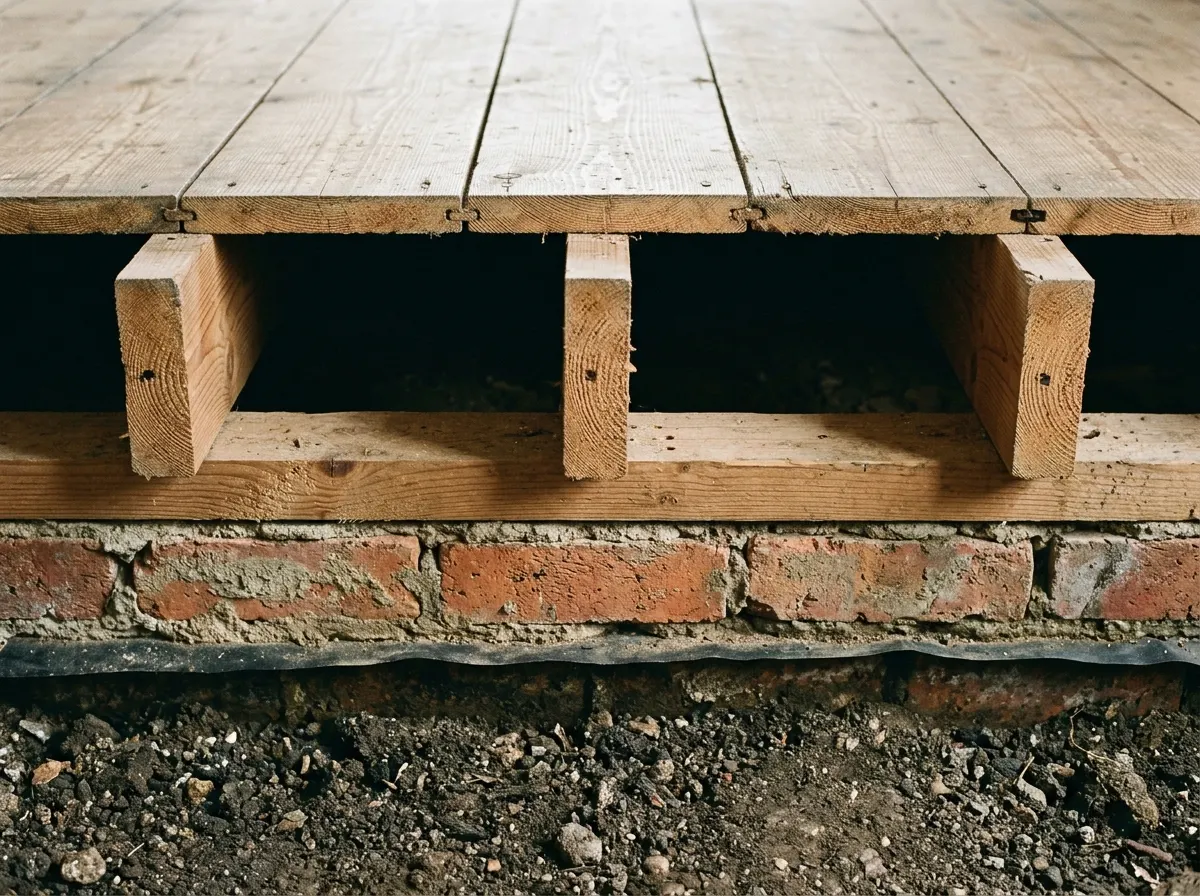
Suspended Timber Floors (10%)
Cures DraughtsOlder homes have timber ground floors suspended above a cold, ventilated void. Icy air blasts up through the floorboard gaps. Lifting the boards and slinging mineral wool nets or rigid PIR boards tightly between the joists drastically improves comfort and stops "cold feet" syndrome.
Types of Insulation Material
The "R-value" (thermal resistance) dictates how well a material traps heat. Modern rigid boards offer incredible performance in tight spaces, while natural wools excel at handling moisture.
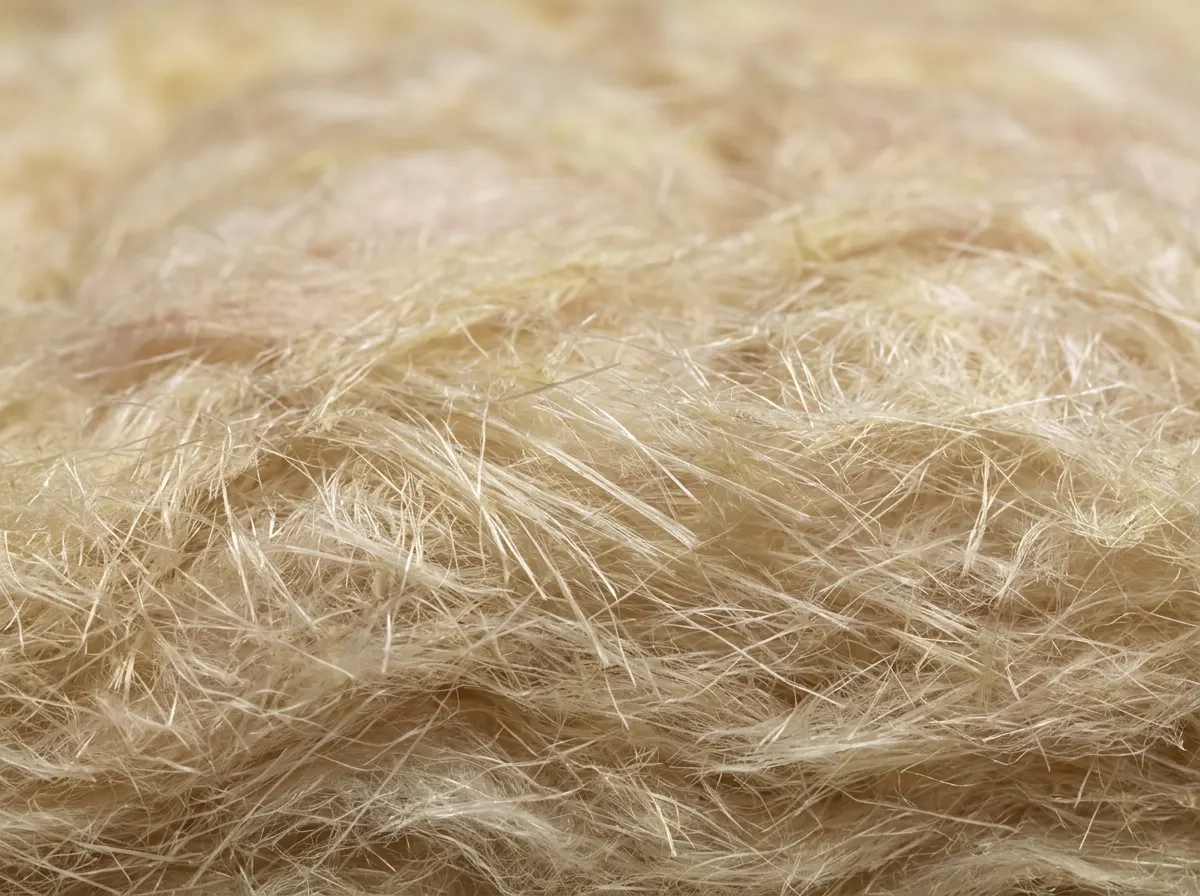
Mineral / Glass Wool
The yellow or brown fluffy rolls found in almost every UK loft. Made from spun recycled glass or rock. It is incredibly cheap, non-combustible, and easy to roll out. The downside? It is highly irritating to the skin and lungs during installation without full PPE.
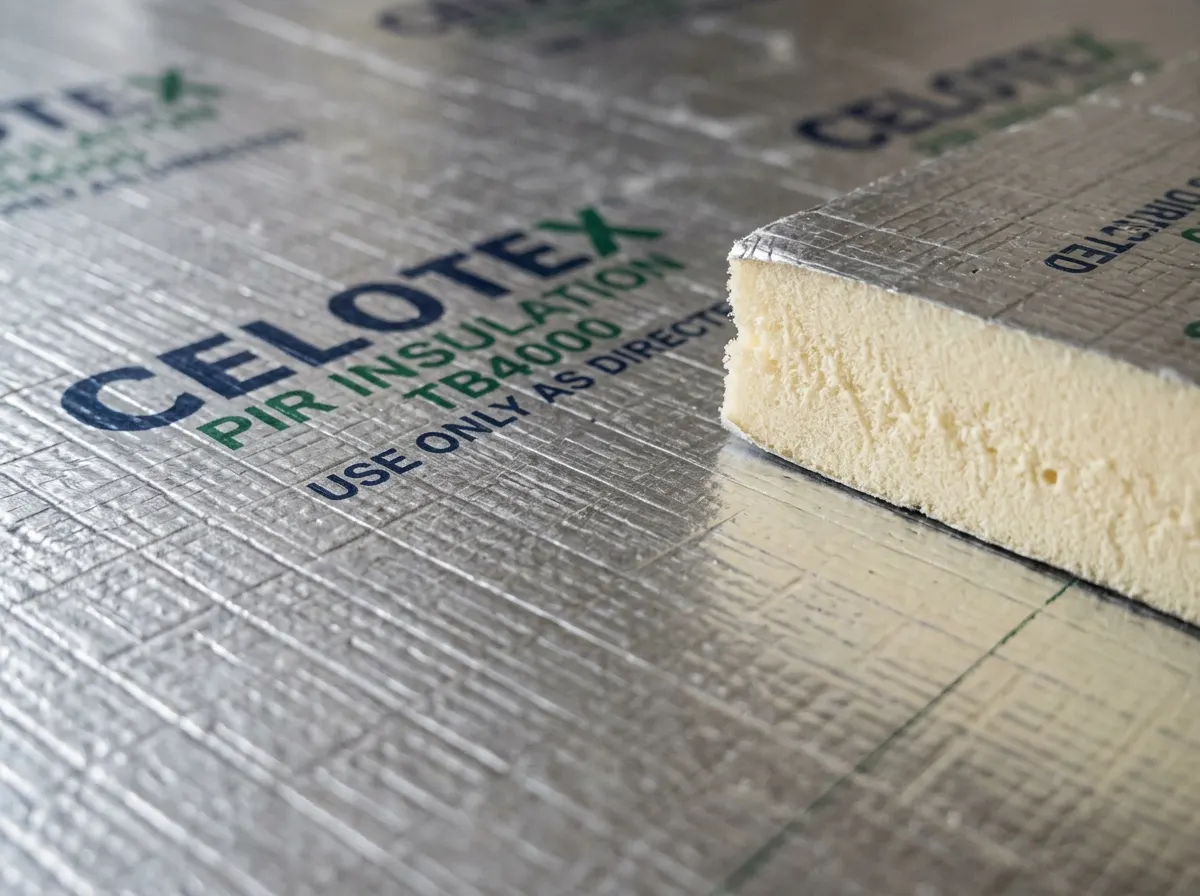
PIR Rigid Boards
Brands like Celotex or Kingspan. These are dense polyisocyanurate foam boards clad in silver foil. They offer nearly double the insulating power of mineral wool per millimetre of thickness, making them essential for warm roofs, solid wall studs, and underfloor heating where space is tight.
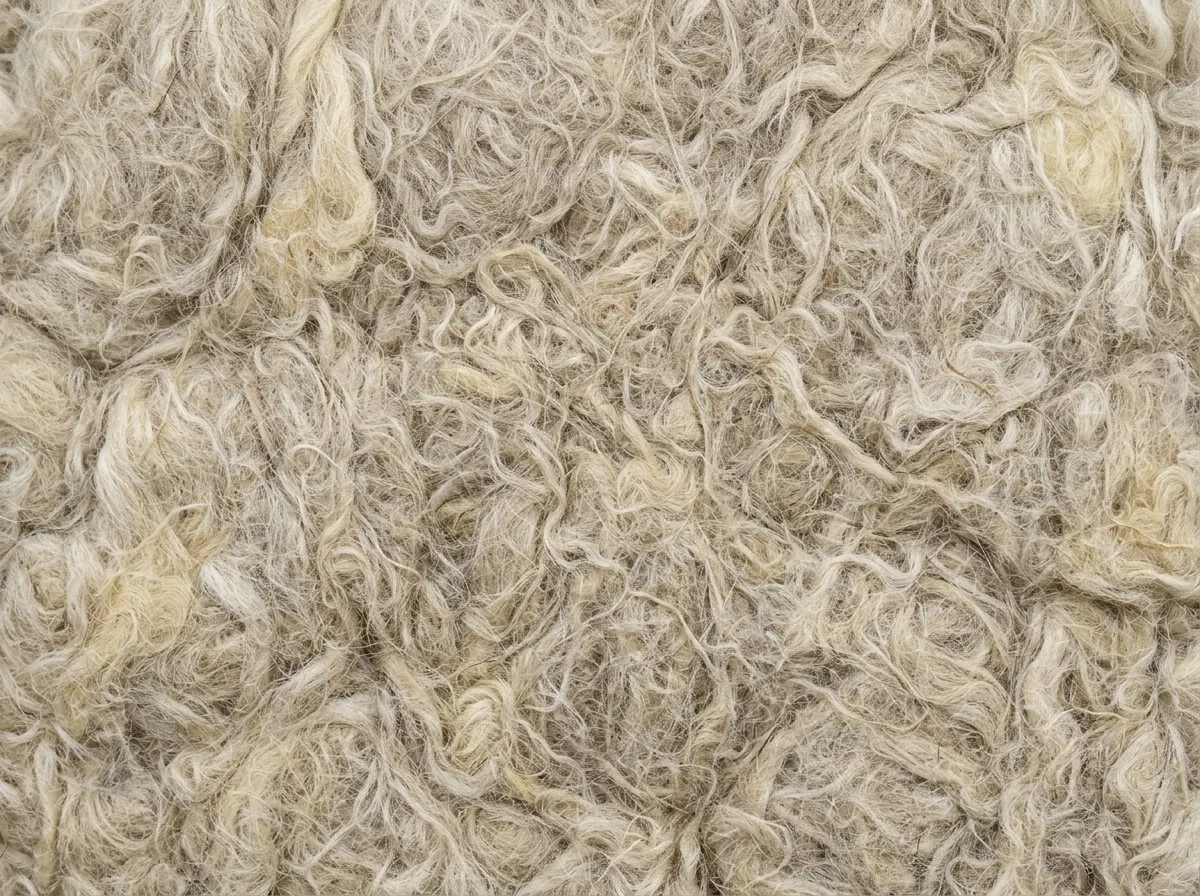
Natural Sheep's Wool
The ultimate eco-friendly choice. Sheep's wool is entirely safe to handle and possesses unique hygroscopic properties—it absorbs and releases airborne moisture without losing its insulating ability. It is highly recommended for older, breathable period properties and timber frames.
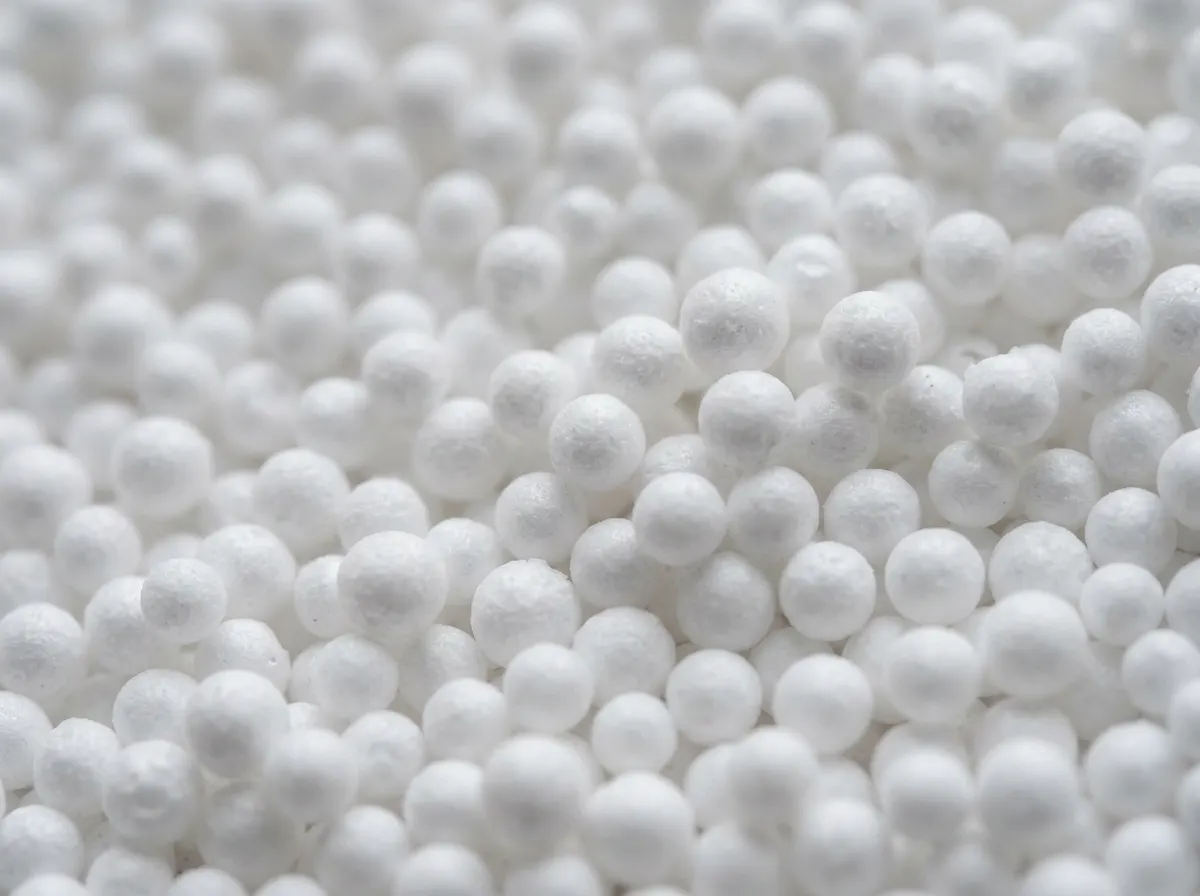
EPS Beads
Expanded Polystyrene (EPS) beads mixed with a light binding adhesive. Blown into cavity walls through small drill holes. They are superior to blown mineral wool because they are completely waterproof; if rain penetrates the outer brick skin, the water drains harmlessly through the beads without bridging the gap.
The Spray Foam Mortgage Crisis
Salesmen heavily push Polyurethane Spray Foam as a "miracle" loft insulator. Do not sign a contract before understanding the severe financial risks.
The Unsellable House Trap
If closed-cell spray foam is sprayed directly onto the underside of your roof tiles/felt, it creates an impermeable barrier. This traps internal condensation against your structural timber roof battens, aggressively rotting the wood unseen.
Because surveyors cannot inspect the condition of the hidden timbers, virtually all major UK high-street mortgage lenders (Halifax, Nationwide, Santander) will now refuse to lend on a property with spray foam insulation.
Removal Costs Thousands
To sell your home, you will likely have to pay a specialist contractor to chemically scrape the foam off. Spray foam removal currently costs between £2,500 and £4,000, completely wiping out any energy savings.
Stick to Safe Methods
Always stick to traditional, highly effective methods that mortgage lenders approve of: laying mineral wool between the floor joists (Cold Roof) or fitting rigid PIR boards with a 50mm air gap underneath the tiles (Warm Roof).
Total Installation Costs (2026)
The table below outlines real-world 2026 supply-and-fit prices. These figures include materials, labour, and waste disposal. All insulation installations benefit from 0% VAT until March 2027.
| Measure | Semi-Detached Cost | Est. Annual Saving | Typical Payback |
|---|---|---|---|
| Loft Insulation (Top up to 270mm) | £300 – £600 | £200 – £310 | 1.5 – 3 years |
| Loft Insulation + Raised Boarding | £1,200 – £2,500 | £200 – £310 | 6 – 8 years |
| Cavity Wall Insulation | £450 – £1,500 | £185 – £395 | 2 – 4 years |
| Suspended Floor Insulation | £500 – £1,500 | £40 – £70 | 8 – 20 years |
| Internal Solid Wall (Stud & Plaster) | £4,000 – £8,000 | £270 – £475 | 10 – 18 years |
| External Wall Insulation (EWI + Render) | £7,500 – £13,000+ | £270 – £475 | 16 – 27 years |
The 2026 Warm Homes Plan Grants
In 2026, the UK government committed £15 billion to the Warm Homes Plan to eliminate fuel poverty. You may be entitled to have your insulation fully funded.
ECO4 Scheme Closes Dec 2026
Funded by energy suppliers. It targets the lowest EPC-rated homes (D, E, F, G) where the homeowner is in receipt of qualifying means-tested benefits (Universal Credit, Pension Credit, Child Benefit, etc.). It fully covers loft, cavity, and expensive solid wall insulation. Note: GBIS ended in March 2026.
Warm Homes: Local Grant New for 2026
Delivered through local English councils. You do not need to be on benefits to qualify. If your property is EPC D-G and your total household income is £36,000 a year or less, the council will fund energy efficiency upgrades, including major EWI projects.
DIY Draught Proofing Under £50
You don't need £8,000 to feel warmer tonight. Sealing up the invisible holes where gale-force wind blows straight into your living room provides an instant payback.
Chimney Sheep / Balloons
Open fireplaces act like giant vacuums, sucking the warm central heating straight out of your room and up the flue. Shoving a specially shaped felt "Chimney Sheep" or inflatable balloon up the flue instantly blocks the draught while allowing minor ventilation to prevent damp.
Letterbox & Keyhole Covers
A bare letterbox lets freezing winter wind blow straight down the hallway. Unscrewing the faceplate and fitting an internal brush strip (eco-flap) and a pivoting keyhole cover takes 10 minutes with a screwdriver and instantly seals the front door.
Foam Tape & Window Film
Old sash windows or warped uPVC frames leak air. Applying cheap self-adhesive foam weather-stripping tape inside the frame seal stops the rattle. For single-glazed glass, clear shrink-wrap window film (activated with a hairdryer) mimics double-glazing.
Radiator Reflector Foil
If your radiators are mounted on uninsulated external brick walls, 50% of the heat radiates directly into the brick and is lost outside. Slipping specialised reflective foil panels (like Radflek) behind the radiator bounces that heat straight back into the room.
Can you DIY major insulation?
Rolling out basic loft insulation is the quintessential UK DIY weekend project. However, structural and external insulation is heavily regulated and strictly professional-only.
What you CAN DIY:
- ✓ Loft Roll (Cold Roof): Buying B&Q mineral wool rolls and laying them cross-ways over the ceiling joists is safe, easy, and saves £300+ in labour. You must wear a mask, goggles, and a Tyvek suit.
- ✓ Pipe Lagging: Buying foam tubes and clipping them over exposed copper hot water pipes in the loft/garage stops them freezing and keeps heat in the pipes.
Strictly Pro Only
Cavity Wall Injection: Requires specialist high-pressure blowing machinery to ensure the cavity is filled evenly without cold bridging.
External Wall Insulation (EWI): Altering the exterior of your house falls under Building Regulations Part L. It requires heavy scaffolding, precise moisture detailing, and silicone rendering skills.
Frequently Asked Questions
What insulation gives the best return on investment?
Loft insulation offers the highest financial ROI. A professional top-up to the recommended 270mm-300mm depth costs £300–£600 and saves £200–£310 per year on energy bills, meaning it pays for itself in just 1 to 3 winters. Cavity wall insulation costs £450–£1,500 and typically pays back in 2 to 4 years.
Am I eligible for free home insulation grants in 2026?
Yes, millions of UK households qualify. Under government schemes like the Warm Homes Plan and ECO4, if your household income is under a certain threshold or you receive qualifying benefits like Universal Credit, and your property has an EPC rating of D through G, you can secure fully funded or heavily subsidised loft and cavity wall insulation.
Is Spray Foam insulation illegal or does it devalue a house?
It is not technically illegal to install, but closed-cell spray foam sprayed directly onto roof tiles or timber rafters will make your house un-mortgageable and virtually unsellable. Major UK mortgage lenders view it as a high risk for trapping moisture and rotting roof timbers, frequently demanding you pay £3,000+ to remove it before approving a buyer's mortgage.
Do I need planning permission for External Wall Insulation (EWI)?
Usually no, External Wall Insulation is classed as permitted development provided the new rendered or brick-slip finish matches the surrounding architectural style. However, if you live in a designated Conservation Area, a National Park, or a Listed Building, or if the insulation projects significantly beyond the highway boundary, you must apply for formal planning permission.
Can I just board my loft directly over the insulation?
No. Modern building standards dictate 270mm to 300mm of insulation depth, but standard ceiling joists are only 100mm tall. If you screw timber boards flat directly to the joists, you crush and compress the insulation, completely destroying its thermal efficiency and trapping moisture that causes ceiling condensation. You must install plastic "loft legs" to raise the boards above the insulation layer.
Does home insulation actually stop condensation and black mould?
Yes. Condensation forms when warm, moisture-laden indoor air hits freezing cold external walls and windows. By installing cavity wall, external, or internal solid wall insulation, the internal surface temperature of the wall remains warm, preventing water droplets from forming and effectively eliminating toxic black mould growth in cold room corners.
What is the difference between internal wall insulation and external wall insulation?
Internal Wall Insulation (IWI) involves fixing insulated plasterboards to the inside of exterior-facing rooms, which reduces room space slightly and requires repositioning radiators and sockets. External Wall Insulation (EWI) wraps the outside of your house in rigid insulation boards finished with weatherproof render, preserving your interior floor space while completely transforming the building's exterior aesthetic.
How do I know if my house has cavity walls that can be insulated?
Houses built before the 1920s typically feature solid brick walls with no cavity, whereas most properties built from the 1930s onwards have a cavity (a gap between the inner and outer brick skin). You can check your brick pattern (if headers are visible), look at the thickness of your exterior doorframes, or hire a surveyor with a borescope camera to inspect a small drill hole in the mortar.
Related Projects & Guides
New Boiler Installation
Combi, system, and regular gas boilers.
Central Heating System
Full replumbing, pipe runs, and radiators.
Heat Pump Installation
Air source heat pumps and £7.5k grants.
Underfloor Heating
Wet and electric floor heating systems.
Stop heating the street outside.
Use our AI to check your Warm Homes Plan grant eligibility and get a precise installation estimate, then connect with Pricing Penguin Accredited insulation specialists near you.
Did you find this page helpful?
Let us know if this guide helped you plan your project.