How much does new flooring cost in the UK?
 By Tom Ellis
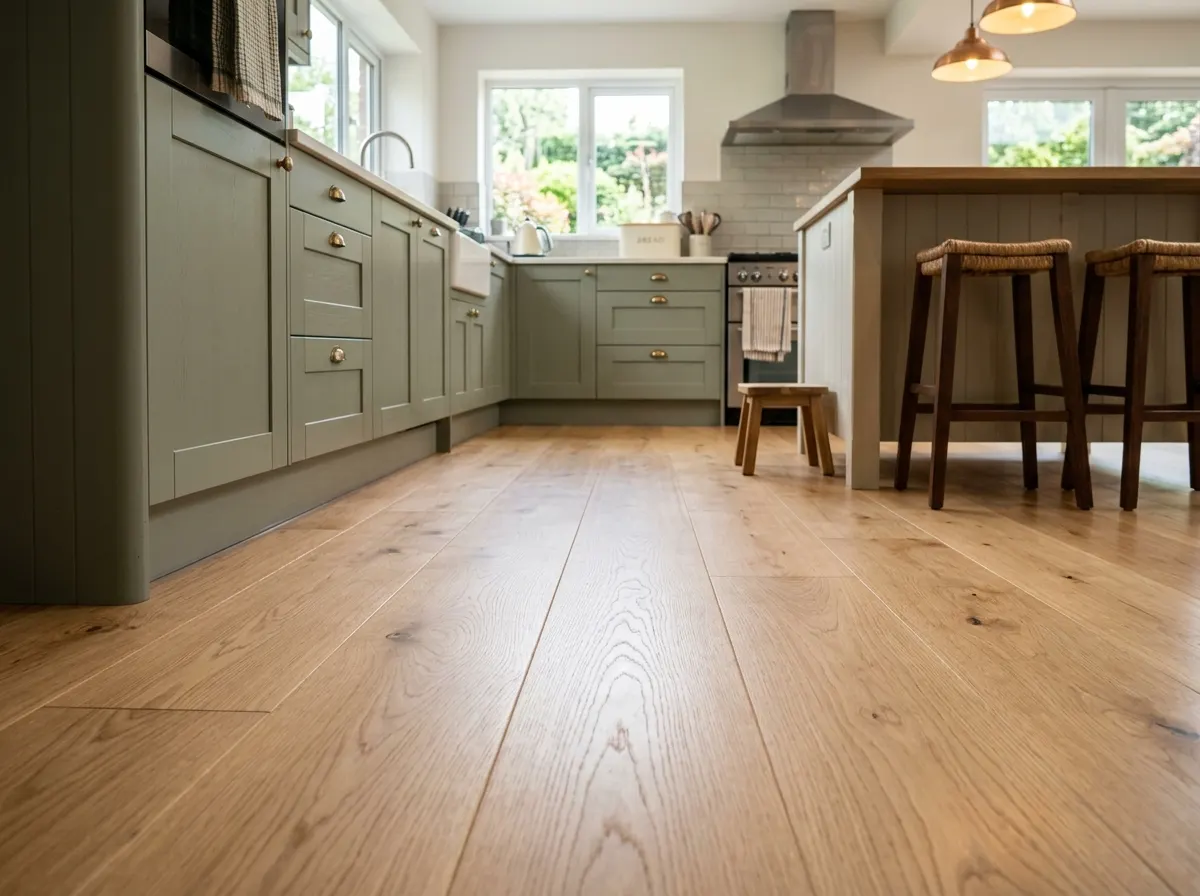
Replacing tired carpets or damaged laminate is one of the cheapest and most effective ways to lift a property's value. Buyers and guests consistently rank flooring condition among the first things they notice when entering a room.
New flooring costs £15–£120 per m² fitted in the UK for 2026. A typical living room (20m²) costs around £400–£900 in laminate, £900–£1,500 in engineered wood, or £1,400–£2,500 in solid hardwood. While material choice sets your budget, the hidden cost in most quotes is subfloor preparation—levelling an uneven concrete floor can add significant labour time before the first plank goes down.
~£500
Basic specification. Supplying and fitting standard click-laminate in a single medium-sized room (e.g., 20m² living room) over an already level floor.
~£2,000
Mid-range finish. Supplying and fitting high-quality Engineered Oak or LVT (Luxury Vinyl Tile) across a hallway and living room area.
£6,000+
High-end specification. Full ground floor installation of premium Solid Hardwood, including screeding, levelling, undercutting skirting boards, and complex cuts.
Get an instant estimate for your flooring
The Flooring Hierarchy
Flooring is quoted per square metre. The material you choose dictates not only the supply price, but the labour cost to lay it.
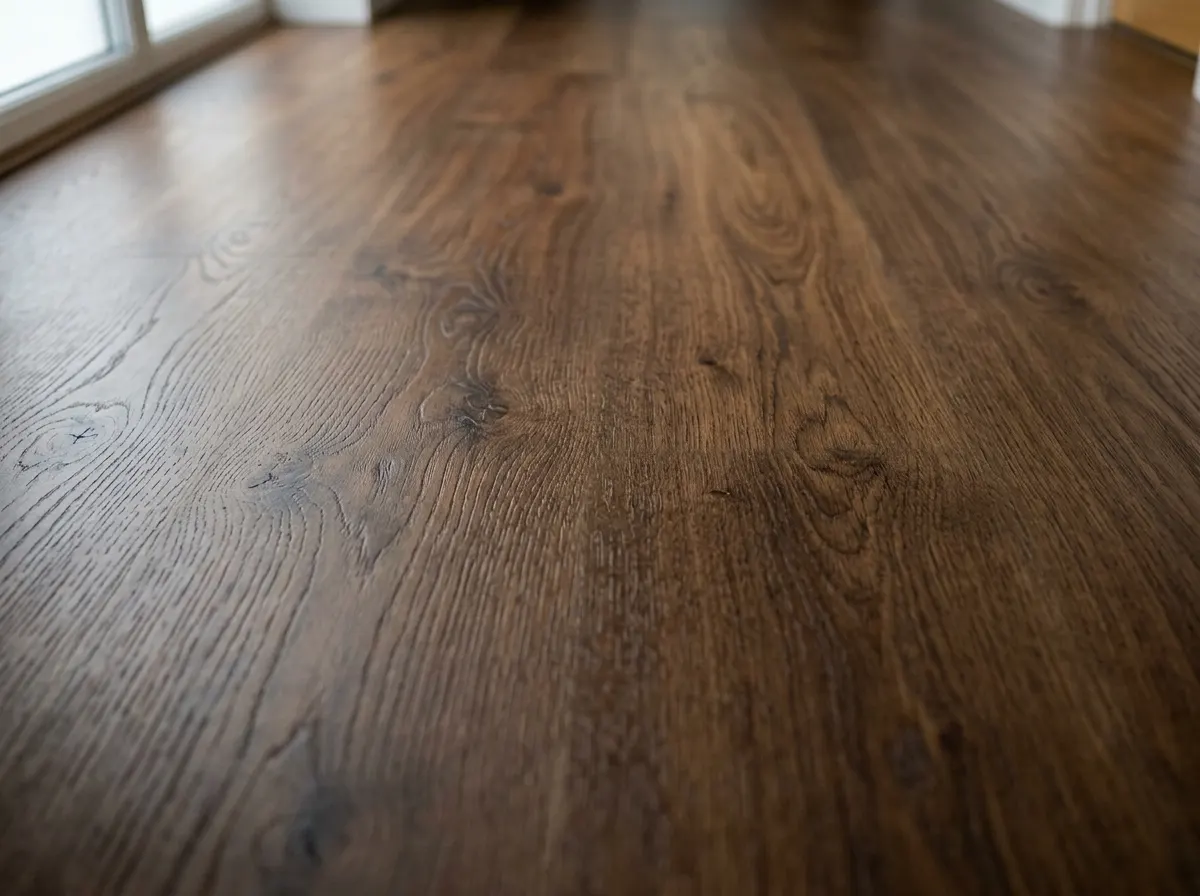
Laminate
A high-density fibreboard core with a photographic wood-effect layer on top. It is the cheapest and fastest floor to fit using a simple "click" system. Highly scratch-resistant, but standard laminate swells and ruins if soaked in water.
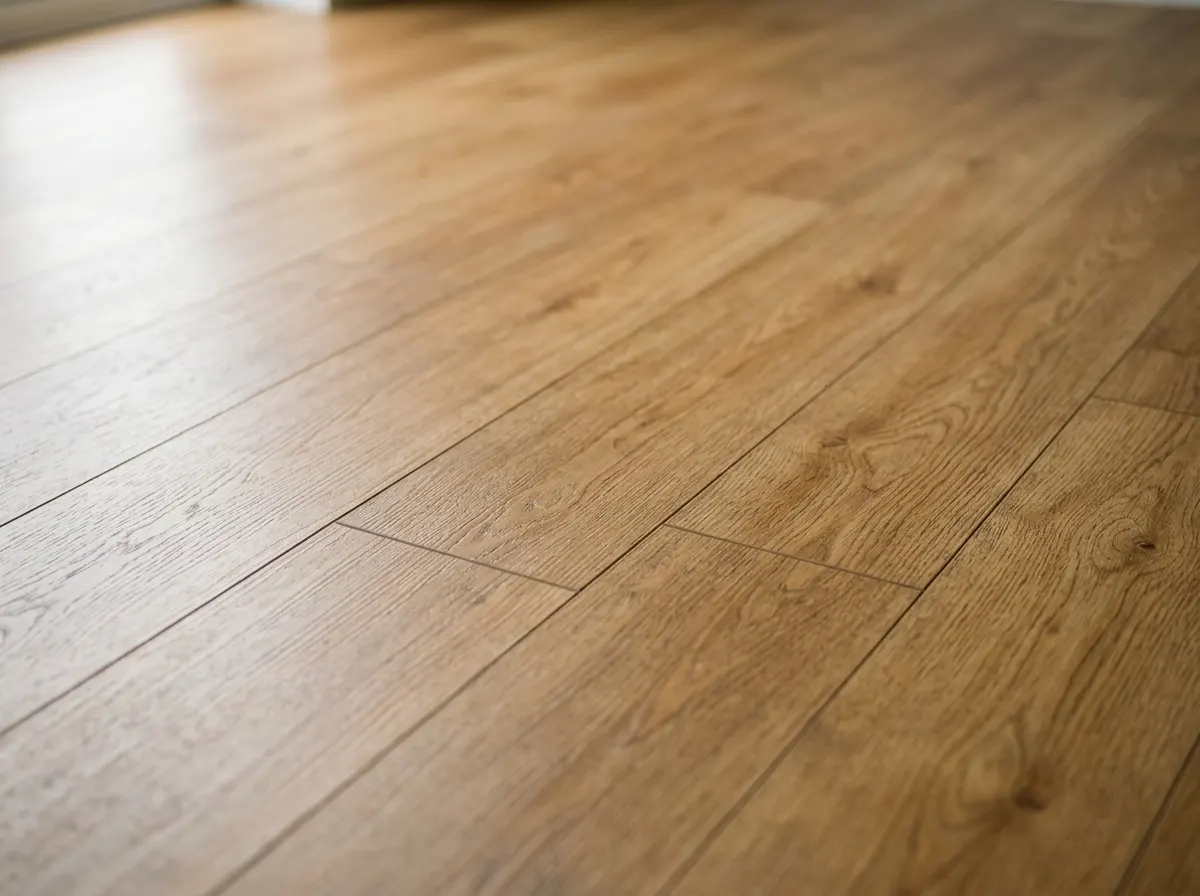
LVT (Luxury Vinyl Tile)
Brands like Amtico and Karndean. LVT is entirely synthetic, 100% waterproof, and incredibly durable. It is the reigning champion for modern bathrooms and kitchens. It can be click-fitted or glued down (which requires a perfectly flat screeded subfloor).
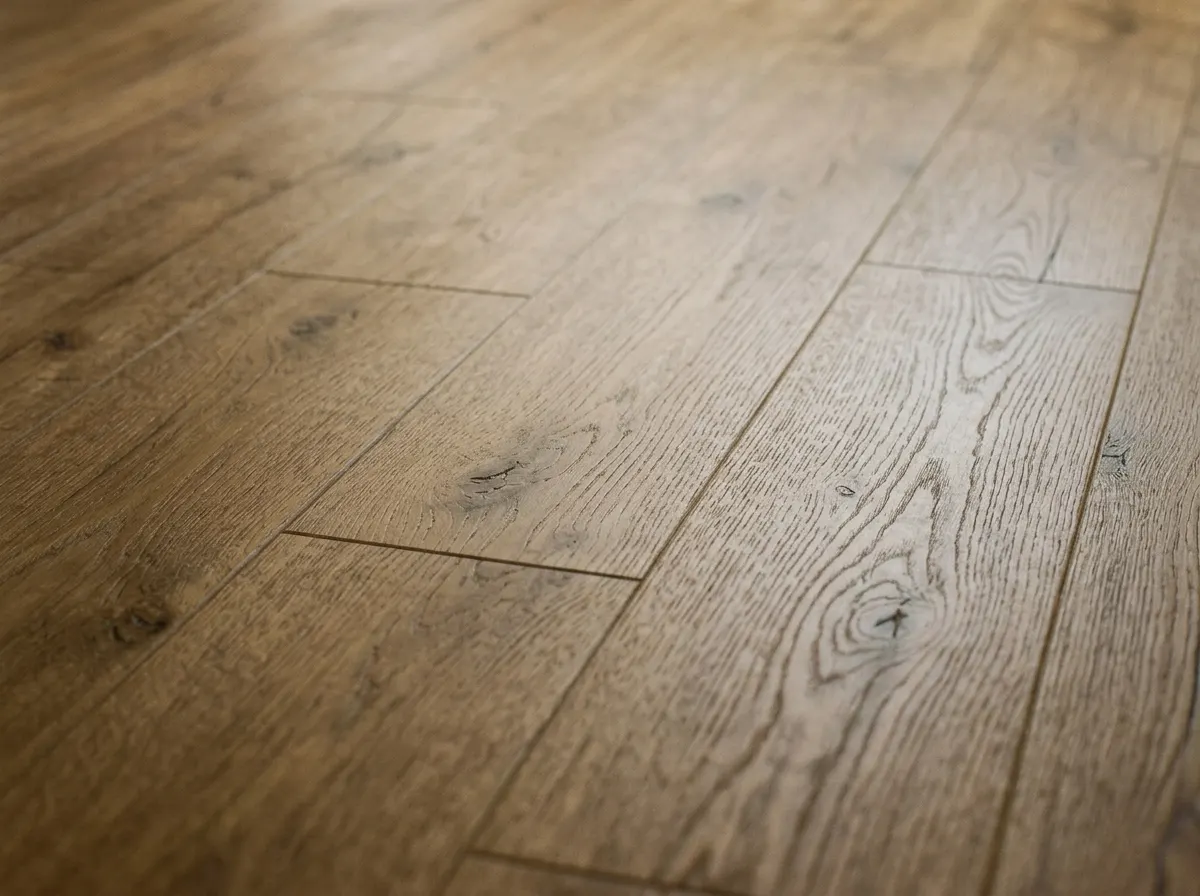
Engineered Wood
A core of layered plywood topped with a real, 3mm-6mm slice of natural hardwood (usually Oak). It looks and feels exactly like solid wood, but is structurally stable, meaning it won't warp and is safe to use with underfloor heating.
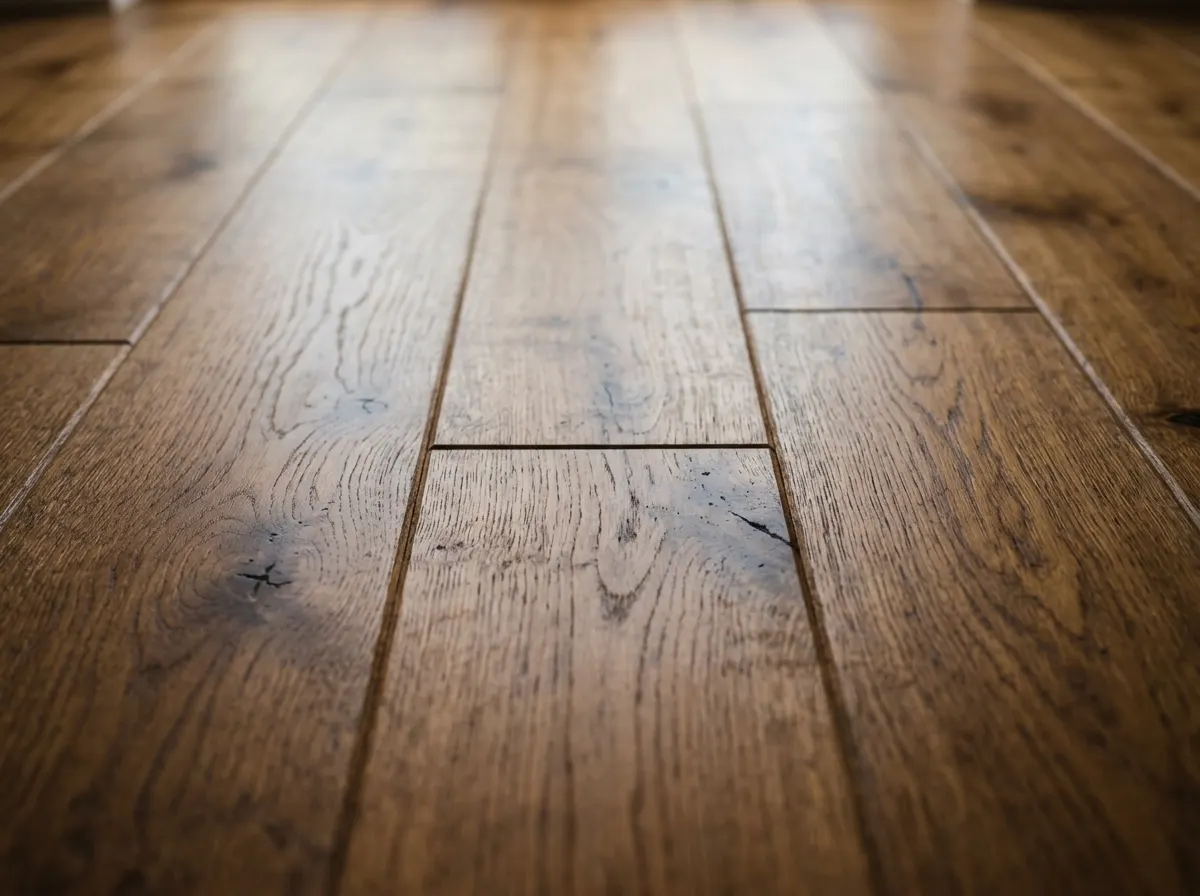
Solid Hardwood
100% natural timber carved from a single piece of wood. It is the most expensive material, takes the longest to acclimatise, and is the hardest to fit (must be nailed or glued). However, it lasts over a century as it can be sanded and refinished endlessly.
Costs per Square Metre
The table below breaks down the 2026 supply-and-fit prices. Fitters charge roughly £8–£20/m² in labour for click-fit floors, rising to £20–£40/m² for glued or nailed hardwood.
| Flooring Type | Low End (Basic) | Average (Trade) | High End (Premium) |
|---|---|---|---|
| Vinyl / LVT (Click) | £15 / m² | £28 / m² | £45 / m² |
| Laminate | £18 / m² | £28 / m² | £40 / m² |
| Carpet (incl. Underlay) | £15 / m² | £30 / m² | £55 / m² |
| Engineered Wood | £40 / m² | £55 / m² | £70 / m² |
| Solid Hardwood | £60 / m² | £85 / m² | £120 / m² |
| Subfloor Prep / Screeding | £5 / m² | £10 / m² | £15+ / m² |
The Installation Process
Laying the actual boards is the easiest part of the job. It is the preparation and finishing work that separates a DIY job from a flawless professional install.
Subfloor Levelling
Old floors are ripped up. If the concrete below is uneven, a liquid self-levelling screed is poured. If the floor is timber, 6mm plyboard is screwed down to stop movement. A Damp Proof Membrane (DPM) is applied over concrete to stop rising moisture.
Acclimatisation
If you are installing wood or laminate, the sealed boxes must sit in the room they will be laid in for 2-3 days before fitting. Wood is hydroscopic; it expands and contracts based on room temperature and humidity. Skipping this causes the floor to buckle.
Laying the Floor
Underlay is rolled out. The planks are cut and laid, ensuring an essential 10mm expansion gap is left completely around the perimeter of the room to allow the wood to swell naturally without hitting the walls.
Skirting & Thresholds
The ugly 10mm expansion gap is hidden. If the skirting boards were removed, they are nailed back on over the new floor. If they were left in place, curved "scotia" beading is pinned to the skirting to hide the gap. Door transition bars are fitted.
Timeline by Project Size
| Project Size | Typical Scope | Active Fitting Time |
|---|---|---|
| Small Room (< 15m²) | Standard bedroom. Laminate/LVT click. | 1 Day |
| Medium Room (20m²) | Standard living room. Engineered wood. | 1 – 2 Days |
| Ground Floor (40m²+) | Continuous flow across hallway and lounge. Includes prep. | 3 – 5 Days |
| Whole House (~70m²) | All rooms. Often requires 2+ fitters. | 5 – 8 Days |
What inflates a flooring quote?
-
Skirting Boards vs Scotia Beading
The neatest finish requires removing all skirting boards, laying the floor, and nailing new skirting over the top. This adds massive labour and material costs. The cheaper alternative is leaving the skirting on, and pinning small timber "scotia" beading around the edges to hide the gap.
-
Stairs & Awkward Shapes
A straight, rectangular room is incredibly fast to lay. Covering stairs, fitting around fireplace hearths, or undercutting detailed door architraves requires dozens of complex saw cuts, instantly dropping the fitter's m²/hour speed.
-
Subfloor Levelling
Laminate and vinyl can sometimes be laid over existing smooth floors. However, rigid engineered wood requires a perfectly level subfloor. Budget £5–£15/m² for preparation (plywood or liquid screed) if your floor is bouncy or uneven.
Regional Considerations
While you can buy materials online at national prices, the labour element of your quote is heavily dictated by your location.
Red flags to watch out for
A badly laid floor will creak, buckle, and separate within 6 months. Watch out for tradespeople who ignore the following rules:
Ignoring the Expansion Gap
If a fitter pushes laminate or wood entirely flush against the plaster wall (with no 10mm gap), sack them immediately. The moment the heating comes on, the wood will expand, hit the wall, and buckle upwards like a tent in the middle of the room.
Missing Moisture Barriers
Concrete floors in ground floor rooms act like sponges. If laying wood or laminate directly over concrete, a plastic Damp Proof Membrane (DPM) or DPM-integrated underlay must be used. Otherwise, rising damp will warp the boards.
The "Bounce" Issue
If your floor squeaks or dips when you walk on it, the subfloor isn't flat. Cheap quotes often ignore subfloor prep, laying expensive engineered wood over a wavy concrete base, causing the click-joints to snap under pressure.
Managing your flooring waste.
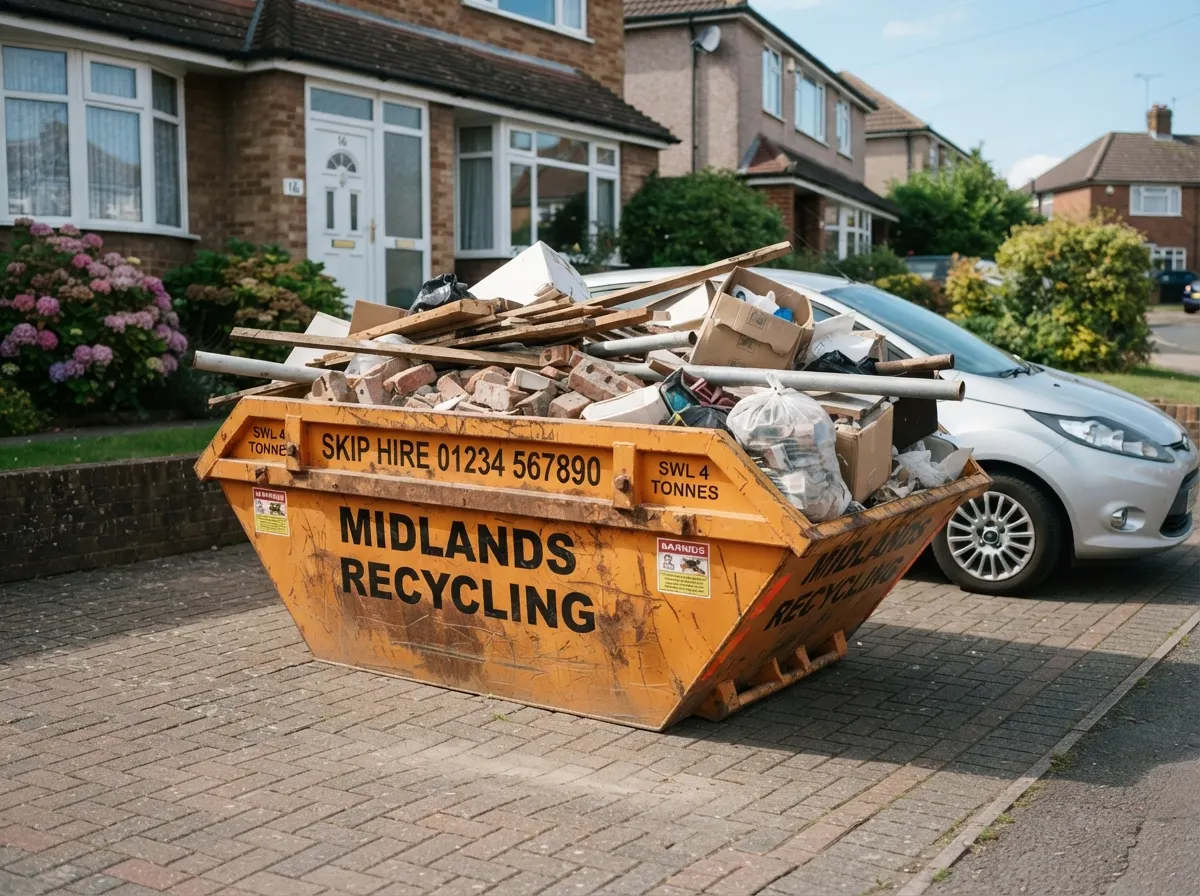
Ripping up old flooring across multiple rooms generates a surprising amount of heavy and bulky waste. Whether you are pulling up decades-old carpets, chipping up ceramic tiles, or lifting heavy hardwood planks, disposing of an entire ground floor of materials requires proper planning.
-
What you'll be clearing Heavy, awkward rolls of old carpet and dusty underlay, splintered laminate boards, broken ceramic or porcelain floor tiles, wooden gripper rods, and potentially chunks of old self-levelling screed.
-
Skips vs Man & Van Clearance Because flooring projects usually produce a mix of heavy rubble (tiles/screed) and bulky but lighter materials (carpet/laminate), a 4 to 6-yard skip is usually ideal. However, if you are strictly only removing carpets and underlay, a dedicated "Man and Van" clearance service can often be cheaper and avoids the need for council skip permits.
Can you DIY the flooring?
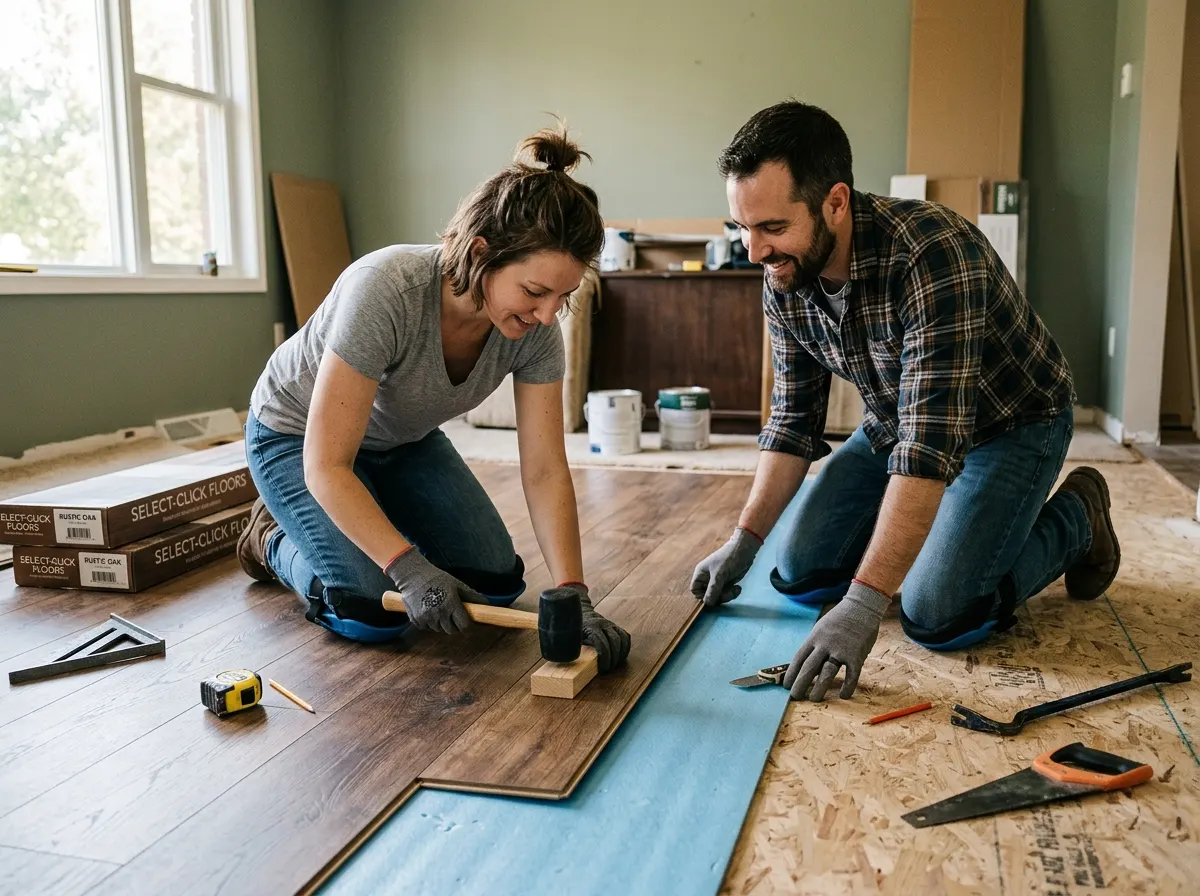
Yes, provided you pick the right material. If you have basic carpentry skills, a good chop saw, and patience, you can save £300+ in labour on a single room.
What you CAN DIY:
- ✓ Click-Laminate: Designed specifically for DIYers. The boards literally click together. Provided you leave the 10mm expansion gap, it is highly straightforward.
- ✓ LVT (Click versions): Similar to laminate, floating LVT click floors are easy to cut (often just requiring a sharp Stanley knife to score and snap).
Strictly Pro Only
Do not attempt to lay Solid Hardwood yourself. It requires specialised secret-nailing guns or heavy chemical adhesives.
Likewise, do not attempt to pour liquid self-levelling screed unless you know exactly what you are doing. If it sets unevenly, you have ruined the floor and will have to pay a professional thousands to grind it back down.
Frequently Asked Questions
How much does it cost to supply and fit new flooring in 2026?
In 2026, UK flooring costs between £15 and £120 per m² fully installed. Budget-friendly laminate usually costs £15–£40/m², while Luxury Vinyl Tile (LVT) ranges from £25–£70/m². For natural timber, engineered wood sits around £40–£90/m², and premium solid hardwood commands £60–£120/m² depending on the timber grade and fitting method.
What is the difference between Laminate and Luxury Vinyl Tile (LVT)?
Laminate is made of high-density fibreboard (HDF) with a photographic top layer, making it highly scratch-resistant but vulnerable to standing water. LVT (Luxury Vinyl Tile) is made entirely of waterproof PVC layers. LVT is slightly more expensive but is the superior choice for kitchens, bathrooms, and wet areas due to its moisture resistance and dimensional stability.
Can a floor fitter lay new flooring directly over my old floor?
It depends on the material. "Floating" floors like click-laminate or rigid-core LVT can often be laid directly over existing smooth, hard surfaces like old tiles or firmly adhered vinyl, provided the correct underlay is used. However, glue-down LVT, ceramic tiles, and real wood require the old flooring to be completely removed to expose a clean, bare subfloor.
Why does my quote include a 'subfloor levelling compound'?
Subfloor preparation is the most common hidden cost in flooring. If your concrete subfloor dips or your floorboards are uneven by more than 3mm over a 2-metre radius, the new floor will bounce, creak, or cause the locking joints to snap. A self-levelling latex screed or flooring-grade plywood must be applied first to create a perfectly flat base, which typically adds £5–£15 per m² to your quote.
Is engineered wood better than solid hardwood flooring?
Yes, in most modern homes. Engineered wood features a top layer of real hardwood bonded to a stable core of cross-layered plywood. This construction prevents the wood from warping, shrinking, or expanding due to temperature and humidity changes. Unlike solid hardwood, engineered wood is also fully compatible with underfloor heating systems.
Do I need a specific underlay for my new floor?
Yes, underlay is not one-size-fits-all. A standard foam underlay works for basic laminate, but if you live in a first-floor flat, you will need acoustic underlay to meet noise regulations. For rooms with underfloor heating, you must use a specialised low-tog underlay (usually under 1.0 tog) to allow the heat to pass through into the room efficiently.
Why does timber and laminate flooring need to 'acclimatise'?
Wood and laminate are hygroscopic materials, meaning they expand and contract based on the temperature and humidity of the room. If a fitter installs boards fresh from a cold warehouse into a warm house, the floor will buckle or gap within days. Boards must be left in the room, in their boxes, for 48 to 72 hours prior to installation.
Does upgrading my flooring add value to my property?
Yes, significantly. Replacing stained carpets or chipped, dated laminate is one of the highest ROI (Return on Investment) improvements you can make before listing a home. Premium flooring like LVT, herringbone parquet, or engineered wood heavily appeals to buyers and can drastically increase the perceived value and saleability of the property.
Related Projects & Guides
Tiling
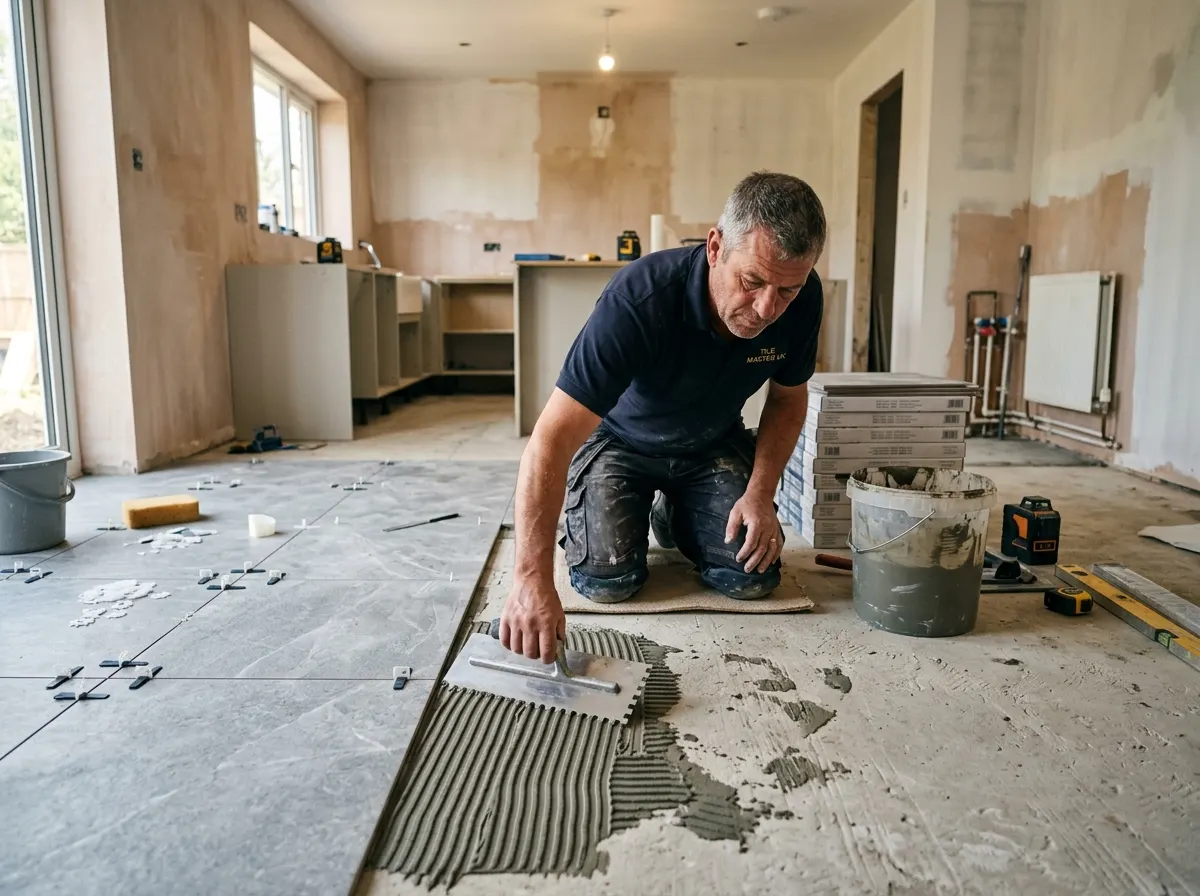
Porcelain and ceramic flooring costs.
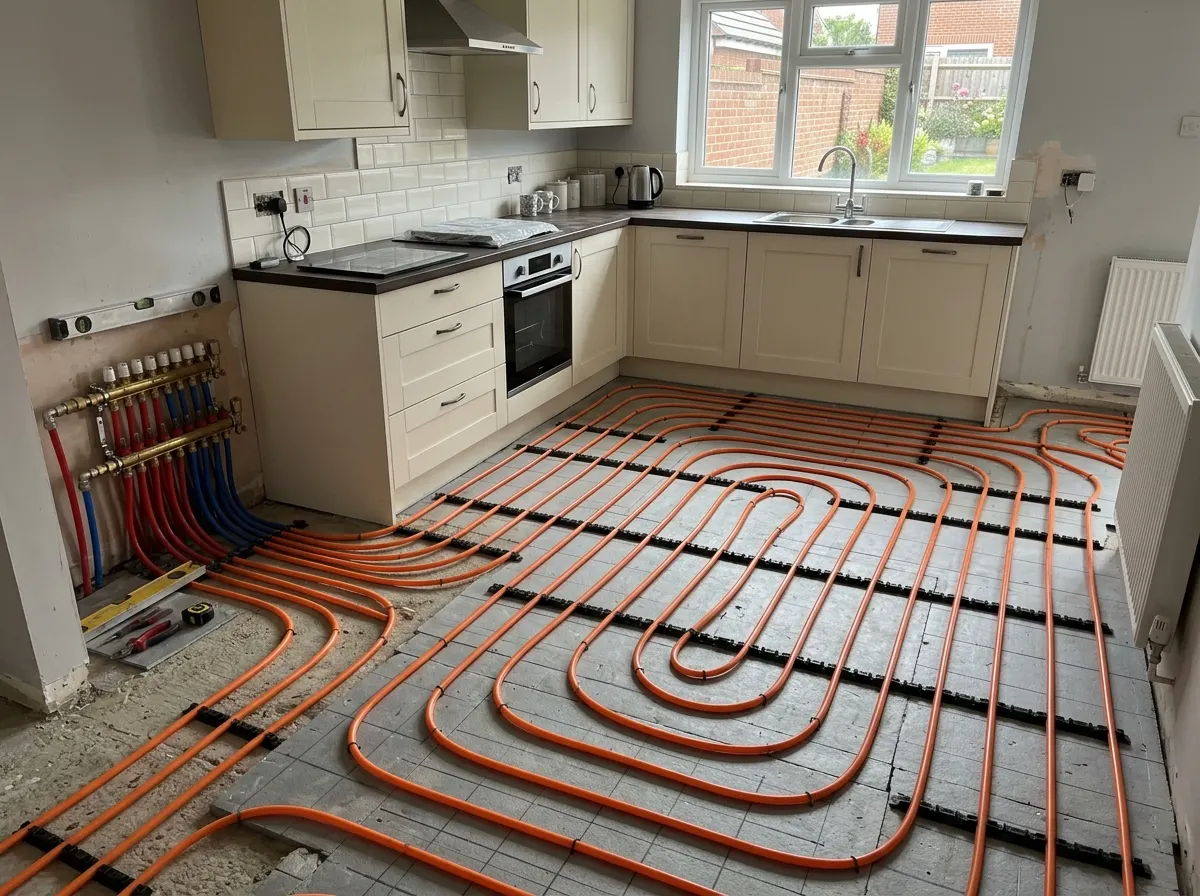
Underfloor Heating
Electric and wet UFH system costs.

Painting & Decorating
Professional room painting rates.
Kitchen Worktop
New kitchen worktop costs.
Kitchen Island
New kitchen island build.
Ready to upgrade your floors?
Use our AI to get a precise estimate based on your room dimensions and material choice, then connect with Pricing Penguin Accredited fitters near you.
Did you find this page helpful?
Let us know if this guide helped you plan your project.