Should you buy or lease your work van?
 By Tom Ellis
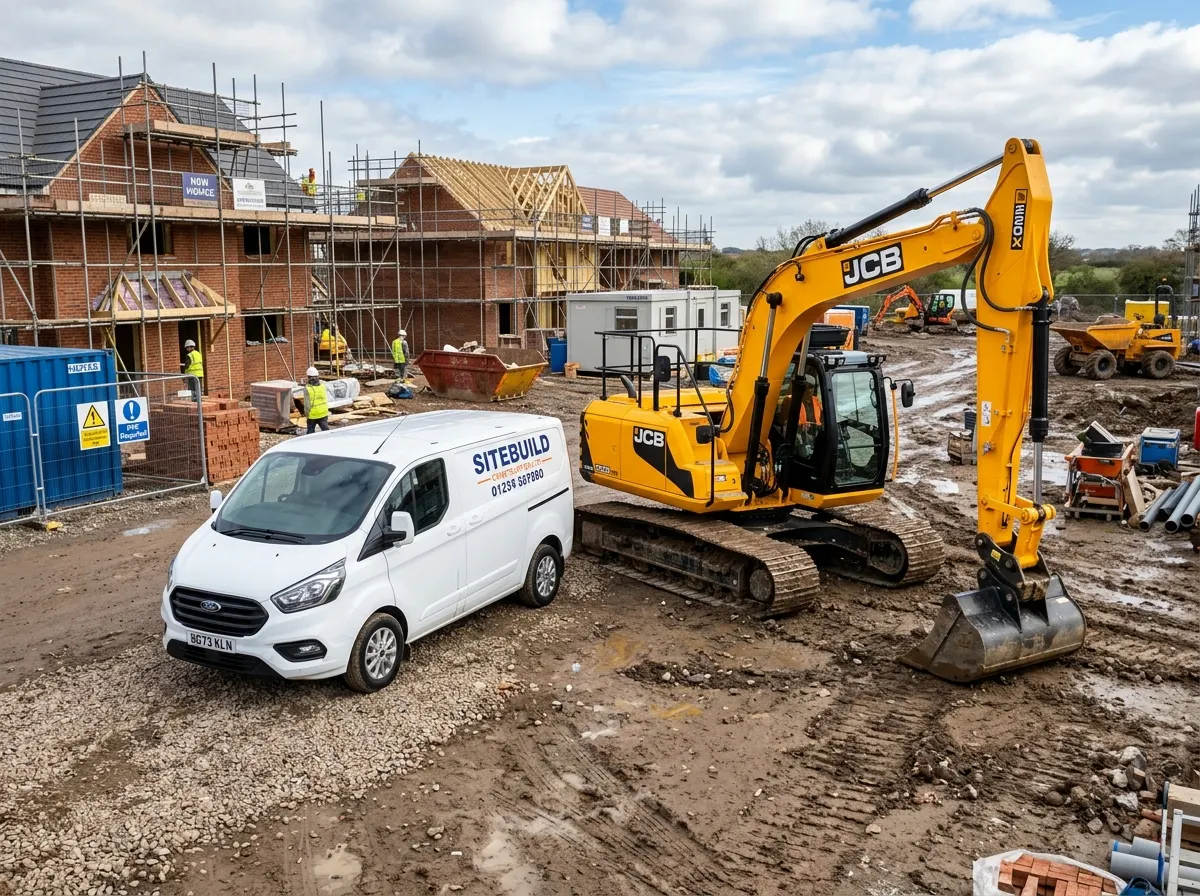
A commercial van is usually a tradesperson’s single biggest tool purchase. However, the decision of how to fund it should never be based solely on the headline monthly price. The true cost of a vehicle is dictated by how it impacts your monthly cash flow, who carries the depreciation risk, and crucially, how HMRC treats the purchase for tax purposes.
If you buy a van, you can often write off the entire cost against your tax bill in year one. If you lease it, you preserve your cash and never have to worry about the van breaking down out of warranty, but you will never actually own the asset. This guide breaks down the financial realities of Hire Purchase, Contract Hire, Finance Leases, and outright purchases for UK trades.
Buying & Hire Purchase (HP)
Whether you buy a van outright with cash, or you finance it through a Hire Purchase (HP) agreement, HMRC treats you as the legal owner of the vehicle from day one. You pay a deposit, fixed monthly instalments, and at the end of the term, the van is 100% yours to keep, sell, or trade in.
The Massive Tax Benefit: AIA
Because commercial vans are classed as "plant and machinery", they qualify for the Annual Investment Allowance (AIA). This means you can deduct the entire purchase price of the van from your taxable profits in the very first year. If you make £80,000 profit, and buy a £30,000 van on HP, you are only taxed on £50,000. This provides a massive, immediate reduction in your Corporation Tax or Income Tax bill.
Pros & Cons of Buying / HP
-
✓
VAT Reclaim Upfront If VAT registered, you claim back 100% of the VAT on the full purchase price in your next quarterly return.
-
✓
No Mileage Limits You own it. You can drive 50,000 miles a year with no financial penalties.
-
✗
Depreciation Risk Vans lose value fast. When you want to sell it in 5 years, you take the financial hit on its second-hand value.
-
✗
Maintenance Burden Once the manufacturer warranty expires, you pay for every broken clutch, MOT, and servicing bill.
Pros & Cons of Leasing (BCH)
-
✓
Cash Flow Champion Low initial deposit (usually 3 or 6 months rental upfront) keeps cash in your bank for materials and wages.
-
✓
Maintenance Included Most leases bolt on maintenance packages. Servicing, MOTs, and even tyres are often covered in the monthly fee.
-
✗
Mileage Penalties You must estimate your annual mileage. Go over it, and you face steep excess mileage charges at the end.
-
✗
Damage Recharges If the van comes back covered in dents and cement dust beyond "fair wear and tear," you will be billed heavily.
Leasing (Business Contract Hire)
Business Contract Hire (BCH) is effectively a long-term rental. The finance company owns the van, you pay a fixed monthly fee to use it for 2 to 5 years, and then you hand the keys back and walk away. You never own the vehicle, and you don't have to worry about selling it.
Finance Leases: The Middle Ground
A Finance Lease is a hybrid. You still don't own the van, but the lease is structured differently. You pay lower monthly payments, followed by a large "balloon payment" at the end. At the end of the term, the van is sold to a third party. If it sells for more than the balloon payment, you keep the equity. If it sells for less, you must make up the shortfall.
Tax Treatment of Leases
Because you do not own the asset, you cannot claim the Annual Investment Allowance (AIA). Instead, your monthly rental payments are classed as an allowable business expense. You simply deduct the lease payments from your taxable profit as you pay them each month.
For VAT-registered tradespeople, you reclaim the VAT on the monthly rental payments as you go, rather than getting it all back in one huge lump sum upfront like you do with Hire Purchase.
Stop paying for dead leads.
Join the Pricing Penguin network. We provide UK tradespeople with high-intent, pre-qualified customers who already understand the true cost of quality craftsmanship.
Real-World Scenario: Medium Panel Van
Let's look at the cash flow impact of acquiring a standard £32,000 (+ VAT) medium panel van over a 4-year period (e.g., a Ford Transit Custom). *Figures are estimates for illustrative purposes.*
| Financial Factor | Hire Purchase (HP) 48 Months | Business Contract Hire (Lease) |
|---|---|---|
| Initial Deposit / Outlay | £3,200 Deposit + £6,400 VAT = £9,600 | 6 Months Initial Rental = £2,400 + VAT |
| Monthly Payment | Approx. £695 / month (No VAT on payments) | Approx. £400 / month + VAT |
| VAT Reclaim | Reclaim all £6,400 VAT upfront in next return. | Reclaim VAT slowly on each monthly invoice. |
| Tax Relief | Deduct £32,000 from profits immediately (AIA). | Deduct £4,800 a year from profits. |
| End of 4 Years | You own a van worth approx. £12,000. | You hand the keys back. You own nothing. |
Note: HP requires a higher monthly payment because you are paying off the entire capital value of the van. Leasing is cheaper per month because you are only paying for the depreciation during the 4 years.
Funding Method Summary
| Factor | Buy Outright / Cash | Hire Purchase (HP) | Contract Hire (Lease) |
|---|---|---|---|
| Who owns the van? | You. | You (after final payment). | The Lender. |
| Upfront Cash Impact | Very High (Full Price) | Medium (Deposit + Full VAT) | Low (Initial Rental) |
| Tax Relief | 100% AIA in Year 1. | 100% AIA in Year 1. | Monthly rentals deducted from profit. |
| VAT Reclaim | 100% claimed upfront. | 100% claimed upfront. | Claimed gradually on monthly payments. |
| Depreciation Risk | Your problem. | Your problem. | Lender's problem. |
The "Private Use" Benefit-in-Kind (BiK) Trap
HMRC treats commercial vans much more favourably than company cars, but there is a catch. If you use your company van for personal use, you will be hit with a Benefit-in-Kind (BiK) tax charge.
What counts as "Insignificant Use"?
HMRC allows "insignificant" private use without triggering a tax charge. This includes ordinary commuting (driving from home to a site) or making a slight detour to pick up lunch or drop a child at school on the way to work.
However, if you regularly use the van to do your weekend supermarket shopping, go on holiday, or move house, HMRC classes this as significant private use.
The Cost of Breaking the Rules
If HMRC deems your private use as significant, you face fixed tax penalties:
- ✗ A fixed BiK charge added to your personal income tax (currently £3,960 for the 24/25 tax year).
- ✗ An additional fixed BiK charge if the company pays for your private fuel (currently £757).
- ✗ Potential restriction on reclaiming 100% of the VAT.
Funding Tools, Diggers & Scaffolding
You don't just have to finance vans. If your trade requires heavy machinery or highly specialised equipment, the same finance principles apply.
Chattel Mortgages & Equipment HP
If you need a £35,000 micro-digger, a £15,000 automated wood-cutting CNC machine, or a massive scaffolding inventory, you can use specialised asset finance (often called a Chattel Mortgage).
Like van Hire Purchase, the lender secures the loan against the machinery itself. You gain ownership immediately for tax purposes, meaning you can utilise your Annual Investment Allowance (AIA) to write the machinery off against your profits instantly, preserving your cash flow while building your balance sheet assets.
Refinancing Existing Equipment
If your business is cash-poor but asset-rich (e.g., you own a digger and two vans outright), you can use Asset Refinancing.
You effectively sell your existing owned equipment to a finance company for a lump sum of cash injected directly into your bank account. You then lease the equipment back from them over a fixed term. It is a rapid way to generate working capital to fund expansion, marketing, or survive a late-paying commercial contract.
Frequently Asked Questions
Can I finance a used van, or does it have to be new?
Hire Purchase (HP) is very common for used commercial vehicles, provided the van is not too old (usually under 6 years at the start of the agreement). However, Business Contract Hire (BCH / Leasing) is almost exclusively reserved for brand new vehicles straight from the dealership.
Does my personal credit score matter for a limited company van?
Yes. If you are a sole trader, the finance is based entirely on your personal credit score. If you run a Limited Company (Ltd), the lender will check the business's credit history. However, if your Ltd company is newly formed or lacks a strong trading history, the lender will insist you sign a Personal Guarantee (PG), which means they will check your personal credit file.
What happens if I want to upgrade my van early?
With Hire Purchase, you can request an early settlement figure at any time. You can then sell the van or trade it in, pay off the lender, and use any remaining equity for a new deposit. With Contract Hire (Leasing), it is incredibly expensive to exit the contract early. Finance companies often demand 50% to 100% of the remaining monthly payments just to hand the keys back prematurely.
Can I claim fuel expenses on a leased van?
Absolutely. The method you use to finance the van has no bearing on how you claim running costs. Whether leased, bought, or HP, you can deduct all business fuel, insurance, and toll charges from your taxable profits. You just need to ensure you keep accurate mileage logs to prove the journeys were for business purposes.
Ready to fill your diary with quality jobs?
Connect with serious homeowners who value reliability over the absolute cheapest quote. Join our network of accredited UK tradespeople today and let our AI estimators filter out the time-wasters for you.
Related Guides

Starting a Carpentry Business
Everything involved with starting a carpentry business.

Social Media Marketing
Ways of marketing your trade business on social media.
Leasing or Buying Vans
Should you buy or lease vans and the finances behind it.
Non Payers
How to deal with non payers.
Did you find this guide helpful?
Let us know if these business tips will help your trade business.