How much does artificial grass cost in the UK?
 By Tom Ellis
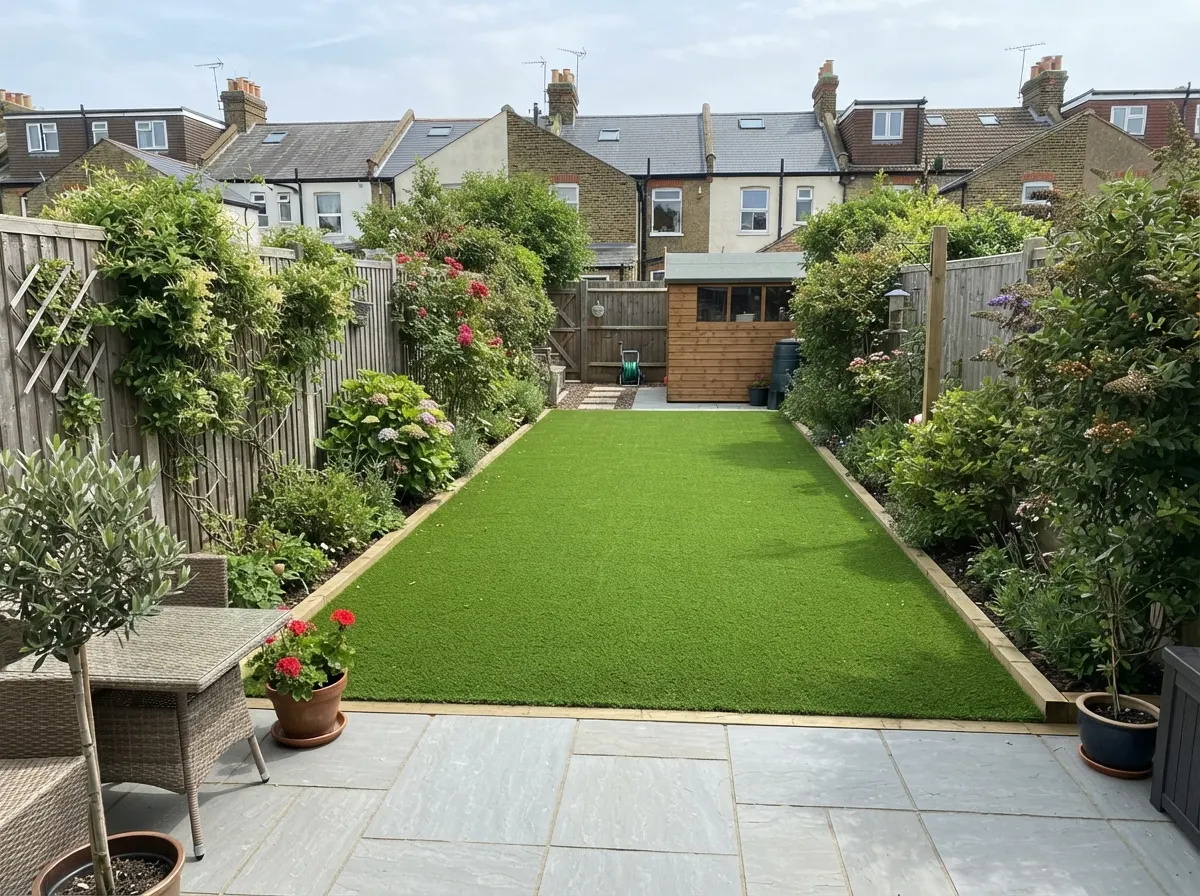
Artificial grass has become one of the UK’s most popular low-maintenance garden upgrades—no weekly mowing, zero mud carried through the house in winter, and a lawn that stays vibrant green all year round. In 2026, artificial grass costs £60 to £85 per m² fully installed, covering turf supply, heavy groundwork, and skilled fitting.
A typical 50m² UK garden lands between £3,000 and £4,200, while smaller urban plots (approx. 20m²) start around £1,200 due to contractor minimum call-out rates. The true key to a 15-year lawn is not just the carpet itself, but what lies underneath: over 50% of the cost goes into excavating root-choked soil, laying compacted MOT Type 1 or granite dust, and installing commercial geotextile weed membranes.
~£1,200
Basic specification. Up to 20m² lawn with standard 25mm pile turf. Straightforward access, light excavation, and basic timber or pin edging.
~£3,500
Mid-range finish. A typical 40m²–50m² garden fitted with high-density 30–35mm multi-tone turf, full 75mm aggregate excavation, compacted sub-base, and perimeter timber edging.
£7,000+
High-end specification. Large gardens (70m²+), luxury 40mm+ C-shape memory yarn with natural thatch, full polyurethane pet-backing, shock pads, and deep sub-surface drainage.
Get an instant estimate for your artificial turf
Grades & Styles of Artificial Turf
Synthetic turf is not one-size-fits-all. Yarn profiles, stitch counts, pile heights, and backing materials vary significantly depending on your intended use.
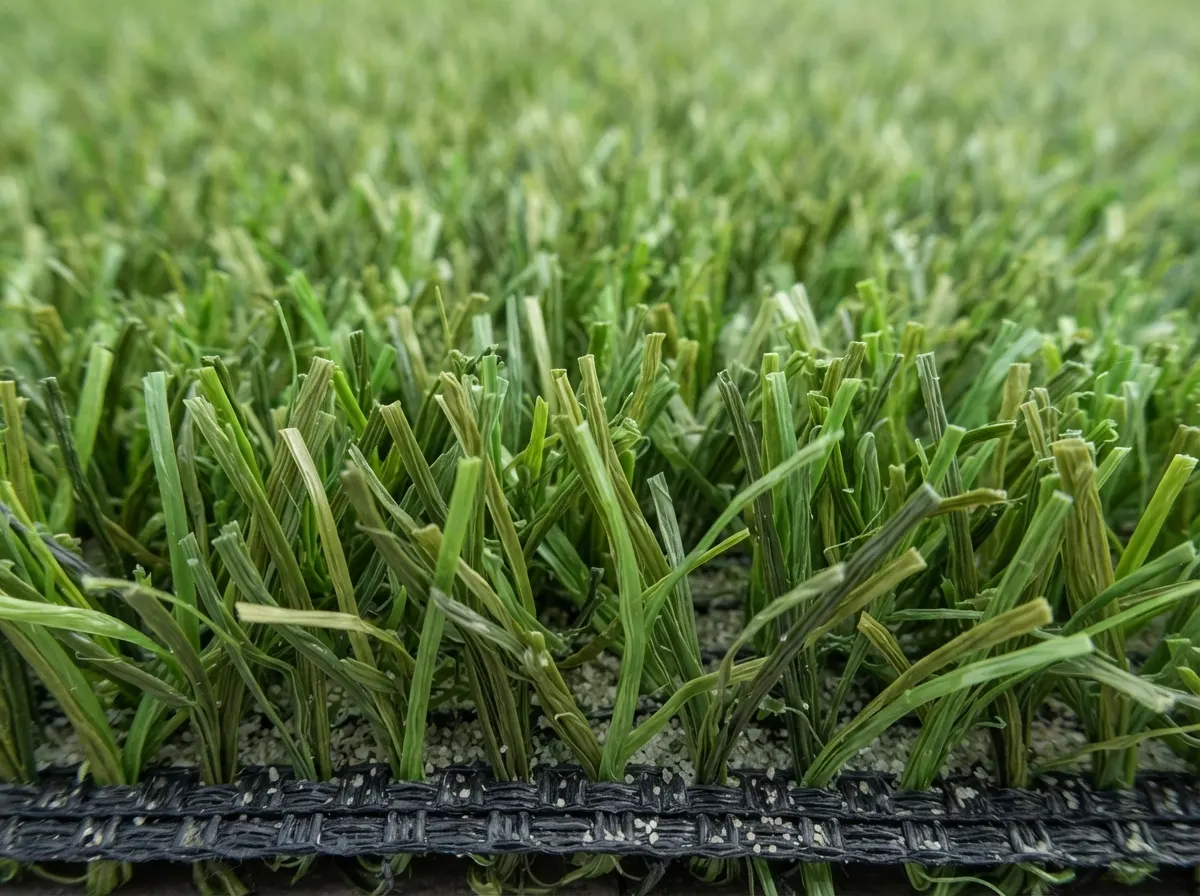
Budget (20–25mm Pile)
Single or dual-tone flat blades. Visually uniform with a noticeable sheen in direct sunlight. Great for light footfall, rental renovations, roof terraces, or balconies, but will flatten faster under heavy family use.
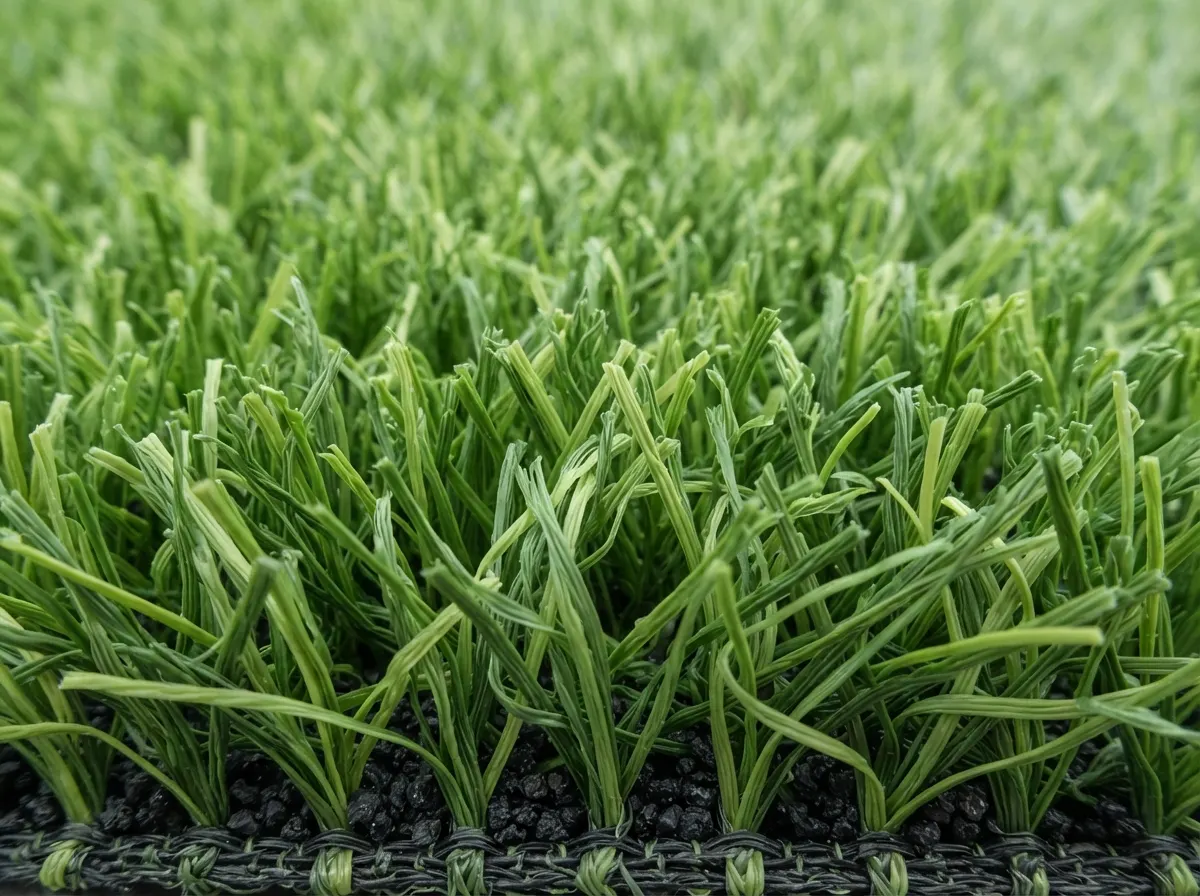
Mid-Range (30–35mm Pile)
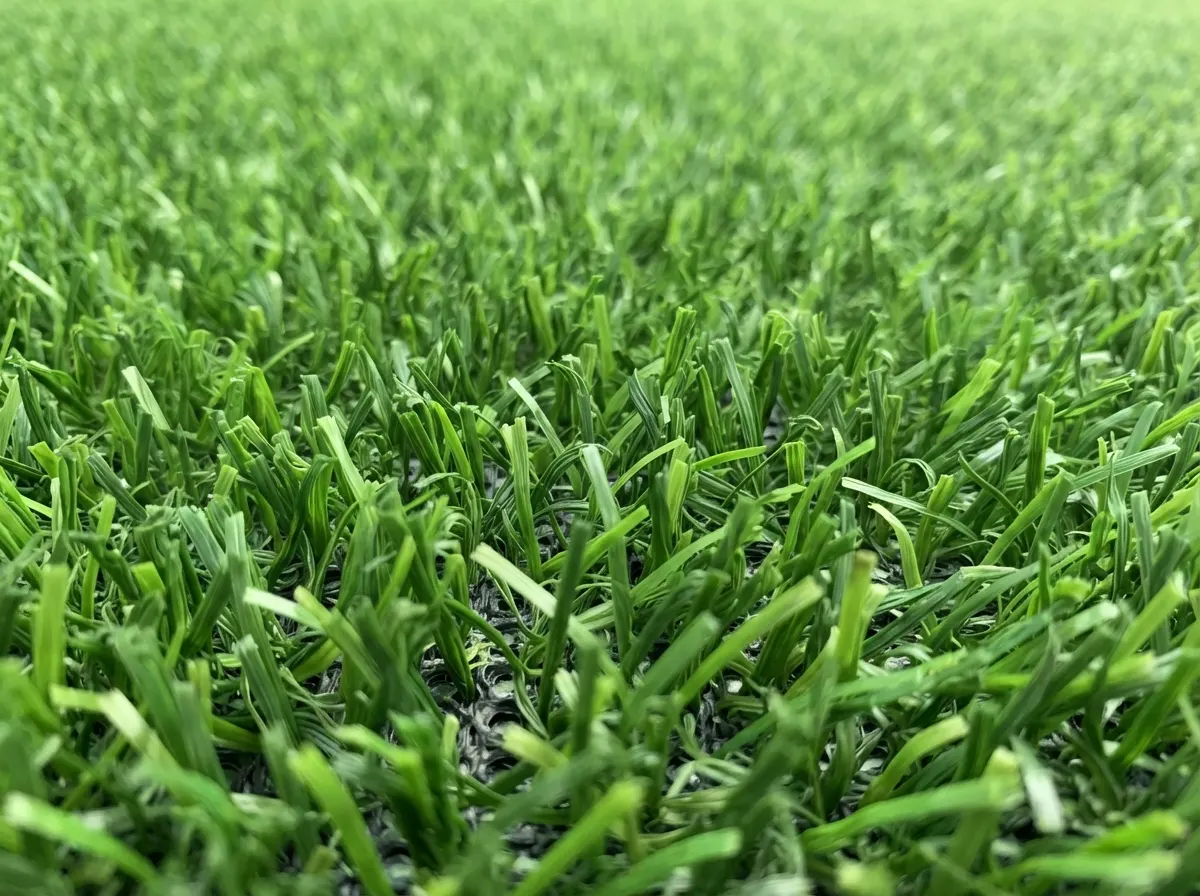
The sweet spot for UK gardens. Features 3 to 4 distinct green tones combined with a curled brown jute/polypropylene "thatch" layer at the base to mimic natural dead grass, reducing unnatural plastic reflection.
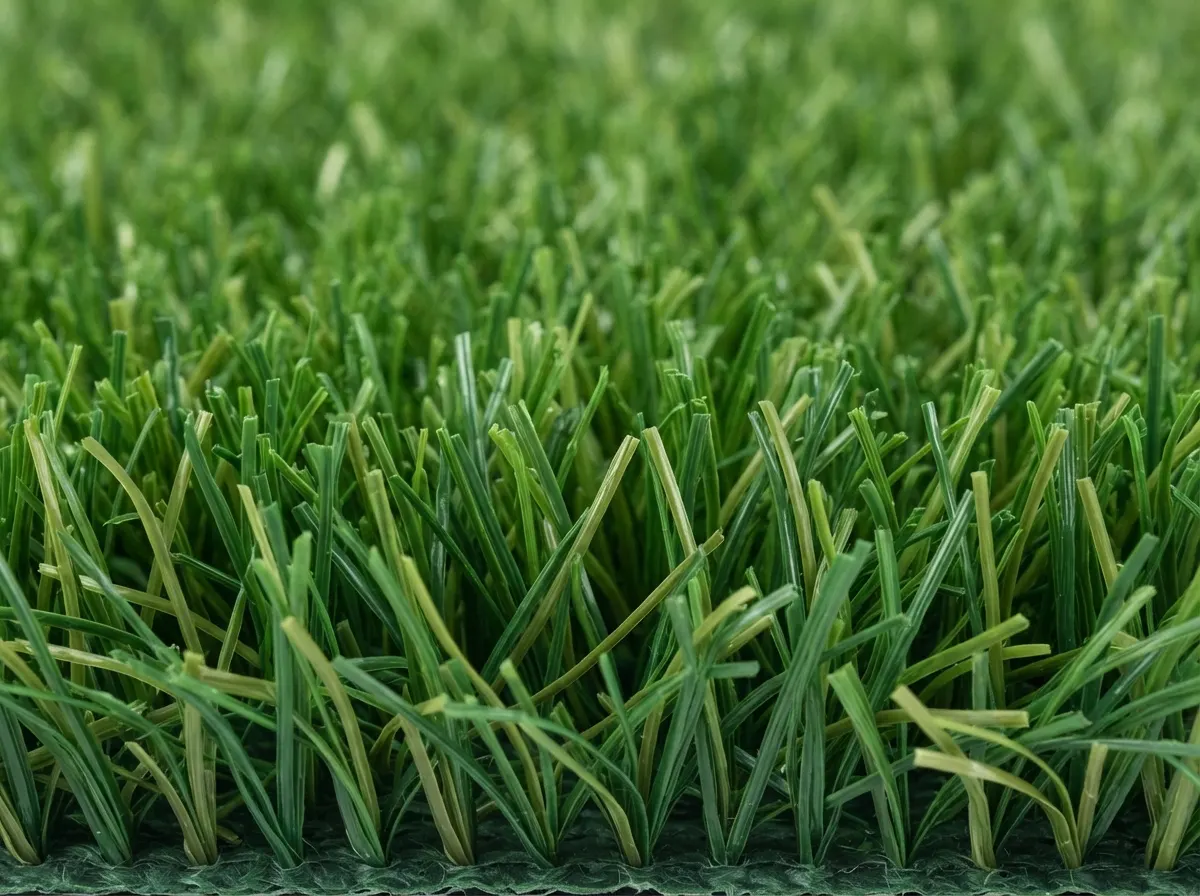
Premium (35–45mm Pile)
Ultra-dense stitch rates with engineered yarn profiles (such as C-shaped, V-shaped, or W-shaped memory fibres) designed to spring back upright after being stepped on. Soft, pillowy underfoot sensation with realistic matte finishes.
Specialist Pet / Drainage
Built with 100% polyurethane backing rather than standard latex. Latex absorbs pet urine and retains pungent ammonia odours; polyurethane does not absorb moisture and drains up to 500% faster, making it non-negotiable for dog owners.
Installation Rates per m² & Garden Size
The table below outlines 2026 UK supply-and-fit pricing across different project sizes, factoring in waste, aggregate sub-bases, and trade labour.
| Project Specification | Per m² (Supply Only) | Per m² (Fully Installed) | Typical 50m² Garden |
|---|---|---|---|
| Budget Turf (20–25mm) on Easy Ground | £10 – £15 / m² | £50 – £70 / m² | £2,500 – £3,200 |
| Mid-Range Turf (30–35mm) + Standard Prep | £18 – £28 / m² | £60 – £85 / m² | £3,000 – £4,200 |
| Premium 40mm+ Memory Yarn + Deep Base | £30 – £40 / m² | £75 – £110 / m² | £3,800 – £5,500 |
| Pet-Specific Polyurethane + Zeolite Infill | £28 – £45 / m² | £75 – £105 / m² | £3,750 – £5,200 |
| Laying Only (Homeowner prepped base) | — | £10 – £20 / m² | £500 – £1,000 (Labour) |
| Groundwork Only (Excavate + Sub-base) | — | £25 – £45 / m² | £1,250 – £2,250 |
The Anatomy of a 15-Year Installation
Why does groundwork cost half the total quote? Because synthetic turf acts like carpet: any dip, soft patch, or weed below the surface will telegraph straight through to the top.
Excavation (50–75mm)
The existing sod, organic matter, and roots are dug out using a turf cutter or mini-digger. Soft spots are dug down to solid subsoil.
Sub-Base (MOT Type 1)
A 40–50mm layer of crushed limestone or granite aggregate (MOT Type 1 or Type 3 porous) is spread and compacted with a vibratory wacker plate to prevent sinking.
Sharp Sand / Grano Dust
A 20–25mm blinding layer of sharp sand or granite dust (grano) is screeded with aluminium straight-edges to create a silky-smooth, perfectly graded surface.
Geotextile Membrane
A heavy-duty non-woven weed membrane is laid directly under the grass. It stops weeds germinating while allowing vertical drainage of rainfall and liquids.
Turf & Sand Infill
Turf is stretched, seamed with outdoor polyurethane adhesive, secured with perimeter pins or timber screws, and dressed with kiln-dried silica sand to anchor the pile.
Real Turf vs Artificial Grass: 10-Year Cost
While artificial grass requires a higher initial investment, natural turf incurs hidden annual maintenance costs that add up substantially over a decade.
Natural Turf Lawn
Low Initial Cost- Supply & Lay (50m²): £800 – £1,250
- Petrol / Electric Mower & Strimmer: £250 – £400
- Fertiliser, Weedkiller & Overseeding: £80 / year (£800 over 10 yrs)
- Water Meter Irrigation (Dry Summers): £40 / year (£400 over 10 yrs)
- Mid-Life Turfing Repairs / Scarifying: £300 – £500
- Time Spent: ~30 hours mowing/year
- Estimated 10-Year Total: £2,650 – £3,400 + 300 hrs labour
Artificial Synthetic Lawn
High Upfront / Low Upkeep- Full Groundwork & Install (50m²): £3,200 – £4,200
- Mowers / Fuel Costs: £0
- Lawn Chemicals & Seed: £0
- Stiff Broom / Power Brush (One-off): £40 – £150
- Specialist Artificial Cleaner / Infill: £25 / year (£250 over 10 yrs)
- Time Spent: ~2 hours brushing/year
- Estimated 10-Year Total: £3,500 – £4,600 + 20 hrs labour
Conclusion: While natural turf remains cheaper on pure paper calculations, artificial turf becomes cost-neutral within 6 to 8 years if you previously paid a gardener for regular mowing, while eliminating all mud and shade baldness.
How long does installation take?
A standard 40m²–60m² domestic lawn takes an experienced two-person installation team 2 to 3 days from site clearance to final sweeping.
Strip Out & Excavation
The existing grass is stripped using mechanical turf cutters. Soil is dug out to 75mm below patio/edging levels. Waste is wheelbarrowed to a skip or front driveway grab pile. Perimeter timber or composite battening is staked and concreted into position around the borders.
Sub-Base Compaction & Grano
Tonnes of MOT aggregate are barrowed in and repeatedly compacted with heavy vibratory plate compactors. The grano dust or sharp sand layer is screeded across the entire surface to achieve laser-level falls towards existing garden drains. The weed membrane is rolled out and pinned taut.
Laying, Seaming & Sand Infill
Turf rolls are rolled out (all with the pile grain facing towards the home for maximum visual realism). Seams are joined using specialist outdoor seam tape and all-weather polyurethane glue. The perimeter is trimmed and screwed into battens. Kiln-dried silica sand is spread and power-brushed deep into the roots.
Installation Labour Costs
Artificial turf installation requires heavy manual digging, wheelbarrowing aggregate, precision carpet jointing, and heavy machinery operation. Most contractors operate in pairs.
Regional Pricing Variations
Aggregate transport, skip permits, and trade labour vary significantly across the UK, with the South East running well above national benchmarks.
Installation Red Flags & Cowboy Tactics
A bad installation looks pristine for about 3 months until autumn rains and winter frosts begin. Watch out for these notorious shortcuts:
Laying Directly on Soil or Sand
Cowboys avoid skip costs by merely spraying weedkiller on the grass, dusting 10mm of building sand on top, and laying the turf. Within 6 months, worms, burrowing insects, and ground freeze will turn the lawn into a rippled, uneven obstacle course.
Visible Seams & Opposite Grains
Artificial turf rolls have a distinct pile direction (the grain). If an installer joins two cuts with the pile facing opposite directions, or overlaps the jointing tape, you will see a glaring light/dark stripe down the centre of your garden that cannot be fixed.
Skipping Kiln-Dried Sand Infill
Even non-infill grasses require 4–5kg of kiln-dried silica sand per m² brushed into the thatch. The sand infill adds ballast to stop wind lifting the carpet, cools the plastic in hot sun, and prevents the grass fibres from crushing flat under foot traffic.
Aftercare: Keeping It Clean & Odour-Free
"Zero maintenance" is a myth; artificial grass is low maintenance. Spending 15 minutes a month on simple care preserves its fresh look and stops bacteria.
1. Monthly Cross-Brushing
High-traffic corridors will naturally lean over. Use a stiff synthetic bristle broom (never metal wire rakes, which rip the backing) and brush firmly against the direction of the pile to lift the blades back upright and redistribute the silica sand.
10 Minutes • Once a Month2. Pet Urine & Waste
Solid waste should be scooped up once dry and the spot rinsed with water. During hot summer dry spells, hose down pet urination areas weekly with an enzymatic artificial turf sanitiser (like Turf Fresh) to neutralise uric acid crystals before smells develop.
Hose Down Bi-Weekly in Summer3. Leaf Clearing & Weed Seedlings
While weeds cannot grow from underneath the geotextile membrane, airborne dust and falling leaves will decompose on top of the turf blades, creating compost for shallow surface moss. Use a garden leaf blower to remove foliage before it rots.
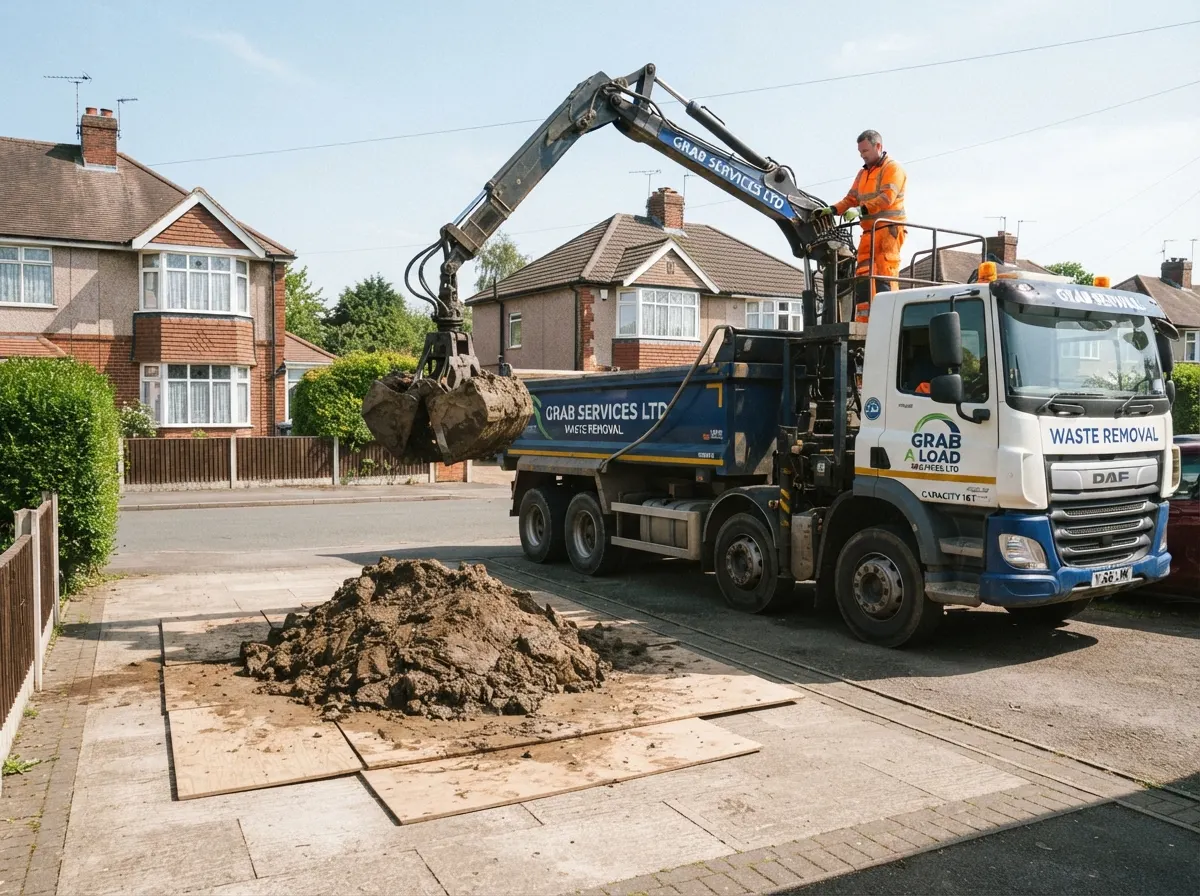
Clear Autumn Leaves PromptlyDon't underestimate the waste.
A proper artificial grass installation requires digging down 50–75mm to lay a solid sub-base. For a typical 50m² garden, that generates roughly 3.5 to 4 cubic metres (6 to 8 tonnes) of heavy waste before the new lawn is even laid.
-
Types of Waste Produced You will be disposing of heavy topsoil, dense clay, old turf and root systems, broken paving, and old timber edging.
-
Skip vs Grab Lorry Skips have strict weight limits for "muck away" soil (legally capped at a 6-yard to 8-yard skip). For an average family garden, hiring a Grab Lorry is often cheaper, faster, and avoids overweight skip penalties.
Can you DIY artificial grass?
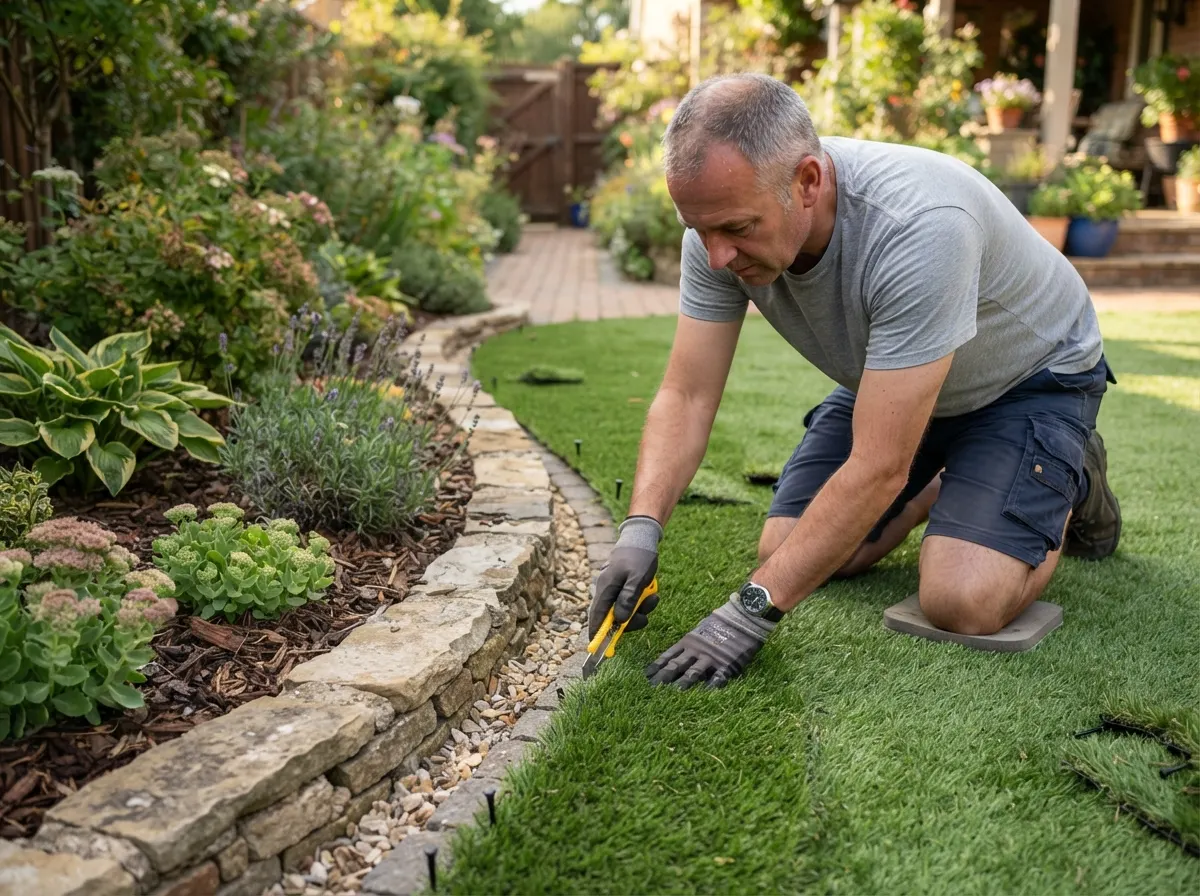
Laying the turf itself is relatively straightforward—like fitting a giant outdoor carpet. However, 80% of the project is brutal, heavy civil excavation. If you have good fitness, hire a wacker plate, and handle the materials, you can slash 40% to 50% off the total bill.
What you CAN DIY:
- ✓ Small Rectangular Lawns (< 30m²): Single-roll installations that require zero seams are great DIY projects. You avoid tricky carpet joins and only need to cut around straight border edges.
- ✓ Covering Hard Concrete / Decking: Installing directly over structurally sound concrete or decking using shock-pad underlay and adhesive involves zero digging and can be completed over a weekend.
Leave to the Pros
Multiple Seams on Wide Gardens: Artificial turf rolls are typically 2m or 4m wide. If your garden is 7m wide, you will need multiple glued seams. If your cuts are uneven or the gauge spacing between stitches is off by 2mm, the join will look like a scar across the lawn.
Poorly Draining Clay Ground: Digging in waterlogged soil requires installing deep perforated drainage coils and Type 3 open-graded aggregate to prevent the lawn from becoming a swamp.
Frequently Asked Questions
How much does artificial grass cost per square metre in 2026?
Fully installed, expect £60–£85/m² for standard domestic installations. The turf itself accounts for £10–£28/m², while the remainder covers excavation, skip hire, aggregate, membranes, and labour. Premium turf with complex ground prep reaches £90–£110/m².
How much does it cost to install artificial grass on a 50m² lawn?
A standard 50m² UK garden typically costs between £3,000 and £4,200 fully installed with quality 30–35mm multi-tone grass. Budget specifications on easy flat ground start around £2,500, while heavy clay dig-outs or poor access can push quotes to £5,000+.
How long does artificial grass realistically last?
High-quality artificial turf lasts 10 to 15 years under typical domestic family and pet use. Most established UK manufacturers provide 8 to 15-year warranties covering UV degradation, colour fading, and yarn tensile strength.
Is artificial grass safe and suitable for dogs?
Yes, provided you choose the right specification. Opt for a 100% polyurethane backing instead of standard black latex (latex absorbs dog urine and smells over time). Choose a pile under 32mm for easy scooping, and brush in zeolite infill to neutralise ammonia odors.
Does artificial grass get hot in summer?
Yes. Synthetic fibres are polyethylene/polypropylene plastics that absorb solar heat. On hot 30°C+ summer days, turf surfaces can reach 50°C. Shading the lawn or spraying it with a garden hose for 30 seconds instantly cools the fibres for children and pets.
Can artificial grass cause garden drainage issues?
No, quality artificial grass is actually more porous than compacted real clay soil. Quality backings feature drainage punch-holes that evacuate over 50 litres of water per m² per minute. Water drains vertically through the turf into the permeable aggregate sub-base.
Can you lay artificial grass over concrete or paving?
Yes, you can lay artificial grass directly over structurally sound concrete, paving, or decking. Installers typically apply a shock pad underlay first to soften the surface and hide uneven slab lines, then bond the turf securely using specialist polyurethane adhesive.
Will weeds grow through my artificial lawn?
A professionally installed artificial lawn is highly weed-resistant. A heavy-duty geotextile weed membrane sits beneath the sub-base to stop ground weeds penetrating. While airborne seeds can occasionally settle in the surface pile, these shallow weeds are easily brushed away.
Is artificial grass completely maintenance-free?
While incredibly low-maintenance compared to natural turf, it still requires basic care. To keep it looking pristine, occasionally sweep away autumn leaves, rinse off any pet waste, and use a stiff-bristled brush every few months to reinvigorate the pile and prevent flattening.
What is the best material for domestic artificial grass?
Polyethylene (PE) is the gold standard for domestic lawns, offering ultra-realistic softness and strong resilience. Polypropylene is a budget-friendly option better suited to low-traffic areas, while Nylon is the strongest but most expensive, usually reserved for sports pitches.
Related Projects & Guides
Ready to install a maintenance-free lawn?
Use our AI to get a precise estimate based on your exact lawn square meterage and chosen turf grade, then connect with Pricing Penguin Accredited artificial grass fitters near you.
Did you find this page helpful?
Let us know if this guide helped you plan your project.