How much does tree surgery cost in the UK?
 By Tom Ellis
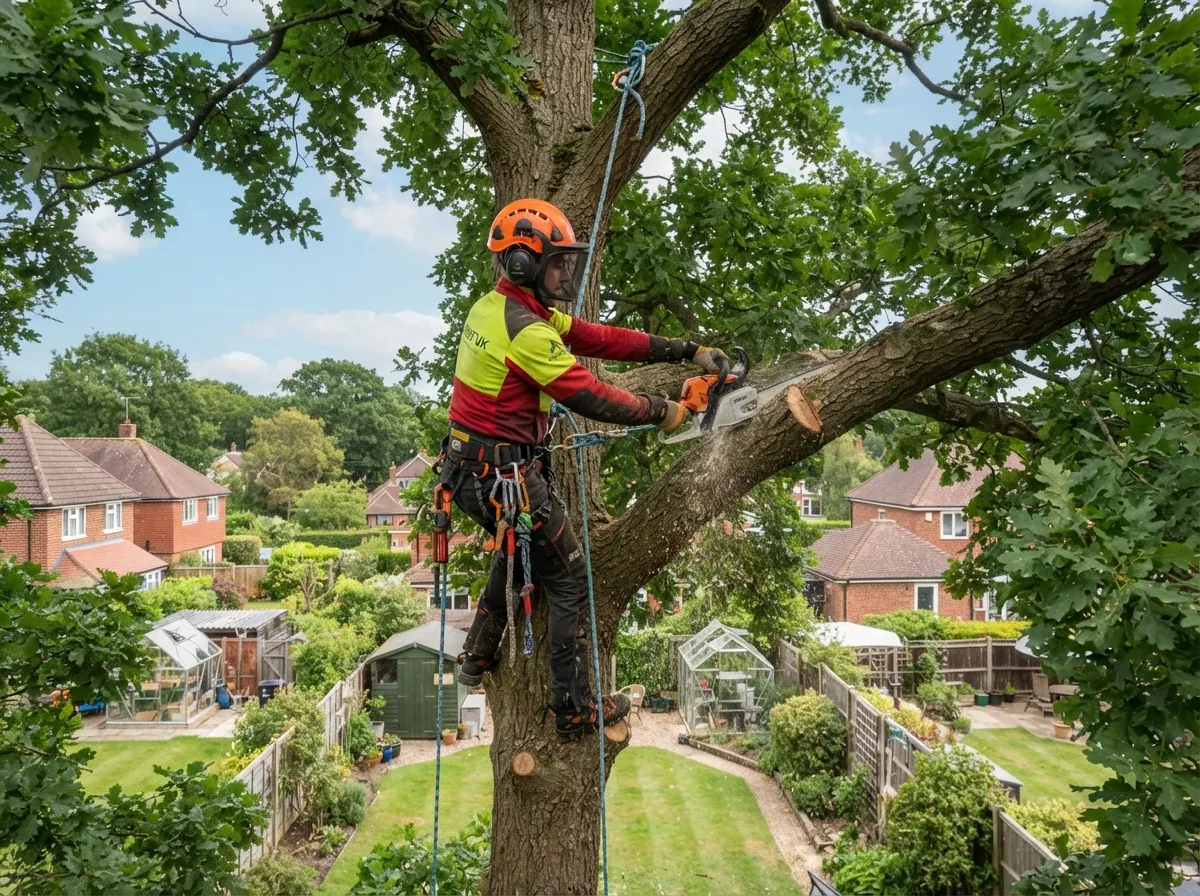
Tree surgery (arboriculture) is one of the most high-risk trades in the UK. Whether you need an overgrown oak's canopy reduced to let light into your garden, or a hazardous dead ash tree completely dismantled before it falls onto your roof, professional arborists are essential.
In 2026, UK tree surgery costs range from £200 for basic ground-level pruning up to £3,000+ to safely fell a massive mature tree. Unlike other trades, pricing is rarely calculated by the hour; it is quoted based on the risk, the access, the volume of green waste to be chipped, and the specific equipment required (from stump grinders to cherry pickers).
~£200
Standard pruning, deadwooding, or crown thinning on a small garden tree (under 5 metres), or trimming an overgrown conifer hedge. Includes basic waste chipping.
~£800
Mid-range project. Felling and completely removing a medium-sized tree (5–12 metres) such as a mature silver birch or rowan, plus grinding out the stump.
£3,000+
High-end specification. Sectional dismantling of a massive, mature hardwood tree (like an Oak or Beech) situated dangerously close to a property or power lines, requiring complex rope rigging.
Get an instant estimate for your tree surgery
Types of Tree Surgery
You don't always need to chop a tree down. Professional arborists use specific techniques to manage size, increase light, and ensure tree health while meeting BS 3998 standards.
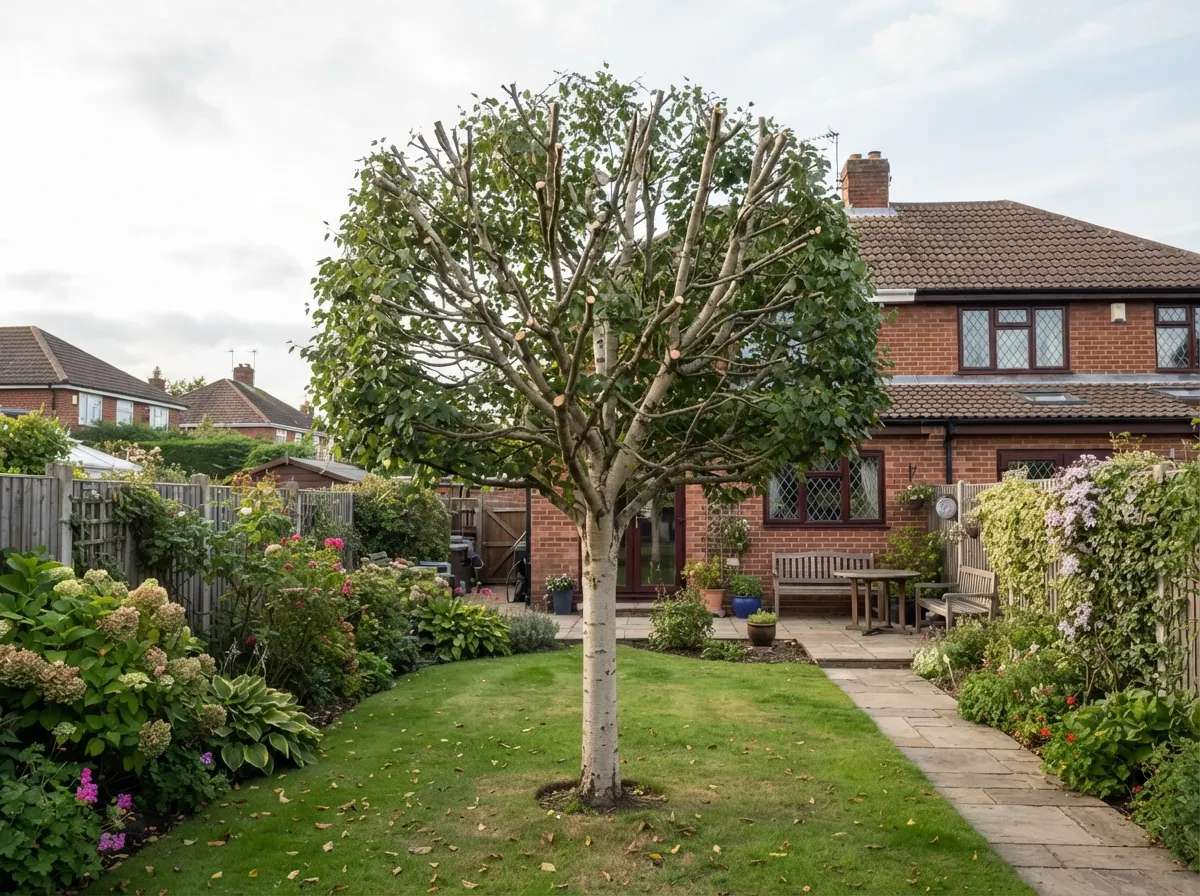
Crown Reduction
Reducing the overall size (height and spread) of the tree canopy by a set percentage (usually 20-30%). This reduces wind resistance and stops the tree outgrowing its space while maintaining a natural shape.
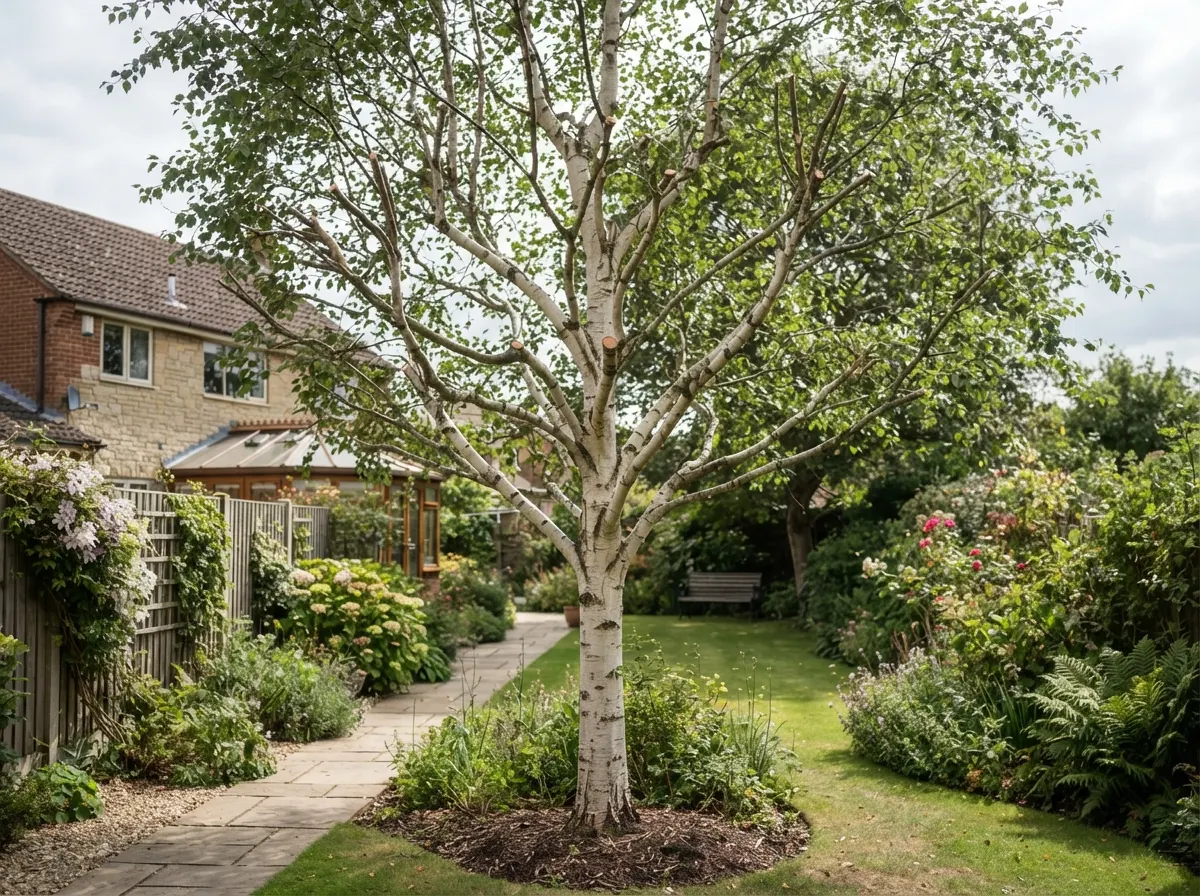
Crown Thinning & Lifting
Thinning removes select inner branches to let more sunlight through to your garden without changing the tree's outer size. Lifting removes the lowest branches entirely, giving clearance for pedestrians or vehicles below.
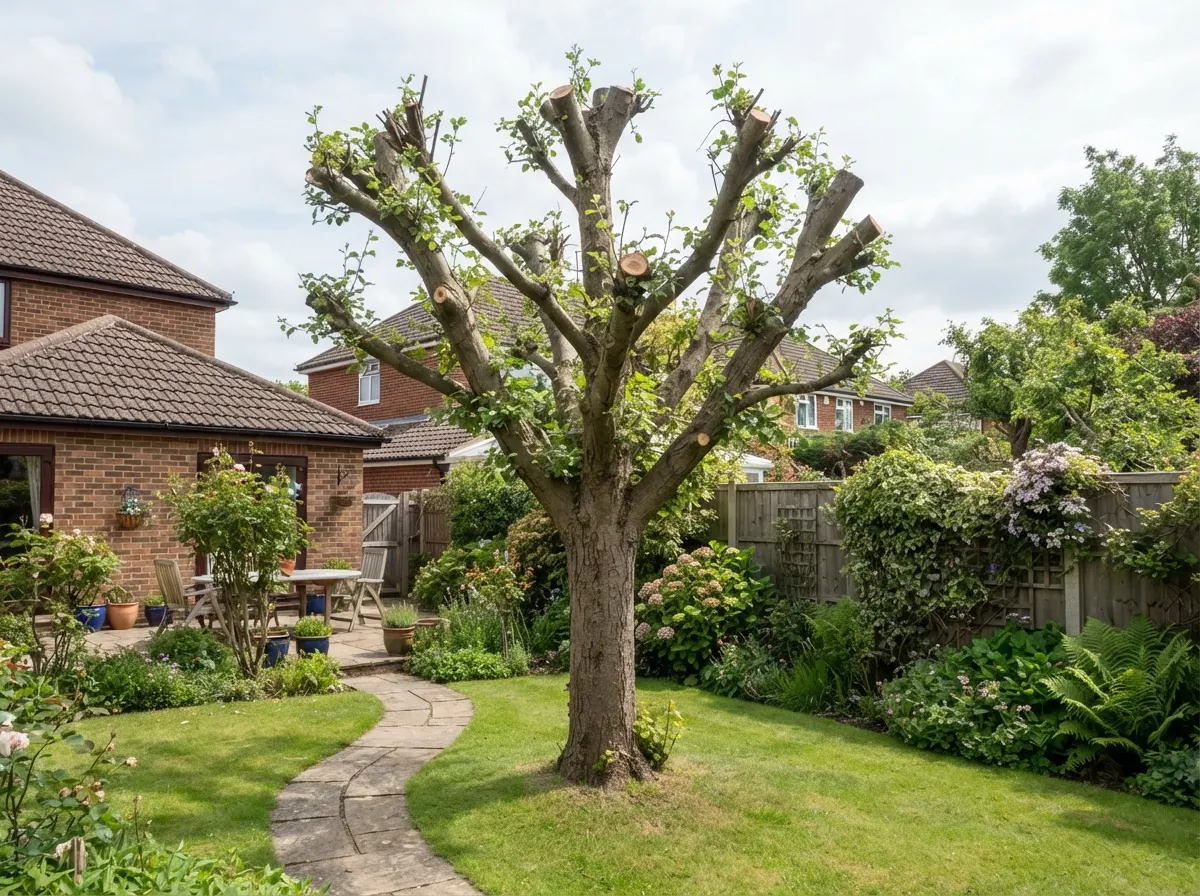
Pollarding
A severe form of pruning where the entire upper canopy is removed back to the main trunk or primary branches. Often used on street trees (like Willow or Lime) to prevent them interfering with power lines. Must be repeated cyclically.
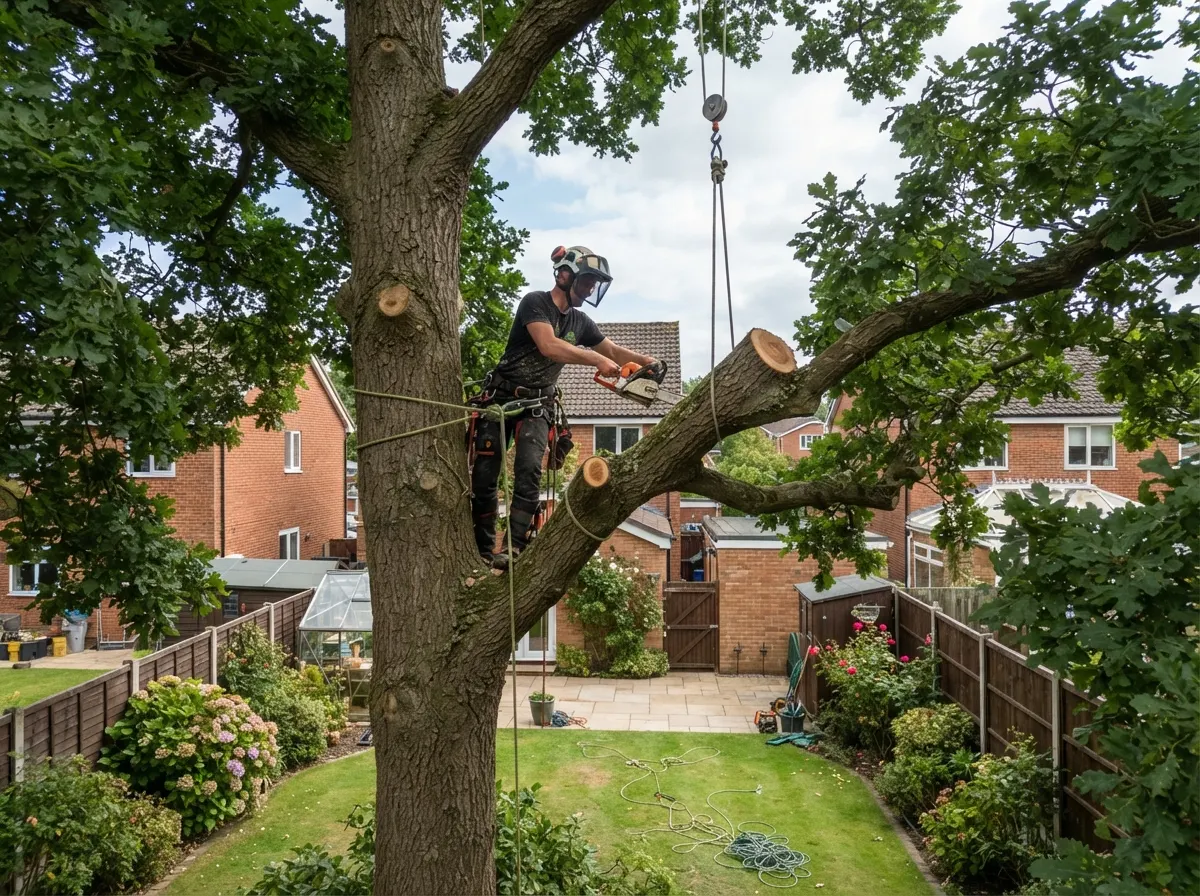
Sectional Dismantling
Used when a tree is too close to a house, greenhouse, or road to simply chop at the base (a straight fell). The climber ascends the tree, cuts it piece by piece, and uses heavy-duty rigging ropes to safely lower 100kg+ branches to the ground without crushing what is below.
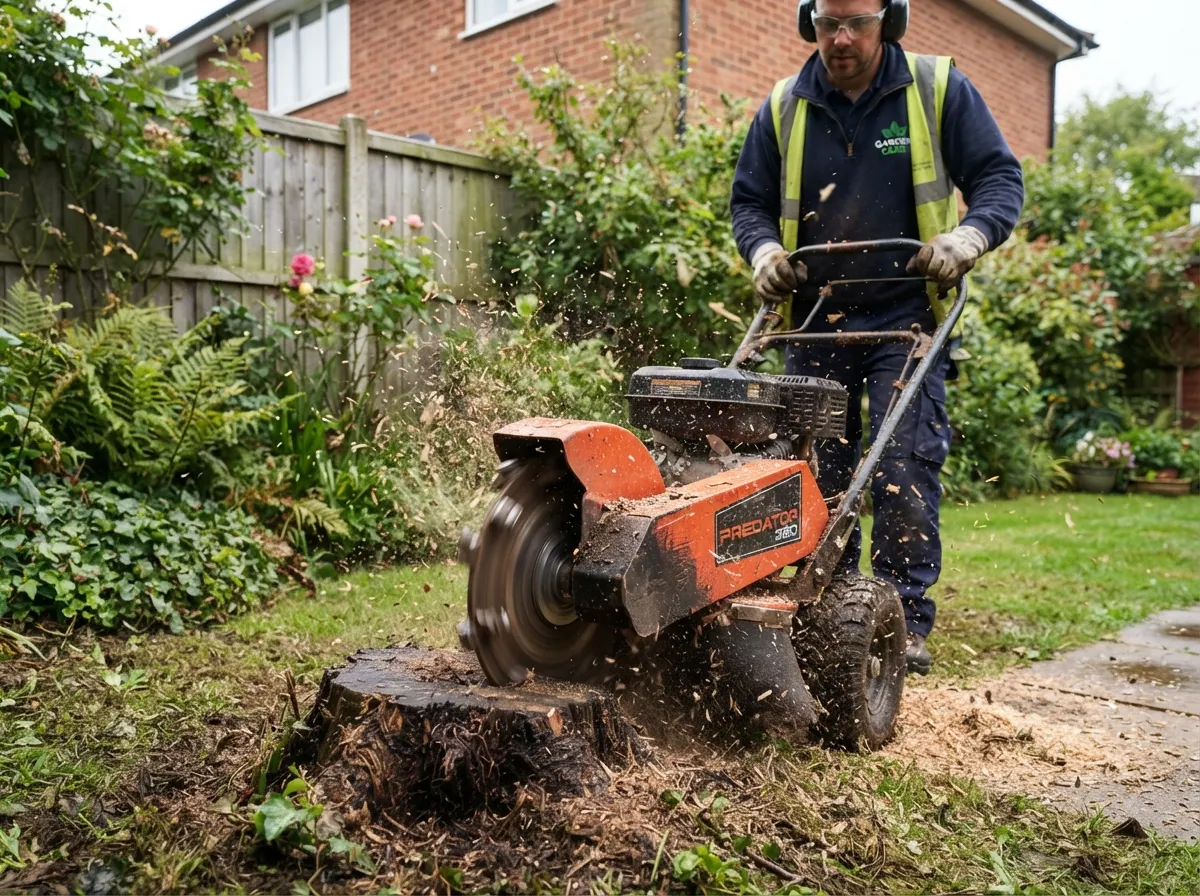
Stump Grinding
Felling a tree leaves a stump. If you want to turf or pave over the area, a specialised mechanical grinder acts like a giant blender, grinding the stump and surface roots into sawdust down to about 300mm below ground level.
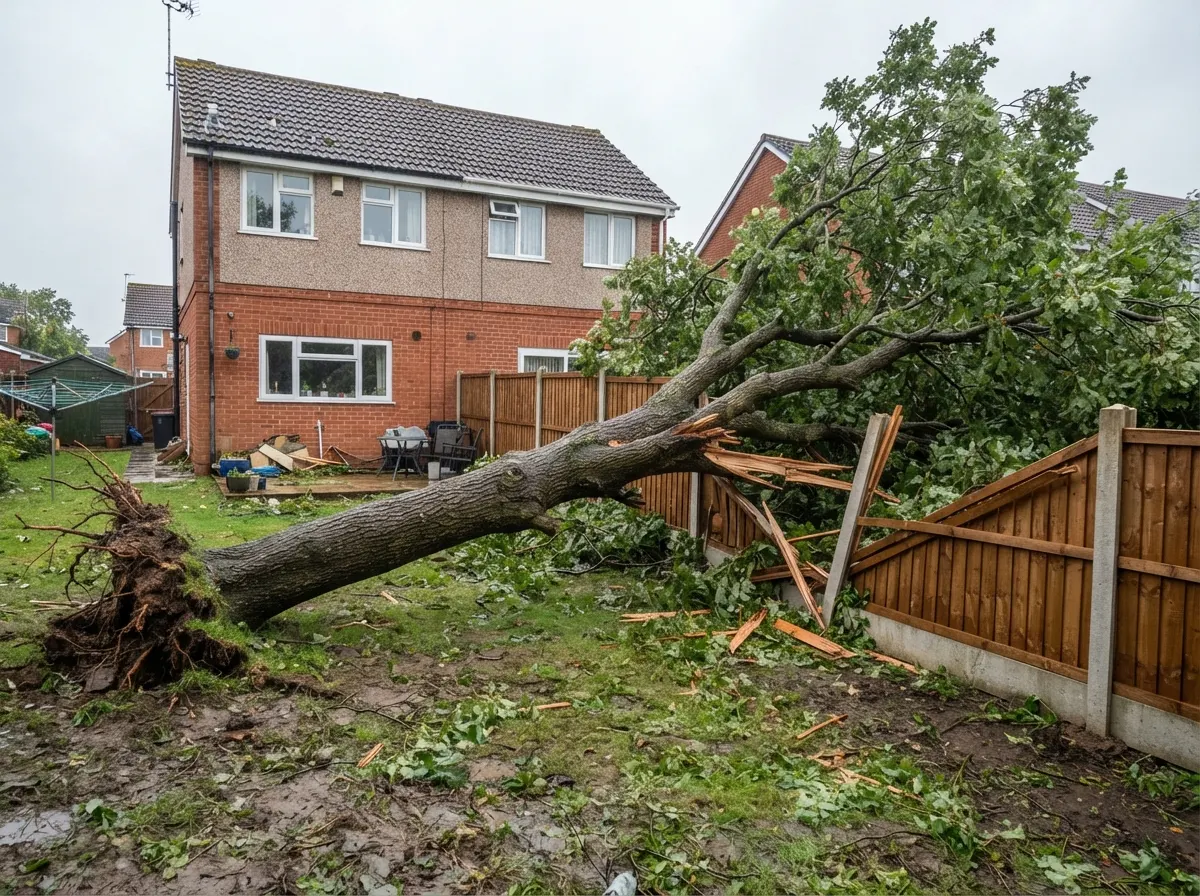
Emergency / Storm Clearance
When autumn gales cause a tree to split or crash onto a driveway, it requires immediate 24/7 emergency response. Because it is unplanned and highly hazardous (wood under tension can snap like a spring), emergency call-outs command premium rates.
Costs by Tree Size & Species
The table below breaks down the typical UK costs for completely removing a tree based on its height. Note that hardwood species (like Oak) are much heavier and harder to cut than softwoods (like Pine), pushing the cost up.
| Tree Size Category | Example Species | Felling / Removal Cost |
|---|---|---|
| Small (Up to 5m / 15ft) | Young fruit trees (Apple, Pear), small Birch, ornamental Cherries. | £250 – £550 |
| Medium (5m to 12m) | Established Silver Birch, Rowan, tall conifers, medium Sycamore. | £550 – £1,200 |
| Large (12m+ / 40ft+) | Mature English Oak, massive Leylandii runs, giant Beech or Ash. | £1,200 – £3,500+ |
| Add-On: Waste Disposal | Running the branches through a wood chipper and hauling away the logs. | Included in most quotes, or £100-£350 extra |
Tree Laws: Before You Chop
Cutting down a tree in the UK without checking the legal status can result in an unlimited fine and a criminal record. Always check these three things.
Tree Preservation Orders (TPOs)
Local councils place TPOs on specific trees to protect them for public amenity. If a tree has a TPO, it is a criminal offence to cut down, uproot, top, lop, or willfully damage it without submitting a formal planning application (taking up to 8 weeks). Fines for ignoring a TPO can exceed £20,000.
Conservation Areas
If your property sits within a designated Conservation Area, all trees with a trunk diameter of 75mm or more (measured at 1.5m above ground) are automatically protected. You must give the council 6 weeks' written notice before carrying out any work, giving them time to decide if they want to issue a TPO to stop you.
Wildlife & Countryside Act 1981
Under UK law, it is illegal to intentionally destroy or damage a bird's nest while it is being built or is in use. The main bird nesting season runs from March to August. Reputable tree surgeons will thoroughly survey the canopy before firing up a chainsaw during these months, and will halt work if active nests are found.
A Day in the Life of a Tree Surgeon
Removing a large tree is a heavily orchestrated military operation. A standard setup involves a team of three: one lead climber in the canopy, and two groundsmen operating the ropes and feeding the wood chipper.
Site Survey
The team arrives with a tipper truck towing an industrial wood chipper. The lead arborist conducts a visual hazard assessment, checking the tree for rot, weak branch unions, and identifying drop zones away from greenhouses and fences.
Climbing & Rigging
Using spiked climbing boots and harnesses, the arborist scales the trunk. They install heavy-duty friction pulleys and rigging ropes into the strongest upper branches, allowing them to control the descent of the wood they are about to cut.
Dismantling & Chipping
Using a top-handled chainsaw, the climber cuts the branches off piece-by-piece. The groundsmen lower the heavy timber safely to the floor using the friction ropes, immediately feeding the leafy branches into the deafening wood chipper.
Trunk & Stump
Once the canopy is gone, the climber systematically chops the main trunk down in sections, letting them fall heavily to the floor. The final stump is either left close to the ground, or ground into sawdust using a stump grinder machine.
Labour Day Rates
Because tree surgery is incredibly dangerous and requires tens of thousands of pounds worth of vehicles, chippers, and insurance, day rates are higher than standard gardening. The quotes below represent a fully equipped team.
Regional Pricing Variations
London homes often have tiny gardens with zero rear access, meaning all waste must be dragged through the house. This, combined with high vehicle costs, causes massive regional inflation.
Managing your tree surgery waste.
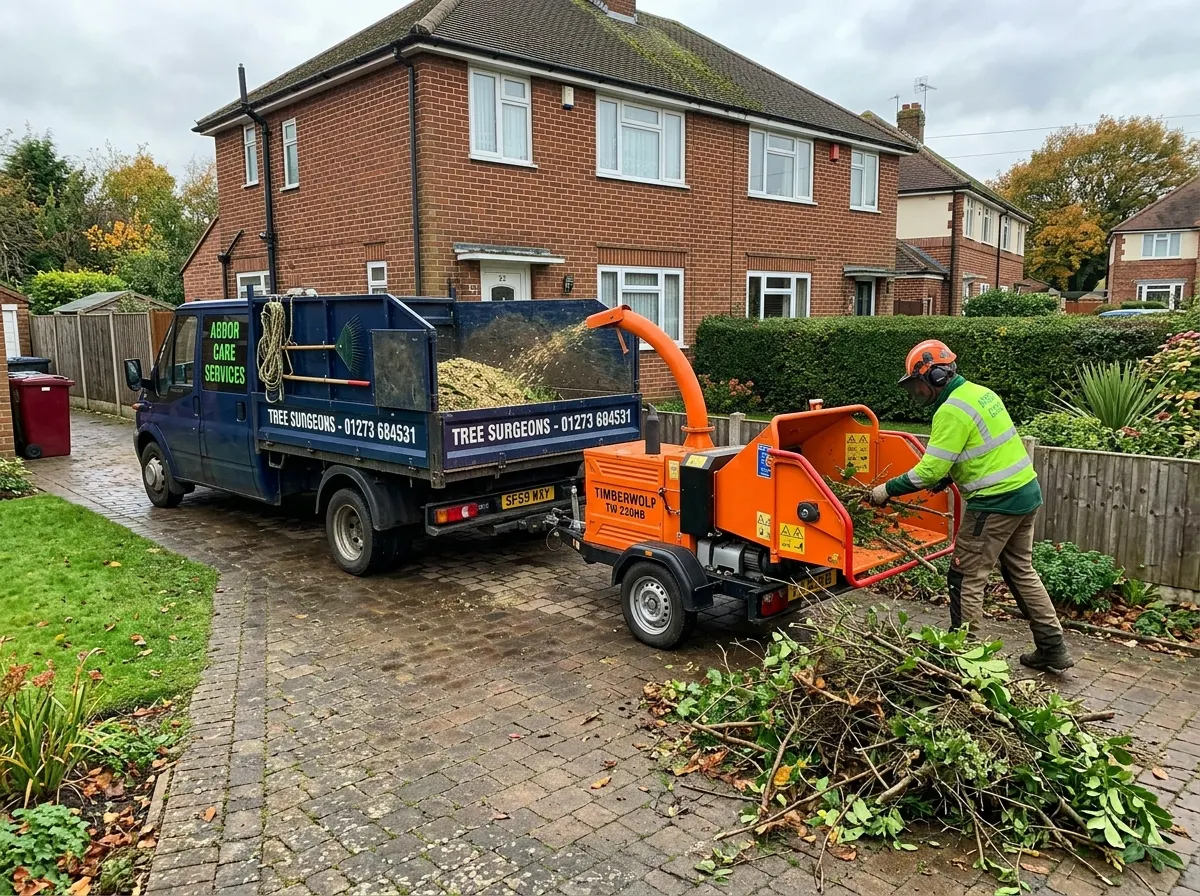
Felling a mature tree or undertaking a heavy crown reduction generates an astonishing volume of bulky green waste. However, unlike standard building projects, you almost never need to organise your own skip or clearance.
-
What gets removed Thick heavy timber logs, large awkward branches, dense leafy foliage, massive amounts of woodchip, and potentially heavy stump grindings if the tree is being completely removed.
-
Woodchippers & Tipper Trucks Professional tree surgeons arrive with commercial woodchippers that instantly shred bulky branches down to a fraction of their size. This mulch is blown straight into the back of their own tipper trucks. Removing the garden waste and logs is factored directly into their quote.
Can you DIY tree surgery?
Absolutely not. Tree surgery involves operating lethal power tools while suspended from ropes, managing unpredictable 500kg falling objects. It kills dozens of DIYers and cowboys globally every year.
What you CAN DIY:
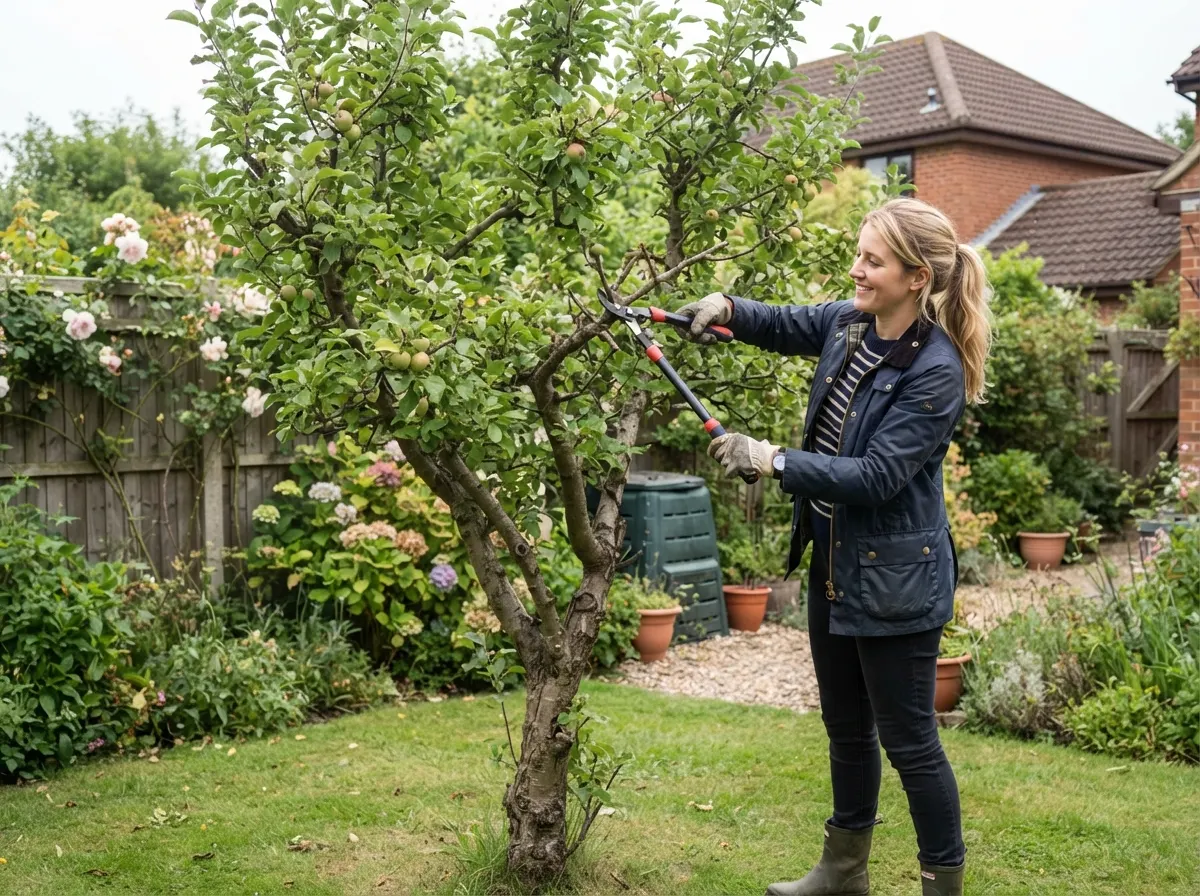
- ✓ Ground-Level Pruning: If you can comfortably reach the branch with a hand-saw or manual loppers while standing firmly on the grass, you can DIY it.
Strictly Pro Only
Chainsaws at Height: Never take a chainsaw up a ladder. If the ladder slips, or if a branch kicks back (barber-chairing) under tension, the chainsaw will swing violently towards you.
Cowboy Operators: Ensure any contractor you hire possesses NPTC or Lantra qualifications and holds at least £5m in Public Liability Insurance. If a cowboy drops a tree onto your neighbour's roof, you could be held personally liable for the damages.
Frequently Asked Questions
How much does it cost to remove a tree in the UK in 2026?
In 2026, professional tree removal costs vary heavily by size and complexity. Small trees up to 5 metres tall cost between £200 and £550 to fell and clear. Medium established trees (5 to 12 metres) range from £550 to £1,200, while large mature trees (12 metres+) requiring rigging or crane assistance can range from £1,200 to £3,500+. London and South East rates typically run 30% to 40% higher.
Do I need local council permission to cut down or prune a tree?
If the tree is in your private garden, you generally own it. However, if the tree is protected by a Tree Preservation Order (TPO) or if your property is located within a designated Conservation Area, you MUST apply for formal council consent or give 6 weeks' written notice before touching it. Felling a protected tree without permission carries severe, unlimited legal fines.
How much does tree stump grinding cost?
Professional tree stump grinding typically costs between £75 and £350 per stump, depending on the trunk diameter, root spread, and physical access constraints (such as narrow garden gates). Stump removal is almost always quoted as a separate add-on fee to the initial tree felling price, so always check your written quotation details.
Can I legally cut my neighbour's overhanging tree branches?
Yes. Under UK common law, you have the legal right to trim any tree branches that cross over your property boundary line. However, you cannot cross the boundary to trespass on their land, you must not damage the health of the tree overall, and legally you should offer the cut wood and clippings back to your neighbour (though they are not obliged to take them).
What is the difference between crown thinning, lifting, and reduction?
Crown thinning removes selected internal branches to let light through without altering the overall tree shape. Crown lifting trims away lower branches to increase clearance above ground level (roads or paths). Crown reduction cuts back the entire outer canopy to a smaller overall volume to control size or reduce wind resistance.
When is the best time of year to prune or cut trees?
Late autumn and winter (dormant season from November to February) is generally the best time for heavy pruning, as deciduous trees are bare, diseases spread less easily, and bird-nesting season has ended. However, certain fruit trees and species are best pruned in summer to prevent sap bleeding or fungal infections.
Are tree surgeons legally required to have insurance and qualifications?
Yes. Professional tree surgery is hazardous work at height involving chainsaws and heavy timber. Always hire arborists holding recognised NPTC City & Guilds qualifications and verified Public Liability Insurance (ideally £5m to £10m cover) to protect your property and liability in case of accidents.
What happens to the green waste after tree surgery work?
Most reputable tree surgery quotes include clearing and removing all branches, logs, and wood chippings from your site. Many contractors use woodchippers on-site and take the waste away for commercial recycling. If you want to keep the log rounds for firewood or woodchips for garden mulch, let your surgeon know in advance.
Need a tree safely removed?
Use our AI to get a precise estimate based on your tree's height, species, and access requirements, then connect with highly qualified NPTC-certified arborists near you.
Did you find this page helpful?
Let us know if this guide helped you plan your project.