How much does garden fencing cost in the UK?
 By Tom Ellis
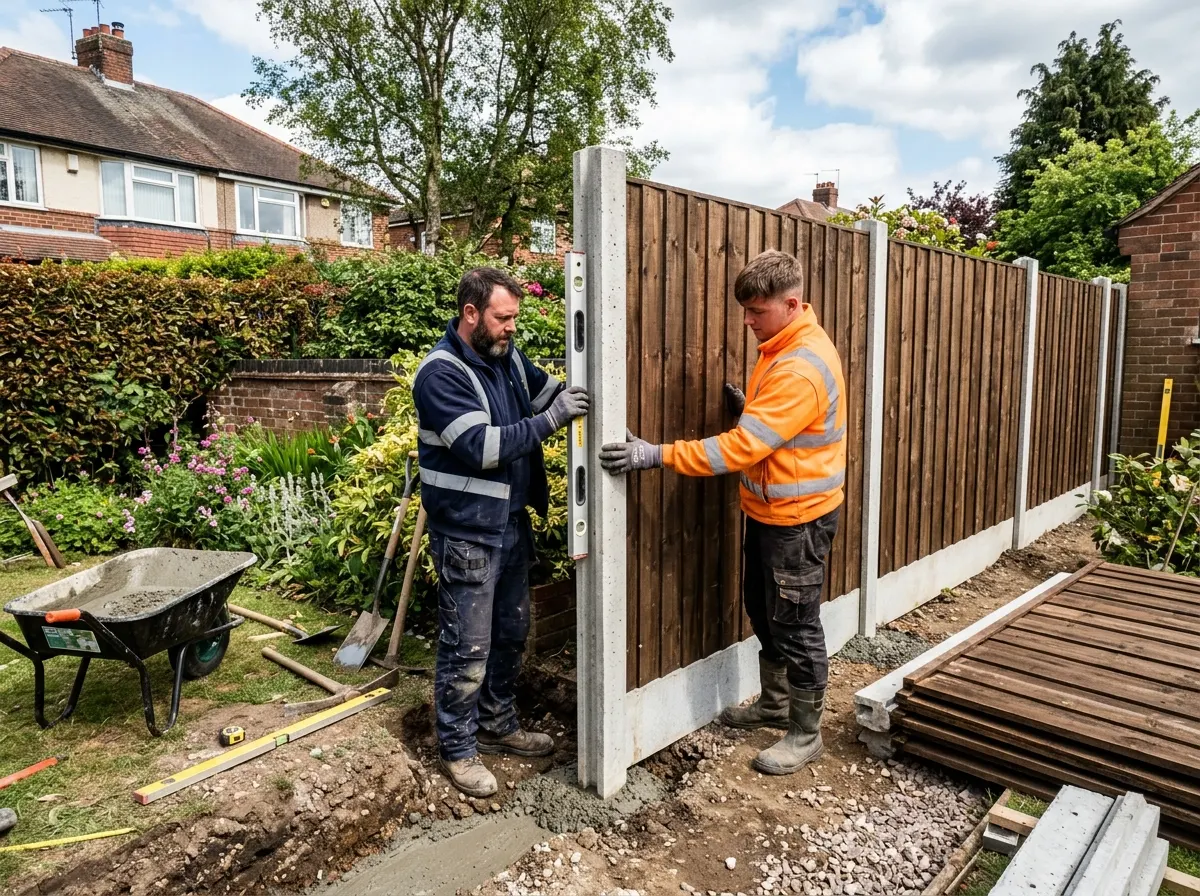
Garden fencing provides essential boundary definition, privacy from neighbours, security for pets, and wind protection for outdoor living spaces. In 2026, replacing a run of garden fencing typically costs between £500 and £3,500, with a standard 10-panel (approx. 18-metre) boundary replacement averaging around £1,200 to £1,800 fully installed.
Fencing quotes are dictated by three core variables: panel construction (budget overlap vs heavy-duty featheredge vs composite), post type (rot-prone timber vs indestructible slotted concrete vs modern steel DuraPost), and ground conditions. Removing thick ivy, hacking out old concrete footings, or terracing panels down a steep slope will quickly escalate the overall labour bill.
~£500
Basic specification. Supplying and fitting 3 to 4 bays of standard dip-treated overlap (waney lap) panels on wooden posts, or replacing storm-damaged panels into existing sound concrete posts.
~£1,500
Mid-range finish. A typical 8-to-10 bay boundary run (approx 15–18m). Includes heavy-duty pressure-treated closeboard panels, slotted concrete posts, concrete gravel boards, and removal of the old fence.
£3,500+
High-end specification. Full double-side garden perimeter, bespoke horizontal Venetian slatted cedar battens, or premium zero-maintenance composite fencing with powder-coated aluminium posts and custom gates.
Get an instant estimate for your fencing
Types of Garden Fencing Panels
The style of panel you choose determines not just the aesthetic, but the fence's ability to survive UK winter gales without blowing over.
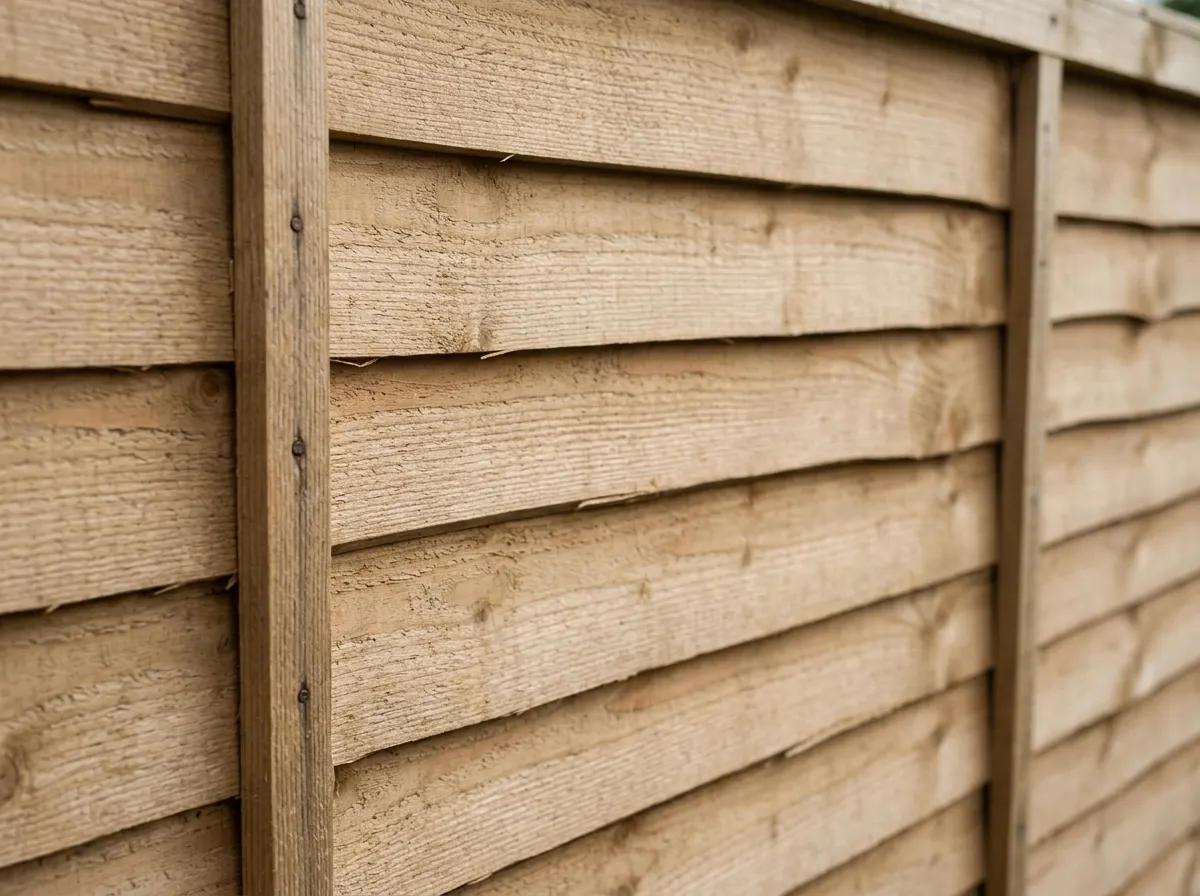
Overlap / Waney Lap
The entry-level standard. Constructed with horizontal overlapping wooden slats secured within a thin outer timber frame. While cheap, they are lightweight and act like sails in high winds, making them the most prone to storm damage.
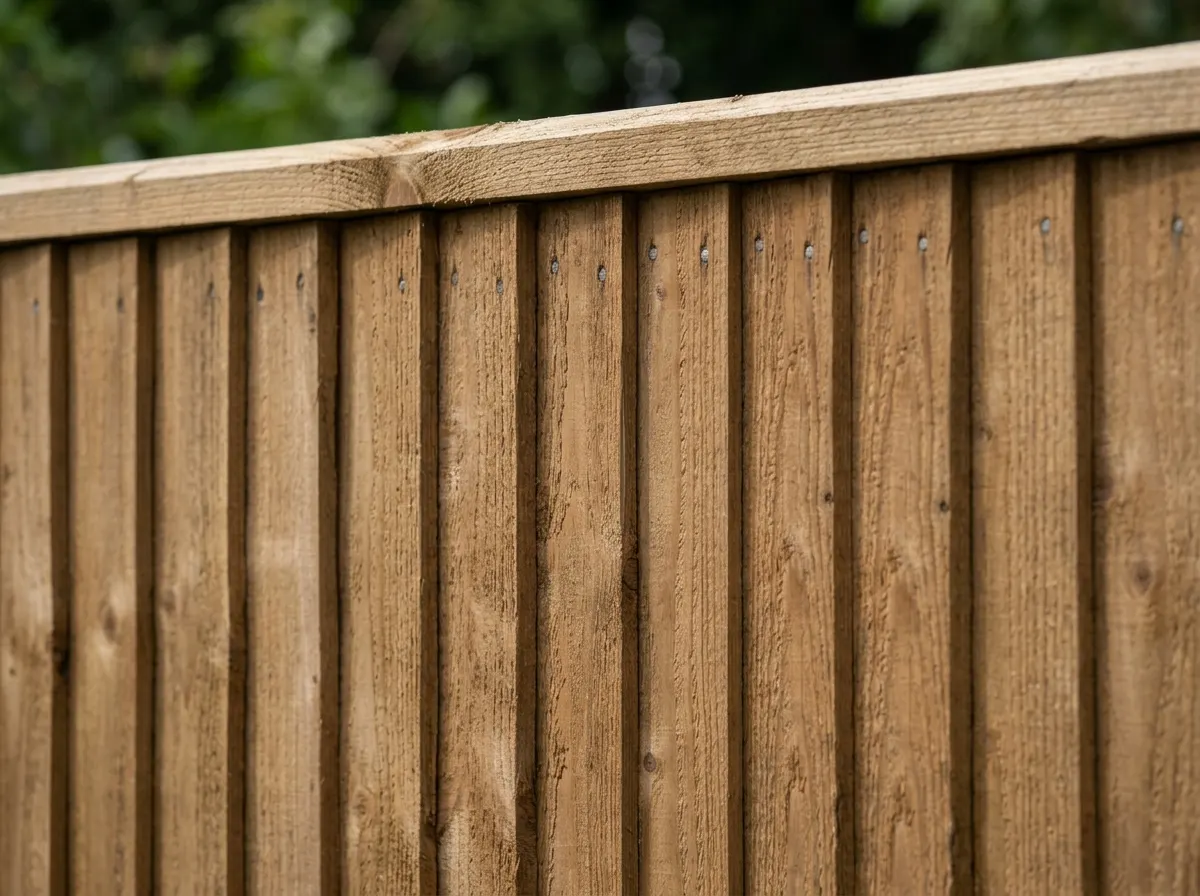
Closeboard (Featheredge)
The UK trade benchmark. Built using vertical overlapping timber pales nailed to heavy horizontal backing arris rails. Can be supplied as pre-assembled 6ft x 6ft panels or custom continuous featheredge built plank-by-plank on site. Highly rigid and wind resistant.
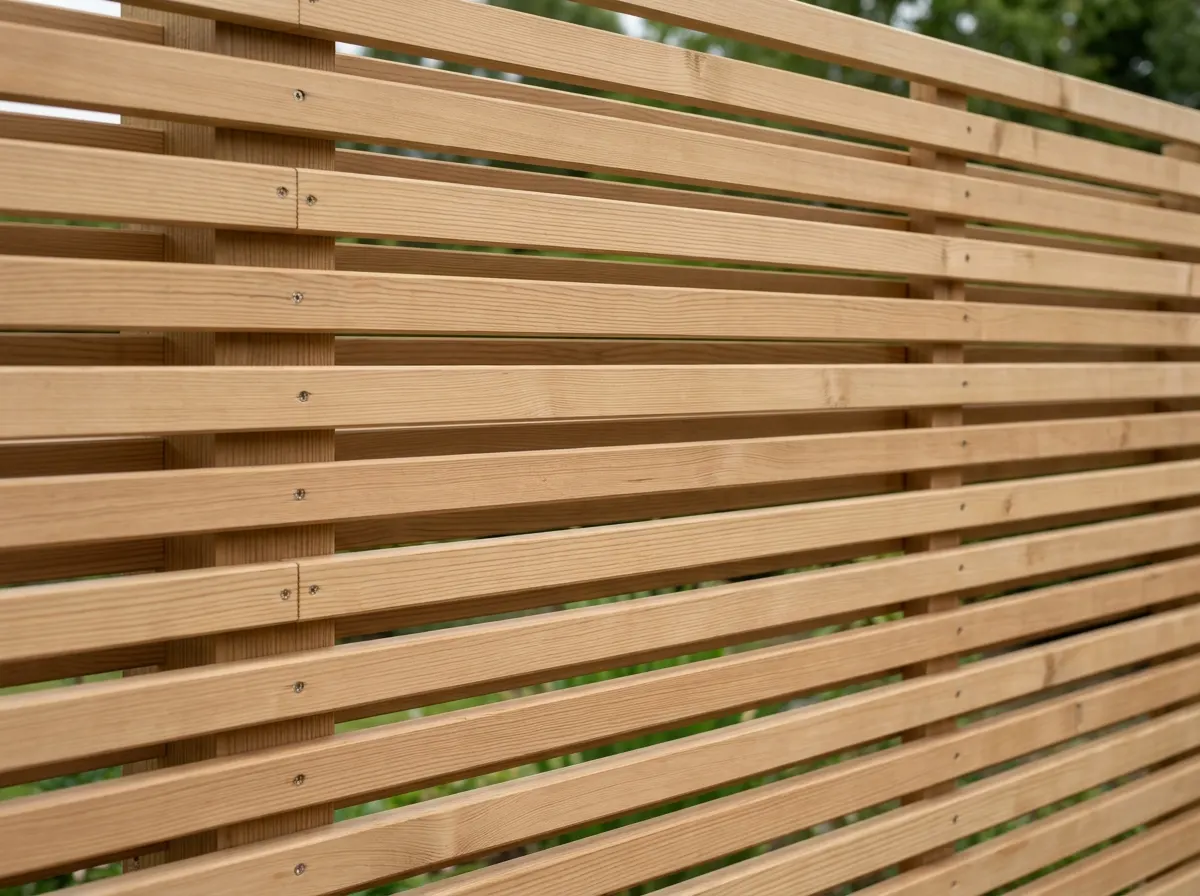
Slatted (Venetian)
Modern horizontal timber battens spaced slightly apart. Highly favoured by garden designers for architectural aesthetics. Because wind can pass directly through the gaps, wind pressure is drastically reduced while maintaining privacy from straight angles.
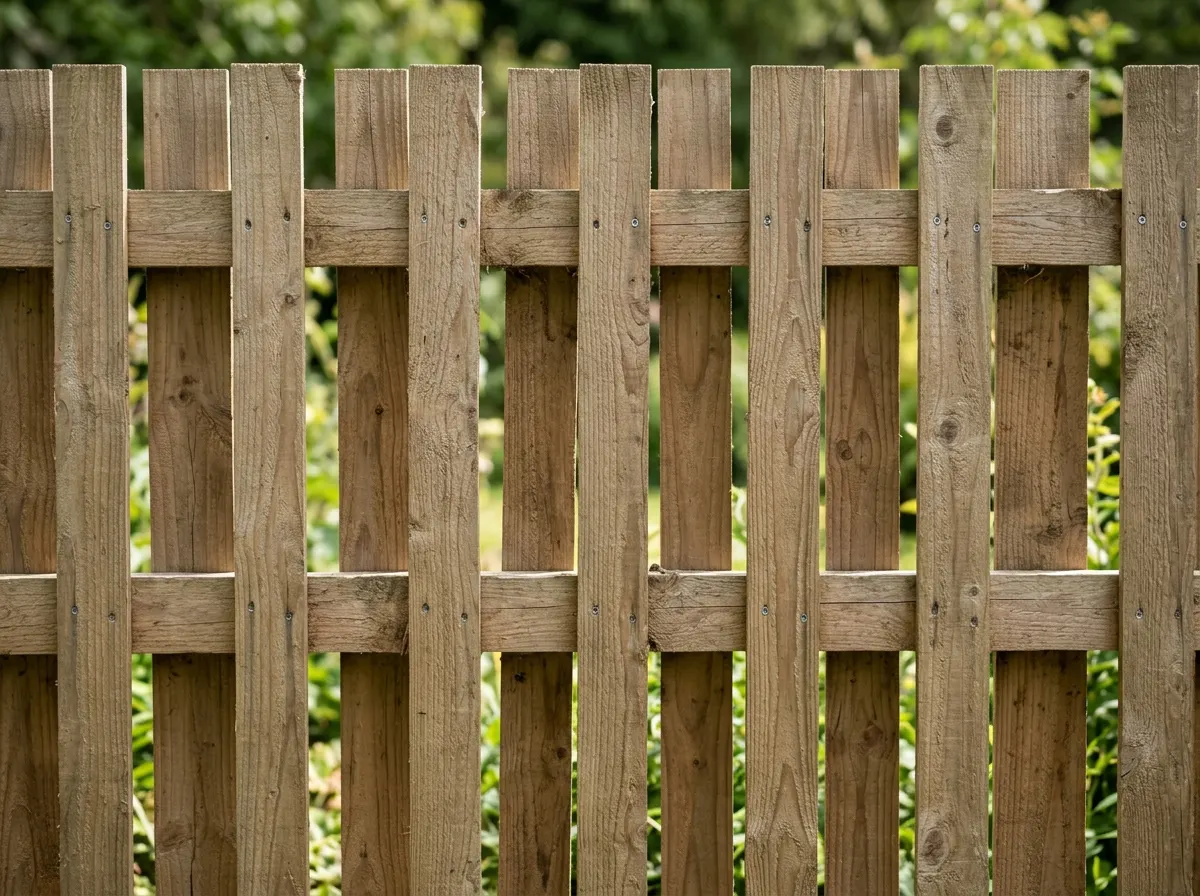
Hit & Miss
Boards are fixed alternately to the front and back of horizontal battens. This allows air to flow freely through the structure while blocking direct line-of-sight. Crucially, the fence looks identical from both sides—ideal for preventing boundary disputes with neighbours.
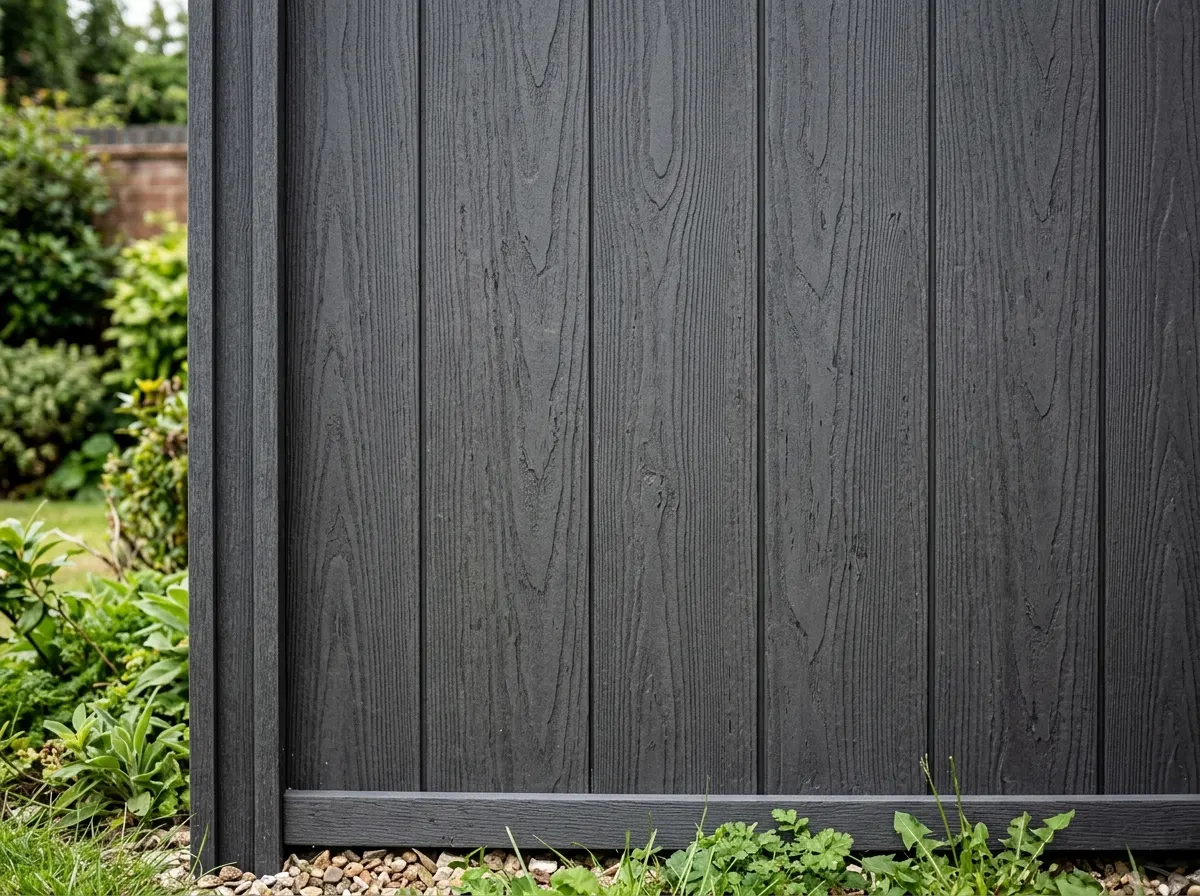
Composite Boards
Manufactured from recycled plastics and wood fibres. Composite tongue-and-groove boards slot into aluminium posts. They never rot, never warp, never require painting or treating, and boast a 25+ year lifespan. High upfront cost, zero lifetime maintenance.
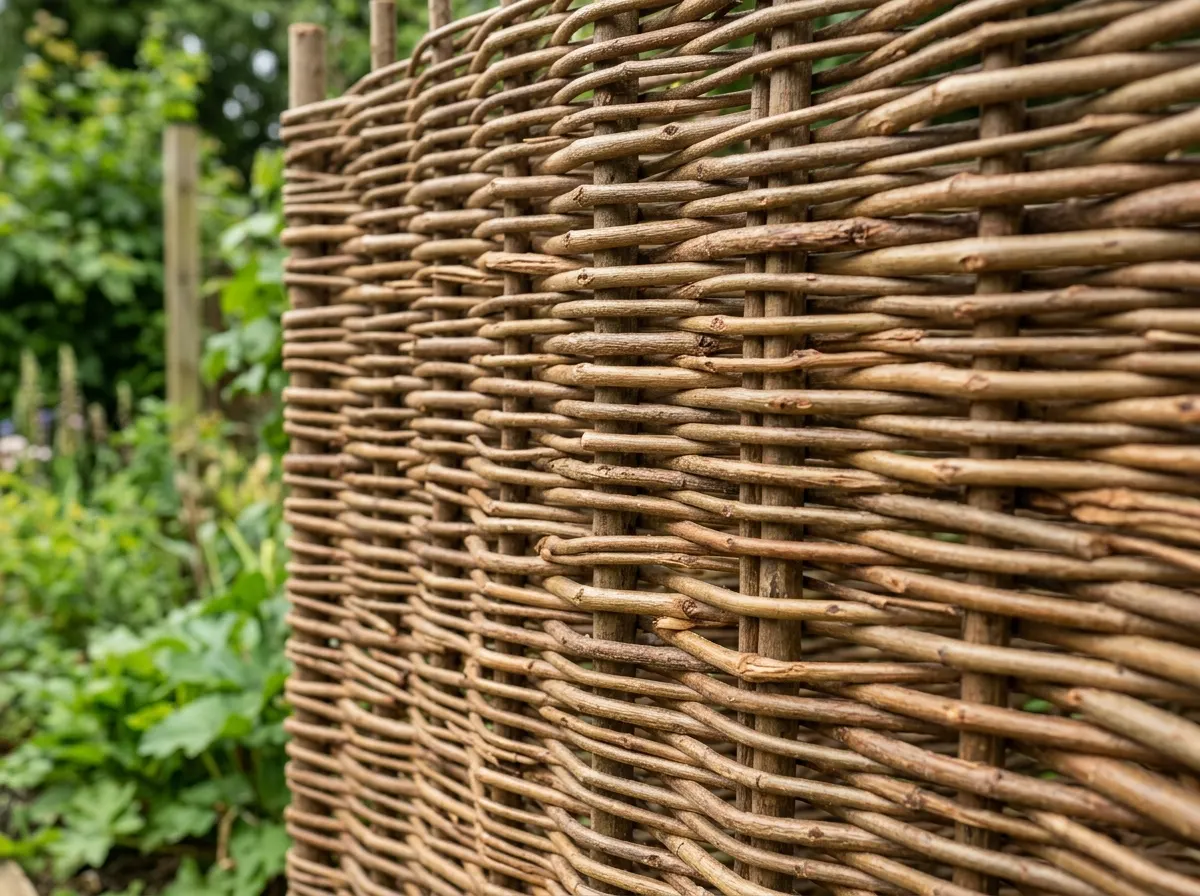
Woven Willow
A traditional, eco-friendly option made by weaving natural willow or hazel branches. Perfect for cottage gardens or creating rustic boundaries, these panels offer excellent wind resistance by filtering rather than blocking gusts, though they typically have a shorter lifespan than treated timber.
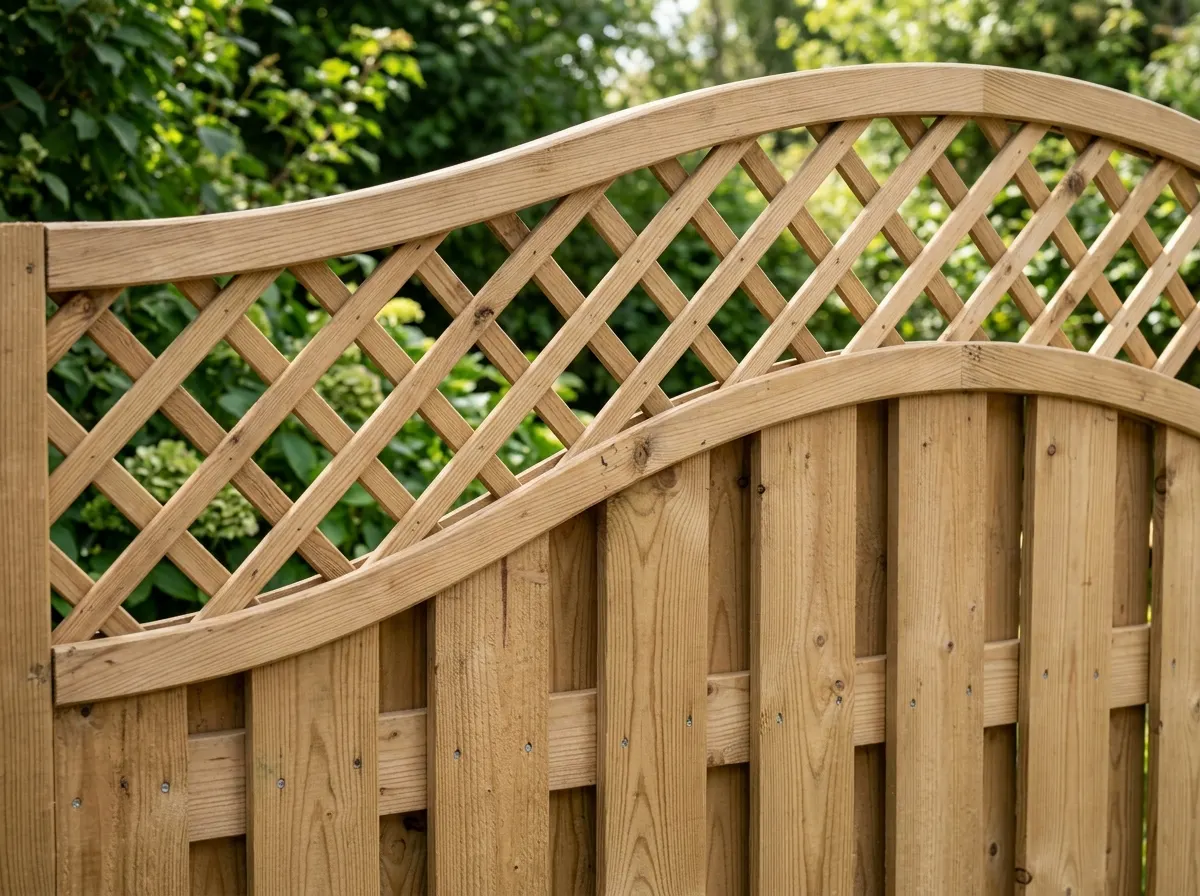
Curved Top (Arched)
Featuring an elegant domed or arched top, these panels soften the hard horizontal lines of standard boundary fencing. Often built using high-quality featheredge or slatted boards, they provide a decorative, premium finish that makes garden boundaries feel less rigid and more expansive.
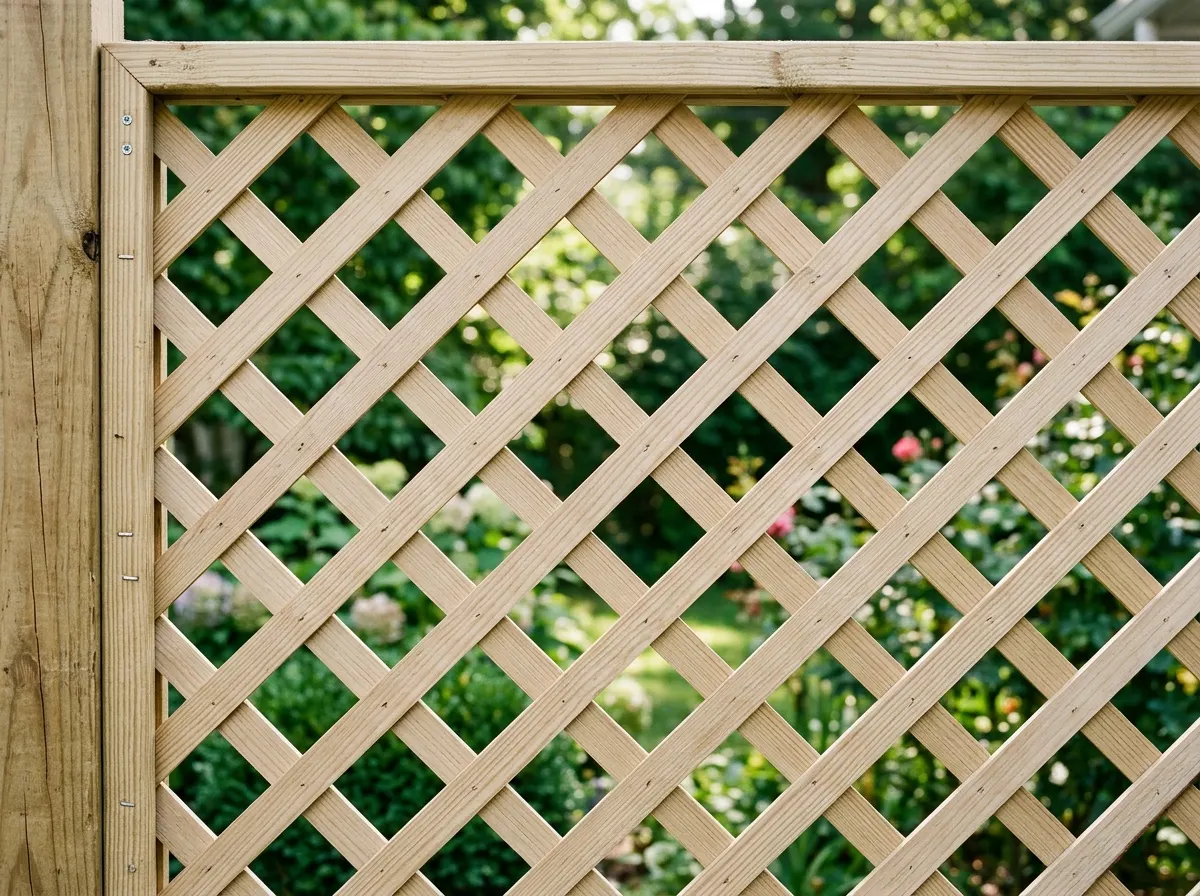
Diamond Lattice (Trellis)
Constructed from criss-crossing timber battens, diamond lattice panels are perfect for zoning areas within a garden or acting as a boundary where you don't want to block natural light. They are also the ultimate support structure for training climbing plants like clematis or ivy.
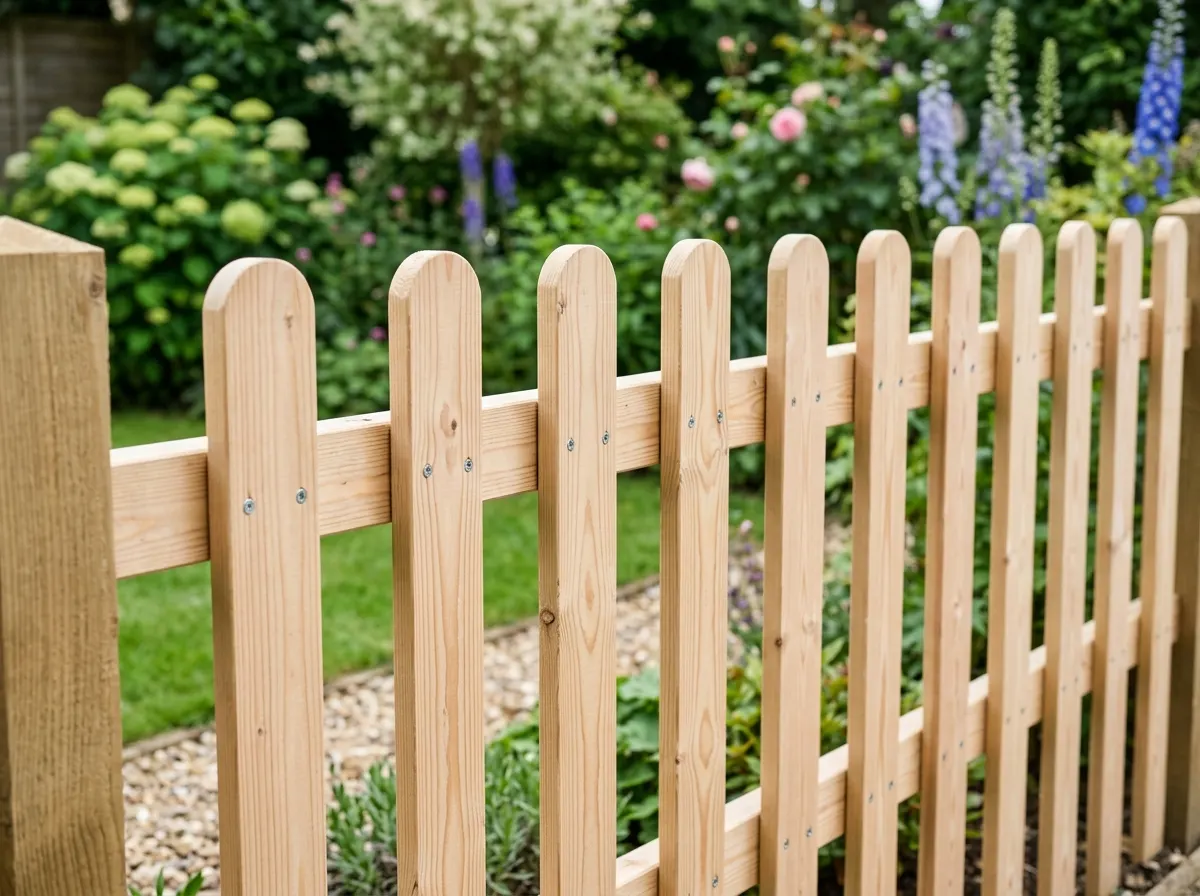
Traditional Picket (Palisade)
Typically 3ft to 4ft high with round, pointed, or flat-topped uprights. Perfect for front gardens, decorative borders, or keeping dogs enclosed without obstructing natural light or views. Easily fits the UK 1-metre highway planning limit.
Posts & Gravel Boards: What Holds It Up
The panels catch the eye, but the posts determine how long the fence stands. A fence rarely fails in the middle of a panel; it snaps at the ground line where the post meets damp soil.
1. Pressure-Treated Timber Posts
Standard 3x3 or 4x4 inch treated softwood posts. Provides a warm, uniform, all-wood aesthetic that looks natural. However, even tanalised Class 4 timber will inevitably suffer fungal rot at ground level within 8 to 15 years.
2. Slotted Concrete Posts
The UK trade favourite. Heavy reinforced concrete posts featuring deep vertical grooves. Wooden or composite panels simply slide down between the slots with no nails or screws required, making future panel replacements an effortless 5-minute DIY task.
3. Cold-Rolled Steel (DuraPost)
Modern galvanised steel posts that weigh 80% less than concrete but withstand gale-force winds exceeding 110mph. Slim profile that doesn't split or rot. Available in powder-coated anthracite grey, olive, or brown to match modern joinery.
The Golden Rule: Never Let Timber Touch Soil
Always specify gravel boards (either 150mm concrete or treated timber kickboards) at the base of your fence. The gravel board rests directly in the dirt so the expensive 6ft fence panel sits safely suspended 6 inches above damp grass, wet leaves, and surface water runoff. Replacing a rotted £12 gravel board ten years down the line is vastly cheaper than replacing entire rotten panels.
Costs per Bay & Linear Metre
UK fencing is traditionally sold in 6ft wide (1.83m) bays. The table below outlines fully installed costs (materials, post, gravel board, Postcrete, and labour combined) for standard 6ft high garden fences.
| Specification (6ft Height) | Cost per 6ft Bay Fitted | Cost per Linear Metre | Typical 10-Bay Run (~18m) |
|---|---|---|---|
| Overlap Panels + Timber Posts | £65 – £95 | £35 – £52 | £650 – £950 |
| Overlap Panels + Concrete Posts & Board | £85 – £120 | £46 – £65 | £850 – £1,200 |
| Closeboard Panels + Concrete Posts & Board | £120 – £165 | £65 – £90 | £1,200 – £1,650 |
| Continuous On-Site Featheredge + Timber | £110 – £150 | £60 – £82 | £1,100 – £1,500 |
| Slatted Venetian Battens + Steel/DuraPost | £160 – £230 | £88 – £125 | £1,600 – £2,300 |
| Premium Tongue-and-Groove Composite | £190 – £290 | £105 – £160 | £1,900 – £2,900+ |
| Add-On: Standard Matching Garden Gate | £150 – £350 fully fitted with heavy-duty T-hinges, Brenton padbolt, and drop latches. | ||
UK Fencing Laws: Heights & Boundaries
Erecting a fence without understanding UK planning permission or neighbour boundary rights can result in costly enforcement notices to tear it down.
The 2-Metre Height Limit
Under UK Permitted Development rules, rear and side garden fences can reach a maximum height of 2 metres (6.56 feet) above natural ground level without requiring planning permission. This 2-metre measurement includes the gravel board and any trellis fixed to the top. Going even an inch higher requires formal planning approval from your local council.
The 1-Metre Highway Restriction
If your fence fronts a public highway, vehicular road, or public footpath used by pedestrians, the maximum permitted height drops to just 1 metre (3.28 feet). This restriction exists to preserve driver sightlines at junctions and driveways. If you want a 6ft privacy fence in your front garden adjacent to a road, you must apply for planning permission.
The "Good Side" vs Neighborly Etiquette
There is no statutory UK law stating who gets the "good side" (the smooth face) of a fence. However, British convention and courteous etiquette dictate that the smooth face faces out towards your neighbour or the public road, with your posts and support arris rails facing into your own garden. Alternatively, choosing Hit & Miss fencing eliminates the issue entirely.
Boundary Ownership & "T-Marks"
The common belief that "you always own the fence on the left" is a pure urban myth. The only legal indicator of boundary ownership is found in your property's Title Deeds. If a deeds plan has an inward-facing "T" mark on your side of the boundary line, maintenance responsibility falls to you. An "H" mark (two opposing T's) denotes a jointly owned party wall fence.
How long does fence installation take?
A professional two-person fencing team can comfortably install 6 to 10 bays per day over clear ground. Here is the step-by-step installation cycle.
Tear-Out & String Lines
The old rotten fence is dismantled. Buried concrete plugs are broken out using heavy breaker bars or SDS demo hammers. A high-tension string line is pulled along the exact boundary to ensure the new run is pin-straight.
Digging the Footings
Using manual post-hole augers or scissor shovels, holes are dug every 6 feet. Holes must reach a minimum depth of 600mm (2 feet)—the golden ratio for a 6ft fence to withstand gale-force sideways leverage.
Concreting the Posts
Posts are aligned with a post-level. Fast-setting Postcrete is poured with water into each hole, setting hard in 10–15 minutes. Gravel boards are slotted in at the base and levelled across the spans.
Fitting & Gates
Panels are slid into concrete slots or screwed securely into timber uprights. Wooden capping rails are nailed over the top to shed rainwater. Garden gates are hung and tested for latch swing.
Aftercare: Painting, Staining & Maintenance
A quality wooden fence can last anywhere from 8 to 25 years depending entirely on how it is treated and protected from the British elements.
Pressure-Treated (Tanalised)
Tanalised wood has chemical preservatives forced deep into the timber grain under high vacuum pressure (distinguishable by a subtle greenish hue). It needs zero treatment for its first 12–24 months. Cheap "dip-treated" panels (golden orange) only have a surface wash and must be resealed immediately.
Check timber specs before buyingStain vs Oil vs Exterior Paint
Waterproof fence stains (like Ronseal or Cuprinol Ducksback) repel water while allowing the wood to breathe. Oil-based finishes (like modern Creocote) deeply nourish dry timber and prevent fungal rot. Standard exterior acrylic paint coats the surface nicely but can trap inner moisture and peel if the wood swells.
Reapply every 2 to 3 yearsRattle-Stops & Wind Care
When wooden panels shrink in dry weather, they can rattle noisily in concrete post slots during windstorms. Fitting simple metal fence-panel wedges stops the movement and prevents the wind from vibrating the panels loose. Keep climbing plants (like heavy wisteria or ivy) trimmed back so they don't overload the fence in autumn gales.
Inspect after heavy stormsFencing Labour Rates
Fencing requires two people minimum—one holding and levelling heavy 45kg concrete posts while the other mixes Postcrete. Most fencing contractors quote a combined team day rate or factor £25–£45 labour per bay.
Regional Price Variations
Labour and waste skip hire fluctuate depending on your UK postcode, with London and the South East commanding significant premiums.
Fencing Red Flags to Watch Out For
Poorly installed fences look fine on day one, but collapse during the first 50mph autumn storm. Watch out for these corner-cutting tactics:
Shallow Post Holes
Digging 600mm (2ft) deep in rocky clay is hard physical work. Cowboy contractors frequently cheat by digging only 300mm–400mm deep and tossing in half a bag of Postcrete. A 6ft fence acts as a huge lever arm; shallow posts will tilt and rip out of the ground in the first gale.
Omitting Gravel Boards
If a contractor quotes you to install timber panels sitting directly on bare earth or grass without a gravel board to save money, walk away. The wooden panel will act like a sponge, drawing up groundwater and rotting through within 2 to 3 winters.
Reusing Rotten Wooden Posts
Contractors who offer a "cheap repair" by nailing new panels to your old, weathered wooden posts are doing you a disservice. If the old post is more than 8 years old, its core is already decaying underground. Always replace the post when replacing the panel run.
Managing your old fencing waste.
Replacing a garden fence often leaves you with a deceptive amount of awkward, bulky waste. Tearing down just a few metres of old fencing generates heavy concrete lumps and long timber panels that are difficult to transport in a standard family car.
-
What you'll be clearing Rotten timber panels, broken wooden or concrete fence posts, heavy concrete spurs, dug-out postcrete foundations, and any overgrown ivy or brambles attached to the old fence line.
-
Skips vs Fencer Removal Fencing waste consists of bulky timber and awkward concrete chunks, making a 6-yard or 8-yard skip ideal. However, a lot of professional fencing contractors offer waste removal as a cheaper add-on using their own flatbed vans, so it is always worth checking with them before booking your own skip.

Can you install garden fencing DIY?
Fencing is simple in theory, but brutally heavy and unforgiving in practice. If a post is out by half an inch, the 6ft panel will not slot in. However, certain maintenance tasks are ideal for homeowners.
What you CAN DIY:
- ✓ Slotted Panel Replacements: If you already have existing sound concrete posts, sliding out a broken wooden panel and dropping in a brand new 6ft closeboard panel is a straightforward 2-person DIY job that saves £100+ per panel.
- ✓ Painting & Staining: Once the fence is erected, applying protective water-repellent stain with a brush or pump sprayer is an easy weekend DIY project.
Leave to the Pros
Full Boundary Replacements: Digging 10+ holes through tree roots, buried rubble, and solid clay, carrying 45kg concrete posts, and pulling a true, level string line across uneven gradients requires commercial trade tools and serious physical stamina.
Sloping Boundaries: Stepping panels down a slope requires custom cutting gravel boards and altering post lengths to prevent unsightly triangular gaps underneath.
Frequently Asked Questions
How much does fencing cost per metre in the UK in 2026?
Basic overlap fencing costs £35–£52 per linear metre fully fitted. Mid-range closeboard (featheredge) with concrete posts averages £65–£90 per metre. Contemporary slatted Venetian or premium composite fencing ranges between £90 and £160+ per metre depending on ground conditions and access.
Which side of the fence should face my neighbour?
There is no legal rule stating you must give your neighbour the "good side" (the smooth side without the structural rails). However, it is standard practice and common courtesy to face the good side outwards toward the street and neighbours, keeping the structural posts and rails on your side for security (preventing intruders from climbing them).
Do I need planning permission for a 6ft fence?
In rear and side gardens, a standard 6ft (1.83m) fence falls comfortably under UK Permitted Development rules (which allow up to 2 metres / 6.56ft). However, if your fence borders a public vehicular highway or pavement, you cannot exceed 1 metre in height without applying for formal planning permission.
Are concrete fence posts better than wooden timber posts?
Yes, for longevity. Concrete posts never rot in wet soil, never need treating, and will easily last 30+ years. If a panel breaks in a storm, you simply slide it out of the concrete slot and drop a new one in. Wooden posts look warmer and more natural but are prone to rotting at ground level within 8–15 years if not rigorously maintained.
What is a gravel board and do I really need one?
A gravel board is a 150mm to 300mm plank (usually concrete or pressure-treated timber) placed at the bottom of the fence, sitting directly on the soil. It protects the main wooden fence panel from ground moisture, rot, and strimmer damage. Using concrete gravel boards significantly extends the lifespan of your entire fence.
Can my neighbour force me to pay for a new shared fence?
No. Under English and Welsh property law, there is generally no legal obligation to fence your land at all (unless explicitly specified in your title deeds to prevent livestock escaping). If a boundary fence is shared, neither neighbour can legally force the other to contribute to repair or replacement costs.
How deep should fence post holes be dug?
The golden rule for standard 6ft fencing is that the hole must be at least 600mm (2 feet) deep. That means you must buy an 8ft post (2.4m) so that 2ft is concreted securely below ground, leaving 6ft above ground to support the panel and resist high wind loads.
Which fence style is best for high winds and exposed gardens?
Hit & Miss and contemporary Venetian slatted fencing perform best in gale-force winds. Because the air can pass straight through the gaps between the alternating boards, aerodynamic drag is reduced by up to 40% compared to solid lap panels, drastically lowering the chance of the fence blowing down.
Ready to replace your garden fence?
Use our AI to get a precise estimate based on your exact boundary length, post specifications, and gate requirements, then connect with Pricing Penguin Accredited fencing contractors near you.
Did you find this page helpful?
Let us know if this guide helped you plan your project.