How much does plastering cost in the UK?
 By Tom Ellis
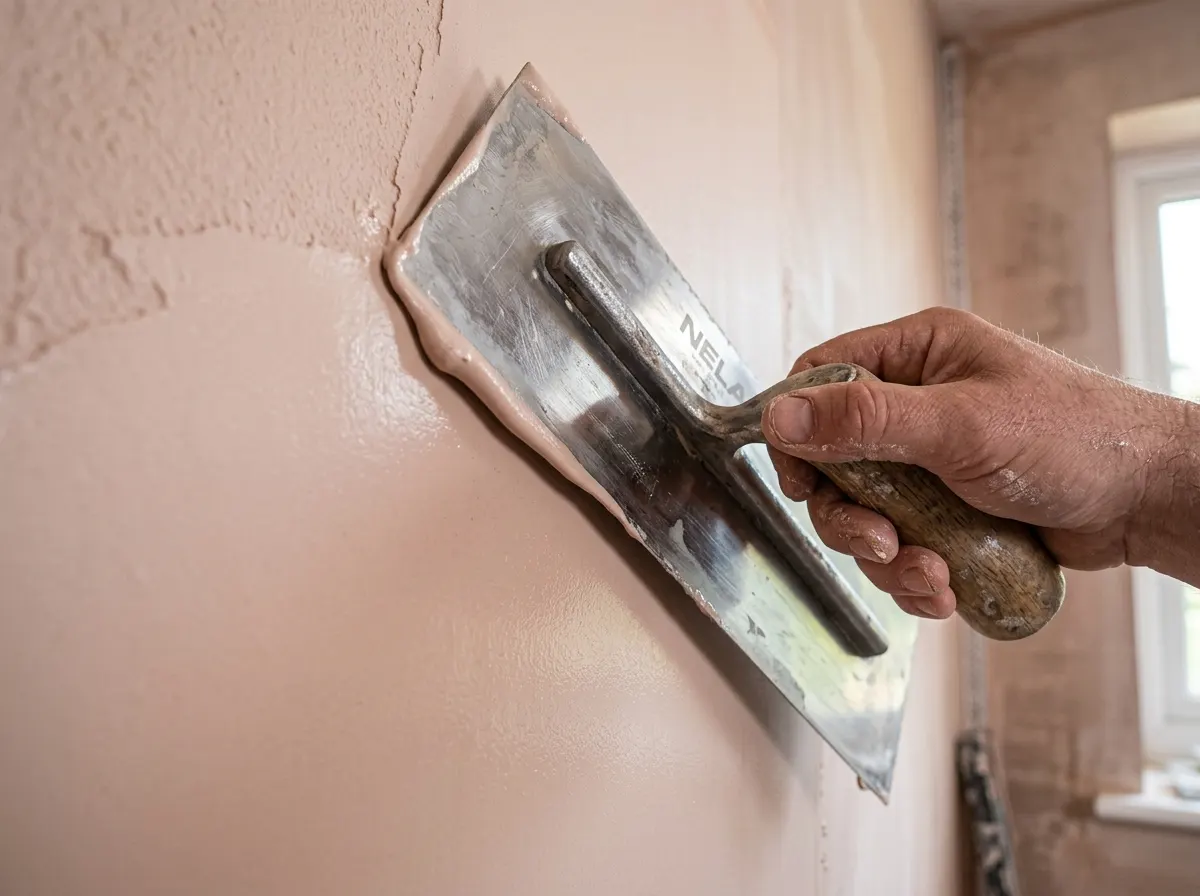
Whether you are covering up dated 1980s Artex, repairing blown walls, or finishing a brand new extension, professional plastering is the essential foundation for a beautiful home. A glassy, perfectly flat skim coat makes all the difference when it comes time to paint.
Plastering costs between £300 and £4,000 in the UK for 2026. Skimming a single room costs £300–£500, full re-plastering (back to bare brick) runs £600–£1,200 per room, and a whole house can quickly reach £4,000+. Plasterers generally charge £150–£250 per day, with the "skim vs full replaster" decision being the biggest factor in your final quote.
~£300
Basic specification. Applying a 2-3mm top coat of finishing plaster over existing flat walls and ceiling to make them perfectly smooth for painting.
~£1,500
Skimming 2-3 rooms, boarding over an old Artex ceiling, and patching up blown areas of plaster where old wallpaper has caused damage.
£4,000+
High-end specification. Stripping back to bare brick, applying a hardwall/backing coat, and skimming an entire 3-bed property.
Get an instant estimate for your plastering
Types of Plastering
"Plastering" covers a vast array of skills, from rapid modern drylining to historic restorations. The method and materials dictate the speed, cost, and suitability for your home.
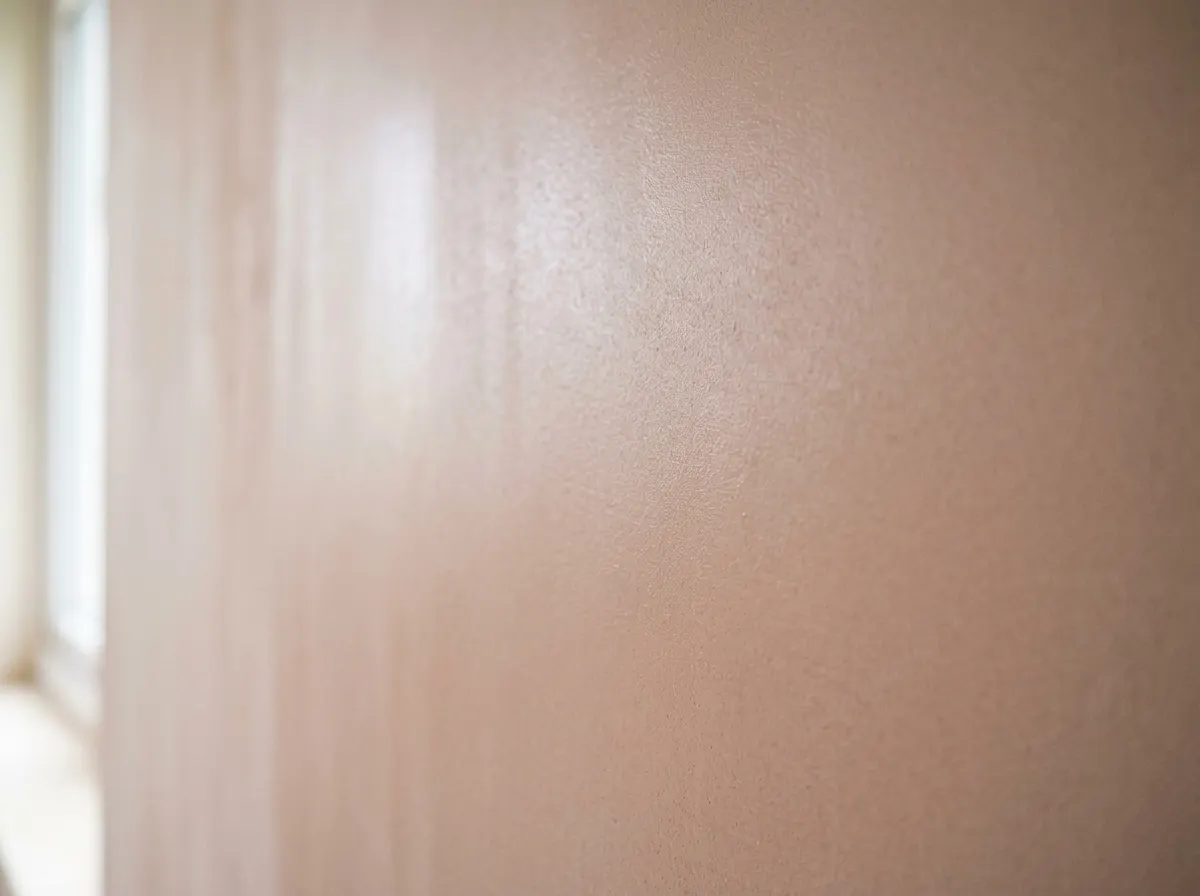
Standard Gypsum (Skimming)
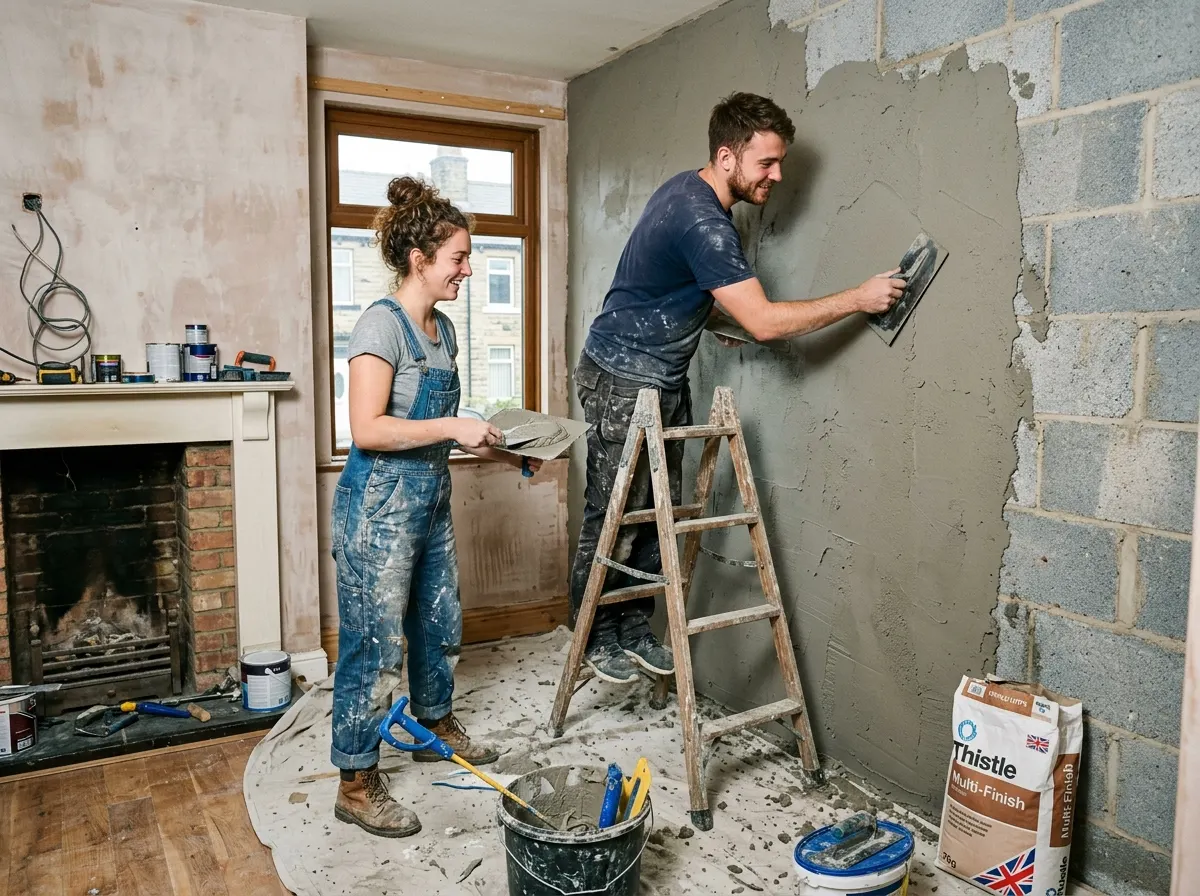
The modern UK standard. Uses gypsum-based plaster (like British Gypsum's Thistle Multi-Finish). It is applied as a wet 2-3mm skim coat over plasterboard or backing plaster. It sets hard, traps heat well, and creates a perfectly smooth, pink finish ready for paint.
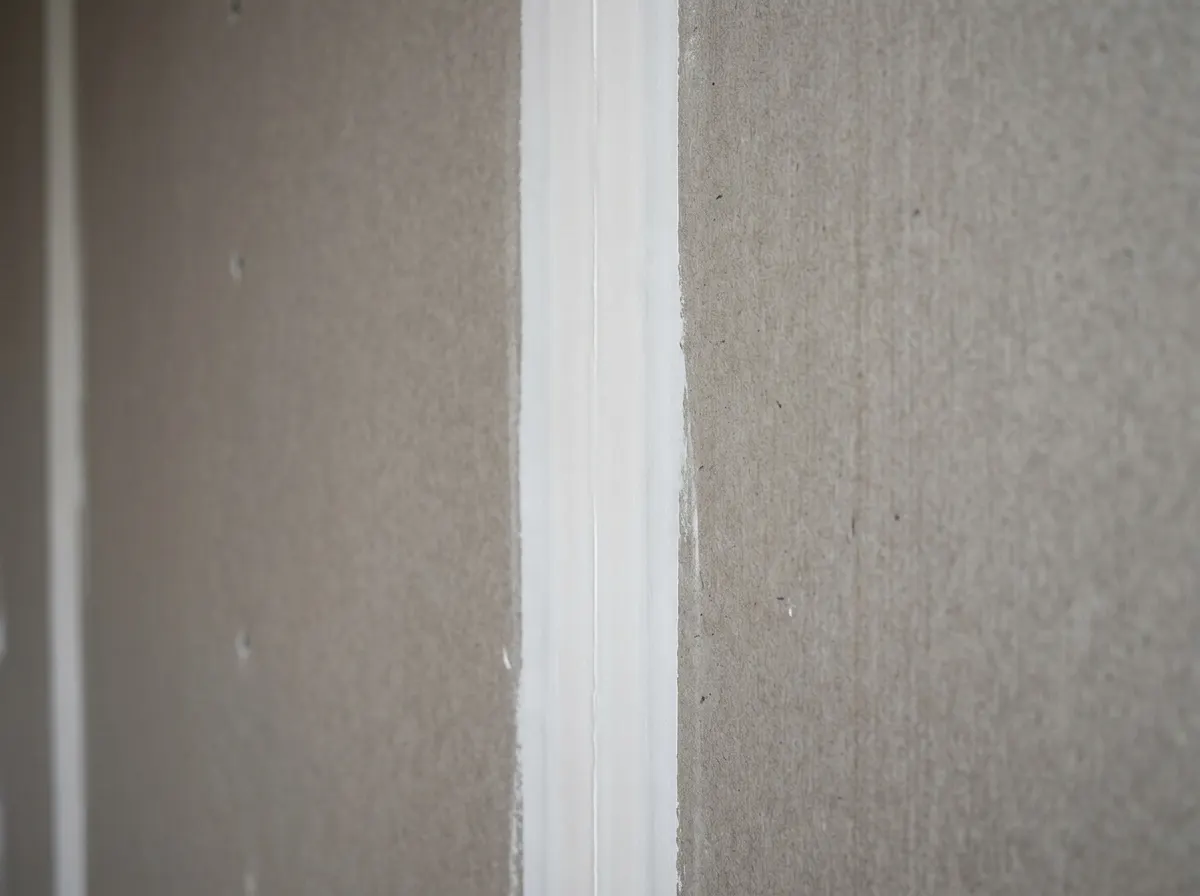
Tape & Jointing
Instead of wet-skimming an entire wall, decorators apply scrim tape and specialised jointing compound only to the seams and screw holes of newly laid plasterboard. Once dry, it is sanded perfectly flat. It is faster, cheaper, and introduces less moisture into a new build.
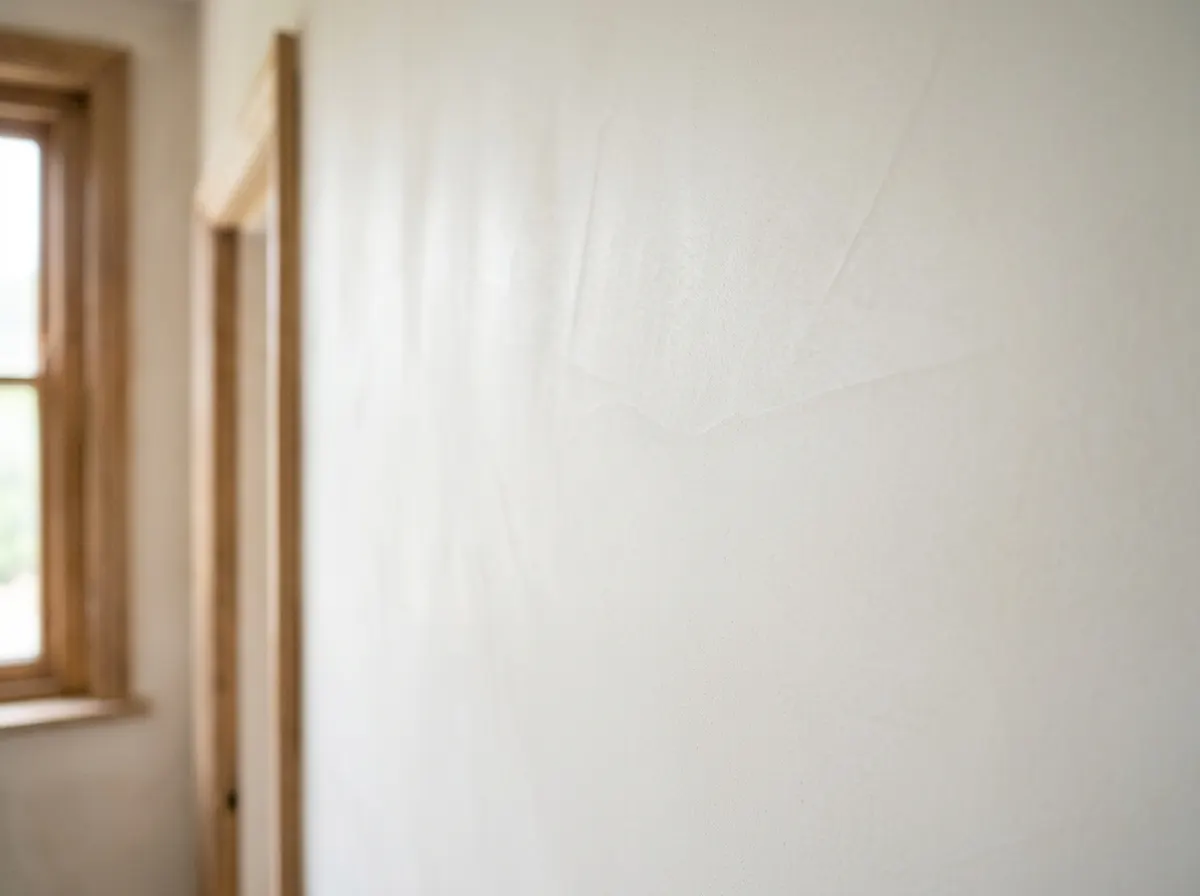
Traditional Lime Plaster
Essential for period properties (pre-1919). Unlike modern gypsum which seals moisture in, lime plaster is highly breathable, allowing moisture to escape solid brick or stone walls to prevent severe damp. It requires a specialist plasterer and cures slowly over weeks.
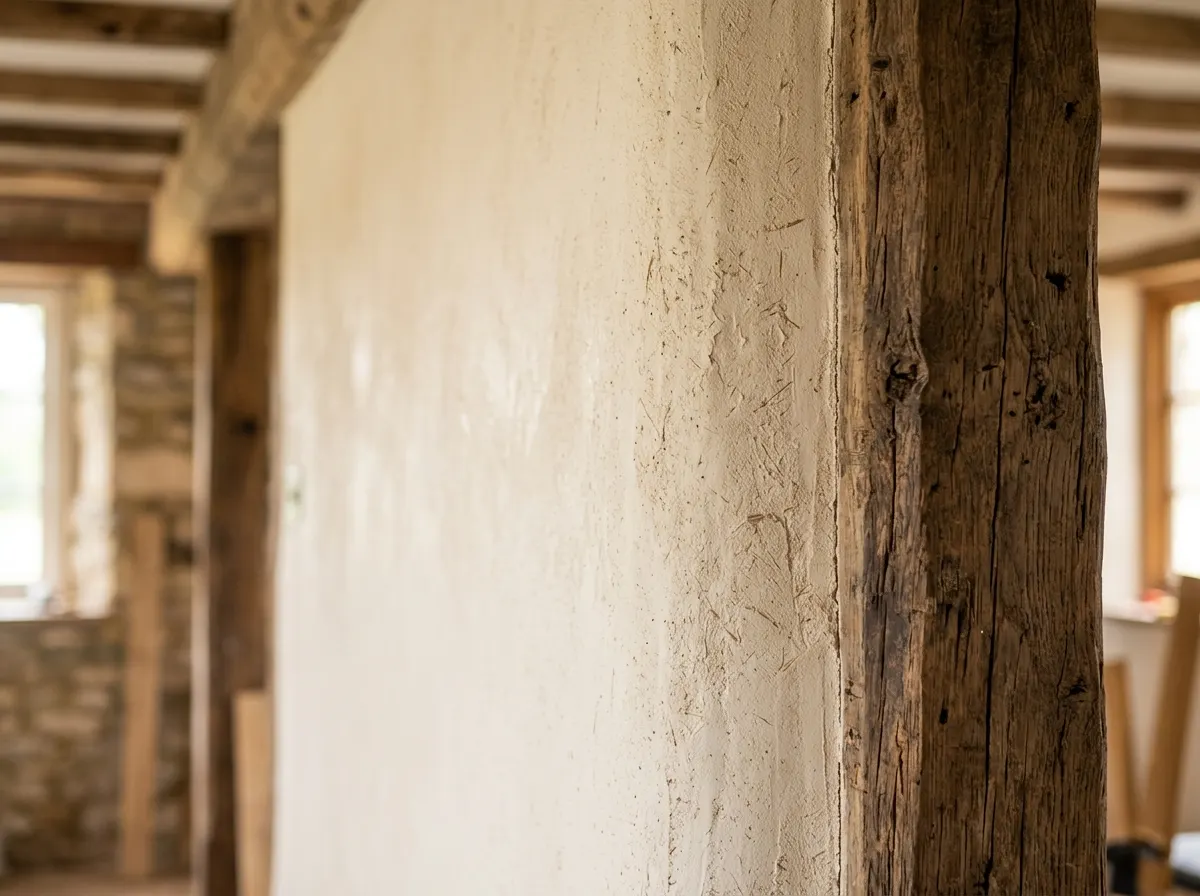
Wattle & Daub
A historic building method dating back centuries, primarily used in timber-framed houses. It involves a woven lattice of wooden strips (wattle) coated with a sticky material made from wet soil, clay, sand, animal dung, and straw (daub). Strictly reserved for specialist listed building restorations.
Costs by Job & Room Size
The jump in price between a cosmetic "skim" and a "full replaster" is massive due to the extra materials, labour, and drying time involved.
| Job Description | Typical Scope | Rest of UK | London & SE |
|---|---|---|---|
| Skim Small Room | Skimming walls and ceiling of a box room. | £300 – £400 | £400 – £500 |
| Skim Medium Room | Skimming walls and ceiling of a master bedroom. | £400 – £500 | £550 – £700 |
| Skim Large Living Room | Skimming large area, often taking 2+ days. | £550 – £750 | £750 – £950 |
| Full Replaster (Medium Room) | Removing old plaster back to brick, backing coat, then skimming. | £600 – £900 | £800 – £1,200 |
| Skim Ceiling Only | Covering flat ceiling or boarding/skimming over Artex. | £200 – £350 | £300 – £450 |
| Plasterboard a Room | Dot and dab boarding bare walls (before skimming). | £300 – £450 | £400 – £600 |
| Full House Skim | Skimming walls and ceilings of a 3-bed home. | £2,500 – £3,500 | £3,500 – £4,500+ |
How plastering actually works
Plastering is a race against the clock. It involves mixing the perfect ratio of water to plaster, and manipulating it through various stages of drying. Here is the lifecycle of a standard room skim.
PVA & Scrim Tape
The walls must be sealed. The plasterer paints the walls with watered-down PVA glue (or Blue Grit for shiny surfaces) to stop the old wall sucking the moisture out of the new plaster too fast. Mesh "scrim tape" is applied to cracks to prevent them returning.
Laying On
The first coat of finishing plaster is troweled firmly onto the walls. It looks messy at this stage. The plasterer must work rapidly to cover the entire wall before it begins to set.
Flattening Off
Before the first coat fully dries, a thinner second coat is applied. As the plaster begins to firm up, the plasterer uses a clean trowel and splashes of water to "flatten off" and polish the surface to a glass-like finish.
Drying & Mist Coat
The dark brown plaster will slowly turn pale pink as it dries. Crucial step: You must not paint it until it is entirely pink. When you do paint, the first coat must be a watered-down "mist coat" to soak into the porous surface.
How long does plastering take?
Plastering is a two-part timeline: the active wet work (which is surprisingly fast) and the curing process (which requires extreme patience). Here is the lifecycle of a standard room skim.
Prep & Sealing
Floors are heavily protected. Sockets and radiators are removed or taped. If over-boarding a ceiling, that happens now. The walls are then painted with watered-down PVA or Blue Grit to seal them and control the suction.
The Wet Work
A race against the clock. The plasterer applies the first coat (laying on), waits for it to slightly firm up, applies a thinner second coat, and then uses a trowel and splashes of water to polish it to a glass-like finish.
The Curing Wait
The plasterer leaves. You must now let the plaster dry naturally. It will start dark brown and slowly turn pale pink. Do not blast it with high heat or dehumidifiers, as forced drying will crack the plaster.
The Mist Coat
Once the wall is entirely pink with no dark patches, the process is complete. Before normal decorating begins, the walls must be painted with a "mist coat" (watered-down emulsion) to soak into the porous surface.
Active Labour by Project Size
This chart reflects the active time the plasterer is on site, not the drying time. A good plasterer can skim incredibly fast, but deep backing coats require much more time.
| Project Size | Typical Scope | Active Labour Time |
|---|---|---|
| Small Room Skim | Skimming over existing flat walls in a box room. | 1 Day |
| Medium Room Skim | Master bedroom walls and over-boarding an Artex ceiling. | 1.5 – 2 Days |
| Full Room Replaster | Knocking back to brick, applying Hardwall, then skimming. | 3 – 4 Days |
| Full 3-Bed House Skim | Skimming every wall and ceiling in an empty property. | 2 – 3 Weeks |
What causes delays?
Plastering is heavily reliant on drying conditions and the structural integrity of what lies beneath the old wallpaper.
Blown Plaster
Often, old plaster looks fine until you start stripping wallpaper, at which point huge chunks fall off the wall back to the brick. The plasterer must now apply deep backing coats before skimming, adding significant time and material costs.
Winter Weather
Plaster needs ventilation to cure. In deep winter, cold, damp air means the plaster takes far longer to dry. If the house is unheated, the water inside the wet plaster can even freeze, permanently destroying the finish.
Wallpaper Residue
Plaster will not stick to wallpaper paste. If you stripped the walls yourself but left sticky residue behind, the plasterer must stop and scrub the walls with hot sugar soap before they can begin, charging you their hourly rate to do so.
Asbestos Testing
If your ceiling has a textured coating (like Artex) installed before 1999, you may need an asbestos test before work can proceed. If positive, the plasterer will have to carefully over-board the ceiling rather than scraping it flat.
How to reduce your plastering quote
-
Remove the Radiators
Plastering behind a radiator is incredibly difficult and results in a poor finish. Drain the system and remove the radiators yourself before they arrive; it saves the plasterer time and you get a perfect wall.
-
Strip the Wallpaper Thoroughly
Plaster cannot stick to wallpaper paste. If you are stripping the room, make sure you scrub the walls down with hot water and sugar soap to remove all adhesive residue. If the plasterer has to do this, they will charge you their daily rate.
-
Board the Ceilings Yourself
If you are over-boarding an old ceiling, lifting and screwing 9mm plasterboard to the joists is something a competent DIYer can do with a friend. Leaving just the skimming to the professional will save you ~£150 per room.
Regional Considerations
Plastering is almost entirely a labour cost (materials for a £400 room skim cost less than £30). Therefore, where you live dictates the price.
Crucial warnings before you plaster
Plastering is messy, permanent, and can uncover hidden issues. Pay close attention to these red flags:
The Asbestos Artex Danger
If your home was built before 1999 and has textured 'Artex' ceilings, there is a high chance it contains white asbestos. Do not sand or scrape it. A plasterer must either skim directly over it (if the pattern is shallow) or overboard it entirely to encapsulate the asbestos safely.
Skipping the PVA
If a plasterer tries to skim a dry, dusty wall without painting it with PVA or a primer first, stop them immediately. The old wall will suck the moisture out of the new plaster too fast, causing it to crack, craze, and eventually fall off in sheets.
Down-the-Drain Disposal
Plaster sets solid underwater. If a rogue trader washes their trowels and buckets in your kitchen sink or your exterior drains, they will block your plumbing with rock-solid concrete. Pros take their buckets away or wash out over soil/gravel.
Can you plaster it yourself?
There is a saying in the building trade: "You can DIY anything, except the plastering." Skimming is an art form heavily reliant on muscle memory, timing, and pressure.
What you CAN DIY:
- ✓ Patch Repairing: Fixing small holes (up to the size of a fist) using ready-mixed Polyfilla and sanding it flat.
- ✓ Plasterboarding (Drylining): Measuring, cutting, and screwing plasterboard to wooden stud walls is straightforward carpenter work.
Why DIY Skimming Fails
Unlike painting, you cannot simply go back and "touch up" wet plaster. Once it hits the wall, it begins a chemical curing process.
If you try to skim a wall yourself without training, it will dry uneven, lumpy, and marked with trowel lines. You will then spend days trying to sand down rock-hard plaster, ultimately hiring a professional to skim over your mistakes anyway.
Frequently Asked Questions
How much does a plasterer charge per day in the UK in 2026?
Professional UK plasterers typically charge between £180 and £280 per day in 2026, with London and the South East sitting at the higher end of that scale. However, experienced plasterers will usually provide a fixed price per room or per project rather than a daily rate to account for variable drying and multi-stage coating times.
What is the difference between skimming and full plastering?
Skimming is a thin, 2mm to 3mm finish coat of multi-finish plaster applied over existing, sound walls or plasterboards to create a smooth, paint-ready surface. Full plastering involves stripping old, crumbling plaster completely back to the brickwork, applying a thick backing coat (such as Hardwall or bonding plaster), and then finishing it with a smooth skim coat.
How long does fresh plaster take to dry completely before painting?
A standard 3mm skim coat over existing walls typically takes 2 to 4 days to dry fully, turning uniformly from dark brown to a pale, chalky pink. Full re-plastering with thick backing coats contains a massive amount of moisture and can take 7 to 14 days or longer. Never rush the process with high heat, as forced drying causes the plaster to crack and shrink.
What is a mist coat and why is it essential for fresh plaster?
Yes, a mist coat is vital. Fresh plaster is extremely porous and acts like a dry sponge. A mist coat is a primer layer made from cheap, standard water-based white emulsion diluted with 30% to 40% water. It soaks deeply into the plaster pores and creates a secure bond. If you paint thick vinyl or non-breathable paint directly onto fresh plaster, it will fail to grip and peel off in sheets.
How much does it cost to plaster a standard room?
Plastering a standard medium-sized bedroom (walls and ceiling) typically costs between £500 and £900 fully finished, depending on room size and ceiling height. If the room requires stripping old blown plaster back to the brick, applying a scratch coat, and re-boarding, the total cost for a full back-to-brick room overhaul can range from £1,200 to £2,000+.
Why are my walls cracking after being recently plastered?
Hairline cracks can occasionally appear during the natural drying and shrinkage phase as moisture escapes the building materials. However, wider structural cracks usually occur because scrim tape wasn't embedded properly across plasterboard joints, or because rapid drying caused by open windows, direct sunlight, or portable heaters caused the surface to dry out unevenly.
Can I plaster directly over old Artex textured ceilings?
It depends on when the Artex was applied. Any Artex applied before the mid-1980s must be tested for white asbestos before any scraping or boarding occurs. If asbestos is absent, modern plasterers can either scrape down sharp peaks, apply a specialised bonding agent (PVA or plaster weld), and skim directly over it, or over-board the ceiling with new plasterboard for a guaranteed flat finish.
How can I tell if old plaster needs to be replaced entirely or just skimmed?
You can test your walls using the "knuckle knock" test. If the wall sounds hollow, bulges outward, or gives slightly when pressed, the plaster has lost its key (bond) to the brickwork and must be hacked off and replaced. If the walls are structurally solid, flat, and merely covered in old wallpaper glue, hairline cracks, or minor dents, a simple skim coat is all you need.
Related Projects & Guides

Painting & Decorating
Professional room painting costs.
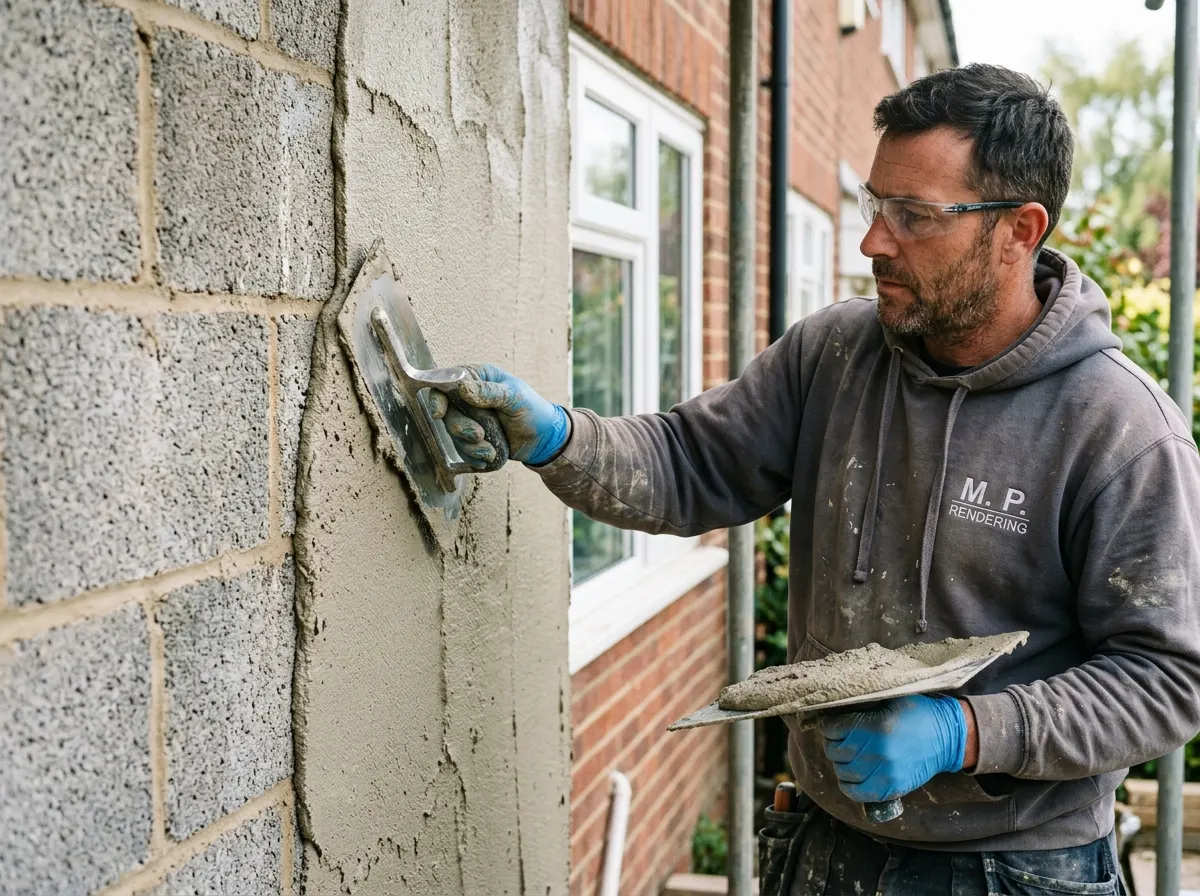
House Rendering
Exterior silicone & K-Rend finishes.
Kitchen Renovation
Full kitchen fit-out costs.
Bathroom Fitting
Plumbing, tiling, and suites.
Coving Installation
Installing coving in a room.
Ready for glass-smooth walls?
Use our AI to get a precise estimate based on your exact room sizes and artex requirements, then connect with Pricing Penguin Accredited plasterers near you.
Did you find this page helpful?
Let us know if this guide helped you plan your project.