Beat the British weather and protect your profits.
 By Tom Ellis
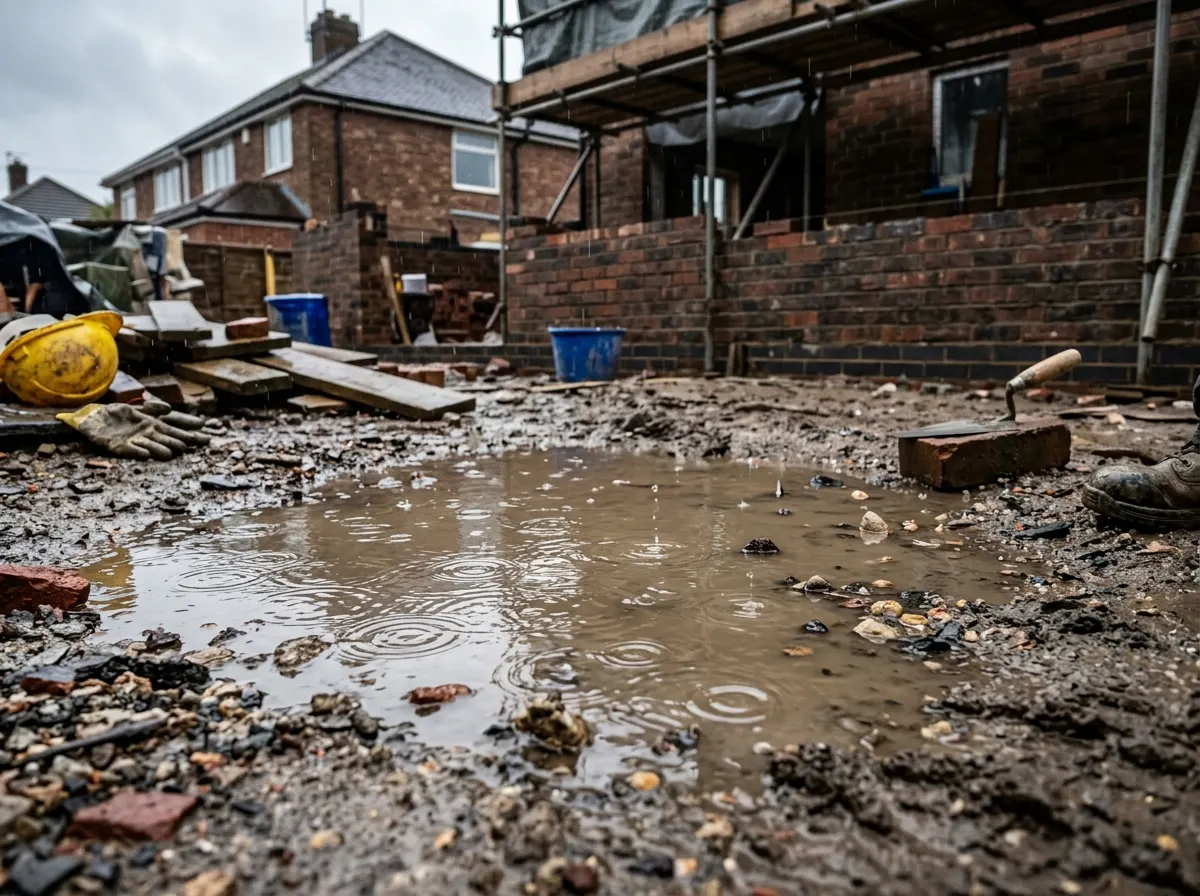
The UK climate is the most unpredictable variable in the construction industry. A sudden torrential downpour can wash away a day's worth of fresh pointing, while unexpected freezing temperatures can destroy thousands of pounds of curing concrete.
Successful trade businesses do not just react to the weather; they actively plan for it. From integrating legal weather clauses into your domestic contracts to utilising chemical frost-proofers and establishing indoor "wet weather" task lists, this guide covers everything you need to keep your site safe and your cash flow moving, regardless of the forecast.
Freezing Temperatures & Ice
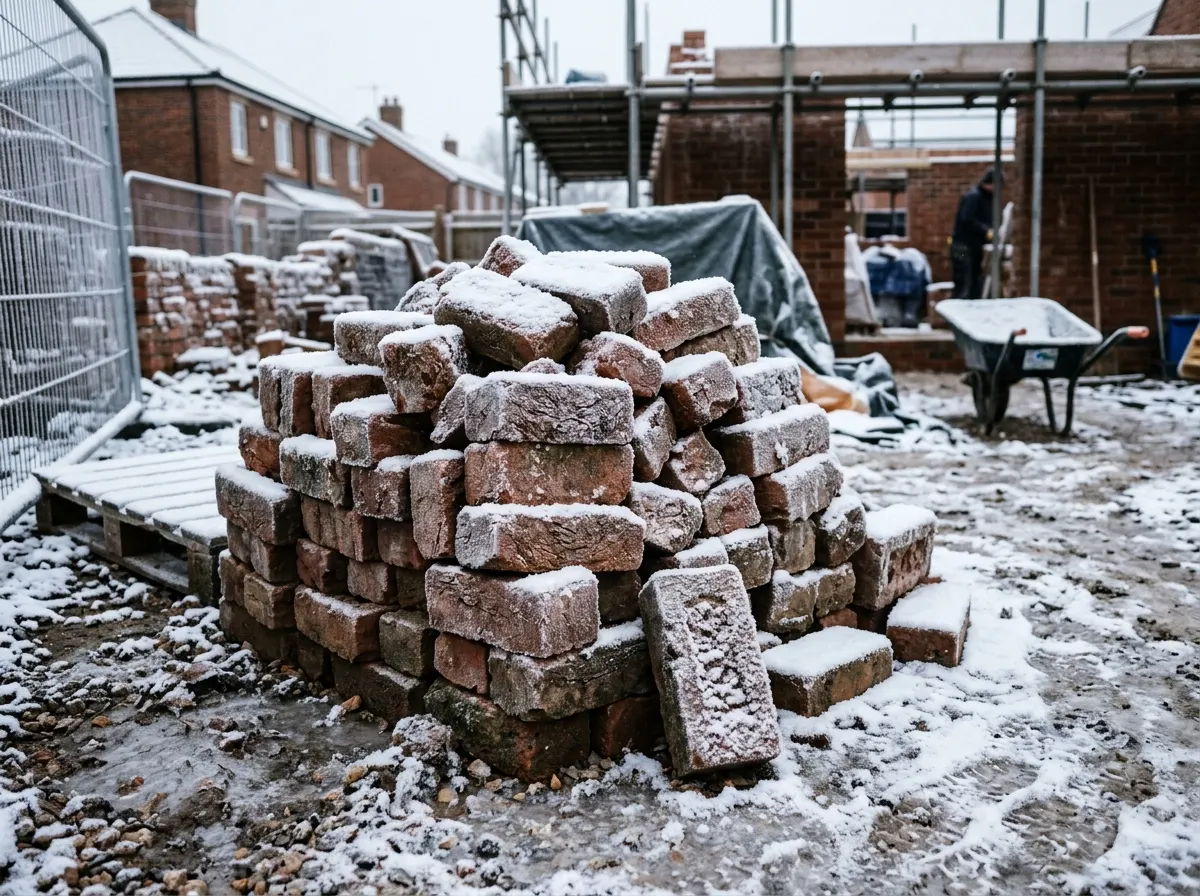
Working in sub-zero conditions doesn't just cause misery for your team; it fundamentally alters the chemical properties of building materials.
-
✓
Mortar & Concrete Curing Cement-based products effectively stop curing when temperatures drop below 4°C. If water freezes inside fresh mortar, it expands and blows the joint apart. You must use winter-grade mortar additives (frost-proofers) and cover fresh brickwork with heavy-duty hessian or thermal blankets overnight.
-
✓
Slips on Scaffold & Site Boards Morning frost turns wooden scaffold boards and damp mud into lethal ice rinks. Site supervisors must mandate the spreading of rock salt on primary walkways before work begins. Ensure all staff wear safety boots with heavily treaded, slip-resistant winter soles (SRC rated).
-
✓
Tool & Battery Degradation Lithium-ion batteries lose up to 50% of their capacity in freezing conditions. Keep spare batteries in the heated cab of the van or an insulated site box, and never leave pressure washers or water-fed tools outside overnight, as expanding ice will shatter internal pumps.
Heavy Rain & Site Flooding
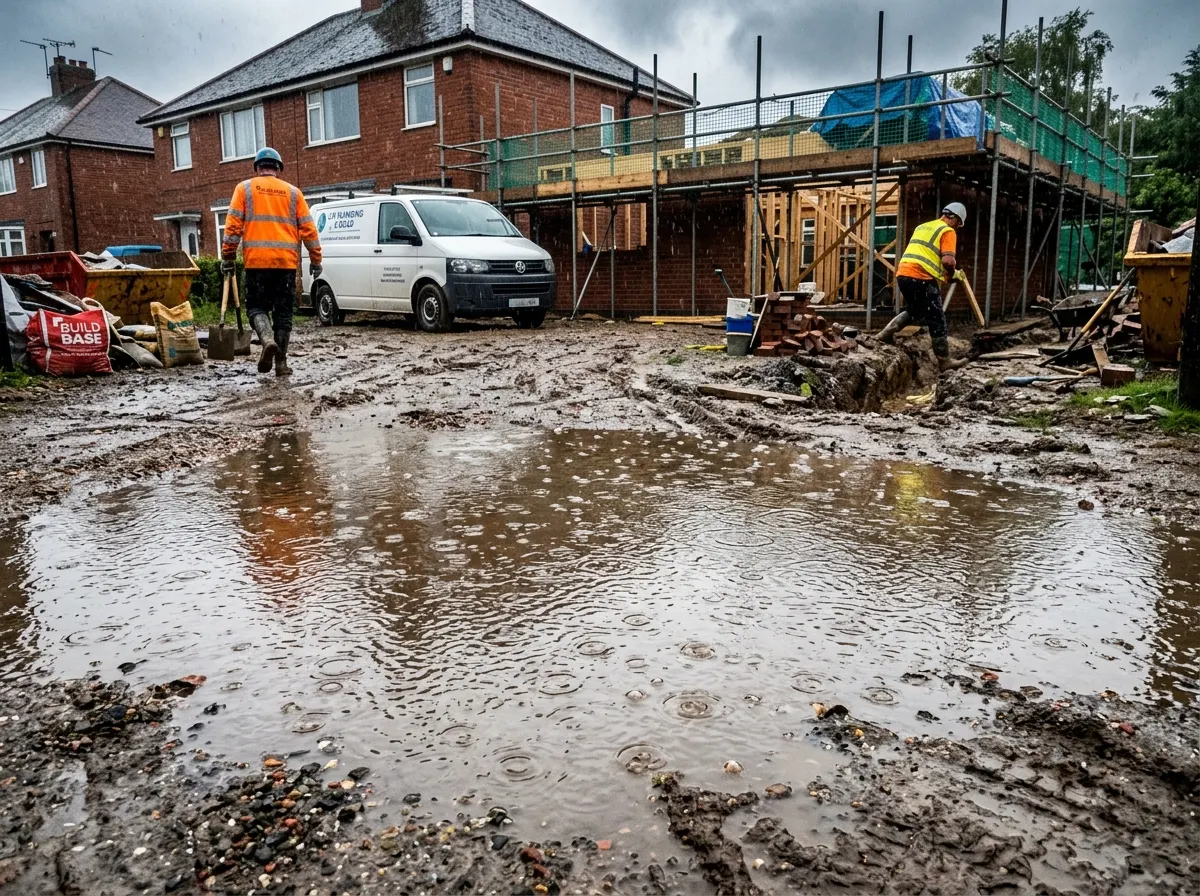
Rain is the most common cause of site delays in the UK. Water ingress ruins unprotected materials and introduces severe electrical hazards to the site.
-
✓
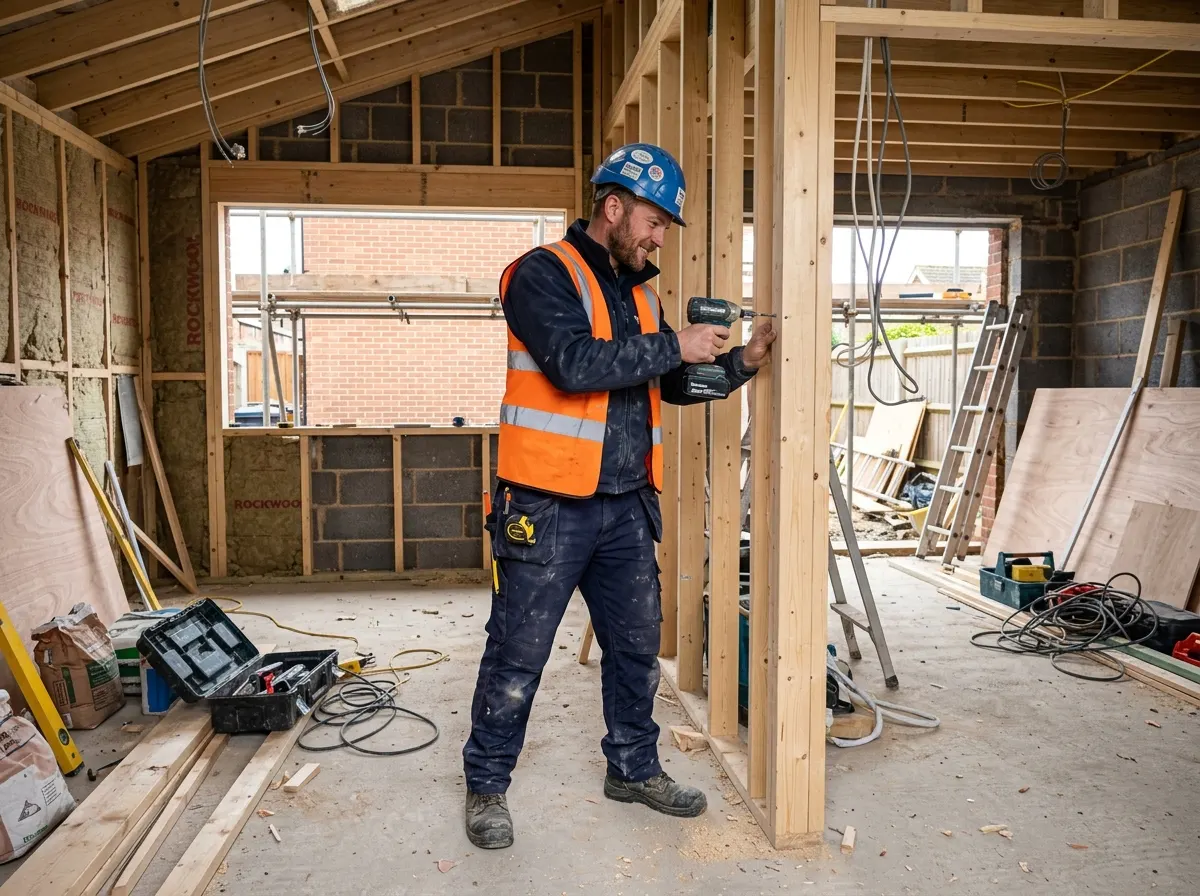
The "Wet Weather" Contingency List Never send the team home at the first drop of rain. Always have a pre-planned list of indoor tasks ready for wet days. If you are building an extension, save the indoor knock-through, stud wall framing, or first-fix plumbing for days when external groundwork is washed out.
-
✓
Temporary Roofing & Tarps If a roof is exposed, a cheap £10 tarpaulin is not enough. You must invest in heavy-duty, reinforced visqueen or scaffold shrink-wrap. Unsecured tarps will blow away, and water damage to a customer's existing ceiling will result in thousands of pounds in Public Liability claims.
-
✓
Electrical Integrity Water and 230V mains power are a lethal combination. All outdoor extension leads must be strictly IP65 rated or higher (splash-proof and dust-tight). Keep all transformers off the muddy ground, suspended on dry timber or hooks.
Stop paying for dead leads.
Join the Pricing Penguin network. We provide UK tradespeople with high-intent, pre-qualified customers who already understand the true cost of quality craftsmanship.
Heatwaves and High Winds
While British summers are notoriously short, the extremes of heat and sudden storm-force winds pose immense dangers to both structural integrity and personal health.
Extreme Heat & Sun
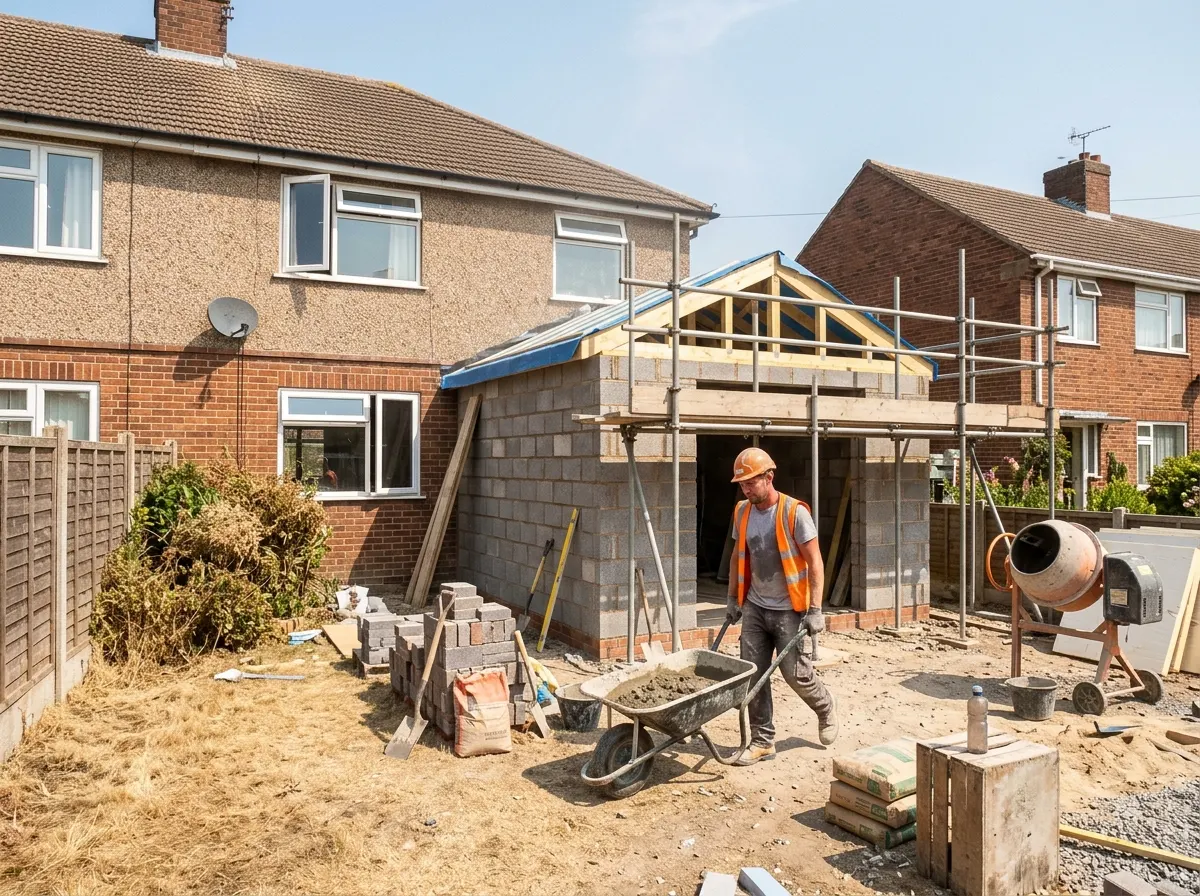
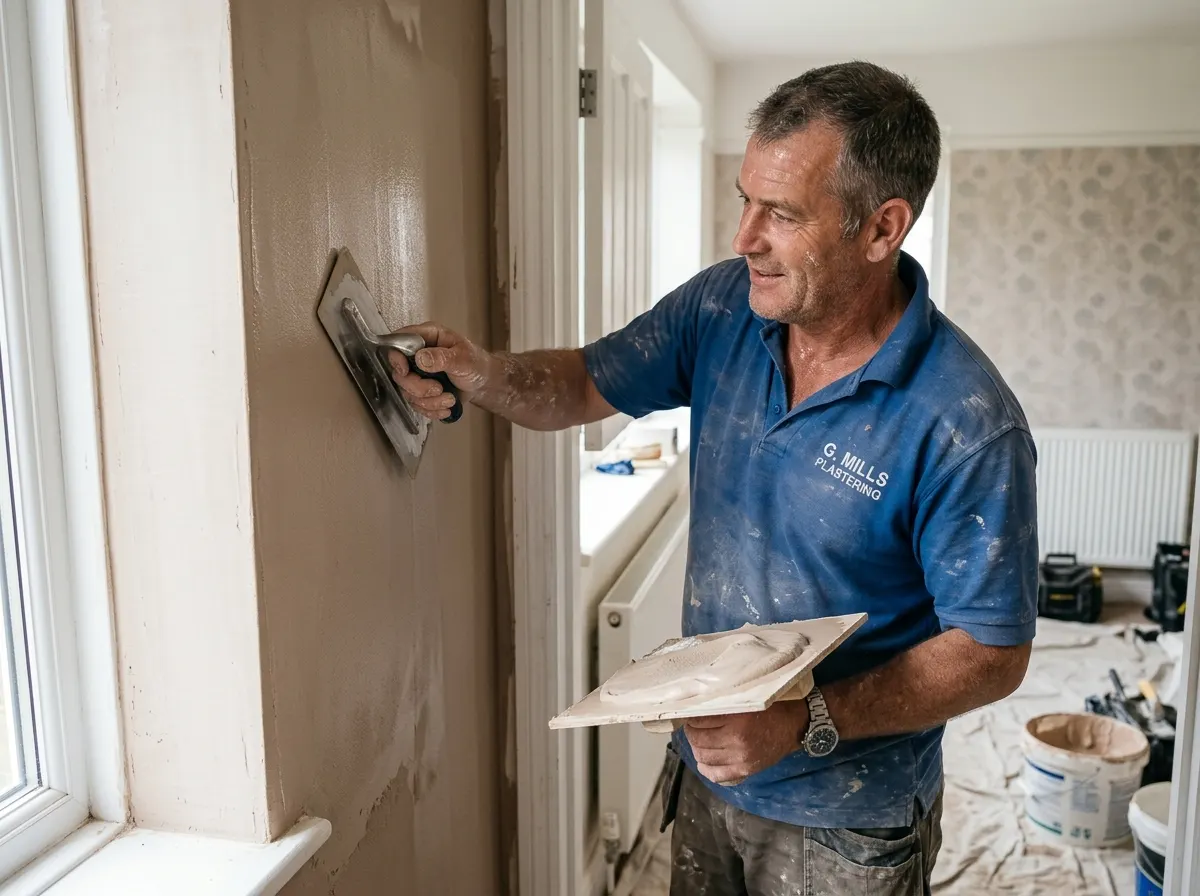
Extreme heat causes severe dehydration and heatstroke, but it also ruins wet trades. Plaster, render, and concrete rely on a controlled chemical curing process. If the sun bakes the moisture out too fast, the material will crack, shrink, and fail.
- ✓ Material Shading: Never leave cement bags, chemical resins, or silicone tubes in direct sunlight or in the back of a boiling van.
- ✓ Damping Down: Bricklayers and plasterers must heavily "damp down" the substrate with water before applying wet materials to prevent the wall instantly sucking the moisture out of the mix.
Gales & High Winds
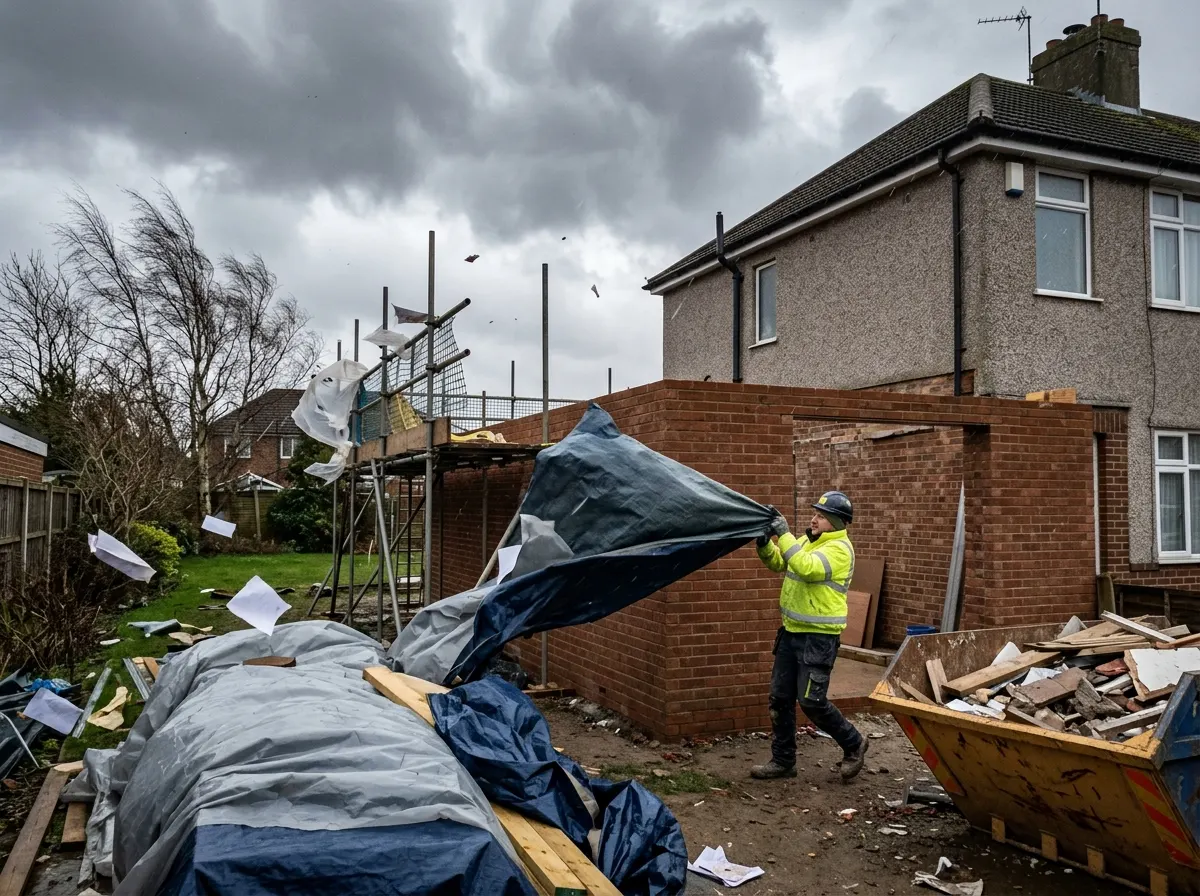
Wind is the silent enemy of the roofer and scaffolder. A sudden gust can turn an 8x4 sheet of ply or a sheet of kingspan insulation into a lethal sail, capable of throwing a tradesperson off a roof.
- ✓ The 23mph Rule: HSE guidelines strongly advise against working on roofs or exposed scaffolds if average wind speeds exceed 23mph (Force 5).
- ✓ Batten Down the Hatches: At the end of every day, assume a storm is coming. Band together loose timber, heavily weight down temporary fencing, and ensure skips are covered so debris doesn't blow into public roads.
The "Inclement Weather" Clause
If a customer demands a strict completion date, you must protect yourself against the weather. If it rains for two weeks straight, you cannot physically finish an extension on time, but without the correct contract clause, the client could demand a discount or apply late penalties.
What to put in your Terms & Conditions:
"Estimated completion dates are subject to change due to severe or inclement weather conditions that prevent safe or effective working practices. [Your Company Name] reserves the right to halt exterior works without penalty if temperatures, wind, or precipitation exceed safe operational limits for materials or personnel."
Always communicate proactively. If rain is forecast for Tuesday, text the client on Monday to explain you are shifting the schedule to protect their property from water damage. Homeowners appreciate caution when it involves their home.
Tech & Planning Tools
- 1. Hyper-Local Weather Apps: The BBC weather app is too broad. Use apps like Met Office or AccuWeather for highly localized, minute-by-minute rain radar.
- 2. Lightning Radar: If working at height or operating a crane/telehandler, use live lightning strike apps (like LightningMaps.org) to track approaching electrical storms.
Frequently Asked Questions
Can I be forced to work outside in heavy rain?
No. Under the Health and Safety at Work Act, employers must provide a safe working environment. If heavy rain obscures vision, causes severe slip hazards, or compromises electrical safety, work must be paused or moved indoors. Employees have a legal right to refuse work if they genuinely believe it poses an imminent danger to their life.
At what temperature is it too hot to lay bricks?
Most manufacturers state that cement-based mortars should not be used if the ambient temperature exceeds 30°C. Above this, the water in the mix evaporates before the cement can chemically bind, resulting in weak, crumbly joints (a 'dry or flashed' mix). If you must lay bricks in high heat, you must aggressively soak the bricks beforehand and cover the finished wall with damp hessian.
Should I charge the client for 'weather delays'?
You cannot charge a domestic client extra labour days simply because it rained and your team sat in the van. This is the risk of fixed-price contracting. However, if the weather demands extra materials to protect the site (e.g., you suddenly have to buy an extra £200 heavy-duty tarp or hire an industrial dehumidifier), you should discuss passing these specific material costs on to the client.
Does my Public Liability insurance cover storm damage?
If a storm blows the customer's half-finished roof off, Public Liability generally will not cover the cost of rebuilding the roof itself (you need Contract Works insurance for that). However, if your unsecured scaffolding blows over in the wind and crushes the neighbour's car, your Public Liability will cover the damage to the car, provided you followed correct securing protocols.
What is the "wind chill factor" and why does it matter?
While a thermometer might read 5°C, a 20mph wind can make it physically feel like -1°C to the human body. This rapidly accelerates heat loss, leading to a loss of dexterity in the hands, which dramatically increases the risk of accidents with power tools and dropped materials when working on exposed scaffolding.
Can I use standard waterproof jackets for site work?
Standard waterproofs are fine for light duties, but if you are working near plant machinery or public highways in the rain, visibility drops drastically. You must wear EN ISO 20471 certified high-visibility waterproofs. Ensure they are breathable (e.g., Gore-Tex), otherwise, the physical exertion of site work will make you sweat so heavily that you get just as wet from the inside out.
How do I store timber in wet weather?
Timber must be stored off the ground on level bearers (dunnage) to prevent it from soaking up ground moisture and warping. Cover the stack with a waterproof, breathable sheet, but leave the ends slightly open to allow airflow. If timber is wrapped totally airtight in plastic, condensation will form inside and cause mould and swelling.
What is 'sun glare' and how do I prevent it?
Sun glare occurs when low winter sun or bright summer sun reflects off white vans, sheet metal, or glass, temporarily blinding machinery operators or workers at height. To prevent fatal accidents, site supervisors should mandate the use of UV-rated, polarized safety sunglasses (EN 166 compliant) and adjust the positioning of cranes or MEWPs to avoid staring directly into the sun.
Ready to fill your diary with quality jobs?
Connect with serious homeowners who value reliability over the absolute cheapest quote. Join our network of accredited UK tradespeople today and let our AI estimators filter out the time-wasters for you.
Did you find this guide helpful?
Let us know if these marketing tips will help your trade business.