Safe working practices for the modern tradesperson.
 By Tom Ellis
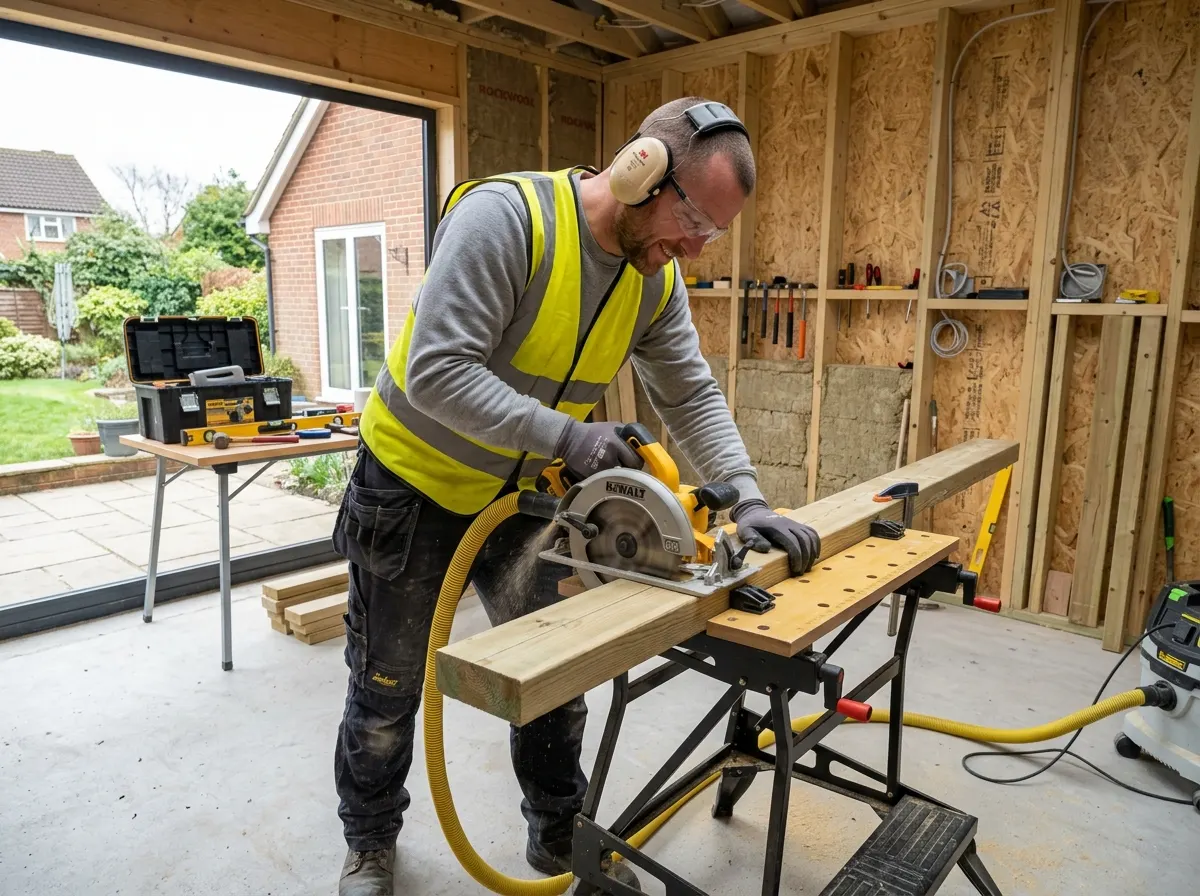
In the trade industry, your body is your business. If your knees give out, your hearing fades, or your back is destroyed by poor lifting techniques, your ability to earn a living vanishes overnight. Despite this, thousands of tradespeople ignore basic occupational health standards until the damage is already irreversible.
Safe working practices are not about ticking HSE boxes; they are about extending your career and ensuring you can actually enjoy your retirement. From mitigating the "silent killers" like silica dust and HAVS, to operating safely in a customer's living room, this comprehensive guide covers the everyday practices that will keep you and your team on the tools safely.
The "Silent Killers" of the Trade
The most dangerous hazards on a building site aren't always falling bricks. Cumulative damage to your lungs, hearing, joints, and skin causes more long-term, career-ending injuries than acute physical accidents.
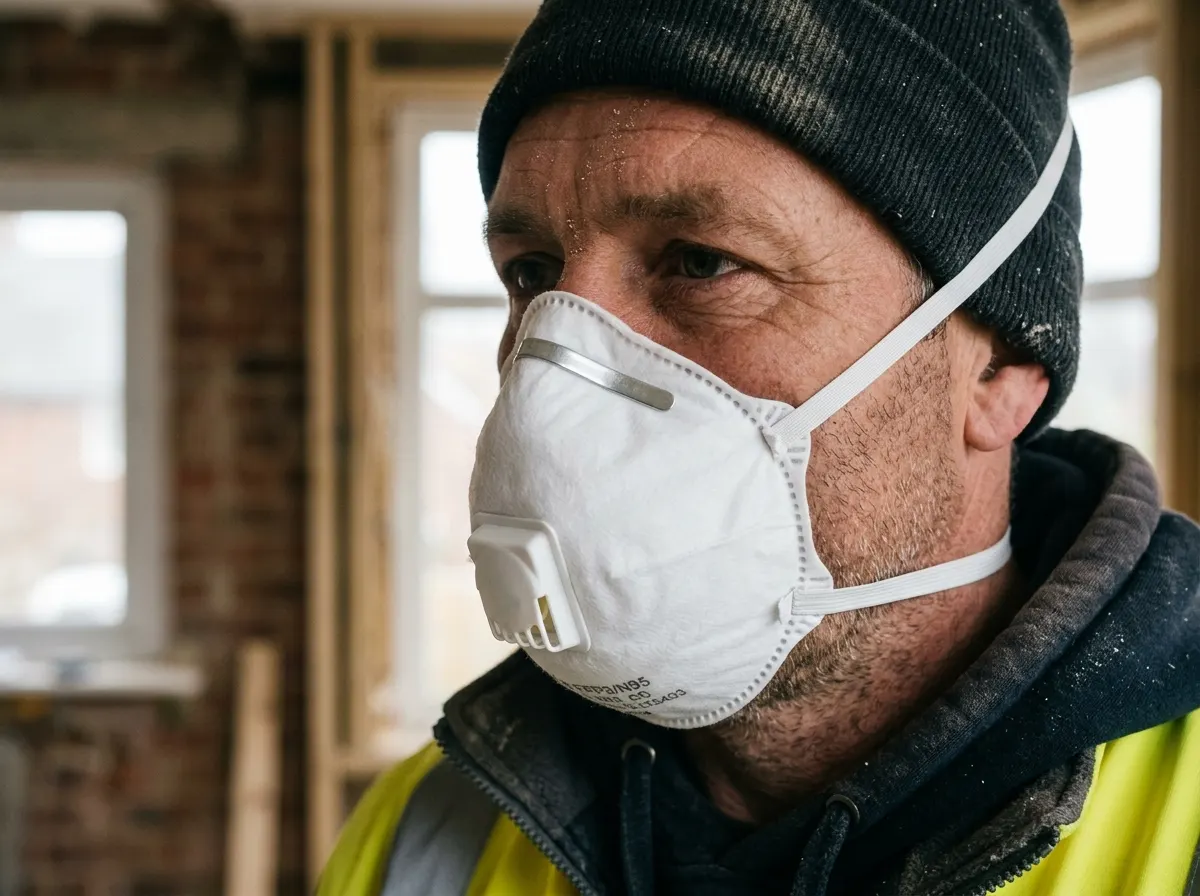
Dust Protection (Silica)
Respirable Crystalline Silica (RCS) is created when cutting brick, stone, or concrete. It is the second biggest occupational killer after asbestos, causing silicosis and lung cancer.
-
✓
Suppression Always use wet-cutting techniques (water suppression) or on-tool dust extraction (M-Class vacuums) to stop dust becoming airborne.
-
✓
Mandatory PPE Wear a face-fit-tested FFP3 mask. Standard paper dust masks are practically useless against fine silica particles.
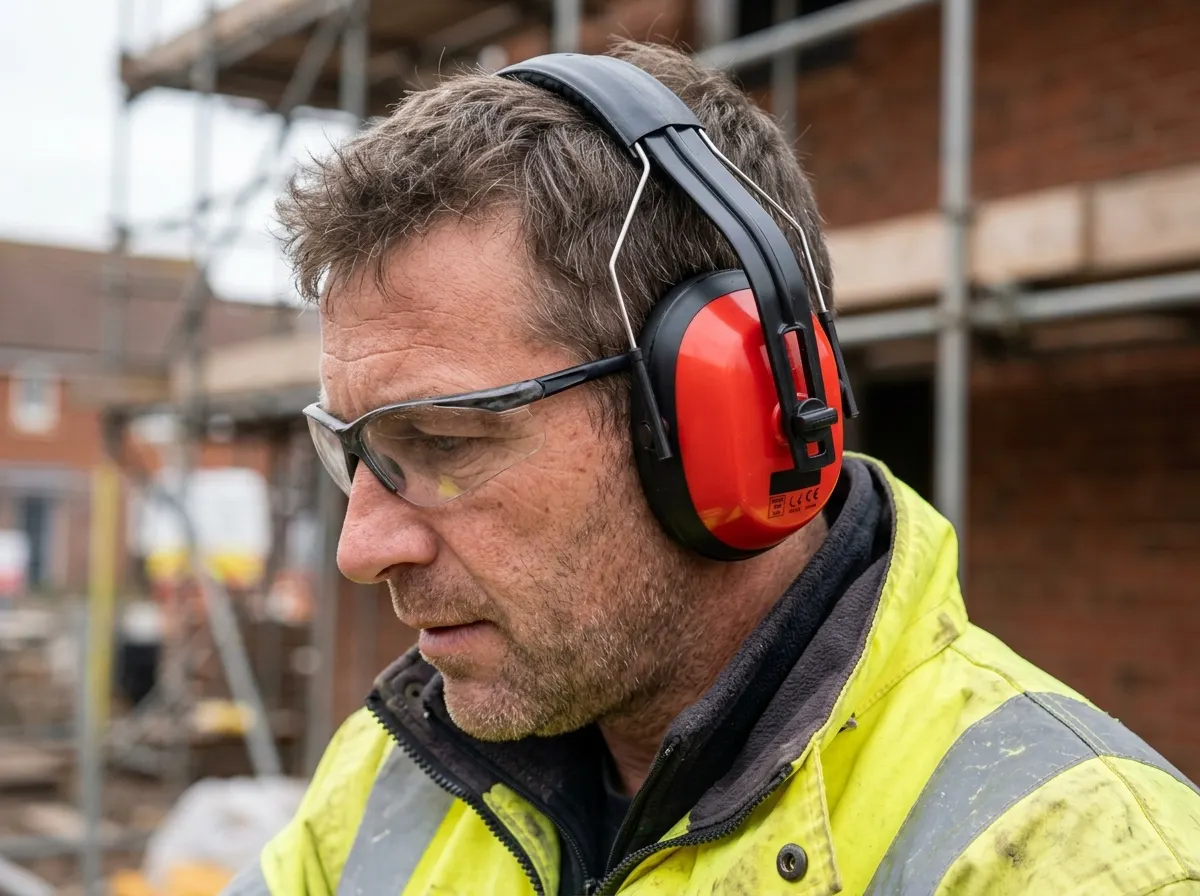
Protecting Your Hearing
Prolonged exposure to power tools, breakers, and site noise causes permanent tinnitus and noise-induced hearing loss. By law, action must be taken if noise exceeds 80 decibels (dB).
-
✓
Identify the Risk If you have to shout to speak to someone two metres away, the noise level is actively damaging your hearing over time.
-
✓
Proper Gear Use EN-certified ear defenders or custom-moulded earplugs. Foam plugs must be rolled tightly and inserted deeply to form a proper acoustic seal.

Eye Protection
A single spark from an angle grinder or a splash of highly corrosive cement mix can cause permanent blindness in milliseconds.
-
✓
Match the Hazard Standard safety glasses (EN 166F) stop low-impact dust. For grinding or stone cutting, you must wear tight-fitting goggles (EN 166B) or a full-face visor to stop high-speed debris entering from the sides.
-
✓
Maintenance & Clarity Scratched lenses cause eye strain and dangerous blind spots. Replace them immediately to ensure safe site visibility.
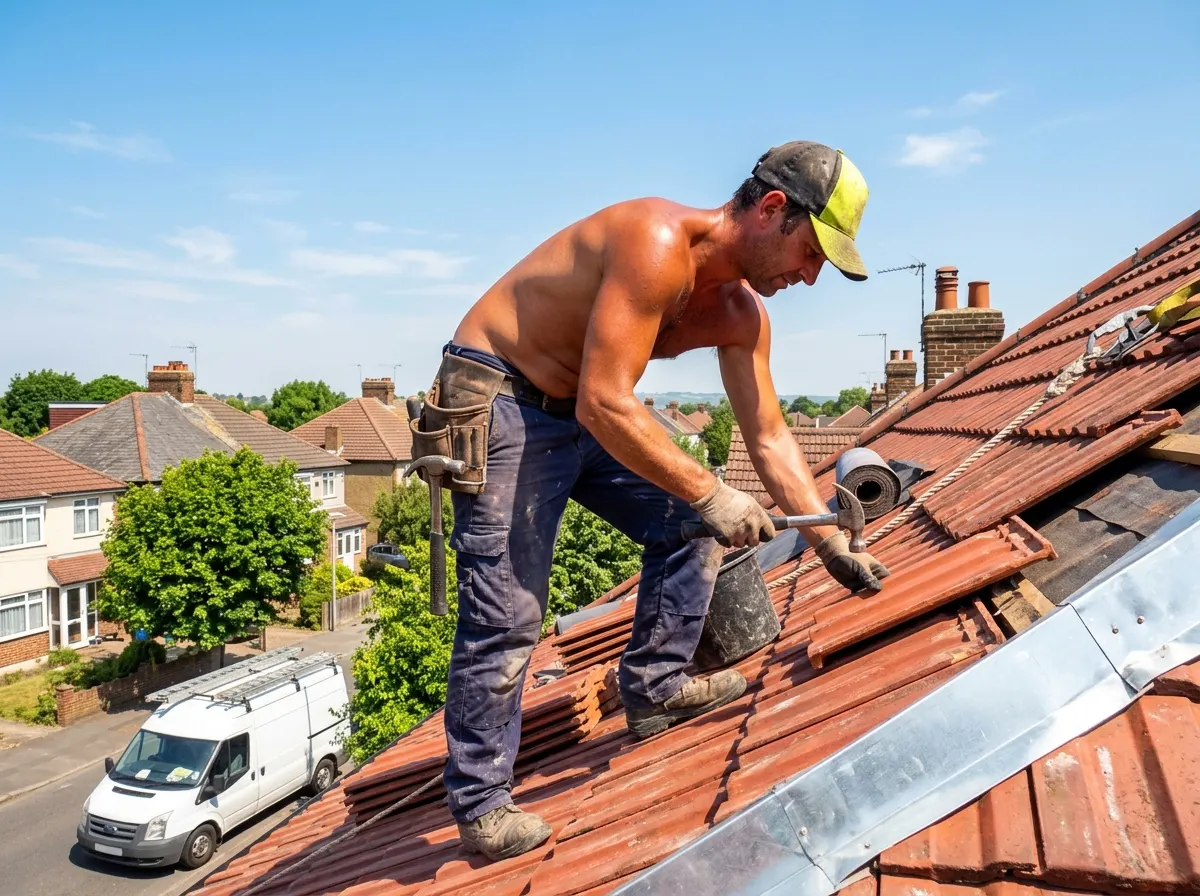
Sunlight & UV Exposure
Working outside during summer puts tradespeople at severe risk of skin cancer (melanoma) and heatstroke. A 'farmer's tan' is not a badge of honour; it is cumulative skin damage.
-
✓
Cover Up Utilise pop-up shades where possible and cover up bare skin during peak UV hours (11 am to 3 pm). Utilise UV-rated clothing or neck shades attached to hard hats.
-
✓
Sunscreen (SPF 30+) Apply SPF 30+ water-resistant sunscreen to exposed skin (neck, face, arms) every two hours. Don't forget lip balm with SPF protection.
Tool Vibration (HAVS)
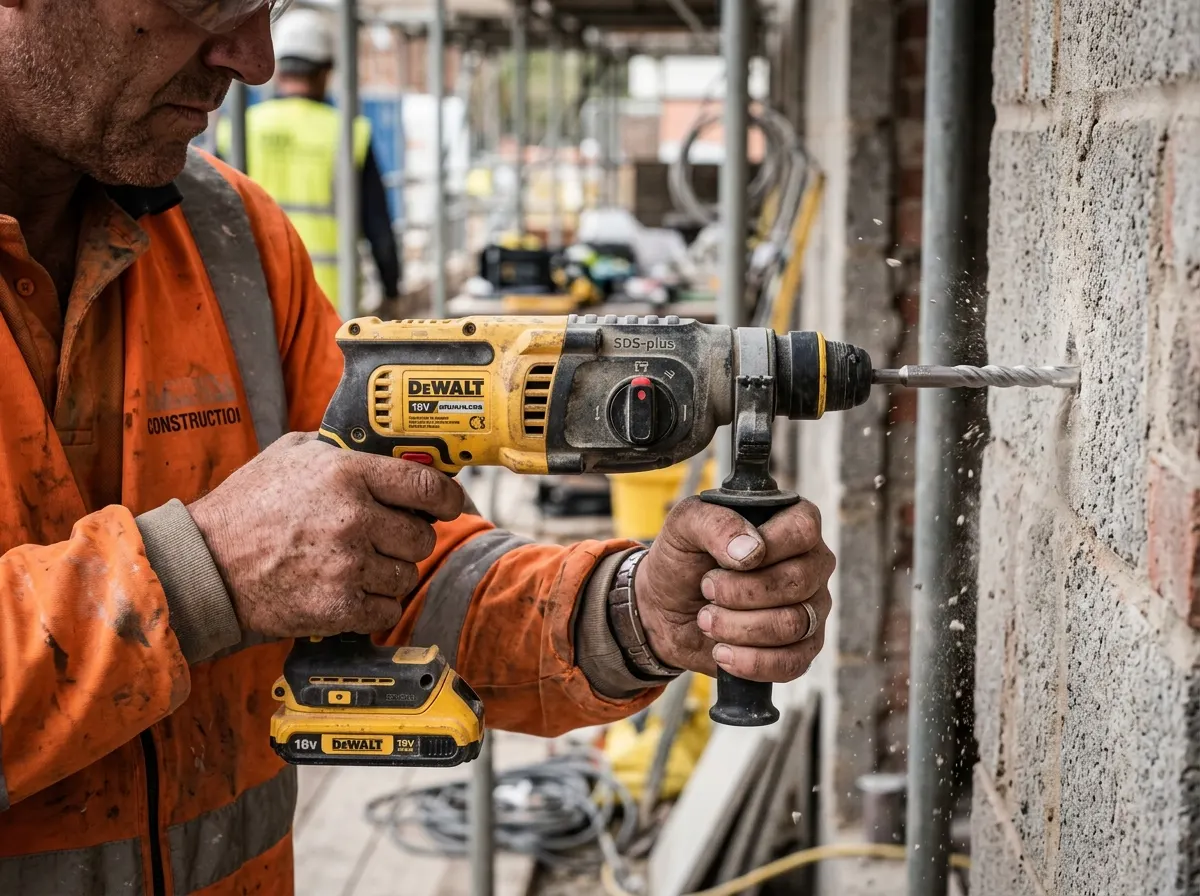
Hand-Arm Vibration Syndrome (HAVS)—also known as 'vibration white finger'—is permanent damage to nerves, blood vessels, and joints in the hands caused by regular use of vibrating power tools.
-
✓
Monitor Exposure Use modern, anti-vibration tools and keep usage within the HSE's safe 'points' limits daily. Take frequent breaks when using heavy breakers.
-
✓
Keep Warm Maintain blood circulation by wearing specialised anti-vibration gloves and keeping your hands warm in cold weather to reduce the risk of nerve damage.
Manual Handling & Joint Wear
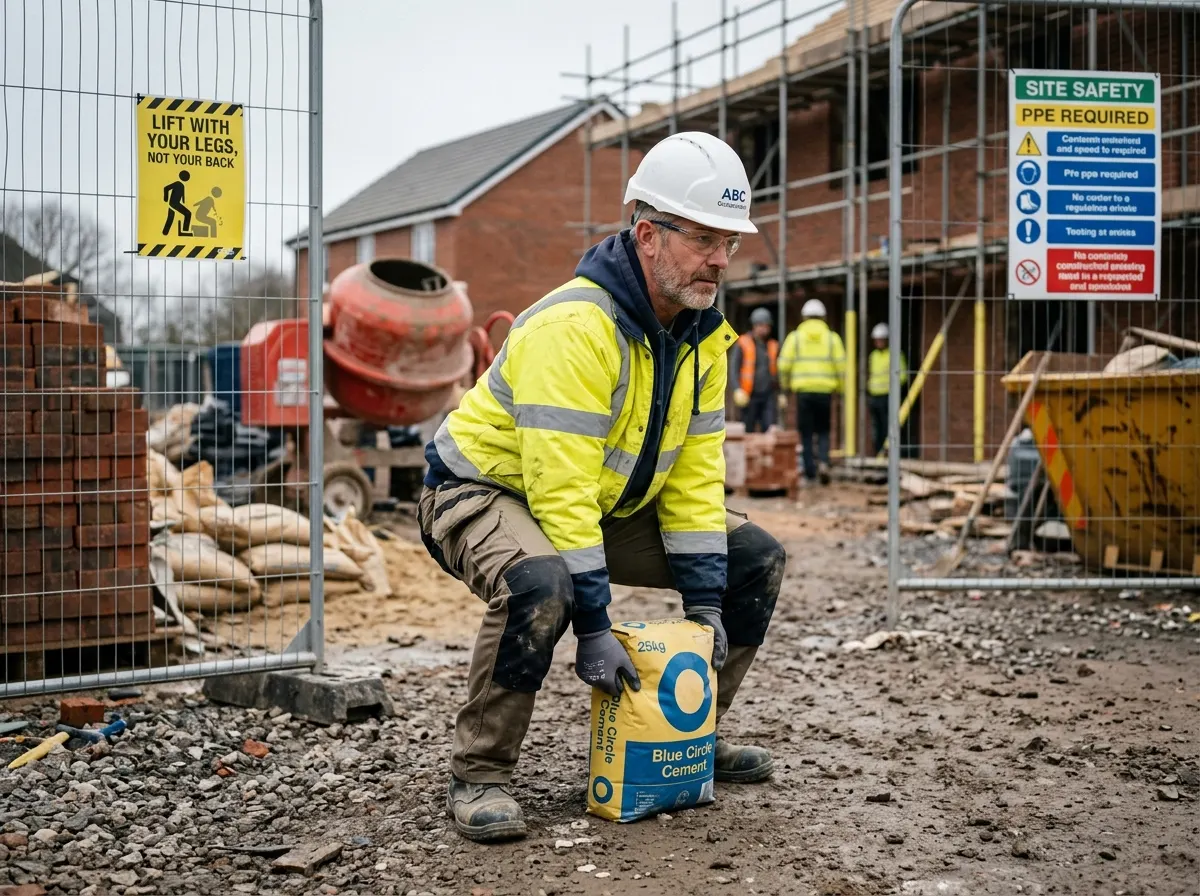
Lifting heavy materials incorrectly compresses the spinal discs, and carrying heavy tools over long distances causes cumulative damage to the knees, hips, and lower back.
-
✓
Proper Technique Bend your knees, keep your back straight, and lift with your legs. Never twist your body while carrying a heavy load—move your feet to pivot instead.
-
✓
Use Wheels Avoid manual carrying whenever possible. Utilise sack barrows, trolleys, or have materials delivered directly to the point of use by plant machinery.
Stop paying for dead leads.
Join the Pricing Penguin network. We provide UK tradespeople with high-intent, pre-qualified customers who already understand the true cost of quality craftsmanship.
Manual Handling, Back Injuries & Power Tools
Musculoskeletal disorders (MSDs) account for the vast majority of sick days in the construction sector. Poor lifting techniques and heavy vibration destroy joints over time.

Manual Handling & Back Injuries
Lifting heavy cement bags, radiators, or timber incorrectly compresses the spinal discs, leading to slipped discs and chronic lower back pain. You must apply the T.I.L.E principle before lifting anything:
- T Task: Does this need to be lifted manually? Can you use a sack barrow or a hoist?
- I Individual: Are you physically capable of lifting this alone, or do you need a two-person lift?
- L Load: Is it excessively heavy, awkwardly shaped, or unstable (like a half-filled tub of liquid)?
- E Environment: Are there trip hazards in the way? Is the lighting poor? Is the floor slippery?
Working Safely With Power Tools
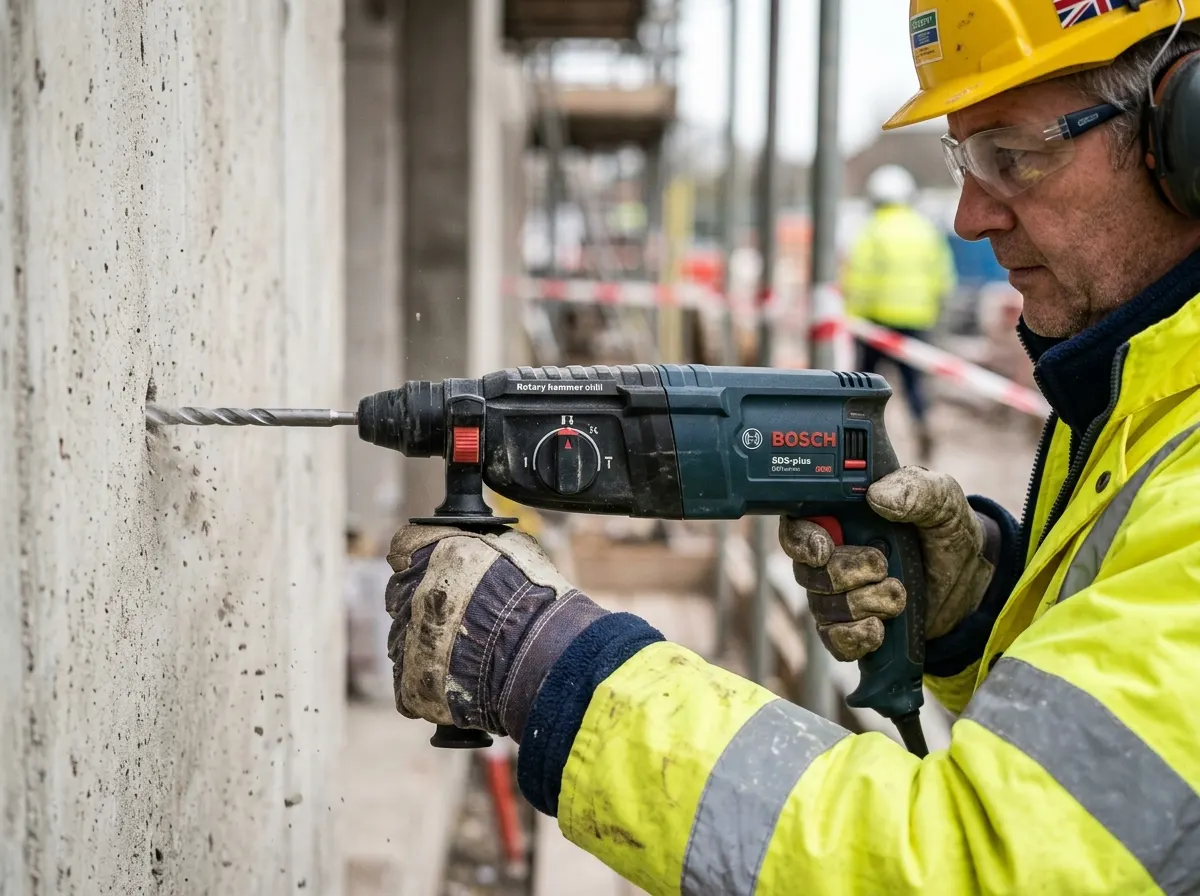
Using angle grinders, SDS drills, and breakers safely goes beyond wearing safety glasses. You must manage electrical hazards and vibration exposure.
-
✓
Hand-Arm Vibration Syndrome (HAVS): Prolonged use of vibrating tools damages blood vessels and nerves (White Finger). Use modern tools with built-in vibration dampening, take frequent breaks, and keep your hands warm to maintain blood circulation.
-
✓
Electrical Safety (110V & PAT): Never use standard 230V mains tools on a commercial building site. You must use 110V tools powered via a yellow step-down transformer. Always check tools visually for frayed cables before use, and ensure they have an in-date PAT test sticker.
-
✓
Guards and Discs: Never remove the safety guard from an angle grinder to fit a larger disc. Ensure grinder discs are rated for a higher RPM than the machine produces, otherwise they can shatter like shrapnel.
Working Safely at Height
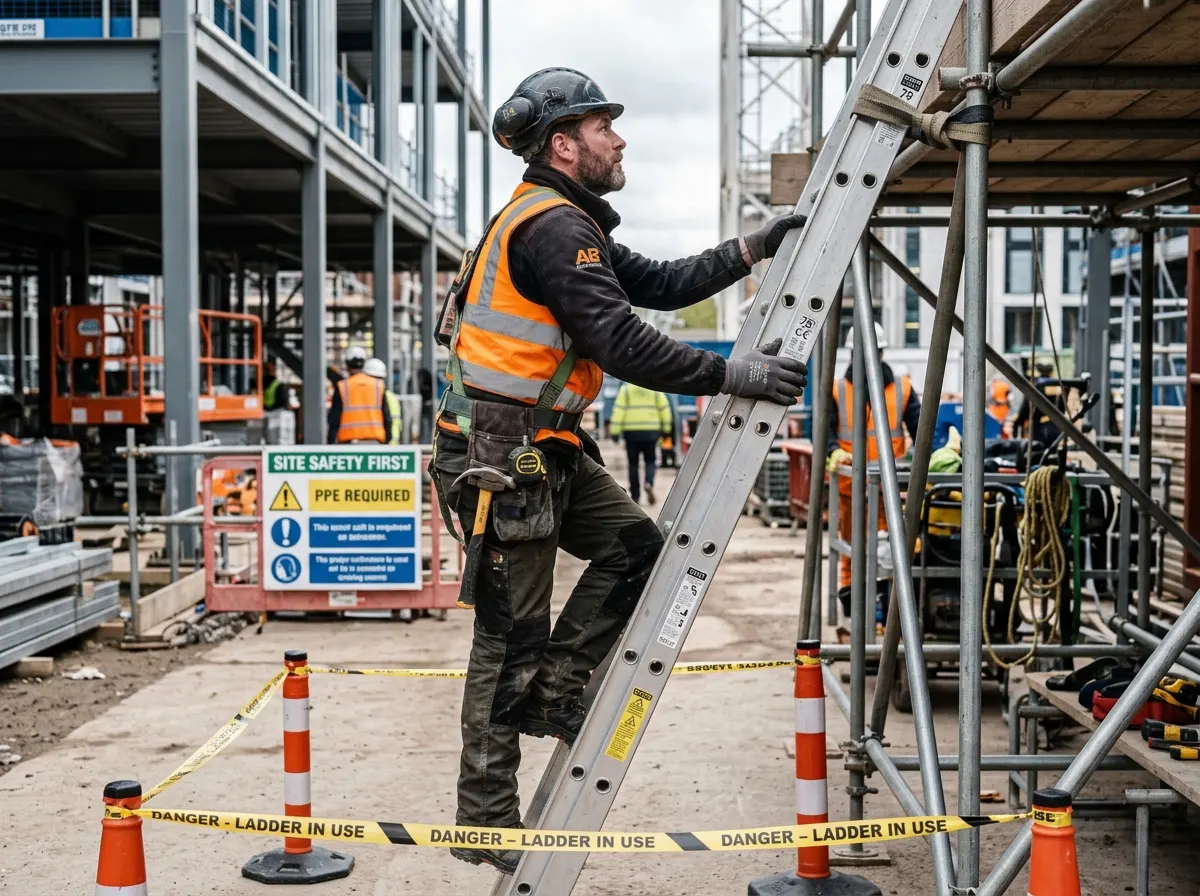
Falls from height remain the primary cause of workplace fatalities in the UK. The Work at Height Regulations (WAHR) 2005 require you to completely avoid working at height if it is practically possible (e.g., assembling structures on the ground before lifting them).
Safe Use of Ladders
Ladders are not banned, but they should only be used as a last resort for light work. For prolonged tasks, always use a mobile scaffold tower, a MEWP (cherry picker), or enclosed podium steps.
- ✓ The 30-Minute Rule: Leaning ladders should only be used for short-duration tasks—meaning no longer than 30 minutes in a single position.
- ✓ The 1-in-4 Rule: A leaning ladder must be angled correctly. For every 4 units up, it must be 1 unit out from the wall.
- ✓ Three Points of Contact: You must maintain three points of contact (e.g., two feet and one hand) at all times. Never carry heavy tools up a ladder in your hands; use a tool belt.
Working Safely in Customers' Homes
A customer's house is an uncontrolled environment. You are legally responsible for ensuring that your work activities do not put the homeowner, their children, or their pets at risk.
Securing the Domestic Environment
-
✓
Isolating Services: Before drilling any walls, use a digital stud/pipe detector. Always isolate the mains water at the stopcock and the electricity at the consumer unit before commencing invasive work.
-
✓
Trip Hazards & Housekeeping: Trailing extension leads are highly dangerous for elderly clients or children. Tape cables down to the floor safely. Never leave Stanley knives, power tools, or toxic sealants unattended in an occupied house.
-
✓
Dust & Property Protection: Use heavy-duty floor protection (like Correx sheets) and zip-up dust doors on door frames to prevent airborne silica and plaster dust from contaminating the rest of the family's living space.
The "Duty of Care" Briefing
Communication is a critical safety tool. Before starting work, have a polite but firm conversation with the homeowner. Explain that the work area is now a strict construction zone. Request that children and pets are kept out of the room completely until the job is handed back over.
Asbestos Awareness
If the house was built before the year 2000, it may contain asbestos (in Artex ceilings, floor tiles, or soffits). If you encounter suspicious material during a domestic renovation, stop work immediately. Do not drill or disturb it. Inform the homeowner they must arrange an asbestos survey before you can continue.
Frequently Asked Questions
Do I need to write a Risk Assessment for every small job?
By law, you only need to strictly document (write down) your risk assessments if you employ five or more people. However, you are always required to mentally assess the risks and put controls in place, even if working alone. Commercial contractors will almost always demand written RAMS before you can work on their sites, regardless of your business size.
Can I be fined for not wearing a dust mask?
Yes. HSE inspectors conduct unannounced spot checks on building sites. If they catch you dry-cutting paving slabs or chasing brickwork without water suppression and a compliant FFP3 face mask, they can shut the site down immediately and issue severe financial penalties under their Fee for Intervention (FFI) scheme.
What is the safest way to cut MDF?
Medium-density fibreboard (MDF) produces extremely fine, toxic dust containing formaldehyde when cut. You should only cut MDF in a well-ventilated area, ideally outside. You must use power tools fitted with M-Class dust extraction vacuums, and wear a closely fitted FFP3 respirator mask at all times during cutting and sweeping up.
What first aid equipment must I legally carry in my van?
Under the Health and Safety (First-Aid) Regulations 1981, even if you are a self-employed sole trader, you must have adequate first aid equipment. For a tradesperson working out of a vehicle, an HSE-compliant travelling first aid kit is the legal minimum. If you employ staff, you must also formally assign an 'appointed person' to take charge of first aid arrangements on your jobs.
Is there a legal maximum working temperature on site?
Surprisingly, there is no legal maximum outdoor working temperature in the UK. However, employers have a legal duty of care to ensure conditions are "reasonable" and must provide regular breaks and drinking water during heatwaves. For indoor work, the legal minimum temperature is 13°C if the work involves rigorous physical effort, or 16°C for lighter, less strenuous tasks.
What is Weil's Disease and who is at risk?
Weil's Disease (Leptospirosis) is a severe bacterial infection spread through rat urine, posing a massive risk to plumbers, groundworkers, and drainage engineers working near stagnant water, sewers, or agricultural sites. Always cover open cuts with waterproof plasters, wear heavy-duty nitrile gloves, and never eat or smoke on site without washing your hands thoroughly first.
When must I report a site accident to the HSE (RIDDOR)?
Under RIDDOR (Reporting of Injuries, Diseases and Dangerous Occurrences Regulations 2013), you must legally report specific incidents directly to the HSE. This includes any work-related fatalities, major fractures, amputations, or if an employee/subcontractor is incapacitated and unable to work for more than seven consecutive days due to a site injury. Failing to report a qualifying incident is a criminal offence.
Who is responsible if a homeowner's child gets hurt on my tools?
Under the Health and Safety at Work Act (Section 3), you have a strict legal duty of care to ensure the public (including the homeowner's family) are not exposed to risks from your work. If you leave a plugged-in power tool unattended in a hallway and a child injures themselves, you and your business will be held fully liable for the negligence.
Ready to fill your diary with quality jobs?
Connect with serious homeowners who value reliability over the absolute cheapest quote. Join our network of accredited UK tradespeople today and let our AI estimators filter out the time-wasters for you.
Did you find this guide helpful?
Let us know if these business tips will help your trade business.