How to bulletproof your van and secure your site.
 By Tom Ellis
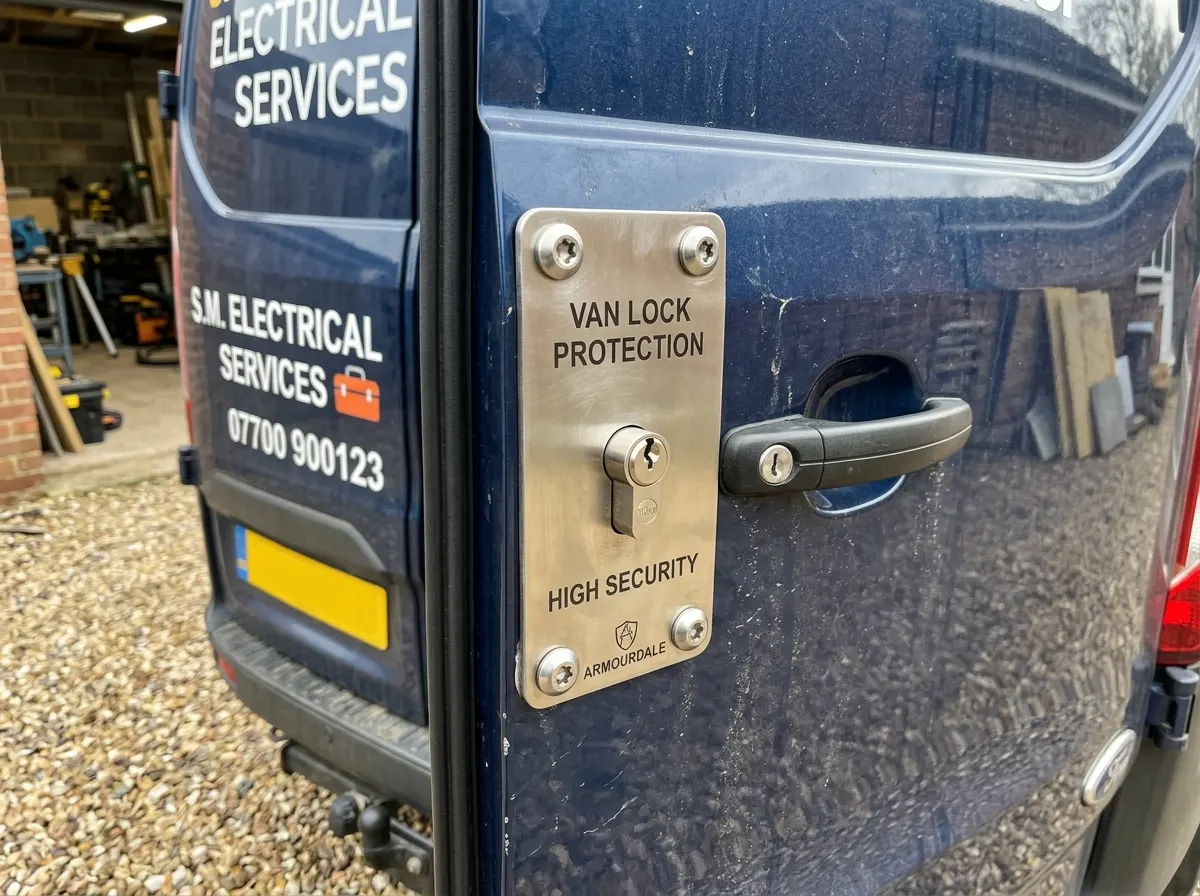
Tool theft is an epidemic in the UK. A van is broken into every 19 minutes, costing the trade industry hundreds of millions of pounds a year. The true cost of a break-in is never just the price of a stolen drill; it is the thousands of pounds in lost earnings, let-down customers, and the brutal expense of repairing severely damaged van doors.
Factory-fitted locks are no longer enough to stop modern thieves. They use sophisticated "peel and steal" methods, key-fob cloning, and simple brute force. If you want to protect your livelihood, you must physically harden your van, fortify your site storage, and make your equipment too risky to steal. Here is exactly how to do it.
Hardening the Mobile Vault
Thieves know exactly where the weak points are on every make and model of commercial van. You must upgrade the physical hardware on your doors to eliminate these vulnerabilities.
Hook Locks & Deadlocks
The manufacturer's central locking is easily bypassed by electronic cloning or physical manipulation. You must install secondary, independent locks operated by a high-security dimple key.
Hook Locks are superior to standard deadlocks. Instead of just shooting a straight bolt into a keep, a hook lock loops a heavy-duty metal hook over a bar. This makes it incredibly difficult for a thief to pry the doors apart with a crowbar, as the doors are physically anchored together.
Anti-Peel Brackets
The "Peel and Steal" is the most common method of breaking into a van today. Thieves grab the top corner of the side sliding door, lean back, and use their body weight to fold the door down like a tin can, bypassing the locks entirely.
Anti-Peel Brackets are heavy-duty steel plates installed at the top edge of the side door. They reinforce the door skin and catch the frame, making it physically impossible to bend the door down, even with two men pulling on it.
Shielding Plates (Rep Locks)
Thieves know exactly where the internal locking cables run inside a van door. They use a screwdriver to punch a hole straight through the thin exterior metal skin to reach in and pop the internal cable, opening the door in seconds.
External Shielding Plates act as thick steel armour over these vulnerable spots. If a thief tries to punch a hole around the handle, they hit solid steel. They are also excellent for covering up existing damage if a thief has already tried and failed.
Loom Guards
On certain popular vans (like the Ford Transit Custom), the wiring loom that controls the central locking runs between the front door and the van body. Thieves cut this rubber sleeve and short-circuit the wires, forcing the central locking to unlock the rear doors.
Loom Guards are solid metal enclosures that wrap entirely around this exposed wiring. If a thief tries to slash the rubber casing with a Stanley knife, the blade hits the guard, protecting the electrical circuits.
Internal Security & Electronics
Physical locks buy you time. The longer it takes to break in, the more likely the thief is to walk away. But if they do breach the doors, you need a secondary layer of defence inside the vehicle.
-
Thatcham Approved Alarms (Category 1)
Factory alarms are often too quiet and easily disabled. An upgraded Thatcham Category 1 aftermarket alarm features independent backup sirens, volumetric motion sensors in the cargo bay, and alerts sent directly to your smartphone if triggered.
-
Internal Tool Vaults
Even if a thief opens the rear doors, make sure they cannot grab your most expensive gear. Bolting a heavy steel site box (like an Armorgard TuffBank) directly to the chassis through the van floor means a thief would need an angle grinder and 20 minutes to get to your high-value batteries and breakers.
-
GPS Fleet Trackers
Vans are often stolen entirely via OBD port hacking. A hidden, hardwired GPS tracker allows the police to locate the van immediately. Ensure you use a system that alerts you if the van is towed or the battery is disconnected.
The "No Tools Left Overnight" Dilemma
The ultimate defence is removing the tools entirely, but carrying 500kg of gear into your hallway every night is rarely practical for full-time tradesmen.
Sticker Warning: Many tradesmen put "No Tools Left In This Van Overnight" stickers on the back doors. While intended as a deterrent, police data suggests professional gangs often view these as a sign that the van belongs to a genuine tradesperson, making it a target for daytime theft while parked outside a client's house or at a builders' merchant.
Instead of relying on stickers, rely on visible, heavy-duty physical deadlocks. A thief looking for a quick hit will always bypass a van with three hook locks to find an easier target.
Stop paying for dead leads.
Join the Pricing Penguin network. We provide UK tradespeople with high-intent, pre-qualified customers who already understand the true cost of quality craftsmanship.
Locking Down the Job Site
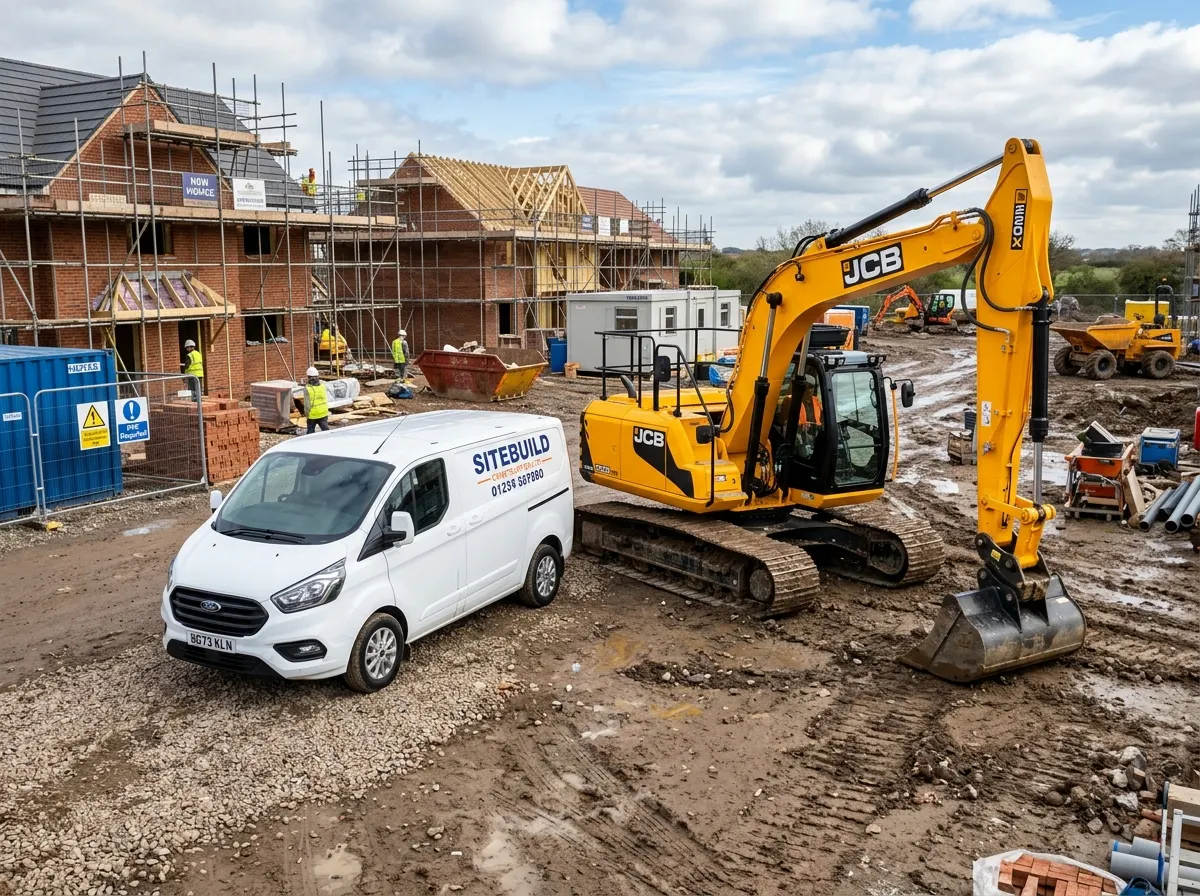
If you are working on an extension or a new build, leaving materials and hired plant on site overnight is unavoidable. You must secure the perimeter and monitor the zone.
Site Containers & Vaults
Never leave tools in a newly built shell or a customer's garage. You must use a heavy-duty steel site chest (with 5-lever deadlocks and anti-cut rollers). For large sites, hire a steel shipping container fitted with a heavy-duty padlock shroud (a lockbox) that prevents bolt-cutters from reaching the shackle.
4G Cellular CCTV
Construction sites rarely have active Wi-Fi. Deploy battery or solar-powered 4G cellular cameras (like Eufy or Reolink). These connect via a mobile SIM card, offer motion-activated spotlights, and send instant alerts to your phone if someone breaches the perimeter at 2 AM.
Scaffold Alarms & Fencing
Heras fencing should always be double-clipped (using anti-tamper clips that require a special spanner). If you have scaffolding erected, it is a ladder straight to the upper floors. You must install a battery-operated scaffold alarm with PIR motion sensors on the first lift to deter climbers.
Make Your Tools Unsellable
If the worst happens and your tools are stolen, they will likely end up at a car boot sale or an online marketplace within 48 hours. If you haven't marked them, the police cannot prove they belong to you, even if they raid the thief's lock-up.
- ✓ Forensic Marking: Use SmartWater or SelectaDNA. This invisible forensic liquid links the tool to your business address under UV light. Apply prominent warning stickers to the tool cases—thieves avoid forensically marked gear because buyers won't touch it.
- ✓ Physical Engraving: Use a Dremel to heavily engrave your company name, postcode, or phone number into the hard plastic body of the tool. Do not just use a permanent marker, which can be wiped off with solvent.
- ✓ Record Serial Numbers: Photograph the manufacturer plate showing the serial number of every major tool. If stolen, these numbers can be logged on the National Property Register (Immobilise), drastically increasing the chances of recovery.
The Battery Problem
Thieves often don't want the bulky drills; they want the high-capacity lithium-ion batteries. A 5Ah or 8Ah battery is small, incredibly valuable, and easy to sell.
Always engrave your batteries individually, mark them with forensic liquid, and if possible, remove the batteries from the tool cases and bring them inside the house to charge every night. A drill without a battery is worth significantly less to a criminal.
Frequently Asked Questions
Will my insurance cover tools left in the van overnight?
It depends entirely on the exact wording of your policy. Most standard "Tools in Transit" policies have a strict "unattended vehicle" clause. They will outright reject your claim if the tools were left in the van between 9 PM and 6 AM, unless the vehicle was parked in a locked brick garage or you have specifically paid extra for overnight cover and met their deadlock requirements.
Does fitting aftermarket locks void my van's warranty?
Fitting physical deadlocks requires drilling into the metalwork of the van doors. This will void the manufacturer's anti-corrosion and paint warranty specifically for those treated areas of the door. However, it does not void the mechanical warranty of the van (engine, gearbox, etc.). Always use a certified, professional auto-locksmith who will treat the bare metal with rust inhibitor.
Are Apple AirTags effective for tracking tools?
Apple AirTags are useful, but flawed for high-end security. Because of Apple's anti-stalking features, an AirTag will start beeping and alert the thief's iPhone that an unknown tracker is moving with them. The thief will simply search the tool box, find the AirTag, and throw it out the window. They are better than nothing, but a dedicated GPS tracker hidden in the van chassis is far superior.
Does how I park my van actually make a difference to security?
Yes. The "peel and steal" method requires physical space for the thieves to gain leverage. Whenever possible, reverse your van tight against a solid brick wall or garage door to block access to the rear barn doors. Park the sliding side door tight against a high kerb, wall, or another vehicle. If they cannot physically reach the doors with their tools, they cannot break in.
Are traditional steering wheel locks still worth using?
Absolutely. While modern thieves use high-tech OBD relay attacks and key cloning to bypass electronic ignitions, a heavy-duty, Thatcham-approved physical steering lock (like a Disklok) or a metal pedal box cannot be hacked. They require heavy cutting equipment to remove, which takes time and creates massive noise, acting as an excellent visual deterrent.
How can I stop thieves from stealing my van's catalytic converter?
Commercial vans with high ground clearance are prime targets for catalytic converter theft, which can happen in under 60 seconds with a battery-powered reciprocating saw. You should have a 'Cat Guard' installed—a heavy-duty metal shield or wire clamp system bolted over the exhaust. Additionally, ensure your aftermarket van alarm includes a tilt sensor that triggers the siren if the vehicle is jacked up.
How can I check if second-hand tools I am buying online are stolen?
Always check the tool's serial number against the National Property Register (Immobilise) before handing over any cash. Be highly suspicious of tools sold without their specific chargers or batteries, or if the seller's account was created very recently. If the plastic casing has deep gouge marks where a company name or serial number has clearly been melted or ground off, walk away and report the listing.
If I catch someone breaking in, what should I do?
Do not physically engage. Modern tool thieves often operate in gangs and carry heavy crowbars, angle grinders, and sometimes weapons. Your life is worth more than a Makita drill. Turn on floodlights, trigger panic alarms, shout from a safe window to let them know they are on camera, and immediately dial 999 to report a crime in progress.
Ready to fill your diary with quality jobs?
Connect with serious homeowners who value reliability over the absolute cheapest quote. Join our network of accredited UK tradespeople today and let our AI estimators filter out the time-wasters for you.
Did you find this guide helpful?
Let us know if these business tips will help your trade business.