How to start a highly profitable general building company.
 By Tom Ellis
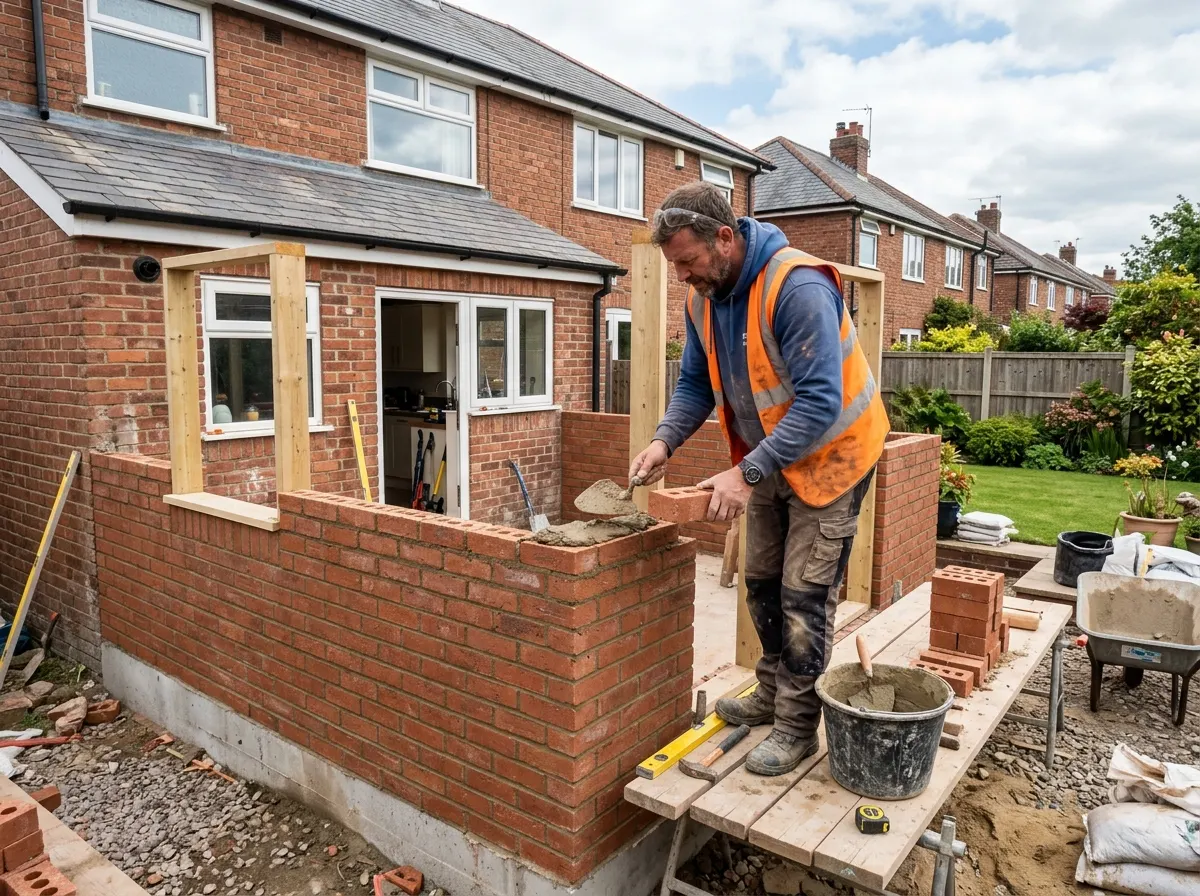
Transitioning from a single-trade professional (like a bricklayer or carpenter) to a General Builder is the most lucrative leap in the construction industry. As a main contractor, you no longer just sell your labour; you sell project management, undertaking £50,000 to £250,000 domestic extensions and renovations.
However, the financial and legal exposure increases exponentially. You become responsible for managing multiple subcontractors, complying with strict CDM 2015 safety regulations, securing massive material credit lines, pricing complex projects accurately, and taking on full liability for the structural integrity of a client's home. This guide details exactly how to structure, protect, and scale a main contracting building firm.
Is Building a Good Business to Start?
Operating as a main contractor offers massive revenue potential, but requires excellent cash flow management and organizational skills.
Types of Work & Clients
Domestic vs Commercial: Domestic work (extensions, loft conversions, renovations) offers high margins but requires intense client hand-holding. Commercial work (office refits, shopfitting) offers fast-paced, high-volume work but often comes with punishing 60-day payment terms and strict retention clauses.
Demand: The UK is structurally short of housing, driving relentless demand for both new builds and home extensions. Well-established builders are often booked 6 to 12 months in advance.
Core Building Services
A general builder coordinates the following, either directly or via subcontractors:
- ✓ Extensions & New Builds: Full project management from groundworks to decorating.
- ✓ Renovations: Full house refurbishments, knocking through structural walls.
- ✓ Conversions: Lofts, garages, and barn conversions.
- ! Specialist Trades: You MUST hire qualified professionals for Gas (Gas Safe), Electrics (Part P), and structural design (Structural Engineer).
Incorporation & Subcontractor Law
Operating a general building firm as a Sole Trader is exceptionally risky. You must establish a robust corporate and tax framework before taking on large contracts.
Registering a Limited Company (Ltd)
When you are building extensions, you are dealing with massive liabilities—structural failure, subsidence, or severe site accidents. Operating as a Limited Company provides a vital legal shield, separating your personal assets (your house) from the business's debts and liabilities. Furthermore, commercial clients and large material suppliers overwhelmingly prefer dealing with Ltd companies.
The Construction Industry Scheme (CIS)
As a general builder, you will hire plumbers, electricians, and plasterers. By law, you are now a "Main Contractor." You must register for the CIS with HMRC.
-
!
Mandatory Deductions When a subcontractor invoices you for labour, you must verify them with HMRC, deduct 20% (or 30% if unverified) from their labour charge, and pay it directly to HMRC. Failing to operate this scheme correctly results in massive tax penalties.
Do you need qualifications to start a building company?
Legally, no. You do not need a degree to call yourself a builder. However, practically, you need immense experience across multiple trades. If you want to obtain a CSCS card to manage commercial sites, you will need a relevant NVQ (e.g., Level 6/7 in Construction Contracting Operations Management). You must also know when to defer to specialists (Gas Safe engineers, structural engineers) to comply with Building Regulations.
Stop paying for dead leads.
Join the Pricing Penguin network. We provide UK tradespeople with high-intent, pre-qualified customers who already understand the true cost of quality craftsmanship.
Startup Costs & Choosing a Van
Building requires significant upfront investment, not just in tools, but in working capital to float materials before stage payments clear.
How much does it cost to start?
Low-Cost Startup (£5,000 - £10,000)
Stepping up from a single trade. Using your existing van and hand tools. Hiring all heavy plant (mixers, breakers, diggers) per job. Operating with minimal working capital, requiring strict upfront client deposits to fund initial groundworks materials. Basic PLI.
Typical Professional Startup (£20,000 - £40,000+)
Leased 3.5t Tipper van (£3k deposit). Comprehensive power tool arsenal (lasers, heavy breakers, mixers). Professional branding, website, and comprehensive Contract Works insurance (£2k+). Crucially: £10k-£20k in working capital to ensure subcontractors are paid promptly while waiting for client stage payments.
What van do you need?
A small van is useless for a main contractor. You need payload and volume.
-
✓
The 3.5t Tipper or Dropside Essential for moving loose aggregates, collecting pallets of cement, and dumping spoil. Keep an eye on payload limits (usually ~1,000kg).
-
✓
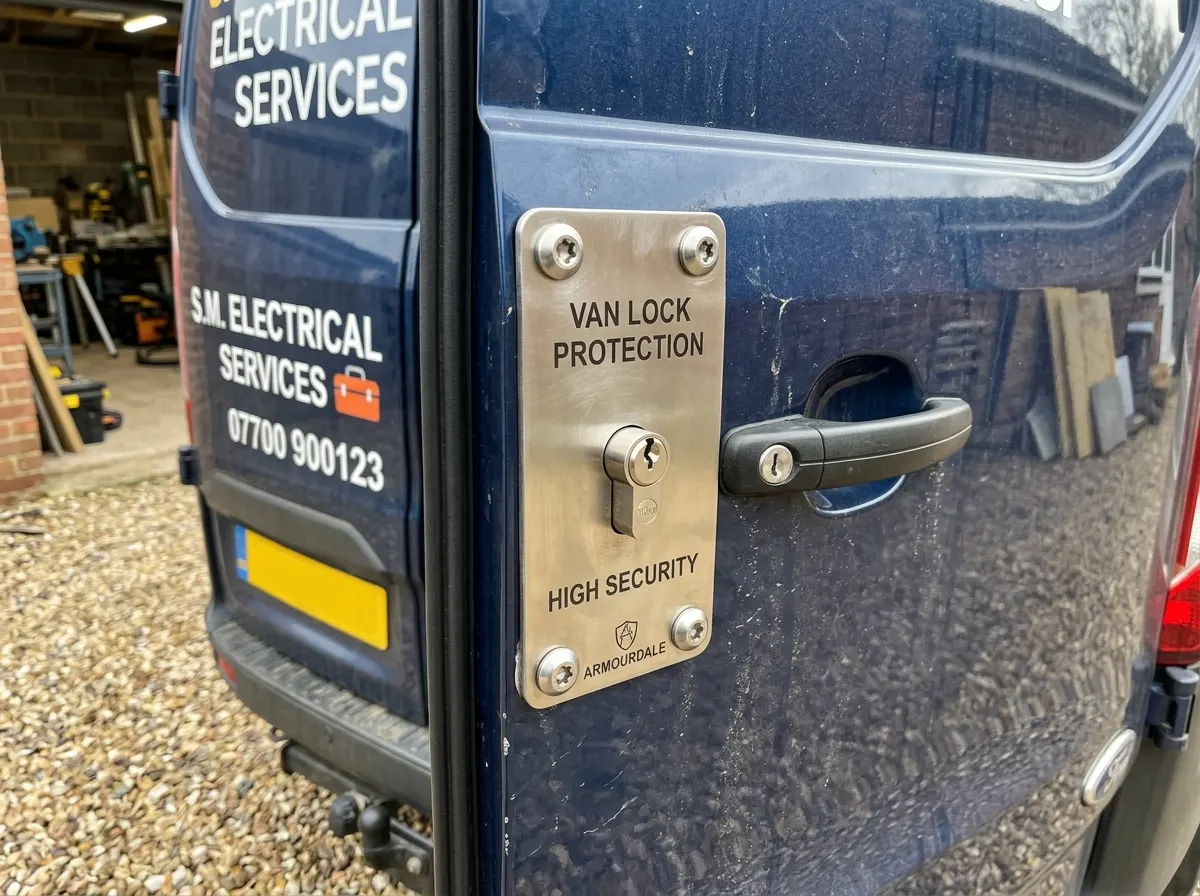
Security & Tool Storage If running a tipper, you need heavy-duty, lockable tool vaults bolted to the chassis to protect your expensive lasers and power tools from theft.
Contractors All Risk (CAR)
Standard Public Liability is not enough for a general builder. You are taking on custody of a client's property for months at a time.
The Absolute Essentials
-
✓
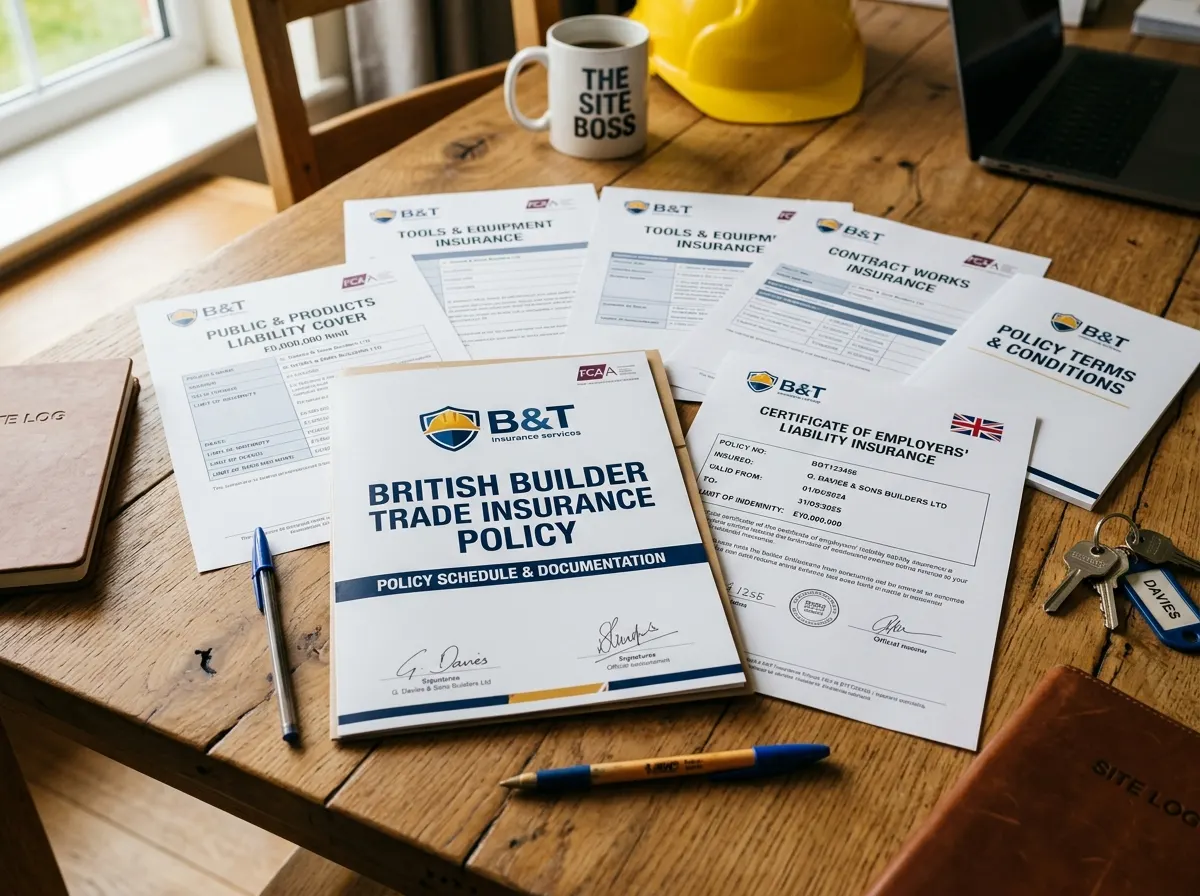
Contract Works Insurance (CAR) If you have built half an extension, and a storm blows it down overnight or arsonists set it on fire, Public Liability will not cover the rebuild cost. Contract Works insurance covers the half-completed building, the materials on site, and the hired-in plant (diggers/dumpers) against theft and destruction.
-
✓
Public & Employers' Liability You need a minimum of £2m-£5m Public Liability. Because you will be hiring subcontractors and labourers, you are legally obligated to hold £5m Employers' Liability insurance to cover injuries on your site.
-
✓
JCT Contract Clauses If you use standard JCT (Joint Contracts Tribunal) building contracts, they will legally mandate that you hold specific levels of joint-name insurance to protect the homeowner.
CDM 2015 & Principal Contractor
Under the Construction (Design and Management) Regulations 2015 (CDM 2015), safety laws apply to ALL building projects, including small domestic extensions.
-
The Principal Contractor Duty
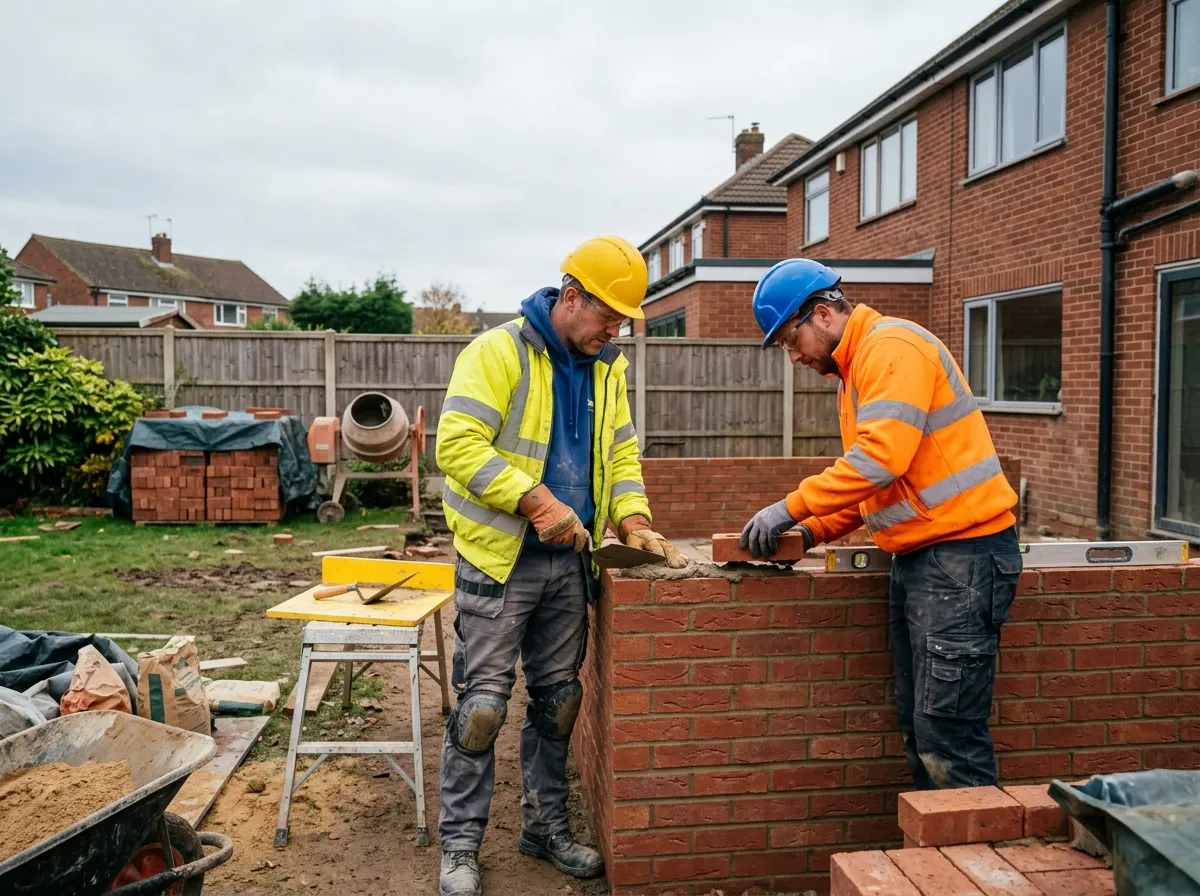
If there is more than one trade on site (e.g., you and an electrician), you automatically become the "Principal Contractor." The homeowner's legal safety duties are transferred entirely to you. You are legally responsible for the health and safety of everyone on site.
-
Construction Phase Plan (CPP)
Before breaking ground, you must draw up a simple CPP. It outlines how you will manage risks, secure the site from the public, and organize welfare facilities (toilets and washing areas) for your workers. HSE inspectors will ask to see this document.
-
Building Control Interaction
You must manage the relationship with the Local Authority Building Control (or an Approved Inspector). You are responsible for booking the required inspections (footings, DPC, steels, roof timbers) before covering up any structural work.

Safety is not optional. The HSE issues crippling Fee For Intervention (FFI) fines for untidy or unsafe domestic sites.
Stop paying for dead leads.
Join the Pricing Penguin network. We provide UK tradespeople with high-intent, pre-qualified customers who already understand the true cost of quality craftsmanship.
Equipping Your Business
A general builder needs a vast array of tools, but smart operators hire heavy plant to preserve cash flow.
Essential Power Tools
- • 110V SDS Max breaker (for demo)
- • Petrol disc cutter (Stihl saw)
- • Rotary laser level (Crucial for groundworks)
- • Circular saw & heavy-duty impact drivers
- • Heavy-duty cement mixer (Belle)
Access & Safety
- • Acrow props & Strongboys (Essential for knock-throughs)
- • Aluminium hop-ups & podium steps
- • Temporary Heras site fencing
- • Site transformer (110V) and lighting
Machinery: Buy vs Hire
Do not buy heavy plant until you have back-to-back jobs requiring it.
- • Hire Initially: Micro-diggers, tracked dumpers, access towers, and wacker plates. Cost the hire directly into the client's quote.
How to Price a Building Project
The most common reason builders go bankrupt is poor cash flow management and underpricing. You cannot guess a £100,000 build.
How much should a builder charge?
Day Rates: A skilled builder typically charges £200 to £300+ per day, plus £100-£150 for a labourer. However, large projects are always priced as a fixed lump sum.
The Margin Formula
Your quote must cover Materials + Plant Hire + Subcontractors + Your Labour. On top of this base cost, you must add Overheads (van, insurance, admin time) and Profit. A standard gross margin for a main contractor is 15% to 25%.
How to Estimate Safely
- Use Software: Use tools like Build Aviator or a Quantity Surveyor (QS) to break down every brick, skip, and hour of labour.
- Subcontractor Quotes: Get firm quotes from your electrician and plumber. Do not guess their prices.
- Waste & Scaffolding: Often underestimated. Allow for multiple £300 skips and £2k+ for scaffolding.
- Contingency: Add 10-15% for unforeseen ground conditions.
- Written Scope: Clearly define what is INCLUDED and EXCLUDED (e.g., "Quote excludes final floor finishes and kitchen appliances").
Milestone Payment Schedules (Crucial for Cash Flow)
You must issue a strict stage payment schedule before work begins. Tie payments to physical milestones, not dates.
Stop paying for dead leads.
Join the Pricing Penguin network. We provide UK tradespeople with high-intent, pre-qualified customers who already understand the true cost of quality craftsmanship.
Accreditations & Finding Customers
When a homeowner hands over £80,000 for a rear extension, they need absolute guarantees. High-end builders win work by proving their credibility.
Accreditations (FMB & TrustMark)
The Federation of Master Builders (FMB) is the ultimate gold standard. Membership requires vetting, independent inspection of your work, and proof of proper insurances. Displaying the FMB and TrustMark logos instantly elevates you above unvetted local competitors and justifies premium pricing.
How to get your first customers:
-
✓
Architect Relationships Introduce yourself to local architects. If you execute their designs flawlessly and make them look good, they will bypass the tender process and recommend you directly to their future clients.
-
✓
Google & Site Boards Ensure your Google Business Profile is active with 5-star reviews. Always erect a branded "Work in Progress" board on the perimeter fencing of current jobs. Neighbours watching a clean, well-managed site will call you.
Common Mistakes to Avoid
- • No written scope: Doing work based on a handshake leads to massive disputes over "extras."
- • Underestimating materials: Not factoring in the 10% waste rule for bricks and timber.
- • Taking on too much: Starting three extensions simultaneously when you only have the cash flow and manpower to manage one properly.
Frequently Asked Questions
How much does it cost to start a building company?
Stepping up from a single trade using existing tools and a van might cost £5k-£10k. A professional main contractor startup requiring a leased tipper van, comprehensive tools, insurance, and vital working capital to float materials requires £20,000 to £40,000+.
Do you need qualifications to start a building business?
Legally, no. However, you need immense practical experience. You must also hire properly qualified subcontractors for restricted work (Gas Safe for boilers, Part P for electrics). An NVQ Level 6/7 is required if you want a CSCS Managers card.
How much do builders charge per day?
A skilled general builder typically charges £200 to £300+ per day, plus £100-£150 for a labourer. However, large extensions and new builds are always priced as a fixed-sum project, not on a day rate.
How do builders price projects?
By breaking down the architect's drawings. They calculate exact material quantities, plant hire, scaffolding, waste (skips), subcontractor quotes, and their own labour. They then add a contingency buffer and a gross profit margin (typically 15-25%).
Do I need a Waste Carrier Licence as a builder?
Yes. If you transport rubble, timber, or soil in your own tipper van or trailer, you legally must hold an Upper Tier Waste Carrier Licence from the Environment Agency. Failure to do so can result in your vehicle being seized.
Should I offer insurance-backed guarantees?
Offering a 10-year Insurance Backed Guarantee (IBG) on structural work is a massive selling point. It means if your business ceases trading, the homeowner is still covered for structural defects. Schemes like the FMB provide pathways to offer these.
Am I responsible for the Party Wall Agreement?
No, the Party Wall etc. Act 1996 is the legal responsibility of the homeowner. They must serve notice and gain agreement from their neighbours before you can excavate near boundaries. Do not start work until the client proves they have the agreement in writing.
How do I manage the VAT threshold?
A general builder will hit the VAT registration threshold (£90,000) within just one or two extension projects. You must register for VAT. To soften the 20% price hike for domestic customers, ensure you accurately reclaim all VAT on your materials, plant hire, and subcontractor invoices.
What is a Retention fee?
On larger contracts, it is standard practice for the client to hold back a 'retention' (usually 2.5% to 5% of the total cost) after practical completion. This is held for a specified "Defects Liability Period" (often 6 months) to ensure you return to fix any snags before final payment is released.
How much profit does a building company make?
A well-run building company targeting a 20% gross margin on £500,000 of annual turnover can generate £100,000 in gross profit. After deducting business overheads, van leases, and insurance, a self-employed business owner can comfortably draw £60,000 to £80,000+.
Ready to fill your diary with quality jobs?
Connect with serious homeowners who value reliability over the absolute cheapest quote. Join our network of accredited UK tradespeople today and let our AI estimators filter out the time-wasters for you.

Did you find this guide helpful?
Let us know if these business tips will help your trade business.