How much does it cost to install or replace plug sockets?
 By Tom Ellis
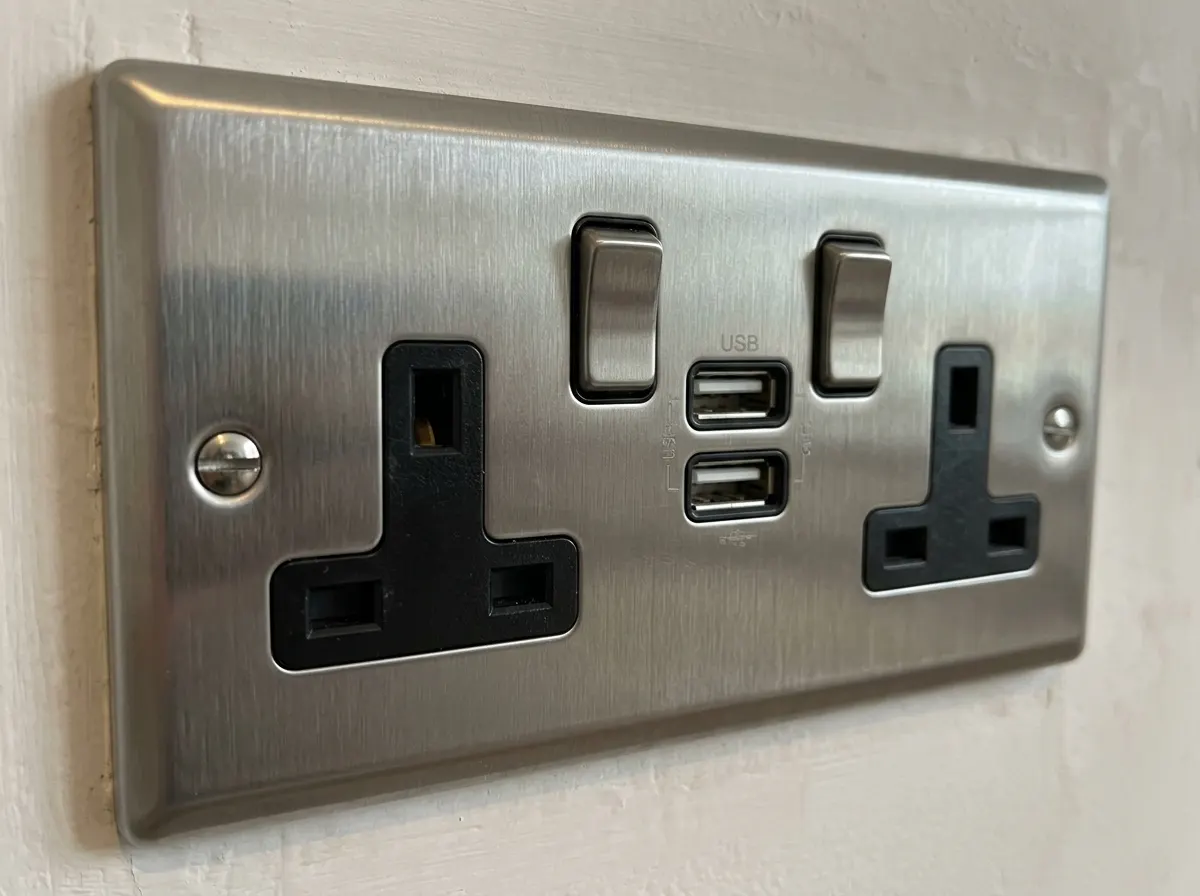
We rely on electricity more than ever, yet many older UK homes simply don't have enough sockets. Extension leads trailing across floors are dangerous, unsightly, and can overload your circuits.
Whether you are upgrading cracked white plastic to modern brushed steel with built-in USB-C ports, adding brand new sockets hidden behind a wall-mounted TV, or installing weatherproof sockets for the garden, this 2026 guide breaks down the true cost of electrician labour and materials.
Prices move month to month. See how they are changing in the Penguin Index, or compare common jobs across the UK in our UK Home Improvement Cost Report.
£50 - £80
Labour only cost to swap an existing double socket faceplate (e.g., upgrading to a USB model).
£100 - £180
Supplied and fitted estimate to run a new double socket spurred off an existing one nearby.
£120 - £200
Supplied and fitted cost for an outdoor IP66 socket, drilled through the wall from an internal feed.
Jump to a Section
Get an instant estimate for your sockets
Types of Plug Sockets
The faceplate you choose dictates the supply cost of the materials. Modern upgrades can eliminate the need for bulky adapters.
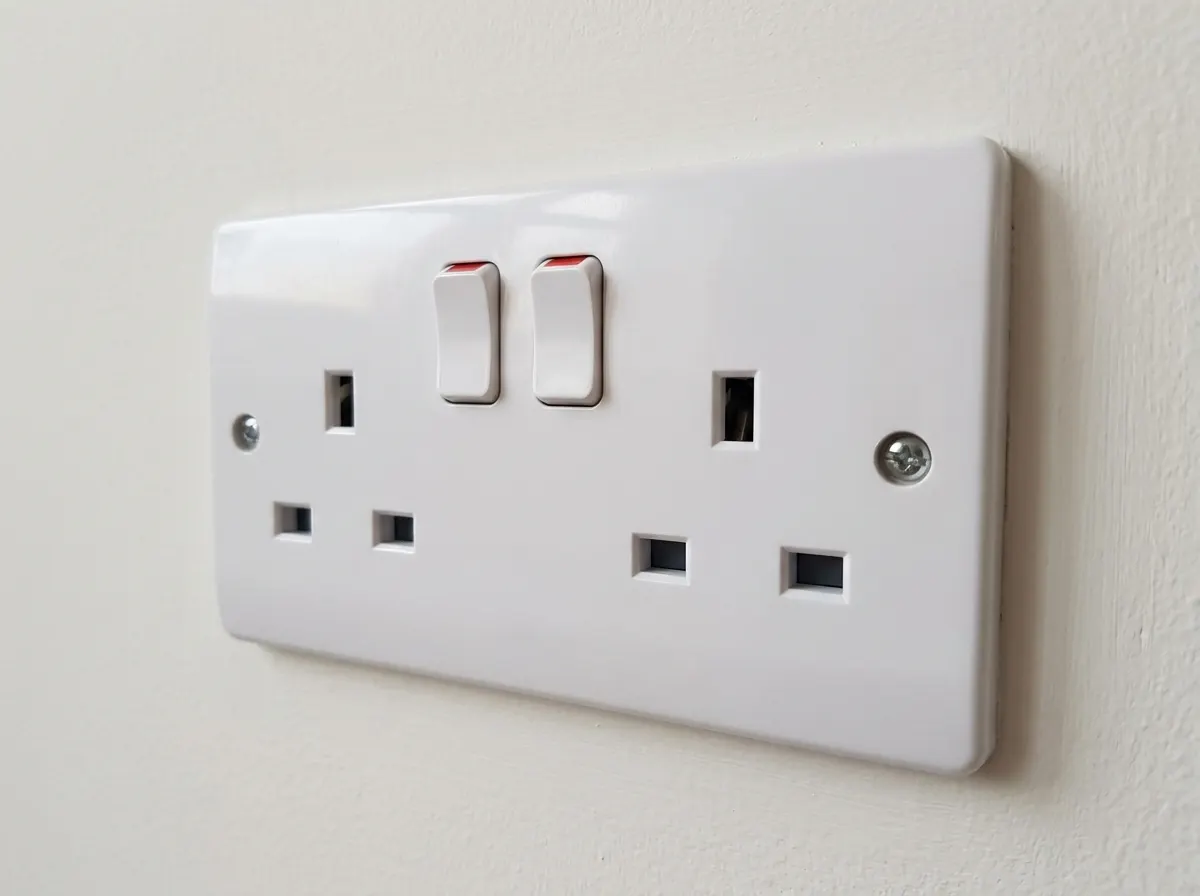
Standard & Metal Finishes
White plastic is the cheapest and most common. Upgrading to flat-plate brushed steel, polished chrome, or matte black instantly modernises a room. Metal sockets must be properly earthed by the electrician.
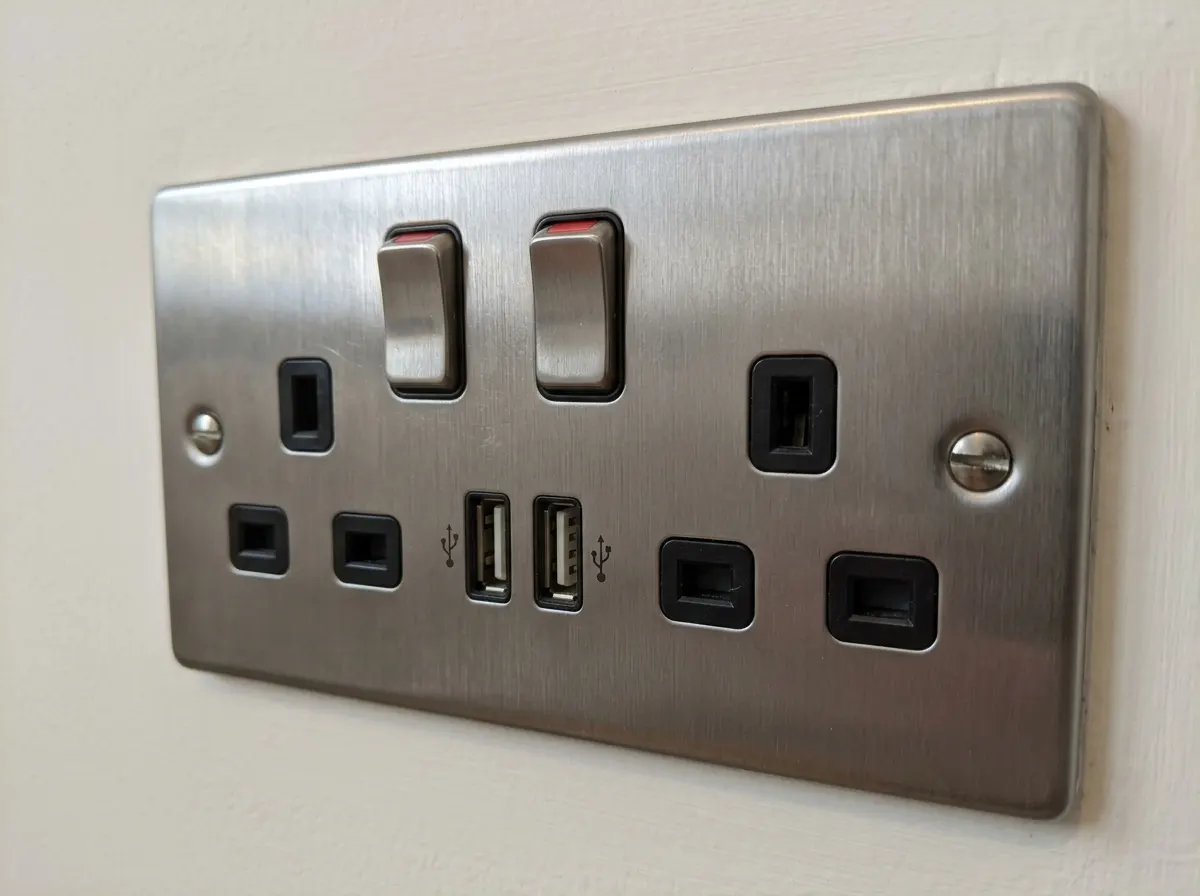
USB & Type-C Sockets
Built-in USB ports allow you to charge phones and tablets without losing the use of the main 3-pin plugs. The newest models include fast-charging USB-C ports alongside standard USB-A.
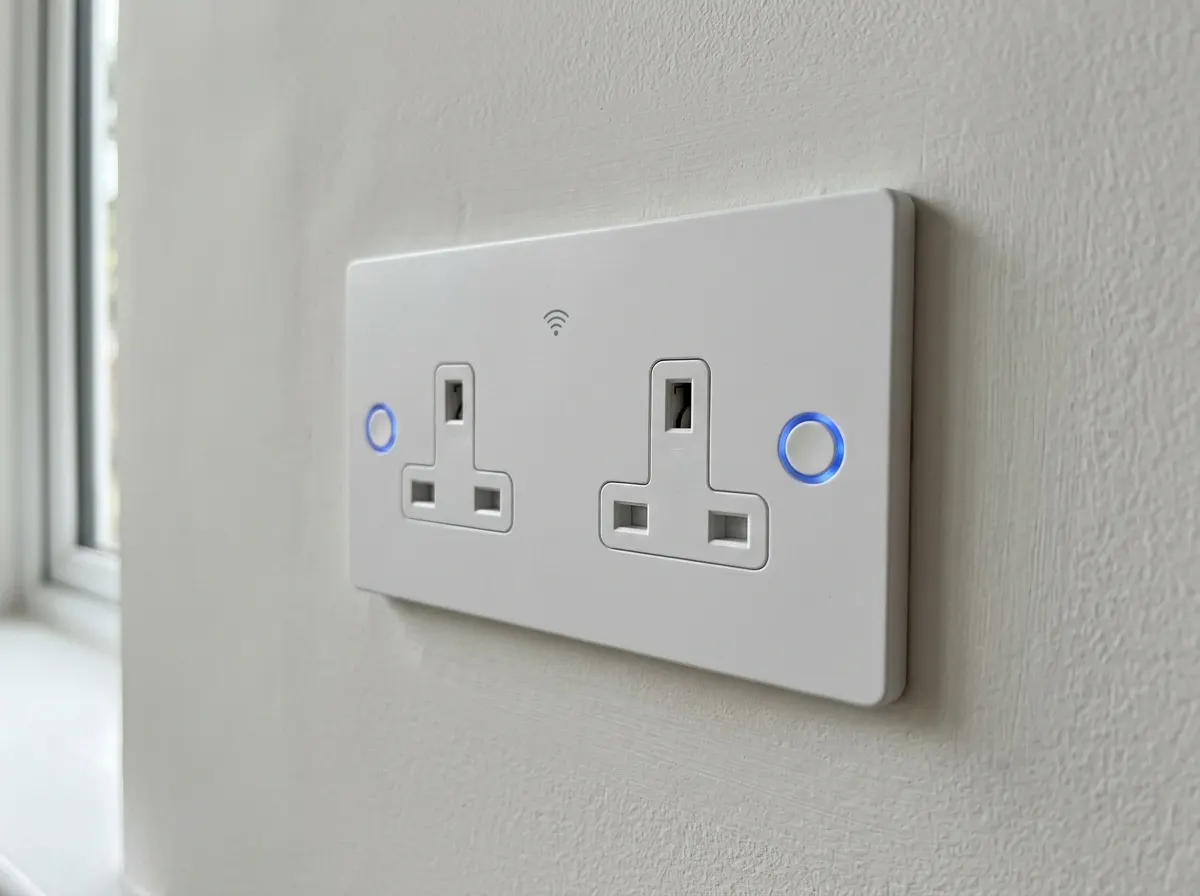
Smart Sockets
WiFi or Zigbee enabled faceplates. These connect to your home network, allowing you to turn devices on or off via a smartphone app, set schedules, or use voice commands (Alexa/Google).
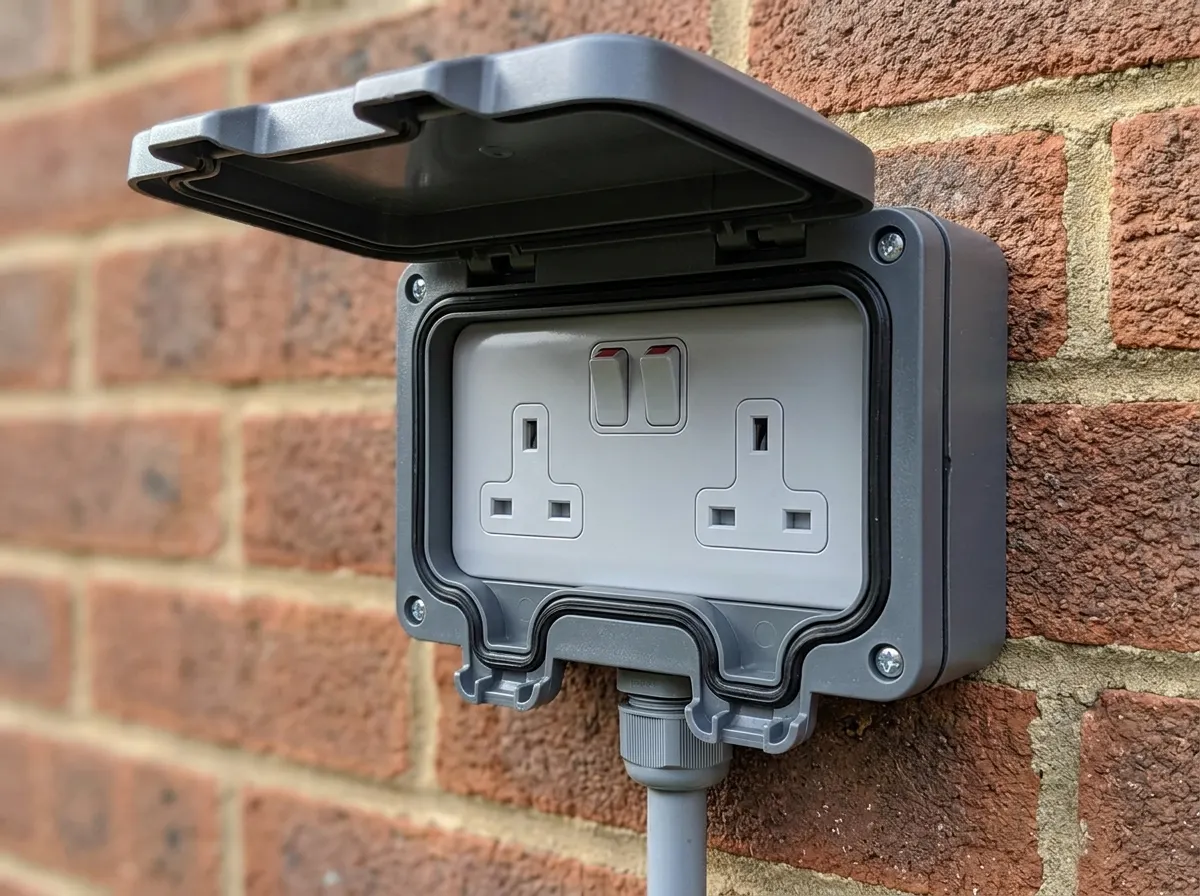
Outdoor / IP66 Weatherproof
Essential for powering lawnmowers, pressure washers, or garden lights. They feature heavy-duty, latching covers that seal out rain and dirt (IP66 rated) even while a plug is inserted.
Back Box Depth: USB and Smart sockets contain electronic transformers. They are much deeper than standard sockets. If your wall has a shallow 16mm metal back box, the electrician will have to chisel out the brickwork to fit a deeper 35mm box.
Installation & Supply Costs
We have analysed the 2026 electrical market to create these benchmark averages. The price you pay depends heavily on whether you are simply swapping a faceplate or installing a brand new circuit.
The Sockets (Supply Only)
The cost of the materials if you buy them yourself off the shelf (prices are for double sockets):
- Standard White Plastic £3 – £8
- Brushed Steel / Chrome £15 – £30
- Socket with USB-A & USB-C £20 – £40
- Smart WiFi Socket £25 – £50
- Outdoor IP66 Weatherproof £20 – £45
Electrician Labour & Fitting
Rates for an electrician to physically install or wire the sockets (excluding the faceplate cost):
- Swap Existing (Like-for-Like) £50 – £80
- New Socket (Spurred, Surface trunking) £80 – £130
- New Socket (Chased into wall, plastered) £150 – £250
- Outdoor Socket (Drilled from inside) £100 – £160
- Outdoor Socket (New armoured cable run) £250 – £400+
Electrician Day Rates: If you are swapping out all the sockets in a room, it is far cheaper to hire an electrician on a day rate. In 2026, a certified UK electrician charges £250 to £350 per day (£45 to £75 per hour).
The Hidden Costs of New Sockets
Adding brand new sockets where there previously were none involves much more than just wiring. Watch out for these major cost factors:
Chasing & Plastering
To hide cables inside a solid brick wall, the electrician must 'chase' a deep channel using an angle grinder. It is incredibly messy. Once wired, you then have to pay a plasterer to fill the channel and a decorator to repaint the wall.
RCD Protection Rules
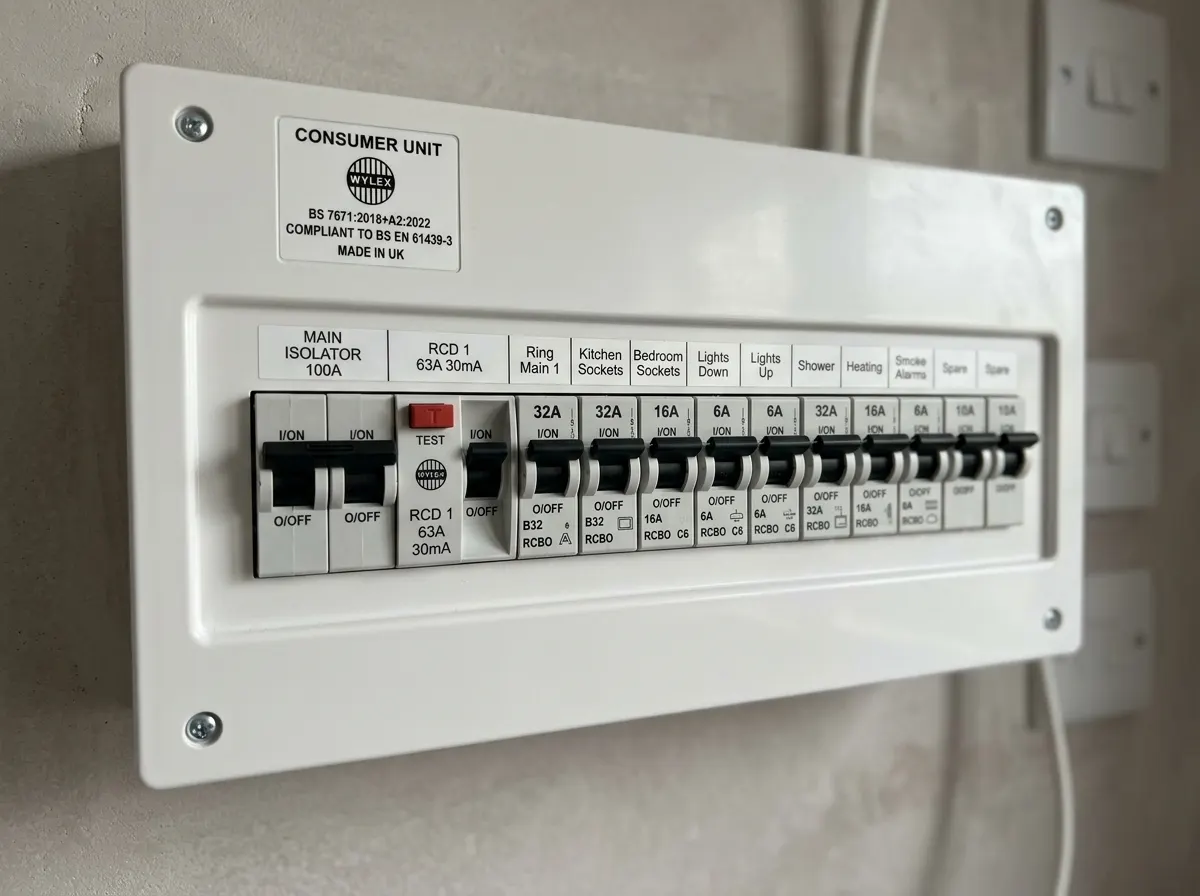
Under current wiring regulations, any newly installed socket (or new circuit) must be protected by an RCD (Residual Current Device). If your old consumer unit (fuse box) does not have RCD protection, the electrician may refuse to fit new sockets until the unit is upgraded.
Part P Certification
Running a new spur off an existing socket is minor work. However, running a brand new circuit back to the fuse box, or installing sockets outdoors, is 'notifiable work'. It must be completed and tested by a certified Part P electrician to remain legal and safe.
Regional Labour Differences
The plastic and metal faceplates cost the same in B&Q whether you are in Cornwall or Cumbria, but the electrician's hourly rate varies dramatically based on your postcode.
Electricians in London and the South East typically charge 20% to 30% more than the national average. A simple £60 socket swap in Wales or the North will likely cost between £80 and £100 in the capital due to increased living and travel costs.
- London & South East + 20% to 30%
- Midlands & South West National Average
- North, Wales & Scotland - 10% to 15%
Top Cost-Saving Tips
Electrical labour adds up quickly. Keep your quotation as low as possible:
- ✓ Use Surface Trunking: If you don't mind seeing a neat, white plastic conduit on your skirting board, running cables on the surface avoids the immense cost and mess of chasing into the wall and re-plastering.
- ✓ Batch your jobs: Do not call an electrician out to change one socket. Make a list of everything you need (USB swaps, outdoor sockets, light fittings) and pay a single half-day rate.
- ✓ Buy your own parts: Source the sockets yourself online to avoid tradesperson markups, leaving you to only pay for labour.
How Long Does It Take to Fit New Sockets?
Adding a new electrical socket typically takes between 2 to 4 hours if cables need to be hidden inside the wall. Below is a detailed breakdown of the installation process, job types, and factors that can extend the timeframe.
Schedule of Works (Chasing a New Socket)
Isolation & Marking Out
The electrician safely isolates the power at the consumer unit. They use a stud finder and cable detector to check for hidden hazards, then draw the exact outline for the new metal backbox and the vertical route for the cable channel on the wall.
Chasing & Backbox Fitting
This is the dustiest phase. Using a wall chaser tool with a vacuum attachment or a hammer and bolster, the electrician cuts a channel into the plaster and brickwork. The recess for the metal backbox is hollowed out, and the box is screwed firmly to the masonry.
Wiring & Connection
New Twin & Earth cable is routed from an existing socket (creating a spur) or spliced into the ring main, running down the newly cut channel. The wires are stripped, sleeved, and screwed tightly into the terminals of the new socket faceplate.
Making Good & Testing
The power is restored, and the electrician uses a multifunction tester to ensure the earth loop impedance is safe and the polarity is correct. Once certified, the chased channel is filled with bonding plaster, ready for you to sand and paint once completely dry.
Timeline by Job Type
What could cause delays?
Under current wiring regulations, all new sockets must have RCD protection. If your fuse board is outdated, the electrician will have to install a new RCBO breaker before signing off the socket.
If there isn't a nearby socket to spur from, cables may need to be routed under the floorboards. Lifting glued laminate flooring or ceramic tiles to access the floor void can add significant time.
Chasing into modern breeze blocks is fast. However, if your home is built from Victorian engineering brick or dense stone, cutting out the square hole for the backbox takes considerably more effort.
What Plug Socket Work Can You Do Yourself?
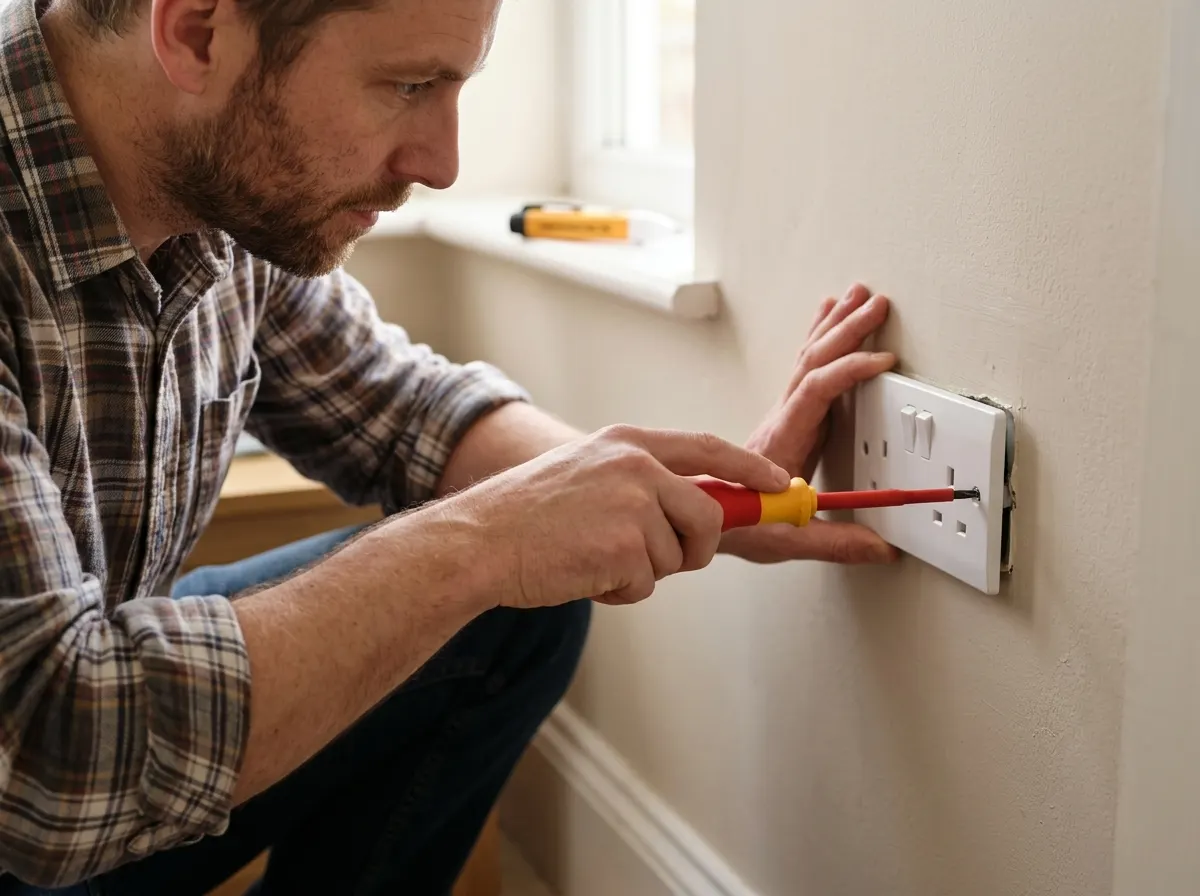
Calling an electrician simply to update the look of your plug sockets is an expensive luxury, with most charging a minimum £60 to £90 call-out fee. Under UK Building Regulations (Part P), while you cannot legally install a brand new circuit back to the consumer unit, you are perfectly entitled to swap existing fittings yourself.
Replacing old, yellowing white plastic faceplates with modern brushed steel, matte black, or integrated USB charging sockets is a straightforward "like-for-like" swap. The wiring behind the socket remains exactly the same—you simply unscrew the wires from the old faceplate and secure them into the identical terminals (Live, Neutral, Earth) on the new one.
| Task | Professional Cost (Labour) | DIY Cost (Parts) | Potential Saving |
|---|---|---|---|
| Swapping Faceplates (Like-for-like) | Professional Cost £40 – £80 (Per socket) | DIY Cost £0 (Just your time) | Potential Saving Up to £80 |
| Upgrading to an Integrated USB Socket | Professional Cost £50 – £90 | DIY Cost £15 – £25 (USB Socket) | Potential Saving Up to £75 |
| Replacing a Damaged Back Box (Internal) | Professional Cost £60 – £100 | DIY Cost £2 – £5 (Metal/Dryline Box) | Potential Saving Up to £95 |
| Adding a Brand New Circuit | Professional Cost £250 – £400+ | DIY Cost Leave to pros | Potential Saving N/A |
Frequently Asked Questions
The most important things you need to know before booking a professional electrician.
How much does it cost to add a new electrical plug socket in the UK?
Installing a brand new double electrical socket typically costs between £100 and £180 if it can be spurred off an existing socket using surface-mounted plastic trunking. If the mains cables need to be chased (cut) into the brick wall and plastered over for a seamless finish, the total cost jumps to £150–£250.
How much does an electrician charge to replace a socket faceplate?
A straightforward like-for-like replacement of an existing socket faceplate (e.g., upgrading from standard white plastic to flat-plate brushed steel, or adding modern USB-C charging ports) usually costs between £50 and £80 in labour, plus the retail cost of the socket itself.
How much does it cost to install an outdoor waterproof socket?
Installing an IP66-rated waterproof outdoor socket typically costs £120 to £200 if the electrician can drill directly through the exterior wall from an existing indoor ring main. If a new, dedicated circuit requires heavy-duty armoured cable (SWA) to be run across the garden, costs will start from £250+.
Do I legally need a certified UK electrician to change a plug socket?
By UK law, a competent DIYer is permitted to safely replace a like-for-like socket faceplate. However, installing a completely new socket, extending an existing circuit, or installing an outdoor socket falls under Part P of the Building Regulations and must be completed, tested, and certified by a registered electrician.
How many plug sockets can I add to a single electrical spur?
Under standard UK BS 7671 wiring regulations, you can usually only add one single or double socket as an unfused 'spur' branching off an existing ring main circuit. If you want to add multiple sockets in a row on that spur, the electrician must install a Fused Connection Unit (FCU) to prevent the cable from overloading.
Can I easily convert a single plug socket into a double socket?
Yes, very easily. You can buy specific converter faceplates that overhang a single metal back box, instantly turning it into a double socket without needing to chisel the wall out. Alternatively, for a flush finish, the electrician can chisel the brickwork wider to fit a standard double back box.
Do metal socket faceplates require an earth connection?
Absolutely. If you are upgrading from plastic to decorative metal sockets (like polished chrome or antique brass), the faceplate must be properly earthed. If an internal wire comes loose and touches the metal casing, an un-earthed metal socket instantly becomes a fatal electric shock hazard. An electrician will always test this.
Will installing a new wall socket damage my plaster or decoration?
If you want the cables completely hidden within the wall, the electrician must 'chase' a channel into the plaster and brickwork. This generates fine dust and leaves a trench that requires patching with filler or wet plaster. You will need to wait for this to dry before sanding and repainting the area.
Disclaimer: The figures in this guide are carefully calculated averages derived from UK electrical industry cost data for 2026. Material prices and labour rates will fluctuate based on local availability, property age, and exact project specifications.
Related Electrical Cost Guides
Ready to upgrade your electrics?
Use our AI to get a precise estimate for your exact socket project, then connect with Pricing Penguin Accredited electricians near you.
Did you find this page helpful?
Let us know if this guide helped you plan your plug socket project.