How much does house cladding cost?
 By Tom Ellis
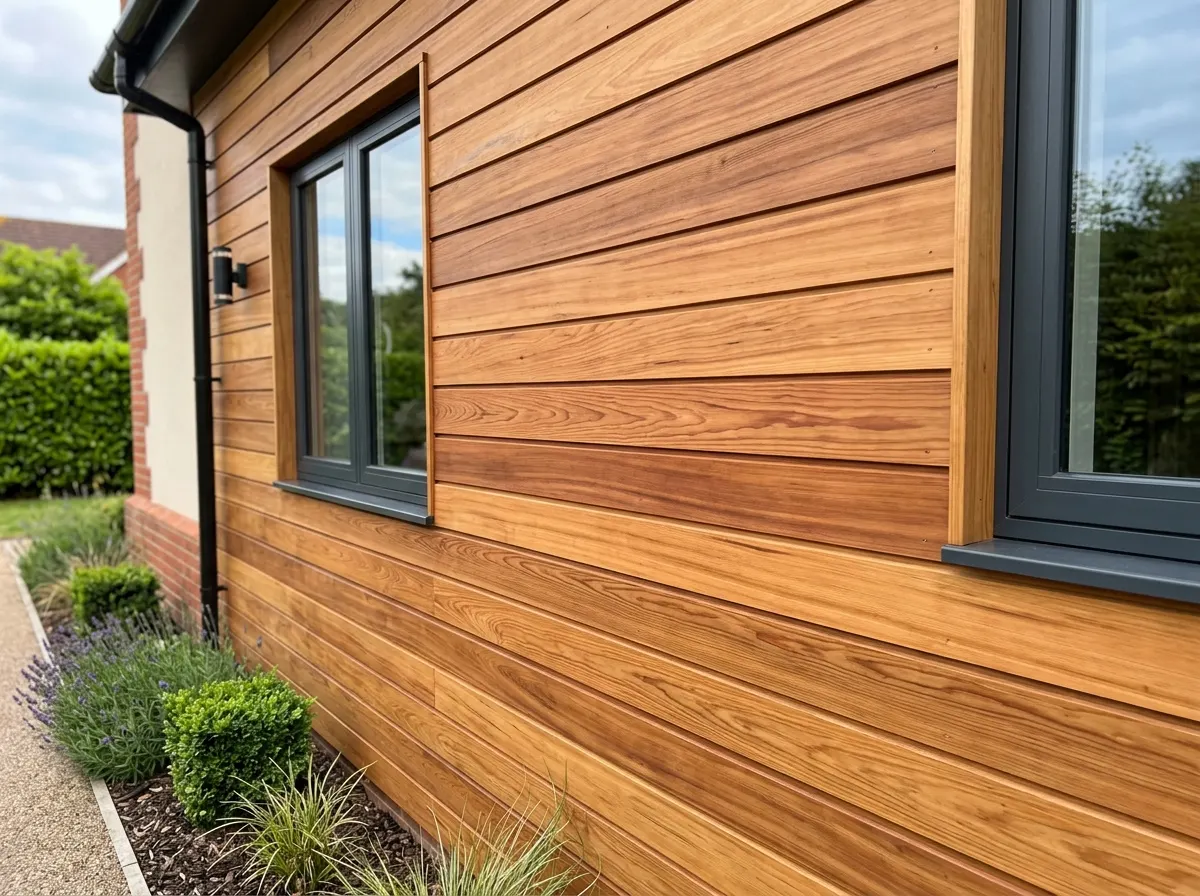
Updating your exterior cladding is one of the most dramatic ways to transform the kerb appeal of your property. Beyond aesthetics, modern cladding acts as a vital weather shield and presents a golden opportunity to upgrade your home's thermal insulation, slashing your energy bills.
However, prices vary wildly. A simple uPVC refresh on a bungalow will cost thousands less than wrapping a multi-storey home in premium Western Red Cedar. This guide breaks down the true 2026 costs per square metre, including materials, battening, insulation, and scaffolding.
Prices move month to month. See how they are changing in the Penguin Index, or compare common jobs across the UK in our UK Home Improvement Cost Report.
£60 - £100 / m²
Supplied and fitted cost for standard white or coloured uPVC cladding.
£100 - £180 / m²
Supplied and fitted cost for durable, low-maintenance fibre cement (e.g. HardiePlank) or composite.
£120 - £200+ / m²
Supplied and fitted cost for premium hardwoods, Cedar, or Oak cladding.
Jump to a Section
Get an instant estimate for your cladding
Types of Cladding Materials
The material you select determines not only the look of your home but its maintenance requirements and fire resistance.
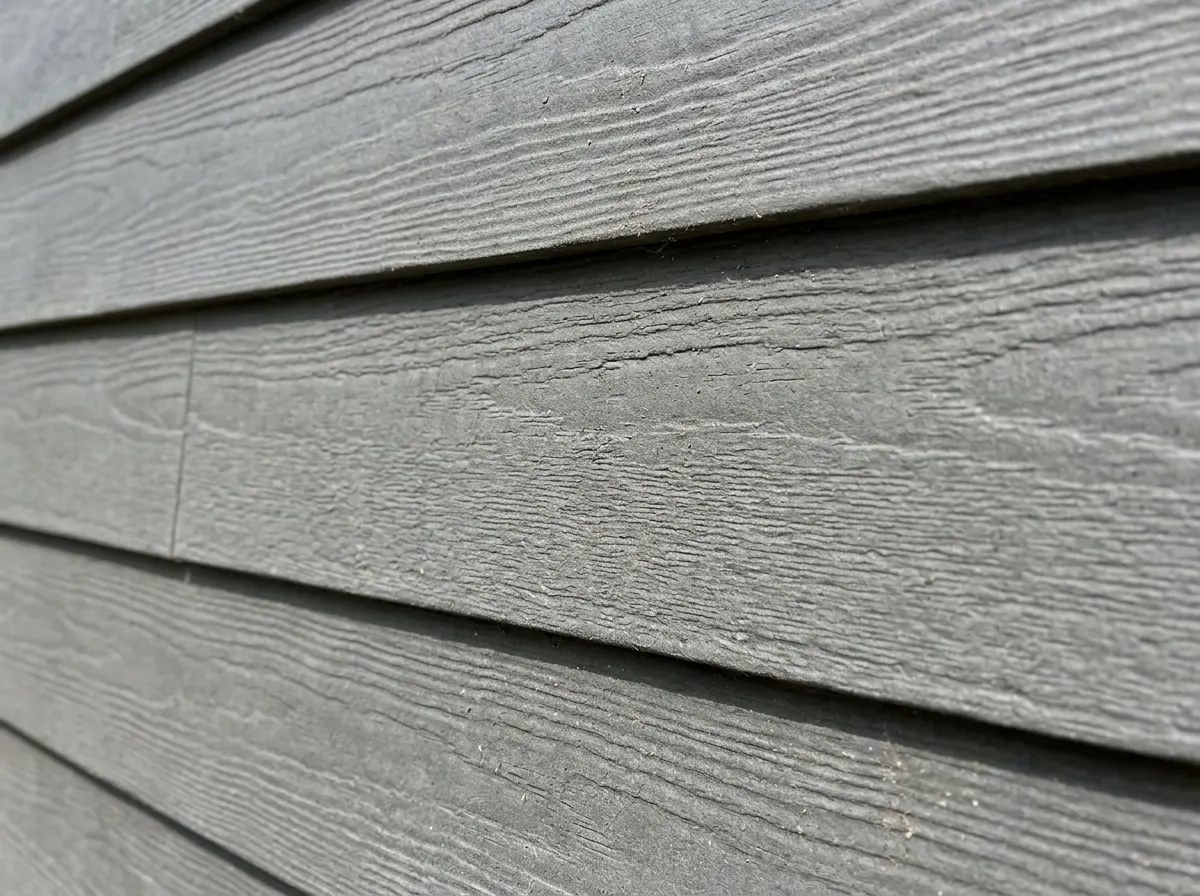
Fibre Cement (e.g. HardiePlank)
A mixture of cellulose fibre, sand, and cement. It mimics the texture of painted wood but will not rot, warp, or require repainting. Crucially, it boasts an A-rated fire classification, making it exceptionally safe and increasingly popular.
Highly Popular & Fire Safe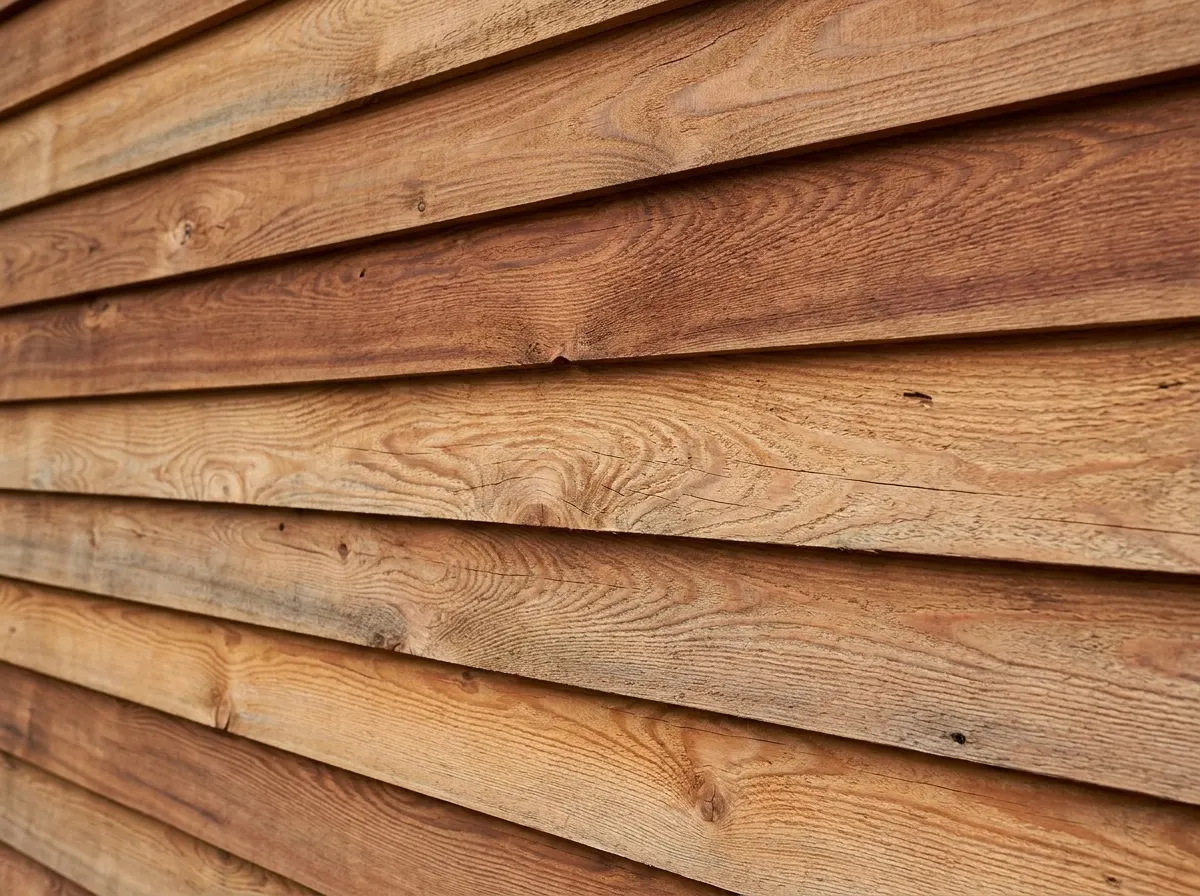
Natural Timber
Provides a beautiful, organic aesthetic. Softwoods (like Pine or Spruce) are cheap but require regular staining. Hardwoods (like Oak) or naturally resistant woods (like Western Red Cedar or Larch) are expensive but weather beautifully into a silver-grey patina over time.
Premium Natural Look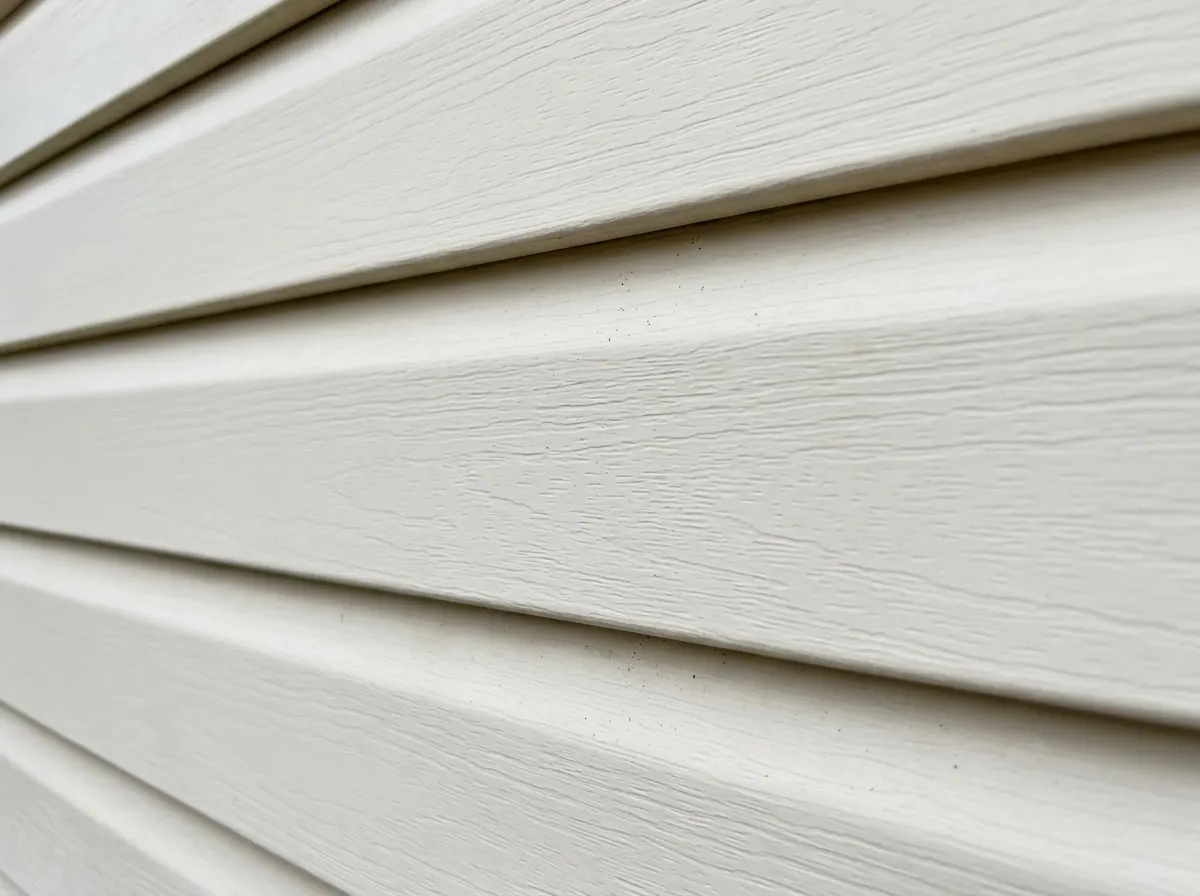
uPVC (Plastic) Cladding
The most budget-friendly and lightweight option. It is completely waterproof and requires zero maintenance beyond a soapy wash. Modern uPVC comes in various colours and woodgrain foils, avoiding the cheap 'plastic' look of older styles.
Budget Friendly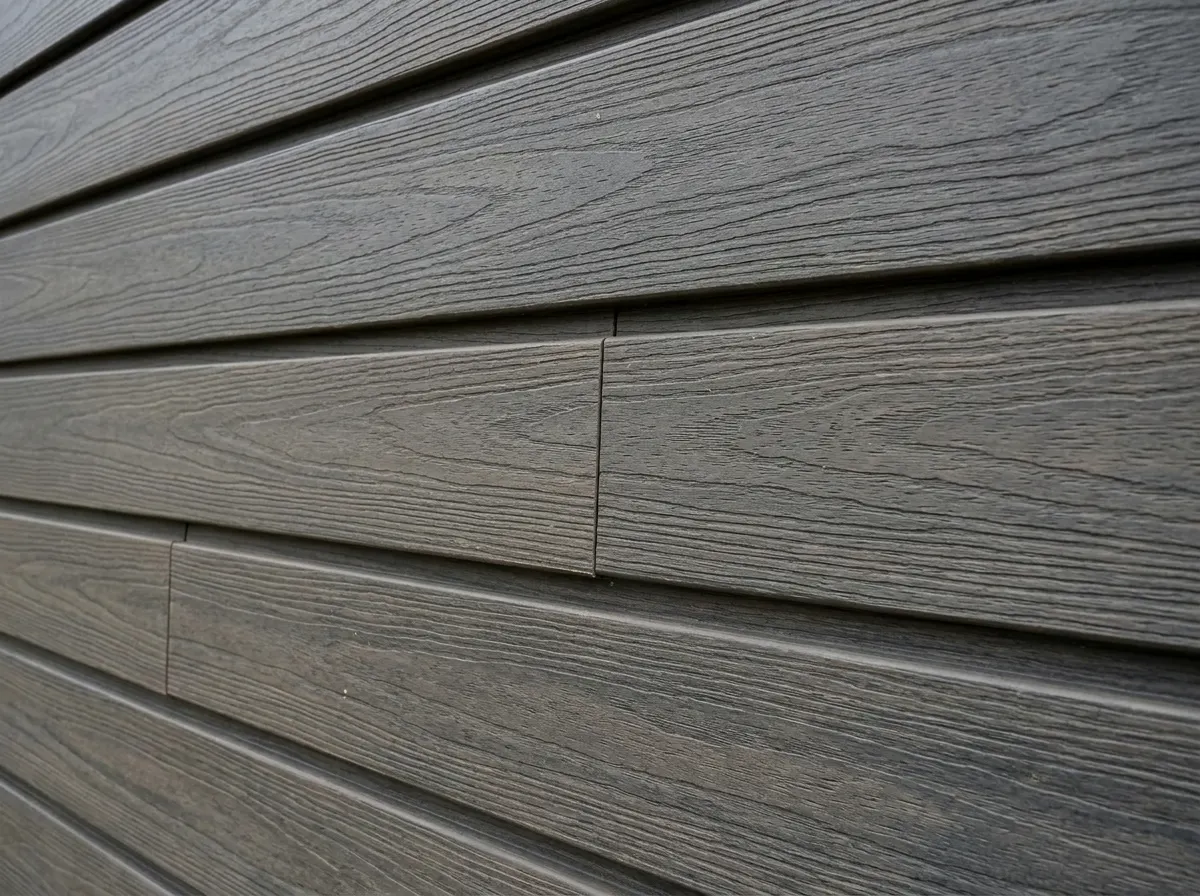
Composite Cladding
Made from a blend of recycled plastic and wood fibres. It looks incredibly like real timber but requires no sanding or staining. It is highly resistant to rot and insects, though extreme temperatures can cause slight expansion.
Low Maintenance Timber Look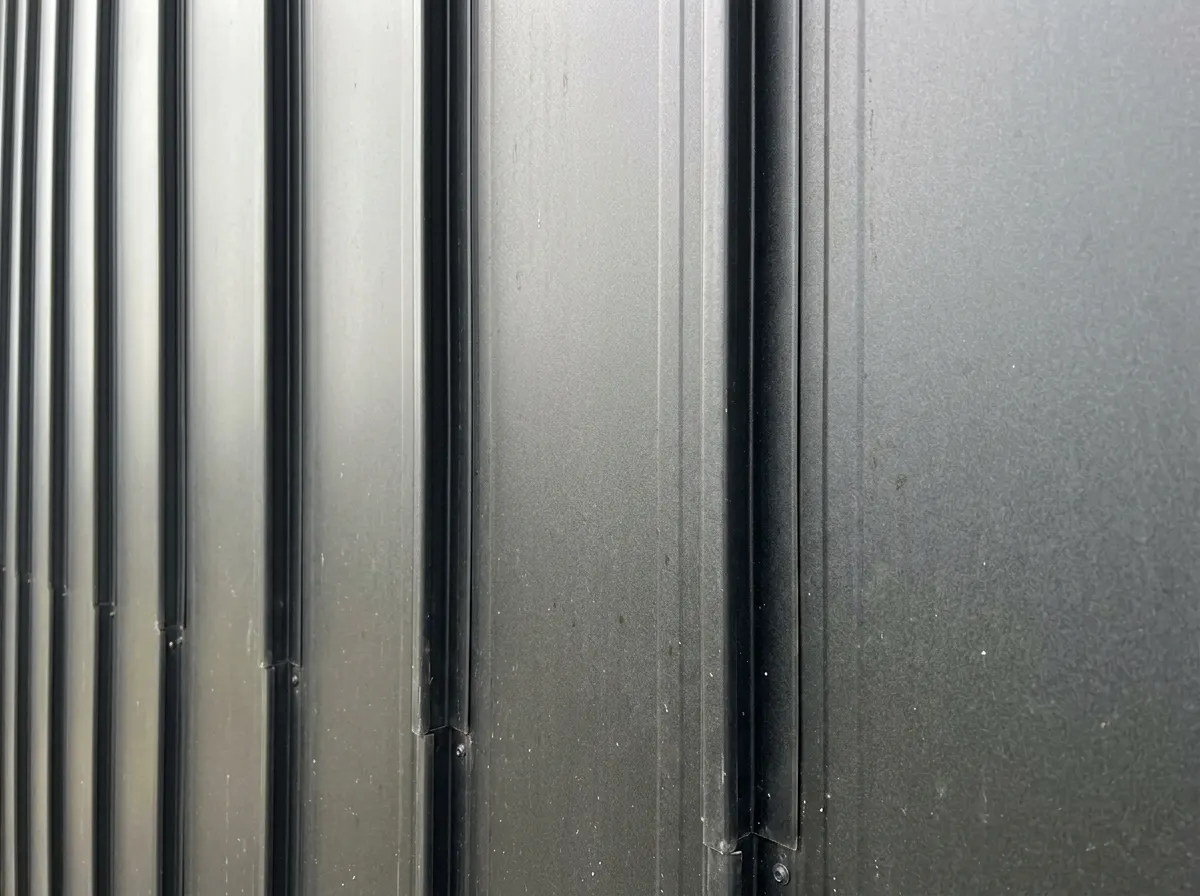
Metal / Zinc Cladding
Incredibly sleek, architectural, and fire-proof. Zinc, aluminium, and Corten steel are highly expensive but last a lifetime.
Brick Slips
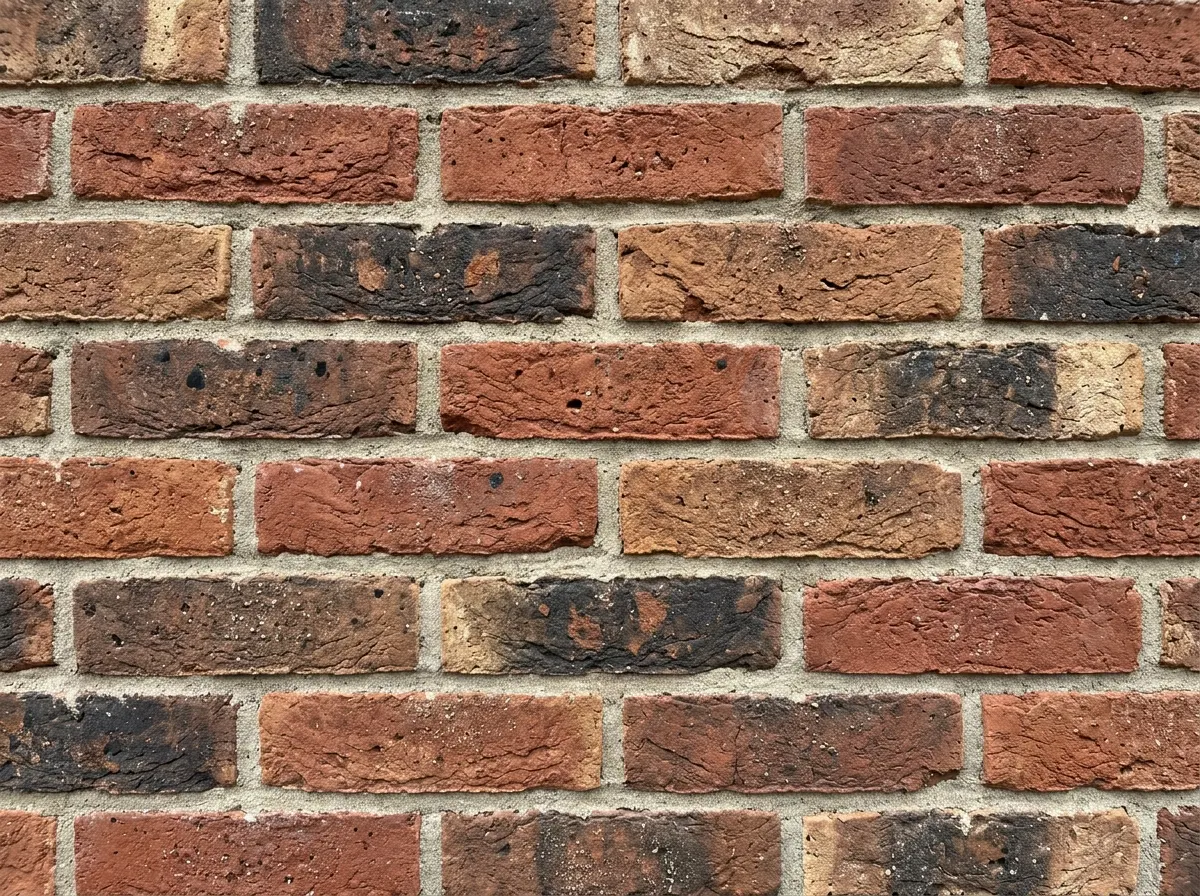
Thin slices of real brick glued to a backing panel. Allows you to add insulation and recreate a solid brick facade without heavy masonry.
Adding Insulation
If you are replacing more than 25% of your home's exterior cladding, UK Building Regulations state you must upgrade the thermal insulation to modern standards if the wall does not currently meet them.
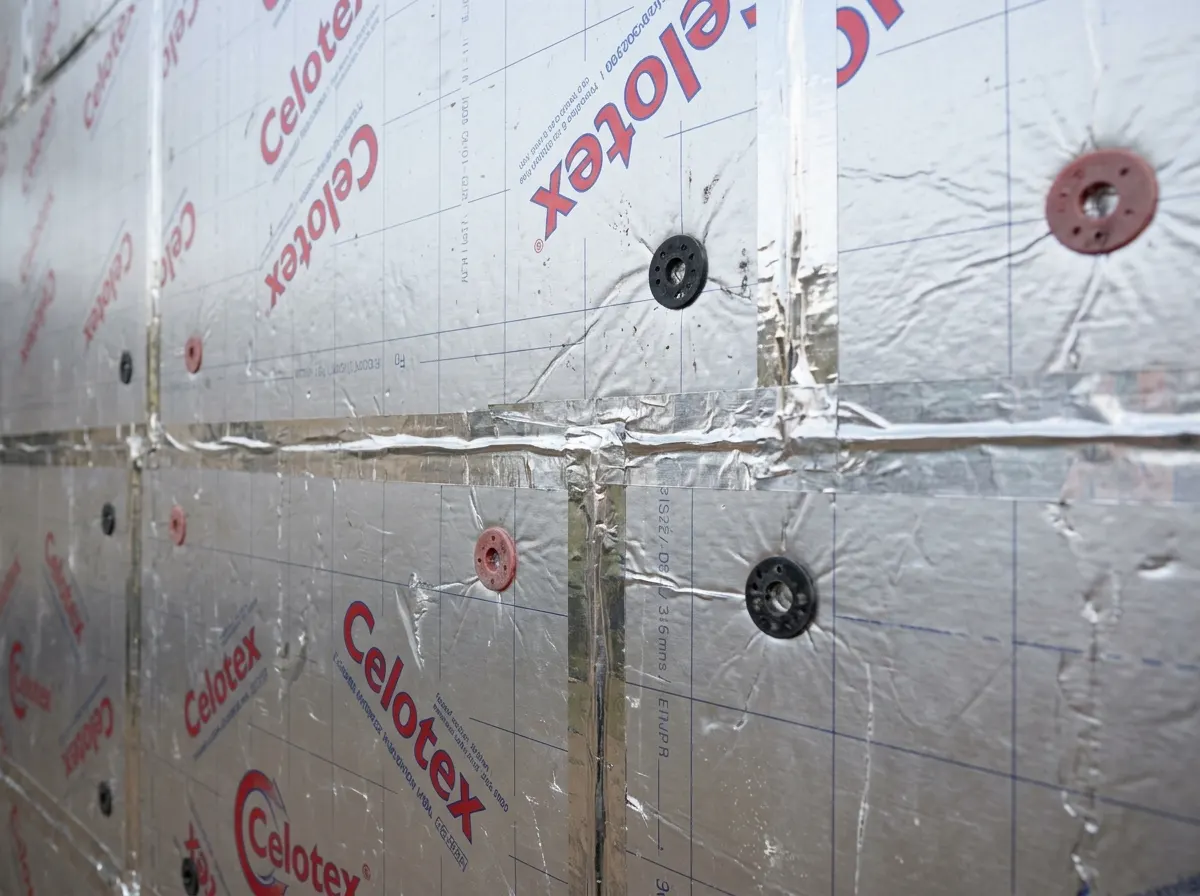
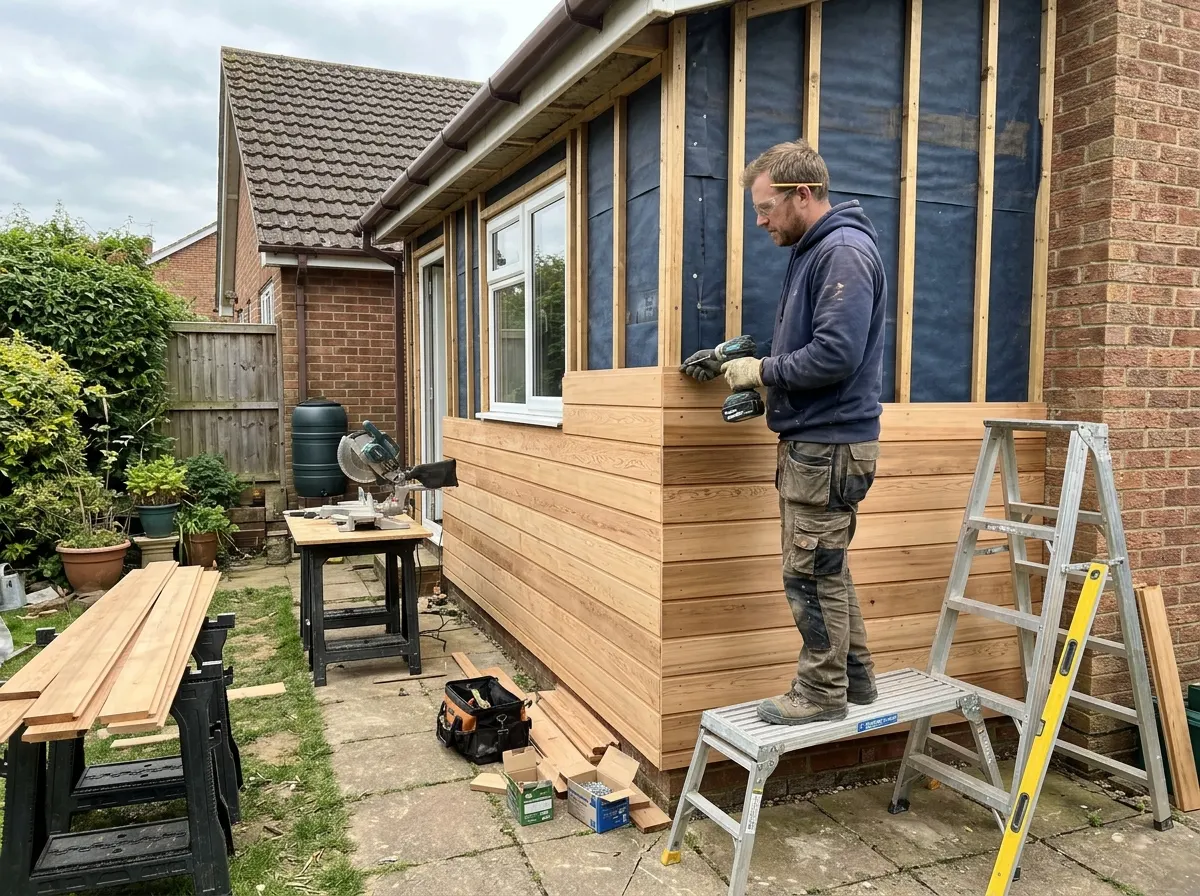
Cladding is rarely fixed directly to a wall. A carpenter will attach timber battens to your masonry. This creates a perfect void to install rigid PIR insulation boards (like Celotex or Kingspan). A breathable membrane is then wrapped over the top before the final cladding boards are attached.
Adding 50mm rigid PIR insulation board, breathable membrane, and extra-deep battens will typically add £20 to £40 per square metre to your overall quotation. However, it will drastically reduce your winter heating bills.
Material & Labour Costs (per m²)
The figures below represent the complete average costs. Supply-only prices cover the boards, while 'Supplied & Fitted' includes the boards, standard timber battens, fixings, trims, and carpenter labour.
Raw Materials (Supply Only)
What you can expect to pay for the raw cladding boards per square metre:
- Softwood Timber (Pine/Spruce) £25 – £50 / m²
- uPVC Cladding Boards £30 – £60 / m²
- Fibre Cement (e.g. HardiePlank) £40 – £70 / m²
- Composite Cladding £50 – £90 / m²
- Hardwood (Cedar, Larch, Oak) £60 – £120+ / m²
- Metal / Zinc Panels £80 – £150+ / m²
Supplied & Fitted
Average total costs per m² including basic battens, installation labour, and edge trims.
- uPVC Fitted £60 – £100 / m²
- Softwood Timber Fitted £70 – £120 / m²
- Fibre Cement Fitted £100 – £150 / m²
- Composite Fitted £120 – £180 / m²
- Hardwood / Cedar Fitted £120 – £200+ / m²
- Add Insulation & Membrane + £20 – £40 / m²
Scaffolding Costs
You cannot legally clad a multi-storey house off a ladder. Full scaffolding for a semi-detached house will add £800 to £1,500 to your project before any cladding is installed.
Labour Rates
Cladding is generally installed by carpenters or specialist exterior fitters. A standard UK day rate in 2026 is £220 to £300 for a tradesperson, plus £130-£170 for a labourer.
Cowboy Builder Red Flags
Incorrectly installed cladding causes severe damp problems and poses a massive fire risk. Watch out for these disastrous shortcuts:
No Ventilation Gap
Cladding must never be screwed directly flush to the masonry or insulation. There must be a continuous airflow cavity (usually 25mm to 50mm) behind the boards, created by the battens, to allow condensation to escape. Without this, your walls will rot.
Ignoring Fire Cavity Barriers
The ventilation gap behind cladding can act like a chimney in the event of a fire, drawing flames rapidly up the side of your house. To comply with Building Regulations, intumescent 'cavity barriers' must be installed at floor levels and around windows to choke off fires.
Regional Labour Differences
The physical boards (timber, uPVC, composite) cost roughly the same nationwide, but carpenter day rates and scaffolding hire vary heavily depending on where you live.
Fitters in London and the South East typically charge 20% to 30% more than the national average. A 50m² cladding job that costs £5,000 in Wales or the North might easily quote at £6,500 in the capital due to increased labour and travel costs.
- London & South East + 20% to 30%
- Midlands & South West National Average
- North, Wales & Scotland - 10% to 15%
Ways to Save Money
- ✓ Combine Scaffolding: If you need your roof fixed, fascia boards painted, or windows replaced, do it at the same time. Paying for scaffolding once instead of twice saves £1,000 instantly.
- ✓ Partial Cladding: You don't need to clad the whole house. Cladding just the upper half (above the brickline) or a tired extension is a highly popular, budget-friendly way to modernise a facade.
- ✓ Low Maintenance Materials: Softwood is cheaper to buy, but you will pay hundreds every few years to have it scaffolded and re-stained. uPVC or Fibre Cement are cheaper over a 10-year lifespan.
How Long Does House Cladding Take?
A standard semi-detached house typically takes between 1 to 2 weeks to fully clad. Below is a detailed breakdown of the schedule, property sizes, and variables that can impact your completion date.
Schedule of Works (Semi-Detached)
Preparation & Scaffolding
Scaffolding is erected around the property to provide safe working access. Materials are delivered to the site. The team will carefully remove existing guttering, downpipes, and any external fixtures (like lights or satellite dishes) on the affected walls.
Battens & Moisture Membrane
Old render or failing brick faces are removed or stabilised. A breathable moisture membrane is applied to the exterior walls. Treated timber battens are then fixed into the masonry to create an airflow cavity. If requested, rigid external insulation is fitted between the battens.
Fitting the Cladding
This is the most time-consuming phase. Starter trims are attached at the base, and the cladding boards are cut and fixed working from the bottom upwards. The team works meticulously around windows and doors, ensuring correct overlap and ventilation gaps.
Finishing & Clearance
Corner trims, window reveals, and joint covers are applied for a seamless finish. Downpipes, guttering, and external lights are refitted to the new cladding. The site is thoroughly cleaned of dust and offcuts, followed by the complete dismantling of the scaffolding.
Timeline by Property Size
What could cause delays?
Lightweight uPVC is fast to cut and fit. Fibre cement (e.g., HardiePlank) or heavy timber takes longer due to weight and precision cutting requirements.
High winds will delay scaffolding erection. Heavy, persistent rain can pause external insulation and timber batten work to prevent trapping moisture.
Discovering crumbling brickwork or severe damp behind old render will require structural repairs before the new battens can go up.
DIY Cladding Installation
If you are competent at basic carpentry, installing exterior cladding yourself is an excellent way to slash your renovation budget. Because cladding requires no specialist heavy machinery (unlike bricklaying) and relies heavily on accurate measuring and cutting, you can save the entirety of a carpenter's day rate.
However, you must strictly follow UK weatherproofing standards. You cannot simply screw timber to your brickwork. You must first install a breathable waterproof membrane, followed by vertical treated timber battens (to create a ventilated drainage cavity), before finally attaching your cladding boards.
| Project Type (30m²) | Professional Cost | DIY Cost | Potential Saving |
|---|---|---|---|
| Softwood Timber (Treated) | Professional Cost £2,100 – £2,800 | DIY Cost £900 – £1,200 | Potential Saving Up to £1,600 |
| Composite Cladding | Professional Cost £3,000 – £4,500 | DIY Cost £1,800 – £2,500 | Potential Saving Up to £2,000 |
| Premium Cedar / Oak | Professional Cost £4,000 – £6,500 | DIY Cost £2,500 – £4,000 | Potential Saving Up to £2,500 |
Frequently Asked Questions
The most important things you need to know before booking a fitter.
How much does it cost to clad a house in the UK?
For a standard 3-bedroom semi-detached house, complete uPVC exterior wall cladding costs around £2,500 to £4,000. Upgrading to fibre cement or composite cladding typically costs £4,500 to £7,000+. Premium cedar timber exterior cladding can easily exceed £8,000. These estimates depend heavily on scaffolding requirements and wall condition.
Do I need to add insulation behind new exterior cladding?
If you are replacing more than 25% of your exterior cladding, UK Building Regulations state you must upgrade the thermal insulation to modern standards if the wall does not currently meet them. Adding rigid PIR exterior wall insulation usually adds £20 to £40 per square metre to your installation quote.
What is the cheapest exterior house cladding?
uPVC shiplap or weatherboard is the cheapest house cladding material on the UK market, costing around £30 to £60 per square metre to supply, and roughly £60 to £100 per square metre fully supplied and fitted by a professional local tradesperson.
Do I need planning permission for exterior cladding?
In most cases, adding house cladding falls under Permitted Development, meaning no formal planning permission is required. However, if you live in a Conservation Area, a National Park, or an Area of Outstanding Natural Beauty (AONB), planning permission is mandatory. You also cannot clad a wall if it protrudes across a neighbour's boundary.
Is composite cladding better than timber cladding?
Composite cladding offers the natural aesthetic of timber boards without the heavy maintenance. It is weather-resistant, will not rot, warp, or splinter, and you never have to sand or paint it. However, it is more expensive than basic softwood timber and can be heavier, requiring stronger treated timber batten support.
How long does house cladding take to install?
A professional two-person cladding installation team can usually clad the upper half of a standard semi-detached UK house in 3 to 5 days, once scaffolding is safely erected. Adding external wall insulation (EWI) and a breathable membrane before the cladding boards will add an extra day or two to the overall schedule.
Does exterior cladding add value to a UK property?
Yes, professionally installed exterior cladding can significantly increase your property value. It dramatically improves 'kerb appeal' by modernising dated or damaged brickwork. Furthermore, when combined with thermal insulation, it improves your home's Energy Performance Certificate (EPC) rating, making the property much more attractive to energy-conscious buyers.
Is exterior house cladding fire safe?
Strict UK Building Regulations govern the fire safety of exterior wall materials. For standard domestic homes, cladding must meet specific fire-resistance standards. Fibre cement cladding (such as HardiePlank or Cedral) is highly recommended for safety, as it typically achieves an A2-s1, d0 fire rating, making it completely non-combustible.
Disclaimer: The figures in this guide are carefully calculated averages derived from UK construction industry cost data for 2026. Material prices and labour rates will fluctuate based on local availability, access, and exact project specifications.
Related Exterior & Building Resources
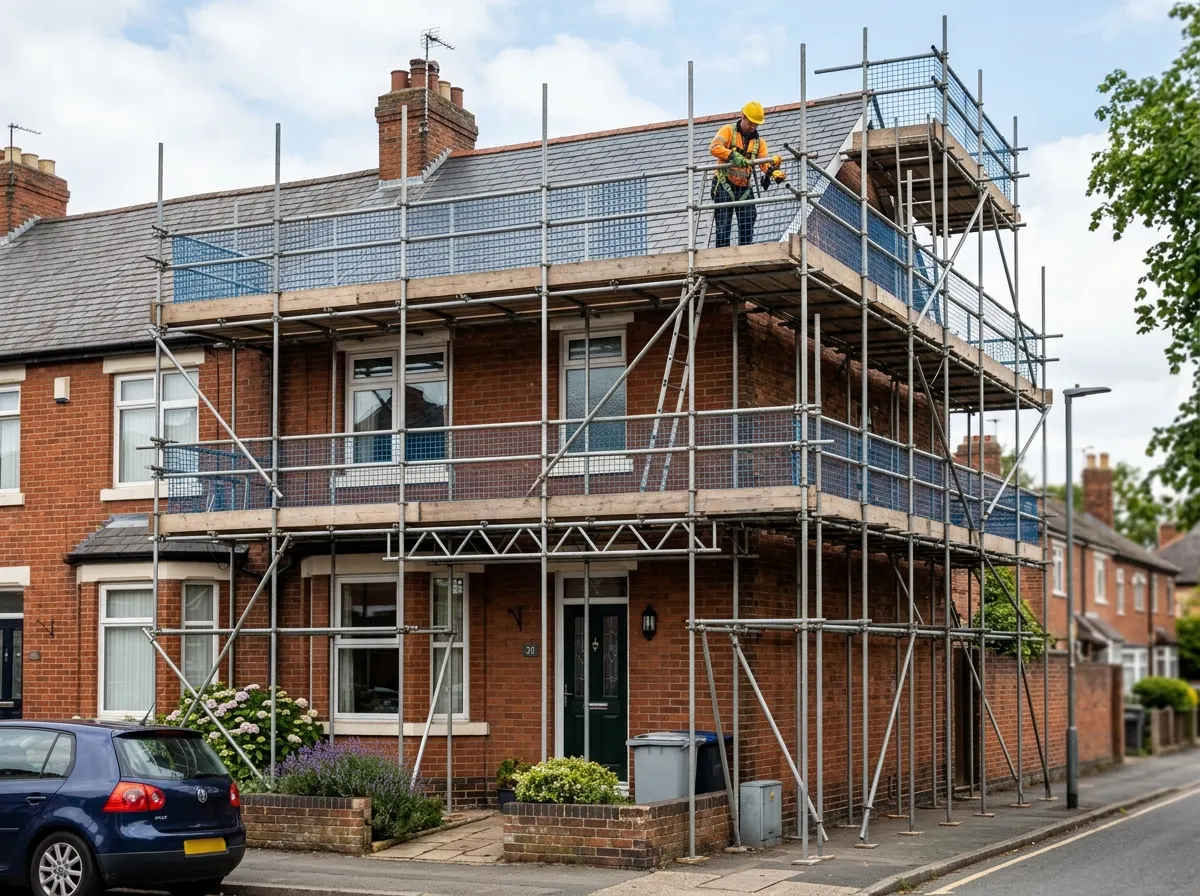
Scaffolding Costs
Weekly hire rates and permit costs for structural house scaffolding.
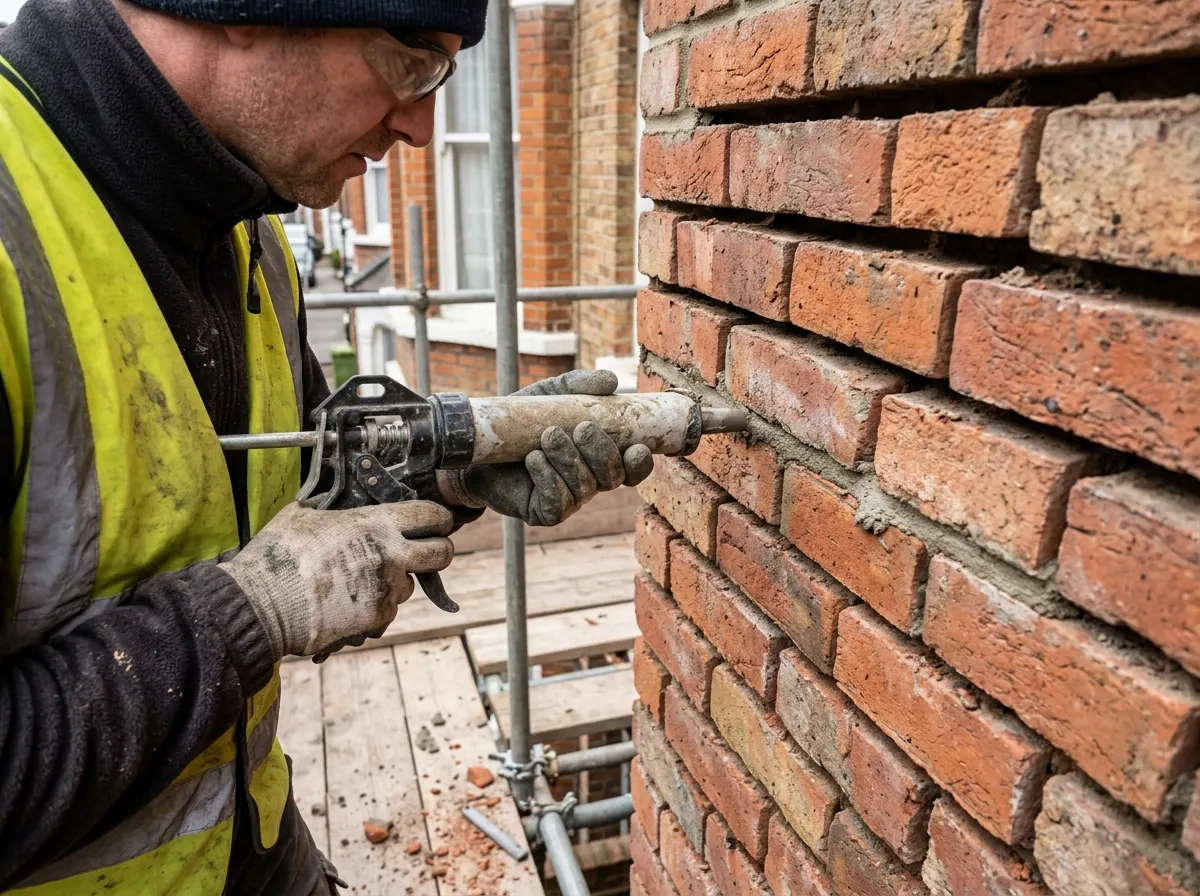
House Repointing
Costs for repairing external brickwork, masonry, and crumbling mortar.
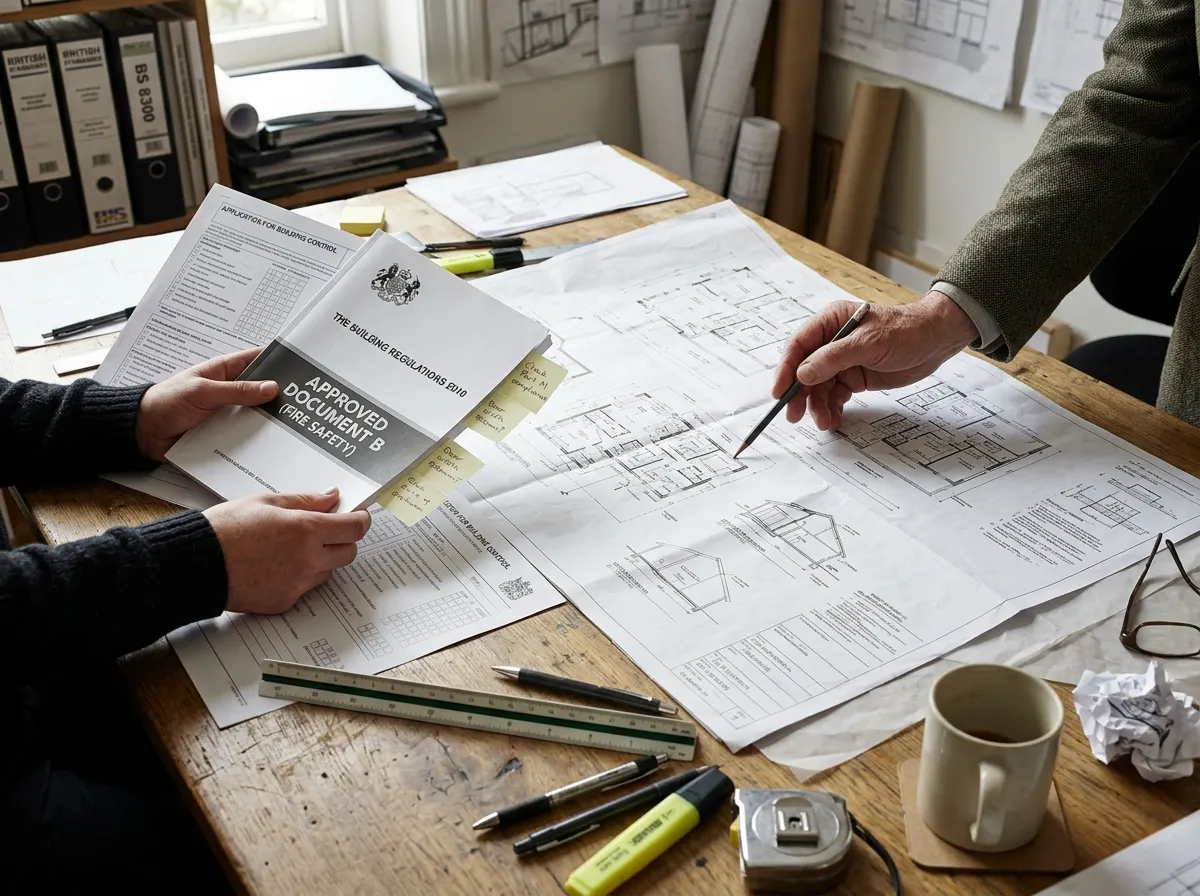
Building Regulations
Fees and processes for securing building control approval for alterations.
House Extensions
Cost per m² for single and double storey brick extensions.
Ready to modernise your home?
Use our AI to get a precise estimate for your house size and chosen material, then connect with Pricing Penguin Accredited carpenters near you.
Did you find this page helpful?
Let us know if this guide helped you plan your cladding project.