How much does house repointing cost?
 By Tom Ellis
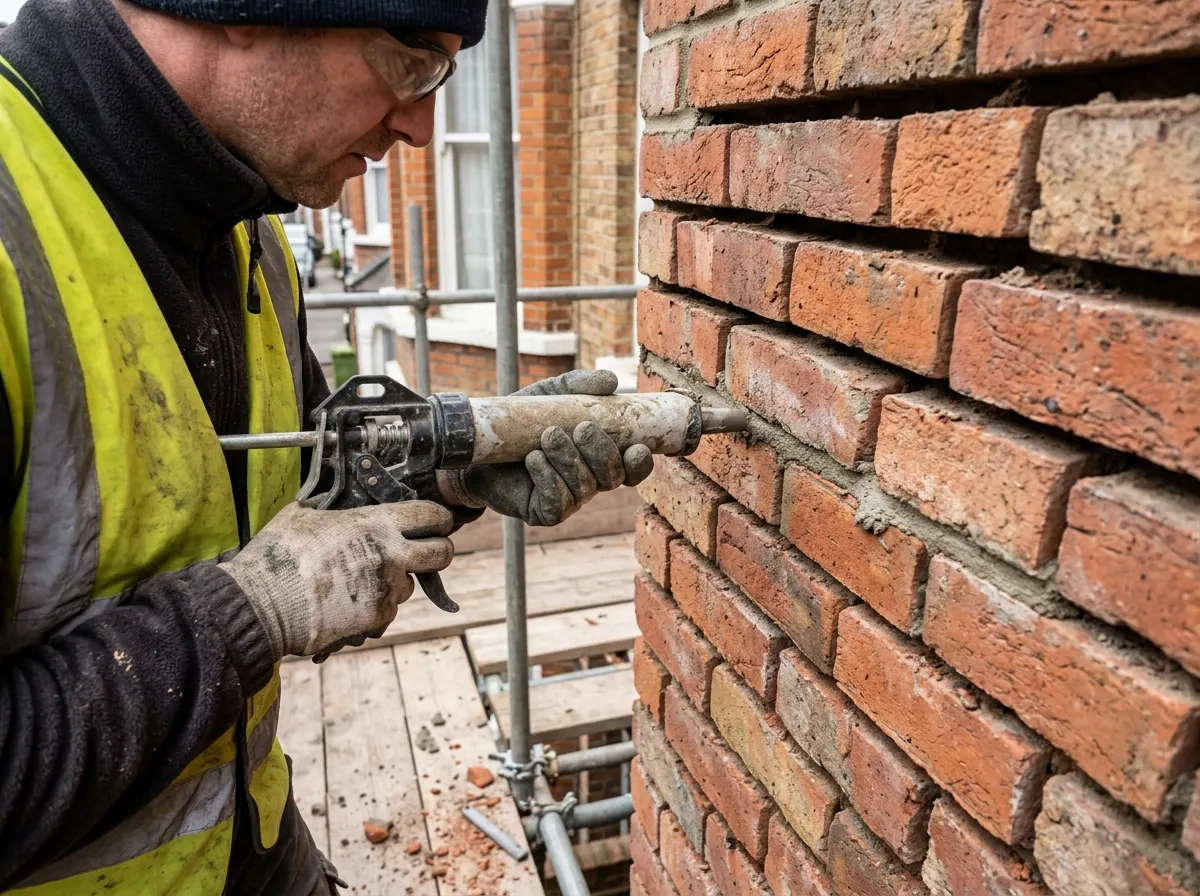
Crumbling mortar isn't just an eyesore that ruins your property's kerb appeal—it is a critical structural failure. Missing pointing allows driving rain to penetrate your brickwork, leading to severe internal damp, ruined plaster, and frozen bricks that shatter in the winter.
Repointing is heavily labour-intensive. Every single joint must be ground out by hand before fresh mortar is applied. Costs depend on the size of your house, scaffolding needs, the pointing style, and whether your home requires breathable lime mortar. This guide breaks down the true 2026 costs.
Prices move month to month. See how they are changing in the Penguin Index, or compare common jobs across the UK in our UK Home Improvement Cost Report.
£200 - £400
Localised repointing of a few square metres (e.g., under a leaking gutter or windowsill) accessible by ladder.
£1,500 - £2,500
Average complete estimate for repointing the front elevation of a mid-terraced house.
£4,000 - £6,000
Supplied and fitted cost for repointing all three sides of a typical semi-detached home.
Jump to a Section
Get an instant estimate for your brickwork
Styles of Pointing
The profile of the mortar joint affects not only how your house looks, but how well it sheds water. Intricate heritage styles cost significantly more in labour.
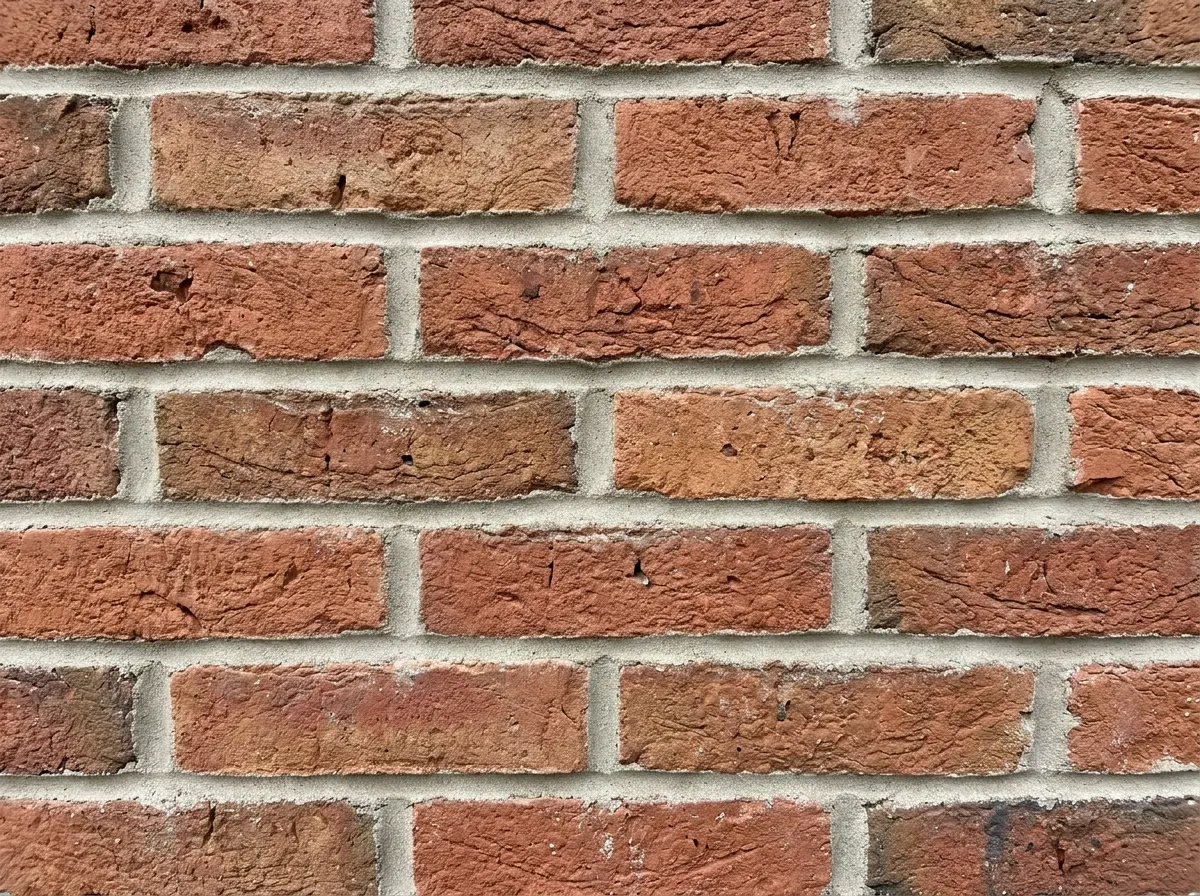
Flush / Bucket Handle
The most common modern profile. The mortar is pushed flush with the brick and then slightly smoothed inward using a curved tool (like a bucket handle) to seal the edge against rain.
Standard Cost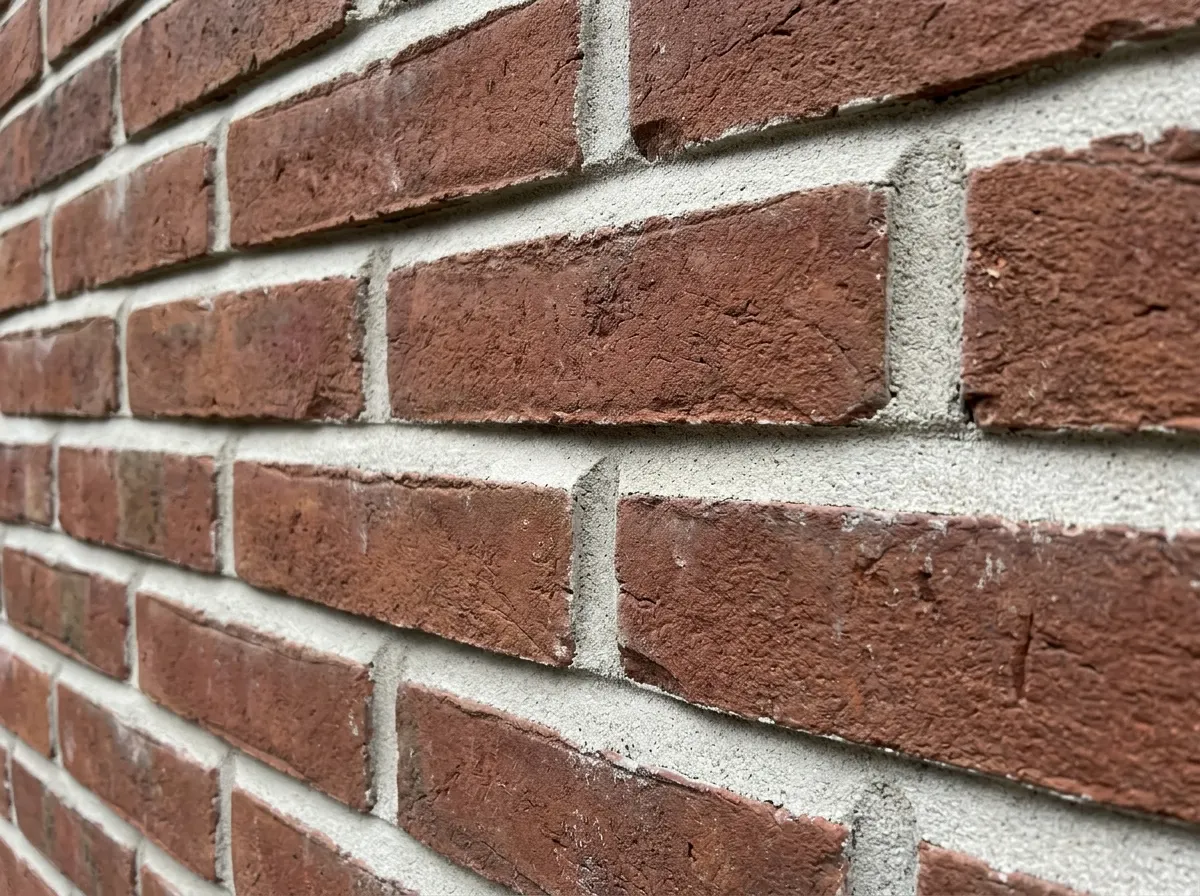
Weather Struck
An angled finish where the top of the mortar is pushed further back than the bottom. This acts like a tiny sloping roof, forcing rainwater to shed completely off the joint.
+ 10% - 20% Labour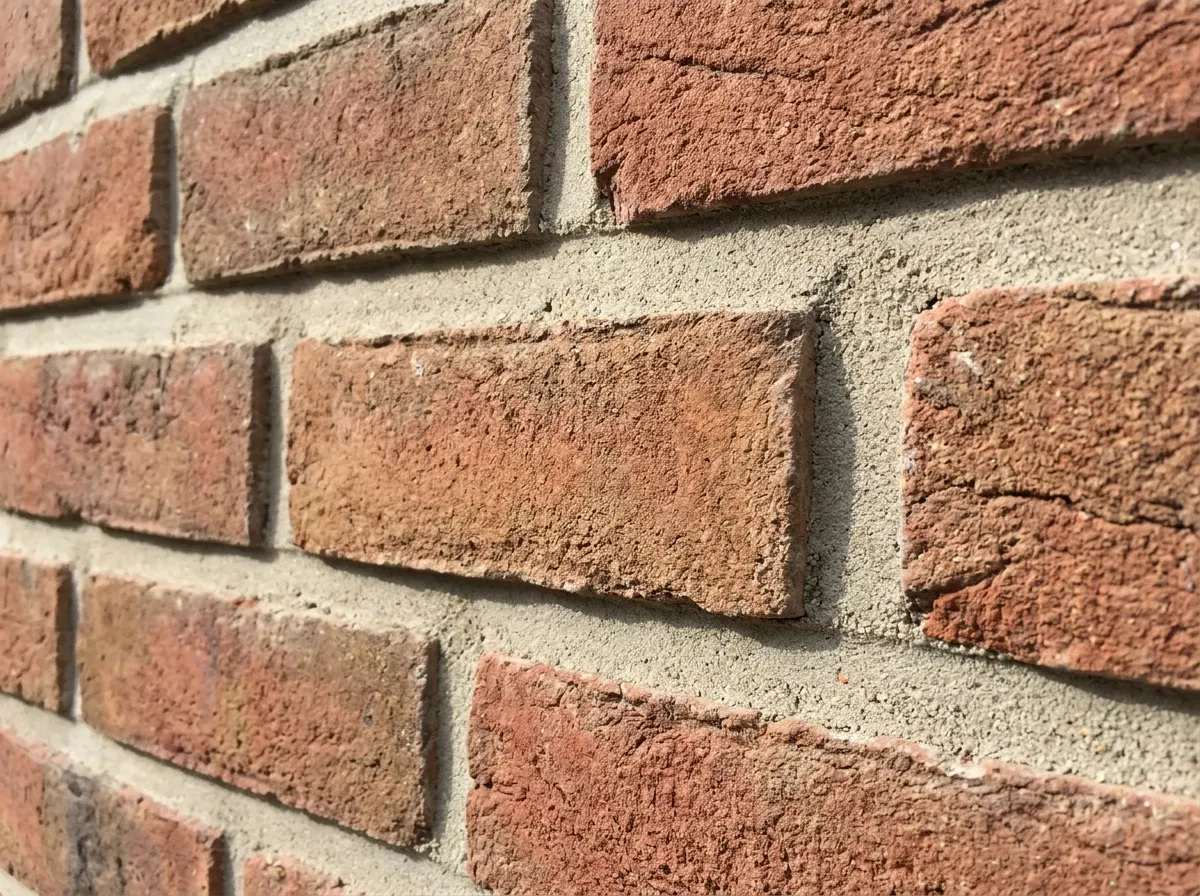
Recessed
The mortar is pushed squarely back by about 5mm, leaving the edges of the bricks exposed. This creates sharp, dramatic shadow lines, but is not recommended for highly exposed walls.
Standard Cost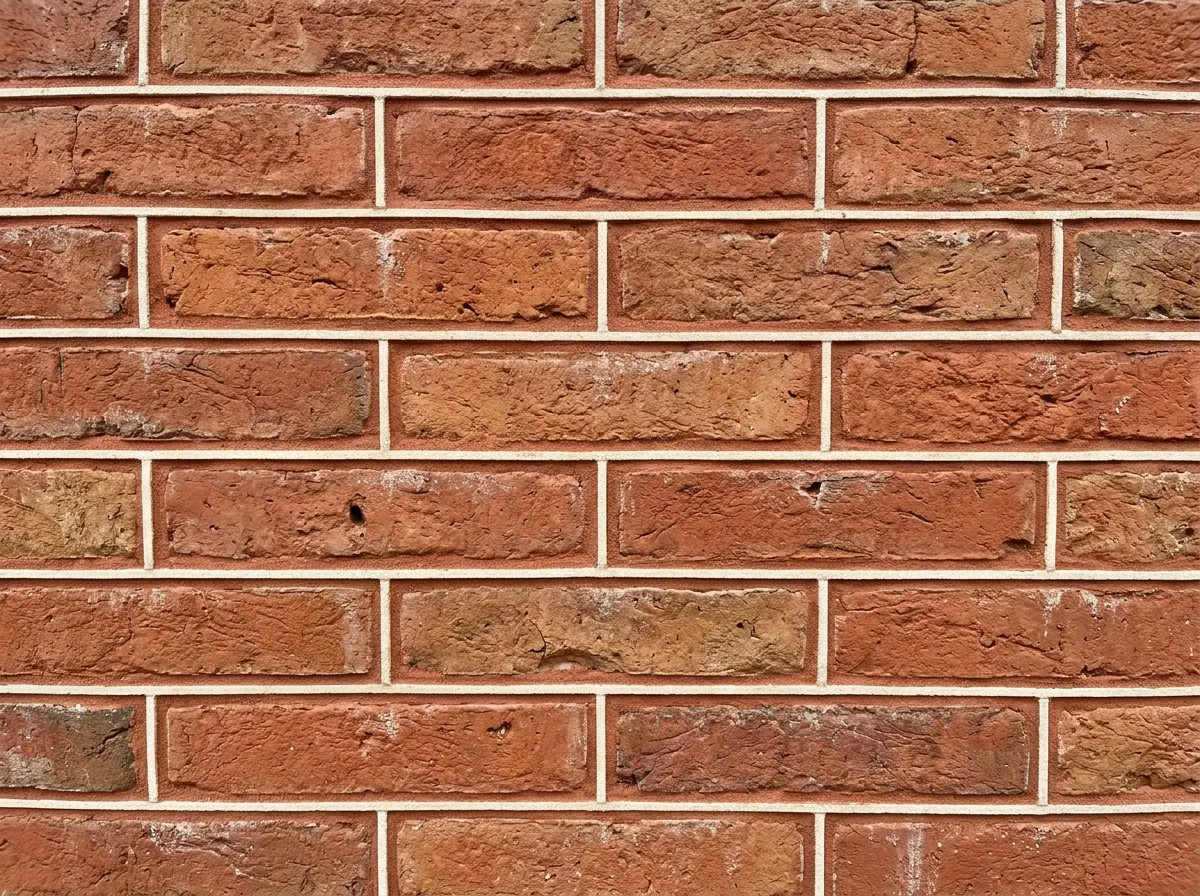
Tuck Pointing
An incredibly intricate heritage technique. Bricks are pointed with a colour-matched mortar, and a perfectly straight 2mm white lime ribbon is applied over the top to create the illusion of perfectly straight bricks.
Highly ExpensiveThe Golden Rule: Lime vs Cement
Using the wrong type of mortar is the single biggest mistake made during repointing. It will irreparably damage your bricks and devalue your home.
Pre-1930s Properties (Solid Walls)
Older houses were built with soft, porous bricks designed to absorb moisture and let it evaporate naturally. You MUST use Lime Mortar.
If you trap this moisture by sealing the joints with hard, waterproof cement, the water has nowhere to go. During a winter freeze, the trapped water expands and blows the entire face of the brick off (called spalling). Lime mortar is more expensive and requires specialist knowledge to mix and cure correctly.
Cost Impact: +20% to 30% higherPost-1930s Properties (Cavity Walls)
Modern houses are built with harder, machine-pressed bricks and feature a cavity wall to prevent damp penetration. You can safely use Standard Cement Mortar.
Cement mortar (a mix of building sand and cement) sets incredibly hard and is highly waterproof. It is cheap to buy, sets quickly in most weather conditions, and is the standard material used by modern bricklayers.
Cost Impact: Standard PricingRepointing Cost Breakdown
We have analysed the 2026 UK construction market to establish accurate benchmark averages. Quotes are almost entirely dictated by labour time and scaffolding access.
Complete Job Estimates
These estimates include raking out old joints, repointing, and basic clean-up. They do NOT include scaffolding.
- Cost per Square Metre (m²) £50 – £70 / m²
- Patch Repair (Small area from ladder) £200 – £400
- Terraced House (Front elevation only) £1,500 – £2,500
- Semi-Detached (Full 3 sides) £4,000 – £6,000
- Detached House (Full 4 sides) £6,500 – £9,000+
- Tuck Pointing (Heritage) £100 – £150+ / m²
Labour & Scaffolding
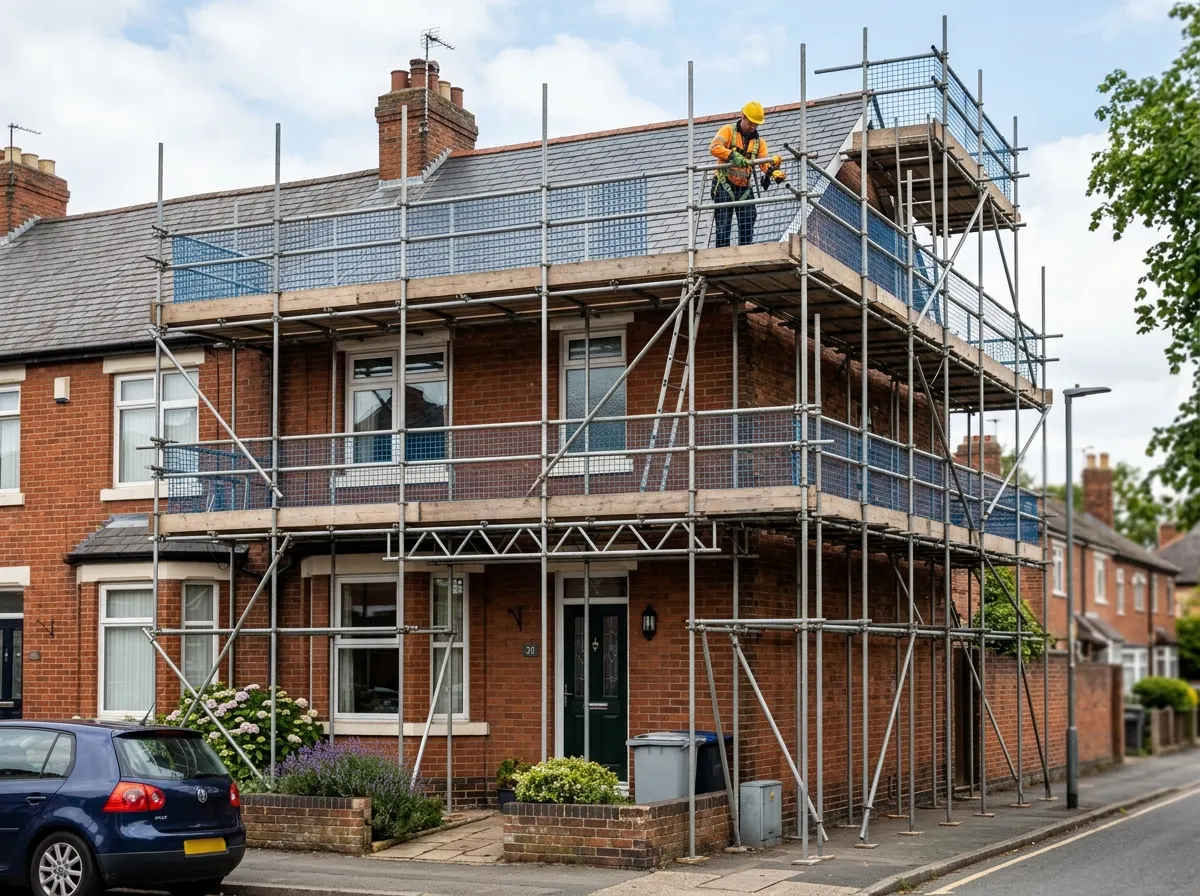
You cannot legally repoint a whole house off a ladder. Working at height requires scaffolding, which is a major separate cost.
- Bricklayer Day Rate £220 – £300
- Labourer Day Rate £130 – £170
- Scaffolding (Terrace Front) £400 – £800
- Scaffolding (Semi-Detached 3 sides) £800 – £1,500
- Acid Brick Wash & Clean £250 – £500
The Raking Out Phase
Pointing is not simply smearing cement over existing joints. For new mortar to bond properly, a tradesperson must use an angle grinder to cut out every single vertical and horizontal joint to a depth of at least 15mm to 20mm. This incredibly dusty, noisy, and physical preparation work accounts for almost 70% of your total quotation.
Cowboy Builder Red Flags
Protect your home's structural integrity by watching out for these disastrous shortcuts:
Grinder Damage
Raking out joints requires extreme precision. A careless worker using an angle grinder will slip and cut deep gashes into the face of your bricks above and below the joint. Once a brick's protective 'fire skin' is sliced off, it will absorb water and eventually crumble.
Smear Pointing
If a quote seems incredibly cheap, they are skipping the raking out phase. They will simply smear a thin 2mm layer of mortar over the existing crumbly joints to make it look nice for a month. It will all flake off after the first hard winter freeze.
Regional Labour Differences
The sand and cement required for a repointing job costs almost nothing. You are paying purely for labour and scaffolding, which fluctuate heavily based on your location.
Bricklayers and scaffolders in London and the South East typically charge 20% to 30% more than the national average. A £2,000 terraced house repointing job in Wales might cost £2,600+ in the capital due to increased day rates and parking permit costs for scaffold lorries.
- London & South East + 20% to 30%
- Midlands & South West National Average
- North, Wales & Scotland - 10% to 15%
Ways to Save Money
- ✓ Combine Scaffolding: If you need your roof fixed, fascia boards painted, or windows replaced, do it at the same time. Paying for scaffolding once instead of twice saves £1,000 instantly.
- ✓ Partial Repointing: You rarely need to repoint a whole house at once. The weather-facing wall (usually the South or West) deteriorates decades before sheltered walls. Only point what is failing.
How Long Does House Repointing Take?
A standard semi-detached house typically takes between 1 to 2 weeks to fully rake out and repoint. Below is a detailed breakdown of the masonry process, property sizes, and factors that can significantly impact the timeframe.
Schedule of Works (Semi-Detached)
Scaffolding & Preparation
Scaffolding is erected around the necessary elevations to provide safe working access. The team will mask off windows, doors, and protect the ground below, as the upcoming dust extraction phase is incredibly messy.
Raking Out Old Mortar
This is the noisiest and most labor-intensive phase. Using specialist angle grinders with diamond blades and dust extractors, the bricklayers grind out the old, failing mortar to a depth of 15mm to 20mm. The brickwork is then washed or brushed down to remove dust.
Applying the New Pointing
Fresh mortar (either traditional sand/cement or breathable lime for older properties) is mixed and carefully injected or troweled deep into the joints. It is then shaped using a pointing tool into the chosen finish, such as weather-struck, flush, or bucket-handle.
Curing & Cleanup
The mortar requires a short curing period before the brickwork can be given a final light acid wash or brush to remove any cement staining. The protective sheeting is removed, the site is thoroughly swept, and the scaffolding is dismantled.
Timeline by Property Size
What could cause delays?
Mortar cannot be applied in heavy rain, as it washes down and stains the brickwork. Conversely, freezing temperatures (below 3°C) cause wet mortar to fail, bringing winter jobs to a complete halt.
If previous homeowners incorrectly repointed using a strong modern cement rather than a soft mix, grinding it out without snapping the edges of the bricks takes significantly longer.
If the brick faces have blown or crumbled (spalling) due to frost damage, those individual bricks must be painstakingly chopped out and replaced before the main pointing can commence.
DIY Brick Repointing
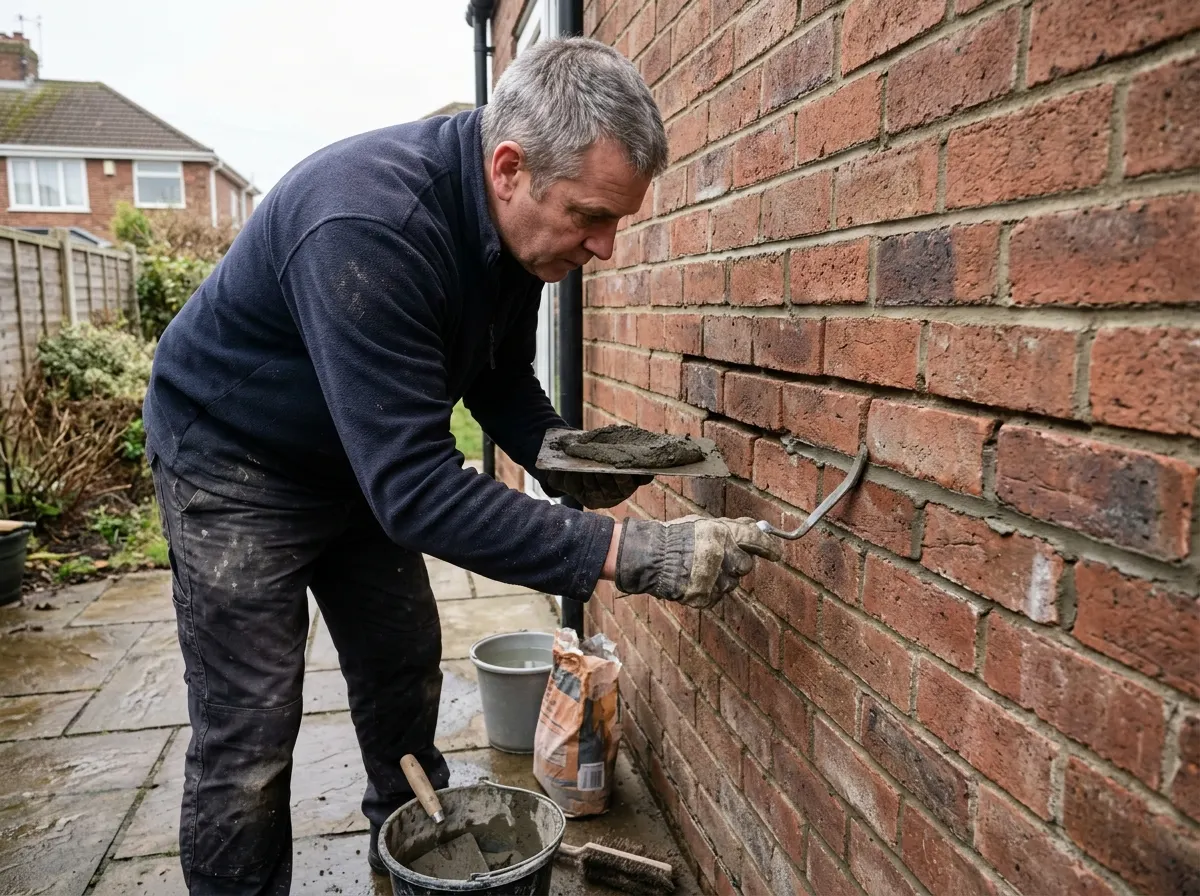
When the mortar between your external bricks begins to crumble, it allows rainwater to penetrate your home, leading to severe penetrating damp and blown plaster inside. Hiring a bricklayer to repoint an entire wall is extremely expensive because it is tedious, time-consuming work—you are paying almost entirely for days of labour, not the raw materials.
If you have the patience, repointing is a highly accessible DIY task. The materials (sand, cement, or lime) are incredibly cheap. The process simply involves raking out the old mortar to a depth of 15-20mm (using a manual mortar rake or an angle grinder attachment) and pushing fresh mortar into the joints using a pointing trowel.
| Task | Professional Cost | DIY Cost (Materials) | Potential Saving |
|---|---|---|---|
| Repointing a Full Wall (approx 20m²) | Professional Cost £1,000 – £1,600 | DIY Cost £150 – £250 (Mortar & Tools) | Potential Saving Up to £1,350 |
| Patch Repointing (Around Windows) | Professional Cost £250 – £400 | DIY Cost £20 – £30 | Potential Saving Up to £370 |
| Scaffolding / Access Tower (If needed) | Professional Cost £400 – £600 | DIY Cost £100 – £150 (Weekly Hire) | Potential Saving Up to £450 |
Frequently Asked Questions
The most important things you need to know before booking a professional bricklayer.
How much does it cost to repoint a house in the UK?
In 2026, standard brickwork repointing costs between £50 and £70 per square metre. Repointing the entire front facade of a terraced house typically costs £1,500 to £2,500. A full semi-detached house ranges from £4,000 to £6,000, excluding the cost of scaffolding. Prices fluctuate based on the mortar type and brick condition.
Do I need scaffolding to repoint a house?
Yes, for any bricklaying work above a safe step-ladder height. Scaffolding is a strict legal health and safety requirement for tradespeople working at height. Erecting scaffolding usually adds between £800 and £1,500 to your total repointing project cost, depending on the size of your property and site access.
Should a bricklayer use lime or cement mortar for pointing?
If your house was built before the 1930s with solid walls, you must use traditional lime mortar. Older bricks are soft and need to 'breathe'. Applying hard cement mortar on period brickwork traps moisture, causing the faces of the bricks to shatter (spall) during winter frost. Modern cavity-wall houses can safely use standard cement.
How long does it take a professional to repoint a house?
Repointing brickwork is a highly laborious process. A professional two-man bricklaying team can generally rake out and repoint the front of a terraced house in 3 to 5 days. Repointing all exterior walls of a full semi-detached property usually takes between 1.5 to 2.5 weeks, heavily dependent on dry weather conditions.
How often does exterior brickwork need repointing?
High-quality pointing should last between 30 and 50 years before requiring attention. However, exterior brick walls exposed to heavy driving rain, harsh coastal salt winds, or those situated directly beneath a leaking gutter or broken downpipe will deteriorate and wash out significantly faster.
Can I repoint a brick wall myself to save money?
Minor patch repairs near ground level are a manageable DIY job using basic hand tools. However, safely operating a mechanical angle grinder on a ladder to rake out joints, mixing the correct mortar ratios, and neatly pointing an entire house is extremely physically demanding and best left to professional bricklayers.
How do I know if my house needs repointing?
The clearest visual signs that your brickwork needs repointing include crumbling or dusty mortar, visible gaps between bricks, internal damp patches, or frost-damaged bricks. A simple DIY test is to drag a house key across the joint; if the mortar easily flakes away as a powdery sand, it has structurally failed.
Will repointing my exterior walls stop penetrating damp?
Yes, in many cases. When old mortar degrades, cracks, and falls out, it allows wind-driven rain to bypass the outer skin of brickwork and soak directly through to your interior walls. Raking out the damaged joints and sealing them with fresh, correctly mixed pointing is one of the most effective cures for penetrating damp.
Disclaimer: The figures in this guide are carefully calculated averages derived from UK construction industry cost data for 2026. Material prices and labour rates will fluctuate based on local availability, access, and exact project specifications.
Related Projects & Guides
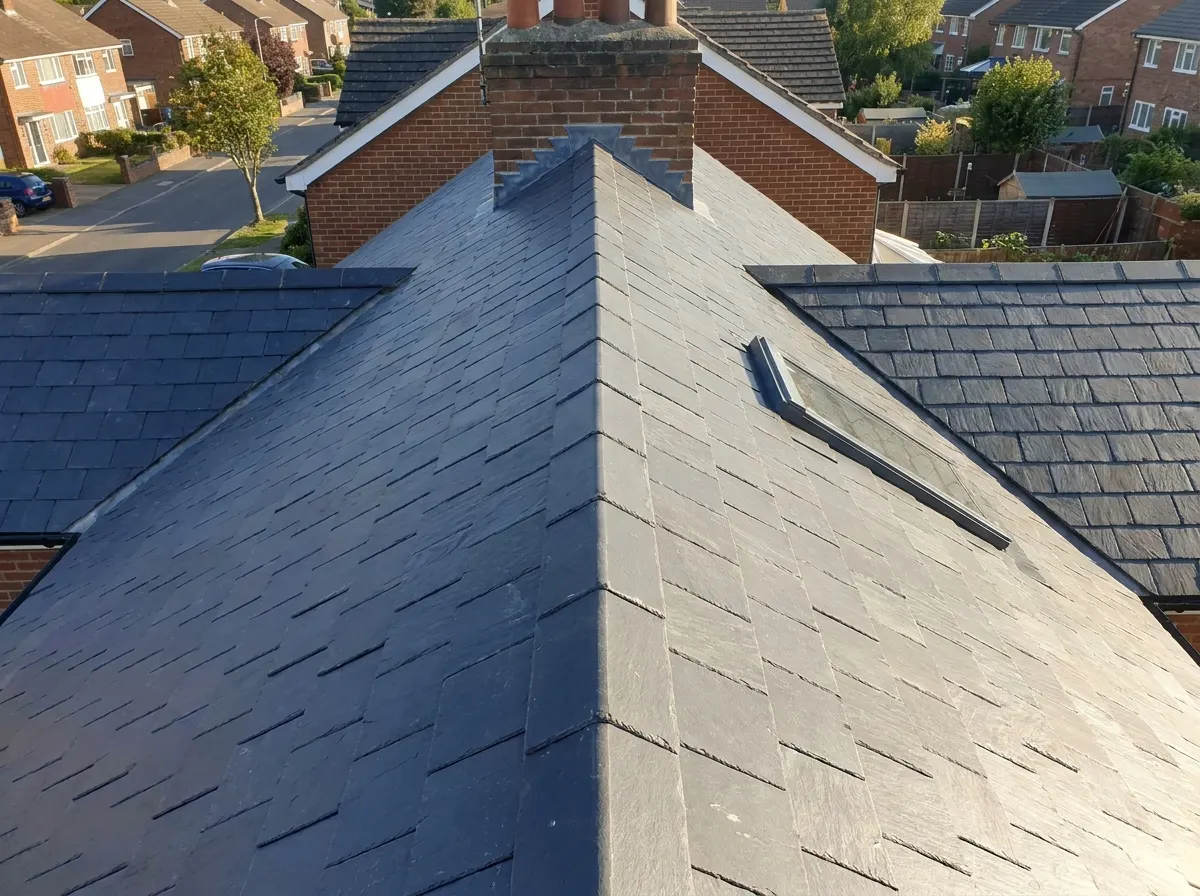
new-roof
Costs for replacing and fixing your roof, different styles and variations.
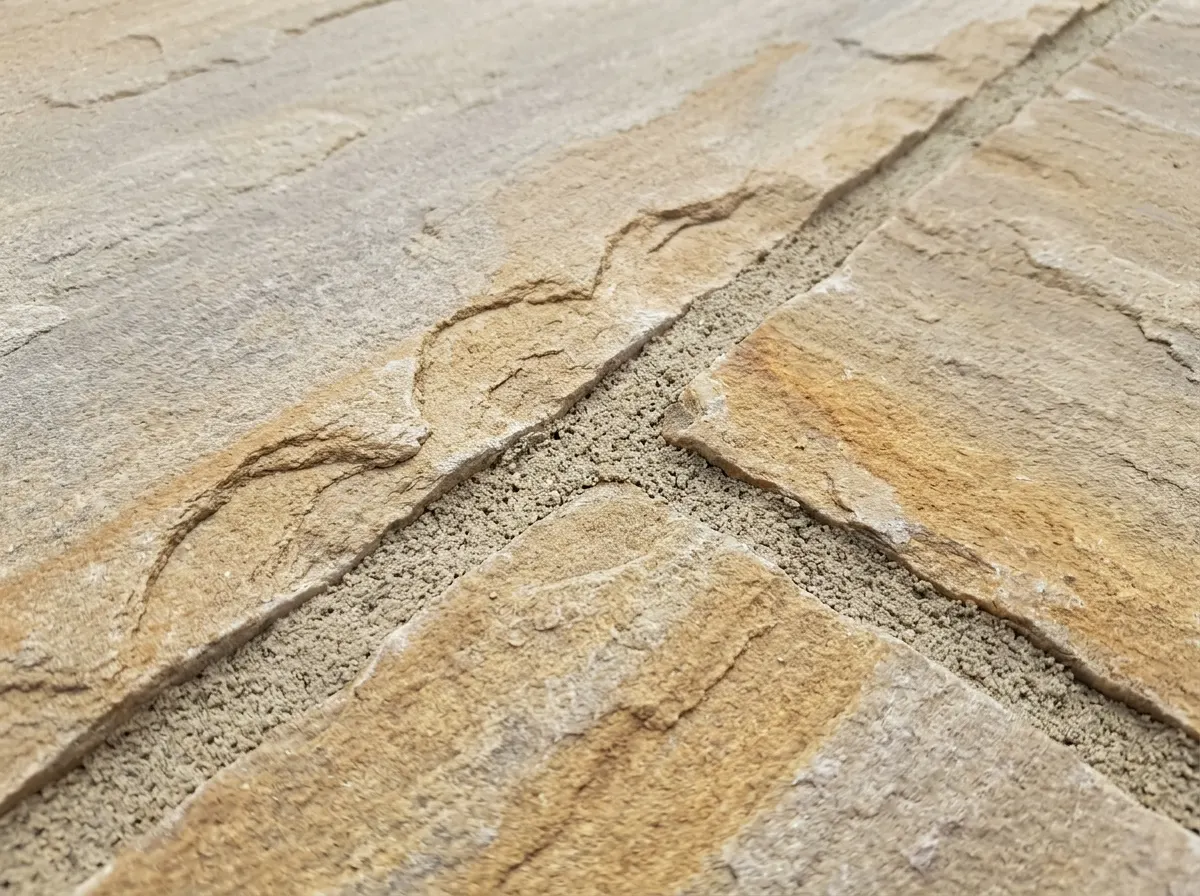
Patio Repointing
Costs for using modern brush-in resin on paving slabs.
Scaffolding Costs
Weekly hire rates for towers and full structural scaffolding.
House Extensions
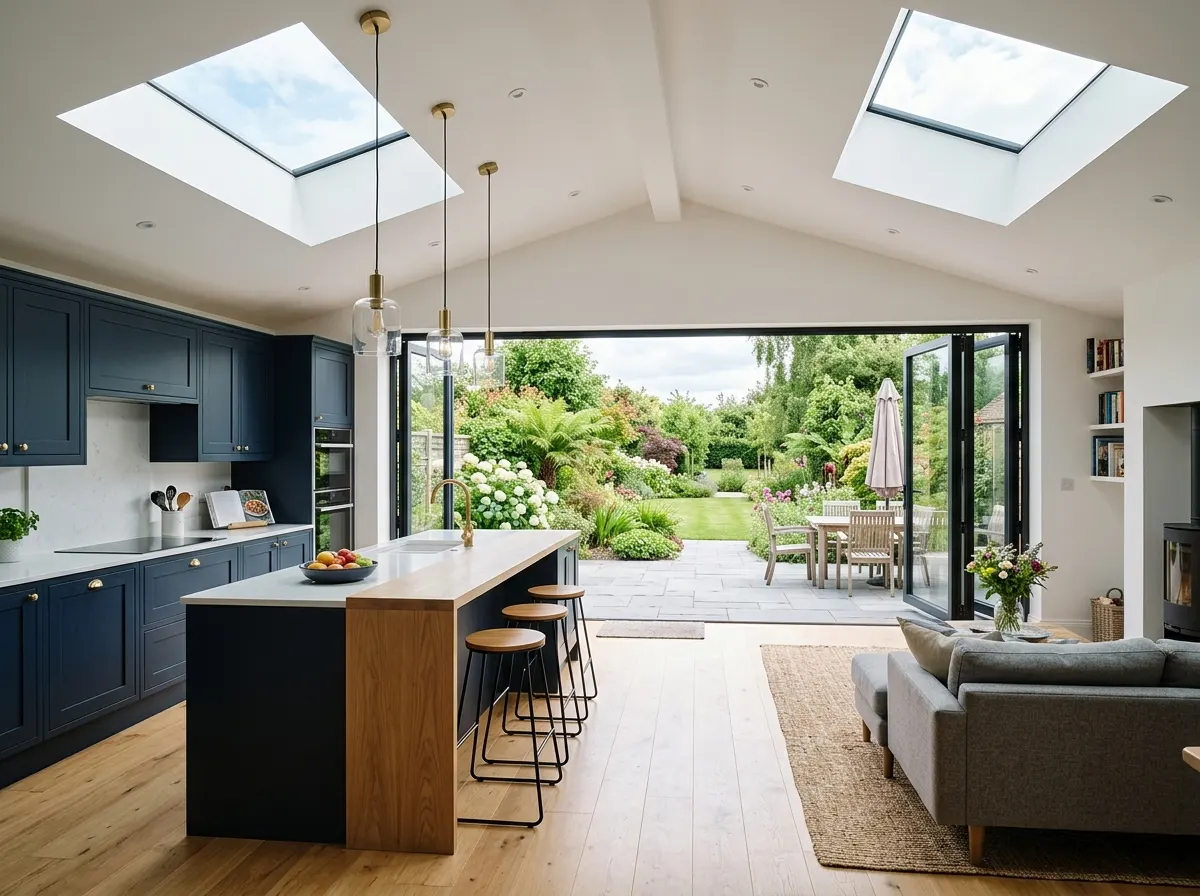
Cost per m² for single and double storey brick extensions.
Ready to restore your brickwork?
Use our AI to get a precise estimate for your house size and mortar type, then connect with Pricing Penguin Accredited bricklayers near you.
Did you find this page helpful?
Let us know if this guide helped you plan your repointing project.