How to start a highly profitable gardening company.
 By Tom Ellis
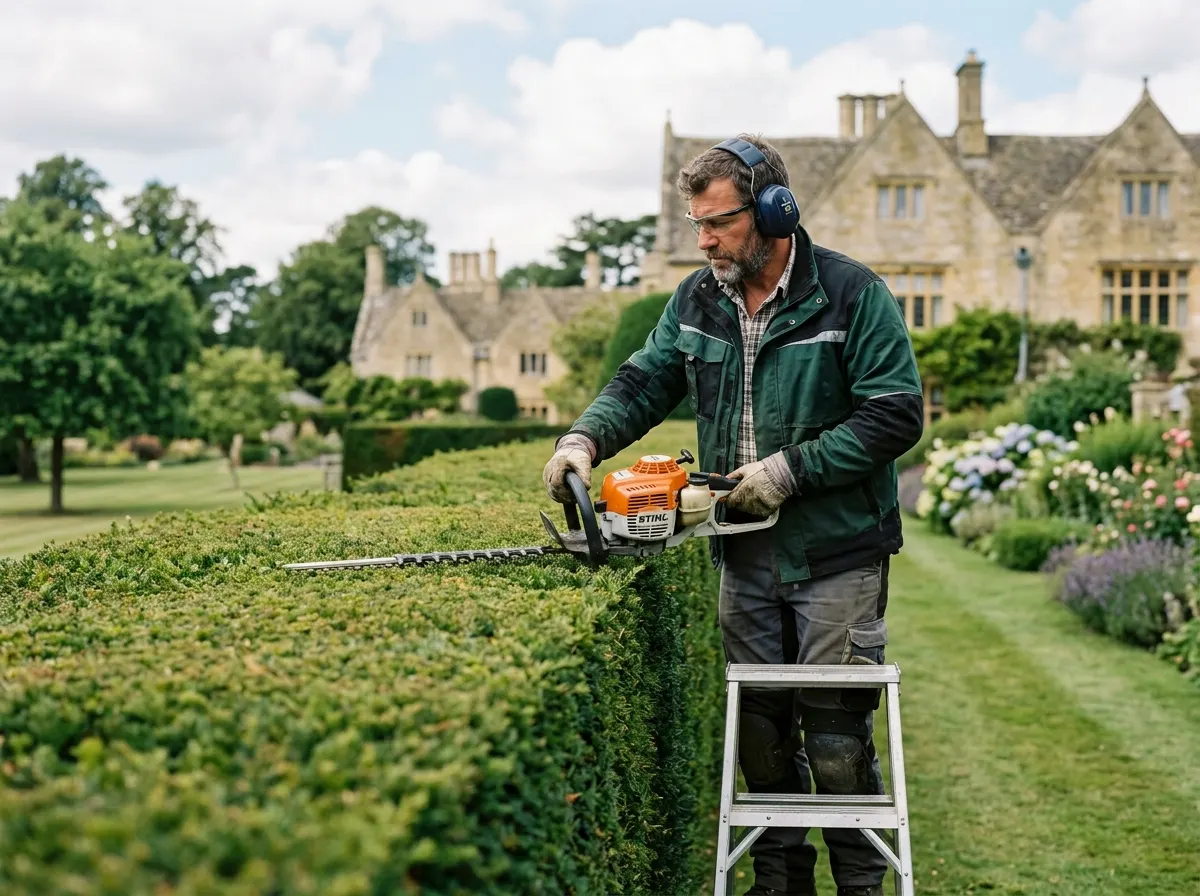
Gardening and grounds maintenance has one of the lowest financial barriers to entry in the trade sector. However, this creates a massive divide. At the bottom, thousands of unbranded "cash-in-hand" operators compete fiercely on hourly rates just to mow lawns. At the top, professional grounds maintenance firms secure lucrative, year-round commercial contracts and high-end domestic estates.
To reach the top tier, you must position yourself as an authority. That means operating legally with the correct environmental waste licences, holding mandatory chemical application certificates, investing in commercial-grade machinery, and pricing your services accurately. This guide is your blueprint for launching a premium, highly profitable gardening business in the UK.
Is Gardening a Good Business to Start?
Gardening provides the most reliable recurring revenue of any trade, provided you target the right clients and charge correctly.
Types of Work & Clients
Maintenance vs One-Offs: Regular maintenance (fortnightly mowing/weeding) guarantees your income. One-off jobs (massive garden clearances, heavy pruning) offer large, immediate cash injections but require constant quoting. A balanced business needs both.
Domestic vs Commercial: Domestic clients pay quickly but require high relationship management. Commercial grounds maintenance (schools, retail parks, flats) offers steady, high-volume contracts but usually involves 30-day payment terms.
Core Gardening Services
To be profitable, you must offer more than just mowing:
- ✓ General Gardening: Lawn mowing, weeding, planting, and border maintenance.
- ✓ Heavy Maintenance: Hedge reduction, garden clearances, pressure washing.
- ! Specialist (Requires Tickets): Professional weed control (PA1/PA6), heavy tree felling (Chainsaw CS30/31).
- ✓ Winter Pivot: Commercial gritting, leaf clearance, and hard landscaping (fencing).
Qualifications & Licences You Must Hold
The biggest mistake new gardeners make is ignoring environmental laws. Operating without the correct licences will result in severe fines and instantly void your business insurance.
Upper Tier Waste Carrier Licence
If you cut a customer's grass or prune their hedge, and you put those clippings into your van or trailer to take to the tip, that green waste is legally classed as Commercial Waste.
You MUST hold an Upper Tier Waste Carrier Licence from the Environment Agency (approx. £191). You cannot legally dump commercial green waste in a household recycling centre without paying commercial tipping fees. If you are caught carrying green waste without this licence, you face an immediate £300 spot fine or having your van seized.
Pesticides: PA1 & PA6 Certificates
If a customer pays you to spray weedkiller (like glyphosate/Roundup) on their driveway or lawn, you are applying chemicals commercially. It is a criminal offence to do this without a licence.
You must pass the NPTC/City & Guilds PA1 (Safe Use of Pesticides Foundation) and PA6 (Handheld Applicator) assessments. Without these certificates, you cannot legally buy professional-grade herbicides from agricultural merchants, and your Public Liability insurance will not cover you if you damage a neighbour's plants or cause illness.
Do you need formal qualifications to be a gardener?
Legally, no. You can start a gardening business with no formal horticultural training. However, obtaining qualifications (like an RHS Level 2 Certificate or an NVQ in Horticulture) allows you to confidently advise clients on plant care, disease management, and soil health, allowing you to charge premium rates as a knowledgeable professional rather than just a "grass cutter."
Startup Costs & Transport
Gardening is cheap to start, but you must invest smartly in transport and commercial-grade tools to avoid breaking down.
How much does it cost to start?
Low-Cost Startup (£1,500 - £3,000)
Operating out of an estate car or small van. Buying a used commercial rotary mower, basic petrol strimmer, and high-quality hand tools. Acquiring the Waste Carrier Licence and basic PLI insurance. Marketing entirely via free local Facebook groups and Google Business Profile.
Typical Professional Startup (£8,000 - £15,000)
Leased MWB van or Tipper (£3k deposit). Full suite of commercial battery tools (Stihl/Husqvarna: £2.5k). Premium rear-roller mower (£1k). PA1/PA6 courses (£500). Professional branding, website, and comprehensive PLI insurance (£1k).
What van do you need?
A small van (Transit Connect) is quickly outgrown. Green waste takes up a massive amount of volume.
- • The 3.5t Tipper (Ideal): A tipper allows you to push a button to dump heavy wet grass and branches at the green waste recycling centre, saving hours of manual shovelling.
- • MWB Van & Trailer: A medium wheelbase van towing a caged mesh trailer is a great alternative. Ensure your driving licence covers towing (B+E).
- • Security: Mowers and strimmers are heavily targeted. Fit aftermarket deadlocks.
Stop paying for dead leads.
Join the Pricing Penguin network. We provide UK tradespeople with high-intent, pre-qualified customers who already understand the true cost of quality craftsmanship.
Structure & Liability Insurance
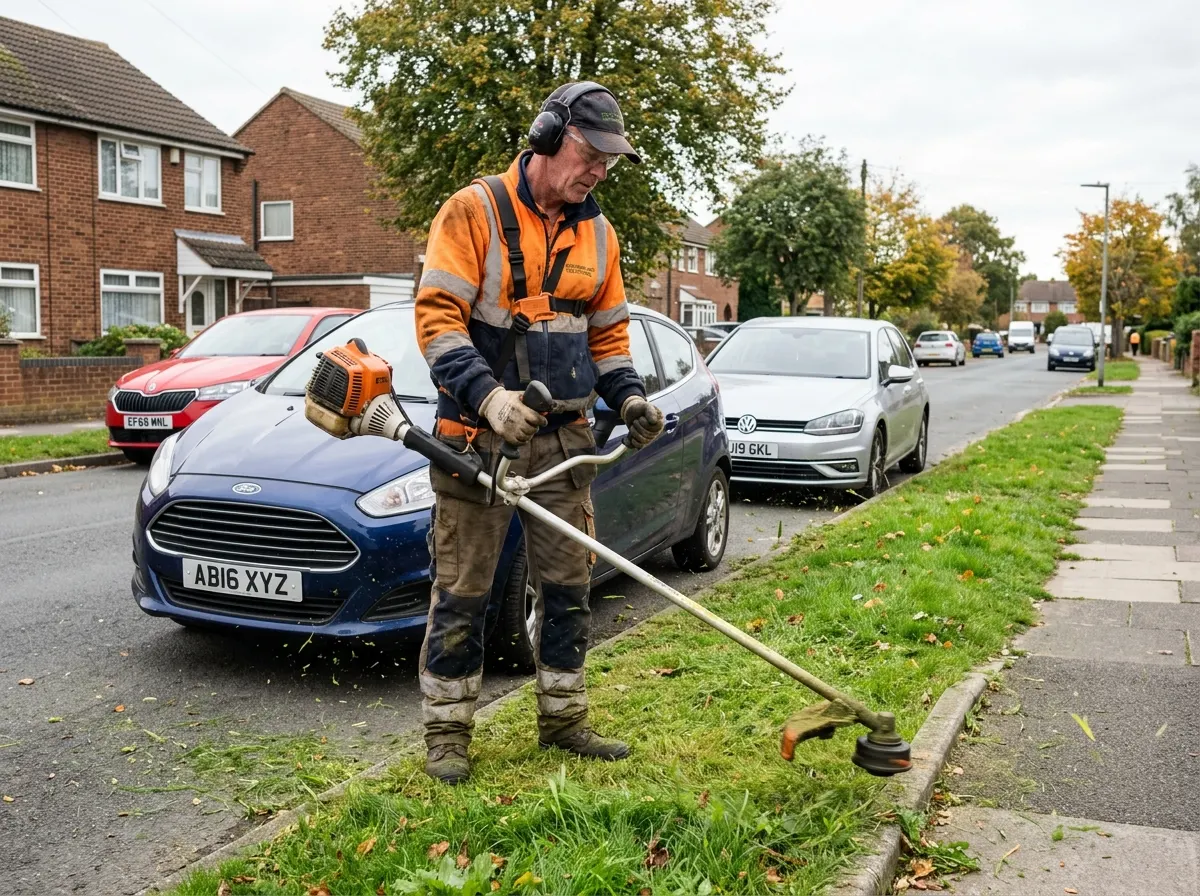
Strimmers flick stones through patio doors and lawnmowers throw debris into parked cars. You must be heavily insured from the first day you start a machine.
Sole Trader vs Limited Company
The vast majority of new gardening businesses start as Sole Traders. It is simple to set up with HMRC, and the accounting is cheap. However, if you plan to target large commercial contracts (like maintaining retail parks or block management estates), many commercial clients will only award contracts to registered Limited Companies (Ltd).
The Insurance Non-Negotiables
-
✓
Public Liability Insurance (PLI) Essential. Get £2m cover minimum for domestic work, or £5m if you want to apply for local council or school maintenance contracts. Check the policy specifically covers "use of power tools and strimmers."
-
✓
Tools in Transit Cover Commercial gardening tools are expensive and highly targeted by thieves. Ensure your tools are insured when locked in your van overnight (though check the strict deadlock and parking requirements on the policy).
Equipping for Efficiency
Do not buy domestic-grade tools from a DIY store. Running a domestic mower for 8 hours a day will destroy it within a month. You must invest in commercial-grade machinery.
Commercial Mowers
Your biggest initial investment. You will likely need two types of mowers.
- • Rotary Mower: For rough cuts and general lawns (e.g., Honda HRH or Hayter Harrier commercial range).
- • Rear Roller Mower: Essential for high-end clients who demand traditional "stripes" on their lawns.
Power Tools: Petrol vs Battery
The industry is rapidly shifting away from petrol (2-stroke) to commercial battery systems (e.g., Stihl AP system, Husqvarna, or Ego).
- • Straight-shaft commercial strimmer
- • Long-reach articulating hedge trimmer
- • Backpack leaf blower (crucial for fast cleanups)
- ✓ Battery tools are silent (great for schools/hospitals) and eliminate petrol costs and engine servicing.
Hand Tools & PPE
Buy cheap, buy twice. Invest in forged steel and carbon fibre.
- • Premium secateurs (Felco 2 are the industry standard)
- • Forged spades, border forks, and half-moon edgers
- • Heavy-duty, puncture-resistant wheelbarrow
- • High-quality tripod orchard ladder
- • PPE: Safety glasses, ear defenders, steel-toe boots
Pricing & Escaping the Hourly Trap
The biggest trap in the gardening industry is charging by the hour. It limits your earning potential and punishes you for being fast and efficient.
How much should a gardener charge?
Stop Charging Hourly
If you charge £25 an hour, and it takes you 2 hours to cut a lawn with a cheap domestic mower, you earn £50. If you invest £1,500 in a massive commercial mower and do the exact same lawn in 30 minutes, charging hourly means you now only earn £12.50. Hourly rates punish you for investing in better tools and working faster.
Day Rates: A self-employed gardener should target £180 to £250 per day in labour.
Always quote a fixed price for the job or maintenance visit, calculated on how long it *should* take, plus your overheads and waste.
How to Price a Gardening Job
- Time Required: Estimate the hours/days needed based on garden size and condition. Multiply by your target rate.
- Waste Disposal: Never absorb this. Estimate the volume of green waste. Charge per tonne/load based on commercial tipping fees + the time it takes to drive to the tip.
- Materials: Add a 15-20% markup to weedkiller, fertiliser, topsoil, or plants you supply.
- Equipment/Access: Does the job require hiring a chipper or scaffold tower? Are there difficult access issues (e.g., carrying everything through the house)? Add this to the quote.
- Minimum Charge: Always set a minimum call-out fee (e.g., £40) to ensure small 20-minute jobs are financially viable after travel time.
Stop paying for dead leads.
Join the Pricing Penguin network. We provide UK tradespeople with high-intent, pre-qualified customers who already understand the true cost of quality craftsmanship.
Building a Premium Brand & Winning Clients
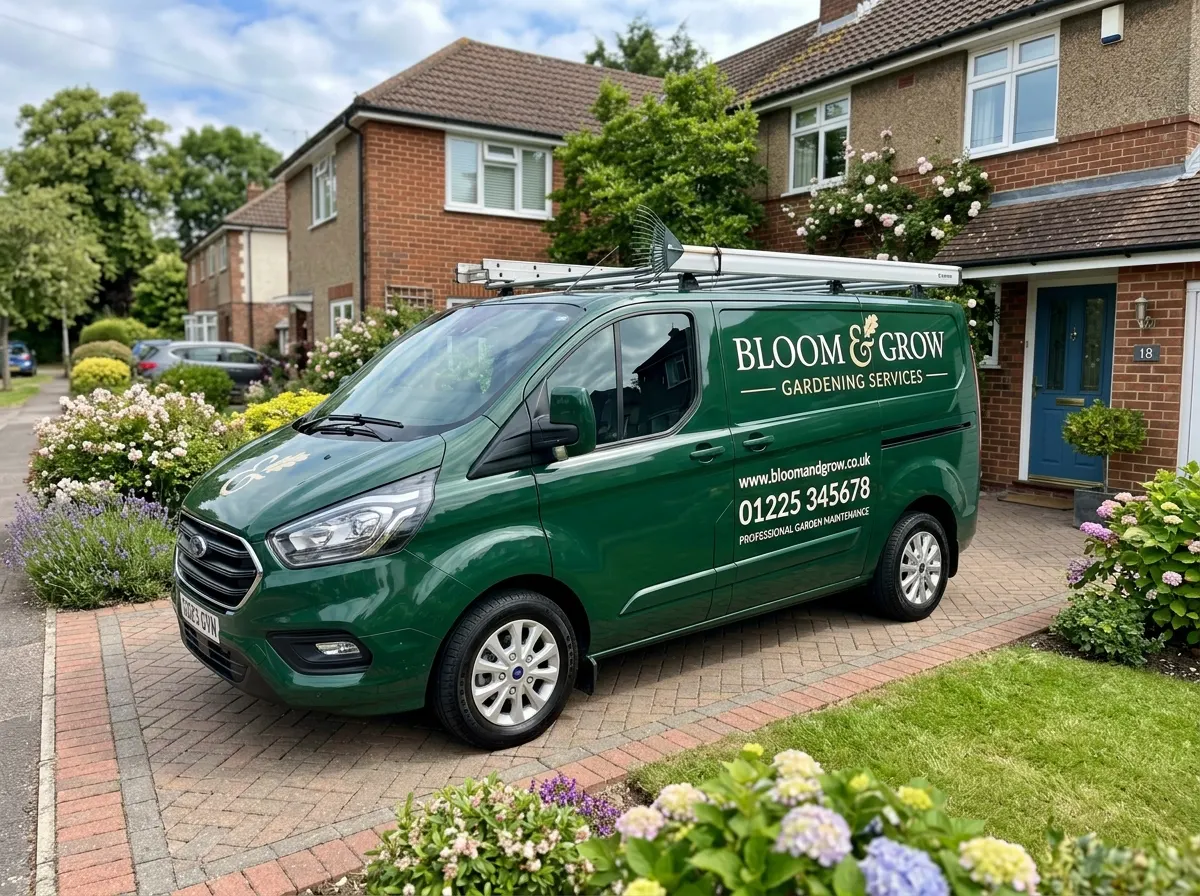
If you turn up in a rusty van wearing a dirty tracksuit, customers will expect to pay £15 an hour. To command premium rates, your visual presentation must be flawless.
SEO-Optimised Naming
Do not use names like "Green Fingers" or "Nature's Touch." When people need a gardener, they search Google for "Gardener [Your Town]" or "Grounds Maintenance [Your Town]." Using an SEO-friendly name guarantees you will dominate local search results.
How to get your first customers:
-
1.
Google Business Profile (Free) Register your business immediately. Focus relentlessly on securing 5-star reviews with photos from your first few clients. This is the ultimate local lead generator.
-
2.
Local Community Groups Post highly satisfying before-and-after photos of overgrown jungle clearances on local Facebook community pages.
-
3.
Estate Agents & Property Managers To secure guaranteed year-round work, approach local Block Management companies. They desperately need reliable contractors to maintain the communal lawns and car parks of local apartment blocks.
The Uniform Standard
Invest in high-quality trade trousers (e.g., Snickers or Scruffs) and embroidered polo shirts and softshell jackets. A uniform instantly signals trust and security to elderly clients or commercial site managers.
How to Grow
Build a solid base of recurring weekly/fortnightly maintenance contracts to cover overheads. Increase prices 10% annually. Add higher-value one-off services (soft landscaping, planting schemes). Eventually, hire teams and move off the tools to manage multiple rounds.
Frequently Asked Questions
How much does it cost to start a gardening business?
A low-cost start (using a car/small van, basic mower, and hand tools) costs £1,500 - £3,000. A professional setup (leased tipper van, commercial battery tools, PA1/PA6 tickets, and insurance) typically requires £8,000 - £15,000.
Do you need qualifications to become a gardener?
No formal horticulture qualifications are legally required. However, you MUST have specific tickets for hazardous work: PA1/PA6 to spray professional weedkiller commercially, and NPTC CS30/31 certificates to operate a chainsaw.
How much do gardeners charge per hour?
Self-employed gardeners typically aim to generate £25 to £40+ per hour in revenue. However, you should rarely quote hourly. Always quote a fixed price for the visit/job to ensure your speed and efficiency is rewarded with higher profit.
How much does garden clearance cost?
A heavy, overgrown garden clearance can easily cost £500 to £1,500+. The main costs are the intensive labour (strimming/chainsawing) and the massive volume of green waste, which requires multiple trips to a commercial tip or hiring a large skip.
Is gardening a profitable business?
Yes. Because overheads and material costs are generally low, the gross margin on your labour is high. It also provides the most reliable recurring revenue of any trade. However, you must carefully manage the winter slowdown by offering seasonal services like gritting or fencing.
What van do I need as a gardener?
A 3.5t Tipper van is the holy grail, allowing you to dump heavy green waste instantly. A Medium Wheelbase (MWB) van towing a caged mesh trailer is also an excellent setup. Small vans are quickly outgrown due to the bulkiness of green waste.
Do gardeners need a waste carrier licence?
Yes. If you transport green waste (grass clippings, branches) away from a customer's property in your vehicle, you legally must hold an Upper Tier Waste Carrier Licence from the Environment Agency.
Should I charge customers for a quote?
For standard maintenance jobs, quotes should be free. However, if a client wants you to completely redesign their borders, research specific plants, and provide a full planting plan, you should absolutely charge a "Consultation and Design Fee."
Can I just use domestic weedkiller from a garden centre?
No. Once you charge a customer for applying any pesticide (even domestic weedkiller you bought in B&Q), you cross the legal line into "commercial application." You must hold PA1 and PA6 certificates regardless of where you bought the chemical.
How much can a self-employed gardener earn?
A sole trader working efficiently with commercial tools can comfortably earn £35,000 to £50,000+ per year. Business owners who scale to manage multiple teams running simultaneous domestic and commercial maintenance rounds can push turnover well into six figures.
Ready to fill your diary with quality jobs?
Connect with serious homeowners who value reliability over the absolute cheapest quote. Join our network of accredited UK tradespeople today and let our AI estimators filter out the time-wasters for you.
Did you find this guide helpful?
Let us know if these business tips will help your trade business.