How to start a highly profitable decorating business.
 By Tom Ellis
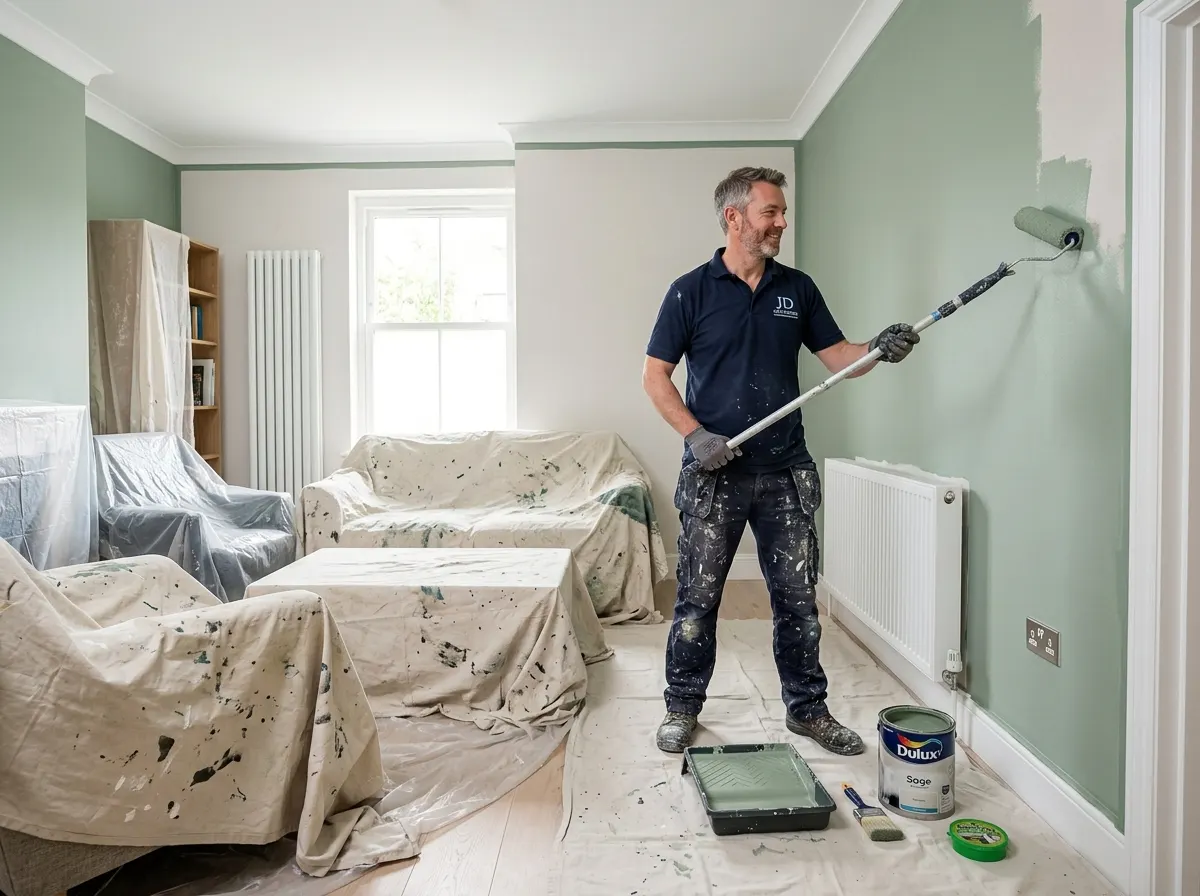
Painting and decorating has the lowest barrier to entry of any trade in the UK. Anyone can buy a brush, a tin of emulsion, and call themselves a decorator. This creates intense, cut-throat competition at the bottom of the market, filled with handymen undercutting professional day rates.
However, the top end of the market is highly lucrative. Homeowners are desperate for clean, reliable professionals who utilise dustless sanding, airless spraying, and flawless wallpapering techniques. If you position your business correctly from day one, manage your pricing properly, and invest in the right gear, you will never have to compete on price. This is your step-by-step guide to building a premium decorating company.
Is Decorating a Good Business to Start?
Decorating offers incredibly low startup costs and high demand, but mastering the technical skills and quoting accurately separates the amateurs from the professionals.
Types of Work & Seasonality
Domestic vs Commercial: Domestic work (interior repaints, wallpapering) offers high margins, fast payments, and year-round work. Commercial work (new builds, office refits) offers massive volume but lower rates per m² and stressful 60-day payment terms.
Seasonality: Interior work is constant all year. Exterior decorating booms from May to September. Smart decorators book all exterior jobs for summer and stockpile interior jobs (like hallway and stairwell repaints) for winter.
Core Decorating Services
To be highly profitable, focus your marketing on premium services:
- ✓ Interior Preparation & Painting: Flawless cutting in, rolling, and glossing woodwork.
- ✓ Wallpapering: High-end vinyls, murals, and feature walls command premium day rates.
- ✓ Airless Spraying: Rapidly painting new plaster or spraying kitchen cabinets.
- ✓ Exterior Work: Masonry painting, treating fascias, and restoring sash windows.
Qualifications & CSCS Cards
While there is no strict legal requirement to paint a house, proving your competence is essential if you want to win commercial contracts or work on building sites.
Do you need qualifications?
If you are entirely self-taught, you can still run a highly successful domestic business. However, holding an NVQ Level 2 or 3 in Decorative Finishing and Industrial Painting validates your skills. It proves you understand colour theory, surface preparation, and advanced application techniques.
The CSCS Card (Site Access)
If you ever plan to sub-contract for a main builder on a new-build housing estate, a school, or a commercial office block, you must hold a Construction Skills Certification Scheme (CSCS) card.
-
1.
Pass the Test You must first pass the CITB Health, Safety and Environment test (£22.50).
-
2.
Claim the Card Apply for the Blue (Skilled Worker) or Gold (Advanced Craft) card based on your NVQ level. Without it, site managers will turn you away at the gate.
Startup Costs & Choosing a Van
Decorating is cheap to start, but you must invest smartly in transport and protection equipment to look professional immediately.
How much does it cost to start?
Low-Cost Startup (£1,000 - £2,500)
Operating out of an estate car. Buying premium hand tools (Purdy brushes, Hamilton rollers), heavy cotton dust sheets, and Correx board. Using standard hand-sanding methods. Basic PLI insurance. Working entirely via free Facebook and Google Business Profile leads.
Typical Professional Startup (£8,000 - £15,000)
Leased small/medium panel van (e.g., Transit Custom). Investing heavily in a dustless sanding setup (Mirka Deros + M-Class Vac: £1k+). Professional access equipment (hop-ups, stair ladders). Branded workwear, website, and comprehensive PLI insurance.
What van do you need?
A small van (like a VW Caddy or Ford Transit Connect) is sufficient for most domestic decorators starting out.
- • Storage & Racking: Paint is heavy and messy. You must ply-line the van and build secure shelving for 10L emulsion tubs. A spilled tub of trade white in the back of an unlined van is a disaster.
- • Ladders: Ensure your van has a professional roof rack with secure, lockable ladder clamps for your extension ladders.
Stop paying for dead leads.
Join the Pricing Penguin network. We provide UK tradespeople with high-intent, pre-qualified customers who already understand the true cost of quality craftsmanship.
Insurance & Spillage Protection
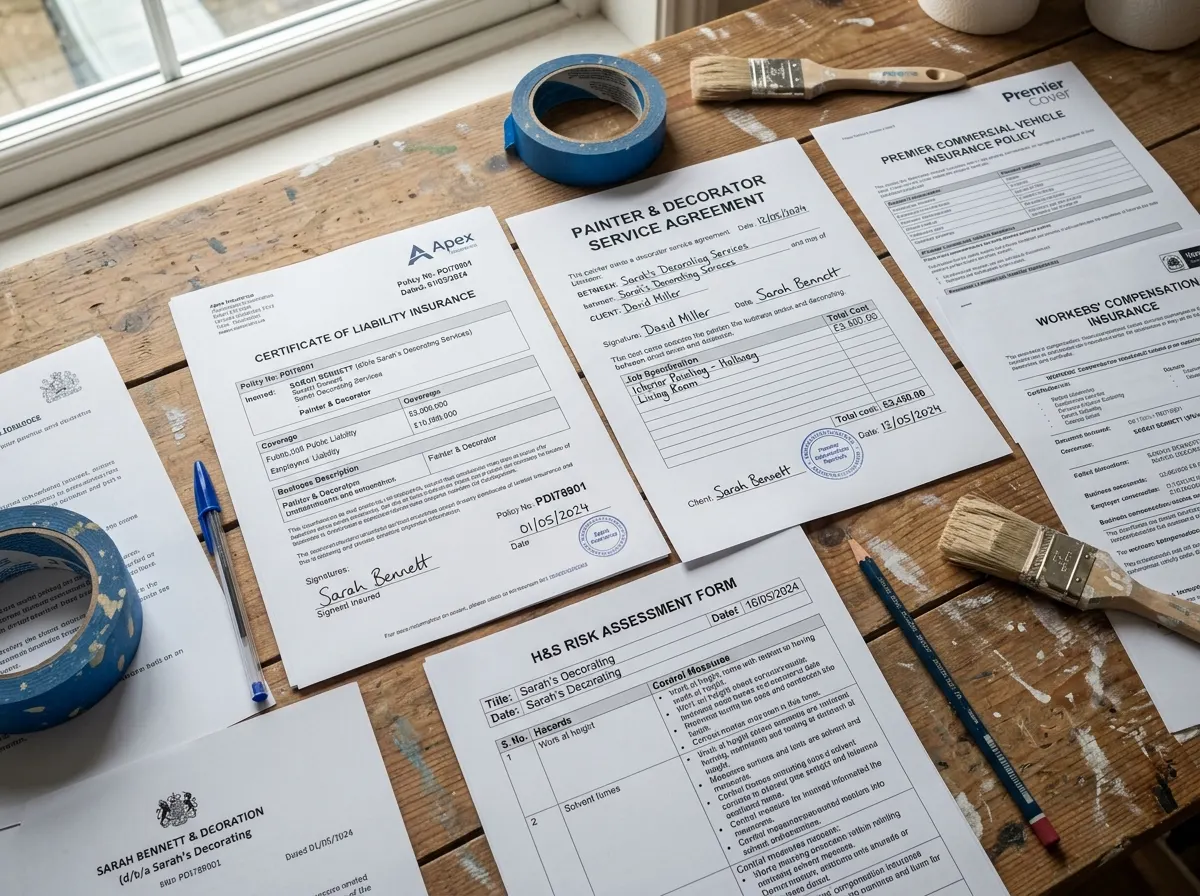
The biggest financial risk to a decorator is not structural collapse; it is accidental damage. Knocking over a 10-litre tub of trade emulsion on a client's £15,000 bespoke wool carpet will instantly bankrupt an uninsured sole trader.
The Absolute Essentials
-
✓
Public Liability Insurance (PLI) You need a minimum of £1m to £2m cover. Crucially, check the small print for "damage to items worked upon." Some cheap policies will cover the carpet if you spill paint, but won't cover the antique door you ruined while sanding it.
-
✓
Employers' Liability (£5m minimum) If you hire a young apprentice to prep woodwork and they fall off a hop-up platform or suffer severe asthma from dust inhalation, you are legally liable. This insurance is a strict legal requirement if you employ anyone.
-
✓
Sole Trader vs Limited Company Most domestic decorators begin as Sole Traders. However, if you move into commercial airless spraying or take on large multi-room renovations, switching to a Limited Company (Ltd) protects your personal assets if a job goes disastrously wrong.
Equipping for a Premium Finish
Consumers expect perfection. You cannot deliver a flawless finish with cheap DIY brushes. Investing in modern technology will double your speed and justify a premium day rate.
Professional Hand Tools
Good brushes hold more paint, cut sharper lines, and don't shed bristles on the wall.
- • Premium synthetic brushes (Purdy, Hamilton)
- • Microfibre rollers & sturdy extension poles
- • Heavy-duty filling knives & scrapers
- • High-quality masking tapes (FrogTape/Tesa)
- • Heavy cotton dust sheets & Correx board
Dustless Sanding (Crucial)
This is your biggest selling point. 90% of decorating is preparation.
- • The Setup: A professional orbital sander (e.g., Mirka Deros or Festool) hooked directly into an M-Class dust extraction vacuum.
- • The Pitch: You can tell homeowners: "We use a 99% dust-free sanding system. We won't cover your house in fine white dust." Clients will happily pay more for this cleanliness.
Airless Spraying (Scaling)
Once established, spraying allows you to complete a room in a fraction of the time.
- • The Setup: An airless spray unit (e.g., Graco or Wagner) for fast application of emulsion on bare plaster or mist-coats.
- • HVLP Systems: For flawless, factory-grade finishes on kitchen cabinets and woodwork.
How to Price a Decorating Job
The most common mistake new decorators make is underestimating preparation time and material quantities.
How much should a decorator charge?
Day Rates vs Fixed Price: A self-employed decorator typically targets £180 to £250+ per day. However, always quote domestic customers a fixed price for the room or house. Homeowners hate open-ended day rates because they fear the job will drag on.
Overheads: Your quote must cover van fuel, insurance, abrasive papers, filler, dust sheets, and the unpaid hours spent visiting the client to write the quote.
Never quote a fixed price to strip wallpaper unless you know what is underneath. It could take 2 hours, or it could take 2 days if it's painted woodchip over blown plaster. State in writing: "Wallpaper stripping is charged at an hourly rate of £X."
The Room Quoting Formula
- Measure: Calculate the m² of the walls and ceiling to determine paint volume.
- Protection & Prep: How much time to mask the floors, wash walls with sugar soap, fill cracks, and sand? (Usually 60% of the job).
- Application: Time to cut in and roll 2 coats of emulsion, plus undercoat and gloss/satin on the woodwork.
- Materials: Cost of Trade paint. Add 10-15% margin.
- Access: Do you need to hire an indoor scaffold tower for a high stairwell?
- Total: Labour Days + Materials + Access + Profit = Fixed Quote.
Building a Premium Brand
Decorating is a highly visual trade. Your marketing must instantly demonstrate the quality and cleanliness of your work.
SEO-Optimised Naming
Do not use names like "Brush Strokes" or "Colour Creations." When people need a room painted, they search Google for "Painter and Decorator [Your Town]." If that is your business name, you will rank at the top of local searches effortlessly.
Where to get your first highly profitable jobs:
-
1.
Google Business Profile (Free) Register your business immediately. Focus relentlessly on securing 5-star reviews with photos from your first few clients. This is the ultimate local lead generator.
-
2.
Instagram & Visual Proof Before-and-after photos are your greatest weapon. Show the terrible, flaky wall, show your dustless sander prepping it, and show the flawless final finish. High-end residential clients hunt for decorators on Instagram.
-
3.
Estate Agents & End of Tenancy Landlords constantly need properties repainted quickly between tenants. Approach local letting agents and offer a rapid "magnolia/white refresh" service. It's fast, predictable, and guarantees steady cash flow.
The End of "Painter's Whites"
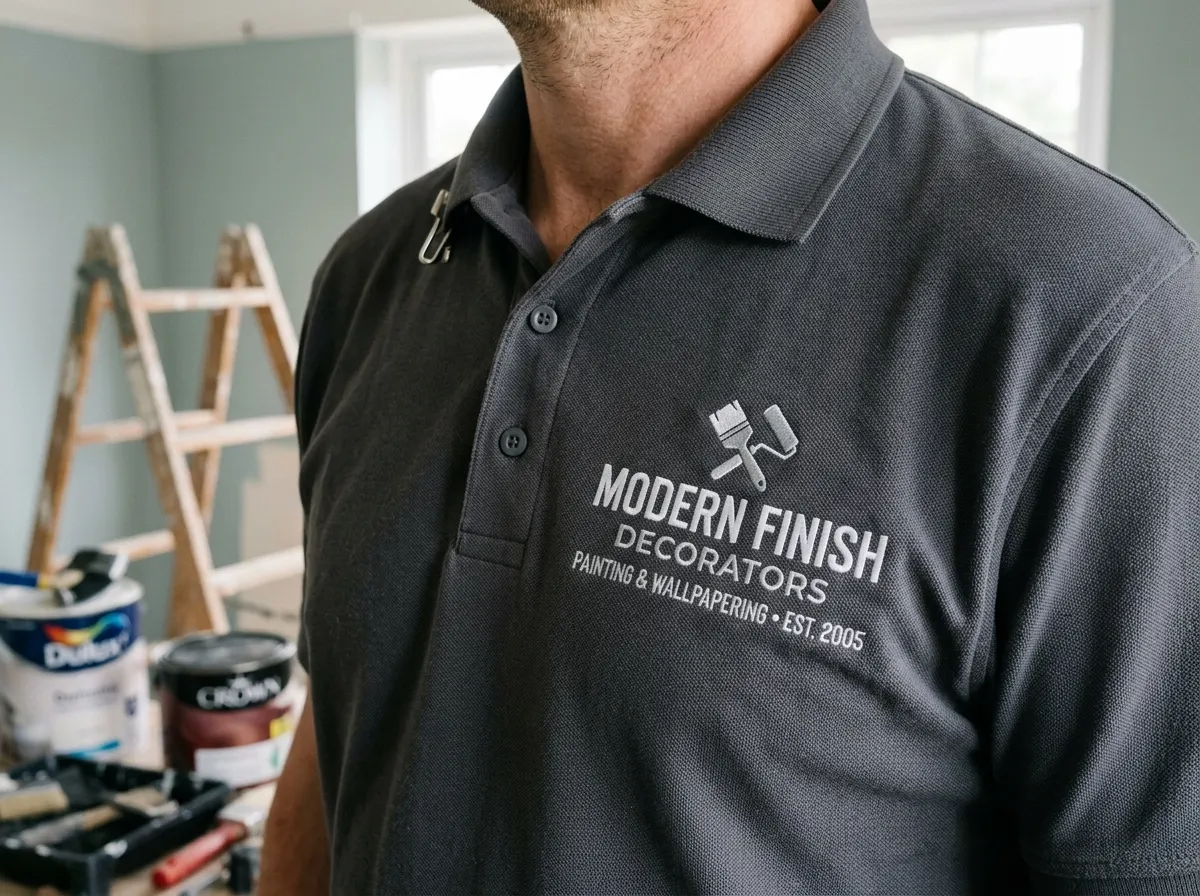
Traditionally, decorators wore white bib-and-brace overalls. While classic, if they get covered in paint on Monday, you look scruffy by Tuesday.
Modern, premium decorating firms have switched to dark grey or black heavy-duty work trousers (like Snickers) paired with crisp, branded polo shirts. It looks significantly more professional, hides stains better, and distances you from the "cheap handyman" image.
Paint Disposal & Site Dangers
Decorators use highly toxic chemicals. Disposing of them down a customer's drain or into a public sewer is illegal and causes massive environmental damage.
Waste Carrier Licence
If you take empty paint tins, stripped wallpaper, or old plasterboard away from a customer's house in your van, you must hold a Waste Carrier Licence from the Environment Agency.
Solvent-based paints, white spirit, and chemical thinners are classed as Hazardous Waste. You cannot put these in a general skip or take them to a domestic council tip. You must use a licensed commercial waste facility. Pouring paint down a drain can result in massive fines from the local water authority.
Lead Paint & Asbestos
If you are working on period properties (pre-1960s), the old layers of gloss on skirting boards and doors likely contain high levels of lead.
Never dry-sand lead paint. The dust is highly toxic. You must use chemical paint strippers or specialized wet-sanding techniques. Furthermore, always be vigilant for Artex ceilings (pre-2000), which frequently contain asbestos. Never scrape or sand an Artex ceiling without a prior asbestos survey.
Frequently Asked Questions
How much does it cost to start a decorating business?
A low-cost startup using an estate car, premium hand tools, and dust sheets costs £1,000-£2,500. A highly professional startup with a leased small van, a dustless sanding system (Mirka/Festool), professional ladders, and PLI insurance typically costs £8,000-£15,000.
Do you need qualifications to become a decorator?
No formal qualifications are legally required for domestic work. However, obtaining an NVQ Level 2/3 is highly recommended. It proves your competence, teaches advanced techniques, and is strictly required to obtain a CSCS card for working on commercial building sites.
How much do decorators charge per day?
A self-employed professional decorator typically aims for £180 to £250+ per day in labour, depending on the region and their skill level (e.g., specialist wallpapering commands higher rates). However, domestic jobs should almost always be quoted as a fixed price, not a day rate.
How much should a decorator charge to paint a room?
It depends entirely on the size and the required preparation. A standard 4x4m bedroom in good condition might cost £400-£600 (labour and materials). A living room with ornate coving, damaged plaster, and multiple sash windows could cost £800-£1,200+.
Should I let the customer supply the paint?
Ideally, no. Customers often buy cheap retail paint from a DIY store, which requires 4 coats instead of 2 to get a solid finish, destroying your profit margin. Always insist on supplying professional Trade paint (e.g., Dulux Trade, Crown Trade). The coverage is superior, saving you hours of labour.
Is a decorating business profitable?
Yes. Because the tool and machinery costs are vastly lower than trades like landscaping or plumbing, the gross profit margin on your labour is very high. A skilled decorator running a tight schedule with minimal material waste can comfortably earn £40,000 to £50,000+ a year.
Can you start a decorating business with no experience?
You can, but it is risky. Anyone can roll a wall, but cutting in perfectly straight lines, repairing blown plaster, managing lead paint, and hanging £100-a-roll wallpaper requires serious skill. Poor finishes lead to withheld payments. It is best to work alongside an experienced decorator first.
What tools do I need to start decorating?
Essentials include premium brushes (Purdy/Hamilton), microfibre rollers, extension poles, filling knives, heavy cotton dust sheets, and masking tape. The best early investment you can make is an M-Class dustless sanding system.
What van do I need as a decorator?
A small van (VW Caddy, Ford Transit Connect) is usually sufficient for domestic work. Crucially, it must be ply-lined and racked securely to prevent heavy tubs of paint from tipping over and ruining the interior.
Should I join the Painting and Decorating Association (PDA)?
Joining the PDA is a fantastic way to separate yourself from amateur handymen. Membership requires vetting, proof of insurance, and experience. Displaying the PDA logo gives homeowners immense confidence, allowing you to easily justify premium pricing.
Do decorators need to register for the CIS?
If you operate as a subcontractor working for a main building contractor on a commercial site or a new-build estate, yes. You must register for the Construction Industry Scheme (CIS). The contractor will deduct 20% of your labour invoice and pay it directly to HMRC.
Ready to fill your diary with quality jobs?
Connect with serious homeowners who value reliability over the absolute cheapest quote. Join our network of accredited UK tradespeople today and let our AI estimators filter out the time-wasters for you.



Did you find this guide helpful?
Let us know if these business tips will help your trade business.