How much does a flat roof replacement cost in the UK?
 By Tom Ellis
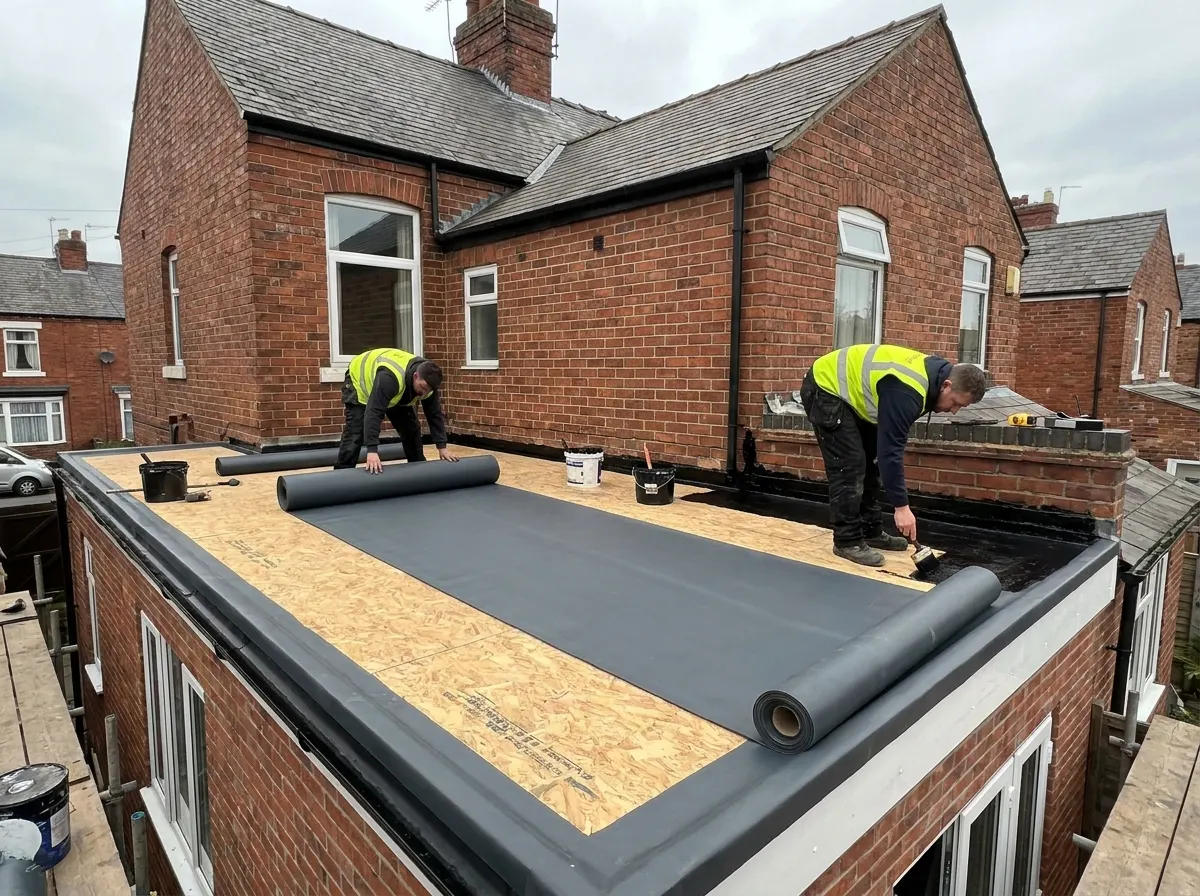
Flat roofs on rear extensions, dormer windows, and garages are notorious for failing after 10 to 15 years when built with cheap, traditional bitumen felt. However, modern roofing technology has completely transformed flat roofing into a resilient, 30 to 50-year solution using seamless EPDM synthetic rubber and GRP fibreglass.
In 2026, replacing a flat roof in the UK typically costs between £1,500 and £7,000, with an average price of around £3,500 for a standard 25m²–30m² kitchen extension. The final price tag depends on whether your timber decking boards have rotted, how many upstands or skylights need detailing, and whether you are legally required to upgrade to a modern warm roof insulation system under UK Building Regulations.
~£1,500
Basic specification. Replacing the membrane on a single garage or small dormer (12m²–18m²) using EPDM rubber or 3-layer torch-on felt over sound existing timber deck.
~£3,500
Mid-range finish. A typical 25m²–30m² rear extension roof. Includes stripping old felt, installing fresh 18mm OSB3 tongue-and-groove decking, new EPDM or GRP fibreglass, and edge trims.
£7,000+
High-end specification. Large wrap-around extensions (45m²+), full structural warm roof build with 120mm rigid PIR insulation (Part L compliant), lantern skylight kerbs, and lead abutment flashings.
Get an instant estimate for your flat roof
Flat Roof Materials Compared
The material you specify dictates the initial cost, maintenance requirements, and how many decades the roof will last before you have to replace it again.
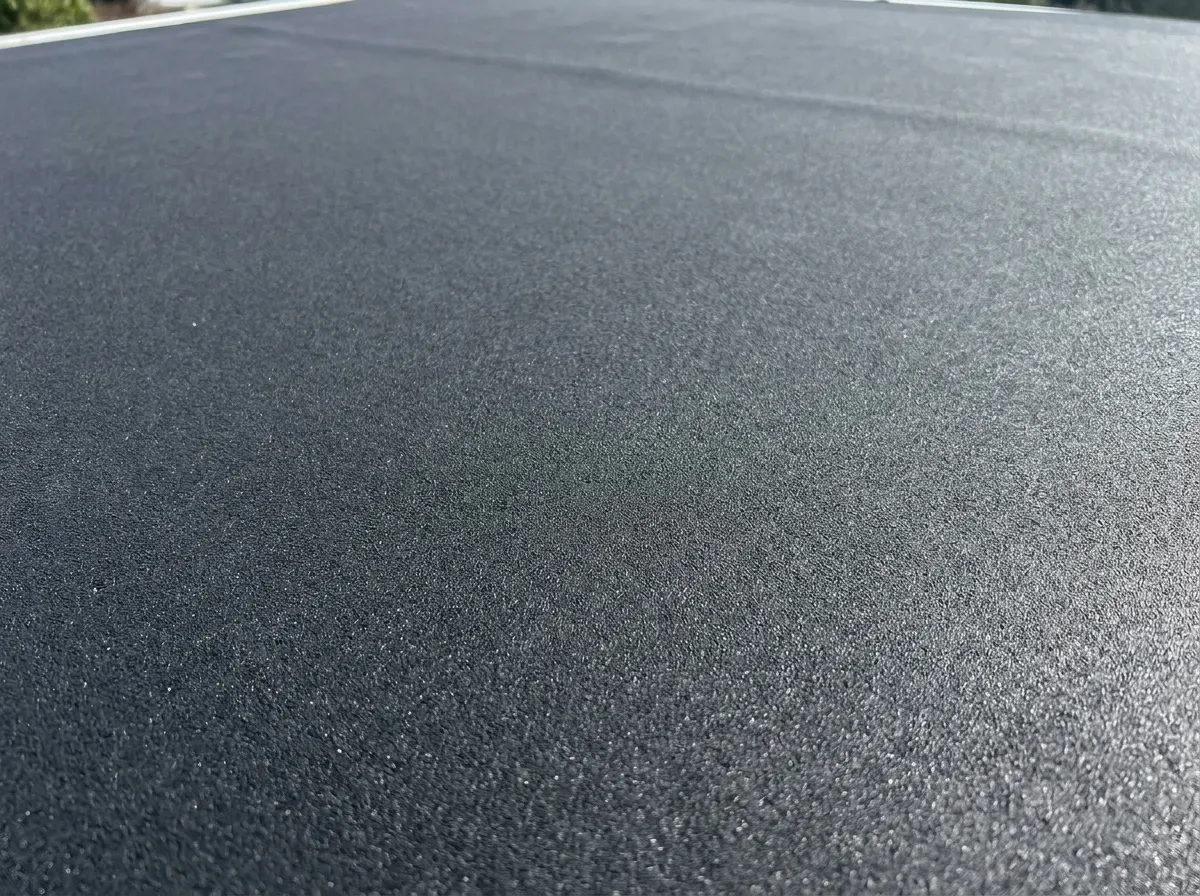
EPDM Rubber Membrane
Top RecommendationA synthetic elastomeric polymer (brands like ClassicBond, Elevate/Firestone). Supplied in large single sheets that can cover an entire extension roof in one piece with zero joints or seams. UV stable, completely impervious to moss, and flexible enough to expand and contract with UK freeze-thaw weather cycles without cracking.
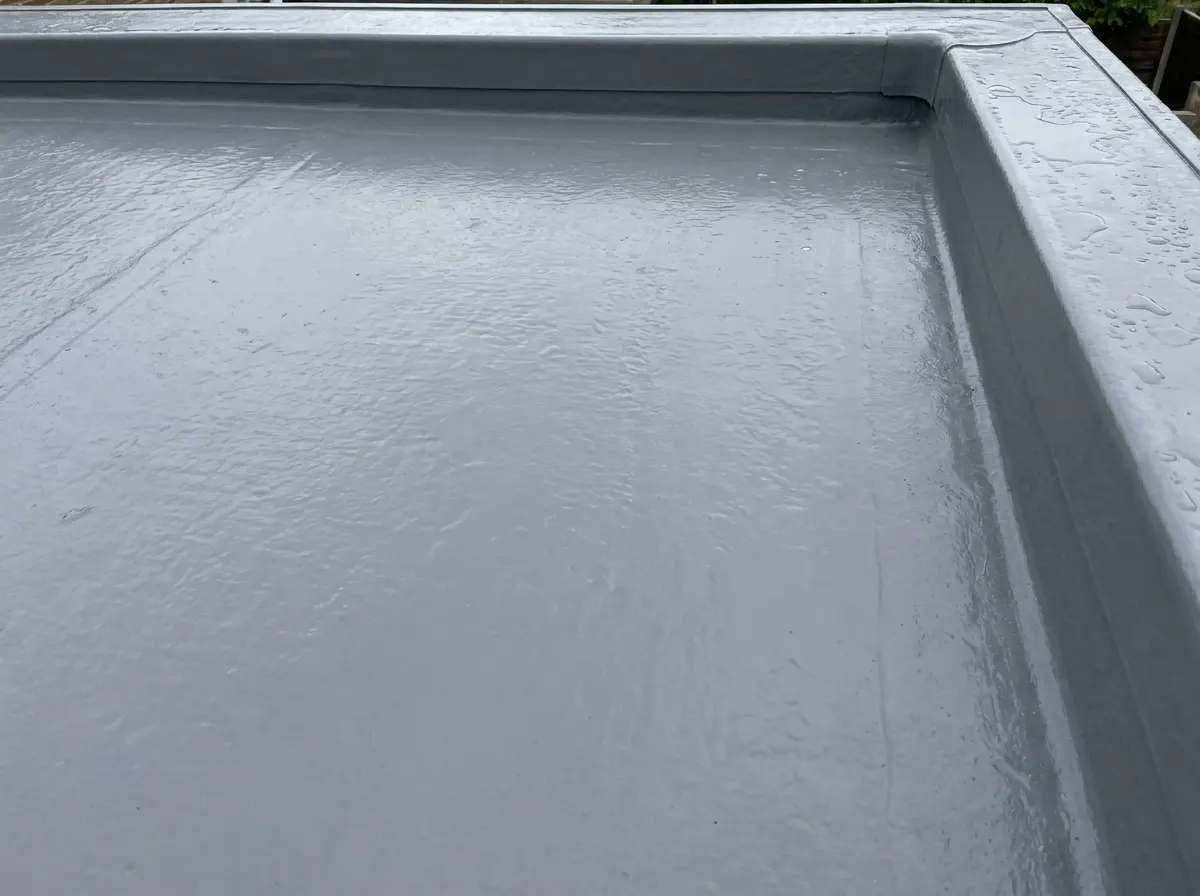
GRP Fibreglass
Ultra Rigid / BalconiesGlass Reinforced Plastic (systems like Cure It). Fibreglass matting is laid over fresh OSB3 boards, saturated with cold-applied polyester liquid resin, and coated with a coloured mineral topcoat. It cures into a hard, stone-like shell with no seams. Perfect for roof terraces and balconies because you can walk on it without puncture risks.
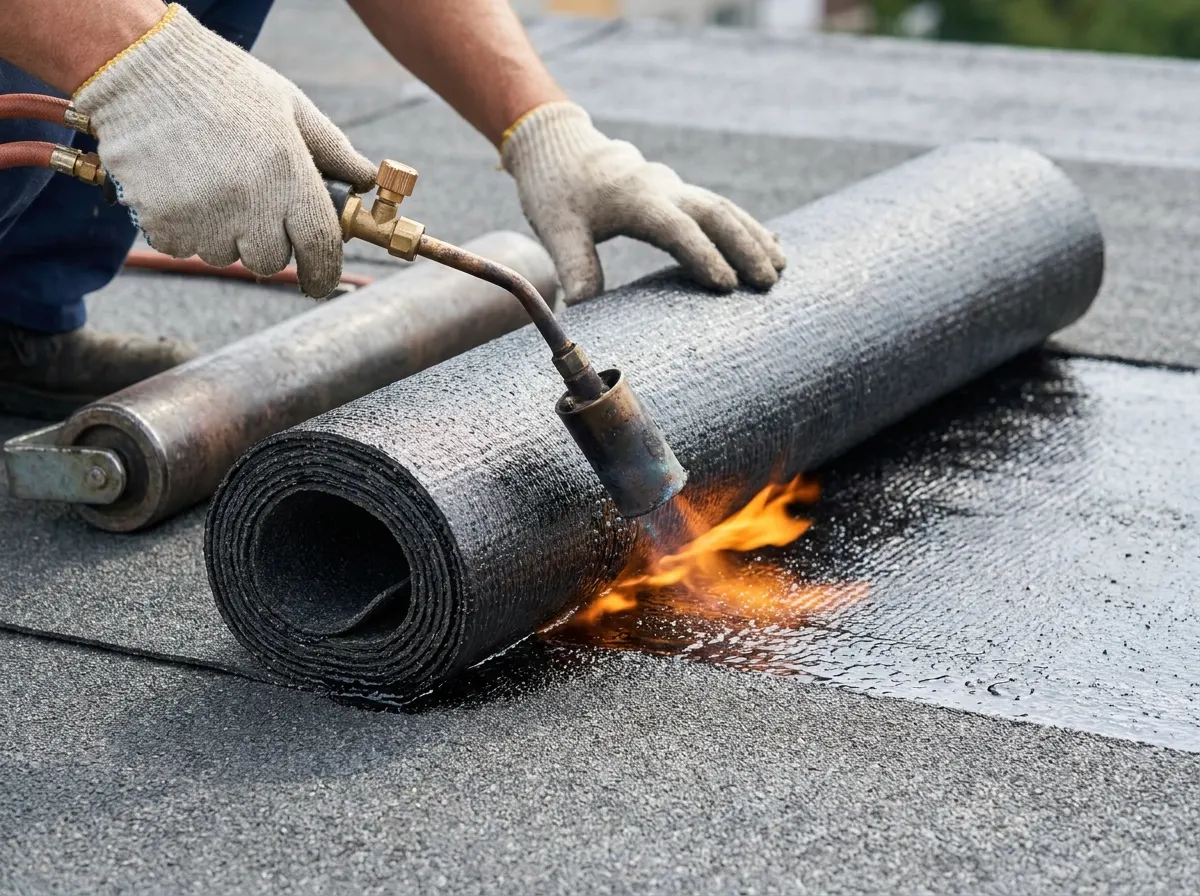
High-Performance Torch-On Felt
Traditional BudgetModern 3-layer system: a perforated underlay, an elastomeric intermediate layer, and a heavy-duty polyester mineral cap sheet heated with an open gas blowtorch. Much better than old pour-and-roll felt, but still contains vulnerable seams every 1 metre. Over time, UV radiation dries out the bitumen, causing it to become brittle and split.
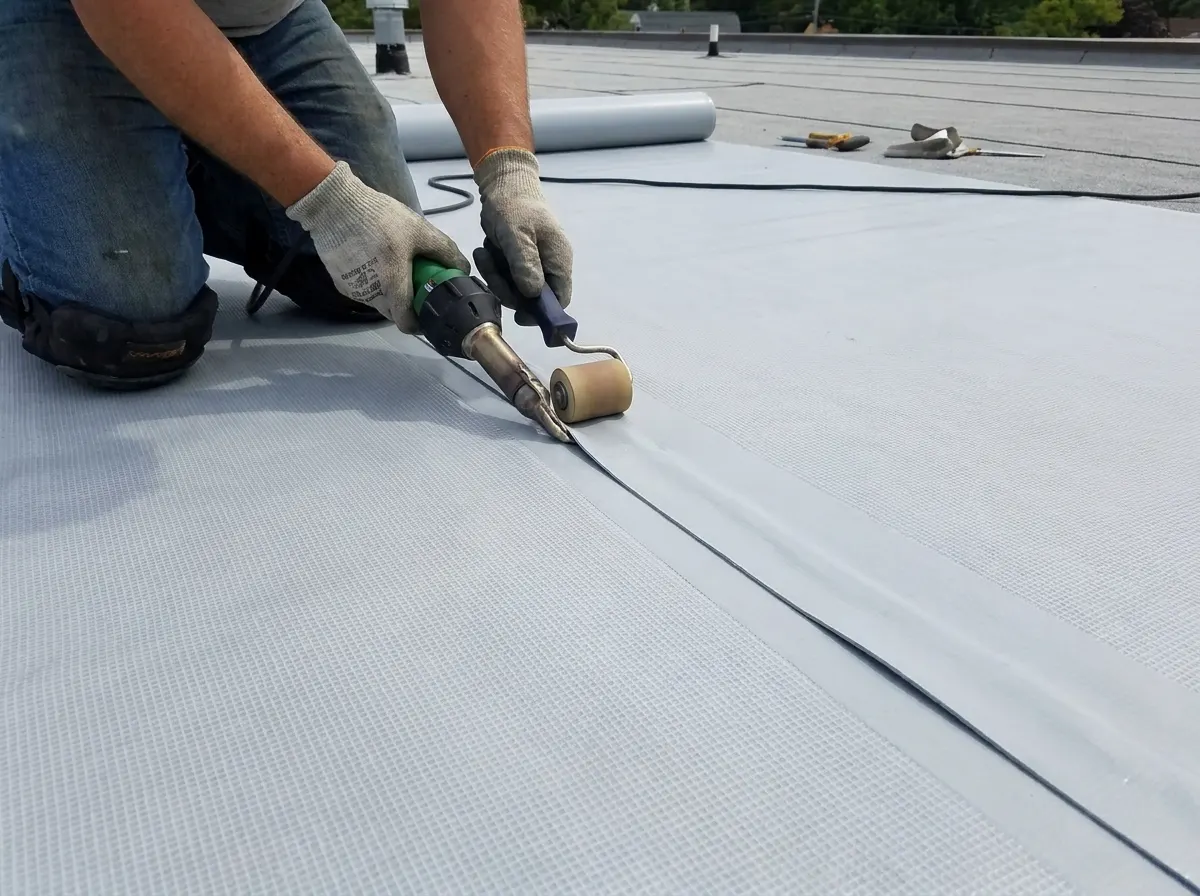
Single Ply (PVC / TPO)
Architectural ChoiceCommercial-grade synthetic membrane (systems like Sarnafil, Bauder). Welded together at the seams using robotic hot-air guns without naked flames. Highly resistant to chemical pollutants and available in architectural light-grey finishes with mock lead standing seams for period aesthetic imitation.
Warm Roof vs Cold Roof: What You Must Know
Under UK Building Regulations, if you replace more than 50% of your flat roof covering over a heated living space, you are legally required to bring the thermal performance up to current standards (a U-value of 0.18 W/m²K or better).
1. Warm Roof (Modern Standard)
Part L CompliantIn a warm roof, rigid foil-backed PIR insulation boards (typically 100mm–130mm of Kingspan or Celotex) sit on top of the structural timber deck, underneath the waterproof EPDM or GRP covering. A vapour control layer (VCL) is sandwiched below the insulation.
- ✓ Zero risk of condensation rotting the structural rafters
- ✓ Keeps the joists and ceiling void warm, slashing heating bills
- ✓ Eliminates cold bridging across the ceiling
2. Cold Roof (Traditional / Unheated)
Garages / Sheds OnlyIn a cold roof, mineral wool insulation is stuffed between the ceiling joists, leaving the timber deck and rafters cold. To prevent internal house moisture from condensing on the cold underside of the plywood deck, you must maintain a continuous 50mm ventilated air gap above the insulation using soffit vents.
- ✕ High risk of interstitial condensation and timber rot if unventilated
- ✕ Difficult to achieve modern 0.18 U-values without dropping ceiling heights
- ✓ Fine for unheated outbuildings, carports, and detached garages
Replacement Costs by Project Size
The table below outlines real-world 2026 supply-and-fit prices across common domestic UK projects, detailing the difference between standard covering replacement and full warm roof timber rebuilds.
| Project Type & Area | Torch-On Felt | EPDM Rubber | GRP Fibreglass |
|---|---|---|---|
| Small Dormer Window (~8–12 m²) | £800 – £1,200 | £1,100 – £1,500 | £1,300 – £1,800 |
| Single Garage (Unheated ~18 m²) | £1,200 – £1,600 | £1,500 – £2,100 | £1,800 – £2,400 |
| Standard Kitchen Extension (~25–30 m²) | £1,800 – £2,600 | £2,400 – £3,400 | £2,800 – £3,900 |
| Large Wrap-Around / Double Garage (~45–55 m²) | £3,000 – £4,200 | £3,800 – £5,200 | £4,500 – £6,200+ |
| Add-On: Timber Deck Rebuild (18mm OSB3) | £20 – £35 per m² (essential if old chipboard or plywood has water damage or rot). | ||
| Add-On: Warm Roof Insulation (120mm PIR) | £35 – £55 per m² (includes Vapour Control Layer and foil-faced PIR boards). | ||
How long does flat roof replacement take?
A standard 25m²–30m² domestic extension takes a two-person roofing crew 1 to 2 days to strip and re-cover, extending to 3 days if complex warm roof insulation and new fascias are included.
Strip & Inspect
The old felt or cracked fibreglass is stripped off. Rafters and joists are inspected for rot. Firring strips (tapered timbers that create the fall to the gutter) are levelled or replaced to eliminate water ponding.
Deck & Insulation
Fresh 18mm OSB3 structural boards are screwed down with staggered joints. If specifying a warm roof, the vapour control layer and 120mm PIR insulation boards are glued down with expanding foam adhesive.
Membrane Application
For EPDM, water-based deck adhesive is roller-applied and the continuous rubber sheet is broomed flat before contact adhesive bonds the perimeter upstands. For GRP, resin-impregnated matting is roller-consolidated.
Trims & Lead Flashing
Heavy-duty pre-formed uPVC or GRP edge trims and gutter drip trims are mechanically fixed to prevent wind lift. Wall abutment joints are chased into the brickwork and sealed with Code 4 lead flashing.
Flat Roofing Labour Rates
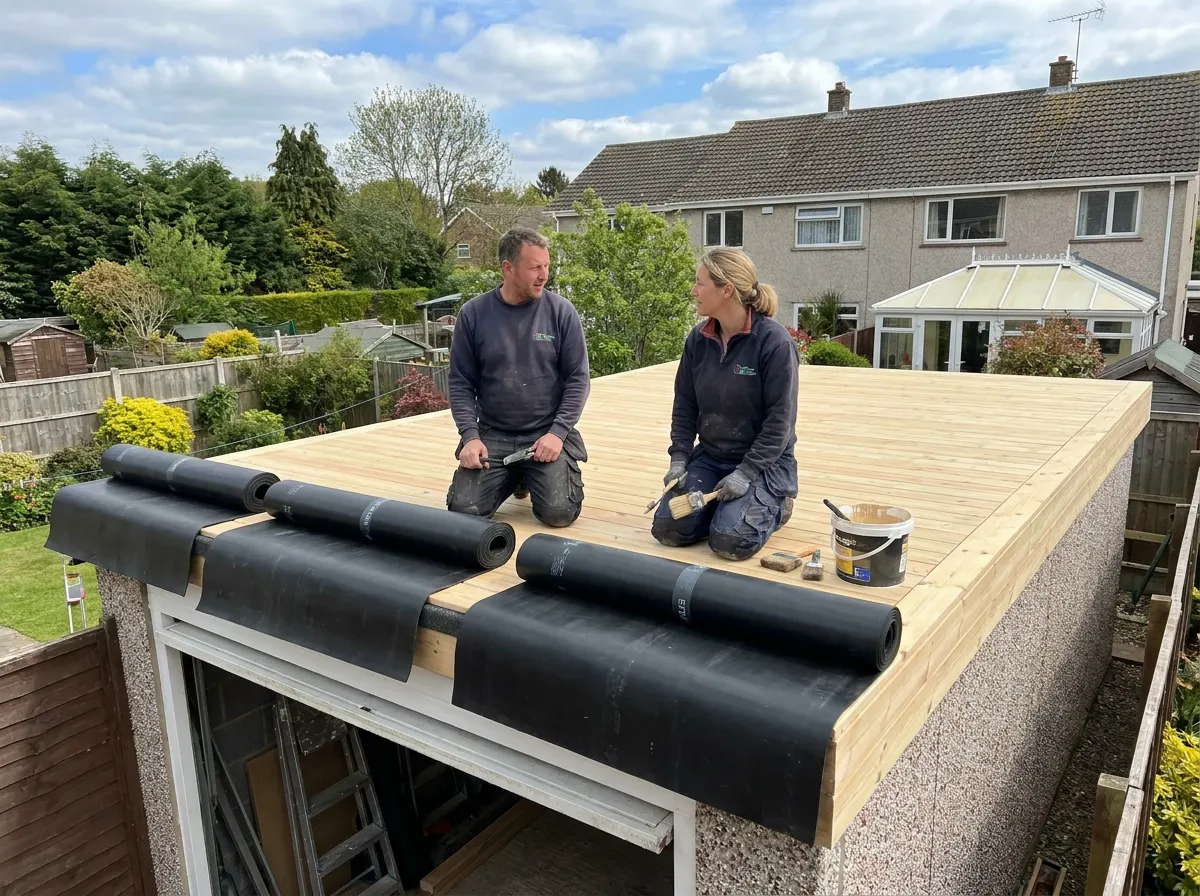
Flat roofers typically work in two-person teams. Working with adhesives, heavy timber sheets, and hot-air or chemical resins requires synchronised trade skills.
Regional Pricing Variations
Regional labour variations and skip permit fees in dense urban areas swing quotes by up to 35% across the UK.
Flat Roofing Red Flags & Cowboy Shortcuts
A bad flat roof installation will leak silently inside the ceiling void for months before showing water spots inside your room. Avoid contractors who pull these tricks:
"Overlaying" Over Wet Timber
Rogue roofers will offer a cheap price by simply gluing new rubber or painting liquid coating straight over your old cracked felt. Trapping trapped moisture and wet rotten chipboard beneath an airtight membrane causes dry rot to destroy your rafters within two winters.
Ignoring "Ponding" Water
No roof should be dead-flat. BS 6229 mandates a design fall of 1:40 to ensure a minimum finished fall of 1:80 towards the gutter. If a roofer doesn't install tapered timber firrings to drain the water, heavy stagnant puddles ("ponding") will stress the deck and cause premature joint failure.
Laying GRP Fibreglass in the Cold/Wet
GRP resin requires bone-dry conditions and temperatures above 5°C to catalyze. If an installer lays fibreglass onto damp OSB board or during misty winter weather, the resin will turn white, fail to cure properly, and crack with loud popping noises when walked on.
Can you DIY a flat roof?
Compared to pitch-roofing with heavy tiles and scaffolds, single-sheet EPDM rubber is one of the most accessible roofing projects for a competent DIYer. Complete one-piece EPDM kits can be ordered online cut to your exact dimensions, including water-based adhesive, edge trims, and corner seals.
What you CAN DIY:
- ✓ Detached Garages & Sheds: Replacing the felt on an unheated outbuilding or detached single garage with an EPDM kit is a safe, realistic 2-person weekend DIY job that saves £800+ in labour.
- ✓ Strip-Out & Waste: You can pull up old felt and rotten decking yourself before the professional roofer arrives to save on demolition labour.
Strictly Pro Only
Heated Living Extensions (Building Regs Part L): Any flat roof over a kitchen, bedroom, or living space legally requires Building Control sign-off for insulation U-values. Using a certified CompetentRoofer installer gives you a compliance certificate for selling your home later.
Torch-On Bitumen Felt: Operating high-output gas torches near dry timber roof structures carries severe domestic fire risks. Professional roofers carry specific "hot works" liability insurance.
Frequently Asked Questions
What is the best flat roof material in 2026?
EPDM synthetic rubber is widely considered the best all-rounder for domestic extensions and garages. It costs £70–£110/m² fitted, lasts up to 50 years, and usually installs in one seamless piece. GRP fibreglass (£90–£130/m²) is superior if you need a hard, impact-resistant surface for a balcony or high foot traffic. Traditional torch-on felt (£60–£80/m²) remains a budget-friendly option but has a shorter lifespan.
How much does it cost to replace a flat roof per square metre?
In 2026, a standard UK flat roof replacement typically costs between £60 and £130 per m² including materials and labour. The exact price depends heavily on the covering chosen and whether you need to replace the underlying timber decking. Upgrading to a "warm roof" to meet modern insulation standards, or requiring scaffolding for a two-storey extension, will push costs to the higher end of that bracket.
What is the difference between a warm flat roof and a cold flat roof?
A "warm roof" places the rigid insulation layer above the structural timber joists and roof deck, keeping the entire structure warm and preventing condensation. A "cold roof" places the insulation between the joists, which leaves the roof deck exposed to cold temperatures and requires strict 50mm cross-ventilation gaps to prevent rot. Warm roofs are now the preferred standard in the UK for longevity and thermal performance.
Do I need Building Regulations for replacing a flat roof?
Yes, if you are replacing more than 50% of the roof covering over a heated habitable room. Under Building Regulations Part L, you are legally required to upgrade the roof's thermal performance to a maximum U-value of 0.18 W/m²K. This almost always involves converting the structure to a "warm roof" by adding approximately 120mm of rigid PIR insulation. Unheated detached garages are usually exempt.
How much does it cost to replace a single garage flat roof?
An unheated single garage (approx 15m²) typically costs between £1,200 and £1,800 using traditional 3-layer torch-on felt. If you upgrade to longer-lasting EPDM rubber or GRP fibreglass, expect quotes between £1,650 and £2,700 fully supplied and fitted. If the old timber boarding has rotted and requires replacement, budget an extra £20 to £45 per m² for new structural deck boards.
Is standing or "ponding" water on a flat roof bad?
While quality EPDM and GRP membranes are waterproof even under standing water, persistent deep puddles (ponding that remains 48 hours after dry weather) are undesirable. Ponding water adds massive dead-weight stress to the timber joists and attracts dirt, moss, and algae. A professional roofer will install timber firring strips during replacement to ensure a slight gradient (typically 1:40 to 1:80) so rainwater flows freely to the gutters.
Can you walk on a flat roof?
Standard EPDM rubber and felt roofs can be walked on carefully for occasional window cleaning or gutter maintenance, but regular foot traffic risks puncturing the membrane. GRP fibreglass is naturally rigid and impact-resistant, making it much safer. If you intend to use the area as a regular roof terrace or balcony, you must install specialised rubber walkway tiles or a floating composite deck on pedestal feet to protect the waterproofing.
Can you lay a new flat roof directly over an old one?
Overlaying a new EPDM or felt membrane over an existing roof is sometimes possible to save money, but it is rarely recommended by professionals. A flat roof is only as strong as its foundation. If the old timber decking underneath is rotten, saturated with trapped moisture, or structurally weak, the new covering will fail prematurely. Stripping the roof back to the joists is the only way to guarantee a long-lasting, watertight finish.
Related Projects & Guides
Ready to replace your leaking flat roof?
Use our AI to get a precise estimate based on your roof dimensions and preferred covering (EPDM, GRP, or Warm Roof), then connect with Pricing Penguin Accredited flat roofing specialists near you.
Did you find this page helpful?
Let us know if this guide helped you plan your project.