How much does surface water drainage cost in the UK?
 By Tom Ellis
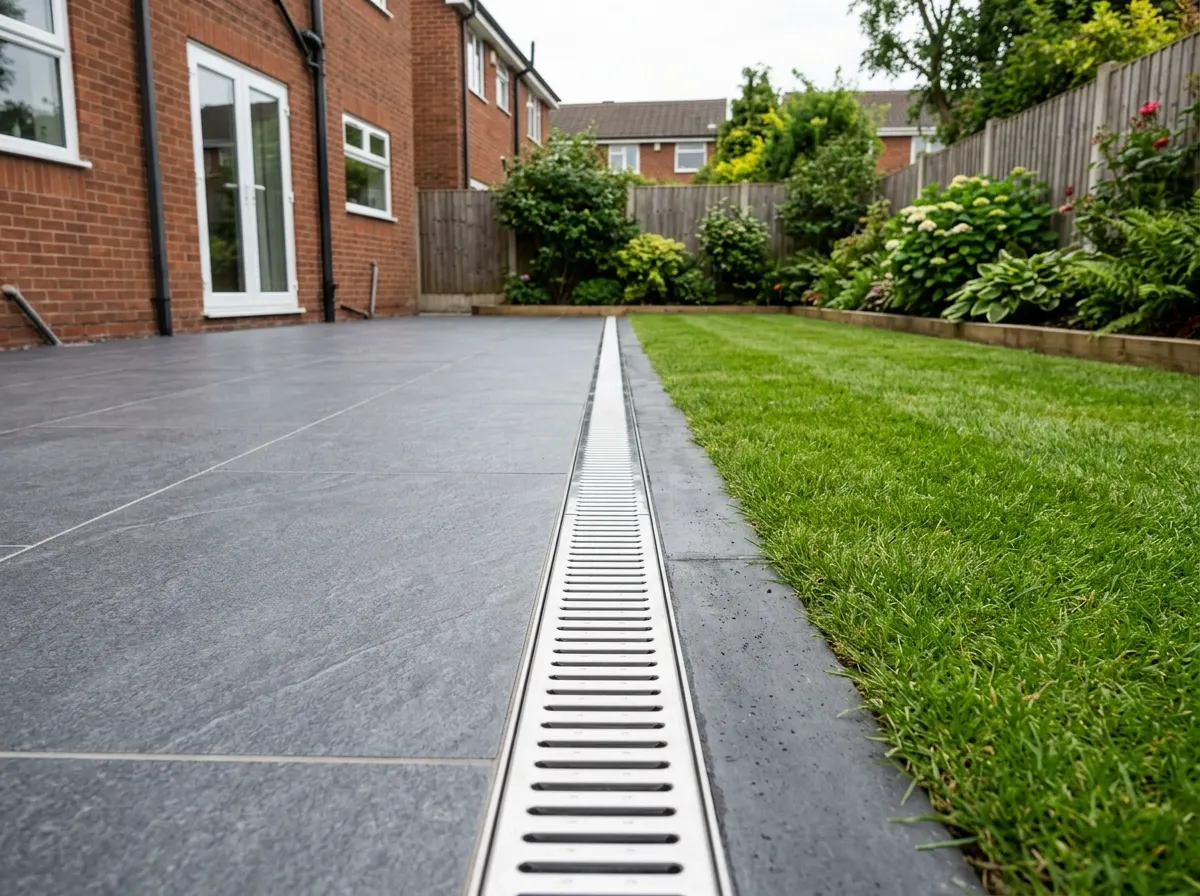
Proper surface water drainage is essential for protecting your home from structural damp and keeping your garden usable year-round. Whether you are laying a new patio, replacing gutters, or curing a permanently waterlogged lawn, directing rainwater safely away from your foundations is a critical—and legally regulated—part of any exterior project.
In 2026, surface water drainage costs in the UK typically range from £200 to £2,500+ depending on the scale of the excavation. Installing linear "Aco" channel drains across a driveway entrance averages £40 to £90 per metre. Digging a French drain to cure a muddy garden runs about £50 to £80 per metre. For larger projects like a new roof or extension, excavating and installing a modern crate soakaway system to handle the heavy rainwater run-off usually settles between £800 and £1,500.
~£350
Budget specification. Supplying and fitting roughly 5 metres of standard plastic-grid or galvanised Aco linear drains across a driveway threshold or patio, connected to an existing soakaway or gully.
~£750
Mid-range finish. Excavating a 10-metre shallow trench across a waterlogged lawn or alongside a house wall, laying a perforated drainage pipe, and backfilling with decorative gravel.
£1,200+
Premium specification. Digging a 1m³ hole (usually with a mini-digger), installing modern cellular attenuation crates wrapped in geotextile membrane, and piping in the roof guttering.
Get an instant estimate for your drainage project
Types of Surface Water Drains
To stop rainwater pooling against your house bricks or flooding your patio, you need dedicated surface water drainage. These systems catch the water before it causes structural damp.
Linear Channel Drains (Aco Drains)
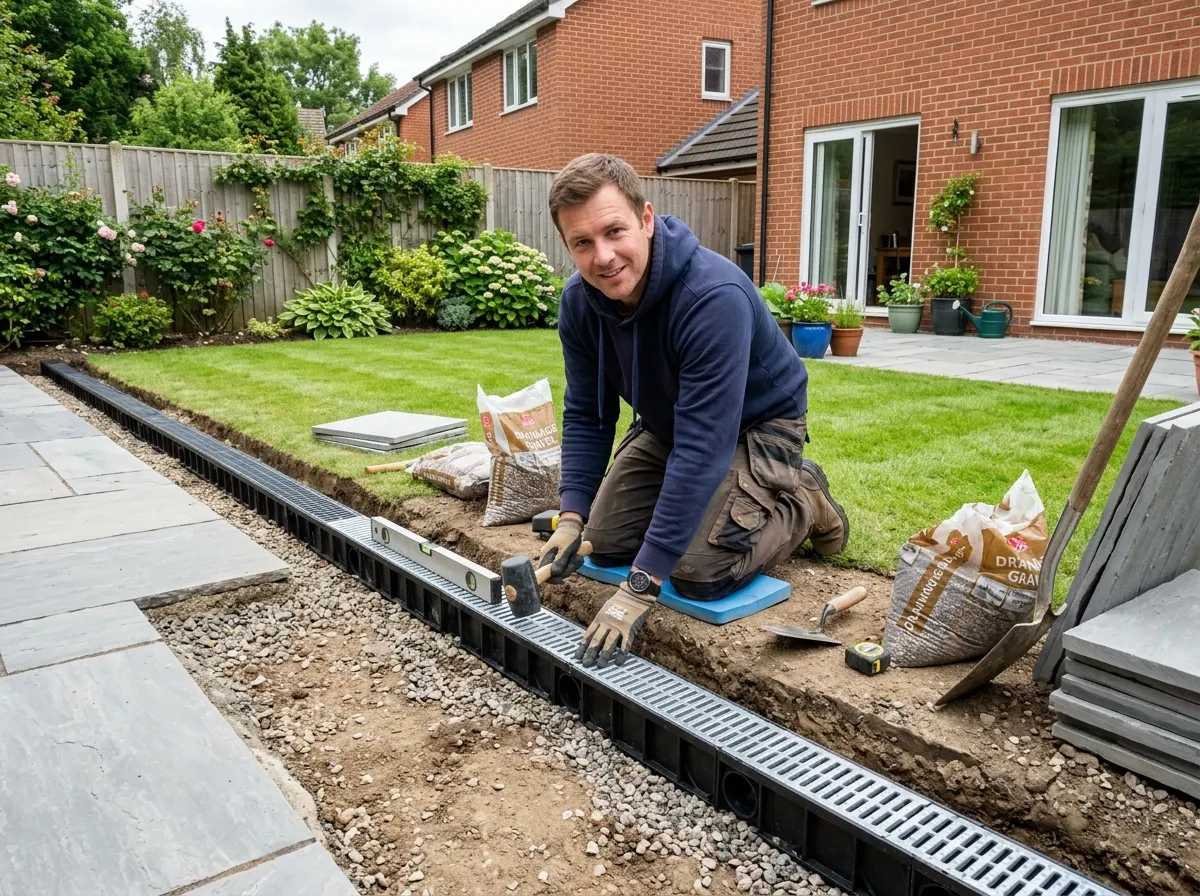
Hard LandscapingUniversally referred to by the brand name "Aco", linear channel drains are long U-shaped troughs set flush into the ground at the edge of driveways or across patio thresholds. They catch sheets of water running off hard surfaces. The aesthetic and cost vary wildly based on the "grating" (the grid on top):
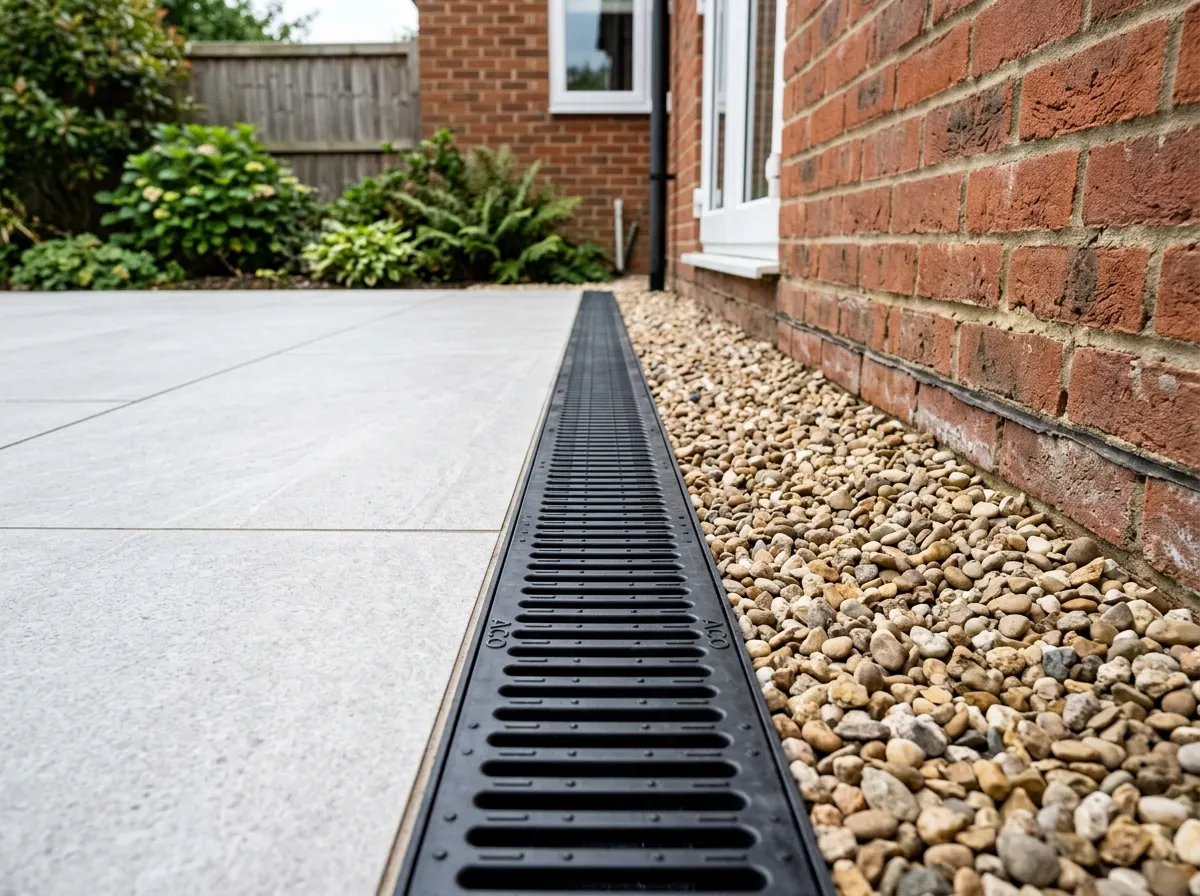
Plastic Grid
The cheapest option. High-density polypropylene grids. Suitable for patios and light foot traffic, but can become brittle over time and fade in UV sunlight.
£15 – £25 / metre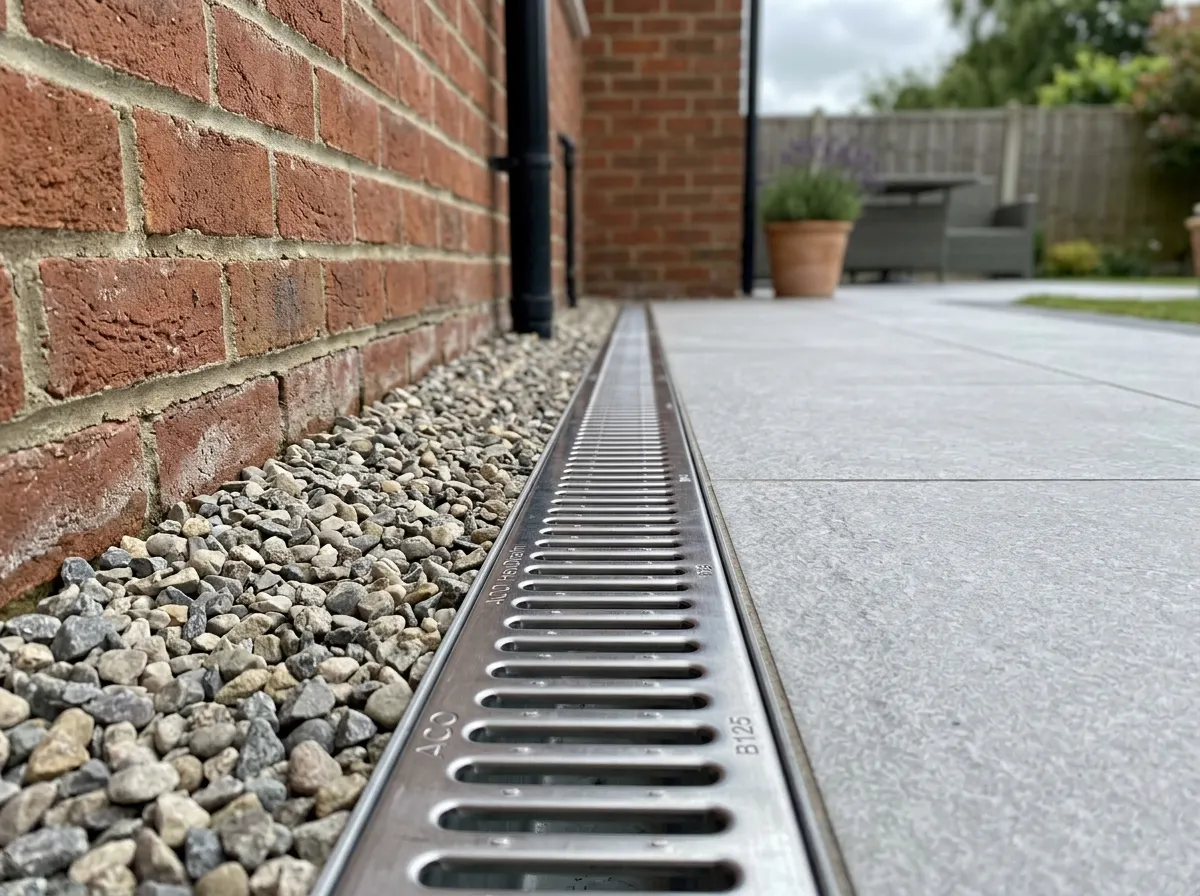
Galvanised / Cast Iron
Heavy-duty metal gratings. Essential for driveways where cars will drive over them (Load Class B125). Highly durable and offers a premium, traditional look.
£30 – £60 / metre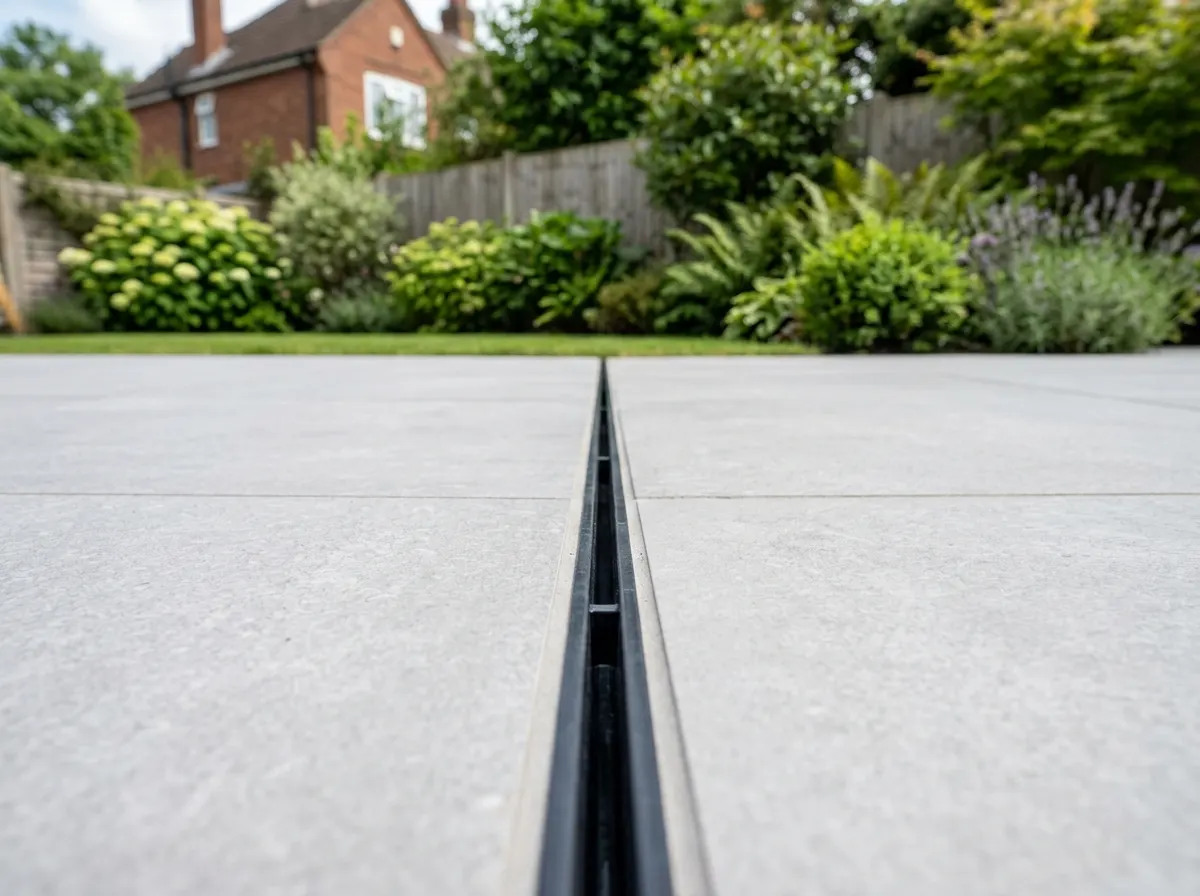
Hidden Slot (Brickslot)
The architectural choice for modern porcelain patios. The main trough is buried, leaving only a sleek, highly minimalist 10mm slit visible at the surface to catch water.
£45 – £90 / metre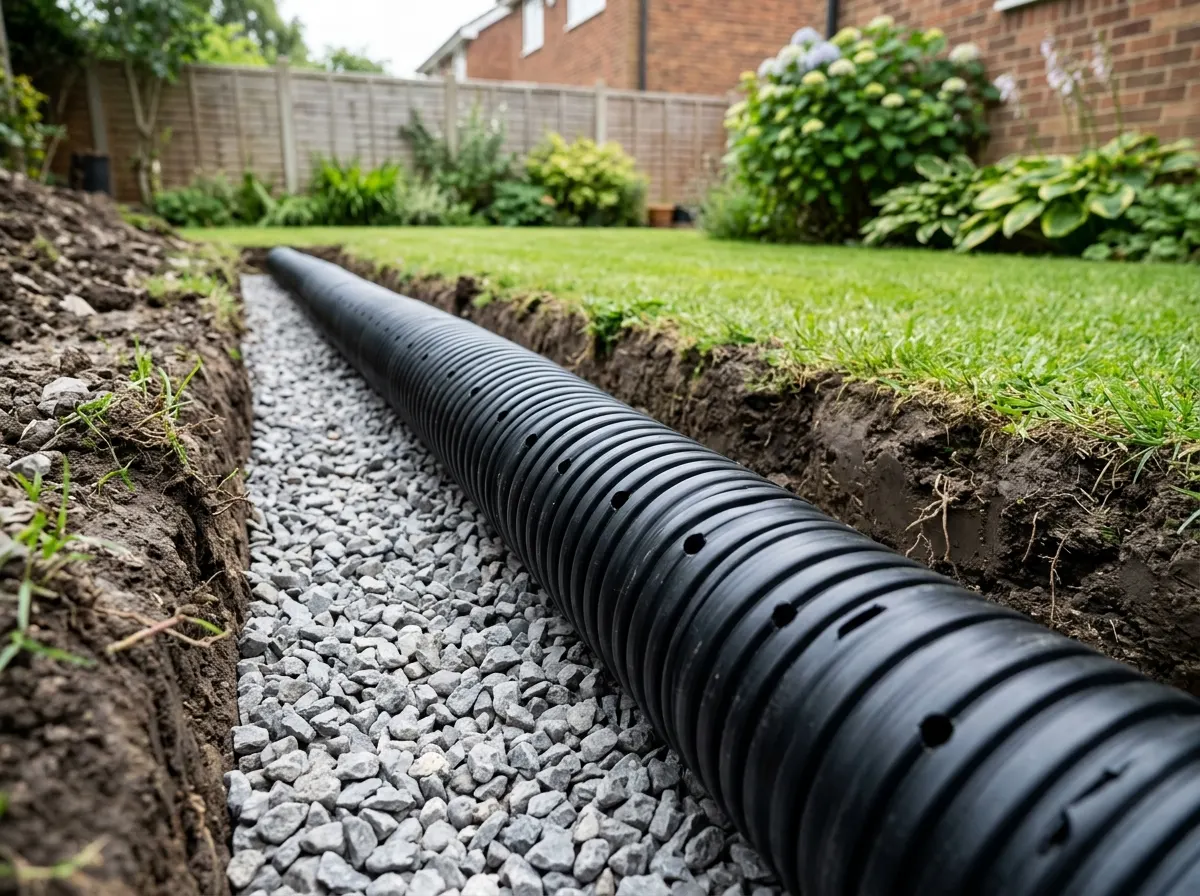
French Drains
The ultimate cure for a permanently waterlogged lawn or water pooling against house brickwork. A trench is dug with a slight gradient, lined with a weed membrane, a perforated pipe is laid at the bottom, and it is filled to the surface with gravel. Surface water effortlessly drops through the gravel into the pipe and is channelled away.
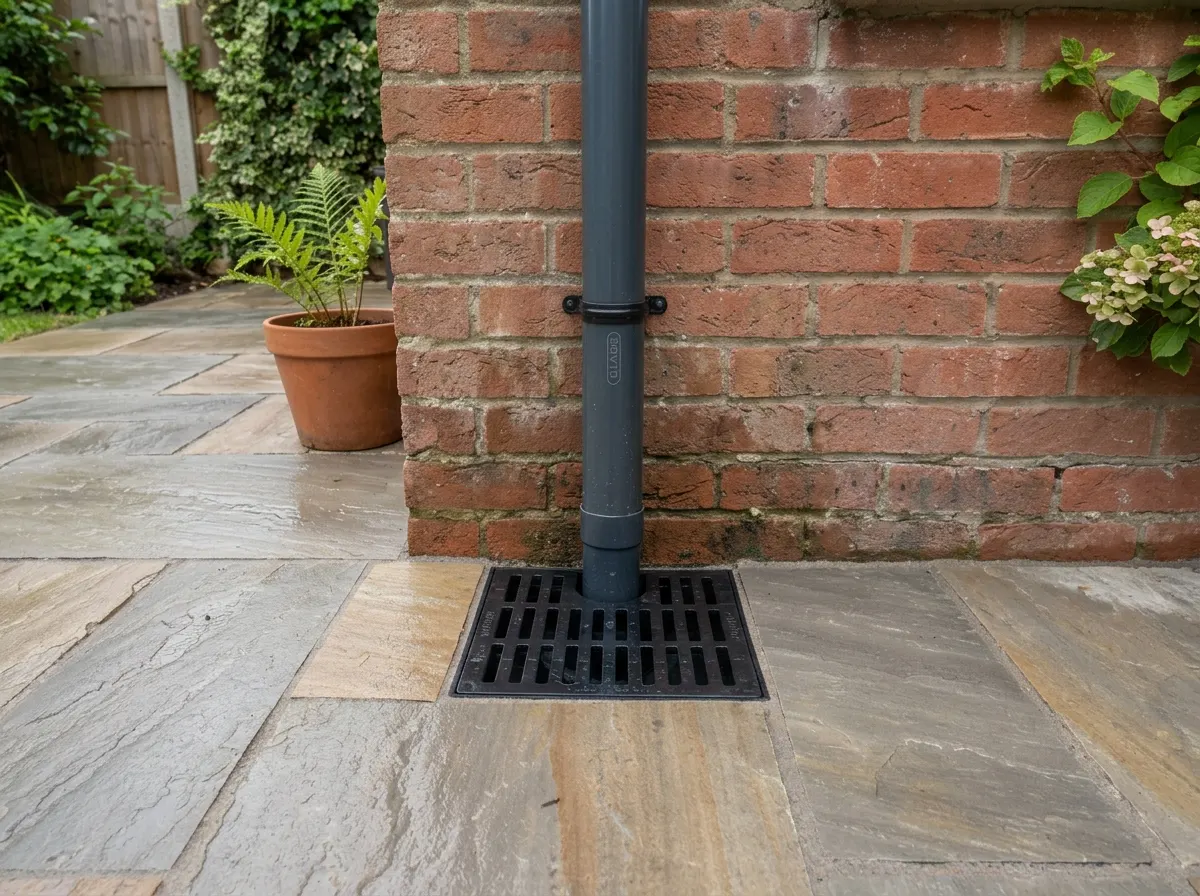
Rainwater Gullies (Hoppers)
This is the vital connection point where the vertical downpipe from your roof gutters meets the ground. A gully features a grid to catch leaves and debris, and crucially incorporates a "water trap" (like a U-bend under a sink) that stops underground drain smells from wafting back up into your garden.
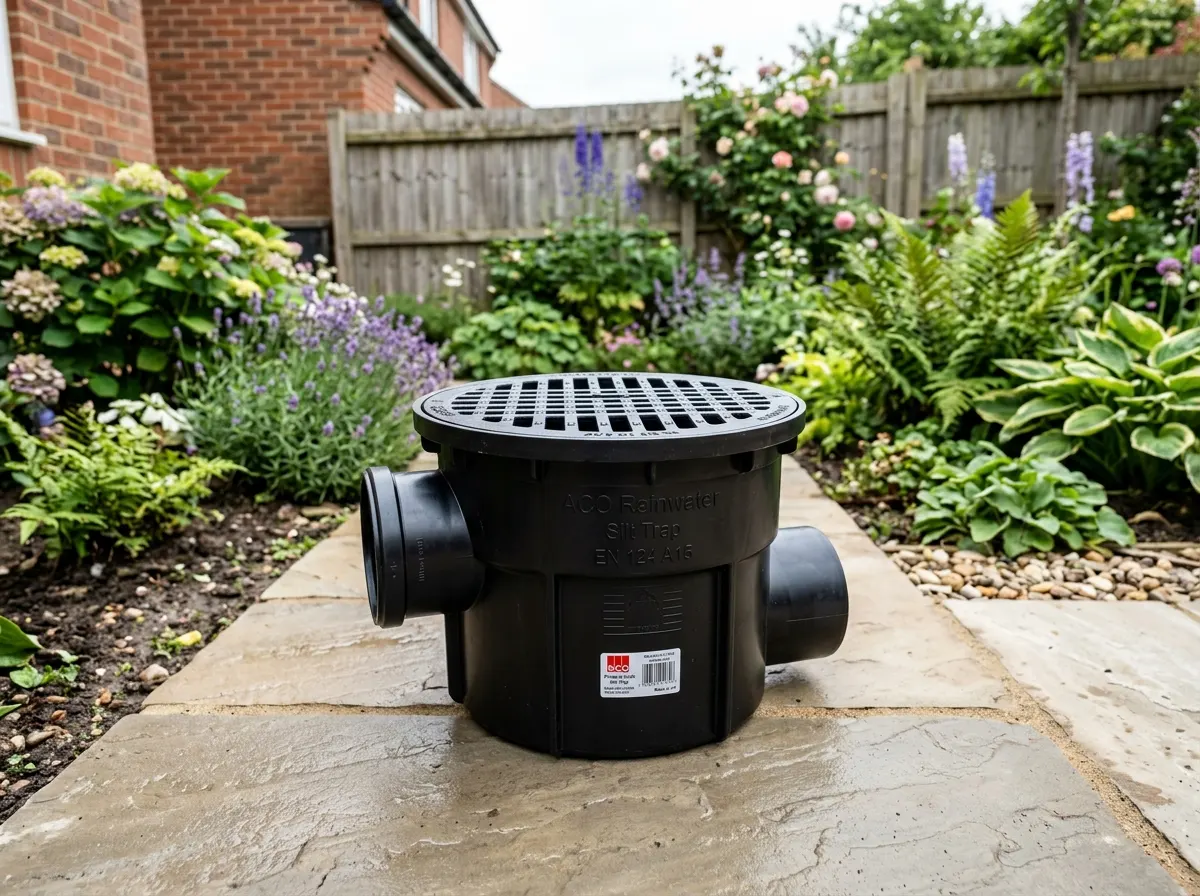
Catch Pits & Silt Traps
Before rainwater enters a soakaway, it should pass through a silt trap. This is a small chamber where heavy debris (leaves, mud, roof moss) sinks to the bottom, allowing only clean water to flow into the soakaway. This prevents your expensive soakaway crates from clogging up with mud over the years.
Types of Soakaway Systems
Once your Aco drains or gutters have collected the rainwater, it needs somewhere to go. Because connecting surface water to the sewer is discouraged (and often illegal on new builds), you must direct it into a soakaway—a large underground void that holds the storm surge and lets it slowly percolate back into the earth.
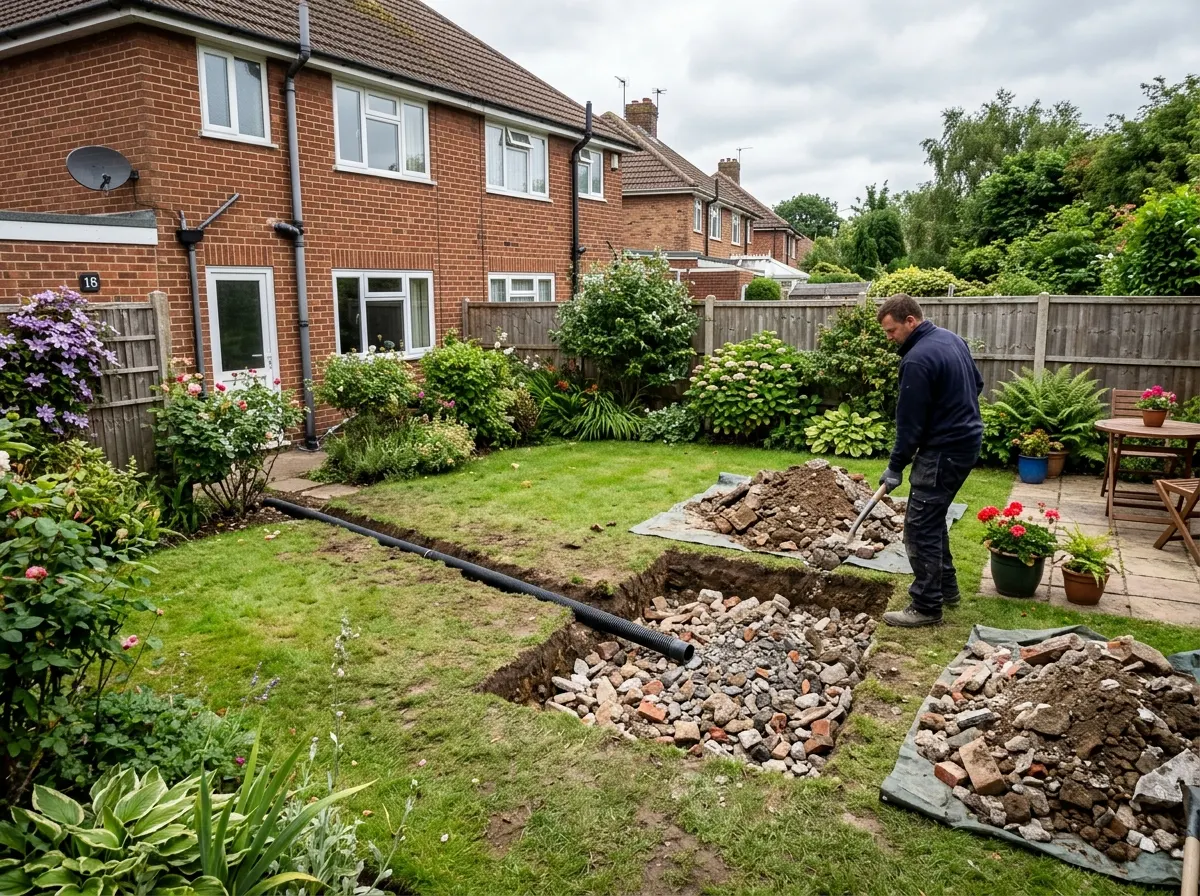
Traditional Rubble Soakaway
Old Fashioned
The old-school, budget method. You dig a massive hole (usually 1 cubic metre) and tip all the broken bricks, concrete, and hardcore rubble from your building project into it, before laying the drain pipe on top and covering it with soil.
The Problem: Rubble soakaways only provide around 30% void space (actual empty room for water). Soil eventually washes down between the bricks, clogging the gaps entirely, meaning the soakaway fails and overflows after 10 to 15 years. Modern Building Control rarely approves these for new extensions.
Modern Soakaway Crates
Building Regs Approved
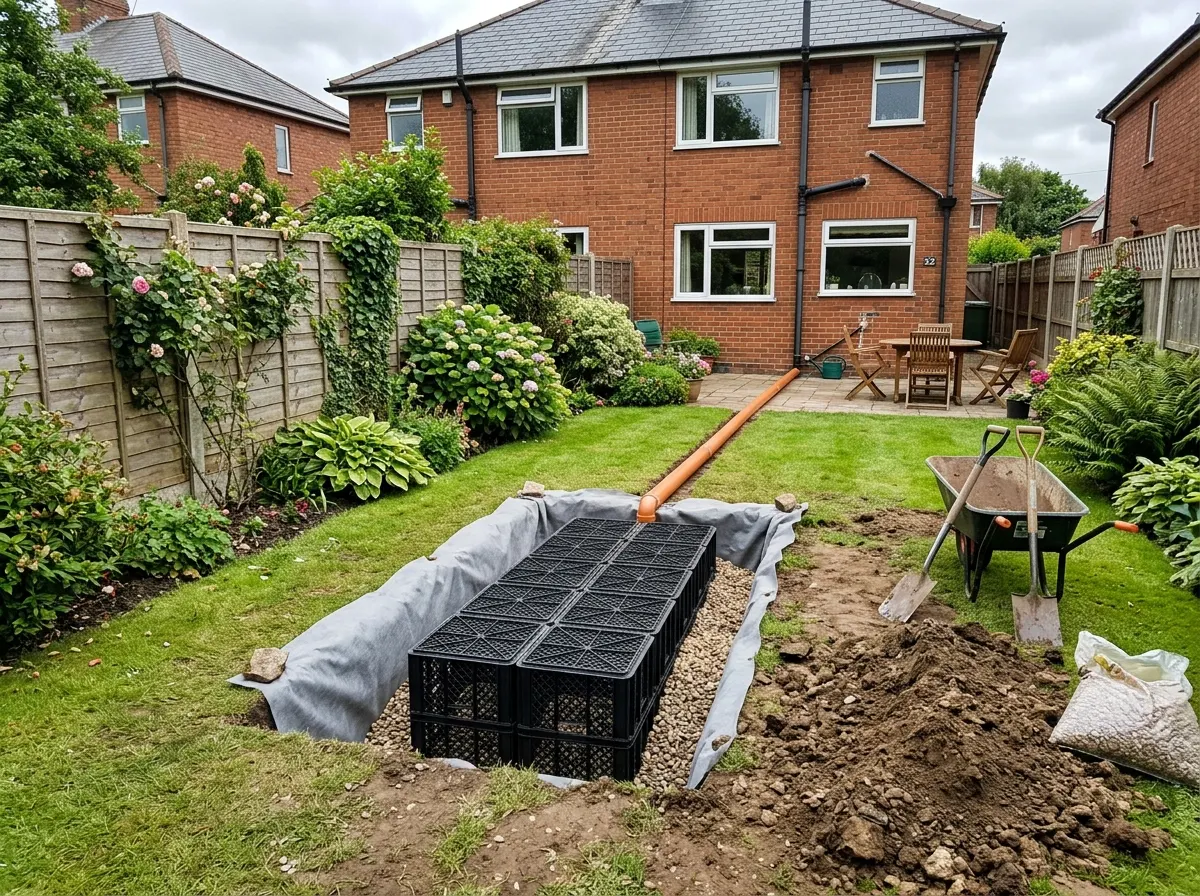
The modern, engineered standard (often called Attenuation Crates or Storm Cells). These are highly robust structural plastic crates that lock together. They are wrapped tightly in a permeable geotextile membrane to stop soil entering, then buried.
The Benefit: Crates provide a massive 95% void space. This means a much smaller hole needs to be dug to hold the same volume of storm water as a giant rubble pit. Because the membrane keeps the mud out, they rarely clog and can easily withstand the weight of cars driving over them if buried under a driveway.
Full Cost Breakdown (2026)
The table below outlines total estimated costs for standard surface water drainage jobs. Digging heavy clay soil by hand is expensive; if a mini-digger can access the garden, labour costs plummet.
| Task / Component | Description | Typical Cost Range |
|---|---|---|
| Install Aco Drains (Linear) | Digging a shallow trench, laying concrete bedding, and fitting plastic or metal grid channel drains. (Per metre). | £40 – £90 / m |
| Underground Pipe Laying | Digging a trench, laying 110mm surface water pipe on a bed of pea shingle at a 1:100 fall, and backfilling. (Per metre). | £50 – £90 / m |
| Install Soakaway Crates | Digging a large hole 5m from the house, lining with geotextile membrane, assembling crates, piping, and backfilling. | £800 – £1,500 |
| CCTV Drain Survey | Feeding a camera down the pipes to locate a blockage, root ingress, or collapsed pipe. | £150 – £250 |
| High-Pressure Jetting | Blasting a severe blockage (often heavy silt, mud, and leaves) out of the system using industrial hydro-jetting equipment. | £120 – £220 |
| Mini-Digger & Driver Hire | Hand digging trenches is slow and expensive. Hiring a micro-digger and a driver for a day slashes time dramatically. | £300 – £450 / day |
Regulations: SuDS & Part H
You can no longer just pave over your front garden and let the rainwater run into the street. The UK strictly regulates surface water to prevent urban flooding.
SuDS Compliance (Driveways)
Under Sustainable Drainage Systems (SuDS) regulations, if you are laying a new driveway over 5 square metres, it MUST be permeable (allowing water to soak through) OR the water must be directed to a lawn, border, or soakaway. If you direct the water onto the public highway, you need Planning Permission.
The 5 Metre Soakaway Rule
Under Building Regulations (Part H), you cannot bury a soakaway crate anywhere. By law, it must be placed a minimum of 5 metres away from any building foundation, and 2.5 metres away from any boundary. If placed too close to a house, the concentrated water discharge will wash away the soil under the footings.
Can you do drainage DIY?
Surface water landscaping? Yes. Because surface water does not contain hazardous sewage, working on these pipes does not carry the same health and legal risks.
What you CAN safely DIY:
- ✓ French Drains: Digging a trench across a waterlogged lawn, laying a perforated pipe, and backfilling with gravel is a fantastic, heavy, but unskilled DIY weekend project.
- ✓ Above-Ground Gutters: Replacing cracked PVC guttering or downpipes attached to the fascia boards of your house is perfectly safe DIY work if you are comfortable on a ladder.
Strictly Pro Only
Deep Excavations: Digging a 1m³ hole for a soakaway by hand is back-breaking. Furthermore, trenches deeper than 1.2 metres carry a severe risk of trench collapse. Professional groundworkers use mini-diggers to excavate safely and efficiently.
Frequently Asked Questions
What is the difference between a soakaway and a French drain?
A French drain is a shallow, horizontal trench filled with gravel that catches surface water across a lawn and moves it somewhere else. A soakaway is a deep, vertical hole (filled with crates or rubble) designed as an endpoint destination, allowing massive volumes of roof rainwater to drain slowly into the earth.
Can I connect my gutters to the sewer?
No. This is illegal on modern properties. If a massive storm hits and hundreds of houses dump millions of litres of rainwater into the foul sewer, the sewage treatment plants overload and overflow. Rainwater must go to a soakaway or surface drain.
Do I need planning permission for Aco drains?
No, installing Aco drains is considered Permitted Development. However, if you are paving a front garden over 5sqm, you MUST install Aco drains or a soakaway to comply with SuDS regulations, otherwise, you will need planning permission.
How deep should surface water pipes be?
Surface water pipes must be buried deep enough to prevent them from freezing in winter or being crushed by vehicles. Under gardens/lawns, they should be at least 600mm deep. Under a driveway where cars park, they must be at least 900mm deep or surrounded by concrete.
Why has my soakaway stopped working?
If it's an old rubble soakaway, the voids have likely filled with silt and mud over the decades, completely blocking the drainage. If it's a modern crate system, the silt trap (catch pit) may need clearing out, or the geotextile membrane might be clogged with fine clay.
Can I put a soakaway under my driveway?
Yes, provided it is still 5 metres away from the house. Modern attenuation crates are incredibly strong and are specifically designed to withstand the weight of vehicles parking on top of them when buried correctly.
Related Projects & Guides
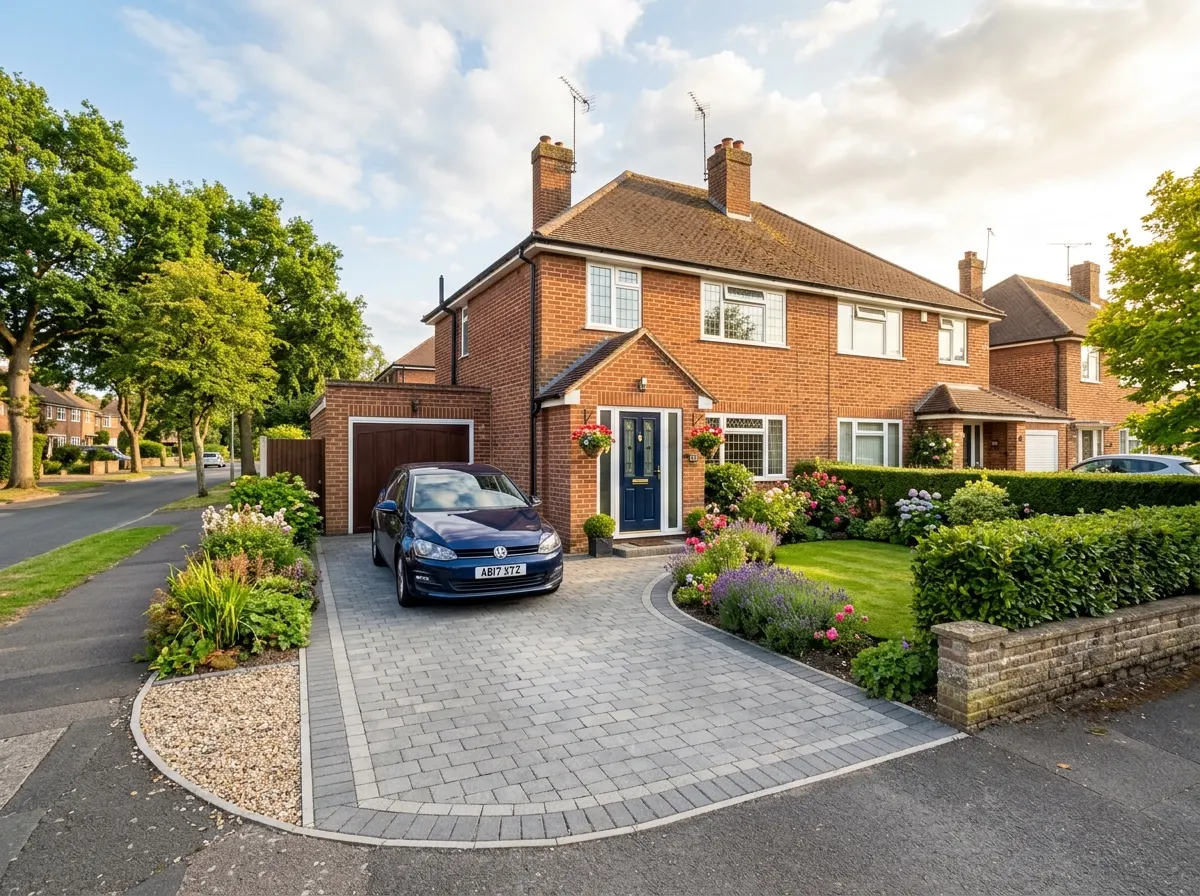
Driveway Paving Cost
Block paving and permeable drainage regs.
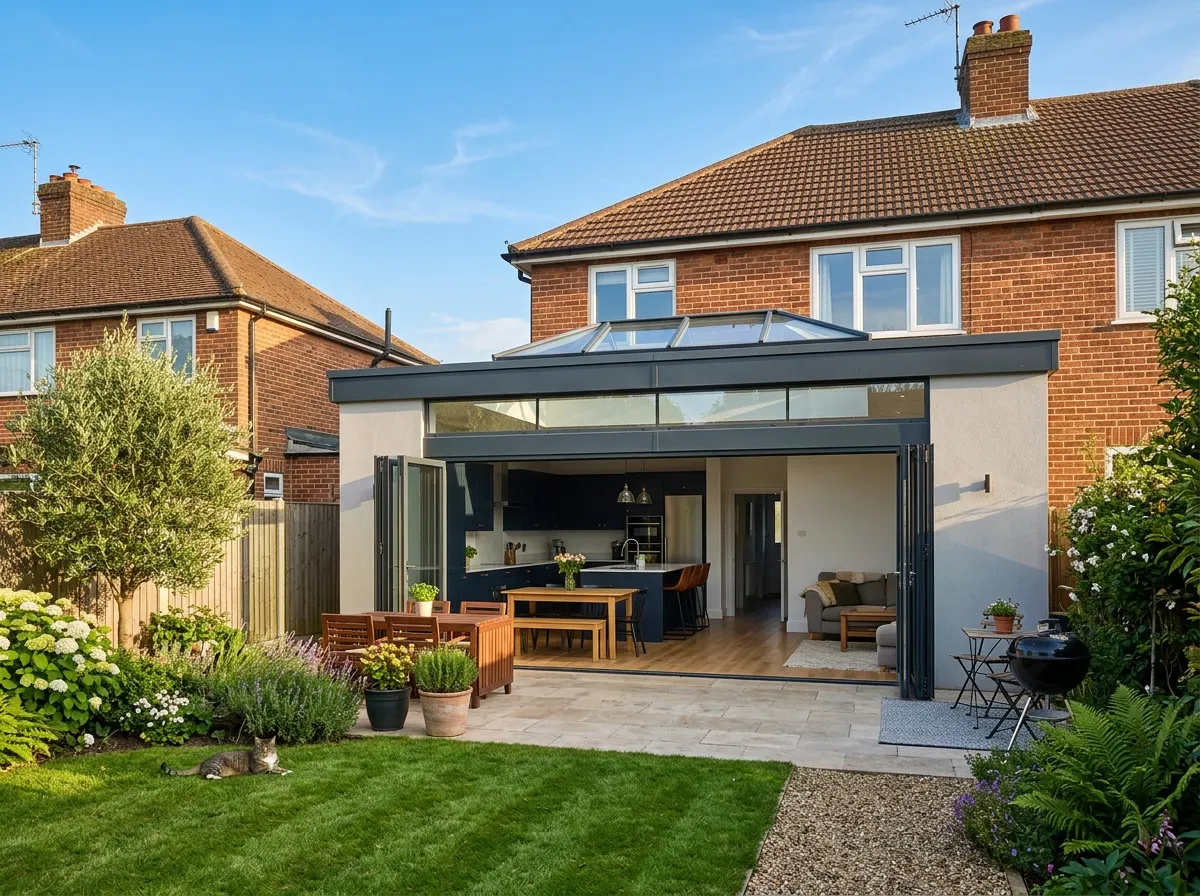
House Extension Cost
Pricing groundworks and new foundations.
Guttering Replacement
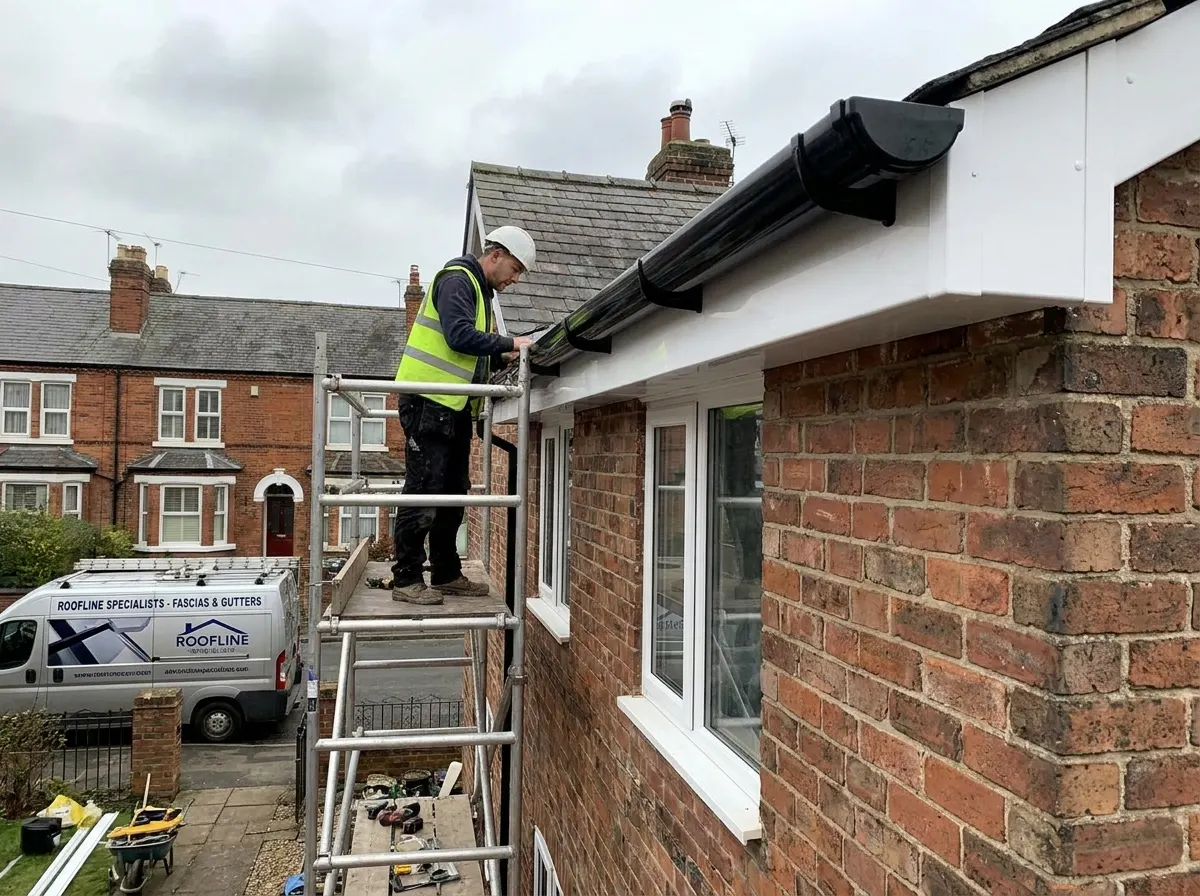
Fixing broken downpipes and hoppers.
Patio Installation Cost
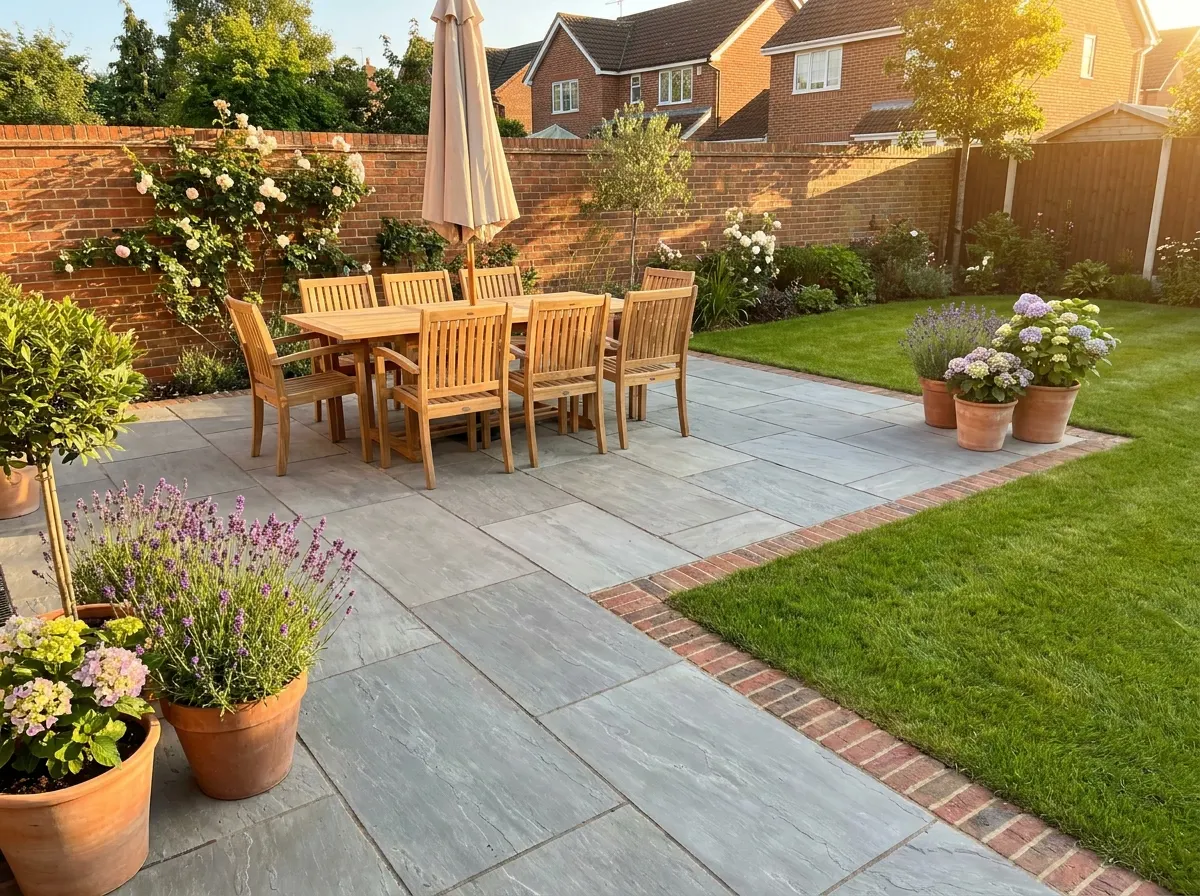
Laying porcelain and Indian sandstone.
Protect your home from water damage today.
Use our AI to get a precise estimate based on your trenching needs, drainage type, and ground conditions, then connect with Pricing Penguin Accredited groundworkers near you.
Did you find this page helpful?
Let us know if this guide helped you plan your project.