How much does asbestos removal cost in the UK?
 By Tom Ellis
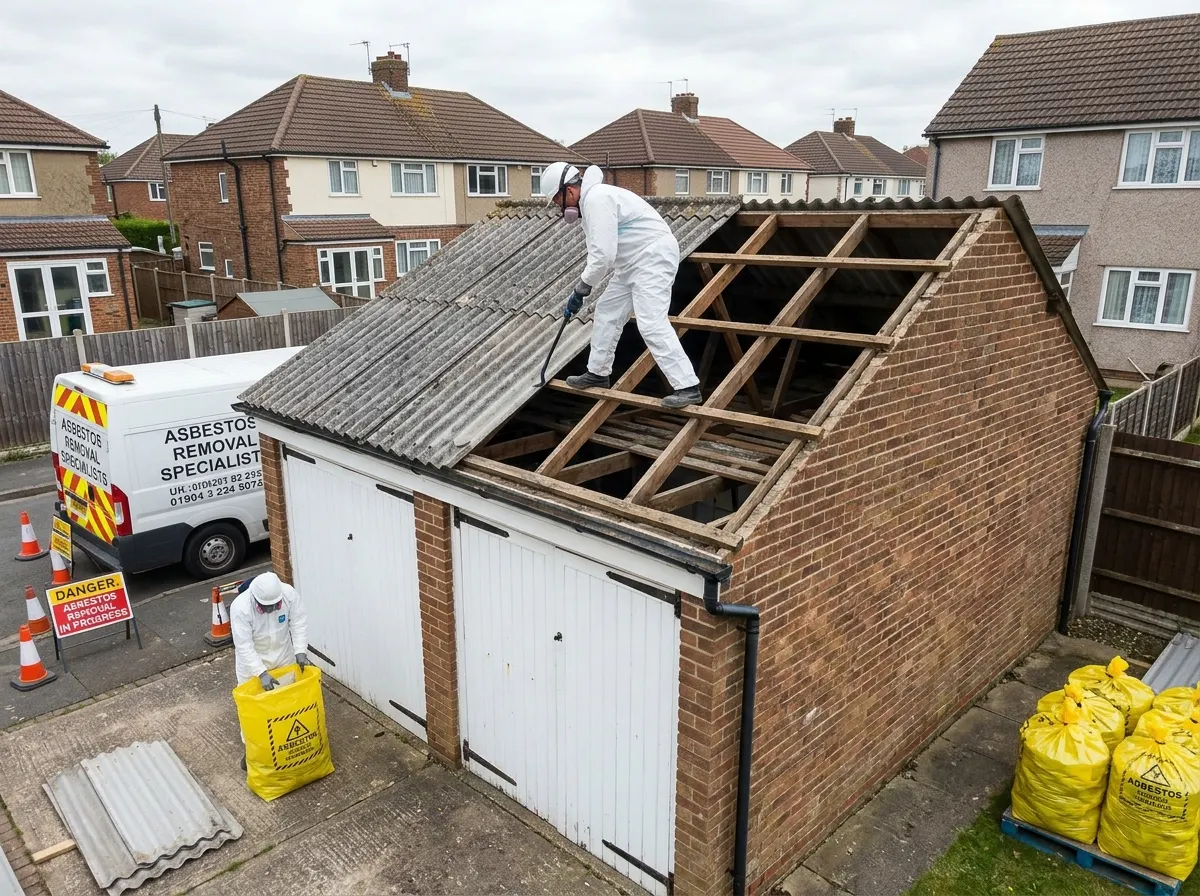
Asbestos is a highly dangerous, naturally occurring mineral that was used extensively in UK construction until it was completely banned in 1999. If your house was built or refurbished before the year 2000, there is a strong chance it contains asbestos. When disturbed or broken, the microscopic fibres are released into the air, causing fatal lung diseases if inhaled.
In 2026, the cost of asbestos removal in the UK typically ranges from £400 to £2,500+ depending on the type and volume of the material. Removing a standard corrugated asbestos-cement garage roof is the most common job, usually costing £600 to £1,000. Stripping textured "Artex" ceilings from a living room or dealing with dangerous pipe lagging requires highly specialised HSE-licensed contractors, air-clearance testing, and sealed enclosures, pushing costs securely past £1,500.
~£250
Budget specification. A standard Asbestos Management Survey for a residential property, or taking physical samples (e.g., of an Artex ceiling) to be sent to a UKAS-accredited lab for positive identification.
~£1250
Mid-range finish. The safe dismantling, double-wrapping, and hazardous waste disposal of a corrugated asbestos-cement roof from a standard single garage. (Does not include the new replacement roof).
£1,500+
Premium specification. Removing highly friable asbestos (like pipe lagging, insulating board, or scraping Artex). Requires building a sealed negative-pressure tent, specialist licensed contractors, and air clearance certificates.
Get an instant estimate for asbestos removal
The Three Types of Asbestos
Not all asbestos is exactly the same. The mineral was mined in different forms, some of which are significantly more lethal and friable (easily crumbled) than others.
Chrysotile (White)
Most CommonBy far the most common type used in the UK. Found in roofs, ceilings, walls, and floors. While highly dangerous, its curly fibres are slightly less hazardous than the amphibole types. It was the last type to be banned in the UK (1999).
Amosite (Brown)
High RiskFrequently used in asbestos insulating board (AIB), thermal insulation, and ceiling tiles. Its needle-like fibres easily penetrate deep into lung tissue. Banned in the UK in 1985. Removal almost always requires a licensed contractor.
Crocidolite (Blue)
Most LethalThe most dangerous form of asbestos. Its extremely thin, brittle fibres break down incredibly easily, causing severe airborne contamination. Used to insulate steam engines, spray coatings, and some pipe lagging. Banned in 1985.
Where is asbestos found in homes?
Asbestos was the "wonder material" of the 20th century because it was cheap, strong, fireproof, and insulating. It was mixed into thousands of different building products.
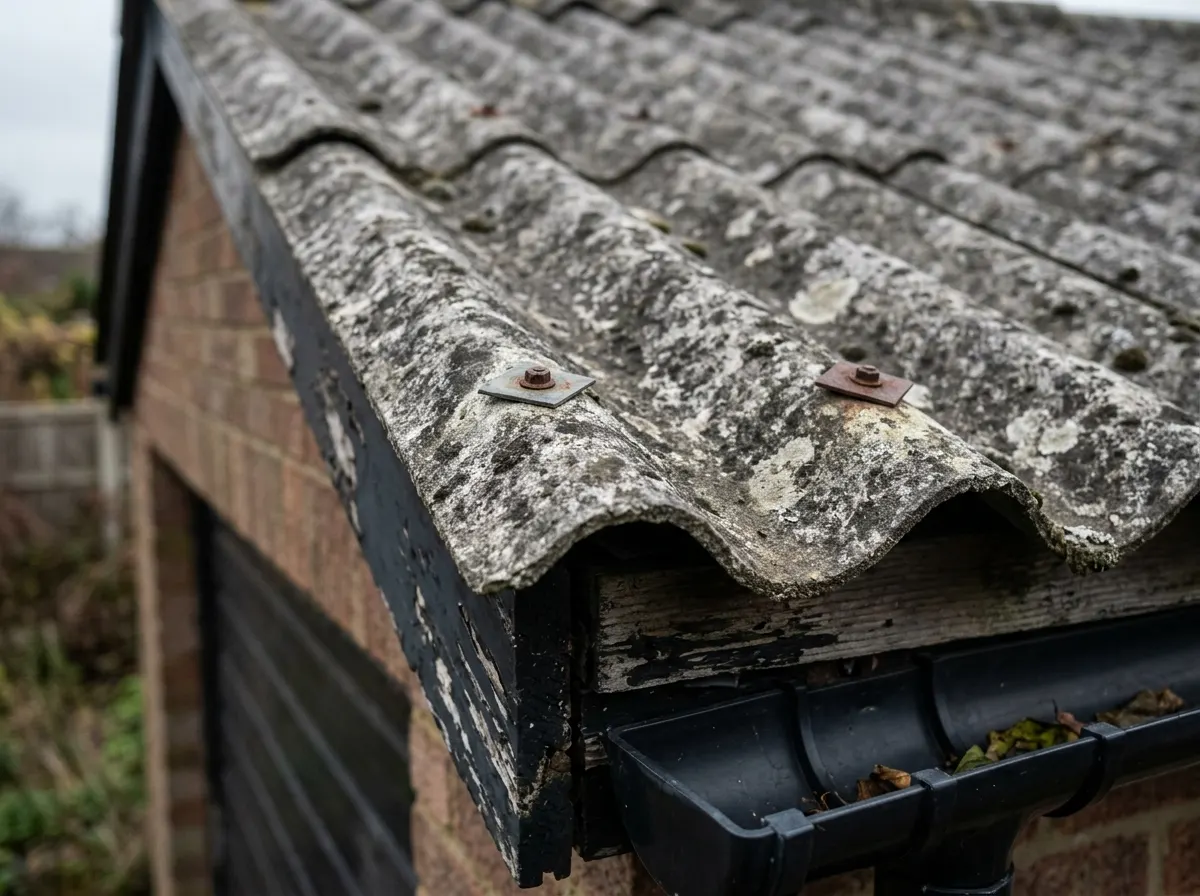
Corrugated Roofs
The classic grey wavy sheets on sheds and garages. These are "Asbestos Cement"—roughly 10-15% chrysotile bound tightly in cement. They are relatively low risk if left unbroken, but release dust if drilled or smashed.
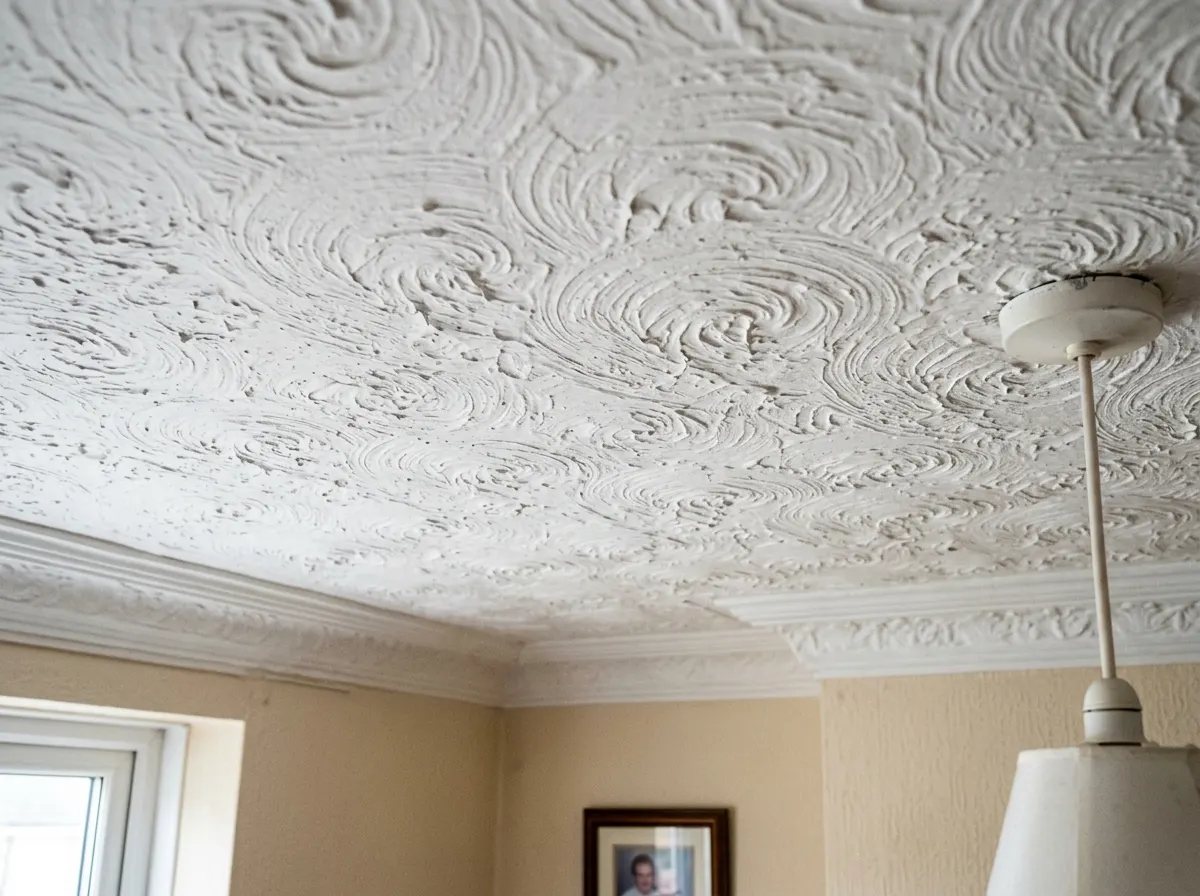
Textured Coatings (Artex)
Very common in homes built before the mid-1980s (and stock sold until 1999). Asbestos was mixed into the plaster to strengthen the swirling patterns. Highly dangerous if sanded down or scraped dry during renovations.
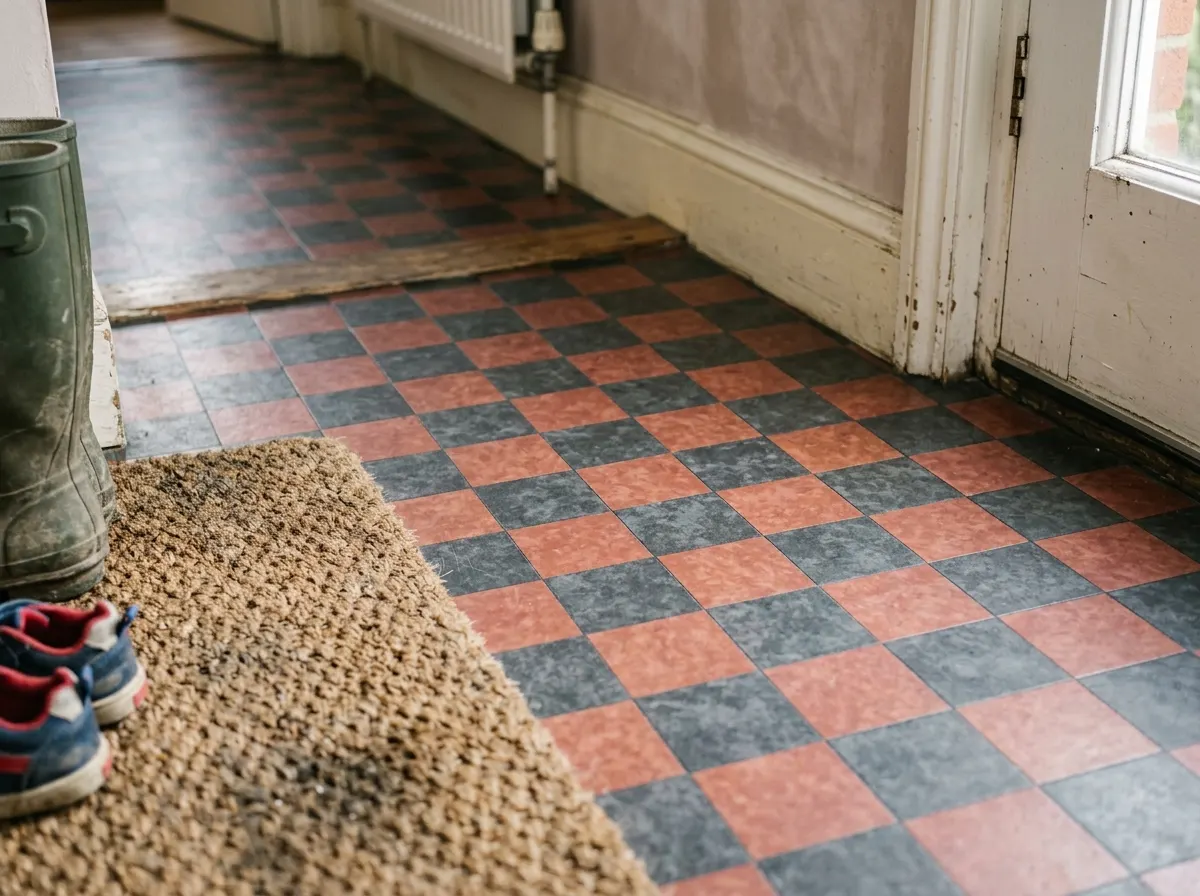
Vinyl Floor Tiles & Mastic
Old, rigid 9x9 inch thermoplastic floor tiles frequently contained asbestos. Furthermore, the thick black bitumen adhesive (mastic) used to glue them to the concrete floor is almost always asbestos-laden.
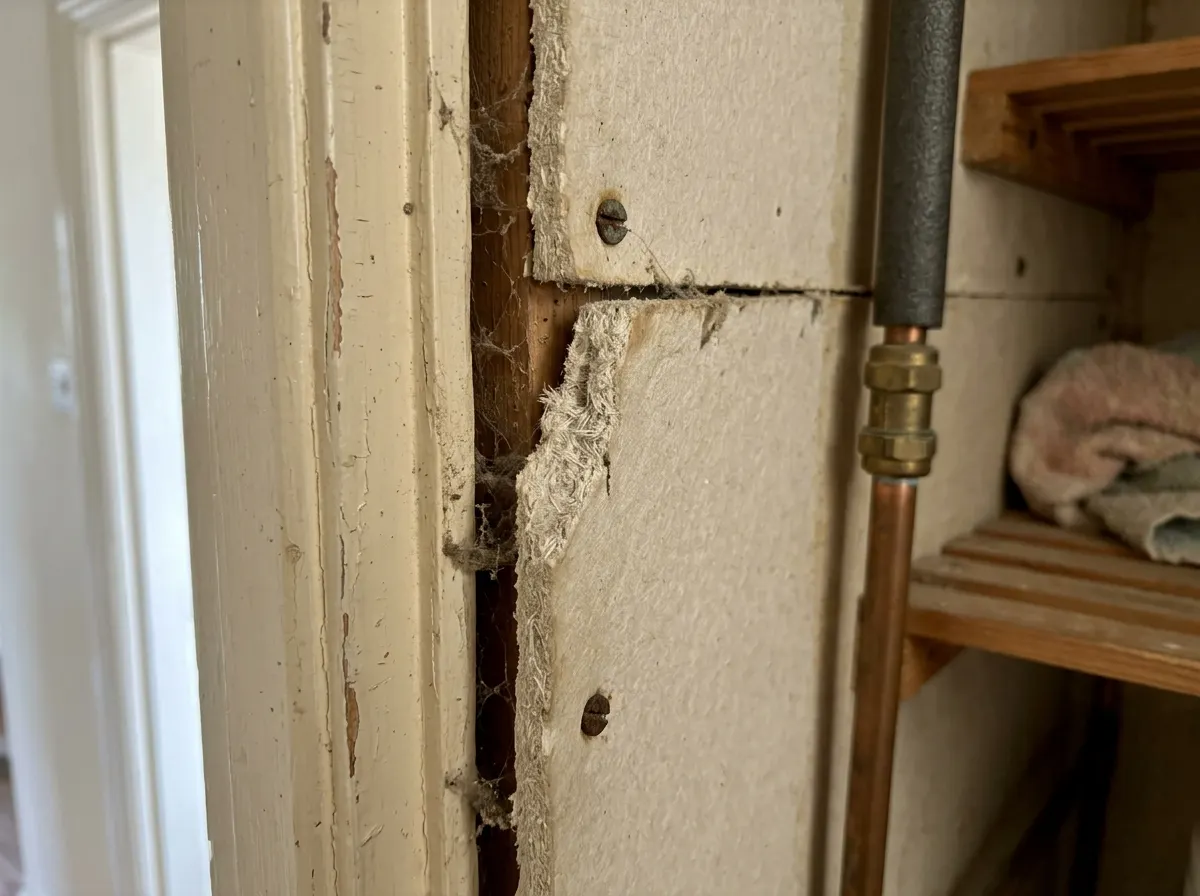
AIB, Soffits & Flues
Asbestos Insulating Board (AIB) looks like standard plasterboard but is highly friable and lethal. Found in fire doors, boiler cupboards, exterior roof soffits, and cement flue pipes venting old boilers.
Identification: Surveys & Testing
You cannot identify asbestos just by looking at it with the naked eye. It must be scientifically tested under a microscope at a UKAS-accredited laboratory.
Testing Kits & Sampling
If you only suspect one specific item (like an Artex ceiling or a piece of a garage roof), you do not need a full house survey. A professional will come to your house, wet the area, safely extract a tiny core sample, and send it to a lab for analysis. Results take 48 hours.
Cost: £80 – £150 (per sample)Refurbishment & Demolition Survey
If you are planning a house extension, a loft conversion, or pulling down walls, you must get an R&D Survey by law before builders start work. The surveyor will aggressively drill into cavities, lift floorboards, and break into walls to find hidden asbestos.
Cost: £250 – £450+ (Full house)Full Cost Breakdown (2026)
The table below outlines total estimated costs for standard removal jobs. Prices are all-inclusive: covering specialist labour, PPE, double-wrapping, and expensive hazardous waste disposal fees/consignment notes at licensed commercial landfill sites.
| Type of Removal / Service | Description of Work Included | Typical Cost Range |
|---|---|---|
| Single Garage Roof | Safe dismantling, wetting, double-wrapping, and disposal of corrugated asbestos cement sheets from a standard single garage (~15sqm). | £900 – £1,800 |
| Double Garage Roof | Safe removal of asbestos cement sheets from a double garage (~30sqm). Often requires a dedicated hazardous waste skip. | £1,500 – £2,600 |
| Artex Ceiling (Full Removal) | Controlled scraping or takedown of textured coatings in a standard 4x4m room. Requires full containment, HEPA vacs, and specialist PPE. | £800 – £3,000 |
| Floor Tiles & Bitumen Mastic | Lifting old thermoplastic vinyl tiles and mechanically grinding off the asbestos-containing black adhesive from the concrete subfloor. | £400 – £1,250 |
| AIB / Pipe Lagging (Licensed) | Removing highly friable Asbestos Insulating Board (AIB) or lagging. Requires HSE 14-day notification, negative-pressure tents, and showers. | £200 – £300 / m² |
| Encapsulation (Alternative) | Leaving the asbestos in place but spraying a specialised seamless rubber/epoxy coating over it to trap fibres safely forever. | £30 – £40 / m² |
| R&D / Management Survey | Full property survey (including intrusive checking for extensions). Includes taking multiple core samples for UKAS lab analysis. | £250 – £600 |
| Air Clearance Certificate | Mandatory after licensed work inside a home. An independent UKAS analyst tests the air (4-stage clearance) to prove it is safe. | £300 – £500 |
The Law: Licensed vs Non-Licensed Work
Under the Control of Asbestos Regulations 2012 (CAR 2012), the UK government strictly categorises asbestos work based on how easily the fibres are released (friability).
Non-Licensed Work
This covers lower-risk materials where the asbestos is tightly bound in a matrix (like cement or resin). Examples include corrugated garage roofs, floor tiles, and toilet cisterns.
While you do not legally need an HSE licence to remove these, you still must adhere to strict safety protocols, wear proper PPE, and dispose of it legally at a hazardous waste facility.
Licensed Work (High Risk)
This covers highly dangerous, friable materials that release clouds of deadly dust when touched. Examples include pipe lagging, loose-fill insulation, and Asbestos Insulating Board (AIB).
It is illegal for an unlicensed builder or homeowner to touch these. They must be removed by an HSE-Licensed Contractor using sealed negative-pressure tents and decontamination shower units.
Can you remove asbestos DIY?
Technically, yes (for non-licensed materials like cement roofs), but it is STRONGLY discouraged. If you snap a sheet and inhale the dust, there is no cure for mesothelioma. If you fly-tip the waste, you face an unlimited fine and prison time.
If you ignore advice and do it yourself:
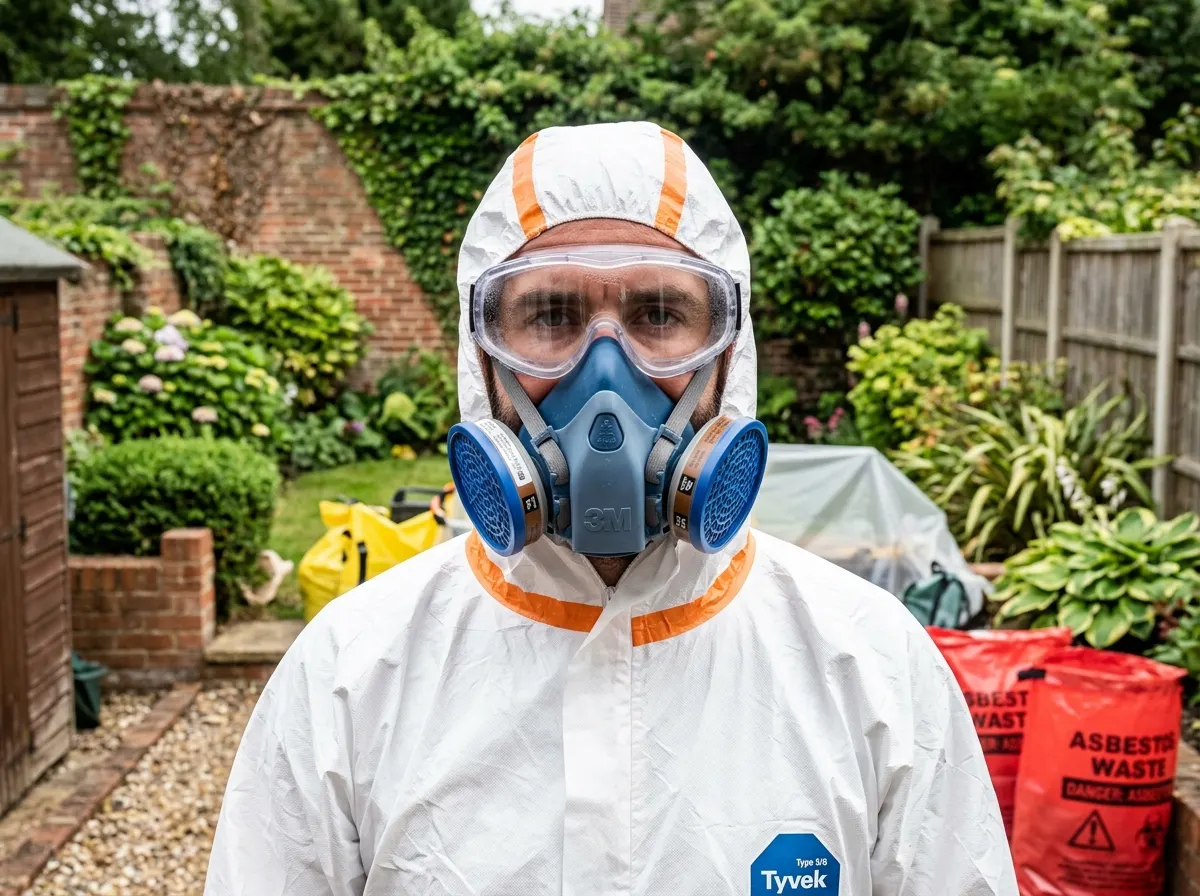
- ! PPE is Mandatory: A standard blue surgical mask will not stop asbestos fibres. You MUST wear a fitted FFP3 respirator mask, disposable Type 5/6 coveralls (with the hood up), and disposable gloves.
- ! No Power Tools: Never drill, saw, or break the sheets. You must unscrew them manually (often cutting the J-bolts), keep them completely soaked with water to suppress dust, and lower them gently to the ground.
- ! Double Bagging: The waste must be double-wrapped in heavy-duty 1000-gauge polythene and sealed with duct tape. You must then find a specific local council recycling centre that accepts hazardous asbestos waste (many do not, or require booking months in advance).
Frequently Asked Questions
Is it illegal to sell a house with asbestos?
No. It is perfectly legal to sell a house containing asbestos. However, you must disclose its presence to the buyer if you are aware of it. Most buyers will commission a survey and may ask to renegotiate the house price to cover the cost of removing it.
Should I remove Artex or plaster over it?
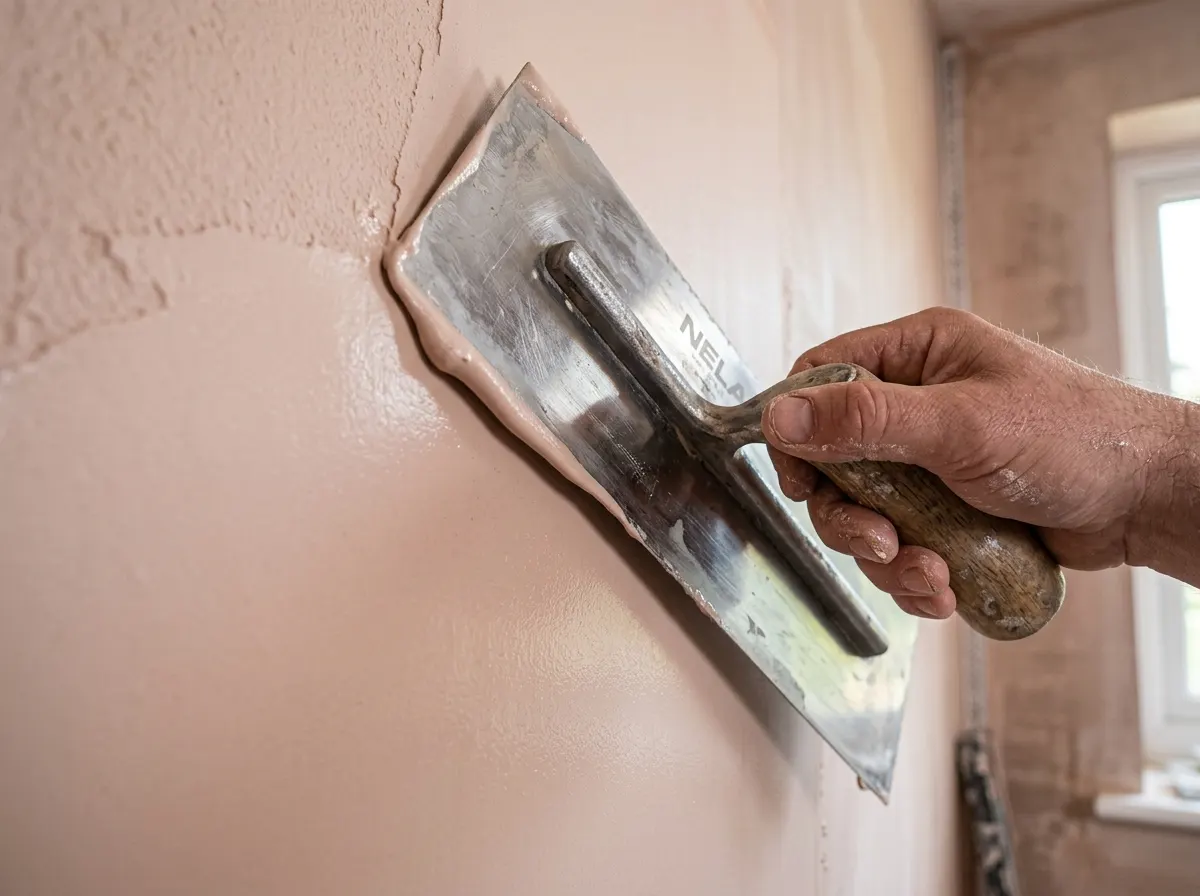
If the Artex ceiling is in good condition and not flaking, the HSE actually recommends leaving it alone. A plasterer can safely skim over the top of the Artex (or board over it) to give you a smooth, modern ceiling. This traps the asbestos safely and is far cheaper than removal.
What is asbestos encapsulation?
Encapsulation is a cheaper alternative to removal. A specialist sprays a seamless, protective elastomeric coating over the asbestos (like a garage roof). This seals the dangerous fibres in, stops the roof degrading, and makes it safe. It usually costs half the price of full removal.
When was asbestos banned in the UK?
The two most dangerous types (Blue and Brown) were banned in 1985. The less dangerous White asbestos (Chrysotile) was finally banned in August 1999. Any property built after the year 2000 should be completely free of asbestos.
Can an electrician drill into Artex?
No. If a tradesman suspects a ceiling contains asbestos, they will refuse to drill holes into it (e.g., to install downlights) until you have it tested. If it tests positive, you will need an asbestos contractor to safely cut the holes or remove the ceiling first.
How long does a survey take?
A physical inspection of a standard 3-bedroom house takes 2 to 3 hours. The surveyor will take multiple samples. The real delay is the laboratory analysis, which usually takes 48 to 72 hours before you receive your official asbestos report.
Related Projects & Guides
Don't take risks with your health.
Use our AI to get a precise estimate based on the location and type of asbestos you need removing, then connect with Pricing Penguin Accredited, HSE-licensed specialists near you.
Did you find this page helpful?
Let us know if this guide helped you plan your project.