How much does a new roof cost in the UK?
 By Tom Ellis
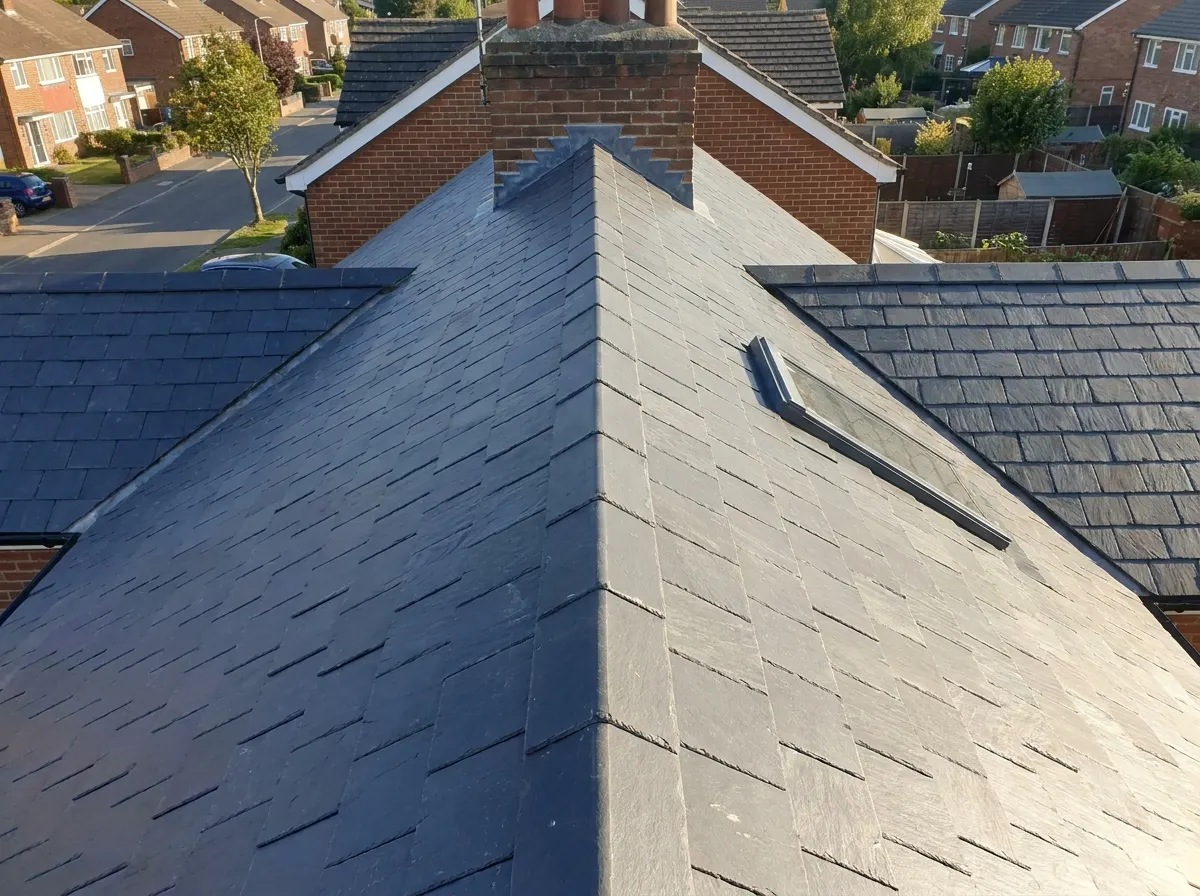
Replacing a roof is arguably the most critical and expensive maintenance project you will undertake on your home. A failing roof doesn't just look bad; it causes catastrophic water damage, rots structural timber, and destroys interior plasterwork.
In 2026, the cost of a new roof in the UK typically falls between £5,000 and £15,000, with a standard 3-bedroom semi-detached home costing around £6,500 to £12,500. Because roofers quote per square metre, the footprint of your home is the biggest factor. However, whether you choose heavy natural slate over cheap concrete tiles, and how much complex scaffolding is required to access your chimney, will ultimately decide the final bill.
~£5,000
Basic specification. A straight forward up-and-over gable roof on a mid-terraced house using standard interlocking concrete tiles, breathable felt, and treated battens.
~£8,000
Mid-range finish. A typical 3-bed semi-detached house. Includes independent scaffolding on three sides, stripping old tiles, skip hire, and laying new clay or high-grade concrete tiles.
£15,000+
High-end specification. A large detached property with complex hipped roofs and valleys, finished in premium natural Welsh slate. Includes complete lead flashing replacement.
Get an instant estimate for your roofing
Types of Roof Coverings
The material you choose is the single biggest variable in your quote. While concrete is cheap upfront, natural slate can last over a century.
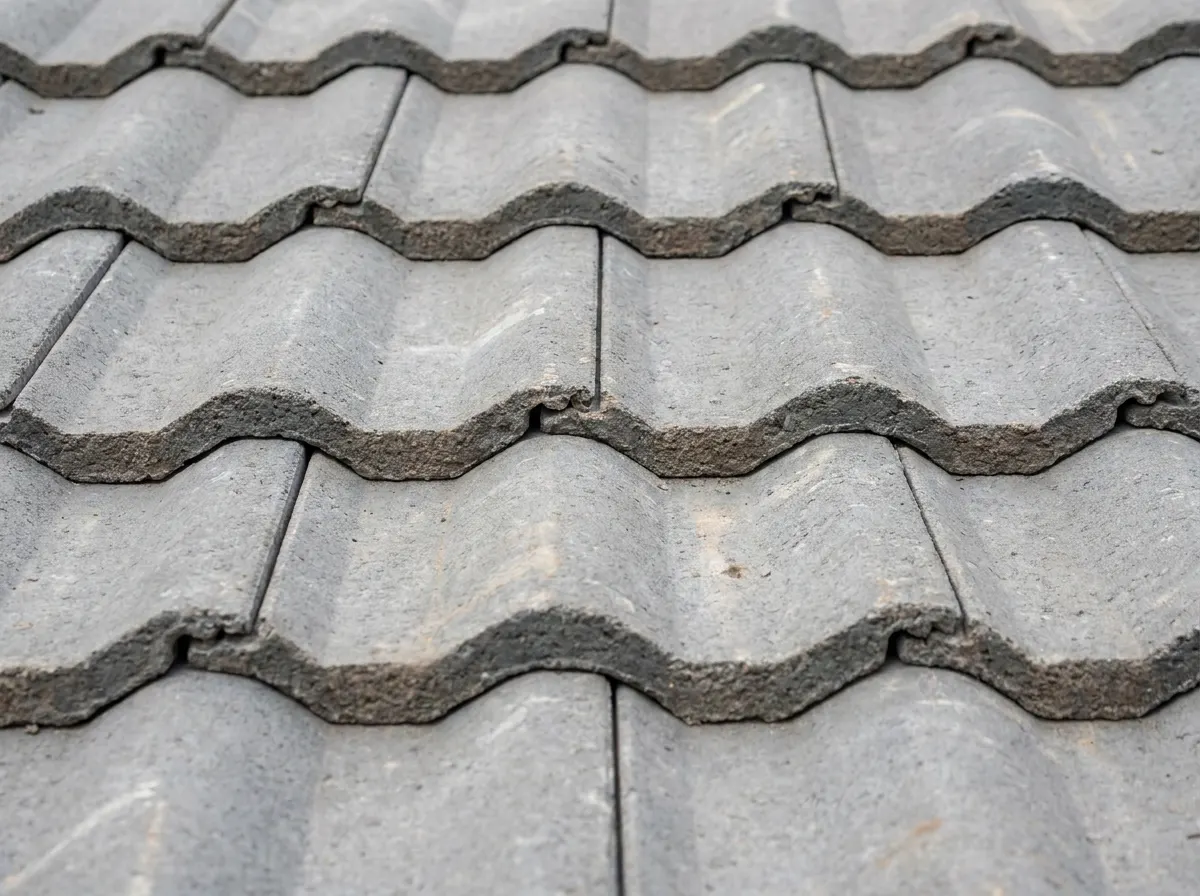
Concrete Interlocking Tiles
The default workhorse of the UK housing market. Concrete tiles are incredibly fast to lay because they overlap and lock together, drastically reducing labour time. They are the cheapest option but are heavy, fade in sunlight, and usually only last 40-50 years.
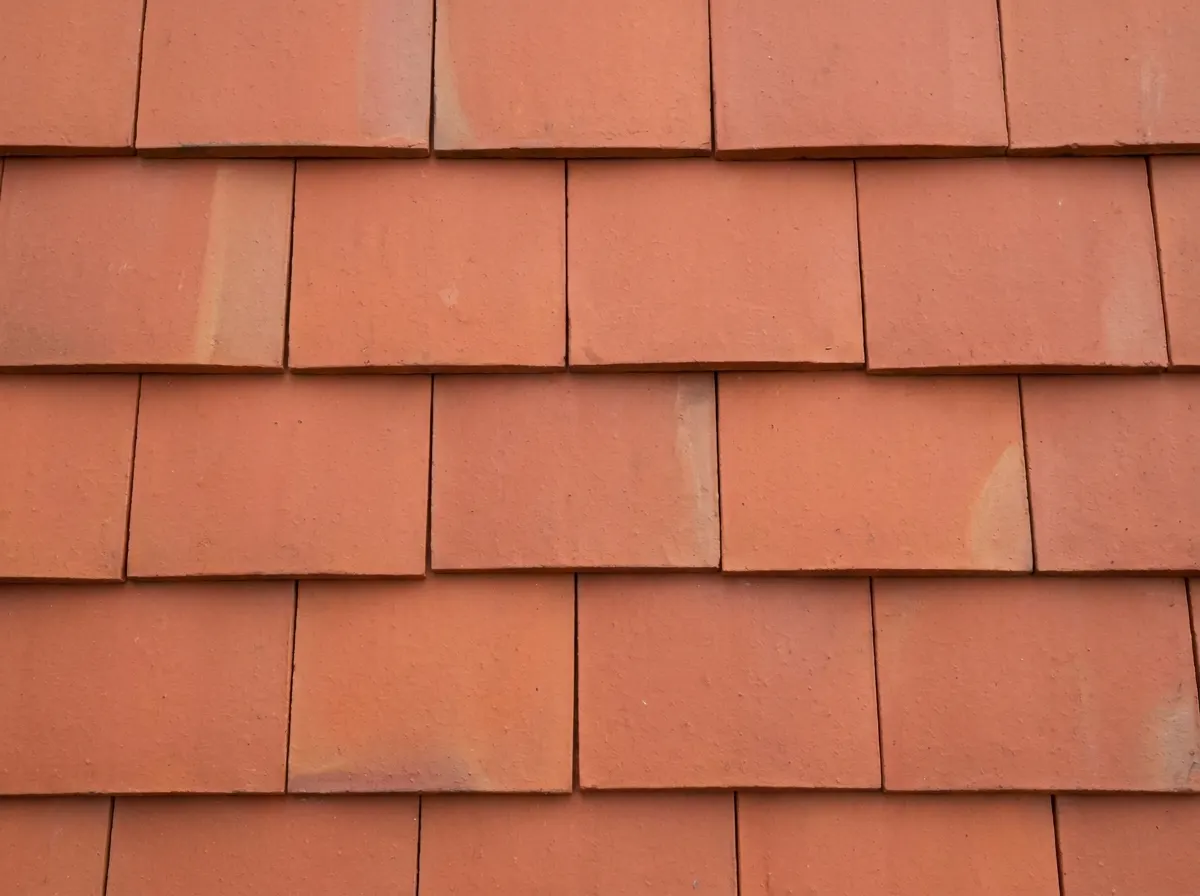
Clay Plain Tiles
The traditional British aesthetic. Unlike concrete, clay is fired in a kiln, meaning the warm terracotta colours never fade. They last 60-100+ years. However, plain clay tiles are much smaller than concrete tiles, meaning the roofer has to lay double the amount, increasing the labour bill.
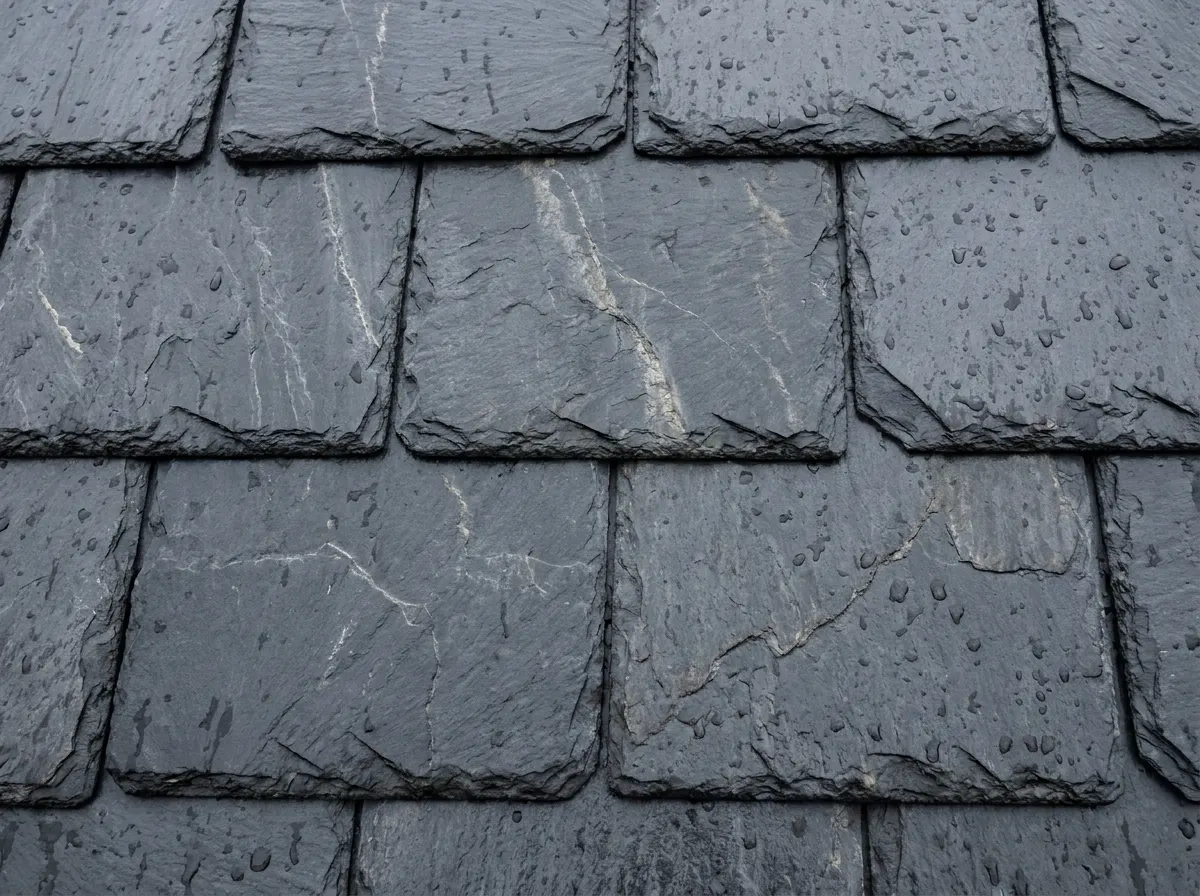
Natural Slate (Welsh & Imported)
The premium choice. Natural slate looks stunning and can easily outlive the building itself (100+ years). However, every single slate must be individually holed and hand-nailed by a highly skilled roofer. Welsh slate is the gold standard, while Spanish slate offers a cheaper, slightly thinner alternative.
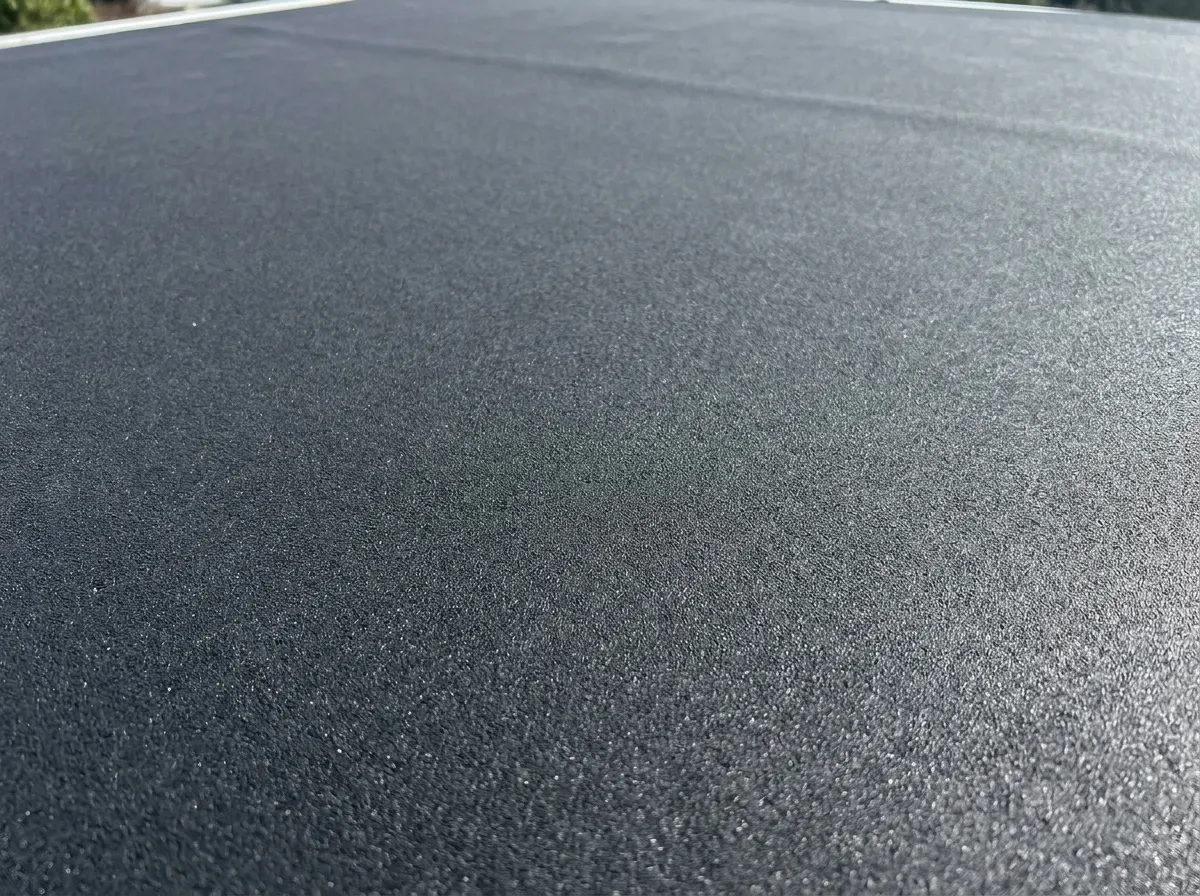
Flat Roofs (EPDM / GRP)
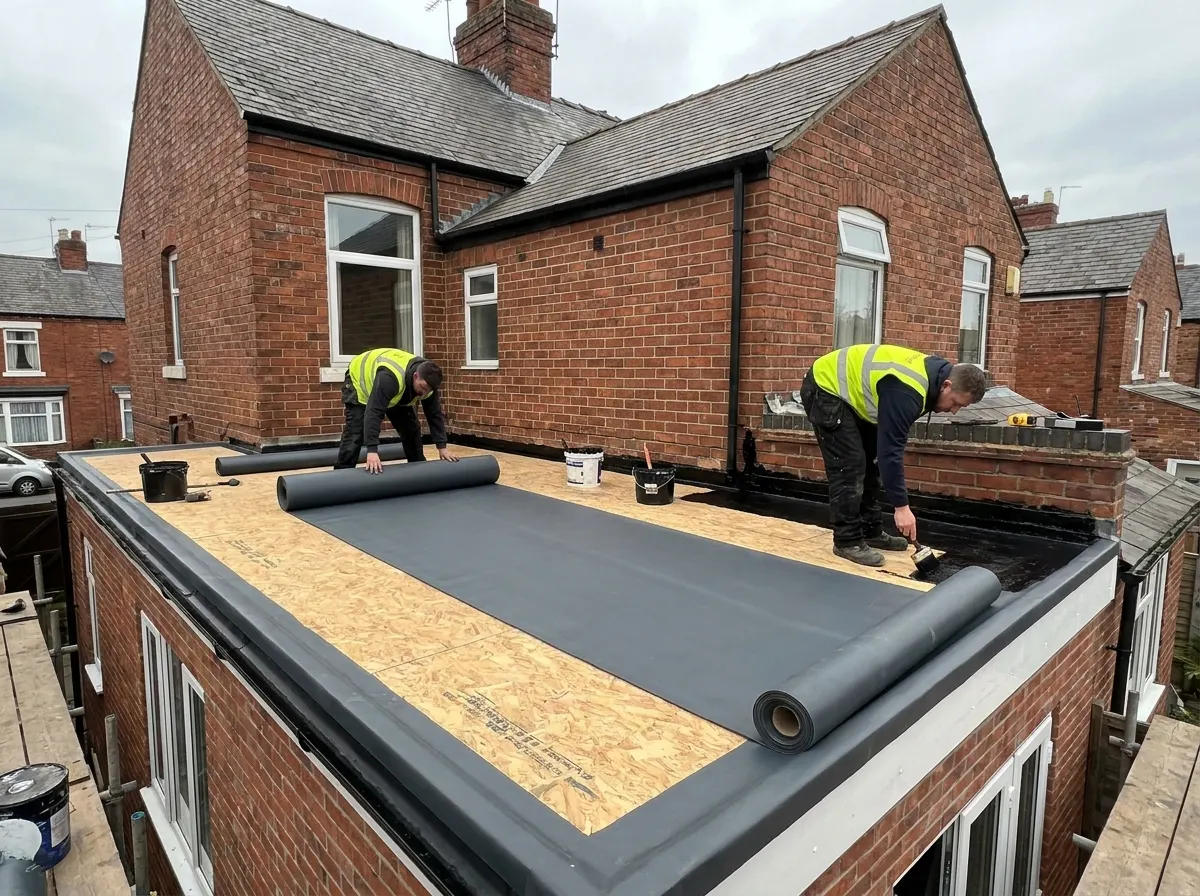
Common on extensions, garages, and dormers. The old cheap "pour and roll" felt roofs (which split and leak after 10 years) are dead. Today, roofers use seamless EPDM rubber sheets or GRP fibreglass, both of which offer a clean finish and 30-50 year lifespans with zero joints to fail.
Complete Replacement Costs by Property
The table below outlines total estimated costs in 2026. These figures include stripping the old roof, waste disposal, scaffolding, breathable felt, treated battens, and all labour.
| Property Type | Concrete Tiles | Clay Tiles | Natural Slate |
|---|---|---|---|
| Mid-Terraced (45–65 m²) | £4,000 – £7,000 | £5,500 – £8,500 | £7,500 – £11,000+ |
| Semi-Detached (70–100 m²) | £6,500 – £9,500 | £8,500 – £12,500 | £12,000 – £16,000+ |
| Detached / Hipped (100–150 m²) | £9,000 – £14,000+ | £12,000 – £18,000+ | £16,000 – £22,000+ |
| Garage / Extension (Flat Roof 20m²) | £1,200 – £2,000 (Felt) | £1,600 – £2,600 (EPDM/GRP) | N/A |
Hidden Costs & Quote Inflators
The tiles are only half the battle. A cheap quote usually means the contractor has "forgotten" to include these mandatory structural and access costs until the roof is already off.
Scaffolding & Access
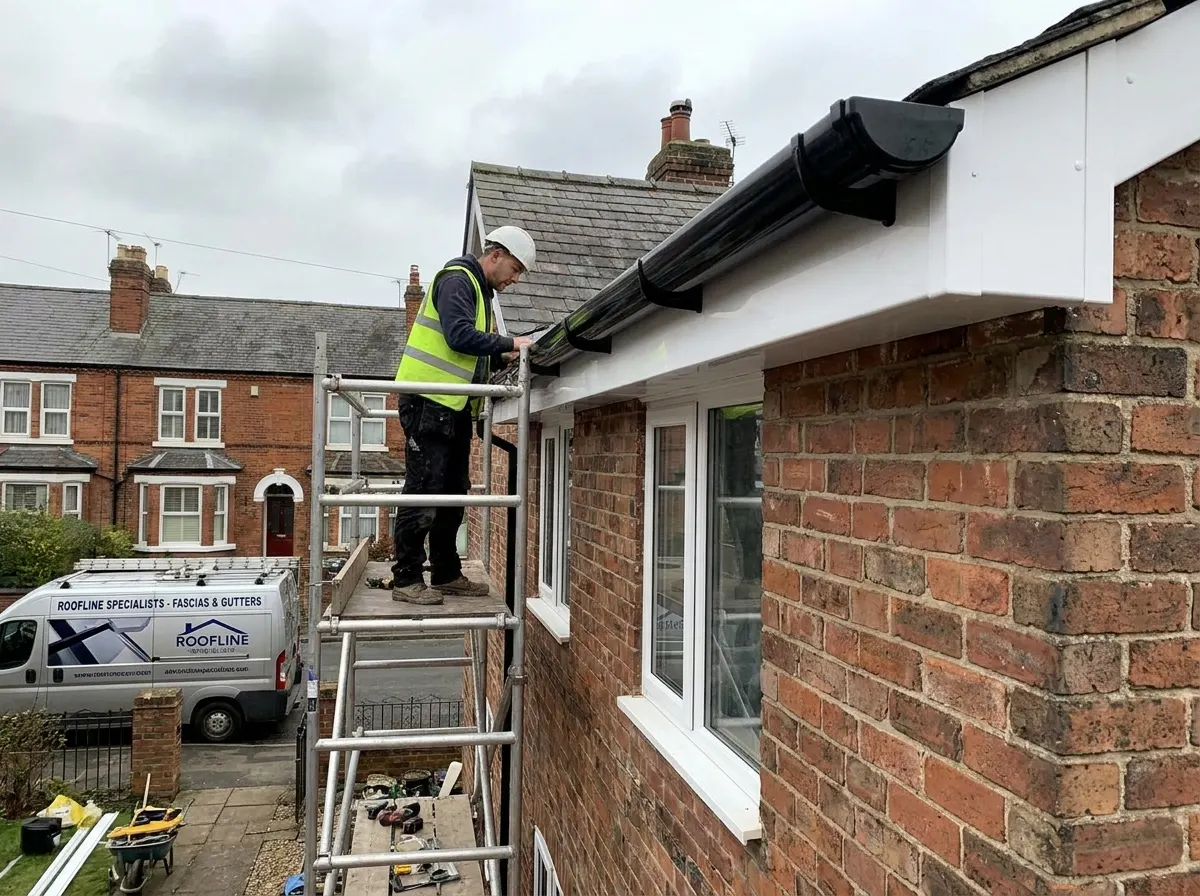
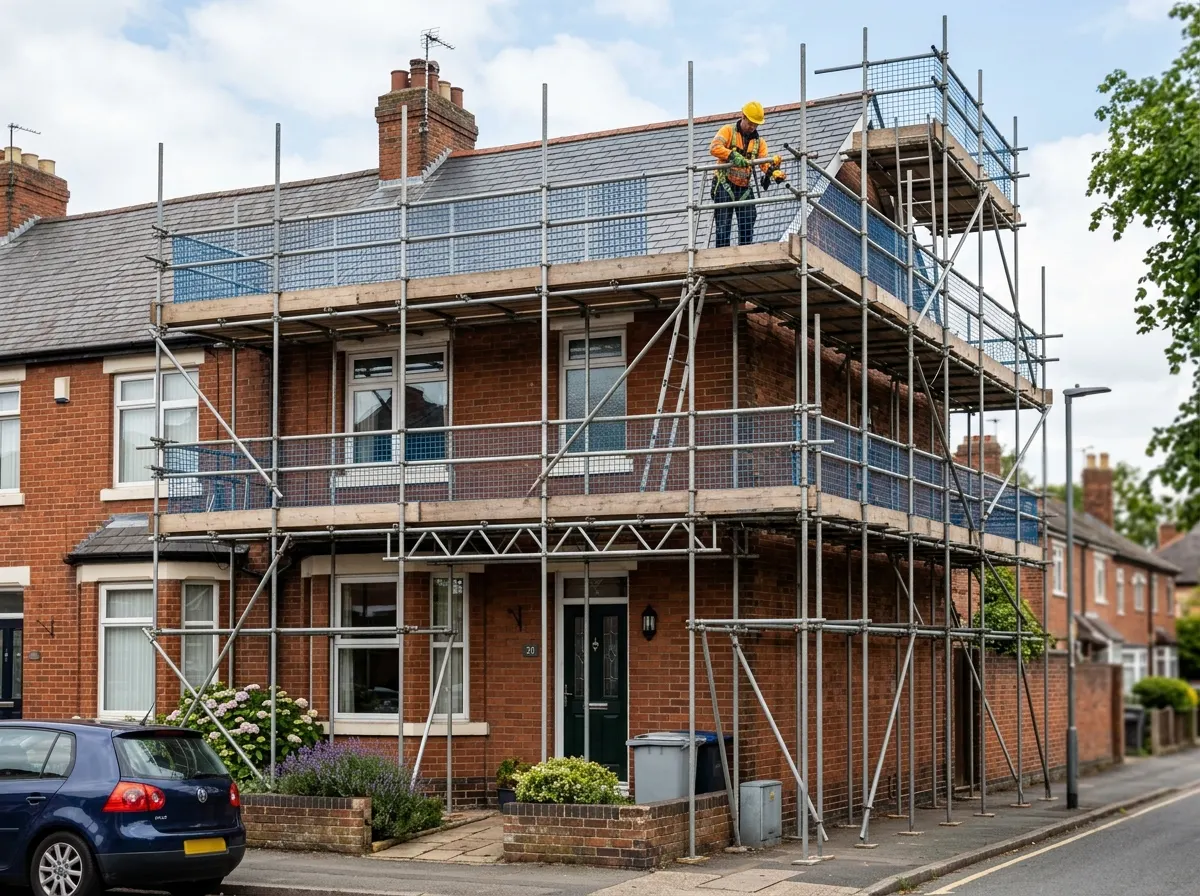
Working at height regulations are strict. A full roof replacement requires independent scaffolding encompassing the entire house. For a semi-detached, this adds £800 to £1,500. If your house bridges a public pavement or requires a temporary "tin hat" (a scaffold roof to protect a listed building from rain), access costs alone can exceed £3,000.
Structural Timber Rot
Roofers cannot see the condition of your timber rafters until the old felt is ripped off. If your roof has been leaking for years, the wooden joists may be rotten. Replacing structural timbers is charged as an extra (usually at a day rate plus timber costs) and can add £500 to £2,000 to the bill.
Lead Flashing & Chimneys
Lead is highly expensive and requires specialist welding skills to shape. If the lead flashing around your chimney or in your roof valleys is split, it must be replaced to prevent leaks. Allow £300 to £800 for chimney repointing and new leadwork.
Part L Insulation Upgrades
Under UK Building Regulations (Part L), if you are replacing more than 50% of your roof, you are legally required to upgrade your loft insulation to current standards (typically 270mm of mineral wool). Check if your quote includes this, as Building Control will not sign off the roof without it.
How long does a roof replacement take?
A standard 3-bed semi-detached roof takes a team of three roofers roughly 3 to 5 days to complete. Slate roofs take significantly longer (7 to 10 days) due to the hand-nailing required.
Strip Out
The scaffold is erected prior to arrival. The team strips all the old tiles, rotten battens, and perished bitumastic felt down to the bare timber rafters, chucking the debris down a chute into a skip.
Membrane & Batten
A modern, breathable waterproof membrane (like Tyvek) is rolled out over the rafters. Treated horizontal timber battens are then nailed securely over the membrane to hold the new tiles. The house is now watertight.
Tile Loading & Laying
Tonnes of new tiles are hoisted up via a mechanical lift. The roofers systematically lay and fix the tiles, cutting the edge pieces with a petrol disc cutter to fit tightly into the valleys and roof windows.
Ridges & Leadwork
The final finishing details. The ridge tiles at the very top of the roof are screwed down using a modern BS 5534 compliant dry-ridge system. Lead flashing is dressed around the chimneys to seal the gaps.
Roofing Labour Rates
Roofing is highly physical, dangerous work. Labour makes up roughly 40% to 50% of the total quote. You are usually hiring a team of 2-3 tradespeople per job.
Regional Pricing Variations
Because scaffolding, skip hire, and skilled labour are all heavily impacted by location, a £7,500 roof in Manchester could easily cost £11,000 in outer London.
Rogue Traders & Roofing Scams
Roofing is the most scammed trade in the UK. If you cannot physically climb up and inspect the work, you are vulnerable. Watch out for these highly common red flags:
Spray Foam Scams
A company knocks on your door offering to spray expanding foam to the underside of your tiles inside the loft to "stop leaks" and "insulate." This seals in moisture, rots the timbers, and completely ruins the roof. Mortgage lenders will refuse to lend on houses with spray foam.
Wet Mortar Ridges (Pre-2015)
Under BS 5534 regulations updated in 2015, all ridge tiles must be mechanically fixed (screwed down) using a "dry ridge" system. If a roofer quotes you to just "slap some cement" under the ridge tiles, they are breaking building regulations and the tiles will blow off in a storm.
High-Pressure Washing
"Roof cleaning" cowboys offer to blast the moss off your concrete tiles with a 3,000 PSI pressure washer. This strips the protective granular coating off the tile, drastically reducing its lifespan and flooding your loft with water. Moss should only be scraped manually.
Managing your roof replacement waste.
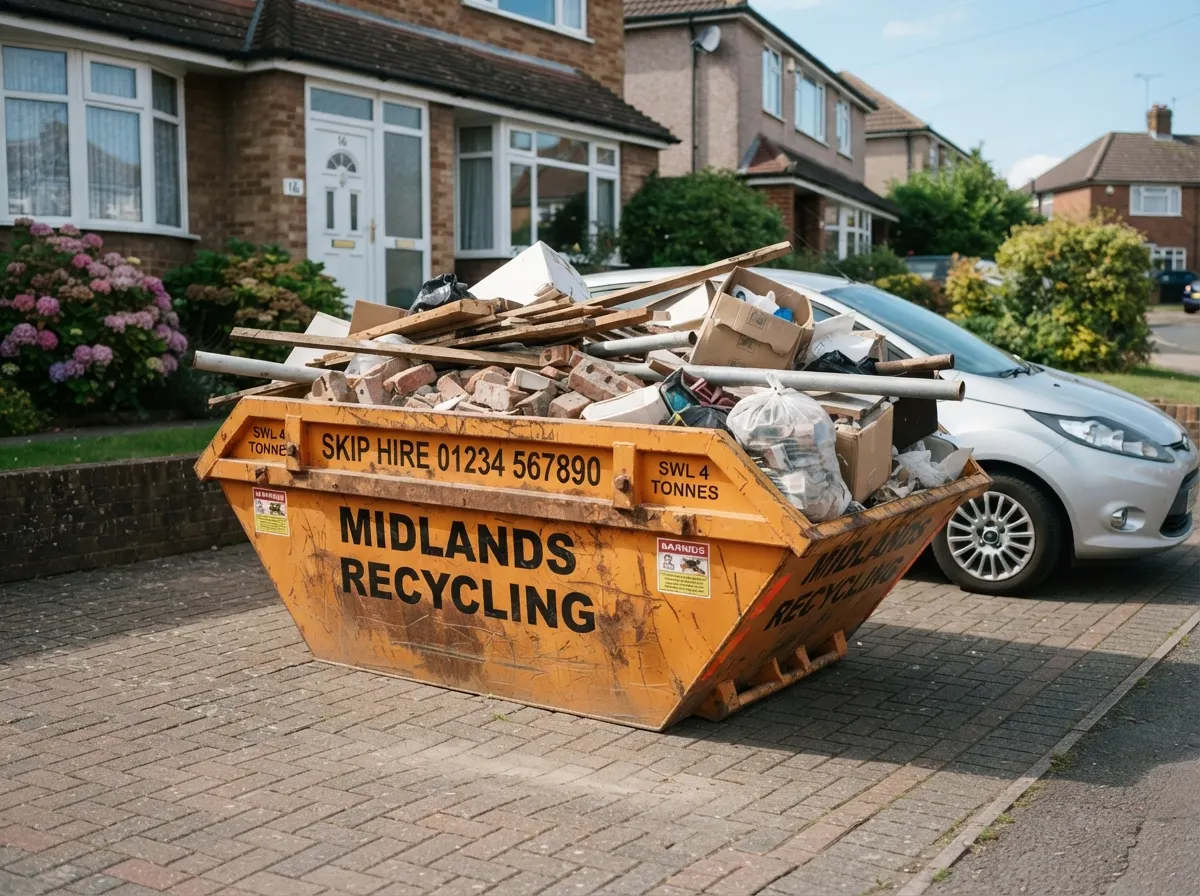
Replacing a roof generates a massive amount of heavy, bulky, and potentially hazardous waste. Stripping thousands of old tiles or slates, along with rotten timber battens and felt, requires heavy-duty waste management directly from the scaffold level.
-
What you'll be clearing Thousands of heavy concrete tiles or natural slates, rotten timber battens, old bitumen roofing felt, lead flashing offcuts, and brittle plastic guttering. (Note: older garage roofs may contain asbestos cement sheets, which require specialist hazardous removal).
-
Weight Limits & Skips Roofing tiles are extremely dense and heavy. An 8-yard builder's skip is usually the maximum size allowed for this type of weight before the lorry legally cannot lift it. A full detached house reroof will often require two of these skips, loaded directly via a scaffold rubbish chute.
Can you DIY a new roof?
No. A full roof replacement is strictly a professional job. Beyond the extreme physical danger of falling from height, there are strict legal requirements.
The Legal Hurdle:
Building Control Sign-Off
By law, replacing more than 50% of a roof requires notification to Local Authority Building Control. If you use a roofer who is registered with the CompetentRoofer Scheme, they can self-certify the work and issue you the compliance certificate directly. If you DIY it, you must pay the council to inspect the work, prove structural load calculations, and prove thermal insulation upgrades (Part L).
What you CAN DIY:
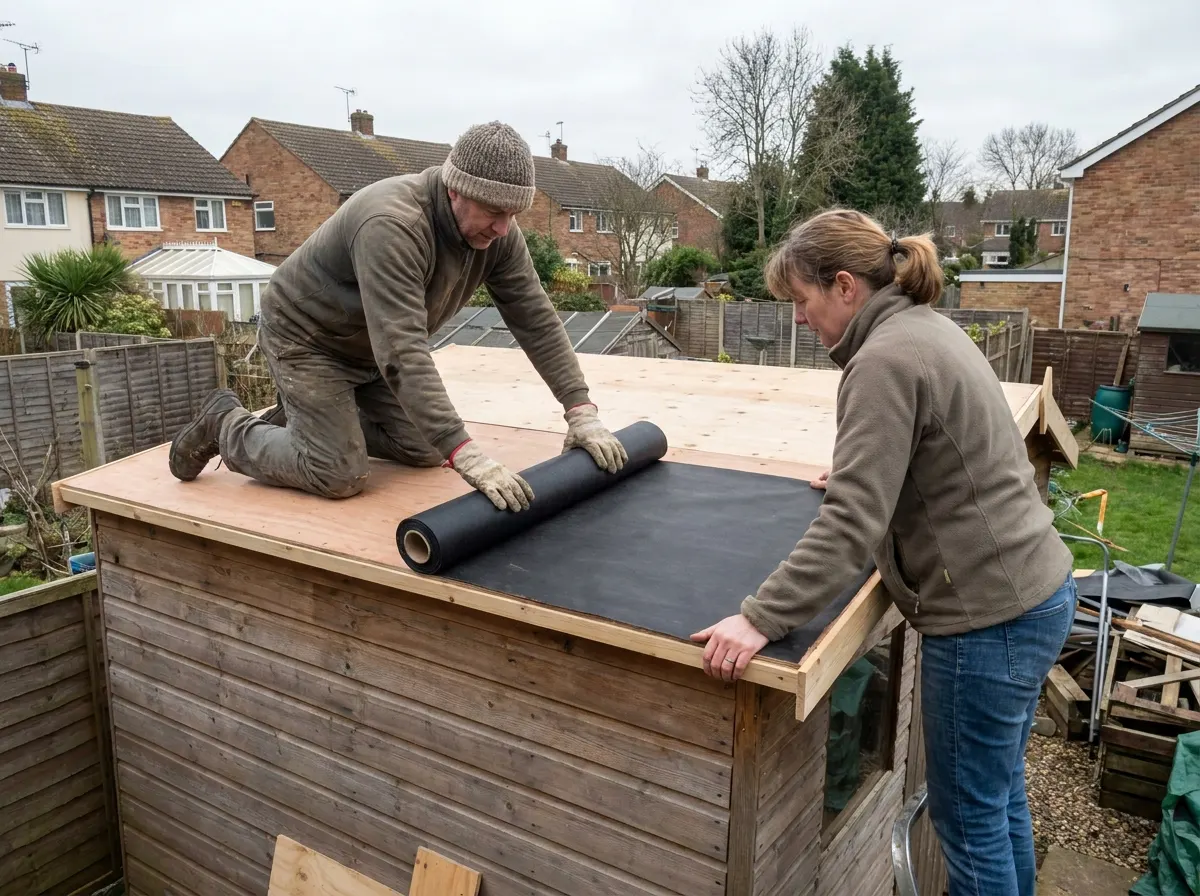
- ✓ Small Outbuilding Flat Roofs: Replacing the felt or EPDM rubber on a small 2-metre shed or bin store is a manageable DIY job that doesn't require scaffolding or building control.
- ✓ Internal Insulation: Rolling out fresh mineral wool insulation inside your loft space is highly rewarding, entirely safe, and saves heating bills.
Frequently Asked Questions
How much does a new roof cost in the UK in 2026?
The average roof replacement cost in the UK sits between £6,500 and £12,500 for a standard 3-bedroom semi-detached home. Smaller terraced properties start around £5,000, while larger detached homes or properties upgrading to premium natural slate can easily exceed £15,000.
How do I know if my house needs a new roof?
Visible daylight shining through the loft space, persistent damp patches on upstairs ceilings, sagging ridge lines, and constantly finding broken tiles or sandy granular runoff in your gutters are strong indicators that the under-felt and timber battens have perished and require a complete re-roof.
Is it cheaper to repair or replace a roof?
Replacing a few slipped or broken tiles costs £150–£450, which is vastly cheaper than an £8,000 full re-roof. However, if the underlying waterproof roofing felt has disintegrated with age (common on 1960s and 1970s properties), patching individual tiles is pointless. The entire roof must be stripped, re-battened, and re-covered.
Can a roof be replaced in winter?
Yes. Professional roofing contractors work year-round across the UK. A competent team will strip and waterproof (membrane) one section of the roof at a time, ensuring your home is never exposed to overnight rain. However, severe snow, freezing mortar conditions, or gale-force winds will temporarily pause work for safety reasons.
Does a new roof add value to a house?
Yes. A new roof has an exceptional Return on Investment (ROI) often exceeding 60% to 70%. Homebuyers are often wary of purchasing a property with a failing roof. Having a brand-new roof complete with a transferable 10-year contractor guarantee makes the house significantly easier to sell.
Will my home insurance cover a new roof?
Standard home insurance policies only cover sudden, unexpected storm damage (such as a tree branch falling through the tiles during a gale). Insurers will categorically not pay for a new roof if the old one has simply reached the end of its natural lifespan due to general wear and tear.
Do I need planning permission for a new roof?
Usually no. Replacing an existing roof using similar or matching tiles falls under Permitted Development rights. However, if you are changing the roof material drastically (e.g. switching from concrete tiles to natural slate), altering the roof height, or if your property is a Listed Building or in a designated Conservation Area, you must check with your local council.
How long does a full roof replacement take?
For a standard 3-bedroom semi-detached house, an experienced roofing team typically takes between 3 to 5 days to completely strip the old tiles and battens, inspect and repair the timber rafters, install a breathable waterproof membrane, re-batten, and lay the new tiles and ridge caps, weather permitting.
Ready to protect your home?
Use our AI to get a precise estimate based on your property type and preferred materials, then connect with Pricing Penguin Accredited roofers near you.
Did you find this page helpful?
Let us know if this guide helped you plan your project.