How much does roof repair and tile replacement cost in the UK?
 By Tom Ellis
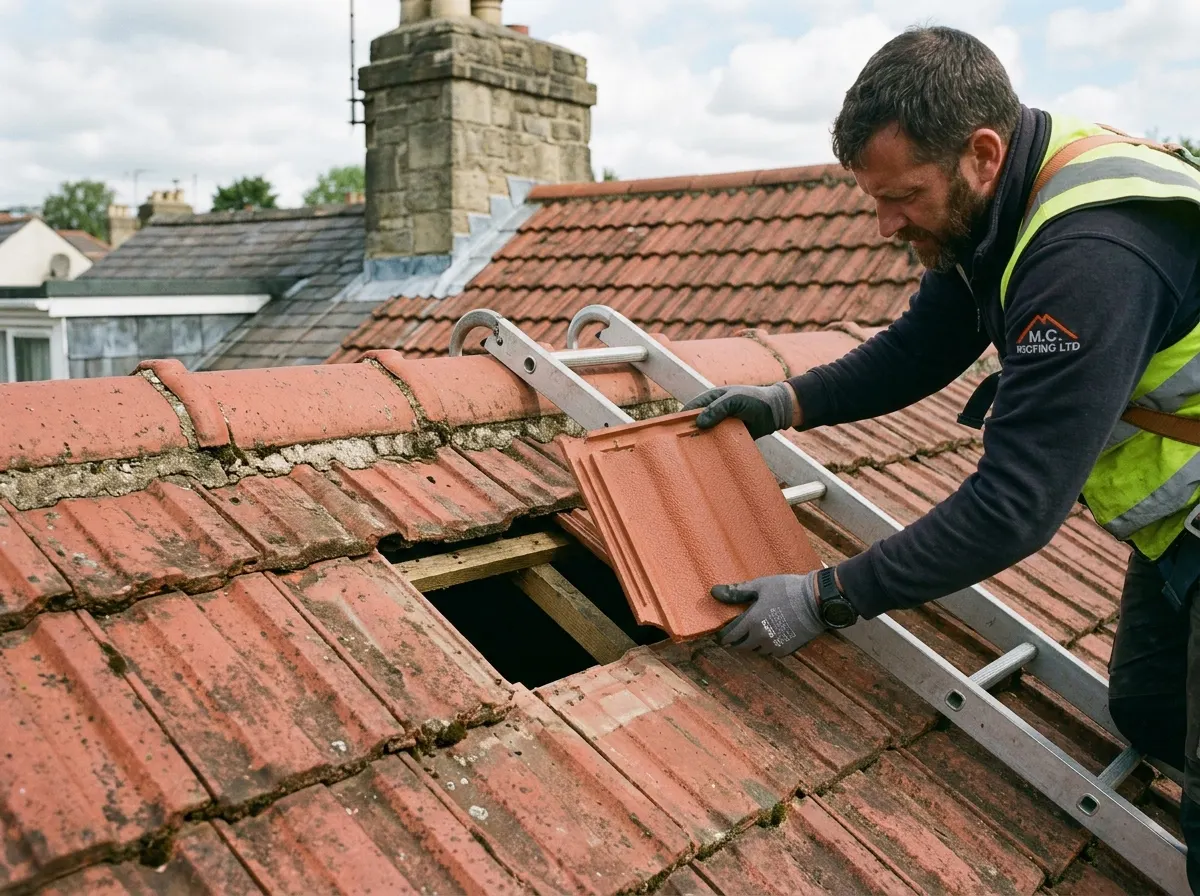
A leaking roof is a homeowner's worst nightmare. Water ingress can rapidly rot structural roof timbers, ruin loft insulation, and blow your upstairs plaster ceilings. Catching a slipped tile or crumbling mortar beadwork early is the difference between a £200 quick fix and a £5,000 structural disaster.
In 2026, most roof repairs in the UK cost between £150 and £2,500 depending entirely on the scale of the fault and the height of your house. A roofer replacing a handful of slipped tiles from a ladder will usually charge a minimum callout of £150 to £250. However, if the leak stems from degraded lead flashing, rotten roof valleys, or requires full scaffolding to safely rebuild the mortar ridge beadwork, expect costs to range from £500 to £1,500+.
£150 – £300
Minor repair. A roofer accesses a low roof via a ladder, removes 1 to 5 cracked concrete or clay tiles, and replaces them with matching units. The cost is almost entirely the callout labour, not the £2 tile.
£400 – £800
Mid-range fix. Re-bedding loose ridge tiles in fresh mortar (beadwork), dressing new lead flashing around a leaking chimney, or patching a torn flat roof membrane. May require a small access tower.
£1,500+
High-end repair. Replacing rotten fibreglass valleys, extensive slate replacement, or overhauling the underlying breathable membrane. Requires full scaffolding (£500–£1,200) for safe legal access.
Get an instant estimate for your roof repairs
How to discover a roof leak
Water is notoriously sneaky. A damp patch on your bedroom ceiling rarely means the hole is directly above it; water runs down rafters before dripping. Here is how to trace the source.
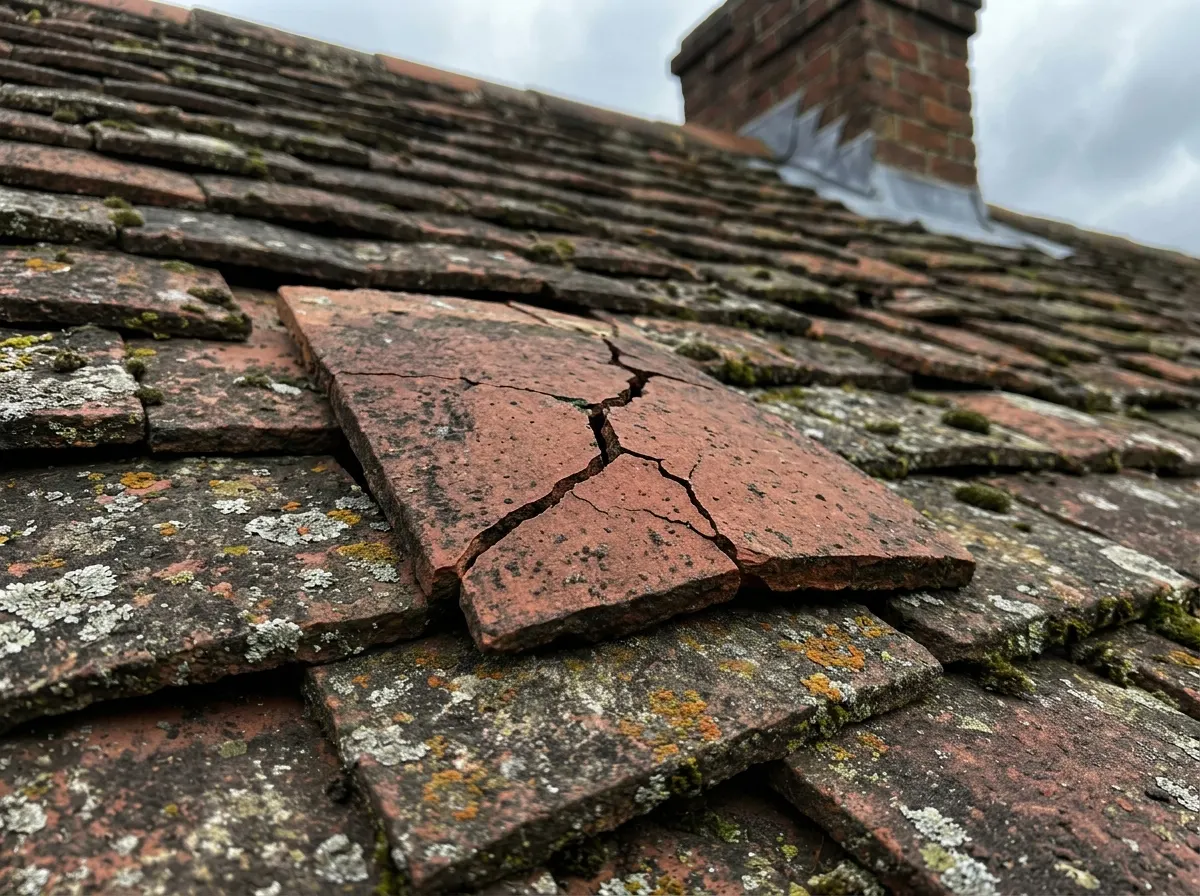
1. The Street Check
Walk across the street with binoculars. Look for obvious missing tiles, tiles sitting crooked (slipped off their battens), or heavy green moss clusters. Moss acts like a sponge, soaking up rain, freezing, expanding, and snapping the fragile tile 'nibs' holding it to the roof.
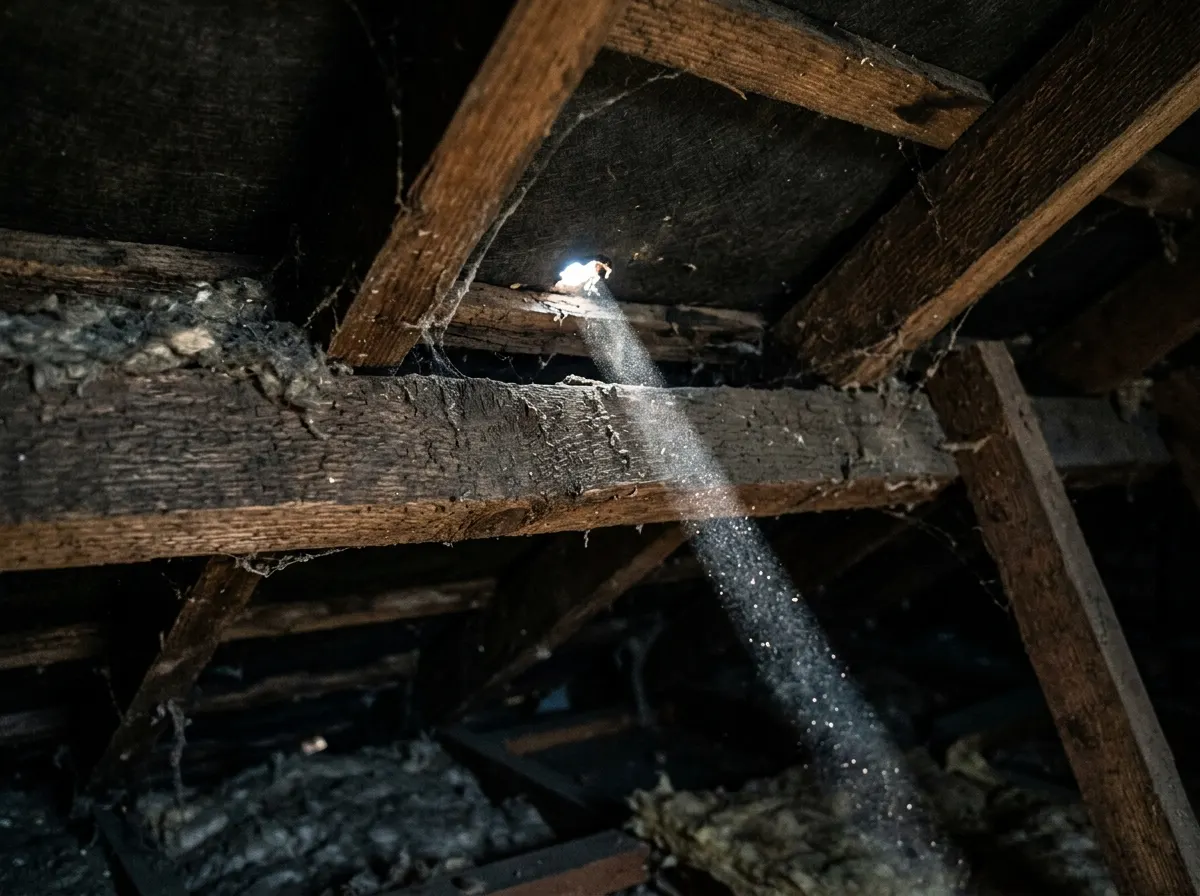
2. The Loft Light Test
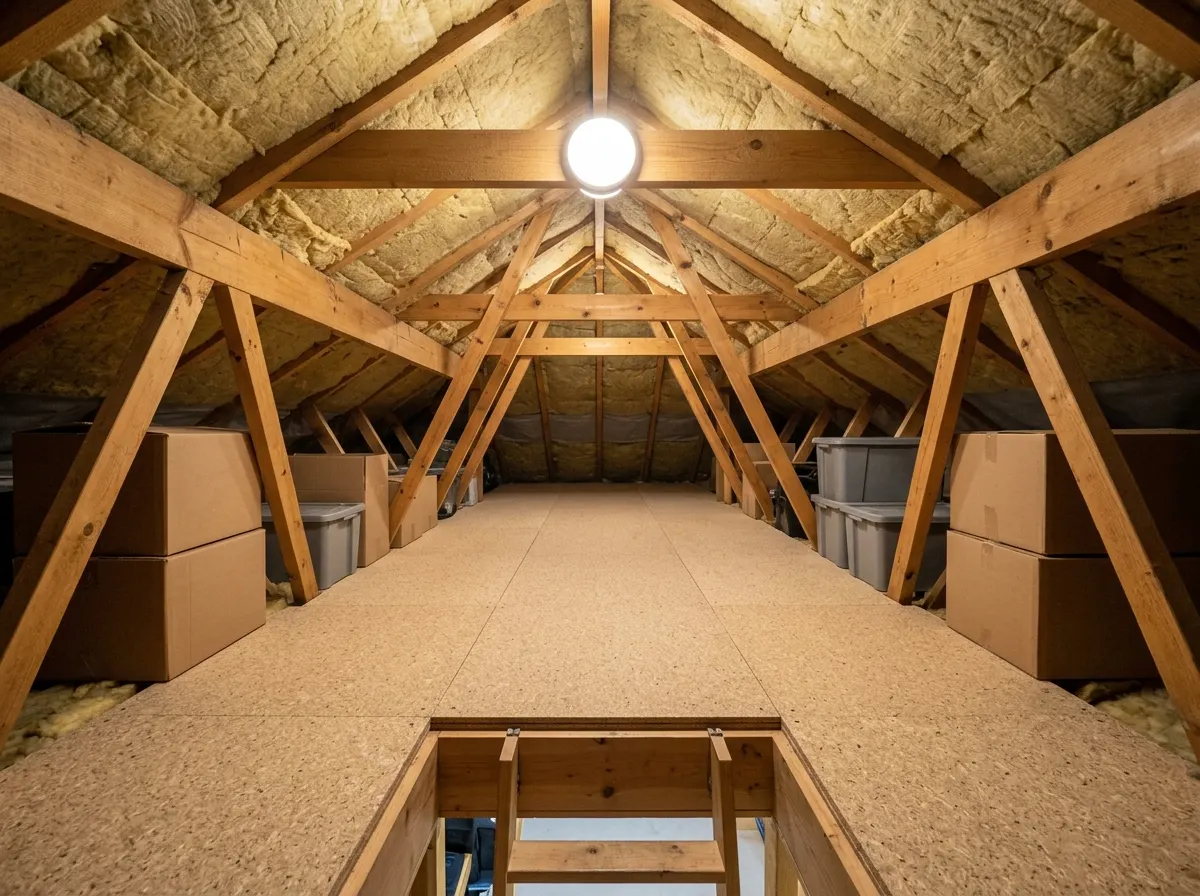
Go into your loft during the day and turn all the lights off. If you can see piercing shafts of daylight shining through the black felt or membrane, you have found your tear. Note: a soft, diffuse glow near the edges is normal ventilation, but a sharp beam means a breach.
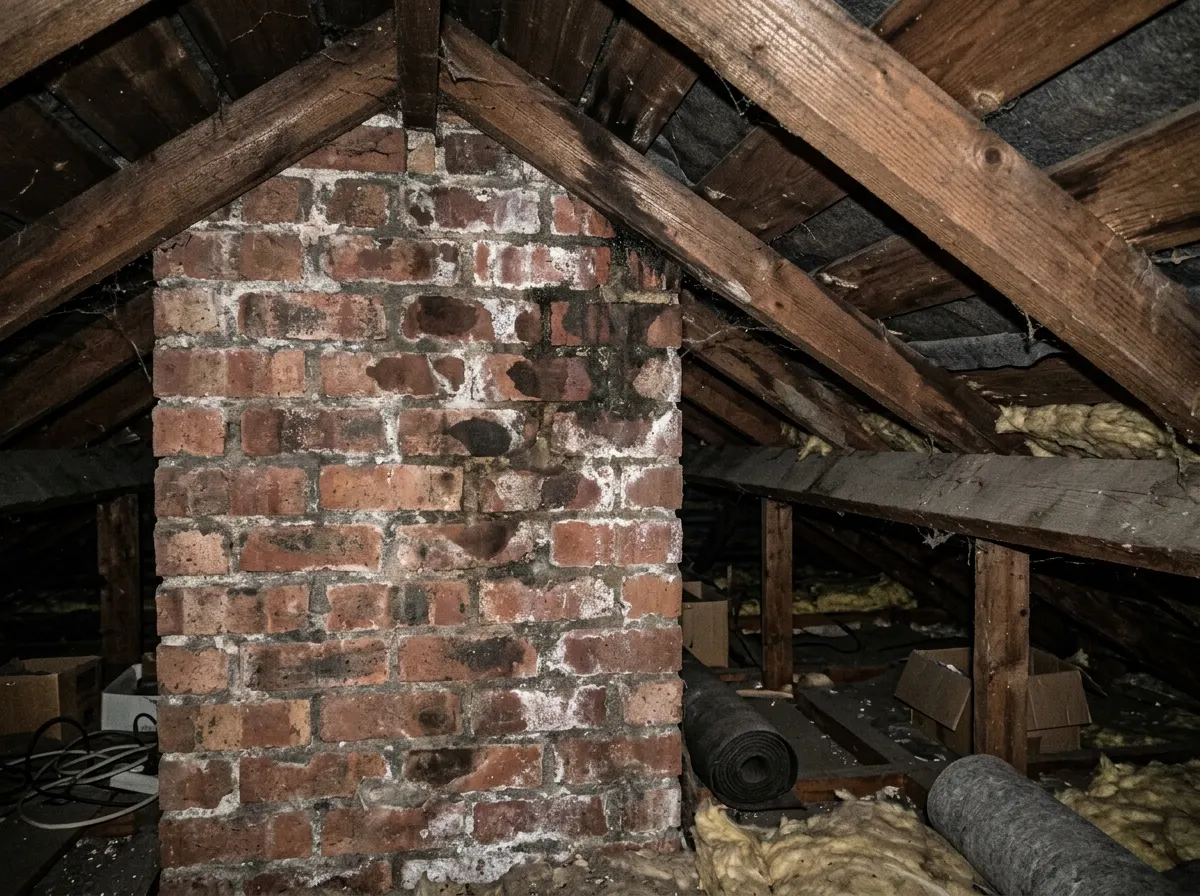
3. Chimney Stains
If the damp patch on your ceiling is near a chimney breast, the culprit is almost certainly the lead flashing on the roof outside. Look in the loft: if the brickwork of the chimney feels damp to the touch, the lead outside has cracked or pulled away from the mortar.
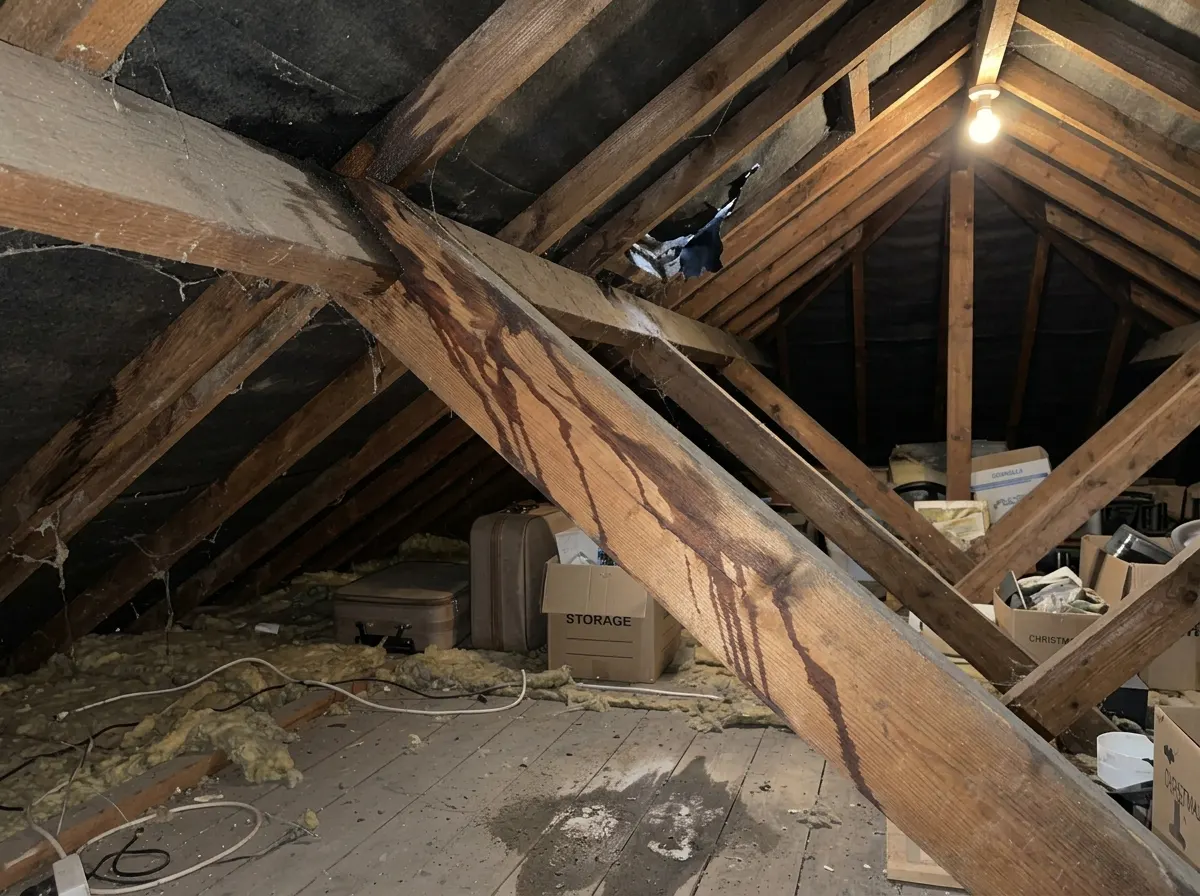
4. Following the Trail
Water travels down the path of least resistance. In the loft, find the wet patch on the insulation. Look directly above it, then trace the water stains up the wooden rafters. The leak's origin is usually much higher up the roof slope than the puddle suggests.
Types of Roof Tiles
The physical tiles are the cheapest part of any roof repair bill. However, matching your existing tile profile and weathering colour is vital to avoid your roof looking like a patchwork quilt.
Concrete Interlocking Tiles
The workhorse of post-1960s UK housing. They are large, heavy, and interlock tightly. They are incredibly cheap to manufacture but become porous and heavy as they age, encouraging moss growth.
- • Lifespan: 40-50 Years
- • Finding matches: Easy (Marley/Redland profiles)
Clay Tiles
Traditional, smaller "plain" tiles often seen on older or premium homes. Their rich red/orange colours never fade, but they are brittle. Replacing them is slower as they are smaller, requiring more tiles per square metre.
- • Lifespan: 60-80 Years
- • Finding matches: Moderate (reclamation yards)
Natural & Man-Made Slate
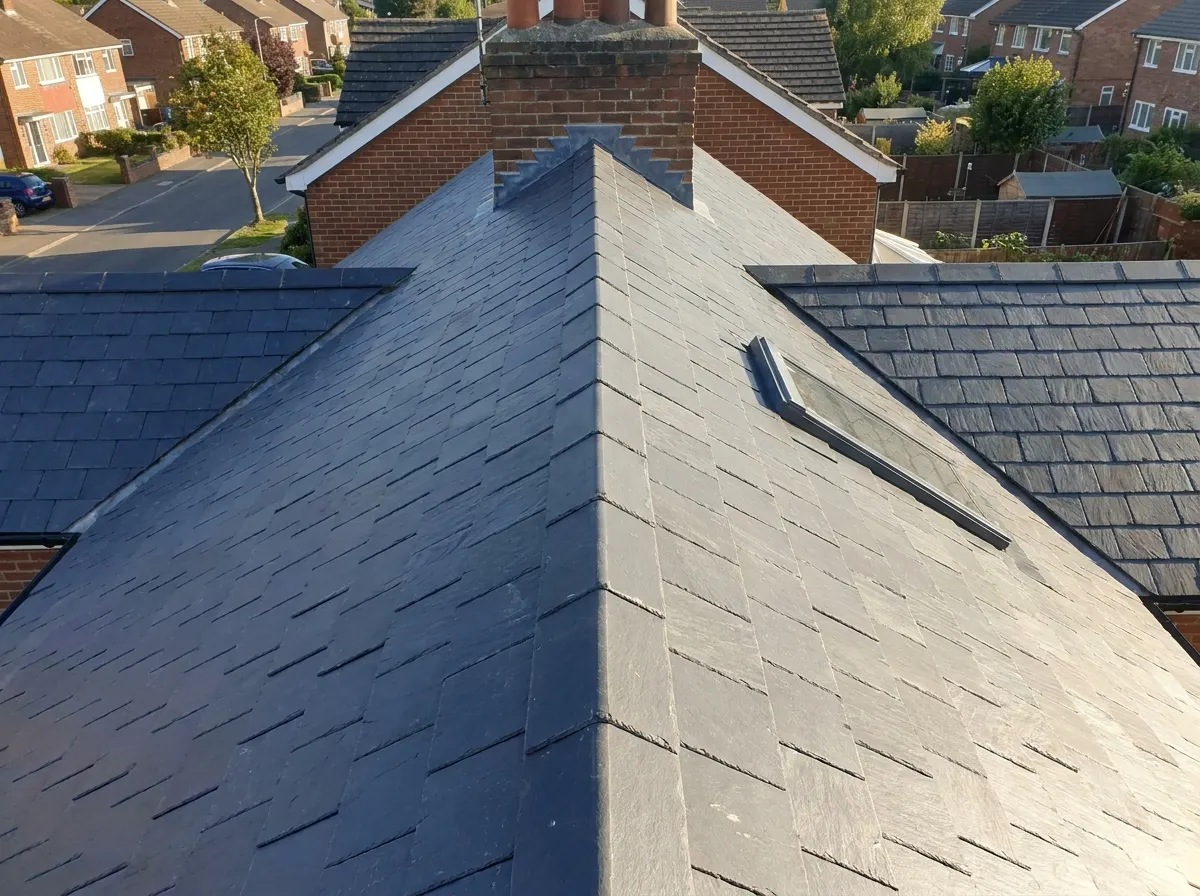
Natural Welsh or Spanish slate is breathtakingly durable but expensive and requires skilled craftsmen to cut and nail. Modern man-made fibre-cement slates look identical from the ground but are cheaper and lighter.
- • Lifespan: 80-100+ Years (Natural)
- • Finding matches: Difficult (colour weathering)
Beadwork, Flashing & Valleys
The tiles themselves rarely fail. The leaks almost always occur where the roof changes direction, where tiles meet brickwork, or where the mortar holding them together crumbles.
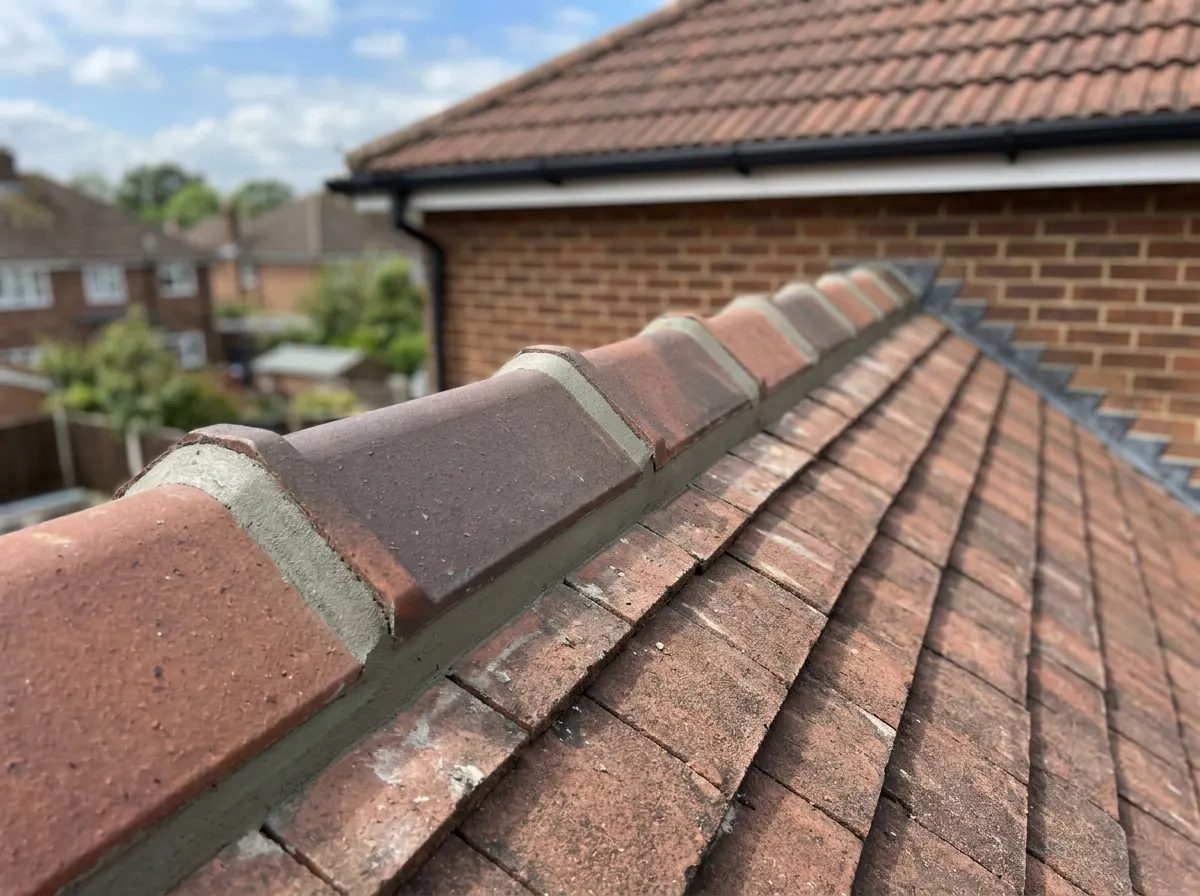
Ridge Beadwork (Repointing)
Common Fix
The "ridge" is the apex peak of the roof. Traditionally, these curved tiles are held down by a bed of cement mortar (the "beadwork"). After 20 years of freezing and thawing, this mortar cracks and crumbles, leaving the ridge tiles loose enough to blow off in a storm.
A roofer will lift them, chip away the old mortar, and re-bed them in fresh cement.
Modern Upgrade: Building Regs now mandate "Dry Ridge" systems for new roofs—screwing the tiles down over a waterproof membrane rather than relying on wet mortar.
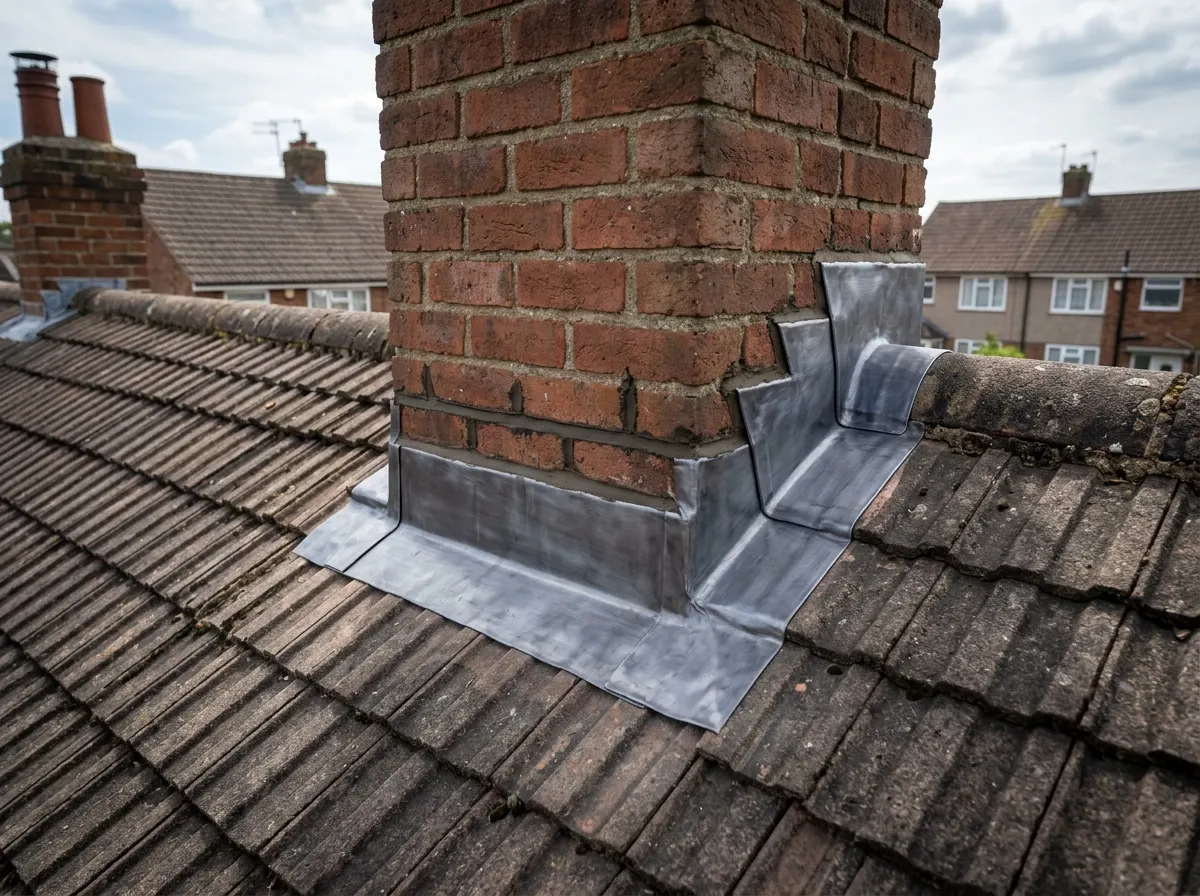
Lead Flashing
Chimneys & Walls
Where a roof tile meets a vertical brick wall (like a chimney or a side extension), you cannot just butt the tile against the brick. Sheets of lead are chased into the mortar lines of the brickwork and "dressed" (folded) over the tiles to create a waterproof bridge.
Over decades, sunlight causes the lead to expand, crack, or pull out of the wall. Renewing this leadwork requires skilled traditional lead-dressing techniques.
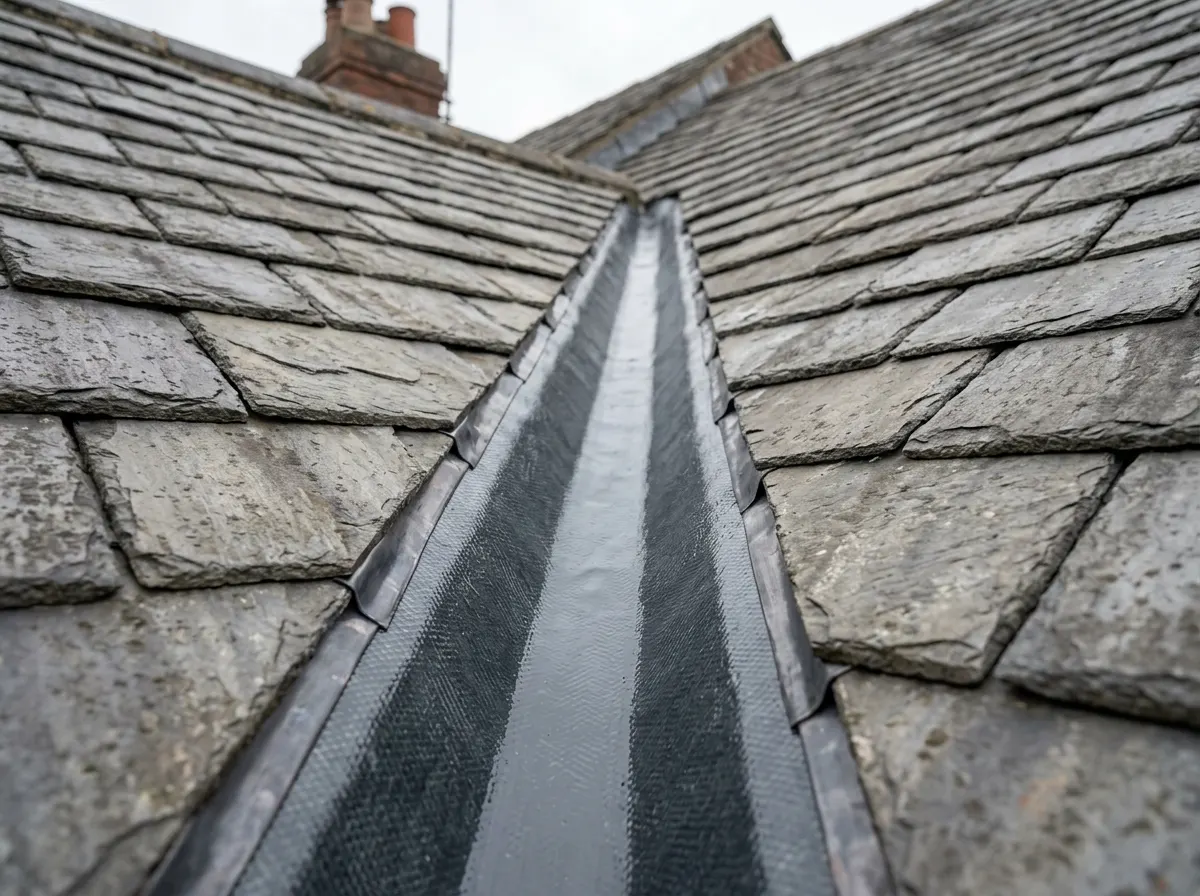
Roof Valleys
High Flow Areas
A valley is the V-shaped internal channel created where two sloping roofs intersect. Because these act as heavy-duty gutters directing massive volumes of water down to the eaves, they are highly prone to leaking.
Old mortar valleys rot away. Replacing a valley involves stripping back metres of tiles and laying a new continuous lead or modern fibreglass GRP trough.
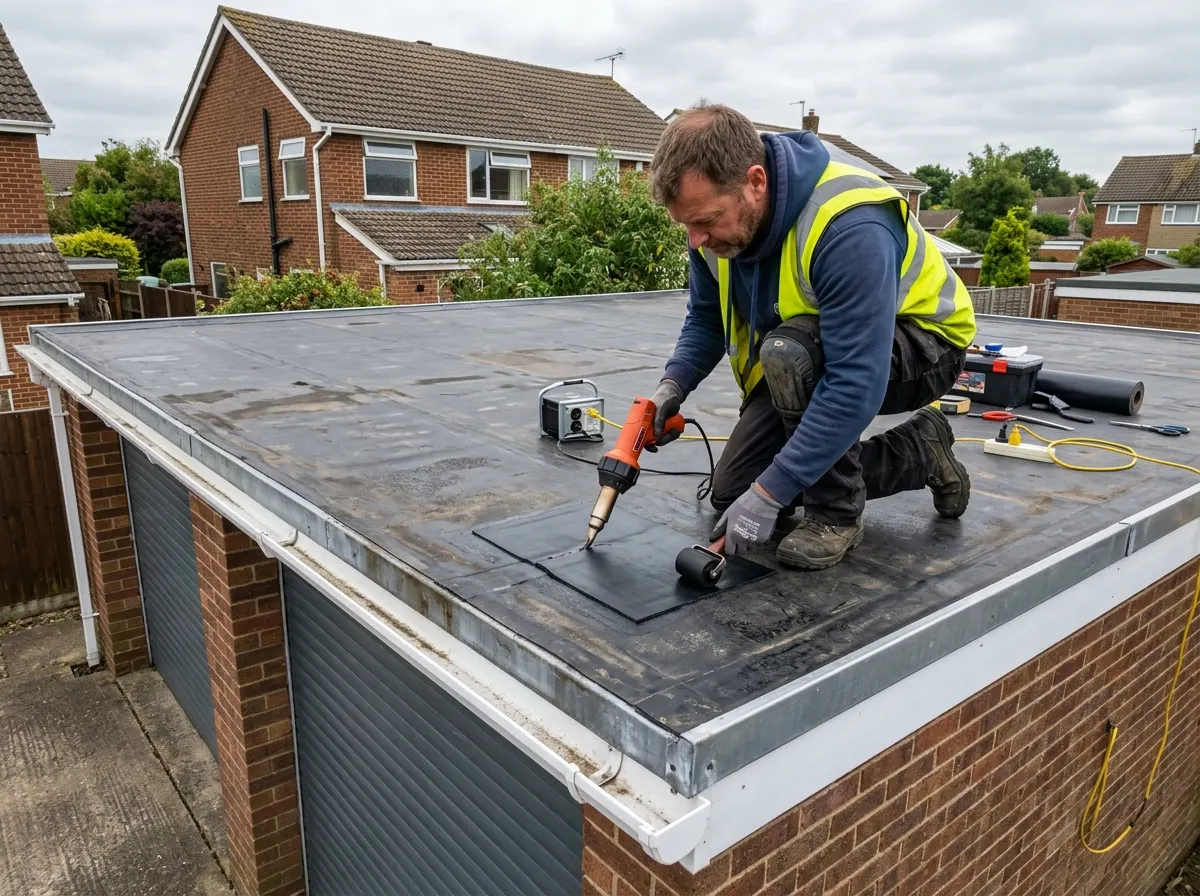
Flat Roof Patches
Garages & ExtensionsIf the traditional mineral felt on your garage or dormer roof develops a tear or bubble, water will pool and rot the timber deck underneath instantly. While minor tears can be painted over with liquid Acropol or patched with heat-welded felt, if an EPDM rubber or GRP fibreglass roof fails at the seams, the patch repair must be rigorously prepped.
Total Repair Costs (2026)
The table below outlines total estimated costs for typical UK roof repairs. These prices include labour, materials, and VAT, but exclude scaffolding unless stated.
| Type of Repair | Scale of Work | Estimated Fitted Cost |
|---|---|---|
| Replace Slipped/Broken Tiles | 1 to 5 tiles replaced from a roof ladder. | £150 – £300 |
| Replace 10 to 20 Tiles | A small patch repair requiring membrane inspection. | £300 – £600 |
| Ridge Tile Re-Bedding | Re-cementing 5 to 10 metres of loose ridge tiles. | £200 – £600 |
| Lead Flashing Renewal | Stripping out old lead around a chimney and pointing new lead. | £300 – £800 |
| Valley Trough Replacement | Laying a new fibreglass or lead valley (approx 4m). | £400 – £800 |
| The Scaffolding Factor | If the repair is high, steep, or complex, roofers legally cannot work from ladders. Standard front-of-house scaffold adds: | £500 – £1,200 |
Rogue Roofers & Repair Scams
Because homeowners cannot easily inspect the work done on their roof, the industry is unfortunately plagued by rogue traders. Watch out for these red flags.
"We noticed a loose tile while driving past..."
The oldest scam in the book. A van knocks on your door claiming your roof is unsafe. They go up the ladder to "inspect," deliberately break a tile or tear the felt, and then demand £1,500 to fix the "emergency." Never hire door-to-door roofers.
Over-Silicone
A proper repair to lead flashing involves raking out the mortar and dressing new lead. Cowboy builders will simply smear vast amounts of bathroom silicone sealant over the cracked lead. It stops the leak for 6 months, then fails completely.
Power Washing Moss
If a company offers to pressure-wash the moss off your concrete tiles, refuse. High-pressure water strips the protective granular coating off the tiles, rendering them highly porous, and blasts water straight up under the laps, destroying the membrane below.
Escalating Quotes
A genuine roofer will quote a fixed price for a specific repair. Rogue traders quote £100 to get on the roof, then "discover" that all your battens are rotten and demand £4,000 cash before they put the tiles back on to stop the rain.
Can you repair a roof DIY?
Technically yes, but statistically, it is the most dangerous DIY job you can attempt. Falls from height are a leading cause of severe injury in the UK.
The Danger of Access:
You cannot simply walk around on a pitched roof. If you step in the middle of a concrete tile, it will snap. Roofers use specialised roof ladders equipped with ridge hooks to distribute their weight. Without these, and without edge protection scaffolding, risking your life to save a £150 callout fee is incredibly foolish.
What you CAN safely DIY:
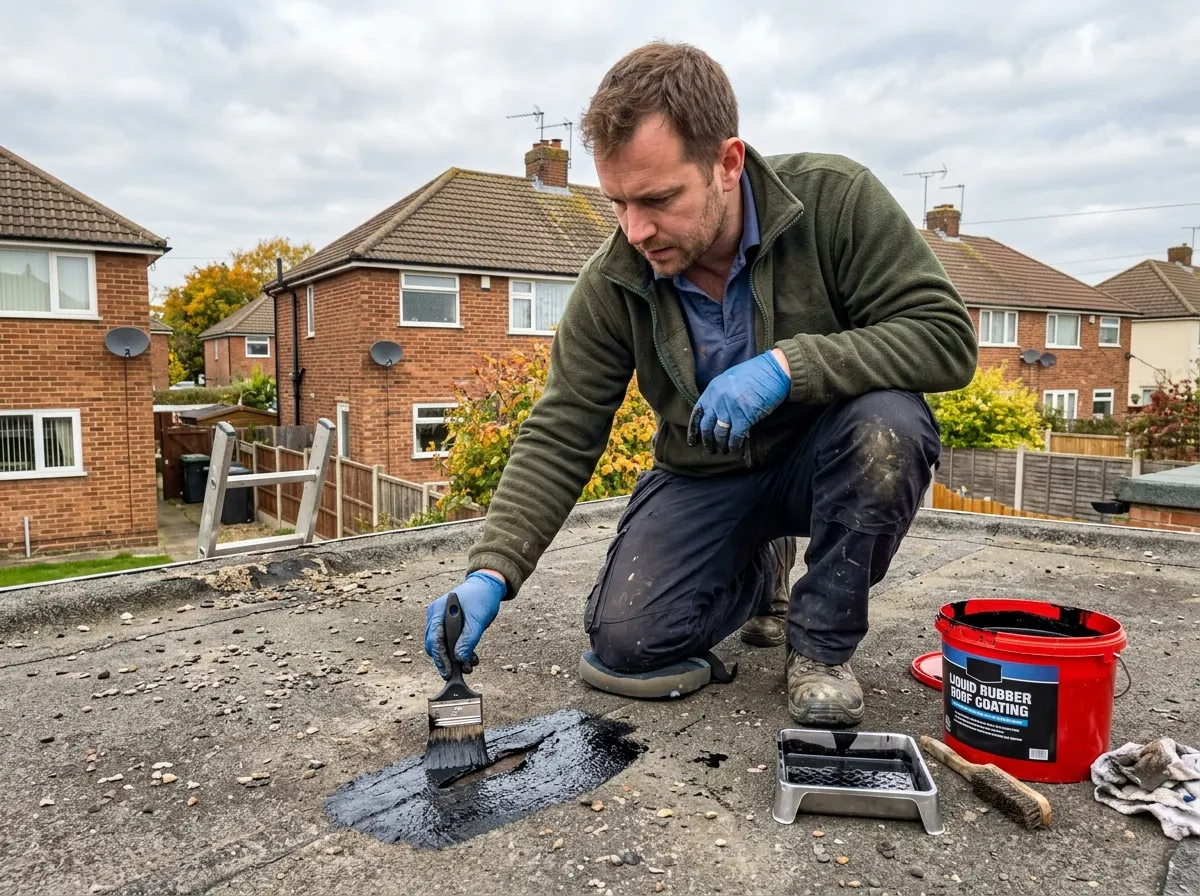
- ✓ Flat Roof Painting: If you have safe access to a flat garage roof, painting a liquid rubber or Acropol compound over a minor tear to keep it watertight through winter is a highly effective, cheap DIY patch.
- ✓ Clearing Gutters: Blocked gutters cause water to back up under the bottom row of tiles, rotting the eaves felt. Safely clearing gutters from a stable ladder prevents thousands of pounds in roofline damage.
Frequently Asked Questions
How much does a roofer charge to replace a single tile in the UK in 2026?
Most professional roofing contractors charge a minimum call-out and labour fee of £150 to £250 to replace a single slipped, cracked, or broken tile. While the individual roof tile itself often costs under £5, you are paying for specialised transport, setup time, and the significant safety hazards of working at height.
Does my roof repair legally require scaffolding?
Minor, quick repairs on standard two-storey houses (such as replacing a couple of isolated tiles) can sometimes be executed safely using professional roof ladders. However, if the repair involves extensive mortar re-bedding on ridge tiles, working close to eaves edges, or taking place on a 3-storey building, scaffolding is a legal health and safety requirement under Work at Height Regulations, adding £500+ to the job.
Can a roof be safely repaired while it is raining?
Generally, no. Wet roofs are extremely slippery and present severe fall risks for tradespeople. Furthermore, traditional cement mortar and flat roof liquid adhesives will not cure, bond, or set properly in wet or freezing conditions. If a leak occurs during a storm, roofers will typically only install emergency temporary waterproof tarpaulins until the weather clears.
Will home insurance cover the cost of a sudden roof leak?
It depends entirely on the root cause of the damage. If your roof was damaged suddenly by an extreme weather event (such as a fallen tree branch or 80mph gale winds ripping tiles off), standard home insurance will usually cover the repair costs. If the leak stems from general "wear and tear," porous aging tiles, or long-term lack of maintenance (like crumbling mortar), insurers will universally reject the claim.
What is the difference between a dry ridge and a wet ridge system?
A "wet" ridge refers to the traditional method of bedding ridge tiles down with cement mortar. A "dry" ridge is the modern, mechanical method where ridge tiles are screwed securely into a timber roll over a waterproof, breathable ridge union membrane. Dry ridge systems require no maintenance, never crack or blow off in high winds, and are now a mandatory standard for new roof installations.
How long does a typical roof repair take to complete?
Replacing a few slipped tiles or patching a localised flat roof leak takes a roofer between 1 to 3 hours. Re-bedding and pointing an entire section of valley flashing or a full run of ridge tiles is typically a 1 to 2-day job. Extensive structural timber rafter repairs or full chimney stack re-building can take upwards of 3 to 5 days.
How much does it cost to repair damaged chimney flashing?
Repairing or replacing lead flashing around a leaking chimney stack typically costs between £350 and £750, depending on scaffolding needs and the height of the chimney. Over time, lead code 4 or 5 flashing can slip, crack, or pull away from brick mortar joints, causing persistent water leaks into the bedroom loft space directly surrounding the stack.
How can I find the exact source of a mysterious roof leak?
Water entering a roof travels down timber rafters and ceiling joists before dripping onto insulation, meaning the internal ceiling stain is rarely directly beneath the external roof defect. Tracing a leak requires going up into the loft with a torch during dry weather or using a garden hose test outside to track water paths upward toward broken tiles, damaged valleys, or failed flashing.
Related Projects & Guides
Don't let a small leak rot your timbers.
Use our AI to get a precise estimate based on your roof type, tile material, and diagnostic symptoms, then connect with Pricing Penguin Accredited, vetted roofers near you.
Did you find this page helpful?
Let us know if this guide helped you plan your project.