How much do flower beds and garden borders cost?
 By Tom Ellis
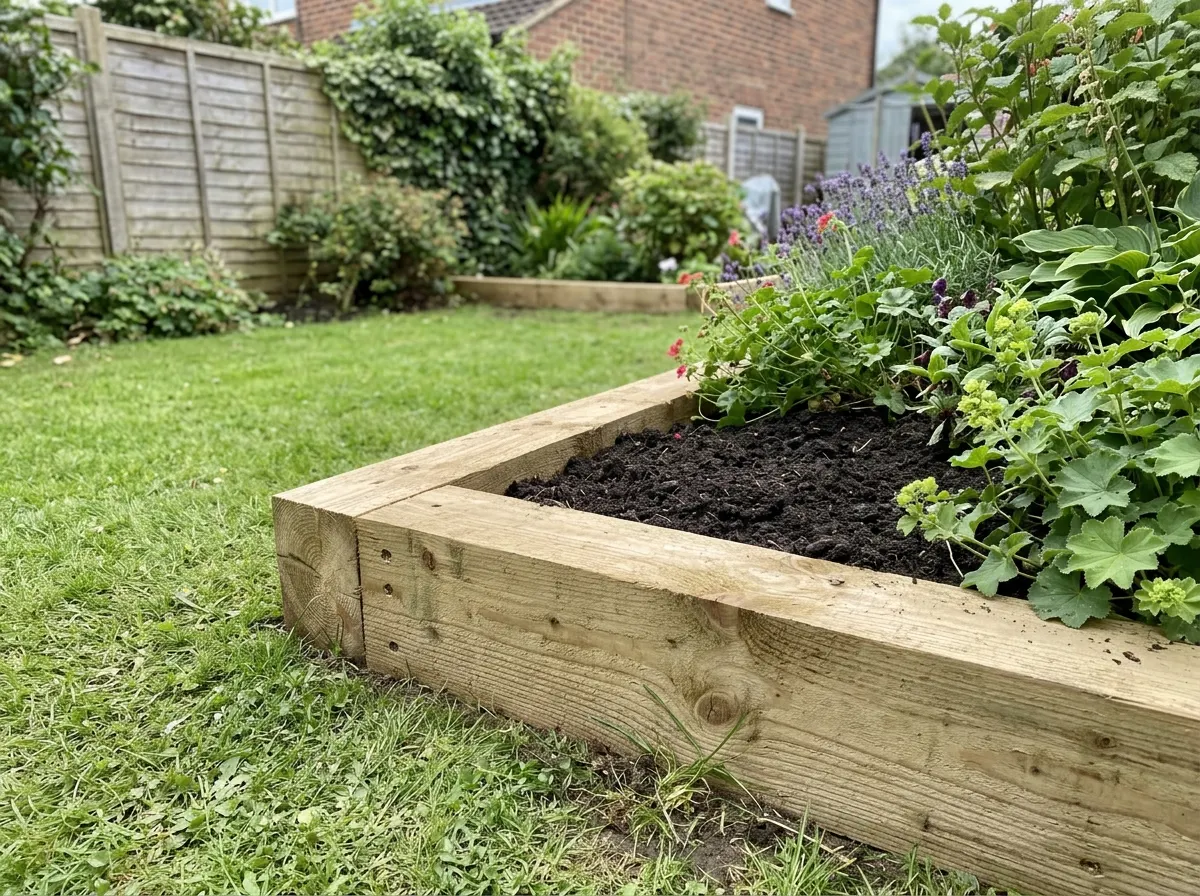
Whether you are carving out simple ground-level borders to soften your lawn edges, or building substantial raised sleeper beds to grow vegetables and architectural plants, getting the structure and soil right is the foundation of any great garden.
Costs vary dramatically depending on whether you are using cheap treated softwood, premium oak, or building brick masonry planters from scratch. This 2026 guide breaks down the true cost of materials, topsoil, edging, and professional landscaping labour across the UK.
Prices move month to month. See how they are changing in the Penguin Index, or compare common jobs across the UK in our UK Home Improvement Cost Report.
£30 - £60 / m
Supplied and fitted cost per linear metre for professional brick or stone border edging set in concrete.
£800 - £1,200
Average complete estimate for a 2.4m x 1.2m softwood sleeper bed, including membrane, topsoil, and labour.
£1,200+
Bespoke masonry planters require concrete footings, bricklaying labour, and potential rendering.
Jump to a Section
Get an instant estimate for your garden project
Types of Beds & Borders
The structural material you choose dictates the lifespan of your beds, the volume of topsoil required, and the labour involved to build them.
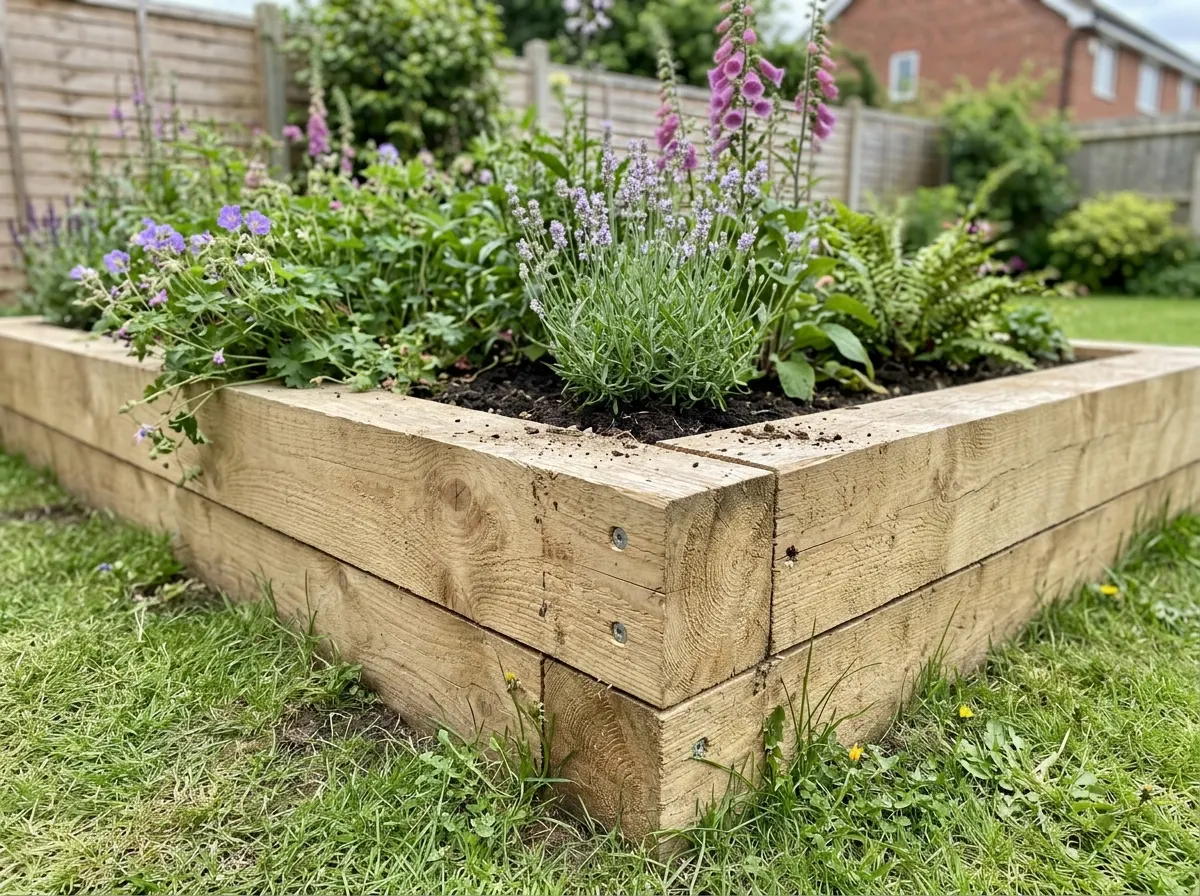
Timber Sleeper Raised Beds
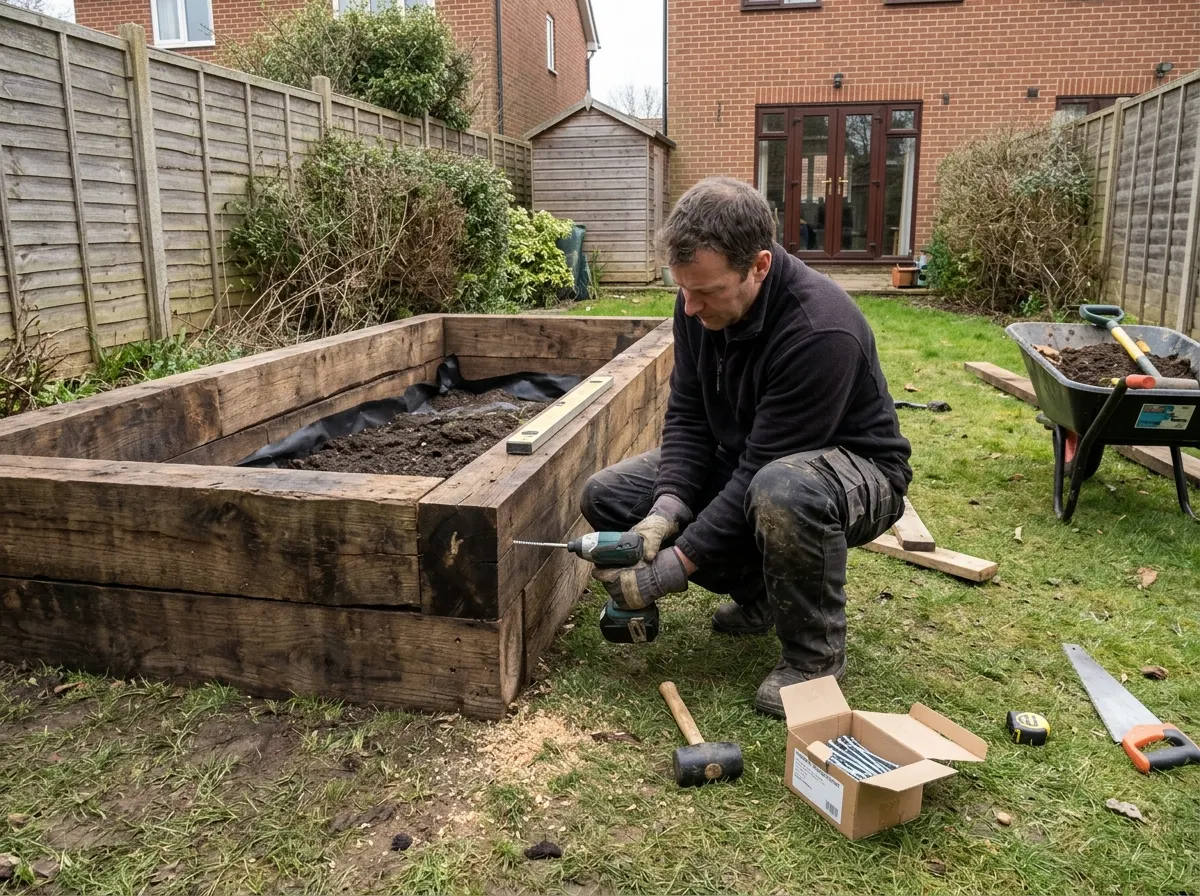
The UK's most popular choice. Sleepers are stacked, screwed together with heavy-duty timber screws, and lined with a membrane. Softwood is cheaper but will eventually rot (10-15 years). Hardwood oak is far more expensive but lasts decades.
Highly Popular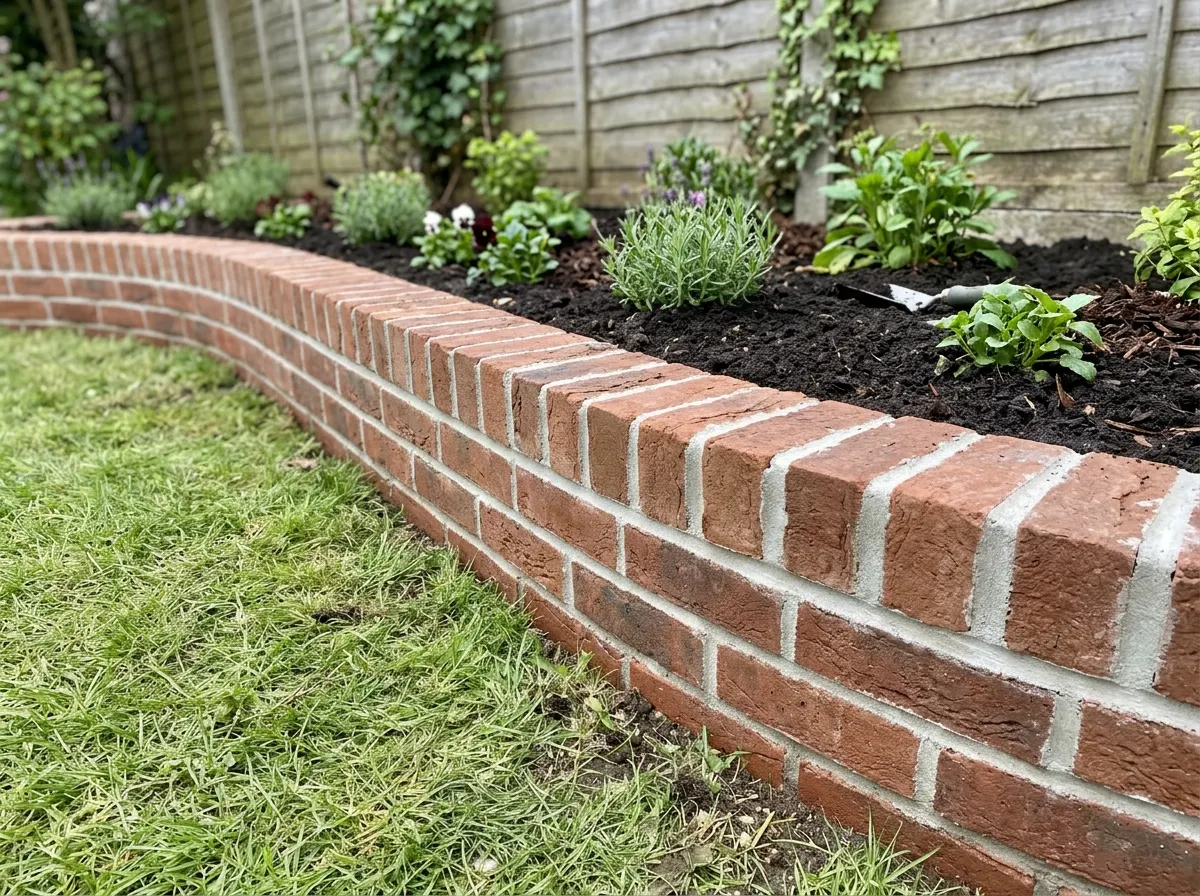
Brick & Rendered Block Planters
Ideal for permanent, architectural planting areas in modern or traditional gardens. They require digging concrete footings to stop subsidence, skilled bricklaying, and drainage weep-holes. Highly durable but the most expensive option.
Premium & Permanent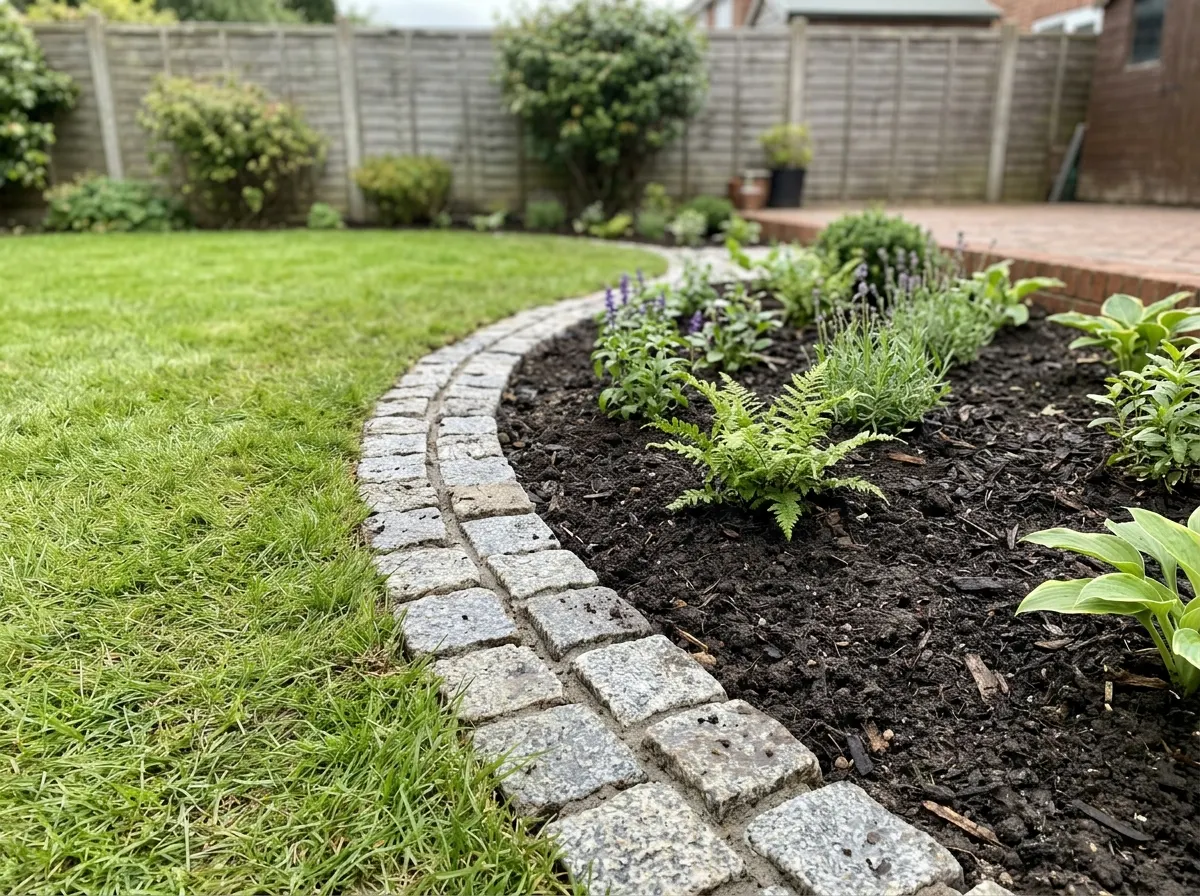
Ground Level Borders & Edging
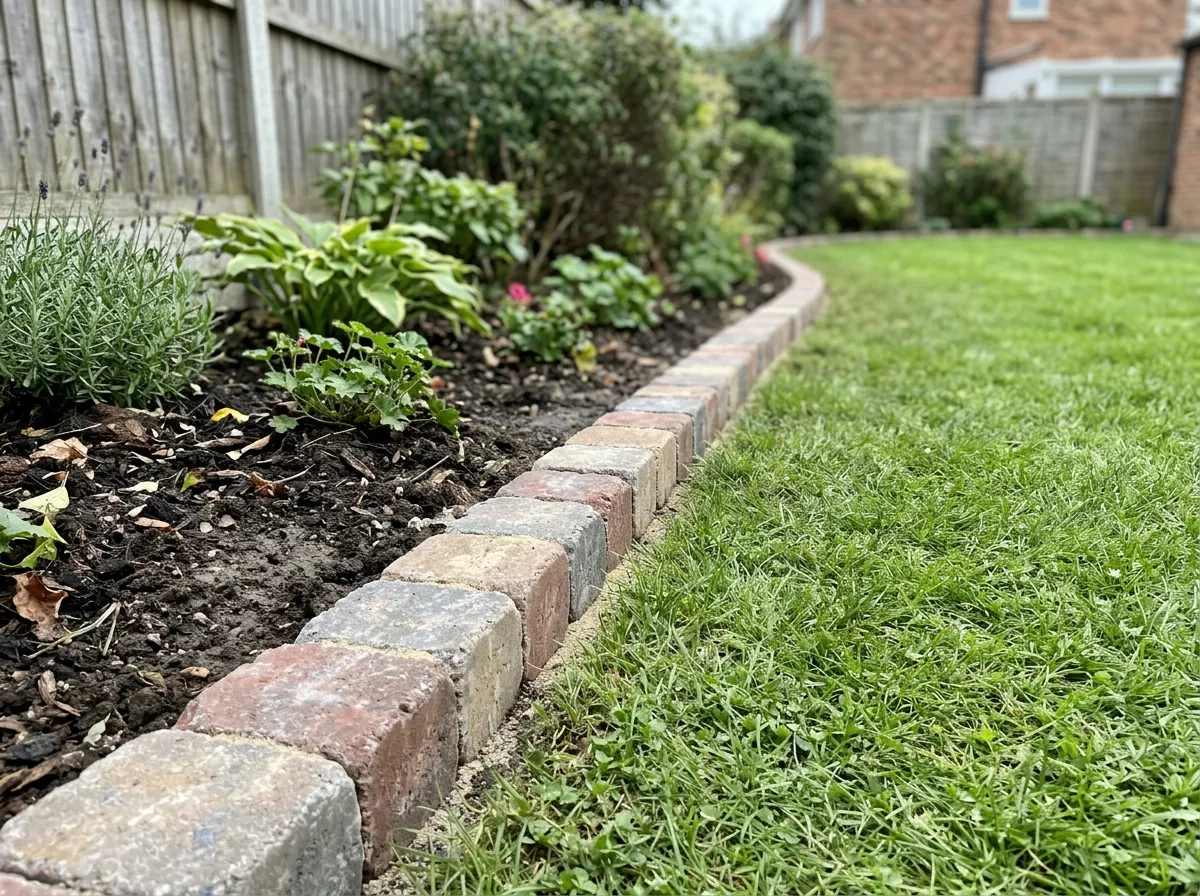
Carved directly out of the existing lawn. Labour involves cutting the turf away, digging in organic matter/compost, and installing a solid edge (stone, block paving, or metal) to stop the grass growing back into the soil.
Budget Friendly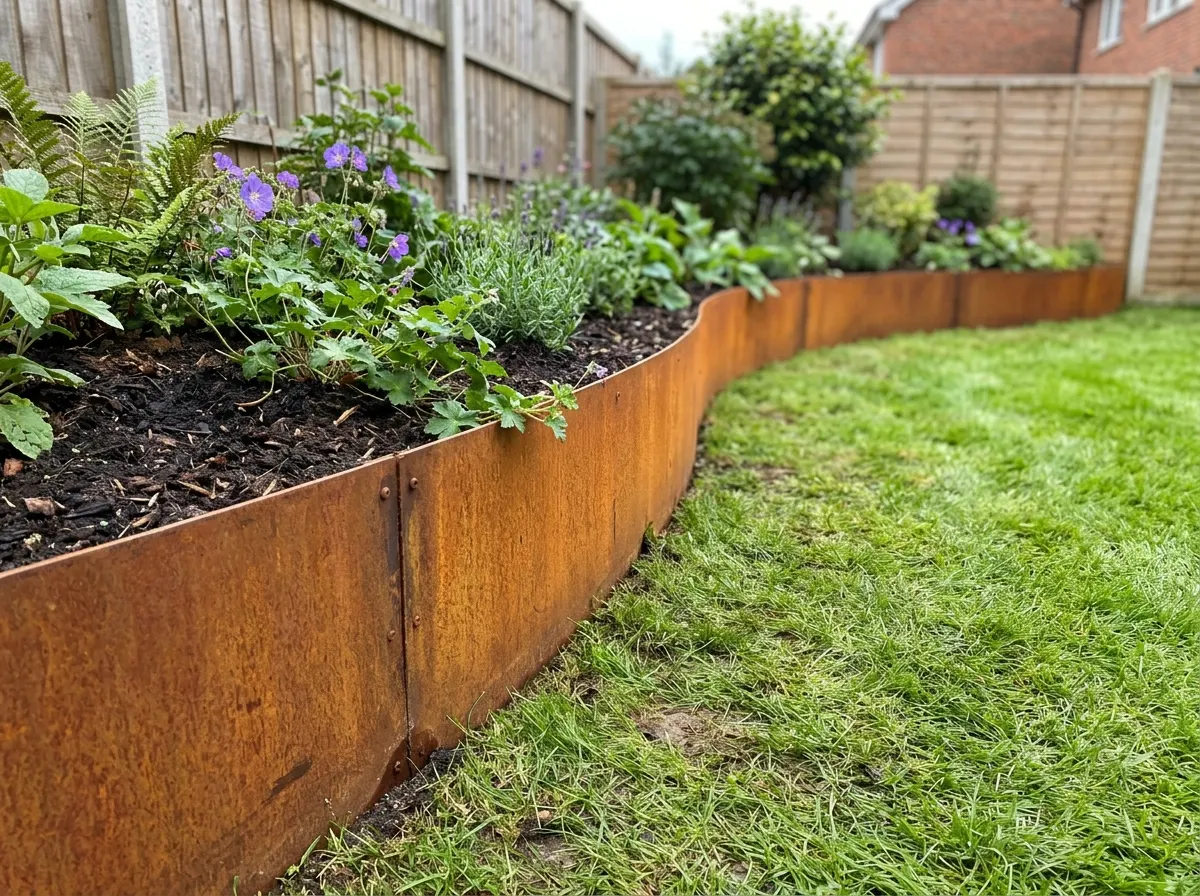
Metal / Corten Steel
Corten steel develops a beautiful rusted patina that protects the metal from further corrosion. These can be bought as pre-fabricated rings or custom-welded on site. They heat up quickly in the sun, which can dry out soil faster.
Modern StatementThe Soil Volume Trap: A major hidden cost of large raised beds is filling them. A bed measuring 2.4m x 1.2m and 60cm high requires nearly 1.7 cubic metres of soil. That is over two bulk bags of topsoil, which can cost £200+ just for the dirt.
Material & Labour Costs
We have analysed the 2026 UK landscaping market to establish benchmark averages. Costs are split into raw materials and the labour required to build them.
Raw Materials (Supply Only)
The cost of the materials you need before any physical work begins.
- Treated Softwood Sleeper (2.4m) £25 – £40 each
- Oak / Hardwood Sleeper (2.4m) £45 – £80 each
- Bulk Bag Topsoil (approx 800kg) £70 – £110
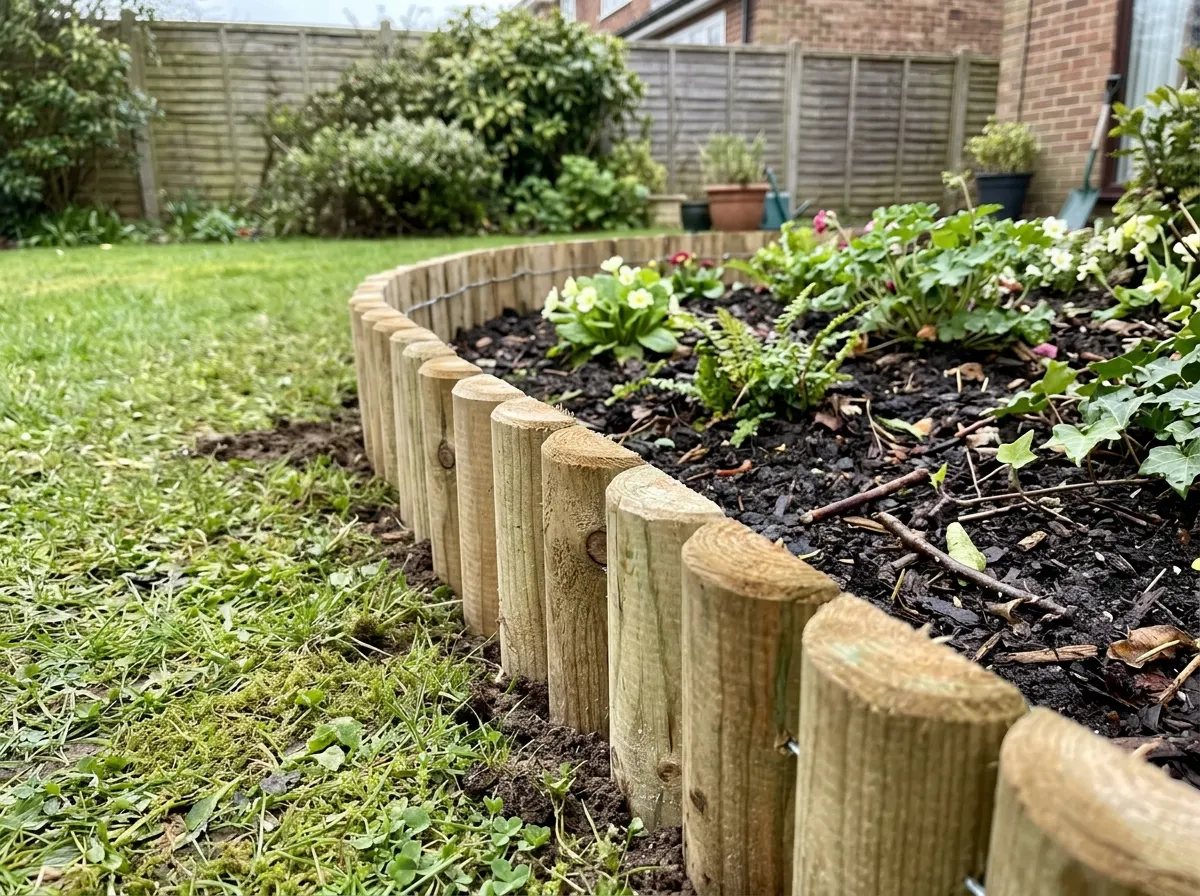
- Timber Log Roll Edging (2m length) £15 – £25
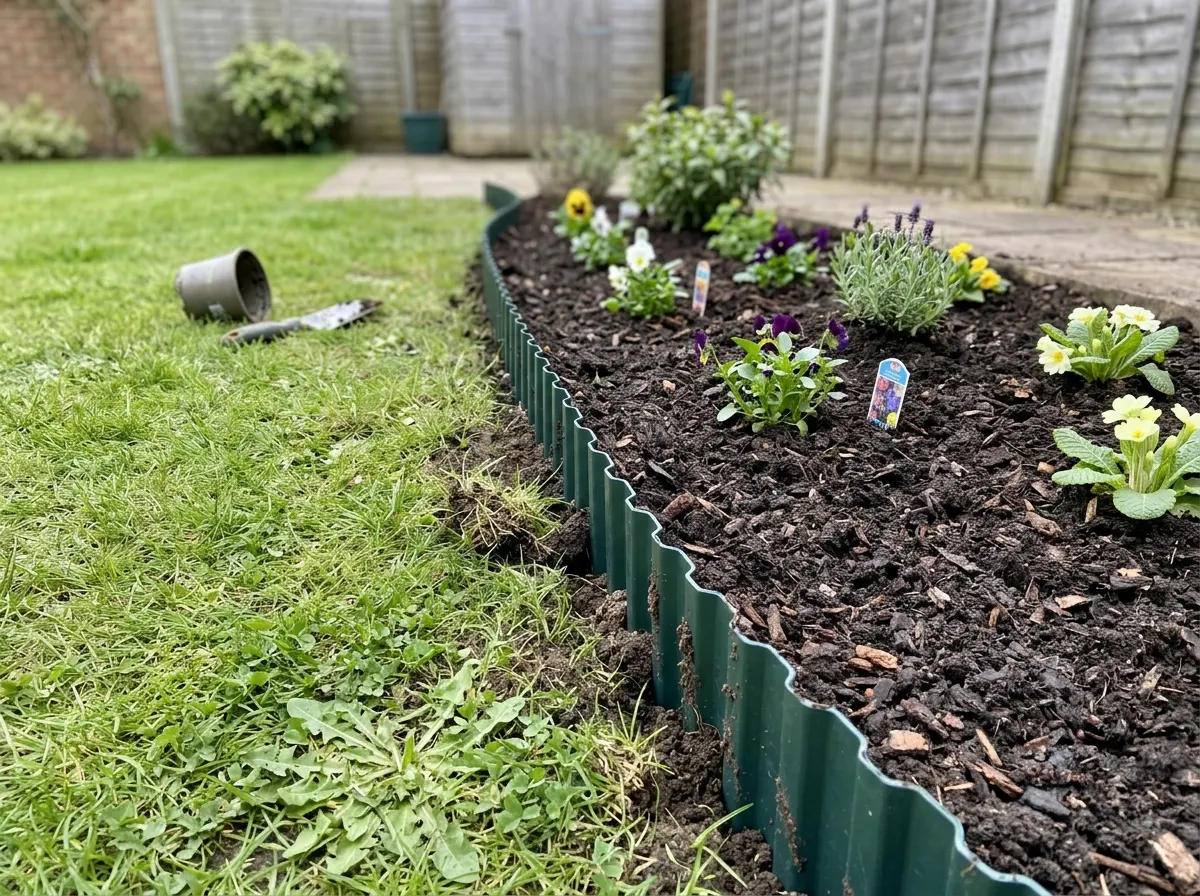
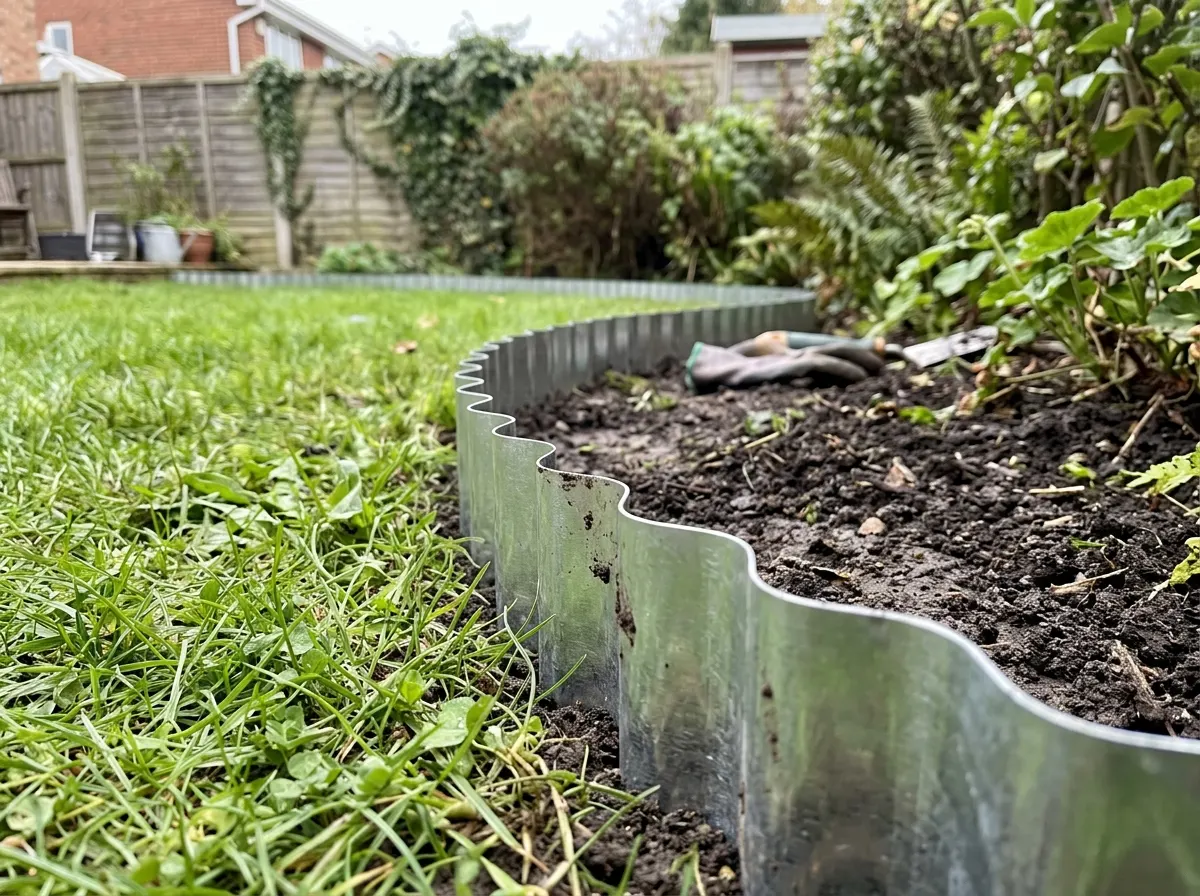
- Metal / Aluminium Edging (1m) £30 – £50
Labour & Complete Jobs
Fully supplied and fitted estimates using a professional 2-man landscaping team.
- Landscaper Day Rate £200 – £280
- Labourer Day Rate £130 – £160
- Brick Edging (Supplied & fitted per m) £40 – £80
- Brick Planter Labour (per m²) £120 – £180
- Standard Sleeper Bed (Fitted + Soil) £800 – £1,200+
A Note on Edging Materials
If you are creating ground-level borders, a solid edge prevents your lawn creeping into your flower beds and saves hours of strimming. The material drastically affects the price:
Make sure you know before you start
Poorly built raised beds can ruin your plants and even damage your home's structural integrity. Watch out for these major red flags:
Breaching the DPC
Never build a raised bed directly against the exterior brickwork of your house. Wet soil will bridge the Damp Proof Course (DPC), forcing moisture into your internal walls and causing severe rising damp. Always leave a gap.
No Drainage Weep Holes
If a brick or rendered block planter is built like a watertight swimming pool, the soil will become completely waterlogged when it rains. Plant roots will drown and rot. Ensure your builder installs drainage weep holes at the base.
Unlined Timber
Wet soil placed in direct contact with timber sleepers accelerates rot dramatically. A professional landscaper will always staple a heavy-duty plastic membrane to the inside faces of the timber to extend its lifespan by years.
Regional Labour Differences
The materials (topsoil, sleepers, bricks) cost roughly the same nationwide, but landscaping labour and waste disposal costs vary heavily depending on where you live in the UK.
Landscapers in London and the South East typically charge 20% to 30% more than the national average day rate. Additionally, skip hire for removing dug-out clay and rubble is considerably more expensive in the South East.
- London & South East + 20% to 30%
- Midlands & South West National Average
- North, Wales & Scotland - 10% to 15%
Factors Increasing Your Quote
It isn't just region that affects the price. Keep these variables in mind:
- ✓ Access: If you have no side gate, materials and heavy topsoil must be wheelbarrowed through the house. This takes hours of extra labour.
- ✓ Waste Removal: Digging ground-level borders creates tonnes of waste soil. Skip hire or grab lorries will add £250-£350+ to the quote.
- ✓ Plants: Quotes generally cover structure and topsoil. Buying mature shrubs and trees to fill the bed can double the project cost.
How Long Does It Take to Build Flower Beds?
A standard raised sleeper bed or new garden border usually takes between 1 to 2 days to construct and fill. Below is a detailed breakdown of the landscaping process, project sizes, and factors that can impact the timeframe.
Schedule of Works (Standard Raised Sleeper Beds)
Marking Out & Ground Prep
The landscaper maps out the dimensions using string lines and marking spray. Existing turf, weeds, and debris are dug out. For raised sleeper beds, shallow trenches are dug and leveled to ensure the structural base sits perfectly flat on the earth.
Structural Edging
The structural boundary is built. Heavy oak or softwood sleepers are cut to size with a chainsaw, laid into place, and secured together using heavy-duty timber screws and metal brackets. For ground-level borders, flexible metal or plastic edging is pinned into the ground.
Membrane & Soil Import
A heavy-duty weed control fabric is pinned to the base and up the inner sides of the timber to prevent rot and root invasion. Tonne bags of screened topsoil and organic compost are then manually wheelbarrowed in and leveled to fill the beds.
Planting & Mulching
Plants, shrubs, and bulbs are arranged according to the planting plan and dug into the fresh soil. A final thick layer of decorative bark chippings or compost mulch is applied over the surface to retain moisture, followed by a thorough watering and site cleanup.
Timeline by Project Size
What could cause delays?
If you live in a terraced house with no rear access, manually bagging and carrying tons of soil and heavy oak sleepers through your living room will drastically slow down the build.
Digging through heavy clay, flint, extensive tree roots, or discovering old hidden concrete bases under the lawn will severely delay the initial trenching and preparation phase.
Screwing timber sleepers together is relatively fast. Opting for curved brick retaining walls instead requires digging deeper concrete footings and allowing mortar to cure, adding days to the timeline.
DIY Raised Beds & Flower Borders
Building your own flower beds is one of the most rewarding and accessible DIY projects in the garden. Because you do not need specialist trades or heavy machinery, taking on the heavy digging and timber assembly yourself will entirely eliminate a landscaper's day rate (typically £250 to £450 per day for a two-man team).
Constructing a raised bed out of new softwood railway sleepers only requires a handsaw, a drill, and heavy-duty timber screws (TimberLok). Digging a ground-level border requires nothing more than a sharp spade, some elbow grease to turn the soil, and a half-moon edging tool to keep the grass line crisp.
| Project Type | Professional Cost | DIY Cost (Materials Only) | Potential Saving |
|---|---|---|---|
| Softwood Sleeper Bed (2.4m x 1.2m) | Professional Cost £250 – £400 | DIY Cost £80 – £140 | Potential Saving Up to £260 |
| Solid Oak Sleeper Bed (2.4m x 1.2m) | Professional Cost £450 – £700 | DIY Cost £220 – £350 | Potential Saving Up to £350 |
| Digging a 10m Ground Border | Professional Cost £200 – £350 | DIY Cost £20 – £40 (Tools/Edging) | Potential Saving Up to £310 |
Frequently Asked Questions
Common queries about garden landscaping costs.
How much does a raised sleeper bed cost to build in the UK?
For a standard 2.4m x 1.2m raised planter made from treated softwood garden sleepers, fully supplied and fitted with premium topsoil, expect to pay between £800 and £1,200. Using heavy-duty hardwood oak sleepers will increase the total landscaping cost to £1,100–£1,600+.
How much does professional garden border edging cost?
Ground-level lawn border edging ranges from £10 per metre for basic timber log rolls (supply only), up to £40–£80 per linear metre for professionally laid brick or natural stone edging, set securely in a concrete trench by a local landscaper.
What is the average daily rate for a UK landscaper in 2026?
A typical UK garden landscaper day rate in 2026 is £200 to £280. A landscaping labourer usually charges £130 to £160 per day. For heavy garden projects involving lifting oak sleepers or moving bulk soil, you will generally be paying for a two-person professional team.
How much does bulk topsoil delivery cost for garden planters?
A 1-tonne bulk bag (approximately 800-1000 litres) of standard multi-purpose topsoil costs between £70 and £110 delivered. Specialist organic blends or peat-free compost mixes explicitly designed for raised vegetable beds or flower borders will cost slightly more.
Do I need UK planning permission for garden raised beds?
Generally no, building wooden raised beds falls under UK Permitted Development rights. However, if you are building significant brick planters in a front garden, or if the landscaping structures exceed certain heights near boundary fences, it is always worth checking with your local authority.
Are softwood or hardwood oak sleepers better for landscaping?
Softwood pine sleepers are considerably cheaper and easier to cut, but even treated softwood will eventually rot after 10-15 years in damp soil. Hardwood sleepers (like European Oak) are much heavier, harder to work with, and more expensive upfront, but can easily last 30 to 40+ years without rotting.
Do I need a concrete foundation for wooden garden sleepers?
For a single-tier raised flower bed, a level trench with compacted MOT Type 1 sub-base or sharp sand is usually sufficient. However, for retaining walls or heavy planter boxes built three or more sleepers high, a concrete foundation trench is highly recommended to prevent structural movement and subsidence over time.
Should I line the inside of my wooden raised planter boxes?
Yes, it is highly recommended to line the inside walls of timber planters with a heavy-duty damp-proof membrane (DPM) or thick plastic sheeting. This creates a waterproof barrier between the wet topsoil and the timber, significantly extending the lifespan of your sleeper beds. Ensure you leave the bottom open for drainage.
Disclaimer: The figures in this guide are carefully calculated averages derived from UK landscaping industry cost data for 2026. Material prices and labour rates will fluctuate based on local availability and exact project specifications.
Related Gardening Cost Guides
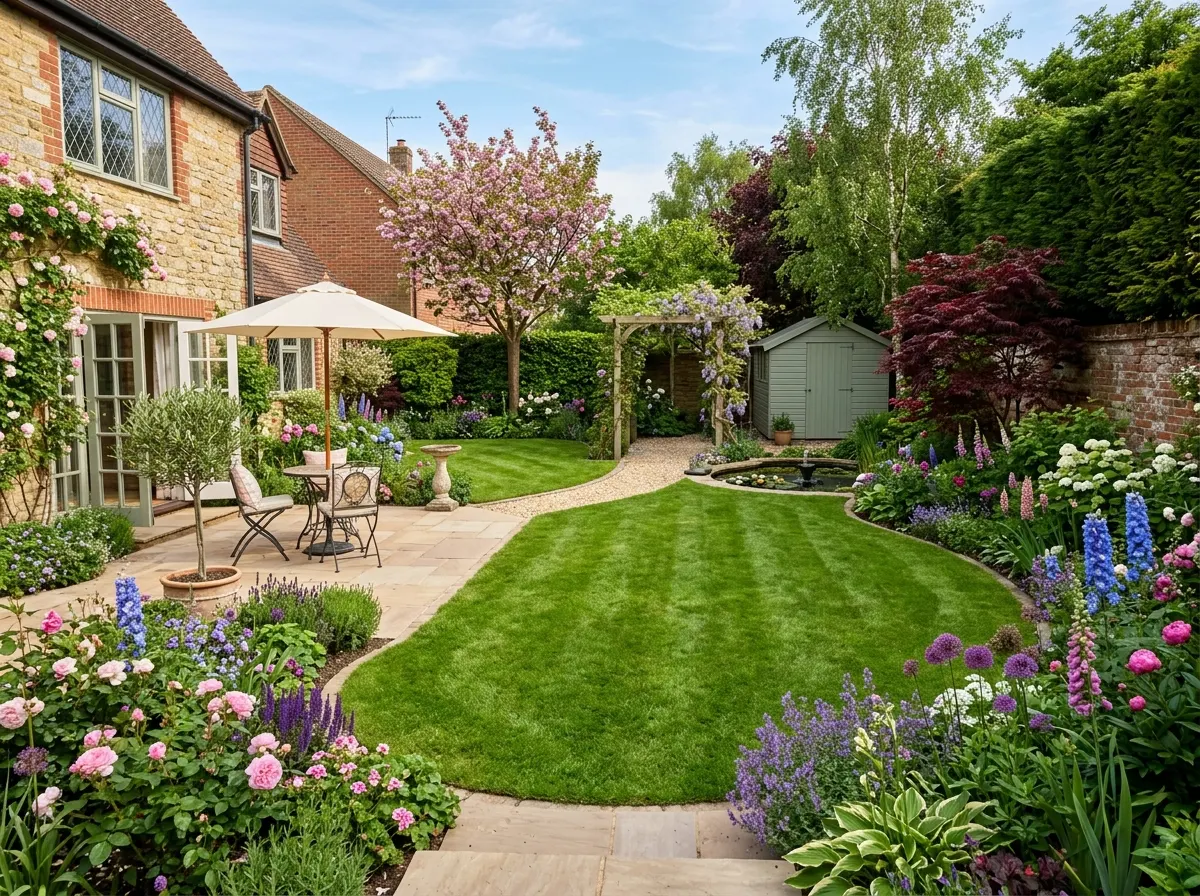
Landscaping Costs
Full garden redesigns, groundworks, and turfing costs.
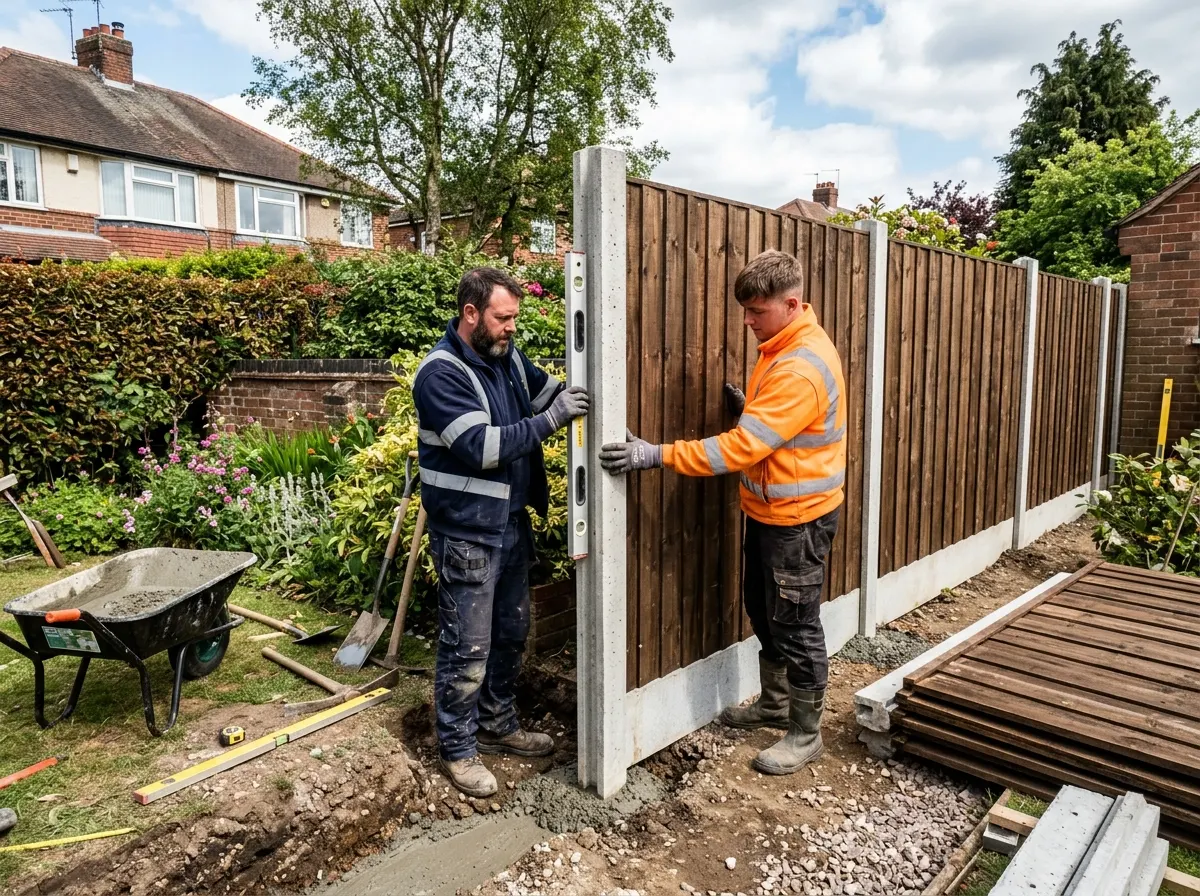
Fencing Costs
Cost per panel, post replacement, and installation labour rates.
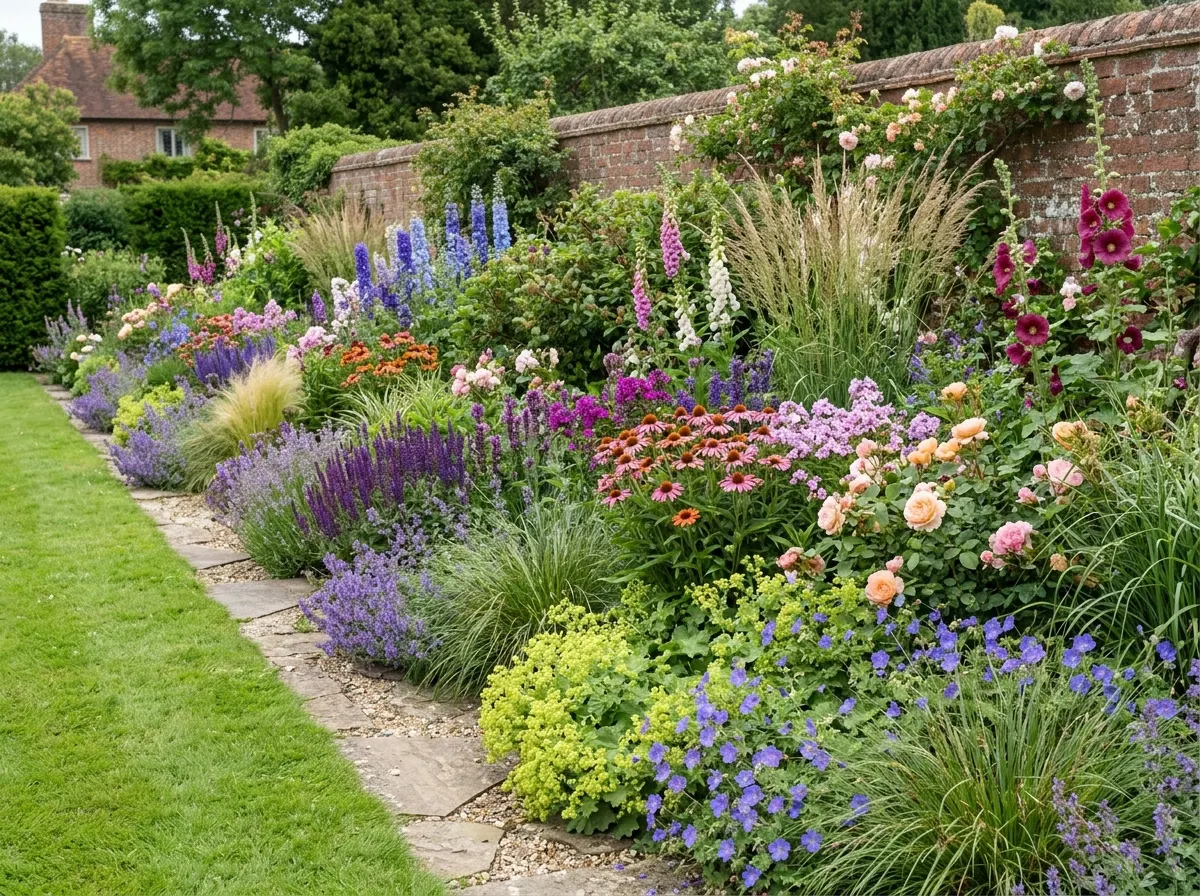
Garden Planting Costs
Costs for professional planting plans, hedging, and hourly gardener rates.
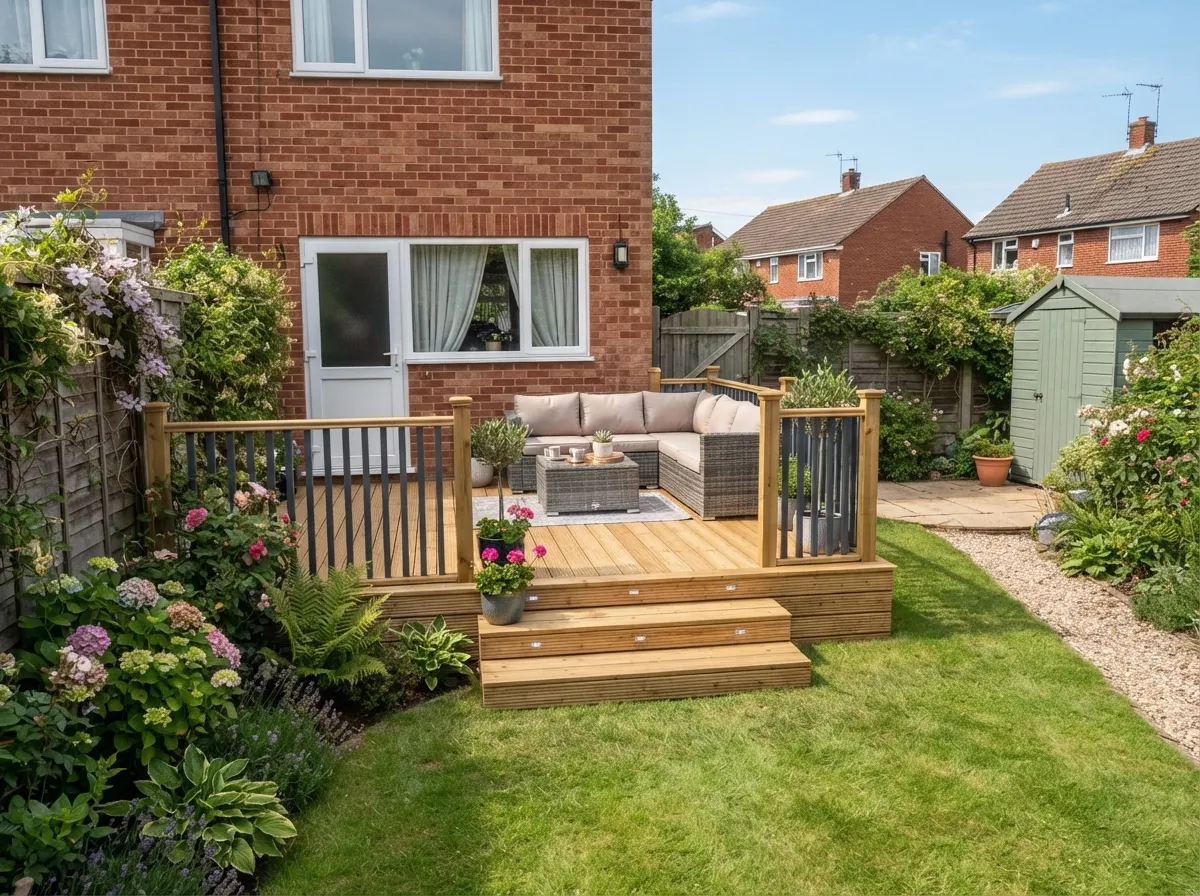
Decking Costs
Timber vs composite decking installation prices per square metre.
Ready to transform your garden?
Use our AI to get a precise estimate for your exact landscaping project, then connect with Pricing Penguin Accredited landscapers near you.
Did you find this page helpful?
Let us know if this guide helped you plan your flower bed project.