How much does patio repointing cost?
 By Tom Ellis
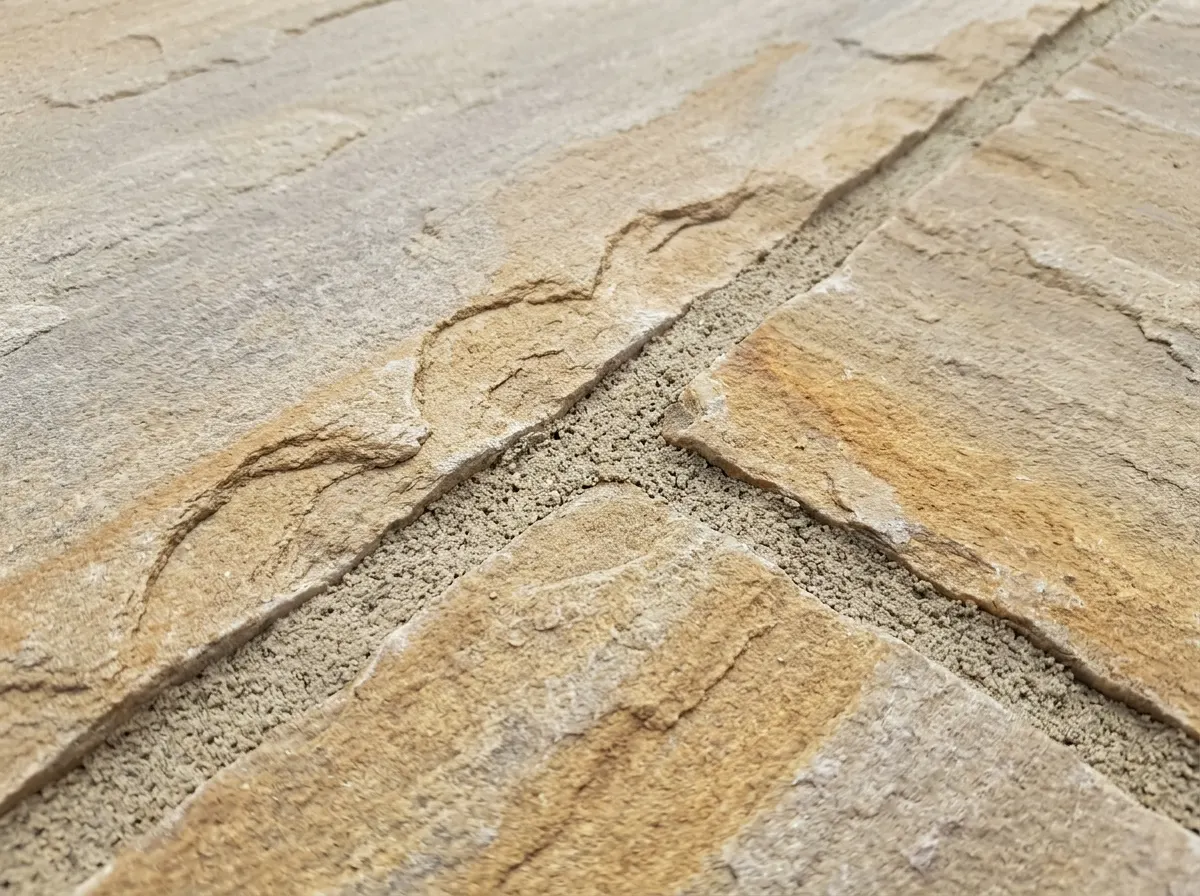
Nothing ruins the look of a beautiful garden patio quite like crumbling, weed-filled joints. Repointing your slabs not only restores their original beauty but protects the mortar bed underneath from frost and water damage.
However, the material you use to fill those gaps depends entirely on the type of paving you have. Wide sandstone joints require modern brush-in resins, while sleek porcelain demands specialist exterior tile grouts. This 2026 guide breaks down the true cost of raking out the old joints and replacing them flawlessly.
Prices move month to month. See how they are changing in the Penguin Index, or compare common jobs across the UK in our UK Home Improvement Cost Report.
£15 - £25 / m²
Supplied and fitted cost using traditional sand and cement pointing. Cheap materials, but highly labour-intensive.
£25 - £40 / m²
Average complete estimate for sweeping modern all-weather resin compound into natural stone joints.
£30 - £50 / m²
Supplied and fitted cost for applying specialist flexible exterior grout to narrow porcelain tile joints.
Jump to a Section
Get an instant estimate for your patio
Types of Patio Pointing
The width of your joints and the type of slab you have will dictate which pointing method your landscaper must use.
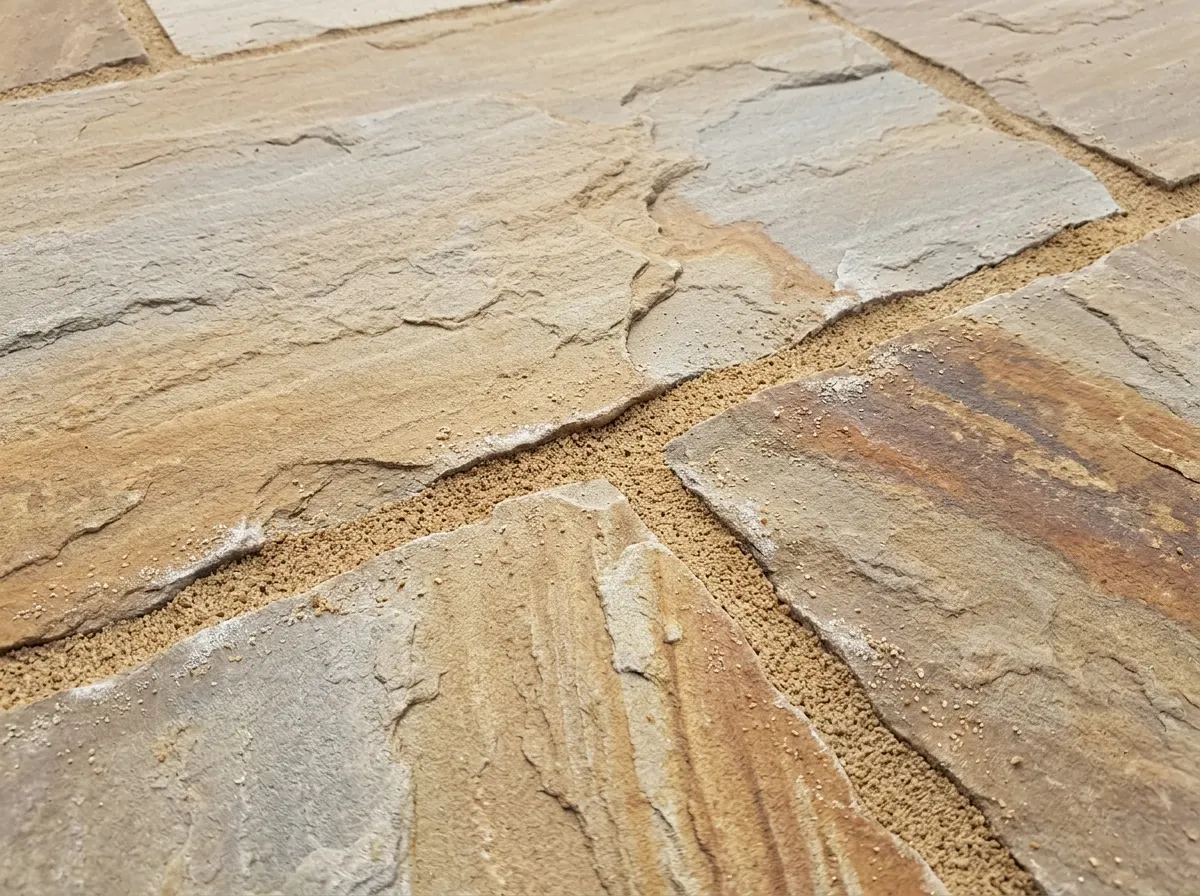
Brush-in Resin Compounds
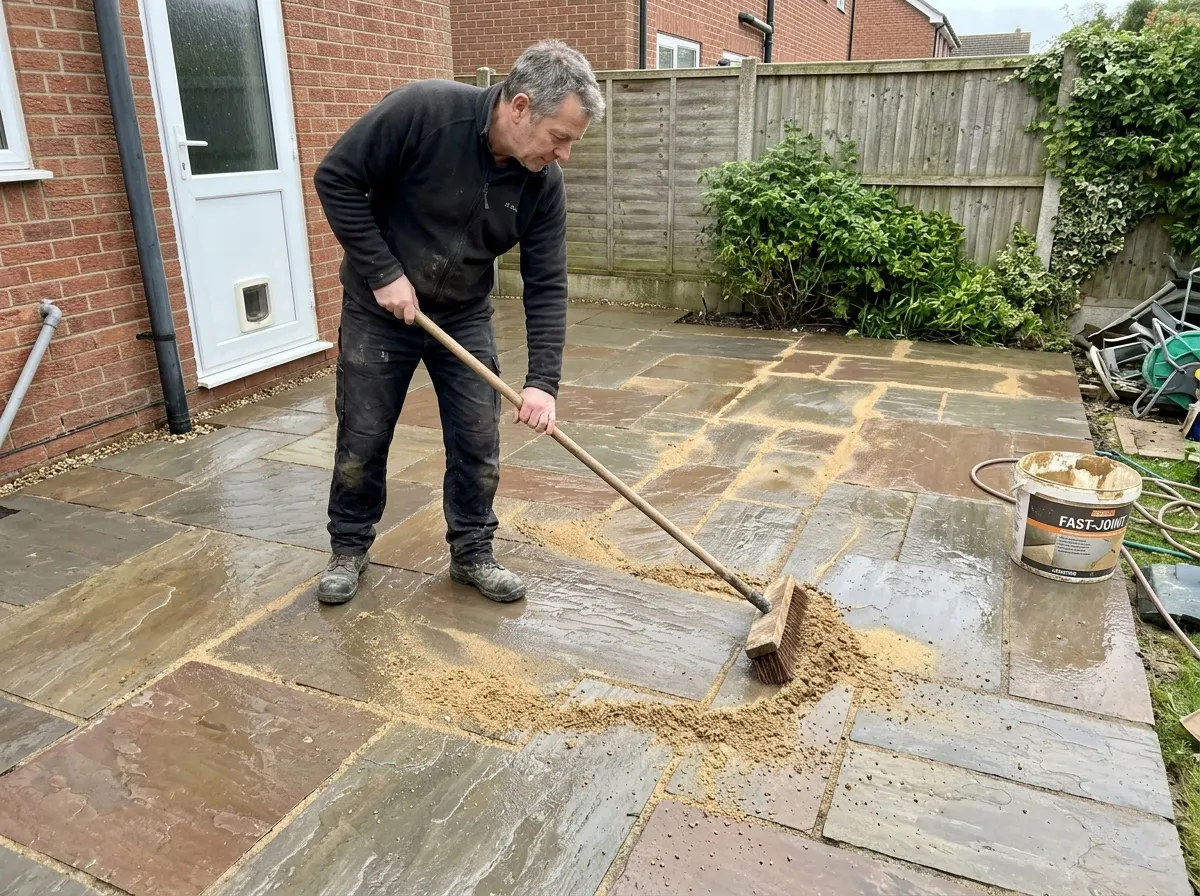
The modern standard for natural stone (Sandstone, Slate, Limestone). The patio is soaked with water, and a sand-resin mix is swept into the joints. It cures hard on contact with air. Fast to apply, frost-resistant, and actively stops weed growth.
Best for Natural Stone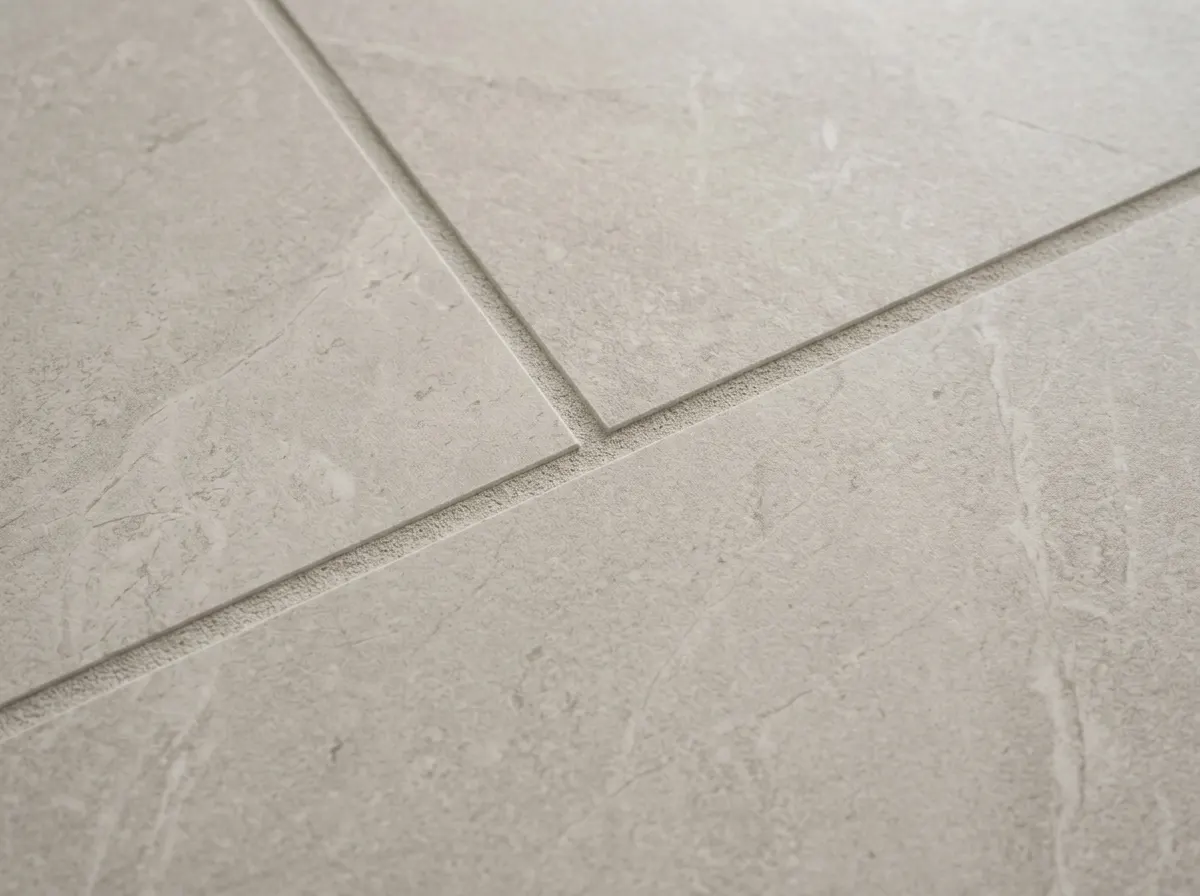
Exterior Porcelain Grout
Porcelain slabs have narrow, precision joints (typically 3mm-5mm) that thick resin cannot fit into. Plumbers use a specialised, highly flexible exterior tile grout applied with a rubber float and sponged clean. It prevents water ingress and cracking.
Essential for Porcelain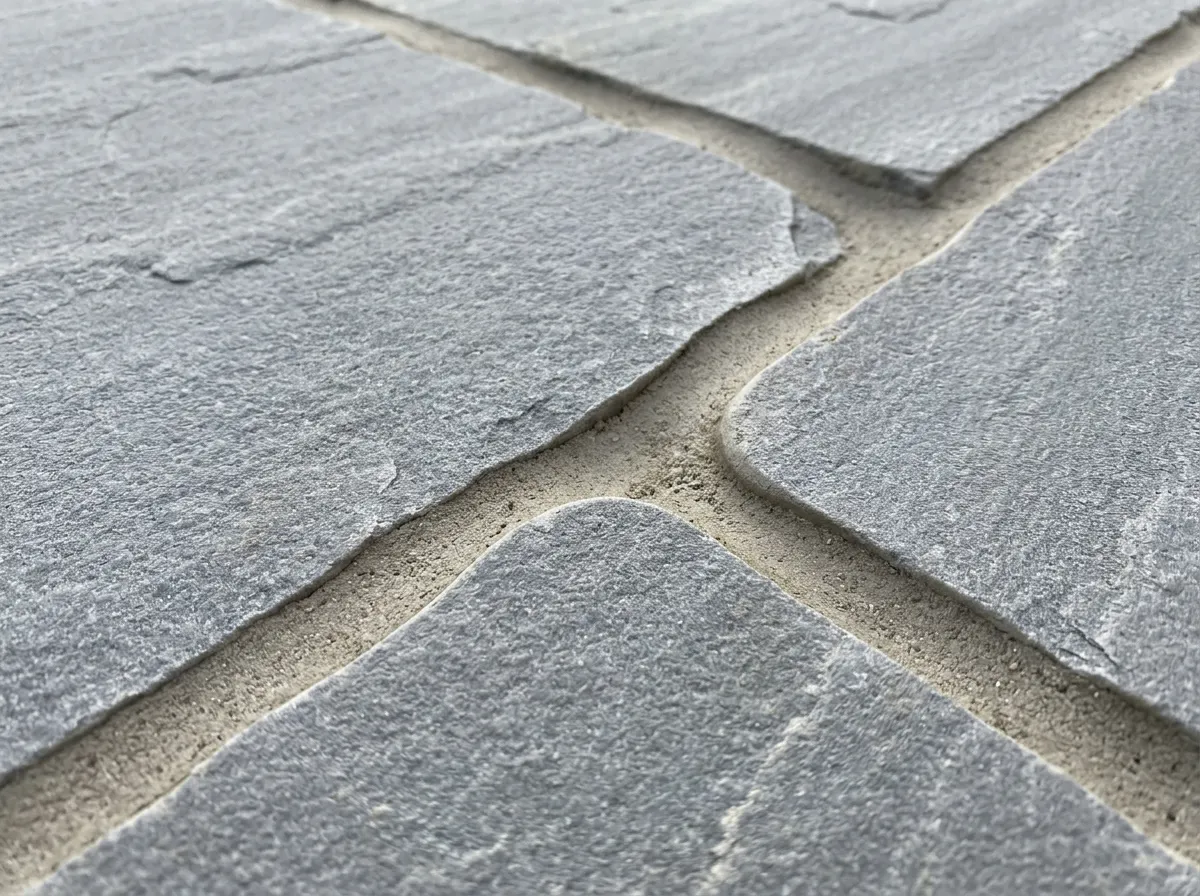
Traditional Sand & Cement
A mix of building sand, cement, and water is carefully pushed into the joints using a pointing trowel. While the raw materials cost pennies, doing this by hand on a 40m² patio takes days. It is also prone to cracking during heavy winter frosts.
Budget Materials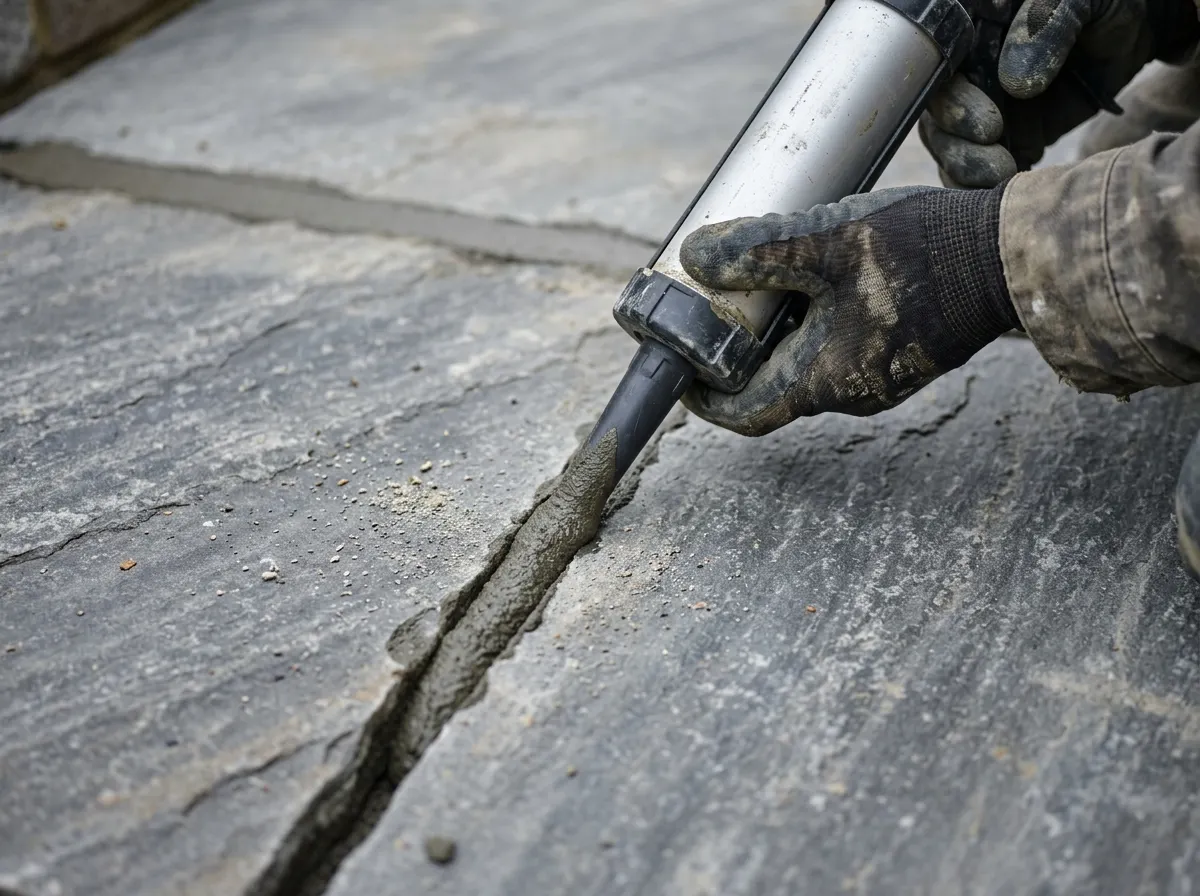
Gun Injected Mortar
A modern twist on traditional mortar. A pre-mixed, high-strength slurry is injected deep into the joints using a heavy-duty applicator gun, then 'struck' (smoothed) with a pointing iron. Excellent for deep, wide joints on rustic cobbles or flagstones.
Deep Joint StrengthPointing Colours & Styles
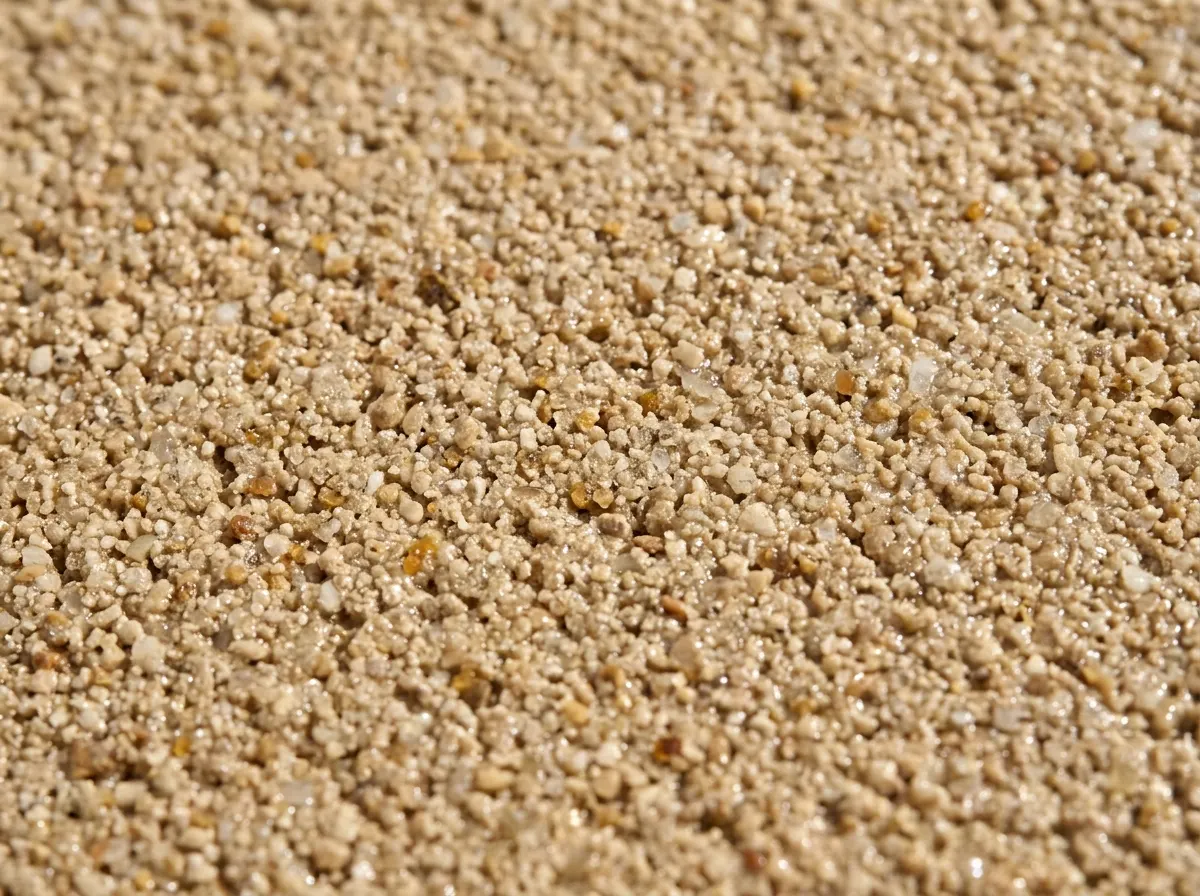
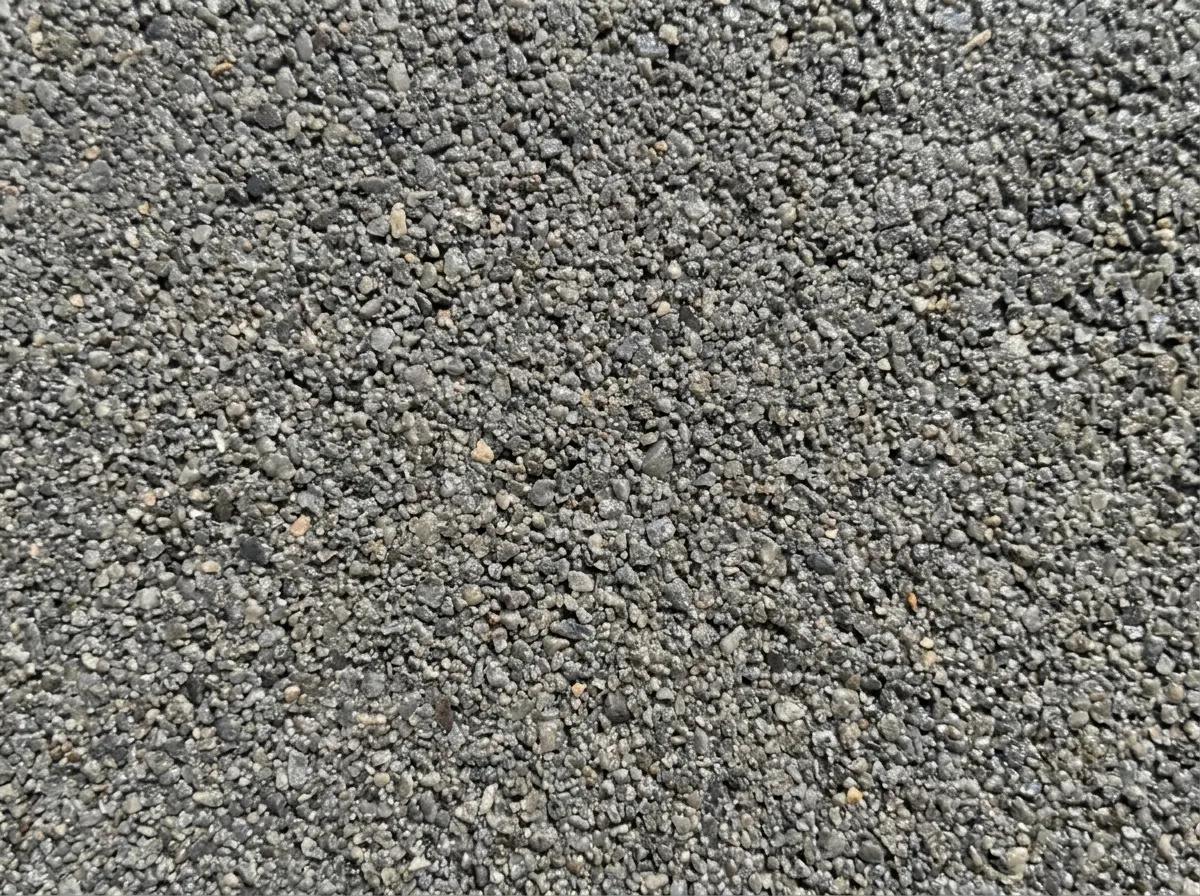
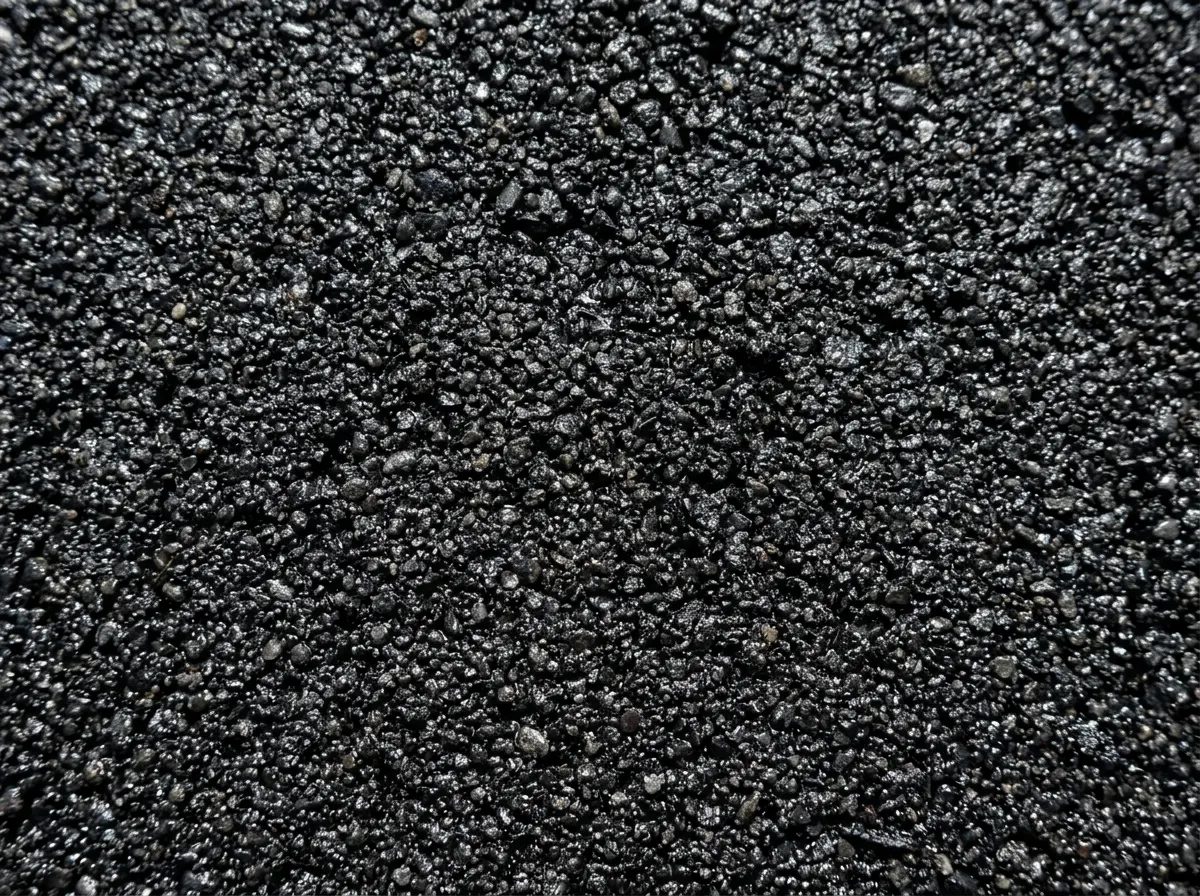
Gone are the days of standard grey cement. Modern resins and grouts come in distinct colours designed to either blend seamlessly with your paving or provide a sharp, modern contrast.
Material & Labour Costs
The true cost of repointing isn't the resin—it's the grueling labour required to grind the old cement out first. Here is the 2026 breakdown.
Raw Materials (Supply Only)
What you can expect to pay for the pointing compounds off the shelf at a builders' merchant:
- Brush-in Resin Compound (15kg tub) £35 – £50
- Exterior Porcelain Grout (10kg bag) £25 – £45
- Traditional Sand & Cement (per mix) £10 – £20
- Gun Injection Mortar (25kg bag) £25 – £40
Coverage varies wildly based on slab size and joint width. A 15kg tub of resin might cover 15m² of large slabs, but only 5m² of small cobbles.
Labour & Complete Jobs
Rates for a professional landscaping team to prepare the site and apply the new joints.
- Landscaper Day Rate £200 – £280
- Labourer Day Rate £130 – £160
- Raking Out Old Joints (Labour per m²) £15 – £25 / m²
- Total: Rake Out + Resin Point (20m²) £400 – £800 total
The Hidden Cost: Raking Out
You cannot simply brush new resin over old, crumbling cement. It will flake off within weeks. A landscaper must use an angle grinder or mechanical joint raker to carve out the old mortar to a depth of at least 20mm. This dusty, back-breaking labour accounts for over 60% of your quotation.
Protecting your investment
A freshly pointed patio looks incredible, but it can be ruined instantly if you or your tradesperson make these common mistakes:
Aggressive Jet Washing
The number one killer of patio joints. Firing a high-pressure jet wash lance directly into the joints will blow the resin out. You must use a wide fan nozzle, keep the lance at least 30cm away, and never aim directly down into the gaps.
Rocking Slabs (Spot Bedding)
If your patio slabs are loose or rocking when you step on them, repointing is a waste of money. The movement will crack the new joints immediately. The loose slabs must be lifted, re-bedded on a full bed of mortar, and left to dry before pointing.
The Weather Window
While many modern resins are 'all-weather' and can be applied in the rain, they absolutely cannot be subjected to freezing temperatures while curing. Applying resin or grout during a winter frost will cause the compound to fail and crumble.
Regional Labour Differences
The tubs of resin and bags of grout cost the same nationwide, but landscaping labour day rates vary heavily depending on where you live.
Landscapers in London and the South East typically charge 15% to 25% more than the national average. A 20m² patio that costs £500 to rake out and repoint in Wales might cost closer to £650 in the capital due to increased labour and travel costs.
- London & South East + 15% to 25%
- Midlands & South West National Average
- North, Wales & Scotland - 10% to 15%
Can I do it myself?
Repointing a patio is a popular DIY project, but it requires patience. Here is how to decide:
- ✓ The Application is easy: Brushing in modern resin requires a hosepipe, a stiff broom, and a pointing iron to strike the joints smooth. It is highly DIY-friendly.
- ✗ The Raking out is hard: Operating an angle grinder with a diamond blade to cut out old cement is dusty, loud, and physically exhausting. If you slip, you will permanently scar the paving slab. Many homeowners happily pay a pro just for this phase.
How Long Does Patio Repointing Take?
A standard garden patio (approx 20-30m²) typically takes between 1 to 2 days to fully rake out, clean, and repoint. Below is a detailed breakdown of the restoration process, patio sizes, and factors that can impact the timeline.
Schedule of Works (Standard 30m² Patio)
Raking Out the Old Joints
The most labour-intensive part of the job. The landscaper uses a specialised mortar-raking blade on an angle grinder, along with a hammer and bolster, to grind and chip away the old, failing mortar to a depth of at least 15-20mm to ensure the new pointing holds.
Pressure Washing & Prep
Once the joints are cleared, the entire patio is thoroughly pressure washed to remove dust, debris, algae, and loose grit. If traditional sand and cement is being used, the patio must now be left to dry completely. If a modern brush-in resin is used, it can be applied while wet.
Applying the New Pointing
The new jointing material is applied. For resin compounds, it is swept into the wet joints with a stiff brush. For traditional mortar, it is carefully trowelled in by hand. The material is then "struck" (pressed down with a pointing tool) to create a smooth, waterproof seal.
Curing & Final Sweep
Any excess residue is gently swept off the faces of the slabs before it sets. The patio is then cordoned off. The joints will typically need 24 to 48 hours to fully cure and harden before they can safely handle heavy foot traffic or garden furniture.
Timeline by Patio Size
What could cause delays?
Traditional sand and cement mortar cannot be applied in the rain, as it will wash out and stain the slabs. Conversely, extreme summer heat can cause mortar to dry too fast and crack.
If the old pointing was mixed with too much cement, it becomes rock hard. Grinding this out without chipping the edges of the paving slabs requires extreme care and doubles the raking time.
Crazy paving or patios with very narrow, irregular joints are much harder to rake out cleanly with a power tool and often require tedious hand-chiseling.
DIY Patio Repointing
When the mortar between your patio slabs cracks, crumbles, and fills with weeds, the entire garden looks neglected. Hiring a landscaper to rake out the old joints and repoint the patio is extremely labour-intensive, often costing £250 to £400 a day in pure labour.
However, modern landscaping technology has made this an incredibly easy DIY task. Instead of mixing traditional sand and cement (which stains slabs and cracks during winter frosts), you can now use brush-in resin jointing compound. After scraping out the old loose mortar, you simply soak the patio with a hose and literally brush the new compound into the gaps with a stiff broom. It hardens upon contact with the air.
| Task (Average 25m² Patio) | Professional Cost | DIY Cost (Materials Only) | Potential Saving |
|---|---|---|---|
| Raking out old mortar & cleaning | Professional Cost £200 – £350 (Labour) | DIY Cost £10 (Patio jointing tool) | Potential Saving Up to £340 |
| Standard Cement Pointing | Professional Cost £150 – £250 | DIY Cost £20 – £40 (Sand/Cement) | Potential Saving Up to £210 |
| Premium Brush-in Resin Compound | Professional Cost £400 – £600 | DIY Cost £80 – £120 (2-3 Tubs) | Potential Saving Up to £480 |
Frequently Asked Questions
The most important things you need to know before booking a patio repointing specialist.
How much does it cost to repoint a garden patio in the UK?
The complete cost to rake out old joints and repoint a standard 20m² patio using modern brush-in resin typically ranges from £400 to £800. The vast majority of this quote covers the intense labour required for a professional to safely grind out the old hardened mortar without chipping your paving slabs.
Is brush-in resin patio pointing better than traditional cement mortar?
For natural Indian sandstone and concrete paving, yes. Modern brush-in resin compounds are flexible, frost-resistant, weed-resistant, and won't wash out. Traditional sand and cement mortar is cheaper to buy but takes significantly longer to point by hand and is highly prone to cracking during UK winter freeze-thaw cycles.
How much does specialist porcelain patio grouting cost?
Porcelain paving requires specialist exterior slurry grout rather than standard patio resin, as it needs to adhere to non-porous edges. The grout material costs around £25 to £45 per bag. Applying it to a 20m² porcelain patio usually costs £250 to £450 in labour and materials, assuming the joints are already clean.
How long does resin patio pointing last before it needs replacing?
A high-quality resin pointing compound installed on a stable, solid patio sub-base should easily last 10 to 15 years before requiring significant maintenance. However, its lifespan drops drastically if your patio slabs are loose or rocking, as the constant movement will eventually shatter the jointing compound.
Can I safely jet wash a newly repointed natural stone patio?
You must wait at least 28 days for new pointing to fully cure. Even then, you should use a wide fan nozzle and keep the pressure lance at least 30cm away from the joints. Aggressive, close-range pressure washing is the absolute leading cause of premature patio pointing failure.
How do I stop weeds growing through my patio paving joints?
Traditional sand and cement joints are naturally porous, allowing dirt to settle and weed seeds to take root deep in the joint. Modern epoxy resins or polymeric sands dry rock hard and create an impermeable barrier, making it incredibly difficult for deep-rooted weeds to penetrate from above or below.
Do I have to remove all the old mortar before repointing a patio?
Yes. You must rake out or mechanically grind the old jointing to a minimum depth of 20mm to 25mm. If you simply spread a thin layer of new resin or mortar over the top of old, crumbling cement, it will not bond correctly and will inevitably flake off during the first winter frost.
Can a landscaper repoint my patio in the rain?
It depends on the material being used. Traditional sand and cement mortar requires strictly dry conditions to cure correctly. However, modern all-weather brush-in resin compounds (like EasyJoint) actually require the paving slabs to be soaking wet during application, making them ideal for the unpredictable UK climate.
Disclaimer: The figures in this guide are carefully calculated averages derived from UK landscaping industry cost data for 2026. Material prices and labour rates will fluctuate based on local availability, paving condition, and exact project specifications.
Related Landscaping Cost Guides
Patio Installation Costs
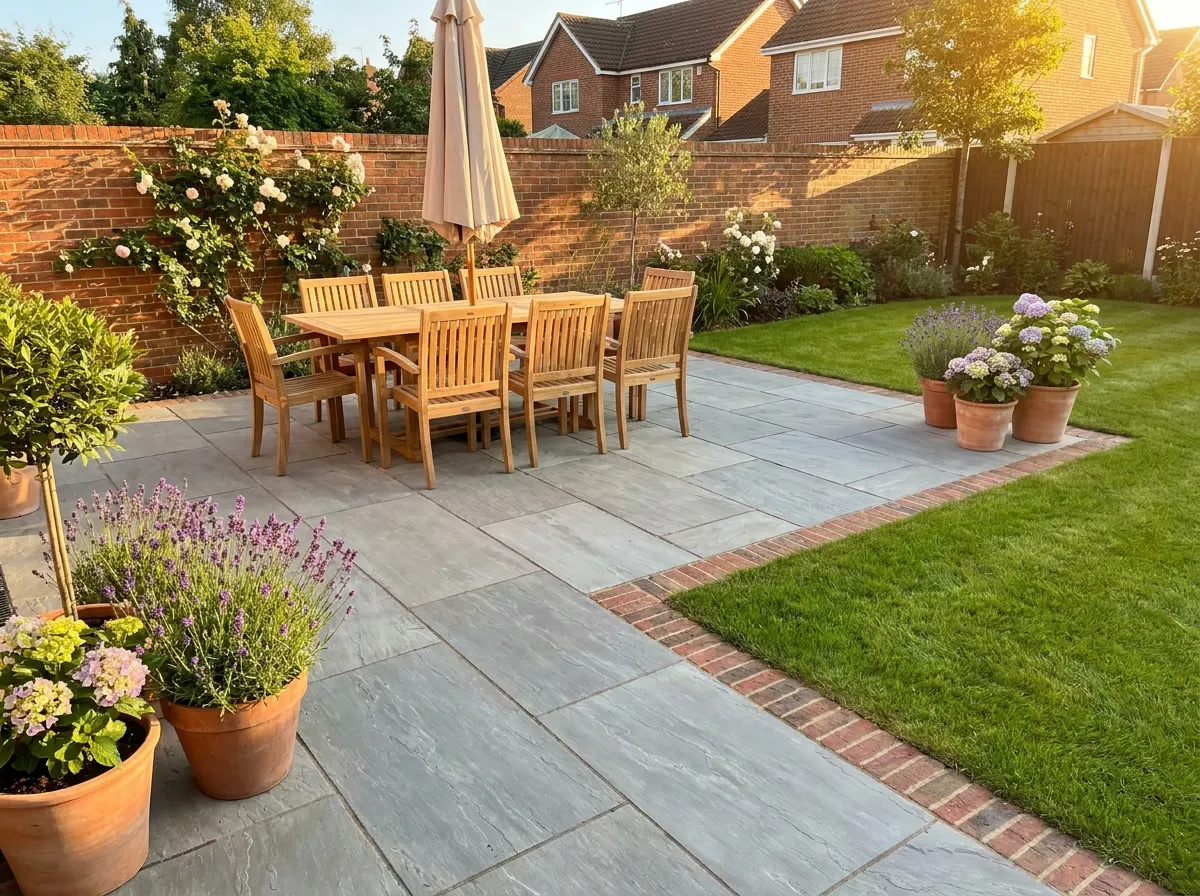
Sandstone, porcelain, and concrete paving prices per m².
Garden Landscaping
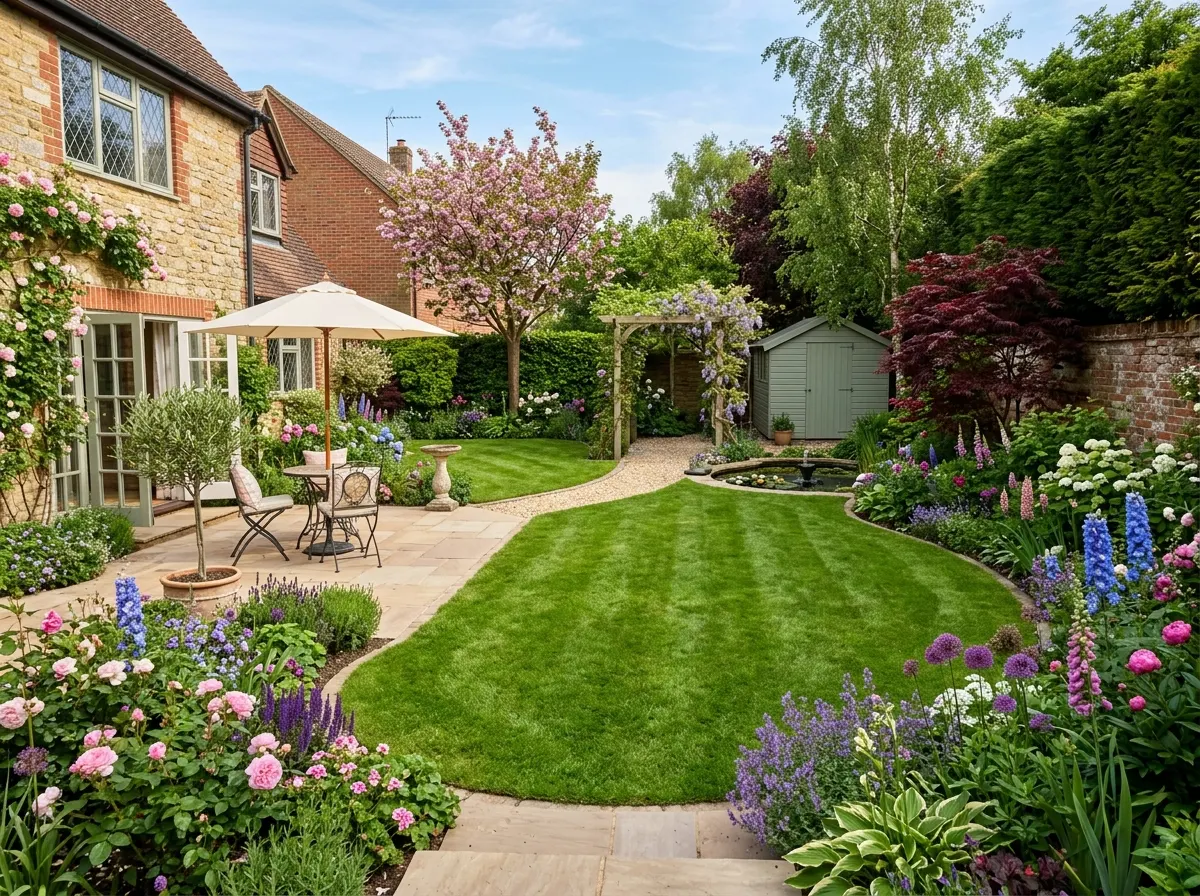
Full garden redesigns, borders, and turfing costs.
Garden Path Costs
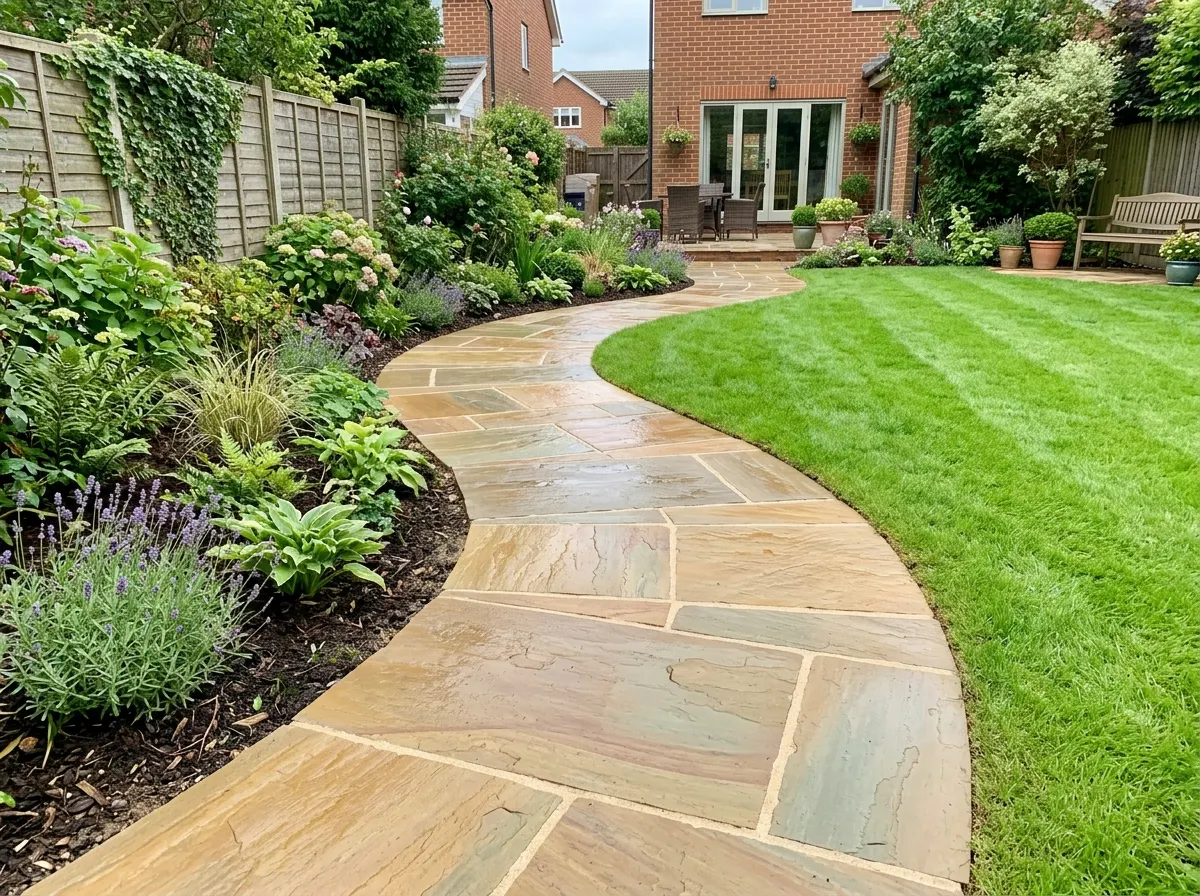
Prices for slabs, shingle, block paving, and resin paths.
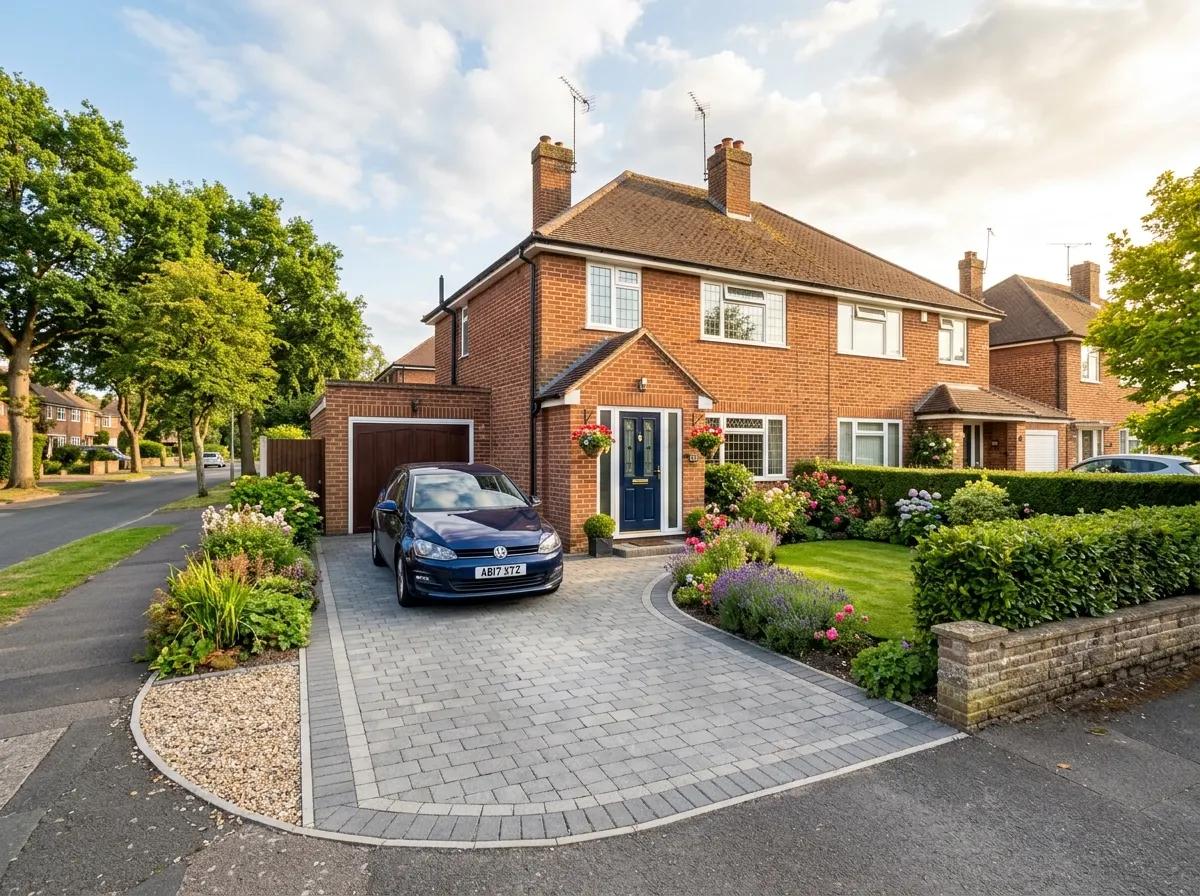
New Driveway Cost
Block paving, resin, and tarmac prices per square metre.
Ready to restore your patio?
Use our AI to get a precise estimate for your exact patio size, then connect with Pricing Penguin Accredited landscapers near you.
Did you find this page helpful?
Let us know if this guide helped you plan your patio repointing project.