How much does a garden path cost?
 By Tom Ellis
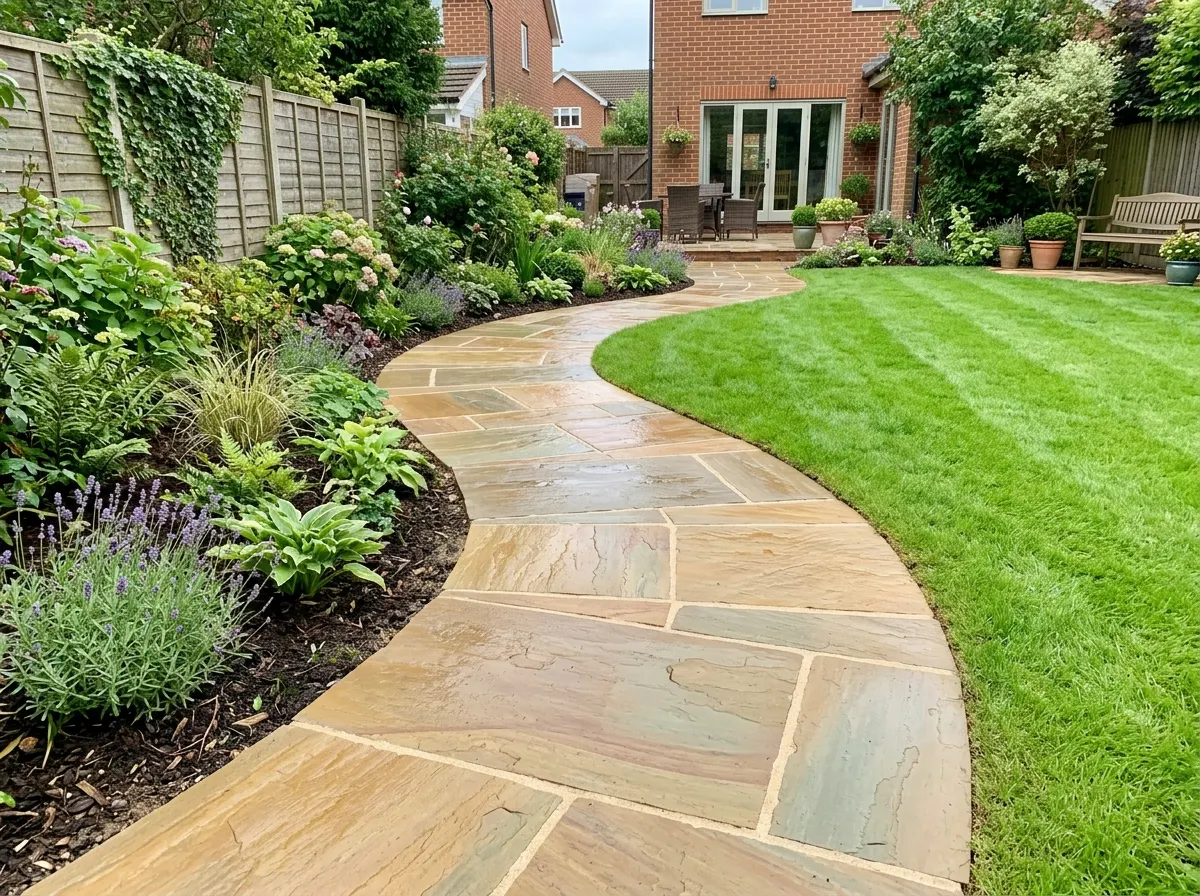
A well-laid path is the backbone of any garden design. It guides the eye, protects your lawn from heavy foot traffic in the muddy winter months, and connects the different zones of your outdoor space.
But with options ranging from basic pea shingle to premium vitrified porcelain and seamless resin, pricing a path can be highly confusing. This guide breaks down the true 2026 costs per square metre for every major material, including the essential groundwork required to stop them sinking.
Prices move month to month. See how they are changing in the Penguin Index, or compare common jobs across the UK in our UK Home Improvement Cost Report.
£40 - £70 / m²
Supplied and fitted cost for a standard gravel or shingle path, including membrane and basic edging.
£100 - £160 / m²
Average complete estimate for Indian sandstone slabs laid on a full mortar bed with MOT sub-base.
£150 - £220+ / m²
Supplied and fitted cost for ultra-modern porcelain tiles or premium resin bound gravel surfaces.
Jump to a Section
Get an instant estimate for your garden path
Major Path Categories
The structural foundation of your path dictates its lifespan and price. Here are the four main ways to build a garden walkway.
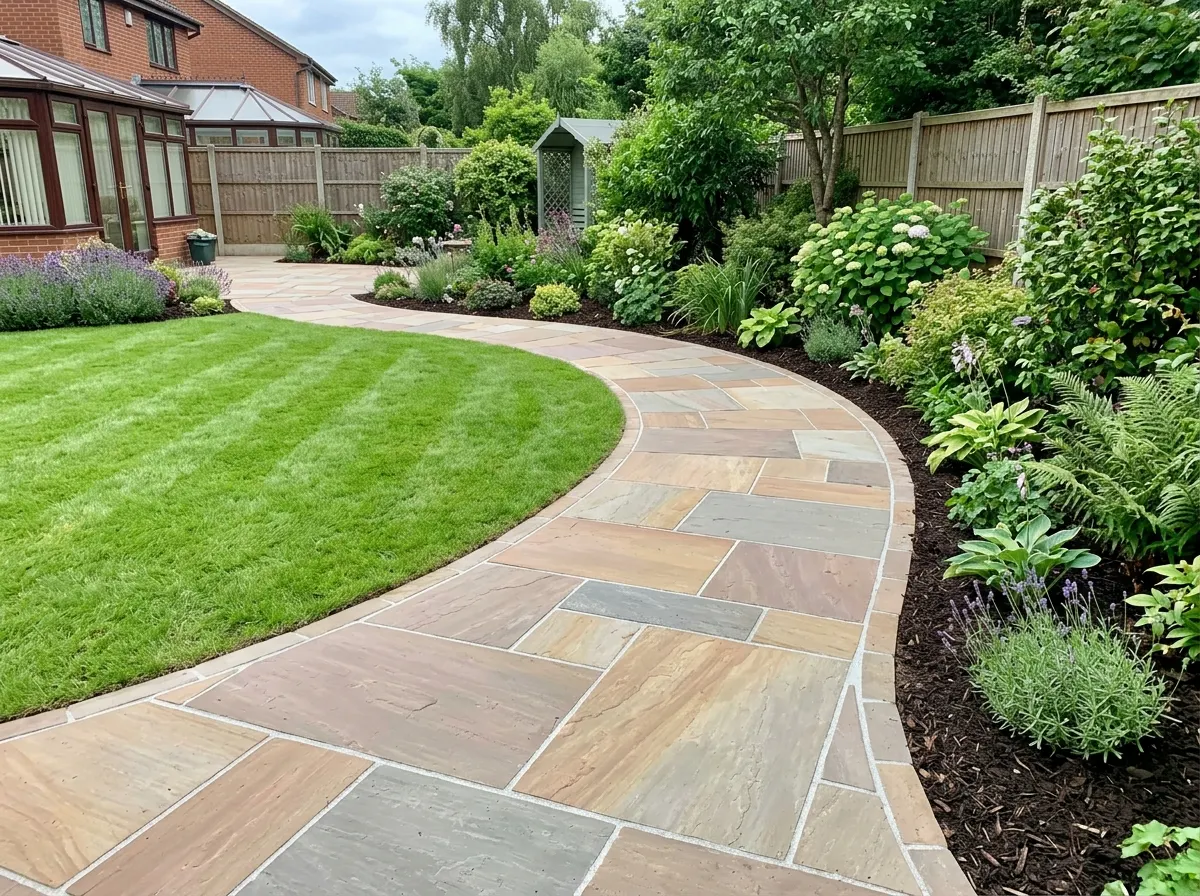
Paved Slabs & Flagstones
The traditional, solid, and reliable option. Stones are laid individually on a full, wet mortar bed over a compacted aggregate base. Highly durable and easy to keep clean, offering endless material choices from rustic stone to modern porcelain.
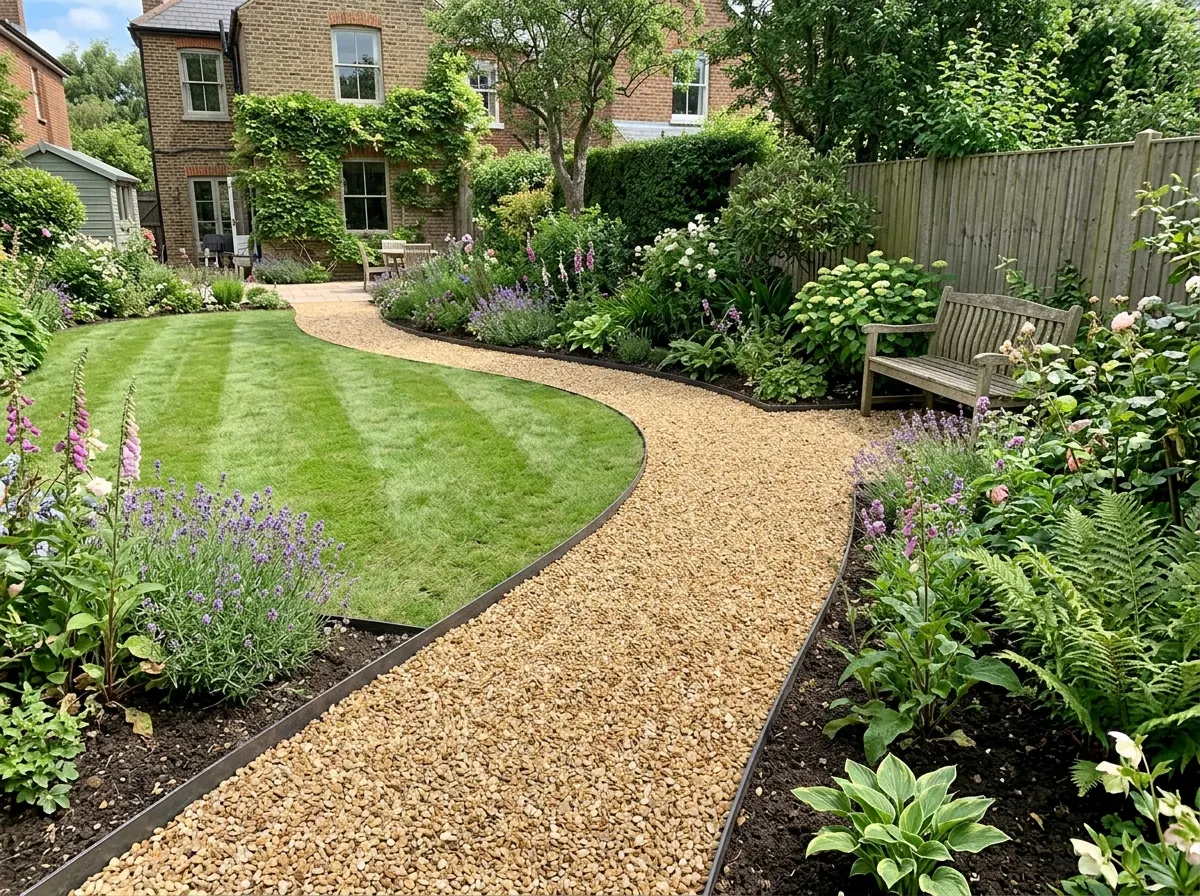
Loose Gravel & Shingle
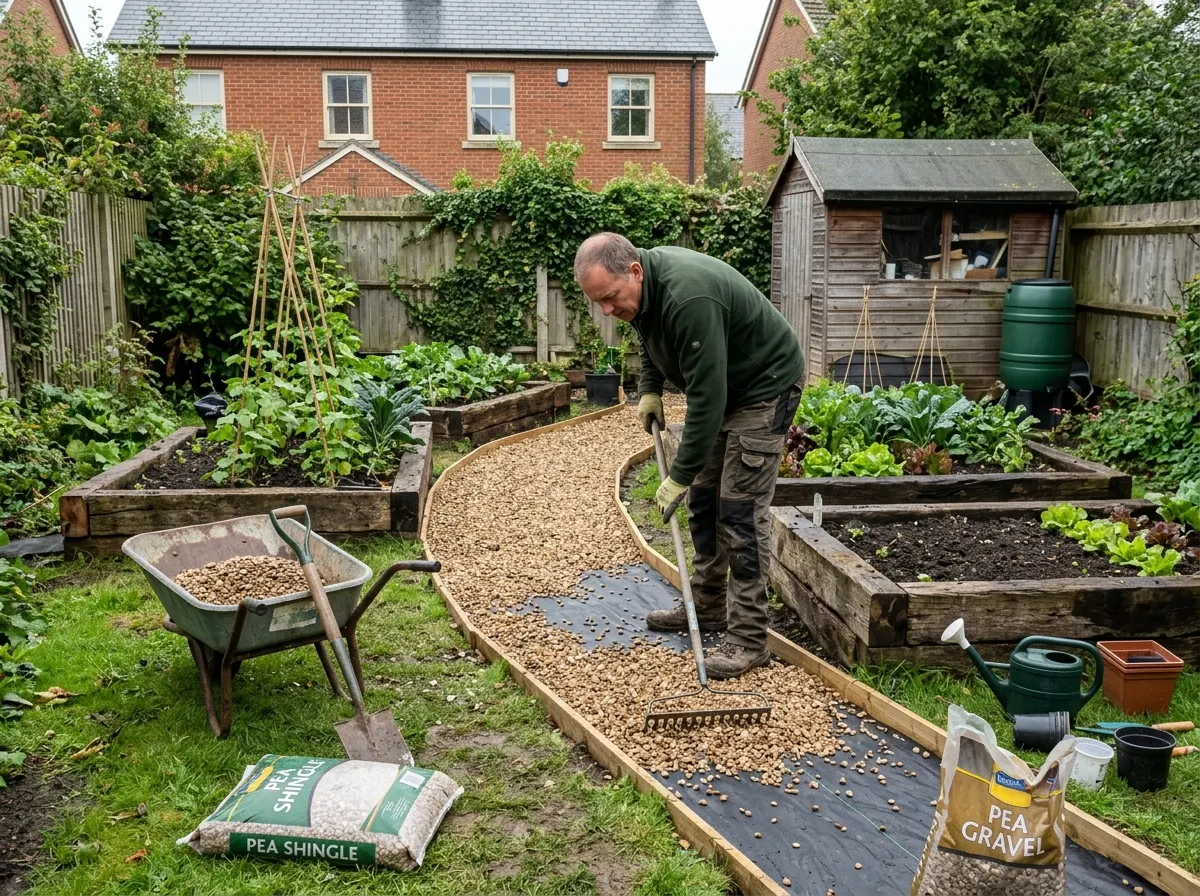
The most budget-friendly choice. An excavated trench is lined with weed membrane and filled with decorative stones. Requires sturdy edging to prevent the stones spilling onto your lawn. Provides excellent, natural drainage.
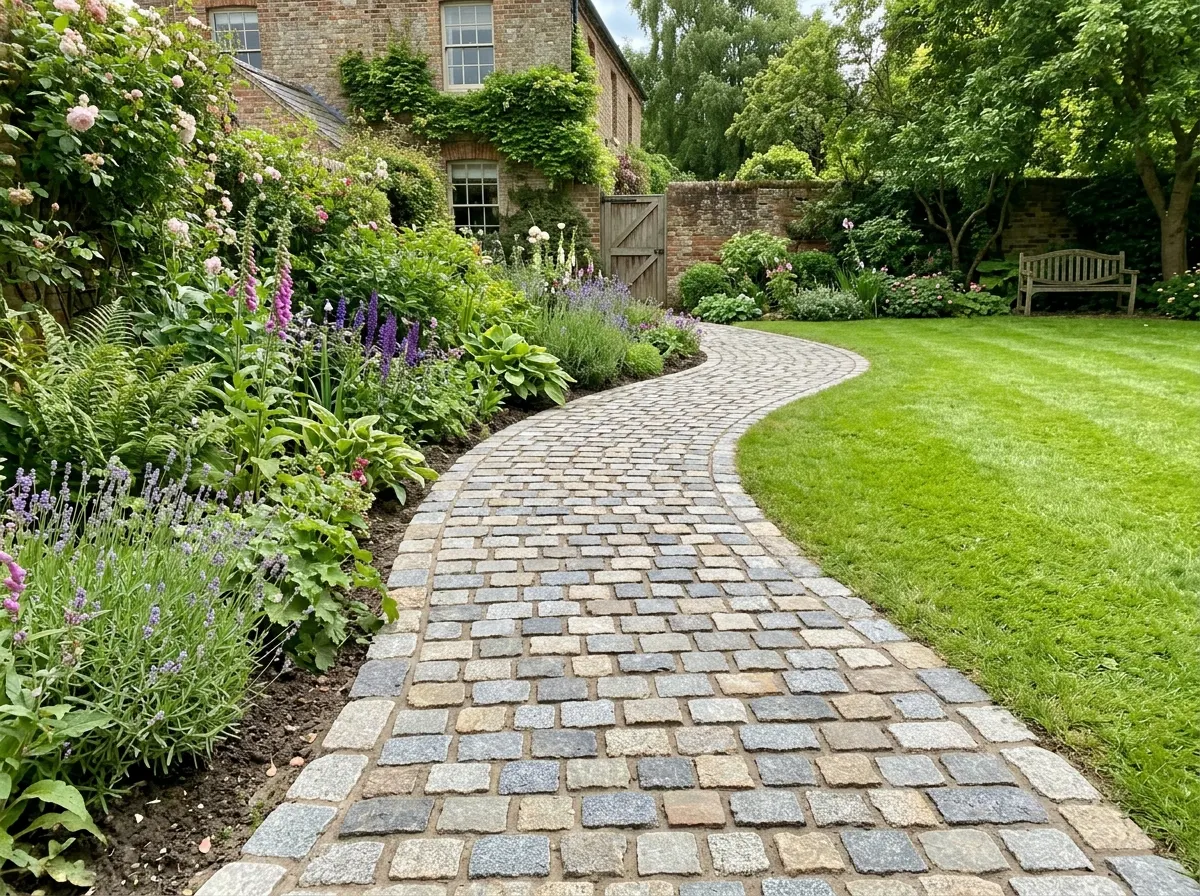
Block Paving & Cobbles
Small, individual blocks or cobbles are laid tightly together, often over a sharp sand bed. This allows for beautiful curves and intricate patterns like herringbone. Exceptionally strong, making it ideal for paths that merge into driveways.
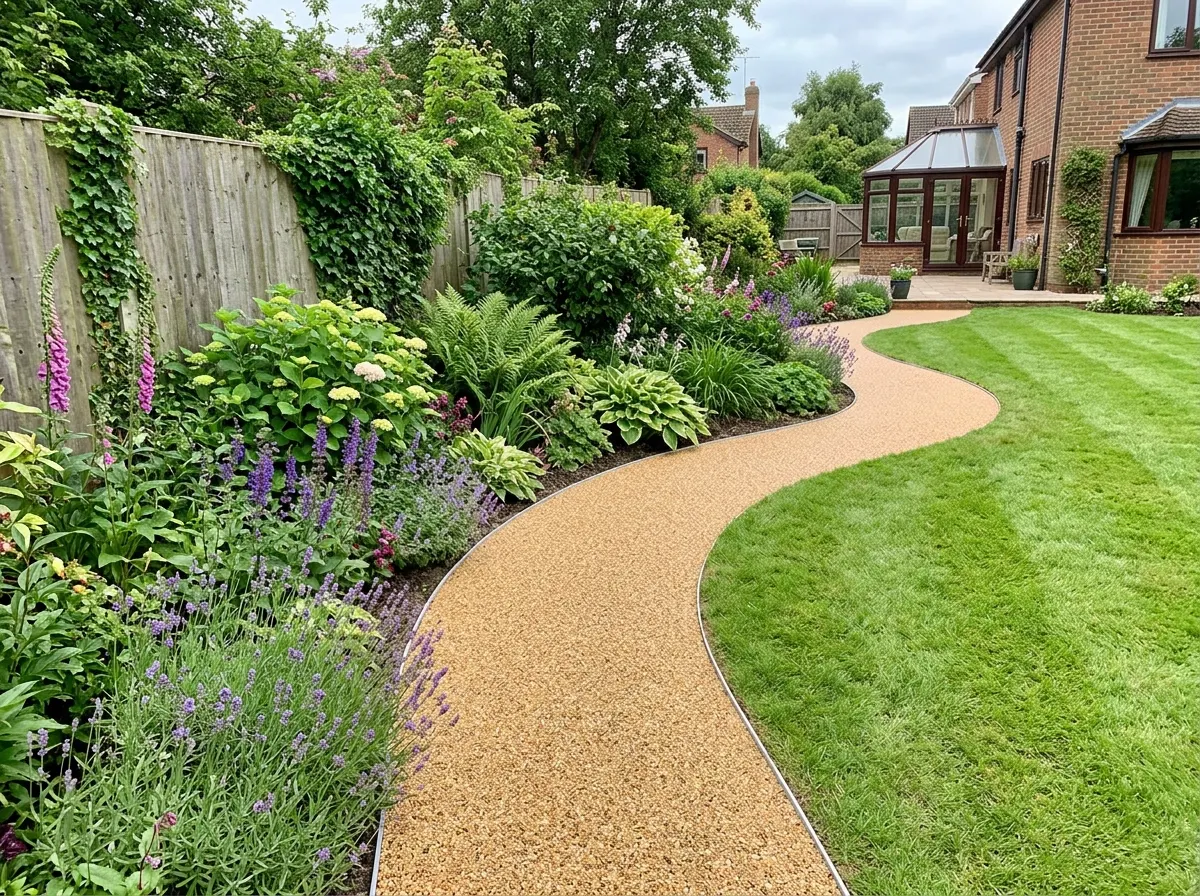
Resin Bound
A premium, highly modern finish. Gravel is mixed with a clear UV-stable resin and trowelled flat. The result looks like loose gravel but is completely solid, seamless, weed-free, and permeable. Must be laid over a solid existing base.
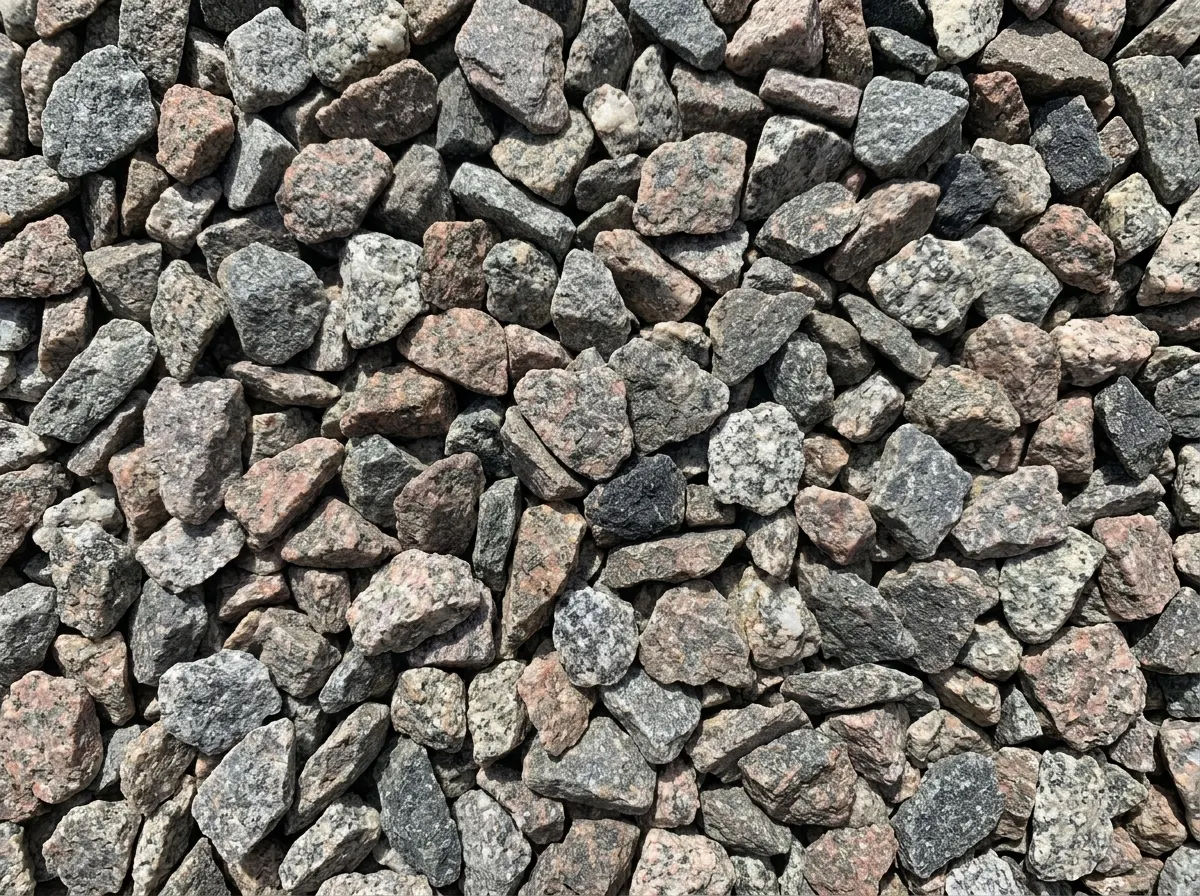
Gravel & Shingle Materials
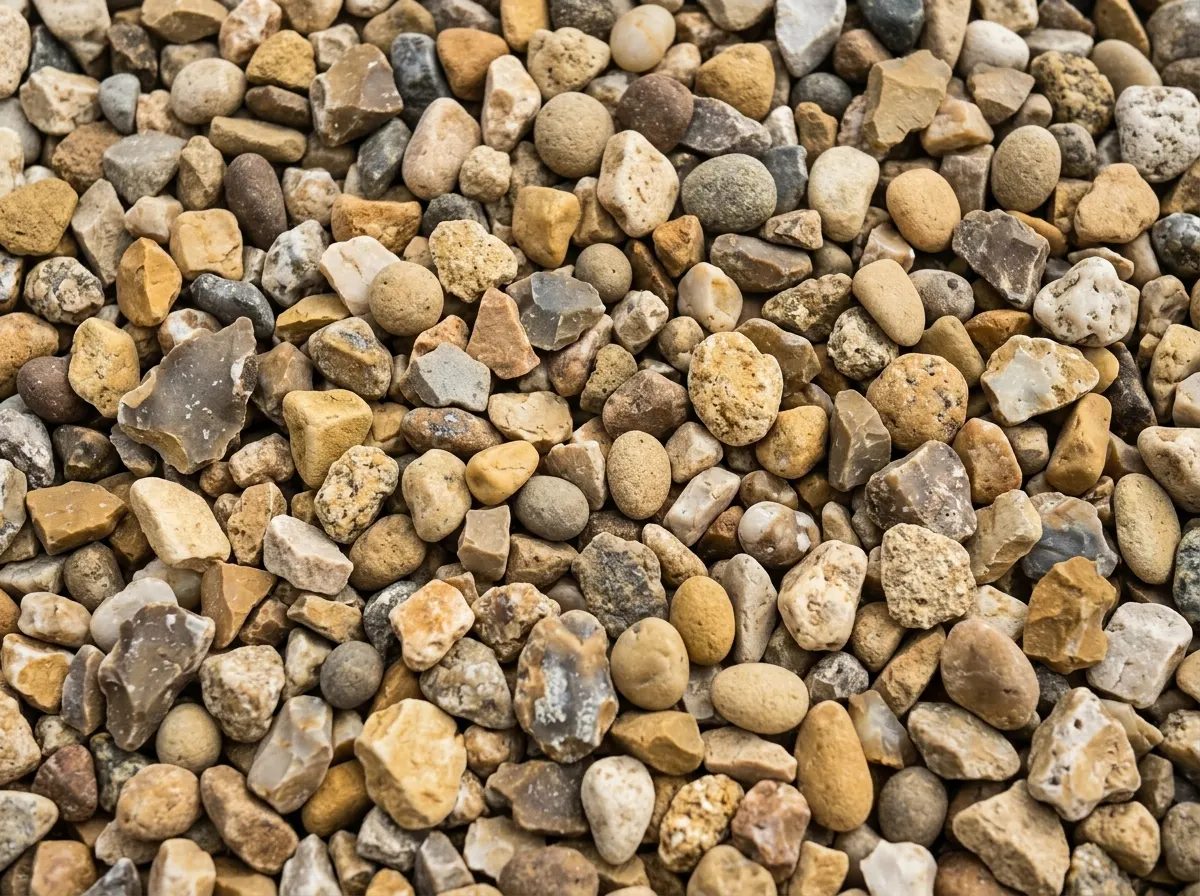
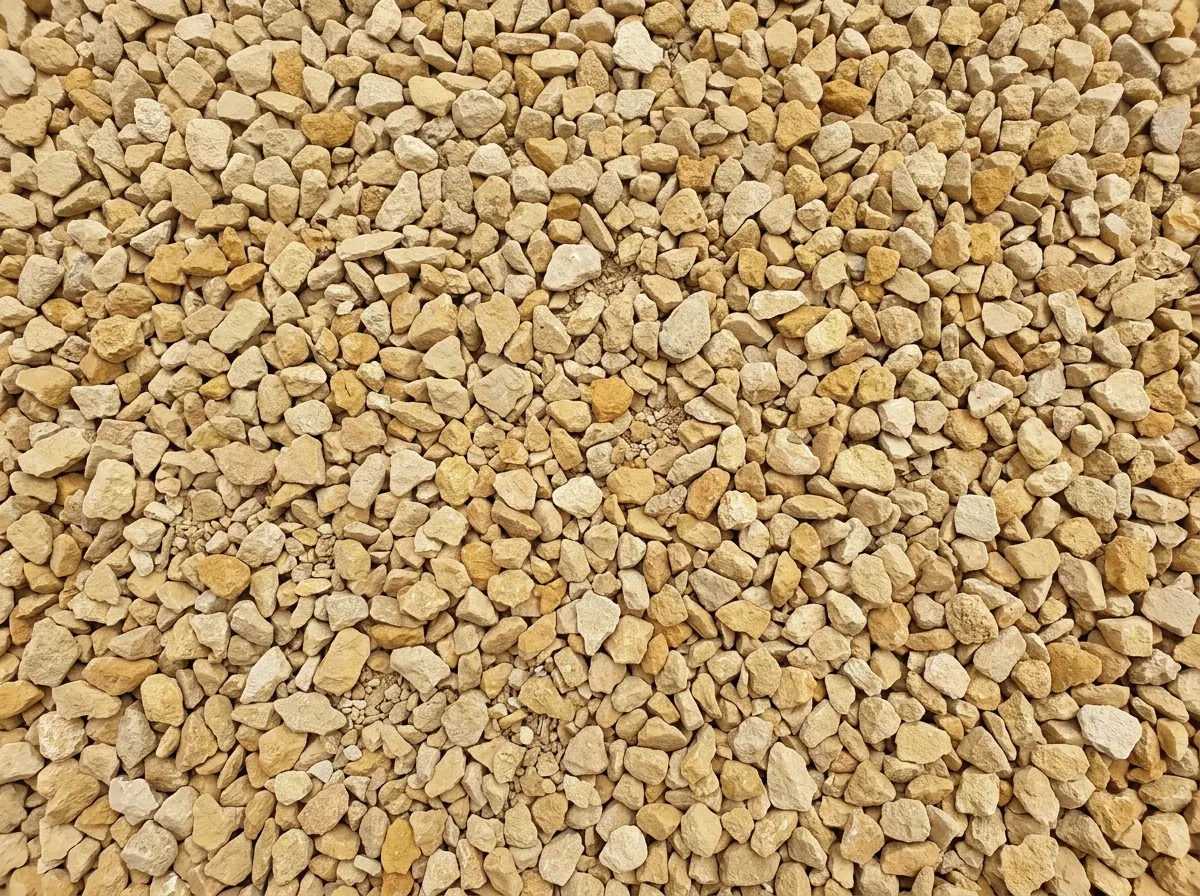
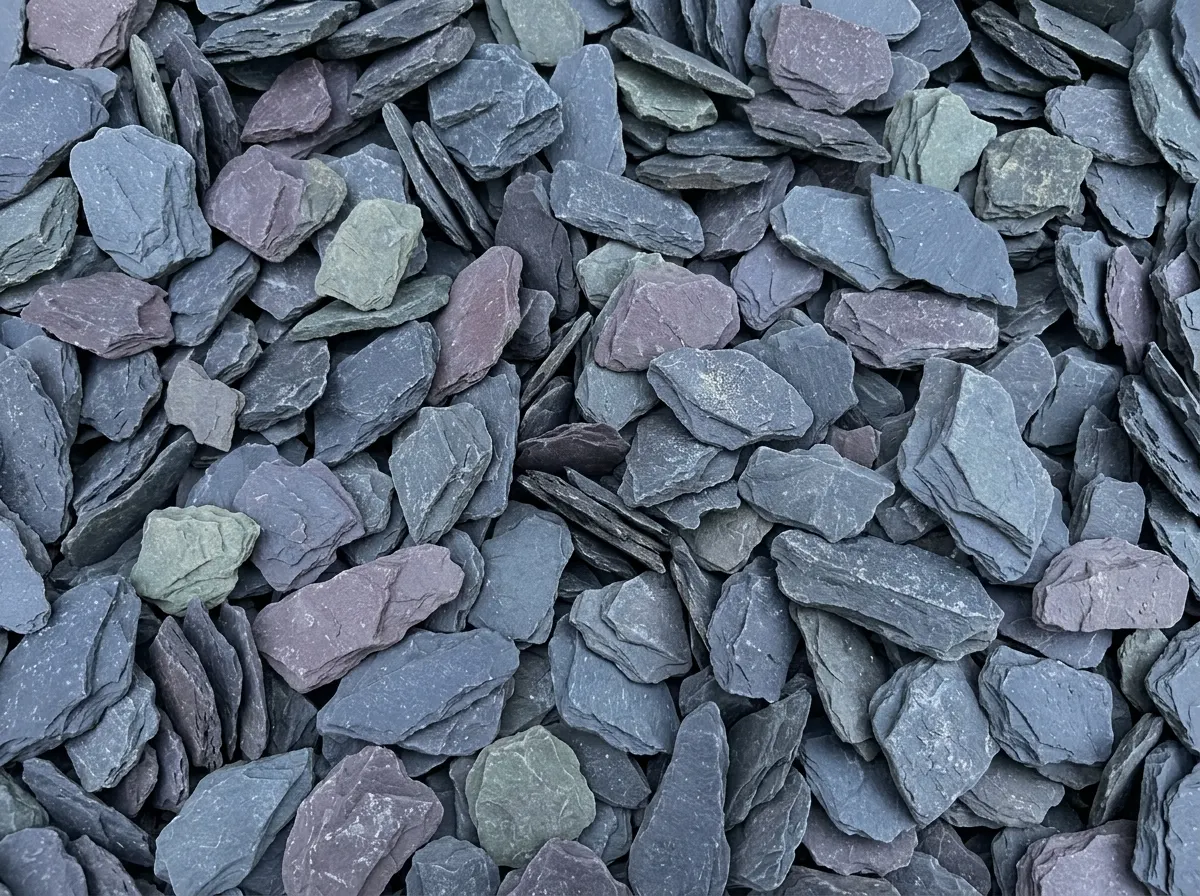
Not all loose stones are created equal. The type of aggregate you choose affects how the path compacts underfoot. Here are the average supply-only prices per 800kg bulk bag (which covers roughly 10m² at a depth of 50mm).
Slabs & Solid Paving Materials
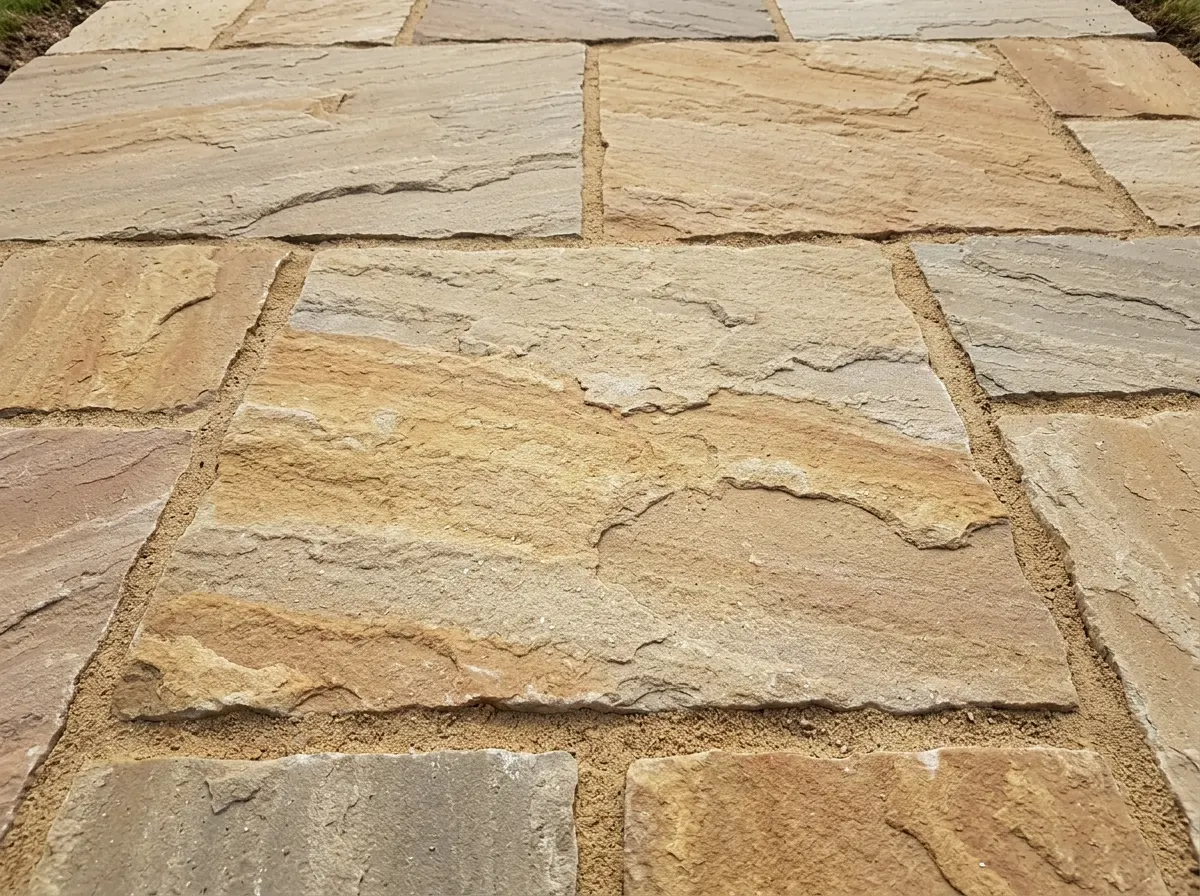
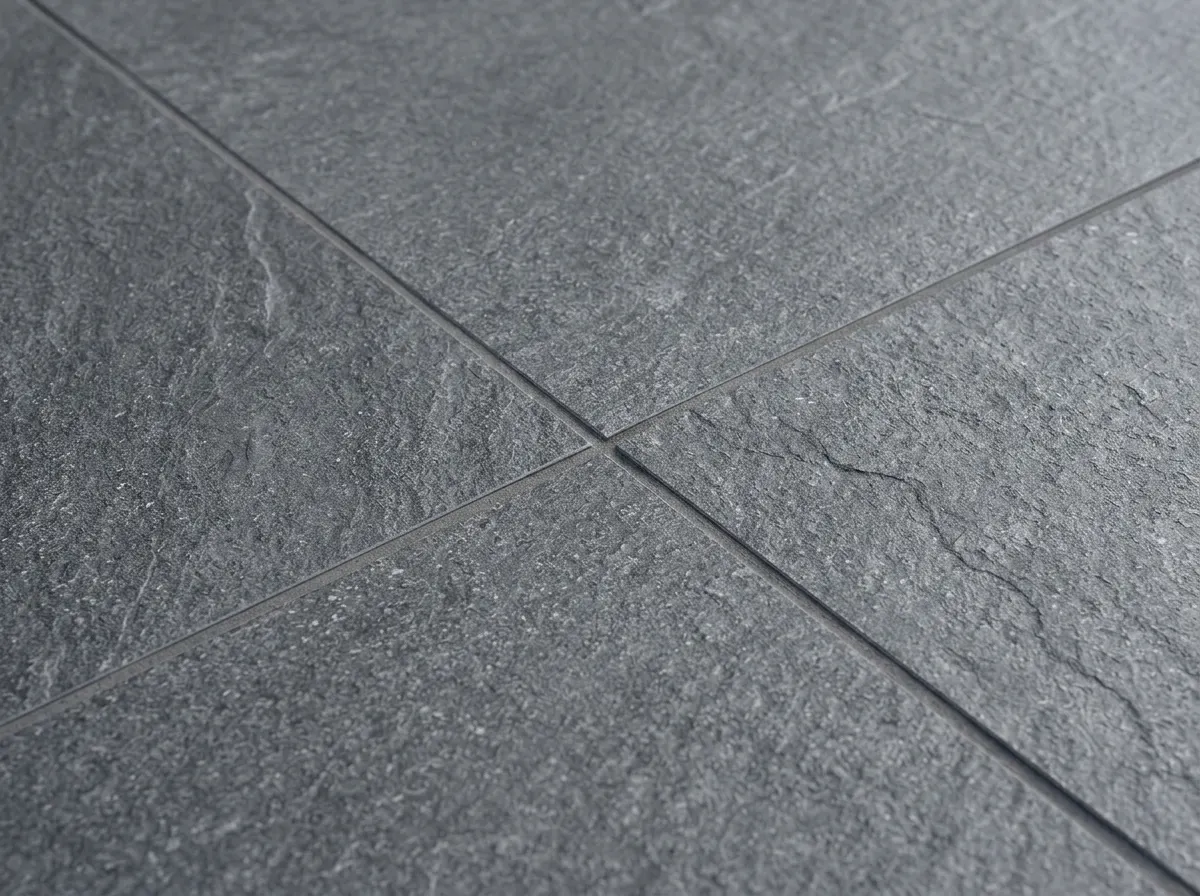
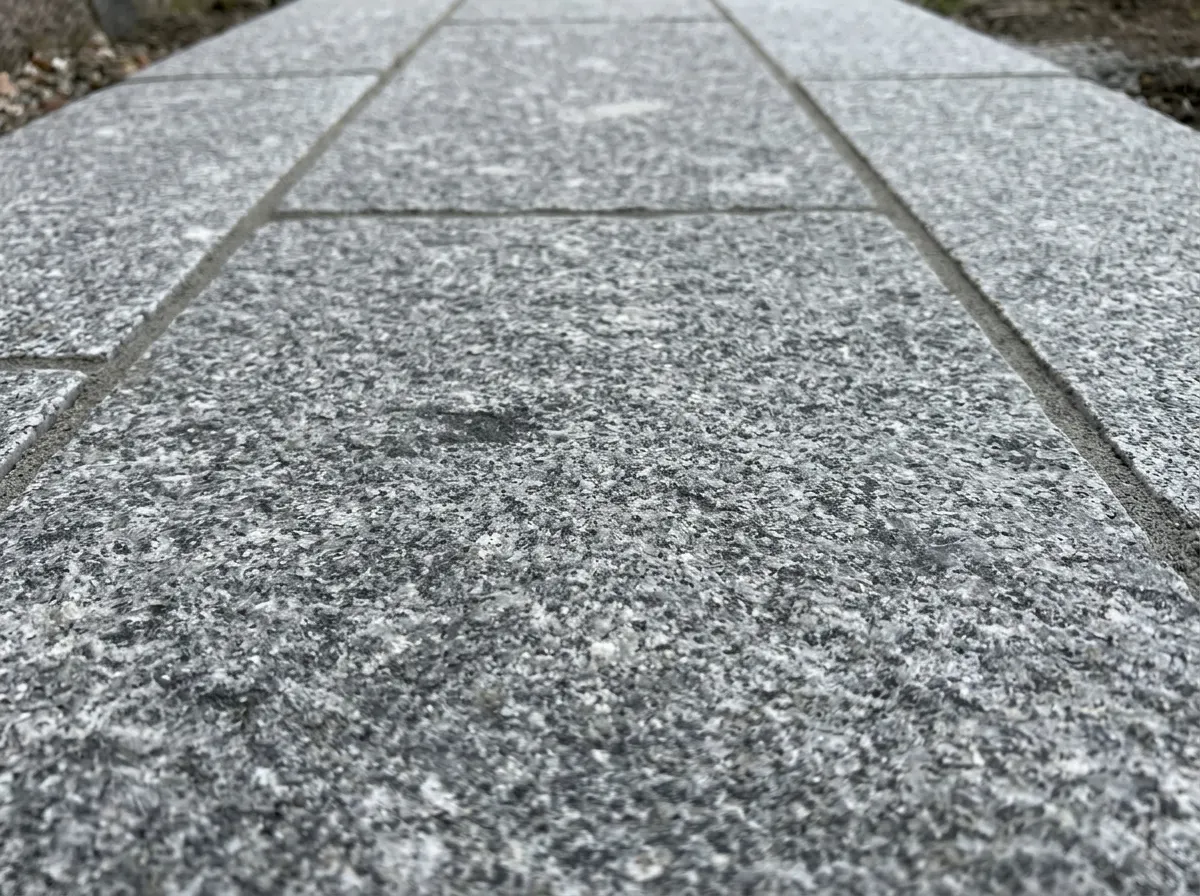
If you want a solid, sweepable path, paving is the way to go. These are the average Supply-Only prices per square metre (m²). Remember, laying solid stone requires significantly more labour and cement than spreading gravel.
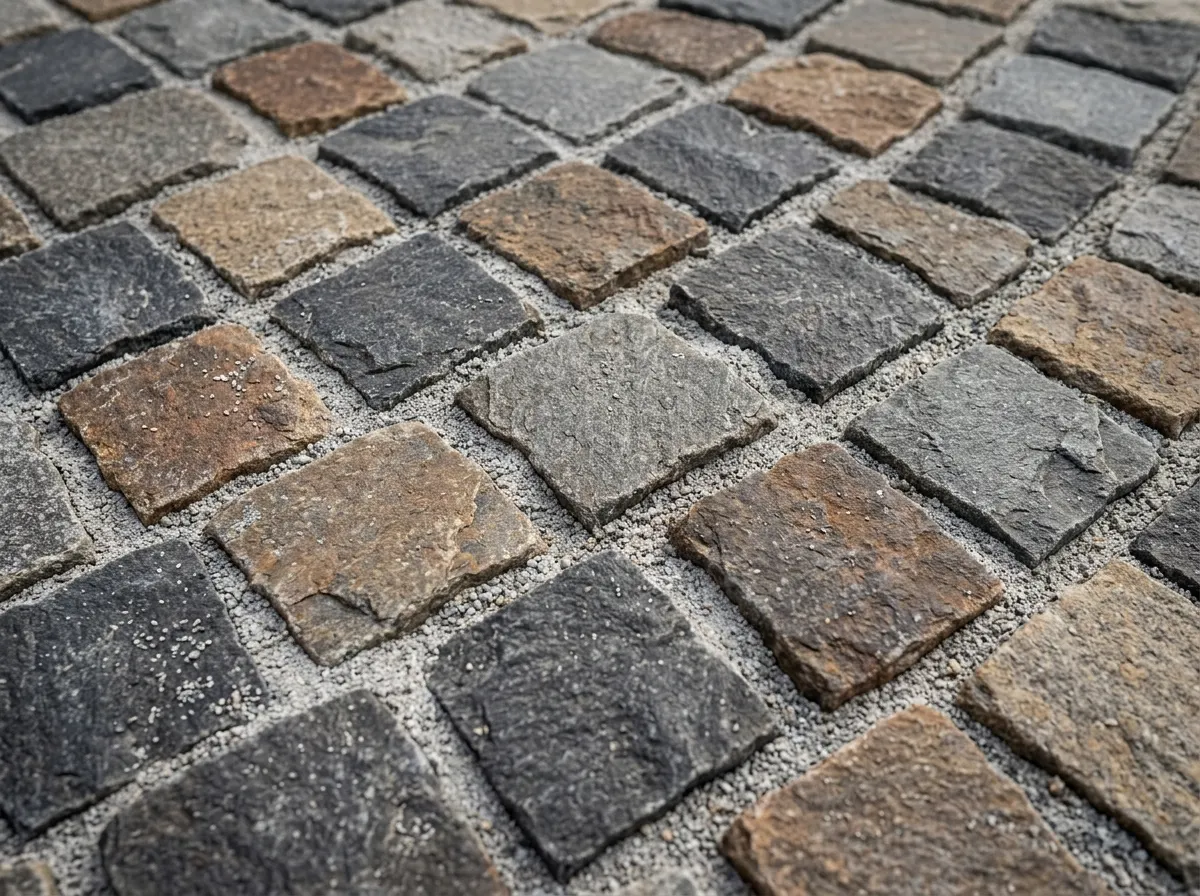
Supplied & Fitted Costs per m²
The figures below represent the complete average cost to have a professional landscaper supply the materials, do the groundworks, and lay the path. (Based on a standard 10m² path).
Complete Installation
- Basic Gravel / Pea Shingle Path £40 – £70 / m²
- Premium Cotswold/Granite Gravel Path £60 – £90 / m²
- Standard Block Paving Path £90 – £150 / m²
- Natural Sandstone Paved Path £100 – £160 / m²
- Resin Bound Path (onto existing solid base) £100 – £180 / m²
- Porcelain Slab Path £150 – £220+ / m²
Where does the money go?
Laying the decorative surface is only the final step. A professional quote will include heavy groundworks and materials like these:
- Landscaper Day Rate £200 – £280
- Labourer Day Rate £130 – £160
- MOT Type 1 Sub-base (Bulk Bag) £40 – £60
- Heavy Duty Weed Membrane (Roll) £20 – £40
- Skip Hire (For digging out earth) £250 – £350
Make sure you know before you start
A cheap path will sink, flood, or become overrun with weeds within a year. Watch out for these cowboy builder red flags:
Skipping the Sub-Base
You cannot simply lay paving slabs on mud or sand, and you shouldn't pour gravel directly onto grass. A proper path needs the topsoil excavated and replaced with a compacted layer of hardcore (MOT Type 1) to provide a solid, frost-proof foundation.
Forgetting the Edging
Gravel paths absolutely require a solid border (like brick, timber, or metal edging). Without it, the stones will quickly spill into your lawn, getting caught in your lawnmower and creating a messy, undefined border.
Spot-Bedding Slabs
If you choose a paved path, the slabs must be laid on a 'full bed' of wet mortar. If a builder suggests 'spot bedding' (putting a few blobs of cement under the corners to save money), the slabs will eventually rock, crack, and house pooling water underneath.
Regional Labour Differences
The raw materials (gravel, slabs, cement) cost roughly the same nationwide, but heavy landscaping labour and waste disposal costs vary heavily depending on where you live.
Landscapers in London and the South East typically charge 15% to 25% more than the national average day rate. Additionally, skip hire for removing the dug-out earth is considerably more expensive in urban southern areas.
- London & South East + 15% to 25%
- Midlands & South West National Average
- North, Wales & Scotland - 10% to 15%
Top Cost-Saving Tips
Landscaping can get expensive quickly. Keep costs down by doing the following:
- ✓ Opt for Shingle: It is significantly cheaper than paving because laying it requires far less highly-skilled labour than perfectly levelling individual slabs.
- ✓ Keep it straight: Curved paths look beautiful but require slabs to be custom cut with a stone saw, adding hours to the labour bill.
- ✓ Manage the waste: Ask if you can repurpose the excavated topsoil elsewhere in your garden (e.g. creating a raised bed) to save hundreds on skip hire.
How Long Does It Take to Lay a Garden Path?
A standard block paving or natural stone garden path typically takes between 2 to 3 days to excavate, prep, and lay. Below is a detailed breakdown of the landscaping process, path types, and factors that can impact the timeframe.
Schedule of Works (Standard Paved Path)
Excavation & Waste Removal
The landscaper marks out the route and width of the path. The area is excavated to a depth of around 150mm–200mm, digging out old turf, soil, and roots. This waste is immediately wheelbarrowed out to a hired skip or grab lorry.
Sub-Base & Edging
A heavy-duty weed membrane is laid down, followed by 100mm of MOT Type 1 aggregate. This is tightly compacted using a wacker plate. Solid edge restraints (like timber borders, kerb stones, or a brick soldier course) are concreted into place to lock the path in.
Laying the Surface
Depending on the material, a bed of sharp sand (for block paving) or wet mortar (for paving slabs) is prepared. The team meticulously lays each block or slab, ensuring the pattern aligns perfectly and there is a slight fall so rainwater drains into the flowerbeds.
Cutting, Pointing & Cleanup
An angle grinder is used to make precise cuts around drains, curves, and edges. The joints are then filled—either by sweeping in kiln-dried sand (for blocks) or brushing in a resin-based jointing compound (for slabs). The site is washed down and left to cure.
Timeline by Path Material
What could cause delays?
Excavating soft topsoil is fast, but hitting dense clay, large tree roots, or an old hidden concrete path underneath the lawn will drastically slow down the initial digging phase.
A straight path requires very little cutting. A winding, curved path requires nearly every edge block or slab to be manually measured and sliced with an angle grinder.
Heavy rain will wash out wet mortar beds and make the site a muddy hazard. It also makes applying resin jointing compounds impossible, halting the finishing stage.
DIY Garden Paths & Walkways
Hiring a landscaper to lay block paving, Indian sandstone, or poured concrete paths is incredibly expensive because it requires deep excavation, tonnes of MOT Type 1 hardcore sub-base, and highly skilled masonry work. However, creating a functional, beautiful garden path yourself using "soft landscaping" materials is a straightforward weekend DIY project.
Gravel, bark mulch, and stepping stones laid into grass are the most cost-effective options. The key to a successful DIY path is preparation: you must dig a shallow trench, lay down a heavy-duty weed-suppressing membrane, and use a solid edging (like timber boards or plastic flexi-edge) to stop the loose materials spilling onto your lawn.
| Path Type (10m x 1m) | Professional Cost | DIY Cost (Materials) | Potential Saving |
|---|---|---|---|
| Gravel Path with Timber Edging | Professional Cost £400 – £600 | DIY Cost £100 – £200 | Potential Saving Up to £400 |
| Bark Mulch Path | Professional Cost £250 – £400 | DIY Cost £50 – £100 | Potential Saving Up to £300 |
| Stepping Stones Cut into Grass | Professional Cost £300 – £500 | DIY Cost £80 – £150 | Potential Saving Up to £350 |
Frequently Asked Questions
Common queries about garden path landscaping and installation costs.
What is the cheapest type of garden path to lay in the UK?
A standard pea shingle or decorative gravel path is the most cost-effective option, typically costing between £40 and £70 per square metre supplied and fitted. This price generally includes shallow excavation, laying a heavy-duty weed membrane, and the bulk gravel itself.
How much does a paved slab garden path cost?
A path professionally laid with natural Indian sandstone slabs usually costs between £100 and £160 per square metre. If you opt for modern premium porcelain paving, the installation cost rises to £150–£220+ per square metre due to the specialist primer and diamond-blade cutting required.
Do I need a hardcore sub-base for a garden path?
Yes. Even for a lightweight gravel path, you should ideally have a compacted sub-base of MOT Type 1 aggregate (around 50mm to 100mm deep) to prevent the path from sinking or becoming waterlogged. Heavy solid slab or brick paths absolutely require a deeply compacted sub-base and a full wet mortar bed.
How much does a resin bound garden path cost?
Resin bound paths cost between £100 and £180 per square metre to install. This price depends heavily on ground preparation; it is cheaper if you already have a solid, porous tarmac or concrete base in place that the resin can be poured directly onto, rather than excavating a completely new trench.
Do I need UK planning permission for a new garden path?
Laying a standard path in a rear garden falls under Permitted Development and requires no planning permission. However, if you are paving a front garden area larger than 5 square metres, UK law mandates you must use a permeable surface (like gravel or porous block paving) or direct runoff to a lawn to comply with SUDS regulations.
How long does it take a landscaper to lay a garden path?
A standard 10-metre straight gravel path can often be excavated and completed by a professional two-man landscaping team in 1 to 2 days. A paved natural stone or porcelain path of the same size involves heavy sub-base compaction, mixing mortar, and precise pointing, typically taking 3 to 5 days.
Is block paving a good choice for a garden path?
Yes, clay or concrete block paving is exceptionally durable and highly popular for paths, costing around £80 to £130 per square metre fully fitted. Its primary advantage over solid mortar slabs is that individual blocks can be easily lifted and perfectly re-laid if you ever need underground access for plumbing or electrical cables.
How do I stop weeds growing through my gravel path?
To prevent weeds, a landscaper will excavate the soil and lay a heavy-duty, permeable geo-textile membrane beneath the hardcore sub-base and the decorative aggregate. Additionally, installing a solid raised border edge (using timber sleepers, bricks, or metal edging) prevents the gravel from migrating into your lawn.
Disclaimer: The figures in this guide are carefully calculated averages derived from UK landscaping industry cost data for 2026. Material prices and labour rates will fluctuate based on local availability, access, and exact project specifications.
Related Gardening Cost Guides
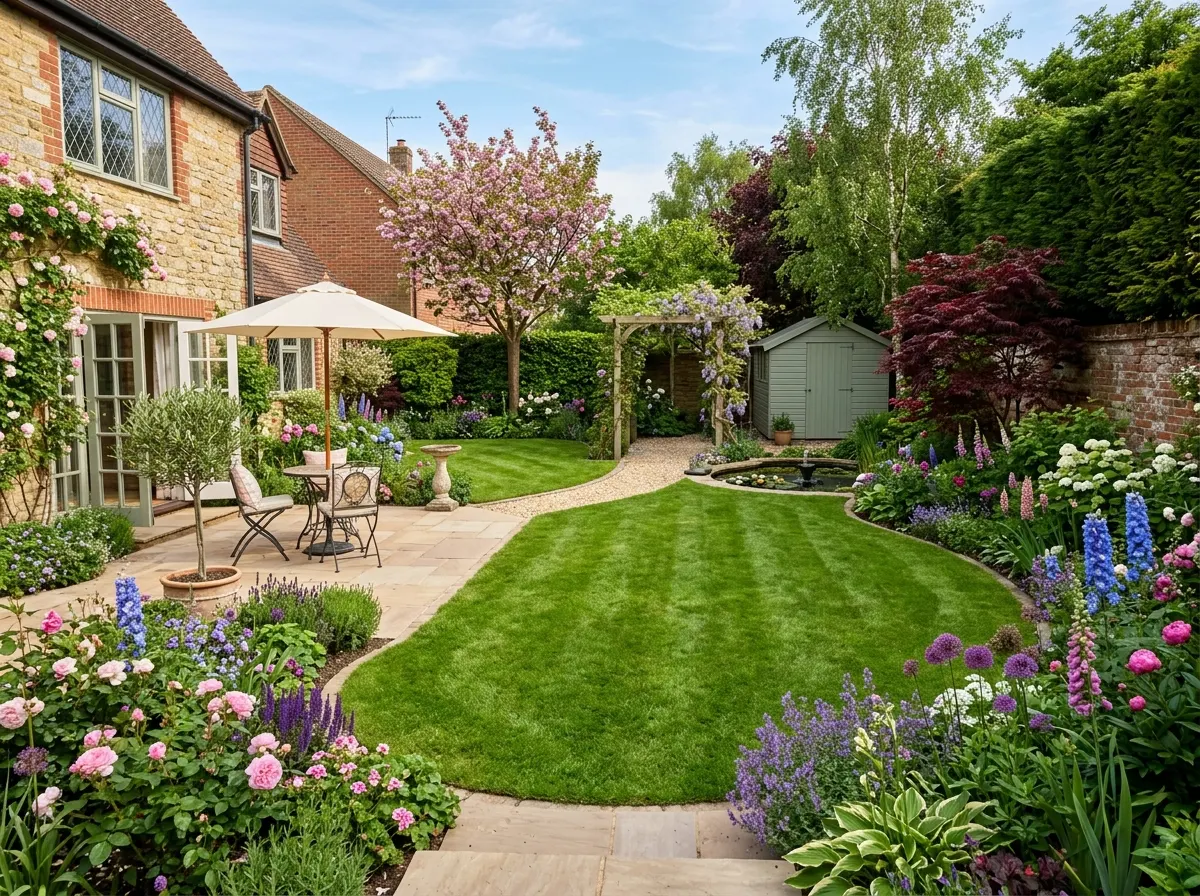
Garden Landscaping
Full garden redesigns, groundworks, and new turfing costs.
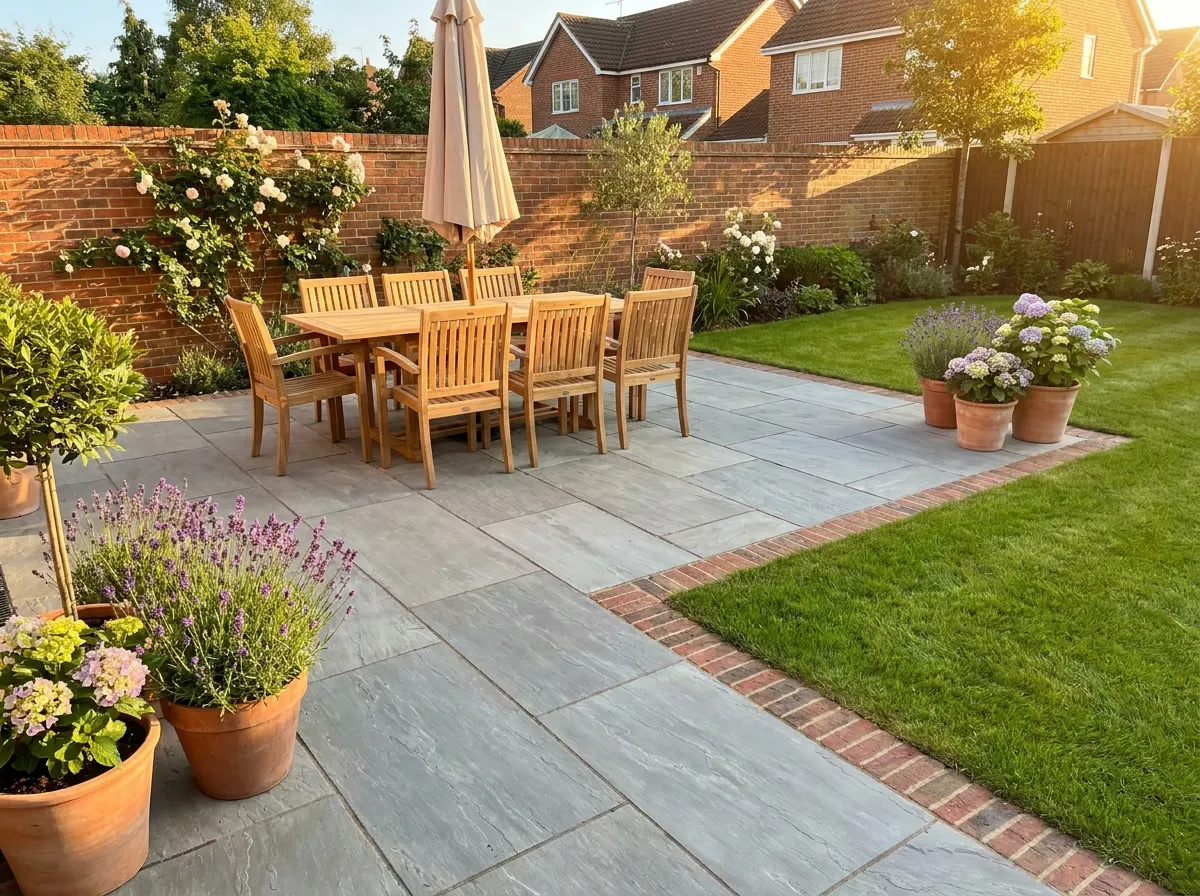
Patio Installation Costs
Sandstone, porcelain, and concrete paving prices per m².
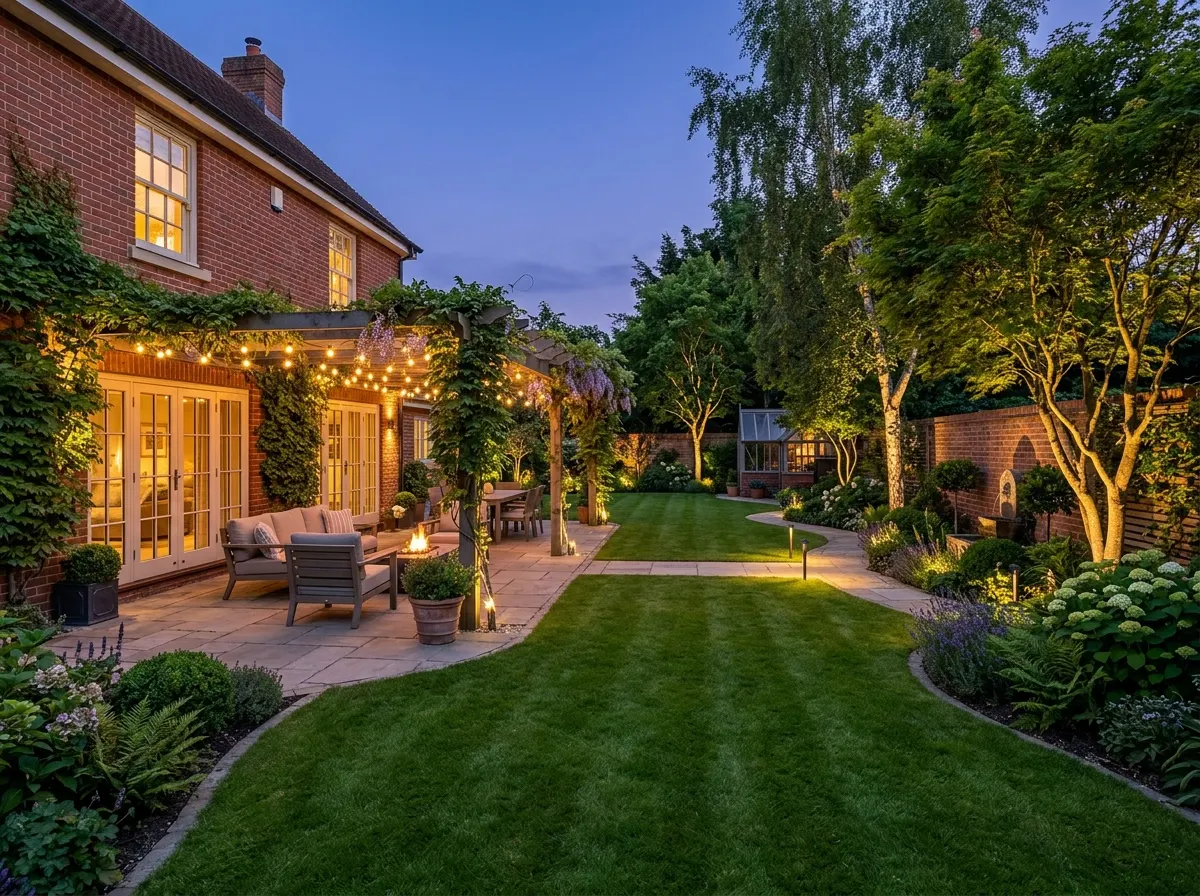
Garden Lighting Costs
Prices for hardwiring outdoor path lights and security lighting.
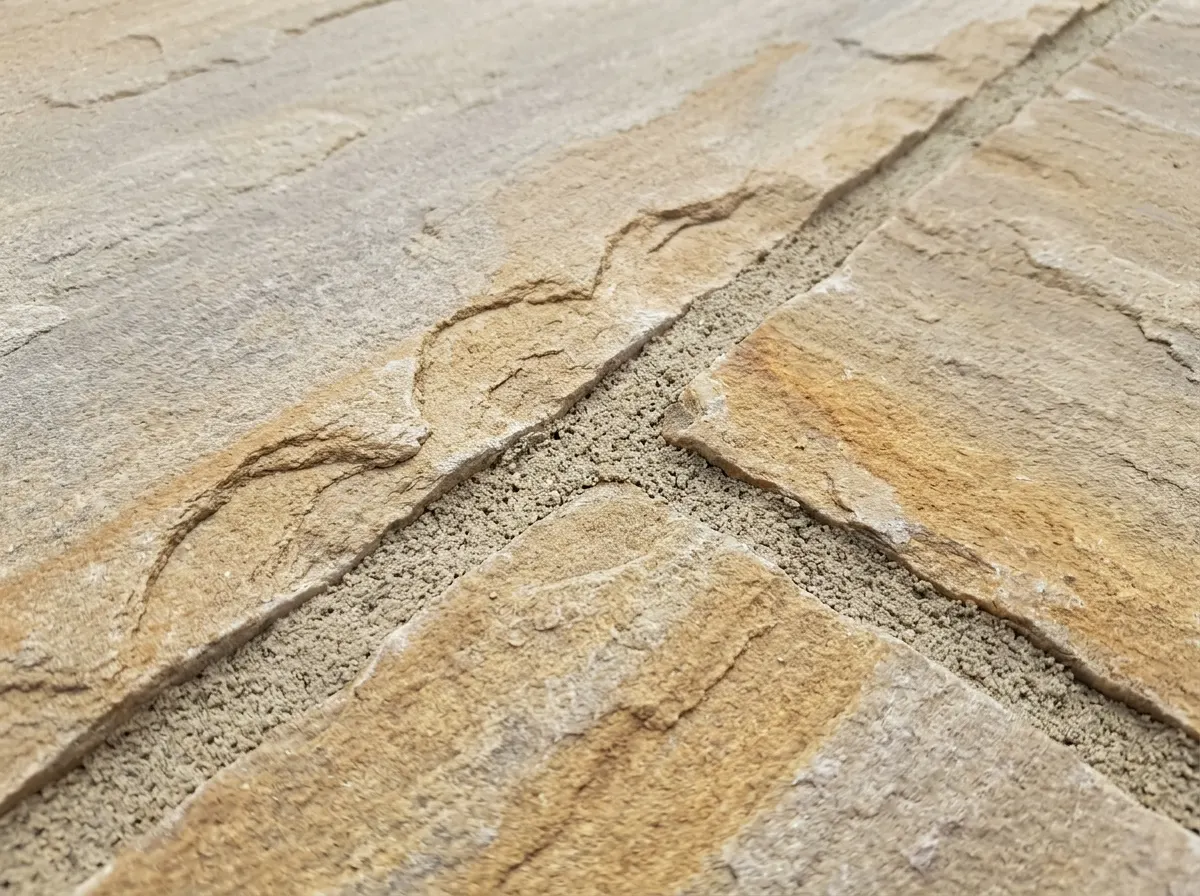
Patio Repointing Costs
Costs for raking out and replacing old paving grout.
Ready to transform your garden?
Use our AI to get a precise estimate for your exact landscaping project, then connect with Pricing Penguin Accredited landscapers near you.
Did you find this page helpful?
Let us know if this guide helped you plan your garden path project.