How much does garden planting cost?
 By Tom Ellis
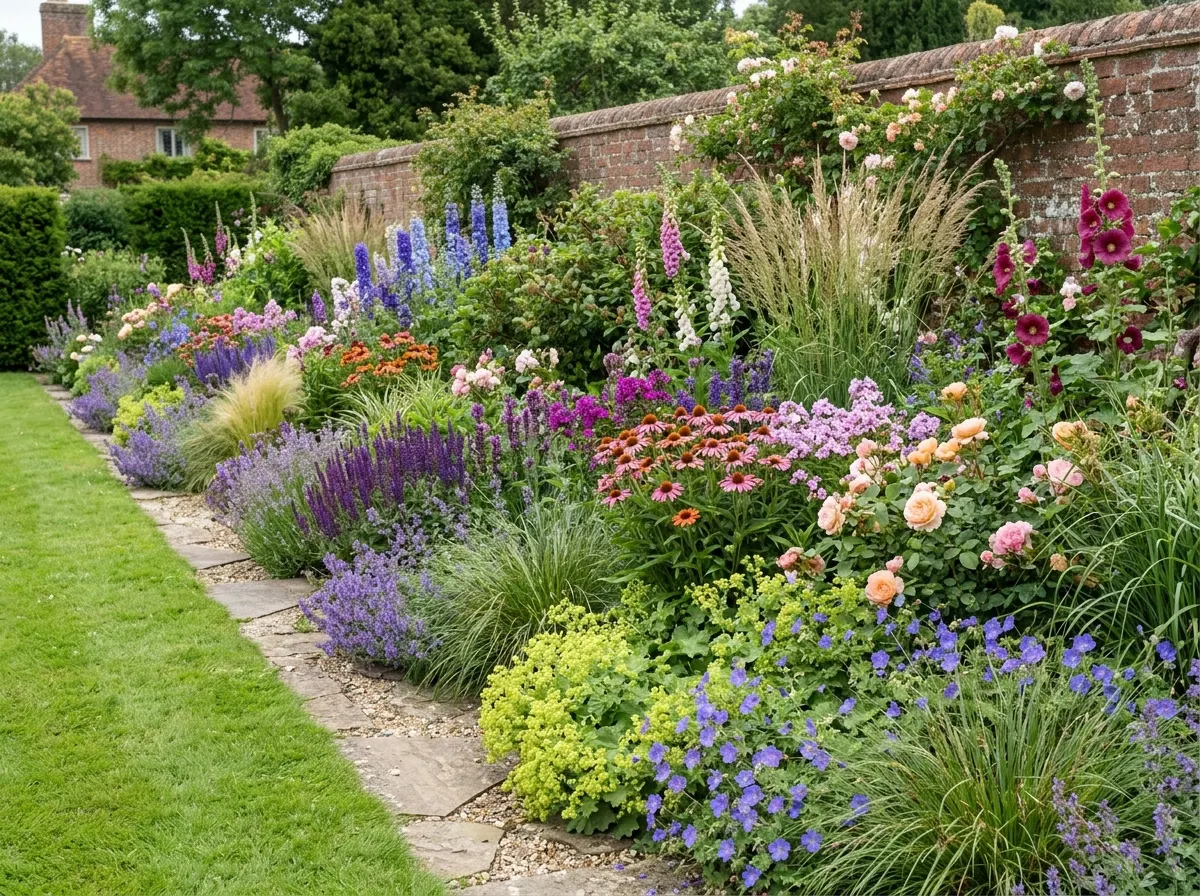
A patio or deck provides the structure, but plants are what bring a garden to life. Whether you are looking to screen out nosey neighbours with established pleached trees, fill a new herbaceous border with vibrant perennials, or hire a designer to completely reinvent your outdoor space, the choices are endless.
Pricing a planting project is highly variable. Buying tiny 'bare root' saplings in winter costs a fraction of buying mature, fully-grown potted plants in mid-summer. This comprehensive 2026 guide breaks down the true cost of garden design, professional planting labour, and average prices for every type of flora.
Prices move month to month. See how they are changing in the Penguin Index, or compare common jobs across the UK in our UK Home Improvement Cost Report.
£25 - £45 / hr
Average hourly rate for a professional gardener to prepare soil and plant out your borders.
£300 - £800
Cost to hire a garden designer to create a tailored 2D planting layout and sourcing list for a medium garden.
£1,500 - £3,500+
Complete service: removing old beds, importing topsoil, buying mature shrubs/trees, and professional planting.
Get an instant estimate for your planting
Garden Design & Planting Plans
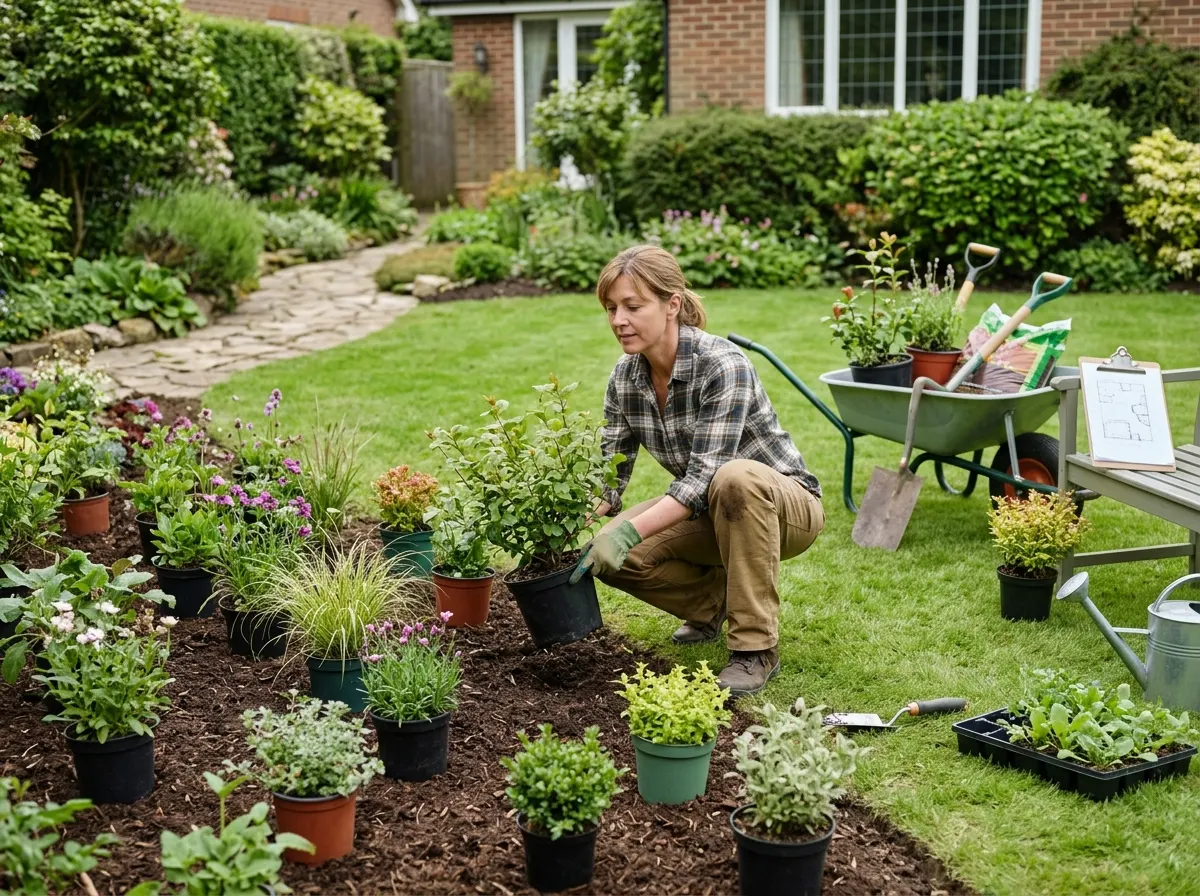
If you walk into a garden centre and buy whatever looks pretty, half your plants will likely die because they are in the wrong soil or lighting conditions. Hiring a professional garden designer ensures you get the right plant, in the right place, with year-round interest. They provide a specific shopping list and a scaled drawing of exactly where to plant them.
| Service | Description | 2026 Price |
|---|---|---|
| Initial Consultation | 1-2 hours on-site discussing ideas, soil testing, and light analysis. | £100 – £250 |
| Basic Planting Plan | 2D layout and plant list for a small garden or a couple of borders. | £300 – £600 |
| Full 3D Garden Redesign | Complete hard and soft landscaping structural plans and plant sourcing. | £800 – £2,000+ |
| Designer Hourly Rate | For ongoing consultation or plant shopping trips. | £50 – £150 / hr |
Professional Planting Labour
Digging hundreds of holes in heavy UK clay is back-breaking work. You can buy the plants yourself and hire a professional gardener just for the labour and soil preparation.
Gardener Labour Rates
- Gardener Hourly Rate £25 – £45 / hr
- Gardener Day Rate £150 – £250 / day
- 2-Man Landscaping Team £300 – £450 / day
Soil Prep & Materials
- Soil Prep & Mulching (Labour) £15 – £30 / m²
- Compost / Soil Improver (50L Bag) £6 – £10
- Decorative Bark Mulch (Bulk Bag) £80 – £130
The Secret to Success: The golden rule of landscaping is "Spend 10% on the plant, and 90% on the hole." Digging in organic compost and bone meal before planting is essential. If you just force a plant into poor, compacted clay, it will likely perish.
Flowers & Herbaceous Borders
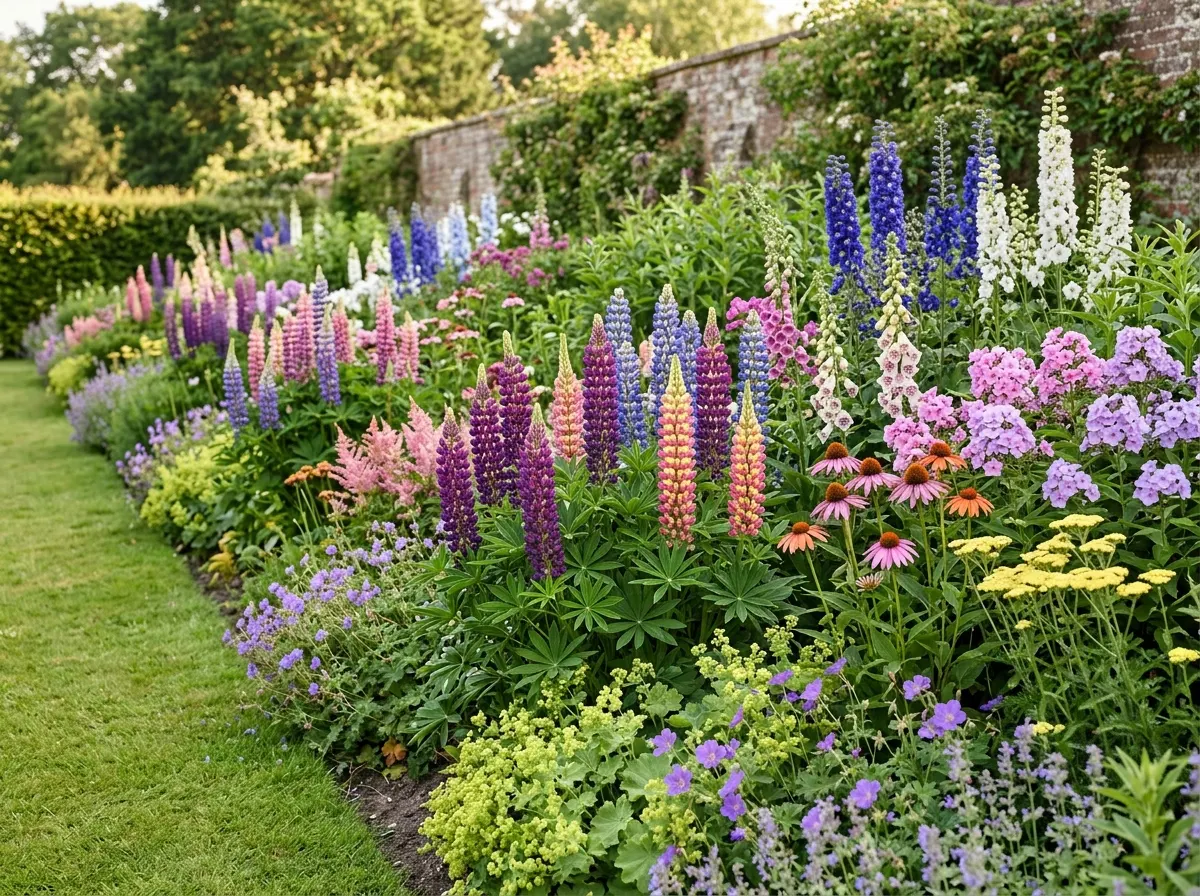
These are the soft plants that provide the vibrant seasonal colour in a garden. Annuals (like petunias) die every winter and must be replanted. Perennials (like hostas or lupins) die back to the soil in winter but return bigger and stronger every spring.
| Plant Type | Description | Average Price |
|---|---|---|
| Bedding Plants (Annuals) | Bought in trays of 6 or 12 for quick summer colour in pots. | £5 – £10 / tray |
| Perennials (1L - 2L pots) | The backbone of a flower bed. E.g., Salvia, Lavender, Rudbeckia. | £5 – £15 each |
| Ornamental Grasses | Adds movement and modern texture. E.g., Stipa, Miscanthus. | £10 – £20 each |
| Bulbs (Spring flowering) | Daffodils, tulips, alliums. Planted in Autumn. Pack of 50. | £15 – £30 / pack |
Shrubs & Bushes
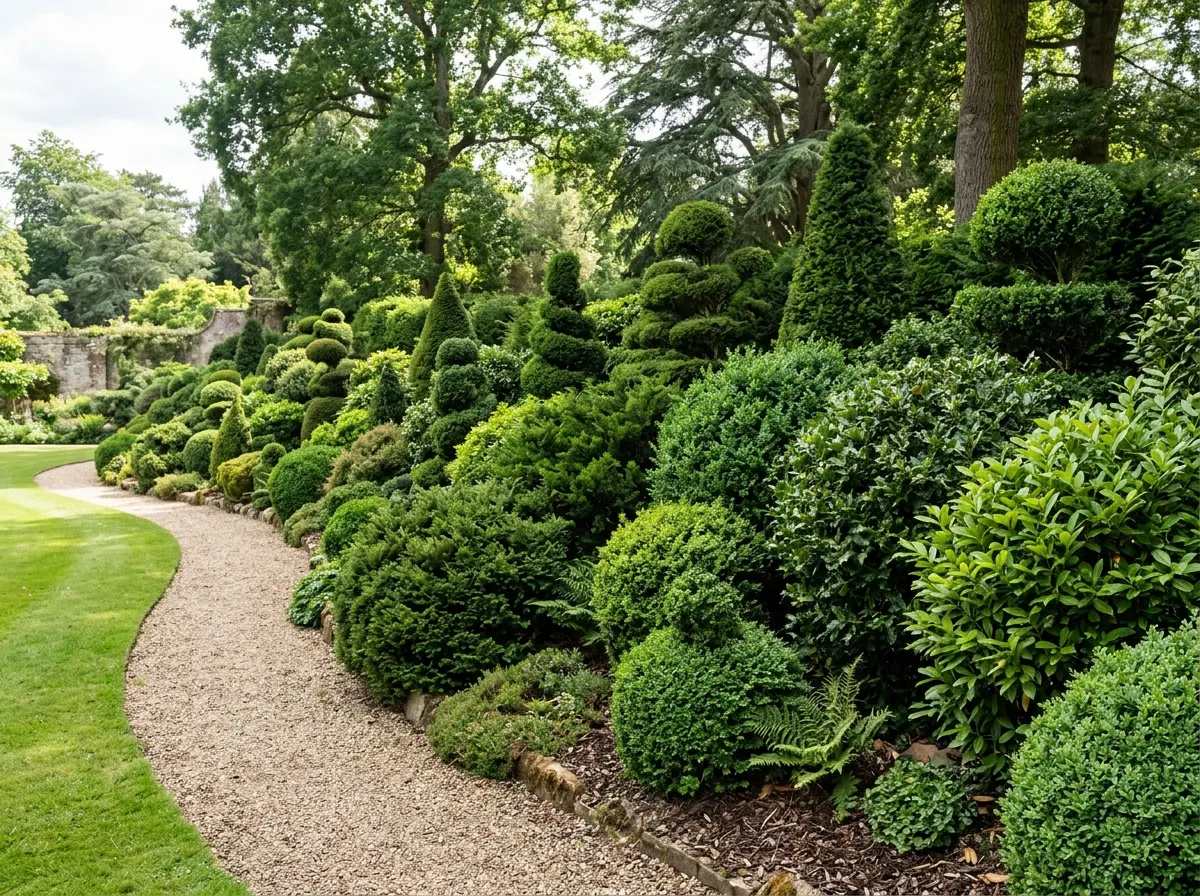
Shrubs are woody plants that form the permanent structural backbone of a garden. Evergreen shrubs (like Photinia or Buxus) keep their leaves all winter, ensuring your garden doesn't look completely barren in January. Deciduous shrubs (like Hydrangeas or Forsythia) lose their leaves but often reward you with spectacular summer flowers or autumn colour.
| Plant Type / Size | Description | Average Price |
|---|---|---|
| Small Shrubs (2L - 5L pots) | Young plants that require patience to fill out over 2-3 years. | £15 – £30 each |
| Medium Shrubs (10L pots) | Established plants offering instant impact. | £35 – £70 each |
| Specimen / Topiary | Large, mature shrubs or shaped forms (like Buxus balls or spirals). | £100 – £250+ |
Hedges & Screening
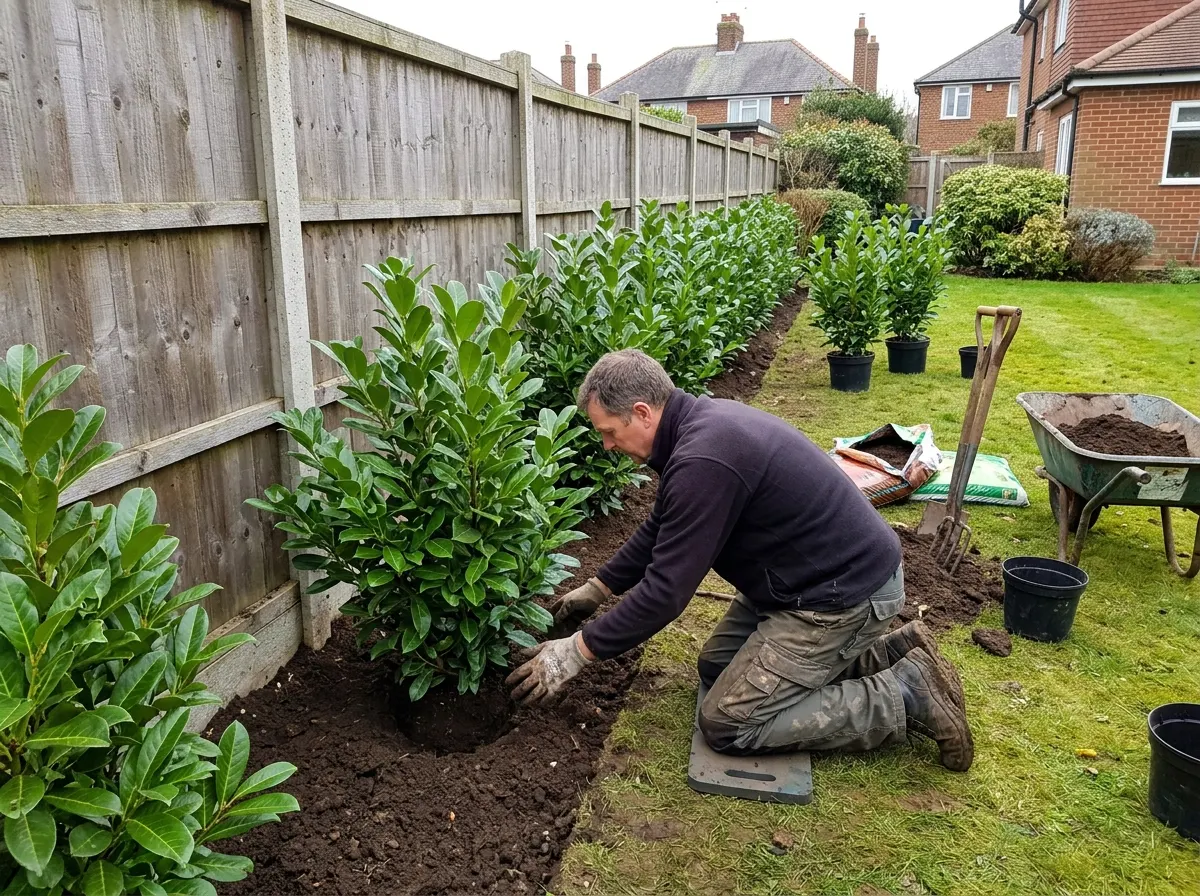
A living hedge provides superior noise reduction, wind buffering, and wildlife habitat compared to a timber fence. However, establishing a dense screen requires buying multiple plants (usually 3 to 5 per metre) and significant trench digging labour.
| Hedge Type | Description | Price / Linear Metre |
|---|---|---|
| Fast Privacy (Potted) | Cherry Laurel, Griselinia, Leylandii. Shoots up 60cm+ a year. | £20 – £50 / m |
| Formal Evergreen (Potted) | Yew (Taxus), Box (Buxus), Holly. Slow-growing, sharp, architectural. | £40 – £90 / m |
| Bare Root Hedging | Hawthorn, Beech. Bought dormant in winter without soil. Highly economical. | £5 – £15 / m |
| Trenching Labour | Labour to dig the trench, add compost, and plant the hedge. | £20 – £40 / m |
Tree Planting
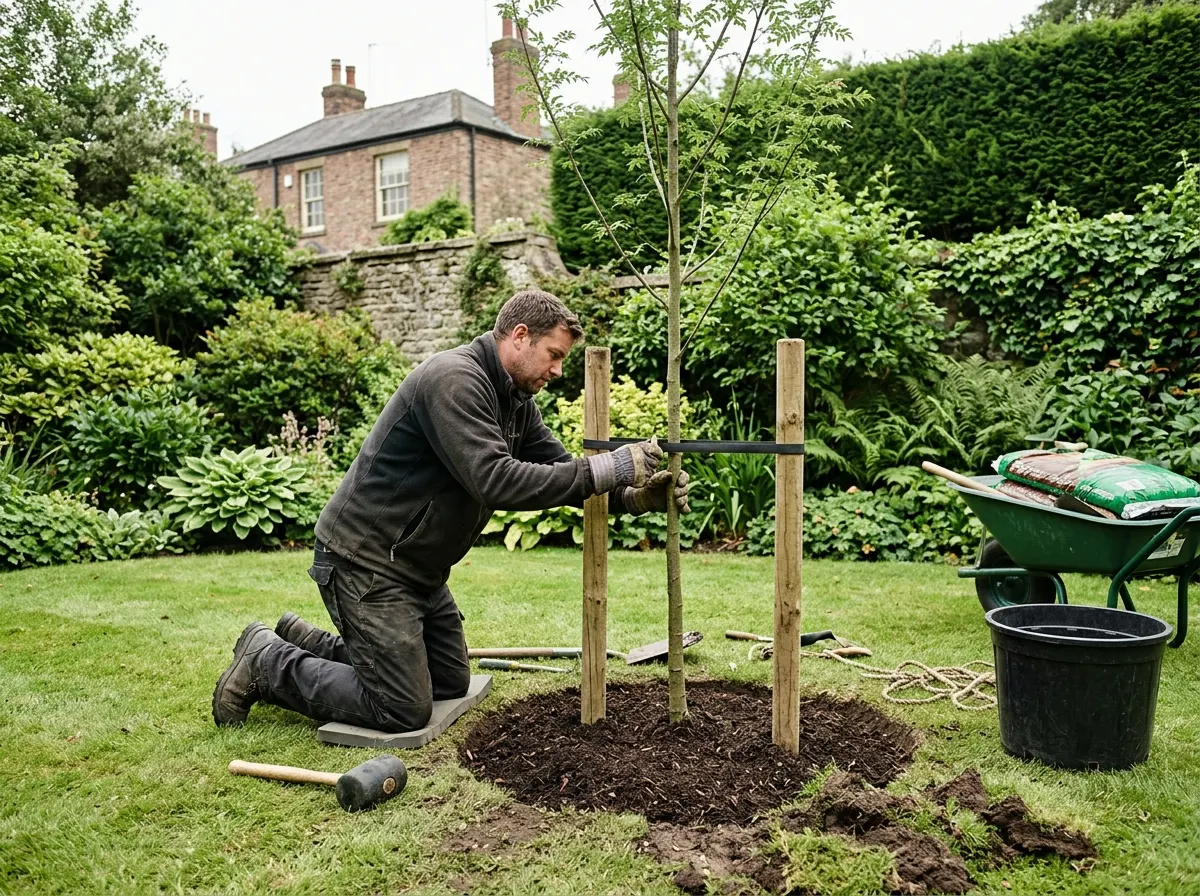
Trees add unparalleled architectural height, shade, and wildlife value to a garden. However, planting them correctly is a science. A tree planted too deeply will rot at the base, and one without proper staking will be blown over by winter winds before its roots can anchor.
| Tree Type / Service | Description | Average Price |
|---|---|---|
| Young Tree (Whip / Sapling) | 1-2 metres tall. Cheap, but takes 5-10 years to look substantial. | £40 – £100 |
| Standard / Mature Tree | 2.5m - 4m tall. Provides instant impact and canopy. | £150 – £400+ |
| Pleached Trees (Screening) | "Hedges on stilts." Branches trained flat on a bamboo frame to block overlooking windows without violating fence laws. | £250 – £600+ each |
| Tree Planting Labour | Digging the pit, staking, adding mycorrhizal fungi, and tying. | £50 – £150 / tree |
Top 10 UK Garden Plants: Cost & Care
From architectural trees to low-maintenance perennials, here are the most popular plants used in modern British garden design, along with expected 2026 supply costs and essential care advice.
Hydrangea (Mophead)
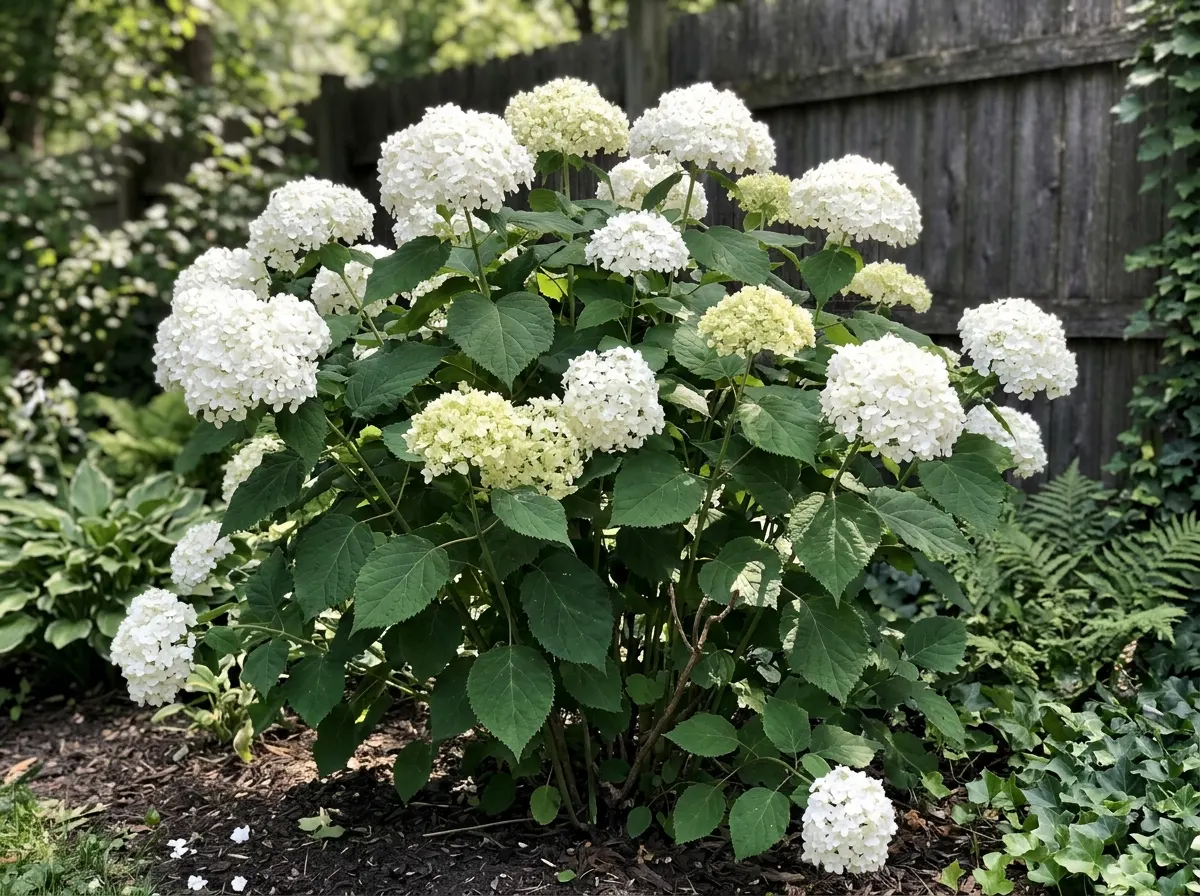
ShrubProduces massive globes of pink, blue, or white flowers all summer. The flower colour actually changes based on the acidity (pH) of your soil.
☀️ Light: Dappled shade / morning sun.
💧 Care: Very thirsty. Leave faded flower heads on over winter to protect new buds from frost.
English Lavender
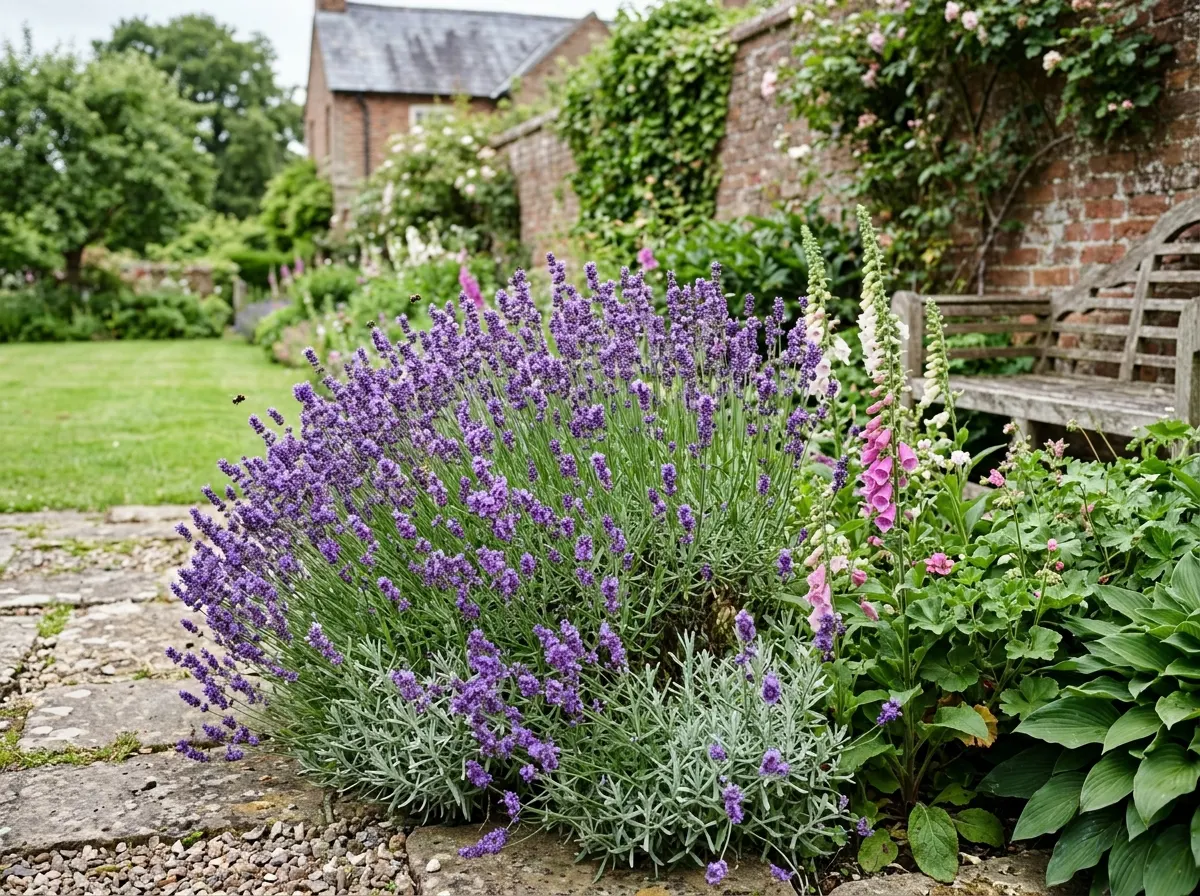
Herb/ShrubA highly aromatic, drought-resistant staple. Excellent for lining paths and attracting thousands of bees and pollinators to your garden.
☀️ Light: Full, baking sun.
💧 Care: Needs excellent drainage. Prune hard every August to stop it becoming 'leggy' and woody at the base.
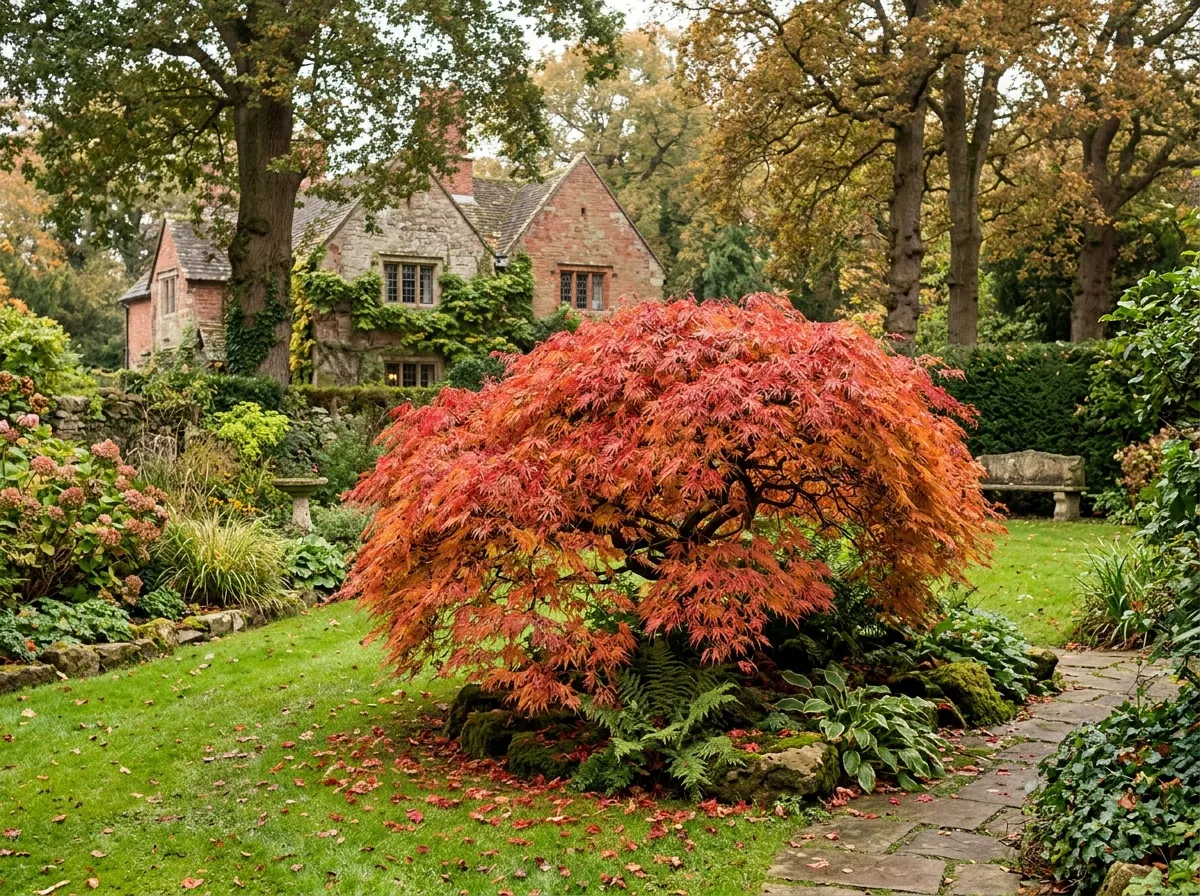
Japanese Maple (Acer)
Small TreeA slow-growing, highly ornamental tree famous for its delicate, deeply lobed leaves that turn fiery red and orange in autumn.
☀️ Light: Sheltered, partial shade.
💧 Care: Very prone to wind-burn and leaf scorch. Keep out of harsh afternoon sun and cutting winds.
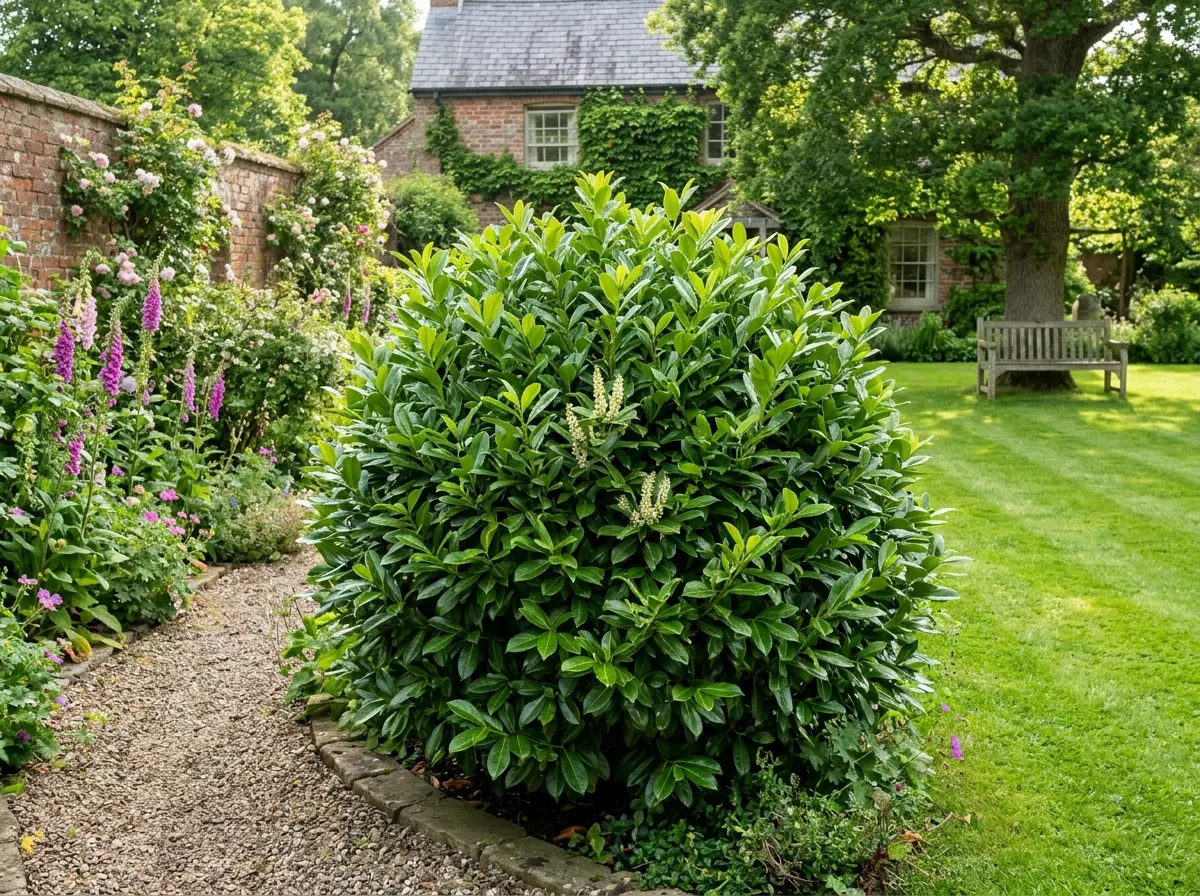
Cherry Laurel
HedgeThe UK's go-to fast-growing privacy screen. Features large, glossy, bright green evergreen leaves that completely block out neighbours.
☀️ Light: Sun or deep shade.
💧 Care: Prune twice a year. Warning: Leaves contain cyanide compounds; do not burn or compost clippings.
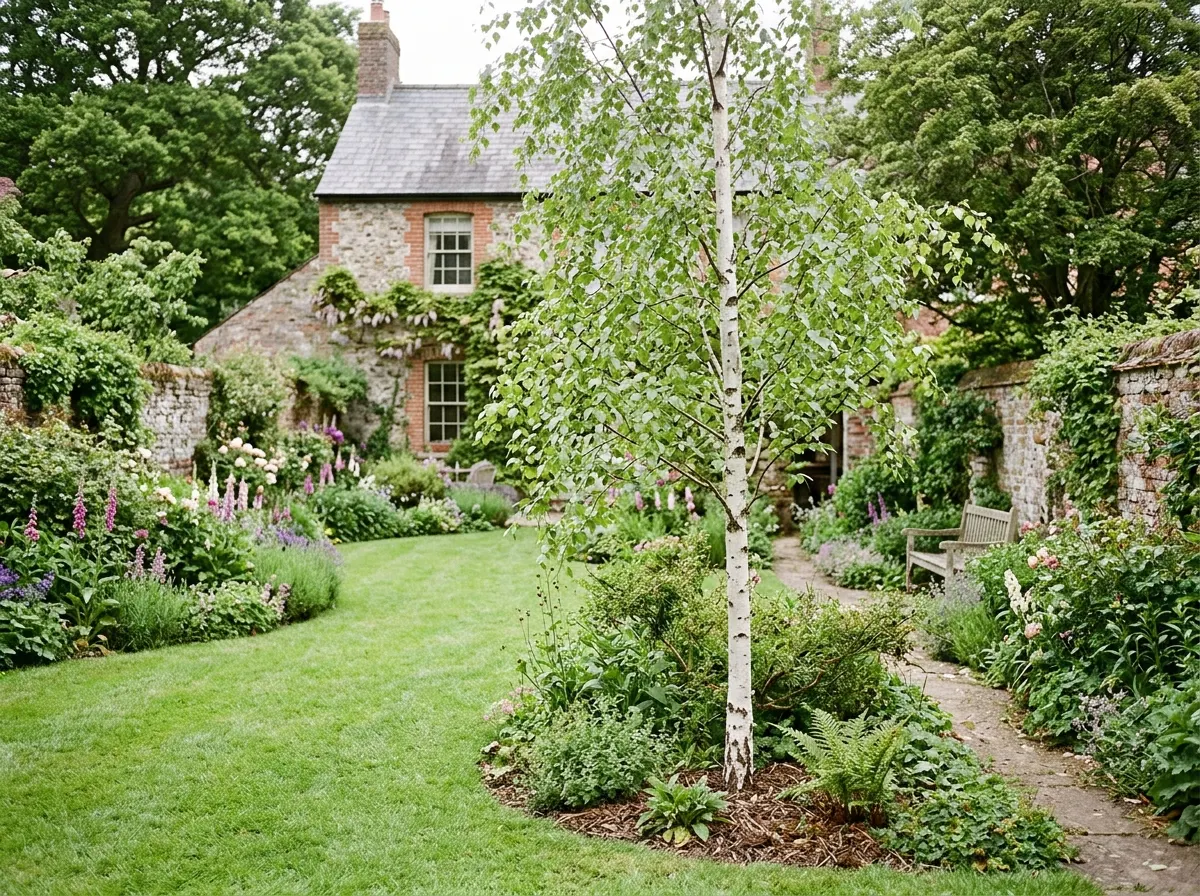
Silver Birch
TreeA stunning native UK tree. Its bright white, peeling bark looks spectacular in winter when the leaves have fallen. Often planted in groups of three.
☀️ Light: Full sun to light shade.
💧 Care: Very hardy and low maintenance. Casts a light 'dappled' shade that allows grass to grow beneath it.
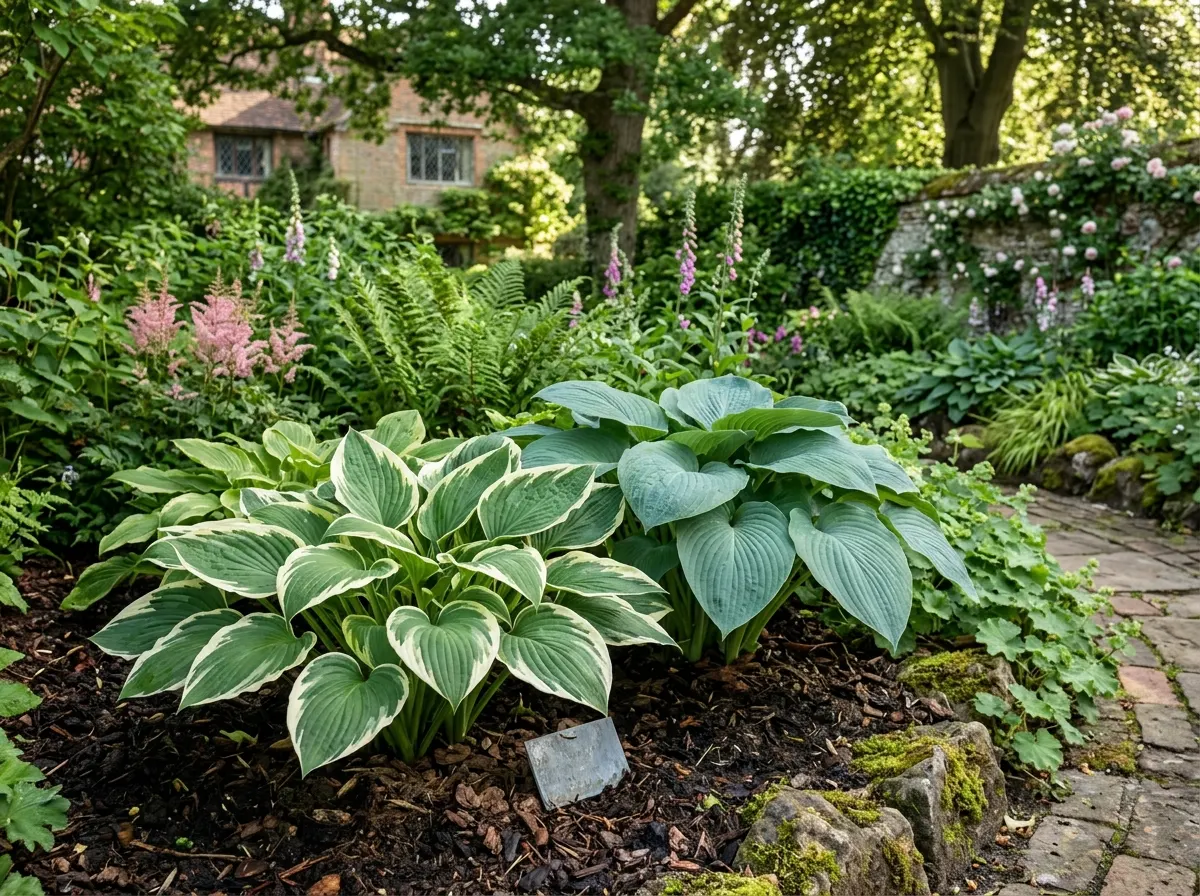
Hostas
PerennialGrown for their spectacular, lush, ribbed foliage rather than flowers. The ultimate plant for brightening up dark, damp corners of the garden.
☀️ Light: Partial to full shade.
💧 Care: Dies back to nothing in winter. Highly susceptible to slugs and snails in spring—protection is vital.
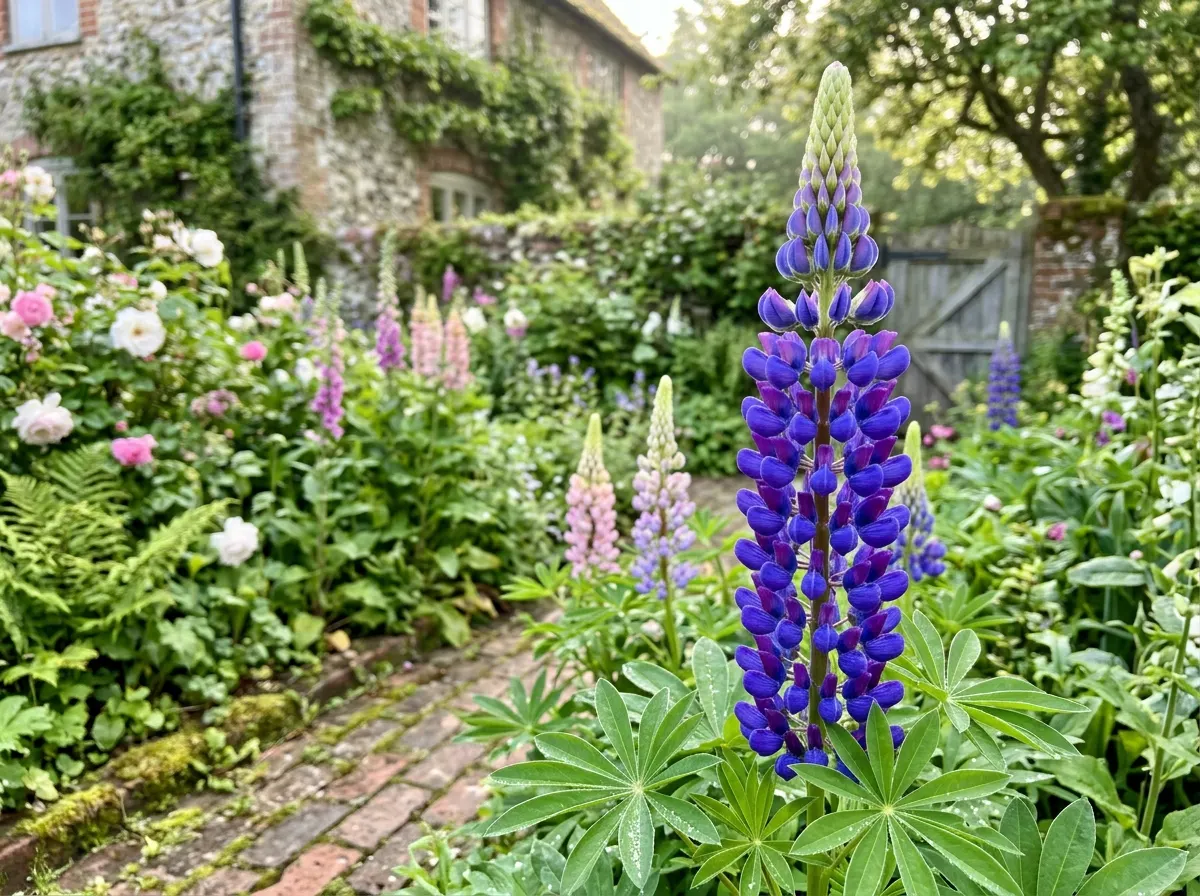
Lupins
PerennialThe quintessential cottage garden plant. They shoot up tall, dramatic architectural spires of densely packed, brightly coloured flowers in early summer.
☀️ Light: Full sun to dappled shade.
💧 Care: Deadhead (cut off) the flower spikes the moment they fade to encourage a second flush of blooms.
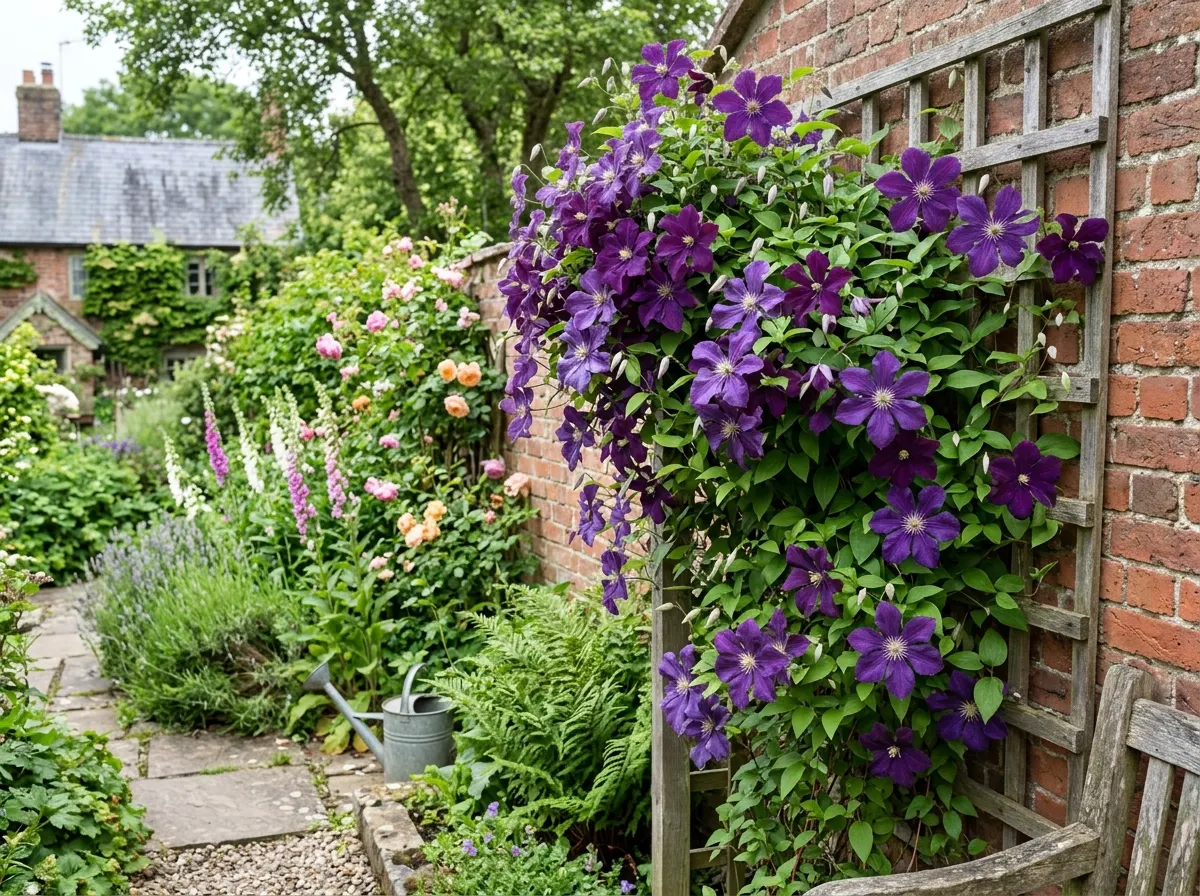
Clematis
ClimberThe 'Queen of Climbers'. Rapidly scales fences, trellises, and pergolas, erupting in massive, saucer-sized star-shaped flowers.
☀️ Light: Sun for the leaves, shade for the roots.
💧 Care: Plant deeply. Place large stones or low shrubs around the base to keep the roots cool and damp.
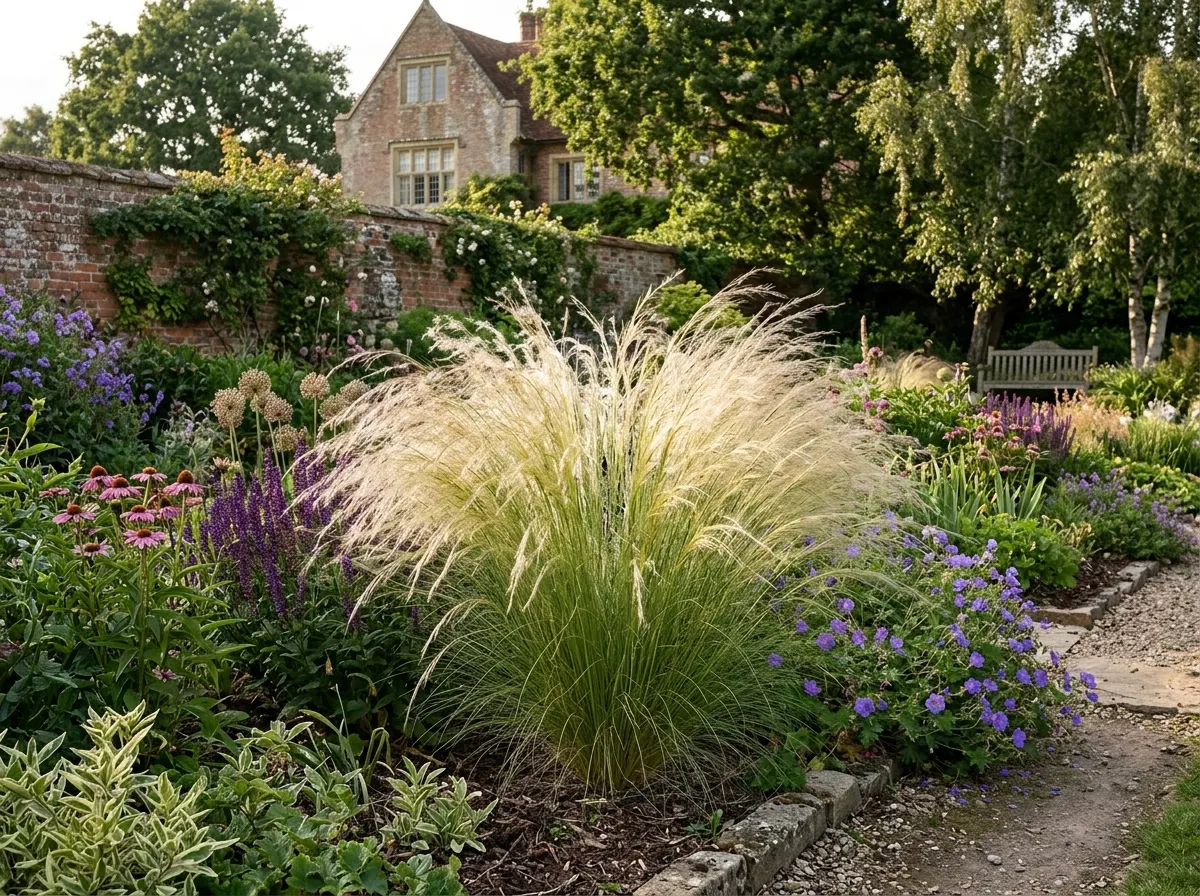
Mexican Feather Grass (Stipa)
GrassAn incredibly popular architectural grass used in modern landscaping. It forms wispy, blonde tufts that sway beautifully in the slightest breeze.
☀️ Light: Full sun.
💧 Care: Thrives in poor, dry soils. Do not cut back in winter; simply comb your fingers through it in spring to remove dead blades.
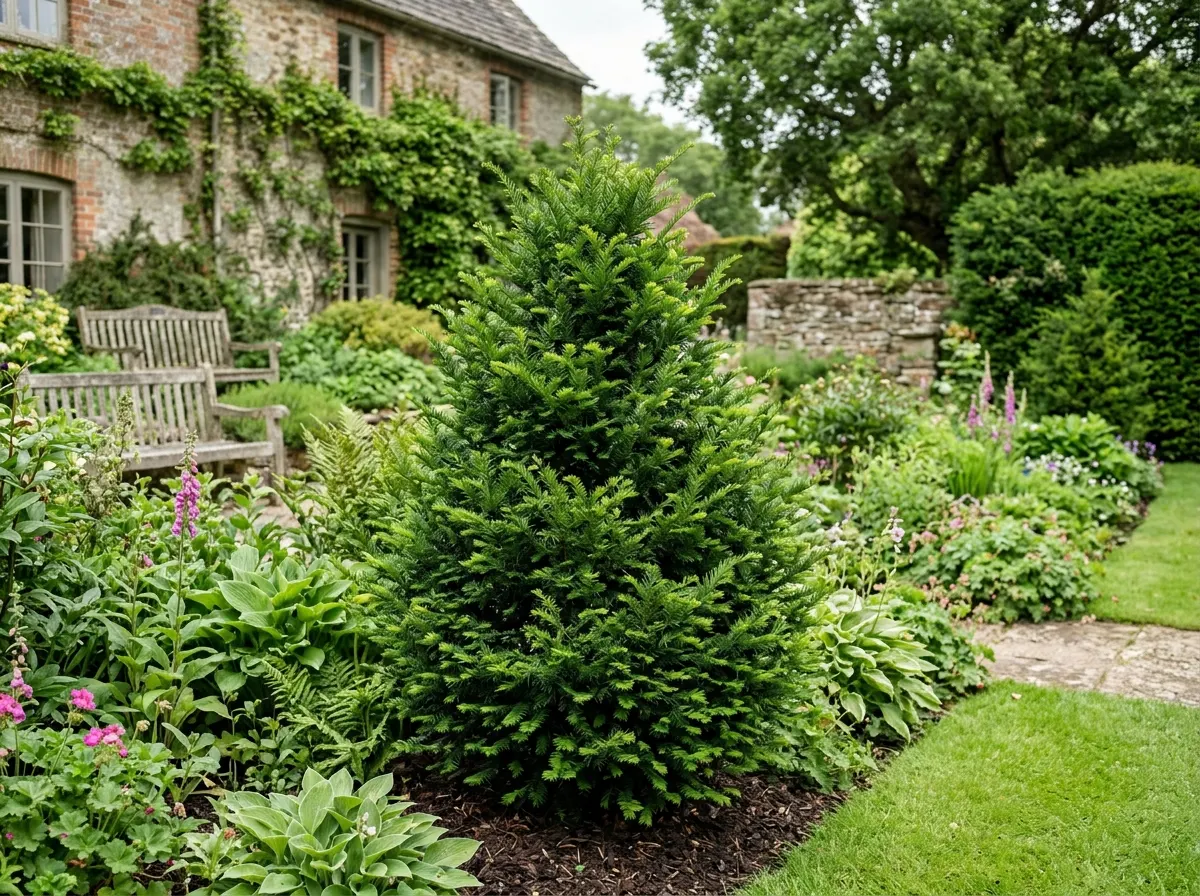
English Yew (Taxus)
Hedge/TopiaryThe ultimate formal evergreen. Forms razor-sharp, dense, dark green boundaries that can live for hundreds of years. Excellent for topiary.
☀️ Light: Anything (Full sun to deep shade).
💧 Care: Slow growing. Requires excellent drainage—it will quickly die if left sitting in waterlogged winter clay.
Planting Mistakes to Avoid
Hundreds of pounds of expensive plants can die within weeks if basic horticultural rules are ignored. Watch out for these red flags:
Ignoring Soil Type
Plants are incredibly fussy. Acid-loving plants like Rhododendrons, Camellias, and Blueberries will turn yellow and die if planted in chalky or alkaline soil. Always buy a cheap £10 soil testing kit before dropping hundreds on plants.
Planting Too Deeply
This is the number one tree-killer. If a tree or shrub is planted deeper than it was in its original pot, burying the stem in soil, the bark will rot, causing fatal disease. The top of the rootball must sit flush with the soil surface.
The Leylandii Trap
Leyland Cypress is cheap and grows incredibly fast (up to 1 metre a year). However, if you don't commit to trimming it heavily twice a year, it will rapidly grow into a 40ft monster that blocks out all your light and drains the soil of all moisture.
Regional Labour Differences
While plant prices at large garden centre chains are relatively stable across the UK, professional landscaping and design labour varies heavily depending on your location.
Garden designers and landscapers in London and the South East typically charge 20% to 30% more than the national average. A £2,000 planting project in Wales or the North will easily quote at £2,600+ in the capital to cover increased business overheads and travel.
- London & South East + 20% to 30%
- Midlands & South West National Average
- North, Wales & Scotland - 10% to 15%
Top Cost-Saving Tips
- ✓ Buy Bare Root: From November to March, trees and hedging are dormant and can be bought 'bare root' (dug up without soil or plastic pots). It is the absolute cheapest way to buy bulk planting, often 50% less than summer potted plants.
- ✓ Patience pays off: Buy shrubs in smaller 2-Litre pots rather than mature 10-Litre specimens. With good soil prep and watering, small plants adapt faster and often catch up to the larger, more expensive plants within 3 years.
How Long Does Garden Planting Take?
A standard garden border planting scheme typically takes 1 to 2 days to prepare the soil and get the plants safely in the ground. Below is a detailed breakdown of the horticultural process, project sizes, and factors that can impact the timeframe.
Schedule of Works (Standard Mixed Border)
Soil Preparation
The landscaper clears the area of surface weeds, stones, and debris. The soil is deeply turned over using a garden fork or rotavator. Copious amounts of organic matter—such as compost or well-rotted manure—are dug into the earth to improve its structure and fertility.
Setting Out & Digging
Plants are arranged on top of the soil while still in their pots. This allows you to visualise the final layout and ensures the plants have correct spacing to grow. Once the layout is approved, holes are dug—typically twice as wide as the root ball but at the exact same depth.
Planting & Firming
Plants are removed from their pots, and tight roots are gently teased out. A root-boosting fungus (mycorrhizal fungi) may be sprinkled into the hole. The plant is placed in, backfilled with the enriched soil, and gently firmed in by foot to remove underground air pockets.
Watering & Mulching
The new plants receive a deep, thorough watering to settle the soil directly around the roots. Finally, a thick 50mm layer of decorative bark mulch is spread over the bare soil to suppress future weeds and lock in vital moisture. Any tall trees are staked and tied.
Timeline by Project Scope
What could cause delays?
Planting cannot take place if the ground is completely frozen or heavily waterlogged. Conversely, planting during a peak summer heatwave will highly stress the plants and risk them dying of shock.
Many new-build gardens have a thin layer of turf hiding compacted clay, old bricks, and builders' rubble beneath. Digging this out and importing fresh topsoil will vastly extend the preparation phase.
If you are planting mature, semi-grown trees (which often come in 50+ litre pots weighing up to 80kg) and only have access through your living room, moving them into the garden is incredibly slow work.
DIY Garden Planting & Hedging
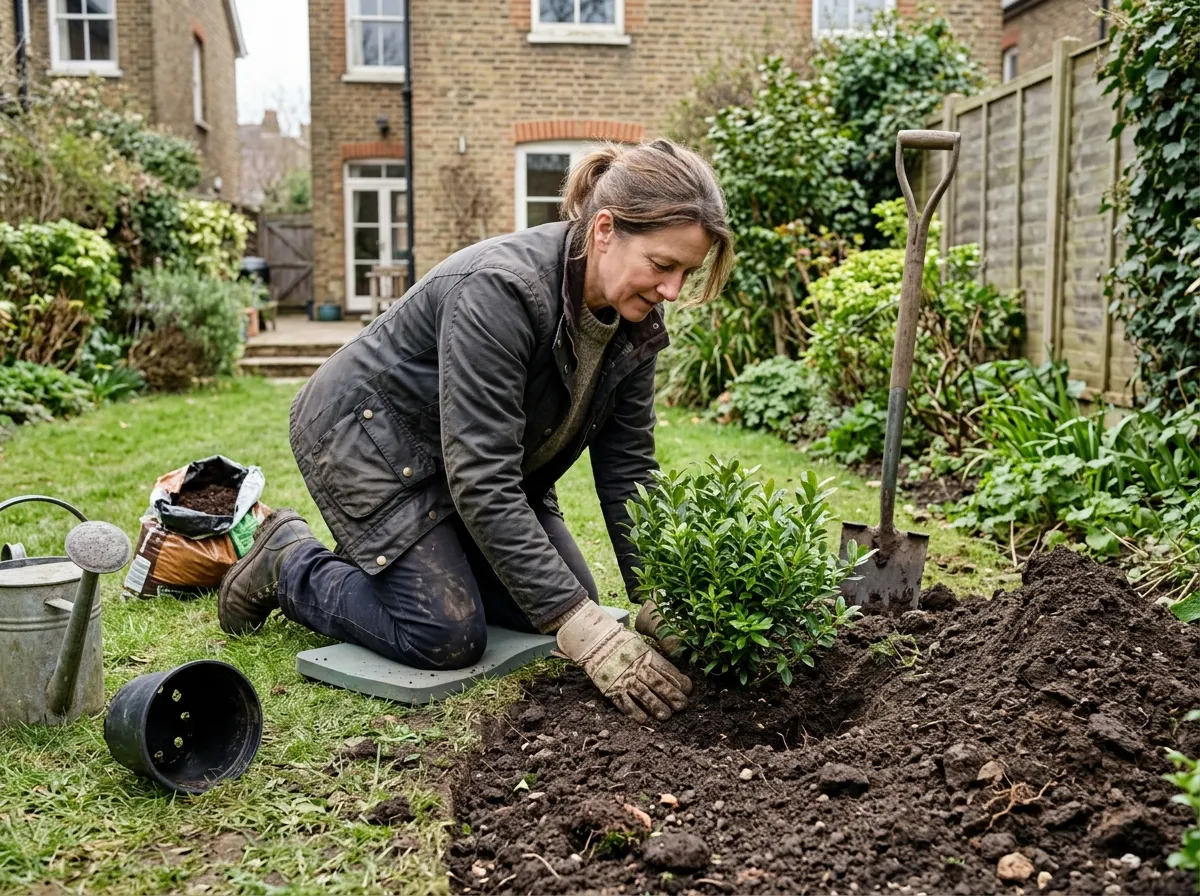
"Soft landscaping" (the actual planting of shrubs, trees, and hedges) is one of the most rewarding DIY tasks you can undertake. Professional landscapers typically charge £200 to £350 a day in labour just to dig holes and place plants that you could easily source and plant yourself over a weekend.
The biggest secret to saving money on planting is timing and plant size. Buying large, established potted plants in the middle of summer is incredibly expensive. If you are willing to buy smaller "bare-root" plants during the dormant winter months (November to March), you can plant an entire boundary hedge for a fraction of the summer cost, requiring nothing more than a spade, some compost, and a bit of effort.
| Task | Professional Cost (Supply & Fit) | DIY Cost (Plants Only) | Potential Saving |
|---|---|---|---|
| 10m Bare-Root Hedge (e.g., Hawthorn) | Professional Cost £300 – £450 | DIY Cost £60 – £90 | Potential Saving Up to £360 |
| 10m Potted Hedge (e.g., Laurel) | Professional Cost £600 – £900 | DIY Cost £250 – £400 | Potential Saving Up to £500 |
| Planting a 5m² Mixed Flower Border | Professional Cost £300 – £500 | DIY Cost £100 – £180 | Potential Saving Up to £320 |
| Planting a Specimen Tree (2m tall) | Professional Cost £150 – £250 | DIY Cost £60 – £100 | Potential Saving Up to £150 |
Frequently Asked Questions
The most important things you need to know before visiting the garden centre or booking a landscaper.
How much does a professional garden planting plan cost in the UK?
In 2026, a professional garden designer or horticulturist typically charges between £300 and £800 for a bespoke 2D planting plan for a small to medium UK garden. Full 3D redesigns of the entire landscape (including hardscaping and paving) can range from £800 to £2,000+.
How much does a gardener charge per hour for planting?
An independent local gardener usually charges between £25 and £45 per hour to prep soil, weed, and plant out garden borders. If you hire a professional two-man landscaping team for heavy-duty specimen tree or large root-ball hedge planting, expect to pay £300 to £450 per day.
How much does it cost to supply and plant a new garden hedge?
Fast-growing privacy hedges like Cherry Laurel cost roughly £20 to £50 per linear metre (supply only). Formal evergreen hedges like Yew cost £40 to £90 per linear metre. Labour for a landscaper to dig the trench, improve the soil, and plant them will add £20 to £40 per metre.
What is the cheapest way to buy garden plants and trees?
Buying 'bare root' plants during the dormant UK winter months (November to March) is the absolute cheapest way to buy hedging and trees. For summer flowers and perennials, buying small 'plug plants' in spring or growing from seed is vastly cheaper than buying fully grown potted plants from a garden centre in July.
When is the best time of year to plant trees and shrubs in the UK?
Autumn (September to November) is the optimal time to plant trees, shrubs, and hardy perennials. The UK soil is still warm enough for rapid root growth, and the natural winter rain ensures they establish safely without needing constant manual watering. Spring (March to April) is the second best option.
Do I need to buy bulk topsoil or compost for new flower beds?
If you are building new raised sleeper beds, yes. You will need to order bulk bags of screened topsoil (£70 - £110 per tonne bag). If you are planting directly into existing garden ground, you generally don't need topsoil; instead, dig in cheaper soil improvers like organic compost or well-rotted manure to enrich the existing earth.
What are the best low-maintenance evergreen plants for UK borders?
For year-round structural greenery with minimal upkeep, hardy evergreens like Choisya (Mexican Orange Blossom), Hebe, Euonymus, and Skimmia are excellent choices. They typically cost £15 to £35 for a standard 2 to 3-litre garden centre pot and require very little pruning compared to fast-growing deciduous shrubs.
How much space should I leave between new garden plants?
Always space plants according to the 'ultimate spread' dimensions listed on the nursery label, not their current small size in the pot. Overcrowding is a common DIY mistake that leads to fungal diseases and poor air circulation. A professional planting plan factors in a 3 to 5-year growth trajectory so your borders fill in naturally over time.
Disclaimer: The figures in this guide are carefully calculated averages derived from UK landscaping and horticultural industry cost data for 2026. Material prices and labour rates will fluctuate based on local availability, plant maturity, and exact project specifications.
Related Gardening Cost Guides
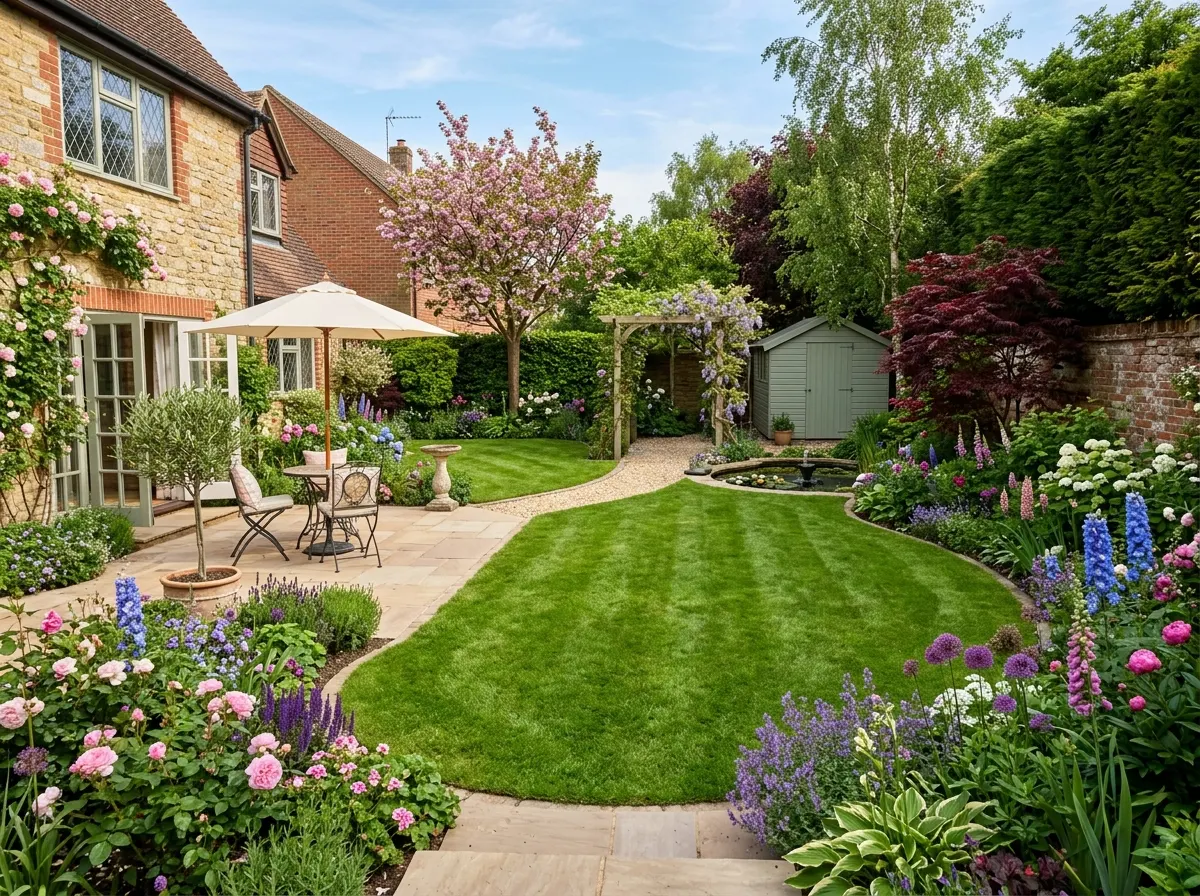
Garden Landscaping Costs
Full garden redesigns and overall structural budget guides.
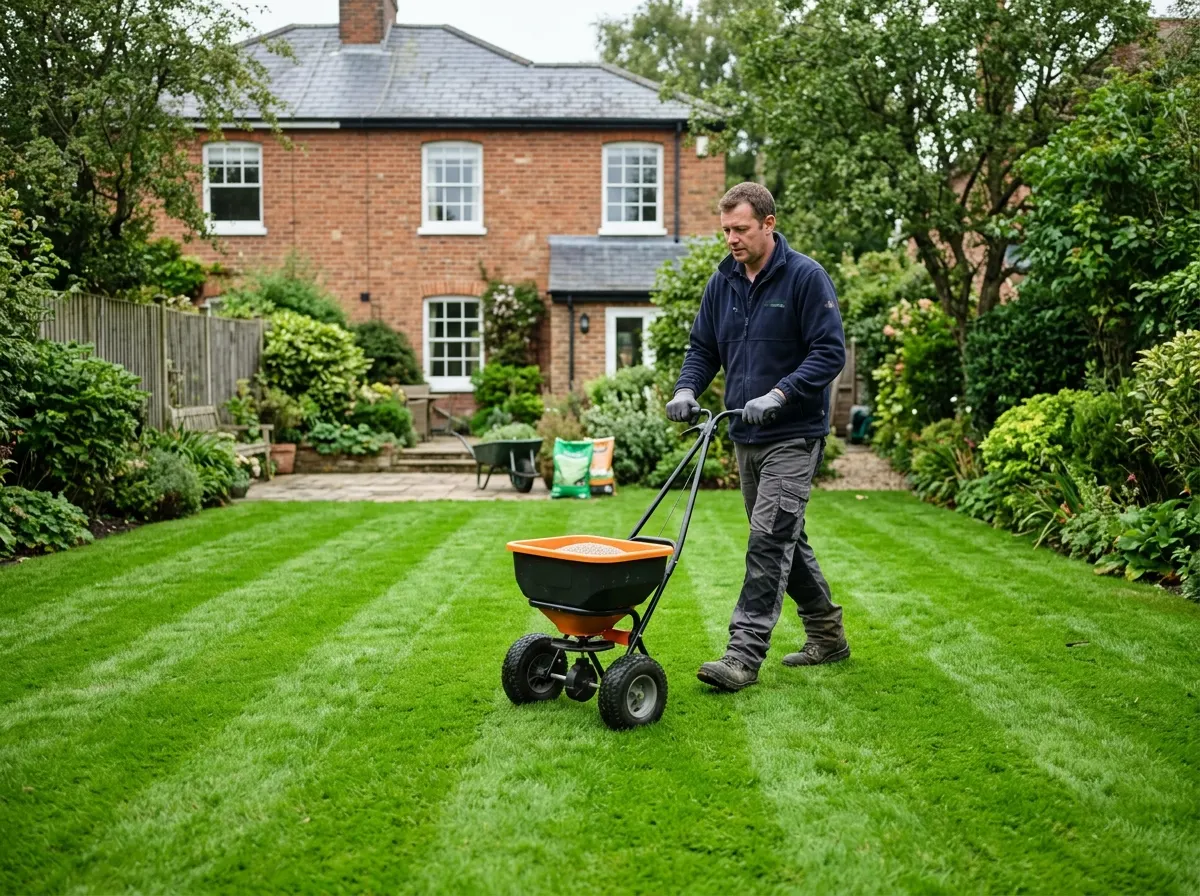
Lawn Care Costs
Prices for scarifying, aeration, top dressing and turfing.
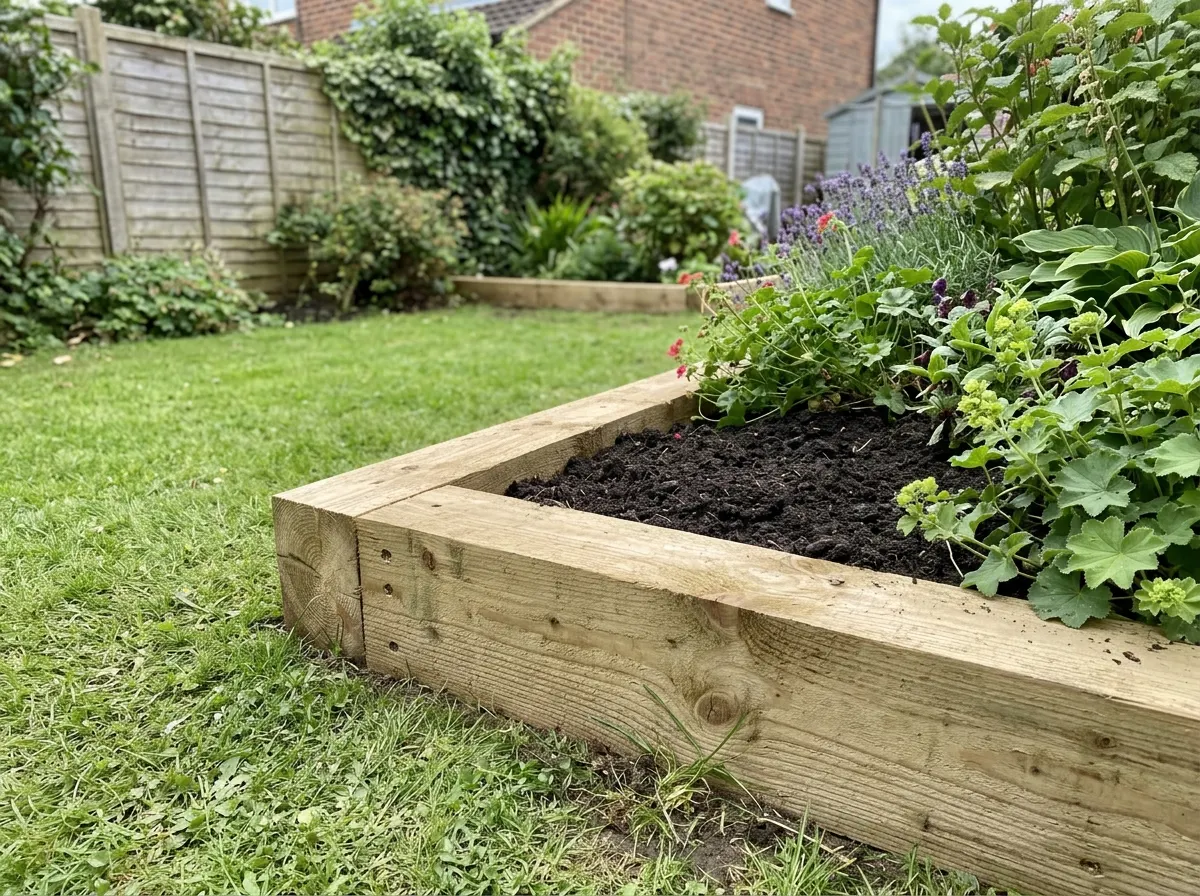
Flower Bed & Borders
Costs for building raised sleeper beds and ground edging.
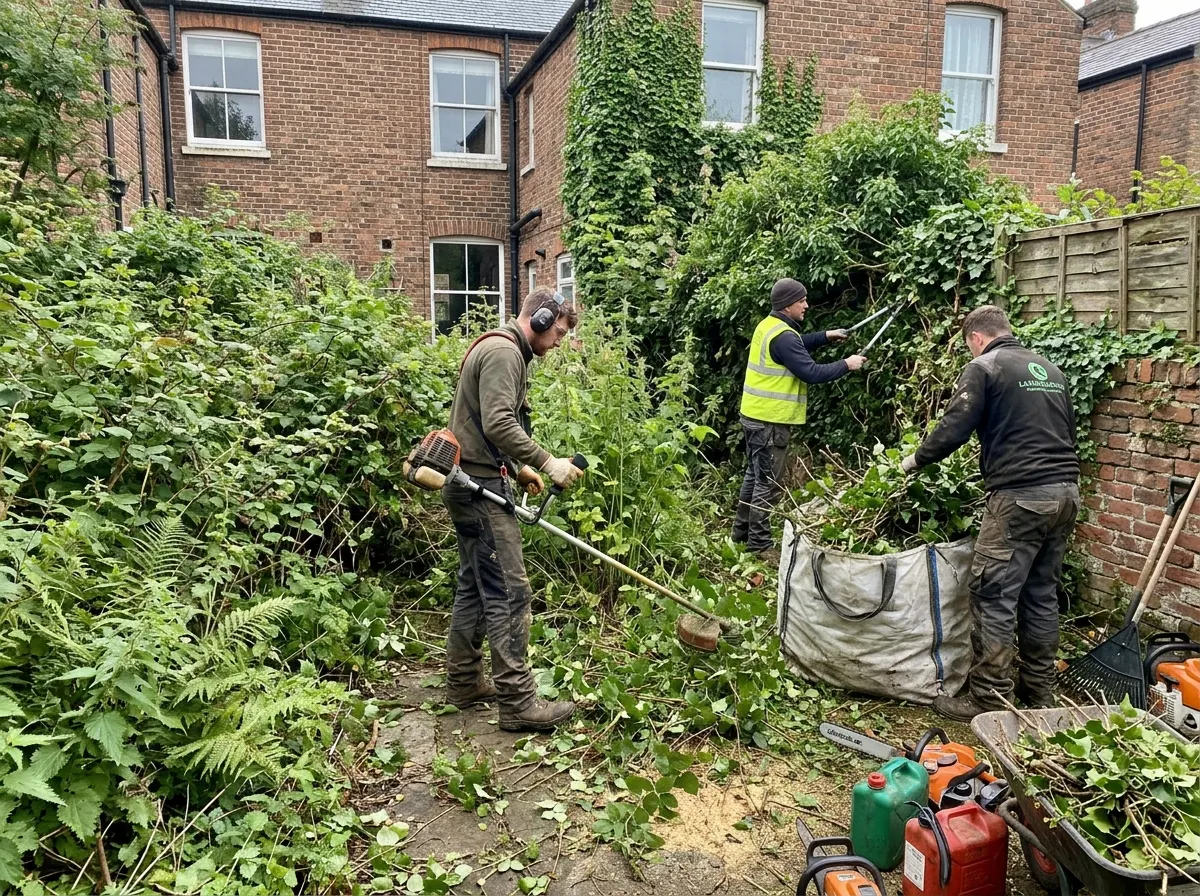
Garden Clearance Costs
Prices for cutting back jungles and removing green waste.
Ready to transform your garden?
Use our AI to get a precise estimate for your exact planting project, then connect with Pricing Penguin Accredited landscapers and gardeners near you.
Did you find this page helpful?
Let us know if this guide helped you plan your planting project.