How much does a house renovation cost?
 By Tom Ellis
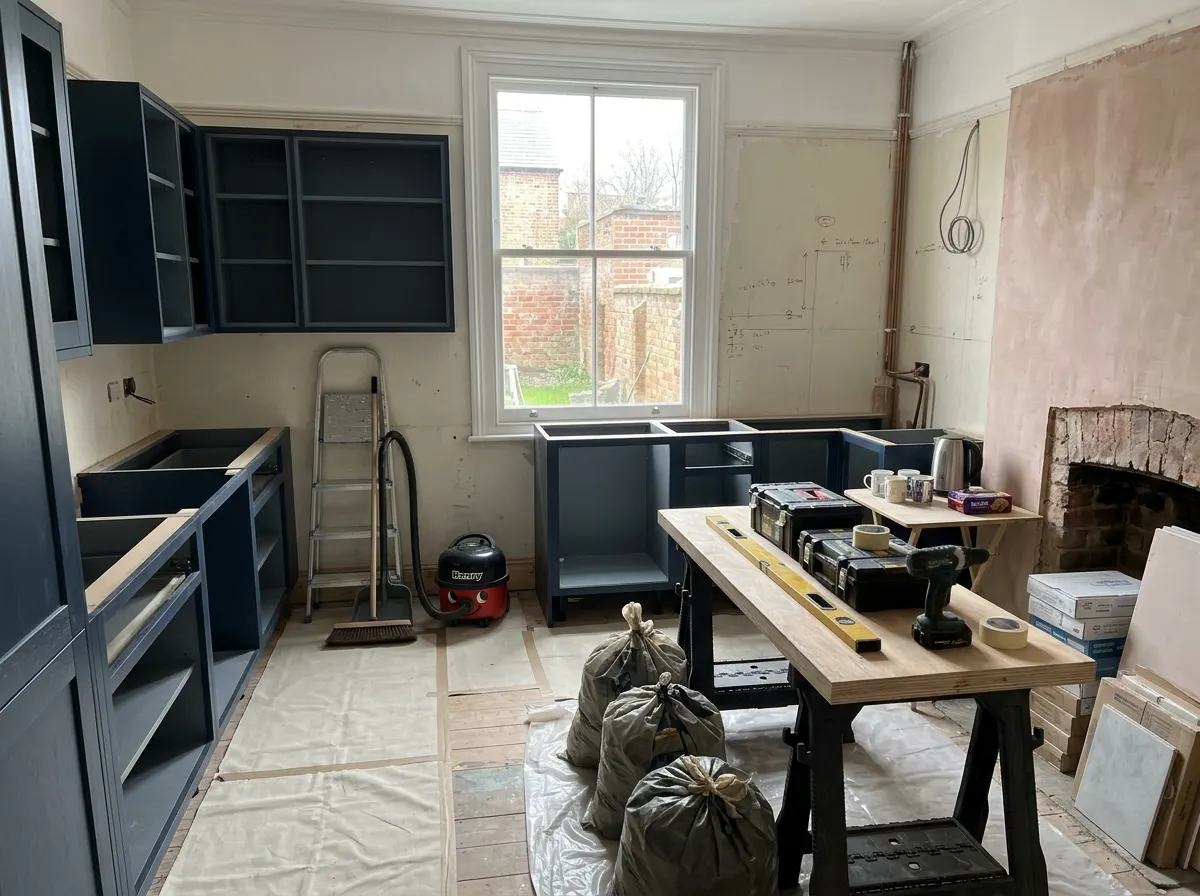
Taking on a "doer-upper" is the classic route to climbing the UK property ladder. Whether you are stripping a neglected Victorian terrace back to its bare brickwork, or simply modernising a tired 1980s semi to create a stunning open-plan family home, a renovation is the most complex project you can undertake.
The difference between a cosmetic facelift and a heavy structural rip-out is hundreds of thousands of pounds. Navigating trades, material supply chains, structural engineers, and Building Control requires precise budgeting. This definitive 2026 guide breaks down every aspect of full-house renovations, room-by-room costs, and specific architectural styles.
Prices move month to month. See how they are changing in the Penguin Index, or compare common jobs across the UK in our UK Home Improvement Cost Report.
£400 - £700 / m²
Decorating, new carpets, budget kitchen/bathroom swap. No walls moved, no major rewiring.
£700 - £1,100 / m²
Full rewire, new central heating, new plastering, quality kitchen and bathroom fit-outs.
£1,200 - £2,000+ / m²
Knocking down load-bearing walls, replacing roofs, installing steel beams, bespoke architectural finishes.
Get an instant estimate for your renovation
Full House Renovation Rates
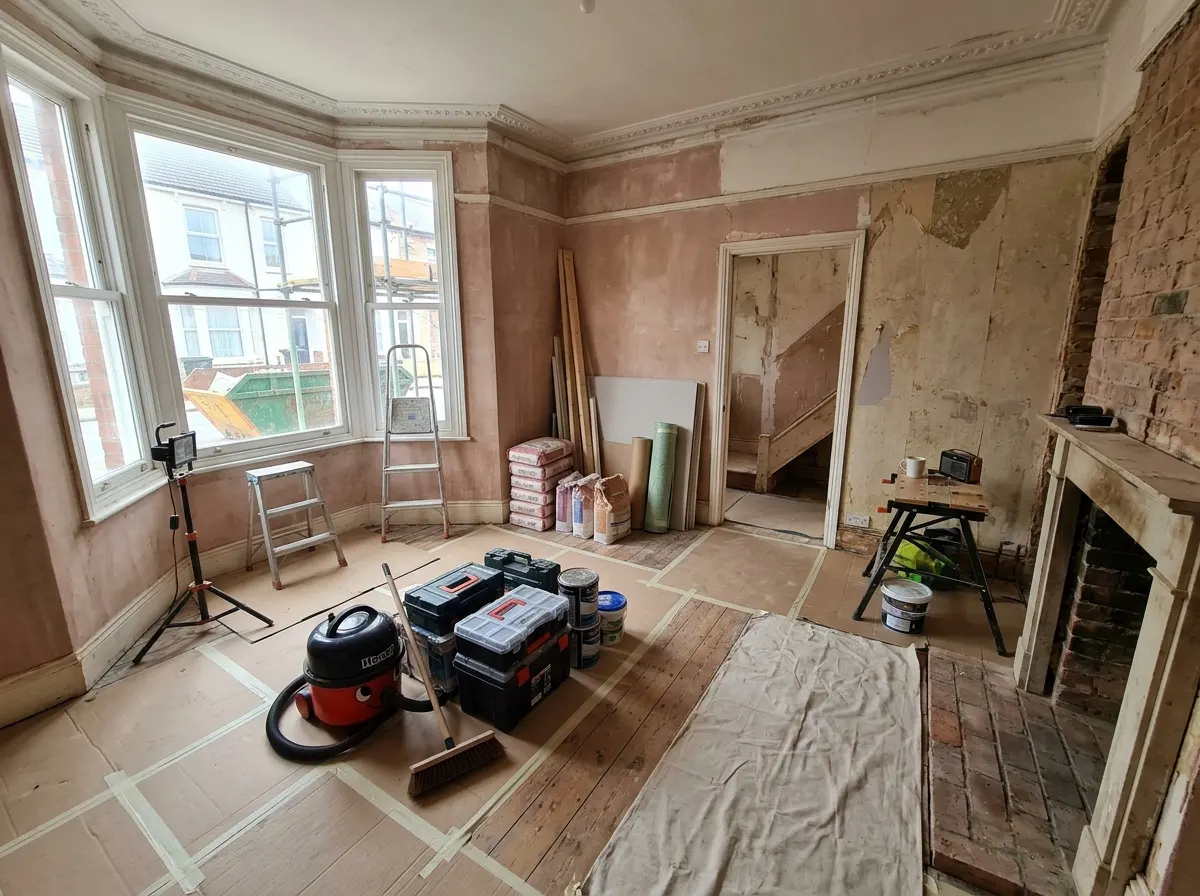
Calculating a renovation per square metre (m²) is the most accurate way for architects and quantity surveyors to quickly quote a project. The rate multiplies rapidly based on the condition of the hidden 'first fix' elements (wiring, plumbing, joists) beneath the floorboards.
| Condition / Scope | Description | 2026 Price (per m²) |
|---|---|---|
| Cosmetic Only | Painting, new laminate flooring, basic kitchen/bathroom swap. Services untouched. | £400 – £700 |
| Medium Refurbishment | Full rewire, new boiler & radiators, plastering, quality kitchen/bath installations. | £700 – £1,100 |
| Heavy Structural | Moving load-bearing walls, fixing subsidence, new roof, complete rip-out to brick. | £1,200 – £2,000+ |
| High-End Luxury | Bespoke joinery, smart home integration, underfloor heating, premium stone finishes. | £2,500 – £4,000+ |
Room-by-Room Breakdown
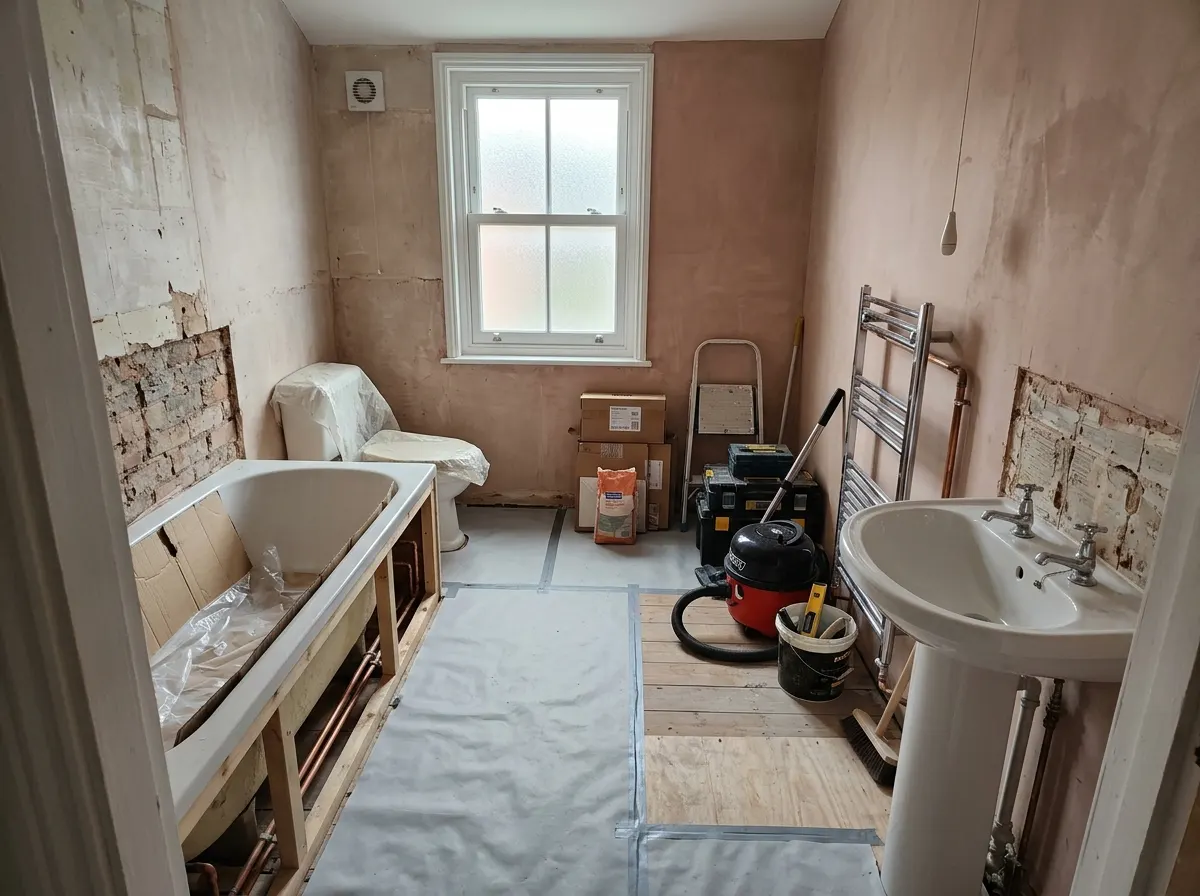
If you are managing the project yourself (acting as the main contractor), you will hire individual trades. Kitchens and bathrooms represent the largest portion of any renovation budget due to the concentration of plumbing, electrics, and high-value cabinetry required in a small footprint.
| Trade / Room | Scope of Work | 2026 Price |
|---|---|---|
| New Kitchen | Rip out, plaster, medium-spec units, laminate worktops, appliances, and fitting. | £8,000 – £20,000+ |
| New Bathroom | Rip out, plumbing, suite, tiling, and fitting (Standard size). | £5,000 – £12,000 |
| Full Rewire | Standard 3-bedroom house including new consumer unit and testing. | £4,500 – £6,500 |
| Central Heating System | New combi-boiler, pipework, and 7-9 radiators installed. | £4,000 – £7,000 |
| Plastering (Per Room) | Skimming walls and ceiling of a standard 4x4m room. | £500 – £900 |
| New Windows (UPVC) | Supply and fit for an entire 3-bedroom semi (approx. 8-10 windows). | £5,000 – £10,000 |
Structural & Open-Plan Works
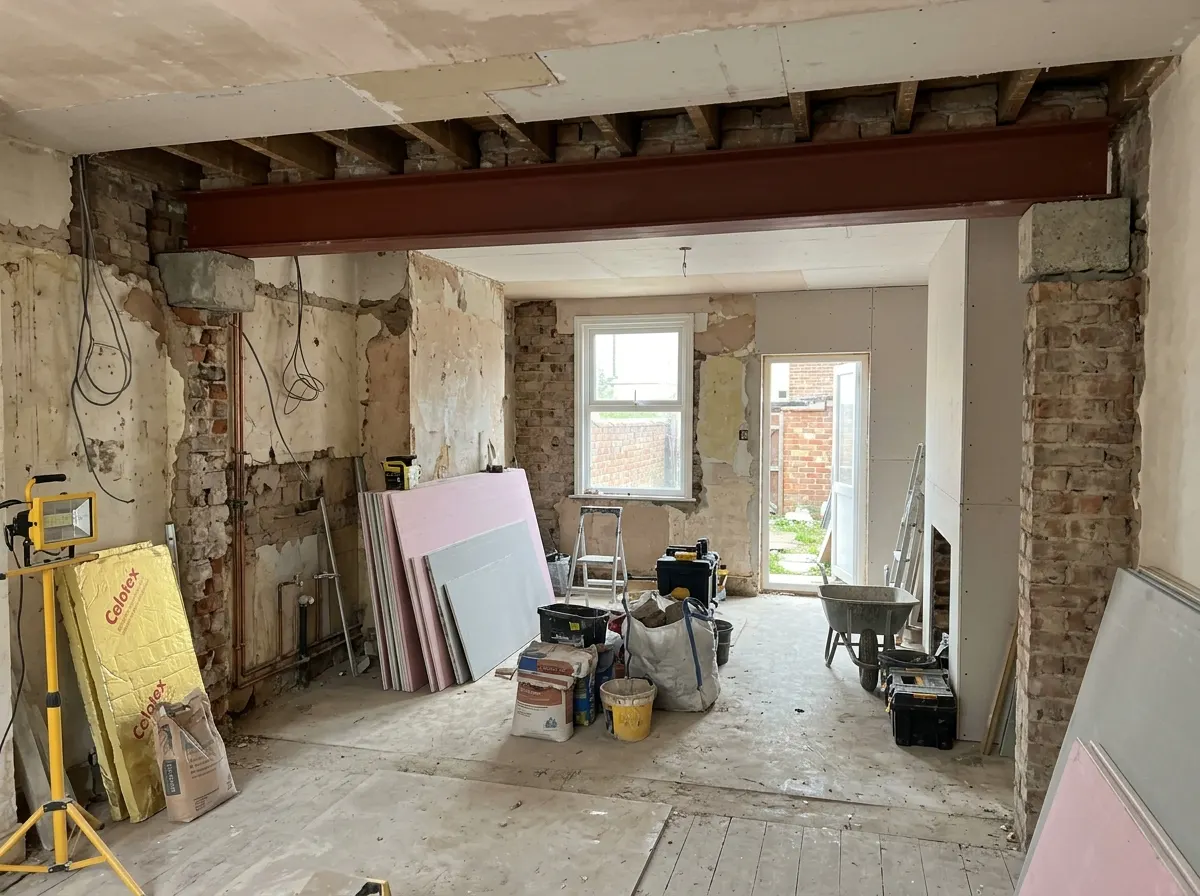
Modern living demands large, open-plan kitchen-diners. To achieve this in an older property, you must remove internal load-bearing walls. This requires a Structural Engineer to calculate the weight of the house above, and builders to install heavy steel beams (RSJs) to support the ceiling. This work must be signed off by Building Control.
| Service / Item | Description | 2026 Price |
|---|---|---|
| Structural Engineer Calculations | Site visit and maths required for Building Control approval (per beam). | £400 – £800 |
| Load-Bearing Knock Through | Labour, propping the ceiling, installing the steel RSJ, and waste removal. | £2,000 – £4,000 |
| Building Control Fees | Local council fees to inspect and certify the structural alterations. | £300 – £600 |
| Party Wall Agreement | Legal surveyor costs if the beam is inserted into a shared neighbour's wall. | £800 – £1,500+ |
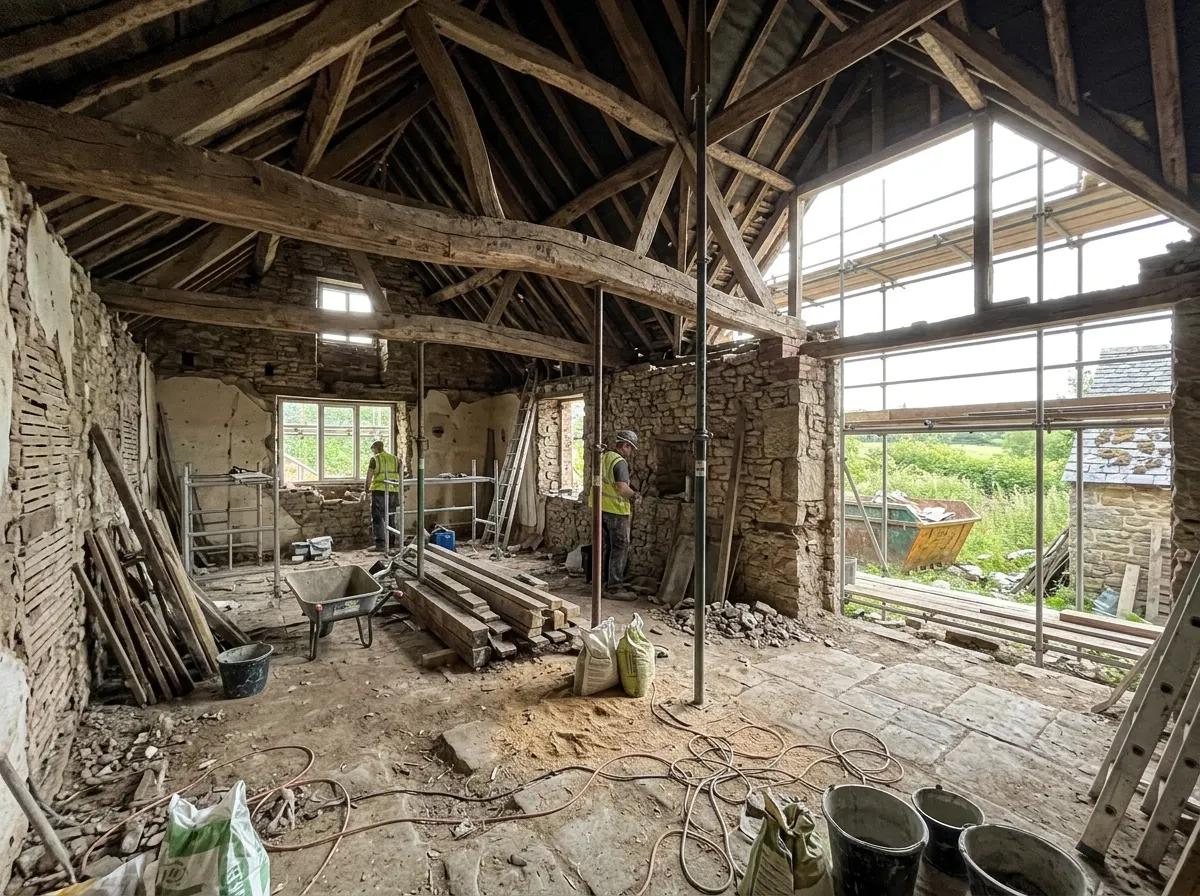
Period Property Restoration
Renovating a Victorian or Edwardian home is fundamentally different to fixing a modern house. Old houses were built to "breathe". If you seal them up with modern cement, gypsum plaster, and plastic windows, you trap moisture inside, leading to severe damp and rot.
Restoration requires specialist heritage tradespeople who understand breathable lime mortar, traditional lath-and-plaster ceilings, and timber preservation.
| Restoration Item | Description | Premium Cost |
|---|---|---|
| Lime Plastering | Breathable plaster. Highly skilled application taking much longer to dry than modern gypsum. | +30% - 50% vs standard |
| Sash Window Refurbishment | Repairing rotten timber, replacing cords/weights, and adding draught-proofing to an original window. | £500 – £900 per window |
| Lime Repointing | Raking out hard cement and replacing with breathable lime mortar to save the soft period bricks. | £80 – £120 / m² |
| Chemical DPC (Damp Proof) | Injecting a chemical damp proof course into the walls to stop rising damp from the ground. | £500 – £1,000+ |
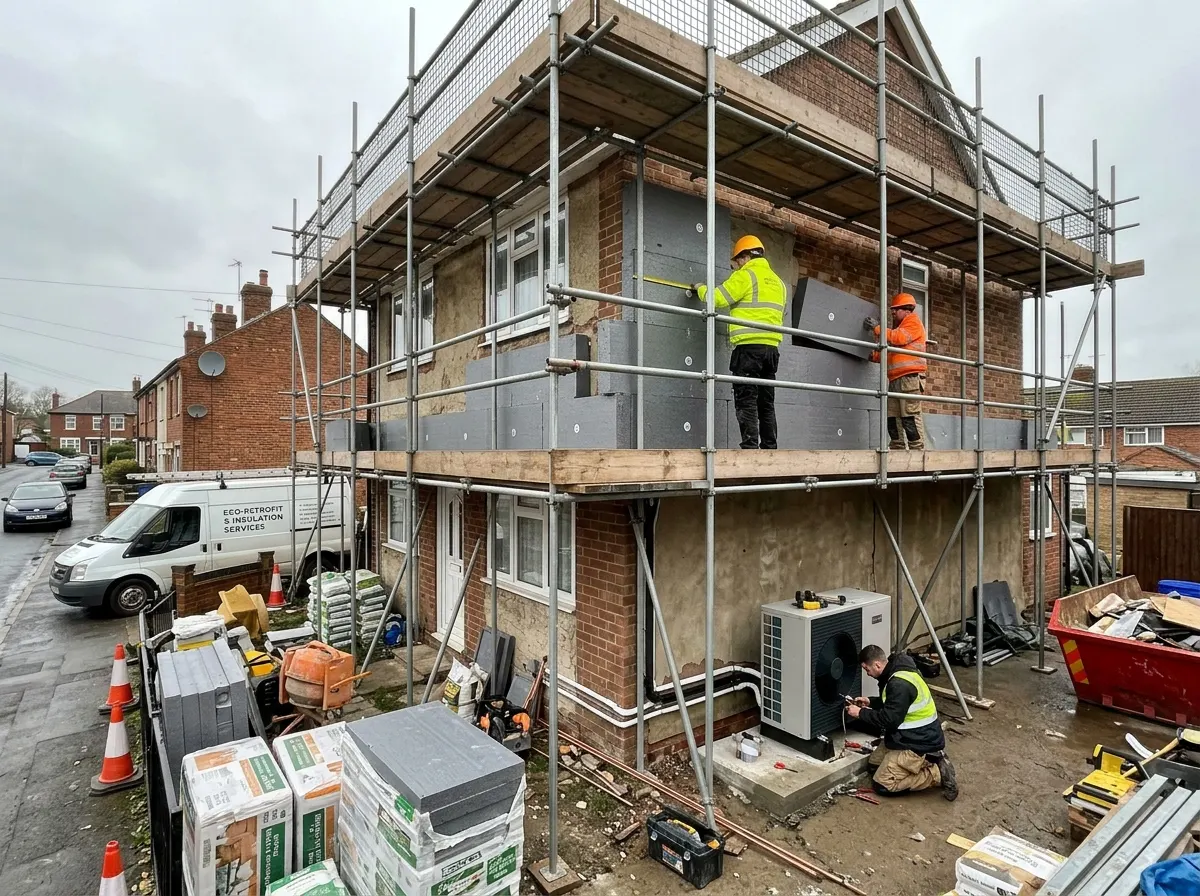
Eco-Retrofits & Modernisation
To meet the UK's net-zero targets and combat high energy bills, many renovations now incorporate a "Deep Retrofit". This focuses on a 'fabric first' approach: insulating the shell of the house before installing low-carbon heating systems like Air Source Heat Pumps (ASHP). Note: many of these currently qualify for 0% VAT.
| Eco Upgrade | Description | 2026 Price |
|---|---|---|
| External Wall Insulation (EWI) | Wrapping the exterior of a solid-wall house in insulation boards and rendering over it. | £8,000 – £14,000 |
| Air Source Heat Pump (ASHP) | Replacing a gas boiler with an electric heat pump (Pre-government grant price). | £10,000 – £15,000 |
| Solar PV Panels & Battery | Installing a 4kW solar array and a 5kWh home storage battery. | £8,000 – £12,000 |
| Wet Underfloor Heating | Installing UFH loops and screed across the ground floor. Highly efficient with heat pumps. | £40 – £80 / m² |
The Hidden Disasters of Renovating
A renovation budget can double overnight if you encounter hidden defects or use bad builders. Watch out for these catastrophic red flags:
Hidden Asbestos
If your house was built before 2000, it likely contains asbestos (in artex ceilings, floor tiles, or pipe lagging). If builders rip it down unsafely, you face massive fines and a contaminated house. Always commission an Asbestos Refurbishment Survey (£250) before demolition begins.
No JCT Contract
Never hand a builder £50,000 based on a handshake and an email. Insist on a formal JCT (Joint Contracts Tribunal) Minor Works contract. This legally protects you against the builder walking off-site, dictates a strict payment schedule, and covers what happens if costs overrun.
Ignoring Building Control
Knocking down internal walls without Building Control approval is illegal. When you come to sell the house, the buyer's solicitor will demand the Completion Certificate. If you don't have it, you may be forced to rip open the ceilings to prove the steel beams are safe.
Regional Labour Differences
Materials account for roughly 40% of a renovation, but labour makes up 60%. Plumbers, electricians, plasterers, and bricklayers charge vastly different day rates depending on your postcode.
Main contractors in London and the South East typically charge 20% to 30% more than the national average. A £60,000 full-house refurbishment in Wales or the North will easily quote at £80,000+ in the capital to cover increased wages, parking permits, and ULEZ charges for vans.
- London & South East + 20% to 30%
- Midlands & South West National Average
- North, Wales & Scotland - 10% to 15%
Top Cost-Saving Tips
- ✓ Don't move the plumbing: If you are updating a kitchen or bathroom, keeping the sink and toilet in their original positions saves thousands in first-fix plumbing and soil stack alterations.
- ✓ Do the strip out yourself: Paying skilled builders £250 a day to rip up old carpets and hammer off 1970s bathroom tiles is a waste of money. Spend a weekend doing the heavy demolition yourself before they arrive.
- ✓ Source your own finishes: Builders mark up materials. Buy your own bathroom suites, light fittings, and tiles online. Let the builder supply the messy stuff (plaster, cement, cables).
How Long Does a Home Renovation Take?
A full structural and cosmetic renovation of a standard 3-bed house typically takes between 2 to 3 months. Below is a detailed breakdown of the major phases, project scopes, and factors that can significantly impact your completion date.
Schedule of Works (Standard Full House Refurb)
Strip Out & Structural Works
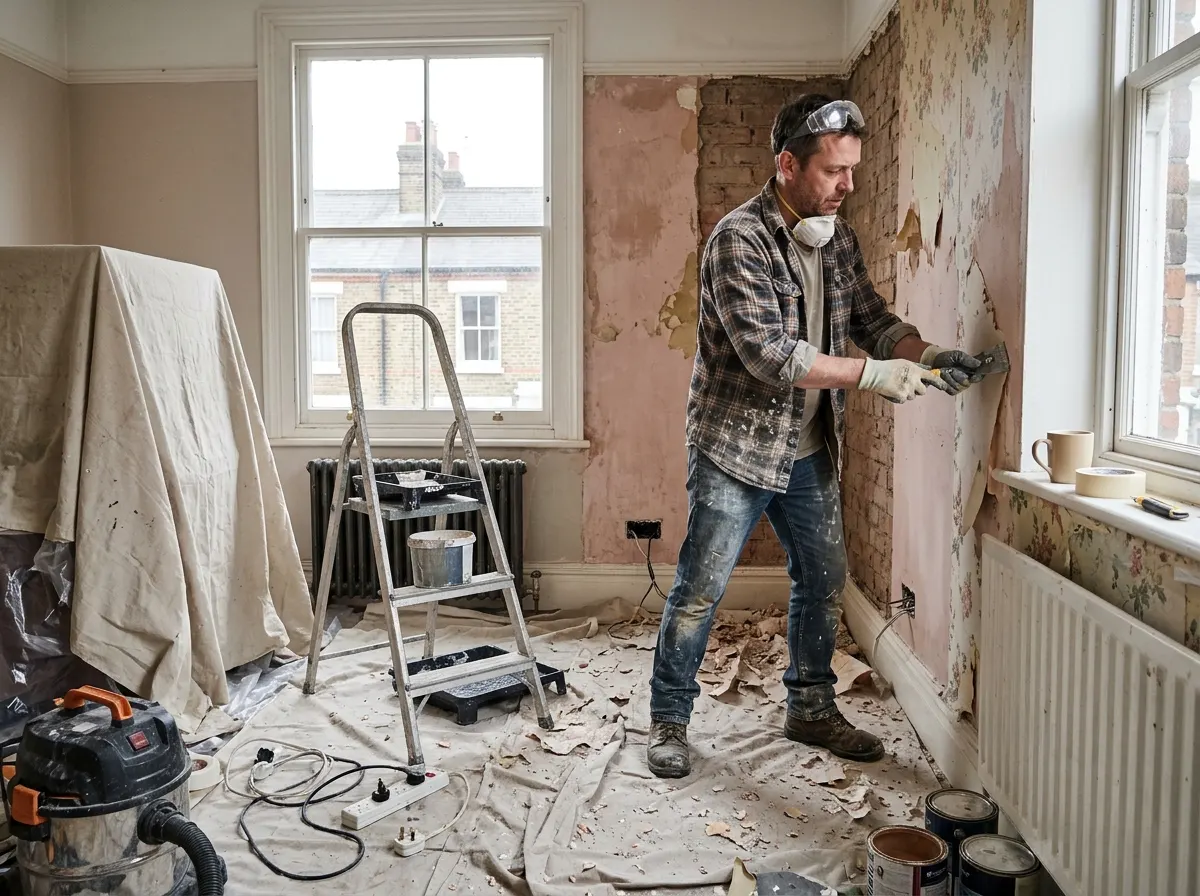
The project begins with a messy demolition phase. Old kitchens, bathrooms, floors, and plaster are ripped out. If you are changing the layout, load-bearing walls are knocked down and structural steel beams (RSJs) are installed and signed off by Building Control.
First Fix (Plumbing & Electrics)
With the skeleton of the house exposed, new stud walls are built. Plumbers install the hidden pipework for new radiators and bathrooms, while electricians run miles of new wiring for sockets, switches, and lighting. New windows and external doors are usually fitted now.
Plastering & Drying
The walls and ceilings are plasterboarded (tacked) and skimmed to a smooth finish. The site goes relatively quiet during this phase, as the wet plaster must be given ample time to completely dry and turn light pink before any heavy carpentry or painting can begin.
Second Fix & Decorating
The transformation happens rapidly. Kitchens and bathrooms are installed. Electricians and plumbers return to connect sinks, toilets, radiators, and light fittings. Skirting boards and doors are hung, flooring is laid, and decorators apply the final coats of paint.
Timeline by Project Scope
What could cause delays?
Ripping up floors and knocking down walls often reveals issues like severe damp, dry rot, unstable foundations, or asbestos. These require specialist interventions before the main build can resume.
If structural work is involved, local authority building inspectors must sign off on foundations, steels, and insulation at specific stages. Waiting for an inspector's visit can temporarily halt progress.
A renovation is a jigsaw puzzle of trades and materials. If your bespoke kitchen cabinets, custom-sized windows, or imported tiles are delayed in transit, the second fix stage will bottleneck entirely.
DIY Home Renovation & Refurbishment
A full house renovation can easily cost tens of thousands of pounds. While you must legally leave gas work, electrical rewiring, and structural wall removal to certified professionals, taking on the "strip out" and "finishing" phases yourself can slash your total project bill drastically.
The "strip out" (demolition) is the easiest phase to DIY. Ripping up old carpets, knocking off loose plaster, and dismantling old kitchens requires zero skill, saving a builder's £200+ day rate. At the other end of the project, doing your own painting, decorating, and laying click-laminate flooring eliminates thousands of pounds in finishing labour.
| Renovation Phase | Professional Labour Cost | DIY Cost | Potential Saving |
|---|---|---|---|
| House Strip Out & Demolition | Professional Labour Cost £1,500 – £2,500 | DIY Cost £300 – £400 (Skip hire) | Potential Saving Up to £2,100 |
| Painting & Decorating (3-Bed House) | Professional Labour Cost £2,500 – £4,000 | DIY Cost £300 – £600 (Paint/Supplies) | Potential Saving Up to £3,400 |
| Laying Laminate Flooring (Per Room) | Professional Labour Cost £200 – £350 (Labour only) | DIY Cost £0 (Just your time) | Potential Saving Up to £350 per room |
| Basic Wall Tiling (Kitchen Splashback) | Professional Labour Cost £250 – £400 (Labour only) | DIY Cost £30 – £50 (Adhesive/Grout) | Potential Saving Up to £350 |
Frequently Asked Questions
The most important things you need to know before starting a major build.
How much does it cost to completely renovate a 3-bedroom house?
For a standard 3-bedroom semi-detached house (approx. 90m²), a full medium-level renovation including a new kitchen, bathroom, full rewire, new heating system, and plastering will typically cost between £65,000 and £100,000 in 2026.
Do I have to pay VAT on a house renovation?
Usually, yes, standard rate VAT (20%) applies to building work and materials. However, if the property has been empty for two or more years, you may qualify for a reduced VAT rate of 5%. Certain energy-saving installations (like heat pumps and insulation) may qualify for 0% VAT.
Do I need an architect for an internal renovation?
If you are purely doing cosmetic work, replacing a kitchen, or rewiring, no. If you are moving load-bearing walls, changing the layout significantly, or adding an extension, an architect or structural engineer is highly recommended to draft plans for Building Control and builder quotations.
How long does a full house renovation take?
A full house internal renovation typically takes 3 to 6 months to complete. If you are adding extensions, knocking through structural walls, waiting on planning permissions, or fighting supply chain delays for materials, the project can easily stretch from 6 to 12 months.
Can I live in the house during a renovation?
It is possible during light cosmetic work. However, if you are undergoing a full rewire, having the heating ripped out, or knocking down walls, the house will have no power, no hot water, and be filled with toxic dust. Most people rent locally or live in a static caravan on the driveway for 3-4 months.
What order should trades come in?
A strict "Schedule of Works" is vital. Demolition/strip out first, followed by structural work. Then "First Fix" (running cables and pipes inside walls). Next is plastering and letting it dry. Then "Second Fix" (connecting sockets, radiators, sanitaryware). Finally, decorating and flooring.
Disclaimer: The figures in this guide are carefully calculated averages derived from UK construction industry cost data for 2026. Material prices and labour rates will fluctuate heavily based on the finish specification, structural surprises, and exact project scope.
Related Renovation Cost Guides
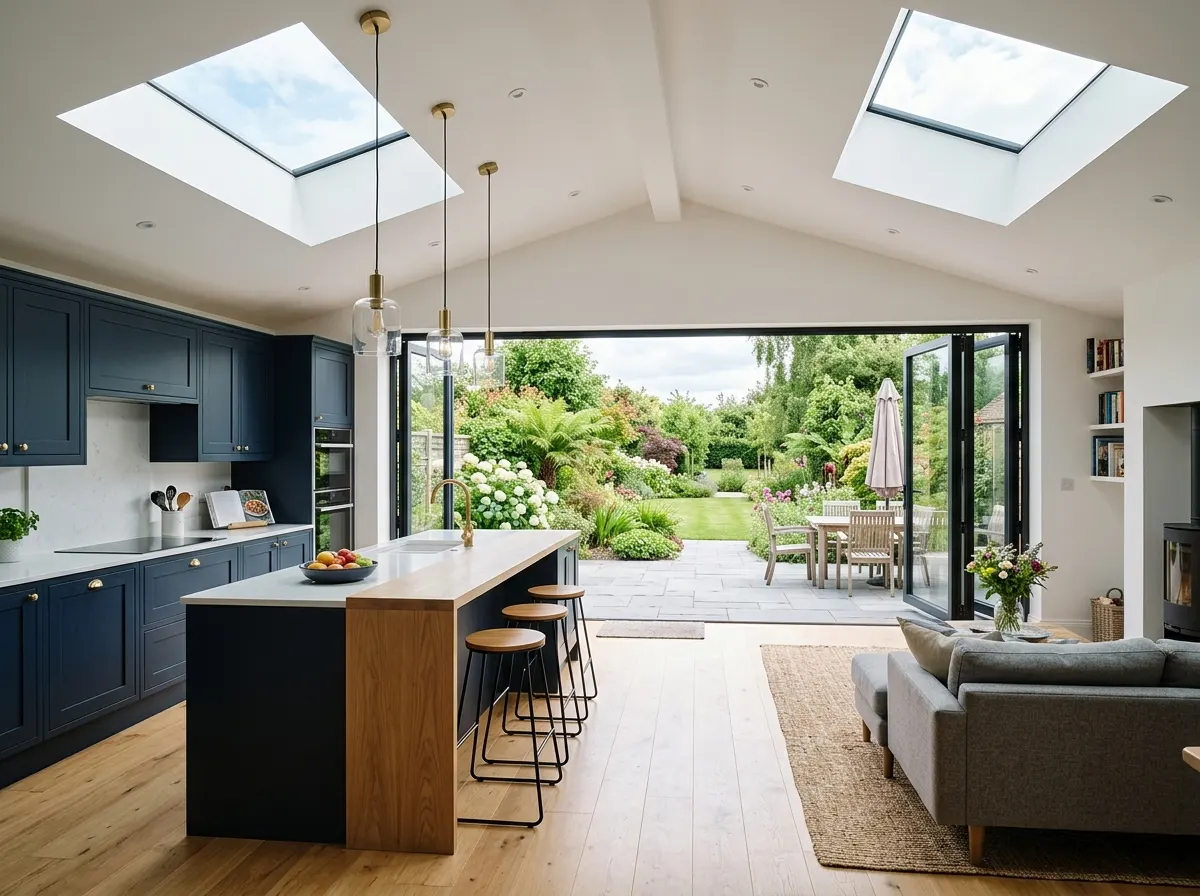
House Extensions
Cost per m² for single and double storey brick extensions.
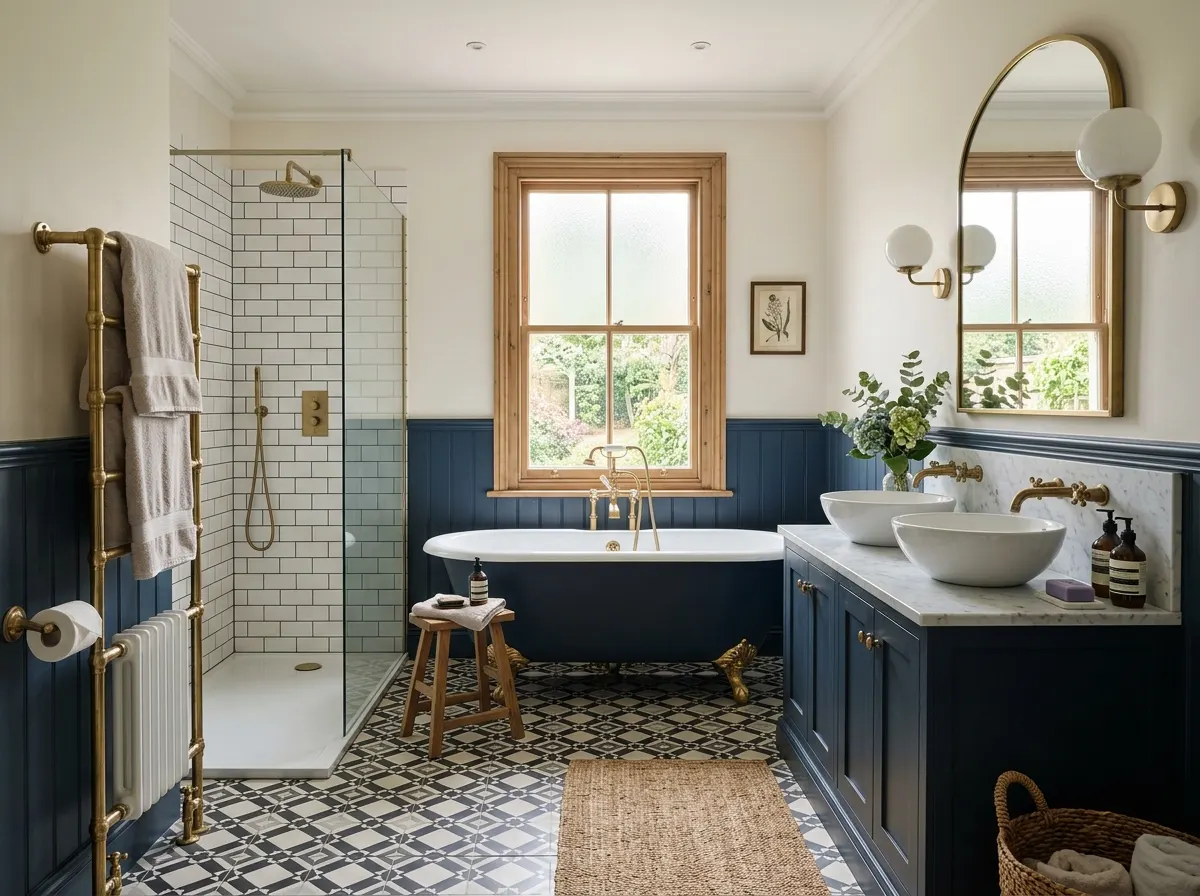
New Bathroom Cost
Complete suite replacements and wet room renovations.
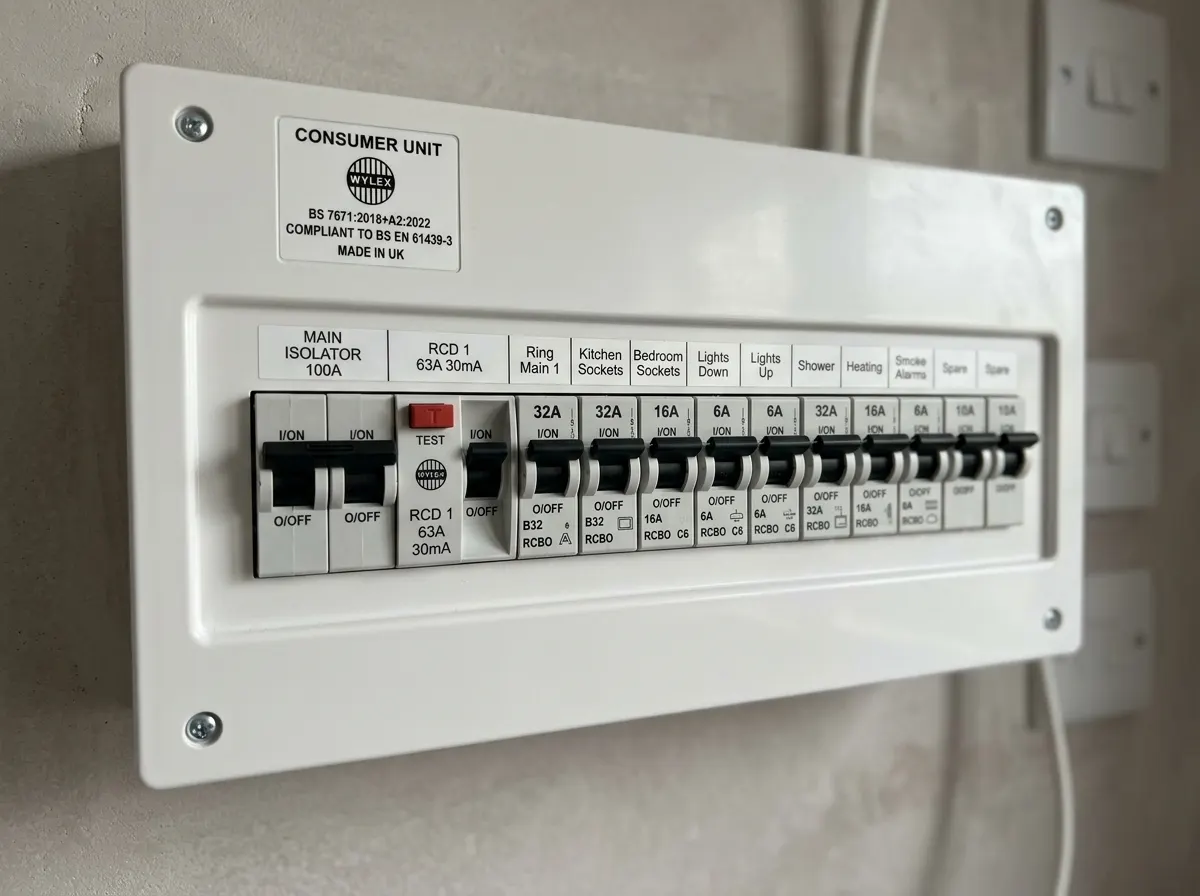
House Rewiring Costs
Cost to completely rewire 2, 3, and 4 bed properties.
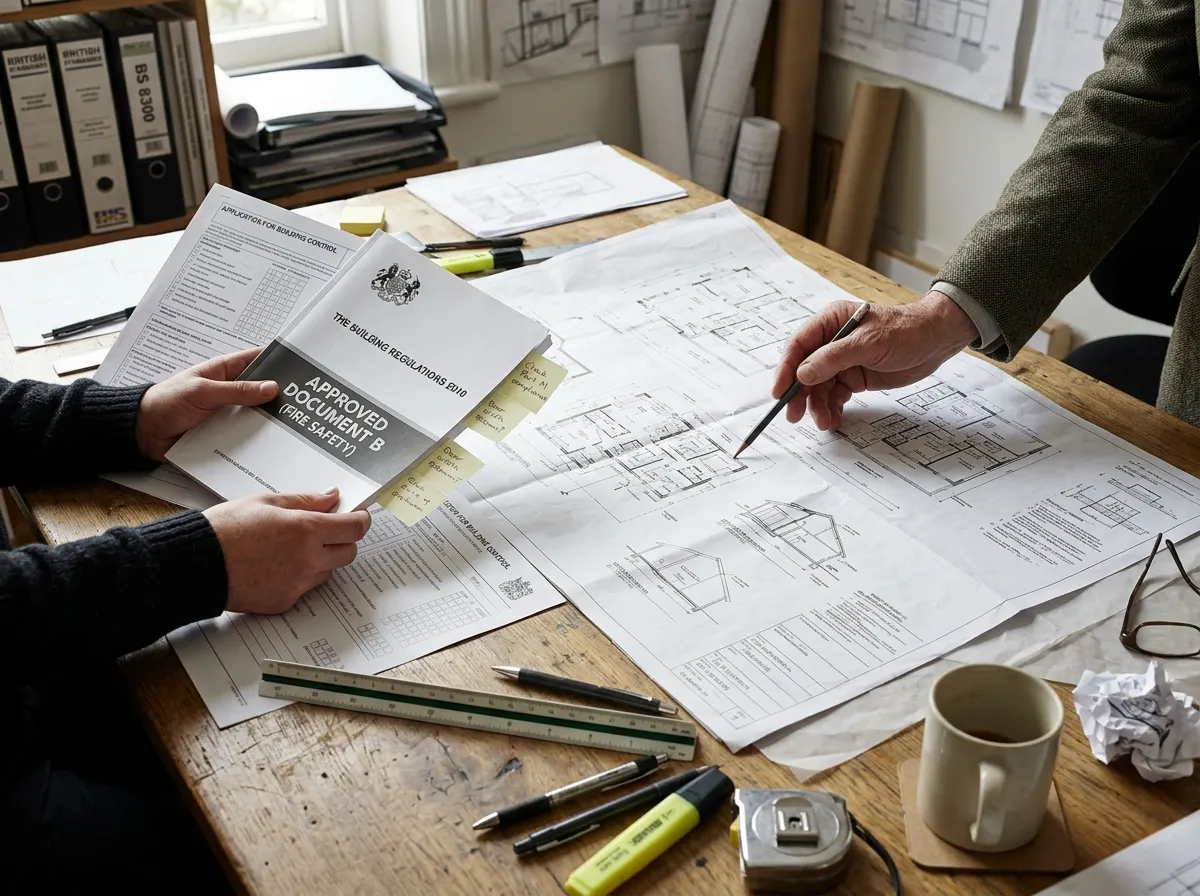
Building Regulations
Fees and processes for securing building control approval.
Ready to start your renovation?
Use our AI to get a precise estimate based on your home's size and project scope, then connect with Pricing Penguin Accredited main contractors near you.
Did you find this page helpful?
Let us know if this guide helped you plan your renovation project.